
Also known as “The Tag-Along”
Ready to accompany me on another trip through the Asian film industry, dear viewer? Grab your bags, get your supplies, carry an extra flare and meet me at 13:00. The next stop on this tour is the 2015 film “The Tag-Along.”
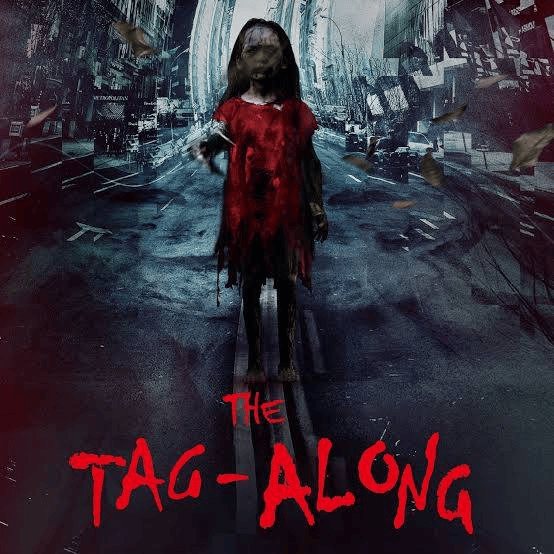
Known also as Hong Yi Xiao Nü Hai or 红衣小女孩 or The Little Girl in Red
Directed by then-newcomer Cheng Wei-hao and released on November 27, 2015, The Tag-Along follows a rich though financially-jeopardized young man named Ho Chih-wei. He grew up with his grandmother, Ho Wen Shu-fang, and still lives with her. Financial investments went about as well as expected, where they can accumulate debt, but still live well enough. This motivates Chih-wei to work extremely hard and even provide for his girlfriend Shen Yi-chun who initially makes it clear that she’s in no hurry to get to the marriage phase of the relationship despite them having been together for five years.
Of course, they don’t need to, but five years? Plateau? Come on now~ (*  ̄︿ ̄)! Be that as it may, the first sign of trouble arises when Granny Shu-fang mysteriously vanishes, although rather than her be the first disappearance, she’s either second or next. One other elderly woman also disappeared in the mountains near Kaohsiung, but the film didn’t specify if she was first or one in a line of odd disappearances. Chih-wei attempts to find her and discovers that in so doing, he became the Little Girl in Red’s next victim.
Now how does this work exactly? Well, let’s follow the origin. In March 1998, a family went on a hiking trip in Taichung City and recorded the memories on a camera. Weeks following the event, a family member passed away. One of them went through the footage and could see an image of a pale-looking child in red trailing the family, though none of them recalls seeing or interacting with such a figure. After some time, the still image was made public on national television by way of an urban legends and ghost program where local Taiwanese drew comparisons to it and the Mô-sîn-á or 魔神仔 (depending on dialect or language (〜 ̄▽ ̄)〜), the evil demons who are said to lead travelers astray, often to their doom. Some skeptics claim the footage is doctored or overexaggerated and offered more logical conclusions and deductions to the phenomenon. That said, technology has not stopped urban legends from springing forward.

It helped enhance them, especially if you’re a fan of Korean webtoons TTwTT
True or not, the first use of that still on national television helped solidify the idea in pop culture and even bring it beyond the island of Formosa. If you recall my post about Haibane Renmei and Mysterious Disappearances, the latter half of that post on Kaii to Otome to Kamikakushi focused largely on folk tales, myths, urban legends and the broader occult as shaped by East Asian myth in general and Japan in specific since that’s where it’s set.
The protagonist of that animanga, Sumireko Ogawa–

Right here–references the urban legend directly in chapters 18 to 24 and episode 6. There, it’s suggested that the Japanese version of the urban legend follows a torrential downpour. Wet footsteps, a rattling doorknob, and banging on a door as though a lost traveler is attempting to seek shelter from a storm.
Sounds opposite to getting travelers lost on the Dakeng Trail, right? Well, that’s intentional. Nujima adapted it to fit Japanese curiosity tales as something that could be avoided when danger is afoot (or a leg). From what I was watching, there’s an air of curiosity blended with happenstance. The difference between being able to control what happens during a planned event that has its own set of dangers, and heading into danger for a goal. And in the movie and the animanga, there is a goal; Chih-wei and later Yi-chun are looking for their lost loved ones and overcoming a supernatural danger; the Adashino siblings and Sumireko are trying to trade supernatural objects for train tickets back to another realm.
The main theme of the film plays up classic anxieties. I mentioned control above like I was merely throwing old tropes about and I kinda was albeit fixed to local mythology. The anxieties amplified in this Taiwanese horror setpiece does fixate on lack of control and illusion of choice, especially considering individual desires. Some can also make the claim that societal expectations once again have run afoul of those who wish to be happy and depending on the type of person you are, dear reader, you might be inclined to debate that point further or politely disagree. I like to be the “live and let live” type of person. I’m definitely not the Life Police or the Gestapo or the Tonton Macoute. Just don’t add to the suffering please. Social media consistently fails this easy step.
Without spoiling specific details so that my crystal ball can feel important again, it does have a happy ending and to see that happy ending, viewers in the Americas can see it on Tubi or AsianCrush, and viewers elsewhere can check their local sites for availability by region. Track down a physical copy if possible.
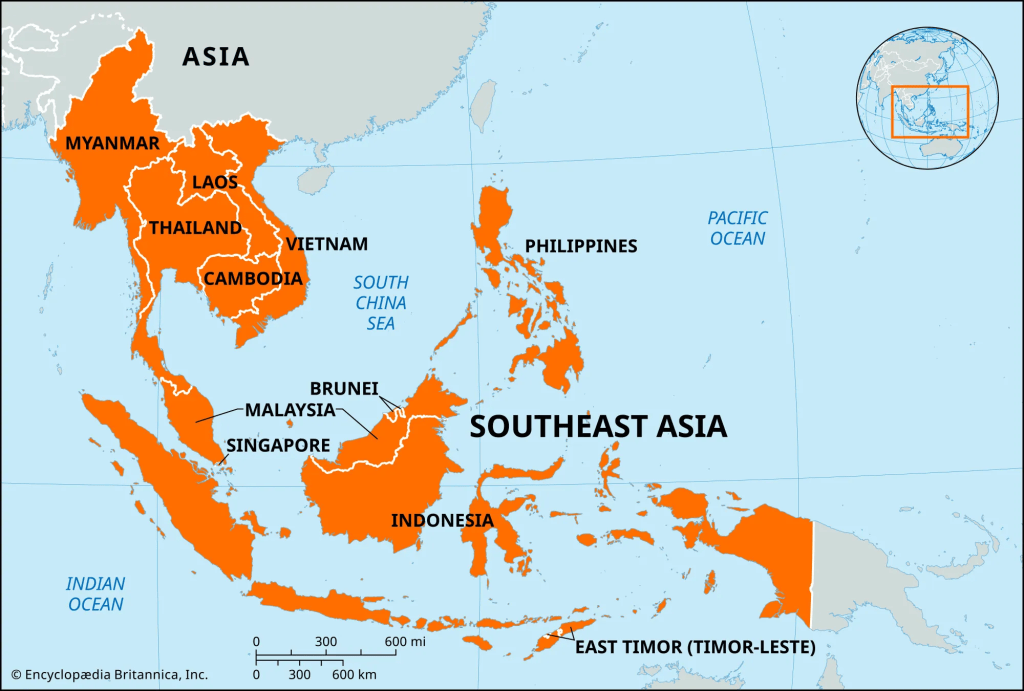
By the way, the sneak peek for the next post is an exploration of my journey through East and Southeast Asian film and television. May seem rather obvious now, but I have an origin point of sorts and it may sound familiar to those who have read Kevin Kwan’s novels.
Magkikita na tayo!
(I hope that translated well… (/▽\))

