
Revered by many at first glance
The original purpose of this blog was largely to give my most magmatic takes on animanga, TV, video games, and any other media, only to evolve into a comprehensive look at things I like, find interesting, or just plain don’t like. Case in point:
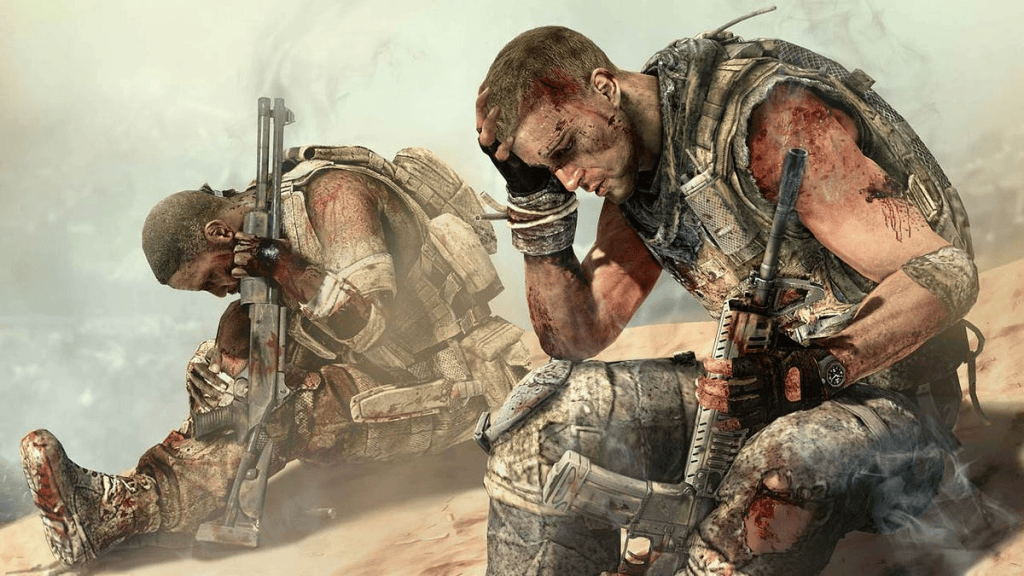
God of War III did better to make me feel guilty about f[growl]king up the world. I hate this game!
But enough beating the liquified offal of an old smelly uma/horsegirl, it’s time to beat the liquified offal of an old smelly uma/horsegirl. Namely the Call of Duty games released between 2007 and 2012. Revered by many as the golden age of the franchise, I can’t lie when I say that these were the games that I’ve been eyeing from the background. Growing up with antiquated technology meant being away from these games for a number of years. Thankfully, all of them have PC versions so rather than break the bank and track down the physical copies (something gamers may need to do once Sony breaks in and steals all your discs, including an original copy of PaRappa the Rapper), and I already got through the lot anyway and we’ll go through them one by one in release order.
Call of Duty 4: Modern Warfare (2007):
First gold was struck.
This game is old enough to vote, by the way. It has a straightforward plot that takes the piss out of a handful enemies that have historically shaken their fist at both Britain and America, either independently or jointly and it smells of action-movie penmanship a smidge by once again giving the Marines something to be proud of.
Thankfully, the Rangers (leading the way) and Delta Force get their stars in the subsequent games (^v^)7
Premise isn’t too ludicrous. A revanchist Ultranationalist from possibly Chechnya (oh, the Kadyrovs) ignites a civil war against capitalist Russia in an attempt to bring the nostalgia and good feelings back to the country. Knowing what I know of Yeltsin’s Russia, a return to the relative stability of the Soviet era sounds good until you start to ask which one. None of these guys were around when Lenin, Stalin, Malenkov, or Khrushchev were in power leaving only Brezhnev. Andropov and Chernenko lack the staying power on account of them both dying in office in rapid succession and by most accounts, Gorbachev’s legacy in Russia is the calm before the storm. After Boxing Day 1991, an absurd visual is that of a Marxist engaged in a fight with a neo-Nazi monarchist while a bratva member and an oligarch who owns a TV station in Tver take bets.
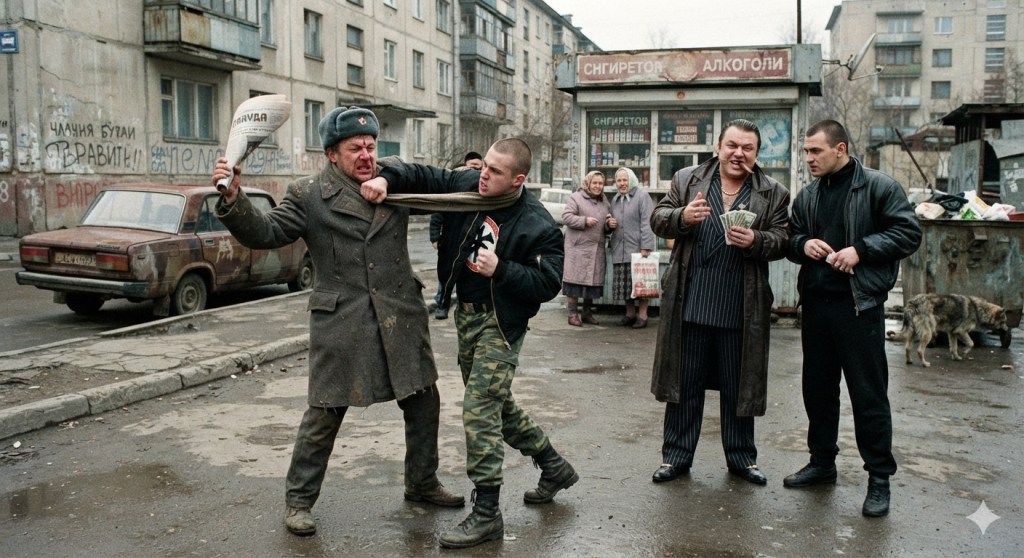
I chose absurdity when I asked Google-senpai for this ╰( ̄ω ̄o)
I highly doubt nostalgic residents of the former Soviet Union are picky-choosy over this. The perception of stability is what’s missing and here in the west, the best example we have is the 1990s, never mind who was President or PM or even Chancellor. Would I really wanna go back specifically to dial-up and buy a Walkman so I can listen to Rolling Stones or Alice in Chains or King Crimson while waiting in line for a Mario game on the SNES? Depends: what day is it?
For a briefer on how the first Modern Warfare goes: play as Soap who recently passed selection into the 22nd SAS, join Captain Price and the unit to intercept an Estonian freighter in the Bering Sea. I don’t doubt a vessel would be on the other side of Eurasia, but being that far from the Baltics raises a couple of questions, most of which I think get answered in the flashback mission to Kravchuk’s Ukraine.
Pivot perspective to Yasir Al-Fulani, ousted president of, let’s call it Syraq and pretend the Sykes-Picot agreement never happened. His country was taken over by way of a fundamentalist Islamic coup spearheaded by Khaled Al-Asad and his one-armed Russian financier, the same one who wants Russia to dewesternize.
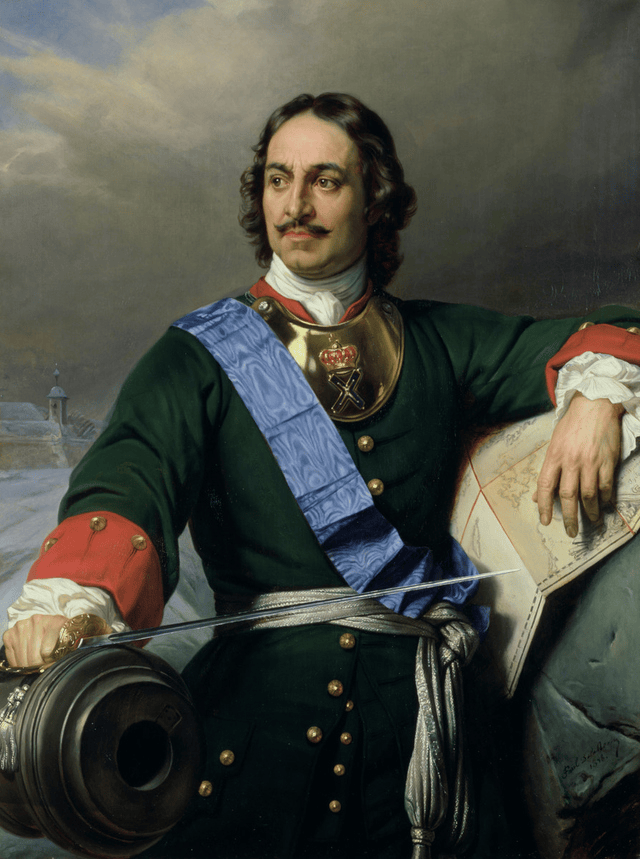
Pyotr Velikiy would cry at that.
Fortunately, this being a civil war means there’s a camp that believes in the legitimacy of the Russian government on priorly established conditions. The Loyalists, of which key figures consist of Sergeant Kamarov and informant Nikolai. SAS operatives Price, Gaz, and Soap head in to bolster the Loyalist efforts and fight the Ultranationalists who have as wide a reach as Russia in real life especially if someone critiques the war effort in Ukraine.
They save Nikolai from certain peril and he asks whether the Americans have prepared their move on Al-Asad. They haven’t and Nikolai warns that this is going to turn into the greatest mistake the Americans have ever made. Hours later, the Marines ride in under the faulty conclusion that Al-Asad is still in country. He’s not but their equipment still is, which includes a main battle tank pinned down by Al-Asad’s forces and about to be overrun. Well, military intelligence isn’t always wrong, eh?
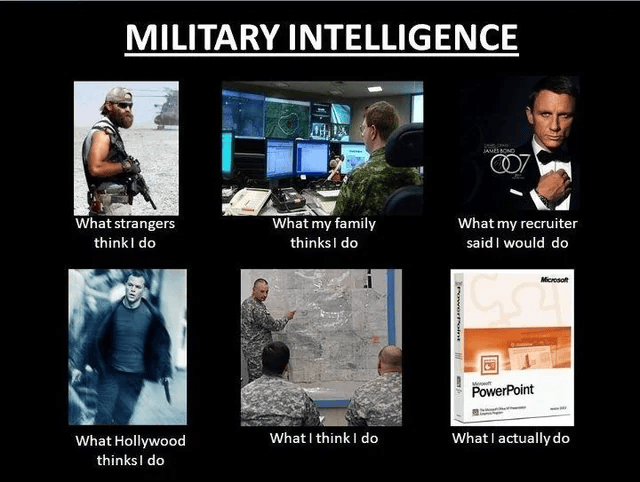
I think this meme format was old enough to vote for James A. Garfield.
Back to SAS and Nikolai, they’re almost en route to Germany when a missile downs their bird. They make it out, but have to hoof it to transport and dodge the Ultranationalists in the way. With assistance from their pet AC-130, they head to Hamburg and nurse Nikolai back to full health to be the best informant the Loyalists and SAS will ever have.
Going back to the jarheads, the tank is up and running and steamrolls through the rest of Al-Asad’s forces. Once that’s clear, intelligence points to a possible nuclear device in the area along with some more Marines trapped behind enemy lines.
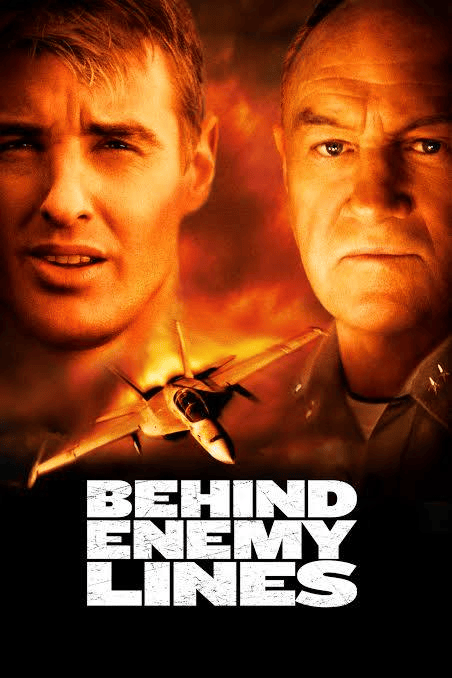
Not exactly like this but they’re under the same department, no matter what real Marines will tell ya >_>
They save the Marines and have to quickly save a helicopter pilot, but in so doing are caught in the blast of a nuke that makes fallout of the city they were getting away from. Blame it on the technical limitations, but the eerie thing the Remastered version does is add more fellow Marines witnessing the fallout alongside you before imminent death.
Obviously, a nuke exploding over a populated area is big news. And Nikolai follows up with better intelligence that what the Marines were working with before. Al-Asad is said to have a safe house in Azerbaijan and guess who the SAS finds over there, and guess who Price fingers as the main mastermind:
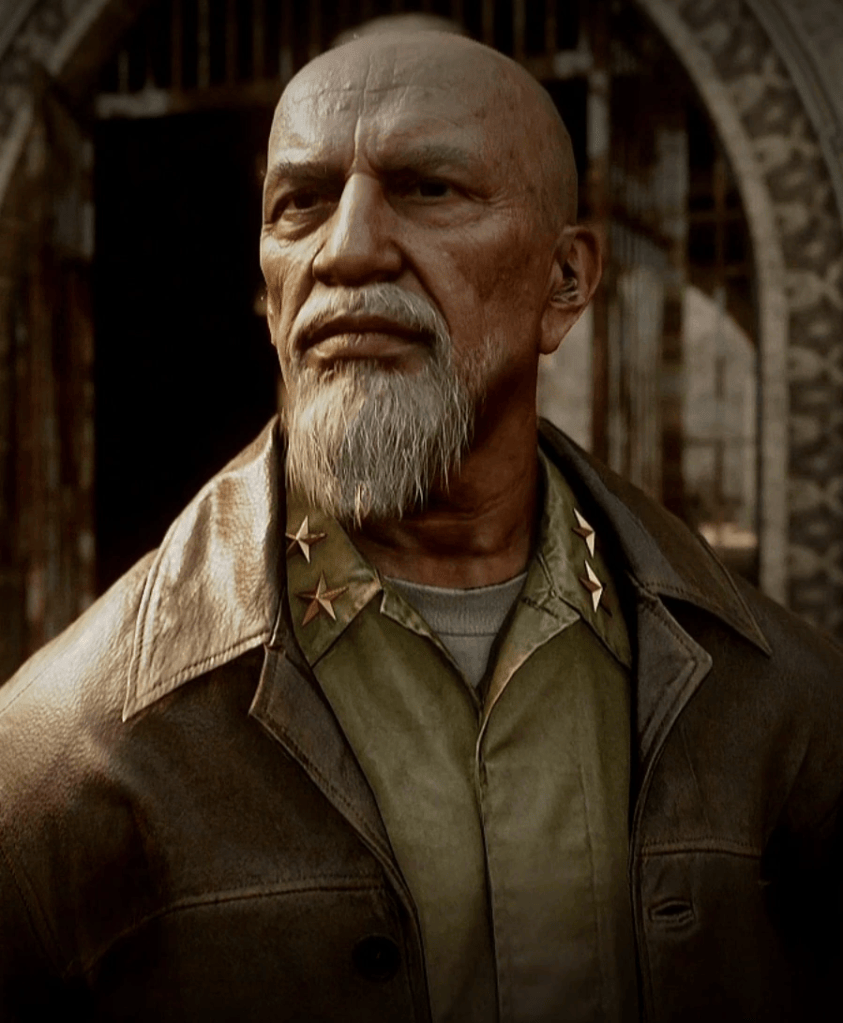
The nod to him in 1981 in Black Ops Cold War feels like bait, but graying within 15 years and then resurfacing from the Kremlin to a hole in the Southern District of Russia by 2011 makes Imran Zakhaev’s life as dynamic as they come. So he goes from sitting in the Lubyanka building with Gorbachev in 1981 to perverting one of the worst days in Ukrainian history in 1996 to selling nukes to insurgents in 2011.
Price, a lieutenant in 1996 (going by the timeline and date of rank, he should be a major or lieutenant colonel after 15 years, but what do I know?), accompanied Captain MacMillan to assassinate Zakhaev on Her Majesty’s orders. They wrongly assumed that was enough to destroy him, but he came back more powerful than when he began.
After the reminiscing tour and clearing Al-Asad’s old safe house, the SAS and surviving Marine SSgt. Griggs know that Zakhaev is at large, but can’t touch him. The missing arm certainly makes that hard. So instead they try to go through his son, Viktor, but Viktor Zakhaev–who was present for Al-Fulani’s execution on live TV–spills his own blood. Imran’s ultimatum is for all British and American forces to vacate Russia now or else. In the latest joint mission with SAS and the Marines, Price and co. learn what “or else” amounts to on their way to secure a nuclear launch site. A second set of warheads on a course for the eastern seaboard with a projected death toll above 41 million innocents unless they race to disarm them midflight. On the way to extraction, Zakhaev and his ilk hunt the lot down but Price slides his pistol to Soap while Zakhaev’s distracted, giving the player the only chance they’ll get to blow Zakhaev’s brains out. Yay!
And then there’s an unrelated SAS mission onboard a plane… >_>
I can forgive the original and the remastered versions for not being as accurate about what we know now about how Russia would perform in the modern day. The Chechen Wars are barely mentioned in the west and I might be the first person here to bring up Russian intervention in the Tajik Civil war from 1992 to ’97.

Brief history lesson: Tajikistan and much of the Central Asian Soviet Republics disappear in the background of the dissolution but with the Gorbachev reforms came an unraveling of sorts. Not that Gorbachev is singularly responsible, but it was one of several factors that turned Central Asia into what it eventually became by 2001.
With Yeltsin’s Russia proving to be such a grand time to be alive, independent parties belonging to either the communist or Islamist factions, and there’d be a lot of that on both sides, the power vacuum was going to be filled one way or another. Five grueling years in the mountains with the new Russian and Uzbek states wanting a neighbor that can make sense while Afghanistan had descended into Roman style civil wars since 1992 with neither the mythology nor the whimsy of the Third Century Crisis. By the end, the sides came to an armistice in 1997 that seems to have established a coalition government, though Tajikistan has the same issue that several of its neighbors have in that freedom of the press, religion, and speech aren’t native to the land.
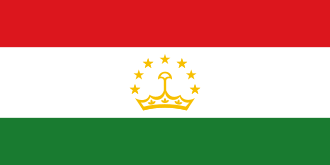
On paper, seeing Dushanbe up close is not very hard. In practice, you’d better have the legs for hiking since the terrain is mountainous. Also watch out for terrorist spillover. Unless you’re ethnically Tajik and/or have family there, you gotta be careful and more so than if you were worried about visiting Thailand or Jamaica.
My verdict on CoD4 is that it serves as a plausible war story with evidence that was outdated to historians after 1997 and outdated to everyone else after February 2022.
The next game in the lineup though is about a conflict that’s simultaneously the most documented in history and the most mythologized.
Call of Duty: World at War (2008)
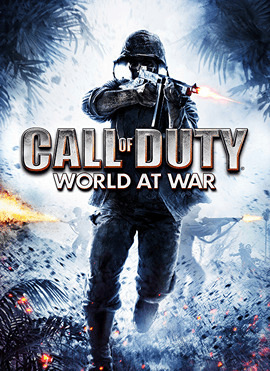
I don’t really need to recap the whole story of this one. It serves as both a series of locales and an embellishment of much of history based on the same tired old tropes made famous by movies released during WWII and after 1945. German Army vs Soviet Red Army; Imperial Japanese Army vs United States Marine Corps. And I’m not gonna pretend I don’t also like that story. Comrade Ivan Vasilyevich Usmanov duking it out with Oskar Heiter in Leningrad while Yoshihiko Ayase tries to sike out Fred Mayhew.
The thing I’ve grown to question the most about WWII depictions, this one included, is about what’s usually left out. The questions aren’t comfortable, but neither was the war on all sides. No one fights with a broken weapon and no one fights cleanly. Interspersed with the genocide of Untermenschen and enslavement of non-Japanese came the segregation and non-whites in Britain and America and the relocation and displacement of non-Slavs in the Soviet Union. America was trying its hardest not to get roped back into a European conflict, it had two oceans on both coasts shielding it from the worst for long enough until foreign policy angered Tokyo enough that the fleet at Pearl Harbor was damaged or underwater, and with America distracted from the “surprise,” more of East and Southeast Asia was about to trade European colonialism with Japanese imperialism and the “trade” was as equally lopsided there as it was in Europe.
Similarly, in Europe, the Allies and authors of the Treaty of Versailles weren’t asking Germany to fork over the money for reparations–they were telling them to do so in cash or in resources. Britain and France already had their colonies in Africa and Japan got the Asian possessions, so what more were they asking for? Well, that’s another misconception. Publicly, it was a shameful thing for a proud majority Prussian people to accept the brunt of something some can argue is really Austria’s fault; practically, it was a cascade of unfortunate events that culminated in sky-high inflation and far-right conspiracy theories that made peacetime more chaotic than wartime.
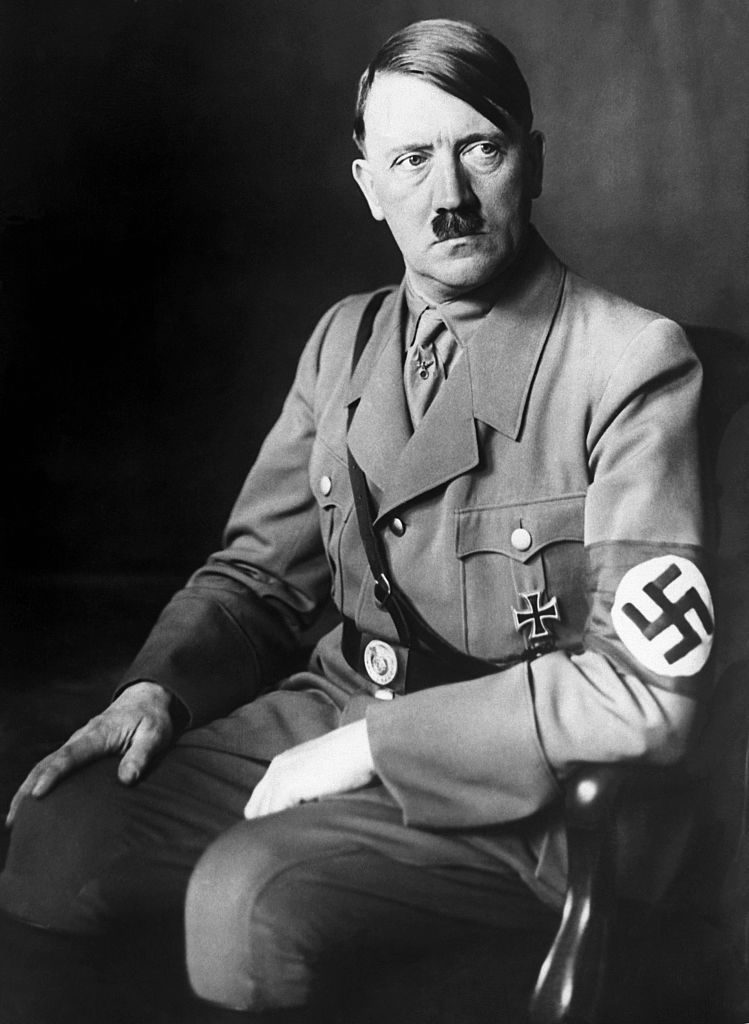
Not unique in his virulent intolerance, he helped separate the Nazi Party from the rest of the German post-war far-right by simply being himself. Hitler’s beliefs would put the world at war again only 20 years after the last one, and if most agree that the First World War was muddy both physically and literally, few can say the same about the second.
Wartime policies increasingly flew in the face of the OKW and Schutzstaffel to the point that they had to stop saying the quiet part out loud in order to fill the shortfall as the war got worse and worse in just Europe. The Heer and eventually the SS had to fill their boots, feldgrau, and stahlhelms with increasingly non-Germanic and non-Aryan peoples. And some of these units proved to be much even for the Nazis to handle alone. They were giving weapons to anyone who still had them even if they were up for extermination in a different point in time.
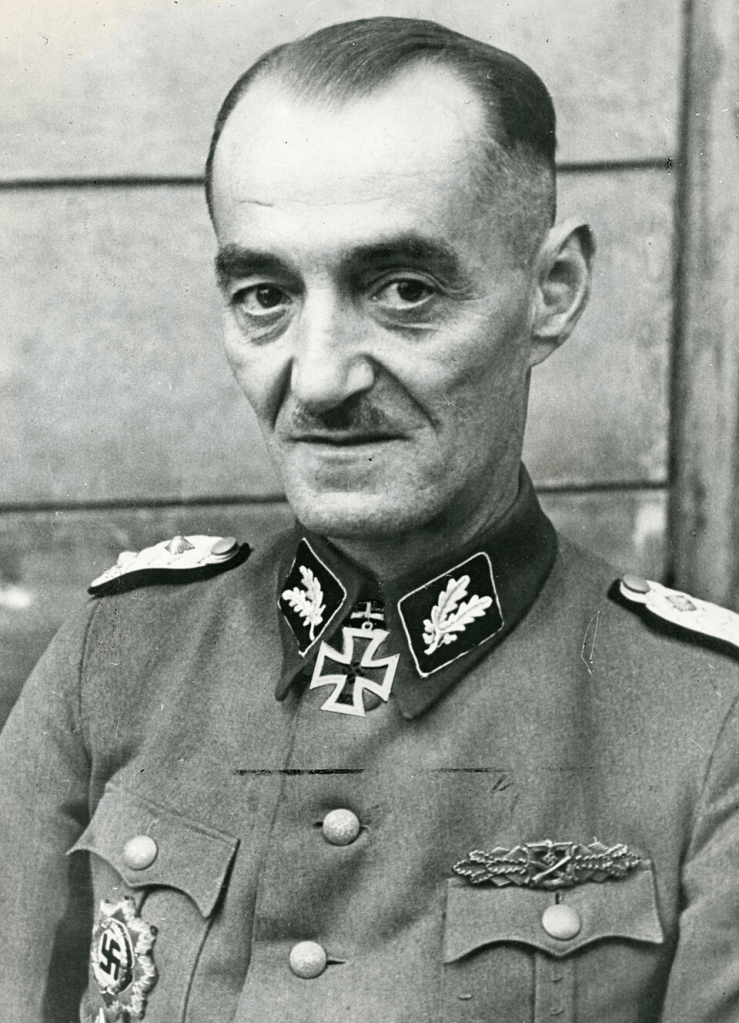
It’s believed he died at the hands of irate prisoners thirsting for vengeance, and I don’t blame them.
This wasn’t unique to the Nazis, of course, but there’s no equivalency for what occurred during the war. Same as the Nazis had been removing undesirables from their homes at gunpoint, the Soviets were doing similar to non-Slavs. If I was a Kazakh and my parents were disappeared by Stalin’s cronies, the path going forward would be clear, same if I was a Russian who had it with communism as a whole or Stalin’s brand of it in specific.
For Asia, Japan had a similar policy of propping up friendly governments in conquered territories under the guise of Pan-Asianism only for them to also be on the chopping block in a world where the Japanese won. Indians angry with Britain, Filipinos who never forgave America, Chinese who fell into a number of camps highly critical of the European powers and America, critical of Japan, or critical of everyone. Germany perverted the hatred of the Bolsheviks to rally future victims to the swastika; Japan perverted the hatred of the west to rally future victims to the Rising Sun flag.

我は官軍我が敵は...That song was written during the Satsuma Rebellion by the way
These days though the conversation has shifted sharply from clean fascists vs the free world to something akin to naked racism vs hidden racism as the Allies aren’t gonna tell you what became of black veterans in America, Indian veterans in Britain, or Central Asian veterans in the Soviet Union.
The game releasing at the time that it did elevated the voices of the wars more humble warriors while also barely giving the screen to the more radical voices. Even after the failure of the ethnostate, a rare handful of radicals would arise to argue in Adolf Hitler’s defense:
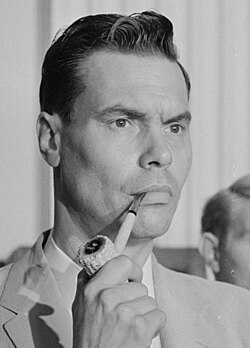
One of a handful in the former Allied countries.
World at War presents something that is paradoxically typical and baffling when you consider who else was in the war. Namely, Britain who I mentioned in the above paragraphs, and Italy who gets their recognition now. Cheating their way out of the worst of the worst by flipping in 1943, if anyone thinks for a second that Germany and Japan were treated leniently so the U.S. could tango with the Soviets, let me remind you that Italy exists.
Now it’s not entirely fair to say that Italy got away with it. The northern part of the country was overtaken and split up by the Nazis while the southern half fought them in their own civil war for the remainder of the war. But how frustrating must it be for the same major countries to feature in the same feature length productions and reproductions of the deadliest conflict in human history?
Even if we have to perpetually come back around and bang Nazi skulls like bongos, my proposal for a spin would be to show the power of the paperwork in the occupied territories. Someone decided who went where and how, so why not show how banal the banality of evil really was? Call it Tragedy of the Will and go month by month from post-Barbarossa to Victory in Europe Day to see how apocalyptic it’d get over time.
Oh wait, I’m doing that in a private manuscript that might become a book or video game in twelve years, give or take.
And the same applies to Japan and Italy too… 偽大日本帝国陸軍 (┬┬﹏┬┬)
Call of Duty: Modern Warfare 2 (2009)
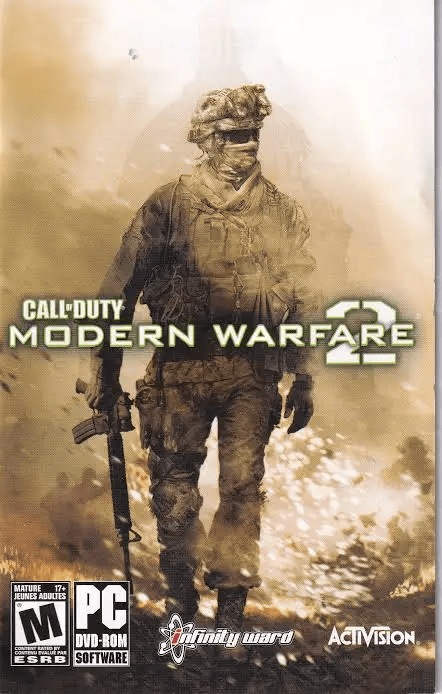
Those who played it at the time regard it as a certified hood classic and gameplay wise, I agree. Call me a noob if you’d like, but I know damn well, if I owned it at its peak, I would be more targeted than a minority in the Jim Crow south.
Looking at the campaign of this game specifically, so much falls off the rails. Still hot off the heels of how the west believed Russia would behave on account of only nine people paying attention to Tajikistan, Ingushetia, Georgia, and Chechnya, the Russian security apparatus–even if it was under the moderate wing of the Ultranationalist faction–would eventually figure out that the attack on Zakhaev International in Moscow was an inside job. After that comes the hijacking of the Russian military and the push westward through continental Europe.
Even if someone didn’t know how Russia did war pre- and post-Soviet era, much of the former Warsaw Pact is now in the NATO camp.
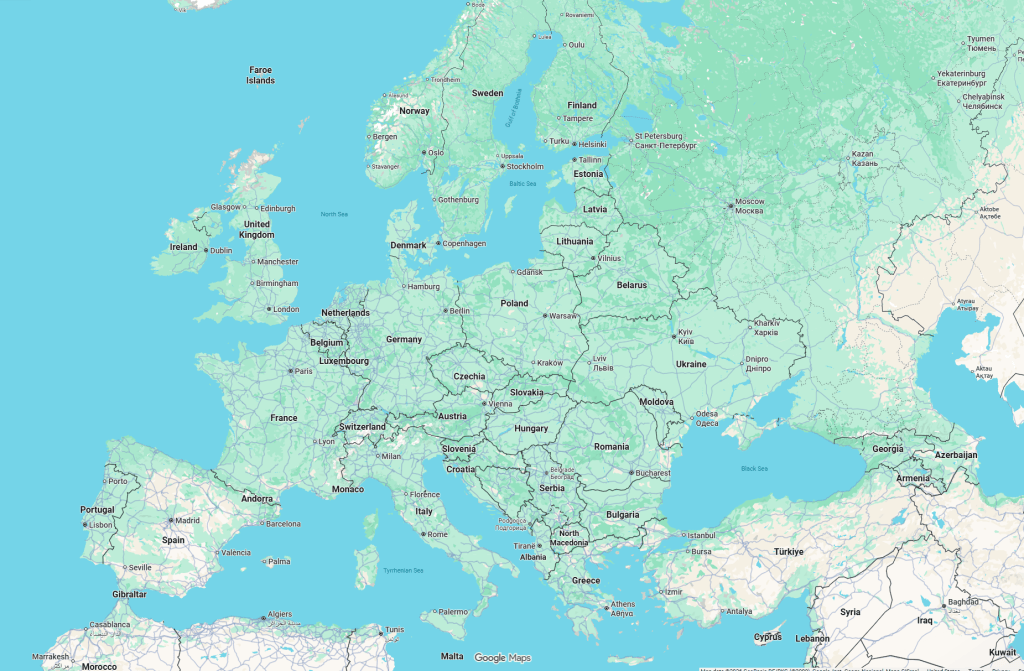
Ukraine alone has reason enough to put up a resistance even if Crimea wasn’t a part of the equation. Georgia tried, Tajikistan was entangled in itself, and Russia suffered in Chechnya the first time before going back into Grozny in 1999. The Baltics, Poland, and Romania didn’t accept Moscow’s troops in the 1930s and they’re not doing that s[lokhi]t in 2016. Or today in real-life.
What really drives me up the wall in a car with the brakes cut is Brazil.
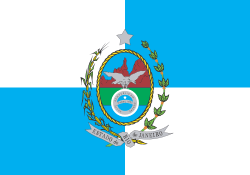
The fourth largest economy in the world, the largest nation in South America; Tropa de Elite 1 and 2 and Cidade de Deus and Max Payne 3 in 2012 all feature the law enforcement agencies where they fit. The Civil Police, the Federal Police, the f[caralho]king BOPE; tracking down crooks like Alejandro Rojas is their bread and butter and the State of Rio de Janeiro just lets Task Force 141 into the favelas unimpeded? But Tiberius, corruption–shut up! I don’t do absolutes. Some BOPE or Military Police in Brazil can be corrupt; not all of them are.
And everyone knows the Wolverines and invasion of NoVA missions are a Red Dawn reference.
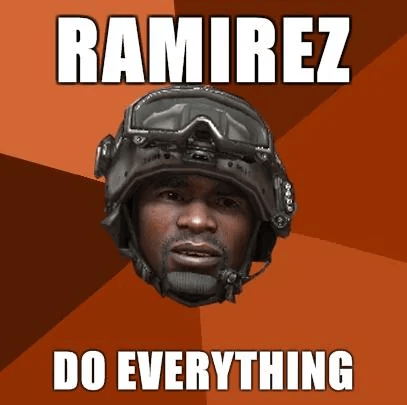
Better this one than the “remake” convincing us North Korea’s a credible threat. Just do what Battlefield 4 did and blame a rogue general or something. >_>
Shepherd jeopardizing further lives when he already lost 30,000 in the Middle East to a surprise nuke fits his “when has he ever cared about ‘danger close'” personality, but it’s not like antebellum period where a general can and has thrown his men at the enemy. But it’s not like guys like him are unrealistic. Shepherd and Shadow Company against Makarov and the Inner Circle is plausible, but it makes the dynamic look more Russian oligarchy more than Black Ops looks Manchurian Candidate.
Two guys who hate each other, but work together to achieve a desired outcome in their sphere of influence through the use of the dead that stand between them…
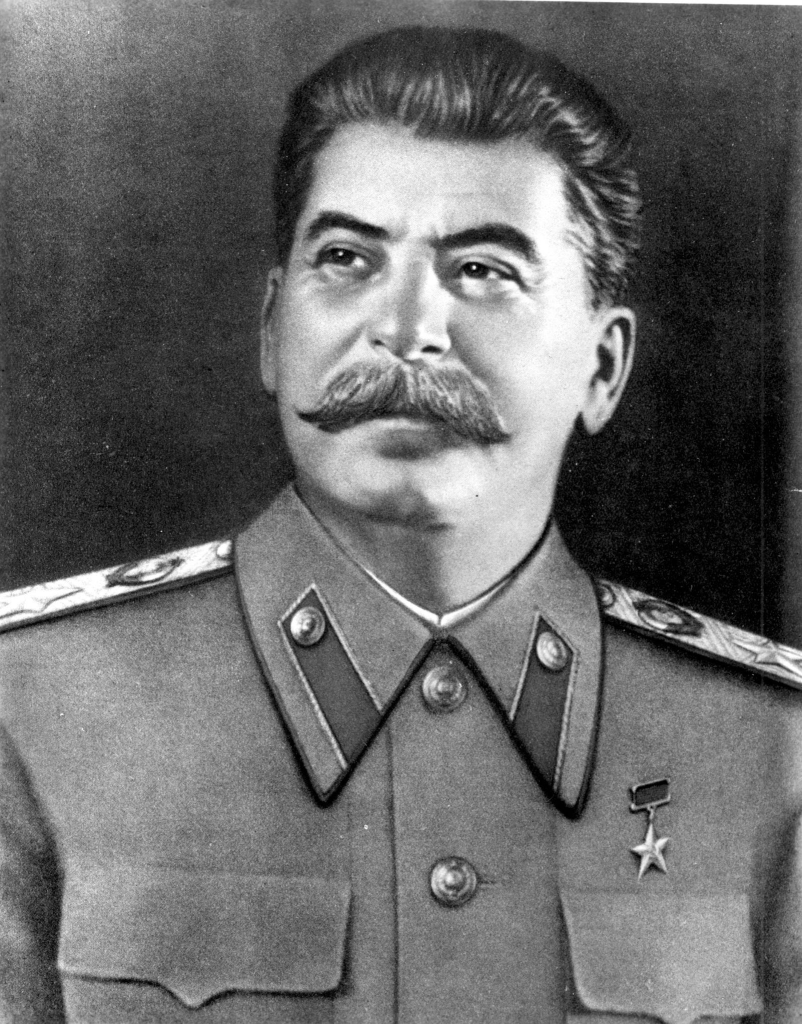
A time-honored tradition and it’s not between a Georgian and an Austrian this time.
Does Modern Warfare 2 hold up to scrutiny under these circumstances? It falls apart in the second mission. U.S. military officers aren’t at the mercy of the CIA, and I’m tired of pretending that they are; Brazil’s law enforcement is nothing to shake a stick at, even if you think the UFE in Max Payne 3 are a little exaggerated; Russia would struggle in eastern Poland before they think about touching America, and before anyone says Alaska, the former Russian possession has since been transformed into a military space. Any Russian encroachment is gonna get knocked out of the sky on arrival.
But the ACS module–is still not a magical logistics device that puts one part of NORAD to sleep and not the other. If CoD4 deserves a respectable 79% on Rotten Tomatoes had it been a movie, MW2 gets a 61% from me. There are more maligned games and more confusing games that still get a pass somehow.
Call of Duty: Black Ops (2010)
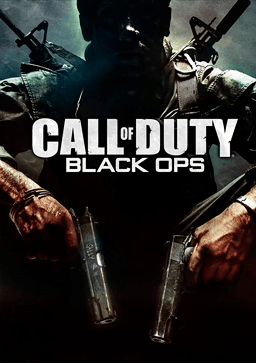
ಠ_ಠ
Want me to be honest? A game about clandestine black operations has an irresponsible number of shell casings around its ankles. Call of Duty 4 had more covert operations than the game that’s supposed to have it. Don’t believe me? let’s do the run down!
Cuba 1961: Find and kill Castro’s clone, get captured, go to Vorkuta
Vorkuta 1963: Befriend a Soviet veteran from World at War and organize an uprising
Washington D.C. 1963: Get a license to kill from JFK
Baikonur 1963: Use that license to kill Dragovich, Kravchenko, and Steiner, beginning with Dragovich
Khe Sanh 1968: Embed with US Forces and fight back against the NVA and Viet Cong
Hue 1968: Find the Soviet defector and get the f[ura]k outta hell!
Kowloon 1968: Escape with British defector to the Soviet Union, Isaac Clarke, and learn the purpose of the Nova 6 Project
Project Nova 1945: Reznov tells of his vendetta against Dragovich, Kravchenko, and Steiner and their joint project superweapon buried deep in the arctic
DMZ Vietnam 1968: Kravchenko last sighted with the NVA and VC forces, find him and kill him
Laos 1968: Ride up the Mekong and recover supplies from a downed Soviet plane, get captured by Kravchenko and Dragovich again
Yamantau 1968: Investigate laboratory in Soviet territory and learn more about Nova 6
Laos-Vietnam Border 1968: Get vengeance on Kravchenko and prepare to hunt down Steiner in the Aral Sea
Vozrozhdeniye 1968: Mason and “Reznov” hunt Steiner; Jason Hudson and Grigori Weaver fight to get to him in time
Interrogation 1968: Wingdings… just kidding, learn that Mason had been brainwashed by Dragovich and that that initial programming was highjacked by Reznov to carry out his wishes from beyond the grave.
Bay of Pigs 1968: Find and kill Dragovich aboard the numbers station Rusalka
Straightforward?
F[tuba]k no, the minor details break it apart. It’s running on Florida Man logic.
The espionage angle isn’t adhered to as strictly as one would believe, leaps and bounds are used to excuse how characters get from A to B unexplained, and the biggest bell that sounds off like it has a pair is the presence of American operators in the Soviet Union. The U-2 spy planes were shot down over Soviet air space. Historically, the American angle was to get in through the people working for the state, the intelligence apparatus was consistently stronger than the American one. And it wasn’t just in Soviet territory; any nation that was more conciliatory toward Moscow than Washington was eyed up. And disturbingly this also meant looking for commies at home, even if all they were asking for was a fairer chance than the previous generation.
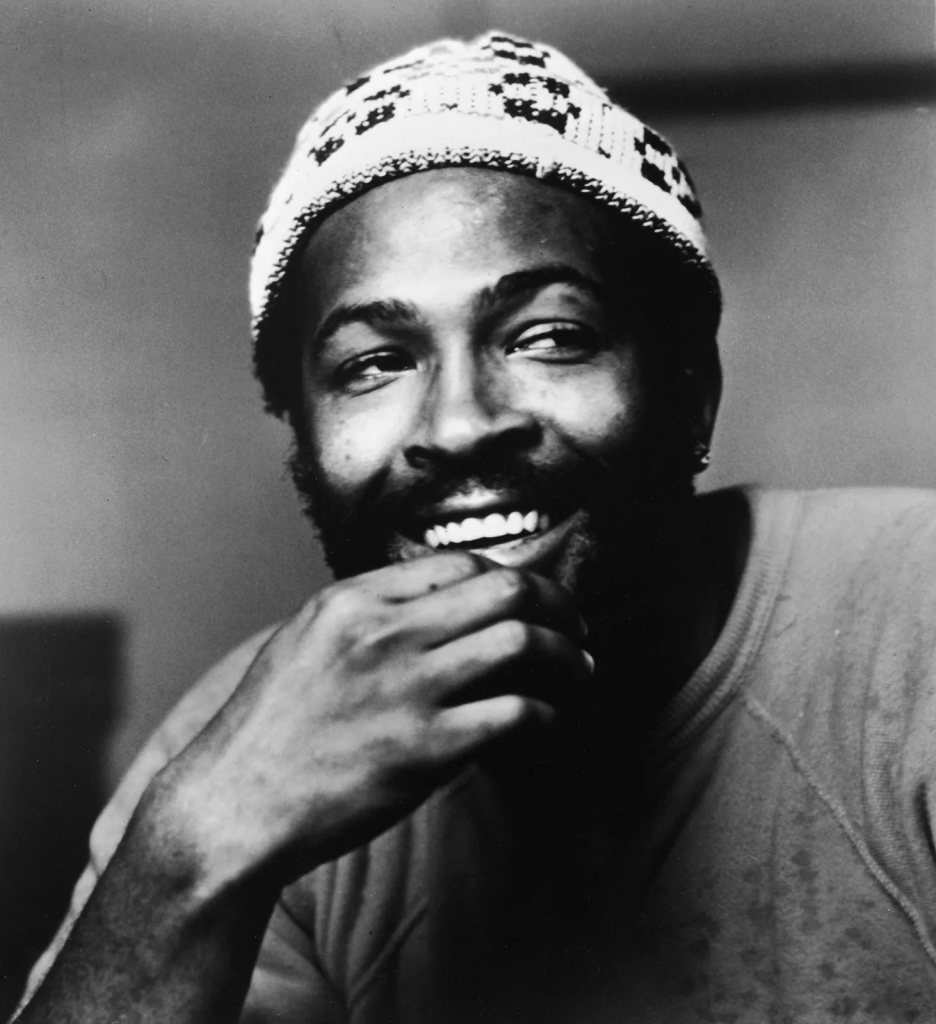
Rockets, moonshots, spend it on the have-nots
At least Cold War in 2020 fixed this somewhat. Black Ops is still a classic, but Ian Fleming it is not. 〒▽〒
Call of Duty: Modern Warfare 3 (2011)
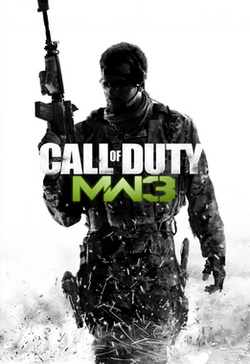
World War III finally happens and the most obscene omission is that China is saved for Black ops II rather than even given a glance in MW2. Not even in CoD4 when a civil war distracting Moscow would be a golden opportunity for Beijing. Perhaps its because China in 2007 wasn’t what it would become by 2011 or 2016, Infini-Vision-Hammer couldn’t have predicted the rise of Xi Jinping in 2013, so there may not have been a reason to focus there when Russia’s always been the big scary monster under children’s beds, but WWIII should see an Asian theatre. China, Russia, and North Korea are “friends” but geopolitics doesn’t make for permanent friends, only permanent interests and those interests overlap with Russia’s interests a lot, especially now.
You don’t even need to have a military background for s[plink]t like this–just watch the news. Watch this guy:

And learn to fall in love with the admittedly less exciting reality of lines on maps moving because someone else wills it.
The only constant in the Modern Warfare trilogy are the Ultranationalist/Inner Circle faction and the British/Task Force 141 faction. SAS revered for stopping Zakhaev, but the Loyalists lost the war and had to keep fighting Makarov when he reared his ugly head. Shepherd props up Task Force 141 and later betrays them to rope more American lives into the wider conflict, beginning with the Rangers and then with the elite Delta Force after that.
Newcomer Yuri joins the remnants of TF141 escaping from India in the last game and this is why an Asian theatre can’t be ignored. India would notice a huge chunk of Himachal Pradesh was suddenly aflush with the bodies of Russian mercenaries with Soviet and imperial tattoos. President Vorshevsky would wanna know what’s up.
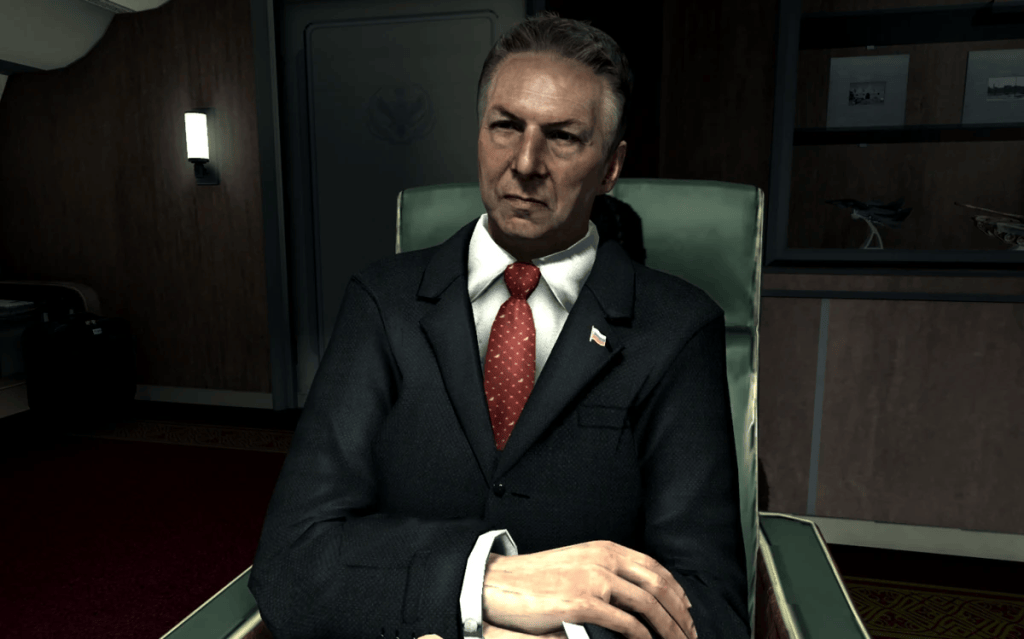
And he does after Makarov personally kidnaps him and holds him hostage to continue the bloodshed. But some stuff is left unexplained, other stuff shows how unprepared Sledgehammer was for the follow up of the Pumped Up Kicks-a-thon at Zakhaev International. Nuke the Marines in the first installment, mass shooting in the second, gas civilians in the third… (*  ̄︿ ̄) It really is hard without putting a toothbrush mustache on the man. He’s effective without it.
Does it hold up as a thriller?
CoD4 sits at 79% for me, MW2 at 61%, MW3? 75%. It still falls short geopolitically, but we’re not really here for that. But I am!
Call of Duty: Black Ops II (2012)
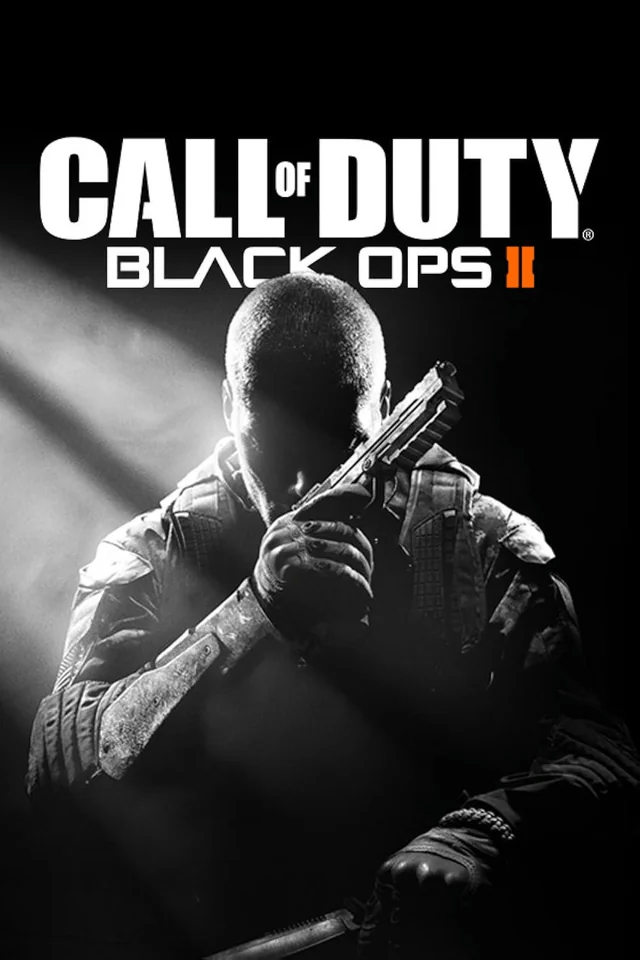
It’s good when the characters point out the silliness on my behalf, but it’d be wonderful if they addressed more than the fact that 56-year-old Alex Mason was still seeing those f[ah-ah]king numbers after the bulls[нет] with Dragovich! Come on now!!
Eh, it’s not that terrible. Alex and Woods make a grand return looking for a narco-terrorist from Nicaragua and when they wind up dead or geriatric, Alex’s son, David has to do it 35 years later. They prop him up as an even more dangerous non-state actor on par with Osama bin Laden, but operationally, Menendez is worse because he has support and his rise mirrors that of ISIS in 2014-15. Don’t even need to ask about beheaded civilians because if you angle the machete a certain way in his solo mission, the heads fly right off.
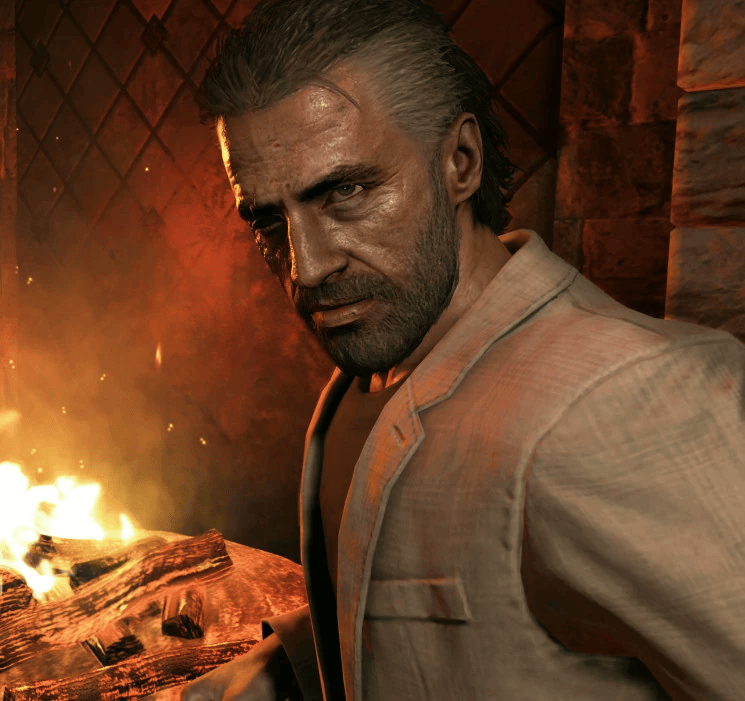
“The Night Will Always Win” plays in the background.
A lot of what the game depicts aged surprisingly well immediately after release, and a lot of the game didn’t by 2025-26. China doesn’t have a secret coalition of like-minded nation-states, but the reality of Washington’s current relationship with Beijing is all over the place. I’ll be honest, even patriots can’t make heads or tails of the powers that be. Don’t let the ideologues online fool you, no one has a clue.
I dived head first into politics on an old blog of mine in 2021 and if I had to do so again, I’d do it as neutrally and respectfully as possible. I’m not a pundit, and I rather not be sentenced to such a fate.
For what holds up by the timeline of Black Ops II: drone warfare.
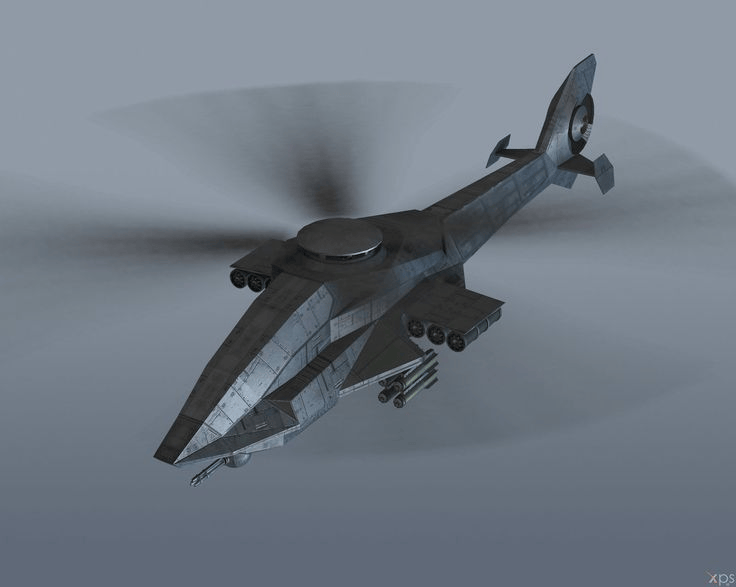
F[vc]k CNN, this is the real video game war.
Drones finally realize their life-long purpose as automated death machines \(^v^)/. They’ve had it coming since the Terminator and RoboCop movies. I don’t think the Black Ops games are as strong narratively as the Modern Warfare trilogy, especially after Black Ops III with Cold War and 6 being the exceptions for the black operations formula, but it wraps things up in two games this time instead of three. And I wonder why we had to relearn in 2020 what was established in 2007. Who allowed us to piss about for 13 years!? ಠ_ಠ
I thought I’d make a big show about the anachronistic weaponry for the Vietnam sections of Black Ops 1, but on reflection that was the least of my gripes.
All in all though, this stretch of games is fondly remembered as those that put Infini-Vision-Hammer-Blizzard on the map and the following ones after garnered love or visceral hatred. Everyone hated Ghosts, Advanced Warfare turned out to be pretty good; Black Ops III put me to sleep personally, I s[scheisse]t you not; I never played Infinite Warfare, but everyone was getting tired of the future nonsense; World War II brought it back, and wouldn’t you know it, it showed a glimpse of the Holocaust for the first time in mainstream video games and no one got pissy about it.
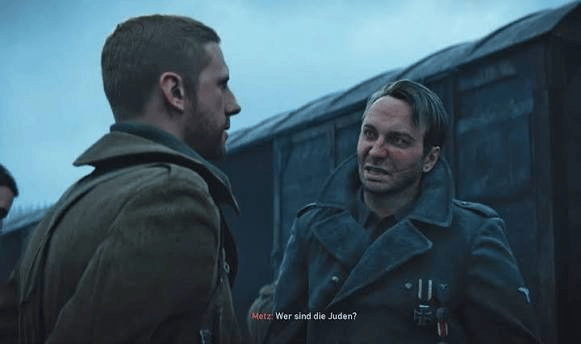
Kinda. My Tragedy of the Will idea still stands.
Black Ops IV, written like IIII for some stupid reason has no campaign. Modern Warfare 2019 revamps the formula in an updated way, I already touched upon Cold War, and after 2021, I stopped caring about the recent installments. People thought they were cheated on by MWIII 2023 then Black Ops 7 did things to the fandom that would’ve made Leopold II turn over in his grave.
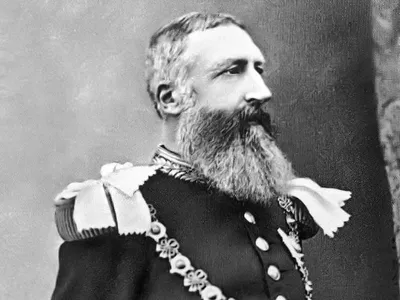
Hyperbole, but this dime bag retelling of the revered installments echoes an opinion I see online a lot: Black Ops II was the last good one. And I do like that game a lot, I have a lot of memories of that game that I don’t think I’ll be able to recover after 13 years and counting. But I fall more into the “smile because it happened” camp rather than the “cry because it’s gone” camp. These things always get revamped, they always get one-up and done better over time, and my read on the fate of the franchise is that has, is, or will be done presumably before 2030 provided the prophesied crash doesn’t happened before that.

