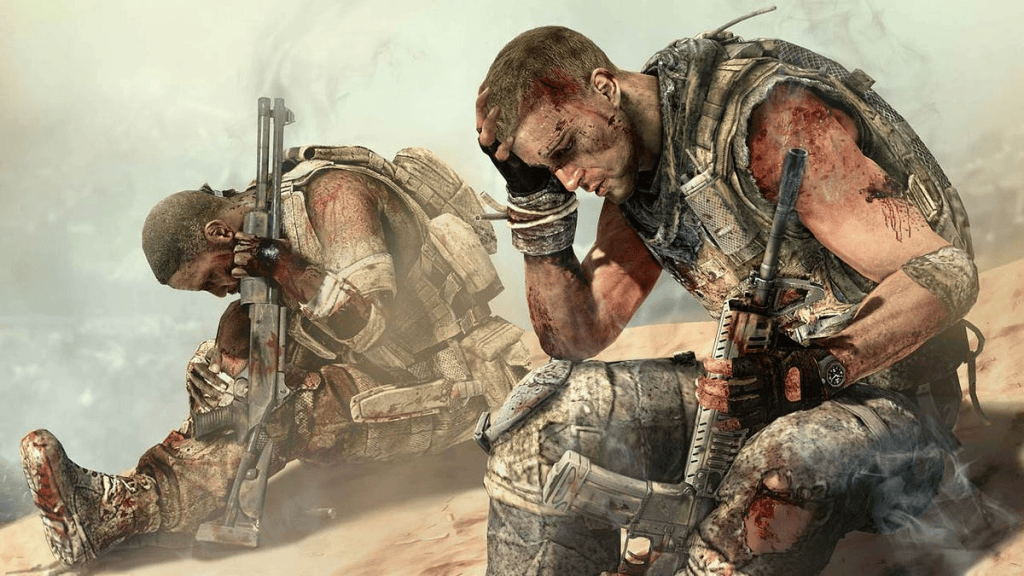
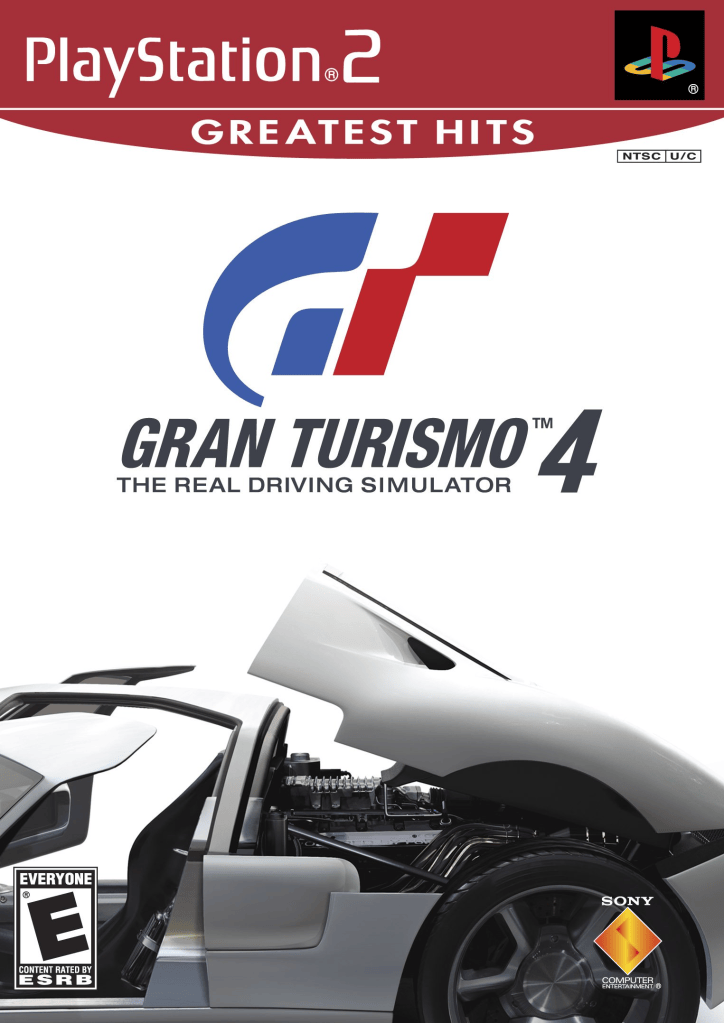
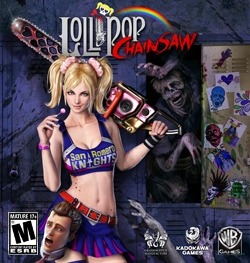
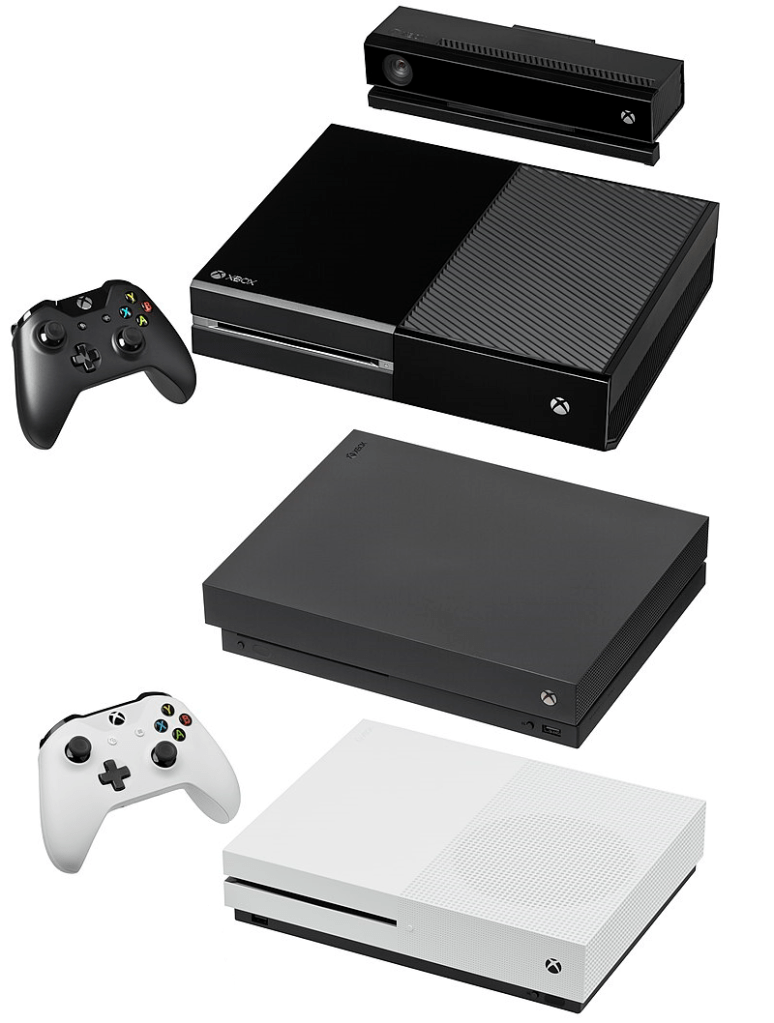
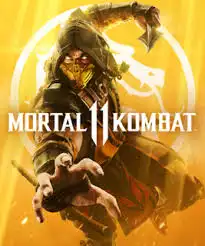
If you’re a regular viewer of The4thSnake and you follow his opinions on the HD continuation of the Mortal Kombat franchise or you simply keep tabs on WB Games and NetherRealm Studios, a conclusion you can draw is that the games started to get… complacent and stick to familiar angles come MK11.
Long time readers know by heart my love for Max “Painkiller” Payne is outdone only by that of Detective Frank “One more thing” Columbo. But for those who are checking in from an uncharted part of the world (or galaxy), here’s my piece on Max Payne and here’s my most recent piece (as of this writing) on Columbo. Short version: play Max Payne, it’s great; and watch Columbo, it’s great.
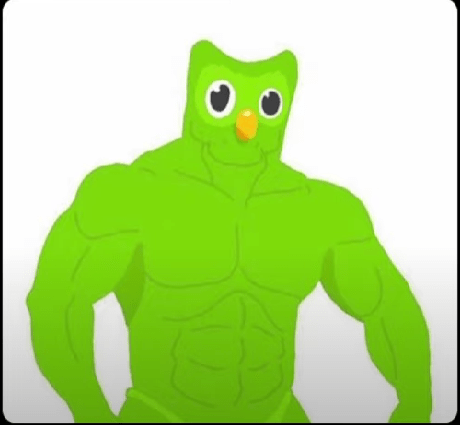
Onto something now that I’d lightly touched on in this blog, but haven’t explored as thoroughly as my other talking points (“They were all dead. The final gunshot…” etc., etc.) due to regional exclusivity. Kantai Collection, Senran Kagura, and iDOLM@STER. Three pivotal and explosive multimedia franchises with libraries and treasure houses big enough for export to the colony of Mars… accessible to western fans by way of fanart, VPNs, piracy, and mastering Japanese enough to appease the organizers of the JLPT and the stalking green bird.
Take a look at some of the biggest games and entertainment products to release from 1997 to 2003, look at their country of origin, and count on your fingers how many of them are British. By my estimate, there’s a handful of the most famous ones that come straight to mind. Majority video games, but also film and TV. Regular readers and subscribers know what my go-to is and we’ll get to the video games in a moment, but let’s talk about British TV a little. The Brits reading this can name some of their favorites (excuse me, favourites), but let’s look at the one that successfully crossed over to the American TV world:
A couple of times and long before I joined the Army, I watched and eventually bought and played the video game Outlast and its DLC: Whistleblower. A first-person view indie horror video game that markets an age-old, but classic trope of haunted abandoned asylum with a twist.
Zero Punctuation’s review of a 2013 action-adventure video game based largely on f[clock ticking]ing with people’s memory and further contributing to collective false memory, or the Mandela effect, was on my mind not too long ago. On sale on Steam, Remember Me is something of a spearhead to Don’t Nod Entertainment’s later time-manipulation faff about, Life is Strange, only What’s Your Name Again? is more sci-fi than that other game about early-2010s hipsters and young adults who’re better off crowding Starbucks locations in Portland and making a mockery of the acoustic guitar.
Maybe, like Yahtzee suggested, it’s the butt that’s talking. “Remember Me!” Who wouldn’t?
At this point, I’m milking Red Ninja for every ryo it owes me which isn’t something I normally do. I occasionally bring around my love for God of War Greek era and Max Payne as well as my contempt for the concept of Chainsaw Man and Tatsuki Fujimoto, not because I want to bury something to propel the other, but because I want to bring awareness to a multitude of different things that travel in similar circles. Since this is meant to be the conclusion of the Red Ninja recount series, the final part of this impromptu investigation into how a neat concept hung itself on its own cord by accident is going to be Ghost of Tsushima:
Sony’s a d[clang]khead for abandoning PC ports of popular games, I may never get to play Ghost of Yotei ಠ_ಠ.
Another week, another comparison between two games I’ve talked about at length on this blog before concerning warriors scorned by the powers that be and in a way that requires service to an opponent and/or taking the entirety of the Pantheon and unleashing the wrath of Timur the Lame onto it.
Maybe it was a coincidence, but Stalin never should’ve trusted Hitler for that long. Same with Mussolini, they already hated each other.