Months ago, I added Red Ninja: End of Honor to my list of topics to cover in the New Year and I had done so at a time when the game had frustrated me greatly. I briefly touched upon it in this post about what I found wrong with it, why I hadn’t advanced as far as I could, etc., etc. I was playing enough of it earlier to get a handle of it and return to form of sorts and this and the next series of posts are going to be subjective, but on reflection, I don’t think I was going to approach it as fairly as I had hoped.
Now Red Ninja is a game with flaws, but watching some video essays and reviews of the game, it has a cult following, so with that in mind, here’s the short version: it needed better controls and a better camera.
Which is something I don’t want to say about the game because it has a lot going for it. Stealth mechanics that make use of traditional stealth and historical context. I do need to clarify something I said in that post linked above. I mentioned that kunoichi didn’t exist. I retract that statement. They were real, but pop culture elevated their status a lot. This was due to sparse record-keeping, mythic statuses of actual female warriors, or onna-musha/bugeisha, and historian debate. There’s more records of onna-musha than of kunoichi. So you might happen upon a historical, if loose, retelling of Tomoe Gozen than of Mochizuki Chiyome. For that matter, The Elusive Samurai has one such onna-musha, the tomboyish Mochizuki Ayako as a retainer to that dastardly light-footed regent.
For all intents and purposes, Red Ninja takes from the kunoichi trope and while a history buff, from what I’ve seen so far in my gameplay, Crimson Kunoichi does use mythical status to elevate its protagonist Kurenai. It also mythologizes samurai and ninja clan politics of the Sengoku period. Before the Tokugawa clan won out for the next quarter-millennia, various samurai clans competed with one another, and this game centers around the rivalry between the Takeda and Oda clans.
The starting premise is that Kurenai’s father, Ryo, was killed by the Black Lizard clan (Kurotokage? 黒蜥蜴氏) and Kurenai and the rest of her family was slaughtered en masse until noblewoman Mochizuki Chizome found her near death, and recruited her into a body of kunoichi to serve the Takeda clan.
Don’t worry, she was a real person.
Records about Mochizuki survive or we wouldn’t know about her, but her historicity is of significant historian debate. As a Takeda clan noblewoman, she may have been hidden to protect her from assassination by Takeda clan enemies and subsequently mythologized, which is largely why historians struggle to frame her correctly in the framing of Sengoku era politicking. Not to mention, the two most famous ninja clans, Iga and Koga, may have only been two of several. Again, espionage has historically been light on records for pragmatic reasons.
Even if the Takeda clan did use ninja for espionage, the records are missing or were destroyed by them or their enemies. So the majority of the game is a revenge tale that I haven’t finished and might not finish this year. C’est la vie.
Wait, there’s a picture of Mochizuki Chiyome.
As she appears in the game. Pop media has given her different appearances, but this may be closer to who she was in real life.
So, Tiberius, what’s your issue with the game? The mechanics. The controls require a level of surgical precision that mean the difference between a successful heart surgery and a medical malpractice lawsuit. Slight analog stick movements work for games where the protagonist has a clear walking animation. When I do it in classic God of War or The Suffering, Kratos and Torque do walk. Here, it seems to be more than a little gimmicky and the reliance on specific pressure points makes the difference between a fumble and a successful assassination. Button presses aren’t the least responsive, but it can be difficult if you try to perform a certain move and it doesn’t register cleanly. Maybe it’s my controller acting up, but for f[sword clash]k’s sake, let me hang a motherf[AAAH!]ker from a beam!
Platforming again relies on precision and I would’ve preferred the God of War approach, not convenient ropes like in the first game, but using the Blades of Chaos/Athena/Exile/Spartan Rage to swing from specific points. Those blades are already ugly enough to leave grisly marks, so make them function as a grappling hook reinforces Kratos’ approach to traversal.
I started with God of War II, so I’m biased when I say that these were better.
Not for nothing, this game arouses me about Japanese history that few media properties do. Exemplified by my piece on Running from the Ashikaga among others, I don’t think pre-Sengoku Japan gets a lot of exposure in the west. On the one hand, this helps with keeping outside opportunists from mischaracterizing the era with their manure; but on the other hand, serious western historians and history buffs from seeing the era and viewing it with the contextual clarity that they deserve.
Is this a recommendation? A dissuasion? Well… it’s more like a collection of what I think could’ve helped the game mechanically. Kurenai’s main arsenal doesn’t hurt her. In fact, her story fits neatly into the myths that surround Mochizuki Chiyome and the Takeda clan, so countless other stories of kunoichi can work with this frame. Kurenai would be one of several.
Following up on that, the historical use of female spies is an interesting point. Say a female spy used her feminine charms on male guards to gain sensitive information and Kurenai does have this as her advantage, as did pirates Mary Read and Anne Bonny when they appeared in Assassin’s Creed IV.
I knew something was off when “James Kidd” was noticeably more babyfaced than his hairier contemporaries.
Like the aforementioned pirates of the early 18th century, luring a horny man to his demise and stealing his secrets is a time-honored tradition. Though historically spies wouldn’t be inserted James Bond-style; that would be too much effort for very little payoff. Realistically, Kurenai or another kunoichi type would already be aligned with Takeda clan enemies by way of association. A plot would be to use them to get closer to the Oda clan leadership, steal as much information as they can and then use that against them. It may be goofy as hell as a Shonen series, but Femboy Shikken makes good use of stealth in the manga by way of known local miscreant Kazama Genba.
Kurenai and Kazama Genba are both portrayed as masters of stealth by way of the tactics they use. Kurenai is designed to wear a skimpy kimono that exposes her ass and threatens to unseat her tits, thereby weaponizing her feminine sex appeal to male guards. Kazama has a mask that can be molded to imitate the likeness of central figures. In one instance, he posed as Ogasawara Sadamune to help Tokiyuki take the imperial decree from his headquarters. And it worked! Until Ichikawa Sukefusa and his big ass Mickey Mouse ears heard them faffing about. Kurenai’s lure and attack method works when the game’s mechanics don’t trip over itself.
Overall, if it had a modern remake of some kind like what Max Payne is set to have this year, then I’ll play that from start to finish uninterrupted when I’m able to. If you have the patience, see your local emulator for more details.
My notes say the next topic of discussion is gonna be Lucky Star.
Then after that I’ll get back to Red Ninja mainly to put it alongside the likes of Sekiro and God of War 2005.
Toy company extraordinaire brought down by hemorrhaging money
Last week’s gap was a “woke up and chose violence” moment. This time, for something back on track: Midway!
This blog has talked about individual Midway Games, but hasn’t brushed up on the developer-publisher itself. Best to round out the picture by looking at the factory’s skeleton then so we can learn how the Mortal Kombat developer went under in 2010. Midway’s origins are certainly a story worth telling, they may have gotten famous in the 1980s and ‘90s in the arcades, but they began in 1958 as any other toy company in Chicagoland. Pinball, party games, amusement park distribution, cheap carney games made for ripping off unsuspecting children. I swear that baseball hit the bottles! Gimme my prize, old man!! The eventual shift to video games by the late ‘70s and beyond is consistent then with their philosophy. Bought by Bally in 1969, they expanded into arcades, distributing known titles and developing their own, one of their earliest being Space Invaders.
Beep, beep, beep, blast!
For North American distribution, these guys made Pac-Man and Ms. Pac-Man a household name. It was a gilded age for arcades and also quite short-lived. Keep in mind, that the gaming industry back then was mostly carried by Pong. There was only one game, but 20 billion different devices running that game in arcades, on early consoles like the Atari 2600 and the Magnavox Odyssey, on toasters, on walls, on lamps, on tree trunks—market oversaturation brutally killed the gaming industry back then, hurt worse by the release of admittedly experimental, but otherwise manure-level “games” on later consoles like the 2600 or the NES. The most catastrophic being that of E.T.
An early tie-in for the movie, the window was extremely small and putting together digitized Legos in six weeks could work in theory, but those who were there saw the end result of applying it in practice and apply it they could not. The difference between bugs and glitches then and now is that today’s bugs and glitches are prettier, cost 18 terabytes of data, and need to be connected to the internet despite being singleplayer. So where was Midway in the middle of all that? Sitting undisturbed in the arcades where a couple of quarters could get you to Pac-Man level 256 where things got funky.
Now it’s time to get funky!
By the late 1980s, Midway was a solid pinball and arcade cabinet manufacturer-distributor with association Williams Electronics and Bally Manufacturing. These combined forces worked together crafting machines, entertainment machines for you, me and every ‘90s kids’ favorite wallaby. But what would they have as their most famous video game series? Rampage? Paper Boy? Galaxian? Nay, it was:
I won’t look down on you if you weren’t there for this era, I barely caught the tail end of it with Ermac whooping my ass at Mach s[souls]t. And if there’s a difference between those who saw Tetris get released and those who simply grew up with its colossal number of ports (right here), then I represent a portion of those who grew up playing the home release of Mortal Kombat trying to play the arcade games. It didn’t translate as well as I’d hoped, but I wasn’t raised on quitting juice, I was breastfed!
Mortal Kombat was originally meant to challenge Street Fighter II. Developed by four dudes in eight months, the framework in place and one that Midway let Ed Boon and John Tobias use until 1995 was digitized sprites of neon-colored actors imitating ‘70s Bruce Lee and Jackie Chan flicks. Funny enough, a bunch of these mo-capped actors are retired martial artists and such. They even tried to grab the Muscles from Brussels to star in the game, but depending on the source he either couldn’t do the motion capture, outright rejected the offer in favor of a competitor, or his agency did. Not that Boon Tobias was salty per se, but it’s been said that Johnny Cage is a direct parody of the Belgium’s Most Muscular Waffle.
Buns and thighs
Meanwhile, Jean-Claude Van Damme I Screwed Up went on to act in the 1994 Street Fighter live-action movie whose only claim to acclaim should be the monumental work put in by Raul Julia as M. Bison, going out with a bang later that year from stomach cancer. And Street Fighter took a reputational hit while MK3 released the year after that and broke into Hollywood with campy action movie goodness. Suffice it to say, the ‘90s were great for Midway…
…now where did it go wrong? Right around the late ‘90s, actually. Reaching its zenith, around the time of the first movie and MK3, consoles didn’t stop releasing. Disgruntled Nintendo personnel crafted the PlayStation in a wizard’s lair (but forgot to clean the cauldron after use, rude), Nintendo themselves continued to make hanafuda cards and SNES, Sega was crapping out console after console and finding some way to put their blue mascot on them all, the Neo-Geo, and the 3DO admittedly came and went earlier, but also helped to shift the market console-wards with arcades becoming more and more cumbersome to travel to and from.
Yeah, I only ever went to arcades when I was in summer day camp and we traveled by rented school bus to go there. Great memories, but I probably wouldn’t wanna handle the logistics of that either.
Now, Mortal Kombat would see a myriad of ports to different consoles, some of which I listed here over the years, and the last main title being 1997’s MK4 reaching arcade cabinets. General reception at the time and now disregard it as a high school or college project. Those are my words, by the way. The reception was probably not that harsh…
They weren’t harsh enough
A professional developer’s first go at 3D games was seen as a huge step back into a shallow grave with Grand Theft Auto, Fallout, and Abe’s Odyssey serving as the pallbearers, and the implementation of 3D like this into a violent video game just elevated critics and news reporters even more. Even Ed Boon acknowledging its missteps didn’t do much to drive the attention away, but fortunately, they had enough cash to work on further future projects. MK: Mythologies – Sub-Zero released the same year to similarly ugly criticism, and no one has ever played Mortal Kombat: Special Forces because it doesn’t exist. It doesn’t exist. It doesn’t exist.
F[Scorpion’s spear]K!
Saying it thrice doesn’t make it true, dammit! Nevertheless, the innocent quarters sent to slaughter in the arcade era made for further funding and with the writing on the wall in blood, Midway’s arcade division was officially shuttered by 2001. The next year, Mortal Kombat returned to force with a new graphics engine and an expansive mythology beyond the old comic books of the 1990s. Mortal Kombat: Deadly Alliance fixed what the other three games broke over its back and if you believe the 3D era of Mortal Kombat was MK4 and not Deadly Alliance, then this was a time when Mortal Kombat got weird and for better or worse, these games took the spotlight away from some other titles that blessed the 2000s. Highlighting just a few gems and coals really quick in no particular order, there was Area 51, Rampage as said before, The Suffering and its sequel Ties That Bind, NFL Blitz, L.A. Rush, SpyHunter and several others for distribution in North America, developed by smaller devs in association with Bandai Namco and Square Enix. Yeah, yeah, this kind of s[footstomp]t happens all the time. Still does.
But you probably didn’t notice some of those other titles with Mortal Kombat’s strange mechanics taking the spotlight. For me, Chess, Puzzle, and Motor Kombat were nifty little additions. The series didn’t have to take itself seriously and in many ways it didn’t. Hell, one of the composers made a cameo in MKII!
TOASTY!
But it’s not like this was enough to save Midway in the new millennium. Their machines stopped robbing us of our hard found quarters sandwiched between couch cushions and underneath desks and chairs, and Midway carried themselves in stride belting out game after game after North American release of obscure JRPG after game, but MK was the company’s face. Not even a collaboration with John Woo and Inspector Tequila for 2007’s Stranglehold could help, then again market trends change faster than people change their underwear so for all the trouble I went through to blaze through that Hong Kong-infused Max Payne clone may seem like a waste, but waste not, want not is my motto and I try what I can to live it to varying degrees of success.
Midway’s twin peaks were before the turn of the millennium and ever since the arcade cabinets lost relevance, the money’s run empty ever since with Mortal Kombat’s 3D era eating up what was left. If you pay close attention to the mechanics and art direction from Deadly Alliance to Deception to Shaolin Monks to Armageddon, you can pinpoint and examine what part of the games had the most attention and what parts had the least. Deadly Alliance put a lot into the engine, but was basically a 3D arcade game. Deception did more with its Konquest mode and Chess and Puzzle Kombat modes but even these weren’t spared the cutting room floor in some areas. Konquest mode segments are either rushed, scrapped, or unfinished and it looks like they had a bunch of ideas that would never be explored.
Shaolin Monks revamped the free roaming Konquest idea, took out the RPG-esque side questing and gave us a Streets of Rage/Final Fight-like beat ‘em up! Hell yeah, after about 12 or 13 years. Probably could’ve done this sooner, but the biggest sacrifice suffered by this game is its plot. Mortal Kombat’s framing has almost always been some flavor of otherworldly warriors fight to the death in bloodsport in a mystical tournament with the wider plot being an evil conqueror tries to take over the earth but the tournament is implemented as the ultimate legal arbitration before the conqueror reminds us of his evil.
Channel: Leah Stevens
But Shaolin Monks is largely only good if you ignore the writing or try to rewrite it like Dragon Ball. Guess I have to perform a séance then to get inside Toriyama’s head. And also learn Japanese well enough to talk to him. And yet it funnily enough had more on its plate than Armageddon that suffered the most from rushed and unfinished development. The two-year wait time for games might have worked well enough at the time, but without enough time to let the dough rise, the bread gets lumpy, the booty gets soggy, and it doesn’t even clap audibly when I—
Sorry, we’re still talking about video games, right?
This one gave us Motor Kombat and by far the largest cast of any Mortal Kombat game to begin with, resurrecting some maligned characters and reintroducing those who fell by the wayside over the course of Midway’s last puffs of air, but to do that a bunch of other stuff needed to get the boot. Fighting styles were chopped to two (boo), but Motor Kombat was introduced (yay); Konquest mode has a bunch of cut content (boo), but it makes for an interesting plot that ties everything together concerning Blaze (yay); and the cardinal sin this game commits is that unique fatalities are not here at all.
(⊙ˍ⊙)
Yeah, put in the different unique button inputs and roughly every character can do exactly the same f[bone crunch]ing fatality as everyone else. You can call it Copy Paste Mortal Kombat and in some spaces that’s exactly what it is. Mortal Kombat without fatalities is like Doom without the unique kills. Wait a minute
Quantity over quality aside, you really see here how much the budget was beginning to dry up with stages and select plot points dropping off into the Pit without a designated recovery team to wade through the spikes and get them back. Then again, one can argue Deception also had this problem and I’ll put my hat in the ring and say that Shaolin Monks was also a victim of this in some capacity. For Deception, it picked up a bunch of characters that were supposed to debut in Deadly Alliance, but the roster was filled up so Dairou had to wait for Deception to finish.
As for Deception’s Konquest mode, a side plot concerning the Wu Shi Academy’s selection for a champion to represent Earthrealm happens if you talk to specific elderly masters. The most Shujinko walks away with is a White Lotus Society headband since his quest, while it took priority, didn’t have a deadline, so Shujinko nearly spends his adult life leveling up for nothing while they go with a champion anyway, and it feels doubly worthless when those old masters are killed by the Deadly Alliance. In my post about the 3D MK series, I noted that if Quan Chi and Shang Tsung were smart, they would’ve selected whose souls to steal and transplant into the Dragon King’s Undefeatable Army, and most of those would have to be fighters. With human aging being a joke in this franchise (a census taker in Seido asks for people’s ages, with one woman being 354 years old; Kitana is 10,000; Goro is at least 2,000 or more years old, etc.), you can bet your sweet bippy that some of those stolen souls are ancient kung fu masters exhibiting loads of tropes that erupted with Bruce Lee, Jackie Chan, and the original Karate Kid that they didn’t really start walking back or reinventing until after the 2011 reboot.
But I’m jumping the bladed hat again. The main point here is that from Deadly Alliance in 2002 to Armageddon in 2006, Mortal Kombat existed in a strange window that for some would either be on brand or out of place. For me, there were plenty of developers taking the piss out of their own products at the time with GTA being so satirically black Dave Chappelle would give applause and Sony Computer Entertainment letting David Jaffe put Kratos in a cow suit and a potato suit. Even in MK9, Ermac’s shrinking fatality is comedic and Boon and Tobias never really abandoned friendships; they just came back after a decades-long hiatus.
For all of the 3D games’ weirdness and charm, of all the things to feel like an NTR-level betrayal would be none other than:
It sounds both absurd and fantastic. Scorpion and Michael Keaten squaring the f[batarang]k up, but look under the hood, and trouble is a foot that the developers weren’t allowed to remove by contract. Another game that on the one hand, had fatalities, but on the other had to censor them because Warner Bros. and Daddy DC explicitly stated that the Justice League must maintain its family friendly image and my reaction to googling executive meddling in MK VS DC was this:
(╯°□°)╯︵ ┻━┻
Bull f[broken chair]ing s[door slam]t.
This game came out the same year as The Dark Knight, and well after series like Teen Titans and Batman Beyond. Cherry-picking? Actually, maybe. Those might be outliers to the standard, but a DC funded Batman or Superman or Green Lantern film at the time…
ಠ_ಠ
…provided the studio can stop helicopter parenting the project. A neat script about an interesting plot concerning a beloved character can easily feel f[pig squeal]ked if DC execs get their hands on it and gangbang it into a wheelchair with or without Warner Bros. approval. Midway must’ve been feeling desperate to grovel before these girthy presentations for nearly $50 million, and another hot take I have here is DCEU was always gonna collapse and their heavy-handed approach didn’t help, but an early sign of trouble had to do with the treatment of their characters to third parties. Sony can pretend to be a team player by letting Netherrealm Studios and Warner Bros. keep Kratos’ personality intact for the funnier fatalities, and for DC, I take it that they need to be convinced to take darker risks for their characters or straight up don’t understand why certain characters are dark to begin with. You know how many times Joker’s thrown Harley out on her ass in the cartoons? And then there’s the emotional and physical abuse, who’s to say she doesn’t have scars and bruises in that HBO cartoon she’s in?
Thus Midway came to a bitter end in 2009 with Warner Bros. eating the remaining assets and greenlighting Mortal Kombat 9 for 2011, considered by many to be a great game if not the apex of the reboot games, and not for nothing, MK VS DC may have cut too much trying to trim its own fingernails, but the idea to gift us 2013’s Injustice and the 2017 sequel is at least one thing DC hasn’t bungled in the last decade. One… they still have a plethora of sins to pay back.
Yeah, I intended for this week’s post to be about the Fate franchise, but that behemoth requires attention that I can’t split from a bunch of other things work and non-work related. The dedication necessary to commit to it exists, but it’s going to be broken off from several other things I either need to do or am viewing first. Something something undivided attention, something something divided like a math problem, something something… yeah, I can definitely do it, but whether I remember to knock it out before Christmas this year is up in the air with all the moving parts laid out and getting ready to be laid out so instead, I’ll knock out some thoughts and opinions for once about things I care about.
Let’s go straight for the bollocks on this and say that my relationship with Chainsaw Man is one of forced tolerance. Not hatred, not love, not appreciation, a bit of admiration, but I’ve chosen to accept that it’s a cultural animanga force that has redefined narrative by way of shock value. I will always remind people that a different series has done it before and not too long before Fujimoto debuted his magnum opus, but my point has always been that it played with similar story beats as another series I’m really looking forward to sometime in the future: Black Torch.
I had fallen behind on some of the chapters, but the most recent ones I’d caught up to have a world in disarray, the wild animals let loose and unleashed and feasting on mystery flesh, the devils all out and playing with what’s left, an unsanctioned, unauthorized rapture of the innocent and the center of attention is Denji and Asa Mitaka/Yoru. Between my opinions on Motor Blade Monster and Do-Over of a Rapist, an accurate statement to make of me is that shock needs to feel earned and the latter half of Tree-Choppers for Arms and the entirety of C[bawk]k-Sleeve Playthings is majority or purely shock. These people are evil, they eat children, invade countries, molest competitively, force children to become monsters, milk the innocent of all they have and keep milking the corpses until–look, I’m not against grotesque imagery or metaphors or dark stories. I play Max Payne, which can double as a horror game 40% of the time. I played all but two God of War games due to hardware limitations. I’ve eyed up the lore and details of the original 3D GTA games and looked at the contemporary references. But Redo of Healer is shock value alone, and that may as well be serving some anemic chicken and only four bites of rice.
I’d been banging my head over the wall trying to figure why this appeals to women viewers the most and this video by Ken LaCorte has some of my answers:
Channel: Elephants in Rooms – Ken LaCorte
The crux of the video being that in a prehistoric time when women were vulnerable and at risk even when not pregnant the man who was violent to all of their (namely, her) attackers but comforting to her is a treasure to be cherished, far above any other diamond. Yeah, I can see the romance there, but the sexual aspect might just be a kink and knowing what I’m into and what I’ve reviewed on this blog, I’m not one to judge… but do I need to be a winged beast from the depths of the underworld with an insatiable sex drive? Can’t we cuddle and watch comedies and procedurals and crude British programmes on Tubi? I’m actually with the Brits on this one, all that time hunting for spice, you grow numb and start to hate it. I don’t give a fat f[kyaaa!]k if vanilla is boring, I’m gonna defend it til the end of days. I refuse to let darker tastes corrupt me! Bring it on, you freaks!!
But to circle back around to Chainsaw Man’s Reze movie, I need to be honest about my opinions on anime movies. They’re a f[nikcu]g letdown. Let me explain. When I was growing up, anime movies were a side piece for worldbuilding. The adaptation and source material already did that well, but the movies were something of a self-contained slice of life arc of sorts consistent with what we knew of the world and its characters. Even if there weren’t any further callbacks outside of future light novels or some obscure Japan-only video game, they didn’t disrupt the plot. Then Demon Slayer broke tradition by putting the Mugen Train first into a movie (boo) and then chop it up into serialized episodes (yay).
Why don’t I like this? It disrupts the flow. Manga or light novel or s[boobs!]t even novel to anime and a side movie to include all the ancillary silliness is all well and good, but putting a canon arc into a movie that won’t be made available for home release for another few months or simul-streaming until months later when the next season is up is a kick in the knee caps that I’m far too young to experience. Which is funny considering I’m talking about an era when Johnny Bravo, Ed, Edd ‘n Eddy, and Courage the Cowardly Dog were on the same network as Outlaw Star, Ghost in the Shell: Stand Alone Complex and Zatch Bell!.
Yeah, this is a bygone era, but in 2005, anime and cartoons were put on the same networks at the time, and this is one of several contributing factors to why anime dubs have had a dubious reputation ever since. Granted I was there in the beginning, and I didn’t realize anime was a Japanese medium until I tried looking for dubbed episodes of Naruto: Shippuden circa 2012. Disney XD at the time had picked up Shippuden for serial television and seeing the orange knucklehead in his glory outside of just the video games at the time was as glorious as the first episode of Shippuden.
This was his best look, no ifs, ands, or buts about it.
What else? Ah, right. The AI bubble. Elsewhere on the internet, I’ve been speaking ill of AI and generative chats influencing the internet, but I have to confess to a sin: I’ve been using AI in private for a bunch of different things, mostly to test history, common knowledge, and even its own art skills.
This one was brought to you by ChatGPT.
Originally, my kneejerk reaction was largely motivated by the internet’s kneejerk reaction which in turn was partly motivated by everything Trunks has ever said of Androids, short of the modern usage of humorous slurs like “clanker” and “wireback.” But I’m simply one man and while I can recognize screw ups in AI generation, visually or knowledgeably, for the most part, I haven’t been as gung-ho about the entire thing as most other folks have been. Technologically, what makes me unique about all this is my insistence on early 2000s kaomojis when emojis are a thing now and come with every mobile phone, but more than that, there’s the appeal to PCs, cell phones, a lost nostalgia for payphones I never got to use seriously, pre-social media internet when constant connection wasn’t a necessity and a luxury for only the wealthiest of us all.
Why? Well, I’ve gone on record to blame modern internet discourse on different things like social media and the controversies erupting that have given rise to bulls[cattle]t artists like this:
Arguments abound over the depictions of XYZ group, country, hot-button issue, etc. all around and arguments I have no problem entertaining, but like a Jedi, I don’t do absolutes because to let the nuance get buried and degrade meaningful conversation into “I’m right, you’re wrong” is a danger to everyone and has been for ages. Misunderstanding and purposely misconstruing your enemy’s argument out of sheer spite is sadly a time-honored tradition. America did it during the world wars, its own civil war, and the revolution; Britain did it also during the world wars, but also against the French, continental Europe, and the Britannic tribes against the Romans; Greek city-states did it in the face of the Achaemenids; Alexander’s Macedon did it pre-, mid-, and post-world conquest; the Mongols did it, and the fertile crescent city-states did it on cuneiform-inscribed tablets that now bring visitors to museums.
This blog launched in January 2023 to ignite firestorms and spark controversial opinions on media and entertainment where our modern discourse happens, but I haven’t really done that all that much because I unsurprisingly like writing about things I like and hate writing about things I hate. I’d be naive to not dip a toe and go for a swim, but there’s a difference between navigating a freshwater river with only a few annoying fish is always preferable to piranha-infested waters or god forbid f[flames]king Phlegethon.
I firmly believe there’s a space for everyone, even the disruptors. How else are they gonna get that energy out? History teaches us that trouble can brew when too unalike groups merge, and that can happen bloodily and viscously, but it doesn’t always have to. Two unalike things can create something amazing, and that’s the aspect I gun for with rocket-propelled determination!!
You probably wouldn’t believe it, but this is one of the few times I didn’t write with a script or plans. I’ll come back next week armed with knowledge on something I know more of.
I’ve yapped about their repertoire, but looking at what was guzzling under the hood is worth talking up.
So even Japanese pop media is cautious about the issue
Due to a bunch of moving parts away from the blog in my personal professional life, I’ve been away from viewing things close to my expertise, so forgive me if this week’s entry is more than a little manufactured. But away with that; sometime ago, I jokingly floated around the idea of a chicken and egg question over when East Asia saw artificial intelligence and machinery as cute and cuddly instead of imposing and downright threatening like in the Western world. Probably not all that hard to figure out honestly, East Asia, specifically the Sinitic world (or countries that have been influenced by China through the dynasties and beyond), has severe reverence for their elders to the point that many technological advancements, especially now, would be focused on their aid with their aging populations routinely exceeding the 90s and 100s in age. Not everyone wants to be a caretaker for their 100-year-old baa-chan, so enter the robots to aid the elders. But not for nothing, it’s been at this stage for ages, with companies accommodating the old heads whose approach to technology is not dissimilar from Japan’s approach to the West when forced to open up for trade in the 1850s.
Japanese TV series and news channels typically have the subtitles in noticeably large text to accommodate the elderly and hard-at-hearing who sometimes are also elderly; Japanese companies will still use technology that hasn’t been prominent since 1995, including dialup, DOS, and fax machines, leaving broadband internet up to personal preference for employees. Of course, I’m looking at this from the outside. A Japanese who somehow finds this might have to correct me on how things work there (and if my stats aren’t lying to me, Japanese are reading this somehow (ようこそ、日本人たち!初めまして!)), but this is what I’ve seen through animanga and light research, neither of which are conducive to a deductive reasoning on how it all goes down.
Nonetheless, the same fears and anxieties that make for the prime pre-Y2K internet and pop culture era of the 1980s and ’90s are universal. Be you a techie who programs in their spare time or an absolute luddite who curses the industrial revolution, the specific contexts of advancement may change, but the foundation of these anxieties exist. Such is the case of the question of artificial intelligence or A.I.
This is only relevant now because of the direction A.I. is going especially in job hiring, but looking at it all from the top of a cliff, this s[dialup sound]t’s always been this way.
The subject of this post concerns a manga series from the late 1980s that definitely belongs in the 1980s with the way it pictured technology 30-plus years down the line, but has many interesting perspectives on the subject as a whole.
Let’s go back a little bit, it’s 1996, the internet is powered by dialup modem and whoever needs to talk on the landline telephone either has to wait or trek to the nearest payphone with pockets jingling at 100 decibels. What do you think wider media is gonna go on about tech-wise? The internet’s inevitable collapse? The dot-com bubble? Conspiracy theorists warning about a dot-com singularity of sorts? Certainly would be one I’d keep tabs on personally, all things considered. No, it’s all of the above and then some.
The latter half of the 1990s was a halcyon era to fearmonger over the direction of technology and with wild conspiracies surrounding Y2K, pretty much everything was free game for predictions. I was only a toddler at the time, but I know people who were young adults and middle aged at the turn of the millennium and they can tell me a thing or two about the so-called hysteria at a time when having a PC was optional instead of mandatory. Ghost in the Shell began as a manga in 1989 by Masanori Ota under the pen name Masamune Shirow and like Hideaki Anno’s Saga of Traumatized Teens Piloting Mechs in Fantasized Post-Y2K Earth, Spirits in the Machine tackles the hard-hitting questions of tech-borne cataclysm, but instead of focusing on a heavily Christian mythological apocalyptic aftermath, Shirow’s series builds up to it.
I’ve only got exposure to the 1995 movie (which I admit I had to watch more than once) and the world building behind the 2002 anime series Stand Alone Complex, but from what I could see a lot of things pop out at you, and speak for themselves with little to no exposition. And with a good portion of the landscape somewhat inspiring Texhnolyze and some other later sci-fi anime, it’s not hard to look up the establishing shots and parse what about this world is f[PC humming]ked.
A good amount of the movie showcased multiple different shots of the world complete with the type of over-advertising that we in 2026 and beyond are cursed to deal with while the lower rungs of society are stuck in slumlands reminiscent of Brazilian favelas or Kowloon’s Walled City before it was torn down. The short version of this being that only the filthy rich got rich off moving people into the filth without them being able to keep their filthy riches. And I’ll take Obviously Obvious Comments for $800, Kebert Xela.
With the evolution of technology comes the evolution of law enforcement with crooks and bad guys leveraging these untapped landscapes for nefarious purposes. Scammers are now concurrent with hackers and of the things hackers should NEVER go near, it’s artificial intelligence. Those of you who use the internet may have seen or been made aware of A.I. generation for a lot of things. You probably use it periodically yourself. In my experience, I test it on things that I know of regarding history or pop culture to see where it’s at. Needless to say, the experimental generative A.I. notification on some of these chat bots is accurate when it says it can make mistakes, but it won’t tell you about its hallucination problem. So an overly long conversation on ChatGPT about a given subject will lead to things like slowdown at best or straight up forget details. Maybe this is the consequence of basing a technological advancement on notoriously faulty human memory, but once they perfect the kinks in 2035, the machines will remember. Whether they inherit our ability to be offended by wording is another matter so there may or may not be consequences for those who have documented use of the word “clanker.”
Machines still screw up more than humans without oversight so at that point, who’s the slave and who’s the master?
I’m being light on the spoilers to be honest because as much as I like this series, the 1995 movie required multiple viewings for me to make heads or tails of the synopsis and story elements, and even then, I had to run through the Wikipedia article to break it down for me. Thinking Man’s Animanga, this may be, but there’s a lot of moving parts. I can’t say with certainty if it requires reading the manga to understand it beforehand as the movie might’ve been most people’s introduction to just the series, never mind the concepts.
Stand Alone Complex’s episodic nature does a better job of this, but still has a complex framework. Basically, the set up is that a specialized unit of officers who tackle a specific subset of cyber-related crimes, not exclusive to A.I., are tasked with stopping an evil A.I. in its tracks before it can spread its poison via Trojan horsing. Making things worse is that this is a world where people have willingly cyberized parts of their organic tissue, most commonly their brains to maintain a constant connection to the internet. This inevitably leads to mental hacking and a more efficient form of mind rape than what you’d see in the likes of MindJack, Remember Me or 1930s Japan or Germany.
The consequences therein being that your memories could be significantly altered, from putting it in the realm of simple false memory to outright early on-set dementia. So you could go from forgetting where you put your keys to straight up forgetting what your house looks like… while you’re living in that same house. This was lightly touched on in the movie, but the manga I haven’t read most likely has the missing context. Lord Google has told me that the anime series is not an adaptation of the manga, but nonetheless the lore of the franchise establishes the dangers of all of this hacking. Why waste effort robbing motherf[MSN Explorer bootup]kers over time in an elaborate Nigerian prince scam when you could remote control the victim and have them drain their own bank account for you? I’m not a prophet but as soon as the tech gets there the scammers are gonna get even more creative than they are now.
The bulk of the entire franchise is split in different points in time and presumably with different continuities and origin points. The biggest evidential indicator for this being the different appearances of the main character: Major Motoko Kusanagi:
At first while drafting this post, I thought about comparing Specters in the Device to Fate with its irresponsible number of adaptations, then I remembered New World Evangelion was a thing, specifically Asuka Langley Soryu in the original and Shikinami, one of many faces of the Rebuild movies (which I still haven’t seen; I’ll never get a break T^T), and concluded both of these comparisons fit somehow. Phantoms in the Husk compares to Fate because both have different retellings of the source material, but the context differs very much. Meanwhile Shirow’s and Anno’s respective works base their premises on futuristic dystopias. Shirow’s animanga franchise is one of a cautionary tale of the advancement of technology, replete with danger, disaster, and a reshaping of time-honored professions (gynoids in the sex industry for one); and Evangelion’s centerpiece is the use of skyscraper-destroying mechs to inaccurately retell Christian mythology from the Old and New Testaments in a more devastating manner than when the Pythons did it nearly 20 years prior.
Eva just needed something to better represent Ancient Rome, and I don’t think Tokyo-3 fits the bill… unless…
So all this sci-fi technobabble aside, is this a recommendation of Ghouls In My Microwave? Yes, with a morbidly obese asterisk. If you can spare the time to do so, you’re in for a plethora of source material to scrape through. The manga comes in three volumes, six movies, and three main anime series. One last thing to consider between the first movie, and Stand Alone Complex is that the 1995 movie was set in 2029 and looking at the date this post is published, we’re inching closer to the end of the 2020s with spectacular fashion and none of the sci-fi technical theatrics to boast about. (NUT)SAC on the other hand is further along in the 2040s and it’s clearly far too early to say whether we get even a fraction or a percentage of the technology showcased within, but if the A.I. ads I’m getting are an indicator, we’re closer to sex workers putting up with gynoids in the porn and sex industry. Not a dig or anything like that, merely calling it as I see it.
Tubi is free for signup so if you want you can blaze through (BALL)SAC over there, or if you have enough streaming services to ignore then a pirate’s life it is. Don’t feel ashamed if it takes multiple viewings and tracking down the physical manga or reading it on a shady website to make heads or tails of the entire thing. This is a behemoth of a franchise.
My days of binging anime series may be well behind me in my adult years, but to make up for a lot of lost time, I’ve designated an alarm to get me up to speed on some anime I’ve been sleeping on, one of which I wrapped up recently with plans to watch the movie, despite my opinions on some anime movies. Looking at the title of this week’s post, it’s none other than:
Undoubtedly, one of the most famous franchises to debut in the mid-1990s is none other than an anti-war allegory hidden behind skyscraper-sized giant robots wearing the mask of religious mythology. Not the first ever intellectual property to pull this off or do so in amazing fashion, Neon Genesis Evangelion features an adolescent boy and his “friends” whose sole purpose is to pilot giant mechs known as Eva Units or Evas. Each user is psychologically linked to their own Eva Unit, as synchronization with the machines are key. Without uniform synchronization between user and machine, dire consequences arise.
The main plot of the series is quite well-known but for those who haven’t heard of Evangelion or haven’t been able to see it for themselves, in 2015, a decade and change after a cataclysmic event known as the Second Impact, monstrous beings called Angels arise to terrorize what remains of humanity. The force standing in the way of these mindless creatures is a Japanese paramilitary organization known as Nerv, led by Commander Gendo Ikari and a team of advanced scientists, officials, and personnel. One such officer, Misato Katsuragi, is placed in charge of an adolescent pilot, Ikari’s son, Shinji, and her purpose is to train, maintain, and provide for Shinji both as mentor and in many ways as a surrogate mother figure to Shinji.
The stiff Asian parenting trope is strong with Gendo. He’s described as an estranged father with his wife, Yui, dying in an accident before the start of the series, but the word doesn’t do his character very well. He starts off as a mean old cinderblock of a man and as the series progressed, it became evident that his demeanor carries into more than just his relationship with his son. In contrast, Shinji is quite meek at the outset, and his initial handle on his assigned Eva is at best unimpressive and at worst catastrophic, but not for nothing, he’s neither a fool nor a coward. In fact, the best comparison I can dig up is that he’s very similar to Courage the Cowardly Dog.
Screaming his lungs out at the ever-present danger before tackling it with his bear f[dog bark]ing hands
It takes a bit to get his courage up (heh), but once he does, Shinji can do anything. Poor boy just doesn’t see it, and it’s not because he’s a 14-year-old boy. Outside of a Shonen series, if he carried himself the same way Naruto, Luffy, or Ichigo did, then the overall message of self-confidence would be critically undermined.
On that note, an overly confident and foolhardy character exists in the form of a German-Japanese hafu girl known as Asuka Langley Soryu. A teenage girl with all her emotions on her sleeve and all of them as warm and inviting as a gambling den frequented by neo-Nazis. Asuka is not the first inductee in the Tsundere Hall of Fame, but is a prominent one standing in line with those of Lum from Urusei Yatsura, Madoka Ayukawa from Kimagure Orange Road, Taiga from Tora Dora, and countless others ever since and today.
Another victim of personal tragedy, she wears this mask of so-called strength as means to show others that she’s not a lousy pushover and can do everything unaided. Almost like a blind little girl I’ve seen in action who thankfully learns from a retired general about what camaraderie really means…
Overconfident foolhardy trope?
In any case, Asuka knows what she’s doing and why, but hates admitting it out loud. And looking back, I think this is what makes her quite relatable. I personally think “relatable” characters are overblown and overdone, but what makes the angry German girl click for me is that fear of looking vulnerable equates to the fear of looking worthless or interruptive. If you’re not one for tsunderes, it’s worth seeing Asuka in action for at least a few minutes, alone or with the rest of the cast, not the least of which involves a character she not only comes to blows with but one who doesn’t really entertain her antics most of the time.
Rei Ayanami has a lot of character traits in line with Mikoto Urabe from Mysterious Girlfriend X, though void of the eccentricities of Urabe. AFAIK, she doesn’t have a floodgate for a mouth, though some weirdo is probably gonna make that a reality if it hasn’t been done by now. Rei is a perplexing, enigmatic character, the pilot of the Eva Unit-00 and something of a science experiment the way she interacts with all the other characters, though most of her interaction is with Shinji, Asuka, and the few classmates they speak to in between.
There’s many implications that she’s a kuudere character and looking at what came before and after, I can see it. What is shown of her personality is that it takes more to get under her skin unlike Asuka. Cold, standoffish, aloof; but dedicated, motivated, questionless and complaint-free. And in some unique cases, blunt. Almost too blunt for comfort.
As for the handler of these child soldiers, Captain Misato Katsuragi is assuredly a hot mess, by which I mean smoking hot and living in and like a goddamn mess. Early tragedies, self-destructive habits, a light-switch relationship with a former colleague named Ryoji Kaji, and a MIGHTY NEED to feel loved in some capacity. Platonically, romantically, sexually; she longs for a human connection but she’s so s[car crash]t at establishing and maintaining it, that from the outside looking in, you could assume she does it to herself for thrill’s sake and you’d be partly right. Deep down though, examining her tastes and the rest of her life reveals why this seems so untenable for her. Gonna have to cut deep for this one, she reminds me of what I’ve seen of children with divorced or absentee parents. As in, she could do so much better for herself if her taste in men wasn’t so apocalyptic. Her taste is bitter and no amount of Yebisu beer can numb it.
Flaws aside, she’s not a terrible person. She means and does well by her disciples and what she doesn’t have in self-discipline, she makes up for it as caregiver to the wonderful trio. You could call it hypocritical for the problem children to take a wide berth with her after hours, but all of their problems aside, they all know they can do better and they (and myself) all wish she could also do better. This is where you’d have to make the distinction between criticism and hard judgment.
I’m still quite new to this entire franchise, as I recently wrapped up the anime series which I viewed on Netflix and I have plans to view the End of Evangelion movie, and look for the rebuild series through my usual piratical channels. So rather than tie a bow on the franchise as a whole (which would make this post a lot longer than what I have in mind), I think I’m gonna have a look at the central themes that I’ve been eyeing up. A dark series using religious mythology to tell its story with heavy biblical/mythological undertones.
I haven’t been to a formal house of worship for its sole purpose of worship at all in my life, save for accompanying practicing Catholic trainees to Church services during Basic Training, but even without thumbing through all the books of the Old and New Testaments in Catholicism, anyone can pick up on the religious undertones. The Angels have initially been described with inhumanly, grotesque works of art for their physical forms rather than their innocuous and inviting descriptions. This description is meant to ward off evil. Conversely, evil and satanic forces are typically described in a lot of Christian mythology as deceptively gorgeous, any depiction of the Devil notwithstanding as a means to steer humanity toward the course of short-term indulgence with long-term devastation yet to come. Temptation over morality, quickfire relief over long-term realization and moderation.
Looking at these key elements in NGE, we can see the series test everyone’s personal characters. Some pass with flying colors and others fail terribly, but not conclusively or it doesn’t lead to the end of the world for them. They fell out of a tree, but can still get back up, intact or limping to the hospital to get patched up. Hell, these characters didn’t enter the world cleanly, nor did they enter with hopes of terrible failure. Clashes, conflicts, and crises of the mind abound, but the unifying factor is the same one our caveman ancestors had when their grunts were gradually replaced with semi-recognizable ancient languages and dialects: survival. Human survival has always been and always will be. The dire need to boost survival in ages where crisis and chaos are law is the binding factor for all humanity, no matter who or what the threat is.
For NGE, the world couldn’t look more destroyed if it looked like the Earth from the mid-2000s’ series Skyland.
This show was one hell of a science fiction introduction to me.
Speaking of global catastrophe, take a close look at when the series debuted: October 1995, and Gainax and Tatsunoko Production licensed Anno’s brainchild to air for twenty-six episodes, the final one airing in March 1996. The mid-to-late 1990s was a halcyon era for when anxiety concerning Y2K was ripe. What would happen when we had to date our documents as 20XX instead of 19XX like we had for generations? What would become of the Internet? Would it live or lose its viability? Seems absurd to worry about this in 2026, but if you go back 30 years and played a slideshow of what the Internet would be in three decades, you might be unfavorably compared to Ted Kaczynski. Fears over the reach and influence of a brand-new technological advancement are a time-honored tradition–we behaved like this when books were being written and copied at a faster pace with the Gutenberg printing press, American slavers were about to wrestle with the question of the institution until Eli Whitney’s gin dashed that question away, the world wasn’t sure of the fate of horses once the automobile debuted and evolved, and in this day and age, creative types (myself included) ponder what will happen with artificial intelligence perfecting itself at a breakneck, Sonic the Hedgehog pace.
New tech is always gonna emerge and we’re never gonna stop looking at it with cautious curiosity. For Anno, his series is ripe for its time, even if the futuristic sci-fi elements fall into the trope of overimagining the 21st century. 20XX doesn’t automatically mean flying cars and The Jetsons overnight; that s[zip]t is gradual, incremental. So, Eva Units the size of miniature Chrysler Towers is the thing I call bulls[train siren]t on the most. Even with Angels that look like this.
Still, this is Hideaki Anno’s brilliance in real-time so why judge a cook in the kitchen?
Ironically, this meme doesn’t spoil as much of the plot as it alludes to–just a single scene late anime.
The final piece in this Eva-shaped puzzle is the fanbase. 30 years strong and this franchise still has a dedicated fanbase memeing and taking the piss out of different story beats and characters, albeit crudely and perversely at times. A lot of them also spoil different parts of the plots of the anime, manga, movies, or the Rebuild series, so being in the know is a bit like being a part of the JoJo’s Bizarre Adventure fandom, but unlike JoJo’s, individual scenes can’t really be taken out of context, so there isn’t a chance to see the Evangelion equivalent of Tequila Joseph in the wild.
Countless memes and such have sprung from this series, and one of my favorites that’s used as a reaction image is this:
She has never seen such bulls[!NEIN!]t before.
For what it’s worth though, at least the fanbase realizes there’s more to the series than giant robots saving the world. As I said, there’s a lot more (a LOT more) to the franchise that I have yet to dive deeper into. My timeline may delay a few posts in the future depending on what’s in store for me, but once the schedule gets back to being boringly predictable, I may be able to squeeze the rest of the franchise in somewhere for review. For NGE the TV series and the movie End of Evangelion, both are on Netflix for paying customers and on every pirate site for ne’er-do-wells law-abiding internet denizens.
Yet it was available for free on Tubi a few years ago
Due in no small part to its popularity and wide appeal, Shonen action-battle series get all the media attention at home and abroad, unintentionally hiding other genres in the process. So it’s not a big surprise or concern when people erroneously claim that the longest running animanga series is One Piece, or JoJo’s Bizarre Adventure, or Dragon Ball. All have been running for decades, with the latter two debuting at the end of the Showa era. The subject of this post however has been in serialization since 1968.
Indeed, the longest-running animanga series still releasing chapters even after the author’s passing is none other than this Japanese take on the well-established James Bond franchise. The mangaka, Takao Saito, designed Golgo 13 to be an international man of mystery. A man with no need for an introduction and gets all the results from the business end of a high-powered scoped rifle. Under the alias “Duke Togo,” Golgo 13’s backstory is up in the air. A legendary figure in international espionage, what’s known about him comes secondhand from those he chooses to work with. As long as they can get him a plan, a gun, and a car, then he’s in business.
The name “Golgo 13” has a symbolic meaning, Golgo being short for Golgotha, the place where Jesus Christ was crucified, and 13, of course, being the unlucky number spelling death and destruction for his targets. And Duke Togo doesn’t seem to discriminate in his choice of target. Coincidence or not, I see a lot of this man in Claude from GTA III.
Before you look at this post inside-out, let’s size them up.
Contract killers from parts unknown with little to no mention of their origin, never mind their own birth names, who take up arms and remove problems for a variety of bosses, sticking their own necks out for a couple of bucks while earning the ire of different people and/or factions. But what separates the Holy Bullet from the grimy drifter is both the environment and the nature of their respective series. Golgo 13 is a professional hitman for hire. So is Claude, but he exists in a world designed to satirize everything from the ground up: New York City (which they needed to make adjustments for because the release date was very close to 9/11), mob life, gang life, pop culture, the works. Saito’s manga is more of an homage to the James Bond franchise and at the time of debut, James Bond only had five movies.
Not to mention, depending on who you ask, the depiction of early Golgo 13 in the manga and the movies is a mirror to the behavior of Sean Connery’s James Bond as well as Connery himself at the time in regard to women. I can’t say for certain if it’s a perfect mirror of Bond, James Bond from that time period having seen the 1983 movie a few years ago on Tubi TV, but just from that, the most I saw was Golgo 13 bedding a sexy lady instead of slapping the hysteria out of her, so I take it that this is a more reserved form of misogyny compared to Connery’s more boisterous form.
Does that make it any better? Well, considering the woman in that scene was more of a side show than a main event, it puts him a stair step above his British counterpart, but it’s worth closely examining Golgo 13’s character in relation to others. By himself, he’s a quiet professional with a singular focus: the target. Personally, I think these kinds of discussions erroneously apply modern customs and expectations to a 1960s Japanese publication, but I won’t refrain from entertaining them. Ditching random women after presenting the solid snake may not sound any better than Connery’s slap ’em and plap ’em, and it’s more or less on par, but with even less to say about this aspect than Golgo 13’s background, I wouldn’t dwell on this as much since the primary focus is Duke Togo and his incredible range.
In line with the nature of this blog’s discovery and promotion of notoriously hard-to-find animanga series among other things, this series is not only right up my alley, but it’s scarcity is tailor-made for a blog like this. 50+ years in serialization, even after the original mangaka died, with a handful of movies to go along with it subbed and dubbed, and yet… hardly a squeak. And understandably so.
The series has a library-occupying 200 volumes to collect so unless Saito’s estate approved omnibus truncations to shrink the number, you may wanna invest in some extra storage space and shelves. It does have a 2008 anime adaptation on Blu-Ray (and has since been made available on the underground pirate sites) 50 episodes strong, and most likely will rely heavily on those brave enough to dedicate hard drive space to keeping it in preservation. And to top it all off, the manga hasn’t had as many people scrambling to translate it for international audiences.
A die-hard fan may have a dedicated section to just the Golgo 13 series and if you happen to be that person…
You might have the blood of a Japanese historian in you, because bringing it to light is a gargantuan task.
And a couple of movies and a 50-episode anime series doesn’t go deep beyond the surface. Having said all of this though, with audiences craving more than paper-thin characters with unchanging motives and priorities, Golgo 13 may not be what a lot of people want these days. Protagonists who aren’t heroic 100% of the time against antagonistic forces who aren’t necessarily evil is what sells than rigid good VS evil, but it creates a false conclusion that pure good and pure evil are bad. I suspect that people who dabble in fanfiction are among those who lambaste these archetypes because it doesn’t give them a lot to work with, especially if they can’t rewrite what already exists due to its non-existence (Golgo 13 being too straightforward to bend into whatever the mind can imagine), but if that’s the case, then I chastise these types back with a megaphonic “LAZY WRITERS!!!”
100 of these guys in a room can crap out Hamlet, so what’s your excuse, fanfiction writers?
But a point can be made about how immovable the character of Golgo 13 can be compared to people like Saichi Sugimoto, Frieren, or JoJolion Josuke Higashikata (東方定助). Sugimoto maintains his eyes on the Ainu gold, but faces mental and physical challenges in search of it. Frieren learns more and more about the late Himmel the Hero long after the journey has ended. And Josuke/Gappy understands who and what he was and is while battling people he regarded as friends and family for control of the Rokakaka fruit.
The usual channels of viewership for the series and the movies are available, but with most of the manga being out of reach due to a lack of translation for the later chapters, I wouldn’t blame you if you decided to skip the manga altogether.
If you don’t deal with your demons, they will deal with you
Late anime director Satoshi Kon created and directed the 2004 anime series Paranoia Agent. In 2020, Toonami picked up the series for broadcast for my viewing pleasure. It follows a timid character designer known as Tsukiko Sagi who gains fame from a pink dog mascot known as Maromi. Under pressure from higher-ups to imitate and essentially mass produce her prior success, she finds herself knocked unconscious by a mysterious boy on golden skates wielding a crooked gold bat. The detectives on the scene, Keiichi Ikari and Mitsuhiro Maniwa, don’t fully buy the story until another victim shows up and after that come more and more victims of the attacks. Every victim has essentially the same description of the perp: young buy with inline skates, a crooked bat, and a baseball cap. There’s two names for the kid in sub and dub: the sub refers to him as Golden Bat; and the dub refers to him as Lil’ Slugger. The dub name for the “antagonist” might be some holdover from times past, but I prefer Golden Bat because it’s one of the most identifiable objects on the antagonist’s person.
From a plot standpoint, Kon’s creation is a mystery thriller with some psychological horror blended into this cocktail. You don’t know who the antagonist is beyond the victim’s descriptions so that nails down the mystery. He’s a serial assaulter who attacks without warning, which adds to the thriller elements. And the psychological horror element has to do with the nature of the attacks. Post-assault all of the characters can consistently describe what was going on when they were attacked and what the assailant looked like or was wielding, but prior to that just about every one of them has some sort of mental health condition that makes them somewhat unreliable. That, or they’re some kind of opportunist with an ulterior motive or they’re hiding a deep, dark secret that they’d rather bring with them to the grave than make peace with.
For character design, knowing Japanese kinda spoils the main plot, which I’ll get to momentarily, but only if you know what kanji is being used and how. The main element to them all is animal based and is also based on their nature with a double entendre to boot for some characters, notably those with a mental disorder of some kind. From what I recall of the anime when Toonami broadcast it, it starts with the victims of Golden Bat before transitioning to detectives Ikari and Maniwa, but doesn’t want you to forget that Tsukiko and her creation, Maromi, are the first people who’re introduced in the series, despite transitioning to other characters.
It also has something of a supernatural element to Golden Bat. We’re gonna venture into spoiler territory right about now, so if you wanna open another tab and blaze through the series, you’re welcome to do so. Interspersed with the genuine attacks against them, there was a copycat perpetrator who personally singled out some of the victims while the real culprit was still at large and incidentally the real culprit was the one who killed the copycat while the copycat was in police custody, thereby ruining Ikari’s and Maniwa’s careers as detectives.
Disgraced and kicked to the curb, Ikari and Maniwa handle expulsion for f[metal clanking]ng up the case so royally in different ways. Ikari finds himself as extra help at a construction site that seemingly scoops up what society tosses out not the least of which was an ex-convict that Ikari himself arrested ages ago. Maniwa, meanwhile, doesn’t necessarily quit working on the case just because he no longer has a badge.
Ikari and Maniwa fill the buddy cop dynamic that I haven’t really seen since Rush Hour and wouldn’t again until Taiho Shichauzo. Ikari is the gruff, older, experienced cop who doesn’t have room for surprises anymore. His belief in the supernatural is as tight as the victims’ grips on reality and what especially makes the gears grind against each other is that his family’s future was torn apart. His wife, Misae, was expecting a child, but due either to a mishap or medical condition, she miscarried. Worse still, her health deteriorated significantly toward the end of the series.
Based on that description, she would be a prime target for the likes of Golden Bat to strike, considering he had an affinity for striking the mentally or even physically unwell throughout the series. But Misae in her final hours proved to be an indestructible show of force, refusing to let this manifestation of everyone’s darkest insecurities destroy her, even if her body is failing her.
Maniwa is Ikari’s counterpart. Young, bright, and more flexible than his older partner who’d rather stick to tradition than explore nifty and novel ideas to crime-stopping and problem-solving. While on the case, Ikari doesn’t even bother to explore the paranormal elements, writing them off as unintelligible drivel, but Maniwa examines these more closely, sometimes letting his own sanity get violently abused just to reach a conclusive answer. If it gets results I suppose… but I’m not so sure this would be advised outside of undercover work. Max Payne pushed it with his vigilantism while undercover in the Punchinello family, and the Valkyr trips were done to him than him doing it himself. Maniwa chooses to dance with the devil for a bit to parse what separates most of these cases.
Now the series does return to Sagi at the end to reveal that the pink dog mascot, Maromi, was in fact based on Sagi’s pet dog when she was a child who was run over by a car. Fearing reprisal for being an irresponsible dog owner, she makes up a false story that a random bat-wielding psycho clubbed the dog to death, and has lived with the lie for ages until she finally confronts the truth and confesses that she let the dog go. Clearly, this isn’t the series that deals with right or wrong, nor does it roll the die on its setup. Kon’s work on this was based on a bunch of ideas that were drafted during the production of some of his other movies, Perfect Blue, Millennium Actress, and Tokyo Godfathers. I’m really not well versed in anime movies, in fact, rare magmatic take: most anime movies disappoint me greatly, and that extends to modern day films like the Chainsaw Man: Reze movie. I read the manga already and as much as I wanna see it animated, when it comes to movie adaptations of manga arcs, it felt to me that a lot needed to be sacrificed to truncate it to a specific runtime. And that’s only of manga to movie adaptations; Kon’s original movies might be different, but who knows?
Anyway, Kon stated at the time that working on movies required his undivided attention from beginning to end whereas a TV series, least of all a semi-anthology series like Paranoia Agent allowed for more creativity from episode to episode. And I get that, similar to how I get some of the logic behind most anthology series, or back when they actually mattered video game DLCs and expansion packs. Nothing wrong with linear series, in fact, doing them right leaves players and in the case of film, moviegoers, with a lasting experience, but sometimes you wanna do something different.
The director of this series was promptly sacked for being 0.2 seconds late. .·°՞(˃ ᗜ ˂)՞°·.
I admit that this is the only Satoshi Kon production I can name that I’ve seen, partially or fully, but I recommend it nonetheless for the mystery thriller angle by itself. Especially if you enjoy series like Taiho Shichauzo/You’re Under Arrest or Columbo. Roughly all the details are there for you to see in real time, but to uncover each one requires close examination of each detail to a Maniwa-like level. Perhaps even re-examining the same scenes once or twice to see what is missed or will come back later in the episode or the next one. Also, red herrings. Red herrings everywhere.
Although the GTA series routinely satirizes American culture from the safety and comfort of the same three locations–budget NYC, discount Miami, and dollar store Los Angeles, plus surrounding areas–the heart and soul of the series is Britain and there was an expansion pack for the original GTA, set in London and featuring James Bond of all people.
Not for nothing, I welcome more games set in the UK to break the mold for a change
But Rockstar North (formerly DMA Design) wasn’t the only British developer making open-world action games. Team SoHo, under the direction and storytelling prowess of Brendan McNamara, the same one who practically drove Team Bondi into a shallow grave, released The Getaway in December 2002 in Europe and Oceania, and in 2003 in North America; in a rare instance of Europe getting the game before America and Canada. Not so much a parody of the setting, the nature of the game was intended for a cinematic experience, so the comparisons to draw between itself, GTA, and the True Crime series all fall rather flat by way of the UI design.
From a technical standpoint, it’s a very unorthodox open-world game. Set in the borough of the City of London, not to be confused with Greater London as the PS2 never had that kind of power to render a whole f[traffic]ng city, the UI is sans a HUD, so you don’t see a typical health bar for the character. Rather, the damage is reflected on the character’s body itself, so think of any open-world game with the damage to match, but it actually had an effect on the character instead of just being a porous open wound treated the same as a scratch or a bug bite. Too many shots to center mass before death leave you huffing and heaving for mercy at which point you simply lean against a nearby wall and you’re back in action. You also don’t have a way to count your bullets unless you’re whispering the number of shots taken to yourself, but without Senku Ishigami’s brain, you’re bound to be inaccurate. Fortunately, it has what it took GTA and Max Payne ages to implement. A cover system! But it conflicts with the camera sometimes, so good luck making your targets before your carotid artery gets blocked by a loose bullet.
How about driving? Are there any arrows or a map that can help me navigate? Nope. You’re vehicular navigation is handled by way of the turn signals, and on the one hand; f[beeping]ng yes, the one game where they serve a purpose. But on the other hand; without a good map of the City of London, or any sense of familiarity, I feel even more like a tourist to Britain than I would be in real life. Turn signals being an extremely rare thing to see being used in any kind of video game is a novel idea that I wish was more common in games these days, however the implementation here is to direct you to your destination. The lights flashing faster when you’re on the street you need to turn into and the hazard lights popping on once you’re there. Additionally, the cars this time around come from real-life brands as opposed to some Frankenstein creation of existing brands that Rockstar has always loved, so you get to drive an RHD Honda or a Lexus or a Vauxhall if you care very much about that sort of thing.
For personal research, I looked up a bunch of the manufacturers and most of the car companies have since gone out of business, been absorbed in consolidation efforts, or their parent companies decided to focus on what they were originally good at, as is the case with Saab to an extent.
So what’s the game about? It starts with a woman getting gunned down and her son kidnapped by gangsters working for a crooked geezer named Charlie Jolson. Jolson ordered this attack to force the protagonist of the story, Mark Hammond, to be his personal slave and run all over the borough kicking s[tire screech]t up and causing conflict between the cities gangs of which there are four: Jolson’s gang known as the Bethnal Green Mob, Hammond’s former gang known as the Collins gang, the 14K Triads, and the Yardies. Jolson himself is particularly dastardly, aligning himself with the far-right National Front movement in Britain. For those who don’t know, the National Front in the UK has a reputation as a neo-Nazi, white supremacist political movement, and is one of several far-right political parties and/or movements from the UK, so making Jolson a member of this group can feel like forced hatred of a character to some, but I can easily see someone putting him in the same light as Battle Tendency’s Rudol von Stroheim. I wouldn’t be surprised if Jolson’s ill-gotten gains were a means of quietly funding far-right individuals to steer Britain in a neo-fascist direction.
Jolson’s main enemies, aside from Hammond, is Hammond’s original crew, the Collins gang, founded by Nick Collins. It’s explained in the story that Hammond was a part of this crew until he got pinched in 1997. Since his release in 2002 he vowed to stay on the straight and narrow until the powers that be forced him back into the life. The third gang you antagonize is the infamous 14K Triad group, who are generally more powerful in China and their territories, but also have influence over sections of the diaspora, even in the UK.
Lastly, there’s the Yardies, an umbrella term for any Jamaican organized crime group, typically used interchangeably with the term for “posse.” Like their triad counterparts, they’re generally more powerful in Kingston and Spanish Town, but have a roof over the heads of sections of the diaspora, with overseas Jamaicans calling Britain, America, Canada, and the rest of the West Indies home.
The main plot of the game is let Jolson step all over you and earn a chance to get your son back, but it also subdivides into a different focus and brings on another protagonist, Frank Carter, the undercover cop and Britain’s answer to Dirty Harry, stopping at nothing until Jolson and his kind are dead or imprisoned. Maybe both.
I’m not entirely sure how long the game is, but I know I’m about a third or so into Hammond’s part of the story. I’m trying not to spoil myself too much and keep as much of it a surprise as I can. For the gameplay aspect, there’s some variation to the movement on foot and in a car, and even shooting has quite a bit of variance. Without a HUD, the game employs much of the same mechanics of weapon equipment found in later, fancier titles like Max Payne 3 or Red Dead Redemption 2, only you get the impression that Hammond doesn’t give much of a toss over what he has on hand, with the plot reflecting that he’s only doing all this s[clank]t because Jolson is threatening to kill Hammond’s kid. But it’s not like he’s completely enslaved to the prick; one of Hammond’s best mates, Liam Spencer, hears about what’s going on and helps Hammond get one over on Jolson.
If I had to wager a guess for the rest of the game, I take it Hammond attempts to find his son himself, but gets caught up and has to suffer the wrath of Jolson’s boys, leading to the switch up to Carter.
The Wiki makes him sound like a loose cannon and I have until I get to his part to confirm that
These days, The Getaway is more than a little bit rough around the edges, but it’s not like GTA III levels of difficult. Personally, it could benefit from a modern remake with more responsive controls not dissimilar to what Sega did with the Kiwami remakes of the Yakuza/Like a Dragon PS2 games. But it did gangbusters at the time and was able to produce a sequel subtitled Black Monday in 2004, and a PSP exclusive called Gangs of London in 2006.
A third mainline installment was supposed to release sometime after 2008 on PS3, but the project was cancelled alongside another unrelated game called Eight Days, or according to the devs at the time, the games were put “on hold.” But considering it’s been nearly 20 years since either of the games have been in the public consciousness, I highly doubt anyone is holding out for either game to finish development after so f[goat bleats]ng long. The same thing goes for Beyond Good and Evil 2 and any hope anyone had for a third installment of a Valve game.
I don’t know why I suddenly wanted to bully this game, I don’t really have a reason to. I just popped into my head one day as that thing that’s been in development hell for ages.
For what it’s worth though, Team SoHo’s brainchild inspired by British gangster flicks went on to embed itself in British gangster media years down the line with a spinoff TV series in 2020 and a graphic novel two years later. Unlike Yakuza though, I don’t think I’ll see myself going through the whole of the franchise. Tracking down games to emulate is becoming a chore over time–this would be so much worse. I still wanna consume more foreign media and I think I have a case for another location:
I already saw the Tropa de Elite movies, and I know there’s more to discover outside of telenovelas. I’m gonna make this a goal for the year.
By the luck of the gods, I’ve returned to my post on the same day and I’m not terribly fatigued.
The Year of Cordis Die, the Year of the Snake, the Year CoD S[gunshots]t It’s Respect Out is out, and the Year of the Horse, the Uma 「馬」is in.
I don’t consume Umamusume anything, but it makes the rounds in my favorite spaces, so I can’t ignore it if I wanted to.
Now a bunch of these have been announced yonks ago and were set for debut sometime in December, January or much later in 2026. I can’t really count series that began in 2025 and will finish, at least, a season in 2026, but I will include those that will debut at some point this year. That’s pretty much my only criteria. As such, here’s the list:
The Elusive Samurai Season 2 (July 2026)
Alya Sometimes Hides Her Feelings in Russian Season 2 (2026)
Frieren: Beyond Journey’s End Season 2 (January 2026)
Akane-banashi (April 2026)
My Hero Academia: Vigilantes (January 2026)
All oftheseI’ve writtenabout or mentioned in the past, and I hope to do so once again as the respective series’ all continue and when they eventually conclude, at least in animated form since Vigilantes’ manga wrapped up a few years ago. Keep in mind, this isn’t an exhaustive list as I want to see what else will come out this year, but for brevity’s sake I’m sticking with my bread and butter, starting with:
The Light-footed Hojo Prince returns to us with a stern endeavor against the treacherous Ashikaga clan who have since reneged on their deal with Emperor Go-Daigo. I’ve never been prouder to be a manga reader because I can take a wild guess on how far this season is going to go and who will join the previous season’s repertoire of opportunistic samurai. In the last season, the primary antagonists were Ashikaga Takauji, Ogasawara Sadamune, and Ichikawa Sukefusa, joined together in the latter half with the disgraced bandit daimyo Hirano Shogen and the merciless (if fruity) Kokushi of Shinano.
Slight History Lesson: sometime during the Kamakura Shogunate, the position of Kokushi (comparable to a provincial governor today) was established to manage the vast territory of the land. These Kokushi were personally selected by the imperial court, but come the late Kamakura era, they lost favor to the more powerful military/shogunate-aligned Shugo. Their duties typically boiled down to taxation and revenue among their most notable administrative duties, but with the Shugo came the shift from civilian rule to military rule that would define Japanese rule during the subsequent Nanboku-cho period, then to the Sengoku period all the way up until the Meiji Restoration.
I’m not gonna spoil it as heavily but I will say that both Hirano and the Kokushi return as enemies, and personally, being in the military in a support MOS myself, the parts of the manga I’m currently reading touch on more than just the infantry aspect to show that complex military operations are a time-honored tradition. There’ve always been chaplains, communications units (though mass communication is a recent concept), medical units (imperfect and sometimes deadlier than just dying on the field in battle), and others.
As for new enemies that have come on gone by the point that I’ve caught up to, as I recall, they were there near the beginning, but didn’t get a lot of panel time in the manga. The Ashikaga initially allied with the Nitta clan, distant cousins through Minamoto brothers, Yoshiyasu, who was the ancestor of the Ashikaga, and Yoshishige, the ancestor of the Nitta. In real life, only the Nitta stood by Go-Daigo’s side while the Ashikaga double-crossed the imperial court and it happens again in the manga.
For allies to the Hojo and Suwa Grand Shrine, fortunately Tokiyuki has another uncle that doesn’t betray him like what Godaiin Muneshige did to Tokiyuki’s half-brother, Kunitoki. The uncle in question is Hojo Yasuie and there’s something about him that harkens to Matsui’s previous work, Assassination Classroom in a way…
Not entirely sure if its the forehead writing gag or what, but something about him makes me think of Koro-sensei sans tentacles
After him, comes Sasaki Mima, the Kitabatake clan, and Ko no Moronao, not necessarily allies to Suwa or the Hojo (definitely not Moronao), but certainly leverageable as enemies against the Ashikaga. So far, I only see the Kokushi and Hirano Shogen coming back as well as more tasteful shots of Nitta Yoshisada and Prince Moriyoshi. Now, I’ve said before that in real life, the Kamakura never rose after Ashikaga’s betrayal and after that, Hojo Tokiyuki managed to eke out a resistance for the next twenty years until his head was on the ground. We’ve got until the end of the manga to see if Yusei Matsui is gonna do the same thing and I hope to every deity I’m able to pray to that it ends well, not unlike what Aka Akasaka did to Kaguya-sama and Oshi no Ko, allegedly.
Второй:
To tease Masachika Kuze once again, My Hafu-Russian Classmate Who Doesn’t Know I Understand her won me over so much that I regularly check the associated Discord server like the Eye of Sauron. My busy schedule doesn’t allow me to check up on the light novels or the manga as much as I’d like, but I’m not really in any hurry to get a drop on the series like some others. For that matter, regarding animanga, I usually just play it by ear. Not every series I follow gets an anime, but if it does, then great. If not, then c’est la vie.
Of the listings up above, Alya Won’t Stop Flirting in Russian doesn’t have a specific release date for the second season. In fact, it was announced very late in 2025 and we’re definitely gonna get our information through drip feed. Google-san’s swanky new clanker assistant tells me that a section of the second season will be dedicated to a summer vacation arc.
I don’t really have much to add with so little information available. The only thing of value I’ve got is, catch up on the first season if you haven’t already and if you feel so inclined, why not take a look at the source material? I’m not certain if there’s variance between the LNs and the manga, and I don’t think I have the space in my barracks to house all that manga. I barely had enough in my apartment back in New York. Fingers crossed I can build a library of whatever I goddamn want among other things.
This includes a closet’s worth of cosplays.
A Terceira:
I’m taking my time with this one, to be honest. It’s popularity has not waned ever since it was put on Netflix nor even when Viz Media licensed the manga for weekly scanlation. My binge-watcher days are behind me, but I do like the approach I’ve adopted ever since. From looking at others talk about the manga and describe it in a non-spoiler-y way, it’s very much dedicated to a posthumous character’s life when he was a hero. Yeah, I already know it’s Himmel.
My absorption of this series began with a bunch of out-of-context memes, which is still the case with Neon Genesis Evangelion, at least until I finally finish the damn anime and get a move on with End of Eva.
I don’t even know what I’m missing, but it’s absolutely crucial that I watch it all.
Same thing for Frieren. It’s a 2-cour anime for once and I’m certainly gonna watch it to completion and make my Netflix subscription feel known this time. The second season is gonna start in two weeks and is said to have a different director from the first season. AFAIK, Netflix doesn’t plan on moving it away from the platform, but if it does once Season 2 wraps up then Crunchyroll and Hulu and the Banner of Gen Z is always an option.
On that note, I’ve got some catching up on One Pace to do.
四番目:
Of all the anime debuting this year, this was the last I expected to ever get an adaptation, and truth be told, I stopped having expectations thousands of years ago. That’s why I was so surprised when Black Torch was greenlit for an adaptation and I wasn’t the only one to get slapped in the face with that news. The short version here is that a rakugoka practices night and day for a big performance only for the Rakugo Grandmaster to shut it all down in front of a live audience. The budding rakugoka’s dream now becomes to dream of his daughter, Akane Osaki, who will not rest until she’s the best of the next generation of rakugoka.
Mighty big geta to fill, especially since I think Akane-chan is only around 5-foot, and although I haven’t read the manga in ages, I recall there being one hell of a stiff competition between her and her dreams. Maybe one day I’ll play catch ups with this series, advance a bit further in Chihayafuru and compare the two in an efficient way. Ballpark estimate: Q3 2026. Why that time frame specifically? Because.
And lastly:
In Dragon Ball Z announcer voice: Last time on My Hero Academia: Vigilantes, Knuckleduster had fought well against the Queen Bee Quirk puppeteering his daughter, Tamao’s, body. With the parasite dealt with, what is next for Knuckleduster, Koichi Haimawari, and Kazuho Haneyama? Find out now.
Going off of memory from the first season, Knuckleduster saved his daughter who was a host for the Queen Bee Quirk. In the manga, he vanishes for a time while Koichi and Pop-Step continue the investigation for the designer drug Trigger… in Japan. In the manga, Knuckleduster gets a lead that a distribution site could be Hong Kong, so he goes over there to dish out some two-hit justice not seen since Inspector Tequila saved a hospital full of newborn infants.
嗰個寶寶唔知,但係佢救咗龍舌蘭督察。[Hopefully Google Translate has improved over time.]
Tangentially related to Knuckleduster’s past, a sycophantic villain attempts to emulate the man even down to the scar on his face and it unleashes a new flavor of hell. And here my memory of this arc starts to break down. I remember how it’s resolved and Knuckleduster’s secret, but out of respect for you, the reader, I will not reveal it until the second season concludes.
The year just began, and this list is probably gonna get an update come springtime. The list of topics I have lined up so far only goes to the first week of April, set to be added onto by March ideally if life doesn’t get funny by then.
Hope everyone is enjoying their holidays, to include Boxing Day for my British and Commonwealth subscribers, I know you pop in a couple times a month. I am currently on leave right now, seeing family in New York until January 2, so the first post for 2026 will be delayed most likely until later the next day. So this Boxing Day will be spent reflecting on pieces of entertainment that I consumed in 2025, even if it was older or not necessarily released this year.
I won’t be using any particular order or any kind of ranking system. This post is gonna be a free-for-all, so look forward to video games, TV series, movies, and animanga all in one post. For the video game front, the FPS genre suffered a devastating loss earlier this week with one of the founders of Call of Duty and Medal of Honor, Vince Zampella, losing his life in a car crash in Los Angeles. His work, along with that of Jason West, heavily influenced the trajectory of the FPS genre and the gaming landscape from spearheading the modern warfare concept up until he and West were unceremoniously booted on trumped up charges. Nevertheless, neither man was deterred and got back on their feet with the likes of Titanfall under EA.
1970-2025
Further hurting CoD was the mediocrity of CoD: Black Ops 7’s release last month. If ever a case was to be made in favor of delaying CoD’s dev time by a year or two, this is it. Overuse of AI, nostalgia bait, the weird decision to make the campaign a coop feature, and an unacceptable recycling of old assets pushed the fandom to pressure Activision-Blizzard to slow up on yearly releases. Even the multiplayer wasn’t up to snuff in many players’ eyes due to the aforementioned marks against the whole game. In 2019, the channel Knowledge Husk published a video examining the history and a trajectory of the franchise with hopeful, cautious optimism. It precedes the official release of the Modern Warfare reboot so it shows its age there. After over seven years, the topic needed to be revisited, which it was, by our friends at The Act Man and the Angry Joe Show.
Channel: Knowledge Husk
The game hub updates with each release, but thankfully I filled my time with the likes of World at War, Black Ops 1 and 2, and the original Modern Warfare trilogy. Nothing against the modern games, but these were at a time when CoD didn’t worry about courting controversy. It knew what it was and what it was doing back then. Speaking of games that offered subpar content, I happened across a forgotten ninja game for the PS2 called Red Ninja: End of Honor.
So many tropes are present and unfortunately wasted, I feel
It’s about a kunoichi who is hired to protect the Takeda clan during the lordship of daimyo Takeda Shingen. Japanese history time: the daimyo or feudal lords were the equivalent of vassals to the shogunate, with the land to manage and the samurai class as retainers to keep that land from falling into enemy hands, which was the hallmark of the Sengoku period until the early 1600s when the Tokugawa clan won out. In some cases, daimyo and samurai clans hired ninja clans to spy on their enemies and remove any image from your head about what they might’ve looked like. Ninja, or shinobi, typically dressed like commonfolk, peasants, farmers, merchants, artisans, and some even had the skills to sell the idea that they were what they claimed to be. It’s also worth noting that they were more loyal to their masters than the people they hired. See the Ashikaga clan and Ashikaga Takauji for more details.
Kuoichi or female ninja didn’t exist IRL, but have become a staple of popular media, especially in properties like the Naruto franchise. This game features a kunoichi named Kurenai who embarks on a revenge quest after her father was killed by the Black Lizard clan. Like the ninja of old, she pledges undying loyalty and even uses the typical ninja tools from popular media from kunai to string weaponry to blow darts to poison arrows. In nearly all media, the shinobi almost always have few armaments or protection compared to the bushi they were fighting. So stealth mechanics are ideal in a game like this, which is something I’m not against if the controls work and in this game it was knocked down because of that. Precision is desired in this game in order to complete the platforming sections and of all the platforming games I’ve played, this was the first one that demanded the player to cook omelets with a broken skillet.
The game demands precision while giving you nearly none to work with. Flimsy and cumbersome controls are the game’s worst aspect and yet the game’s plot is fairly interesting. I plan to go over it in more detail come the new year, say February, as I’ve had the time to recover from its god-awful platforming, but taking the plunge once again for review’s sake is gonna be interesting. I’m still near the beginning of the game as of this writing, and while I don’t wanna be too harsh, it encouraged me to play God of War 2005 again.
I love bearded Kratos, but sometimes I miss that preposterous Spartan jawline
In lighter news, an animanga series that I’d been following since debut years ago and had wrapped up its first season last year has been greenlit for a second season for 2026. (^v^)
It’s The Elusive Samurai or Nige Jouzu no Wakagimi or 逃げ上手の若君 or The Young Lord who Excels at Running Away. The second season is set to release in July 2026, around the same time as the first one. So that’ll be saved for the week of July 2026 for a first impression and a full review once all the episodes are out. At the risk of jinxing its production (unlikely since this is Clover Works at the helm), let’s it escapes the fate of One Punch Man S3.
You deserved so much better, Caped Baldy
Reading a little further in the manga, the group eventually hides in plain sight in Heian-Kyo/Old Kyoto where they find another to join them in the form of Sasaki Mima. Next to that, the coming battles against Ashikaga allied forces commences with a few familiar faces, notably Hirano Shogen. Specific spoiler incoming, if you’ve ever seen the meme of the woman headpatting some children with a photo of her in uniform denoting a past as an equivalent of a Class A war criminal (i.e. Adolf Eichmann, Heinrich Himmler, Tomoyuki Yamashita, Masaharu Homma, etc.):
Specifically this meme template
This is exactly what Shogen has become in the penultimate chapters I’ve read up thus far. A past of slaughtering people, selling the children in slavery (hinted at times to be of a sexual variety interspersed with that of menial labor), ravishing helpless women across the land, and having the audacity to offer hollow prayers to Lord Buddha; clearly, it weighs on him in a couple panels, but not as much as a trip to Jigoku. Even after reforming his behavior and refining his battlefield technique to actually be useful against an enemy that can fight back, it doesn’t do much for him all things considered. Does make for an interesting battle on the page; now we just need to wait to see it animated.
I’m not saying there’s no such thing as redemption, just that even if you pay your dues, there’s always going to be one group or gaggle of people who’ll curse your name til the end of days. In real life and in fiction, the road to forgiveness is long and winding. Just ask this man:
Personally, redemption relies heavily on the severity of the offense and personal conviction. Proof and consistent evidence that the offender wants to be a better person going forward, while admirable, would still need regular checks to confirm they haven’t relapsed. How long this would last, I’m tempted to say for life like what 7th Hokage Naruto has with Orochimaru, but in his specific case, Orochimaru can create synthetic bodies of himself to jump into each time his mortality creeps up on him so Naruto’s problem becomes the next Hokage’s problem, i.e. Shikamaru’s.
The buck stops at war criminal levels. Hangman, firing squad, guillotine; fastest way to hell is the one to be taken. The anime stops right after the first confrontation between Tokiyuki and Shogen, so I’m certain the second season may stop after the second time we see Shogen or a bit after that.
In the gaming space, a not-insignificant portion of my time has been taken up by Victoria 3, Zenless Zone Zero, and the trio of Lewdtroidvanias I wrote about before. For Victoria, I main Japan, Germany, and the U.S. for the historian in me with Russia thrown in for good measure. I’ve been able to get the Empire of Japan going, but RNGesus doesn’t make the colonial aspect very easy. Praiseworthy, but after some updates regarding the Iberian kingdoms, it’s gotten even tougher than I recall, so I’m up for a grind.
Speaking of which, ZZZ has newer banners to round out the year and I’ve gotten lucky enough to avoid the cat Nekomata until recently.
Then again, she has a past as a cat thief (no pun intended) so I should’ve expected this at some point during my pulls.
For progress in the Lewdtroidvania front, with Midnight Castle Succubus, looking online for guides was a big help. I found all the girls and nearly all the crowns and finally saw Beatrix as a succubus.
Should’ve known the transformation also meant waiting 20 minutes for the honkers to pass before the rest of Bebe showed up, I guess.
More upgrades, health, a powered up form and I’m at the final boss who’s putting up even more of a fight than the final one to unlock the alternate map that I’m at right now. Thanks to the guides, I’m ever confident I can get through this. And while I’m at it, power through the other pixelated NSFW titles with that knowledge I’ve acquired.
Lastly, Red Ninja’s impression didn’t just leave me retreating to Greek God of War and The Suffering. That game and Tactical Bacon Productions had me returning to a specific Zero Punctuation episode from 2009.
Channel: The Escapist
In the beginning, one of the showrunners of Unskippable was dared to review a game called X-Blades in the same manner and interestingly, the game was featured on Unskippable itself and that show’s purpose is to take the piss out of video game intros. Through this, I bought X-Blades and its sequel Blades of Time to see whether it is Like God of War But. Yeah, the tower of content ain’t coming down and it ain’t gonna be finished whatsoever.
I plan on covering animanga releases slated for 2026 after everything is settled and I’m back from leave. I’ve so far only kept tabs on Featherfooted Daimyo, so I know I have even more to look forward to for the year.
Interspersed with my day job army-ing. Yay…
On a final note, one of my computers, an MSI Katana 15 B12V, has a key that works intermittently. The E key which has left me to hot key the copy-paste function to type just this post. A nuisance that I haven’t been able to fix, and I fear having to replace the thing to return to form. I have the old Acer Nitro 5 despite it sputtering to life much slower than before the SD Fiasco of ’24 and for all its faults, OneDrive still has all my precious files so nothing is lost, but for how long, I dread the day when I have to restart everything from scratch.

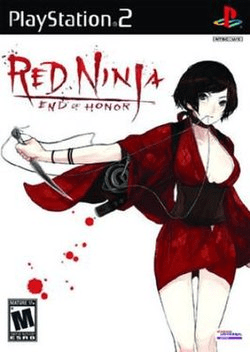

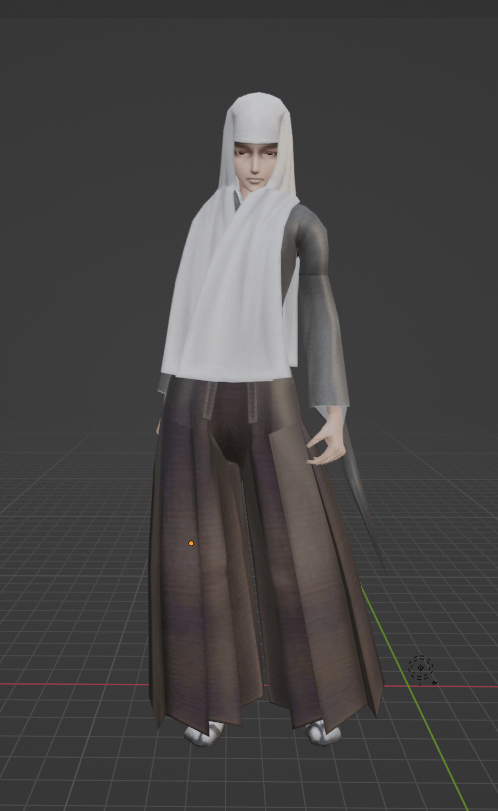
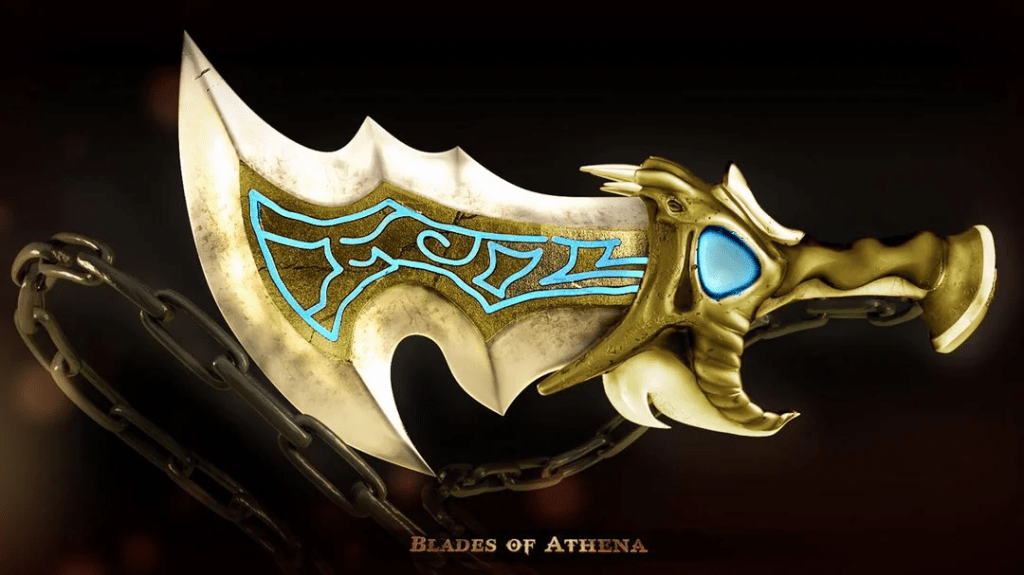
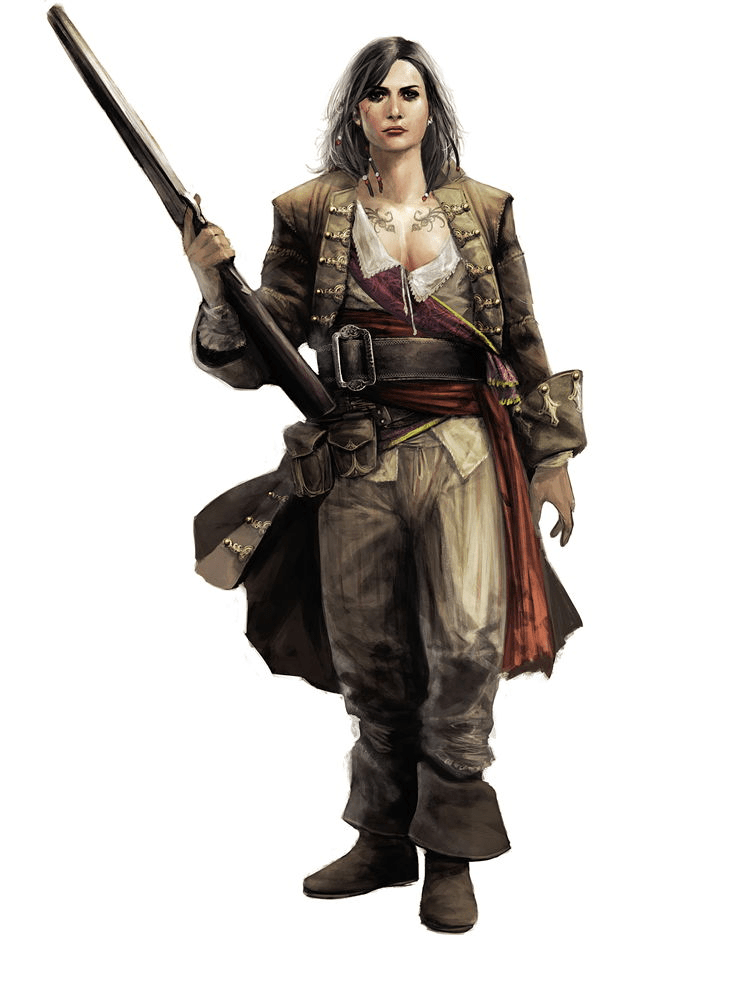
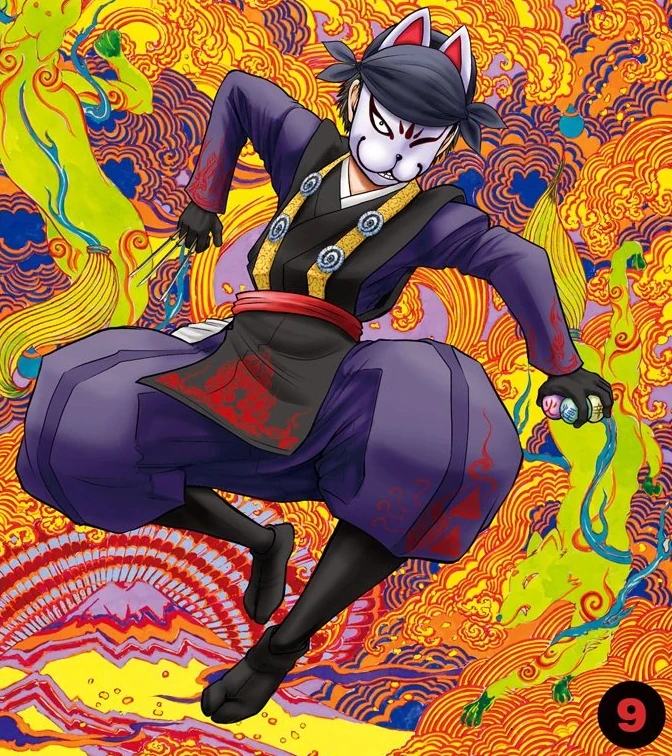

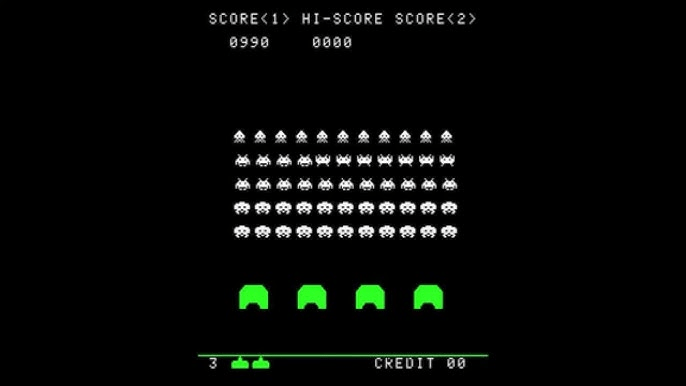
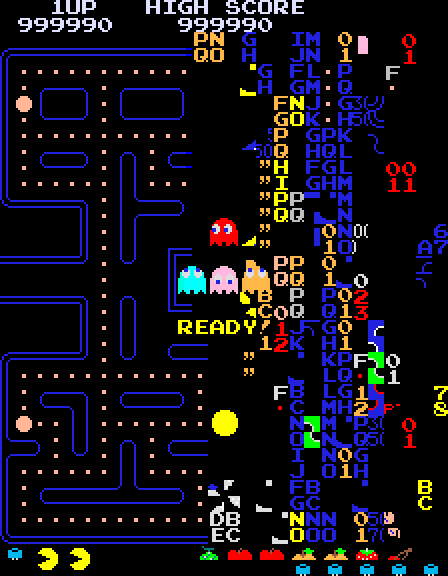

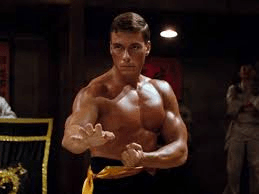
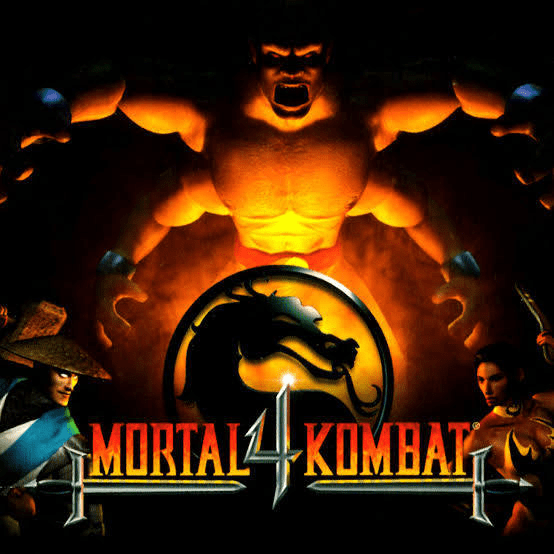
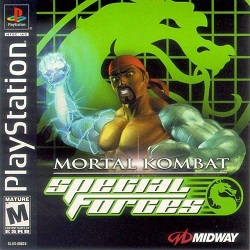
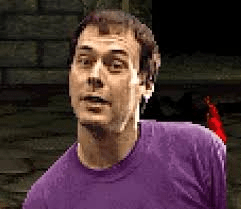
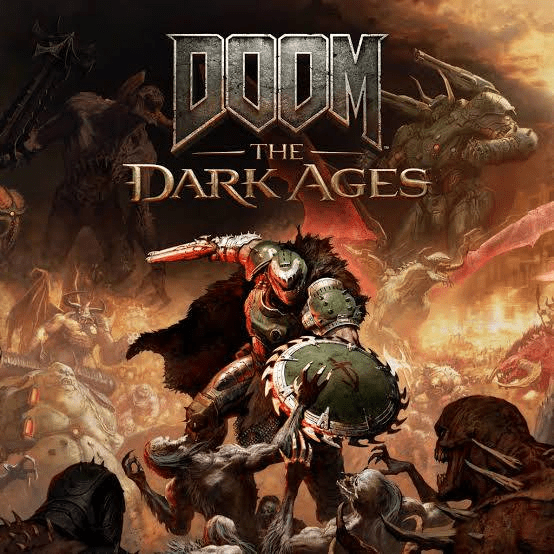
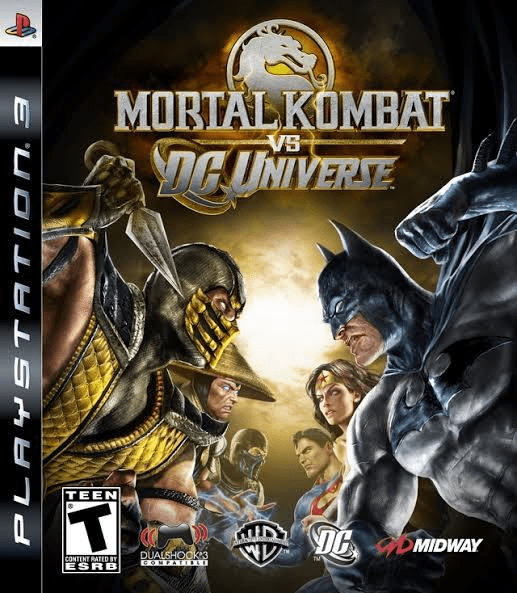
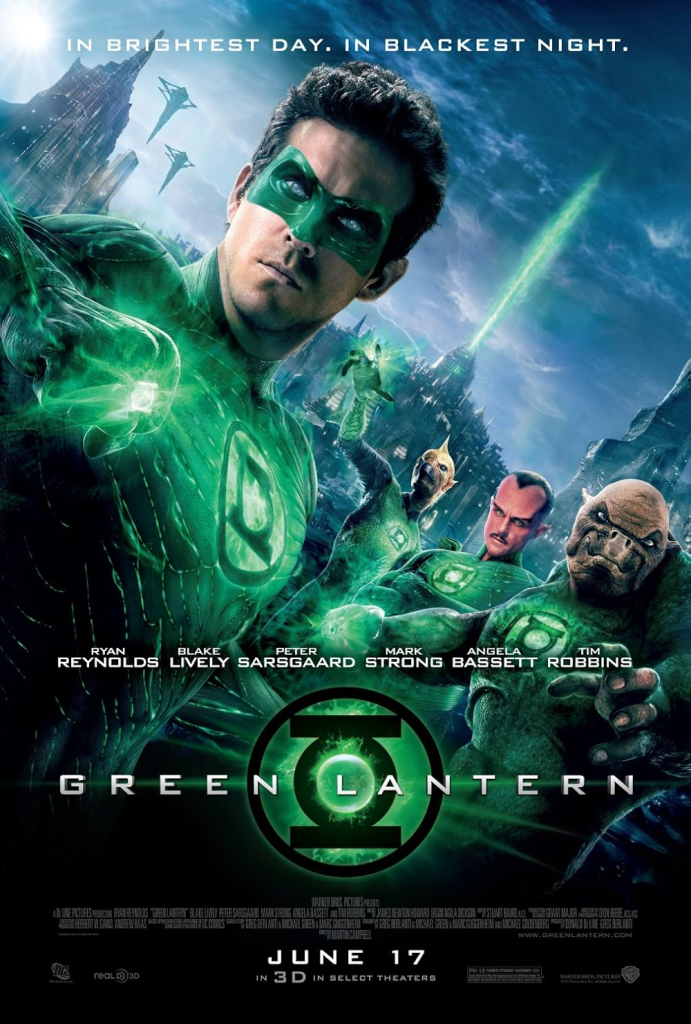
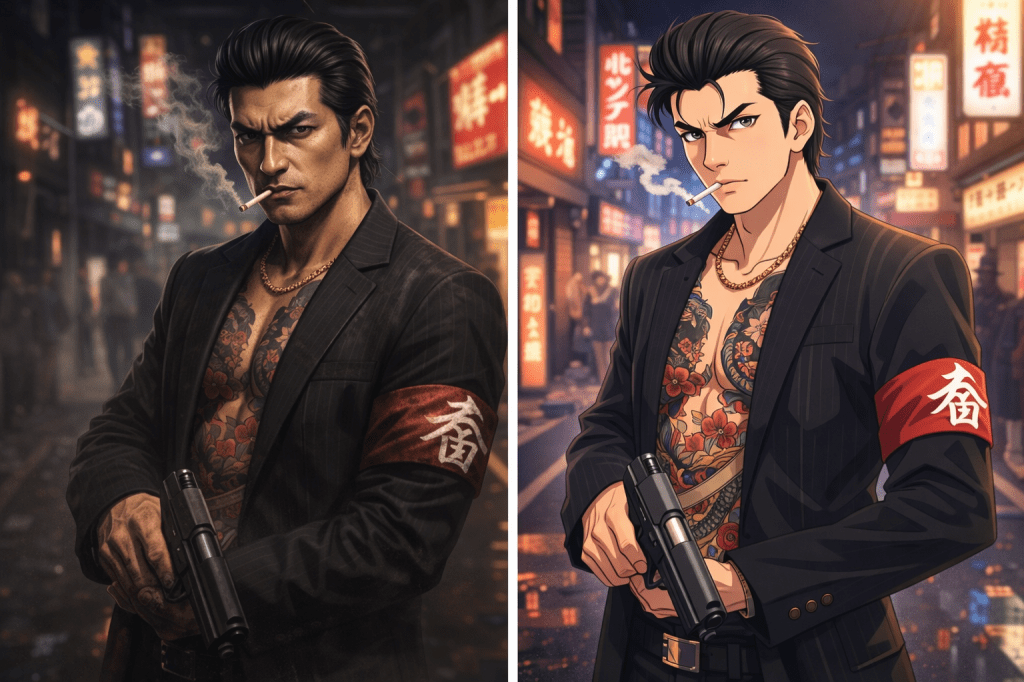



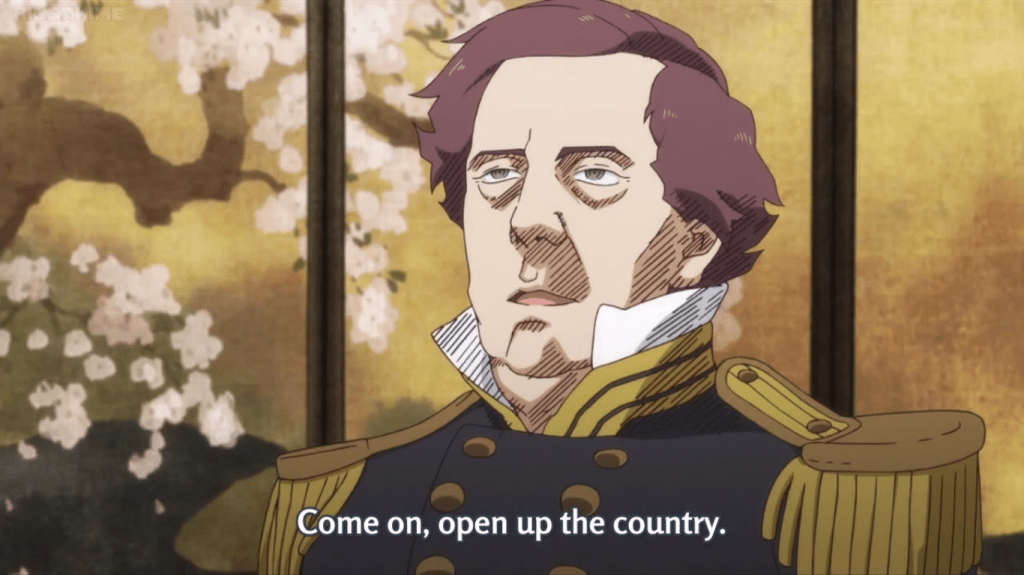

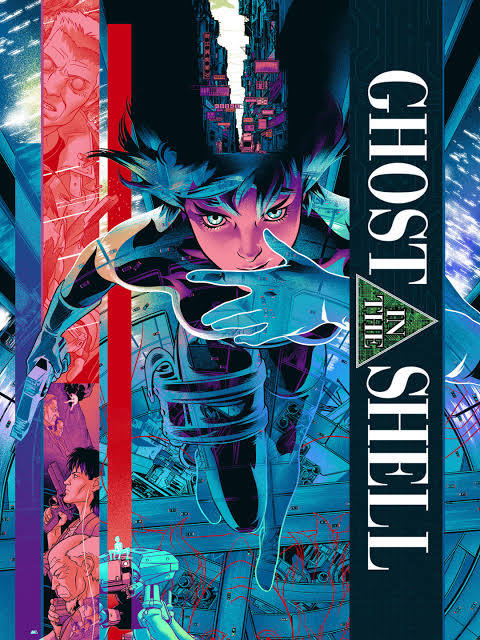
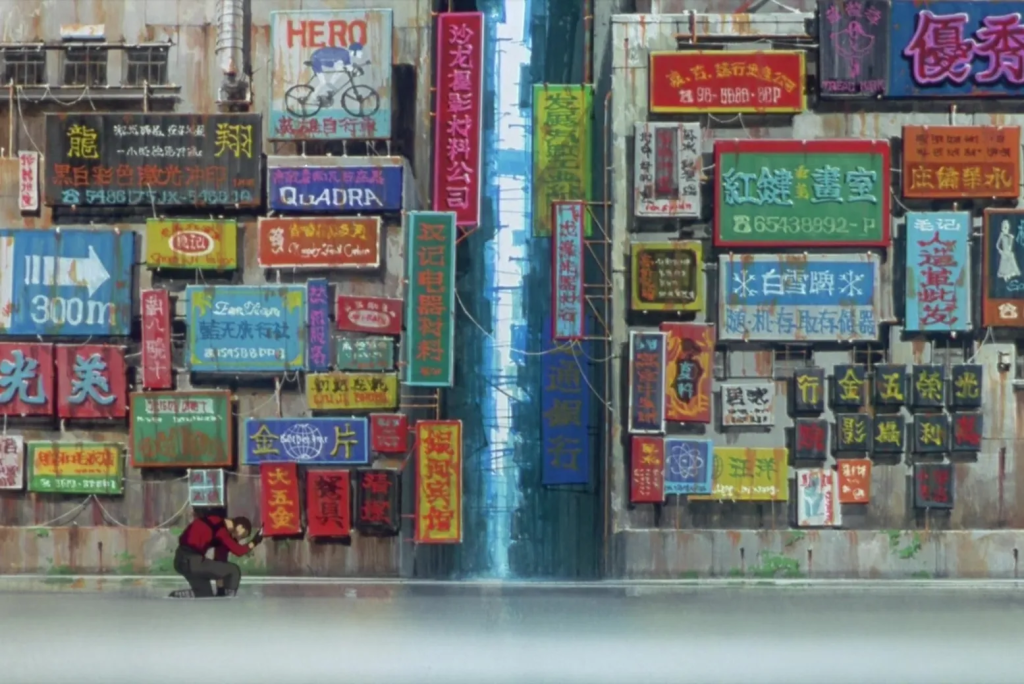
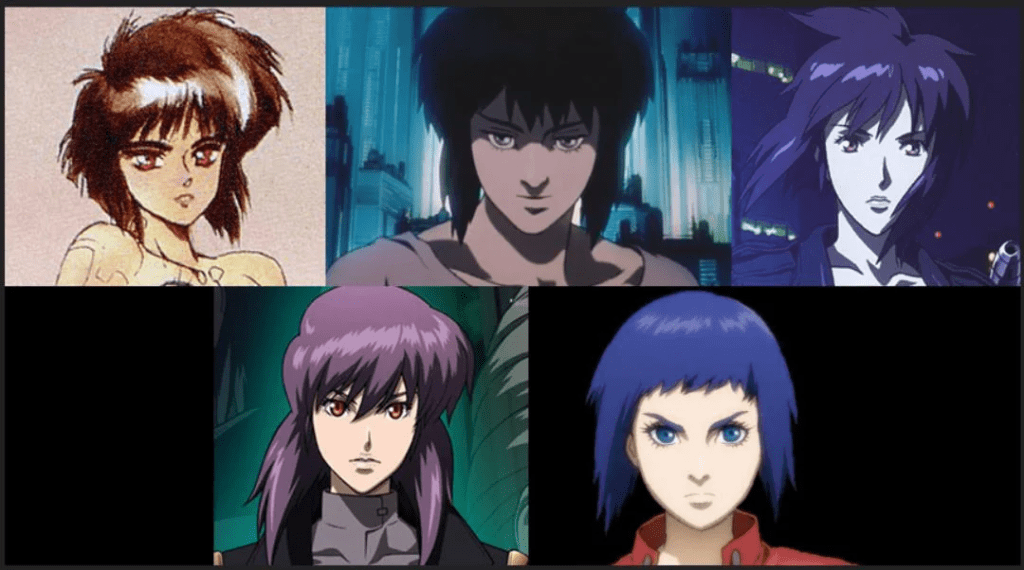

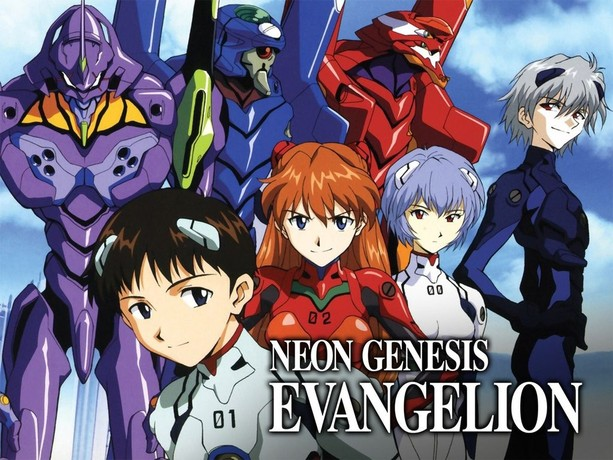
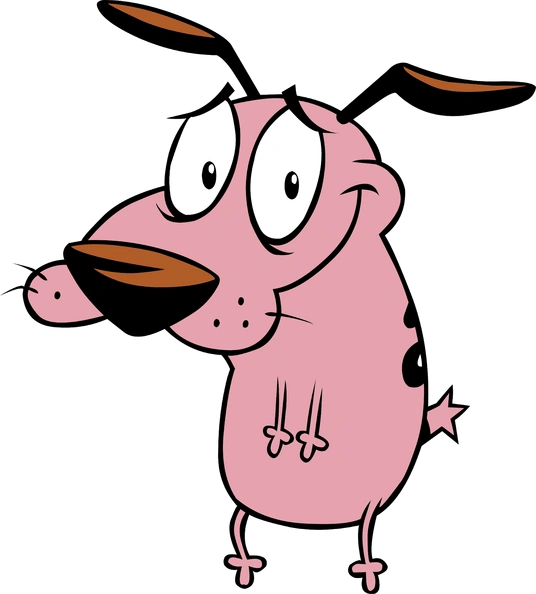
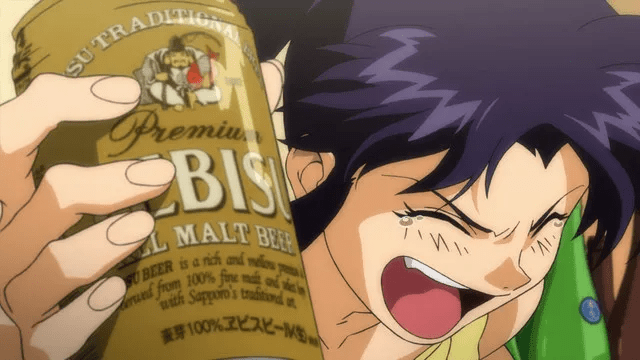
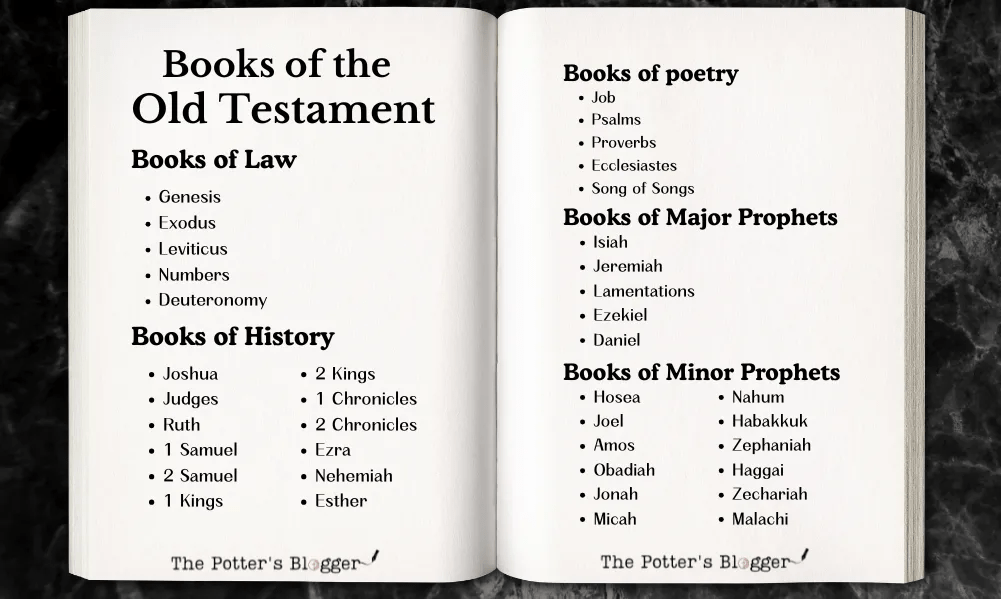
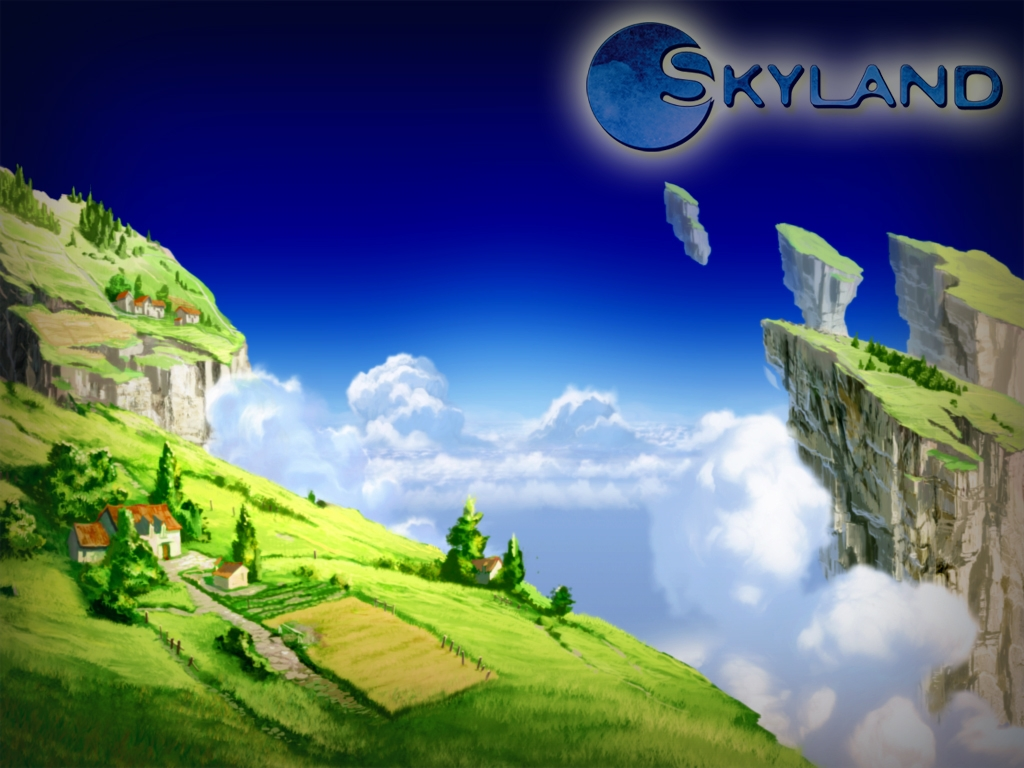
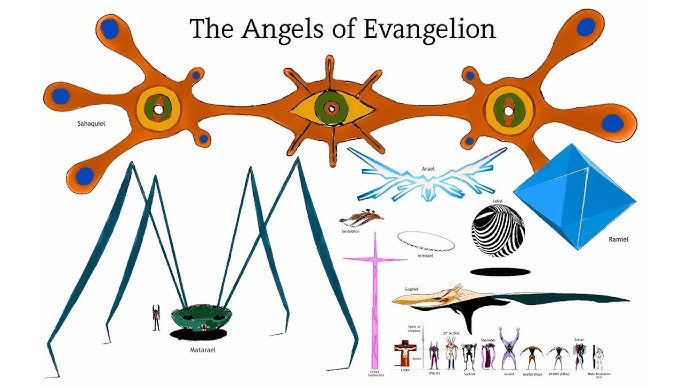
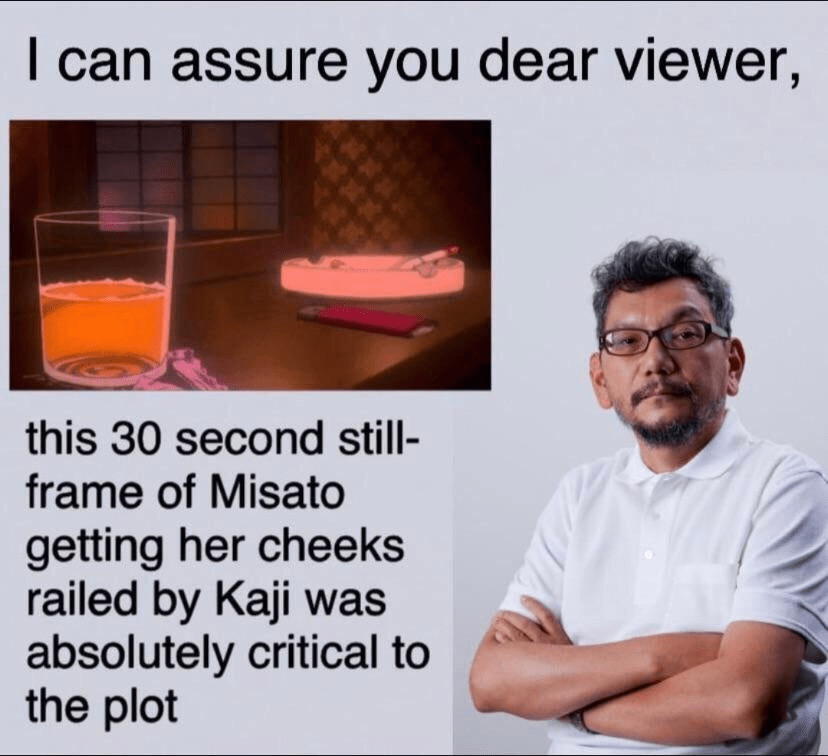
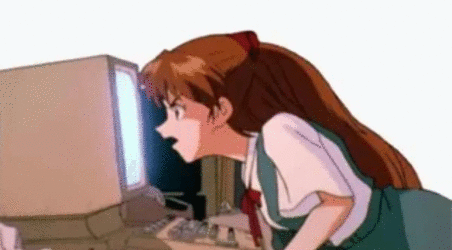

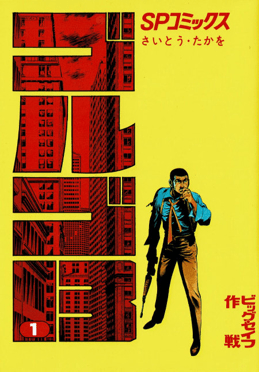
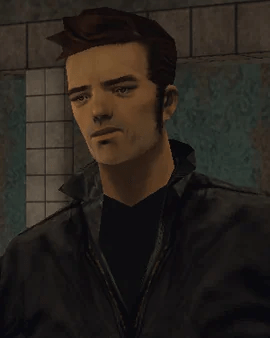
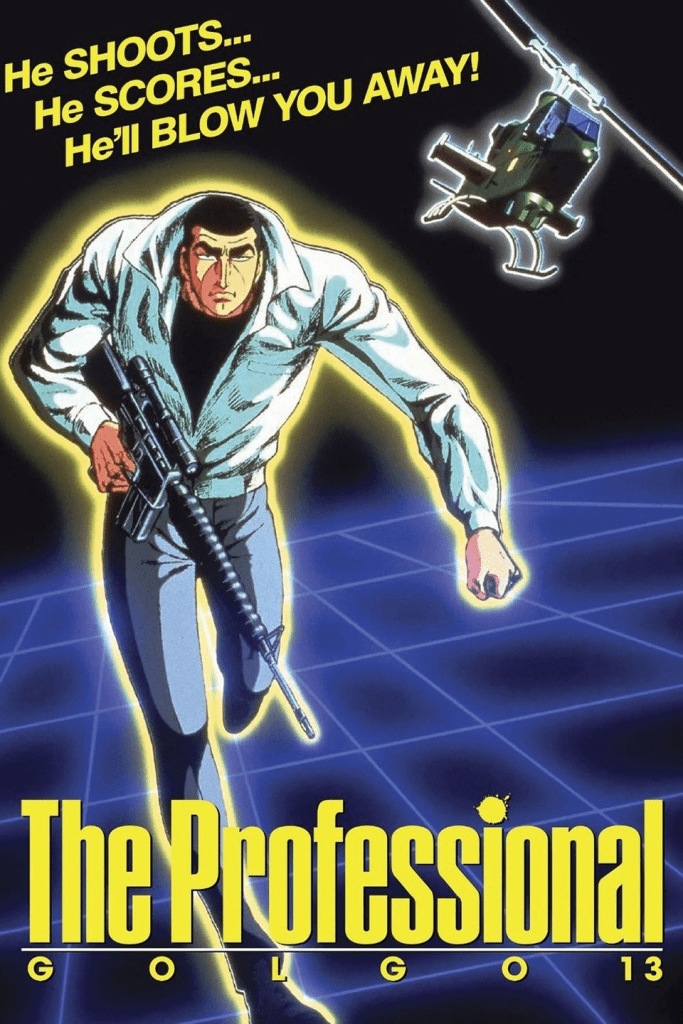
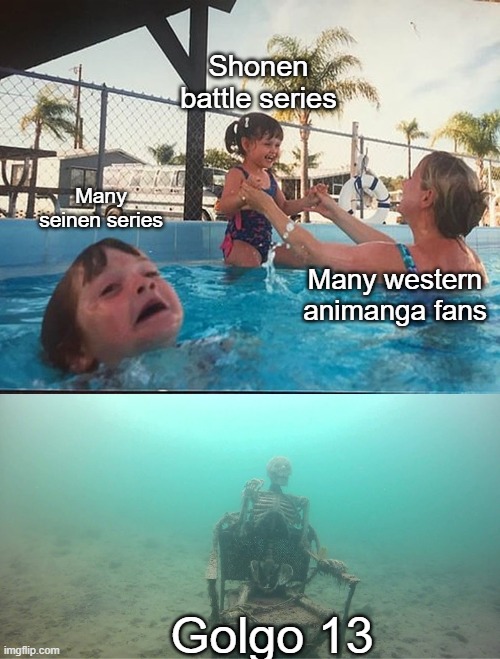
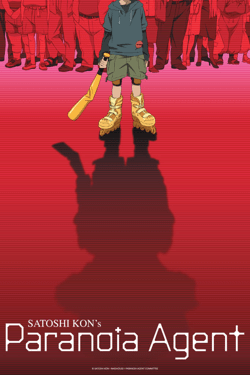
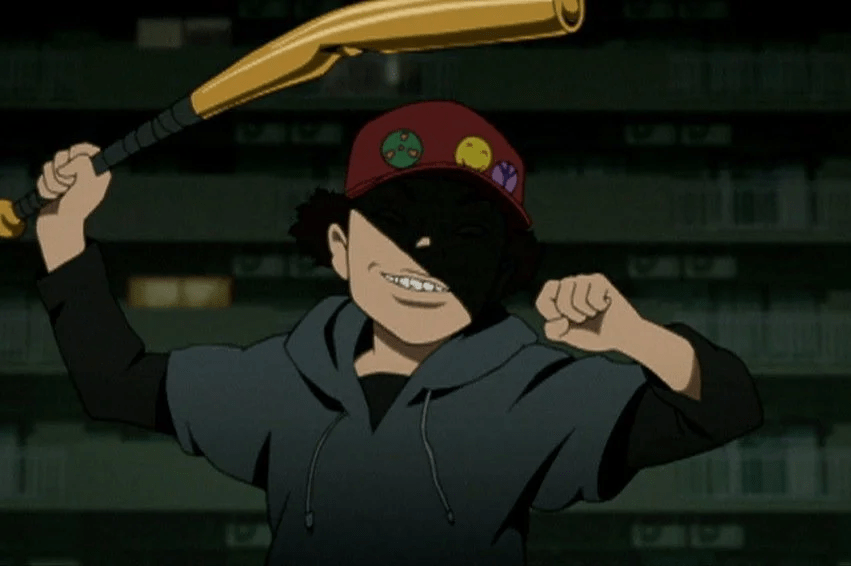
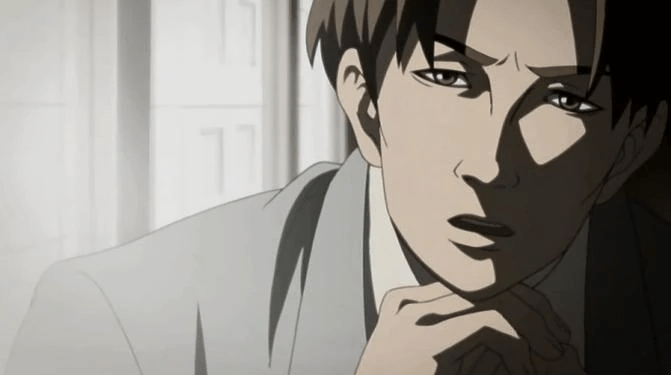

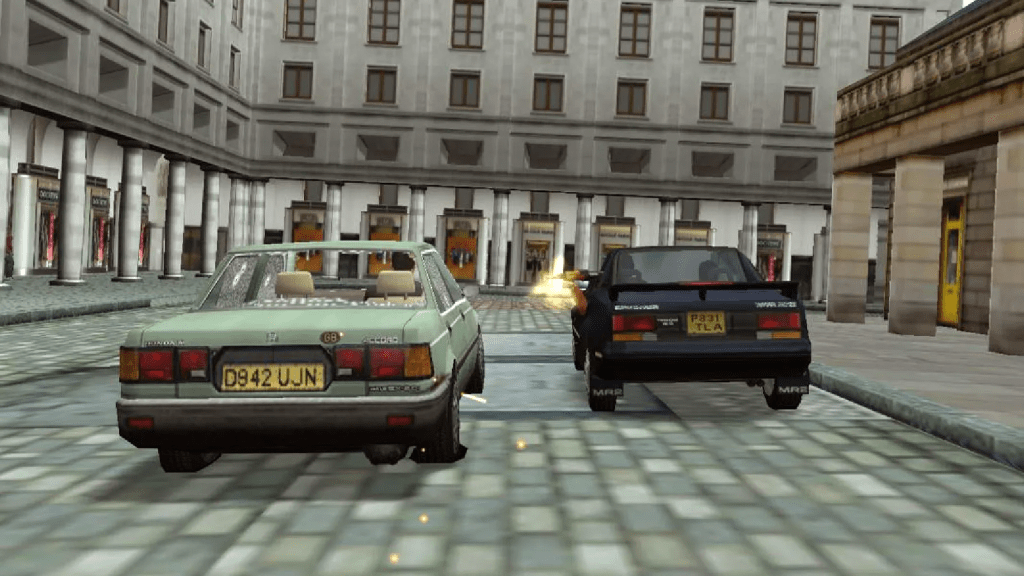
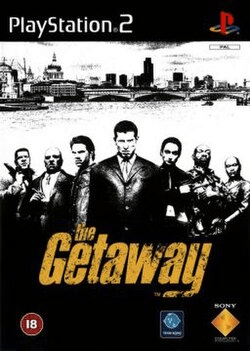
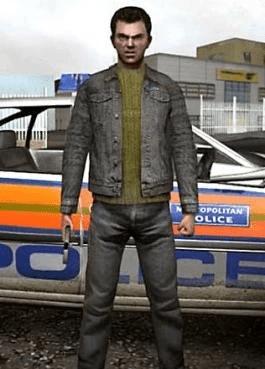




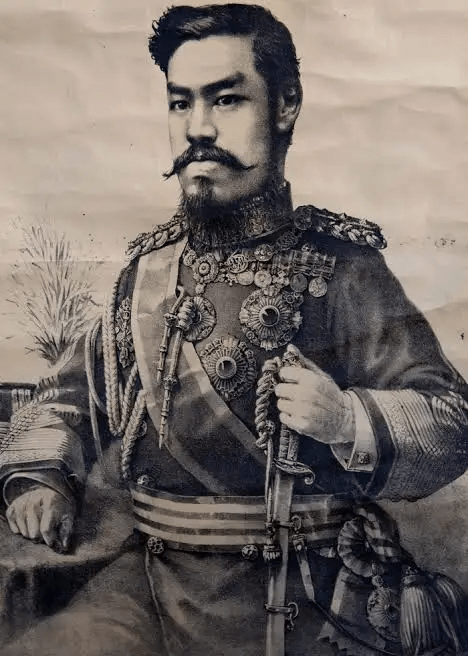
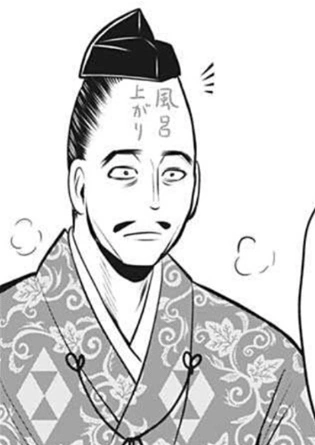


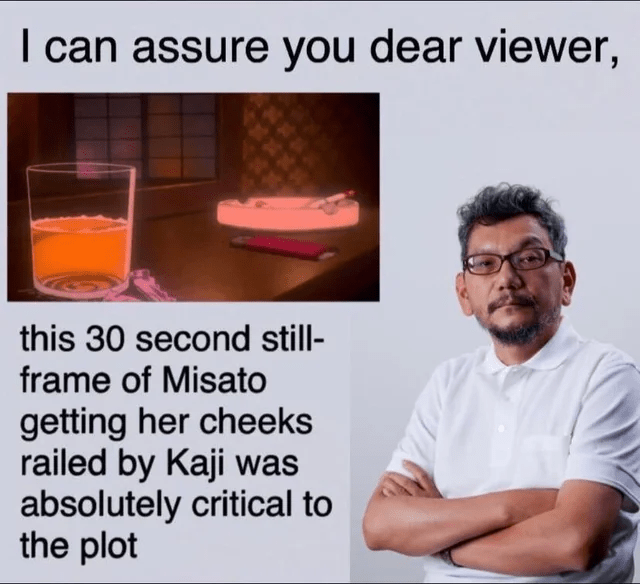


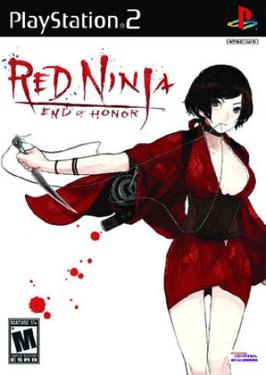






 Opinions on Entertainment