
Working forwards and working backwards
Long time readers know by heart my love for Max “Painkiller” Payne is outdone only by that of Detective Frank “One more thing” Columbo. But for those who are checking in from an uncharted part of the world (or galaxy), here’s my piece on Max Payne and here’s my most recent piece (as of this writing) on Columbo. Short version: play Max Payne, it’s great; and watch Columbo, it’s great.
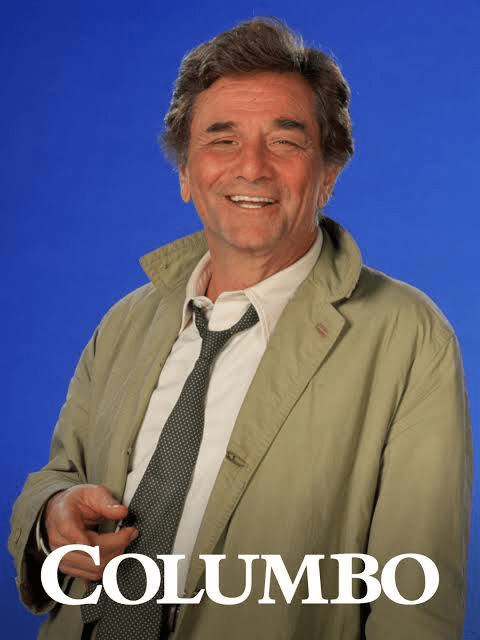
Two of my favorite fictional cops with wildly different approaches to law enforcement, neither of which would pass in 1970s LA or 2001 pre-9/11 NYC, replete with their own idiosyncrasies that’d make them laughing stocks in the real world… sorta. Max Payne is self-aware enough (until around the third game) to understand that he’s not a superhuman despite his ability to slow time down and show God his moves. Columbo, meanwhile, is less gun ’em up Matrix seeing as it precedes that and John Woo’s bombastic bullet ballets by about 14-15 years on average, and more see the crime and unpack the details with that good old fashioned logic. One works forward, the other backwards from the inside out.
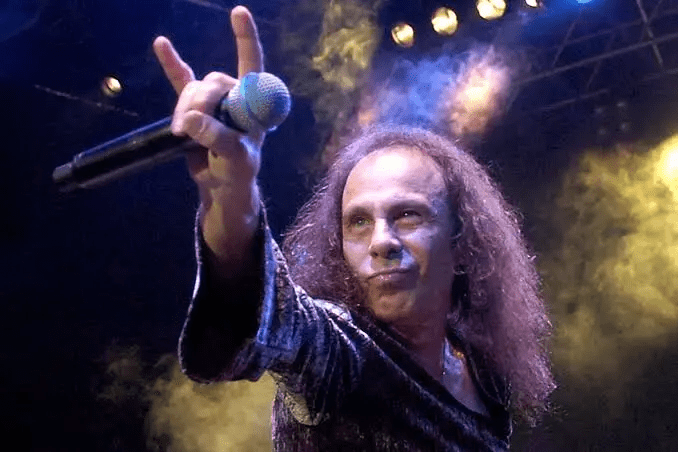
So let’s follow the lineage: Max Payne released in July 2001 with backpay owed to The Matrix which released in theaters in March 1999 which in turn owes backpay to John Woo’s April 1992 film Hard Boiled. “Nine years worth of breaking my back,” said Ronnie James Dio calmly.
And with that lineage, Max Payne had a fair amount more to build up from. Penned by a Finn named Sam Lake, it can be seen as an amalgam love letter to noir cinema of the 1940s, Hong Kong cinema (that I’ve brushed upon before), and Frank Miller’s comics, not referencing the 300 (read: 7,000) Spartans who failed to stop the Persian advance at the Hot Gates.
And it still has the whodunit aspect of the mystery. What separates Max from some of his inspirations is that there’s something of a hit list of mafiosi to gun towards before the plot throws a spanner in the works with the spider at the center of the corruption. Rico Muerte, brought in from Chicago to sweep the streets the way Al Capone used to do it; Candy Dawn, the hooker filming herself f[dolphin]k strange men in secret and selling the sexy tapes to the highest bidder as a side hustle–the Punchinello Family would probably have her head for this, but it’s their brothel she’s filming in, meaning they know, help with the filming, and let her film so long as she kicks up a couple of bucks for every tape. Pays to let a girl do things her way, you know?
The Finito Brothers, running that hotel; Vinnie Gognitti, better as a pencil pusher than an enforcer; Jack Lupino; whose blood is 69% Valkyr; and Angelo Punchinello, who was running the whole of the operation, until the black widow went to check in on her web of secrets.

“All this because your wife stuck her nose into things that were none of her business….”
It seems like a sharp left turn from chasing mafiosi to fighting a government conspiracy theory that wouldn’t be proven for another 13 years, but organized crime and secret societies overlap so much that one can summarize the distinction by merely claiming “all organized crime groups are secret societies, but not all secret societies are organized crime groups.” There’s a giant difference between the Skull and Bones Society on Yale and the Ku Klux Klan.
As for this particular case, inner circle of influential intelligentsia is notified by the U.S. military of the mysterious Gulf War syndrome (later revealed to be a dose of sarin gas so low that it was deadly to amoebas and zooplankton), and asks for funding to test a booster drug based on Norse mythos, dubbing it Valkyr in reference to the Valkyries who took victorious Norse warriors to Valhalla to feast and fight for eternity, even playing on the common (at least in the Army) saying of blessing a fallen servicemember with the phrase ‘Til Valhalla. Research began in 1991 and was cut short in 1995 thanks to unforeseen side effects in the cocktail.
Those who are old enough to drink in their country may know of the legendary green fairy associated with the drink absinthe, based on an age-old myth that made it seem like it had hallucinatory properties. A green substance taken in large doses allegedly contributing to hallucinations and triggering explosive, unpredictable reactions. Quick: what am I talking about? Valkyr? Absinthe? Every negative myth about cannabis since the 1920s? Yes.

Everybody loves a well-executed plot twist.
One rogue inner circle member continues the crime against humanity absent the approval of the rest of the board and decides to observe the worst members in a suburban setting in New Jersey in 1998, deliberately targeting the home of a Max and Michelle Payne when the latter receives leaked information from the rogue member’s colleague in an attempt to stop her in her tracks, only for the rogue member to leverage every resource available to bury the Payne family in a manufactured tragedy. Elaborate? Yes, but that’s a trademark of neo-noir and its parent genre: moral ambiguity.
Max knows that the partnerships forged at the business end a gun is fleeting, as do Mona Sax, Alfred Woden, and Vladimir Lem. Favors are done by and for all these groups, but one wrong move can disturb the web. Nicole Horne didn’t weave it alone and she didn’t maintain it alone. She also didn’t do so with a vision for a prosperous future for all in mind; obviously the ultimate goal was to line her own pockets and not just with blood. It’s possible she was a financier for Lionel “The Director” Starkweather, but that may just be me linking unconnected Rockstar universe properties.
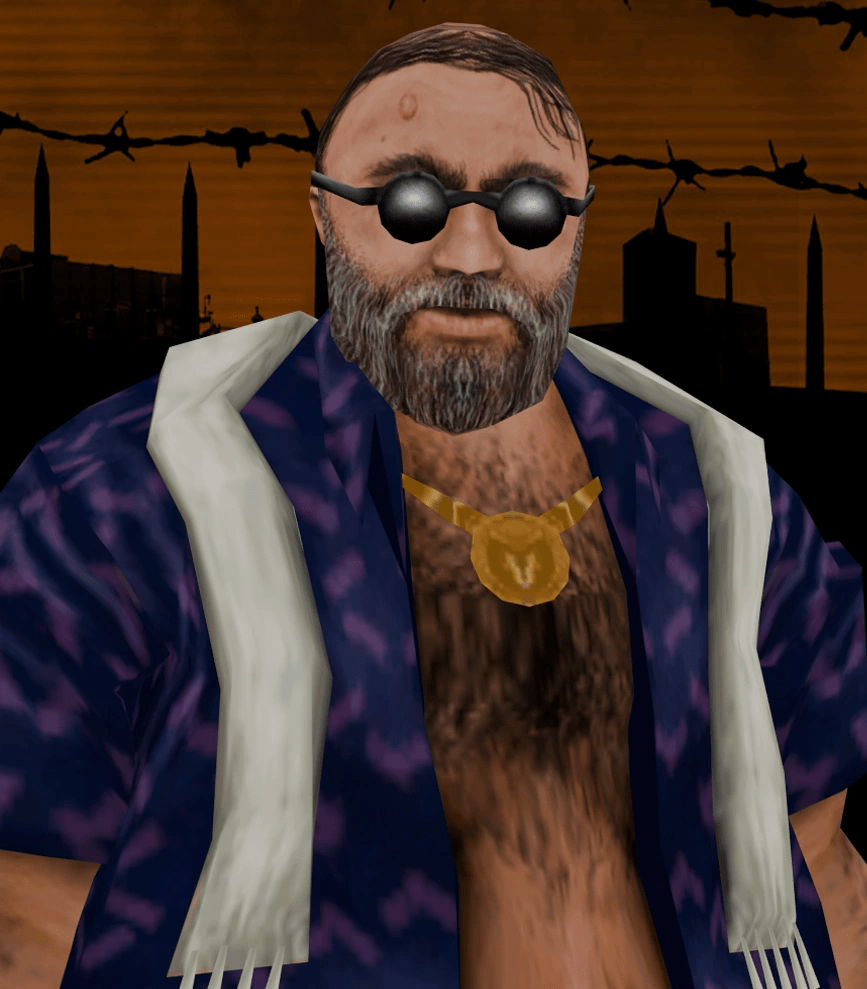
Would you put it past her? She was blackmailing Alfred Woden with tapes of him blowing out Candy Dawn’s back on a weekly basis.
All in all, Max Payne either builds up to the pants pull or reveals the pants pull about halfway into the chosen game, such as in the first and third games, which is par for the course of the standard, time-honored, whodunit.
Now the howcatchem formula with this guy: Frank “One More Thing” Columbo.
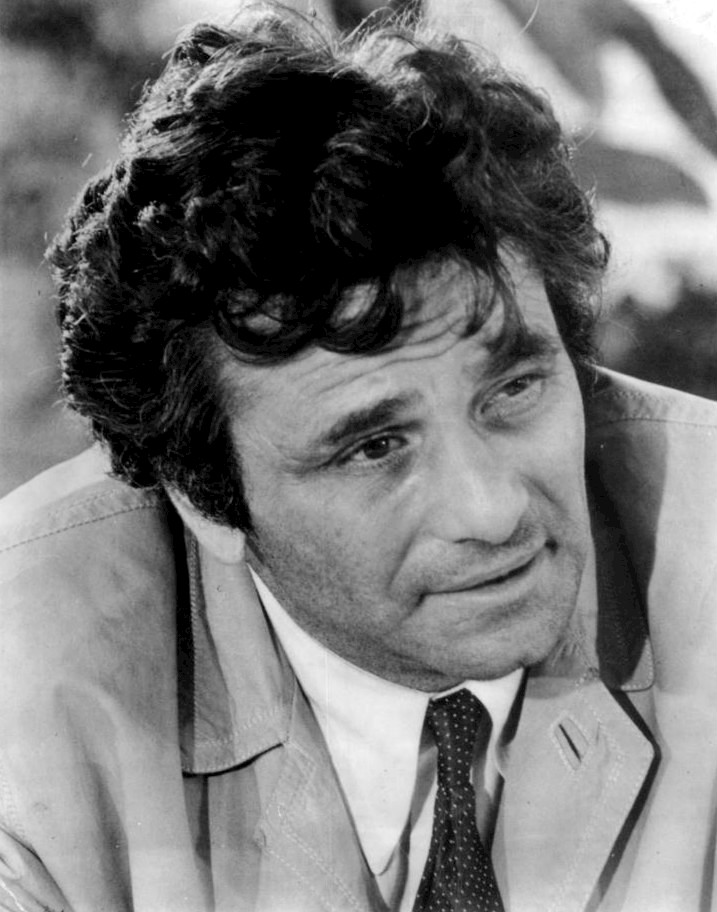
By reversing the order of the mystery, the audience knows who the culprit is. What typically happens next is that Columbo uses his logic to piece together the end result with the report. So let’s say there’s a murder: a champion golfer murders his friend right as he’s about to advance to the championships. The golfer claims that he knew the victim and is devastated. It was an unfortunate accident that befell them, quoth the golfer; well, it’s not all that easy to fool a detective.
You can put together as many intricate, painful details to craft a fake story, and once Columbo puts the story to the test and finds discrepancies, on the wrists go the cuffs. And no detail is missed, from the actual episodes during Columbo’s run to the decades of parodies like the great Death Note case:
Channel: RedMufflerMan
Incredibly, his success rate isn’t a perfect 100%. It’s closer to 98.61%. If Google is being honest, then there were at least three crimes he couldn’t solve, one of which wasn’t a murder, and the other where the perpetrator was facing early on-set memory loss. Still, the one thing you can count on Columbo for is to be an annoyingly tenacious cop. That is to say, he’s seen that way to the suspects who eventually confess to their crimes toward the end out of sheer arrogance and anger that Columbo just won’t buy their bulls[click]t masquerading as the truth. And honestly, that’s just good policing. A cop who doesn’t take anything at face value is a standard-bearing cop. In my line of work, Columbo oughta be a captain.
But he’s not. From debut to retirement, he stayed as a lieutenant in the LAPD, sticking with solving crimes on the ground by himself rather than dispatching successors to wear his shoes. And with his portrayer Peter Falk standing at 5’6″/167.6 cm tall, a select few possibly can fill those shoes, and if you ask Japan, the average male absolutely can, but a high vetting process will heavily filter out the pretenders and separate those who share his sense of justice.

Actually, Japan did it already with Furuhata Ninzaburo. *adds to watchlist*
As for influences, if Max Payne takes from Norse mythos, Finnish writing, Hong Kong action cinematic setpieces, and a blend of British-American wit, Columbo’s influences could be found in a high school level or late grade school level literature class. Realistically, what the rest of the world considers Advanced Placement Literature, short of university level courses. Dostoevsky’s Crime and Punishment, the 1944 film Double Indemnity, and even the legendary Hercule Poirot are said to have had an influence on Columbo’s character when Richard Levinson and William Link wrote him first for The Chevy Mystery Show in 1960 before he was given his first standalone debut on his titular show eight years later.
Great! So they have differing lineages, debut times, styles, and methods of crime solving–one analytical, and one pairing that with kick-ass, operatic gun-fu that wouldn’t really see resurgence until John Wick in 2014 and El Paso, Elsewhere in 2023. So why compare these two and not, say, Cole Phelps, or Tequila Yuen? There’s a few reasons for that.

DoUbT pReSs X tO
It would make sense to pair the 1940s LA-based detective with the one who chronologically succeeds him approximately 20 years later; not to mention sizing up the Hong Kong gun-fu sifu with his New (Noir) York City equal only a decade apart. But the one thing I like to do is look at seemingly (or actually) different things and size them up. Compare the noir type with the howcatchem, wait for the soap to drop, take ’em down type. It’d be another interesting exercise to try to do this with all four officers; looking through this blog’s early history, I’ve done this before. And I’ll f[plane]kin’ do it again!!
Frank Columbo’s ultimate weapon is his mind and intellect; Max’s weapon of choice is a pair of handguns. Columbo breaks the crime down; Max builds up to the crime. Columbo introduces the killer first and works from backwards; Max goes forward at ballistic speeds, choosing when to slow down and how to do so, mid-dive or pre-trigger squeeze. And they’re both on my blog, with Max getting the most references to date next to Kratos while Columbo builds up his impressive repertoire.
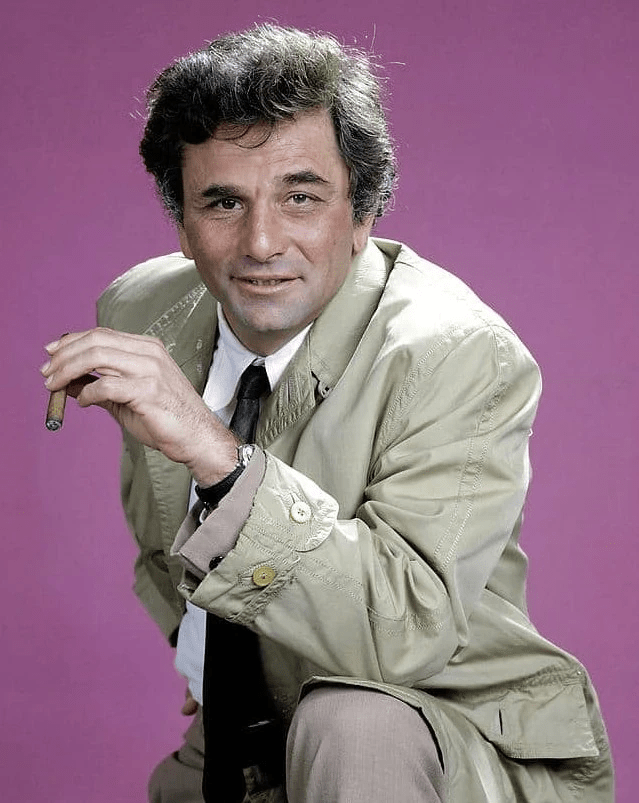
Expect him to join Max Payne in the future of this blog.
 Opinions on Entertainment
hello
LikeLike