
Another atypical police detective from another part of the world
It was the first week of April 2026 when I first wrote my piece on Det. Frank Columbo starring the incomparable* Peter Falk.
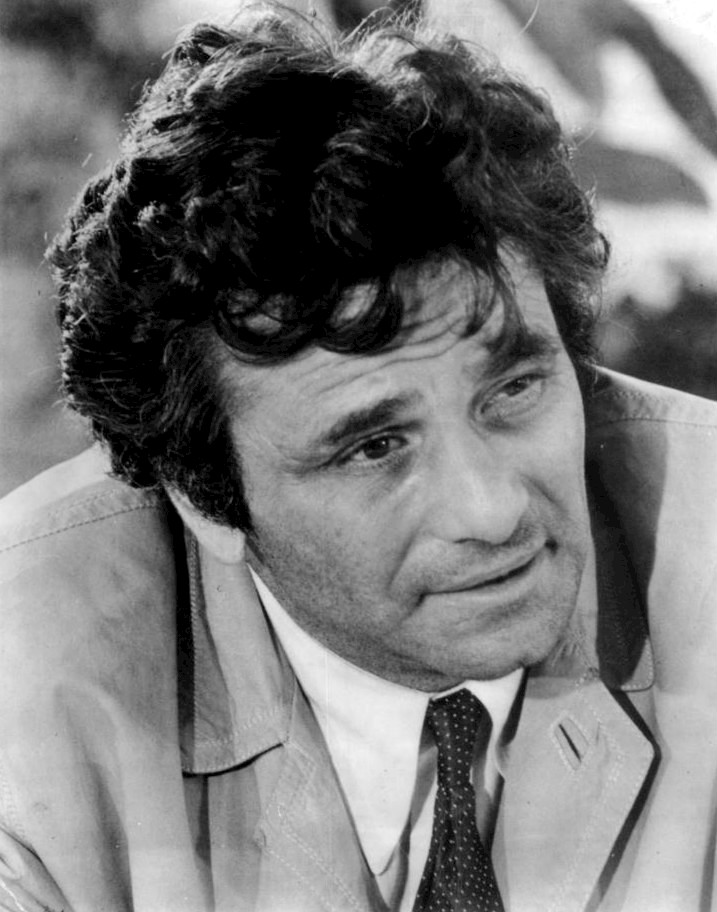
See this link provided for more details.
I touched up on it while writing the post, but what stood out to me in my years of watching Columbo was that not only was his character revered by the Japanese, screenwriter Koki Mitani was so enthralled by Columbo that he was singularly inspired by the series to create what many consider to be the Japanese equivalent: Furuhata Ninzaburo.
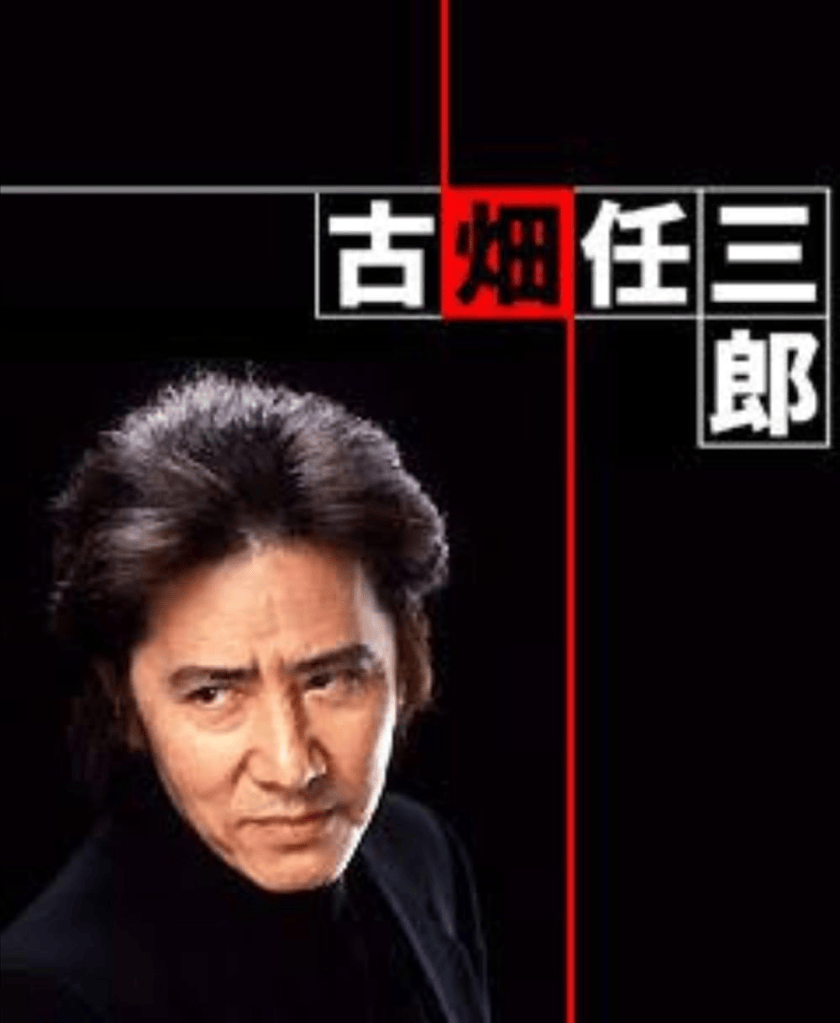
Trench coat cigar smoker and slick bicycle rider ╰( ̄ω ̄o)
As per usual, I haven’t finished Furuhata Ninzaburo, and at only three episodes in, truth be told, I should probably view more of it before I start writing about it. But I did this before with Gokenin Zankuro, and like that show, Furuhata Ninzaburo differentiates itself from Columbo at the first hurdle.
Both shows open up by showing the killer manufacture a semi-perfect murder (obligatory: you’re either perfect or you’re not me joke), but Columbo’s work shines in that he deconstructs the nature of the crime by way of facts, logic, and deductive reasoning. Furuhata-san, on the other hand, directly addresses the audience. He begins with a cold open of seemingly borderline relevance to the rest of the plot at the beginning before the opening credits name the production crew, then the murder happens, then Furuhata-san deduces the murder.
The departure between this and Columbo is that Columbo still has the feel of something of a ride. Columbo may be figuring out how the opening happened, but the audience does so unassisted. Halfway through a Furuhata episode, Furuhata-san will speak to the audience, perhaps acknowledge that the nature of the crime is sound and mostly flawless that even he’s stuck, then he invites the audience to think more closely about the clues before returning to the plot. It’s something of a challenge for the viewer to see if they can beat Furuhata-san to the punch. Three episodes in and I haven’t guessed beyond the motive being that the victim and the perpetrator knew each other (¬_¬”).
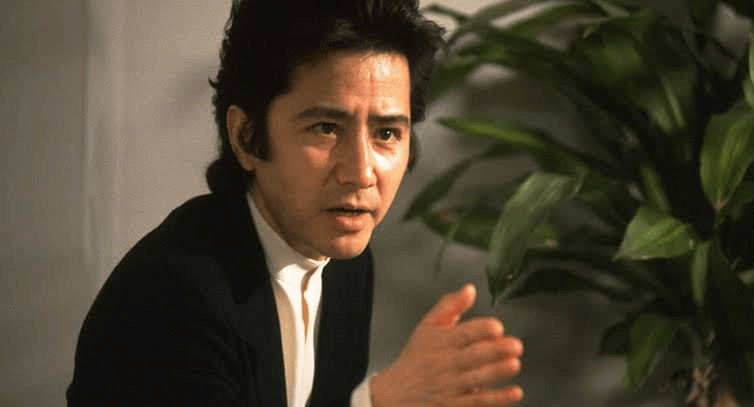
めんどくせー
Funny enough, visually, Columbo and Furuhata-san are notably different in the way they dress and how they behave. Columbo is a gentleman whose suspects are educated members of high-class society. The court jester who cleverly leads the aristocracy into a corner then presents them with the evidence of their own crime. Furuhata-san is equally polished, and some of his suspects are highly educated, but they’re also specialists in a craft. Any person can become an actor, but any person could be a doctor. There’s the distinction. One requires advanced schooling; the other doesn’t but lessons from a master help streamline the process.
Despite Columbo’s disheveled appearance, he doesn’t claim to be better than anyone else, doesn’t put anyone down, and doesn’t throw around his weight. He’s still human, and he still has a temper, but you rarely see Columbo get flustered or frustrated or downright angry. The honor of angering Frank Columbo belongs to a small group of people. Chief among them: Leonard Nimoy.
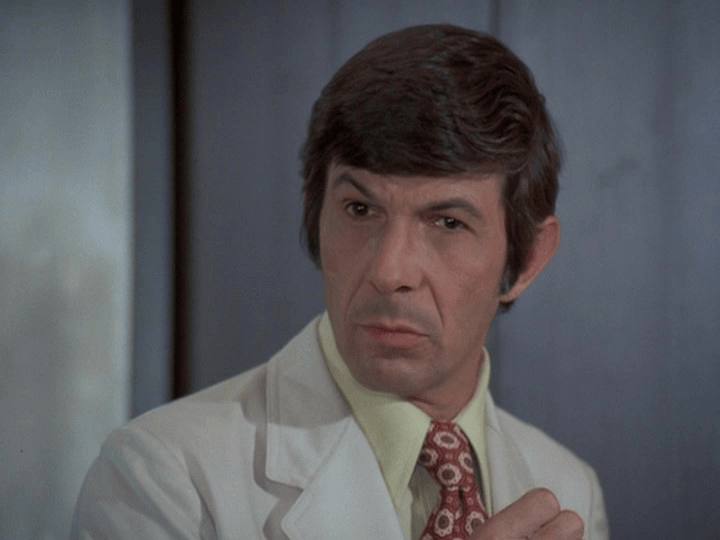
Preference for Star Wars over Trek aside, I really can’t get over this ( ̄y▽, ̄)╭
Sure enough, Furuhata Ninzaburo is not disheveled. He looks like a professional, he typically puts himself down, his behavior is deceptively subservient–and yet, his genius plays out once the perp is caught in their own trap. Consistent for just the first three episodes across the series, and the Wikipedia page, Google AI, other dedicated blogs and perhaps even Koki Mitani himself claims that later episodes have guest stars in the pipeline. Baseball fans should be familiar with the name Ichiro Suzuki.
Now, Mitani-san may have been enough of a fan to apply Columbo characteristics to Furuhata-san, but the runtime matches that of any other whodunit/howcatchem or a lot of J-dorama-tachi. Restraint? Appeal to tradition? I’m not complaining all things considered. Columbo’s original run parsed the episodes with weeks in between newer episodes, coupled with the fact that they were movie-length episodes… movie-length episodes… on a TV series. Go back to that post on Columbo, I did say it was atypical.
Furuhata Ninzaburo could be considered standard if there were more howcatchems to draw upon. Furuhata and Columbo contribute to the number, but it remains rather small and niche.
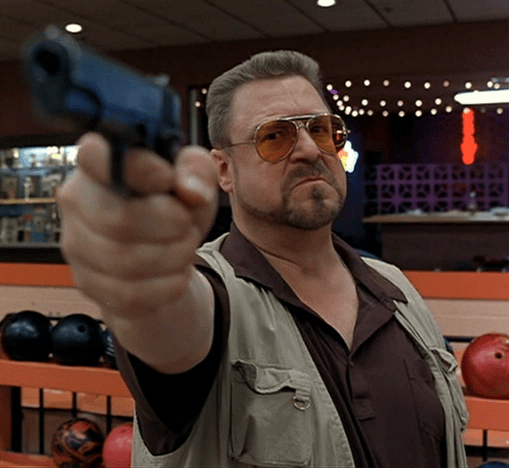
And unlike Donny, I’m certainly in my element in that regard, so please lower your gun, Walter. I don’t want any trouble \(T_T)/.
On that front, I’m a little bit torn on this. On the one hand, Columbo left a paper trail of used cigars for me to follow, but not every howcatchem owes Columbo some dough. He isn’t even that kind of Italian.
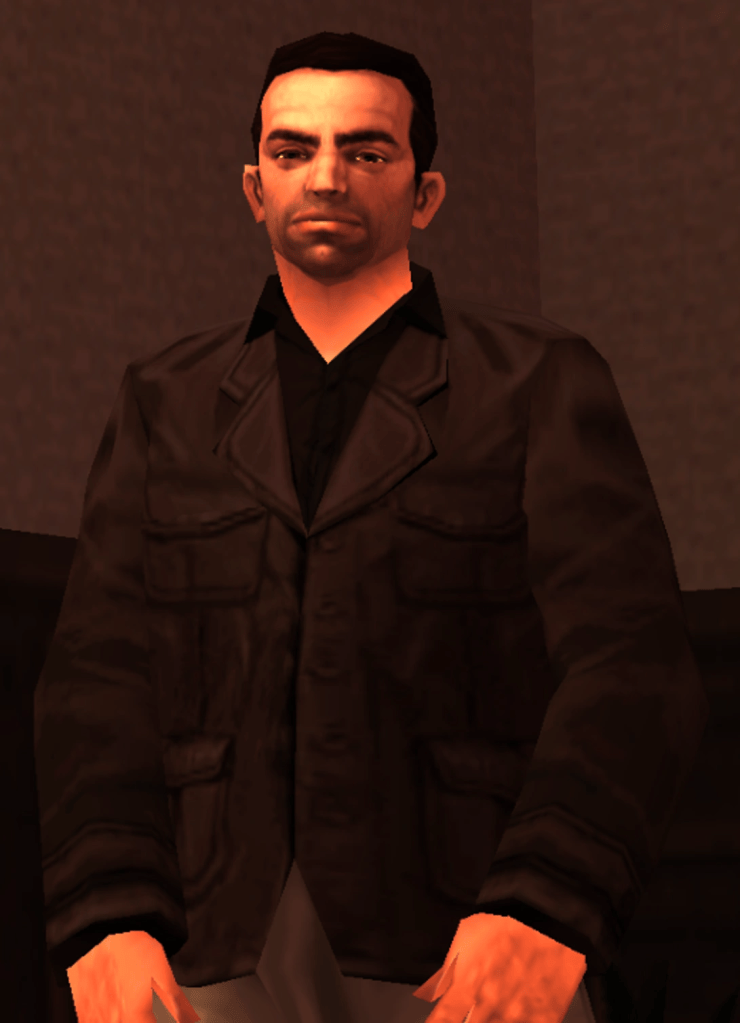
Doesn’t fit ‘im anyway.
No, the howcatchem is older than Columbo, but not that old. According to Google-senpai, the progenitor of the howcatchem is a 1912 novel called The Case of Oscar Brodski by R. Austin Freeman. Still in print, but I’ve come across a conundrum in the last few years. I love physical media but have little time for it–likewise I engage in digital media more but my pieces on lost media (I write so f[plunk]king much about that s[boing]t) count as evidence for how I feel about digital: innovative and doomed if not for enthusiasts who throw caution to the wind to bring pieces of media like these to our screens and devices.
I put Tubi on a proverbial high horse, far above some others, but that service has its own limits. Furuhata Ninzaburo can be viewed on the Internet Archive and I hope it’ll still be there by this time next year. I’m having trouble finding Dragon Ball Z: Kai there and I’m not so certain I can find it on the next pirate site based in Quang Tri Province again.
Furuhata ran from 1994 to 2006 with a dectet of specials concluding its run in 2008. They’re all on the archive and all available for viewing.
Does finding it on the archive still constitute piracy? >_>

