
And what a bloody shame too…
One of the earliest posts on this blog concerned racing games, three of which I ranked in order from great to terrible: Midnight Club 3, Need for Speed: Hot Pursuit 2, and L.A. Rush–with Gran Turismo 4 as the wild card that I would attempt to get back into at a later date due to vague memories of what it entailed.
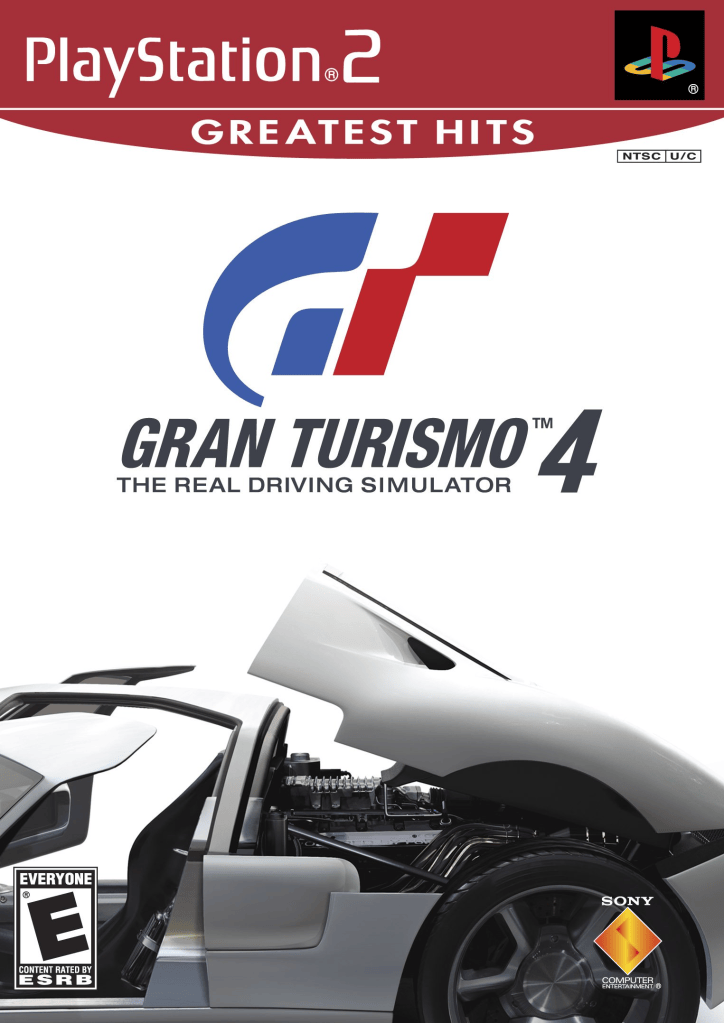
I made that dedication on April 7, 2023 with this post: Racing Games. Attempts were made to fulfill that promise and short of typing “Results: Inconclusive. Project Cancelled” in bold letters, it’s worth noting what I experienced in the many times I booted the game up on PCSX2 and why it’s better to categorize it as “easy to play, hard to master.”
The other three games mentioned in the post and up above are bog-standard pick up and play models with different tweaks. Advancing in Midnight Club means attaching wings to the car and flying to the moon at Mach 9; Need for Speed means picking the right car for the right winding track that curves and steers and dips and cuts with the precision of a surgical scalpel; and L.A. Rush introduces and implements those mechanics with the care and attention to detail a war criminal throws at a group of people marked for extermination.
Gran Turismo, from what I’ve seen, sits you down in a classroom to prepare you for intricate tips and elaborate tricks to be able to get through obstacle courses under certain guidelines. It bucks the tradition of pick up and play and walks you through a structured tutorial. Sounds like treating the player like they’re five years old with the mental capacity of aluminum foil, but the game isn’t particularly hard. The main designer behind the games, Kazunori Yamauchi, has a passion, a great passion for driving. Why? He was a racing driver at one point in his life.
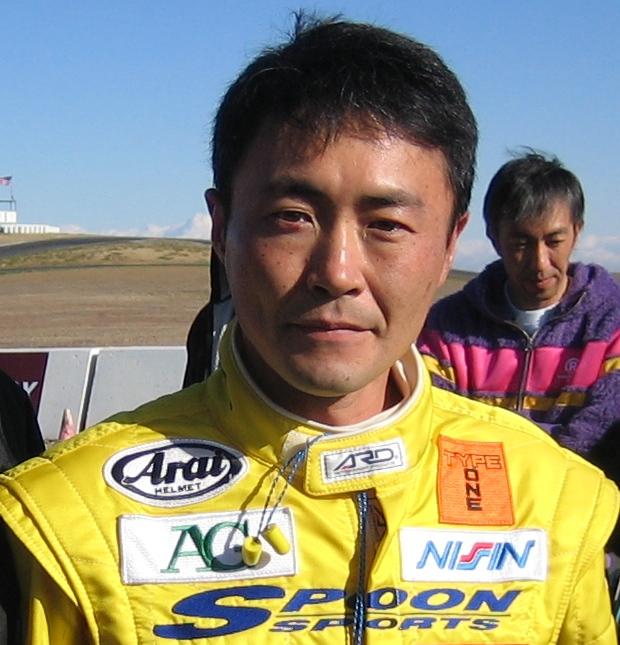
And following up on that, he didn’t help design Gran Turismo under the impression that everyone would become Speed Racer in seconds. My read on him is that if you are going to call yourself Speed Racer’s disciple, there’s a right way and a wrong way to get there, however, I hesitate to claim he thinks his way is superior and therefore every other method is incorrect. Rather, he puts himself up as one of several race car teachers. I could joke that he sleeps in a race car bed as a grown man, but that may not be a joke as a logical conclusion of his entire arc.
An apology of sorts is still owed to Yamauchi-san, I didn’t realize Gran Turismo was built that way on purpose. Now that I do have that understanding, my assessment of the driving school aspect is a lot more in tuned with different racing tips and tricks than anything Rockstar, EA, or Midway could make. Now that I think about it, Kaz Yamauchi’s unique perspective as a professional driver gives Gran Turismo much more of a kick mechanically than most other racing games. It’s not Midnight Club, or Driver, or Need for Speed, or the 20 trillion racing games that sat beside Gran Turismo. It’s been said that other professional race car drivers turn to Kaz for guidance on the track. (^_^)7
Does this mean my opinions on Kaz’s passion project have softened?

Yesn’t.
I’ve read the philosophy and understand better the works of the Metaphysics by Aristotle. That said, I also see how a less patient gamer would wanna brush past the lessons and GAS, GAS, GAS, GONNA STEP ON ZA GAS (Tonight I’ll fly!) and having been that little boy at one point in history, it takes time to develop an appreciation for something that wants professionals to succeed and gamers to learn. Edutainment is a thing and it’s either great or a great big pile of dino s[roar]t. If you grew up in the west, you can probably point to a myriad of shows that taught you thing and hid it behind fun. Maybe that’s universal? Either way, a lot of my favorite examples come down to something like this:

Is this what they refer to as “elite ball knowledge?” he typed while aging in mayfly years. Eh, the use of a rage comic for the banner of this blog already makes me a bedfellow who used to babysit Gilgamesh and Enkidu. But nonetheless, this can perhaps be concluded as a difference in philosophy and in culture, as well as history. Japanese car culture in particular came from something. The bosozoku? Partly. Quick research points to the postwar boom. Learning the Fleece Johnson way what happens when you think you’re unstoppable enough to eat the world, Japan after 1946 went through a metamorphosis.
Remember when I wrote about American troops bringing their favorite music genres with them to allied countries while stationed their in wartime? Same thing; U.S. troops (with some Aussies hanging around) put bases in and around different parts of Japan. Chances are servicemembers and civilians working for the different military department(s) reading this have been at one or more of those places (Hello, Yokosuka and Misawa!). Let’s set the scenario now: Army Corporal Derek Henderson grew up watching stock car races with his dad and older brother, he wants to be like those guys one day, but history moves, Pearl Harbor is on fire and the Philippines, Hong Kong, Wake, Guam, and the Indo-Pacific is either next or waving Japanese flags at gunpoint over the course of the next 96 hours. Uncle Sam needs human hardware to bring the situation under control and hard-fought landings later drop two suns and soften the Land of the Rising Warriors to become pacifistic… until Uncle Sam wants them to do away with a rewritten constitution and bolster UN forces in Korea ( ̄m ̄). Japanese troops were on the peninsula for between 35 to 50 years if you consider troop movements against the Qing military, it didn’t work out very well after that, and you want them back over there? Han Sun-shin wouldn’t wanna see Rising Suns or Hi no Maru anywhere near the peninsula anymore, and he probably served under those against his will.
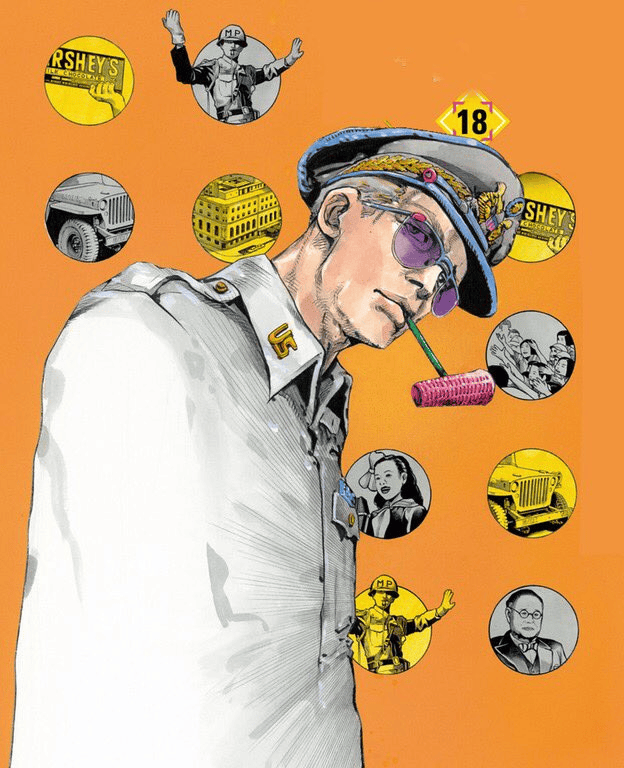
It was more like, “Help us with the logistics side, then we can hasten rehabilitation.” OK.
Either way, the war front after 1950 got interesting for sure. Afterwards, Corporal (or perhaps Sergeant) Henderson brings car-centric magazines with him, maybe he meets Jin Morishita and they talk about things. Jin also likes cars and wanted to go to America to see these races, but the nation demanded he enforce Showa’s will at Arisaka-point. Perhaps this can be chalked up to fanfictionism–not implausible, but more commonly, America builds bases, brings automobiles, civilians work on what the troops don’t usually touch or assist with what the troops usually do, American vehicles drive around a rebuilding Japan, some people see it and the cameras record and photograph these vehicles for all to see. Japan, mid-reconstruction, sees these vehicles manufactured by civilian car manufacturers and the visuals travel as far as the eye can see. By the mid-to-late Showa era, Japan’s domestic automotive industry becomes influential enough that after the 1960s, we eventually get these:
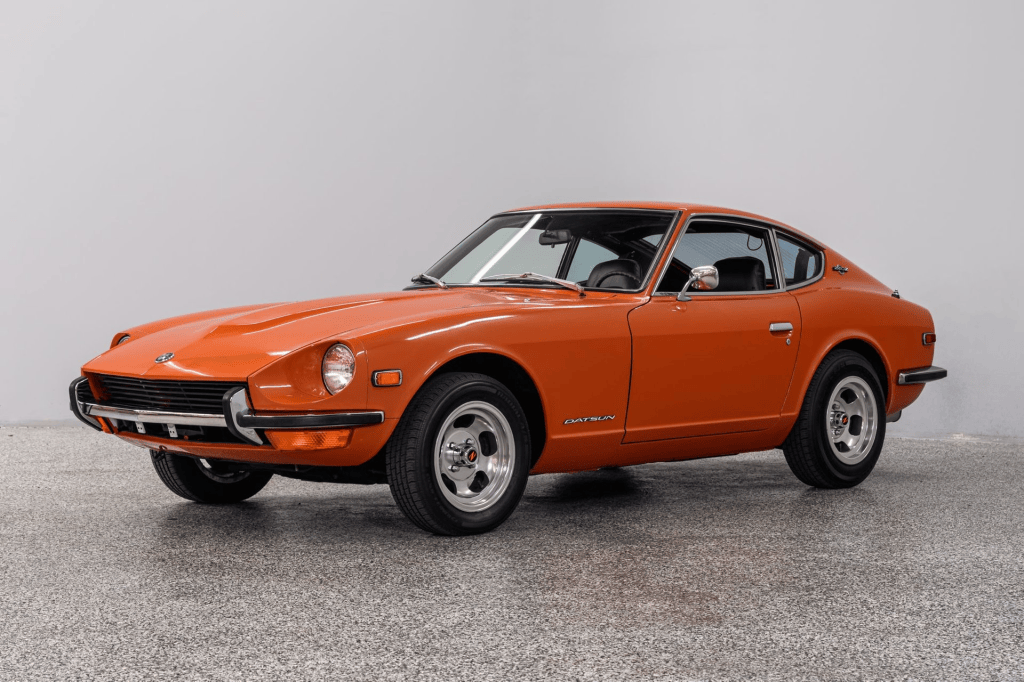
And this:
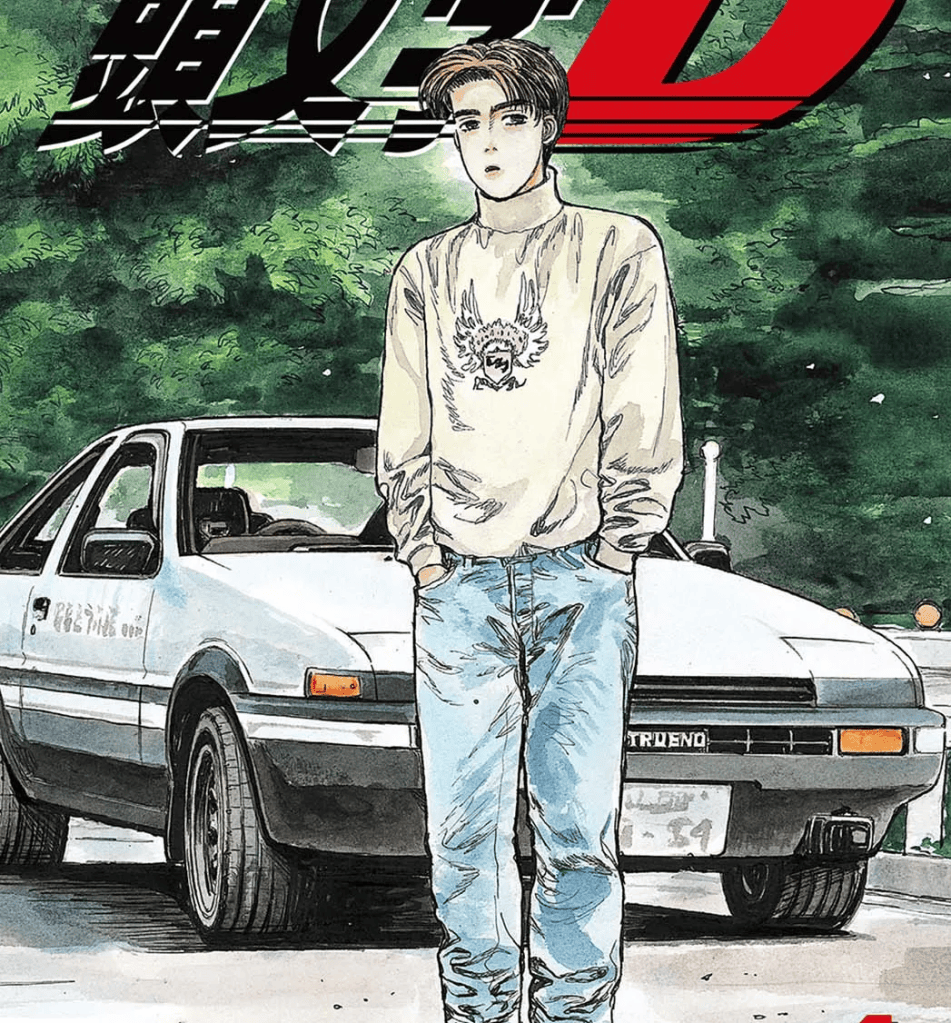
A perceptive man (hello, reader) can look at this and see the cultural feedback loop between Japan and America, and this time apply the cars filter. So Kazunori Yamauchi’s passion has lineage. Growing up, seeing something cool, and basing your personality on that specific thing is a time-honored men’s tradition.
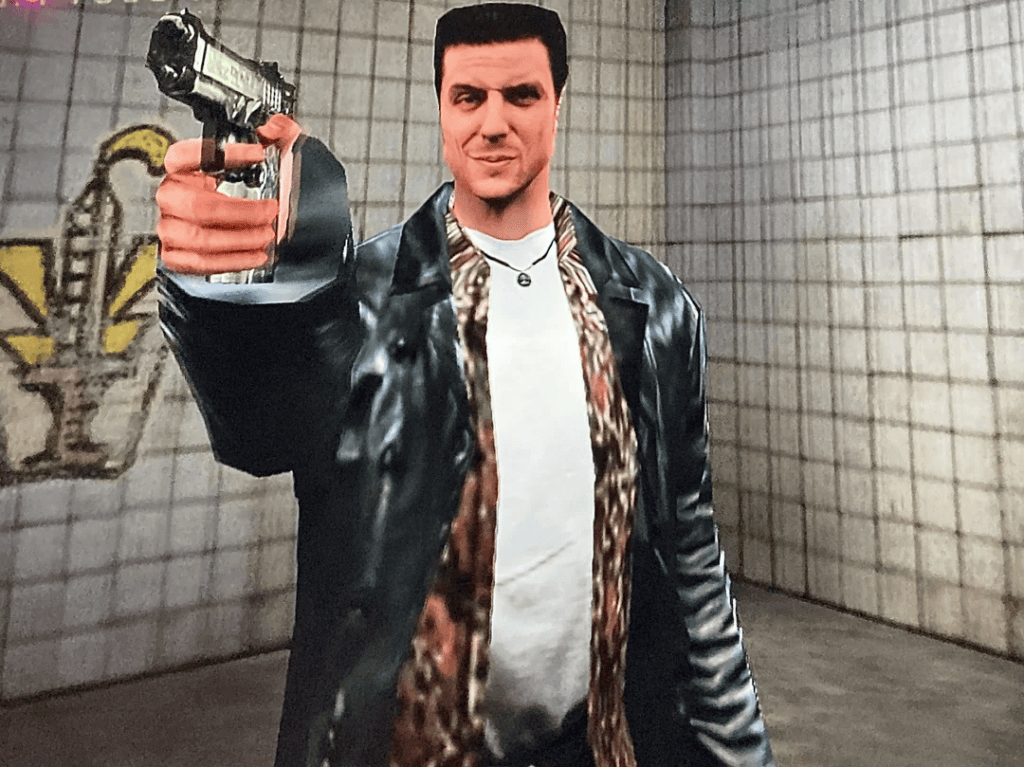
You can’t fault a man for sharing his love with the world. You can further thank that man for using his experience to teach the next generation of racers through gaming. Teach a man to fish and all that.
I can’t say with certainty whether I’ll finish Gran Turismo 4 in the future, but learning how to jive with Kaz’s groove helped me learn more about it in real time. Veteran Gran Turismo players may have already gotten that and, fair enough, I was on the slow side here. But for anyone else who had trouble getting into it, here’s the short version: it’s a tool wearing the clothes of a game.
And it won’t give those clothes back, they’re too comfy.
 Opinions on Entertainment