
A serious mockery of an art form
Mind control doesn’t exist, but it doesn’t need to for me to make this next sequence sound all too familiar to a handful of readers. Open YouTube app on your mobile phone -> scroll through your feed -> click on a video that piques your interest -> if it’s monetized, ads will roll before, during, after, or at all three points depending on the length -> one of those ads is for a simple puzzle or side-scrolling shooter game -> the example player plays the puzzle extremely poorly. If you’re on desktop and have the Adblock for YouTube extension, then these may not be seen at all. If you’re on mobile, like I usually am, hammering away on the screen for the Skip Ad button is a regular routine.

That said, these kinds of mobile game ads have been on the platform for nearly as long as I can recall. 2017? 2018? It was definitely a late 2010s phenomenon that was beginning to explode into prominence after 2019, and the state of mobile games after this has a humble history from back during the handheld days, when Nintendo used all the money generated from pumping life back into the video game market after the crash of ’83 and wondered whether gamers will game on the go. And sure enough they did. By 1989-90, the Game Boy was on store shelves and discontinued as late as mid-2003. In that time span, the Game Boy had sold almost 200 million units between the original, the Color, the Advance, and the Advance SP, altogether beating the Sony PlayStation 2 in number of units sold by an extra 45 million units.
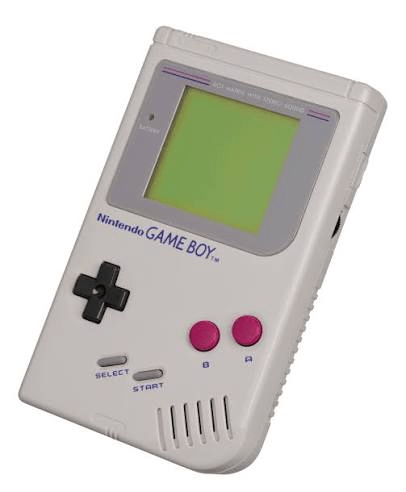
And to think, this device proved to be one of the most influential and surprisingly durable inventions ever made. It survived a barracks bombing during the 1991 Gulf War and could still play Tetris. I’ll take five of each please.
It also had its imitators, one of the most famous being Tiger Electronics.
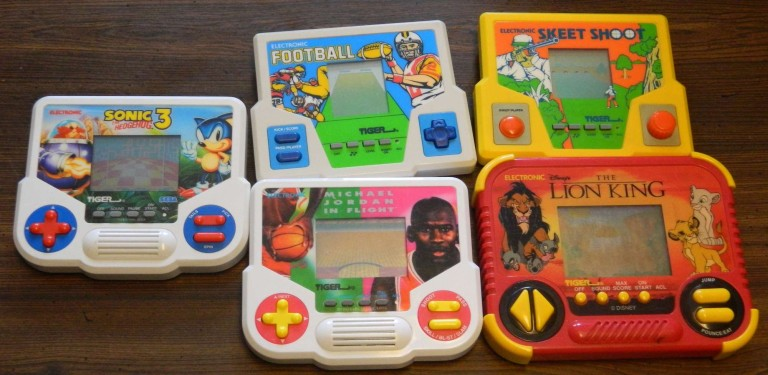
Technically more affordable handhelds, they didn’t have cartridges to swap out. Each individual Tiger Electronics brand handheld was a preloaded beeping device with a series of pre-input sprites on a fixed background. They didn’t have any backlight for playing in low light or darkness, they almost always banked on an existing phenomenon or fad like some of the ones depicted in the above image from Sonic to The Lion King to Aladdin to Space Jam and other mid-90s staples.
They were crap >_>. A not-insignificant portion of all of those piles of electronic crap sold so well that they were able to make a killing selling them in numerous households well past the 1990s. I even had a few, but you can easily tell whether a game or console is memorable based on several factors. Mortal Kombat is memorable for its characters and plot. Even easter eggs based on technical missteps or error (macros) became a part of the lore in later years. See Ermac for more details.

He actually earned my respect for being so OP in Mortal Kombat: Deception.
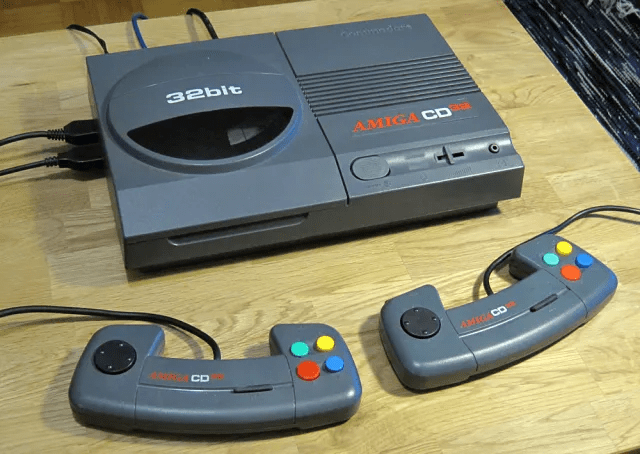
In the end though, Nintendo proved to be the undisputed handheld champion. Following the Nintendo Game Boy came 2004’s DS. A clamshell double-screen foldable handheld gaming platform whose bottom screen was a highly responsive touchscreen. Over the course of this handheld history, largely spearheaded by the likes of Nintendo over the course of approximately 20-plus years, handhelds had a single identity. If you grew up during the 1980s and 90s, you might recall video game consoles being mass referred to as “Nintendos” even if it was something like a 3DO or Neo-Geo or even an Amiga CD32, otherwise known as, Commodore’s suicide machine for how horribly it killed Commodore.
(T^T)
The short version of this entire history is that handheld gaming has always had a heart and soul, an artistic style borne from creative experimentation of the available hardware to use as a springboard for the continuation or introduction of a myriad of video game series and franchises. Arcade classics came home and to handhelds quickly or gradually and rebuilt or expanded on their existing lore. Metroid did it, Castlevania did it, Mortal Kombat, Grand Theft Auto several times had done it; not every franchise survived the 3D or handheld revolutions in the gaming sphere, but the ones that did found their next step. The unlucky ones set a benchmark and either recovered or died.
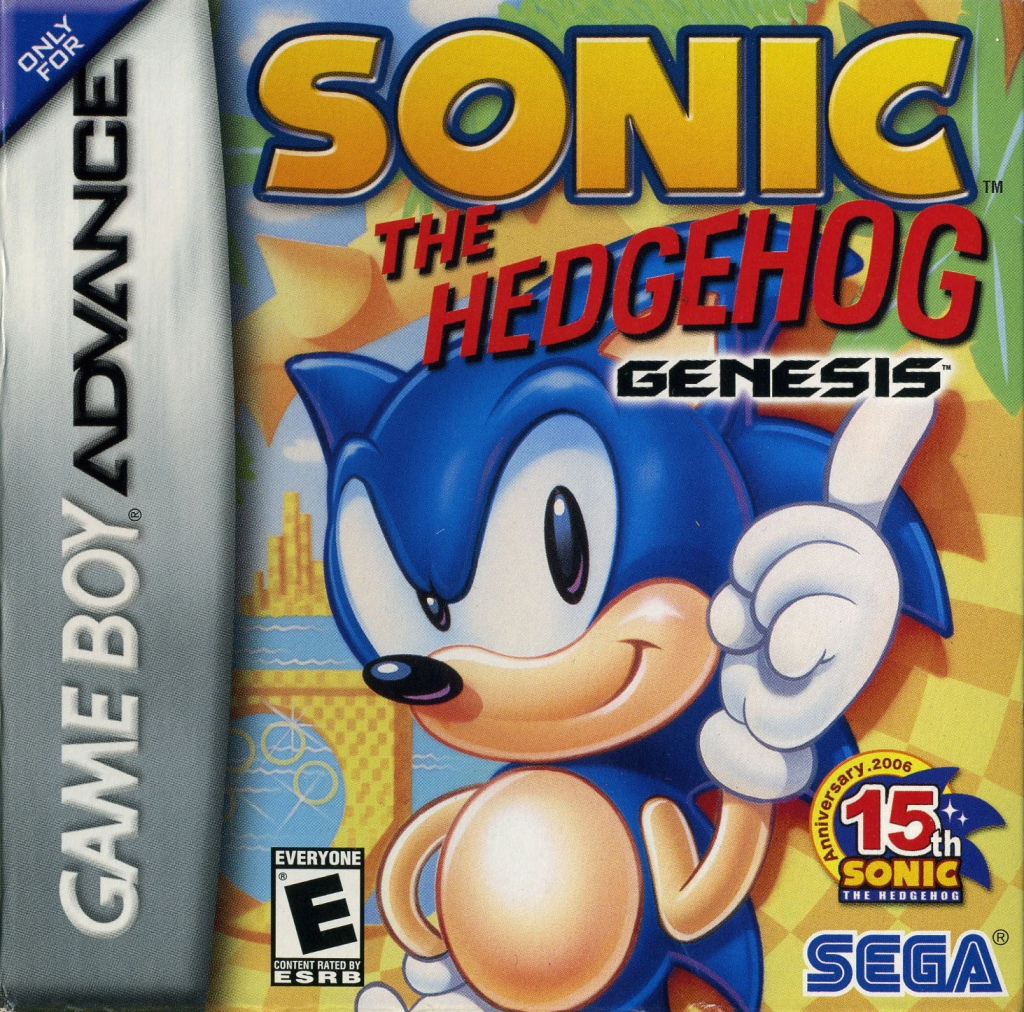
Sega’s inability to honor their blue blurred mascot properly speaks to an internal problem that the anniversary games displayed to the public. ಠ_ಠ
Mobile gaming existed before on older cellphones as far back as the late 1990s. If you ever owned a Nokia, you probably played this:
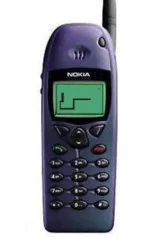
Snake. A quiet game changer that itself spawned a handful of clones itself over the years. Still, mobile phones and games were developing in the background while Nintendo and their highly specialized units of Mario, Donkey Kong, Metroid, Kirby, Zelda, and Pokémon continued to dominate until mobile game began to perfect itself come 2009-10.
Afterwards, the newer innovations would come around. You can take your AARP cards if you remember any of the following from just their games alone. Angry Birds. Temple Run. Jetpack Joyride. Subway Surfers. Flappy Bird.

With numerous others that sat in the middle row of seats while all those became trendy. But within the gaming sphere, traditional developers of console and handheld games didn’t see mobile gaming evolving and thought it would come to pass due to the hardware limitations of the time. Modern smartphones these days are still continuing to evolve with Samsung and Apple bending the screens into foldable flip phones and booklets, but all that would’ve been science fiction in 2011. Mobile games were a joke back then, but they managed to answer two problems at once.
People who didn’t play games had something to pass the time without digging for a book or a tablet or a separate $150 device. Actually, they theoretically had all of that on their phones, albeit imperfectly, and it was just another means of burning time to add to the other ways to spend a bus or train ride in a city. So the developers who thought it would keel over by 2012-13 fame either stuck to their guns, adapted, or died with the sinking ship. But there’s a ginormous difference between Temple Run and the topic at the top of this post: the fake mobile game ads. Temple Run is a real game, made by a real team of people in a real studio and released for many. In-app purchases? Paywalled content? The dreaded microtransaction trend of hiding a dollar purchase in an already-installed game?
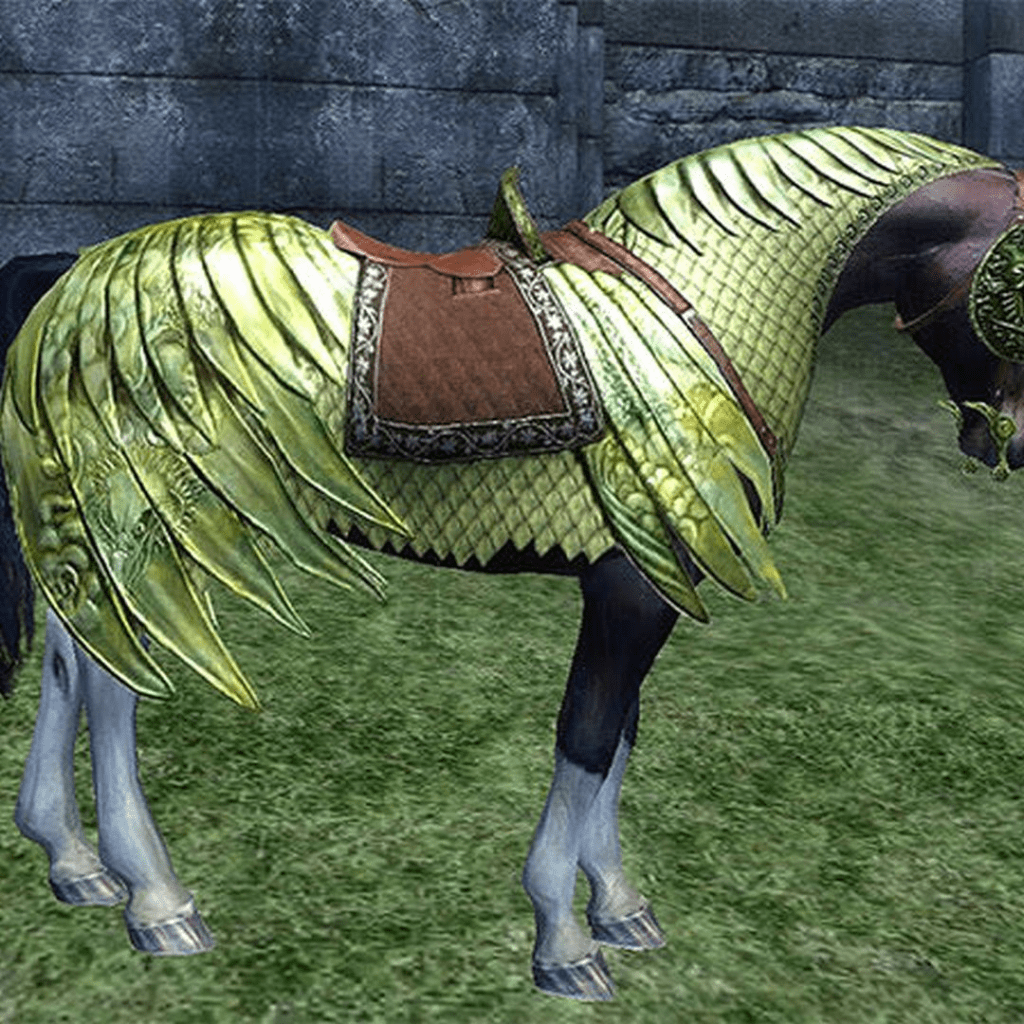
Even if mobile gaming helped to popularize such a phenomenon, it’s not the source. One can argue DLC and Expansion Packs did that ages ago, but to their defense, they used to offer complete additions to existing games instead of stupid ass skins.
(ノへ ̄、)
And again, to come to a poorly manufactured defense like Slippin’ Jimmy from Cicero, Illinois, many of these were made honestly. There was an effort to polish and refine these all from their base roots and coding, implement them into a game that already existed or was about to exist in another few months to a year.
The number one problem cited with the likes of mobile game ads is how deceptive they are. And I’m, almost ashamed to admit that they have such a nice pull factor art-wise. Some anyway, the rest are so f[clack]k-mothering ugly that they instantly get ticketed for indecent exposure.
Obviously not original, MatPat made a video about this years ago.
Channel: The Game Theorists
This was back in 2021. It got worse in just five years. You may or may not have tried these games out yourself–I won’t judge–and you don’t really need to. They’re not limited to hiding in a YouTube video anymore. They can hide in any app you already use. For instance, I’ve seen them in use in the Duolingo mobile app. Right after you finish a lesson with the homicidal green bird, a fake ad for a color sorting puzzle game or an endless runner-shooter or a farm builder-maintainer simulator shows up. Do this, sell that, earn money, hire workers, repeat.

At some point, you’ll see the writing for the kind of bulls[scheisse]t it is, uninstall the game or click off the ad and move on. And the numbers claim that 95% of those suckered in eventually realize what’s going on and do just that, but the remaining 5% will stay. Sometimes the 95% will spend once or twice, but the 5% is where the whales live and swim and burn money they no longer have on a deceptive mobile game, probably hidden in a different app that admittedly already video games its own content. That green owl has worse skeletons in its closet besides Tommy who neglected his Ukrainian lessons in favor of Oleh Maksymchuk who can teach him properly.
And Duolingo’s not the only one that does this. YouTube still has the deceptively creative ads and taking it one step further, the platform introduced Playables.
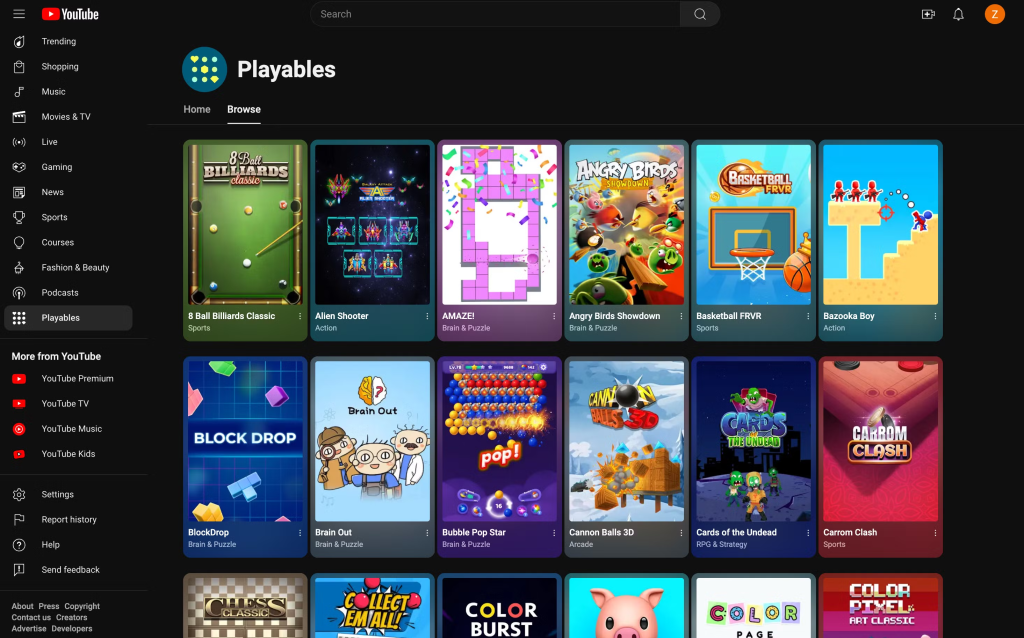
It certainly makes sense why these don’t get banned off the site, but a YouTuber or VTuber reacts to footage of mosquitoes getting rightfully exterminated and gets a week-long vacation.

For context, SmugAlana was banned recently for reacting to “violent footage” of mosquitoes getting what they should have gotten eons ago. ≧ ﹏ ≦
I could protest and continue to claim that these mockeries of gaming as an art form deserve no quarter and to be keelhauled, but that doesn’t matter much anymore as the games are all here to stay. Out of morbid curiosity, I checked to see if they could be played without having to put them onto my phone or through an emulator and sure enough, they are indeed… sorta.
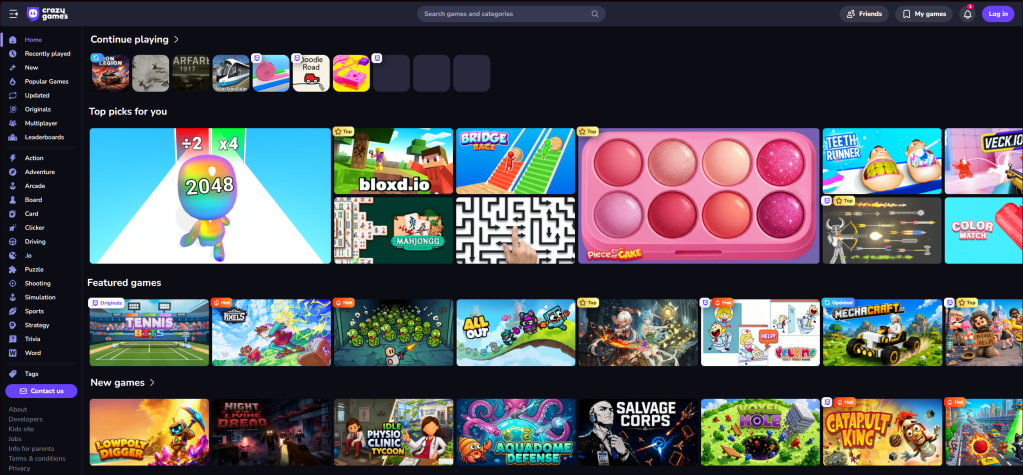
Variations notwithstanding, a handful of them all play not too dissimilarly from their own advertised variants and can be either highly engaging or, as stated before, a s[doves]tting embarrassment that would dare sit alongside my GBA and DS games.
Knowing me, the games I’d at least put two cents onto are the ones that give me satisfaction for the long haul. And that’s not limited to these PC variants of mobile games. Everything I’ve written on just this blog shows that it’s always been that way, and I’m definitely willing to jump through flaming hoops to see it. I have a natural talent for this. An 80s unlicensed NES game, a 90s PS1 platformer (go Crash Bandicoot), a 2000s 3D game satirizing the dark web, a game from any era that the media called EEEVIIIIILLL like a Mermaid Man.

Besides, legislation is restricting their footprint anyway, but it’s more along the lines of “make it crystal clear that not everything in your game will happen.” And that’s pretty much that. As for mobile games that did manage to nail me (for free) are those remove the screws and color sorting puzzlers. Some can be deceptively difficult, others can waste my time; but either way, the learning experience offers something valuable.
So is there a recommendation for this? No.
The fact remains that mobile games are so bloated and print so much money, so many studios took the Flappy Bird approach of releasing a game for all and heading off to Bizarro World in the same day. The mass of these have many of them have the same problem a lot of VTubers have in the sense that there are so many, you’ll probably drown before you find your favorite and once you do, it won’t stay your favorite for good. Don’t YouTubers and all other content creators have this problem? Yes >_>.
I don’t really have an answer for this. My best recommendation is go if you wanna, don’t if you don’t. I’ve got more important things to be concerned about.

You may not know it, but xiangqi is a very high stakes game. There can be only one who can master it!

