
Living After Midnight
Jet lag! Didn’t hit me as hard this week, but flying across two time zones is a sure-fire way to screw with the comprehension on this piece. Dying Light was promised and Dying Light is up for this week.
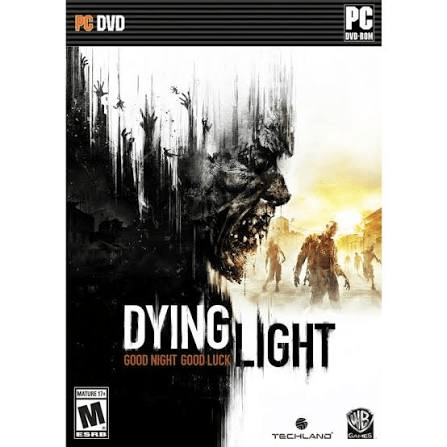
Polish developer Techland brought forth Dying Light in January 2015. Not a follow up from 2011’s Dead Island as Techland also worked on that, but an independent production for which an undercover U.S. government agent parachutes into Harran, which isn’t explicitly based on a single Middle Eastern/West Asian city, but more an amalgamation of them all. If you see the name Harran and think “Turkey?” well, by coincidence there is an ancient city that bares such a name in Turkey, though looking at the devlogs and such, it is indeed an amalgamation of Middle/Near Eastern architecture with a Brazilian favela style layout in the slum areas. A rough estimate of 70% of the NPCs have a variation of skin tones which supports the legacy of the Ottoman Empire and shatters the typical western notion that Middle East = browns and tans. The entire Muslim world breaks that default image by simply existing. Let’s look at Egyptian pharaohs for instance:
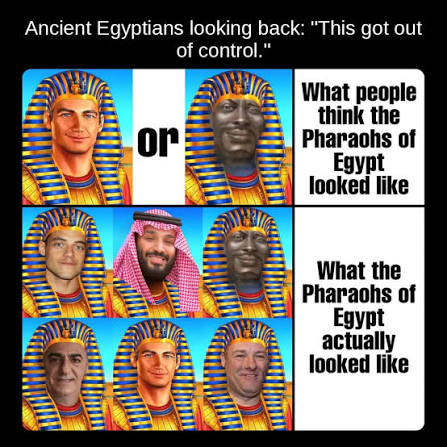
Meme, I know, but I personally see it as an inspiration to look deeper into migration patterns of the regions.
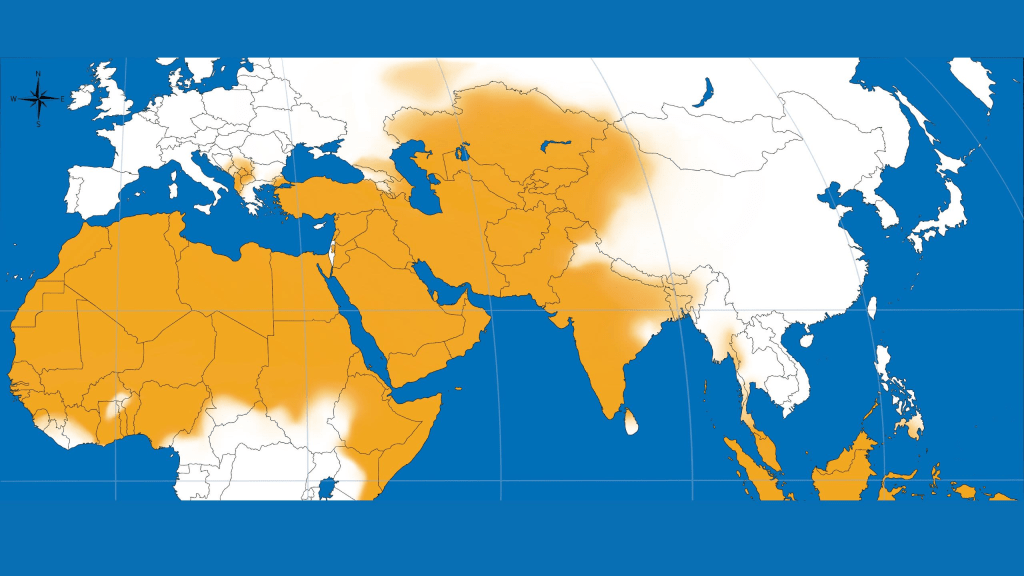
I could go on, this is fun! ╰( ̄ω ̄o)
So Dying Light is set in not-Turkey featuring Kyle Crane, an undercover not-United Nations operative of the Global Relief Effort, a clandestine, humanitarian international government agency that provides relief for negatively-impacted areas in the form of medicine for treatment. A vaccine of sorts to manage the symptoms of the infected before they completely turn.
The problem arises when multiple competing factions fight for these medicines. Without a governing body to police the chaos and fight the zombies simultaneously, this becomes a matter of every man for himself with the survivors gathering around fortifications made from a fortified high-rise apartment and the villainous militia faction led by Kadir “Rais” Suleiman.
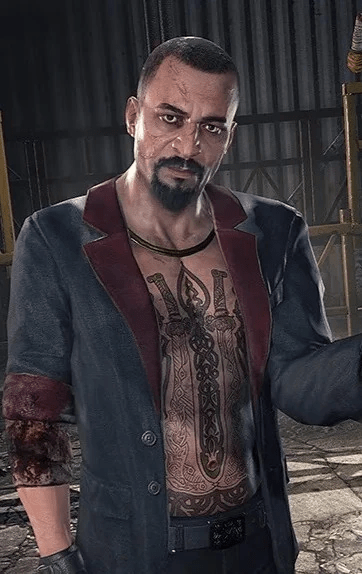
Kyle Crane’s mission is essentially two-fold: get in, learn about the state of the city post-collapse, recover a file from Rais, and essentially get out. The importance of the file lies in a spoiler that I won’t reveal so that my crystal ball can get a good return on investment. The most important part of the story is that whatever unique things it does is bogged down by all the non-unique things it does. If Lollipop Chainsaw was an unconventional marriage of Suda and James Gunn when Gunn was still a respectable figure, Dying Light is the conventional, business-appropriate demonstration of what a zombie game can look like if first pitched in 2002, plot-wise.
The huge difference is that instead of being set up in Anytown, USA, it trades it for Silk Road Bazaar Caravansary, West Asia with a majority of characters having traditionally West Asian names and accents with a variety of European and American characters for good measure. If the concern for you is that it’s another story of some white savior in a non-white nation, it doesn’t really do that despite wearing the skin. Kyle Crane does drop in like Delta Force in Spec Ops: The Line, but he’s sans Captain Walker’s inflated ego and sense of self. Crane knows he’s one man and he knows his mission isn’t save everyone and become Chieftain of Harran. He’s essentially here on false pretenses and goes native to the point of going rogue.
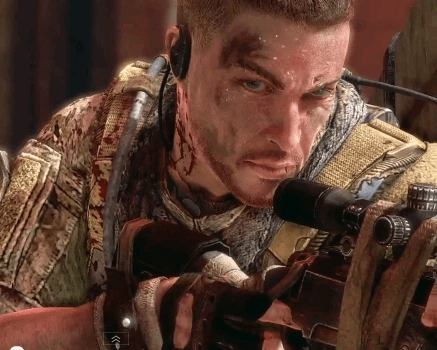
How is he not Walker in this sense, you ask? No one really tells Crane to bug off. In fact, he does so well as a runner for the Tower and turns into one of the best runners for Brecken that his extraction once the mission is over risks endangering the civilian populace even more. The local Navy isn’t taking any risks and is operating on shoot-on-sight orders so the best that everyone whose still alive can do is await the GRE drops, treat themselves with the medicine Antizin and keep the zombies from multiplying or evolving further into some kind of zombie shark hybrid.
Zombie shark… Call this a fusion between Ellen Joe and Corin Wickes o(* ̄▽ ̄*)o
Walker, meanwhile, is meant as a reflection of the modern military shooter craze which one can argue intensified after American operations in the Middle East, though looking closely at the plot of CoD and Battlefield at the time, the favored defaults have almost always been Russia or China, the typical overarching masterminds fighting for world domination.
Tried and true tradition that could use some tweaks if you ask me, and we have been getting those for military-like shooters recently.
For Dying Light, there’s no need to pretend Crane doesn’t belong in Harran. The Tower will accept anyone who can help, and outsiders seem to be taken in rather warmly since there’s no assumed pre-existing connection to Rice and Beans. Not even the richest oligarch in not-Turkey has the kind of cash to put a mole in the Tower. I have no idea if Dying Light 2 did that but instead for the antagonist faction, and something I might do for the inevitable Christmas horror season that activates my inner not-Jack Skellington.
Gameplay-wise, the limit of guns to the historic part of the city and the immediate reactions when a gun is used explain why they’re not ideal. The zombie variety isn’t just shambling biters–loud noises attract a variety of zombie that had recently turned. Before the virus rewires the infected nerves and reduce them to the typical Olympic elderly hybrids zombie media loves. So melee weapons are your best friend for approximately 80% of the game and the zombies are various enough to become a threat in swarms or in isolation if you dare venture out at night and run into these f[urgh!]king things:
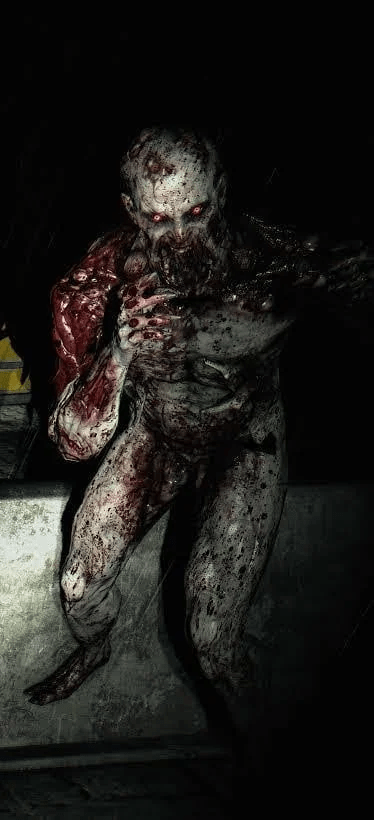
Having played the Nightmare on North Point DLC for Sleeping Dogs, on the one hand, they remind me of the Yaoguai under the command of Big Scar Wu/Smiley Cat; but on the other hand, while you can beat them up with your bare fists, I do not recommend doing such a thing unless you want to lose your hand to spite your arm. And unlike Ethan Winters, you need intact limbs to climb all the rest of the towers and boost your reach to the outside world beyond Crane and get the survivors to notify everyone else that there are people in the city. Platforming is an essential and simplified piece of the game that it stands on with parkour taking center stage. Remember Me and Mirror’s Edge with a zombie infection twist. Probably not the first to try it, and most assuredly not the last as there would be and still are more games of this make and model to follow.
For a game with a generic plot, the environment and mechanics borrow from and, dare I say, improve upon the mechanics featured in Ubisoft games and Spec Ops by miles. All that dev time spent crafting a neat game, Techland put more in the set dressing than in the story… but then again, that’s not what I consider a fair assessment. Crane is compelling enough a protagonist with the baseline story beats needed to get him to such levels. Protagonist wants thing, thing is hard to achieve, protagonist devises plans to achieve thing, thing is a double-edged sword, protagonist learns the price of achieving thing. Without spoilers, Crane does all of that rather well for this kind of story. The MacGuffin ragamuffin proves to be the critical linchpin of the story that no one can keep for longer than a second without s[hack]t turning diagonal.
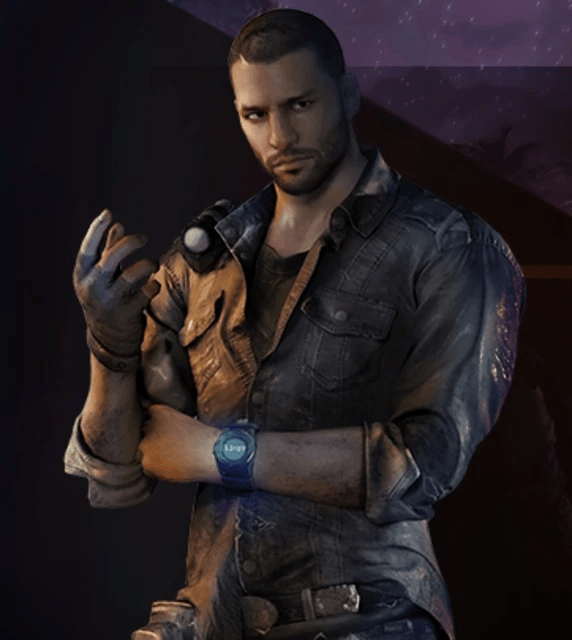
For a look at how that thing plays out, Dying Light 1 and 2 are both currently on sale until August 10. If you live in a region where you can play either unrestricted, give them a whirl. If not:

Charles Vane has a hookup…

