
Hitler’s back, tell a friend
The joke was right there, I’d be a fool to resist. And rather than explain Slim Shady’s jump from porn parody Tim Drake to porn parody Adolf Hitler, let me prime you with this:
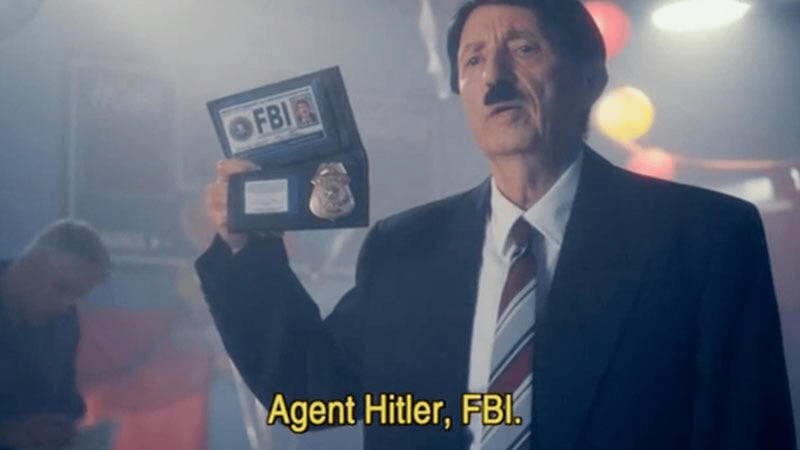
No, Aussies, I have not yet dipped a toe into humour down under. But if you’re cooking, allow me a seat at the table.
Der Führer has been the subject of parody from the time his political career took off to decades after he tested the bullet resistance of his own skull. One such parody is that of Look Who’s Back.
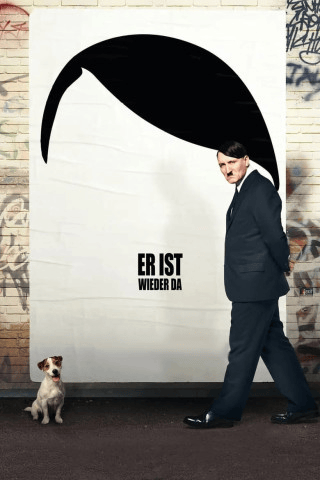
Known in German as Er ist Wieder Da, Look Who’s Back takes Adolf Hitler out of the Führerbunker on April 30, 1945 and puts him in Germany the modern day, which is 2012 when the novel was written and 2014 when it was adapted to film. Whatever your prior impressions of German humor was, you can easily dispel such an assumption as Germany isn’t just the country that’s been apologizing for letting a weirdly animated Austrian architect hijack its seat of power and f[nein]k the world in the ass. Actually, I’m certain people have tried to pin the blame squarely on the country where the last Habsburg was in power, and being one of those people, getting the empire broken up is a poor excuse as Austria-Hungary hardly functioned well-enough to not expect collapse after a short window. Not HRE or Confederation of the Rhine bad, but the combination of ethnic groups hoping for a land of their own was asking for violence to brew.
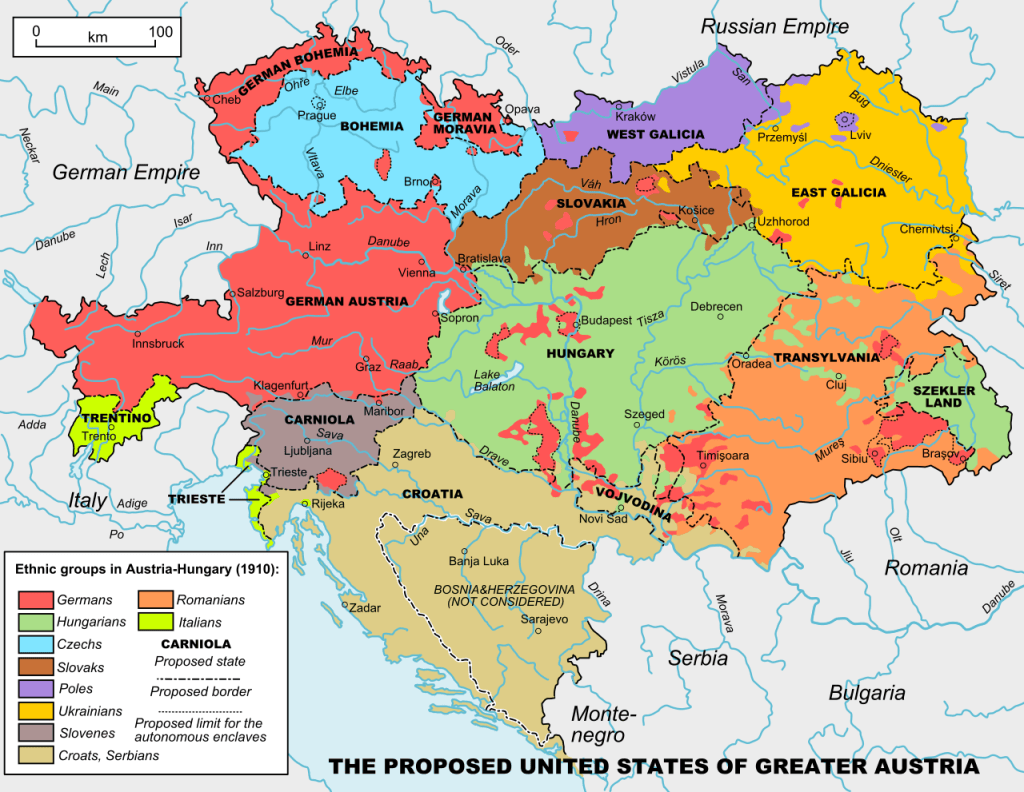
We merely needed to send a time traveler back to move a chair so we could get this instead of the current timeline after 1900.
The roughest summary of the movie without spoiling anything is that Adolf Hitler wakes up on the ground where the Führerbunker used to be in Berlin (parts of it still exist, but it’s been closed off to ward off neo-Nazis obviously) and struggles to adjust to modern Germany with all that had become of it since it tried to eat the world in the 1930s under his direction. At the same time, a timid, struggling TV journalist attempted to pitch a new show and faced unemployment for trying (T_T). In an attempt to reinvigorate his career, the journalist brings him to a studio where a variety show called Whoa, Dude is hosted. The variety show prides itself on offensive, edgy crude humor and so long as it’s legal, it’s ripe for taking the piss.
This includes not only Hitler, but also Islamic terrorists, Germany’s wartime atrocities, Germany’s Turkish immigrant population ╰( ̄ω ̄o), and minor spoiler, a rather crude roast on then-Chancellor Angela Merkel.

And I thought Brits were exaggerating when some say they dislike Margaret Thatcher; Angela Merkel earned her own flavor of jeers and boos over cheers and booze.
Getting away from the contemporary, the film is a scalpel-sharp satire and one I see comparable to Aaron McGruder’s The Boondocks and Sacha Baron Cohen’s Borat. Let’s break it down.
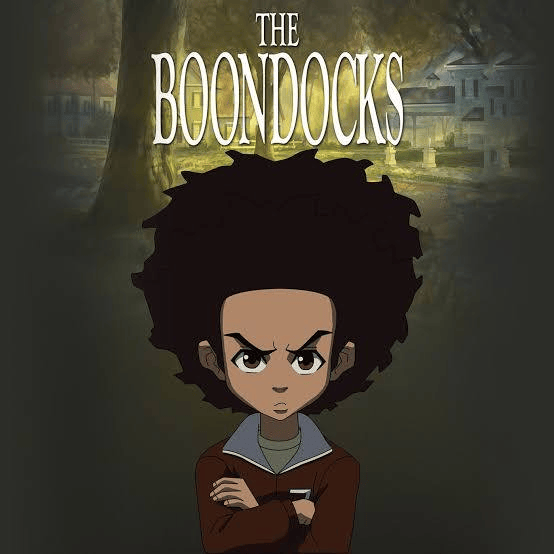
Memorable lines and characters and situations befall this black family in not-Baltimore, but looking at what they’re meant to represent in deep character analyses, Robert, Huey, and Riley are composites, amalgamations of black history, black struggle, and black progression. Beginning with Robert, I recall my grandmother telling me stories of segregation in the Jim Crow south in Virginia. Maryland was similar, being south of the Mason-Dixon line and compared to the transactionally subtle racism of the northern states, the south was more bare bones about it.
Robert represents the generation of black folk that hid by playing with the cards they had. Keep your head down, cause no trouble, dissociate with the troublemakers and you look slightly more tolerable than the rest of the unruly negroes around you, godwilling.
Huey represents the generation of black folk that saw how painfully sluggish that path was and fought back for much quicker advancements whether it meant integration or outright separation, which could evoke images of the strangest matchup out of context:
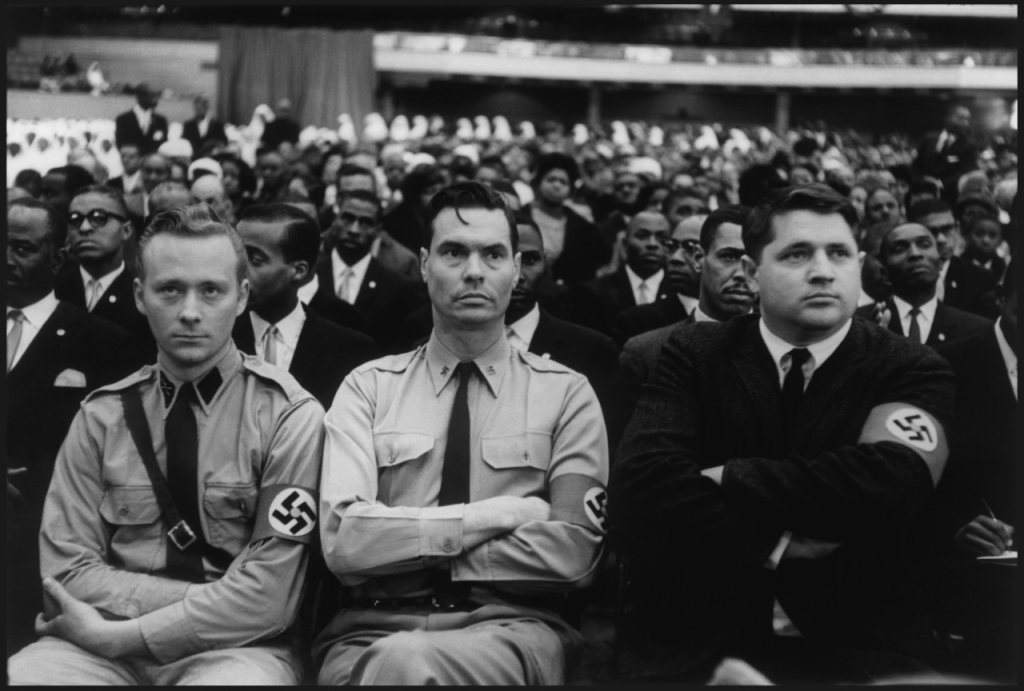
For context, American Nazi Party leader George Lincoln Rockwell and Nation of Islam leader Elijah Muhammad both agreed that whites and negroes could not coexist together in the same nation and believed that they should split for the safety and future of their own races. Funny enough, Rockwell was invited to speak at an NOI meeting in 1962 and the tone of voice from witnesses is deceptively gentlemanly.
Where does Huey fit in this composite? Largely as an analogue to Malcolm X in practice. Huey’s name is a direct reference to that of Huey P. Newton, the militant activist founder of the Black Panther Party. Huey in The Boondocks represents that generation of black activists who initially sought to fight off the throes of racism only to learn that the blacks from Robert’s generation took care of it for them through bureaucratic legislation than through arms and spent shell casings. Hence, Huey’s disillusionment and disenchantment with the struggle.
And obviously Riley represents what became of black culture well after the fight had ceased producing headlines. Blacks and non-blacks enjoy conciliatory and cordial relationships and commercialization that wouldn’t have been imagined by a black writer from 19th century America. Booker T. Washington would be astonished at what blacks had become by 1995.
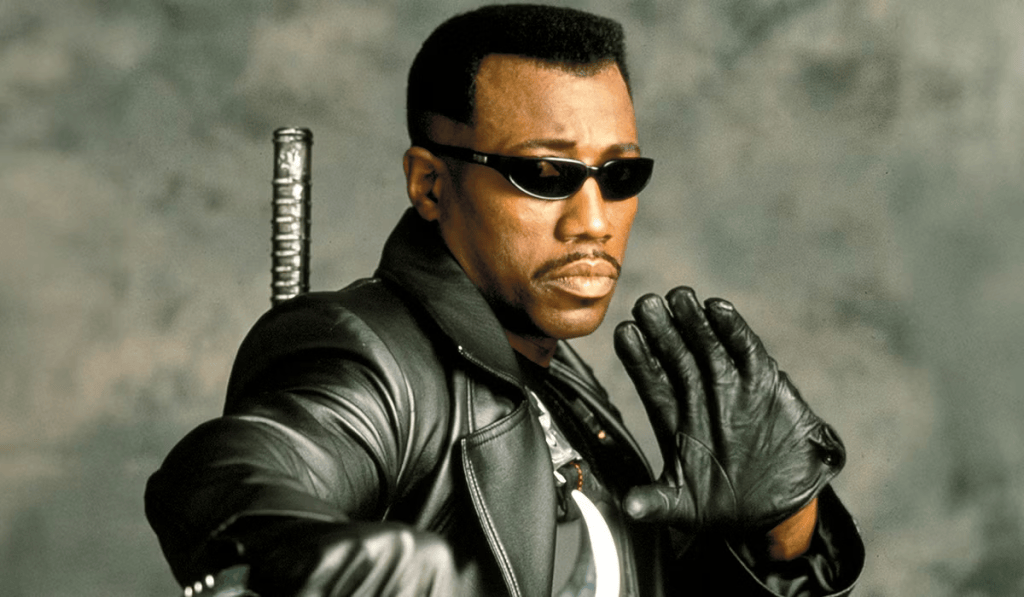
Well, this film released in 1998, but the positive side to highlight is that color notwithstanding, Wesley Snipes as Blade is among the coolest images modern culture could ever produce. For Aaron McGruder though, Riley is more like a stark criticism of rap and hip hop culture since popularity in the early 1990s. For every poet like Biggie, Tupac, and Big L, there’s… much of what came after that. Most notably, McGruder’s intense criticism of BET. One that I stand with as I never liked BET either.
Affixing this examination of just The Boondocks’ three main leads, they’re satirical mirrors of different aspects of the black community in America. Likewise, Look Who’s Back is a take on a toxically charismatic leader who takes a nation by storm, even when adjusting his worldview to be consumed by a broad coalition of voters. To some, this is a mirror of President Donald Trump, however, I’ve always found that to be rather dubious claim. Personally, I always thought he was closer to Tsar Alexander III, especially now.
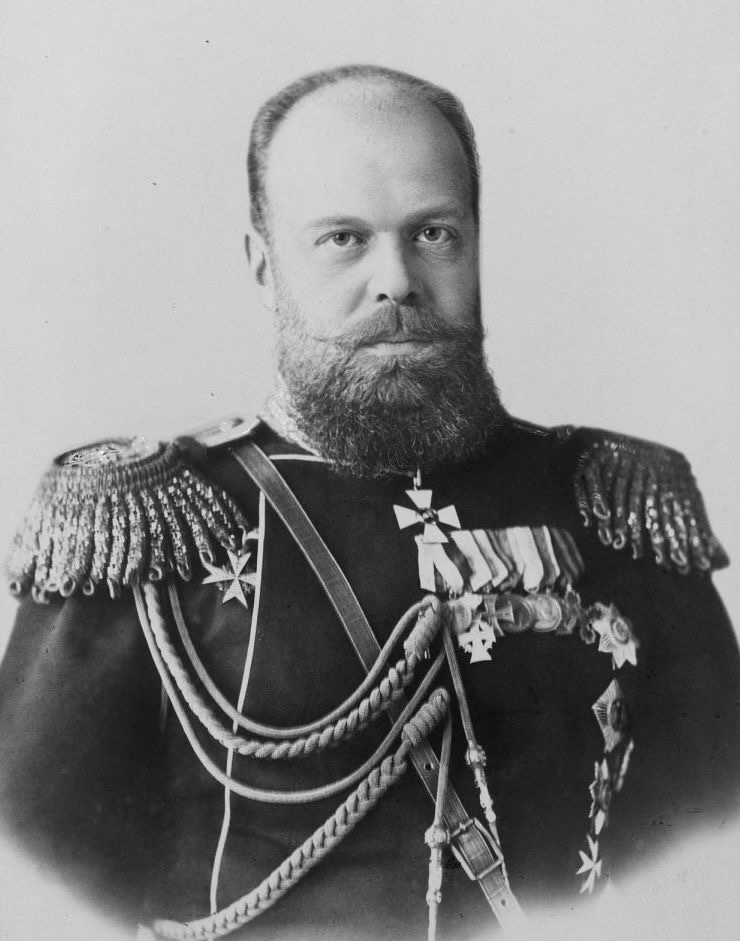
My silly reasonings being that both men emphasized the unity of their people with fire brand religious rhetoric and an adherence to tradition. Googling historical figures, American and non-American who match Donald Trump reveal various figures, but for me, the penultimate Tsar of the Russias is a strong match. Ideally, this should be my only reference to contemporary politics on this blog. Steven Alberto Ruiz Guzman in Zamboanga doesn’t give a s[pinoy]t what I think about politics.
Now for the other comparison: Borat!
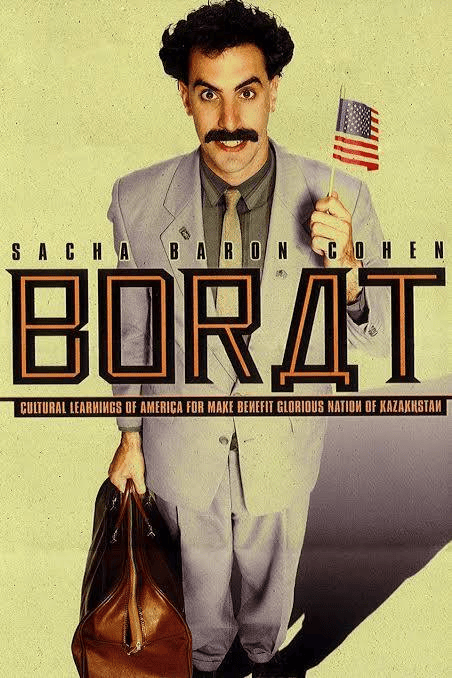
( ̄y▽, ̄)╭ I taught myself to read Cyrillic and that makes the title look so stupid. On the surface that could incorrectly read as “Vordt” which sounds like a fake Dutch loanword, but there’s also a missed opportunity to use the Cyrillic letter Я, read as “Ya.” Still, Cohen’s mockumentary (or more appropriately f[fart]k-u-mentary) sharply takes the ever loving kegs of piss out of George Bush Jr.’s America. It released in 2006 at a time when the American response to tragedy is “hang them now, hang them tomorrow, hang them forever!”
Channel: Uncle Ruckus. Another composite black archetype from The Boondocks. And a striking one at that!
Critics of this period in American history mark the absurd shift in politics in the 2000s and loads of people were making fun of it at the time. The best decade for America culturally was the 1990s, even with tragedies like Ruby Ridge, Waco, the Oklahoma City bombing, and the 1993 WTC truck bomb. Those were treated as isolated until 9/11 brought every possible cultural and political change in history. War on terror? OK, we’ll sweep in and put terror on trial. Easy. Increased security? Terrorists could be anywhere…
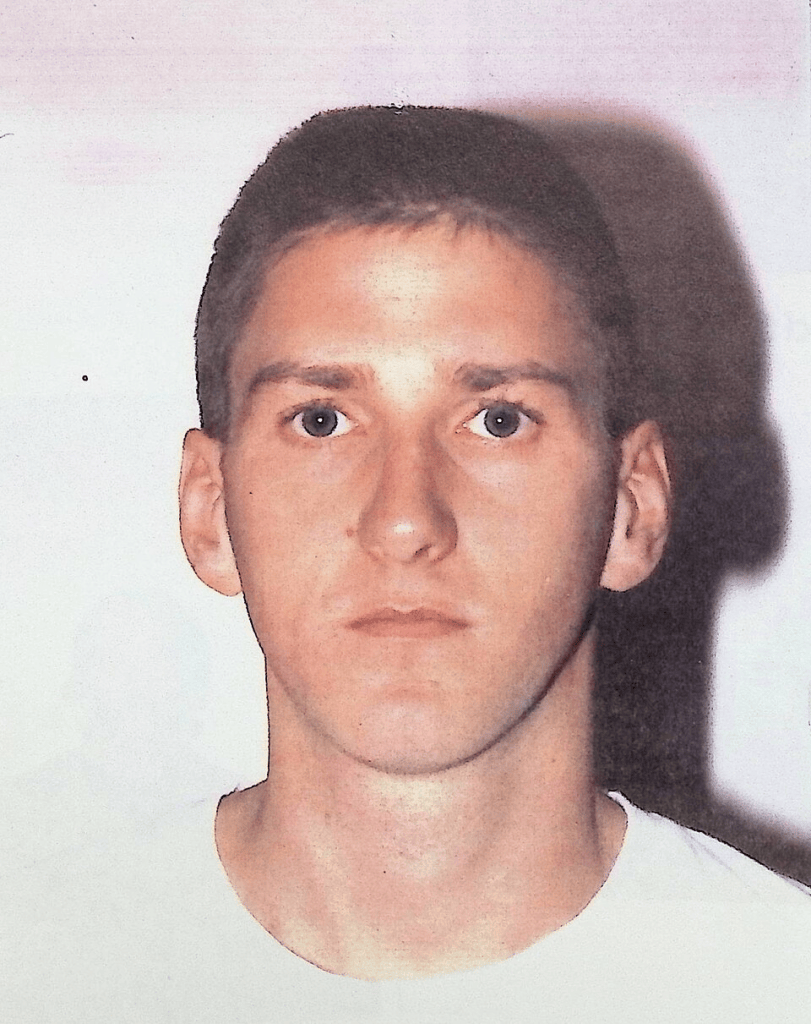
Except him, he fought for the country >_>. Which seems like an odd thing to say over 30 years later, but right after the Alfred P. Murrah building was bombed, many Americans thought the terrorists were from the Islamic world, as shown in this archive from 1995.
A sharp historical criticism of the era would be the similarities between how the Wilson administration handled sedition and how the second Bush administration handled potential terrorist sympathies. The mindset was to deliver the wrath of the furies to those who dare disturb our slumber and the historian in me sees this time-honored tradition going back, further than Pearl Harbor, further than Fort Sumter:
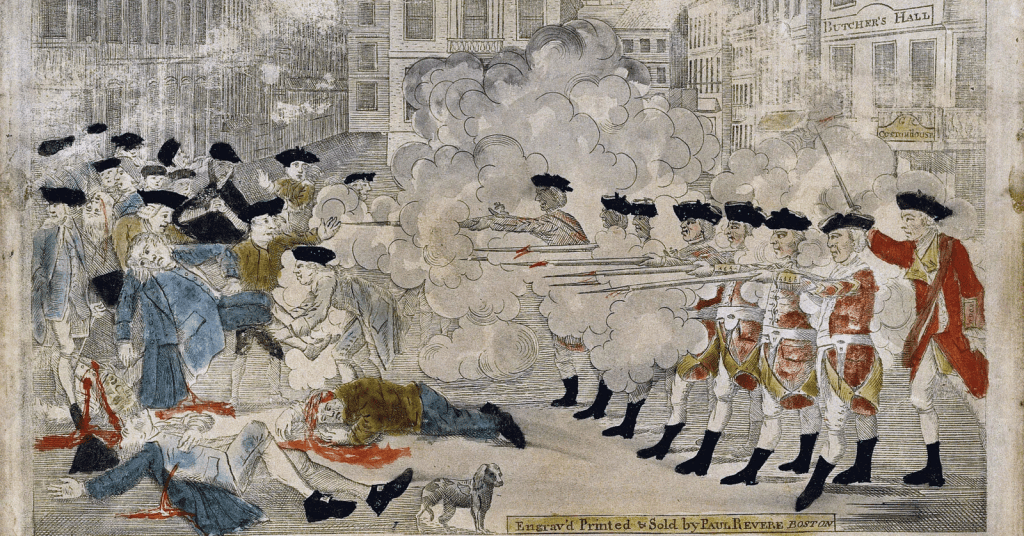
Ask me where the changes have been. America never changed, it’s always been this way. It was built this way.
And Borat swings that very heavily into a silly unscripted comedy, mockumentary. It did mean that Cohen had to upset the Kazakh government for a while until their leadership realized more people were looking up and researching the country. The government itself leaned on memorable quotes and sought to contextualize the real history of Kazakhstan from the sexist, antisemitic backwater the film initially made it out to be. Be that as it may, it’s a positive embrace of a ridiculous caricature from initial hostility. Something I don’t think the rest of Central Asia is capable of with the leaders they have. No really, the Central Asian states are highly closed off, which is a crying shame because they all look so beautiful from the outside looking in.
So the Boondocks satirized black culture, Borat satirized American double-standards, and Look Who’s Back does satirize charismatic strong men who would’ve been dictators historically but now come off as assertive celebrities, but also looks closely at why sometimes the most amusing voices in culture are also the most dangerous.
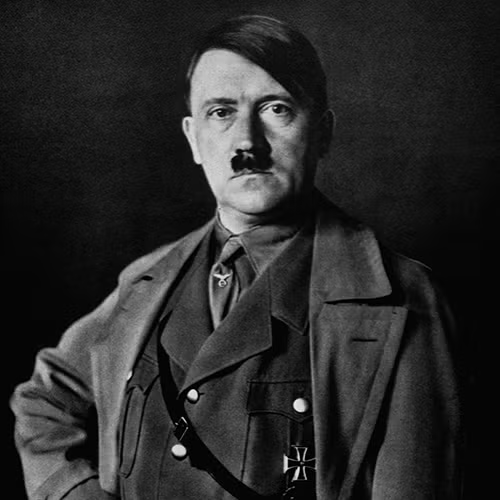
He was wounded in the First World War and bloody livid that Germans had lost the drive to continue the fight. Germany was on the brink of victory, if it was for those troglodyte Bolsheviks and the treacherous Jewish race, there’d still be a Kaiserreich to serve, he’d tell the German people. Instead, the Jews and the communists double-crossed the empire to pervert the country to global shame.
We from the future year of our Lord 2026 know this to be a myth and conspiracy theory. A not-insignificant population of German soldiers were Jewish to include this man:
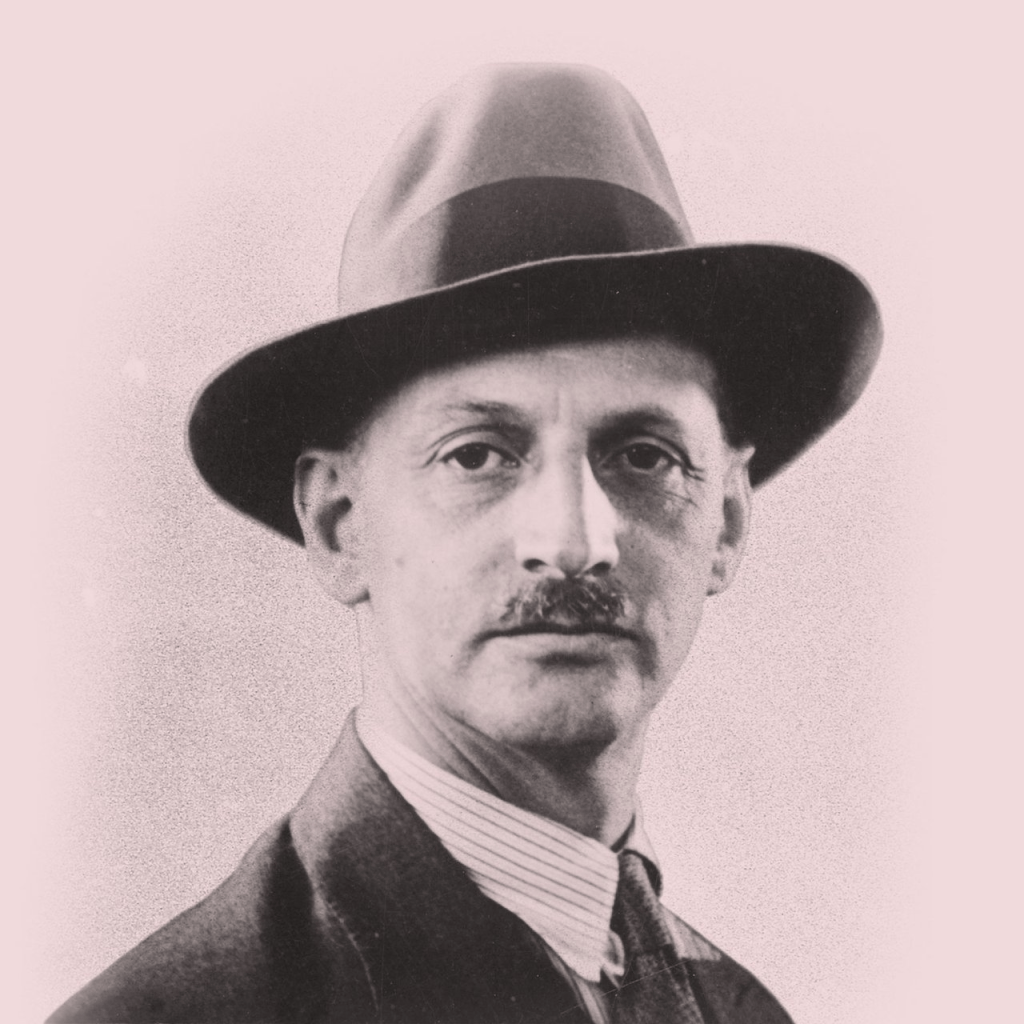
But the rhetoric of a single angry nationalistic man whose home country was worse off than his adopted nation was not one to be argued with.
Now let’s consider what was on the table. Populism, national rebirth, a strong nation, defendable borders, enforceable policies, a home over every roof. The kneecap in Hitler’s plan was a gradually indigestible brain drain. The regime needed the minds of the people it was sending away or killing en masse and many of them collaborated with the best thinkers of the 1940s to devise deception tactics to scare the Axis into submission and end the war sooner than projected. Many of these same minds also helped develop the bombs dropped on Hiroshima and Nagasaki in 1945, though the ones that survived and worked on satellites and the space program used to swear fealty to the Führer, and this goes for America and the Soviet Union.
That’s another tactic that Hitler used: fealty. Paternity. Cult of personality. Marketing himself as the father, the savior of the new Germany, and not completely alone. A shiny-headed Italian got the ball rolling, it was up to the painter to give it a slam dunk. Interspersed with periods of fierce competition, both men eventually used each other to fall back on their ideals culminating in pre- and mid-war deals from the Pact of Steel to the Tripartite Pact.
By and large not the progenitor of authoritarianism, but so much of what he did was an inspiration to the despots of the 20th century that succeeded him… and his legacy is blended mesh of the horrible and the hilarious.
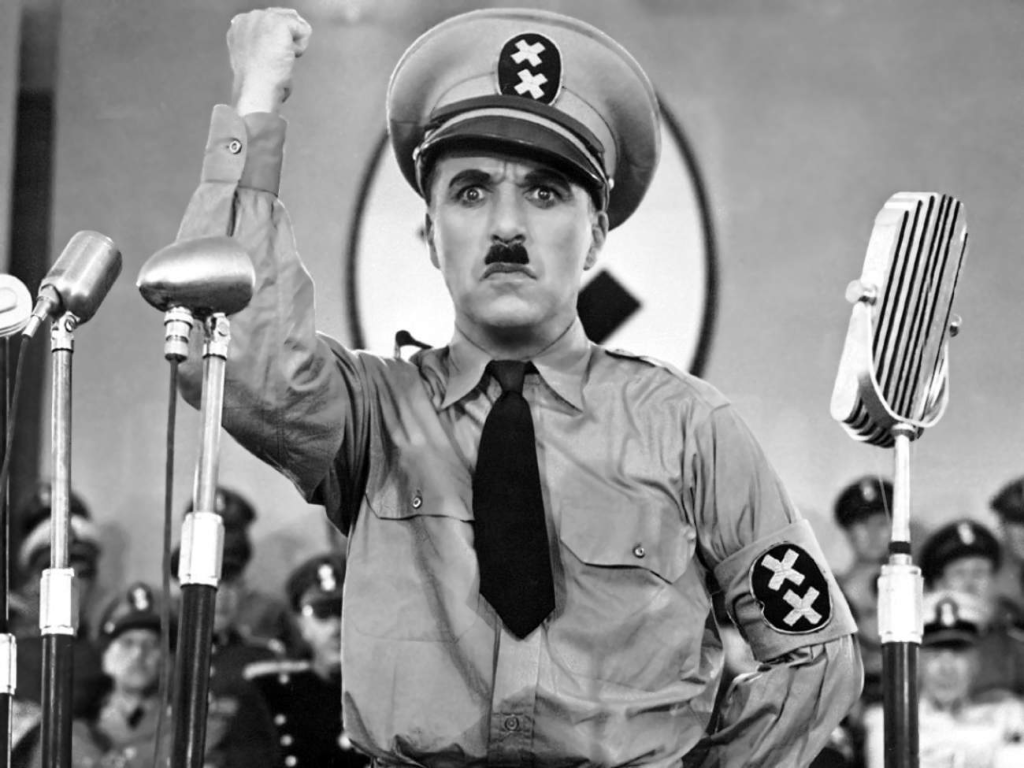
It takes a special type of man to be so copyable and so monstrous. Comedians taking jabs at these types are a time-honored tradition and we’re not gonna stop lampooning the man anytime soon. As for copying what he did policy-wise, some can copy the laws without copying the man or his ideals, but to do so means navigating an obstacle course that makes Ninja Warrior look like a playground. If one can do it right, they may be successful. If one does it wrong like so many have before, then they wind up looking worse than Timur the Lame.
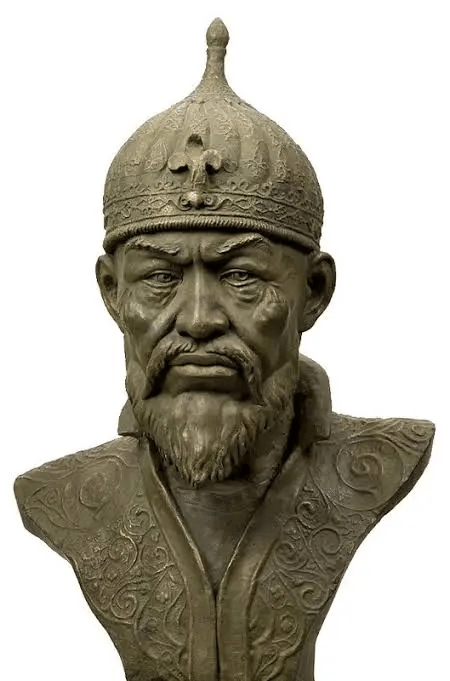
“He who disturbs my slumber will bring upon himself a worse invader than myself!” Please, put him back to sleep. We’ve suffered enough for this! (T^T)

