
The time-honored tradition of inheriting a candy store in the middle of nowhere
If this gets you thinking about a lonely bartender manning a candy bar singlehandedly on a rickety old harbor, I’m afraid I have to disappoint you and talk about Peppermint Larry never.
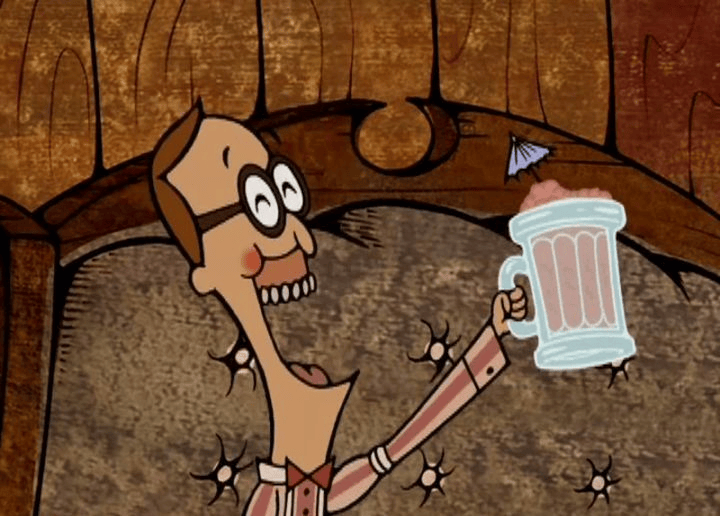
I think part of growing up is realizing how 19th century Flapjack was, especially with how crap their hygiene and medical care is.
No, this is about an animanga series, and damn, I’ve been running a deficit for just about 90% of this year. This post, and the next two after are gonna do a bit of catching up for the December write-up so look forward to the story of the Bosozoku Member who Teaches High School Kids and a story that I maintain was robbed by Tatsuki Fujimoto.
The animanga series in question that will be covered this week is that of Dagashi Kashi.
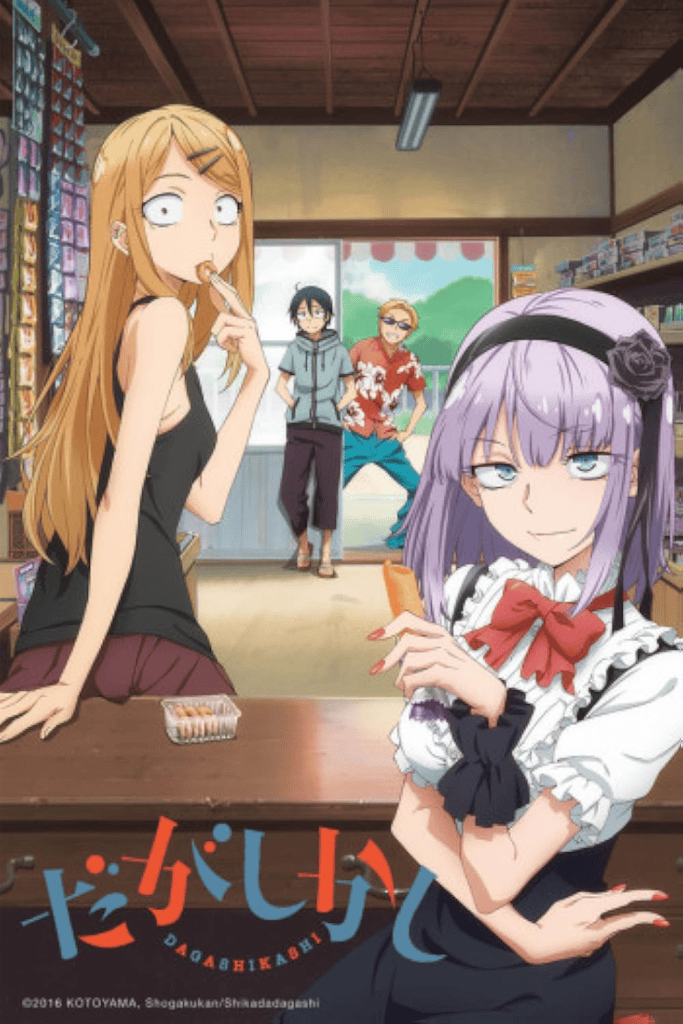
Kokonotsu Shikada hopes to become a mangaka in big fat Tokyo, but his father Yo would rather he inherit the candy store, Shikada Dagashi, despite it being set in the sticks off the beaten path. Without warning, the eccentric heiress of Shidare Confectionery, Hotaru, attempts to enlist Yo, who is happy to join Shidare if she can successfully convince Coconuts to drop everything and take over the most modest candy shop in the most unassuming part of rural Tokyo Prefecture.
At least I think it’s an extremely rural part of Tokyo Prefecture. The source material doesn’t care to name the hometown, the original Japanese sub uses standard Japanese, and later in the anime, Kokonotsu actually does attempt to pitch his manga to an editor in Tokyo, spoiler alert.
As for the main meat of the series, it’s more of a showcase of traditional Japanese candies from episode one. So… like Hokkaido Gals is a showcase of Hokkaido locales? Or how Golden Kamuy hides a treasure hunt in a show about Ainu cuisine?
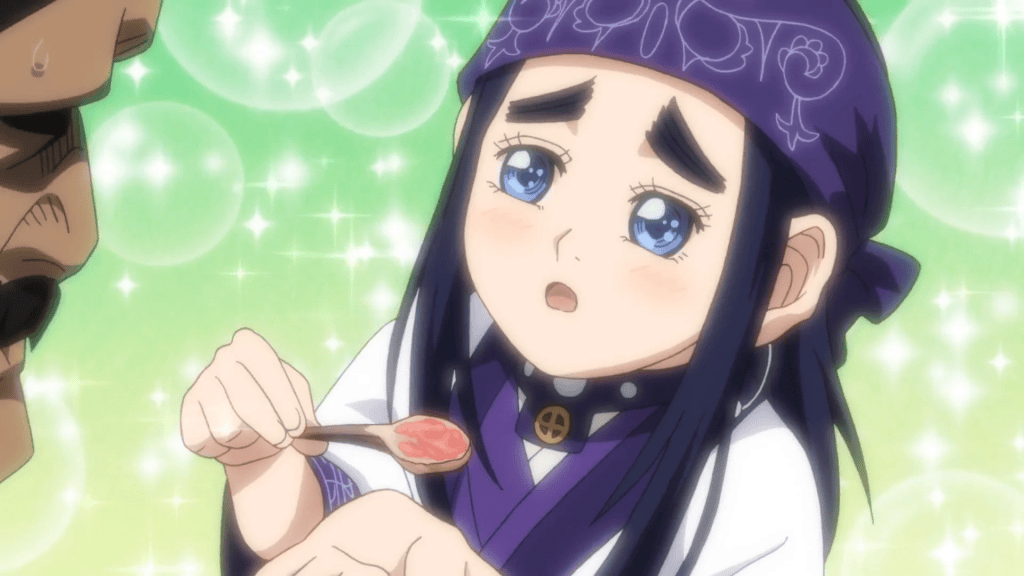
Well, before I say yes or no to those, let’s look at what they have. Between Candy Store in the Sticks, The Hunt for the Best Chitatap in Toyohara, and (try not to be too elaborate ( ̄﹃ ̄)) Yo~ Come to Hokkaido And Have Some Fun, Yah? (/_<), Kotoyama’s candy manga is the oldest. And I can see where Ainu Gold Hunt and Hokkaido Tourism Board get their philosophy if the premise was to introduce a place or historical setting through eccentric characters, but that would be me drawing lines where there shouldn’t be and it’s not just the characters that make these three series all memorable.
It being some seven or so years since I’d seen Dagashi Kashi, I can’t say much on the most memorable parts of the series, but as appetizing as much of the sweets look, not so much for the dentist who has to fill those cavities come Halloween time, the tiny cast may have been a benefit on paper considering they don’t go very far in the series, but the characters could’ve used something more than just the vanilla versions of existing tropes. Even with Todd Haberkorn in the starring role of Kokonotsu, the series is heavily reliant on just the sweets and not so much on the people who showcase the sweets.
Hotaru Shidare is the support beam holding everything up, but she’s the candy encyclopedia that walks like a human at best. Her antics do make the anime more interesting than I let on. Observe:
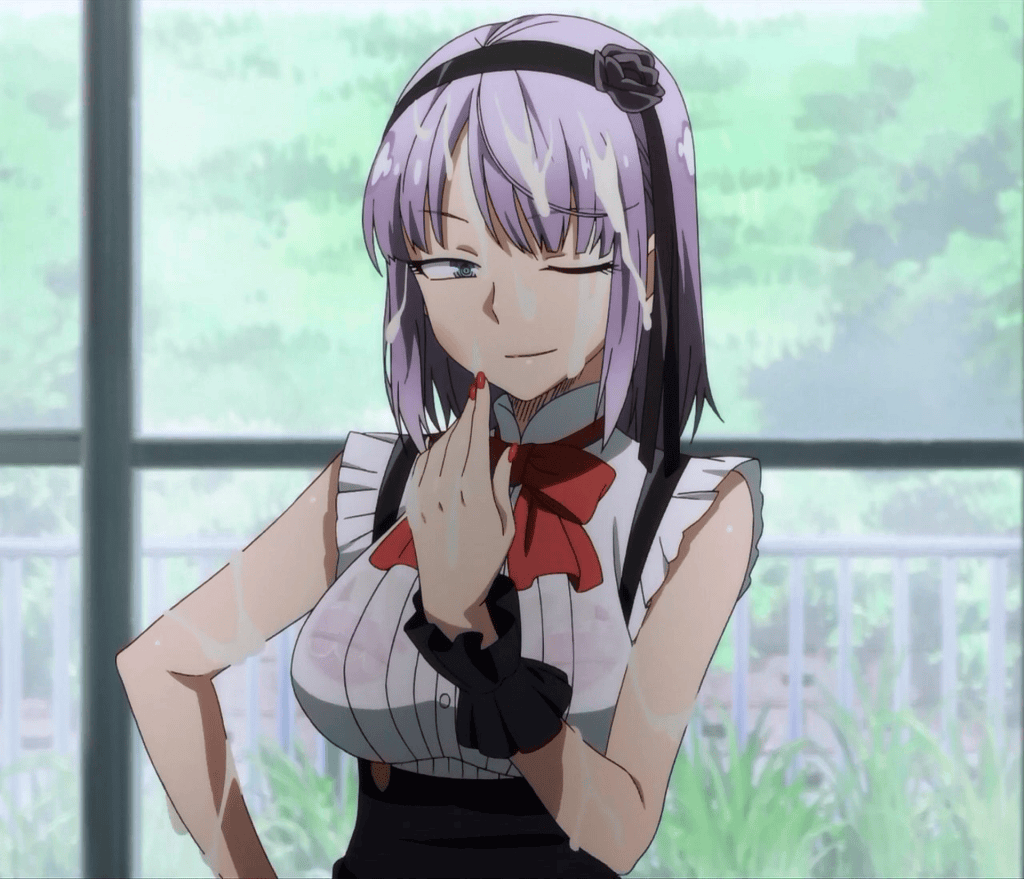
I can stare you in the eyes and assure you that that’s not NSFW and you may not believe me on account of having reviewed this with the straightest face I can project >_>.
But what I believe the series was missing was a damn near lot of what was in the existing manga. The manga debuted its first chapter in June 2014 with the anime’s first season airing from January to March 2016 and the second season airing for the exact same time frame just two years later. Meanwhile, the manga lasted a full 11 volumes over the course of four years. The manga ended after the anime did, and if you watch this and think a lot of stuff was lopped off to sell a manga, then you’re probably recalling the state of inadequate anime adaptations from the late 2010s.
Too often it was for an anime to get ultimately bum-f[crunch]ked by a short anime run. If you’ve been online over the years (especially if you subscribe to this blog), you’ve probably seen a handful of memes that claim a lot of anime are advertisements for the source material. Yes and no. I caught onto that yonks ago when I learned that a lot of years-long manga are either heavily truncated or don’t follow up on some unanswered questions. Pick your favorite that’s guilty of this. Here’s mine:
And you lovely readers can perhaps think up some other series that have had to skip, sidestep, and ultimately screw themselves over to get onto a screen.
Dagashi Kashi’s anime concluded and seeing as Japan doesn’t necessarily do this as much as the west does, a moderate approach to a reboot could presumably help Kotoyama here. He did come back with the later animanga Call of the Night, which is evidence that his works, when treated well, can do gangbusters. Perhaps a remake of the anime is in order and I wouldn’t be opposed to that as it deserves a better send off than what we had in 2018, but unless a studio executive or employee is reading this with an idea to pitch a la Urusei Yatsura or Fullmetal Alchemist Brotherhood, Dagashi Kashi might be stuck with the retro reputation it has online.
Personally, I felt the anime did a good job making the candies look very appealing and while I may not remember all of the candies introduced on the show (and there were a f[bite]k-ton >_>), seeing them in real life could jog my memory if/when I visit Japan one day.
As for the characters, the most inaccurate and unfair thing to say would be that they’re one note. Which they’re not. Hotaru gets the spotlight for being the energetic girl whose bloodstream is 40 percent sugar, but Kokonotsu shouldn’t be remembered as just the guy who wants to be a mangaka. His friends, Saya and To Endo run a coffee shop and that sanpaku-eyed girl has a lucky streak and a jealous streak that’s better served at raking in hundreds of thousands of yen at pachinko. She’d be doing a lot better than this woman, that’s for damn sure:
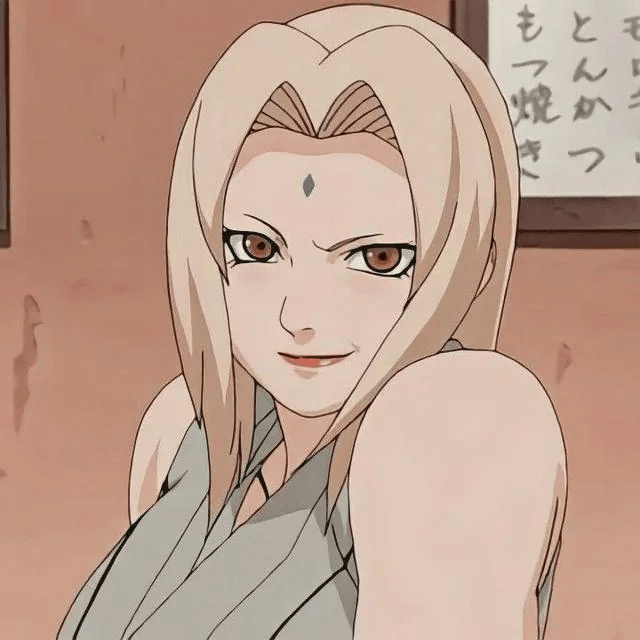
Let your luck rub off on the Legendary Sucker for a change, Saya!
Hotaru’s absent for the second season of the anime which instead introduces a potential alternative successor to Shikada Dagashi, Hajime Owari.
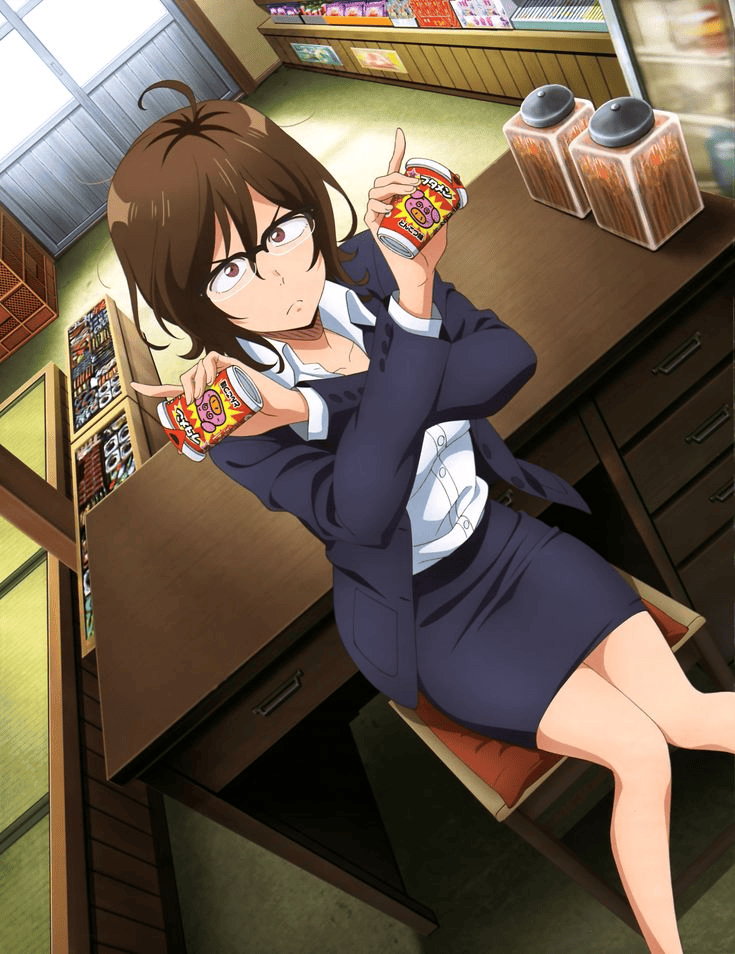
Previously working at a konbini but racked up constant tardiness leading to her termination, she cuts out the middleman and lives at the store with the Shikadas as a big, clumsy, onee-chan. A bit clumsier than Hotaru can be at times and slightly airheaded, but with a good head on her shoulders. She’s not Hotaru and doesn’t really try to be.
The state of the second season suffers from a lack of filler, I feel. Seasonal anime came with a cost and in the case of Dagashi Kashi, that cost was a lot of chapters left out or truncated over the course of two 12-episode seasons. My personal recommendation is a consumption order:
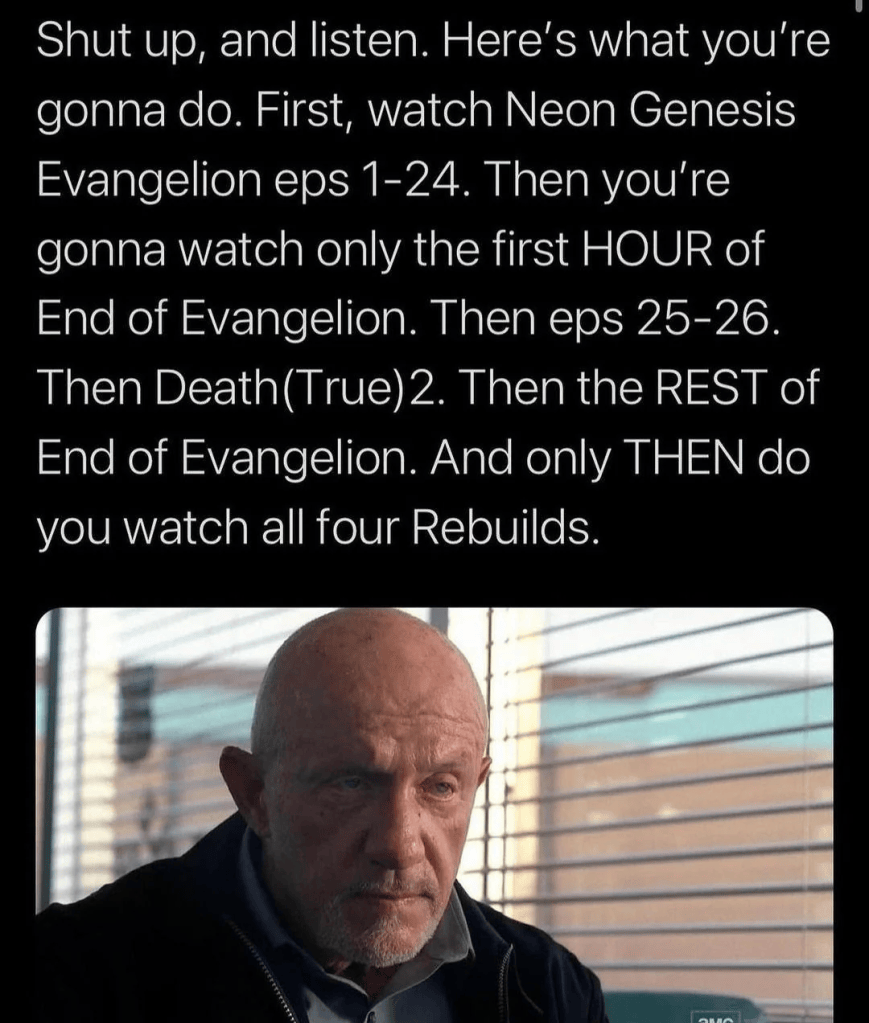
It’s not gonna be as complicated as this, but your best bet is to read the manga from start to finish then see what was shrunk in the anime adaptation. Keeping this in mind, I’m working almost entirely from memory as its been that long since I’ve seen it, but even without something more recent to call back on, the best I can say is that the manga was better.

