
赤くノ一VS隻狼
I don’t think Google Translate is doing me any favors.
Two weeks ago, I revisited the video game Red Ninja: End of Honor after leaving it be for a few months and briefly mentioning it during the 2025 Year in Review wrap-up. I was initially left quite sour by its dodgy mechanics interfering terribly with the plot and keeping me from getting as far as I wanted. The exploration design philosophy combines objectives with freedom of exploration so there’s no two ways to clear a level, which excites me having played Castlevania and various Metroidvanias, sometimes of a lewder variety to go along with the gothic subculture of Castlevania.

This has a SFW version if you wanna game without playing with two joysticks.
And I call it a tragedy of game design for Red Ninja, because looking at it from a hot-air balloon, you can see what it wanted to do and how different it was from how it turned out. Sengoku-era kunoichi left for dead commits herself to samurai clan after being saved by one of its head priestesses who also moonlights as a ninja herself and leads a group of kunoichi in service of one clan against another prominent clan of the time. Knowing what I’ve written about, Japanese history is my forte and seeing a concept like this get bogged down by some of its own design flaws.
I wouldn’t have wanted this to fail in 2005 and I don’t think it can fail today. We’ve always liked sexy ladies suplexing monsters and wild beasts and enemy soldiers. See my repertoire on Lewdtroidvanias for details. With better controls and a bit of a tighter combat focus, even if it was buried by other popular games to come out at the time, it could’ve been remembered as a hidden gem. Think diamond level instead of silver. So it has something neat going for it, but the controls do it no favors.
Conceptually, a ninja in a historical Japanese setting hacking and slashing against rogue samurai in service of his lord is a winning formula, which brings me to:
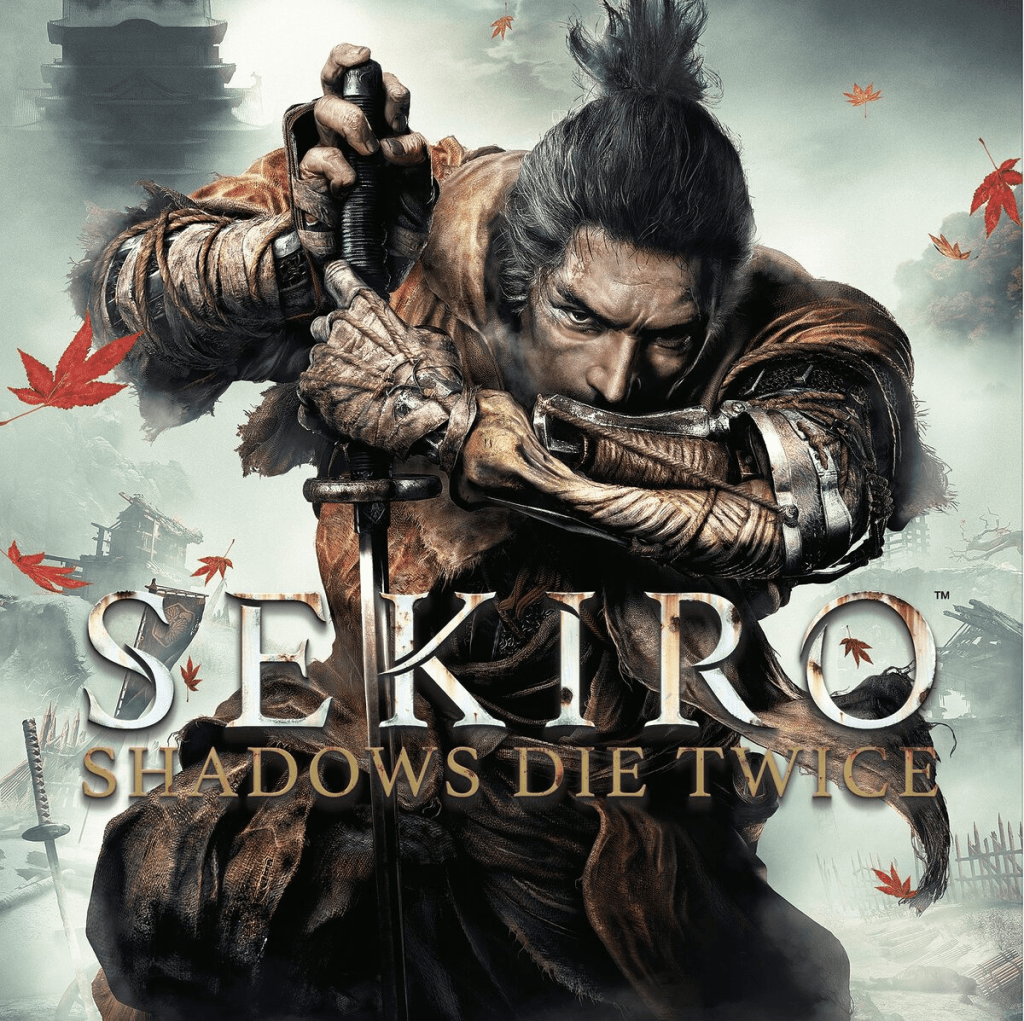
The Tale of the One-Armed Wolf.
Having written about my experiences in this 2019 FromSoftware game before, this may not seem very fair, gameplay-wise, and it technically isn’t, but we’re not comparing them just on gameplay, but also setting and perhaps lore and plot as both games follow the same beats but at different points in Japanese history.
One of the first things to distinguish 隻狼 from Crimson Kunoichi is the setting and location. Both take place at different points late in the Sengoku-era, but in different locales. Vermillion Shinobi puts Kurenai as a servant of the Takeda clan, directly under Takeda Shingen who lived from 1521 to ’73 in the old Kai Province that now makes up part of Yamanashi Prefecture of the Chubu region of Japan–or central Honshu. Lone Wolf is less explicit on locale, since it features so many from dilapidated temples to the outskirts of Ashina Castle to the Castle itself to Wolf’s own memories of Hirata estate, which may have existed either elsewhere in Japan or was toppled by the Ashina clan itself. The Ashina clan interestingly did exist in real life, and my sources claim they began in modern-day Kanagawa, then moved north to Tohoku where they met their end by the forces of Date Masamune.
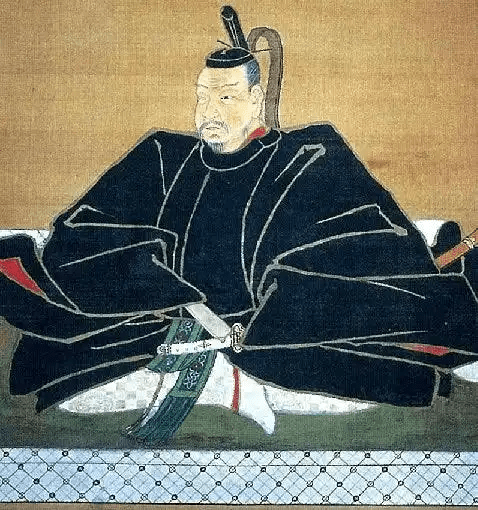
Thus ended the Ashina Clan.
But Wolf was loyal to a single man, or child: Lord Kuro, the Divine Heir. The mystical Dragonspring rejuvenating waters are capable of allowing those who consume it or are blessed with its essence of immortality, but like a monkey’s paw curling, immortality and infinite beauty aren’t one and the same. Sure, you can live long enough to see Jotaro Kujo punch a vampire to death in Egypt, but you won’t look anything like a human being anymore, so be careful what you wish for.
On that note, interspersed with the human enemy retainers of Ashina Castle, they use a handful of semi- or non-human enemies at their disposal. Gargantuan animal species, mythical creatures, beasts, and other beings stemming from Buddhist mythology–all for war against the Interior Ministry, which simply seems to be the Tokugawa Shogunate while they’re consolidating power. Keep in mind, this is the Sengoku-era and the Tokugawa would eventually rule Japan for the next quarter-millennia until the Black Ships arrived in Edo Bay.
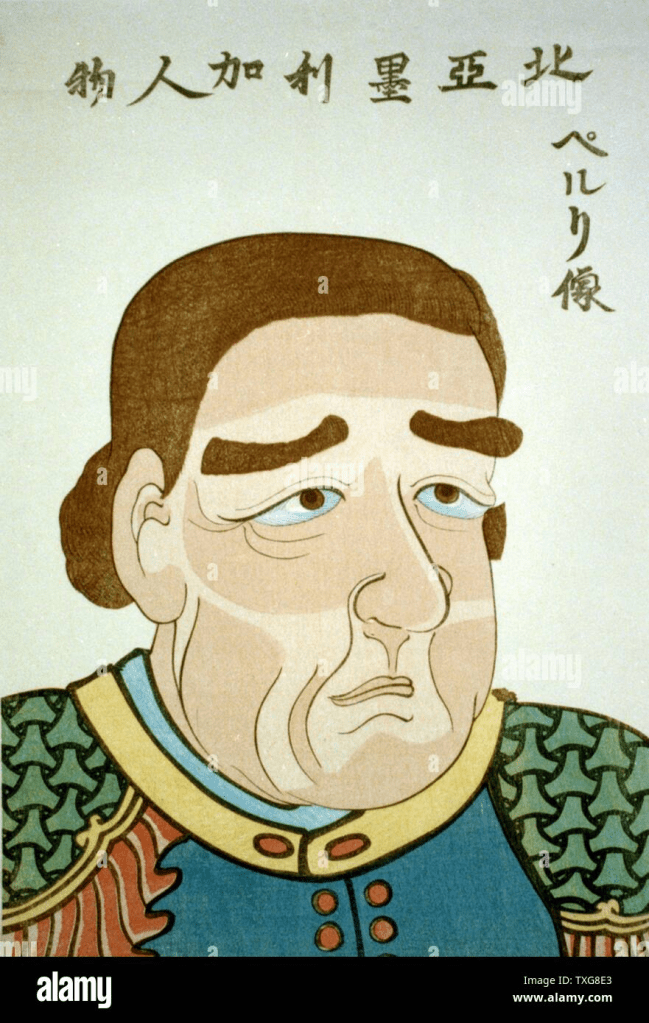
西男、どこへ行くと?
The goals of Ashina Genichiro are to make his forces immortal and weaponize that immortality to topple the Tokugawa before they can unify the country. Basically using an army of undead warriors to divide and conquer as far as the eye can see. Wait a damn minute, I’ve played this game before!
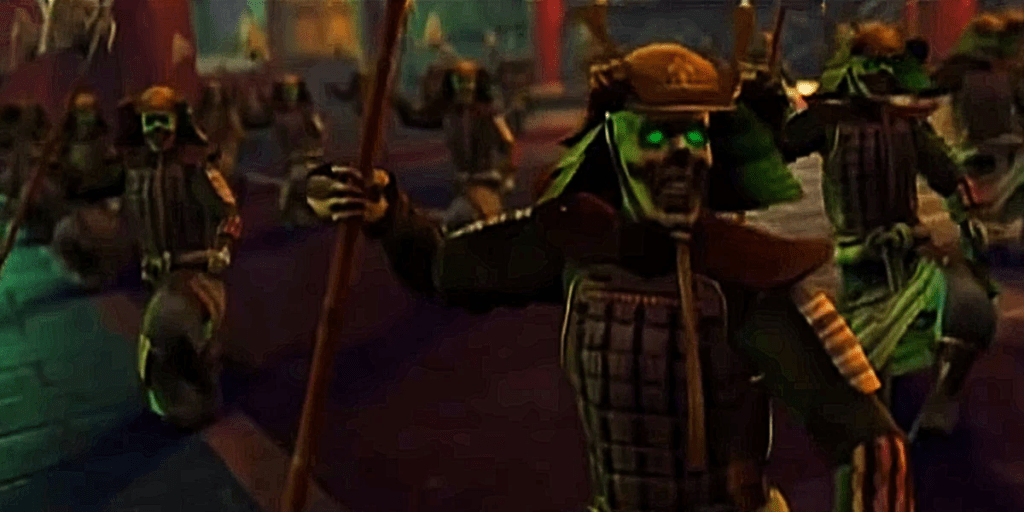
Two, actually.
As for Scarlet Shinobi no Sha, since Kurenai is a kunoichi, or female shinobi, her methods of combat are less 16th-century fantasy and more practical ninja weapons that have been said to be used by ninja, though sources are sparse or nonexistent for secrecy’s sake. The emphasis being on speed and stealth, ninja needed tools that can be easily used and hidden. Their missions were almost always: get in, do task, get out. Assassination, espionage, intelligence gathering; ninja were back then what modern-day scouts and special forces are. The less collateral there is, the better. U.S. Army Delta Force may pride itself on the business model of the quiet professional, but the fact that there are conflicting reports on ninja IRL shows who the real quiet professionals were.
For Kurenai and her masters, Takeda Shingen was a real person and Mochizuki Chiyome has been documented, but where there wasn’t a need to falsify Shingen’s history, Chiyome’s personal life is one of speculation, and that may have been on purpose. Knowing everything about shinobi would ruin the image, but again recordkeeping is nebulous with accounts changing depending on the story-teller, or we would have definitive proof of Rasputin’s final moments.
Whatever reports there are of Takeda Shingen being a master bastard would’ve been penned by his enemies. This game focuses on his rivalry with the Oda clan, but they were one of several. The Tokugawa, the Hojo, the Uesugi, and the Imagawa all had scores to settle with the Takeda clan as a whole or Shingen specifically. If he did use shinobi to undermine his enemies, he wouldn’t have been the first, nor would he have been the only one. It’s a bit of an oversimplification to claim many samurai used underhanded tactics to get one over on their enemies, but it points to their use of existing tools to do so, and one no military force has ever done away with because of its effectiveness. The Elusive Samurai, for instance, features Kazama Genba who can be described as a progenitor of the shinobi archetype based on the setting being the downfall of the Kamakura Shogunate in 1333.
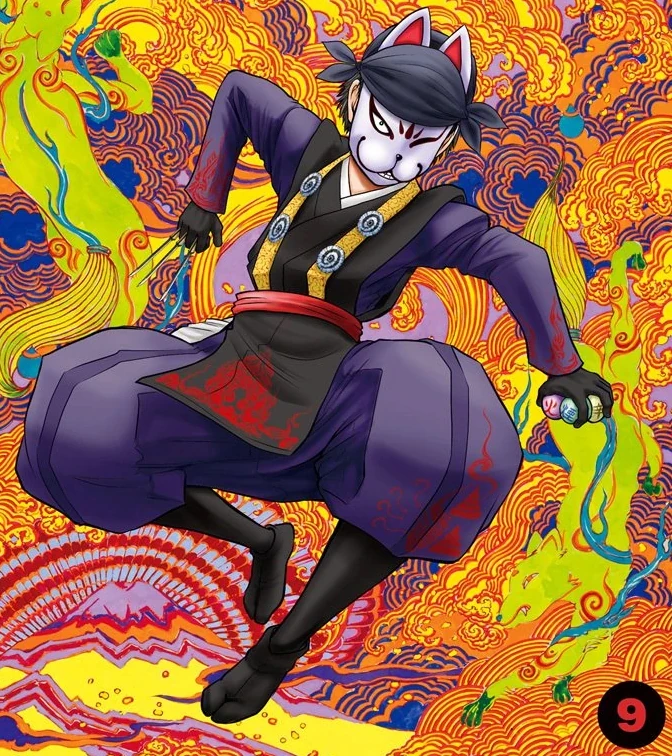
Both games are baked in mythology, but of a different type. Garnet Shadow Warrior plays up shinobi mythos and the Sengoku-era in pop culture based on grounded, historically feasible accounts penned either by the Takeda clan or their main rivals while Lone Gray Wolf cranks up the mythos with Buddhist monsters and phenomena. Not every beast you face as the titular Sekiro is completely under Ashina control; these being wild animals, only a few of them were “tame” enough to take on the Interior Ministry, and even some of the human enemies aren’t fully loyal to the Ashina. Some are there for their own ends. Even if the Ashina won out eventually (and for the record neither the Ashina nor the Takeda could stand up to the Tokugawa), those warriors likely would’ve betrayed Ashina. If Genichiro was smart, he would’ve used the same tactics Genghis Khan’s army supposedly used to keep his burial site hidden.
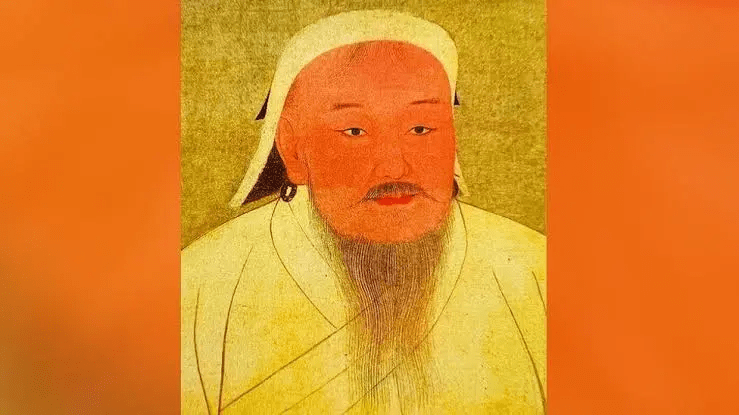
Sell it with a Timurid-like curse on any who unearths his tomb.
The major differences between them are the gameplay styles. Solo Dog of War is a Souls game with fewer bells and whistles to be found in traditional Dark Souls and later Souls game, the Welsh-inspired Elden Ring. Does this mean it’s simpler than the rest of the Souls library? Nope. Difficulty has not been sacrificed on the altar to bring Single-Player Ninja Guardian to our consoles and PCs, for you can still get thrown off a cliff or slashed by a knob-end who took R. Kelly’s “I Believe I Can Fly” to literal heights.
Channel: Xironia
Blood Spy is less theatrical, but largely because it combines three separate gameplay styles into one without the finesse that all of them have in isolation. This isn’t an instance of combining chocolate and peanut butter to bring us Reese’s nor is it a showcase of why peanut butter and chocolate don’t work. More like, if trial and error was applied, then Red Ninja could’ve been more than just a one-off project. Weapon at the end of a chain, seduction, platforming, and stealth aren’t ideas that should fail on paper, but the execution of this combination is the thing that matters the most. Places where some combination of those work well can be found in a bunch of games, including the Lewdtroidvanias I linked to earlier in this post.
But the world hasn’t collapsed despite what the news cycle spits at you. So a developer who happens upon this post or more realistically the game can (and F[sword clash]NG SHOULD) revisit the concept and reapply it to modern hardware. I’d kill a thousand men to see it return to the forefront, even if handled by someone else. Ideally, someone competent. The last thing we’re asking for is Saint’s Row 2022.

Besmirchment of my legacy and dishonor on my name is intolerable!!
 Opinions on Entertainment