
With dodgy mechanics
Months ago, I added Red Ninja: End of Honor to my list of topics to cover in the New Year and I had done so at a time when the game had frustrated me greatly. I briefly touched upon it in this post about what I found wrong with it, why I hadn’t advanced as far as I could, etc., etc. I was playing enough of it earlier to get a handle of it and return to form of sorts and this and the next series of posts are going to be subjective, but on reflection, I don’t think I was going to approach it as fairly as I had hoped.
Now Red Ninja is a game with flaws, but watching some video essays and reviews of the game, it has a cult following, so with that in mind, here’s the short version: it needed better controls and a better camera.
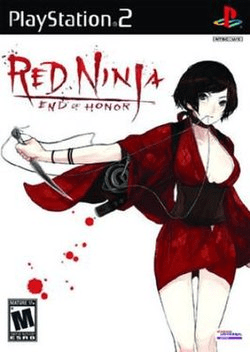
Which is something I don’t want to say about the game because it has a lot going for it. Stealth mechanics that make use of traditional stealth and historical context. I do need to clarify something I said in that post linked above. I mentioned that kunoichi didn’t exist. I retract that statement. They were real, but pop culture elevated their status a lot. This was due to sparse record-keeping, mythic statuses of actual female warriors, or onna-musha/bugeisha, and historian debate. There’s more records of onna-musha than of kunoichi. So you might happen upon a historical, if loose, retelling of Tomoe Gozen than of Mochizuki Chiyome. For that matter, The Elusive Samurai has one such onna-musha, the tomboyish Mochizuki Ayako as a retainer to that dastardly light-footed regent.
For all intents and purposes, Red Ninja takes from the kunoichi trope and while a history buff, from what I’ve seen so far in my gameplay, Crimson Kunoichi does use mythical status to elevate its protagonist Kurenai. It also mythologizes samurai and ninja clan politics of the Sengoku period. Before the Tokugawa clan won out for the next quarter-millennia, various samurai clans competed with one another, and this game centers around the rivalry between the Takeda and Oda clans.
The starting premise is that Kurenai’s father, Ryo, was killed by the Black Lizard clan (Kurotokage? 黒蜥蜴氏) and Kurenai and the rest of her family was slaughtered en masse until noblewoman Mochizuki Chizome found her near death, and recruited her into a body of kunoichi to serve the Takeda clan.

Don’t worry, she was a real person.
Records about Mochizuki survive or we wouldn’t know about her, but her historicity is of significant historian debate. As a Takeda clan noblewoman, she may have been hidden to protect her from assassination by Takeda clan enemies and subsequently mythologized, which is largely why historians struggle to frame her correctly in the framing of Sengoku era politicking. Not to mention, the two most famous ninja clans, Iga and Koga, may have only been two of several. Again, espionage has historically been light on records for pragmatic reasons.
Even if the Takeda clan did use ninja for espionage, the records are missing or were destroyed by them or their enemies. So the majority of the game is a revenge tale that I haven’t finished and might not finish this year. C’est la vie.
Wait, there’s a picture of Mochizuki Chiyome.
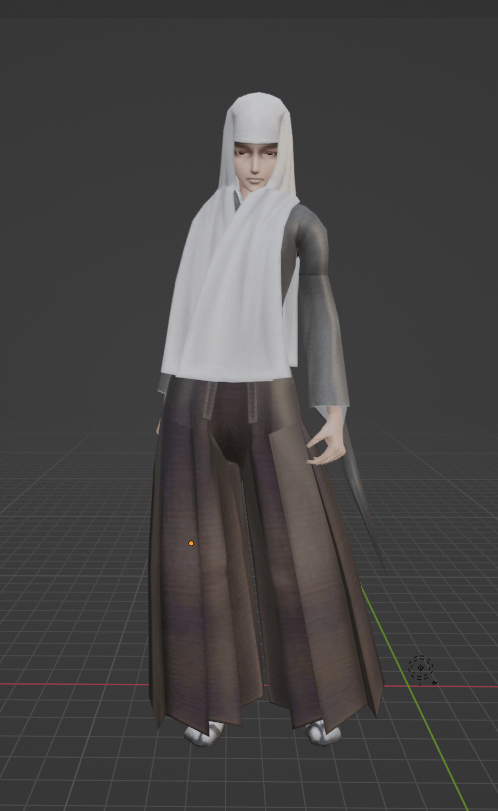
As she appears in the game. Pop media has given her different appearances, but this may be closer to who she was in real life.
So, Tiberius, what’s your issue with the game? The mechanics. The controls require a level of surgical precision that mean the difference between a successful heart surgery and a medical malpractice lawsuit. Slight analog stick movements work for games where the protagonist has a clear walking animation. When I do it in classic God of War or The Suffering, Kratos and Torque do walk. Here, it seems to be more than a little gimmicky and the reliance on specific pressure points makes the difference between a fumble and a successful assassination. Button presses aren’t the least responsive, but it can be difficult if you try to perform a certain move and it doesn’t register cleanly. Maybe it’s my controller acting up, but for f[sword clash]k’s sake, let me hang a motherf[AAAH!]ker from a beam!
Platforming again relies on precision and I would’ve preferred the God of War approach, not convenient ropes like in the first game, but using the Blades of Chaos/Athena/Exile/Spartan Rage to swing from specific points. Those blades are already ugly enough to leave grisly marks, so make them function as a grappling hook reinforces Kratos’ approach to traversal.
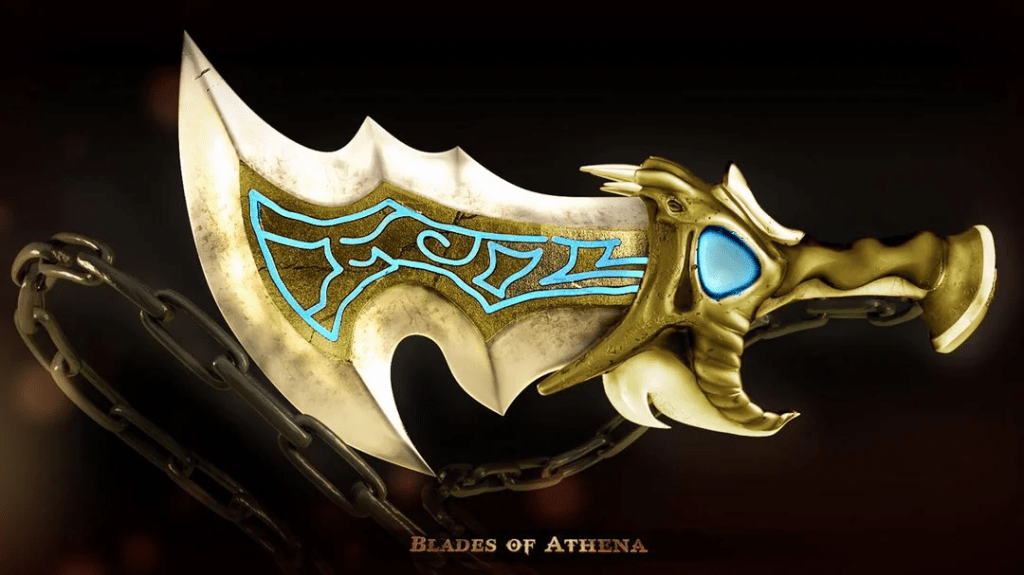
I started with God of War II, so I’m biased when I say that these were better.
Not for nothing, this game arouses me about Japanese history that few media properties do. Exemplified by my piece on Running from the Ashikaga among others, I don’t think pre-Sengoku Japan gets a lot of exposure in the west. On the one hand, this helps with keeping outside opportunists from mischaracterizing the era with their manure; but on the other hand, serious western historians and history buffs from seeing the era and viewing it with the contextual clarity that they deserve.
Is this a recommendation? A dissuasion? Well… it’s more like a collection of what I think could’ve helped the game mechanically. Kurenai’s main arsenal doesn’t hurt her. In fact, her story fits neatly into the myths that surround Mochizuki Chiyome and the Takeda clan, so countless other stories of kunoichi can work with this frame. Kurenai would be one of several.
Following up on that, the historical use of female spies is an interesting point. Say a female spy used her feminine charms on male guards to gain sensitive information and Kurenai does have this as her advantage, as did pirates Mary Read and Anne Bonny when they appeared in Assassin’s Creed IV.
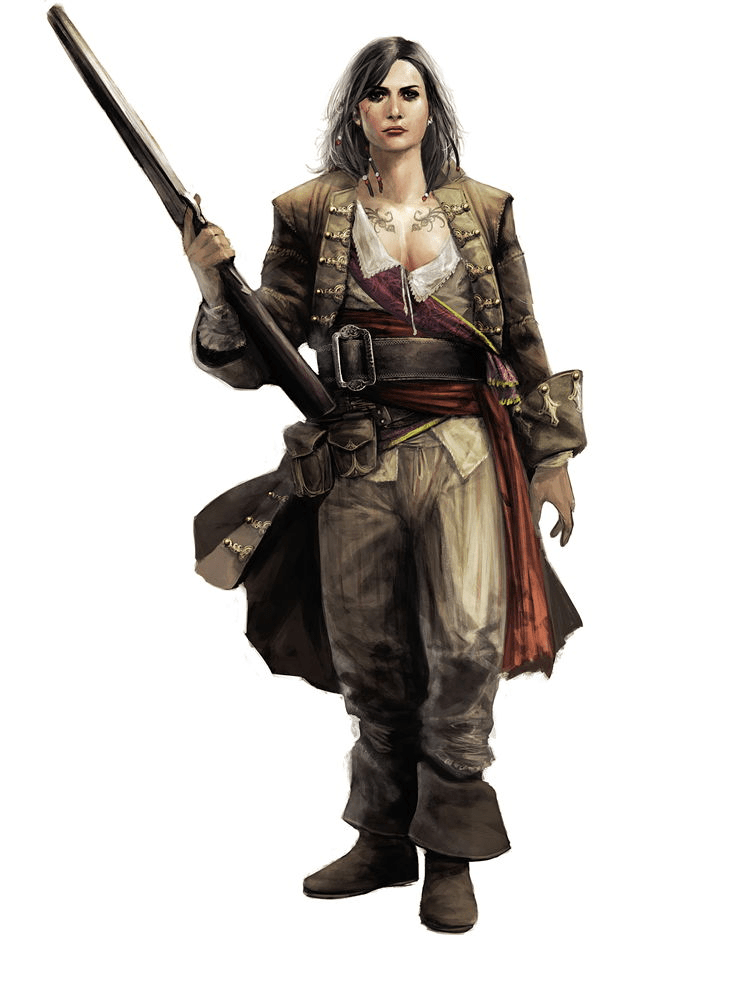
I knew something was off when “James Kidd” was noticeably more babyfaced than his hairier contemporaries.
Like the aforementioned pirates of the early 18th century, luring a horny man to his demise and stealing his secrets is a time-honored tradition. Though historically spies wouldn’t be inserted James Bond-style; that would be too much effort for very little payoff. Realistically, Kurenai or another kunoichi type would already be aligned with Takeda clan enemies by way of association. A plot would be to use them to get closer to the Oda clan leadership, steal as much information as they can and then use that against them. It may be goofy as hell as a Shonen series, but Femboy Shikken makes good use of stealth in the manga by way of known local miscreant Kazama Genba.
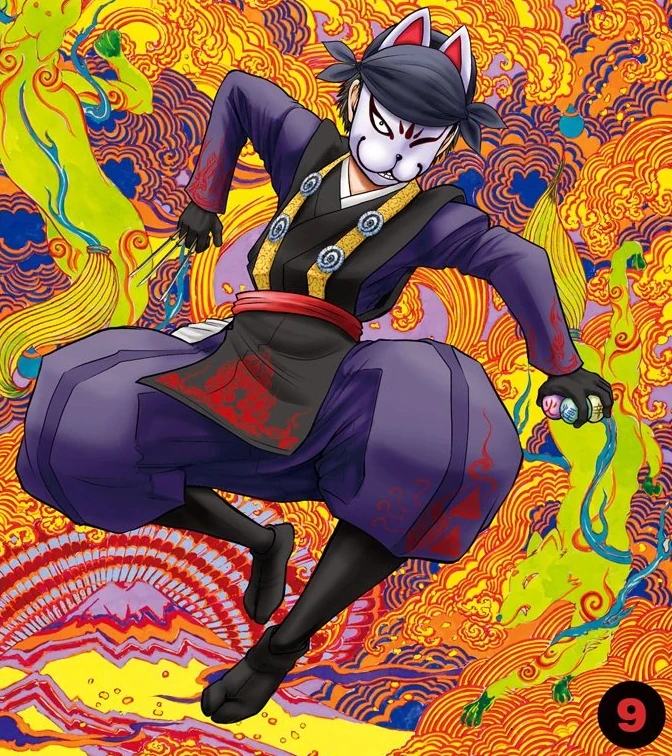
Kurenai and Kazama Genba are both portrayed as masters of stealth by way of the tactics they use. Kurenai is designed to wear a skimpy kimono that exposes her ass and threatens to unseat her tits, thereby weaponizing her feminine sex appeal to male guards. Kazama has a mask that can be molded to imitate the likeness of central figures. In one instance, he posed as Ogasawara Sadamune to help Tokiyuki take the imperial decree from his headquarters. And it worked! Until Ichikawa Sukefusa and his big ass Mickey Mouse ears heard them faffing about. Kurenai’s lure and attack method works when the game’s mechanics don’t trip over itself.
Overall, if it had a modern remake of some kind like what Max Payne is set to have this year, then I’ll play that from start to finish uninterrupted when I’m able to. If you have the patience, see your local emulator for more details.
My notes say the next topic of discussion is gonna be Lucky Star.

Then after that I’ll get back to Red Ninja mainly to put it alongside the likes of Sekiro and God of War 2005.
 Opinions on Entertainment