
Bringing rakugo to modern readers
I put this off last week to make way for the surprise announcement of Boruto’s Part 1 ending, but with that next chapter’s leaks following so close and a surprise twist at the end, I find myself pushing next week’s topic back again to make room for this because it’s too much to ignore. When Boruto Raiden or whatever Part 2 is gonna be called returns, I’ll probably devote a wider post to that, but until then here’s the gist of Masashi Kishimoto as of late: sporadic.
Now to something I was going to write about last week.
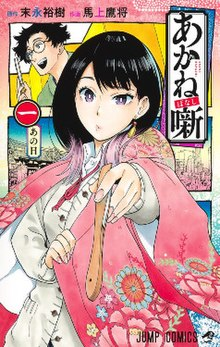
Sometime last year while browsing the Viz website, the debut chapter of a manga known as Akane-banashi was released. The series about the titular character, Akane Osaki, and her journey to become a rakugoka. Rakugo is a type of Japanese storytelling. Practitioners known as rakugoka tell long and ridiculous comedic stories in the seiza sitting position with a paper fan and different tones of voice to denote multiple characters in the story. It’s like standup comedy if you remove the standing.
From what I understand, these stories most often consist of old Japanese legends, myths and folktales, largely influenced by the culture that developed in Japan over the millennia. Quick research tells me that Akane-banashi isn’t the first manga to feature the art of rakugo, the others like Descending Stories were just geared toward older readers or were drawn decades ago and would thus be hard to find outside of an antique shop.

I don’t have a solid answer for how Akane-banashi took off the way it did a year and change later, but I have a few theories: the protagonist is a young woman just learning the ropes instead of a middle-aged or old man who’s already an expert/master; it runs concurrent with some other solid manga that debuted recently so there’s a healthy lineup to thumb through. These are my theories and I expect them to be wrong or inaccurate as I hadn’t taken an interest in rakugo until I stumbled upon Akane-banashi.
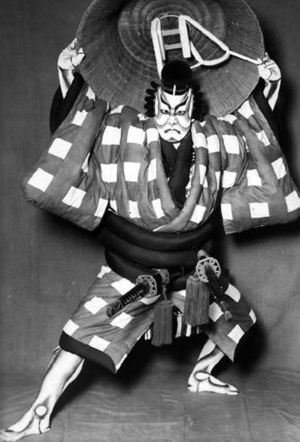
In a further demonstration of my limited exposure to rakugo manga (perhaps highlighted by how so few of them there are available for my research), the introductions to rakugo are lacking or brief. The manga explains the ranks of the rakugoka, select stories that a rakugoka is likely to tell (potentially first-time viewers have an idea of what to expect when they go see a performance in real life), and the different ways a story can be told in the rakugo form. This all sounds like a lot, but it’s all so brief by virtue of manga being a visual medium that all things considered Akane-banashi could be taken as a pick-up-and-read style manga. Part of me is curious if a kabuki manga would do the same thing.
Regarding the depiction of exceptionally niche topics in media, the shallow pool of practitioners within a given medium make it hard for outsiders looking in to judge the translation from real life to print, despite their best efforts to research it by any means. In the case of the wider performing arts, in the west and westernized countries with a healthy performing arts/entertainment industry, everyone and their grandmother at least knows one or a few people who’ve tried their hand at it from stage plays to big budget multimillion dollar silver screen productions to varying degrees of success. You don’t even need to be an A-list actor to know what it’s like or what to expect. Well-read individuals can educate themselves from true stories and popular rumors about what goes on in the film industry, especially in Hollywood where most of the movies are made, often to varying degrees of success. As a result, the lay person outside that world probably knows what obstacles a performer faces–but it takes sitting down with a performer or becoming one yourself to know about another layer that’s not as often exposed.
Consider this: actors don’t typically work a traditional 9-5 job. They would often be on-call and working with talent managers and/or companies who can help them land a role of some kind. For filming, almost anything goes. Filming at night? In traffic? On a mountain? With dangerous animals? Is the director denying you sleep for a certain scene? All of these may be extreme examples varying depending on the creativity of the actor or director, but all in all, circumstances like these would be seen as unnatural to those of us who aren’t performers, but largely run-of-the-mill shenanigans in the long run. Methodical madness and all that.
If Akane-banashi is even partly true to life, then accordingly, there’s no real wrong way to tell a story. A testament to a writer’s ability would be if historical events could be reworded to be even more interesting than what actually happened without resorting to exaggerations or outright lies. One such example that comes to mind for me would be Baz Luhrmann’s take on Romeo and Juliet. The original play was set in Renaissance Italy, but Luhrmann sets it in modern-day SoCal with the Montagues and Capulets being warring gangs instead of noble families.

Anything is possible.
Akane-banashi seems to be veering towards the direction of reinventing the wheel on rakugo as a whole and the stories that can be told in this style. All in all, it appears to be flipping the tradition of rakugo on its head, and while I’m slacking on the manga itself, whenever I get the chance I hope to be able to follow up on where it goes from here.
 Opinions on Entertainment
[…] of these I’ve written about or mentioned in the past, and I hope to do so once again as the respective series’ all […]
LikeLike