Animanga Releases of 2026

New Year, New Animanga

By the luck of the gods, I’ve returned to my post on the same day and I’m not terribly fatigued.

The Year of Cordis Die, the Year of the Snake, the Year CoD S[gunshots]t It’s Respect Out is out, and the Year of the Horse, the Uma 「馬」is in.

I don’t consume Umamusume anything, but it makes the rounds in my favorite spaces, so I can’t ignore it if I wanted to.

Now a bunch of these have been announced yonks ago and were set for debut sometime in December, January or much later in 2026. I can’t really count series that began in 2025 and will finish, at least, a season in 2026, but I will include those that will debut at some point this year. That’s pretty much my only criteria. As such, here’s the list:

  1. The Elusive Samurai Season 2 (July 2026)
  2. Alya Sometimes Hides Her Feelings in Russian Season 2 (2026)
  3. Frieren: Beyond Journey’s End Season 2 (January 2026)
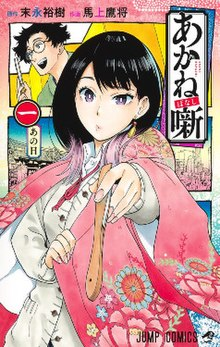
  4. Akane-banashi (April 2026)
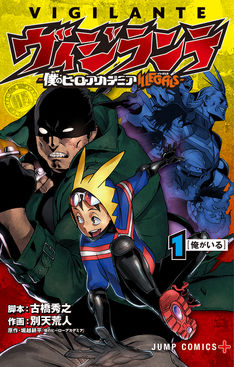
  5. My Hero Academia: Vigilantes (January 2026)

All of these I’ve written about or mentioned in the past, and I hope to do so once again as the respective series’ all continue and when they eventually conclude, at least in animated form since Vigilantes’ manga wrapped up a few years ago. Keep in mind, this isn’t an exhaustive list as I want to see what else will come out this year, but for brevity’s sake I’m sticking with my bread and butter, starting with:

The Light-footed Hojo Prince returns to us with a stern endeavor against the treacherous Ashikaga clan who have since reneged on their deal with Emperor Go-Daigo. I’ve never been prouder to be a manga reader because I can take a wild guess on how far this season is going to go and who will join the previous season’s repertoire of opportunistic samurai. In the last season, the primary antagonists were Ashikaga Takauji, Ogasawara Sadamune, and Ichikawa Sukefusa, joined together in the latter half with the disgraced bandit daimyo Hirano Shogen and the merciless (if fruity) Kokushi of Shinano.

Slight History Lesson: sometime during the Kamakura Shogunate, the position of Kokushi (comparable to a provincial governor today) was established to manage the vast territory of the land. These Kokushi were personally selected by the imperial court, but come the late Kamakura era, they lost favor to the more powerful military/shogunate-aligned Shugo. Their duties typically boiled down to taxation and revenue among their most notable administrative duties, but with the Shugo came the shift from civilian rule to military rule that would define Japanese rule during the subsequent Nanboku-cho period, then to the Sengoku period all the way up until the Meiji Restoration.

I’m not gonna spoil it as heavily but I will say that both Hirano and the Kokushi return as enemies, and personally, being in the military in a support MOS myself, the parts of the manga I’m currently reading touch on more than just the infantry aspect to show that complex military operations are a time-honored tradition. There’ve always been chaplains, communications units (though mass communication is a recent concept), medical units (imperfect and sometimes deadlier than just dying on the field in battle), and others.

As for new enemies that have come on gone by the point that I’ve caught up to, as I recall, they were there near the beginning, but didn’t get a lot of panel time in the manga. The Ashikaga initially allied with the Nitta clan, distant cousins through Minamoto brothers, Yoshiyasu, who was the ancestor of the Ashikaga, and Yoshishige, the ancestor of the Nitta. In real life, only the Nitta stood by Go-Daigo’s side while the Ashikaga double-crossed the imperial court and it happens again in the manga.

For allies to the Hojo and Suwa Grand Shrine, fortunately Tokiyuki has another uncle that doesn’t betray him like what Godaiin Muneshige did to Tokiyuki’s half-brother, Kunitoki. The uncle in question is Hojo Yasuie and there’s something about him that harkens to Matsui’s previous work, Assassination Classroom in a way…

Not entirely sure if its the forehead writing gag or what, but something about him makes me think of Koro-sensei sans tentacles

After him, comes Sasaki Mima, the Kitabatake clan, and Ko no Moronao, not necessarily allies to Suwa or the Hojo (definitely not Moronao), but certainly leverageable as enemies against the Ashikaga. So far, I only see the Kokushi and Hirano Shogen coming back as well as more tasteful shots of Nitta Yoshisada and Prince Moriyoshi. Now, I’ve said before that in real life, the Kamakura never rose after Ashikaga’s betrayal and after that, Hojo Tokiyuki managed to eke out a resistance for the next twenty years until his head was on the ground. We’ve got until the end of the manga to see if Yusei Matsui is gonna do the same thing and I hope to every deity I’m able to pray to that it ends well, not unlike what Aka Akasaka did to Kaguya-sama and Oshi no Ko, allegedly.

Второй:

To tease Masachika Kuze once again, My Hafu-Russian Classmate Who Doesn’t Know I Understand her won me over so much that I regularly check the associated Discord server like the Eye of Sauron. My busy schedule doesn’t allow me to check up on the light novels or the manga as much as I’d like, but I’m not really in any hurry to get a drop on the series like some others. For that matter, regarding animanga, I usually just play it by ear. Not every series I follow gets an anime, but if it does, then great. If not, then c’est la vie.

Of the listings up above, Alya Won’t Stop Flirting in Russian doesn’t have a specific release date for the second season. In fact, it was announced very late in 2025 and we’re definitely gonna get our information through drip feed. Google-san’s swanky new clanker assistant tells me that a section of the second season will be dedicated to a summer vacation arc.

I don’t really have much to add with so little information available. The only thing of value I’ve got is, catch up on the first season if you haven’t already and if you feel so inclined, why not take a look at the source material? I’m not certain if there’s variance between the LNs and the manga, and I don’t think I have the space in my barracks to house all that manga. I barely had enough in my apartment back in New York. Fingers crossed I can build a library of whatever I goddamn want among other things.

This includes a closet’s worth of cosplays.

A Terceira:

I’m taking my time with this one, to be honest. It’s popularity has not waned ever since it was put on Netflix nor even when Viz Media licensed the manga for weekly scanlation. My binge-watcher days are behind me, but I do like the approach I’ve adopted ever since. From looking at others talk about the manga and describe it in a non-spoiler-y way, it’s very much dedicated to a posthumous character’s life when he was a hero. Yeah, I already know it’s Himmel.

My absorption of this series began with a bunch of out-of-context memes, which is still the case with Neon Genesis Evangelion, at least until I finally finish the damn anime and get a move on with End of Eva.

I don’t even know what I’m missing, but it’s absolutely crucial that I watch it all.

Same thing for Frieren. It’s a 2-cour anime for once and I’m certainly gonna watch it to completion and make my Netflix subscription feel known this time. The second season is gonna start in two weeks and is said to have a different director from the first season. AFAIK, Netflix doesn’t plan on moving it away from the platform, but if it does once Season 2 wraps up then Crunchyroll and Hulu and the Banner of Gen Z is always an option.

On that note, I’ve got some catching up on One Pace to do.

四番目:

Of all the anime debuting this year, this was the last I expected to ever get an adaptation, and truth be told, I stopped having expectations thousands of years ago. That’s why I was so surprised when Black Torch was greenlit for an adaptation and I wasn’t the only one to get slapped in the face with that news. The short version here is that a rakugoka practices night and day for a big performance only for the Rakugo Grandmaster to shut it all down in front of a live audience. The budding rakugoka’s dream now becomes to dream of his daughter, Akane Osaki, who will not rest until she’s the best of the next generation of rakugoka.

Mighty big geta to fill, especially since I think Akane-chan is only around 5-foot, and although I haven’t read the manga in ages, I recall there being one hell of a stiff competition between her and her dreams. Maybe one day I’ll play catch ups with this series, advance a bit further in Chihayafuru and compare the two in an efficient way. Ballpark estimate: Q3 2026. Why that time frame specifically? Because.

And lastly:

In Dragon Ball Z announcer voice: Last time on My Hero Academia: Vigilantes, Knuckleduster had fought well against the Queen Bee Quirk puppeteering his daughter, Tamao’s, body. With the parasite dealt with, what is next for Knuckleduster, Koichi Haimawari, and Kazuho Haneyama? Find out now.

Going off of memory from the first season, Knuckleduster saved his daughter who was a host for the Queen Bee Quirk. In the manga, he vanishes for a time while Koichi and Pop-Step continue the investigation for the designer drug Trigger… in Japan. In the manga, Knuckleduster gets a lead that a distribution site could be Hong Kong, so he goes over there to dish out some two-hit justice not seen since Inspector Tequila saved a hospital full of newborn infants.

嗰個寶寶唔知,但係佢救咗龍舌蘭督察。[Hopefully Google Translate has improved over time.]

Tangentially related to Knuckleduster’s past, a sycophantic villain attempts to emulate the man even down to the scar on his face and it unleashes a new flavor of hell. And here my memory of this arc starts to break down. I remember how it’s resolved and Knuckleduster’s secret, but out of respect for you, the reader, I will not reveal it until the second season concludes.

The year just began, and this list is probably gonna get an update come springtime. The list of topics I have lined up so far only goes to the first week of April, set to be added onto by March ideally if life doesn’t get funny by then.

Final note: an honorable mention:

July.

MHA Vigilantes Anime So Far

Been a while since we’ve done one of these

Out-of-schedule topics haven’t been a thing on this blog in over two months since I wrote about BLACK TORCH rising from the grave. The next topic will cover an anime I was really on the fence about watching, so take this one as a calm before the storm, so to speak. And thankfully one I’d been looking forward to for years.

I’ve written about this manga before in the past, so here’s the cliffnotes version: college student Koichi Haimawari doesn’t fit the bill to be an officially licensed hero and so moonlights as Nice Guy in his neighborhood, as a sort of friendly neighborhood Spider-Man sans the tragic death of a popular brand of rice. One night, he and wannabe popstar idol, Pop-Step get jumped by a roving band of misfits and saved by this universe’s answer to Batman with a dash of Frank Castle sprinkled in.

Keep in mind, that that’s how the manga begins. The rest of the story covers a pivotal plot detail in the main storyline involving the Shie Hassaikai Yakuza’s use of an experimental Quirk-altering drug called Trigger, used to boost an individual’s Quirk to often disastrous results. The main tell that someone’s been using it is through their tongues, leaving them stained black from overuse. The main structure of Vigilantes is that the Pro-Heroes often can’t or (according to Stain) won’t stop smaller slice-of-life crimes as they’re expected to, so vigilantes tend to pick up the slack though under the cloak of darkness because vigilantism is illegal.

The hero system in this universe is used to denote what makes a villain, not a hero. Strict boundaries are put on heroes to stay within the law and legal limits, but villains and vigilantes aren’t bound by the same obligation. Even though a vigilante can cover a hero’s blindspots, not all of them subscribe to the same heroic ethos that binds most ordinary Pros so the legal system sees them as villains too, even though vigilantism birthed this same system. This is explained by one of Koichi’s senpai, Makoto Tsukauchi.

I’d highlight these as spoilers, but they’re more an explanation of the hero system as portrayed in all MHA media, adding nuance to a picture portrayed as black and white. Obligatory, honorable thieves, untrustworthy law enforcement; we’ve seen it all before, but to apply to superheroes tilts the picture significantly. The anime debuted last month and as of writing this is currently at eight episodes.

I cannot say for certain how many episodes or seasons it will have, but considering the cultural phenomenon MHA has become as a franchise in the last decade, it’s more than just a welcome addition to the franchise as a whole. It also fills in a few missing plot points from the original as a prequel set two years before Midoriya and Bakugo step off for UA High.

Going off the first episode, the anime opening follows the art style of the manga sticking closer to its western comic inspiration than the original does. Observe below:

Channel: TOHO Animation チャンネル

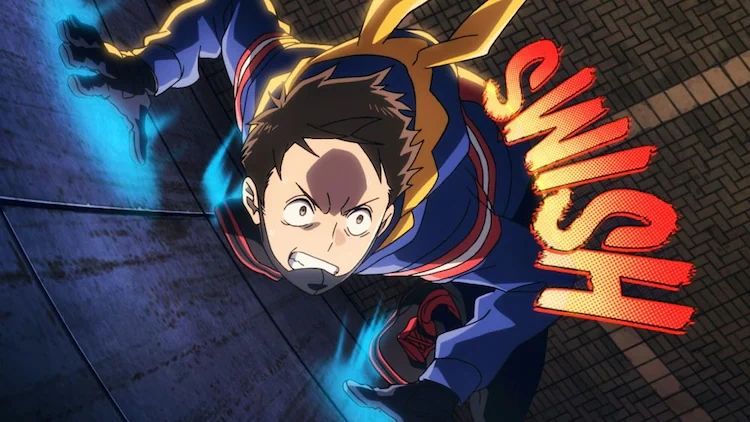
Studio BONES doesn’t miss a beat. Establishing shots of all the characters present, stylistic choices and art direction to fit them all with their appropriate themes – Koichi is shown using his Slide and Glide Quirk with the animation beginning with All Might and ending with Knuckleduster to show he’s gonna be different than his idol; Pop-Step dancing first with silhouettes of herself before they’re supplanted with fans who take heavy inspiration from Cyclops and Wolverine especially; and Knucklduster appropriately left an enigma for an upcoming reveal that manga readers already know. I made a promise not to spoil anything until we get there, so my lips are sealed and I will not ruin the surprise. The internet’s gonna lose it, I swear on it.

It sets up the anime well and I once again have to come to terms with simuldub. Growing up, most anime would take years to dub in English, let alone a different language from Japanese. Nowadays, thanks to social media, budding voice actors can contact dubbing studios, showcase their talents and through some other methods the public won’t see, they may be considered for certain roles. Voice actors have more insight into how this works, so don’t look to me for gospel in this aspect. I’m not a voice actor.

For what it’s worth though, the English VAs get the tone of voice really well. Kudos to their director. Confession: I was imagining the voices of Koichi, Pop, and Knuckleduster to be some variation of Todd Haberkorn, Kari Wahlgren, and Christopher Sabat respectively, though that may just be my own fantasy. Natsu Dragneel, Haruko Haruhara, and Piccolo walk into a bar… well, that’s just a fanfic now, but the manga gave a lot of leeway to imagine their voices until they were confirmed. Instead of legacy, the industry is giving rise to new faces. They don’t exactly have any household recognition yet like the aforementioned, but the grind of voice acting should put them on the map for future projects.

Credit: u/LolyHumter, r/TrashTaste

Characters this time are more varied and complex being on the older side. In the case of Koichi, with him being in college as opposed to high school, he’s shown to be much less insecure of his Quirk than Deku was. Granted, he wasn’t Quirkless at the outset, but we see the differences in a protagonist with a recently acquired Quirk and a protagonist who was born with one. Also being older makes him somewhat more humble in my eyes. Deku still has admirable goals, but I recall in the first episode how foolish several people thought he was wanting to be a Quirkless hero, until All Might saw him in action. I like underdog stories as much as the next guy, but there’s something refreshing about a character who doesn’t think about their powers all that much, merely using it as another tool in their arsenal.

Pop-Step is written completely differently than Uraraka. Not wanting to be a hero for the sake of her family or thinking that much about heroics on the whole. She already uses her Quirk for impromptu concerts so it’d be a bit ridiculous of her to try, although in the Vigilantes storyline, she technically is one by proxy. As the youngest one, she’s in high school being hinted at being around 16 or 17 years old (despite what some online have been saying, especially concerning her choice of costume).

Those tights are an anime addition. Beneath that in the manga it’s all skin. The manga art shows more funny enough.

Lore-wise, this was her choice, but character design-wise, sometimes you gotta look at the writers and wonder…

But why get anal (no pun intended) about character designs? Manga readers know that Midnight used to look like this:

This costume design caused lawmakers to rewrite acceptable costume laws. If it wasn’t for that, a good portion of her career would be even more scandalous than it probably already is.

Kazuho Haneyama is instead very tsundere-coded. She’ll lend a helping hand and use her online influence to implore her loyal fans to keep a keen eye for Trigger users and encourage them to stay away from it. I’ve talked before briefly about my thoughts on East Asian idol culture, but if there’s an argument in favor of it, it can positively influence followers of a certain idol to raise awareness where it’s necessary. So Kazuho means well, but the tsuntsun comes out a lot when in close proximity to Koichi who unfortunately falls for a lot of the same traps that most would in his position when next to a tsundere. But she at least didn’t become the same type of Shonen female the genre’s been stuck with for decades.

I’m not as hostile to her as others have been, but Part I left a lot to be desired.

Finally, there’s Knuckleduster whose backstory is so heavy it needs to be shipped on a transpacific cargo ship. So keeping in line with where the anime is, he’s a dark gray character who lives up to the Batman comparisons even more than he lets on. Not to mention his first encounter with Shota Aizawa – better known as Erasure Hero: Eraserhead – shows that even pure adrenaline and energy can leave even the Pros tapping out for a breath of air. Coupled with the rest of his screen time and that brief encounter with just Aizawa reveals a few things about them. 1. Next to his first encounter with Koichi and Soga Kugisaki, you get more clues that he’s done this type of thing before, most likely in a past life; 2. The Pros shouldn’t rely so much on their Quirks for work, because they’ll eventually meet a villain or worse who’ll give them a run for their money (see the Paranormal Liberation War arc for more details); 3. Without endorsing his methods, Stain has a point about the Pros. Save for All Might, far too many heroes never know what they’re up against until they meet a Sisyphean endeavor, like the War arc in the main series.

On a final note, this post should be even more persuasion to check out the series in whatever medium you see fit. It’s still airing on Crunchyroll as I write this, so if you have the means to do so, check out it there. Or if you can’t or won’t for personal reasons (I won’t judge, and I can’t considering what I’ve been talking about for the better part of two-and-a-half years), you already know what I’m gonna say.

Unpopular Nerds become Preppy Rebels or Anime Rebel Without a Cause

A misnomer since it’s a manga as of writing this

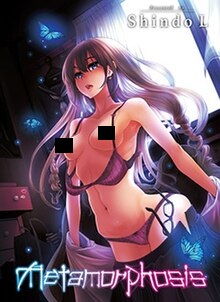
Let me know if this sounds familiar, a shy, nerdy girl with a nonexistent social life in middle school redoes herself come high school into a gyaru and becomes the cock of the walk at school with an expanding circle of friends. Quick! What am I describing? A new and circulating manga or an R-rated doujin by Shindo L?

Dark jokes aside, I couldn’t help but draw the comparisons in the first chapter, but delightfully and thankfully, the subject of this manga isn’t about an adolescent girl being coerced into becoming the town bicycle by cliques of parasites. Instead, the manga on the table is a wholesome slice of life appreciation for the gyaru subculture, something I’m intimately familiar with as regular readers may know.

The manga is known as No Gyaru in This Class by Shigure Tokita. I’ve recently wrapped up the eighth chapter and there are currently 20 with many more to follow going forward. Halfway through this brand new manga, there are three central characters: Mirei Nanase, Yushin Mamiya, and Subaru Raisaka. All three were completely different people before the transition to high school — Nanase was a straight A student who put all of her experience points into being the best student in the class at the expense of a social life; Mamiya was in a similar boat; and Raisaka had put all her experience points into sports and fitness.

All three coincidentally chose to remake themselves and get more friends in high school, which puts this manga in the same boat as Komi Can’t Communicate based largely on the main characters’ goals. So far, I haven’t seen either character mention their previous lives in middle school prior to their transformations, though Tokita likes to have fun with the characters in the chapter covers.

I’ve already explained the gyaru subculture, so those who are paying attention may have already spotted the misnomer in the title. The nuances of Japanese popular culture require a reframing of the word “rebel” in this context. It’s not unheard of for Japanese schools to police students’ appearance, even in regard to hair (even though some Japanese have naturally light brown hair), so going purely by this definition, Nanase, Mamiya, and Raisaka are all rebels. In Mamiya’s case in particular, he tried to reimagine himself as a tough guy, but from what I’ve seen and how he’s portrayed in the manga, the tough exterior does nothing to hide his true nature. Nerdy and intellectually gifted he may be, he’s always been a softie, thus inducting him into the Soft-Hearted Brawler trope, though only on a technicality. It’s still early and we’ve yet to see Mamiya throw hands, unlike others who fit this trope.

As for a character who could potentially fit the trope better, Raisaka was previously manufactured like the average anime tomboy complete with the short hair, energy, and fitness levels to match. Comedically, she’s surpassed Usain Bolt when it comes to speed and may just be strong enough to bench press Manhattan Island. If Mugi from K-On! was a different person, she’d probably react like this:

As a gyaru in high school Raisaka is extra taciturn, or she may have already been that way. Either way, the turn around for all three to becoming these flashy new kids on the block is a day-night difference. I’d give to be the one person who recognized either one of them and said, “They’re the last I would ever expect to turn out like that.” High school slice of life may not be everyone’s cup of tea, but I’m enjoying this one quite well. It does well to turn several tropes on their head and the ones that remain in place are executed decently enough to keep scrolling on the screen.

Will this get an adaptation? An OVA? Will it continue on for years? I’ve since retired my Nostradamus powers so I won’t comment on any of that. As far as first impressions of Tokita’s works go, Reddit holds this mangaka in high regard based on other series they’ve done. The fact that one of their manga is being mentioned on this blog at all pretty much guarantees a recommendation, not to fans of their work who would have already started reading once word got around that a new manga was in the works, but to newcomers like myself who want a break from all the heart-pumping, mouth-watering Shonen action. It’s a fun manga about reinventing oneself for their own benefit and getting rewarded with friends and good times. One could argue that the characters are merely lying to themselves and each other for this radical change, but to be fair, no one is really lying about anything and they wouldn’t really need to. Honest characters never have anything to hide or if they do, they do it very poorly. I haven’t gotten to that point in the manga, and while I did say I’m not going to be making bold predictions, I see one of two outcomes: they each reveal what they were in middle school, or they don’t say anything because it doesn’t matter in the long run. There’s really only one way to find out and to that end, Manga Plus, Shonen Jump, and other unconventional manga hosting websites have the series in stock, so you have your pick of the litter, though as with many things, exercise caution.

Revenge of the Shield Bro or Oops, All Lolis

What Went Right and What Went Wrong

I’ve said before that I don’t make a beeline for Isekai. I don’t love or hate it, I’m just indifferent and for a while I was curious why so damn many anime fell under the Isekai genre as of late, but looking at the goings on in Japan, it wasn’t hard to connect the dots. The same could be applied to much of the rest of East Asia, all things considered. There are still a few Isekai that I enjoy and stop me if these sound familiar: KonoSuba, Overlord, I have plans to watch The Saga of Tanya the Evil, Gate, and probably Re:Zero if more people shut up about it. Technically, I got the gist of what to expect from all of these thanks to the Isekai Quartet parodying all of them.

But it’s no substitute for all of them. Watch the originals or read their source material if you haven’t already.

If we use technicalities, Btooom! counts as the fifth Isekai I’ve ever seen. The Rising of the Shield Hero is one of the earliest I’ve seen at the height of its popularity and according to my watch history archived on Crunchyroll, it was about a month before the pandemic was declared as such. Thank goodness I had something to hold me over until the vaccines were made available. It had a decent starting premise for an adaptation of a light novel from 2013, and wound up living up to its name.

It begins with a college student, Naofumi Iwatani, visiting his local library and thumbing through a magical book that puts him in another world with three other people from alternate versions of Japan. Now that I’ve written that, it took me ’til now to realize that Isekai can be looked at from a multiverse lens than from a reincarnation lens. Anyway, our four noble heroes are awarded four weapons: spear, shield, sword, and bow with shield being the most maligned of the four. For further malice, Naofumi is cursed to team up with what becomes a major antagonist in the series: Princess Malty S Melromarc.

Worse Azula here starts off okay, but after a stay in a motel, she wrongly accused Naofumi of sexual harassment and assault, which burned a hole through the internet at the time due to the ongoing MeToo movement as it was getting hijacked by the worst people we’re forced to share the world with. In a prophetic scene that brings me to the Depp-Heard trial, Naofumi pleaded his innocence, but the kingdom he pledged to serve is a matriarchal society, and using that card to her advantage, she had him stripped of his prestige and ousted, momentarily marked as the Devil of the Shield.

A different series would’ve turned him into Kratos without the family-killing dynamic.

With only a few people to rely on, Naofumi continues on honing his shield skills, and controversially buys a slave. In this world, there’s two types of people: human beings who have the rights and demihumans, blanketly any humanoid with slight anatomical differences, most commonly of the kemonomimi variety, which is applicable to the Thirens of Zenless Zone Zero. This particular slave is a raccoon girl called Raphtalia and I firmly recall the internet falling in love with her for being a reliable companion and most importantly not f[Ore wa!]ng Malty. Even I loved her at one point.

Over the course of the anime, Naofumi occasionally runs into the rest of the dumbasses he was gonna serve the kingdom with, taking snide remarks on the side and dishing them out whilst also proving himself to be more capable in more than just shield tactics. Slave or no, Naofumi taught Raph how to fight as a swordswoman, and act as the offense to his defense. Later, he purchases an egg from which we get a character known as a Filolial named Filo, who can transform between bird and human form; her human form being a loli, which seem to be attracted to him in the same way a planet is attracted to a star. Finally, in the first season, there’s the second princess, the much nicer Melty Melromarc, another loli.

Credit: u/FurySnow47, r/ShieldHero

Guess all the MILFs were taken? Not all of them, though, there is still Queen Melromarc who was conveniently absent until the second half of the first season.

Fortunately, she’s absolutely nothing like her daughter and (spoilers) retries her and her husband, the king, for their harsh treatment and high crimes and misdemeanors on the throne, about to be executed until Naofumi does what most responsible heroes would do and stays their execution in favor of a more humiliating punishment, renaming Malty to “Bitch,” and the king to “Trash.” The first season doesn’t end there, but for loads of people watching, myself included, this was a definite highlight for characters who treated the protagonist like dirt all this time.

Due to the recency bias, an old 3×3 of mine has it included.

This was in August of 2021, one of my earliest Reddit posts. I do still like some of these series, and in the case of Shield Hero, its first season started strong and went demonstrably well. Where does it falter? By most accounts, season 2 is where it starts to fall.

I didn’t watch it due to the reputation it was carrying as it went on and I was too busy looking for employment as well as working with an extremely slow Army recruiter (2022 wasn’t my year (-_-)), but as I understand it, season 1 started strong, season 2 fumbled it but picked it up, and season 3 did better than season 2’s beginning. I don’t think I’ve said it before but I don’t really plan any of my anime watches out. I definitely watch anime, but I don’t set anything in stone; I just follow my whims. I put more planning in the blog topics than I do in my anime “watchlist,” so I won’t say whether I’ll see for myself if Shield Hero S2 is as bad as it says, but more like if I so choose, I’ll have this video linked below to keep in mind:

Channel: LunarEquinox

But my expectations are already nonexistent so aside from all of you dear readers, who else do I need to tell this to?

I enjoyed the first season for what it was at the time. Looking back, if I’m being honest, Naofumi doesn’t have the makings of our modern definition of a hero, he’s written more in line with the old Greco-Roman classical heroes, like Hercules/Heracles or Theseus or basically Kratos from God of War 2005. He’s not the most selfish or intimidating or morally conflicted character, but the cards he’s been dealt and the people he serves makes him question whether he should quit and what good he’d get out of it aside from a good night’s rest for once. Instead, rather than wait on quests to pop out of nowhere, as a white mage of sorts, he doesn’t really need combat to showcase his heroics; when the other heroes leave to claim their rewards, Naofumi stays behind to deliver medicine and sanctuary to the shaken populace, fitting and expected of a shield. See what I did there?

This is probably the first time I’ve felt conflicted recommending a series. Guess we’re transitioning into the S[oink]t That Exists that Makes me Pissed arc, and while it’d be more fitting for a blog meant to present unconventional opinions, I rarely do such a thing. For this series, I don’t recommend you watch as I recommend you experience the series. Season 1 and season 3 are the cleanest they’ll get, but season 2 might be left to the Pick Your Poison method. Can you stomach the reportedly poorly presented first half or would you rather spare your eyes and delve into the light novels? Maybe that’s your approach if you choose to give it a watch. It’s far from the first light novel adaptation I’ve written about, but it’s one with a complicated legacy after 12 or 13 years on the shelves. I don’t recommend going in with a judgmental or comparative mind as thinking about a different series in the viewing of this one may ruin the experience for you. Rather, what you should do is go in as blind as humanly possible and judge it on its own merits. It’s got light novels, manga, and the anime’s 4th season is supposed to release this year. Hopefully, the 4th one doesn’t ruin anything any further… or worse!

My Hero Academia: Vigilantes Adaptation Confirmed

At last!

This week’s post was gonna be about more webcomics, but I kinda already talked about that last week. Country of origin be damned, there’s distinction between manhwa/hua and western webcomics, but there’s not a lot of difference. So instead, we’re following up on a nearly 2-year-old newspiece:

Funny enough, when the original ended a few months ago, many felt more cucked than the central character of an NTR hentai; part of this has to do with the gap in Japanese culture and western culture as well as the assumption that My Hero Academia was a western-style superhero-themed manga. To be fair, it presented itself as such playing homage to DC and Marvel, but the application of Japanese characteristics explains why most western readers were let down by the ending. What I mean is, (spoiler) Deku becoming a teacher instead of staying as a Pro-Hero feels like a slap in the face to over a decade of build-up and promise due to the punching bag most teachers in the west are compared to East Asian teachers who are held in the same regard as historical figures and heroes. Teachers in the east are seen with the same reverence as, say, George Washington or Winston Churchill.

That said, much of the MHA fandom was conflicted over how it ended. Personally, I initially gave it praise for not falling into the same traps as DC and Marvel have in the past (re- everything, f[gasp]ing hell), but over time it became a bit too much to follow. I lost track and playing catch-ups made me feel like Samurai Jack being sent to Aku’s future.

Vigilantes, on the other hand, had a tighter focus. Smaller cast, more mature atmosphere, a deceptively loose connection to the main series through characters, concepts, and/or key items, and a darker tone than the original’s high school setting. Summarizing s[neighs]t I said two years ago, college student Koichi Haimawari starts off as a friendly, neighborhood Spider-Man-like archetype doing it because it’s the right thing to do; he meets wannabe pop-star and tsundere-in-training Kazuho Haneyama and before the pair are nearly violently assaulted by a trio of anti-villainous thugs, Japanese Batman-like Knuckleduster knocks their skulls out of place in search of an illegal Quirk enhancer and offers (read: practically threatens) to tutor Koichi in the art of vigilantism. Much appreciated, but a date with a neck brace initially feels better than Peter Parker becoming angsty again.

I jest, it doesn’t get to this level, but it does explore themes that the original doesn’t delve very far into. It wrapped up its story with a neat and tidy ending, and is an interesting addition to MHA on the whole, along with the light novels, and spin-off, yonkoma parody. Yeah, it’s become a franchise since debut.

It was in 2023 where the rumors of an adaptation first circulated and I did report on it at the time, letting it sleep until I got official news from the horse’s mouth. Fast-forward to mid-January 2025, and the rumors are facts: My Hero Academia: Vigilantes is set for a spring 2025 release.

As far as reputations go, the fandom coupled with the writing of the last two quarters of the manga seem to have colored many people’s outside interpretations of the series. Not that it had a good leg to stand on initially; for all the praise it gets for helping to popularize new Shonen tropes, if you just got off a binge of the big 3 anime of yesteryear and expected badassery on every corner, then I can’t blame you if you were ever disappointed. Then again, the original’s deconstruction of Shonen tropes was what made it seem so fresh at the time. Deku doesn’t start off as a badass–instead he’s proof that heroes are made, not born. He’s basically what happens if you tell someone in the past that this scrawny weakling would become the best of the best in ten years time before being laughed out the room.

And that was an easy sell at launch. It and Demon Slayer have broken the mold with more empathetic protagonists, and as such have garnered their own opinions on such a trope. Koichi, on the other hand, doesn’t exactly have the most unrealistic goals imaginable: college student by day, local helper by night. At the risk of burying Deku under the cemetery, Koichi’s no starry-eyed kid with his head in the clouds. Being an All Might otaku, he does secretly dream of being a hero, but is content with being anything but the hero.

Over the course of the manga, this begins to morph into something more complicated tan what was originally stated. More characters, more intrigue, more mysteries unraveled; it makes the L.A. Noire plot look like a retelling of the Three Little Pigs. And out of respect for you, the reader, I refuse to spoil the main plot of the manga.

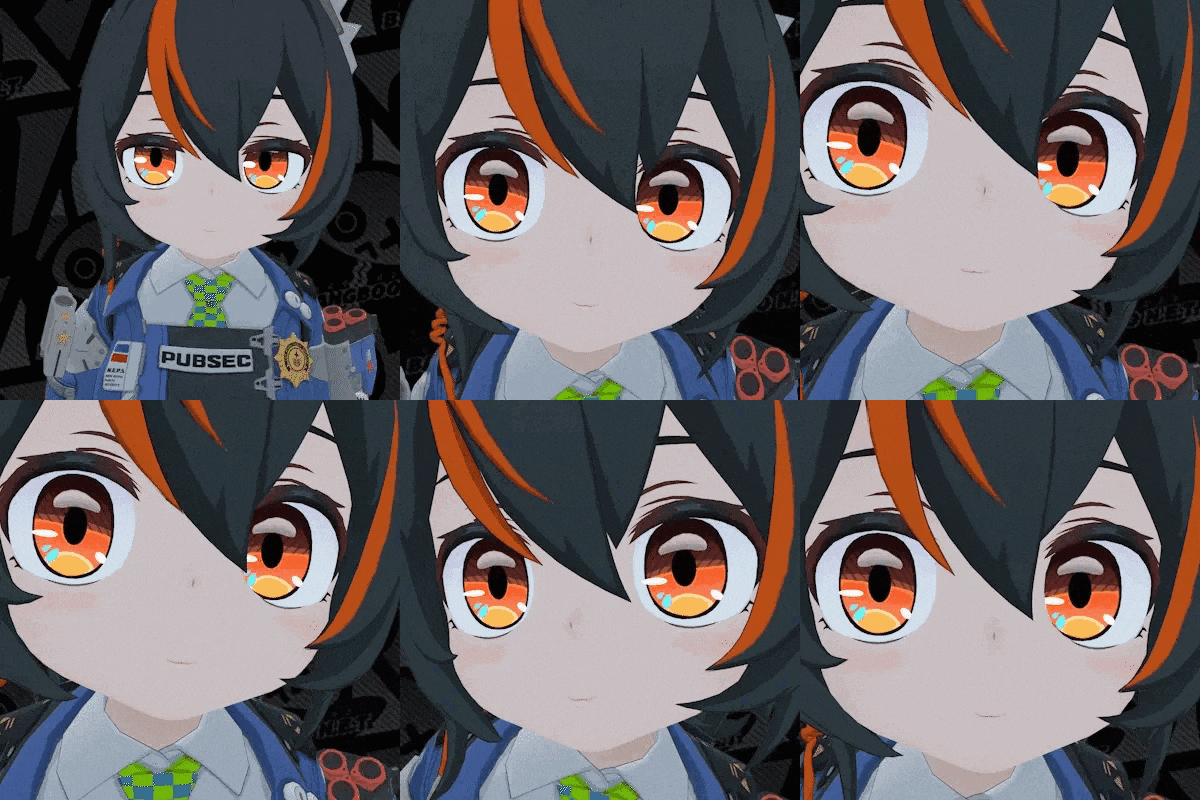
But what about the upcoming anime? Well, the manga fell into a bit of controversy over the depiction and treatment of select female characters, namely Kazuho Haneyama, alias Pop-Step. Notably her vigilante costume.

As you can see, Kazuho, who’s around 16 years old in chapter 1, wears this as her costume. The Pop-Step persona is meant to be a cutesy imp-like creature which, on reflection, makes me think of Ironmouse in a lot of ways. The original series had people crying foul over Horikoshi’s decision to have Momo show so much skin for her quirk to work, but in a weak defense, that was one of a few ways to get it down. (Some headcanons depict her as a shy exhibitionist unlike Midnight, IYKYK.)

Pop-Step has less reason to show her butt here. I had brushed it off as “animanga tropes” while I was reading it, but after some thought (and time), this doesn’t look very good. Couple that with the initial panels of her about to face a nasty assault or harassment and the criticism is as solid as Snake. Trust me, though, it does get better as the manga progresses, and to answer to an upcoming backlash, the animators have considered the following for a redesign of her costume:

Tights! Will it work for the anime? Time will tell. Does it work for me? I turned my brain off and let the story guide me each time I read another chapter so I didn’t put much thought into it until way later when the manga ended. For my recommendation, you’re better off letting the manga do the same and speak to you then go in with any expectations whatsoever. Even what you know about the original series is gonna get tossed out the window at the first panel. You know my shtick by now. Manga hosting pirate sites, physical volumes, etc., etc., though the former may help you get up to speed considering it has significantly less volumes and chapters — 126 spread across 15 volumes VS the originals 431 spread across 42. I have yet to see a box set of the whole franchise, but it’s only a matter of time before it gets a Naruto-like 3-in-1 omnibus manga treatment.

YouTube recommendations! I’ve been struggling to find some channels to have you all check out largely because what I watch these days is incredibly varied and I don’t like throwing people in at the deep end. I do still want to keep sending stuff your way and my crystal ball sees me recommending a series of sorts whether its on YouTube or not. Some candidates have had to axe their channels due to unwanted outside attention, others have simply moved on. And that makes this difficult.

This time, I thought I’d share what I’ve been watching. I’ve only got a few lined up for February now, but as time goes on I may do what I did in 2023 and do a bi-monthly recommendation system compared to what I had going on last year.

A channel that has my eyes is Stiff Lip Supplements. A series of humorous Army MOS ads masquerading as a satire, it’s a company whose videos are short form Zyn advertisements. You don’t necessarily have to be a servicemember or Zyn/snu user to get the gist of their humor. They know damn well that what they’re selling isn’t a miracle cure for the usual daily bollocks, but do offer to alleviate the headache only slightly. If you need a quick chuckle or you’re thinking about buying some of their merch (which does include apparel), the link is in the first line of this paragraph.

Rewatching One Piece

Following up on some classics

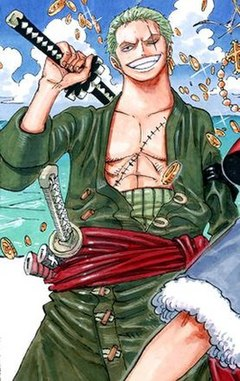
About two months ago, I made a declaration to go back to some classic anime, those being Dragon Ball Z (the Kai dub) and One Piece. Why these two specifically? No particular reason, just that with Kai, it was a redub of the original DBZ anime that aired when I was a kid and in an abridged fashion. The reason Funimation did this was to commemorate the anime’s 20th anniversary. As for One Piece, you’d be hard pressed to find an anime fan who hasn’t heard of or watched or planned on watching One Piece. As I write this, someone just finished the most recent episode of One Piece and is blazing through the manga right now. Someone else has the entire box set and omnibus and a third fan has taken it further, emulating Zoro in appearance, technique and awful sense of direction.

I made the declaration to give One Piece a rewatch and try (keyword: try) to play catch ups. Kind of ridiculous 1,000 episodes in, but not impossible. Thing is, I kept getting held up either by work or my personal desires at the time. That declaration was made in September and as of writing this, I’m only 19 episodes in. It would be more, but I have an explanation for the part that’s within my control. The simplest answer is that I’m not the biggest fan of binge watching.

Netflix spearheaded this phenomenon in the mid-2010s and I had been questioning it for the better part of a decade. The more I learned about Netflix’s formula, the more I began to criticize it. It’s normal for a show to get pulled or stop airing after several years, but Netflix’s pattern of batch releases has created a culture built around rapid mass consumption of media… with little thought given to subcultures built around a particular show. Not to mention, too many great shows of theirs get s[banging metal]t-canned after one season and the hype is lost on me. Shows that have already aired though are the only reason I’m still on that platform for now, but the influence of one can trickle elsewhere and I don’t like how influential Netflix has been over the years.

This blog covers obscure and old media as its bread and butter; and while I do cover recently aired/currently airing shows or recently released video games, I don’t recall covering that many newer series of any kind. That’s more suited to guys like this:

He can afford to watch and talk about anime on a regular basis now that he and Trash Taste are under the GeeXPlus umbrella, whereas I’m currently doing Signal Corps things in the Army. Sidenote: if you join the Army and are put in Air Defense Artillery, I strongly implore you to choose any other branch. You’ll get more time to yourself when able.

As for the time I’ve been able to scrounge up for myself and spend on watching things I like, I’ve been dividing it between One Piece and other shows. I’m still not all that far into Genshiken (and I plan to write that up in two weeks), and I’ve been caught up watching my favorite history documentaries, as well as another manuscript. Can I get all of this done outside of duty? Yes. Is it easy? F[bonobo screech]k no. It’s a very challenging series of feats I’ve taken on for myself, and my laziness has stifled progress in a few areas. Couple it with a gacha game addiction and it’s a miracle I got to the first 20 episodes.

Variety is the spice of life, Terry!

Still, 19 episodes gives me a decent amount to talk about even for an anime this long and old. So how did I enjoy starting from number 1? Pretty well! I can’t recall the last time I watched One Piece before this quest of mine, but the most memorable arc I watched before it became too inconvenient was the one where Nami came down with a bad fever. Quick googling revealed that that’s known as the Five-Day Disease. This was at least ten years ago and Toonami was (and still is) airing the reruns to my knowledge. A show that helped build the block and make these shows household names isn’t gonna be dropped by the network, but it will be moved to make room for new shows. To my knowledge, it had been moved to at least 2:30AM or 3AM and my days of watching episodes in rapid succession are long gone.

C’est la vie.

I’m still watching One Piece and hope to at least clear 250 episodes by sometime next year, probably by Spring or early Summer. So far, Luffy had gathered a crew of three and is about to recruit the fourth member. Zoro was freed from capital punishment, Nami was insistent that her relationship is purely transactional and she’s not a pirate (not dissimilar from the “I’m not a furry” crowd), and Usopp whose sweet little lies would make him a match for Hol Horse in a game of wits. It also goes to show that similar to Hol Horse, he’s not prone to hurting unnecessarily. Lies, yes, but attacking the innocent isn’t something he’ll do. It might be the same for Hol Horse, but until I finish Crazy Diamond’s Demonic Heartbreak, I’ll confirm for sure.

As of writing this, Sanji is set to join the crew next (those who know, don’t spoil anything so I can still see for myself how everyone joins the crew). The wheels turn slowly but they turn either way, so I hope to follow up with an update sometime in the future.

Back to YouTube channel recommendations, this time with Dr Mod

https://www.youtube.com/@DrModGTA

A recent discovery of mine, this channel covers just about everything GTA-related. Older games, recent games, and even the upcoming GTA VI are a staple on this channel. Some of my own early work covers the GTA series, though not to the lengths that Dr Mod does, so if you’d like something to hold you over until we return to modern day Vice City, enjoy Dr Mod.

And maybe also pirate Vice City and Vice City Stories as well. They won’t take up a lot of space on your hard drive. I speak from experience.

The Hunt for Unsung Manga

I’ve come across a lot of manga series over the years, and while I don’t remember all of them, if I had something similar to My Anime List, I’d probably rank the ones I’ve read or heard of in terms of read (past tense), reading, going to read, or no interest; and based on what I’ve recommended across this blog this year, I’d say that there’s going to be a lot of series that the average manga reader has never heard of or can’t find through conventional means. However long you’ve read manga or watched some of their corresponding anime, you’ve undeniably heard of series like Naruto, Bleach, Dragon Ball, or One Piece. And you know some recent trendsetters by name: Attack on Titan, Sword Art Online, KonoSuba, My Hero Academia, etc.

But be honest with me: before reading some of my entries from this year, did you ever know about Wave, Listen to Me? Or Rokudenashi Blues? How about House of Five Leaves? Mashle? Black Torch? No? Well, that’s to be expected. Some of these have only recently gotten their well-earned press and praise and the others rode that ship ages ago. Rokudenashi, for instance, is from the 1980s and it shows.

Only JoJo’s Bizarre Adventure still looks like this.

This quest of mine to find and screen through manga we’ve never heard of or haven’t heard much about is in equal measures personal and exciting. Personally, I don’t mind much of the series that get praised online these days or even IRL, but sometimes the praise can be a bit much. Although I enjoyed Chainsaw Man, my previous excursion with Black Torch by Tsuyoshi Takaki subconsciously colored my perception of the anime. It took me a while to realize how similar they were in structure, but fortunately for Tatsuki Fujimoto, CSM is more comical in comparison. Takaki’s manga seems to have been a victim of the times.

As for the excitement, call it the general sense of joy that comes with discovering something new. And it’s not these are hard to find. Google and Bing are likely to have them indexed and sites like Mangadex may have it in the archives. As for discovering the series myself, some series were the result of accidental Google searches. Others came from digging through the Manga Plus front page or reading an article about supposedly underrated series.

This one specifically came from when I was trying to Google Do You Love Your Mom, AKA the MILF-sekai.

Alternatively, there’s online forums dedicated to discussing manga, the most common one for me being Reddit. It is worth keeping in mind that sites like this will have a younger audience (i.e. early middle school to middle high school age), so what was popular when you were graduating is gonna be seen as old by the time some of these users are your age. I’m writing from personal experience and the weight of this gap is felt for me, but hey, at least Yu-Gi-Oh! and Pokémon still make the rounds, even through memes.

Another point to bear in mind is availability. There’s a difference between knowing the name of a series and knowing where to read it. Mangadex is a weeb’s go-to for series that are running but can’t be easily found, but there’s a chance the series in particular is available to the public in some form or another elsewhere. The only barrier in that aspect would perhaps be the age of the reader or just a trip to the local bookstore. Any Barnes & Noble employee worth their salt would know better than to let a high schooler go home with a raunchy series, but let’s be real there’s always a loophole. Grab a friend who’s older than 18 or go online like everyone else.

Going back to Mangadex, there’s no shortage there of the big four genres of Shonen, Seinen, Shojo and Josei, but if you want something 18+/hentai, then Mangadex will not help you. Even these sites have their limits, and that’s fine. Digging through a pirate site that’ll have what you’re looking for is tricky. In my experience, some pirate sites are overridden with pop-up ads that open a new tab bursting with malware, and it isn’t always when looking for hentai. Some Korean manhwa get scanned and translated into multiple languages by groups advertising these services on donation/contributor sites like Patreon, and many of the pirate sites that they end up on are all third party hosts.

Other sites like Webtoon or Toomics do host them free of all the issues that come with a pirate site, but sometimes have a string or two attached. I’m not lambasting these sites for putting walls up to entry. That’s what deserves praise. It may sound odd of me to admit to pirating while also condemning it, but I’ve been clear on where I stand on that. For some things that, thanks to the passage of time, have grown increasingly difficult to find conventionally, piracy is the most convenient* way to experience it firsthand; and I apply these same rules for series that have concluded or ongoing series that aren’t available in your region (*it’s not always reliable though).

For something ongoing, general or NSFW audience notwithstanding, if you’ve got the means to do so, it’s heavily implored that official releases are supported and as tempting as it is to head for the raw, untranslated version, I won’t act like I have the authority to stop you but for some series, unless you can read and speak fluent Japanese or Korean, I don’t recommend pulling double duty running the dialogue and speech bubbles through Google Translate. Depending on how it’s written, straight translations will contain slang and references that are gonna get lost that way. Translate has gotten better over the years, but it’s no substitute for a structured class. And finally, these languages have scripts that can and do show up as calligraphic works of art. I find it beautiful, but tracing the damn characters into Translate, especially on mobile, gets tedious quickly.

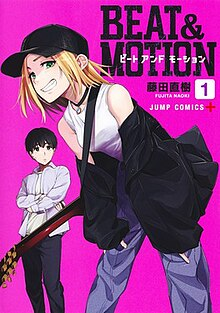
Now I’ve not abandoned or wholly used uncommon means of getting to my favorite series. I recently downloaded the Shonen Jump app on my phone and I have a tab on my computer logged into Manga Plus, and true to the title of this week’s post, I’ve discovered a new manga series that I’d like to explore further called Beat & Motion.

Take this as more of an exploration for how to discover new or underappreciated series and my experiences doing so. My method of doing so, though, is quite slapdash and haphazard, so if there’s a more sensible way of going about this, use that method to the fullest extent. Only go on sites you trust, and please use a VPN of some kind. Opera and its GX variant go a long way, but if you have the means to my recommendations come from those that I’ve seen sponsored on YouTube including but not limited to Dashlane, Atlas, Express, Nord, and Private Internet Access. I like to think everyone is in wide agreement that nothing ruins the fun of reading manga/watching anime more than when a simple mouse click puts you on a site with malware on it.

But of course remember to have fun with what you find.

Mob Psycho 100

Of the boy who lifted… with his mind

And now to turn your attention to a series that needed to be moved to the first week of July to make way for anime rumors: Mob Psycho 100.

This series was started by the mangaka One of One Punch Man fame as a contrast of sorts to both his previous manga and its central protagonist, Saitama. The protagonist of Mob Psycho is middle schooler Shigeo Kageyama, a boy who possesses the power of telekinesis but is remarkably restrained with their application. In fact, when we’re first introduced to the boy, at times he activates these powers accidentally.

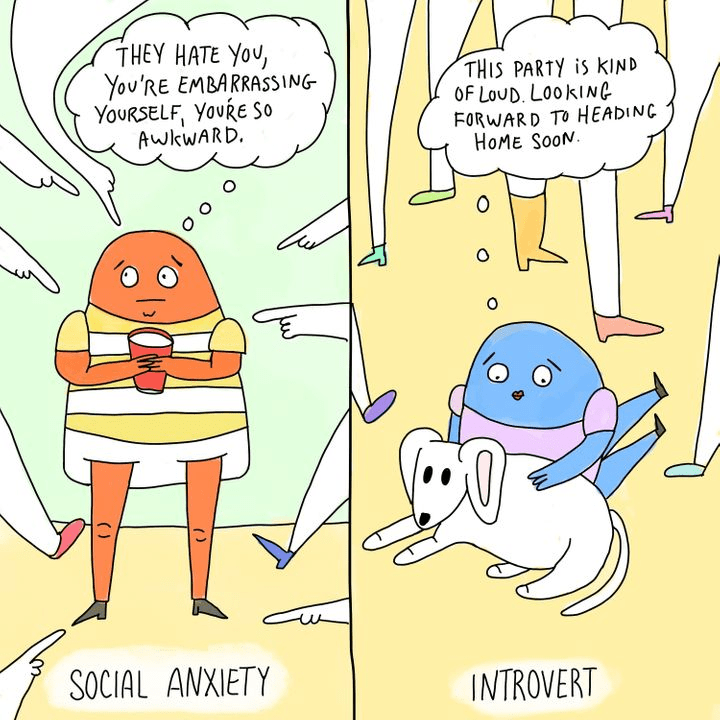
Growing up, Shigeo, nicknamed “Mob,” is well-aware of his abilities and how much it makes him stand out. His main goals are to fit in with the rest of his peers at school and hopefully tell his crush his true feelings unimpeded, but there’s a bit of a snag: the boy has trouble reading social cues. Being an introvert is one thing, and it tends to overlap a lot with social anxiety and/or awkwardness, but they’re not the same thing. In summary, introversion in practice means that while the introvert has no problem interacting with folks, they don’t always favor having a rotating body of friends. In my experience in high school, in college, and in the Army, as much as I interacted with most of my peers, I stuck around with the same five or six people I always had, and that was fine for me.

Mob is generally similar, starting small and having, by my count, around ten people he talks to the most, over half of them outside of the school they all attend. Whereas Saitama from One Punch Man looked and often behaved disinterested in his job as a hero due to every single battle ending in a single punch and somewhat ruining the fun, Mob may look disinterested in a lot of things, but this is a trademark of his personality.

He has trouble expressing himself physically or verbally and often falls back on short sentences and responses in contrast to these hyperactive classmates of his. You could argue that this is a tell that he might be on the autism spectrum as noted by this Tumblr post:

And this video:

Keep in mind, the opinions expressed in both of these are those of the creators based on their own observations and are meant to be points of debate rather than absolute truth, so read and watch with an open mind, but take these opinions for what they are.

To achieve his goals, Mob shacks up with a fitness club at his school. In context, this is a direct snub to the club that had originally requested (read: begged) for him to join their numbers: the telepathy club. This club, started by student Tome Kurata is focused mainly on paranormal like that of telekinesis and extrasensory perception or ESP, which is applicable to Mob’s physical traits rather than something more personal. As another example of Mob being treated differently, the club tries to get him to join based on that alone, and was more of an excuse for a bunch of nerds to eat snacks and hang out compared to the body improvement club that actively works out every day.

When I say being treated differently based on a single trait, it’s easy to look at that as being dismissive or distracted by that single trait instead of treating it as part of a whole and think of bullying or teasing, but on the other end of the spectrum is parading that difference as though it’s the most amazing thing in the world when the reality is markedly different.

Largely by virtue of possessing such powers, Mob’s difficulty with others is that he wants to stand shoulder to shoulder with his peers, but his inability to read the atmosphere holds him back. Conversely, others want him to be able to react to the environment of a situation, but can’t understand themselves why he’s unable to do so. In the scene I described where he joins the fitness guys instead of the paranormal folks, the student council president in a somewhat hostile tone of voice doesn’t chide him for his indecision, but emphasizes that Mob should neither be pressured nor judged for his choices. It all needs to come from within, and so his decision to join a body improvement club may seem random at first until you recall that he wants to impress his crush. He didn’t let the telepathy club pull him in, instead he chose the team that would yield positive results, and one where his powers could reliably take a backseat.

Having said that, as the series goes on the paranormal finds him one way or another, sort of like Stands in JoJo’s Bizarre Adventure, he turns out to be a huge ESP magnet. Most of these people start off highlighting these traits as the be-all, end-all and expect Mob to follow suit, but as I’ve noticed, he’s not that kind of kid. As much as he doesn’t want these abilities to be hindrance, he doesn’t want them to be a highlight either; Mob wants them to be seen as regular as anyone who, say, has double-joints or light gray eyes or a scar or blemish–it’s a part of him, not all of him. And while a few characters learn to see him as they see themselves — a kid who wants to fit in no matter what — others, mostly antagonists, zero in on that aspect because it worked for them and they hoped to accomplish similar success after pairing or using Mob for themselves.

Outside of Mob’s immediate family, another person who shows him respect no matter what is his boss and mentor: Arataka Reigen.

In contrast with the boy, Reigen is an extrovert who can read people so well, if humans came with a manual, he could convince you that he co-wrote it. Note that I said “convince” as this is a part of Reigen’s character. While Mob is honest and kindhearted for the most part, Reigen is a con-man with all the confidence of an old west snake oil salesman. I jest, but these are lines referenced in either the manga or the anime. Reigen is fully aware of the scam he operates at his paranormal consulting firm Spirits and Such Consultation Office, where Mob works part-time after school. The name of the business doesn’t take itself all that seriously, and he knows that he’s more or less a glorified masseuse who markets home remedies as foolproof methods against ghosts and hauntings, but what makes him such a draw for many in the series and even people reading/watching the series is that in the face of adversity he can think on the fly.

Only some folks can stay composed under pressure and Reigen belongs in that camp. He consciously uses lying and exaggeration as a tool in almost every aspect of his life, professional and personal. It doesn’t work all the time, but it gets him quite far when it does. Mob though tries his best to fit in as honestly as he can but finds more difficulty in this aspect than Reigen, who can stumble his way into fame if he could. And this is largely the point, they’re opposites in personality but neither let’s that get in the way of what is portrayed as a fruitful mentor-pupil relationship.

Reigen is knowingly duplicitous to everyone, but doesn’t want Mob to become a shady individual like he is. Mob is honest and pure, but largely because he’s just a kid, he’s also somewhat naïve to how people really behave. Mob, above all, wants to fit in and have friends, and Reigen wants him to be kind, but also smart, which is part of what I love so much about the series. Mob’s a quiet boy, who wouldn’t hurt a fly unless pushed to do so, but still his a lot of growing up to do. Reigen will gladly help him out in this aspect, but doesn’t really throw him in at the deep end.

In regard to Mob’s telekinesis, it’s in line with his emotions. In response to different situations in the series, there’s a counter from 0 to 100. The more stressful a situation, the higher the number climbs and when he reaches his limit, his powers go into overdrive. How he’s feeling when he gets there also plays a factor and his powers are proportional to his emotions. On a good day, Mob can pass the telekinesis off as the parlor trick he would want it to be, but extreme feelings of rage, sadness, compassion, or even ecstasy results in great and, depending on the circumstances, dire consequences.

I’ve watched all three current seasons of Mob Psycho 100 and only recently did I discover the theory that he may be autistic. The two sources I pointed to at the beginning of this post hold a lot of weight, but I’m not sure how I feel about the theory. Both the sources provided are stating their own opinions, but I’ve heard similar theories thrown around for different characters in manga and anime, often as a joke due in large part to the overlapping of autism and similar disorders like Asperger’s, social anxiety, or just plain old introversion. The two prime examples that have taken residence in my head as of late are those of Chainsaw Man’s Asa Mitaka and JoJo’s Bizarre Adventure’s Jotaro Kujo. Even if it’s also a joke, the CSM fanbase has some more evidence of Asa’s traits than the JoJo base does regarding Jotaro. He just doesn’t like loud and boisterous people, and even wants his own mother to lay off a bit.

But it’s not like Jotaro is careless. Just rough around the edges.

For Mob though, the theory does highlight the complexity of autism and similar disorders, but most internet theories throw terms around like darts on a dartboard. And I think the only way to be certain is to ask One himself, but then again, these are just theories so I’ll just leave them be. It is interesting viewing for those who are interested. But of course if you wanna form your own conclusions, you can watch the anime or read the manga for yourself.

Before I leave, I want to preview next week’s topic in light of more anime news.

As far as I’m concerned, we’re getting a good serving.

Akane-banashi

Bringing rakugo to modern readers

I put this off last week to make way for the surprise announcement of Boruto’s Part 1 ending, but with that next chapter’s leaks following so close and a surprise twist at the end, I find myself pushing next week’s topic back again to make room for this because it’s too much to ignore. When Boruto Raiden or whatever Part 2 is gonna be called returns, I’ll probably devote a wider post to that, but until then here’s the gist of Masashi Kishimoto as of late: sporadic.

Now to something I was going to write about last week.

Sometime last year while browsing the Viz website, the debut chapter of a manga known as Akane-banashi was released. The series about the titular character, Akane Osaki, and her journey to become a rakugoka. Rakugo is a type of Japanese storytelling. Practitioners known as rakugoka tell long and ridiculous comedic stories in the seiza sitting position with a paper fan and different tones of voice to denote multiple characters in the story. It’s like standup comedy if you remove the standing.

From what I understand, these stories most often consist of old Japanese legends, myths and folktales, largely influenced by the culture that developed in Japan over the millennia. Quick research tells me that Akane-banashi isn’t the first manga to feature the art of rakugo, the others like Descending Stories were just geared toward older readers or were drawn decades ago and would thus be hard to find outside of an antique shop.

I don’t have a solid answer for how Akane-banashi took off the way it did a year and change later, but I have a few theories: the protagonist is a young woman just learning the ropes instead of a middle-aged or old man who’s already an expert/master; it runs concurrent with some other solid manga that debuted recently so there’s a healthy lineup to thumb through. These are my theories and I expect them to be wrong or inaccurate as I hadn’t taken an interest in rakugo until I stumbled upon Akane-banashi.

In a further demonstration of my limited exposure to rakugo manga (perhaps highlighted by how so few of them there are available for my research), the introductions to rakugo are lacking or brief. The manga explains the ranks of the rakugoka, select stories that a rakugoka is likely to tell (potentially first-time viewers have an idea of what to expect when they go see a performance in real life), and the different ways a story can be told in the rakugo form. This all sounds like a lot, but it’s all so brief by virtue of manga being a visual medium that all things considered Akane-banashi could be taken as a pick-up-and-read style manga. Part of me is curious if a kabuki manga would do the same thing.

Regarding the depiction of exceptionally niche topics in media, the shallow pool of practitioners within a given medium make it hard for outsiders looking in to judge the translation from real life to print, despite their best efforts to research it by any means. In the case of the wider performing arts, in the west and westernized countries with a healthy performing arts/entertainment industry, everyone and their grandmother at least knows one or a few people who’ve tried their hand at it from stage plays to big budget multimillion dollar silver screen productions to varying degrees of success. You don’t even need to be an A-list actor to know what it’s like or what to expect. Well-read individuals can educate themselves from true stories and popular rumors about what goes on in the film industry, especially in Hollywood where most of the movies are made, often to varying degrees of success. As a result, the lay person outside that world probably knows what obstacles a performer faces–but it takes sitting down with a performer or becoming one yourself to know about another layer that’s not as often exposed.

Consider this: actors don’t typically work a traditional 9-5 job. They would often be on-call and working with talent managers and/or companies who can help them land a role of some kind. For filming, almost anything goes. Filming at night? In traffic? On a mountain? With dangerous animals? Is the director denying you sleep for a certain scene? All of these may be extreme examples varying depending on the creativity of the actor or director, but all in all, circumstances like these would be seen as unnatural to those of us who aren’t performers, but largely run-of-the-mill shenanigans in the long run. Methodical madness and all that.

If Akane-banashi is even partly true to life, then accordingly, there’s no real wrong way to tell a story. A testament to a writer’s ability would be if historical events could be reworded to be even more interesting than what actually happened without resorting to exaggerations or outright lies. One such example that comes to mind for me would be Baz Luhrmann’s take on Romeo and Juliet. The original play was set in Renaissance Italy, but Luhrmann sets it in modern-day SoCal with the Montagues and Capulets being warring gangs instead of noble families.

Anything is possible.

Akane-banashi seems to be veering towards the direction of reinventing the wheel on rakugo as a whole and the stories that can be told in this style. All in all, it appears to be flipping the tradition of rakugo on its head, and while I’m slacking on the manga itself, whenever I get the chance I hope to be able to follow up on where it goes from here.

Undead Unluck Anime Adaptation Confirmed?

An obscure manga may be due for an obscure anime adaptation.

Currently on vacation so this might be a quick post with little detail. The end summary will make all the difference.

In January of 2020 whilst browsing the Shonen Jump section of viz.com, I was introduced to that month’s debut manga called Undead Unluck. It opens with our character Fuuko Izumo finishing a romance manga and then declaring to the public that she will end her own life. Dramatic? Yes, but she does have an explanation for this. When she physically interacts with people, the person who touched her suffers a proportional amount of misfortune depending on how long, how she was touched, and with what. Brushing up against someone while navigating a crowded train might delay service; prolonged skin-to-skin contact meanwhile means unimaginably bad luck from an injury to a life-altering injury to sometimes death. And it can range from coincidentally realistic to balls to deez nuts ridiculous.

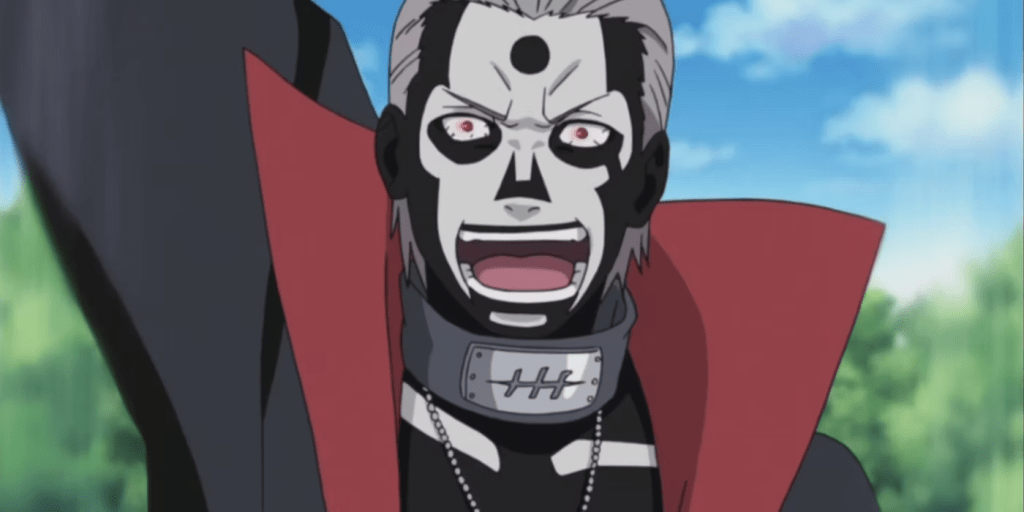
During this confrontation, the second of the titular duo, named Andy, strikes up a conversation and is initially repelled by Fuuko with the same hostility she showed to the others in the vicinity. He falls onto an incoming train and his body cracks the window, but he legit walks it off. Yep. Remember in Naruto when the Leaf ninja were sent to dispose of Hidan, but were continually baffled by his refusal to keel over? It was kind of like that, only Andy hasn’t seen the light of Jashin yet.

And this is how the manga begins. Fuuko begins it wishing to end her life and so does Andy, but his problem is he’s basically Hidan or Deadpool with different rules. As the manga goes along, it’s revealed piecemeal that Andy has a lot of baggage from his life, and he hopes to reach his goal of sweet death by wooing Fuuko along the way. The proportionality is no joke. If intimate contact can topple a building without warning, then according to Andy, rounding third base especially with no condoms should bring about the intensity of Fimbulwinter. Basically, they’re both hoping to go out with a bang. No pun intended.

Fuuko’s and Andy’s abilities of misfortune and immortality surprisingly don’t make them all that special as there are others with similar supernatural abilities that are described as a single word but with the prefix Un- in front of it. Undead, unluck, unbreakable, unjust, untruth, unknown, that sort of thing. It’s a bizarre, indescribable manga that’s best experienced by reading it. I recall going to the Viz Media website to read a chapter weekly that year as the pandemic intensified. In the summer of 2021, this became unachievable as my brief experience with Army basic training by nature limited my access to technology, and keeping up with the outside world doesn’t happen during basic training. After returning from that experience, I found trouble keeping up with the manga as I’d missed so much. These days, I tune in a few times to see what’s going on. I’ll be missing context from one or five or an entire volume’s worth of chapters, but it’s still good reading and reading between the lines as well as a summary from the wiki can help.

Fast-forward to January of this year, and I learn that along the horizon, an anime adaptation is on the table.

Normally, when it comes to burgeoning manga that I lay my eyes on, I’m a historically terrible judge of character. Some manga I wanted to succeed get cancelled twenty chapters in, and others I don’t pay much attention to seem to blow up overnight. Everyone knows who Loid, Yor, and Anya all are because Spy x Family is a massive hit with a solid adaptation to boot, but I’m pretty sure only seven people will have ever heard of Black Torch or Time Paradox Ghostwriter, and I’m one of those seven.

It’s one thing to misjudge the success of something, but this one seems to be completely out of left field until you see what studio is said to be captaining the ship. It’s the same one that fixed with A.P.P.P. broke in the 1990s, the one that got a legendary underground manga to go mainstream for the first time in almost 25 years, the same one that copied Hokuto no Ken‘s homework. You know the one.

Yes, if things go as planned and Undead Unluck goes from print to animation cel to pirate streaming site, David Production will take full responsibility for converting more anime onlies to another underground manga. David Pro has a set standard for adaptations. JoJo’s shown above and Fire Force are the only two anime that I know they worked on, but the quality of both speaks for themselves. The adaptation of Part 6 Stone Ocean can be seen as controversial within the JoJo community over the amount of CG in select episodes coupled with Netflix’s outdated batch release formula that may or may not have influenced the direction of the adaptation. The same can be said about Fire Force’s fanservice, but above all, save for a few tweaks and changes from manga panel to animation cel is nearly 1 to 1. And there’s normally an explanation for a change anyway.

Actually, changes in continuity aren’t all that uncommon or interesting when it comes to an adaptation of anything. It mostly only matters if the adaptation and the source material are on different wavelengths. For Undead Unluck, I can expect the anime to be as faithful to the manga as possible with a few changes here and there. As of writing this, YouTube and Google feed me articles and teasers with short scenes and demos of the anime to come with no real word on the adaptation to speak of in any significant detail. This can be understandable or suspicious depending on several factors. In the gaming-sphere, all the scrutiny goes to the studio and its leadership if all their hard work is shown in a pre-rendered trailer that fakes the intensity of an upcoming video game.

But anime is more or less forgiven considering how dungeon-esque working conditions can look for animators, as well as studios being notoriously tightlipped about the quality of scenes who draws them all. It’s no secret that the folks at Wit, SHAFT, Aniplex, MAPPA, Pierrot, et al outsource some of their work to Good Korea, China, Thailand, and Vietnam, but whether your favorite arc is being drawn by Saigonese Gustav Klimt or the water buffalo filling in for him while he battles a case of ligma is up in the air. r/Boruto just found out why the anime’s been getting a glow up in recent episodes and it’s not just because Eida is a sexy she-devil. If what they say is true, then the Boruto anime might’ve been used for trainees from other studios.

But as I stated before, David Pro is on the case and living up to their goal of being like their biblical namesake, I don’t expect them to miss a beat. I’ll try my best to keep an eye out for more news on Unkillable + Unfortunate.