The most recent person to come up with that joke, all things considered

If you know, then you know that that mirror does nothing for Alice Thymefield. She’s still asymmetrical (T^T)
Read More »
The most recent person to come up with that joke, all things considered
If you know, then you know that that mirror does nothing for Alice Thymefield. She’s still asymmetrical (T^T)
Read More »A game whose title is an easily ignored command
Zero Punctuation’s review of a 2013 action-adventure video game based largely on f[clock ticking]ing with people’s memory and further contributing to collective false memory, or the Mandela effect, was on my mind not too long ago. On sale on Steam, Remember Me is something of a spearhead to Don’t Nod Entertainment’s later time-manipulation faff about, Life is Strange, only What’s Your Name Again? is more sci-fi than that other game about early-2010s hipsters and young adults who’re better off crowding Starbucks locations in Portland and making a mockery of the acoustic guitar.
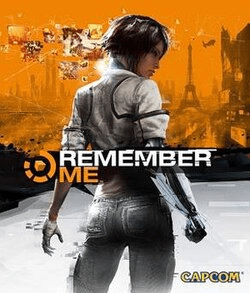
Maybe, like Yahtzee suggested, it’s the butt that’s talking. “Remember Me!” Who wouldn’t?
Read More »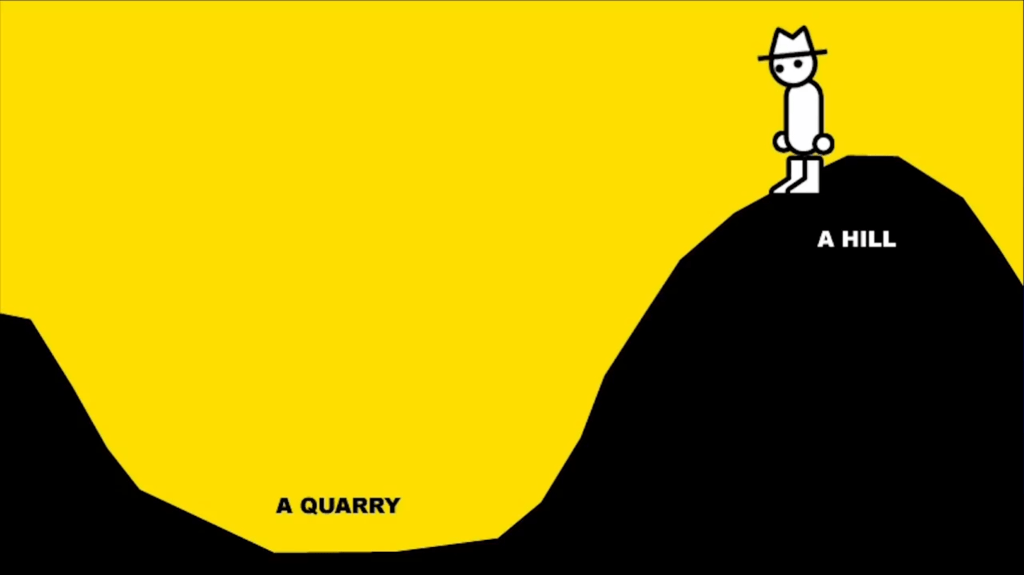
Screenshot: Alone In The Dark: Illumination (Zero Punctuation) – Escapist, dated July 8, 2015.
We ain’t starting with a tagline this time.
Read More »See, there’s, uh, just one thing that doesn’t look right.
Before you, dear reader, is an atypical series with an atypical protagonist played by a rather atypical actor for an atypical runtime.

Columbo!
Read More »戦国時代VS鎌倉幕府
At this point, I’m milking Red Ninja for every ryo it owes me which isn’t something I normally do. I occasionally bring around my love for God of War Greek era and Max Payne as well as my contempt for the concept of Chainsaw Man and Tatsuki Fujimoto, not because I want to bury something to propel the other, but because I want to bring awareness to a multitude of different things that travel in similar circles. Since this is meant to be the conclusion of the Red Ninja recount series, the final part of this impromptu investigation into how a neat concept hung itself on its own cord by accident is going to be Ghost of Tsushima:
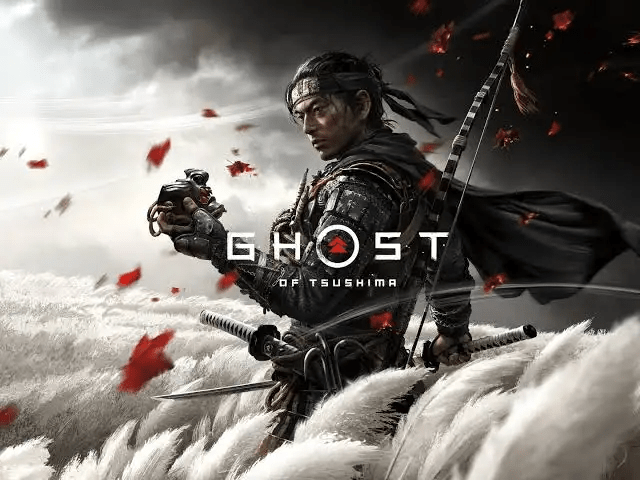
Sony’s a d[clang]khead for abandoning PC ports of popular games, I may never get to play Ghost of Yotei ಠ_ಠ.
Read More »Hacky, slash-y, chained weapon attack-y
Another week, another comparison between two games I’ve talked about at length on this blog before concerning warriors scorned by the powers that be and in a way that requires service to an opponent and/or taking the entirety of the Pantheon and unleashing the wrath of Timur the Lame onto it.
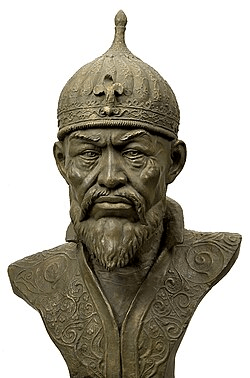
Maybe it was a coincidence, but Stalin never should’ve trusted Hitler for that long. Same with Mussolini, they already hated each other.
Read More »赤くノ一VS隻狼
I don’t think Google Translate is doing me any favors.
Two weeks ago, I revisited the video game Red Ninja: End of Honor after leaving it be for a few months and briefly mentioning it during the 2025 Year in Review wrap-up. I was initially left quite sour by its dodgy mechanics interfering terribly with the plot and keeping me from getting as far as I wanted. The exploration design philosophy combines objectives with freedom of exploration so there’s no two ways to clear a level, which excites me having played Castlevania and various Metroidvanias, sometimes of a lewder variety to go along with the gothic subculture of Castlevania.

This has a SFW version if you wanna game without playing with two joysticks.
Read More »Alternatively known as: Jack, And, S[monkeys]t
Breaking up the Red Ninja: End of Honor Blog Post Saga momentarily to bring you the wonderful world of an animanga series featuring otaku culture and the comedic deconstruction of otaku culture.
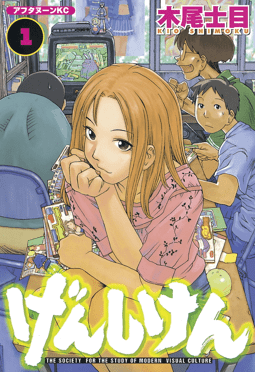
No, not that one. We did that before. Twice.
Read More »With dodgy mechanics
Months ago, I added Red Ninja: End of Honor to my list of topics to cover in the New Year and I had done so at a time when the game had frustrated me greatly. I briefly touched upon it in this post about what I found wrong with it, why I hadn’t advanced as far as I could, etc., etc. I was playing enough of it earlier to get a handle of it and return to form of sorts and this and the next series of posts are going to be subjective, but on reflection, I don’t think I was going to approach it as fairly as I had hoped.
Now Red Ninja is a game with flaws, but watching some video essays and reviews of the game, it has a cult following, so with that in mind, here’s the short version: it needed better controls and a better camera.
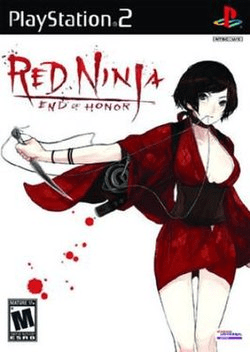
Which is something I don’t want to say about the game because it has a lot going for it. Stealth mechanics that make use of traditional stealth and historical context. I do need to clarify something I said in that post linked above. I mentioned that kunoichi didn’t exist. I retract that statement. They were real, but pop culture elevated their status a lot. This was due to sparse record-keeping, mythic statuses of actual female warriors, or onna-musha/bugeisha, and historian debate. There’s more records of onna-musha than of kunoichi. So you might happen upon a historical, if loose, retelling of Tomoe Gozen than of Mochizuki Chiyome. For that matter, The Elusive Samurai has one such onna-musha, the tomboyish Mochizuki Ayako as a retainer to that dastardly light-footed regent.
Read More »Toy company extraordinaire brought down by hemorrhaging money
Last week’s gap was a “woke up and chose violence” moment. This time, for something back on track: Midway!

