
It’s literally all fun and games.
The Sega division, Ryu ga Gotoku Studio 「龍が如く」, exclusively works on the Yakuza/Like a Dragon series and has done so for the last 20 years.

An urban modern-day RPG-lite with a gangster skin, Yakuza features characters that are a part of a connected web of Tokyo-based Yakuza groups with the main character, Kazuma Kiryu, AKA the Dragon of Dojima, so called for his dragon tattoo and association with the Dojima family Yakuza group. From what I’ve gathered, the early games have a serious tone coupled with areas of humor and, in the long run, satire. The primary inspiration comes from decades of yakuza media with each game being something of a movie with a nuanced plot populated with characters of shifting motives.
Kazuma is a primary protagonist across the first few games, but since the series follows him throughout his life from his youth to middle-age, some of the later games feature a character-switching mechanic before Kazuma himself is retired in favor of the new face of the franchise: Ichiban Kasuga.
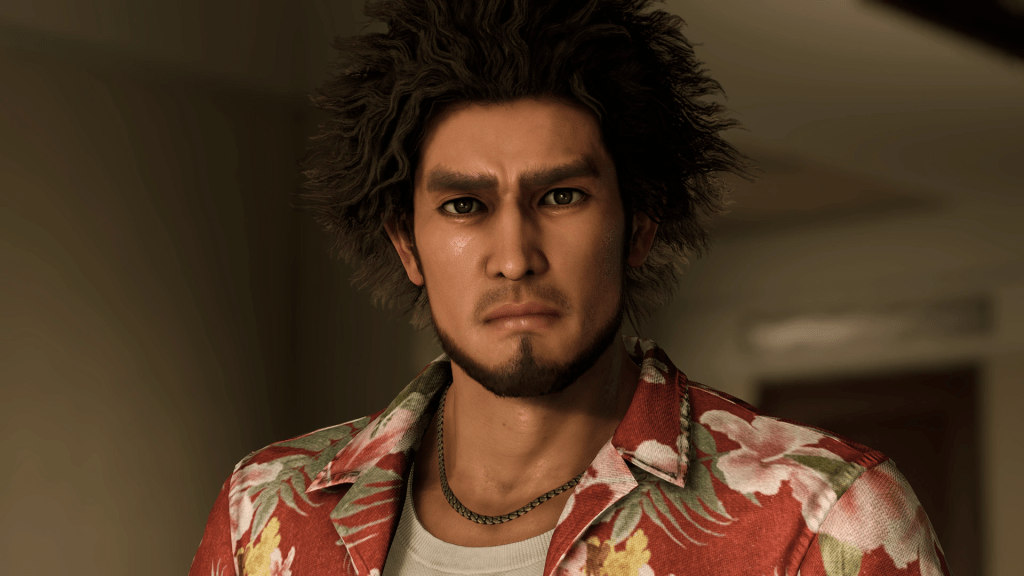
Less complex than Kazuma-san, Ichi-kun is introduced as a sillier character but with a heart of gold, so not at all dissimilar from Kazuma. Full disclosure, I’m still in the process of exploring the series, having emulated the 2005 game on PCSX2 back in 2023. So far, I’ve explored one of its spinoffs, Ishin, a fictional retelling of the life of Sakamoto Ryoma with our beloved Kazuma filling the role of the Bakumatsu-era samurai. Seems Sega really loves to reuse its characters.
I’d explain more about the series from game to game, but the games, though long, are worth the experiences they give you. Even if I was that involved in the games, I’d know better than to spoil them. So instead, the rest of this post will be about the gameplay features between the old games and something fairly recent.
Perhaps its because I started with emulating the first game in the series, I didn’t realize how clunky the controls could get until I bought and loaded up Ishin for the first time. Comparing the two shows how far the series has come since debut gameplay-wise. The first game has a fixed camera when moving that fixes itself closer to Kazuma when in combat. The right analog stick merely moves the minimap in the corner of the screen. The face buttons are all different combat attacks and interactive buttons in exploration and work fine on their own, but the movement in combat coupled with the block/evade functions defaulted to the shoulder buttons makes combat more than a little bit stiff and awkward.

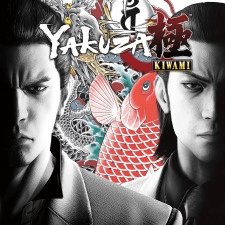
Thankfully, 2005 and the 2006 sequel, Yakuza 2, were given the reboot treatment a decade later, thus revamping, among other things, the combat system. I’d say, the beat ’em up formula was in its prime in this era of video games seeing as Yakuza debuted at the same time the west was gifted God of War and Mortal Kombat: Shaolin Monks. You can’t really go wrong with either the original or the remake, but if you value sturdier controls and a more fluid combat system, I and other Yakuza players implore you to buy the Kiwami games. They’re near-mirrors of the original games with extra bells and whistles to keep it modern along with the textures and graphics while staying true to the original.
Speaking of modern games, the latest installment in the Yakuza series was last year’s Infinite Wealth coupled with yesterday’s spin-off Pirate Yakuza in Hawaii.

Before you speculate, this was a coincidence. Nothing more.
The most recent modern release I played is a spin-off, the aforementioned Ishin. I can’t say whether its framework and UI are similar to the main games, but for what its worth, Ishin, being a retelling of sorts of the life of Sakamoto Ryoma, incorporates multiple combat styles from hand-to-hand to swordplay to even gunplay. In real life, Sakamoto was a samurai who adopted several western styles and customs. Western-style loafers, a revolver he used to try to escape the attempt on his life, and light dabbling with western tech like the telegram with hopes that it would change the face of Japan… and it did! Approximately 20 years after his death, so influence still counts.
In Ishin, the character of Sakamoto Ryoma doesn’t change just because he’s wearing Kazuma-san’s face like some Japanese parody of Face/Off.

Insert Spongebob licking meme.
Kazuma’s Bakumatsu fever dream plays like its modern contemporary games with all the modern settings and defaults found in the games, so it plays much better than the PS2 games, but doesn’t sacrifice the difficulty curve. In fact, since the first game’s release, the Yakuza series has always incorporated RPG mechanics, notably upgrading, collecting, potions, and skills; between this and last week’s RPG adventure with tits and ass, I really can’t get away from RPG and RPG-likes. Maybe I’ll put it in the pipeline in the future for review.
Obviously the modern games look prettier with the facelift and play better with the new tools that have defined gaming since debut–what does this mean for me and my enjoyment of the series? Well, I do plan on exploring them all further in some capacity. The pandemic may have ruined console gaming for me with all the scalpers reselling the newer consoles at f[dial-up]k you prices, but I probably might return to console. I’m already emulating my favorites on a console (RPCS3 has more kinks to iron out), which may speak volumes about what I remember as a great era in gaming.
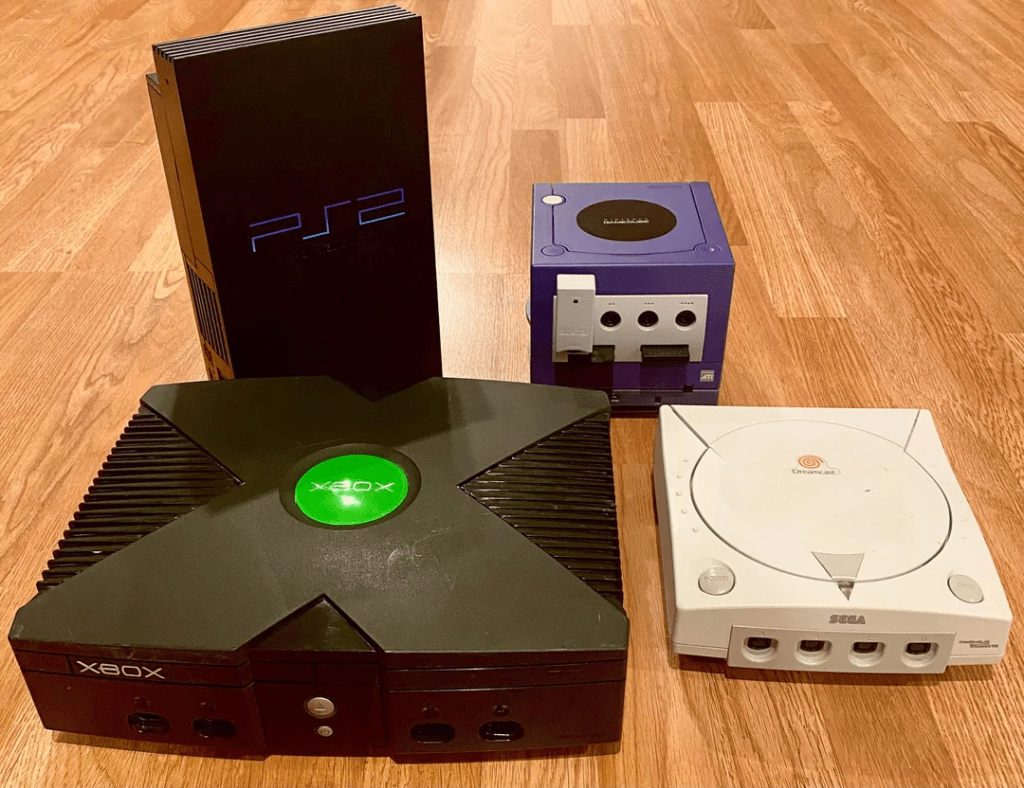
Credit: u/TheUndeadGunslinger, r/gaming
F[button mashing]k modern gaming, these are hard to find in the US these days. As a result, that Xbox is now $800. Well, I’m exaggerating, but these things being collector’s items now, I don’t think I’m that far off from what they’d go for now. Whether you can run them on a modern monitor is another story. At least the Yakuza series is fully available on Steam as of this writing… ‘Scuse me, I have a series to blaze through.































 Opinions on Entertainment