VTubers II: Oshi Boogaloo

Never said I was immune to the craze

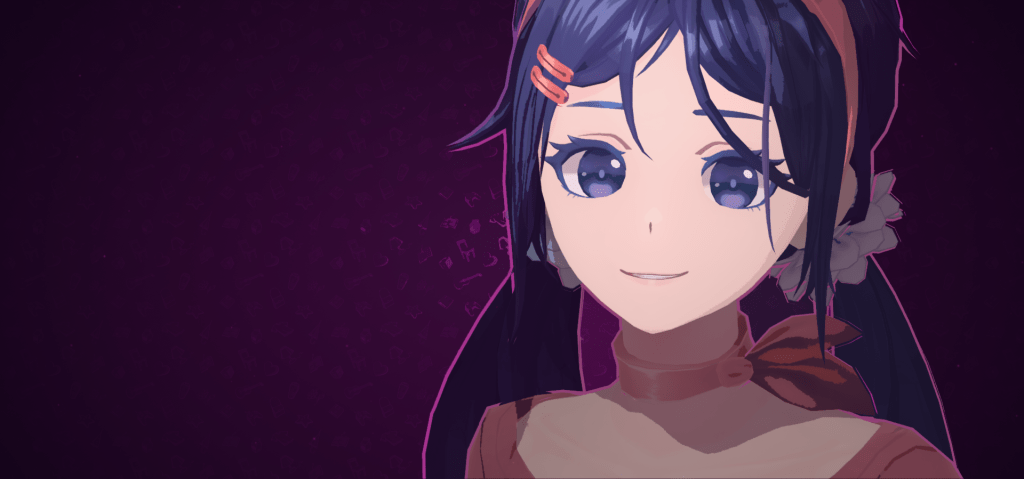
Two years ago, I dedicated a post to what was then a more recent upswing in Japanese pop culture spreading far and wide: the virtual youtuber, VTuber for short. Sometime later, about a month, around the same time as the release of Call of Duty: Modern Warfare III 2023 and how loved and adored that game’s campaign was, I watched two videos about the game. The first one was by The Act Man, chastising the game for such a sorry excuse of a presentation and structure. The second was a Vtuber reacting to that Act Man video. This one, specifically:

Channel: SmugAlana

The VTuber in the thumbnail of the above video is one I watch regularly and I’ll get to those soon, but she’s not the first one I began watching. Sometime, after my first venture in the Army around November 2021, a Japanese VTuber who was recent to the Anglophone world showed up in my YouTube recommended feed. This Japan-based VTuber is known as Kamizuki Naki, an independent English-speaking VTuber who debuted a few weeks before I had discovered her.

I was aware of VTubers, but didn’t pay them much mind. 98% of the time in 2022, I had been too focused on trying to return to the Army, and much of my content consumption was redirected elsewhere. By 2023, after one recruiter gave me the red light (and I started this blog hoping to achieve a career in writing), I started watching more and more VTubers. Kamizuki was one of the regulars, but with more and more VTubers debuting from different parts of the world, what began as a largely Japanese phenomenon had followed the footsteps of animanga and taken the world by storm, so much so that a little shark girl sung Take Me Out to the Ball Game at a Dodgers game.

She now lives as a cat-shark named Sameko Saba because she couldn’t keep the model

As I’ve said before in that post two years ago, I’ve accepted VTubers as another arm of Japanese culture sinking its hooks into the world, and a fine addition at that. I admit I was a bit apprehensive when they became popular due to no one having a lot to do in 2020, but over the years, with my viewership being taken up by the Trash Taste podcast and their individual and combined collaborations with VTubers like Ironmouse, Mori Calliope, Rainhoe, Haruka Karibu and others, I was gradually exposed to more VTubers like them. Eventually, I have built a rotating reportoire of VTubers that I regularly come back to and check on. I’m quite sparing with the subscription button and with a lot of VTubers being more active on Twitch than YouTube because that platform is more live streamer friendly, so the VTubers I follow and the VTubers I’m subscribed to don’t always overlap. But when they do, they show up on my feed regularly. Then again, YouTube’s recommended system sometimes overpowers its subscription system, so if you’re subscribed to a bunch of channels and your favorites get drowned out by the others, you’re bound to miss a few of them.

Around 2016 when Joey of The Anime Man/Trash Taste fame starred with Kizuna AI, the Queen Mother of All VTubers and Virtual Content, it was done by way of her titular agency, which is standard fare in many VTuber circles. Many of the famous ones like the aforementioned Gawr Gura, Mori Calliope, Kurone, Oozora Subara, Takanashi Kiara and many more tend to be tied to Japan-based talent agencies, the two largest being VShojo and Hololive and the former of these falling into controversy over donations and revenue owed to and withheld from Ironmouse, who genuinely needed the money to cover a serious medical condition.

Channel: Ironmouse

In solidarity with Ironmouse this year, many other VTubers called it quits and went independent or got scooped up by different agencies.

Suffice it to say, VTubing is as expensive as being a regular YouTuber or other such content creator when all the expenses are added up. Designing a unique model, rigging it to react to your movements, dedicating assets to the animations, in some cases dedicating a webpage to your content; many VTubers do align with agencies, but not all do. Some are able to do it independently like Kamizuki Naki and SmugAlana. Others adopt VTuber models for commentary, as is the case with Rev Says Desu and Hero Hei, both content creators who were previously faceless voices on their own respective channels, recently adopting VTuber models.

Now let’s break this down just a bit: a content creator represented by a large company uses an idealized and heavily designed persona to entertain masses of fans. Sounds a lot like idols, doesn’t it? Well, there is a connection between VTubers and idol culture and my opinions on the latter as one of several reasons for avoiding the series Oshi no Ko (the other being that series’ fanbase). With how corrosive behind the scenes actual idols’ personal lives can be due to the control they tend to surrender to the agencies, the sacrifices demanded to be seen as this Pygmalion-esque husk for worship makes the business of idols unappealing. VTubers have similar issues with inside toxicity at times, but in its own unique way that doesn’t always involve the agency or the individual VTuber in question.

So why do I flock to VTubers more? I don’t watch a lot of agency-associated VTubers, so I can’t say what I’ve seen of them, but the independents thankfully seem to have more control over their personal affairs and finances. There also seems to be less pressure to fake a persona with the intricately-designed model being the stand-in, not to mention these characters have their own associated lore. There’s an elevated level of creativity to VTubers, but with only the viewer/audience perspective to look at, I’m definitely missing a few salient points that expose the complexities of VTuber culture.

For as carefree as the community looks, a carefully crafted image needs to be presented to give off the illusion. As for the controversy side, this is also a unique issue that VTubers grapple with be it from their own audience, themselves, fellow VTubers, or their agencies. One such VTuber, Sinder, had a brazier lit beneath her feet for badmouthing and double-crossing VTubers Bao the Whale, Buffpup, and Silvervale after these three bent over backwards to help get her on her feet, as well as hiding a secret relationship with her manager and fellow VTuber Red/REDACTED. In an attempt to alleviate the heat, she published an encyclopedia of sorts contextualizing everything and the short version of it is Sinder’s unreasonable at best and downright psychopathic at worst. The controversy is why I know about her and this video by Evanit0 breaks down the follow-up to this betrayal of hers:

Channel: Evanit0

All the power to those who can separate art from artist I suppose

I’m not an expert on all things VTuber nor am I privy to every controversy to arise from the medium, but between VShojo imploding on itself and Sinder backstabbing fellow VTubers, these controversies arose accidentally. They both fully intended to do harm, but VShojo wasn’t counting on Ironmouse to blow the lid, nor was Sinder accounting on the other VTubers to fire back on their own platforms. If you’re gonna threaten someone, make sure they can’t fight back.

But a lot of that arose by accident. It’s rare for something to arouse intended controversy and I was made aware of one such group whose stated mission purpose is to achieve that. Another SmugAlana reaction, this time to YouTube channel, RoyaltyIsHere, to the indie VTuber group, VTards, and with a name like that, the associated “talents” were swinging at the fences. Waking up and choosing absolute violence.

It’s times like these I wish I had the Discord-style unique emojis/emoticons

The short version is that five VTubers formed a group with the goal of going against the grain of what was considered politically correct, i.e. an edgy forum welcome on the internet in the late 1990s or early 2000s when the general attitude was f[keyboard]k authority, f[drum roll]k the man, as a result of the whole grunge era fighting back against the consumer age of decades past. And I’d welcome more of that, but the controversy that swamped the group since debut had to do not just with their deliberate attempts to arouse controversy but mostly in what they believed.

I promise I’m not s[neighing]ting you when I say that one of them held neo-Nazi beliefs, larping as Hatsune Miku’s evil twin: Nachisu Miku. Along with another member allegedly commission loli art of Anya Forger from Spy X Family, only more disturbingly erotic.

Side note: Emoticons are an artform that need to return; I’m honestly not certain if these Google-searched images are effective for a topic like this

Regrettably or fortunately depending on how your wheels turn, the group was short-lived. Soon after Royalty’s video, the group had fallen apart. There are VTubers who arouse controversy without meaning to. SmugAlana, whom I mentioned plenty here, does so simply because she grew up speaking Russian to her family, leading to the absolutely false assessment (on Reddit and Twitter) that she’s a shill for Putin’s Russia. Call me biased because I’m subbed to her, but I don’t recall any reverence or pride in Putin’s government. After Alana comes Leaflit & Asari, a mother-daughter VTuber duo, mostly run by the daughter, Leaflit. The two are Japanese-Americans from California who’ve since relocated to Butt-Kiss, Texas (I think), and while SmugAlana tends to cover whatever crosses her feed, politics notwithstanding, Leaflit does have a clear slant covering current events. The lion’s share of her content is some kind of political-babble, which I say requires a specific type of mindset. If you live on the internet, move out. This shouldn’t be treated as a hotel and I shouldn’t have to explain why.

But seriously, even if you lean one way politically, exposing yourself to multiple points of view can broaden your worldview. I bring this up because the permanent internet residents regularly attempt to target Leaflit & Asari for harassment with erroneous connections to the American far-right. Yeah, I’ve taken the piss out of this corner of the internet on this blog before and the only thing I take seriously about them is that they take their own convictions very seriously. But like their enemies who fled to South America after World War II (they don’t know they exist on Twitter), or who they think are their enemies (they think they’re a laughingstock, all things considered), this part of the internet isn’t worth committing to memory.

An even more politically active, current events VTuber, with a crazy associated lore, Kirsche Verstahl. She also courts controversy, half the time for content like Rev Says Desu and the other half because her detractors, more or less, lie through their teeth about her. I don’t follow her as closely as the other two or however many I named here or before, but nonetheless, Kirsche, Leaflit, SmugAlana and others who’ve incited unnecessary controversy are all the proof you need to know that their detractors and haters don’t watch them whatsoever, merely parroting lies about them. A time-honored tradition of lying about someone you hate because your desire to see them fail can only get so strong.

If nature birthed the concept of hatred, humanity made it an art form a million times over

All in all, VTubers are another arm of the idol industry with its unique rules and controversies and myriad of personalities. While not under the same limitations put on idol groups like, for instance, AKB48, thanks to the fantasy angle of the VTuber model, different circumstances surround the individual VTuber and associations they fall under. There’s tons of variety in who you choose to view on a regular basis. There is one more VTuber I wanna recommend before I close this post out: Scarle Yonaguni.

https://www.twitch.tv/scarleyonaguni

https://youtube.com/@scarleyonaguni?si=537-iDpDPfe9sVGc

Like I said, many of these VTubers stream more on Twitch than they upload individually produced videos. Find them there if you can spare the hours.

Also, you may notice that the overwhelming majority of these VTubers are female and tend to have massive boobs for their models. Male VTubers are often and sadly lacking in the audience count. After nearly a decade, it’s still a majority female-creator/male-viewer space with no obvious signs that the tides are changing save for NuxTaku, Rev Says Desu, and Hero Hei who are some of the only male VTubers I can name.

On Dragon Ball Z

Cha-la! Head Cha-la!

Last week, I gave an update on the extremely slow progress for One Piece. Given my situation in the Army and routinely driving weekly to do a training exercise, it sounds like I wouldn’t be able to do anything entertaining even if I wasn’t on a training exercise, but there’s a hell of a lot of down time that gives me my pick of the litter. There were the usual series I still had listed for viewing as well as the occasional movie that YouTube lets me watch for the small price of a skippable advertisement for a product I care little about. One such movie:

The impact of budget is often lost on the audience. This movie’s lack of funding was why they used coconuts… no evidence though that it explains the sparrow.

While One Piece has had me looking for One Pace (which is still lengthy in its own right given what the team is working with if the Discord server is what clues me in), Dragon Ball Z had been dubbed over ever since its western debut. Looking at simultaneous dubs today vs dubbing done even 15 to 20 years ago, it puts into perspective how long it took back then to translate everything well enough to give us a dub, passable or stellar. These days, finding a budding voice actor or even a newcomer is easier than it used to be. From the outside looking in, the talent manager/agent is either becoming a thing of the past or is fighting for the middleman position it now shares with social media.

Legacy and up-and-coming voice actors are all on Twitter and BlueSky now. Some are content creators outside of screaming their lungs deflated into a microphone, others are elsewhere in the entertainment industry, and the rest are varied. Why mention this? Mainly to show that the constraints that plagued animanga 40 years ago are largely a thing of the past, but in the case of the Dragon Ball franchise, fans would’ve went from waiting years to hear it in English to simply looking up where to find the VHS tapes, then the DVDs, then the Blu-Rays and eventually subscribing to whatever streaming service has your choice of show for a limited time.

Call me a monkey like Frieza because I have a bunch of s[monkey screech]t to fling, especially at these jokesters.

Dragon Ball Z was tied to Funimation in the west very close to the beginning, and the relationship hasn’t changed even after Funi got eaten by Crunchyroll as of late. It’s initial dubbing and runtime were extraordinarily long. This plus its content may explain how it became a staple in Latin America, but good luck selling animanga drama to an American or Canadian. Matter of fact, the reason Latin America loved animanga before the Anglophone world did can best be explained in this video:

Channel: Get In The Robot

The crux of this video is merely that with upwards of 90% of Latin America being subject to authoritarian dictatorships and military juntas or some other kind of government sponsored violence against itself (which ropes in the Philippines, Indonesia, South Korea, Taiwan, and other Asian countries that have a similar story to Chile, Brazil, Peru, Panama, and the others), the ridiculous plot points, dynamic battles, and Shonen-/Seinen-style romance stories were easy as hell to sell. Plus the changes made from Japanese to Spanish and Portuguese were left largely unchanged.

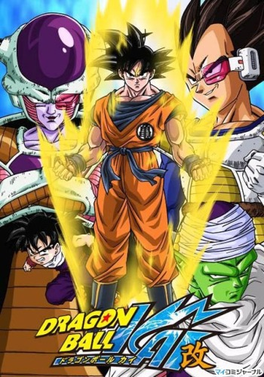
Eventually, though Dragon Ball would come to America and Canada and more than once. As stated earlier, the first round of dubbing kept the original episodes and dubbed them, but to mark the 20th anniversary of the western world’s reception of the Dragon Ball franchise, it was dubbed again with the subtitle Kai.

Like One Pace and Dragon Ball Z: Abridged, Kai recuts the anime and pretty much shortens the pace substantially. The original run of DBZ in the 1980s in Japan and its English version in the 90s, had an episode count of 291. When Kai came around, it cut the episode count to 167 episodes. Both of these include not just the three major sagas of the Z arc of the Dragon Ball manga — Saiyans, Frieza, and Androids — but also the rise of Majin Buu. Likewise, the original longer Dragon Ball Z had all those main arcs, stretched out, but also had filler arcs.

You could include a bunch of nonsensical, non-canon filler arcs back then as the manga would still be in serialization and several volumes in as soon as the animators were drawing the first cels of the first few seconds of the pilot episode. In contrast, when it comes to animation in the west, the storyboard and production phases would be planned out over the course of months for a weekly release schedule. Depending on the series it can last between 10-13 episodes or 20-26 episodes. Same goes for anime, though rather than batch release series, they’ve truncated the average run time from over 22 episodes to 12-13 episodes at best. There’s a wider discussion to be had about the treatment of animators, which gets away from the point of this post while also using secondary and tertiary accounts, but that’s best saved for another date. No guarantees, though, I’m not a Sith.

Maybe I am a Sith because I think this is absolute horse s[neighs]t.

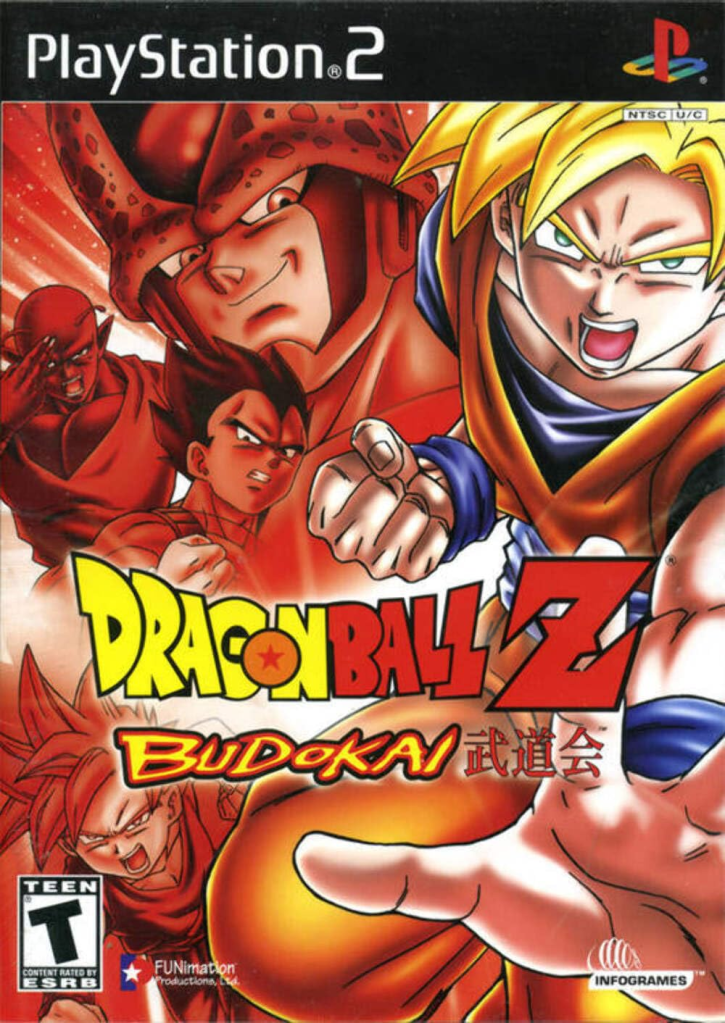
Every time I watch Dragon Ball Z anything, I default to the Kai dub because it was my introduction to the series on TV, though not exactly my introduction to the series. That came from the PS2 version of the Dragon Ball Z: Budokai, released in North America in 2002.

If I were Dr. Strange and I wanted to find a universe where Dragon Ball wasn’t also a video game for s[blasts]ts and giggles, I would be so short of results that the debt collectors would’ve broken my legs ahead of time.

I was probably able to do it at a young age, given that I went back to watch Naruto from halfway through the Chunin Exams arc, as well as Shippuden from start to finish in order to get up to a certain plot point mentioned in passing in Boruto, but to be honest, the original run of Dragon Ball doesn’t jive that well with me. Many who were around at the time can easily go back to that dub or even the sub if they prefer, but I’ve been living off accurate adaptations of serializing manga and light novels. The comparisons between DBZ original and its manga would drive me nuts and there’s no steering wheel down there.

:D

I don’t care what anyone says, whether I’m missing something hilarious in the filler arcs or if their importance is lost on anime these days. I fully understand that that’s the case now. Not that all filler is a waste of time, but rather with anime adopting the seasonal model in the mid-2010s so to speak, there’s no need to chain the animators to their desks and keep them drawing until their hands bend in eight places.

I’m exaggerating, not every animation studio is doing that, but abridged series, official and parodical, show that there’s no need to rush the release anymore. For Kai, I may be an artist, but I’m not an animator and I don’t have an intimate knowledge of recuts, but my limited experience with video editing shows that it’s a bit more complicated than simply removing a few scenes or adding some. No matter what Team Four Star would have you believe. This may harken back to my lifelong difficulty of absorbing massive amounts of information in one sitting, which was why I hated school, but I’d rather watch the Kai dub a hundred times than try to get through the original uncut Dragon Ball Z. And not just that, I’m certain the human mind isn’t designed to or supposed to take in so much information so shortly. I can tell you the plot of some things I’ve watched or played even years after the fact if I’m interested, but speedrunning a series is how I miss some details. I like to absorb everything I can at my own pace, which is why I generally view animanga in a non-straightforward, nonlinear method. I need to let it simmer before I start serving the soup.

I’ve watched the Kai dub at least twice now because of this set up so I’m glad I can say that this works for me. The absence of filler arcs distracted me less and the rigid focus on adapting the manga this time around was easier to follow. Having said that, if you’re cut from the same cloth as I, you may find it easier to hunt for the Blu-Rays or pirate and torrent, especially now since “buying ain’t owning” anymore. And definitely the Kai dub so less time is wasted stretching a single frame or scene for longer than it needs to be.

Shame no other studio officially recut its long ass anime into shorter episodes before it gained traction in the last decade or rewatching original Naruto would be so much easier than it is now.

At least there’s guides to help pick apart the canon from the filler.

Miss Kyoko Takizawa, My Beautiful (Busty) Boss

The Life and Times of a Busty Office Lady

After over 150+ chapters of this manga, and years of fanart, I’ve come to the conclusion that its existence was used as an excuse for artists try and draw its title character in various outfits and hairstyles. Except by “artists,” I mean “creator” Yanbaru, though countless other artists have aped his art style in order to draw Takizawa-san.

Artist: AfterProject

Oops, I’m jumping the gun. Let’s properly introduce the series. Created by mangaka Yanbaru, Bijin Onna Joushi Takizawa-san (rough translation: My Beautiful Female Superior, Miss Takizawa), is a yonkoma/4-panel manga about office workers. A slice of life that cheekily takes the piss out of Japanese work culture, at least on the mild end where the bosses aren’t evil. You’d need Japan’s answer to Trey Parker and Matt Stone if you wanna take the piss out of Japanese black company culture, and biting satire, though honest, requires an above average number of braincells before the powers that be realize that it’s a plea for change masquerading as a comedy act.

But I digress, it’s primarily a comedy with romantic elements thrown in later into the manga, and quite late I might add, at least 50 or 60 chapters. Sounds like a dissuasion, but the benefit of a yonkoma format is that you can blaze through the first 20 chapters in under five minutes. It would surely explain Azumanga’s popularity back in the day.

Lovely Boss Takizawa starts off with baby-faced new hire, Kota Takeda, starting his job at a company under which he’s accepted into Takizawa’s department as her underling. The first few chapters show Takeda getting accustomed to the office life at this place and his slow introduction to some other characters. The unnamed Section Chief is meant to be written as a comic relief character, but with the gag being that he makes off hand comments about Takizawa’s extra large bust size, very much to her chagrin. This adds him to the shortlist of manga characters with a sexual harassment case as thick as a Yellow Pages. A step above Minoru “Grape Juice” Mineta of MHA fame, but somewhat below Minoru Kobayakawa who’s a lolicon at best, and pedophile at worst.

Mingling with his contemporaries, Takeda meets Shimizu who can best be described as a slacker, but not necessarily harmful to his own or Takeda’s personal development. A middling bro who means well but if given a character to bounce off of with a similar personality comes across as a Rigby to that character’s Mordecai. Wait, that’s pretty much Takeda’s role when I think about it, but the Regular Show comparison ends there since there aren’t any supernatural elements that damn near explode a local park every day.

By the time Takeda’s largely embedded into the company, another newcomer joins up in the form of Aya Miyamoto, a nervous young woman whose exposure to men her age was so severely limited as a consequence of graduating from an all-girls’ school. She has a bit of an anxiety towards men and thanks to her being introduced to Shimizu and the Chief of all people, her anxieties are realized. Thankfully, she makes contact with Miss Takizawa who metaphorically slaps them into gear and helps reintroduce Miyamoto to Takeda whom she regards as more trustworthy and less “dangerous” than the other two.

Away from the 9 to 5, Takizawa and Takeda grow closer and closer to the point where Everybody Knows but Them rears its ugly head, but more to the viewer than towards the other characters. Some, like Shimizu have their suspicions, but no one knows better than Takeda’s sisters, imouto Yuki…

…not that one.

And anee-san, Kaoru. I jest about Yuki Takeda and Yuki Suou right here, but the comparison isn’t as apt as I teased. They both read manga, though Yuki Takeda favors Shojo romance then Suou’s outright smut. I’m still catching up to the manga, but from what I’ve seen of Yuki, she shows her love for her brother in a funny way. Practically screaming at him to be a gentleman when around Takizawa, even though he was already doing that on and off work. Aggressive wingwoman box ticked.

For the more passive wingwoman, Kota’s older sister, Kaori, is more foxy in a manner of speaking. Being the first born, she teases her siblings left and right, and seems to do so indiscriminately every time she hangs out with Takizawa. In one such instance at an arcade, they’re playing all the games, and Kaori ends the trip getting more than a little invasive. Poor Takizawa. She’s already playing dodge harassment at work and Takeda’s older sister shows that she’s not safe from the same treatment around Kaori. Still, she exemplifies the opposite end of the spectrum where she seems to be pushing Takizawa towards Kota while Yuki does the same for Kota, pushing him towards Takizawa. I say passive in the sense that Kaori’s intensity shines less in how she accomplishes her mission compared to Yuki, but going by my description she’s still aggressive towards Takizawa. In that category, we may have to hold off on that tick or at least add an asterisk.

Does their hard work finally pay off? Well, after over 100 chapters of “will they, won’t they” teasing, I’m pleased to report that they do become an item, and some of the reactions around the office are funny. Most of the time, it’s generally seen as a bad idea to date a coworker, least of all someone in a managerial position, but in reality it’ll still happen and under ideal conditions, with a relationship that grows organically, this can blossom into something beautiful. So that’s the romantic aspect, the comedy aspect zeroes in on Takizawa’s F-cups… or G-cups or larger.

For an easily lewded character, I’ve yet to see someone even try to get her measurements. Even Yanbaru himself hasn’t bothered with this, AFAIK. I’ll just leave it at G-cup and call it a day. If that’s the case than most of her bras would either be special order (not too hard considering her position and its regular salary) or she’d have to look online for bras normally marketed to heavy-set women in Britain and America.

Do I give this series a recommendation? Depends on what you’re looking for honestly. If you’re looking for boob jokes or commentary, most of them come from the Chief or Shimizu and they’re not good parameters for comedy. If you’re looking for something akin to Kiyohiko Azuma, then you’ll find that in spades. The later chapters do still have visual gags like Takizawa’s boobs bouncing every which way, but I figure when your chest is big enough to shake your table if you plop them on the top, that mostly comes with the territory. And if you want to see a romance develop in a yonkoma, well you’re in for the long haul. Slice of life stories tend to have to fight to be seen or heard when every animanga these days is about balletic, bombastic fights and pseudo-kung fu mysticism, but this works in Great Boss Takizawa’s favor seeing as it can be break from the Jujutsu Kaisens and Solo Levelings getting all the praise these days.

For as much as I like this manga, pacing can summon the Sandman in some areas and the Azumanga Daioh is strong in the story structure seeing as this kind of format favors nonlinear storytelling. There is progression in the story, but with each chapter being written the way it is (usually apropos of nothing until a prior plot point is connected), it can be something of a chore in some areas. But the announcement of Takeda and Takizawa’s relationship developing is something to look forward to at least. For now, all the chapters are available on MangaDex with regular updates, but if you wanna find a pirate site to read it, then by all means. Beware the sidebar and pop-up ads.

Artist: yan-baru

Yanbaru may be having fun with putting Takizawa in outfits like this, but reading the manga shows why she’d never wear something so provocative.

The World of Japanese Live-Action Cinema

Same continent, Different History

Full disclosure, the first topic lined up was meant to be about the Senran Kagura series, but I haven’t been playing it as much as of late. Work-related stuff among other things took my time, and for the style of gameplay, I’ve seen better. At least it has an anime adaptation. Next to that, was about a series that was subject to limited release outside of Japan — Idolmaster, only I’ve mentioned it before and without access to the whole of the franchise, I’m not able to review it in the manner I’d like. Typically, I start at the beginning, but the circumstances that created this series in particular are only available in Japanese arcades with the Xbox 360 port dying with the console, making the first installment in this franchise semi-lost media. So instead, we’re sticking with Nihon and talking about their movies.

As far as old movies go, whatever I could get my hands on I’d always given it a watch. In community college, I watched 1932’s Scarface and 1933’s King Kong. I managed to find the 1982 film The Wall based on the Pink Floyd album of the same name. I recommend all three by the way. And all of these plus similar films have been my go to for years, from my piracy era to my movie theater era. I’ve heard from the Extra History channel on YouTube in their series on Japanese Militarism that when it comes to studying societal changes in the Axis Countries during WWII, Germany and Italy get over-studied while Japan frustratingly has been under-studied or brushed aside, presumably because they don’t have an equivalent to Hitler and Mussolini, or rather no civilian equivalent with the Japanese military dragging the society down into Hell with them one assassinated politician at a time. I bring up the historical blind spot in an admittedly faulty comparison to my own approach to the Japanese film industry. I’m American, after all, my first movies are going to be American. Sometimes, British cinema will spillover.

Guess I was always a sci-fi fan, I was just denying it because the genre was so broad.

Only recently have I been watching Japanese films and a lot of them are damn old, coming from legendary names in Japanese cinema, Akira Kurosawa, Yasujiro Ozu, and one other one I discovered whilst researching this topic, Kenji Mizoguchi. These three directors formed the foundation of post-WWII Japanese cinema in the 1950s during the Golden Age. By the time they were making film after film, Japan already had a storied cinematic history, though looking at the world the country left behind in and entered in favor of, one can see what kinds of films were being made especially during the late Taisho and early Showa periods. The short version of the history of the motion picture largely boils down to an amalgamation of centuries’ long efforts to get pictures to move by themselves, a means to record a moving flipbook and similarly, movements of this type popped up in East Asia.

Early films, as you can expect, are unimpressive considering what populates our screens, streaming services, and theaters today, but to Frederick Harrison Burgh in 1898, regular photos of the every man to his left and right were given life before his eyes. I didn’t exactly take any history of cinema courses, but I can also imagine a playwright of some kind looking at the first film directors in human history and incorporating the ideas into his plays or straight up becoming a film director himself in part or whole–to varying degrees of success. Maybe a combination of these, who knows?

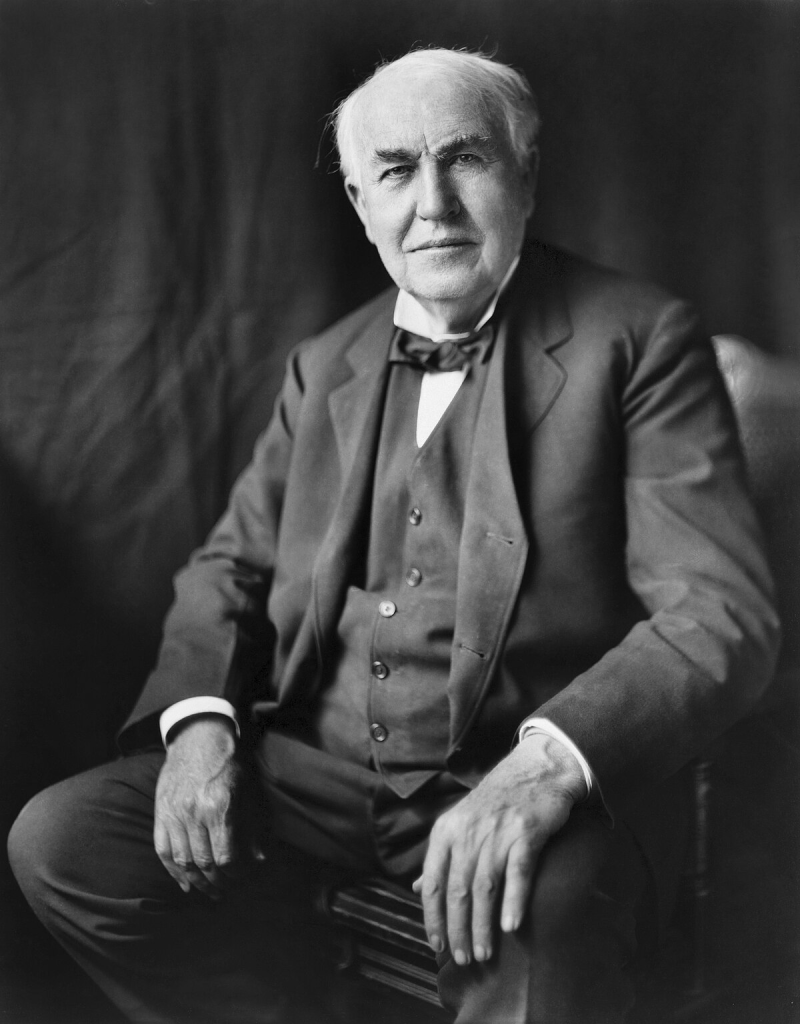
Even when Japan had more or less completed industrialization or neared its zenith, they weren’t done learning from western innovators, such as Thomas Edison.

Far from the progenitor of filmmaking, his inventions and contributions to cinema in particular formed the foundation of this industry worldwide. When the industry erupted in Japan, elements of kabuki and rakugo have made their way in over time. Narration, depictions of bygone eras, romanticism; different country, similar tropes about legendary figures. Just watch any western and compare it to the reality of the cowboy.

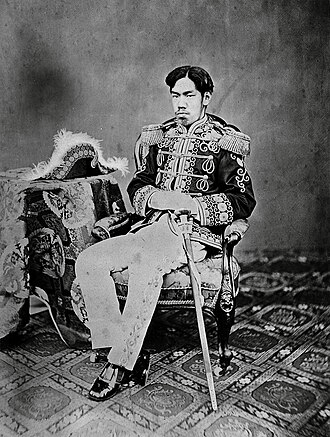
In this case, Japan had the shogunates and numerous tales of courageous warriors to adapt to film. Miyamoto Musashi, Tomoe Gozen, the main belligerents of the Genpei War; even the monarch has been depicted in film. Meiji was a fixture of post-WWII cinema for a time and looking at the Meiji era it’s easy to see why. A teenage emperor spearheads reforms that put an island nation on equal footing with the west over the course of about 45 years. Meiji was the emperor during the establishment of the Empire of Japan, his reforms reshaped the military into a powerhouse capable of knocking China and Russia around, empires many times the size of Japan itself and they were weak to Japanese might. Nationalist or no, you can’t help but laud an era of rapid industrialization and the man who helped with that.

These days, we can look at the era objectively, but the World Wars era emboldened and inspired filmmakers world wide. Wartime propaganda to motivate the populace to accept rations for the troops, instructional movies on the safety and operation of equipment and maneuvers, pre-mission briefs with the commanders in the war room before the march to battle: if done right, it can get the public firing on all cylinders and bolster the war effort significantly. If done wrong, the populace will be made complicit or forced to go along with the military’s worst actions. A tool of Japanese militarism, factions of junior officers in the Imperial Army and Navy formed individual groups all along the nationalist side of things. On the tame end, films released in this era in authoritarian nations helped lead to the cult of personality around certain authoritarians. Hitler had one, Mussolini had one, and I doubt he was aware of it, but Hirohito had a cult of personality as well, fostered by a radical faction working under the worst evolution of the national slogan, the latest one being “Revere the Emperor, Destroy the Traitors.”

The wild end of the propaganda spectrum can lead to the fabrication of enemies and dubious reasons to subjugate them. Most tools at their disposal were used for this purpose and led to ultimately dire consequences. Militarism could only last so long though and the dismantling of the Japanese colonial empire and subsequent occupation meant starting over again, with a new constitution and a self-defense industry with limited expeditionary capabilities.

So where does filmmaking factor into all of this? Adaptable stories for one thing. Think of all the western films featuring Ancient Greece and Rome, even in a stylized/fictionalized manner.

Obviously, the Spartans had armor, these masters of warfare weren’t stupid.

As mentioned before, any knowledgeable filmmaker can make Japanese historical films, circling us back to the likes of Kurosawa, Ozu, and Mizoguchi. So far, I’ve only watched Kurosawa films, but I do want to talk about the others anyway. Kurosawa was an inspiration to many. He was to film what Osamu Tezuka was to animanga. The first time I watched him was in college during a course on Asian Art during the Japanese section. The film in question was called Ran and it was Kurosawa’s version of Shakespeare’s King Lear in a manner of speaking, which itself, when I saw it, drew parallels to the power struggle that emerged from the division of the Carolingian Empire in the 9th century. All three stories involve a ruler of some kind who chooses to divide power among his heirs in near-equal status; all three fail to realize that the water of the womb doesn’t always bind and that siblings may bicker, but rich siblings don’t pull any punches; all three heirs immediately raise armies to rob the others of their territory; and all three explain in a gruesome showing why much of the known monarchic world defaulted to primogeniture. This model is criticized heavily by historians but without a better alternative, what were medieval kingdoms gonna do? Let a woman rule? Well, sometimes…

Queen Eleanor by Frederick Sandys, 1858

Remember when I mentioned western influence in Japan? Expanding beyond technology, this opens up a wider question on Japanese appeal to medieval Europe, of which the short answer to that is exoticism, same as how many westerners and weebs exoticize Japan and at times the rest of East Asia, hence why a lot of East Asian celebrities and such adopt western names.

Samurai tales were Kurosawa’s bread and butter and a great influence on samurai stories thereafter. One such film I had the pleasure to watch while on CQ was Yojimbo: the tale of an anti-hero ronin with a bullish demeanor who fights off gangs after getting to know an innkeeper family.

Moving onto Yasujiro Ozu’s output, he didn’t make samurai tales, instead favoring contemporary, slice of life films about everyday life. Exclusively Japanese life? Yes and no. Obviously, the setting is going to be in Japan, but the lifestyle of the people in his films being relatively modern make it relatable to many people globally. These aren’t disillusioned ex-samurai with a lot to gain in a changing Japan; these were regular people with commonfolk stories, easy to tell and far away from the realm of fantasy. I only recently discovered a few of Ozu’s films on the Internet Archive site, and I do plan on giving them all a proper viewing.

The last of the Golden Age Japanese directors is Kenji Mizoguchi, who I mentioned I discovered while drafting this post. Google and his Wikipedia page both tell me that his films historical dramas with a focus on women’s lives. How feministic! He was the oldest of the trio and being born when Meiji was still emperor and thus would have been exposed to the lives of not just female entertainers (geisha) but also of women going into a rapidly advancing Japan. This leads me to believe that, like much of the western world, Japan in particular was about to approach the subject of a woman’s place in life but not with the right approaches or interests at heart in mind. Or when the society did so, it was a mixed bag of controversial successes and failures. Like their male counterparts, women enjoy many of the same privileges enshrined in western societies, but some age-old challenges still linger, many of which became a central theme of Mizoguchi’s movies. Like most of the other media I have listed, I also plan to watch a few Mizoguchi films. I hadn’t made any concrete plans to write about them in any capacity, but I do wanna get back into it at some point–things have been looking a bit too anime otaku-centric as of late.

Not a shift, but an addition to my typical lineup.

Разве это не то, чего ты хотела?

Forgive me for using Google Translate for the title

Advanced weebs reading this are all too familiar with the Yandere trope, also known as “If I’m not the only woman you know, I will do things that will put me on a watchlist in multiple countries~!”

“You mean… you weren’t already…?” wondered the Wonder Bread male MC before he gets assaulted and threatened with snu snu.
To catch the newcomers up to speed, a yandere is any character (the most common ones being female) who’s so obsessively infatuated with the object of their lustful desires that they will cross legal and physical boundaries to be one with them. I made a joke in my Taste My Saliva post that Mikoto Urabe was Yandere-shaped what with the hentai protagonist haircut, her detached attachment (oxymoron?) to Tsubaki-kun, and her black belt in scissor-fu, but a common trait shared by many Yanderes is that they almost always follow through on the threats of violence and in more ways than one double as serial predators if not outright rapists. The objects of their “affection” rarely get a chance to consent, everything is a weapon if their creative enough, and short of a horror movie scenario, even if the object of their affection died naturally or by their hand, it doesn’t necessarily mean death would stop them.

I wouldn’t put it past NHentai or another such sight to have a tag in the same vein of “post-mortem erection.” Please do not introduce me to such a thing, I already have a hard time accepting Revenge of the Molesting Mage despite the decent, if formulaic, plot progression.

Now, with the knowledge that the Yandere is essentially a horny for romance horror monster archetype, I humbly introduce you to the horror game that took the Internet by storm at launch and has birthed a dynasty’s worth of memes: MiSide!

Awww, look at her! Look at how cute she is. Almost makes gore-y sex with your bloody, mangled corpse worth it…

…is what I would say if the rational part of my brain was missing. Her top is red and so are her flags. Developed by a pair of Russian coders forming the group, AIHASTO, MiSide is about a nameless, generic male protagonist getting suckered into an interactive video game about being a loving boyfriend/husband/significant other type to a fictional girl with a dark side that makes her the star of nearly any given true crime documentary and an average Tuesday in Rossiya.

After days of playing the game, you get literally suckered into the game to potentially live the rest of your life (trapped depending on how you look at it) with Yandere antagonist Mita. If you do certain actions beforehand, you can unlock the prerequisites to live a false life in the Matrix as the prized plaything of this drop dead gorgeous sociopath. Do something else and down the rabbit hole you go where you specifically are the rabbit and Mita the wolf on the prowl.

Fans of Beastars, erase this from your mental imagery right this second. The romance exhibited in the series is in no way comparable to the absolute horror in MiSide.

Slight spoilers for the specifics, there’s a few moments where you can poke around in the beginning when Mita says you don’t have to or even help her with more than what she asks for, as a sort of obedience test. Thanks to my gentlemanly behavior, I failed and was witness to real terror. So, the game contains more than one Mita and the one advertised on the game on Steam is Crazy Mita. The other variants have multiple different shapes and personalities and if I were to scrutinize more heavily, I’d say, they absorb elements from different genres and, dare I say, different horror movies; some of which I might have seen and some others I really need to, even a second viewing. I s[blyat]t you not, there’s a Playable Teaser reference in the game.

Never mind looking at legacy British and American horror movies and games, AIHASTO looked at Japan for this one.

This part also reminded many that Konami can’t get f[yarou!]ked hard enough for cancelling Silent Hills. But anyway, the carnival horrors gets progressively disturbing, surreal, and at times paranormal. That’s the most I’ll speak of on the plot because I wish for you to experience it for yourself.

How’s the gameplay? Well, looking back on it, I figure some extra inspiration came from Resident Evil 7’s and Outlast’s use of first-person POV. Jump scares come up in the select bits that they’re supposed to, but what else is implemented is the destruction of the 4th wall. Not dissimilar from the likes of Eternal Darkness or Doki Doki Literature Club (or even the nightmare sections in Max Payne plus its fourth wall break), Mita in her many forms talks directly to both the protagonist and the player. Although you choose the protagonist’s name, he still has dialogue and is as involved in the story as any other character, one of Mita’s several victims and the next on her impromptu serial killer list. Not content to mess about with the player, Mita also interacts with the environment in some manner. It’s not as extensive as tricking you into thinking you’re suffering from an audio problem or asking you to create a new folder in your files. But there was a clear inspiration from elsewhere.

For you the player, since the framework is a dark twist on a dating/life/social sim like… The Sims, the horror elements make a lasting impression, but so does the down time with some of the other Mita variants. Puzzle gameplay, dating sim gameplay, PvE co-op; all these elements would conflict with each other in a worse designed game, but for an indie, they play so well, that AIHASTO hasn’t just cooked–they have a whole recipe and MiSide is their beef stew. Please, sir. May I have some more?

Channel: Movieclips

Knowing Mita though, it’ll be my own still-beating heart or pumping veins…

You’re not entirely limited to running the f[gong]k away, as select sequences have you engaging in puzzle gameplay or even interacting in a playful way with some of the other Mita clones as the game by this point wants to still believe it’s a dating sim, even if Mita wants to harvest your organs for even worse purposes than making a couple thousand on the black market. Frankenstein’s monster…?

Horror is one thing, but some kind of horror comedy video game would be appreciated even slightly.

Suffice it to say, MiSide pays homage to all the old tropes within whilst putting its own spin on what it brings to the table, sort of like the video game equivalent of the Scream franchise when it debuted in 1996. Taking the piss out of every horror movie as the respective franchise lost favor to trends at the time and pumping it full of blood it harvested from a pig farm. For MiSide, I can’t say for certain whether horror games have lost their knife edge since, like isekai anime, I don’t particularly gun for it exclusively nor can I say that MiSide was trying the same thing here. For all I know, AIHASTO have been working on this brainchild for yonks before they decided to show the world what they were making. Add me to the list of other reviewers when I say that they succeeded.

Even post-release, it was still a work-in-progress of sorts what with all the patches since it released in December. Nevertheless, praise should go to all the voice actors who could convey the emotion in each of the featured languages. As an American, Russian anything can sound intimidating to me even if I’m just looking to get some pizza. With the devs being Russian, it was the first language patch to get the voicework. Down the line came the Japanese voicework and a quick clip of Japanese-speaking Mita vs Russian-speaking Mita, my American ears quickly applied different levels of dread on Mita in that one example. Finally, English-speaking Mita who finally translated the weight of the emotions in her scenes. Language, tone of voice, or merely silently reading the text as it appears on screen, the dialogue lines do well to translate the weight of a given scene to the player, and when it goes hand-in-hand with the gameplay, I can’t help but line up for seconds.

Chibi or not, this smug aura emits superiority… I am compelled to defeat her in a competition!

My Wife Was My Teacher

Forbidden love made into a comedy

Don’t let the title of this post deceive you, reader. This isn’t a sharp left turn into chronicling French President Emmanuel Macron’s married life, nor is it me announcing that I contacted an old teacher and got down on one knee for a short-lived matrimony. Instead, we’re diving back into my community college days where I watched an ecchi anime known only as Why the Hell Are You Here, Teacher!?

Known in Japanese as Nande Koko ni Sensei ga!?, the series is about a quartet of female high school teachers of different personalities and subjects who develop romantic feelings for their students. A slice of forbidden fruit that can’t work due to a power dynamic that this anime seems to have a lot of fun with and far from the only series animated or not to try this. Most other anime go the “incest = wincest” route of forbidden fruit. From what I’ve seen, there’s a bit of overlap between teacher-student romance and office worker romance, appearance-wise as both tend to feature smartly dressed love interests with professional presentations, but under scrutiny these “professionals” aren’t immune to clumsy f[clicks]k-ups from time to time.

What I remember from Sexy Teacher, Bombshell Wife was that the four teachers all behaved different in front of their respective classes compared to their love interests. Language teacher Kana Kojima was dubbed “Kojima the Demon” because she’s known to be demanding in class, but in front of her love interest, Ichiro Sato, she can behave just like Hinata Hyuga, albeit less creepy. Art teacher Mayu Matsukaze is a busty shortstack with a demure personality, affectionately nicknamed “Lady Matsukaze” for her kind personality. Cupid’s Arrow also makes a fool of her when she’s next to her love interest, the towering gentle giant Rin Suzuki who “helped” her deliver important paperwork. For romantic backstories, this is right up there with a comedic plot of being helped by the protagonist and the “help” in question was just a dropped pencil, or a notice of an untied shoe. Well, it’s simple…

Gym teacher Hikari Hazakura is a trademark, tanned, big tittied tomboy, the kind who’d encourage a novice swimmer to improve by starting at the deep end and giving an after action report, hoping to see her students become Michael Phelps. One student, Takashi Takahashi, is the one she gets real touchy-feely with. They later develop romantic feelings with each other. Finally, there’s the school nurse: a Kuudere named Rei Ayanami Chizuru Tachibana, who’s been dubbed “Absolute Zero,” and the nickname isn’t lost on her in the series. She wants to be closer to the students, notably one Ko Tanaka, and over the course of their arc, they grow so close they lose their virginities together in a love hotel. Going further than Kojima who was engaged to Sato at the end, a bonus chapter reveals that they started a family together. Obligatory, “silent in the streets, freaky in the sheets.”

Ecchi funtimes all around, but with most anime these days merely advertising the manga without guaranteeing a longer run, the anime covered four arcs spread across a miserable 12 episodes. We’re far and away from the likes of Azumanga Daioh and few are expecting a Yotsuba-to! adaptation anytime soon, but AzuDaioh was able to stretch and progress a four-panel manga over the course of 26 episodes in 2002.

But expanding on a romcom could ruin it, you’d argue and if The Way of the Househusband on Netflix is an indicator, then yes, putting effort where it isn’t needed and ignoring it where it is needed would’ve netted us a piss-poor adaptation of Yakuza Yesterday, Husbando Today. So why don’t I look back at Why Does My Teacher Want My Heart? as fondly as others? Largely because of its length.

I gave it some slack yonks ago when I watched it because it did make me laugh with the short time I had with it and also the horniness at the time was on autopilot. My braincells fired up at the end when all the teachers and love interests got together toward the end to announce that some of them were dating, engaged, married, or expecting.

And then it just ended. I didn’t know at precisely at the time, but with only 12 episodes, it felt like more could’ve done even with just the Fab Four and their Lovely Maidens. The source material even lists more than just the characters that got to the anime. So, is this a recommendation in favor of the series or not?

Again, the braincells were out to lunch while the horniness took command, but looking back it’s nothing more serious than a “haha look at this fanservice” gradually evolving into “you may now kiss the bride.” My post history is the evidence needed when I say that I’ve seen this s[bells]t before. It’s also evidence that I know what I like and while I’m not gonna say it wasn’t up my alley, if I’m gonna watch ecchi/fanservice/hentai, a plot can go a long way. Came for the booba, stayed for the story gambit and this may be part of the pipeline into erotic fiction, or it may have been a bit earlier than that… Hmmm…

I cannot say with certainty. For my recommendation, you’re more than welcome to see I Found My Wife in High School, and She Wasn’t a Fellow Classmate up to the last episode and continue in the manga to see what didn’t make the cut, it has 12 volumes and the anime was followed up with an OVA I haven’t seen in 2019. But for something somewhat more grounded, feel free to pair it with 2002’s Please Teacher!

Off topic, I simultaneously adore this old art style and can’t disassociate it from some hentai I’ve seen or read recently.

Happy 4th of July, fellow Americans!

Roguelike NSFW II: Erect Boogaloo

There’s a market for everything these days

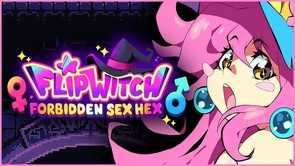
Earlier this year in February, I wrote about an Adults Only game called Scarlet Maiden, about a scantily clad heroine on a quest to defeat the Prime Evil one lewdening at a time. Once again, under the Critical Bliss publishing flag, I’ve found another AO-rated 16-bit game about slashing mooks and exposing boobs but with an emphasis on magic. The game in question: FlipWitch – Forbidden Sex Hex:

Should’ve known there’d be a bunch of fanart when looking for the title screen for this game, short of booting it up for the screenshot…

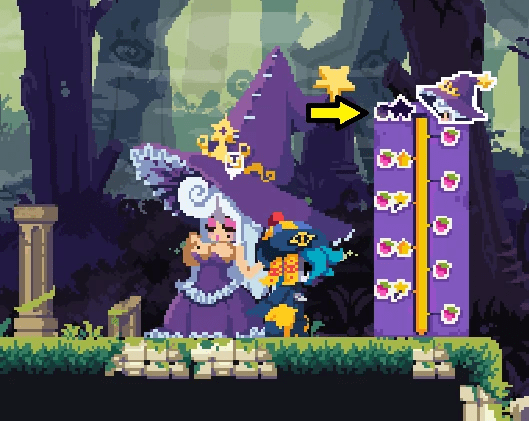
As the Flip Witch under the tutelage of a great witch named Beatrix, you’re main objective is to defeat the Chaos Witch, an Egypt-themed triclops witch messing with you and all the creatures of the land from her very own castle behind a door with six unique pyramid-shaped locks. To get them all, you have to traverse different realms and defeat the bosses to get the keys. Depending on your level, you’ll either eat dirt and be shown a game over screen where the monsters of a specific realm have their way with you, or you’ll blaze through relatively unscathed. This time, I’m torn over whether to conclude that this game uses permadeath as a feature since it doesn’t have a lives’ system, but on the other hand, there’s designated save points where you gain everything you used during your playthrough, crystal teleporters to fast travel between places you’ve been and a health restoration-like system in the form of a peach that gets upgraded with each quest you complete.

Speaking of quests, Beatrix’s secondary focus is to partake in such quests for health and magic upgrades. Some of these are found interspersed across the game enlarging your health and magic bars so that you can use more, to include the more taxing magic items, and others are gained by completing a certain number of quests. Reaching said number adds a little notification in the form of Beatrix’s sprite in the upper righthand corner to let you know that upgrades are available.

More quests mean more upgrades until you max everything out and steamroll the monsters like a one-man army. Or more like one man and one woman, both of which are you. The “flip” in FlipWitch refers to your ability to switch genders at will, an acquired skill that factors both into the quests and the game over screens, so male or female, something is gonna rise and ain’t gonna be a shield hero.

Didn’t even have to censor this one.

Combat this time around doesn’t give you the option to sex up a monster for upgrade points like Sin in Scarlet Maiden or even to add to the bestiary. For the most part, the monsters are more or less segregated to their own designated parts of the game map. For instance, only goblins roam the woodlands, demons stay in the demon realm of Jigoku, mermaids are in Umi Umi, etc., etc. and they all have their own unique game over screens for when you die and for what gender you were when you died.

The weapon variety is also limited to just your wand as opposed to any number of swords and other fantasy weapons like in Scarlet Maiden. Not to mention, the only enemy-types that do show genitalia are the female enemy types. The males do show d[spurt!]k, but often after the game over screen. So unlike Scarlet Maiden, the BDSM term “switch” has a different context. A more literal context. Where the game lacks weapon variety, it makes up for it in magic variety, by giving you more magical powers to use against enemies. The wand is capable of firing projectiles and select characters of different types that don’t give you quests give you different magic powers to use which require short tutorials to get the hang of.

As for the quests, the standard format they use is go to place, get quest, deliver thing to X, get sexy rewards. Like so:

The one twist these types of quests use is that specific costumes need to be bought with the coins you acquire through gameplay. Different costumes unlock different quests for different variations of a similar reward (sexy times), which ties into the whole Metroidvania aspect the game advertises. Nonlinear gameplay allowing for backtracking to important locations with new knowledge and more rewards and potential upgrades to finally defeat the Chao Witch…!

…which I’m very close to doing as of this writing. I’m so close!!

Recommendations? Give it a go. There’s keyboard controls like in Scarlet Maiden, but unless you’ve got the fingers for it, plug in a controller. Do what I did and program a PS3 controller to read like an Xbox controller; it’ll work the same. The fact that I’m very close to 100% completion and very close to defeating the Chaos Witch should all the recommendation needed for this game. The controls will feel slightly more sluggish at the beginning, but once you get used to it, especially after Scarlet Maiden’s fluidity and — for lack of a better term — bounciness, it’s pretty much a breeze. Currently on sale for the Summer Steam sales, but even not, $15 is a pretty good deal.

She Abandoned Nobility to Embrace Her Sexual Deviancy

And regrets nothing

This post had a different title in my notes, but I figure the current title was a much better one than what I originally had. Last week, I wrote about a rape and revenge animanga series where the morally dark gray protagonist renamed his penis Divine Punishment and used it to add more and more women to his sadistic fantasy harem in an effort to take down a morally nonexistent kingdom. This time, I’ve got a manga that follows similar story beats, but the question isn’t about consent, but about kinks and the supposed absence of lines to draw.

Gigguk was right; animanga has been moving gradually towards the “I can’t believe it’s not hentai” genre as of late. A not insignificant portion of my reading and viewing experience either plays with pornographic content or just practically walks up to me and says, “Nice shoes, wanna f[clash!]k?”

The series in question is I May Be a Villainess, But Please Make Me Your Sex Slave, Japanese title Akuyaku Reijou desu ga, Watashi o Anata no Seidorei ni Shite Kudasai! and it wears its premise on its sleeve and in its chapters. Most online manga viewing sites like MangaDex, for instance, have 10 chapters translated so far, and I’m eagerly awaiting updates. This post may be shorter than the rest so I may bring it up again if we get more. It follows the isekai tropes we all know and love, but the protagonist, Kaito, isn’t Kazuma Sato or Keyaru/Keyaruga. He begins the series as the servant to a duchess named Christina “Chris” Febster, a.k.a. the silver-haired girl whose image graces the cover of the manga.

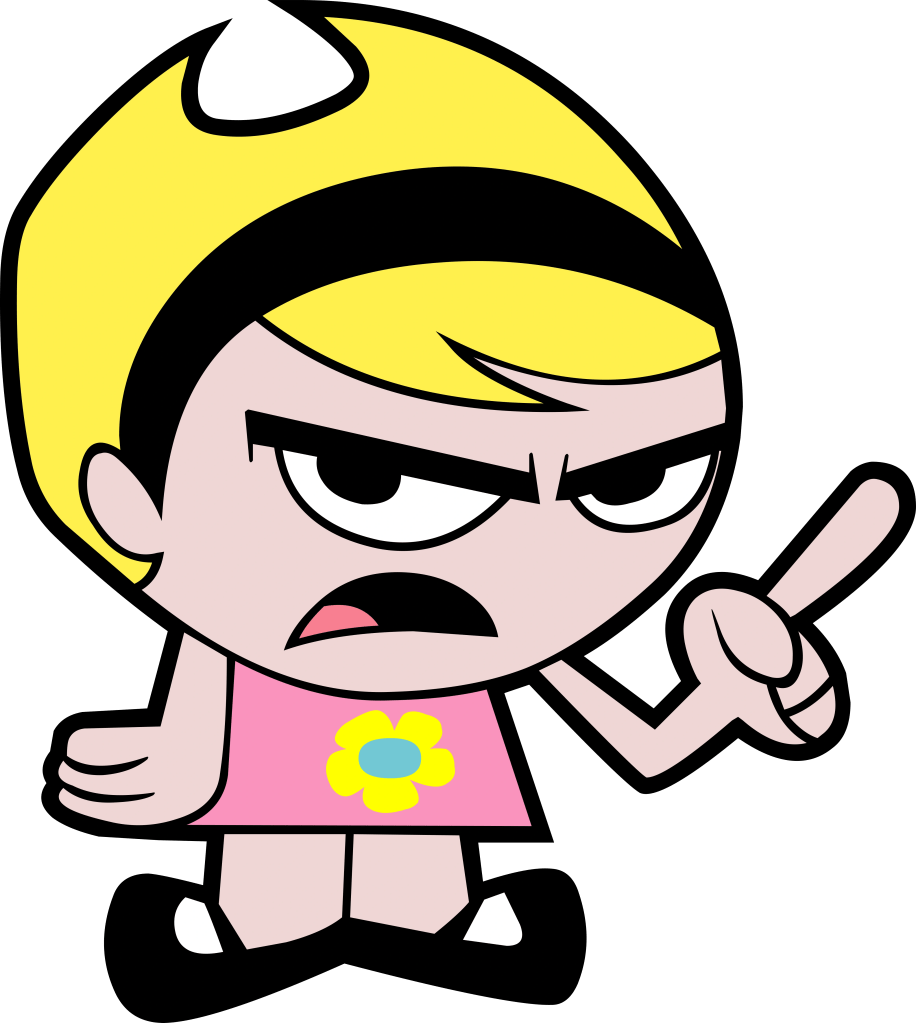
She begins the manga in a role similar to My Next Life as a Villainess’ Kata(baka)rina Claes or From Bureaucrat to Villainess’ Grace Auvergne/Kenzaburo Tondabayashi. Icy, vain, unforgiving, cruel; think of every negative thing said about Mandy from Billy and Mandy during the Keeper of the Reaper episode.

A single smirk puts her into the Powerpuff Girls’ universe, I s[buzzing]t you not.

So Duchess Chris Febster’s attitude is so distasteful and inappropriate that her fiance calls off the engagement. Protagonist Kaito feels like a failure understandably as her personal servant attempting to avoid the Otome game doom flags (these have been popping up a lot as of late, I guess I should add otome games into the pipeline if I can find any in English). Kaito expected he and Chris to face the worst of the worst of outcomes, but in a twist not only is she relieved to be free from her noble status, she U-turns into the world of sexual deviancy.

Kaito grew up next to Chris and while this reincarnated young man grew to accept his role as a loyal servant, Chris had grown attached and at one point in her past asked about how to sexually satisfy a man. Following up on that, she requests (read: demands) to become subservient to Kaito’s penis in a sort of role reversal… or role… correction…? Normally, role reversal is when traditional gender roles are flipped on their head (working wife, house husband structure), but this is flipping the roles back on their feet.

It’s the opposite of this, and far smuttier.

So, Kaito accepts and Chris is arguably too proud to be a nun in this Church of D[whistles]k. As for the base of the story, by day, Kaito and Chris are slaying monsters and conquering dungeons in a typical fantasy adventure and, by night, Kaito plays along to Chris’ strange addiction and reinforces her infatuation as a pervert.

I mentioned this isn’t a hentai, right? And yet it’s structured like it would have the corresponding tags. So far, there’s not an ugly bastard yet, but I just wanna show you all what its categorized under.

Erotica tracks, but romance… I’m exaggerating, there’s a bunch of freaky couples out there and considering the recent chapters have roleplay in them, these tags give the author free reign to put whatever is in so long as it gets readers.

So, this manga, I felt, was more honest than Revenge of the Rapist due to its title alone and ironically I find it tamer largely because the parties consented to the arrangement, but it’s still strange that Chris needs to tell everyone with ears that her purpose in life is to take Kaito’s d[squirt!]k. Is this why I like it more? Honestly… yes. I did give some amount of praise for Angry Penis, but this time around I give more praise to the 10 chapters of Punish Me With Your Penis, Master largely for the consent aspect, and also because the protagonists weren’t victims of the most corrupt, vile, wicked people to ever exist nor were they so evil they didn’t realize a demon was in the mirror. Actually, there’s little showing of Christina’s villainy and more of Kaito being a servant/butler type. Even he didn’t expect to suddenly be a Penis Master, but here he is, f[gunshot]king Chris’ brains out because she’s down horrendous.

Now, this won’t be everyone’s cup of tea. I’m still uneasy about Redo of Healer after eight episodes and at times, I feel that All Hail My Master’s Howitzer gets into ridiculous territory, but away from all of that, the chapters are usually somewhere around 30 pages on average. A majority of the panels, in some way, feature the two main leads f[wood planks]king like they’re the last two people on earth, and one of the tags that should be considered is comedy because they f[hoot]k so loud that it can wake up the dead.

Source: Chapter 5, Page 23.

This is one of the tamer pages I could find. Before you is the face of a woman who secretly always wanted to live the life of a whore. Spoiler alert: she gets that and more.

I’m not even kink-shaming or kink-asking like I did last time. I wanna see more of this and I hate that we currently only have 10 chapters. If you so choose to read this yourself, MangaDex is my recommended go to for the lack of ads on the sides. The site did suffer from a DMCA and several series were scrubbed in some capacity, some wholesale. You’re more than welcome to find a different underground manga hosting site for your viewing pleasure. Actually, disregard my summary of this series, the meme below is a better summary:

Tell me where the lie is.

2024: Blog Review and Anime Releases for 2025

Hopefully I come up with a better name for next year.

2024 is behind us and we are now in the futuristic year of 2025, as predicted by Call of Duty: Black Ops II. From January to mid-March, I was in Army basic training where access to technology was reduced to 30 minutes a week for training purposes. Too little time for me to organize my thoughts into a blog entry, so to supplement that I had a notebook full of journal (read: diary) entries as training went on. It helped me trudge through training, though looking back, it wasn’t as bad as I dreaded. Keep in mind that your mileage may vary depending on where you do training if you choose to join the military. Most accounts sing the praises of Relaxin’ Fort Jackson whereas Chill Fort Sill is either ironic or on-brand due in large part to the cold winds in that part of the country.

Using it as an energy source is the most praise I’ll give to the Central Plains.

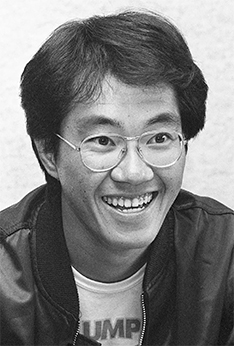
January to mid-March was a blank period for obvious reasons, but I got myself a new machine and made a comeback post where not much needs to be said. On an unrelated note, I learned at the tail end of training that the man, the myth, the legend Akira Toriyama passed away in early March and thus made my own separate tribute to the God of Shonen.

So long, father of Goku and Dr. Slump. You changed and influenced millions of people the world over with the story of a monkey-tailed little boy eating bullets and growing up to be the strongest fighter in the universe. My goal will be to get around to reviewing the new Dragon Ball DAIMA arc. I’m not the biggest Dragon Ball fan, but it holds a special place in my heart.

Once I was properly back into the fold during AIT, I started April off with a reflection of my first attempt at writing an anime-themed blog. I’ve tried to forget about it, but having this one up reminds me of what I could’ve had damn near four years ago if things went swimmingly, and if I broke it up with an extra focus on other forms of media. Thankfully, this blog has rectified that issue and has branched out many times over to other forms of media, even with animanga keeping me anchored.

Something something lead a horse to water and all that jazz.

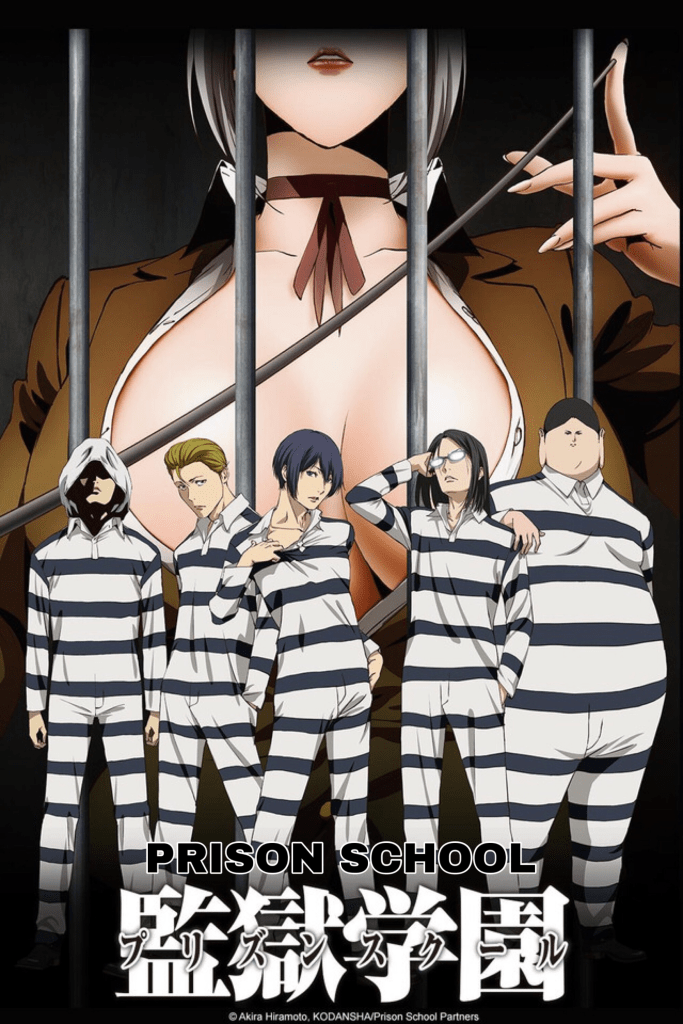
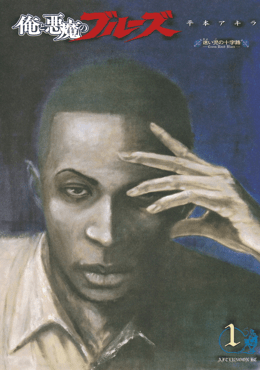
Speaking of which, when it came to reviewing animanga I started off with obscure series that flew under the radar. Titles you may have heard but haven’t investigated further, or titles you’ve never heard of until recently, either through me or another medium. This continues the trend I started here from 2023 and continues to be a personal crusade of mine. Not limited to Shonen titles, less celebrated and mostly unheard of titles give room for a few surprises; like how the creator of Prison School also wrote the Robert Johnson manga.

The man who gave us Dommy Mommy Imprisonment wrote a manga about an enigmatic black Mississippi blues artist.

I dare you to tell me that that’s not cultured!

Of course my regular content throughout the year kept to standards, games and animanga kept on pumping through the summer, and I got to writing about two awaited topics: the long-awaited anime adaptation of The Elusive Samurai as well as a Paradox game that couldn’t happen.

As much as I loved Running from the Ashikaga, it really kneecaps itself with a 12-episode run. Fortunately, a second season is in the works and in the drafting of this post, I was gonna say that going without a second season would be illegal. The art direction, the soundtrack, the name behind the series, even the soundtrack and corresponding merch set for release this year would speak volumes of marketing another season. Even if Sprinting Level MAX’s claim to fame is coming from the same mangaka as How to Kill Your Tentacle Sensei, it was enough of a motivating factor for me to check out the manga when it was licensed for an English release in 2021. I admit I was stunned at Japanese Twitter’s reaction to that one scene, and I’m keeping my eyes and ears peeled for the next viral reaction.

Elsewhere, Paradox joined the shortlist of game devs attempting to dethrone The Sims with a life sim of their own under the title “Life By You.” It was announced and showcased in the latter half of 2023 with an early March 2024 release day, later moved to June before it was unceremoniously put to bed for good. In the meantime, people continually string together campaigns connecting Crusader Kings to Europa Universalis to Victoria to Hearts of Iron for a mega campaign. One day, I’ll join those people because it sounds ambitiously fun.

Going further down the list, my entries stepped away from animanga to address other forms of media. I don’t review movies as much as I do animanga and video games, and I really wish I did. The military-sphere said goodbye to Evan Wright who tragically took his own life over summer after years getting raw stories to put into novel form from the widely celebrated Generation Kill to dozens of other publications in magazines and websites throughout his life. I doubt everyone will appreciate his work as much as military and adjacent types usually do, but there’s no denying his work over the years.

And the blog posts after did address more serious topics surrounding the medium interspersed with regular reviews. You know me as the chief advocate of anime piracy as an alternative when streaming decides to get funny. I continue to stand by that claim and I will do so for many years to follow. It was how I watched many of my favorite series over the years, and I continue to do so to this day. There’s no telling when a series will suddenly drop from, say, Netflix or Hulu and sites like Crunchyroll prove unreliable and at the worst of times dangerous. If more news crosses my feed, I’ll write about it as I had back in August.

Going back to regular reviews with more and more interesting titles until it stops making sense, I hadn’t had to reorganize my notes as much for 2024 as I did for ’23, merely putting them in the list set for weeks to a couple months at most down the line. It got messy when I did it like that back in 2023, but it made things interesting personally. It also kept me in the loop before the topic died off, but the consequence of that is some topics had more information about them come out and were at risk of aging rapidly. Such was the case of a couple of YouTube recommendations. I used to do that for channels I like and enjoy from a content standpoint instead of a personality standpoint. So far, only two of those didn’t work out as well with one getting flack for abusive behavior and the other following shareholders and causing a mass exodus of the media team, the latter of which I wrote about a week after it happened.

The last quarter of 2024 was based primarily around animanga, which was fun to write about, but I left a mildly large gap between that and other media. I definitely watched more than anime at the tail end, some of these are gonna get posts in the future. For just January, I plan on covering series I haven’t seen but would like to both in animanga and in video games with that nifty emulator on my devices, as well as another form of manga/comics that is quite celebrated but is mostly slept on. What I mean is, there’s good series from this medium, but I rarely see most anitubers address it. It might be due to its country of origin, but it that doesn’t make it any less worthwhile.

It’s manhwa. I had a whole arc dedicated to this with an interesting start point.

As of writing this, my notes are filled out ’til at least May, covering most of the first half of 2025. After that, I’ve gotta wait and see what I’ll fill it out with.

My First Gyaru Anime

This may or may not ring some bells

A while ago, I stated that the YouTuber Knowing Better claimed that Hollywood has a greater influence on the military than you’d believe. Sticking with that logic, based on my observations, I want to say that it’s a bit similar in Japan. Stories get told and retold and inspire mangaka to start putting pen to panel. In this context, the subject is that of subcultures. If you’re familiar with western culture, you’re familiar with some age-old subcultures: the goths, the jocks, the nerds, the popular kids, the emos, the preps, and the townies–all of which can be found in RockStar’s hidden gem Bully.

You already know I recommend the s[marbles falling]t out of this.

In Japan, there are several other subcultures that have come and gone over the years: bosozoku (motorcycle enthusiasts), delinquents (bancho/sukeban), otaku (nerds but extra), and the topic of this post: gyaru.

I’ve talked before about gyaru/gal animanga, including one that got an adaptation this year. Now, we’re taking a look at another gyaru-centric series: My First Girlfriend is a Gal (alternative title: Hajimete no Gal).

Another relic from my community college days, I was made aware of it from a WatchMojo Top 10 list on the worst girlfriends in anime voiced by Todd Haberkorn when they kept him locked away in their basement. Don’t worry, it was more of a mancave; think of it like the Scandinavian approach to imprisonment.

In that list, one of the characters from the anime, deuteragonist and love interest, Yukana Yame, made the list for essentially leading the protagonist, Junichi Hashiba, on. Not an unfair or untrue assessment, but when I had a look, I felt that there was more to it than that. But I’m somersaulting over a battleship here, let’s build up.

Typical romcom anime, a trio of dudes have a conversation describing perverted and sexual things about the girls in their class. One such girl makes the topic of conversation and on a dare, Junichi is challenged to ask her out on a date. Scummy. And Yukana entertains it. Also scummy. Honestly, I remember being that horny both at that age and when I watched this series, and I did watch it from beginning to end, mainly because of the eye candy.

These days, the terminally online “crusaders” would cry fowl at a busty teenage girl, but this is where I play the hypocrisy card as just about every single one of us knew or knows someone whose bodies developed that fast. I definitely did. What the hell happened to “no bodyshaming?” Hmmm? But f[anime girl moaning]k it.

Now that I look back on it, with the experience I’ve gained (mostly from observing other relationships flop around my single ass), never mind a bond formed by ignorance, this is a bond formed by deception. They didn’t even start out taking each other seriously; Junichi was expecting the hardest rejection while Yukana initially planned on milking him dry without using her hands. I’m very sorry about that; it’ll happen again.

But to play Saul Goodman and defend these clients, there is some character development for them both. They hang out more often, and Junichi gradually adheres to the lessons imparted to us by history’s greatest philosophers: the Spice Girls

If you wanna be my lover, you gotta get with my friends

And Yukana’s BFFs include but are not limited to Ranko Honjo, a contendor for the Bimbo Olympics who wants to f[snaps fingers]k both Junichi and Yukana (most likely at the same time); Yui Kashi, a Twitch streamer whose desire is to wrap everyone around her finger (she ain’t beating Makima, just saying); Nene Fujinoki, Junichi’s childhood friend and one of the bustiest lolis I’ve ever seen until Ilulu (also the subject of a specific character’s troubling fetish; more to follow later); and a few others who, although reportedly got more love in the anime than the manga, not enough to make a big enough impact over the course of 10 episodes.

Even though it doesn’t really start out with the best of intentions, the character development does leave them marginally better than when they began. Junichi stops letting his penis think for him the more he learns about Yukana and her… well, it’s not a harem, but she functionally has more women than Junichi will hope to have. Out-rizzed by your own girl…

Fortunately, you know who to turn to whenever you want a threesome.

If Yukana was ever the subject of salacious rumors, her behavior on screen discredits such slander. Like Junichi, it’s highly suggested that not only is she too a virgin, she may be even more nervous about her first time than Junichi is. The gyaru aesthetic is all for show and tell, as in she’s showing her friends and the audience while telling us that she just likes pretty things. But that’s a given.

Conversely, to use the teachings of Lao Zi, within this light side is a bit of a dark side. I mentioned earlier that one of Junichi’s friends, Minoru Kobayakawa, has a troublingly illegal fetish that conjures up the message of the Oingo Boingo song Little Girls. Not lolis or short girls, young girls. He does nothing to hide it in the anime (no clue if its subdued in the manga) and will remind you what his ideal type is. He’s a disturbingly honest Harvey Weinstein sans the influence of Hollywood kickbacks.

The series plays it off as a joke which is probably lost on me since I cringed every time Minoru made an appearance. All things considered, the other Minoru from My Hero Academia was divisive in his own right, but probably shouldn’t have had as much hate directed towards him as this Minoru. Inappropriate and depraved, at least he eyed up adults.

Also, he gets humbled at every turn so whatever debt he owes, he’s overpaid it.

The other Minoru… one of the other guys said it best when he claimed he’d end up on the sex offender registry. Don’t take this as a dissuasion or an argument against watching the anime; this is still a recommendation, just keep in mind that this troubling aspect is in the show. It’s a short viewing, 10 episodes and an OVA that I haven’t seen myself. And of course, you have the choice of sitting through ads like a trooper and joining the dark side and becoming a pirate. The side effect of the latter choice is fighting Luffy.