
Took ages to iron out the kinks
This may be one of the more meta posts considering the title and the state of blogs and message/textboards from introduction to zenith to modern-day. Those of you who are reading this might have an idea of what blogs, messageboards, forums, etc. are or consist of. A diary/journal, an exploration of ideas, a photo/video/now-GIF album; the way I treat it is something of a critic’s corner, newsletter, and recommendation source for otherwise niche and unknown series across media with a strong animanga focus, but sometimes heading into mainstream series.

As one such example.
And the time period Ghost in the Shell was released and later popularized in coincides with the emergence of the earliest blogs and messageboards. According to my research, “blogging” as a term didn’t stick until the late 1990s, but the idea’s been there. It is said to have begun with university student Justin Hall in 1994, first working as a freelance journalist before covering media like E3 and the Tokyo Game Show. By 1996 in Japan, one Shiba Masayuki would launch Ayashii World as the first imageboard, the focus of which was anonymous discussion for topics considered taboo. Unfortunately, these unknown users, likely having a jolly old time with dialup (ಠ_ಠ), experienced tons of slowdown and power outages. They were also airing their frustrations at Shiba-san himself, escalating to death threats and the content being discussed definitely would NOT fly today. Free speech enjoyer I may be, some things simply cannot be touched without the Hammer of Consequences leaving impressions in soft skulls.
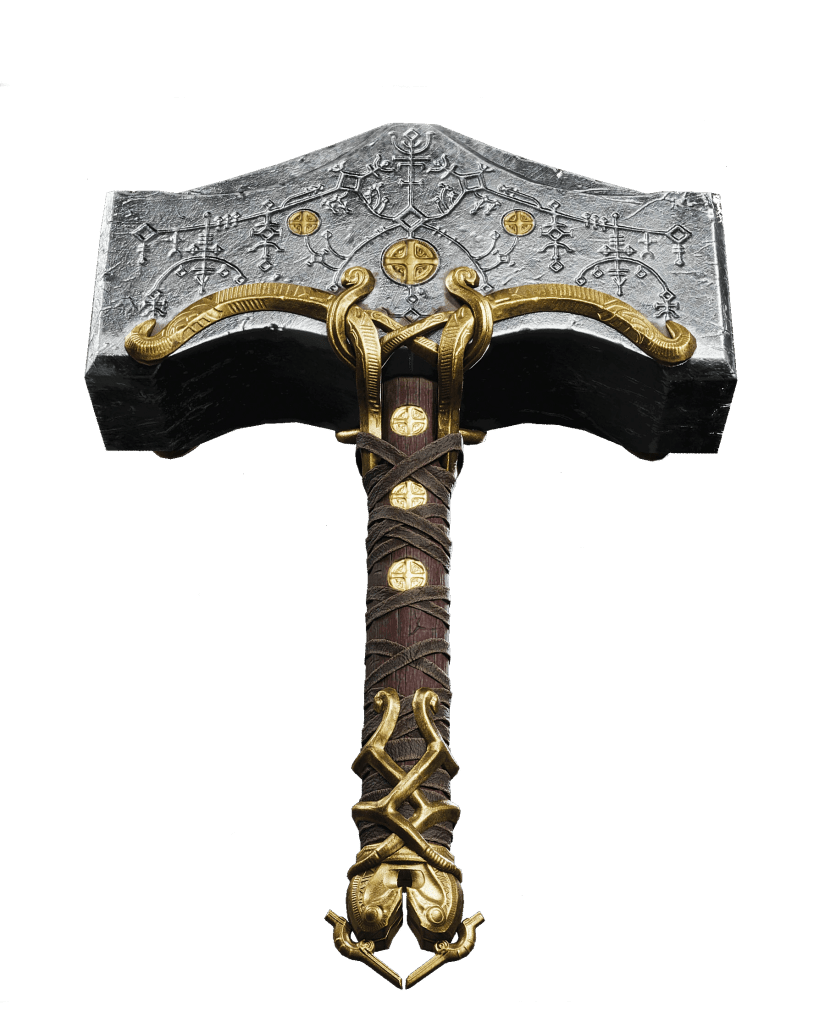
Cynical Historian viewers know his motto being: “Bigots get banned.” And that’s a generally good rule to follow. Personally, I lean more toward Lady Justice and her Scales.
Shiba Masayuki shut the site down in 1998 due to the increasing toxicity, and whether you engage in social media or not, parasites don’t die that easily, they migrate to another platform, such was the case of Tumblr users migrating to Twitter and when Elon Musk bought it and renamed it X, they migrated to BlueSky, making a timeline of spite-moves, but actually following through since declaring your migration from platform to platform is easier than packing everything up and hopping to another country.
As for Ayashii World, it laid the groundwork for sites like Futaba Channel in August 2001 in Japan, 2chan on May 30, 1999 also in Japan, and 4chan, in America in October 2003. Have a look:
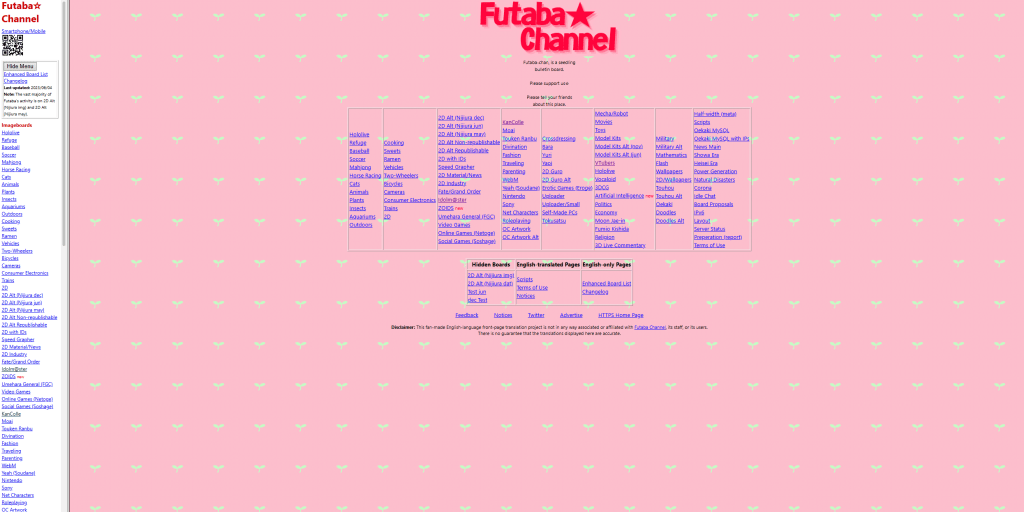
I’m not sure if this is the original Futaba Channel or a recreation since the URL is this: https://futabachannel.neocities.org, but it does get to the meat and potatoes of how they looked at the time.
And those three sites mean what multiples almost always mean. If it becomes popular, it will have imitators. Cheap and exquisite. ‘Tis a time-honored tradition to take a winning formula and refine it since at least the stone age. Ask this guy how many “children” he didn’t know he had.

Show up to Surprise Fathers Anonymous and he’ll be the president.
Original or not, sites like that and even GameFAQs do at least one thing right: they put the content upfront since the individual boards are all based on a given topic. Couple it with anonymity at the forefront of the design, explicit rules around what can and can’t be shared, discussed, or advocated for, and the ecosystem–still juvenile and s[shotgun]tpost-y at times–doesn’t deviate much from the design. They were, and some still are, hubs for genuine discussion on a given topic.
This part may delve into a sharp critique of the modern algorithm in favor of the old human-driven internet, but looking at what was on the net back then compared to now, there are advantages and disadvantages to the progression and growing “perfection” of moderation. On the one hand, the early internet was still something of a wild west showcase of what can and can’t be allowed to continue, from sites discussing different video game techniques, critiquing media, political satire, music composition and more.

In some cases, those all combined around one person, place, thing, or idea. And the 42nd President was a popular punching bag. Still is, even if you’re not American. I imagine the Brits had less than polite things to say about the milk snatcher in 10 Downing Street. But it’s alright because “Ding Dong, the Witch is Dead.”
On the other hand, the wild west aspect of old internet shows how unreliable it was. Entertainment was one thing, especially with Netscape and Napster, but if you wanted accurate details on something serious, you couldn’t find it as easily and you may have had to wait motherf[dialup]king hours for dialup to catch up. And since I bring up dialup, since it and the telephone shared the same wiring, 97% completion with a few minutes left could easily be reset if someone picked up the phone. Alternatively, if you were the person on the phone and someone else was using the family computer, either suck it up and wait or find a payphone or shell out for a Nokia cell phone because you became a Rockefeller overnight.

As another con, the wild west era of early internet was defined by a general lack of rules. Experimenting with what wasn’t set in stone was a coin flip: find a niche you didn’t know you wanted to learn more about, or deal with a niche other people have that you wish you didn’t know about before searching at random. And in some cases, this s[porcelain]t wasn’t brought to you willingly, it may have just happened to stumble upon you. Early internet may have been more personable and you could navigate your dedicated forums and imageboards without issue, but there’s always f[wood]king one who’d shake things up and bring forth the same fires that burned down Sodom and Gomorrah onto your domain.
I’ve been dancing around it, but yes, there were some accursed and even illegal things on the World Wide Web, this goes without saying. These days, if you want to find it (why the f[kerplunk]k would you?? (T^T)), an onion browser can get you there through the dark web.
Rather than discourage the use of the dark web, I caution you to know what you’re getting into. Sometimes the dark web is a source of free speech in places that are constitutionally barred from having it, but other times it lives up to its reputation as a “hub of illegal activity.” Some of you may already venture into the deep recesses. If you do, I really hope you’re safe and sound. And that–turn around, reader. There’s someone behind you.

(┬┬﹏┬┬)
Actually, this comes way later. But it does hint at 2000s internet. Newgrounds, Adobe Flash, Itch.io, continued use of peer-to-peer sharing, search engines, Google rising while Yahoo!… well they were neck-and-neck by the mid-2000s, and those of you who get my posts from Yahoo or even AOL mail, I take it you stuck it out with those early or chose them to protest Google these days or have a Gmail but don’t use that? Not judging, just observing.
So that’s a general history of early net with some gaps to plug, how is it these days? I already showed you the creepypasta image, but you lot have definitely seen some weird crap on your screens. Chances are I’ve written or introduced you to it.

This is a recent-ish image, and it’s one of several that makes me laugh. Keep poking around and there’s more along these lines to find.
Did the internet find its edge again? Did the internet ever lose that edge? Depending on who you asked, either it was heavily suppressed or it was an overcorrection to controversies that weren’t supposed to make the news but did anyway due to the Streisand effect of bringing attention to things that the target shouldn’t have attention. Such was the case of the GamerGate controversy, where the untouched internet toxicity was given a glaring review and wider media sought to right this wrong by policing content swiftly.
Critics have concluded that the shift did more harm than good and supporters have concluded that this was a long time coming with archivists and internet historians pointing to indie developer Zoe Quinn trading sexual favors for a good review of the 2013 video game Depression Quest. Truth or myth, the fact remains that this evolution of the internet post-2014 prompted countless users to arguably violate the one rule of the internet: NEVER share personal information online. To do so is to invite harassment, death threats, and most recently, swatting.
Content creators have a tightrope to samba on. I do not consider myself a content creator, nevertheless I do not reveal my identity unless I need to. One could consider this intermediate paranoia, but if your country’s law enforcement arm has detailed guides on how to navigate the web and maintain anonymity, then it’s very likely that the dangers raised from prior precedents has necessitated the Justice Department to tell people how to do it.
But outside of controversial and legally shaky things, what are the pros and cons of modern internet, aside from silly blogs like this? Everything I’ve been writing about since that time I chose to follow in Tactical Bacon Productions’ footsteps and round out the Kratos is one of the many positives.
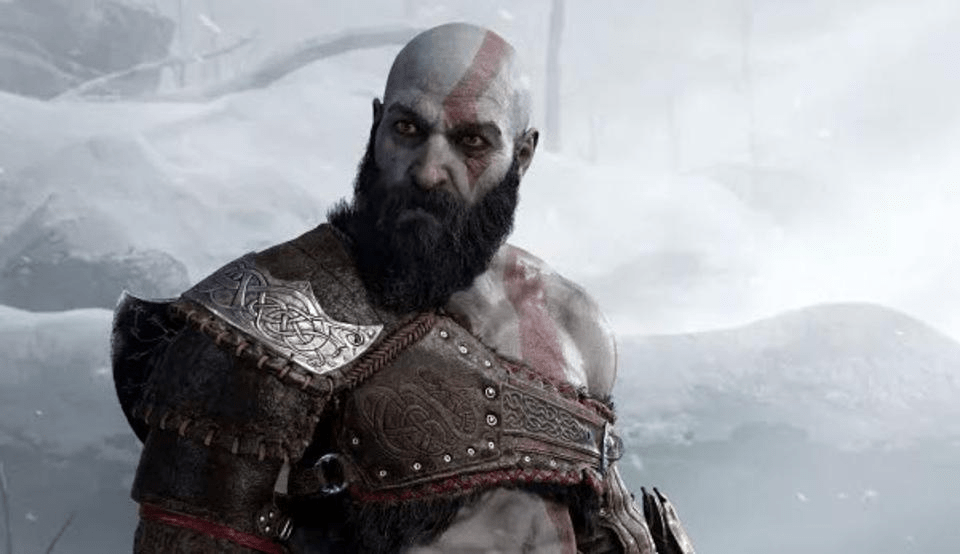
The first ever image I used to illustrate that point! (^-^)
The negatives? We all have our definitions of what that entails, and while I can’t speak on what the worst of them is, it’s probably this:
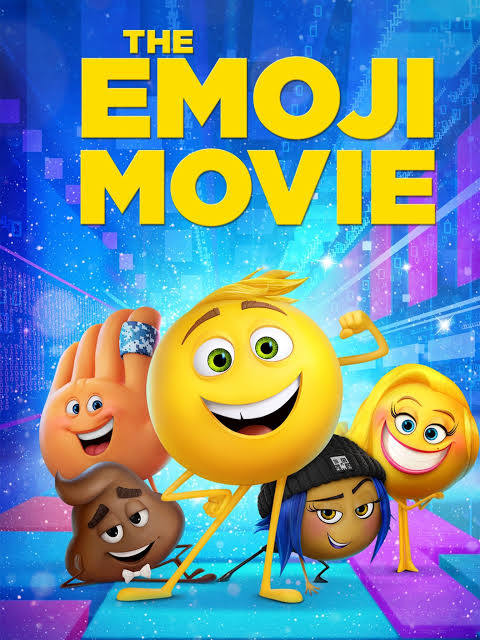
There’s an even worse example, but I refuse to name it ಠ_ರೃ
Faults and all, the early internet discourse, before things were suddenly “racist” out of nowhere is what we need back. I don’t give a f[jingle]k if those forums are being used by 49-year-old Theodore Roosevelt Braga Salazar from Sao Luis or Henry Emilio Gustavo Sandoval from Quezon City; there was passion behind the topics discussed. Say what you will about it, they stayed on topic most of the time. It’s hard to filter out the weirdos.

