
A burgeoning franchise based on medieval Japan
Long time subscribers (and newcomers who’ve searched the archives) know how I feel about history and even Japanese history as a weeb. I’d been following this series by Yusei Matsui since the first chapter was licensed for English by Viz Media in late January of 2021. After three years, about 17 volumes (plus more to follow), an anime adaptation, and figures set for release sometime next year; of all the things that could’ve happened to this series, franchising was probably the last thing I expected even for promotional purposes. Then again, this isn’t the first series to get a boost in merchandise time of debut notwithstanding.
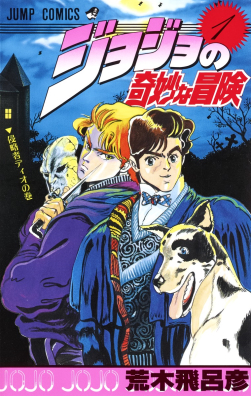
Save for the OVAs and the lost 2007 movie, 25 years is a hell of a wait for a proper adaptation.
I’ve already written about the time period Nige Jouzu no Wakagimi takes place in, but as a refresher and to catch newcomers up to speed: between 1180 and 1185 in the Genpei War between the Taira and Minamoto clans, the Minamoto won out and established the Kamakura shogunate in the namesake city of Kamakura where it would be under the de facto rule of the Hojo clan, a Minamoto ally by the 1330s. The retired Emperor Go-Daigo plotted with Hojo clan retainers, the Ashikaga, with the purpose of returning control of Japan from the shogunate to the imperial court.
Following these plans initially, the Ashikaga betrayed the Hojo and led a siege spearheaded by the Ashikaga brothers, Takauji and Tadayoshi, with the purpose of mass elimination of the Hojo clan.

Of course, they had retainers of their own, Ogasawara Sadamune, Ichikawa Sukefusa, Nitta Yoshisada, and several others who rally to the Ashikaga cause. All but one of the Hojo survives, Tokiyuki, who carries more value as the heir to the previous ruler or shikken Takatoki compared to his half-brother Kunitoki, whose mother was a concubine.
These people all did exist in Japanese records, but English-language sources are scarce and my Japanese isn’t proficient enough to try to search through the original sources to look more into their personal lives, but as a spoiler, Hojo Tokiyuki made it all the way to the 1350s running endlessly from the forces of Ashikaga Takauji, escaping until his eventual capture and execution by forces loyal to Ashikaga in the Spring of 1353.

As for Go-Daigo, well Ashikaga seemed to have used the opportunity to betray the Hojo to also betray the emperor. Paying lip service to the idea of a civilian-run government, Go-Daigo’s Kenmu Restoration as it’s known these days was short-lived and Ashikaga implemented the Ashikaga Shogunate in 1336 until it eventually collapsed during the Sengoku era, paving the way for the last shogunate, Tokugawa, until 1868. Never trust a traitor. Though the entire time of the Ashikaga’s brutal rise to power, there were technically two courts in the north and south of Japan which is why this era is also known as the Nanboku-cho period and why there are two sets of emperors whose claim to legitimacy is dubious.
I remember reading about the anime adaptation last year, prompting the first ever full-length post about it the day of. Now that it’s here, I can finally share my thoughts on the adaptation. Clover Works pulled out all the stops to bring this series to the small screen. I’m almost 26 and in all my years as a weeb, I’ve never seen a more beautifully animated piece of media, not even when Toonami pranked us years ago by showing the original dub of Masaaki Yuasa’s 2004 film Mind Game.

Some sore spots exist with the use of CGI in select scenes in the anime, but they don’t really do anything harmful to the overall plot of the series. I admit, I was worried slightly with how much attention other anime were getting around it especially with regular updates on Reddit, but then again, a single social media forum isn’t and shouldn’t be seen as the poster child for all discussion on media, least of all anime. Healthy discussion does exist, but with how big anime has become, I think it’s time for the medium to go back to its roots as showcased in late 90s-early 2000s discussions are concerned, namely, a small group of friends, enthusiasts and connoisseurs (with a strict member limit) who meet up and talk about the latest series and other anime news. Reddit and Twitter are cramping anime’s style, you know?
Following on from that point, if you want more evidence that social media is more curse than blessing, I made a discovery about seven or eight episodes in. I didn’t know this at the time, and I know better than to share misery, but in the first episode (spoilers again), there’s a scene where the chief of the Suwa Grand Shrine, Suwa Yorishige, pushes Tokiyuki off a cliff to join his family and be killed, when he shows his max experience in evasion and makes it back up the cliff, he flies into Suwa’s arms, and angrily tells him that he could’ve died down there. Though angrily in this context may not be what you imagine.
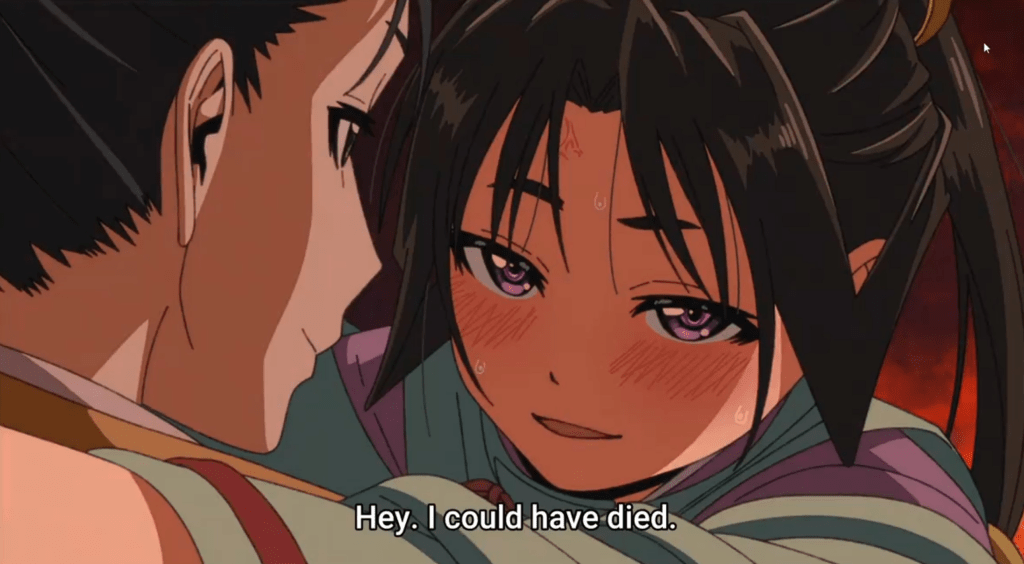
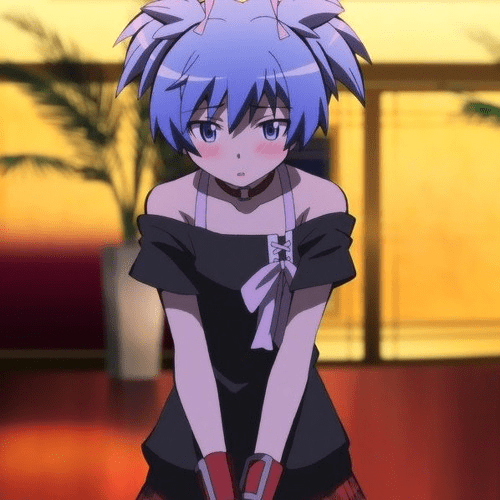
Matsui’s pride in femboy characters strikes again, as a disturbingly noticeable percentage of Japanese Twitter saw this scene and exploded with… excitement. I’m not responsible for this scene, but I still feel an apology is owed to someone. Maybe Shinzo Abe’s ghost for all of that excitement going into crumpled up tissues and not the rest of the population for procreation. Sorry, was that vulgar? Have a meme.
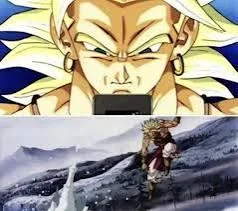
Pictured is my reaction to Japanese Twitter’s “awakening.”
Eh, it counts as engagement, so success? I’m still collecting and reading the manga, which I encourage you to do however you see fit. Follow along with the anime (which ends the 1st season at chapter 31), continue in the manga, or if you’ve done/are doing that, then wait with me for the figures to release. Time’s on our side.
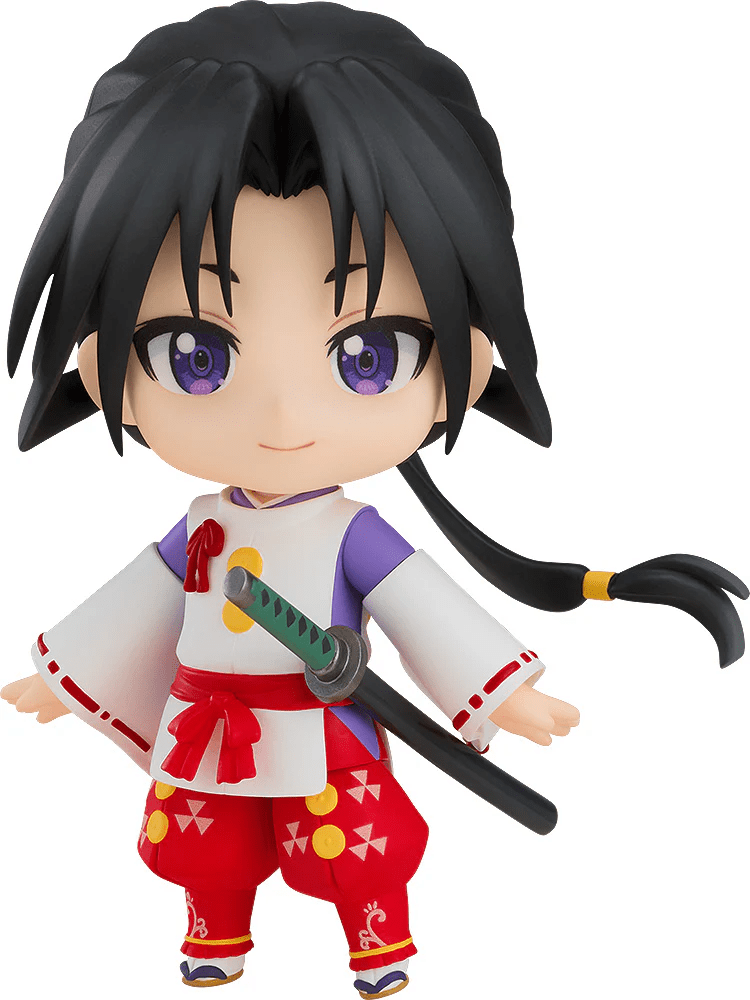
On a final note, I heard rumors that a second longer season was in the works. We’ll have to wait for confirmation on that.



 Opinions on Entertainment