The title of this post is meant to have two purposes: to highlight how media can become lost and the modern era’s means of recovering lost media. There isn’t always a perfect method to prevent lost media nor is there a perfect means to recover lost media without sacrifice to the media in question. I’ve faced this problem personally while gaming and emulating games, but I’ll get to that soon.
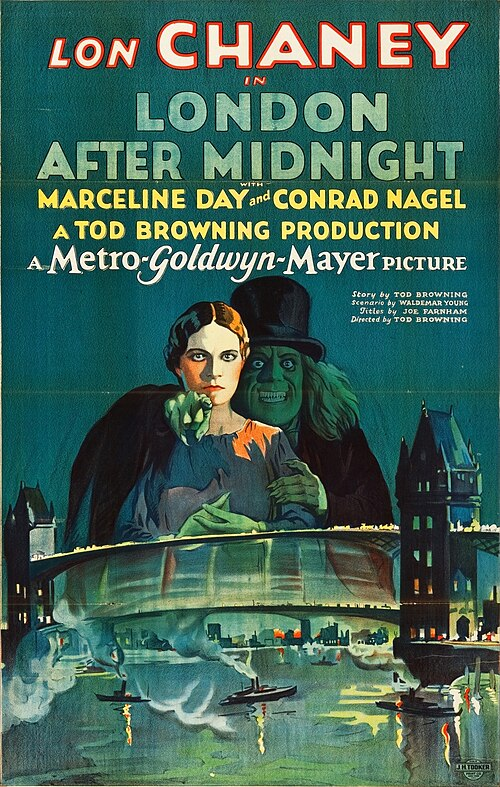
A brief overview of lost media is any piece of media whose preservation methods were either nonexistent or severely compromised to the point that part, most or the entire medium is effectively ruined or destroyed. Surviving copies can’t be located or recovered because they either don’t exist or sometimes won’t be released publicly, even after the copyright expires or the original author dies. For the longest time for obvious reasons, this has mostly applied to film, like so:
This film was released in 1927. It was kept in the MGM vault for decades until all surviving copies were destroyed in the 1965 vault fire. As of this writing, it only survives in posters like this and surviving still shots.
Yet as time has progressed, more and more forms of media have been created, to include video games which can also become vulnerable to media destruction. In one extreme case, Adobe Flash.
Five years have passed and I still miss it.
This critical piece of software was launched in November 1996 and has formed an important cultural touchstone on the internet ever since. Countless creators, new and veteran, have used it to make everything from videos to short films to even video games. There used to be countless flash games and even websites hosting those games. They were inescapable, until Adobe ceased support for the software on New Year’s Eve 2020.
A not insignificant portion of these games couldn’t be saved and are thus forever lost outside of admittedly s[dial-up]ty videos recorded in 144P in 2007. Yeah, they were hard to look at and aged really terribly, but having aged media is better than having no media. It shows the technological progress between, say, VHS tapes and Blu-Ray discs.
The crux in the custard I’m getting to is that efforts to preserve media have been undertaken for over a century, and while not perfect, as an advocate of piracy and emulation, I also advocate the preservation and, by extension, re-release of old media in as many forms as possible, especially when the format in question begins to deteriorate due to age. My grandmother clung tightly to old VHS tapes and while they may have been endlessly playable in 2005 for example, they had problems at the time and have considerably gotten worse since. Same for all the old floppy disks she never threw away.
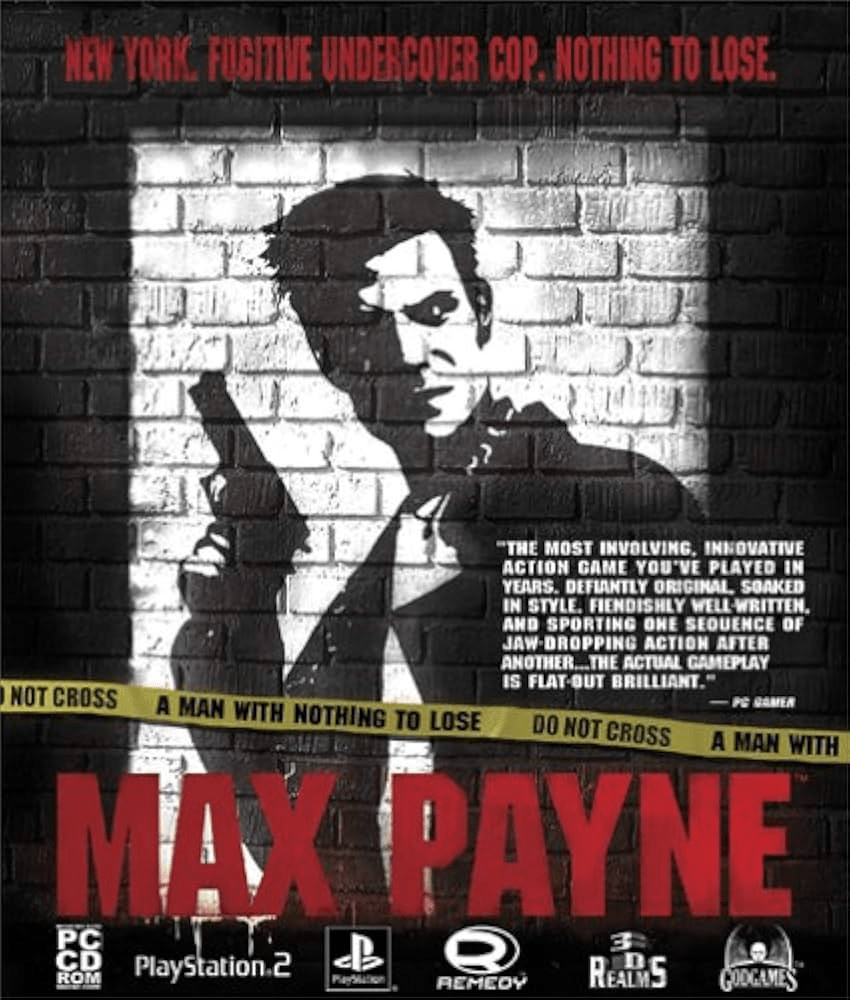
In my documented experience on this blog, in order of difficulty from easiest to find to Raiders of the Lost Ark, video games have been fairly easier compared to movies. And movies are still easier to search up compared to TV series. I say fairly and not absolutely because digital stores like Steam and Epic Games Store have delisted video games before and will nonetheless do so again for a variety of reasons. MMORPGs are most vulnerable to destruction when the devs can no longer support the servers due to something like acquisition, shutdown, or “cost-cutting measures.” That last one is less excusable because video games haven’t had a better time to be profitable than the modern day. You can pick your favorite examples of this, but my pick for one of the best-selling video games ever goes to:
Once RockStar realized this game s[gunshots]ts platinum, it hasn’t turned the faucets off ever since. Notice the gap in time between this and Red Dead Redemption 2.
Time and tech is another factor for this. Games released on arcade cabinets or 16- and 32-bit consoles are merely a collection of pixels and a third party emulator is seldom needed. In some cases, they function the same as a browser game. Sixth-generation video games do require a third party emulator but I’ve yet to face any problems downloading them. Just needed to make space. Seventh-generation has proven the most difficult to emulate. On average a PS2 game can be downloaded to PCSX2, for instance, in several minutes to an hour or two, but PS3 and Xbox 360 games can take double or triple that, especially with a spotty connection. Maybe a signal booster would help, but the area of El Paso is surrounded by mountains, so the servers in this part of the country may be considerably weaker than more densely populated areas. Testing this out myself would cost me money and resources I don’t have.
I made mention at the end of the last post that I was planning on posting in the future a comparison of three underappreciated 2012 video games that tackled corruption in different aspects, one of those being Yager Development’s Spec Ops: The Line. Unfortunately, I couldn’t find a store front that was carrying the PC release as it had been delisted ages ago. I’ll elaborate on that in the post, but in order to play it, I had to download a console version for four hours.
This is what I mean when I say it’s important to preserve as much media as we can. Spec Ops: The Line was one such example of a hard to find piece of media. I was worried it was only available in YouTube playthroughs from years ago, but digital libraries keeping the files available online were a godsend for this endeavor. For other games, this isn’t going to be the case. All traces of the game in question could be lost forever.
This wasn’t the sole inspiration for this post. Actually, region-locking of movies was the inspiration, but with the Stop Killing Games initiative going viral, I might as well include it here.
Going back to MMORPGs and similar online games, if a developer goes under or gets eaten by another dev, it’s not their fault if their efforts to stay afloat don’t work. And as I said earlier, the argument of keeping the servers up is too expensive faceplants epically when video games continuously make tons of money.
Although not the original victim of media destruction, the earliest films were most vulnerable to it due to attitudes towards them since inception. A lot of the first examples from the late 19th century were admittedly glorified experiments consisting of multiple still shots giving the illusion of a picture moving independently, but these early examples helped to perfect the craft. Science yesterday, artform today. But a lot of these old films were made with hazardous materials, notably cellulose nitrate. It could catch fire easily and long before the marriage between sound and sight, many of the silent films of a century-plus ago can no longer be recovered. At first, the reasons for preservation were balked at, but efforts to try and preserve it have been made. I consider the zenith of home releases to be the VHS and succeeding DVD-Video eras as both formats have re-released tons of TV and movies with estimates in the hundreds of thousands.
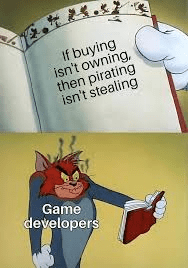
Then we progressed to digital streaming after some time and my main concern with that has to do with licensing and even region locking. If the license expires, you might find yourself unable to view the series you paid for. And if you move from one region to another, you might have to invest in a VPN to see the series you paid for. In a more perfect world, this wouldn’t be the case, but now that buying is no longer owning, piracy is no longer theft.
I do make some concessions with this. I don’t pirate modern games because of the risk of anti-piracy software. Some of the games I do pirate are from dead developers.
No matter the form media takes, it’s always important to save it for the archives. Allow future generations to be able to engage with it, even if it hasn’t aged well graphically. Ed Boon may be perpetually embarassed by Mortal Kombat: Special Forces, but it’s not like nothing was learned from that. Yesterday’s mistakes make for tomorrow’s masterpieces.
I’m still in the process of drafting up that comparison between Max Payne 3, Sleeping Dogs, and Spec Ops: The Line, but I want to preface that with a review on Spec Ops: The Line first. Now that I’m able to play it on RPCS3, I’m in a better position to give my thoughts on more than just its plot.
I rearranged my notes for this, and for once in two years, I’m glad I did
It’s been dog’s years since I rearranged my notes to get to topics I thought would take me longer to complete than normal. Work has had me begging for relief of some kind (more than I can get from a dakimakura or a viewing of my favorite anime):
Unsurprisingly, this is the only SFW version of this I could find.
And outside of The Saga of Lady Rias and Straw Hat Pirate Crusade, I’ve been busy playing a series of games I’ve played before for old time’s sake, and also for some analysis of gameplay and plot details. Additionally, this is going to be a series of posts spanning three weeks, so I’m going to cover the Max Payne series, this week; the 3D era Mortal Kombat games next week, (excluding Shaolin Monks having covered that before); and the HD Mortal Kombat games the week after that. I haven’t gotten through the HD games yet partly because MK9 doesn’t run as well on RPCS3, and it would take a while to grab my PS3 from back home and some of its corresponding games, but this was a quicker and less expensive process. Off topic: American Airlines upsets me greatly.
You may know this as my favorite video game series of all time from this post, but if you’re just joining us, Max Payne holds a special place in my heart. Although it was a culmination of gun-fu cinema that began in the early 1990s, it did wonders to popularize bullet time as a gameplay mechanic helped up by the likes of Hard Boiled and The Matrix. Narratively, the entire series is baked with the type of writing prose that would make The Bard even slightly jealous.
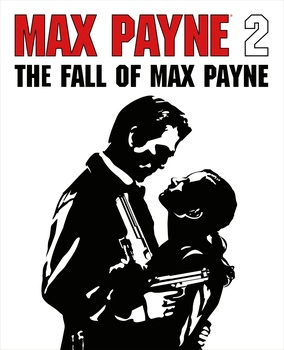
Conjured in a laboratory deep in the recesses of Remedy Entertainment with Sam Lake as its prime director, writer, and face model, the series contains three games all with contemporary settings: Max Payne released in July 2001 set in a brutal winter that may remind some New Yorkers of the city’s worst blizzards; Max Payne 2: The Fall of Max Payne released in October 2003, focusing more on the psychological horror elements; Max Payne 3, doing something completely different by putting it’s titular character in São Paulo, but following some of the same narrative story beats that he’s been through before. So the more things changed, the more they stayed the same… at least on the surface.
This is going to be a spoiler heavy post, but considering I’ve played through the series at least four times before, it goes to show the replayability of the games while also adding in some criticism of the games that I omitted from the first time I wrote about the series.
They were all dead. The final gunshot was an exclamation mark to all that had led to this point. I released my finger from the trigger, and then it was over.
Following a trend that would define select games of the 2000s, Max Payne begins with establishing shot of then-current NYPD-colored vehicles answering to a distress call at the fictional Aesir Plaza. Shots fired/firearm discharges, malicious destruction of public property, numerous charges of manslaughter, and a man who became public enemy number 1 in a New York Minute. Beginning at the end, it works its way back through the narration told in a graphic novel style. NYPD Detective Max Payne in 1998 is offered an accession to the Drug Enforcement Administration by Agent Alex Balder. Max declines and puts away what he promises is his final cigarette for the sake of his infant daughter, Rose’s, health. The offer is still there as Max heads back to his New Jersey home where his family would be.
Unbeknownst to him, his wife, Michelle, and their newborn daughter would be victims of a disgusting drug experiment. The first thing to pop out at Max aside from the dead silence is a tag in the parlor of the house: a V with a syringe running through it like the sword in the Adventure Time logo: the central plot device behind the game, a designer drug known as Valkyr. Next to that, the phone rings and a raspy-voiced woman coldly asks Max to confirm that this is indeed the Payne residence, while he fails to convince her to phone the police. Now that she knows this is Max’s house, she hangs up and leaves him to discover the American Dream being torn to shreds in no time. His loved ones brutally slaughtered by junkies in his own home, Max avenges their deaths there and after the funeral expenses, transfers to the DEA under Balder’s supervision.
Three years of undercover work in the Punchinello family reveal them as the main suppliers of Valkyr by February of 2001. With fellow agent, B.B., Max and Balder are summoned to Roscoe Street Subway Station and are nearly gunned down by the same mobsters in an elaborate robbery through a web of tunnels connecting to a bank where Aesir Corporation bonds are being housed. Max pushes through, though, and stops the in-progress robbery, meeting Balder in the process. Unfortunately for Max, an assassin nails Balder in the head before he’s able to reveal a critical piece of evidence, and to make things worse for Max, with him as the last one to see Agent Balder alive, the NYPD finger him as the prime suspect, so he now has to evade the law while going on his next mission: taking the fight to underboss Jack Lupino himself.
The intricacies and complexities of Mafia hierarchy makes Lupino the second most untouchable man in the underworld, which was what Max expected. Fighting his way through several key figures at a mob-run brothel, Max picks up crucial evidence to clue him in to the wider plot at large. One of these pieces concerns a hooker named Candy Dawn selling sex tapes as blackmail material; the other is the office of Lupino’s lieutenant, Vinnie Gognitti.
An icy rooftop chase leads to Vinnie getting cornered and confessing under duress the location of his boss, who, to put it lightly, has gone mad. “Don’t get high on your own supply” exists for a reason and Lupino is patient zero for why you should never do that. One too many Valkyr injections and the entire Prose Edda sits where his brain should be. Notes collected prior to arriving at his club hint at the frustrations and concerns levied at him at all levels, but Lupino’s lunacy drowned it all out. Taking residence in an occult club, the Ragna Rock, Max explores the gothic revival building in search of the man he believes is responsible for his pain.
You can’t blame Max for pumping Lupino full of lead after their death-defying battle when he squawks at you like this:
Channel: Adddicteddd
Knowing damn well the dangers of Valkyr, Max did to him what law enforcement did to Bonnie and Clyde, the best replica of human Swiss cheese, until hitwoman Mona Sax waltzes in to reveal that Lupino wasn’t even in the right state of mind to try to frame Max for anything, let alone the death of Alex Balder. The real prize lies with the Punchinello family don, Angelo. Lupino was simply a [mad] middleman.
Max can’t refute her claims, but doesn’t. Instead, the only thing he can do is accept it as a lead to the truth. But before he can embark on the warpath to the don’s manor, Mona spikes his drink at the bar. The first of two run-ins with Valkyr puts him into a nightmare he was trying not to acknowledge. He was already living in one, so why put him in another. After that, he’s taken by the mob back to the same brothel he shot up and whacked several times in the head by Francesco “Frankie the Bat” Niagara.
Undefeated and undeterred, Max walks away from the slowest execution to exact revenge on the last of the Punchinello mob, picking up more evidence along the way of the rest of his enemies in the process. Once the Bat is broken in twain, Russian mobster, Vladimir Lem, appears with a deal he can’t refuse. He’s always wanted to say that!
Both men are after Punchinello, and Lem has the means to get him to the don if Max kills a turncoat at the harbor, Boris Dime. Accepting this offer before him, Max manages to anger Punchinello enough to set fire to his own restaurant in an elaborate way to get rid of Max, but the deficit wasn’t worth it when Lem circled back around to pick Max up and drop him off at the manor. Gun-kwon-do ensues and brings Max to the desk of Angelo Punchinello himself.
Crying and begging for a chance to explain himself before the installation of a new ventilation system, the evidence he’s searching for kills him in his own home under the command of the real villain of the game: Aesir Corp. President Nicole Horne. The ruthless, avaricious killer in the midst; the destroyer of Max’s life and livelihood; the one who arguably set the entire series off to begin with. Her lapdogs gun down the mob boss and torture Max with a worse dosage of Valkyr where things get too real for a moment.
Channel: YianKutHexy
The nightmare subsides and he gets his next lead: Cold Steel. A steel mill hiding an abandoned military bunker where the source of Valkyr was found. Stumbling upon Gulf War-era archives, Max makes the same discovery that got his wife and daughter killed three years ago. Following the first of many of Saddam’s Ls, US troops came home with a mysterious illness that today is known only as Gulf War syndrome. Seeing it as a lack of morale, the US government spearheaded a project based on Norse mythology in mid-1991 to invent a drug that would turn our warfighters into war machines.
Four years later, the project was halted due to observations of habit-forming properties and behavior, but being the main benefactor behind the project, Horne was dead set on getting her investment’s worth. Unauthorized, the project was rebooted through dark means and motives. Due to a data leak, Michelle discovered the ongoing project and was thus silenced in order to keep it secret. Horne hoped the junkies, the mob, and the rest of the city would put Max down for her, but proving tougher than a cockroach forced her hand.
Max had seen enough, he had more than enough motive to avenge Michelle and Rose, but there was another loose end to tie up: B.B. Putting the pieces all together, there was a reason he hadn’t seen B.B. since the Roscoe Street Station robbery. Another turncoat, he was also on Horne’s payroll and had been trying to get him killed on her dime. Max realized it late, but better late than never seeing as B.B.’s confirmation as a bent cop had grown irrelevant over the course of the game.
With him gone, Max was contacted by a secret society with deep ties to Horne, the Inner Circle, and its leader, Alfred Woden. The very man Candy Dawn was making sex tapes of for Horne to use as blackmail in revenge and to stop him from pursuing her further.
The amount of influence she had over him as well as the rest of NYC was impossible to measure or imagine, but seeing as she was able to cut the mob itself in on a deal and keep the Inner Circle from going public for years, leveraging their own sins against them, it was a dead ringer for why Max was the only candidate capable of stopping her. Which he does.
Max escapes the attempts on the Inner Circle’s life and heads straight to the Aesir Plaza where the final showdown commences. Numerous obstacles fail to stop Max from getting the revenge he was entitled to, and the fiery send off couldn’t feel any more appropriate, short of hand-delivering Horne to the devil personally.
Channel: KLB TV
His revenge complete, Max willingly surrenders to the NYPD confident that Woden would be a man of his word and bury the charges deep into the hole where his adversaries were sent. But this was merely the beginning of a cacophony of pain.
And we keep driving into the night It’s a late goodbye, such a late goodbye And we keep driving into the night, it’s a late goodbye
— Poets of the Fall
After the revenge fantasy of the last game, the conspiracies that were supposed to remain buried reemerged, this time with new faces. The complicated web Max found himself entangled in started to unravel.
This game takes place in medias res, in the aftermath of a mess Max had made for himself, but right before it resolves itself. Woden kept his word and put Max back at his old job, where a new case involving a series of contract killings, reveals an old face once thought dead before: Mona Sax.
The new love interest, she was last seen taking a bullet to the face at the end of the previous game, only for her “corpse” to vanish after a quick exchange of gunfire. She reappears, revealing her connection to the killings, and due to the conflict of interest, Max’s new partner, Valerie Winterson, takes him off the case and apprehends Mona for further questioning. Max is behaving unethically by choosing her over his job, but unbeknownst to him, Valerie herself is another conflict of interest. Being a lover of and enforcer for Vladimir Lem, he and Mona have both started up a feud, one that ties a third series of people Max has faced before: the Punchinellos.
Old enemies return, loyalties are challenged, and the cobweb breaks apart under intense scrutiny. This game, honestly, suffers under the weight of its own conspiracies, but makes up for it in small increments with more weapon variety and the changing of protagonist perspectives from Max to Mona in a couple of chapters. Mona doesn’t play any differently from Max, but is more long distance combat focused almost always seen with a sniper rifle than the armory Max keeps in his pants.
There may be one too many connecting elements in the second game, but the course of events shows its unraveling. No real friends this time around, seeing as you go from gunning after old enemies to helping them help you uncover the series of killings. And it all circles back to Vlad, his bratva connections, Valerie being his personal mole and mistress, and his pursuit of power in the Inner Circle.
Speaking of which, Alfred Woden’s still the leader of the Inner Circle and a sitting US Senator for New York, but a cancer diagnosis is what emboldens Vlad’s hostile takeover this time around, seeing as the old man would be physically unable to challenge Vlad, even personally. Well, thanks to Max’s tenacity in the face of it all, he puts a permanent end to Vladimir Lem once and for all.
Channel: iPhantom3D
The ending credits are supposed to be the original song Late Goodbye by Poets of the Fall, but they’re not included in the linked video. Here’s a separate link.
So I guess I became what they wanted me to be, a killer. Some rent-a-clown with a gun who puts holes in other bad guys. Well that’s what they had paid for, so in the end that’s what they got. Say what you want about Americans but we understand capitalism. You buy yourself a product and you get what you pay for, and these chumps had paid for some angry gringo without the sensibilities to know right from wrong. Here I was about to execute this poor bastard like some dime store angel of death and I realized they were correct, I wouldn’t know right from wrong if one of them was helping the poor and the other was banging my sister…
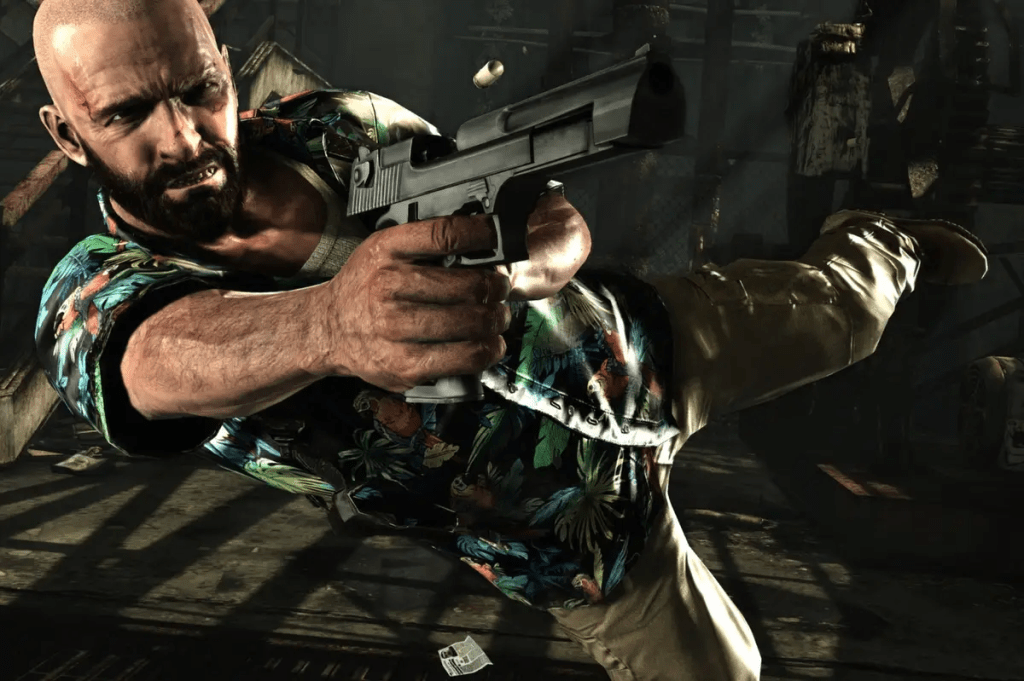
Cop work is no longer Max’s forte, but even in the final installment, his detective skills come as naturally as a footballer’s natural instincts to kick or block an incoming soccer ball. From playing it Bogart to letting the depression catch up to being done with the world, Max Payne 3 puts our favorite pill-popping, alcoholic in São Paulo, working a private security detail for a quasi-aristocratic entrepreneur family, the Brancos, who are routinely targeted by the local favela hoodlums among other honorable enemies.
Starting at a party for some of SP’s best and brightest, it’s quickly hijacked where Max and new partner, Raul Passos, spring into action to save their boss and his family from impending doom.
Targeted attacks against their boss, Rodrigo, and his trophy wife, Fabiana, were nothing new. The game and the wiki and some marketing material are evidence that they’ve been targeted many times before. This time, it gets worse, and clues in the game point to it being an inside job.
Fabiana was taken by the Comando Sombra gang during a party and the CS send a ransom demanding three million reais for the safe return of Fabiana at a football club after hours. Things go wrong when a rightwing paramilitary known as Crachá Preto ambush the two parties. Max and Passos fight their way out of the football stadium, tooth and nail, but no closer to getting Fabiana back home. In between the leads directing them to Fabiana and the Comando Sombra, the next chapter of the game shows what brought Max to Brazil and why.
It’s shown that Passos found him in a dive bar in Hoboken with the offer of a better paying job that would be a step above simple law enforcement, but the two are ambushed by New Jersey mob brats led by Tony DeMarco. In a crime of passion, Max guns the boy down and has to get through this dollar store posse of Jersey Shore rejects. Away from that, Max hears more about the private security sales pitch but is ambushed by real mobsters in the form of Tony’s father, Anthony Sr.
Back to the present, the impromptu investigation puts them on a boat on the Tiete River where the CS operate a large scale trafficking ring. Fabiana is confirmed to be alive, though suffering under their malice. The two try to close in on the CS and their leader, Serrano, but were outsmarted and outmatched, unable to recover Rodrigo’s wife.
A ruthless favela gang leader, Serrano was marketed as the top boss, but in later game production, and based on the clues, he’s one of several puppets in yet another grand conspiracy, the likes of which would rival any LATAM telenovela. It certainly has the drama of one and was definitely inspired by movies like Tropa de Elite and Cidade de Deus, in case you wanted to see what true police brutality, militarization, and corruption looked like. Incidentally, those two films are the main inspiration for Max Payne 3’s plot.
Back to it, the Crachá Preto make another appearance in this chapter, serving as the distraction to the main event: killing Rodrigo and bombing his office with the survivors inside. Crachá isn’t necessarily responsible for the flames, as their main grudge centers around Max. As for Fabiana’s fate, she was taken by Serrano’s ilk up to Nova Esperança favela, presumably to wring more money out of the remaining Brancos.
Max goes up once again to risk his life for this family he swore to protect, only to fail them once again. Fabiana gets killed shortly before the corrupt 55th Battalion of the Unidade de Forças Especiais conduct a regularly scheduled raid on the favela in search of some fresh meat. The death of the trophy wife reminds Max of another pair of women he failed to protect in the past. Flashback to a late and final goodbye at the Hoboken cemetery before darting off to protecting the rich from the filthy poors, and the mob miss their own opportunity to be rid of Max once and for all, though that wouldn’t matter seeing as how he’d be far and away from the mess to follow.
In the present, Max learns first hand that the brutality and corruption of São Paulo law enforcement firsthand, with the appearance of a PMC and the military discipline of an even more broken junta. Call it a hunch, but I wonder how much of the junta days still haunt Brazil to this day, same with other countries who’ve suffered under such circumstances. In any case, Max is witness once again to the cutthroat gangland violence, as the Brancos lose another son in Marcelo.
Max immediately kills Marcelo’s killer on the spot with his own machete. Fabiana’s sister, Giovanna, is all that remains and Max does succeed in getting her out of Dodge whilst avoiding the Crachá Preto, but is left behind by Passos who picks up Giovanna, pregnant with his child, and helicopters away. Meanwhile, Max is approached by a character we meet earlier in the game, Officer Wilson da Silva, an incorruptible cop and one of a handful in Brazil, all things considered. Da Silva was the one to give Max the names of most of the villains we’ve been introduced to.
He returns to question one of Max’s and Passos’ failures, a job in Panama, ferrying a rich New York divorcée, Daphne Bernstein. Remember when I mentioned that the plot is suggested to be an inside job? Funny enough, it’s not the first instance of one. The Panama job was a set up to get Bernstein and her peers maimed and robbed and use Max as a scapegoat for a botch job, but things go south when Max makes an attempt to be a good man and rescue his client from a rightwing Colombian death squad called the AUP. All in all, Max is only a stone’s throw away from deception.
The mother of all nightmares comes when it’s discovered that the UFE and Crachá Preto have a hand in an organ smuggling operation based out of an abandoned condemned hotel. The corruption runs deep and playing up the themes of corruption and loose ends, Max, for the third time in his life, finds himself at the forefront of a great scandal involving people he’s either supposed to protect or get protection from. This time, it’s wearing a green-yellow-navy blue flag, speaks Portuguese and is the third worst offender of police and military corruption and brutality, as well as being the home of several ratline users after the fall of the Nazi regime.
Serrano, gets a slight redemption, in that Max lets him kill the main surgeon responsible for the organ theft while he deals with the bigger fish, the Crachá Preto leader Álvaro Neves.
The penultimate arc puts him deep in the heart of the 55th Battalion of the UFE, their leaders, Armando Becker and Bachmeyer, and the main benefactor, Victor Branco, the middle child and rightwing politician using tragedy and scandalous donations to fund his struggling mayoral campaign. With Da Silva’s help, the villains behind this wicked plot are put to bed and Max lives out the rest of his retirement as a Brazilian resident of Bahia (or Americana if we wanna get creative), with his voice actor James McCaffrey losing the fight to cancer in December 2023.
James McCaffrey (1958-2023)
All an exciting plot, right? Well, there are criticisms especially of the second and third games to be addressed. Mechanically, an attempt to play the older games on modern hardware runs into problems that will leave Max stuck fighting the physics engine one too many times to count. I’ve gotten stuck on staircases and such trying to get through the first game. As for the second, no such problems, with even the bosses becoming more manageable than simply being tougher to kill in this instance; however, as I’ve said, there seems to be too much intrigue-ception going on. Makes Game of Thrones look like a Roald Dahl storybook due to the complexities–I retreated to the wiki pages to play catch ups.
Two cops in the same department on opposing sides have fugitive/criminal lovers who are getting each other’s way, one attempting to get to the bottom of the Cleaners’ case with the other feigning indifference to let her lover get away and finance his front companies off the corpse of the Mafia, facing an unkillable painkiller addicted cop. Is that a good summary? Do fish piss where they eat?
In my research, I heard that Max Payne 2 was a flop, which contradicts to the praise it gets nowadays with most considering it to be better than the final installment. For what it’s worth, I say that the themes don’t change even if the language does. To defend Max Payne 3, it was a technical marvel, a RockStar Games brainchild featuring many of the minor details and aspects that would bring the following year’s Grand Theft Auto V to its lofty heights for the next decade. Weapons that flow from gameplay to cutscene and vice versa; different exiting messages when you click/press the Exit Game button; some avoidable fire fights; an added focus on bullet camera; an added cover system; and a more realistic arsenal that the player can pick and choose from over the course of the game as opposed to merely picking from an invisible weapon statistic to choose from the numerous weapons you run into in the game. This video linked below shows this in action:
Channel: o Knightz o
2012 in video games was stacked with heavy hitters like Halo 4, Borderlands, Diablo and others overshadowing the game’s release with the previous years’ series still dominating the landscape while the succeeding year’s game release window made for incredible hype, and I was not immune to this. GTA 5 being around the corner and my at-the-time lack of then-current gen hardware meant that I would have to experience the Max Payne series later than normal, but like all those who discovered Avatar: The Last Airbender due to Netflix acquiring the series for streaming in 2020, better late than never. Now we can all enjoy things at our own pace.
If you stuck it out for this long and drawn-out plot summary of a whole series, this is a full-on recommendation of the series as are most of the entries in this blog. Apologies if it was too long or there weren’t enough (or somehow too many) paragraph breaks. For the next series of games to cover, I’m gonna shorten as much as possible.
These days, you can only play these by way of an emulator, but based on my experience, it’s worth the effort and unlike an emulator of a 7th generation console, these all run as smoothly as possible so long as you don’t nitpick too hard.
With more time and care, these could’ve helped the old games
This post was originally supposed to be about different archetypes in anime, though I’m delaying that to sometime in December as I don’t yet have enough research to discuss those in full detail. This week, however, I’ll bring up something that has crossed my mind before, but not with enough frequency to expand upon: forgotten plot points from the 3D Mortal Kombat universe.
The original idea came from a MojoPlays video that I couldn’t f[head rip]king find until a few minutes before writing this because I misremembered the title. Abandoned Story Threads instead of Forgotten Plot Points; potato, potahto. Either way, the video can be viewed on the MojoPlays channel through the link below.
Credit: MojoPlays
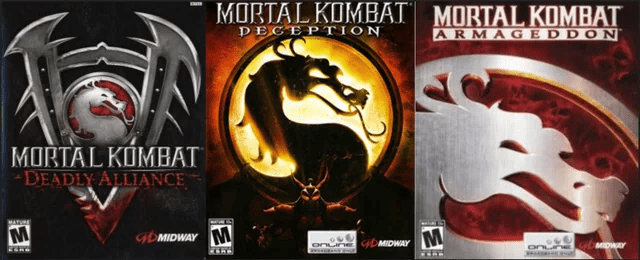
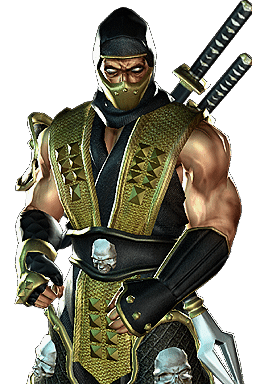
The gist of the video is that throughout the series, the Mortal Kombat games have introduced plot points that were about to heat up only for the devs to go in a different direction. With over 30 years out on the market, you’ve got your pick of the litter to choose from. For this week, it’s the 3D games from MK Deadly Alliance to Armageddon. Here’s the f[scream of pain]king short version: starting with Deadly Alliance, Quan Chi escaped from a fiery ass-whoopin’ at Scorpion’s hands, discovering the Dragon King’s “undefeatable” army in the process and bringing these mummified warriors to Shang Tsung where they formed a bond based on ignorance.
Context:
Channel: Kamidogu
After the Deadly Alliance is formed, they remove all obstacles that would block them from ruling all existence. Not happy sucking up to Shao Kahn for millennia, they kill him in his throne room then make their way to the Wu Shi Academy where Shang Tsung finally gets to consume the soul of the greatest warrior in Mortal Kombat History: The Great Kung Lao I mean, Liu Kang!
OGs can’t be beat!
So with Liu Kang and Shao Kahn dead, they operate a tournament under false pretenses in Outworld and use the defeated to return the mummified army to life with the goal of marching on Earthrealm with malicious intent. Raiden saw this from the heavens and organized the remaining warriors across the realms to stop them. Fun fact, you can find archived websites and forums debating the plot points of then-upcoming games, like this website MKSecrets.net, which for some reason still looks like it was made in 2001 even though it has details on MK1 (2023)… I thought that was most Japanese websites…?
Anyway, MK: Deception picks up from the premise of Deadly Alliance only the sorcerers were too powerful for all of the warriors (could’ve probably sent them all as a group, but MK9 proves that that wouldn’t have helped much) and so at his wits end, Raiden challenges them himself. Not even a thunder god could defeat the sorcerers and realizing that their goals were nearly complete, what was left was the amulet Quan Chi stole from Shinnok in MK4. He hangs onto it defeating Shang Tsung in the process, only to have Onaga reborn (hinted at from Reptile’s ending in the last game) and return to reclaim the army that the sorcerers so generously returned to life with the souls of conquered fighters.
All three men realize that danger was marching towards them and while they managed to temporarily hold them back, Raiden uses a last ditch attack on the Dragon King. It failed to even scratch him and he grabs a hold of the amulet which will be needed to form the six Kamidogu into a single entity.
Channel: MKIceAndFire
As for how Onaga acquired the Kamidogu, well it involved tricking a young boy named Shujinko and leading him across reality by the nose for 40 years. If this game were canon, that would’ve come back to bite Onaga in the ass, only for Shujinko’s efforts to go unrecognized as redemption and still get punished by a Dark Raiden. This will become important later.
Shaolin Monks was a bit of a beat ’em up remake of MKII (kinda) and I’d already talked about that before, so we’re skipping it considering it has nothing to do with the 3D trilogy anyway.
Armageddon was supposed to cap it all off and the more I’ve thought about it, the more it felt like a final send off before Midway got the crappy ideas out of the way in time to file for Chapter 11 bankruptcy in 2010.
Let’s not be too harsh though, it did help pave the way for the Injustice line.
Story-wise, the protector god of Edenia, Argus, is made aware that between the actions of the sorcerers and Shujinko being duped for that long, the warriors of the realms were learning more about the construction of the realms than the Elder Gods would be comfortable with and proposed to Argus to come up with a solution. He suggested total annihilation to protect the realms from their own residents, but his wife Delia suggested depowering them all since there were many heroes who fought tooth and nail to defend the realms from evil, not the least of which was Shao Kahn and Shinnok (whom we learn later was banished to the Netherrealm for eternity for treachery, leaving Quan Chi to do the heavy lifting through the Brotherhood of Shadow).
They’re granted the power to do this and choose to do so by making a competition of things for their sons Taven and Daegon. If things went to plan, the two men would engage in a friendly competition, grab their weapons and armor and race to defeat their mother’s firespawn (half-brother?) Blaze to achieve full godhood as both of them are demigods. In reality, the two brothers, under the watchful eye of a pair of dragons, Orin and Caro, are set on a different path. Caro, who was the guardian dragon of Daegon, lost contact with Blaze believing it to be an early sign to set him on his path. Instead, Daegon forms the Red Dragon clan in Caro’s name and signs off on unethical science experiments for the purpose of choking existence into coughing Blaze up. The way its presented makes me think of Unit 731 in Manchuria and its surgeon general Shiro Ishii. If you don’t know, look it up at your own peril.
This makes Daegon the antagonist of the Konquest mode and through no fault of his own Taven loses sight of the purpose of his quest. And his frustration and confusion at this whole course of events is best reflected at the several times he’s questioned and even considered abandoning ship. The quest stopped being fun for him as he lost the things he cherished. Blaze appeared at the end to catch him up to at least what the true purpose of the quest was and Taven is a hero if we compare him to the Ancient Greek model similar to Perseus or Theseus. Self-serving at times, but the guy still knows the difference between good and evil. Daegon’s descent into evil seems random until he learned that he was supposed to lose the quest and decided to take matters into his own hands, hence the birth of the Red Dragon.
Dropped and abandoned plot points are still a problem for the series as it’s developed a reputation for introducing points and leaving them to collect dust. We barely get five minutes with the concept before the devs (read: Ed Boon and John Tobias) moved onto something else. You could say the fandom is also to blame for this as dedicated fans have asked (demanded) the team to release canonically deceased characters as DLC, but staying with the 3D games where the problem expanded, there’s more to say about it during this era than anywhere else in the series.
Starting with Deadly Alliance, Shao Kahn was established to be killed in the intro to this game, with Deception and Shujinko’s story acting as a prequel taking place some years before the events of Deadly Alliance where it all converges. Shujinko himself was invited twice by the White Lotus Society and later by Shang Tsung himself to represent Earthrealm in the tournament but couldn’t attend for different reasons. The White Lotus got tired of waiting for him to power up (never mind that the tournament is hosted every 50 years) and due to his cleansing journey with Nightwolf, he had to go back to the Netherrealm to gather more hatred, from none other than the ghost of Hanzo Hasashi.
This part doesn’t necessarily screw around with the timeline as egregiously as following plot points, but Armageddon is where it all breaks down. Canonically dead characters are resurrected off-screen and based on what we know we can connect the dots, but often the devs are a bit cagey when it comes to showing how, who and/or why characters are returned to life. The 2011 continuity shows that Quan Chi has brought Noob and Sindel back to life and claimed the souls of those killed by Sindel herself in the eleventh hour, but it’s not shown whether he brought Shao Kahn back to life or if he did why he’d do so, or even why the rest of the villains would agree to this arrangement.
Channel: BruskPoet
I’m not saying this moment in the story is bad, I like it a lot. But the nonexistent explanation for how all this can come to be is what sours me on it somewhat. I’d say there’s no care for a consistent timeline especially in a fighting game (something that doesn’t escape Tekken), but I think it’s more along the lines of the devs wanting their personal favorites to shine brighter than the others, which is why the franchise works better as video games and toy lines than it does movies.
Most of the time…
For what it’s worth, the characters have been mostly consistent with a few touch ups here and there, but if you ask people like The4thSnake, there’s a lot under the hood that could use some light to heavy rewiring from individual characters to whole ass f[swords clashing]king plot points, like what I’ve been writing about here. I’m a bit torn personally, because it brings a charm not found in other series, but this many plot holes treats the timeline like a redheaded step child. Doesn’t stop people from trying, as I’ve stated before, I rewrote MK: Shaolin Monks myself like it was Dragon Ball as that was what I was watching at the time.
Why bother with the 3D games, though? Well, of all the plot points introduced and left by the wayside, the 3D games did it the most and the worst of any other era, which seems to be the result of developmental inconsistencies prior to release on store shelves. It certainly hasn’t stopped people from trying though and it likely will keep going for as long as there is a Mortal Kombat to fix. Nothing too serious at this point, but it’s both fun to expand on what was and offer critique for one of the series most tumultuous times in its history.
Normally, my blog posts tend to shed light on the obscure, the niche, the hardly known or talked about entertainment products that probably have only two “articles” dedicated to them, and by articles I mean something along the lines of a vague Wikipedia article or a social media post. This time, I want to talk about something that grabs headlines every holiday season and has done so reliably since around 2007.
What brought about a post like this? Well, in another episode of Piracy is the Best Policy, I emulated the PC version of Call of Duty: Black Ops for old times’ sake. I played it and its sequels yonks ago on console and I kept going back to gameplay of the mission where US Navy and Marines patrol the Mekong in the dead of night to the Rolling Stones so I thought I’d hype myself up. During gameplay, I realized a lot of things that caught my eye having briefly been a part of US Army basic training. Wrong uniforms, anachronistic weaponry, and confusion of the military branches were some of the worst headscratchers, but looking at the plot it reminded me of this article and subsequent video by WatchMojo.com about confusing video game plotlines.
Disclaimer: the video and article are both from mid 2015 and Black Ops was saved for an Honorable Mention, but all things considered, I think it still holds up even if the game specifically isn’t mentioned. So for a recap, the plot of Black Ops is that Marine officer and CIA Operative Alex Mason is being interrogated by unknown entities in the late 1960s about his extensive service record in the clandestine government office.
His prime objective in Black Ops is to thwart an incoming Soviet threat, but due to Soviet mind games involving a mysterious sequence of numbers, he gets turned around each time. Faulty intelligence in Vietnam, a failed assassination in Cuba (one of hundreds), brainwashing programs in a Russian prison, and a series of mounting catastrophes approaching the US motivate the CIA’s actions throughout the 1960s.
From that description alone, you’d get the impression that the espionage angle is front and center, but one thing the CoD franchise didn’t realize until the 2020 reboot was that there’s more to espionage than donning a uniform. Studying the target areas, polyglotism, and mirroring the customs and cultures of an area all go to that, but what Black Ops lacked was any use of gadgets. Concealed cameras, hidden compartments, hidden weapons, and other such gizmos were all a part of an operative’s arsenal and unless they were going to a warzone, operatives were casually dressed. You only ever get that in the first mission of the game. The rest of the time, it’s an Olympic swimming pool of action and adrenaline.
Not the first time something like this would be used as a slight against CoD. Modern Warfare 2 walked through a controversy concerning the “No Russian” mission.
A jumping the shark moment in the series, some argued that violence was hitting too close to home — keep in mind, that the annoyances of post-9/11 aviation and air safety were fresh. 9/11 internet memes would be years away. Others claimed that CoD could’ve and should’ve done better to shock the public if they were going for a gut punch. Speaking of which, the terrorist attack on London in Modern Warfare 3 was also seen by some as one of several ridiculous moments in that game.
To my knowledge, the plot of Black Ops II didn’t have many controversies from the media or the audience, but there was one from Zero Punctuation, notably about most of the good guys being white Americans in contrast to the predominantly Latino villains. Personally, this criticism holds some water, but not a lot. Admittedly, there’d be more mileage in the decision to interrogate a terrorist on an aircraft carrier while said terrorist hacks into the ship’s computer and turns its weapons on civilian targets. It’s also worth noting that this terrorist was personally connected to the protagonist Navy SEAL David Mason, Alex Mason’s son. My knowledge is limited on this, but since he surrendered to the Navy here, shouldn’t the NCIS have performed an investigation on him or something? I know in the campaign he asks for David personally, but why would the Navy honor that request? Seems like a lapse in judgment, developer ignorance, or both.
Well, all was well and good for CoD until the release of 2013’s Ghosts after which everyone who held a grudge against the franchise lobbied their complaints to any passerby who’d listen. The games after that would focus on a futuristic element until massive backlash to 2016’s Infinite Warfare, coupled with a “gun to head” marketing tactic of tacking a MW remaster to the reviled game caused Activision-Blizzard to focus on 2017’s World War II roots in a callback to the franchise’s beginnings in the early 2000s.
Was this a good move? Well, Black Ops 4 the following year would make it seem like a one off until Modern Warfare was fully rebooted in 2019 while Black Ops Cold War put more emphasis on the espionage in juxtaposition with the standard military campaign. Matter of fact, the lack of juxtaposition was a valid criticism Zero Punctuation had against Black Ops in 2010. You know a game is nuts when an earlier game has more stealth missions than the game built around clandestine operations.
As I was playing my pirated version of Black Ops, I kept finding all the stuff that would turn off anyone who’s served in the military or even military historians, the uniforms and anachronistic weapons being one of them. Also the overloaded action as noted by Yahtzee Croshaw led me to an old video on the CoD franchise and one pivotal moment in the franchise’s history came from the development side.
In the middle of the development of Modern Warfare 2009, Infinity Ward founders Jason West and Vincent Zampella were booted for conflicts of interest and insubordination. These vague accusations have never been elaborated on as of this writing, but according to the video, Activision-Blizzard CEO Bobby Kotick reneged on a promise to divvy up the revenue generated by Modern Warfare 2, leading to a mass resignation soon after.
In the end, West and Zampella settled the matter out of court in 2012 for an undisclosed amount of money. Whether this had a direct influence on the series for the next decade until Modern Warfare 2019, I can’t say with confidence, but indirectly it opened the door to industry-wide wage theft and abuse in this medium. Coincidentally, the controversy surrounding the working conditions at Team Bondi, the Australian developer of L.A. Noire, were made public by former employees, including those who never saw the game through to its end, and what is known of the fallout between Infinity Ward and Activision was enhanced by the studio-wide mismanagement of Team Bondi, and their subsequent bankruptcy. All the punishing work to make one game, nothing to show for it, and worst of all it didn’t live up to its hype, forever designating it to cult classic status.
Team Bondi and L.A. Noire is an extreme example, but it’s nowhere near unheard of. Any old Google search will reveal a plethora of games that were victims of meddling from publishers, tyrannical studio heads, unreasonable hours, or anything else known to hinder development, even to the point of cancellation. Former Escapist Magazine journalist Jim Sterling has multiple videos detailing the industry-wide abuses, and they’ve made Bobby Kotick a feature on their show, The Jimquisition.
Being relatively late to the CoD scene, I wouldn’t have known about this otherwise but most fans didn’t pay much attention to the legal troubles or several canceled video games due in part or in whole because of the Infinity Ward fallout, but it’s worth noting the narrative differences between them and the devs of Modern Warfare 3, Sledgehammer Games. Across the trilogy, the spectacle of the games crosses over into cartoonish levels of action to the point where it might as well be a parody, like In the Army Now pretending to be Saving Private Ryan but wound up like The Hurt Locker. If you don’t know, the veteran and military communities hate The Hurt Locker for many reasons.
For what it’s worth, CoD is at least trying to refine its story campaign even if the hardcore demographic is stuck in multiplayer scoring killstreaks with death machine or UAVs, but personally I think the Modern Warfare and Black Ops reboots are doing a good job with the juxtaposition. It remains to be seen if Modern Warfare III can continue that trend. If so, great. If not, then the best we’ve got is the upcoming Six Days in Fallujah which as of writing is in early access. And one day I’ll play all of these, ideally after buying them and installing them on a disk drive larger than two terabytes.
This week’s recommended channel is TrueUnderDawgGaming.
This channel is dedicated to news, lore, updates, and everything else concerning fighting games, most notably the Mortal Kombat franchise. With Mortal Kombat 1 releasing in the next month, TrueUnderDawgGaming and other such YouTubers have been keeping tabs on the upcoming characters for the game, making individual videos on the characters and their updated appearances as Ed Boon and NetherRealm Studios put the finishing touches on the game.
The channel’s runner is very familiar with the 3D Mortal Kombat era as well, with videos on select characters or even events from those games and showcasing move sets of characters from this era as well. Die hard MK fan? Fighting game enthusiast? Looking for fighting games to try out and learn about? Look no further than TrueUnderDawgGaming.
By the way, I have a surprise coming up. Between the time of this posting and next week’s topics, I’m going to post an update on a manga returning after August 21. Those of you who’ve been keeping up with the series may know what I’m talking about, but for those looking for a sneak peek, look to the post from July 28.
Here at Opinions on Entertainment, I’ve made clear where I stand on several forms of media, most notably video games. One of my earliest blogs talked about my experiences with PCSX2, the PS2 emulator. The games listed then compared to what I’ve played recently is significantly different, but to recap, I had some of the 3D Mortal Kombat games, both God of War games for that system, a pair of racing games, and several Naruto games. As of writing this, I’ve been both GoW games twice on normal and hard, beat Midnight Club and progressed as far as I could with NFS: Hot Pursuit 2, unlocked every ending in Mortal Kombat: Deadly Alliance, in Prince of Persia: The Two Thrones I believe I’m a few parkour sessions away from obliterating the Vizier.
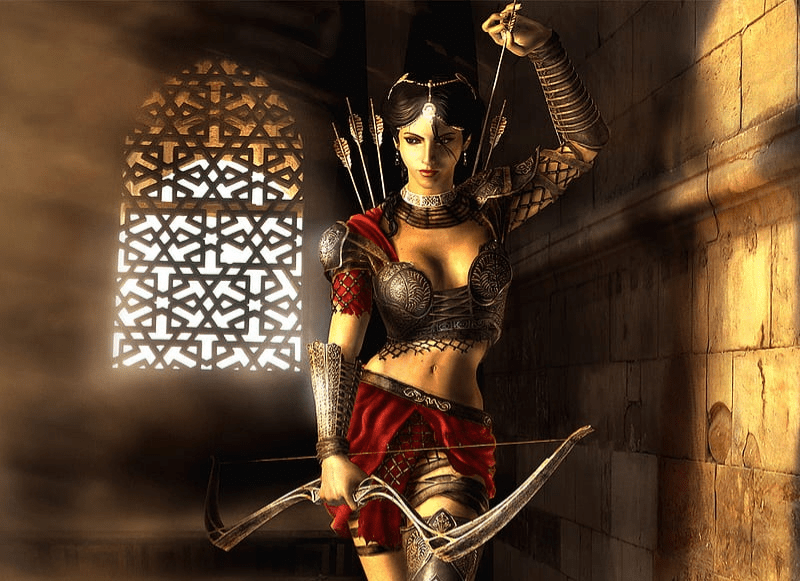
For that last part, my exposure to the Prince of Persia series is limited to the PSP ports and the DS game as well as the ham-fisted attempt at a movie adaptation so I can’t definitely speak on what I think on the series as a whole without a well-rounded picture. But between Farah from The Two Thrones, Casca from Berserk, and most recently My Adventures with Superman’s take on Lois Lane, the tan tomboy waifu trough is never empty.
I doubt she fits the bill to a T, but from what I’ve seen in The Two Thrones, I’m beyond impressed.
The aforementioned games above cover only a swath of games I had on the real life PS2 and only the ones I remember sinking as many memory points towards. There are the GTA games that kid me never finished in any capacity, the Mortal Kombat games that I finished many times over spanning several years, all three of the Max Payne games on the consoles that I actually finished backwards compatibility on the Xbox 360, three of the Uncharted games, and so on. Since I started my gaming journey from the young age of four years, I’ve had several consoles and handhelds. The PS1 crawled so my PS2 could eventually sprint for a solid decade on my family’s old TV; the PS3 and Xbox 360 were last minute additions before their successors were made available the same year I picked them up, 2013; the Wii, though a gimmick honestly speaking, was a successful gimmick nonetheless; and due in part to outside expenses and the pandemic, if I wanted either an Xbox Series X or PS5, getting one for a good price was the best joke ever told since Peter Parker asked for advance pay.
And don’t even hedge your bets on Black Friday like I did when I got the Xbox One in 2014. That was a collaborative effort and now that I’m an adult, I’m on my own.
All that cataloguing of video game console history from about 2002 to the present, what about my history with PC games? Before we dive headfirst into that, I want to clarify what that could mean. Compared to console games, from my POV, PC games and their development is several levels more creative than what could be put on a console. Those of us who are old enough to remember, browser games tended to be powered by the magic of Adobe Flash and hosted on such sites like MiniClip, Y8 and Newgrounds. The schlock we convinced ourselves of being video games at the time aren’t all that hot anymore but trust me when I say that those were the groundbreakers that gave us the PC games of today. The same goes for games that came with Windows OSs like 3D Pinball and Minesweeper or even their Google recreations. Speaking of which, they’ve also broken some ground in that field with select Google Doodles.
All that said, including all of these as PC games meets technical definitions, but to me seems a bit like overkill, especially when a bunch of these are either point-and-click or keyboard function with only a few of them allowing for a switch or incorporating both in the settings. They’re also less likely to be counted as PC games by other entertainment-based outlets. I don’t know about you, but I’ve never seen Sift Heads or Warfare 1917 get announced during my time as a subscriber to Game Informer magazine. So to keep things conservative, browser and operating system-included games will have to get the boot. Sorry, Snake.
It’s probably no secret that computers of most varieties are used in video game development and have been since the first ones were in the conceptual stage as early as 1958.
From there things rose, then fell thanks to E.T.’s boning by Atari, then rose again when Nintendo Man crossed to the U.S. to save us in the 1980s. After all, you need to develop with something and sock puppets don’t really get a lot done. By the early 90s, while Sega and Nintendo were engaged in the most intense session of Punch-Out since Mike Tyson fought Evander Holyfield, PC games have mostly been doing their own thing with 1992’s Wolfenstein and the following year’s Doom. id Software’s fleet of computer games, spearheaded by a pair of Johns named Carmack and Romero, paved the way for first-person shooters as they churned them all out across the 90s and early 2000s. If you weren’t paying attention, you might not have noticed that this new genre of games was once known as a Doom clone until you played the game that demanded you to take revenge on demons on Mars.
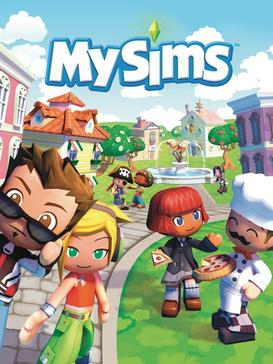
By the 2000s, it was MOBAs like World of Warcraft and Elder Scrolls and simulators like The Sims and its admittedly chibi counterpart My Sims.
So, when did I first get into PC gaming as I’ve defined it? I can’t really remember with precision, but I know it started with the aforementioned browser and Windows games from when I was in middle school and even a bit earlier at home. Since my mom was a huge fan of the puzzle and tile sliding games, she managed to install games like Zuma’s Revenge or similar on our home PC when I was around seven years old. So, by the definition I’ve listed, I started out with PC games not too long after I got my PS2. Though I’ve dedicated a section of my childhood to the latter.
For the longest time, PC gaming was lost in the backseat while my attachment to console gaming carried me well into high school, even if the machinery I was using was starting to show its age. I have no idea if dusting off the PS2 despite it being in active use would’ve made any difference, but the TV it was hooked up to was from the 1980s and ran for nearly 30 years before we replaced it with a flatscreen.
In the PC gaming realm, I’ve had to replace my computers. The first PC I got was a 2004 Sony Vaio that I got as an elementary school graduation gift that lasted me three years. I hardly played games on that as that’s not what it was primarily designed to do. In gaming terms, it was a lemon that would probably struggle to run Doom, and according to WatchMojo.com, anything can run Doom.
After that was an Acer Aspire from 2012 that I also struggled to run at times for various hardware reasons. I mostly played YouTube or watched movies on pirate sites, but the one game that kept me was The Sims 4 which I’ve been playing ever since, even on the computer I’m typing this on — and falling into the same trap of leaving saves unfinished in favor of new ones. What can I say? Like Lego, it’s fun to build and destroy and play, but maintenance sort of sucks the fun out of that unless it’s part of play, like a little Lego maintenance worker.
By the time, I was in college, the Acer was also on it’s last legs with the hinges on the screen giving out, though I managed to nab Civilization VI before switching to something more stable to keep up with my studies in college in 2017. Along with the new computer, I put more of my eggs into Civ, The Sims, and Origin, which previously launched The Sims let me play a trial version of Battlefield 1. Side note: I preordered it a few weeks before release in 2016 shortly after getting Mafia III for the Xbox One, and all-in-all while Mafia had a stronger story and killer soundtrack, BF1 had better gameplay variety and didn’t crash like a fleet of Hindenburgs. Weird that soldiers from the 1910s had more semi- and full-automatic SMGs for primary weapons as opposed to the bolt-action, breechloading, and self-loading rifles that they actually did.
There was also the Doom collection of video games I got at a discount. I don’t remember what specific model my previous laptop was, just that it was time for me to get a new one because the old one had the same problems as the one it replaced, but worse. Here, I’ll indict myself as fairly messy. If I’m not accidentally spilling a sugary drink on the keyboard, I’m just letting the keyboard and screen get dusty. I know, I should take better care of my equipment.
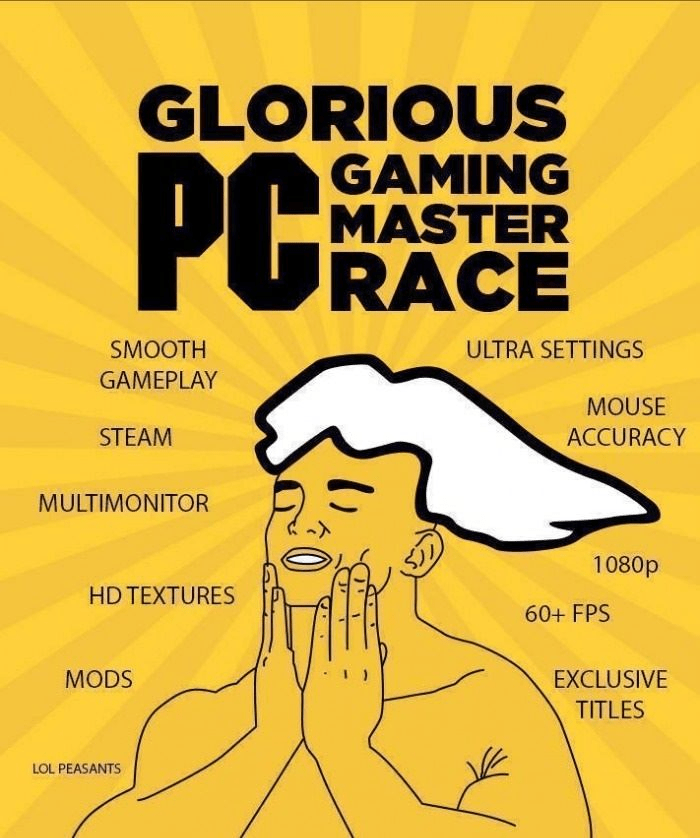
In a nutshell, the hinge failed, the battery degraded, the games were prone to slow down, and just like Mafia III on launch day, it also crashed like a fleet of Hindenburgs. Then came the computer I use today, the Acer Nitro 5 in May of 2021. Of course, the library carried over, except for the saves, and it felt like a true upgrade. The last computer could boast all it wanted about its touchscreen capabilities, but when you keep your promise to let me play as Vietnam in 1080p and lead me to a win, then you’ve really got no competition. Maybe this is how you become a member of the PC Gaming Master Race.
In my short time dedicating most of my points toward the PC gaming market as of late, I’ve found something that was probably well-known to PC gamers for decades now; it’s more convenient at times to be a PC gamer than a console gamer.
But in general, PC games are mod friendly as my Sims 4 mods folder can attest; if you need more storage, a disk drive can help you out most of the time; without a real competition, PC gaming is the sole dominator of online games; and when it comes to customization, the sky’s the limit. You could keep your machine as simple as can be, or give it all the bells and whistles that your little heart desires. And there’s really no stopping you from having a relic of a video game. Before their delisting on Steam, gamers could get the original GTA 3D games and compared to their console versions, they never took up as much space, perhaps as a reminder of the days when online capabilities were trickier to develop for so 20-year-old games were comparatively smaller. I’m 98% certain that if I wanted to, I could fill my steam library with the top sellers from the 90s until the early-to-mid 2000s and have space left over for GTA 5, one of the modern Call of Duty games, or a gacha game like Genshin Impact or one of the Honkai games. And then I’d need to consider whether to get myself more storage.
Having since transitioned from console to PC gaming a majority of the time since around 2017, it’d be easy to say I wouldn’t go back, but I don’t see that happening. My Xbox One sits on top of the entertainment center while working on an impressive dust collection, but it still functions decently well. Some of the games I have on that have PC versions or can be emulated, though with a lot of them prone to padding or having high difficulties by design, the time spent grinding my way through long or hard games is still saved on the Xbox and I’ve had more fun starting new games in PCSX2 than knowing my data from the last save on console got corrupted and I had to start from scratch. I suck enough at Sekiro and I’d like to pick up where I left off than start from square one.
Still, my death grip on game progression has loosened so much as I’ve been able to breeze through games like a shinobi on an assassination mission, so single-player progress has lost all its importance on me especially since I can look for a gameplay video or a summary on the associated wiki if I care so much about that. Moreover, some games are cross platform so if I screwed up because of a flaw on mobile, I can rectify that on PC or console. Multiplayer though proves a different matter altogether, so while I’m not gonna fuss too much about starting GTA 5 from scratch, the grinding mechanics of GTA Online are reciprocally so. Levels 1-12 go by relatively fast, but once my friends and I on console got into the hundreds, it stopped mattering. Level 120 was what we were gunning for anyway because it unlocked the Minigun.
I’d be willing to go to a hybrid style of gaming in the right conditions, but until then, I’ll keep things on PC. Fingers crossed the stuff I listed here that works for PC translates to consoles in the future.
This week’s YouTube recommendation is GTASeriesVideos.
A fan channel dedicated to RockStar games, news, and announcements, this channel occupies the same role as Clownfish TV, along with gameplay videos of anything developed or published by RockStar as a whole, to include guides, lore explanations, exposition, and for a time theories on the GTA series for example, as well as a look into cut content. For fans of the series who have had burning questions about XYZ, it’s worth checking this channel out to hear what conclusions they’ve drawn from all their hard work researching. Or if you want to look at guides and get a 100% completion, you’re welcome to view that too.






















 Opinions on Entertainment