Animanga Releases of 2026

New Year, New Animanga

By the luck of the gods, I’ve returned to my post on the same day and I’m not terribly fatigued.

The Year of Cordis Die, the Year of the Snake, the Year CoD S[gunshots]t It’s Respect Out is out, and the Year of the Horse, the Uma 「馬」is in.
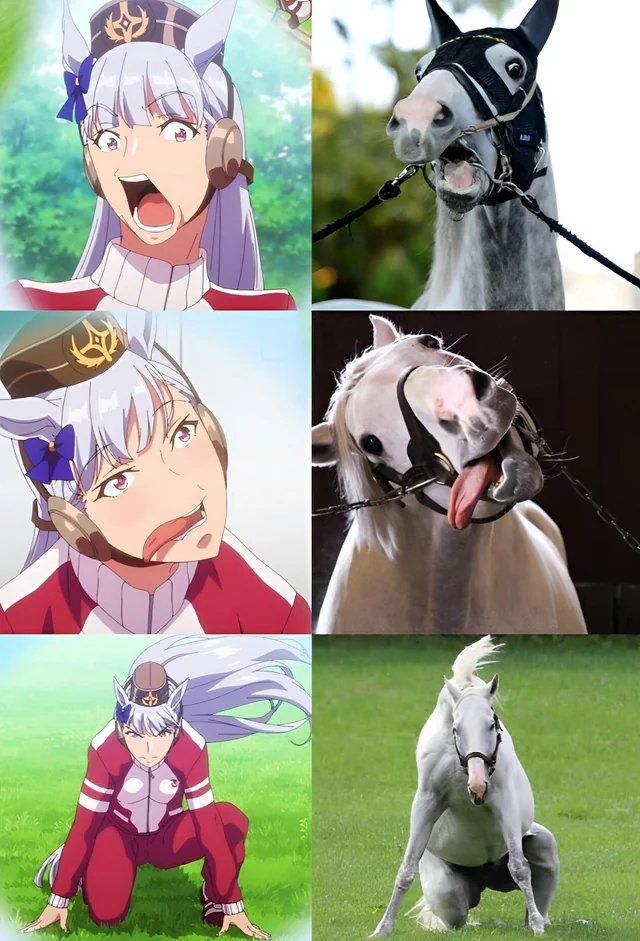
I don’t consume Umamusume anything, but it makes the rounds in my favorite spaces, so I can’t ignore it if I wanted to.

Now a bunch of these have been announced yonks ago and were set for debut sometime in December, January or much later in 2026. I can’t really count series that began in 2025 and will finish, at least, a season in 2026, but I will include those that will debut at some point this year. That’s pretty much my only criteria. As such, here’s the list:

  1. The Elusive Samurai Season 2 (July 2026)
  2. Alya Sometimes Hides Her Feelings in Russian Season 2 (2026)
  3. Frieren: Beyond Journey’s End Season 2 (January 2026)
  4. Akane-banashi (April 2026)
  5. My Hero Academia: Vigilantes (January 2026)

All of these I’ve written about or mentioned in the past, and I hope to do so once again as the respective series’ all continue and when they eventually conclude, at least in animated form since Vigilantes’ manga wrapped up a few years ago. Keep in mind, this isn’t an exhaustive list as I want to see what else will come out this year, but for brevity’s sake I’m sticking with my bread and butter, starting with:

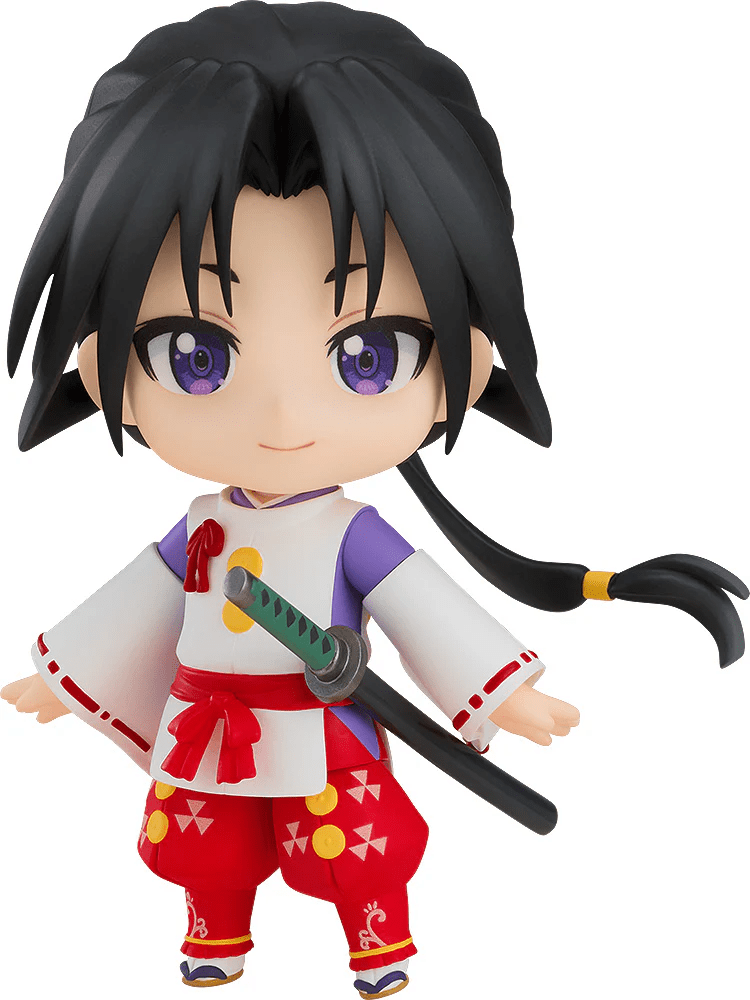
The Light-footed Hojo Prince returns to us with a stern endeavor against the treacherous Ashikaga clan who have since reneged on their deal with Emperor Go-Daigo. I’ve never been prouder to be a manga reader because I can take a wild guess on how far this season is going to go and who will join the previous season’s repertoire of opportunistic samurai. In the last season, the primary antagonists were Ashikaga Takauji, Ogasawara Sadamune, and Ichikawa Sukefusa, joined together in the latter half with the disgraced bandit daimyo Hirano Shogen and the merciless (if fruity) Kokushi of Shinano.

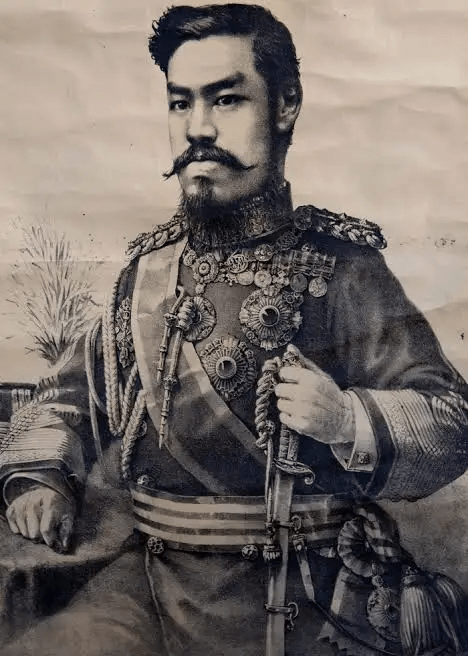
Slight History Lesson: sometime during the Kamakura Shogunate, the position of Kokushi (comparable to a provincial governor today) was established to manage the vast territory of the land. These Kokushi were personally selected by the imperial court, but come the late Kamakura era, they lost favor to the more powerful military/shogunate-aligned Shugo. Their duties typically boiled down to taxation and revenue among their most notable administrative duties, but with the Shugo came the shift from civilian rule to military rule that would define Japanese rule during the subsequent Nanboku-cho period, then to the Sengoku period all the way up until the Meiji Restoration.
I’m not gonna spoil it as heavily but I will say that both Hirano and the Kokushi return as enemies, and personally, being in the military in a support MOS myself, the parts of the manga I’m currently reading touch on more than just the infantry aspect to show that complex military operations are a time-honored tradition. There’ve always been chaplains, communications units (though mass communication is a recent concept), medical units (imperfect and sometimes deadlier than just dying on the field in battle), and others.

As for new enemies that have come on gone by the point that I’ve caught up to, as I recall, they were there near the beginning, but didn’t get a lot of panel time in the manga. The Ashikaga initially allied with the Nitta clan, distant cousins through Minamoto brothers, Yoshiyasu, who was the ancestor of the Ashikaga, and Yoshishige, the ancestor of the Nitta. In real life, only the Nitta stood by Go-Daigo’s side while the Ashikaga double-crossed the imperial court and it happens again in the manga.

For allies to the Hojo and Suwa Grand Shrine, fortunately Tokiyuki has another uncle that doesn’t betray him like what Godaiin Muneshige did to Tokiyuki’s half-brother, Kunitoki. The uncle in question is Hojo Yasuie and there’s something about him that harkens to Matsui’s previous work, Assassination Classroom in a way…
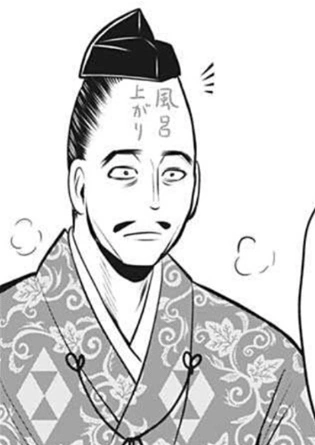
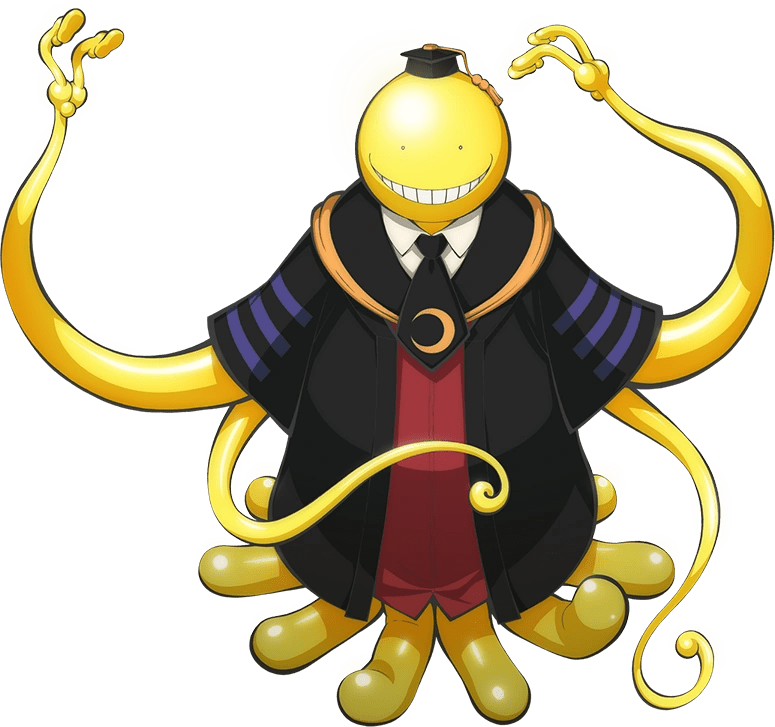
Not entirely sure if its the forehead writing gag or what, but something about him makes me think of Koro-sensei sans tentacles

After him, comes Sasaki Mima, the Kitabatake clan, and Ko no Moronao, not necessarily allies to Suwa or the Hojo (definitely not Moronao), but certainly leverageable as enemies against the Ashikaga. So far, I only see the Kokushi and Hirano Shogen coming back as well as more tasteful shots of Nitta Yoshisada and Prince Moriyoshi. Now, I’ve said before that in real life, the Kamakura never rose after Ashikaga’s betrayal and after that, Hojo Tokiyuki managed to eke out a resistance for the next twenty years until his head was on the ground. We’ve got until the end of the manga to see if Yusei Matsui is gonna do the same thing and I hope to every deity I’m able to pray to that it ends well, not unlike what Aka Akasaka did to Kaguya-sama and Oshi no Ko, allegedly.

Второй:

To tease Masachika Kuze once again, My Hafu-Russian Classmate Who Doesn’t Know I Understand her won me over so much that I regularly check the associated Discord server like the Eye of Sauron. My busy schedule doesn’t allow me to check up on the light novels or the manga as much as I’d like, but I’m not really in any hurry to get a drop on the series like some others. For that matter, regarding animanga, I usually just play it by ear. Not every series I follow gets an anime, but if it does, then great. If not, then c’est la vie.

Of the listings up above, Alya Won’t Stop Flirting in Russian doesn’t have a specific release date for the second season. In fact, it was announced very late in 2025 and we’re definitely gonna get our information through drip feed. Google-san’s swanky new clanker assistant tells me that a section of the second season will be dedicated to a summer vacation arc.
I don’t really have much to add with so little information available. The only thing of value I’ve got is, catch up on the first season if you haven’t already and if you feel so inclined, why not take a look at the source material? I’m not certain if there’s variance between the LNs and the manga, and I don’t think I have the space in my barracks to house all that manga. I barely had enough in my apartment back in New York. Fingers crossed I can build a library of whatever I goddamn want among other things.

This includes a closet’s worth of cosplays.

A Terceira:
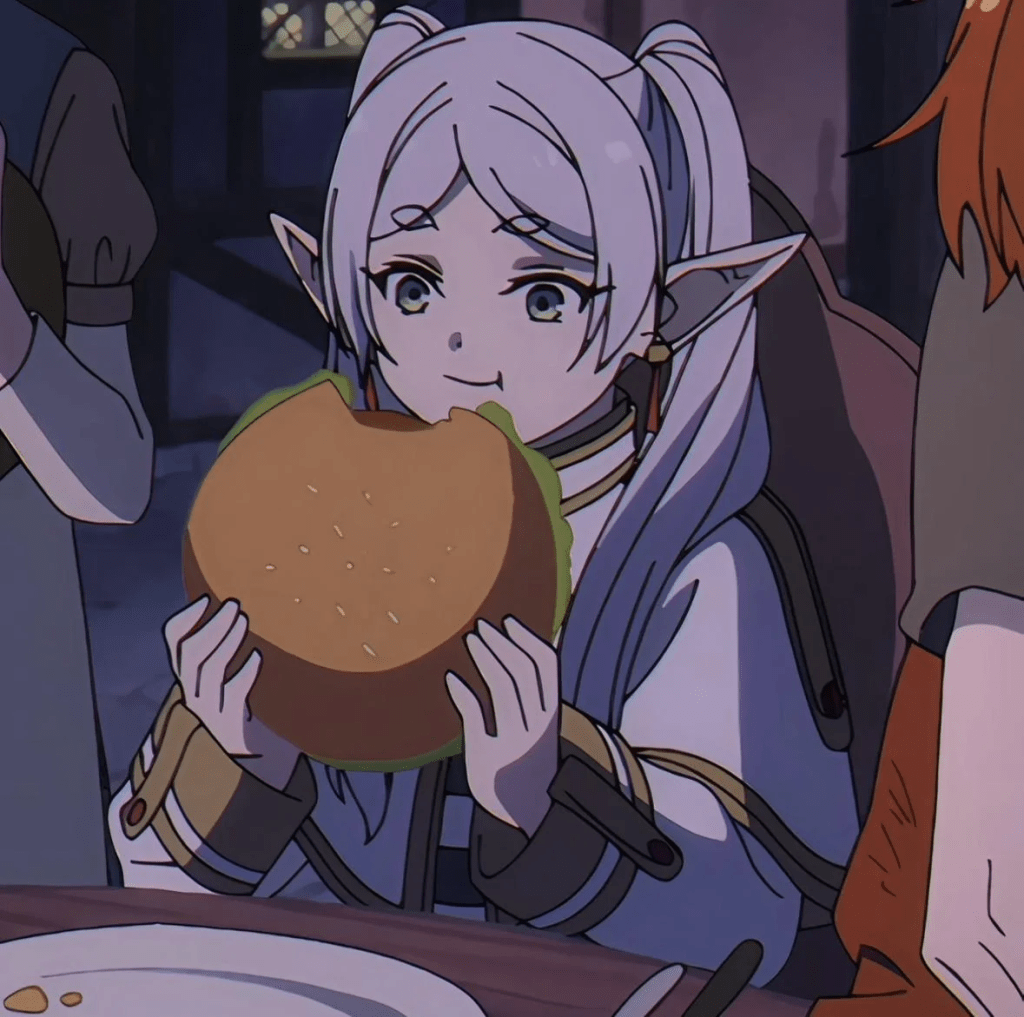
I’m taking my time with this one, to be honest. It’s popularity has not waned ever since it was put on Netflix nor even when Viz Media licensed the manga for weekly scanlation. My binge-watcher days are behind me, but I do like the approach I’ve adopted ever since. From looking at others talk about the manga and describe it in a non-spoiler-y way, it’s very much dedicated to a posthumous character’s life when he was a hero. Yeah, I already know it’s Himmel.

My absorption of this series began with a bunch of out-of-context memes, which is still the case with Neon Genesis Evangelion, at least until I finally finish the damn anime and get a move on with End of Eva.
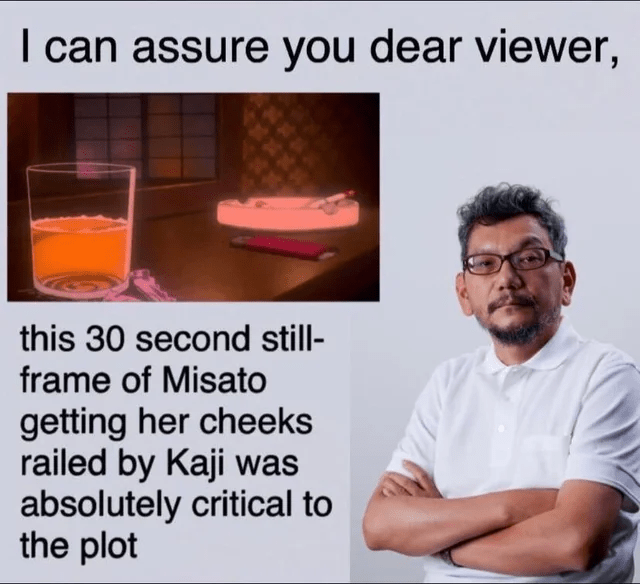
I don’t even know what I’m missing, but it’s absolutely crucial that I watch it all.

Same thing for Frieren. It’s a 2-cour anime for once and I’m certainly gonna watch it to completion and make my Netflix subscription feel known this time. The second season is gonna start in two weeks and is said to have a different director from the first season. AFAIK, Netflix doesn’t plan on moving it away from the platform, but if it does once Season 2 wraps up then Crunchyroll and Hulu and the Banner of Gen Z is always an option.
On that note, I’ve got some catching up on One Pace to do.

四番目:
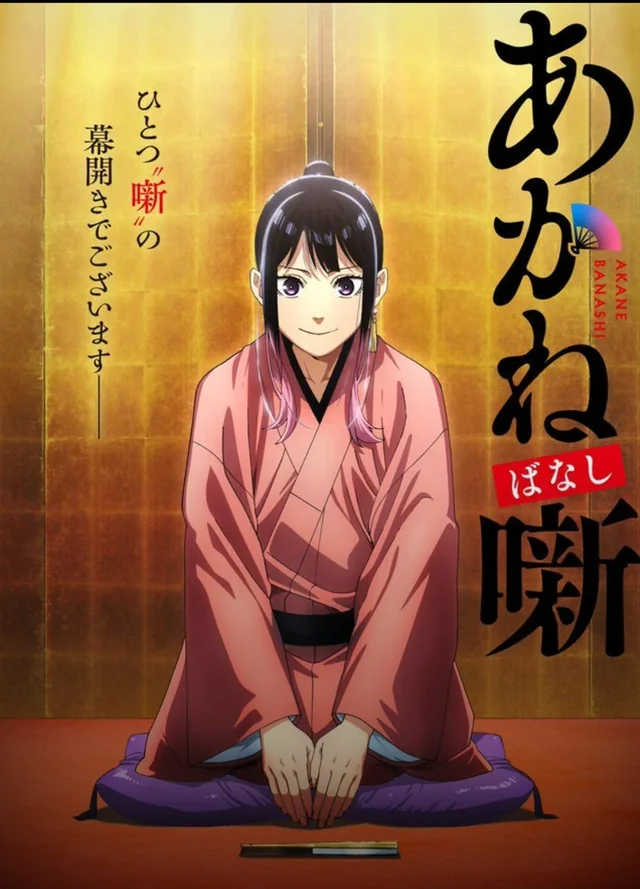
Of all the anime debuting this year, this was the last I expected to ever get an adaptation, and truth be told, I stopped having expectations thousands of years ago. That’s why I was so surprised when Black Torch was greenlit for an adaptation and I wasn’t the only one to get slapped in the face with that news. The short version here is that a rakugoka practices night and day for a big performance only for the Rakugo Grandmaster to shut it all down in front of a live audience. The budding rakugoka’s dream now becomes to dream of his daughter, Akane Osaki, who will not rest until she’s the best of the next generation of rakugoka.

Mighty big geta to fill, especially since I think Akane-chan is only around 5-foot, and although I haven’t read the manga in ages, I recall there being one hell of a stiff competition between her and her dreams. Maybe one day I’ll play catch ups with this series, advance a bit further in Chihayafuru and compare the two in an efficient way. Ballpark estimate: Q3 2026. Why that time frame specifically? Because.

And lastly:
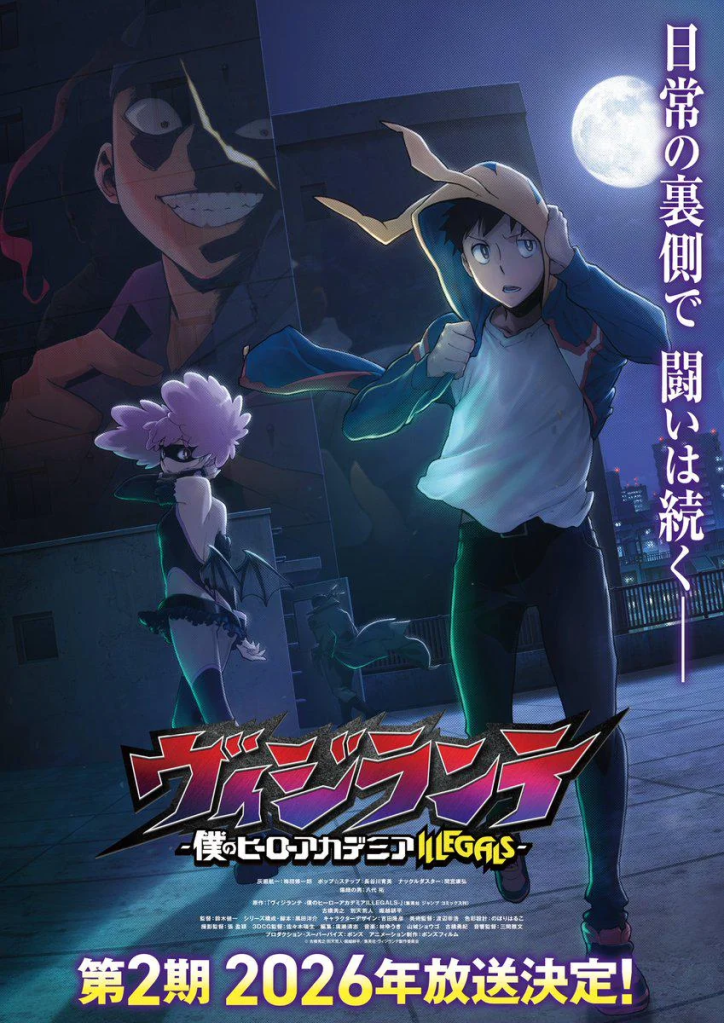
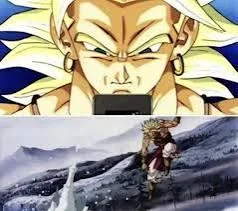
In Dragon Ball Z announcer voice: Last time on My Hero Academia: Vigilantes, Knuckleduster had fought well against the Queen Bee Quirk puppeteering his daughter, Tamao’s, body. With the parasite dealt with, what is next for Knuckleduster, Koichi Haimawari, and Kazuho Haneyama? Find out now.

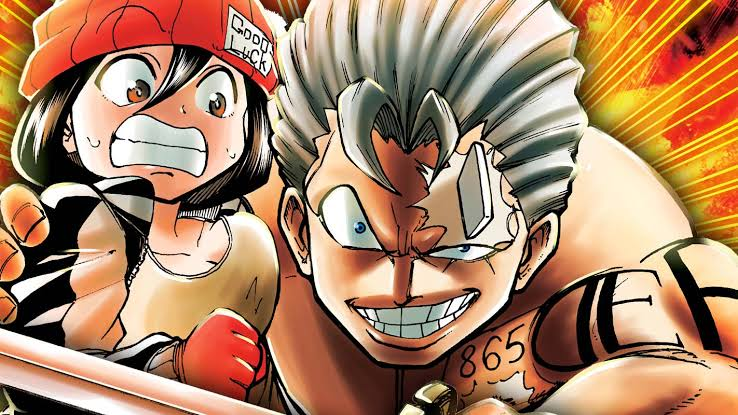
Going off of memory from the first season, Knuckleduster saved his daughter who was a host for the Queen Bee Quirk. In the manga, he vanishes for a time while Koichi and Pop-Step continue the investigation for the designer drug Trigger… in Japan. In the manga, Knuckleduster gets a lead that a distribution site could be Hong Kong, so he goes over there to dish out some two-hit justice not seen since Inspector Tequila saved a hospital full of newborn infants.
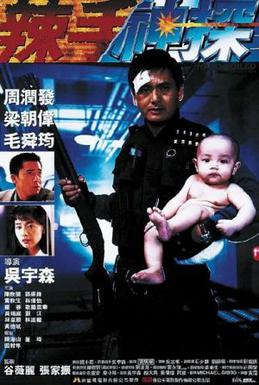
嗰個寶寶唔知,但係佢救咗龍舌蘭督察。[Hopefully Google Translate has improved over time.]

Tangentially related to Knuckleduster’s past, a sycophantic villain attempts to emulate the man even down to the scar on his face and it unleashes a new flavor of hell. And here my memory of this arc starts to break down. I remember how it’s resolved and Knuckleduster’s secret, but out of respect for you, the reader, I will not reveal it until the second season concludes.

The year just began, and this list is probably gonna get an update come springtime. The list of topics I have lined up so far only goes to the first week of April, set to be added onto by March ideally if life doesn’t get funny by then.

Final note: an honorable mention:

July.
The Elusive Samurai Anime Review

A burgeoning franchise based on medieval Japan

Long time subscribers (and newcomers who’ve searched the archives) know how I feel about history and even Japanese history as a weeb. I’d been following this series by Yusei Matsui since the first chapter was licensed for English by Viz Media in late January of 2021. After three years, about 17 volumes (plus more to follow), an anime adaptation, and figures set for release sometime next year; of all the things that could’ve happened to this series, franchising was probably the last thing I expected even for promotional purposes. Then again, this isn’t the first series to get a boost in merchandise time of debut notwithstanding.

Save for the OVAs and the lost 2007 movie, 25 years is a hell of a wait for a proper adaptation.

I’ve already written about the time period Nige Jouzu no Wakagimi takes place in, but as a refresher and to catch newcomers up to speed: between 1180 and 1185 in the Genpei War between the Taira and Minamoto clans, the Minamoto won out and established the Kamakura shogunate in the namesake city of Kamakura where it would be under the de facto rule of the Hojo clan, a Minamoto ally by the 1330s. The retired Emperor Go-Daigo plotted with Hojo clan retainers, the Ashikaga, with the purpose of returning control of Japan from the shogunate to the imperial court.

Following these plans initially, the Ashikaga betrayed the Hojo and led a siege spearheaded by the Ashikaga brothers, Takauji and Tadayoshi, with the purpose of mass elimination of the Hojo clan.

Of course, they had retainers of their own, Ogasawara Sadamune, Ichikawa Sukefusa, Nitta Yoshisada, and several others who rally to the Ashikaga cause. All but one of the Hojo survives, Tokiyuki, who carries more value as the heir to the previous ruler or shikken Takatoki compared to his half-brother Kunitoki, whose mother was a concubine.

These people all did exist in Japanese records, but English-language sources are scarce and my Japanese isn’t proficient enough to try to search through the original sources to look more into their personal lives, but as a spoiler, Hojo Tokiyuki made it all the way to the 1350s running endlessly from the forces of Ashikaga Takauji, escaping until his eventual capture and execution by forces loyal to Ashikaga in the Spring of 1353.

As for Go-Daigo, well Ashikaga seemed to have used the opportunity to betray the Hojo to also betray the emperor. Paying lip service to the idea of a civilian-run government, Go-Daigo’s Kenmu Restoration as it’s known these days was short-lived and Ashikaga implemented the Ashikaga Shogunate in 1336 until it eventually collapsed during the Sengoku era, paving the way for the last shogunate, Tokugawa, until 1868. Never trust a traitor. Though the entire time of the Ashikaga’s brutal rise to power, there were technically two courts in the north and south of Japan which is why this era is also known as the Nanboku-cho period and why there are two sets of emperors whose claim to legitimacy is dubious.

I remember reading about the anime adaptation last year, prompting the first ever full-length post about it the day of. Now that it’s here, I can finally share my thoughts on the adaptation. Clover Works pulled out all the stops to bring this series to the small screen. I’m almost 26 and in all my years as a weeb, I’ve never seen a more beautifully animated piece of media, not even when Toonami pranked us years ago by showing the original dub of Masaaki Yuasa’s 2004 film Mind Game.

Some sore spots exist with the use of CGI in select scenes in the anime, but they don’t really do anything harmful to the overall plot of the series. I admit, I was worried slightly with how much attention other anime were getting around it especially with regular updates on Reddit, but then again, a single social media forum isn’t and shouldn’t be seen as the poster child for all discussion on media, least of all anime. Healthy discussion does exist, but with how big anime has become, I think it’s time for the medium to go back to its roots as showcased in late 90s-early 2000s discussions are concerned, namely, a small group of friends, enthusiasts and connoisseurs (with a strict member limit) who meet up and talk about the latest series and other anime news. Reddit and Twitter are cramping anime’s style, you know?

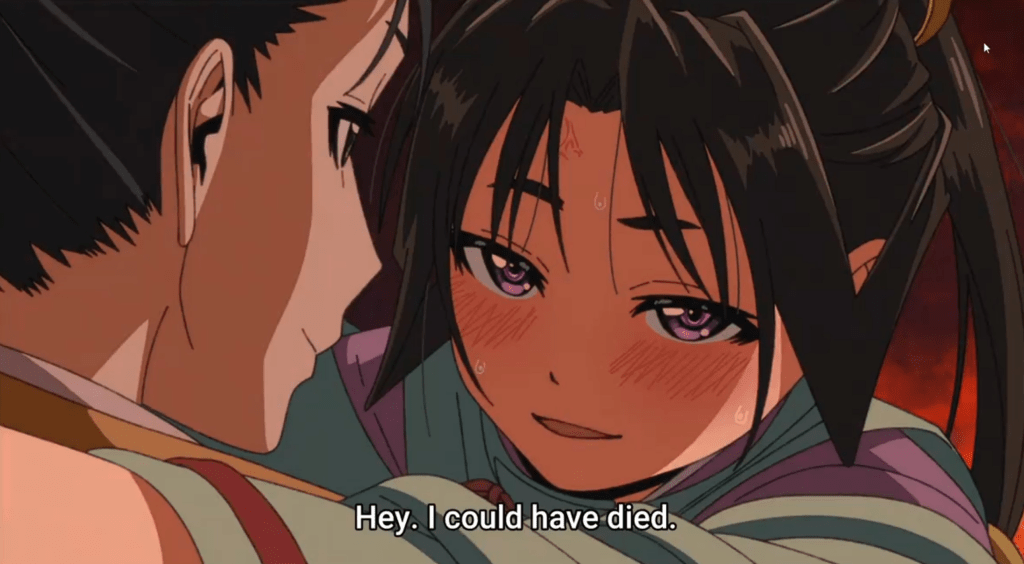
Following on from that point, if you want more evidence that social media is more curse than blessing, I made a discovery about seven or eight episodes in. I didn’t know this at the time, and I know better than to share misery, but in the first episode (spoilers again), there’s a scene where the chief of the Suwa Grand Shrine, Suwa Yorishige, pushes Tokiyuki off a cliff to join his family and be killed, when he shows his max experience in evasion and makes it back up the cliff, he flies into Suwa’s arms, and angrily tells him that he could’ve died down there. Though angrily in this context may not be what you imagine.

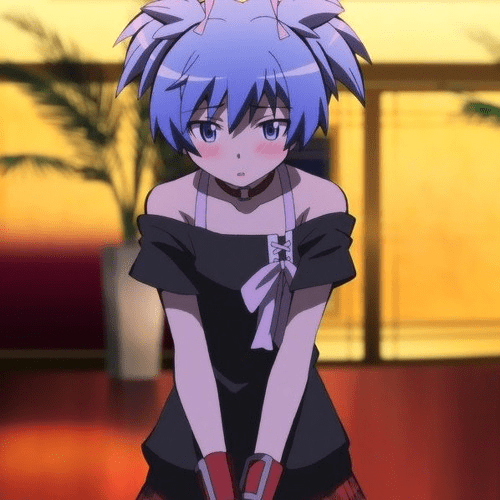
Matsui’s pride in femboy characters strikes again, as a disturbingly noticeable percentage of Japanese Twitter saw this scene and exploded with… excitement. I’m not responsible for this scene, but I still feel an apology is owed to someone. Maybe Shinzo Abe’s ghost for all of that excitement going into crumpled up tissues and not the rest of the population for procreation. Sorry, was that vulgar? Have a meme.

Pictured is my reaction to Japanese Twitter’s “awakening.”

Eh, it counts as engagement, so success? I’m still collecting and reading the manga, which I encourage you to do however you see fit. Follow along with the anime (which ends the 1st season at chapter 31), continue in the manga, or if you’ve done/are doing that, then wait with me for the figures to release. Time’s on our side.

On a final note, I heard rumors that a second longer season was in the works. We’ll have to wait for confirmation on that.

The Elusive Samurai Anime Adaptation Confirmed

A manga I’m following is greenlit

Long time followers of this blog may recall when I reviewed the manga The Elusive Samurai or Nige Jouzu no Wakagimi by Yusei Matsui, the same man responsible for My Teacher is a World-Ending Tentacle Monster?!

The Light-footed Hojo debuted in January of 2021 and I had been following it for months leading up to my first enlistment. Even now I still read it whenever I get the chance and a lot has transpired within the manga. Enough that there’s a whole time skip arc after 3.5 years in publication.

Now I come to report on an update regarding the manga, in that it joins my small but not insignificant list of manga I’m reading that is also getting an anime adaptation. So far, that makes this the fourth time it’s happened, the first three being, Demons Deserve Death, Gyarus of Hokkaido and Immortal Misfortune.

Channel: AnimeWakana

It started with a teaser sometime last year around the same time I actually reviewed the original manga before hibernating until now. With more time to simmer, it was now revealed to us further that the studio meant to bring life to this manga is none other than CloverWorks, the same studio that brought us many a work including but not limited to Bunny Girl Senpai, Spy x Family, Bocchi the Rock, Dress Up Darling, and several of the Fate adaptations.

An impressive repository of series to check out, right? That said, even godly studios have their off times and CloverWorks has made a few mistakes. We can each point to a studio and wonder what went wrong with XYZ and the number one anime to get brutally slaughtered without sound reason is:

An interesting cutesy horror story comparable to that of Made in Abyss, and interestingly another one I skipped over yonks ago to get to other manga I was and am still reading, Boruto and My Hero Academia: Vigilantes being among them.

I did watch all of season 1 when it premiered on Toonami years ago and I was planning on catching up with season 2, but knowing what became of that by word of mouth, to do so would be to waste time spent on other anime that’s worth my time. Namely:

I’ve still not started Season 3 yet, but now that it’s concluded, I can watch at my own pace.

For years since it’s conclusion readers have wondered why The Promised Neverland’s second season was so lackluster and divorced from the manga. I also occasionally try to look for answers and the most I get is mild speculation. I can’t say for certain how tight-lipped studios can be or will be about these sorts of things, especially Japanese studios, but with the news that studios like MAPPA have developed a crunch culture not seen since Team Bondi’s efforts to burn the candle at both ends or ufotable pulling an Al Capone tax-wise, there probably aren’t that many things besides language and traditions that separate Japanese animation studios from western ones.

Having said that, CloverWorks is one of the best studios in production today, standing tall with KyoAni, Pierrot, and David Production, and with more successes than failures to boast, especially in recent memory, I’ve no reason to believe CW will louse this up, even through malice, though a more mature way to look at it is that weirder stories have come from the animation industry and if it happens during the production of The Last of the Hojo, I’m damned sure gonna write about it. Bet on it.

For now, the scheduled date is July 6, 2024. I will save a spot for a first impression.

The Elusive Samurai

The life and times of Hojo Tokiyuki

Clawing out of the deep recesses like the happiest Spartan breaking free from Hades wasn’t without its few perks. To date, this is the third manga presented to me by Viz, so if it feels as though they’re sponsoring me, they aren’t. But I’d be open to covering the works they’re allowed to license to the west if the opportunity comes knocking especially now that two of those series are set for anime releases in the near future: this series and the one about the zombie or something. I don’t know…

But while Bad Luck Unkillable has a trailer with voice over and all that, Running from the Samurai in Medieval Japan only gave us a teaser trailer which works for me as I have as much time as I feel is appropriate to play catch-ups with the manga.

For research on this post, I’ve had to skim through and remind myself of who’s who, while also brushing up on this period of Japanese history, so wherever there’s a mistake, I’ll amend and correct it once I read up on both. The premise of The Elusive Samurai is thus: the Hojo clan, who held sway over the shogunate and sent most of their own members to work with the imperial family and court, is represented by their two members, current shikken (regent) Hojo Takatoki and his son and heir, Hojo Tokiyuki. Ambitious members of the Ashikaga samurai clan allied with the Emperor Go-Daigo in an attempt to return the imperial court to its seat of power, i.e. overthrow the Hojo-ruled Kamakura shogunate in favor of the emperor. During festivities, the Ashikaga launch their siege on Kamakura and nearly exterminate the Hojo clan. When the dust settles, the Ashikaga realize that the heir, now-shogun, Hojo Tokiyuki has survived and escaped. With the Ashikaga now in power, they use their resources to hunt down and exterminate the boy and every one of his allies.

Brief history lesson: on paper, the imperial court sat at the top of the pillar with the most power, followed by the shogunate, and while they were in power, the shikken. In reality, the Hojo clan shikkens were more powerful than both the shogunate and the imperial court combined. This was the result of the 12th century Genpei War that pitted the Taira and Minamoto clans against each other. Minamoto no Yoritomo won out and as part of the spoils of victory, the imperial court behaved as a figurehead, a position that Go-Daigo was clearly not happy with, hence the Kenmu Restoration’s goal of reversing these circumstances. Fun fact: Kublai Khan found this out the hard way in the lead up to military actions against the imperial court and shogunate when the Mongol-led Yuan dynasty attempted to add the Japanese islands to their list of possessions. Couldn’t go east in the long run so he went hard west.

And thus we learned from the Mongols why it pays to think very hard about an amphibious invasion. Back to the manga, over the course of the Kenmu Restoration period, Tokiyuki-sama embarks on a quest to gain allies and build a force of formidable warriors who can return the Hojo clan to their former glory. It might go in a different direction in the long run considering in real life, the Kenmu Restoration was short-lived and to my interpretation the Ashikaga turned on Go-Daigo and restored the shogunate long enough to stay in power until 1573. Interestingly, this created a split in the historicity of the Japanese emperor’s line of succession briefly with Japan holding two capitals until the Azuchi-Momoyama period.

Seriously, I’ve gotta stop jumping the gun here. Alright, so Tokiyuki isn’t completely alone in his quest. He starts out with a few retainers at his side and actually has support from the head of the nearby Suwa clan in the form of Suwa Yorishige who I believe is loosely inspired by the samurai of the same name, though the real life Suwa Yorishige succeeds the fictional one by two centuries. Also, manga Yorishige is reimagined as medieval Japanese Nostradamus with all his predictions about the future and funny enough common manga tropes. Makes me think of Koro-sensei though more self-aware of the manga he’s in.

Structurally, I see a bunch of references to JRPGs like Chrono Trigger or early Final Fantasy. Protagonist with a long term goal, comrades at his side, godlike guide, encroaching force of evil closing in from all sides; the comrades especially exhibit several archetypes in several RPGs, the thief, the brute, the mage, etc. If I was alive in the 1980s, I probably wouldn’t have imagined how many manga series became franchises with spin-offs and video games in tow, but if I had Yorishige’s level of foresight and I could see Dragon Ball getting video games and all that, then I think I can also see other manga following suit. Whether The Elusive Samurai follows suit remains to be seen, but even if it was a fan creation, I could see an Elusive Samurai RPG-style game soon. It’s also worth noting that the art style and writing will feel familiar to fans of Assassination Classroom and that’s because it’s from the same man: Yusei Matsui. Overall, by itself, it seems to be having fun with the historical setting and subject material. Taking the piss outta historical figures is a worldwide pastime, after all. In comparison with Kill School, the most comparable thing they have is the femboy protagonist. Not sure if that’s Matsui’s bread and butter, but these days that might be the case.

The YouTube channel recommendations are coming back for April. Also, Tomorrow being April Fool’s Day, I’ll cover Toonami and Adult Swim’s yearly tradition when those stars align. Look forward to that.