
A week-long journey in rewriting a fictional storyline
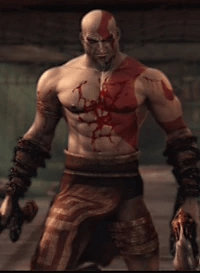
Two weeks ago, I made a post in the midst of a memory lapse concerning the God of War timeline. My vague notes were misinterpreted as a detailed look at the timeline, but on reflection, I realized that it may have been more in line with making the timeline make better sense due to the plot holes as well as mythical inaccuracies. In a rough draft, I attempted to do this for the entire chronology of Greek era God of War and unweaving one thread meant unweaving another and, fittingly, this would mean further opening Pandora’s box.
Some of the points I brought up were based on The Mythology Guy’s videos on listing all the mythical inaccuracies in the series, and there are a lot. But then again, Mythology Guy did it all for fun. That’s kind of how it started for me until the script sprouted wings and flew south for the winter.

I still think it’s fun to look at all the inaccuracies in the games and at the end of the day, that’s what they are. It’s generally not that deep despite the lore built up, but I didn’t want to let it all go just like that. I do still think there are things to address in accordance with the series plot. Some of these changes might be radical enough to essentially rewrite one or more of the games, but even if we acknowledge more than a few inaccuracies (like nonexistent weapons and relics for example), there’s still a few things that need some TLC.
The length of my draft opened my eyes to how untenable rewriting six games to be more mythically accurate could get. I’ve always given the games leeway since myths tend to be based on a version of reality while also having multiple tellings and retellings over time, such is the case with Egyptian mythology, but one of the examples I think should be changed regards Kratos’ ability to kill gods. One of the most famous victims of his goals being Hades’ wife, Persephone.
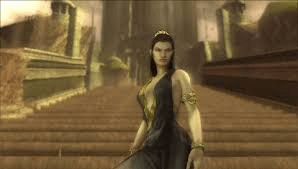
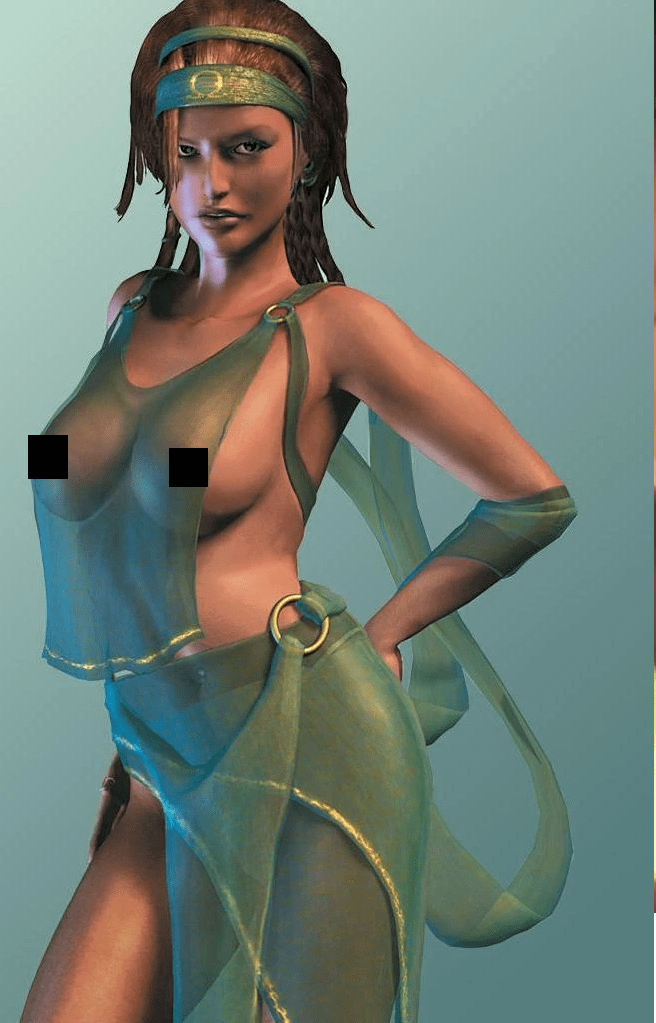
As we can see from this picture above, in-game Persephone has a dark aroma about her. Wearing a dark dress, gloomy demeanor, and spoiler for God of War: Chains of Olympus, plans to use a titan to destroy Olympus in revenge for her kidnapping. Mythical Persephone was the goddess of springtime and her presence on the surface signifies the changing seasons while her absence signifies a coming winter. Changing this aspect of her isn’t a new thing for Santa Monica and it followed them well into the development of the Norse saga.
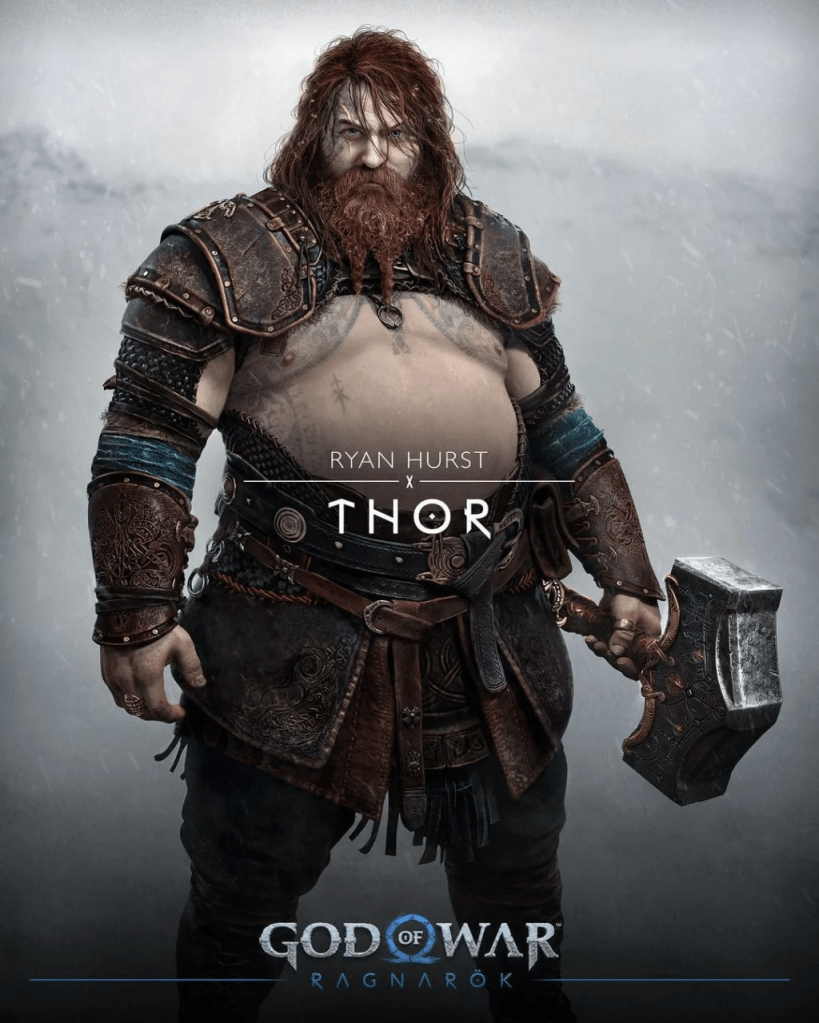
Just to clarify, I’m not trying to say fat Thor is inaccurate. His personality as a villainous god undyingly loyal to Odin is the inaccuracy. Still makes for an exciting game though.
The portrayal of Persephone as seeking vengeance against Olympus for abandoning her can be chalked up to different versions of the myths. Don’t quote me on this, but I think the version where she willingly wandered into the realm of Hades and grew an affection for the god of the underworld is a relatively recent retelling differing from the myths where she’s a kidnap victim. The kidnap victim angle works hand-in-hand with the double-cross from Olympus and makes for good villain. The point of change that I would say needed a change would be her death. For a while, I ran with the theory that she was a goddess of lesser importance, but commenters in The Mythology Guy’s video on Chains of Olympus stated that the Gauntlet of Zeus was the god-killing weapon specifically.
By this logic, Pandora’s box can grant a mortal the ability to kill god with any weapon since the sword Kratos used on Ares wasn’t all that special, merely acting as a bridge on the outskirts of Athens while the Gauntlet of Zeus bears the name and is the sole property of the king of Olympus, which would apply like the diamond rule where only a diamond can cut another diamond. In this instance, only a tool blessed by an Olympian can kill an Olympian, which also seems to be in line with the Blade of Olympus, from the Titanomachy in the games. So I’ll give the commenters in that video the W for explaining and confirming it, since this is before Kratos gets the powers to kill a god by any other means from the box of Pandora, but another point where Kratos kills a god without gaining the ability from the box or is in possession of a godly weapon comes from God of War: Ascension and the main baddies there: the Furies.

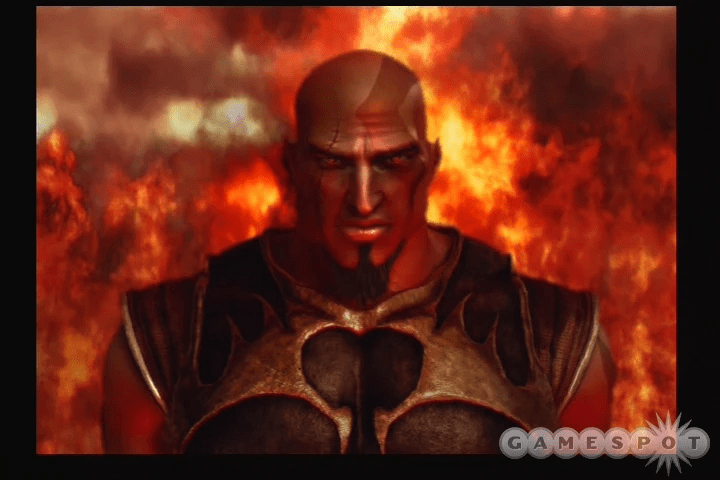
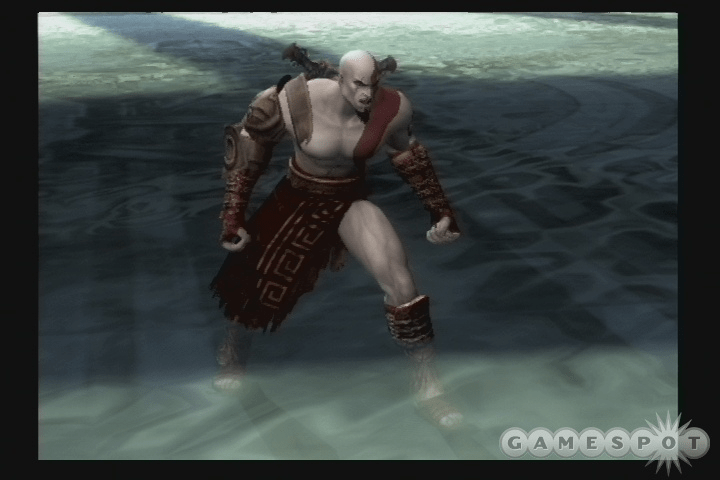
This picture also works to show that despite being a demigod, Kratos was also capable of mutilating a deity with just the blades of Chaos. And you can argue that the blades of Chaos, later Athena, later Exile are all godly weapons capable of killing gods, then Pandora’s Box would be unnecessary later unless the box is capable of making sure the gods, primordials and Olympians alike, but some of this hasn’t been confirmed, so it exists as a retcon.
There’s other stuff that, if changed, or addressed would essentially rewrite the narrative of the games. Personally, I’ve found a newfound appreciation for God of War II for the references and other heroes and characters who appear in the game like Theseus and Perseus, who have an indirect connection through Perseus’ descendant Hercules/Heracles. What I like about Perseus in this game come to the weapons on his person: the reflective shield, the helm of invisibility, the voice acting talents of Harry Hamlin who played the character in 1981’s Clash of the Titans. It’s all so good. To add to this, the point of divergence in his life comes from Kratos taking the head of Medusa instead of him which, in the myths, he was supposed to use on Cetus to save Andromeda from peril, and his quest to see the Sisters of Fate reflects the negative consequences of that in a “Rob Peter to Pay Paul” aspect.
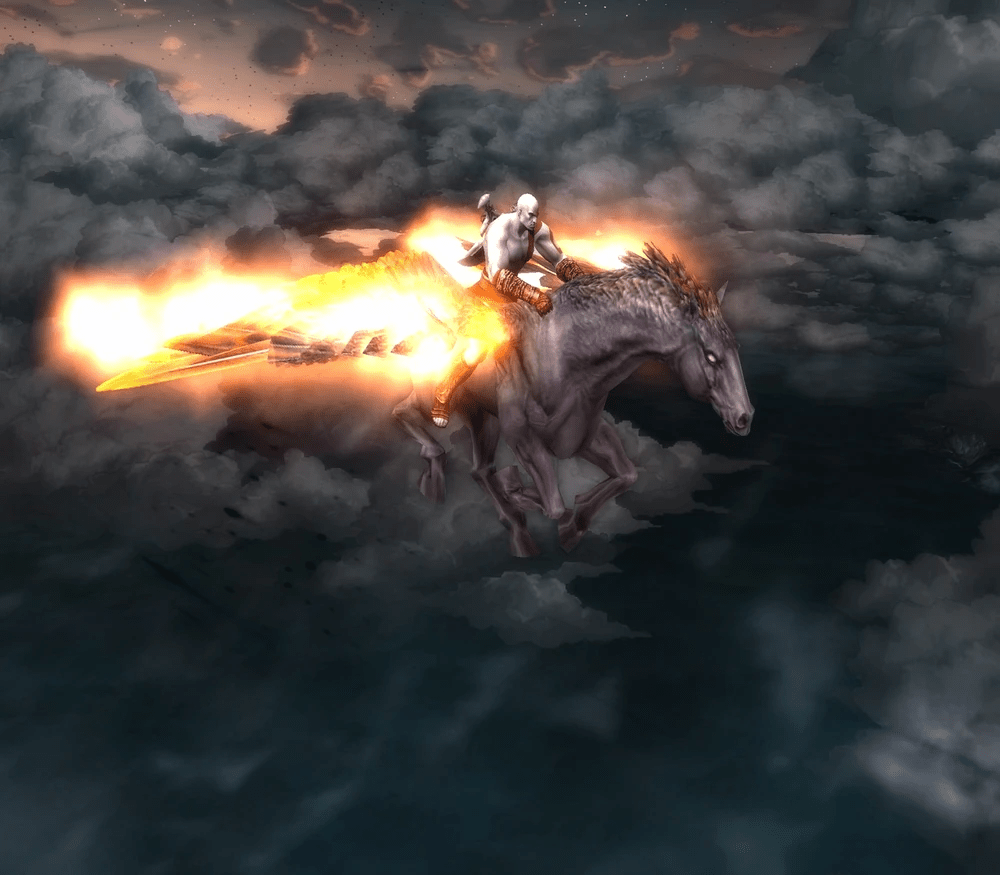
But there’s different things about Perseus to nitpick. Highlighted once again by the Mythology Guy, the sword is the wrong shape and his boots don’t have wings as described in the myths. As for the part of him where he never sought the sisters or died in battle, I’ll leave that part alone. Additionally, before this point, Kratos encounters an elderly Theseus who works as the gatekeeper of the steeds of time, which Kratos himself pointed out was the last thing he expected out of him since Theseus was so famously arrogant and cocky. Something students of Greek mythology are also likely to point out just before the fight on one of the horses.
He’s still quite arrogant in the game, but him having decades on Perseus or even Heracles in God of War III is a strange direction for the developers to take since Perseus is the one who should be an old man instead. In the myths, their indirect connection comes from Perseus being Heracles’ direct ancestor and Heracles encountered Theseus during one of his labors. If we want to alter this slightly, perhaps have a disgruntled and elderly Perseus trade spots with Theseus who’d be obsessed with attempting to regain his fame as the founder-king of Athens.
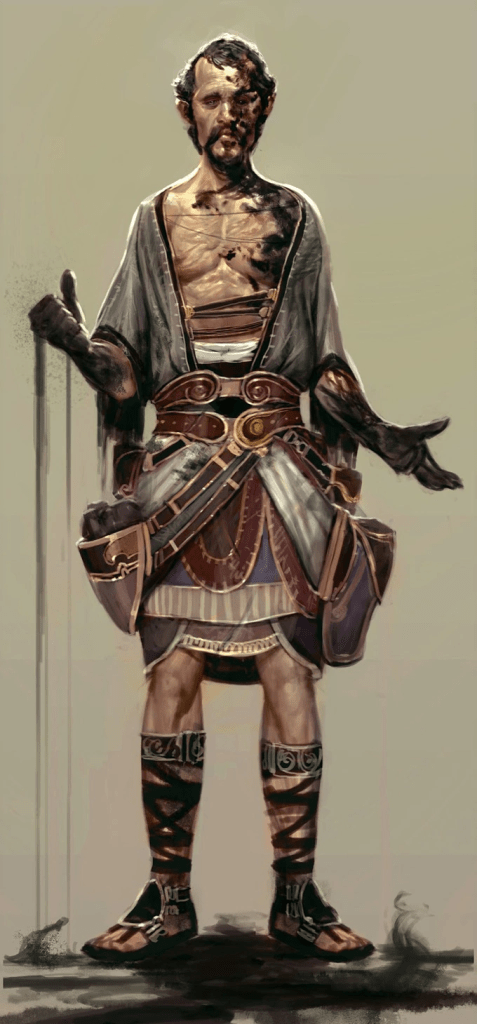
On the subject of weird directions to take, Hobo Icarus doesn’t make much sense. In the myths, Icarus was warned by his father Daedalus to neither fly too close to the sun or the heat would melt the binding wax that holds the feathers, not too close to the sea or the water would wash away the adhesive. Failing to adhere, the sun melts the wax and sends the boy into the sea to drown and Daedalus buries him on an island.
This would make more sense if it was Daedalus seeking the sisters to see if they could do something about his son as opposed to him becoming a victim of the gods’ cruelty and being forced to work on that labyrinthine Rubik’s cube in God of War III.
In the same game, there’s the issue of the Fates. In Ghost of Sparta, Thanatos tells Kratos and Deimos before fighting them that the Fates determine the paths of everyone in the Greek world, but normally at the behest of the gods, which is also confirmed by Theseus before his own fight in God of War II as well as Lahkesis herself at her own temple before the sisters face their own ultimate fate. A major plot hole here is that the Fates meant for Kratos to beat the odds and get to the temple, but strictly state that there is no changing one’s fate. Whatever happens happens. By this point, Kratos is hellbent on angering his way to Zeus and burying him under the soil of Olympus (or what’s left of it) by the end.

But I have to ask why the Fates would bring him this far if he wasn’t supposed to win. Probably to live up to the prophecy revealed in Ascension and follow the trend of failing to avoid fate by eventually being the cause of it, coupled with Kratos never really losing those god-killing powers from the first game since the Sisters fall to him with more Olympians to follow suit in God of War III. That’s my explanation, but admittedly I’m only working with the powers of extrapolation so I know damn well I’m wrong somewhere.
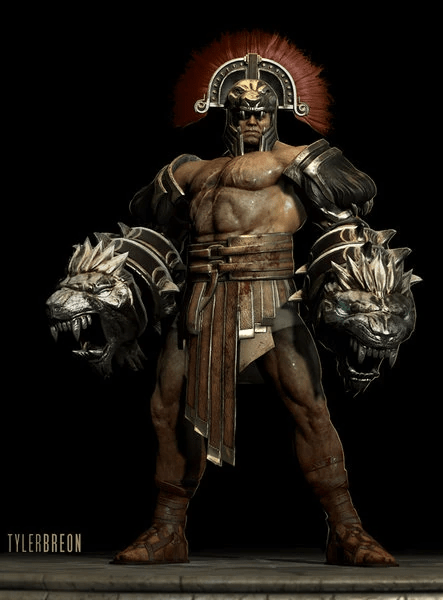
Not as wrong as Heracles is with his own labors though. He claims in God of War III that he performed all twelve of them, but by my count three of them were taken by Kratos, namely the hydra, the Cerberus, and the Geryon. The first two appeared in GoW 1 as the first battle and the Challenge of Poseidon respectively. The Geryon was the teleporting monster on the island of Crete from Ghost of Sparta, which is fitting since the enemy appears in Heracles’ namesake city in the game. For reference:

Granted in the myth, it didn’t teleport and was described as a three-headed giant or a three-torsoed giant that got bodied by Heracles. I’d still keep the Heracles fight, but maybe change the lines to make the timeline a little bit more consistent than what we got. Going back to Chains of Olympus briefly, Morpheus was pretty much teased as a major figure and him being the god of dreams should have been a golden opportunity for Kratos to combat him in the hopes of getting some kind of relief from his nightmares. Just saying, the series uses the Rule of Three cliché quite a bit so why not give him a third deity to fight unless there were plans that were scrapped? Such a shame we didn’t get to see this.
Speaking of missed opportunities, God of War III has Kratos toppling Olympus in an attempt to reach Zeus. An awesome concept that honestly should have included more deities in the pantheon. We already know about the vacancies left by Ares, Athena, and Persephone, but others either made only one appearance or none at all. Why reference Apollo’s bow but omit the god himself? Or leave Artemis out of the last of the games? Would she have been too OP even for Kratos since she’s a goddess of the hunt? Well, that giant sword she gives him in the first game would suggest that she’s one of the gods you wouldn’t want to trifle with, especially since she turned one of her followers into a bear after an affair with Zeus.
Hades losing his wife to Kratos along with his brother and niece would be a sore spot of reference, and I imagine Zeus would force him to put up with it so he can lend him control of the dead in his fight with Ares, but Hades wouldn’t be the only one pissed off about that. Persephone’s mother should’ve also been there to stop Kratos. Lastly, there are Dionysus and Hestia. Admittedly, some of these omitted gods wouldn’t have any battle prowess, but with the chaos unleashed from the box of Pandora, I’d still think they’d put up a fight of some kind. Dionysus could’ve afflicted Kratos with drunkenness, Hestia and Demeter are both said to wield scepters, and Artemis and Apollo both have bows. Or if this would extend an already pretty long game, how about challenges bearing their names like the first game? Just a thought.
This is just what I think could be used to fix some of God of War’s plot holes, I don’t think they’re egregious and make the games unplayable or unenjoyable, and I understand that some concepts don’t always make it to the final product, like Atlantis getting scrapped and becoming a major plot point for Ghost of Sparta, but some of these points, when examined, don’t often make a lot of sense.
Before I move onto the YouTube channel recommendations, I want to briefly address one recommendation I made in the past. Two weeks ago, I recommended the YouTube channel iilluminaughtii because of her in-depth anticorporatist, anti-MLM documentaries, but earlier this week, it was revealed that former editors and collaborators on her channel and associated channels have dug out some skeletons from her closet.
She attempted to defame another YouTuber when one of his editors questioned the techniques of her editing team on Discord. This specific editor is a YouTuber himself and had simply asked for tips and tricks, which comes with the territory on YouTube, but when the same editing tricks made their way into a video, iilluminaughtii, or in this case Blair herself, got mad and falsely claimed plagiarism on Twitter, which others were quick to point out the hypocrisy as her channel has plagiarized other documentaries in the past.
Now there’s nothing wrong with calling someone out if you believe they stole material or even with referencing a documentary for use in a video or article you yourself are making. The points of divergence come with what Blair claimed and the YouTuber she attempted to accuse of theft. What she claimed was a practice that is common all over the site and the YouTuber she attempted to defame was Devin Stone, a real-life attorney operating in the Washington, DC area whose content focuses on real-life and fictional law cases from the trial in SpongeBob SquarePants to Better Call Saul.
Furthermore, ex-editors and such have come out on Twitter to describe Blair as a person and as a YouTuber personally and none of them have nice things to say about her. For a start, she doesn’t seem to keep a tidy dwelling and is quite accusatory as seen with the nontroversy she tried to start with an actual attorney. She’s also not a good neighbor and doesn’t always practice what she preaches, shaming and lambasting the uber-wealthy, but now that she’d found success from her own channel, she allegedly shopped for luxurious items like expensive clothing brands and cars, sometimes after publishing a video on why X brand doesn’t live up to its purported reputation.
Looking back, it was quite alarming that she could pump out so many documentaries in such a short amount of time considering documentaries take far longer to make than any given movie thanks to the research that goes into them. After what I’d heard about another documentary YouTuber, Jake Tran, I thought I’d be over hypocritical content creators becoming the monsters they sought to destroy, and I make this comparison because this was what I’d thought of with the Twitter threads and YouTube videos released this week that talk about this sort of thing amongst other YouTuber controversies as of late. But whereas Jake Tran took histories lessons as a handbook instead of a warning, Blair is doing the exact thing she often accuses real-life public figures of doing, so what gives?
I’ll still make recommendations for YouTube channels I like and I might cover the topic more in-depth in the future but I can’t make promises to the latter. I don’t really like delving into content creator drama. Personally, I stick around for the content. Online and in Hollywood there are too many examples of celebrities falling victim of their own hubris and I’ll always praise those who try their best to remain controversy-free and point people in their direction since they tend to have evidence of their services to the unfortunate, either through donations or fundraisers, but I can’t say everyone I recommend will be or remain a good person five, ten, twenty years for now. I only promise to try.
As for channels I recommend, to make up for the shortfall that came with Blair “iilluminaughtii,” I have two recommendations this time around. Yes, a two-fer! The first one is Monsieur Z.
https://www.youtube.com/@MonsieurDean/about
Monsieur Z, also known as Mr. Z, real name Dean, is also a history YouTuber who delves into alternate history most of the time. His channel is a bit more frequent than that of Cody Franklin’s Alternate History Hub et al and incidentally, both have been confused with each other because of their deep voices. Politically, Mr. Z leans conservative and has some videos that tacitly or overtly criticize left-leaning and liberal viewpoints, but he’s not a primary current events channel. Most of the time, it’s looking at different points in history that could’ve gone differently like the aforementioned Alternate History Hub.
To throw a bone to Devin Stone, I’m also recommending his channel: LegalEagle.
https://www.youtube.com/@LegalEagle/about
Devin Stone of LegalEagle fame is, as I stated above a real-life attorney who often examines real ongoing law cases as well as fictionalized lawsuits in media. He’s also active on the website Nebula with other similar YouTubers, and even has courses and guides for aspiring lawyers in the US. Whether you hope to become an attorney in the US, you want to know more about the legalese we laymen aren’t always privy to, or if you just want to see how fictionalized court cases compare to real-world practices common in a court room, check out the channel. For both Mr. Z and LegalEagle, they have dedicated Patreon pages and other such outlets for which to support the work that they do, found in their respective about pages.
Also, Devin was a good sport in spite of the dubious claims made against him by Blair. If you’d like, you can look around on YouTube to hear what others have been saying. To summarize, it’s not a very good look for Blair.














 Opinions on Entertainment