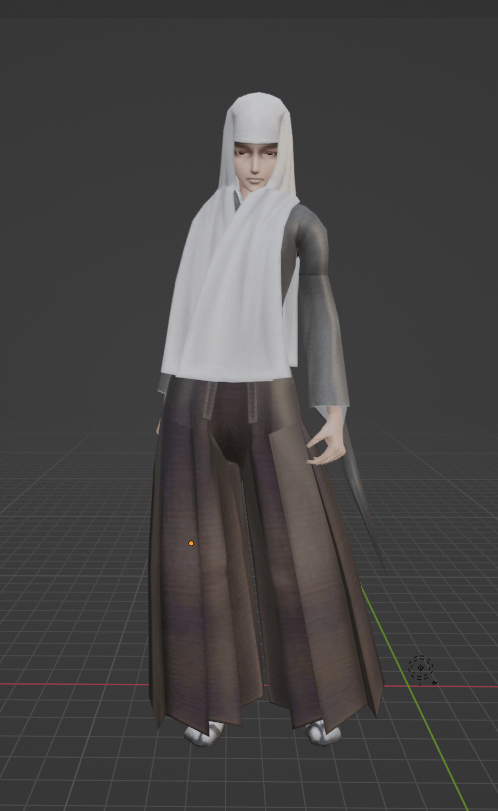
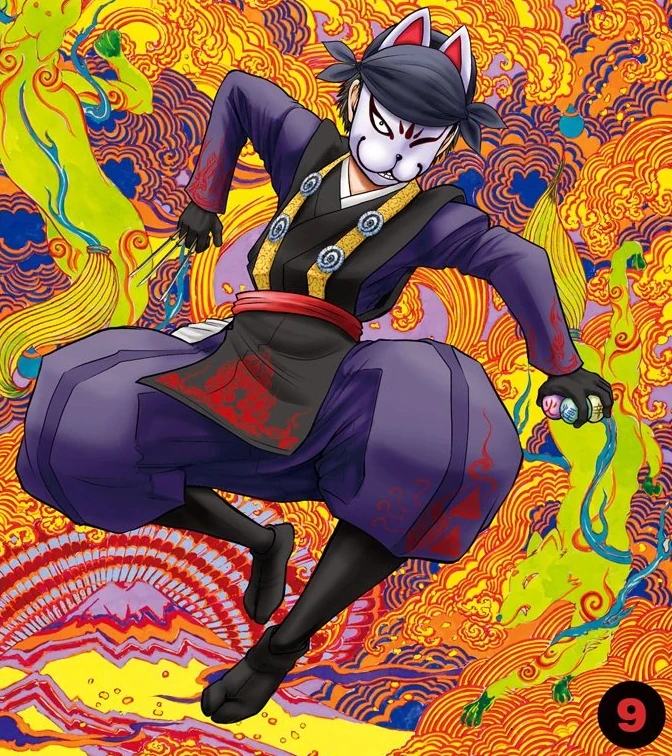
Burgundy Shinobi VS Sakai Jin-dono

戦国時代VS鎌倉幕府

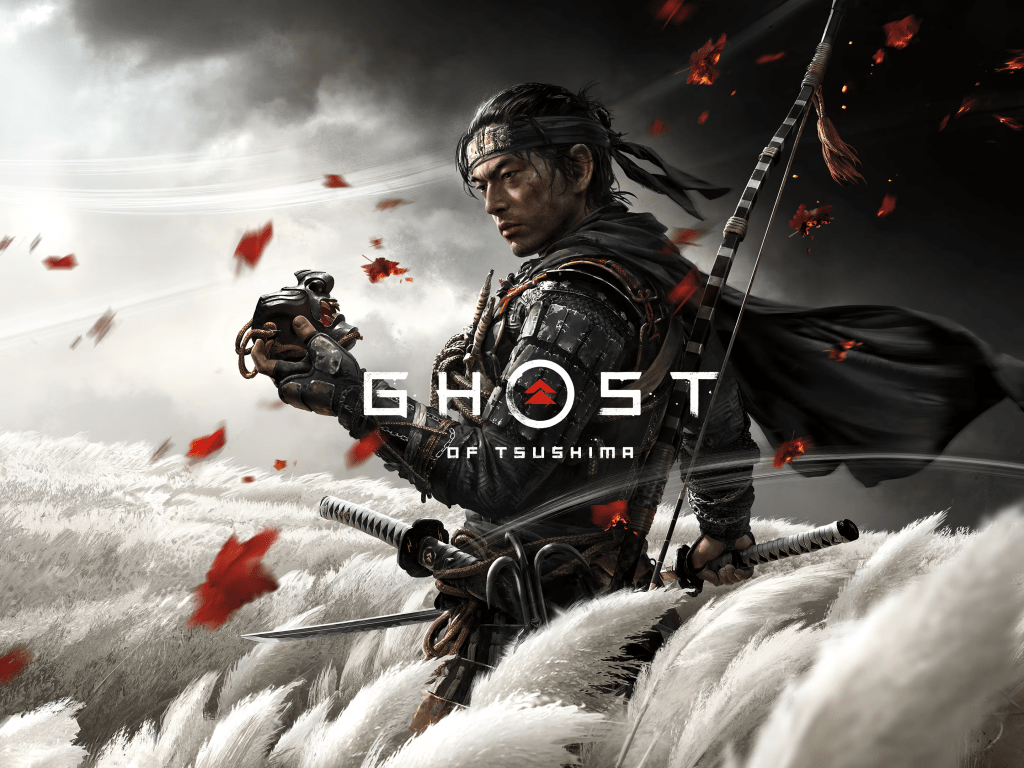
At this point, I’m milking Red Ninja for every ryo it owes me which isn’t something I normally do. I occasionally bring around my love for God of War Greek era and Max Payne as well as my contempt for the concept of Chainsaw Man and Tatsuki Fujimoto, not because I want to bury something to propel the other, but because I want to bring awareness to a multitude of different things that travel in similar circles. Since this is meant to be the conclusion of the Red Ninja recount series, the final part of this impromptu investigation into how a neat concept hung itself on its own cord by accident is going to be Ghost of Tsushima:
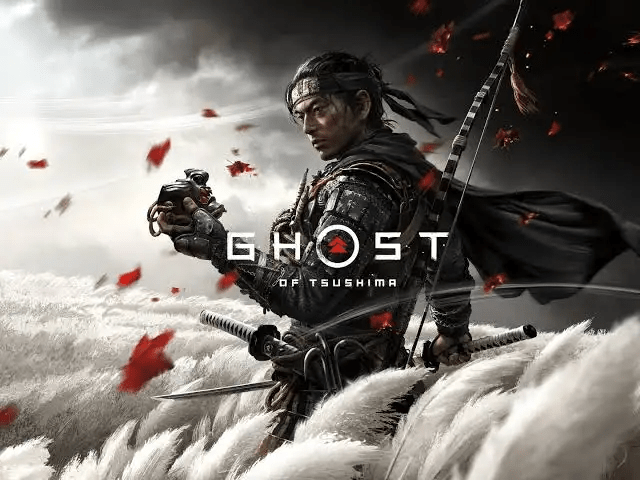
Sony’s a d[clang]khead for abandoning PC ports of popular games, I may never get to play Ghost of Yotei ಠ_ಠ.

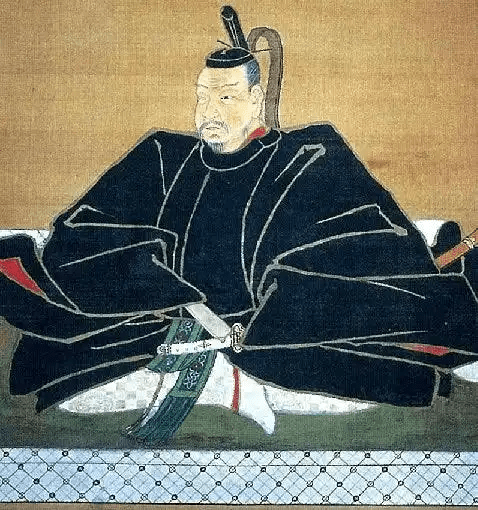
Like Sekiro Monogatari before it, Sakai Jin VS the Mongol Horde is also set in historical Japan but right around the time when my favorite era, the Kamakura Shogunate reigns supreme, when the Hojo clan can pull all the strings and tickle the bums of the emperor and the shogunate and leave progressively larger handprints until Go-Daigo took notice and said, “Those degenerates over there, Ashikaga-dono!” Sadly, the Ashikaga would turn on Go-Daigo because one doesn’t simply scorn a samurai. But they’re not important in this story, the Adachi and Sakai clans are.

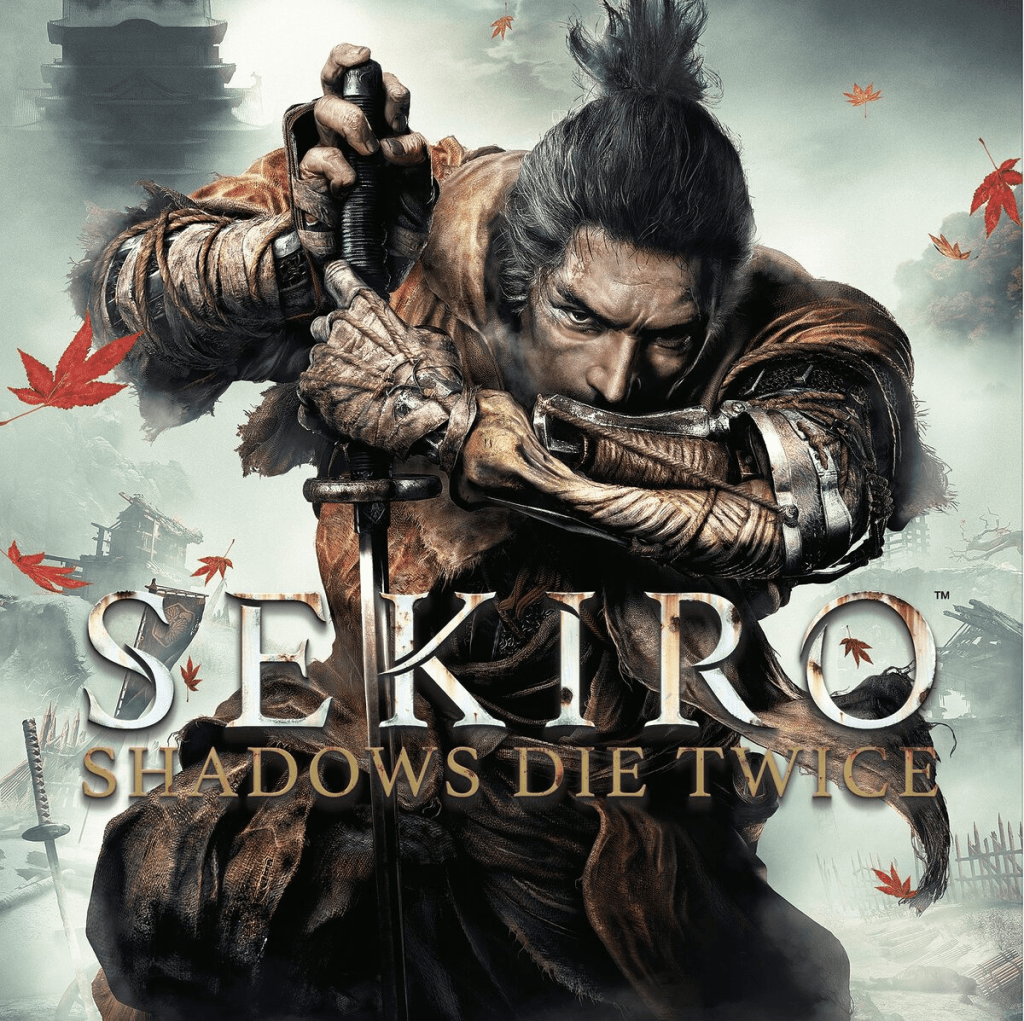
So far I have three games about shinobi or shinobi-shaped things. Redeemer of Tsushima Island, One-Armed Wolf and the Rejuvenating Waters, and Hidden and Discreet Things in a Sexy Red Kimono. Two take place in the Sengoku-era, one was around the time of Hojo Tokimune. Two play extraordinarily well, especially when it comes to samurai or ninja, one plays like it walked off the set of M. Night Shyamalan’s Split and never recovered.

Jin Sakai and Kurenai both use weapons consistent with real and fictional samurai and shinobi respectively, but Sakai-dono, as a samurai, is expected to use all those weapons befitting his status. The katana, the wakizashi, perhaps a yari/naginata/nagamaki, etc. especially while on horse, a bow and arrow; the samurai warrior and especially the general is an expert in all samurai tactics and even embraces many new and innovative tactics. Am I right, Hojo Tokiyuki-dono?
Not that Kurenai is unskilled in anything, the best way to describe her is right where she needs to be skills-wise, but for the third time, the controls don’t reflect that. Slight taps vs full taps, hold a button vs hold the same button plus another one for alternate controls, a fixed camera from a distance like what God of War achieves vs a fixed camera up-close that keeps an enemy out of view and damn, you just got stabbed with a naginata by a nameless foot soldier who should’ve been dangling from a beam in a mine.

It’s also worth noting that while Kurenai’s shinobi profession may seem cowardly in the Kamakura period, stealthy or show-y, both serve or belong to an exalted clan in Japanese history, even if one is completely made up in a way that would earn it the Akira Kurosawa Seal of Approval. Meanwhile, even the director of the worst ninja film of all time would look at Red Ninja and not even bother using the defibrillator to shock it back to its feet, but I don’t wanna be too harsh on the game. I was intrigued by a ROM hosting site to check it out for myself, and it clearly had an impression on me because I wrote about the game four or five times to date.

If a game kicks my ass because it was sufficiently difficult, then so be it. It can laugh at me from the Recycle Bin. But if it kicks my ass due to difficulty stalagmites and loops that belong in the first Sonic game then it’s not f[match-click]ing fair.
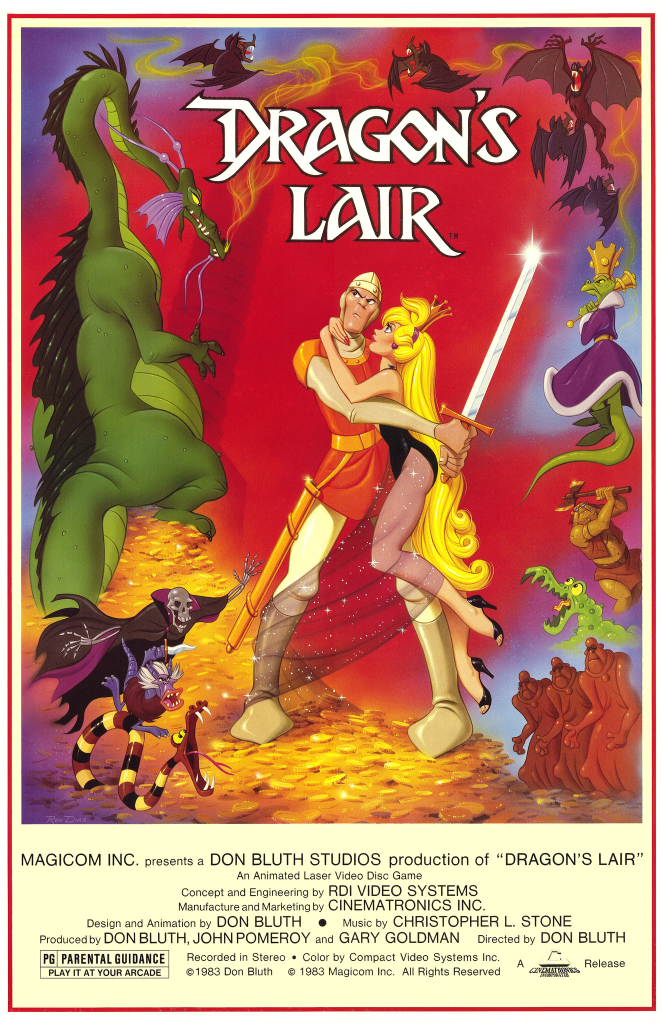
I’m exaggerating, Dragon’s Lair functions. For evil!! ╰(‵□′)╯

Both do make a good showing for their respective settings, though both also keep to the mythological shorthand rather make public the complications of their respective settings, which may be for a good reason. The Mongol Army wasn’t homogenous, they through Jurchens, Chinese, and Korean troops at the Japanese, none of whom spoke the same language or dialects, so you know damn well it was a mess the first time around, as well as the second, myths about the divine winds notwithstanding.

Similarly, the myths surrounding the shinobi of old are largely perpetuated by western and Japanese properties due to mythic shorthand for easy access. Loads of games default to masked assassin moving stealthily in the dead of night rather than a straw hat wanderer embedding himself in feudal Shizuoka. Swords clashing makes for better entertainment, just ask the Brothers Uchiha or Gokenin Zankuro.
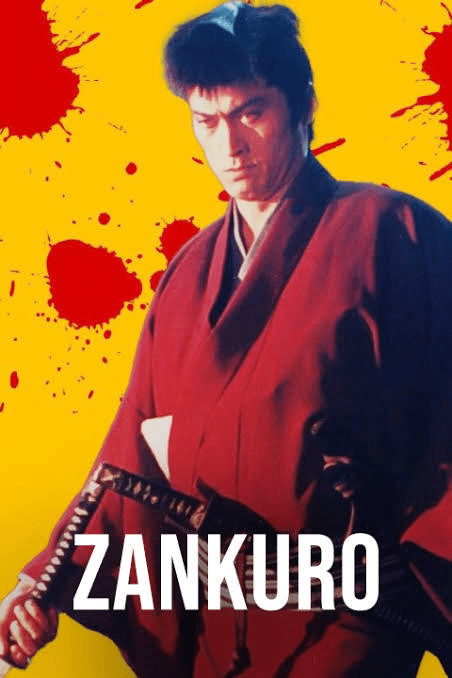
But never mind the fact that it’s historically accurate for a samurai to use a gun (though this would be true during and after the Warring States period), the individual settings for each do well to communicate to me that this is a specific historical setting, as does Three-Legged Wolf Adventures and Watch Me Run from the Ashikaga. Actually that last one is in concert with Ghost of Tsushima but set 60+ years apart, while Sekiro and Red Ninja are contemporaries with unclear starting points due in large part to the semi-mythical origins of the concept of the ninja. Also because Sekiro has you up against creatures that exist in Junji Ito’s mind.

Maybe his antagonists have been outdone by Miyazaki’s in FromSoftware’s games

So between the gameplay and plot synopses of Wolf Amputee, The Patriotic Spartan, and Shinobi Before They Were Cool, the Tale of the Burgundy Spymaster of the Sengoku-jidai is one that I desperately want to see revisited. The concept itself should’ve been impossible to f[bone crunch]k up. And in my head it is! Countless fanarts of existing and original character kunoichi show that the concept is rich with potential. Even I did it, by way of AI image generation, based off an old drawing of mine.
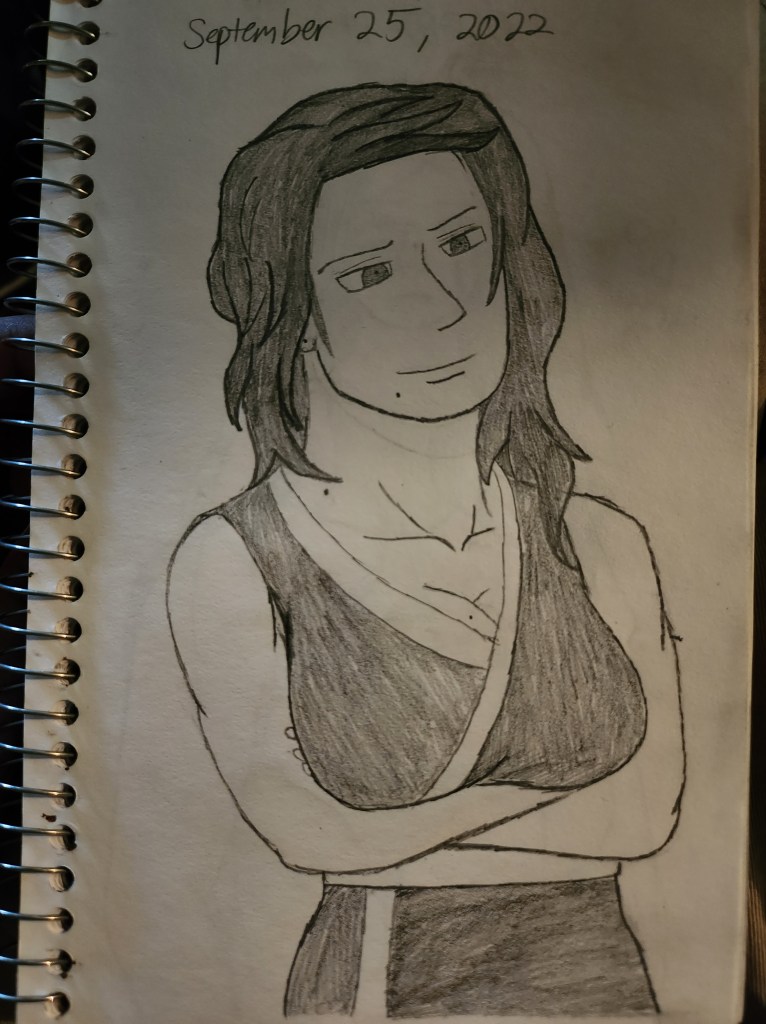
Rare Tiberius artistry at work!?

Actually, this was largely based off artwork by the artist Gesogeso on sites like Instagram and Danbooru, but the fact remains that a sexy woman who can kill you with ninja skills isn’t an failure of a concept, it’s narrative gold. The developers behind Red Ninja put too much in a shallow kitchen sink and tried to pass it off as complete when it really comes close to the mess that was the Holy Roman Empire’s power division.

I might be asking for too much hoping an exceptional programmer can fix Red Ninja’s control scheme and remake it, but there’s much in the way of Kunoichi fiction. Just a matter of finding it. Hell, Googling kunoichi media yields obscure films that would make for great topics for me to discuss later this year while they’re still available on Tubi, but so far, kunoichi have historically been background set-dressing for male shinobi set-pieces.
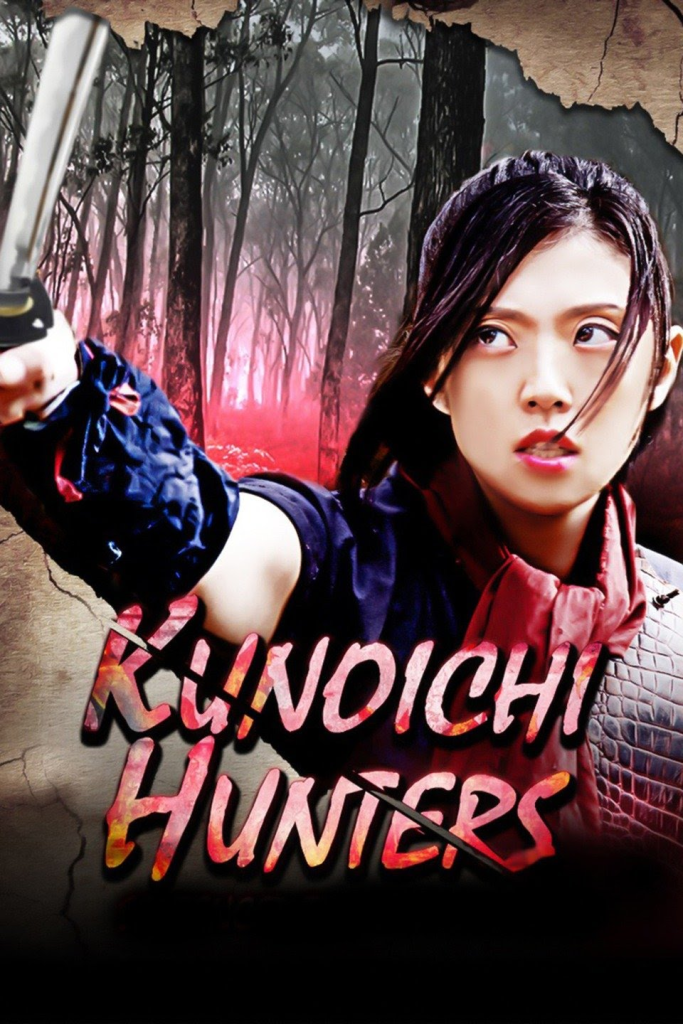
This was the only one I could find on short notice that allegedly features kunoichi in the starring role. Whether it lives up to that promise remains to be seen while Tubi still has it. Whether I choose to talk about it after watching it also remains to be seen, but I watch a lot of things, so anything is possible. I brought up a buddy cop animanga series known as Taiho Shichauzo and much of that is readily available on YouTube itself. But a friend of mine (me) still encourages straw hat piracy. Just don’t pull a Zoro and get lost.
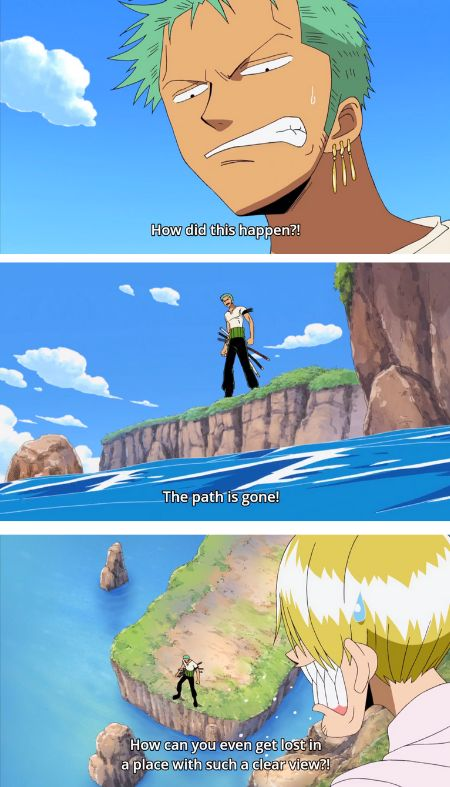
Ever got lost on a straight path? This man managed to achieve that. (T_T)
Vermilion Ninja VS Ghost of Sparta

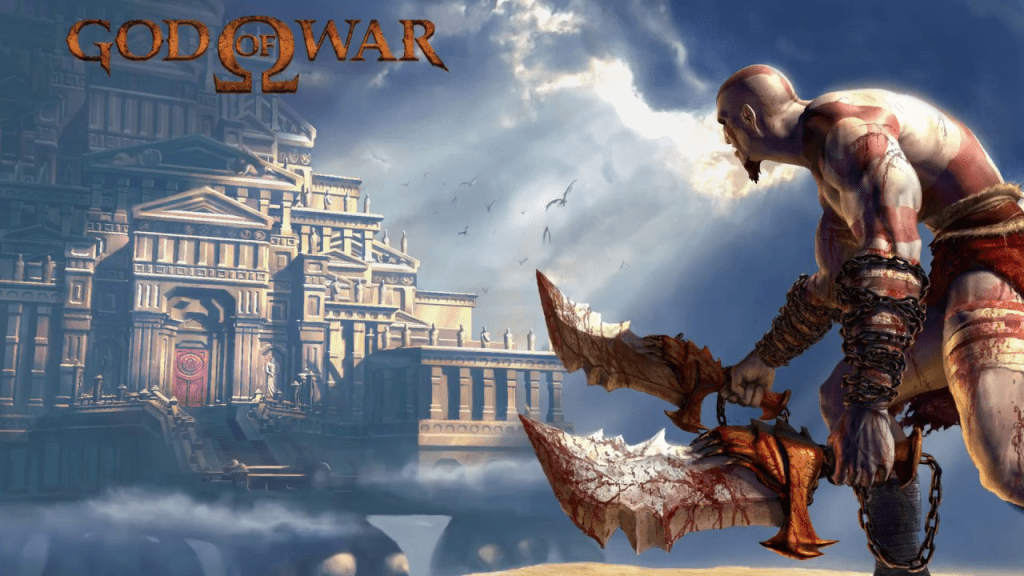
Hacky, slash-y, chained weapon attack-y

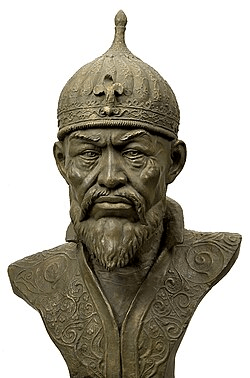
Another week, another comparison between two games I’ve talked about at length on this blog before concerning warriors scorned by the powers that be and in a way that requires service to an opponent and/or taking the entirety of the Pantheon and unleashing the wrath of Timur the Lame onto it.

Maybe it was a coincidence, but Stalin never should’ve trusted Hitler for that long. Same with Mussolini, they already hated each other.

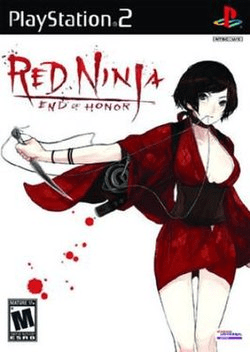
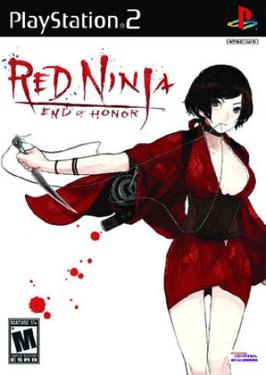
To summarize the plot of Red Ninja again, young Kurenai’s father is killed by the Black Lizard/Kurotokage clan, she is left for dead, and recruited by the enigmatic Mochizuki Chiyome, aligned with the Takeda clan and its leader, Takeda Shingen, to serve him and dismantle both the Kurotokage and Takeda’s enemies: the Oda clan. Her various methods of disposing of enemies consist of a weapon at the end of a chain used creatively, classic shinobi stealth and deceit, her own body as hinted by her suggestive outfit and the video game’s cover art, poison darts, and trademark shinobi tools like kunai and shuriken. There’s a blend of typical tropes and Japanese history, of which I approve as a Japanese history enjoyer.

God of War debuted in 2005 as an homage to claymation sword-and-sandals epic movies from the 1950s through the ’80s like Jason and the Argonauts, Hercules (likely the 1958 version), and Clash of the Titans. The central character is Kratos, a very brutally patriotic Spartan, whose skin is marked, first by the searing chains of the Blades of Chaos awarded to him by Ares, and then by the ashes of his family who was killed in a blinding rage as a means to sever his connection to mortality and commit him to lifetime service to Ares. Say what you will about Ascension and the PSP games, but they all do well to cement his position in a very Greek tragedy way.

Ascension is shortly after he realizes that serving Ares is a ruin. Leaving his service isn’t as easy with the Furies breathing down his neck to bind him to his oath. Chains of Olympus occurs five years into his redemptive service to the larger pantheon sans Ares where his main duty is to retrieve Helios from Hades and drive back Morpheus, the God of Dreams. God of War 2005 is five years after that, and a real chance at redemption arrives at the death of Ares by Kratos’ hand, but due to the nature of his brutality and prior service, the one thing he’s always wanted–a mental cleanse–is out of reach.

“The gods of Olympus have abandoned me… now there is no hope.”

But Olympus won’t let him go. They award him Ares’ throne, which was never what he wanted, and in Ghost of Sparta (my personal favorite next to II), visions of his childhood and his brother Deimos come back to haunt him. Learning from his mother, who was cursed by Zeus, that Deimos had been held for ages in the Domain of Death, Kratos seeks to free him, and the gods try to stop him tacitly by having Athena talk him out of it and explaining why they thought Deimos was the personification of dread. In Greek mythology, the deity Deimos and his twin brother Phobos represented the concepts of dread and fear respectively. In typical tragic fashion, Ghost of Sparta shows him being kidnapped from Sparta by Ares and Athena themselves to eliminate threats, namely threats to Olympus. Thanatos, the literal black sheep of the pantheon and personification of death, keeps him locked up. Committing to these duties, Thanatos engages them in combat and kills Deimos.

His mother, brother, wife, and child all dead around Kratos and without any human attachments, Athena awards him godhood and the official seat as the god of war. A great boost of morality for Sparta, an asset for Olympus, and a Spartan kick in the teeth for Kratos whose humanity, which he wanted to cling on to, has been stripped away.

Channel: Parts From Movies

I could not resist.

God of War II is where Kratos is in full “f[roar]k this” mode and he personally guides his Spartans into battle with virtually zero resistance from them and all from Olympus who realize they replaced a beast with an even worse monster. A man who cared little for petty godly squabbles is now using his position to discredit their sense of order and elevate himself as a consequence. Now Sparta truly is known throughout the world. Zeus tricked him into stripping himself of his own godly powers and saw to it personally that he would never be able to resist him again… or so he thought until Gaia intervened personally. Kratos angered himself back to life and slaughtered his way to the Isle of Creation to seek counsel from the Sisters of Fate, the literal gatekeepers of time. Ignoring the inherent danger of messing with time to f[SPARTA]k Zeus back, Kratos returned to weaken Zeus, and with the help of the Titans who lost the Titanomachy, he storms Olympus and starts slashing gods one by one, plunging the world into chaos in the process. No gods to manage their domains, no more earth; even the Titans were using him.

Yeah, as epic as this is (and it fu[clash]ing was), there’s a couple of inconsistencies. How does Kratos become the God of War at the end of the 2005 game, but the death of his remaining family solidifies it further? If Kratos could go back in time, why not save his family or stop himself from becoming a servant of Ares to begin with? These kind of ignore what kind of man Kratos was and what the Greek games were. Mythology is never consistent, just look at who the first emperor of Japan is supposed to be compared to who historians believe the real first emperor of Japan was (Jimmu and Kinmei). As for why he didn’t bring Calliope and Lysandra back to life… I chalk it up to Kratos not being that kind of griever. He’s more this kind:

He’s like a Toyota, he only moves forward, even when he goes back.

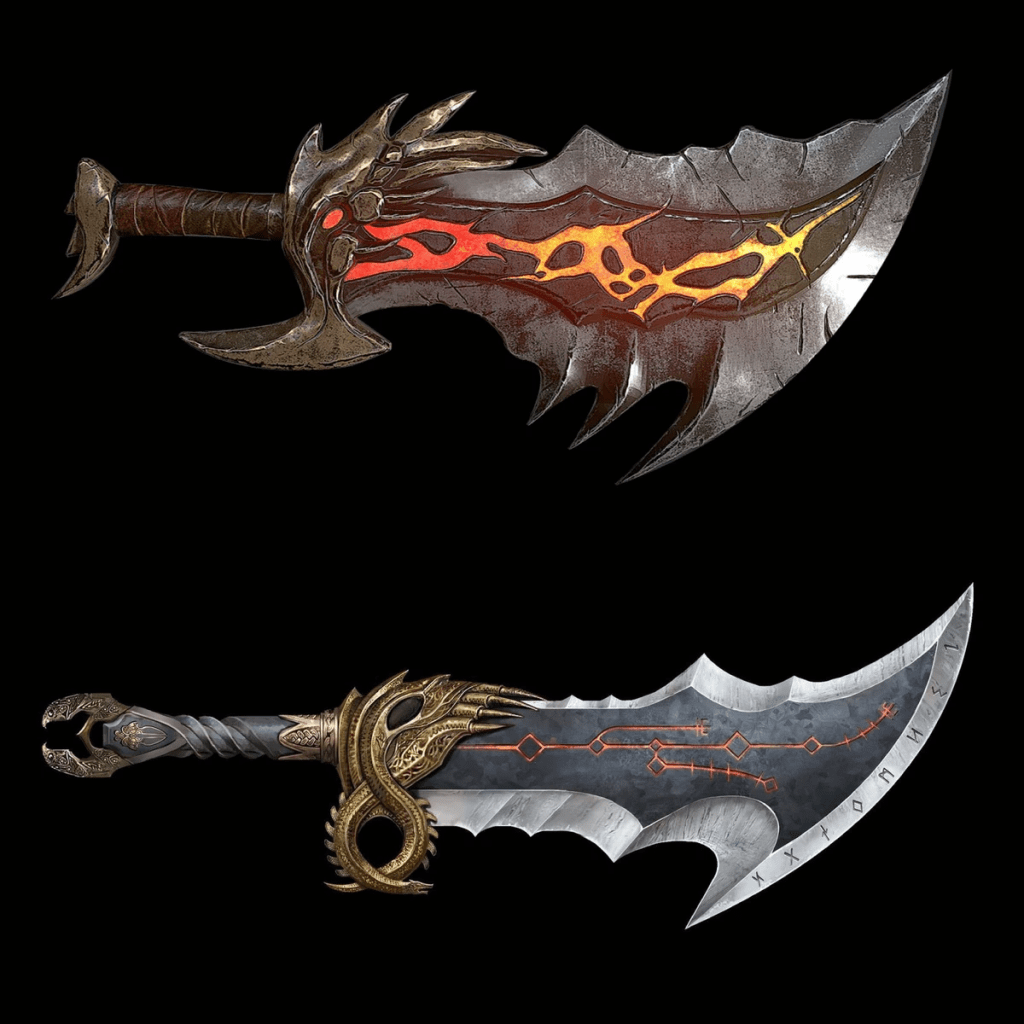
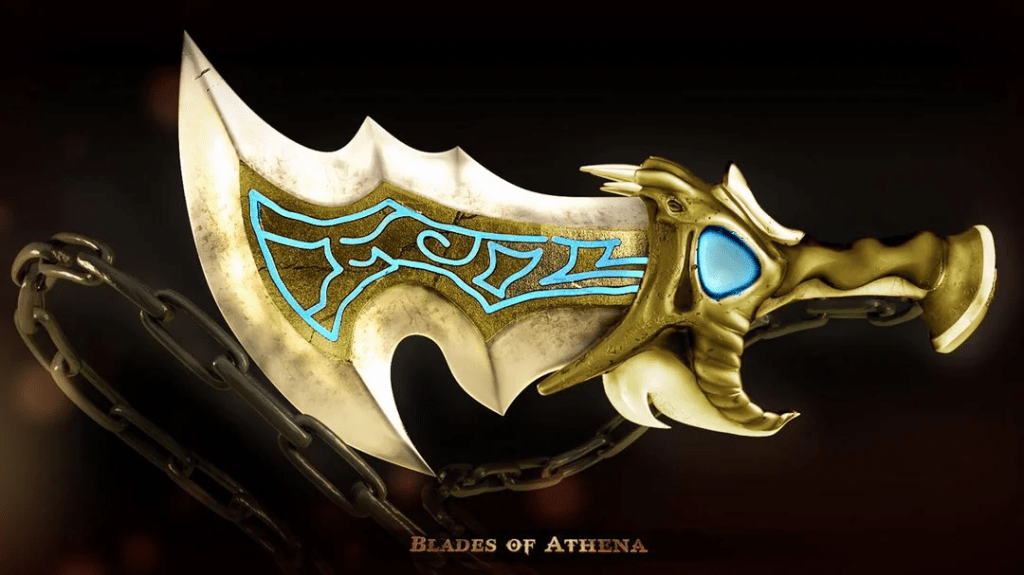
And that’s all for the plot synopses of Vermillion Ninja and Ghost of Sparta. What do they do that can be compared here? Combat, of course. Each character gets gadgets and weapons to use against their enemies, but the default is a weapon at the end of a chain, or dual weapons in Kratos’ case of which he had several by III. Kurenai is able to use her kusarigama primarily offensively. Kratos’ blades, no matter what shape they take, are more than just offensive combat tools. Grappling, platforming, climbing, fighting from various distances; and a good look at Kratos’ primary weapons shows this:

They’re ugly, they cut terribly, they burn and sear, they char, they can wedge and burrow into solid rock, are resistant to scratching and the roughest forms of abuse (which defines Kratos’ fighting style); these blades, forged in the darkest pits of Hades, have raw divine power keeping them in their consistently rough and rugged shape.

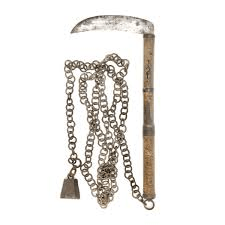
They allowed Kratos to fight and platform with acrobatic prowess. They also helped greatly during the countless puzzle segments that defined the Greek era games. Compare that to Kurenai and Crimson Shinobi whose platforming is less jumping onto conveniently exposed platforms and solving puzzles while using her weapon system and more incorporation of trademark shinobi trope tactics. The design leans into some of the mechanics that made Shinobi and Ninja Gaiden staples over the years, but is again, held back by its hybrid implementation of multiple combat and platforming systems, some of which fight each other. For reference, this is a kusarigama:

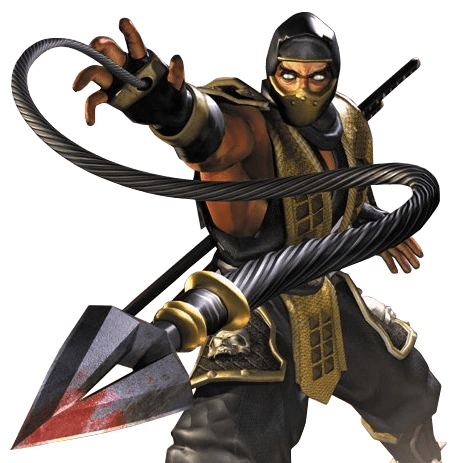
Rather than a pair of chained weapons, Kurenai has one weapon at the end of one chain with the other end being a weight, so it kills and entraps. Which brings her closer to Scorpion from Mortal Kombat.

Neither of them uses their signature weapon acrobatically, at least not for Scorpion until Shaolin Monks where he’s a boss battle in the Netherrealm, and I think the budgetary hemorrhage from Midway in the 2000s, coupled with the game’s structure of being a 2D fighter, Shaolin Monks was the only way Ed Boon and the like could use that. Funny enough, all three of these games released across 2005 fighting with a bevy of releasing around the same time. Shaolin Monks was the latest to release (September 16, though sources differ on the precise release date), so while Red Ninja was probably buried by God of War, I wonder if the Midway guys were eyeing God of War and used the spear like that after seeing what Kratos could do. Probably not, but I like to think.

Red Ninja probably could’ve implemented something slightly similar or adjacent to Kratos’ level of platforming, not to mention a better camera, controls, and enemy AI. Actually, Japanese devs can, have, and do use this, typically in Ninja Gaiden. Ryu Hayabusa’s move set is compatible with a wide array of weapons within a ninja’s skillset and outside typical ninja characteristics consistent with the genre as we see it in pop culture. Kurenai is limited to the tools that emphasize stealth, but the game doesn’t behave consistently in a way that allows for that.

But in an age of remakes and remasters, as I said the first time I reviewed Red Ninja in full, a case can be made to apply that to some games that were buried, this one included.

The last game to put side-by-side with this one is a 2020 American homage to Kurosawa samurai epics. Yes indeed I do mean:

Ghost of Tsushima, also known as The Tale of Sakai Jin or Sakai Jin Monogatari or 境井仁物語. This game is more of an evolution from honorable samurai warrior to deceitful proto-shinobi as the shinobi wouldn’t be put to more use by the samurai and daimyo class until the Sengoku era, but both this and Red Ninja being set in Japan gives me a lot of leeway. Haven’t I written about Japanese historical series before?

We’re reclaiming Kamakura with this one!!

Crimson Kunoichi VS One-Armed Wolf

赤くノ一VS隻狼

I don’t think Google Translate is doing me any favors.

Two weeks ago, I revisited the video game Red Ninja: End of Honor after leaving it be for a few months and briefly mentioning it during the 2025 Year in Review wrap-up. I was initially left quite sour by its dodgy mechanics interfering terribly with the plot and keeping me from getting as far as I wanted. The exploration design philosophy combines objectives with freedom of exploration so there’s no two ways to clear a level, which excites me having played Castlevania and various Metroidvanias, sometimes of a lewder variety to go along with the gothic subculture of Castlevania.

This has a SFW version if you wanna game without playing with two joysticks.

And I call it a tragedy of game design for Red Ninja, because looking at it from a hot-air balloon, you can see what it wanted to do and how different it was from how it turned out. Sengoku-era kunoichi left for dead commits herself to samurai clan after being saved by one of its head priestesses who also moonlights as a ninja herself and leads a group of kunoichi in service of one clan against another prominent clan of the time. Knowing what I’ve written about, Japanese history is my forte and seeing a concept like this get bogged down by some of its own design flaws.

I wouldn’t have wanted this to fail in 2005 and I don’t think it can fail today. We’ve always liked sexy ladies suplexing monsters and wild beasts and enemy soldiers. See my repertoire on Lewdtroidvanias for details. With better controls and a bit of a tighter combat focus, even if it was buried by other popular games to come out at the time, it could’ve been remembered as a hidden gem. Think diamond level instead of silver. So it has something neat going for it, but the controls do it no favors.

Conceptually, a ninja in a historical Japanese setting hacking and slashing against rogue samurai in service of his lord is a winning formula, which brings me to:

The Tale of the One-Armed Wolf.

Having written about my experiences in this 2019 FromSoftware game before, this may not seem very fair, gameplay-wise, and it technically isn’t, but we’re not comparing them just on gameplay, but also setting and perhaps lore and plot as both games follow the same beats but at different points in Japanese history.

One of the first things to distinguish 隻狼 from Crimson Kunoichi is the setting and location. Both take place at different points late in the Sengoku-era, but in different locales. Vermillion Shinobi puts Kurenai as a servant of the Takeda clan, directly under Takeda Shingen who lived from 1521 to ’73 in the old Kai Province that now makes up part of Yamanashi Prefecture of the Chubu region of Japan–or central Honshu. Lone Wolf is less explicit on locale, since it features so many from dilapidated temples to the outskirts of Ashina Castle to the Castle itself to Wolf’s own memories of Hirata estate, which may have existed either elsewhere in Japan or was toppled by the Ashina clan itself. The Ashina clan interestingly did exist in real life, and my sources claim they began in modern-day Kanagawa, then moved north to Tohoku where they met their end by the forces of Date Masamune.

Thus ended the Ashina Clan.

But Wolf was loyal to a single man, or child: Lord Kuro, the Divine Heir. The mystical Dragonspring rejuvenating waters are capable of allowing those who consume it or are blessed with its essence of immortality, but like a monkey’s paw curling, immortality and infinite beauty aren’t one and the same. Sure, you can live long enough to see Jotaro Kujo punch a vampire to death in Egypt, but you won’t look anything like a human being anymore, so be careful what you wish for.

On that note, interspersed with the human enemy retainers of Ashina Castle, they use a handful of semi- or non-human enemies at their disposal. Gargantuan animal species, mythical creatures, beasts, and other beings stemming from Buddhist mythology–all for war against the Interior Ministry, which simply seems to be the Tokugawa Shogunate while they’re consolidating power. Keep in mind, this is the Sengoku-era and the Tokugawa would eventually rule Japan for the next quarter-millennia until the Black Ships arrived in Edo Bay.

西男、どこへ行くと?

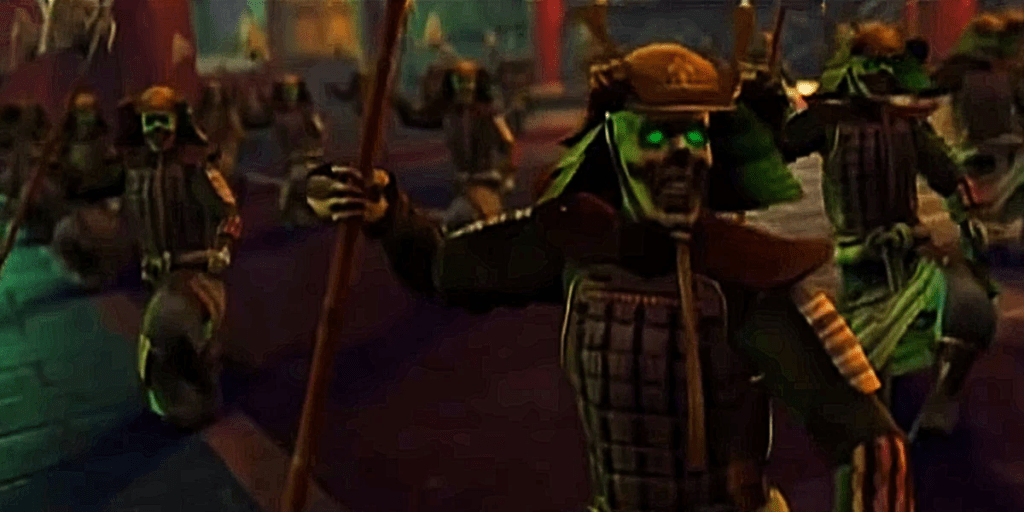
The goals of Ashina Genichiro are to make his forces immortal and weaponize that immortality to topple the Tokugawa before they can unify the country. Basically using an army of undead warriors to divide and conquer as far as the eye can see. Wait a damn minute, I’ve played this game before!

Two, actually.

As for Scarlet Shinobi no Sha, since Kurenai is a kunoichi, or female shinobi, her methods of combat are less 16th-century fantasy and more practical ninja weapons that have been said to be used by ninja, though sources are sparse or nonexistent for secrecy’s sake. The emphasis being on speed and stealth, ninja needed tools that can be easily used and hidden. Their missions were almost always: get in, do task, get out. Assassination, espionage, intelligence gathering; ninja were back then what modern-day scouts and special forces are. The less collateral there is, the better. U.S. Army Delta Force may pride itself on the business model of the quiet professional, but the fact that there are conflicting reports on ninja IRL shows who the real quiet professionals were.

For Kurenai and her masters, Takeda Shingen was a real person and Mochizuki Chiyome has been documented, but where there wasn’t a need to falsify Shingen’s history, Chiyome’s personal life is one of speculation, and that may have been on purpose. Knowing everything about shinobi would ruin the image, but again recordkeeping is nebulous with accounts changing depending on the story-teller, or we would have definitive proof of Rasputin’s final moments.

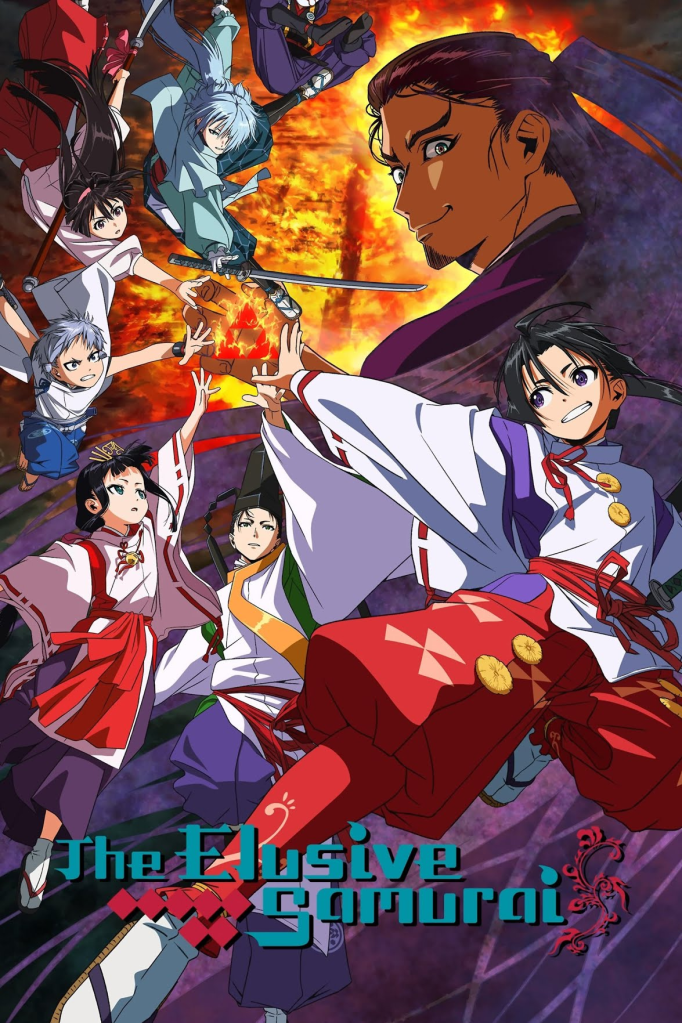
Whatever reports there are of Takeda Shingen being a master bastard would’ve been penned by his enemies. This game focuses on his rivalry with the Oda clan, but they were one of several. The Tokugawa, the Hojo, the Uesugi, and the Imagawa all had scores to settle with the Takeda clan as a whole or Shingen specifically. If he did use shinobi to undermine his enemies, he wouldn’t have been the first, nor would he have been the only one. It’s a bit of an oversimplification to claim many samurai used underhanded tactics to get one over on their enemies, but it points to their use of existing tools to do so, and one no military force has ever done away with because of its effectiveness. The Elusive Samurai, for instance, features Kazama Genba who can be described as a progenitor of the shinobi archetype based on the setting being the downfall of the Kamakura Shogunate in 1333.

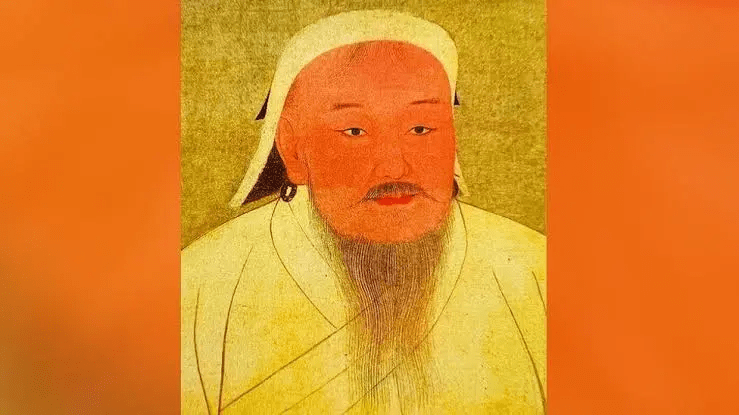
Both games are baked in mythology, but of a different type. Garnet Shadow Warrior plays up shinobi mythos and the Sengoku-era in pop culture based on grounded, historically feasible accounts penned either by the Takeda clan or their main rivals while Lone Gray Wolf cranks up the mythos with Buddhist monsters and phenomena. Not every beast you face as the titular Sekiro is completely under Ashina control; these being wild animals, only a few of them were “tame” enough to take on the Interior Ministry, and even some of the human enemies aren’t fully loyal to the Ashina. Some are there for their own ends. Even if the Ashina won out eventually (and for the record neither the Ashina nor the Takeda could stand up to the Tokugawa), those warriors likely would’ve betrayed Ashina. If Genichiro was smart, he would’ve used the same tactics Genghis Khan’s army supposedly used to keep his burial site hidden.

Sell it with a Timurid-like curse on any who unearths his tomb.

The major differences between them are the gameplay styles. Solo Dog of War is a Souls game with fewer bells and whistles to be found in traditional Dark Souls and later Souls game, the Welsh-inspired Elden Ring. Does this mean it’s simpler than the rest of the Souls library? Nope. Difficulty has not been sacrificed on the altar to bring Single-Player Ninja Guardian to our consoles and PCs, for you can still get thrown off a cliff or slashed by a knob-end who took R. Kelly’s “I Believe I Can Fly” to literal heights.

Channel: Xironia

Blood Spy is less theatrical, but largely because it combines three separate gameplay styles into one without the finesse that all of them have in isolation. This isn’t an instance of combining chocolate and peanut butter to bring us Reese’s nor is it a showcase of why peanut butter and chocolate don’t work. More like, if trial and error was applied, then Red Ninja could’ve been more than just a one-off project. Weapon at the end of a chain, seduction, platforming, and stealth aren’t ideas that should fail on paper, but the execution of this combination is the thing that matters the most. Places where some combination of those work well can be found in a bunch of games, including the Lewdtroidvanias I linked to earlier in this post.

But the world hasn’t collapsed despite what the news cycle spits at you. So a developer who happens upon this post or more realistically the game can (and F[sword clash]NG SHOULD) revisit the concept and reapply it to modern hardware. I’d kill a thousand men to see it return to the forefront, even if handled by someone else. Ideally, someone competent. The last thing we’re asking for is Saint’s Row 2022.

Besmirchment of my legacy and dishonor on my name is intolerable!!

A PS2 Game About Shinobi Vengeance

With dodgy mechanics

Months ago, I added Red Ninja: End of Honor to my list of topics to cover in the New Year and I had done so at a time when the game had frustrated me greatly. I briefly touched upon it in this post about what I found wrong with it, why I hadn’t advanced as far as I could, etc., etc. I was playing enough of it earlier to get a handle of it and return to form of sorts and this and the next series of posts are going to be subjective, but on reflection, I don’t think I was going to approach it as fairly as I had hoped.

Now Red Ninja is a game with flaws, but watching some video essays and reviews of the game, it has a cult following, so with that in mind, here’s the short version: it needed better controls and a better camera.

Which is something I don’t want to say about the game because it has a lot going for it. Stealth mechanics that make use of traditional stealth and historical context. I do need to clarify something I said in that post linked above. I mentioned that kunoichi didn’t exist. I retract that statement. They were real, but pop culture elevated their status a lot. This was due to sparse record-keeping, mythic statuses of actual female warriors, or onna-musha/bugeisha, and historian debate. There’s more records of onna-musha than of kunoichi. So you might happen upon a historical, if loose, retelling of Tomoe Gozen than of Mochizuki Chiyome. For that matter, The Elusive Samurai has one such onna-musha, the tomboyish Mochizuki Ayako as a retainer to that dastardly light-footed regent.

For all intents and purposes, Red Ninja takes from the kunoichi trope and while a history buff, from what I’ve seen so far in my gameplay, Crimson Kunoichi does use mythical status to elevate its protagonist Kurenai. It also mythologizes samurai and ninja clan politics of the Sengoku period. Before the Tokugawa clan won out for the next quarter-millennia, various samurai clans competed with one another, and this game centers around the rivalry between the Takeda and Oda clans.

The starting premise is that Kurenai’s father, Ryo, was killed by the Black Lizard clan (Kurotokage? 黒蜥蜴氏) and Kurenai and the rest of her family was slaughtered en masse until noblewoman Mochizuki Chizome found her near death, and recruited her into a body of kunoichi to serve the Takeda clan.

Don’t worry, she was a real person.

Records about Mochizuki survive or we wouldn’t know about her, but her historicity is of significant historian debate. As a Takeda clan noblewoman, she may have been hidden to protect her from assassination by Takeda clan enemies and subsequently mythologized, which is largely why historians struggle to frame her correctly in the framing of Sengoku era politicking. Not to mention, the two most famous ninja clans, Iga and Koga, may have only been two of several. Again, espionage has historically been light on records for pragmatic reasons.

Even if the Takeda clan did use ninja for espionage, the records are missing or were destroyed by them or their enemies. So the majority of the game is a revenge tale that I haven’t finished and might not finish this year. C’est la vie.

Wait, there’s a picture of Mochizuki Chiyome.

As she appears in the game. Pop media has given her different appearances, but this may be closer to who she was in real life.

So, Tiberius, what’s your issue with the game? The mechanics. The controls require a level of surgical precision that mean the difference between a successful heart surgery and a medical malpractice lawsuit. Slight analog stick movements work for games where the protagonist has a clear walking animation. When I do it in classic God of War or The Suffering, Kratos and Torque do walk. Here, it seems to be more than a little gimmicky and the reliance on specific pressure points makes the difference between a fumble and a successful assassination. Button presses aren’t the least responsive, but it can be difficult if you try to perform a certain move and it doesn’t register cleanly. Maybe it’s my controller acting up, but for f[sword clash]k’s sake, let me hang a motherf[AAAH!]ker from a beam!

Platforming again relies on precision and I would’ve preferred the God of War approach, not convenient ropes like in the first game, but using the Blades of Chaos/Athena/Exile/Spartan Rage to swing from specific points. Those blades are already ugly enough to leave grisly marks, so make them function as a grappling hook reinforces Kratos’ approach to traversal.

I started with God of War II, so I’m biased when I say that these were better.

Not for nothing, this game arouses me about Japanese history that few media properties do. Exemplified by my piece on Running from the Ashikaga among others, I don’t think pre-Sengoku Japan gets a lot of exposure in the west. On the one hand, this helps with keeping outside opportunists from mischaracterizing the era with their manure; but on the other hand, serious western historians and history buffs from seeing the era and viewing it with the contextual clarity that they deserve.

Is this a recommendation? A dissuasion? Well… it’s more like a collection of what I think could’ve helped the game mechanically. Kurenai’s main arsenal doesn’t hurt her. In fact, her story fits neatly into the myths that surround Mochizuki Chiyome and the Takeda clan, so countless other stories of kunoichi can work with this frame. Kurenai would be one of several.

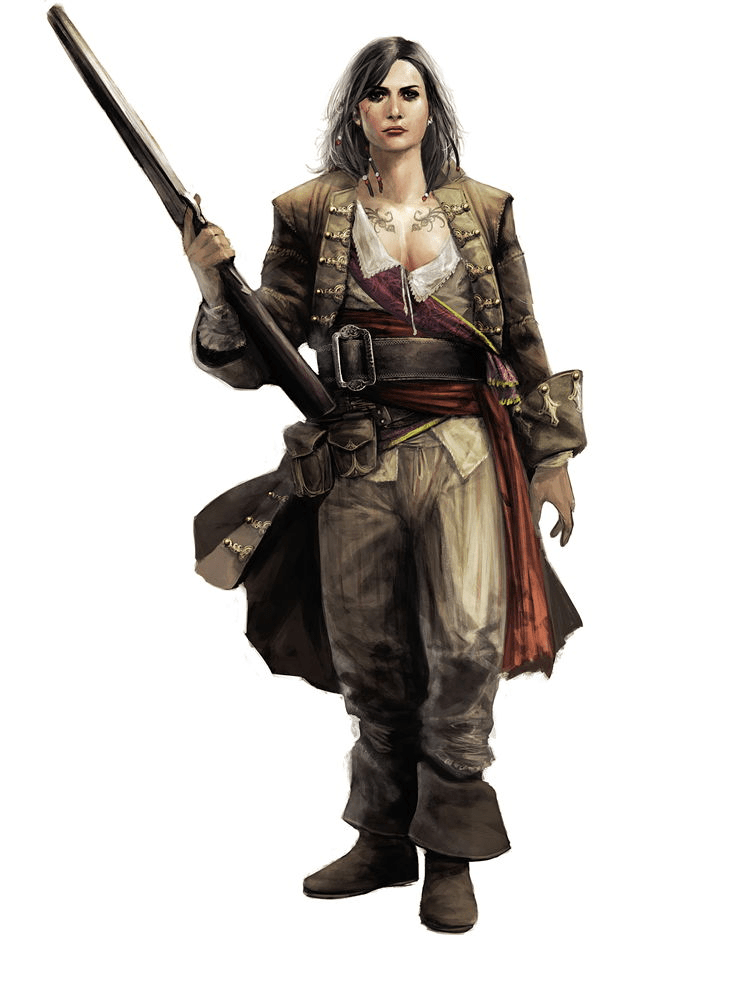
Following up on that, the historical use of female spies is an interesting point. Say a female spy used her feminine charms on male guards to gain sensitive information and Kurenai does have this as her advantage, as did pirates Mary Read and Anne Bonny when they appeared in Assassin’s Creed IV.

I knew something was off when “James Kidd” was noticeably more babyfaced than his hairier contemporaries.

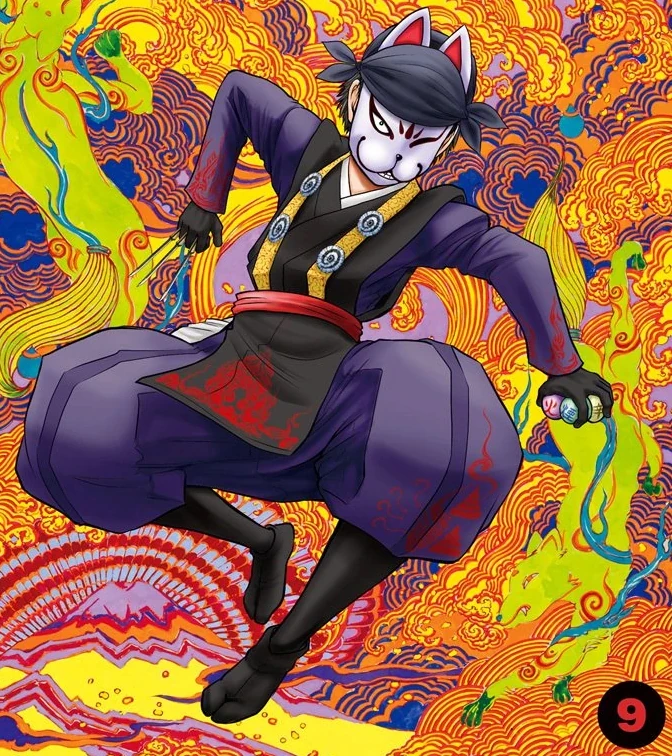
Like the aforementioned pirates of the early 18th century, luring a horny man to his demise and stealing his secrets is a time-honored tradition. Though historically spies wouldn’t be inserted James Bond-style; that would be too much effort for very little payoff. Realistically, Kurenai or another kunoichi type would already be aligned with Takeda clan enemies by way of association. A plot would be to use them to get closer to the Oda clan leadership, steal as much information as they can and then use that against them. It may be goofy as hell as a Shonen series, but Femboy Shikken makes good use of stealth in the manga by way of known local miscreant Kazama Genba.

Kurenai and Kazama Genba are both portrayed as masters of stealth by way of the tactics they use. Kurenai is designed to wear a skimpy kimono that exposes her ass and threatens to unseat her tits, thereby weaponizing her feminine sex appeal to male guards. Kazama has a mask that can be molded to imitate the likeness of central figures. In one instance, he posed as Ogasawara Sadamune to help Tokiyuki take the imperial decree from his headquarters. And it worked! Until Ichikawa Sukefusa and his big ass Mickey Mouse ears heard them faffing about. Kurenai’s lure and attack method works when the game’s mechanics don’t trip over itself.

Overall, if it had a modern remake of some kind like what Max Payne is set to have this year, then I’ll play that from start to finish uninterrupted when I’m able to. If you have the patience, see your local emulator for more details.

My notes say the next topic of discussion is gonna be Lucky Star.

Then after that I’ll get back to Red Ninja mainly to put it alongside the likes of Sekiro and God of War 2005.

2025 Year in Review and Topics Left Uncovered

Holiday wrap up

Hope everyone is enjoying their holidays, to include Boxing Day for my British and Commonwealth subscribers, I know you pop in a couple times a month. I am currently on leave right now, seeing family in New York until January 2, so the first post for 2026 will be delayed most likely until later the next day. So this Boxing Day will be spent reflecting on pieces of entertainment that I consumed in 2025, even if it was older or not necessarily released this year.

I won’t be using any particular order or any kind of ranking system. This post is gonna be a free-for-all, so look forward to video games, TV series, movies, and animanga all in one post. For the video game front, the FPS genre suffered a devastating loss earlier this week with one of the founders of Call of Duty and Medal of Honor, Vince Zampella, losing his life in a car crash in Los Angeles. His work, along with that of Jason West, heavily influenced the trajectory of the FPS genre and the gaming landscape from spearheading the modern warfare concept up until he and West were unceremoniously booted on trumped up charges. Nevertheless, neither man was deterred and got back on their feet with the likes of Titanfall under EA.

1970-2025

Further hurting CoD was the mediocrity of CoD: Black Ops 7’s release last month. If ever a case was to be made in favor of delaying CoD’s dev time by a year or two, this is it. Overuse of AI, nostalgia bait, the weird decision to make the campaign a coop feature, and an unacceptable recycling of old assets pushed the fandom to pressure Activision-Blizzard to slow up on yearly releases. Even the multiplayer wasn’t up to snuff in many players’ eyes due to the aforementioned marks against the whole game. In 2019, the channel Knowledge Husk published a video examining the history and a trajectory of the franchise with hopeful, cautious optimism. It precedes the official release of the Modern Warfare reboot so it shows its age there. After over seven years, the topic needed to be revisited, which it was, by our friends at The Act Man and the Angry Joe Show.

Channel: Knowledge Husk

The game hub updates with each release, but thankfully I filled my time with the likes of World at War, Black Ops 1 and 2, and the original Modern Warfare trilogy. Nothing against the modern games, but these were at a time when CoD didn’t worry about courting controversy. It knew what it was and what it was doing back then. Speaking of games that offered subpar content, I happened across a forgotten ninja game for the PS2 called Red Ninja: End of Honor.

So many tropes are present and unfortunately wasted, I feel

It’s about a kunoichi who is hired to protect the Takeda clan during the lordship of daimyo Takeda Shingen. Japanese history time: the daimyo or feudal lords were the equivalent of vassals to the shogunate, with the land to manage and the samurai class as retainers to keep that land from falling into enemy hands, which was the hallmark of the Sengoku period until the early 1600s when the Tokugawa clan won out. In some cases, daimyo and samurai clans hired ninja clans to spy on their enemies and remove any image from your head about what they might’ve looked like. Ninja, or shinobi, typically dressed like commonfolk, peasants, farmers, merchants, artisans, and some even had the skills to sell the idea that they were what they claimed to be. It’s also worth noting that they were more loyal to their masters than the people they hired. See the Ashikaga clan and Ashikaga Takauji for more details.

Kuoichi or female ninja didn’t exist IRL, but have become a staple of popular media, especially in properties like the Naruto franchise. This game features a kunoichi named Kurenai who embarks on a revenge quest after her father was killed by the Black Lizard clan. Like the ninja of old, she pledges undying loyalty and even uses the typical ninja tools from popular media from kunai to string weaponry to blow darts to poison arrows. In nearly all media, the shinobi almost always have few armaments or protection compared to the bushi they were fighting. So stealth mechanics are ideal in a game like this, which is something I’m not against if the controls work and in this game it was knocked down because of that. Precision is desired in this game in order to complete the platforming sections and of all the platforming games I’ve played, this was the first one that demanded the player to cook omelets with a broken skillet.

The game demands precision while giving you nearly none to work with. Flimsy and cumbersome controls are the game’s worst aspect and yet the game’s plot is fairly interesting. I plan to go over it in more detail come the new year, say February, as I’ve had the time to recover from its god-awful platforming, but taking the plunge once again for review’s sake is gonna be interesting. I’m still near the beginning of the game as of this writing, and while I don’t wanna be too harsh, it encouraged me to play God of War 2005 again.

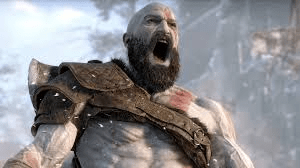
I love bearded Kratos, but sometimes I miss that preposterous Spartan jawline

In lighter news, an animanga series that I’d been following since debut years ago and had wrapped up its first season last year has been greenlit for a second season for 2026. (^v^)

It’s The Elusive Samurai or Nige Jouzu no Wakagimi or 逃げ上手の若君 or The Young Lord who Excels at Running Away. The second season is set to release in July 2026, around the same time as the first one. So that’ll be saved for the week of July 2026 for a first impression and a full review once all the episodes are out. At the risk of jinxing its production (unlikely since this is Clover Works at the helm), let’s it escapes the fate of One Punch Man S3.

You deserved so much better, Caped Baldy

Reading a little further in the manga, the group eventually hides in plain sight in Heian-Kyo/Old Kyoto where they find another to join them in the form of Sasaki Mima. Next to that, the coming battles against Ashikaga allied forces commences with a few familiar faces, notably Hirano Shogen. Specific spoiler incoming, if you’ve ever seen the meme of the woman headpatting some children with a photo of her in uniform denoting a past as an equivalent of a Class A war criminal (i.e. Adolf Eichmann, Heinrich Himmler, Tomoyuki Yamashita, Masaharu Homma, etc.):

Specifically this meme template

This is exactly what Shogen has become in the penultimate chapters I’ve read up thus far. A past of slaughtering people, selling the children in slavery (hinted at times to be of a sexual variety interspersed with that of menial labor), ravishing helpless women across the land, and having the audacity to offer hollow prayers to Lord Buddha; clearly, it weighs on him in a couple panels, but not as much as a trip to Jigoku. Even after reforming his behavior and refining his battlefield technique to actually be useful against an enemy that can fight back, it doesn’t do much for him all things considered. Does make for an interesting battle on the page; now we just need to wait to see it animated.

I’m not saying there’s no such thing as redemption, just that even if you pay your dues, there’s always going to be one group or gaggle of people who’ll curse your name til the end of days. In real life and in fiction, the road to forgiveness is long and winding. Just ask this man:

Personally, redemption relies heavily on the severity of the offense and personal conviction. Proof and consistent evidence that the offender wants to be a better person going forward, while admirable, would still need regular checks to confirm they haven’t relapsed. How long this would last, I’m tempted to say for life like what 7th Hokage Naruto has with Orochimaru, but in his specific case, Orochimaru can create synthetic bodies of himself to jump into each time his mortality creeps up on him so Naruto’s problem becomes the next Hokage’s problem, i.e. Shikamaru’s.

The buck stops at war criminal levels. Hangman, firing squad, guillotine; fastest way to hell is the one to be taken. The anime stops right after the first confrontation between Tokiyuki and Shogen, so I’m certain the second season may stop after the second time we see Shogen or a bit after that.

In the gaming space, a not-insignificant portion of my time has been taken up by Victoria 3, Zenless Zone Zero, and the trio of Lewdtroidvanias I wrote about before. For Victoria, I main Japan, Germany, and the U.S. for the historian in me with Russia thrown in for good measure. I’ve been able to get the Empire of Japan going, but RNGesus doesn’t make the colonial aspect very easy. Praiseworthy, but after some updates regarding the Iberian kingdoms, it’s gotten even tougher than I recall, so I’m up for a grind.

Speaking of which, ZZZ has newer banners to round out the year and I’ve gotten lucky enough to avoid the cat Nekomata until recently.

Then again, she has a past as a cat thief (no pun intended) so I should’ve expected this at some point during my pulls.

For progress in the Lewdtroidvania front, with Midnight Castle Succubus, looking online for guides was a big help. I found all the girls and nearly all the crowns and finally saw Beatrix as a succubus.

Should’ve known the transformation also meant waiting 20 minutes for the honkers to pass before the rest of Bebe showed up, I guess.

More upgrades, health, a powered up form and I’m at the final boss who’s putting up even more of a fight than the final one to unlock the alternate map that I’m at right now. Thanks to the guides, I’m ever confident I can get through this. And while I’m at it, power through the other pixelated NSFW titles with that knowledge I’ve acquired.

Lastly, Red Ninja’s impression didn’t just leave me retreating to Greek God of War and The Suffering. That game and Tactical Bacon Productions had me returning to a specific Zero Punctuation episode from 2009.

Channel: The Escapist

In the beginning, one of the showrunners of Unskippable was dared to review a game called X-Blades in the same manner and interestingly, the game was featured on Unskippable itself and that show’s purpose is to take the piss out of video game intros. Through this, I bought X-Blades and its sequel Blades of Time to see whether it is Like God of War But. Yeah, the tower of content ain’t coming down and it ain’t gonna be finished whatsoever.

I plan on covering animanga releases slated for 2026 after everything is settled and I’m back from leave. I’ve so far only kept tabs on Featherfooted Daimyo, so I know I have even more to look forward to for the year.

Interspersed with my day job army-ing. Yay…

On a final note, one of my computers, an MSI Katana 15 B12V, has a key that works intermittently. The E key which has left me to hot key the copy-paste function to type just this post. A nuisance that I haven’t been able to fix, and I fear having to replace the thing to return to form. I have the old Acer Nitro 5 despite it sputtering to life much slower than before the SD Fiasco of ’24 and for all its faults, OneDrive still has all my precious files so nothing is lost, but for how long, I dread the day when I have to restart everything from scratch.

Tiberius ain’t ready (ToT)