Revenge of the Shield Bro or Oops, All Lolis

What Went Right and What Went Wrong

I’ve said before that I don’t make a beeline for Isekai. I don’t love or hate it, I’m just indifferent and for a while I was curious why so damn many anime fell under the Isekai genre as of late, but looking at the goings on in Japan, it wasn’t hard to connect the dots. The same could be applied to much of the rest of East Asia, all things considered. There are still a few Isekai that I enjoy and stop me if these sound familiar: KonoSuba, Overlord, I have plans to watch The Saga of Tanya the Evil, Gate, and probably Re:Zero if more people shut up about it. Technically, I got the gist of what to expect from all of these thanks to the Isekai Quartet parodying all of them.

But it’s no substitute for all of them. Watch the originals or read their source material if you haven’t already.

If we use technicalities, Btooom! counts as the fifth Isekai I’ve ever seen. The Rising of the Shield Hero is one of the earliest I’ve seen at the height of its popularity and according to my watch history archived on Crunchyroll, it was about a month before the pandemic was declared as such. Thank goodness I had something to hold me over until the vaccines were made available. It had a decent starting premise for an adaptation of a light novel from 2013, and wound up living up to its name.

It begins with a college student, Naofumi Iwatani, visiting his local library and thumbing through a magical book that puts him in another world with three other people from alternate versions of Japan. Now that I’ve written that, it took me ’til now to realize that Isekai can be looked at from a multiverse lens than from a reincarnation lens. Anyway, our four noble heroes are awarded four weapons: spear, shield, sword, and bow with shield being the most maligned of the four. For further malice, Naofumi is cursed to team up with what becomes a major antagonist in the series: Princess Malty S Melromarc.

Worse Azula here starts off okay, but after a stay in a motel, she wrongly accused Naofumi of sexual harassment and assault, which burned a hole through the internet at the time due to the ongoing MeToo movement as it was getting hijacked by the worst people we’re forced to share the world with. In a prophetic scene that brings me to the Depp-Heard trial, Naofumi pleaded his innocence, but the kingdom he pledged to serve is a matriarchal society, and using that card to her advantage, she had him stripped of his prestige and ousted, momentarily marked as the Devil of the Shield.

A different series would’ve turned him into Kratos without the family-killing dynamic.

With only a few people to rely on, Naofumi continues on honing his shield skills, and controversially buys a slave. In this world, there’s two types of people: human beings who have the rights and demihumans, blanketly any humanoid with slight anatomical differences, most commonly of the kemonomimi variety, which is applicable to the Thirens of Zenless Zone Zero. This particular slave is a raccoon girl called Raphtalia and I firmly recall the internet falling in love with her for being a reliable companion and most importantly not f[Ore wa!]ng Malty. Even I loved her at one point.

Over the course of the anime, Naofumi occasionally runs into the rest of the dumbasses he was gonna serve the kingdom with, taking snide remarks on the side and dishing them out whilst also proving himself to be more capable in more than just shield tactics. Slave or no, Naofumi taught Raph how to fight as a swordswoman, and act as the offense to his defense. Later, he purchases an egg from which we get a character known as a Filolial named Filo, who can transform between bird and human form; her human form being a loli, which seem to be attracted to him in the same way a planet is attracted to a star. Finally, in the first season, there’s the second princess, the much nicer Melty Melromarc, another loli.

Credit: u/FurySnow47, r/ShieldHero

Guess all the MILFs were taken? Not all of them, though, there is still Queen Melromarc who was conveniently absent until the second half of the first season.

Fortunately, she’s absolutely nothing like her daughter and (spoilers) retries her and her husband, the king, for their harsh treatment and high crimes and misdemeanors on the throne, about to be executed until Naofumi does what most responsible heroes would do and stays their execution in favor of a more humiliating punishment, renaming Malty to “Bitch,” and the king to “Trash.” The first season doesn’t end there, but for loads of people watching, myself included, this was a definite highlight for characters who treated the protagonist like dirt all this time.

Due to the recency bias, an old 3×3 of mine has it included.
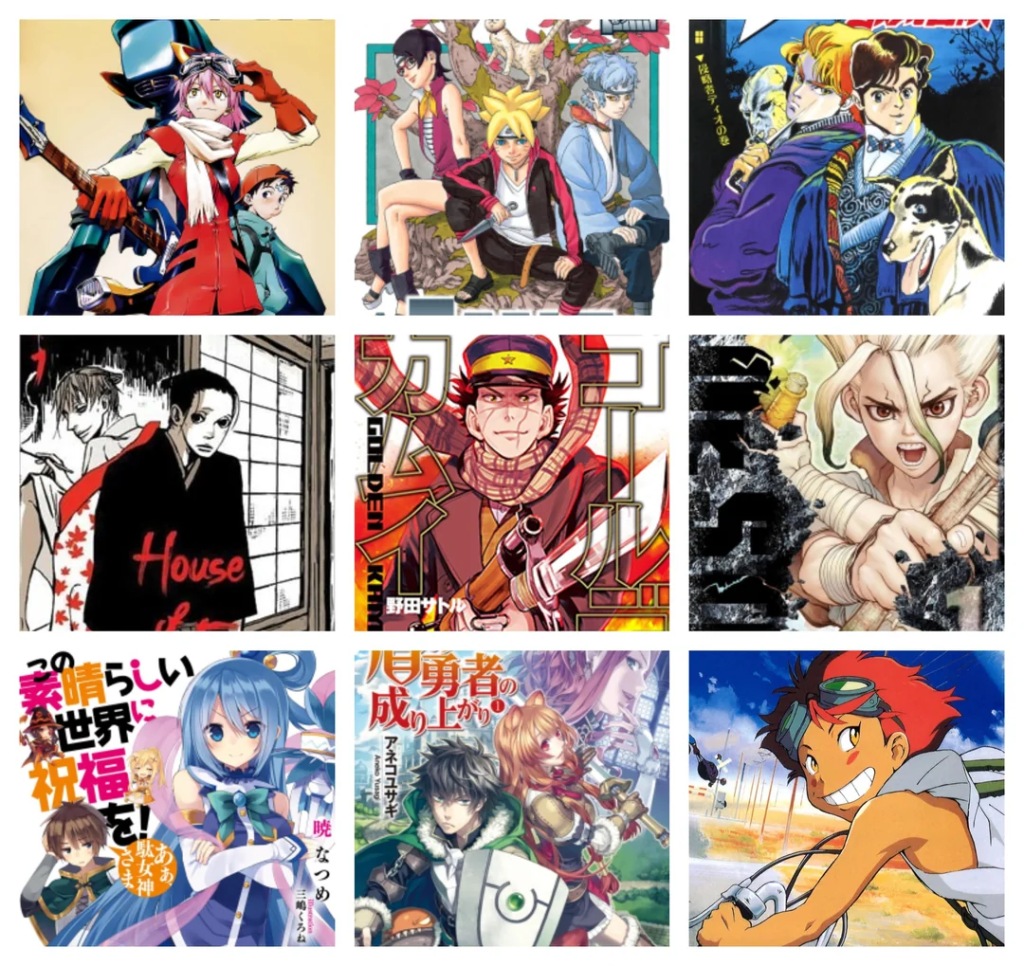
This was in August of 2021, one of my earliest Reddit posts. I do still like some of these series, and in the case of Shield Hero, its first season started strong and went demonstrably well. Where does it falter? By most accounts, season 2 is where it starts to fall.

I didn’t watch it due to the reputation it was carrying as it went on and I was too busy looking for employment as well as working with an extremely slow Army recruiter (2022 wasn’t my year (-_-)), but as I understand it, season 1 started strong, season 2 fumbled it but picked it up, and season 3 did better than season 2’s beginning. I don’t think I’ve said it before but I don’t really plan any of my anime watches out. I definitely watch anime, but I don’t set anything in stone; I just follow my whims. I put more planning in the blog topics than I do in my anime “watchlist,” so I won’t say whether I’ll see for myself if Shield Hero S2 is as bad as it says, but more like if I so choose, I’ll have this video linked below to keep in mind:

Channel: LunarEquinox

But my expectations are already nonexistent so aside from all of you dear readers, who else do I need to tell this to?

I enjoyed the first season for what it was at the time. Looking back, if I’m being honest, Naofumi doesn’t have the makings of our modern definition of a hero, he’s written more in line with the old Greco-Roman classical heroes, like Hercules/Heracles or Theseus or basically Kratos from God of War 2005. He’s not the most selfish or intimidating or morally conflicted character, but the cards he’s been dealt and the people he serves makes him question whether he should quit and what good he’d get out of it aside from a good night’s rest for once. Instead, rather than wait on quests to pop out of nowhere, as a white mage of sorts, he doesn’t really need combat to showcase his heroics; when the other heroes leave to claim their rewards, Naofumi stays behind to deliver medicine and sanctuary to the shaken populace, fitting and expected of a shield. See what I did there?

This is probably the first time I’ve felt conflicted recommending a series. Guess we’re transitioning into the S[oink]t That Exists that Makes me Pissed arc, and while it’d be more fitting for a blog meant to present unconventional opinions, I rarely do such a thing. For this series, I don’t recommend you watch as I recommend you experience the series. Season 1 and season 3 are the cleanest they’ll get, but season 2 might be left to the Pick Your Poison method. Can you stomach the reportedly poorly presented first half or would you rather spare your eyes and delve into the light novels? Maybe that’s your approach if you choose to give it a watch. It’s far from the first light novel adaptation I’ve written about, but it’s one with a complicated legacy after 12 or 13 years on the shelves. I don’t recommend going in with a judgmental or comparative mind as thinking about a different series in the viewing of this one may ruin the experience for you. Rather, what you should do is go in as blind as humanly possible and judge it on its own merits. It’s got light novels, manga, and the anime’s 4th season is supposed to release this year. Hopefully, the 4th one doesn’t ruin anything any further… or worse!

2024: Blog Review and Anime Releases for 2025

Hopefully I come up with a better name for next year.

2024 is behind us and we are now in the futuristic year of 2025, as predicted by Call of Duty: Black Ops II. From January to mid-March, I was in Army basic training where access to technology was reduced to 30 minutes a week for training purposes. Too little time for me to organize my thoughts into a blog entry, so to supplement that I had a notebook full of journal (read: diary) entries as training went on. It helped me trudge through training, though looking back, it wasn’t as bad as I dreaded. Keep in mind that your mileage may vary depending on where you do training if you choose to join the military. Most accounts sing the praises of Relaxin’ Fort Jackson whereas Chill Fort Sill is either ironic or on-brand due in large part to the cold winds in that part of the country.

Using it as an energy source is the most praise I’ll give to the Central Plains.

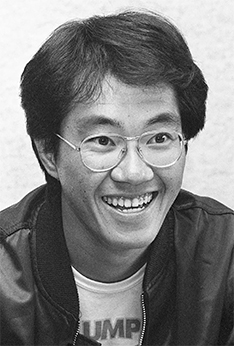
January to mid-March was a blank period for obvious reasons, but I got myself a new machine and made a comeback post where not much needs to be said. On an unrelated note, I learned at the tail end of training that the man, the myth, the legend Akira Toriyama passed away in early March and thus made my own separate tribute to the God of Shonen.

So long, father of Goku and Dr. Slump. You changed and influenced millions of people the world over with the story of a monkey-tailed little boy eating bullets and growing up to be the strongest fighter in the universe. My goal will be to get around to reviewing the new Dragon Ball DAIMA arc. I’m not the biggest Dragon Ball fan, but it holds a special place in my heart.

Once I was properly back into the fold during AIT, I started April off with a reflection of my first attempt at writing an anime-themed blog. I’ve tried to forget about it, but having this one up reminds me of what I could’ve had damn near four years ago if things went swimmingly, and if I broke it up with an extra focus on other forms of media. Thankfully, this blog has rectified that issue and has branched out many times over to other forms of media, even with animanga keeping me anchored.

Something something lead a horse to water and all that jazz.

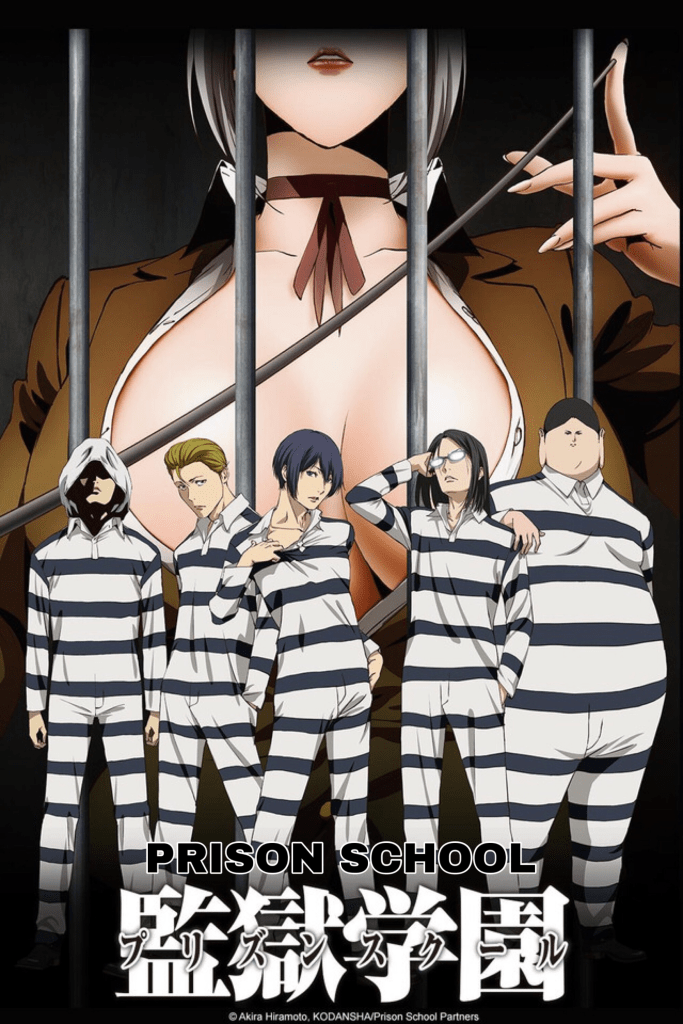
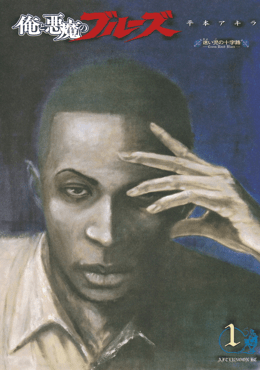
Speaking of which, when it came to reviewing animanga I started off with obscure series that flew under the radar. Titles you may have heard but haven’t investigated further, or titles you’ve never heard of until recently, either through me or another medium. This continues the trend I started here from 2023 and continues to be a personal crusade of mine. Not limited to Shonen titles, less celebrated and mostly unheard of titles give room for a few surprises; like how the creator of Prison School also wrote the Robert Johnson manga.

The man who gave us Dommy Mommy Imprisonment wrote a manga about an enigmatic black Mississippi blues artist.

I dare you to tell me that that’s not cultured!

Of course my regular content throughout the year kept to standards, games and animanga kept on pumping through the summer, and I got to writing about two awaited topics: the long-awaited anime adaptation of The Elusive Samurai as well as a Paradox game that couldn’t happen.

As much as I loved Running from the Ashikaga, it really kneecaps itself with a 12-episode run. Fortunately, a second season is in the works and in the drafting of this post, I was gonna say that going without a second season would be illegal. The art direction, the soundtrack, the name behind the series, even the soundtrack and corresponding merch set for release this year would speak volumes of marketing another season. Even if Sprinting Level MAX’s claim to fame is coming from the same mangaka as How to Kill Your Tentacle Sensei, it was enough of a motivating factor for me to check out the manga when it was licensed for an English release in 2021. I admit I was stunned at Japanese Twitter’s reaction to that one scene, and I’m keeping my eyes and ears peeled for the next viral reaction.

Elsewhere, Paradox joined the shortlist of game devs attempting to dethrone The Sims with a life sim of their own under the title “Life By You.” It was announced and showcased in the latter half of 2023 with an early March 2024 release day, later moved to June before it was unceremoniously put to bed for good. In the meantime, people continually string together campaigns connecting Crusader Kings to Europa Universalis to Victoria to Hearts of Iron for a mega campaign. One day, I’ll join those people because it sounds ambitiously fun.

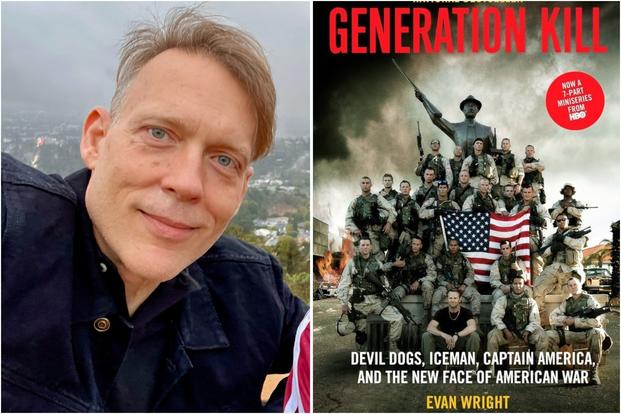
Going further down the list, my entries stepped away from animanga to address other forms of media. I don’t review movies as much as I do animanga and video games, and I really wish I did. The military-sphere said goodbye to Evan Wright who tragically took his own life over summer after years getting raw stories to put into novel form from the widely celebrated Generation Kill to dozens of other publications in magazines and websites throughout his life. I doubt everyone will appreciate his work as much as military and adjacent types usually do, but there’s no denying his work over the years.

And the blog posts after did address more serious topics surrounding the medium interspersed with regular reviews. You know me as the chief advocate of anime piracy as an alternative when streaming decides to get funny. I continue to stand by that claim and I will do so for many years to follow. It was how I watched many of my favorite series over the years, and I continue to do so to this day. There’s no telling when a series will suddenly drop from, say, Netflix or Hulu and sites like Crunchyroll prove unreliable and at the worst of times dangerous. If more news crosses my feed, I’ll write about it as I had back in August.

Going back to regular reviews with more and more interesting titles until it stops making sense, I hadn’t had to reorganize my notes as much for 2024 as I did for ’23, merely putting them in the list set for weeks to a couple months at most down the line. It got messy when I did it like that back in 2023, but it made things interesting personally. It also kept me in the loop before the topic died off, but the consequence of that is some topics had more information about them come out and were at risk of aging rapidly. Such was the case of a couple of YouTube recommendations. I used to do that for channels I like and enjoy from a content standpoint instead of a personality standpoint. So far, only two of those didn’t work out as well with one getting flack for abusive behavior and the other following shareholders and causing a mass exodus of the media team, the latter of which I wrote about a week after it happened.

The last quarter of 2024 was based primarily around animanga, which was fun to write about, but I left a mildly large gap between that and other media. I definitely watched more than anime at the tail end, some of these are gonna get posts in the future. For just January, I plan on covering series I haven’t seen but would like to both in animanga and in video games with that nifty emulator on my devices, as well as another form of manga/comics that is quite celebrated but is mostly slept on. What I mean is, there’s good series from this medium, but I rarely see most anitubers address it. It might be due to its country of origin, but it that doesn’t make it any less worthwhile.

It’s manhwa. I had a whole arc dedicated to this with an interesting start point.

As of writing this, my notes are filled out ’til at least May, covering most of the first half of 2025. After that, I’ve gotta wait and see what I’ll fill it out with.

Evan Wright’s Generation Kill

War journalism brought to life

I’m doing something different this week. It had come to light that the author of the novel Generation Kill, Evan Wright, had taken his life on July 12, 2024 at the age of only 59. I’ll be upfront and say that I lack the expertise to deal with a subject as delicate as suicide and the most I can do for those who’ve fought or are currently fighting those demons is direct them to crisis prevention organizations and hotlines, which I feel would come across as hollow since anyone can do those things.

Instead, I’d like to do something that I think would be more thoughtful and remember Wright by his work, namely the novel that I’d had a lot of time reading and it’s TV miniseries adaptation: Generation Kill.

My introduction to the book was a bit of a cascade. I first heard of it through reviews of the miniseries of the same name, licensed by HBO in 2008. It got a brief mention in Knowing Better’s video on his own service in the U.S. Army, where he said it was as accurate a depiction of the average servicemember as one could get, next to actually signing up.

Channel: Knowing Better

And also a more in-depth review of the series by The Almighty Loli.

Channel: TheAlmightyLoli

Yeah, the subject matter means you’d have to view it on the site. Good viewing if you have 1.5 hours to spare.

To summarize it, Evan Wright was attached to the Marines’ 1st Recon Battalion during the invasion of Iraq in 2003, documenting every single action of the jarheads from actual combat operations to random silliness and off-color conversations carried in their off time. Anyone whose exposure to military operations is limited only to Hollywood would be surprised to learn how juvenile and sophomoric the humor can get, but to circle back to something Knowing Better said in a different video, the military doesn’t influence Hollywood. It’s often the other way around, and this makes a lot of sense if you think about it. Just because you wear camouflage and a helmet doesn’t mean you’re not also a nerd about something. And in my own little circle, the Army’s Signal Corps has a bunch of sci-fi fans interspersed with weebs, two things I happen to be as evidenced by all my blog posts.

I can’t speak for every veteran, but from what I’ve heard and read, military media gets a lot of scrutiny from these groups. Living day-to-day in the military trains you to pick through every detail with a fine-tooth comb, and the small details often make or break a piece of media for a servicemember. There’s a bunch of regulations on how things should look and how to behave or react or respond to fire. No matter the branch, the US military follows the rules of engagement to heart. As a result, there’s loads of ire launched at films like The Hurt Locker whereas In the Army Now, Black Hawk Down, or even Saving Private Ryan get praise not just for the storytelling but the miniscule details that vets and servicemembers would notice from a mile away. A single deviation from the standard tells them all they need to know about how much or how little the producers cared about the subject matter.

Because Evan Wright saw the Marines fight tooth and nail to capture and secure Baghdad, he had earned himself a lot of respect from military vets and the community on a wide scale for sticking his neck out, even if he didn’t have to. That said, war journalism is nothing to scoff at. It’s a serious and dangerous branch of journalism that can and does kill the reporters on scene. In just the invasion of Ukraine by Russia, little more than a dozen war correspondents have come under fire, some of them fatally and more may follow as the conflict progresses. Both sides know who their enemy is, but the tools of war are themselves not loyal to a flag, president, or even constitution. A pen isn’t going to miss you if it gets lost in your house and in a similar vein, a rocket’s area of impact largely depends on the capabilities of the mapper; and even then the enemy isn’t a guaranteed hit. Sometimes friendlies or civilians get caught in the crossfire.

Wright and countless others in his position knew this prior to going into the conflict zone and many more following such examples will take that to heart before stepping off attached to a unit in the field.

It’s worth mentioning that popular as the book was and still is, it wasn’t controversy-free. Some of the Marines at the center of the book faced backlash initially until 1st Recon commanders intervened and advocated for firsthand viewership of the book. A few of those same Marines even helped with the miniseries adaptation in 2008 and starred as themselves in the show during its run. Even now, over a decade and a half later, Generation Kill gets praise for its reporting and up close depiction of the lower enlisted as they were neck deep in the fight between the Iraqi Army, Saddam’s Republican Guard, and the Fedayeen death squads.

Speaking of which, another thing the book and series does well is display the troubles of modern warfare. The early stages of the War on Terror were wrought with controversy and opposition most of which still lives on to this day in the form of popular myths. In the case of the Iraq War specifically, some of those concerns centered around fighting an atypical war against a largely faceless adversary. Loose groups of terror cells in dangerous parts of the world made fighting the war incredibly difficult and complicated with some groups fighting each other and their listed enemies, the West being among them.

Because they were often dressed casually or “plainclothes,” picking apart friend from foe turned into a clusterf[boots stomping]k of massive proportion. The rules of engagement weren’t always applicable to the situation. Common sense isn’t common or even as widely available as we wish it were, that’s why there’ve been travesties, many of which don’t make it to screens and newsprint often until years after the fact, since empathizing with both the warfighters and the victims of oppression is a balancing act. Protesting wars is old — I don’t know how old — but I know that when a line is crossed, the aggravated public gets restless if in a democracy. It might have something to do with war correspondents having widespread freedom of information, but I think it’s safe to say that the public discourse against the military reached its zenith during the Vietnam War.

You may not know it, but this man helped put an end to a war crime… and he was essentially laughed into depressive episodes for “snitching” on his criminal comrades.

Wright’s novel and the miniseries based on it show how complicated even “black-and-white” wars can get. What becomes of the civilians involved? How do you treat non-uniformed combatants? How do you atone for devastating mishaps? Questions and dilemmas like these are what make and break people in war, whether they’re fighting it or just witnessing it. Often, it’s the sword of Damocles problem–the blade changes position with every move a leader makes, and sometimes there are hard logistical choices you have to make in modern wars. Slight spoiler: one scene in the miniseries depicts the Marines deliberating on whether to bring civilians with them, but the idea is (no pun intended) shot down to the dangers of having civilians in tow, as Wright himself could attest. But there were equally bad if not worse consequences for sending them on their way, that being the Fedayeen death squads mowing down suspected traitors of Saddam.

This article on Military.com has more to say about Evan Wright’s professional work away from Generation Kill, but adding to the praise, I like how honest and unjudgmental it is. It gives you as many of the facts as can be recalled while letting the audience see inside the mind of a young Marine ready to let ‘er rip in a combat zone.

Normally, I’d put a link to where the series can be viewed, especially for free, but for once, I won’t be sailing the high seas for this. In fact, for those who are able, I’ll leave a link to the book and if you want to watch the miniseries, it’s still available on HBO if you can afford the cable package or are able to subscribe on the app.

Results on Amazon: https://www.amazon.com/s?k=generation+kill+book&crid=1OKAPP40AEAOG&sprefix=generation+kill%2Caps%2C91&ref=nb_sb_ss_pltr-data-refreshed_3_15

HBO miniseries: https://www.hbo.com/generation-kill

Evan Wright (1964-2024)

Ten Years of Writing

The origins of my passion

A personal anniversary is on the horizon, so to get ready I thought I’d commemorate the occasion by reminiscing on how I went from “struggling to hold a pencil” bad to “Shakespeare School of Literacy” decent at writing. Bear with me folks, because the path is a long and winding road with unpredictable twists and turns that won’t make sense unless you’re paying attention. So do pay attention; there’s a test at the end.

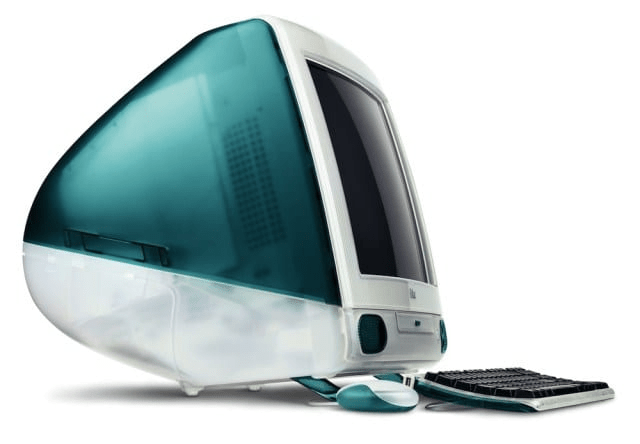
Before we begin let’s get confusing. Although I acknowledge the general start of this writing journey as October 2013, the closest I ever got to writing would be in July 2012, and my familiarity with programs like Microsoft Word precede that even by a few years as schooling in the 2000s saw the potential of computers in class and wanted to start us early on those Mac desktops.

These things were everywhere when I was 8.

Writing falls under the umbrella of creativity, so something needed to inspire the writing journey, right? Right! And where was the inspiration? Lego bricks. The building blocks made about 40% of my childhood, with the others being video games and the playground. During one summer a friend and I were playing with the Legos I had set up on the coffee table. At the same time, I was a big consumer of stop-motion videos on YouTube and was momentarily part of that brickfilming community myself.

For those unaware brickfilming is a subset of stop-motion that in any capacity makes use of Lego bricks for set pieces, actions, scenes or what not. There have been several over the years, but a pioneer in the concept is Australian filmmaker Lindsay Fleay who between 1985 and 1989 made one of the first brickfilms: The Magic Portal.

Channel: Keshen8

Despite the huge production time, it still only clocked in at around 16 minutes, with subsequent brickfilmers over the years making longer films in even less time assuming no technical difficulties are around to ruin anything. A quick Google search and the Wikipedia page for brickfilming will tell you that Lego had long seen this potential and are said to have started this themselves as early as the 1960s, though feature length films made entirely or partly through stop-motion.

For the connection to my writing, it was my intense viewership of brickfilmers on YouTube, some of which included custom-made Brick Arms (some of which I had myself), or plastic molded to the shape of any given gun or sword that can be made that gave me an idea to try animation in June 2012. I saw a moderate amount of success for a beginning YouTuber at the time, though other responsibilities kept me away from my makeshift film sets. After Christmas Eve 2012, I tried to keep it going but with New Years’ Day 2013 walking away and high school proving more important, there was just no way.

Still, the interest in animation, tedious and meticulous as it was, was there. Most importantly, the storytelling element was what I remembered the most. I had made a minifigure, or Lego figure, that I’d gotten somewhat (read: quite) attached to. I made it with one of the blue leg pieces, a trench torso piece, a black scruffy hair piece, and one of the heads with the angry-looking face, but wearing orange-tinted shades. If I were to draw him again today, he’d be drawn with blue jeans, a light blue dress shirt under a blue overcoat, messy black hair and the same light orange-tinted shades. If that description makes you think of an underlying symbolism of any kind, try not to overthink it. Keep in mind that, this character was designed when I was around 13 or 14 between middle school and high school, so there might not have even been a real meaning other than, “it looked cool.”

Not this intense or exaggerated, but around a halfway point of sorts. When it came to developing him further, writing was amateurish and my taste for the craft was underdeveloped at the time. Being inexperienced here, I dove headfirst by putting it all in a notebook that I wasn’t using for anything important. I’ve gone through many of those, occasionally scribbling in the blank pages and whatnot. The earliest form of this story I have in print isn’t exactly the earliest form of the story as a concept.

As time went on, and I started to write more for my English and history classes (projects, reports, and essays, etc.), I’d begun to learn more about themes and motifs and other terms to help craft better versions of the story about the man in the orange-tinted shades. Between 2014 and around 2019, I’d written and rewritten this manuscript, with each successive manuscript getting longer and more complex than the last, developing a more mature tone over time.

Through all of that, I’m glad to say that the latest version of the story is arguably the best version I have of it. Subsequent manuscripts of mine would also go through rewrites and edits of their own, although not as many as the first one, not for so long, and partly due to technical issues with aging computers and/or computer components.

Fortunately, Microsoft’s good idea fairy had a “lightning in a bottle” idea, and made Microsoft Office available on mobile. So if you trust OneDrive enough to try your clothes on only once, you can craft a chapter or two on your laptop/desktop, and when duties pull you elsewhere, you can add more to the manuscript on a mobile device that allows for it. Personally, I favor phones over tablets, but my experiences writing more than YouTube comments and text messages with my giant hands make it somewhat unbearable. I don’t really like tablets all that much, but if I had one on hand and some time to kill in between other responsibilities, I could edit and add some more to the manuscript and then when it syncs up with what’s on the real computer, it’ll add that and I can continue with no serious issues.

Creativity was often the barrier, which just seems like the typical creative person thing to say for why I do or don’t do X, but it’s true. Those of you who can’t see yourself as an artist or painter or musician, etc. creativity comes whenever. It’s like dealing with a spontaneous cat; you never know when it will greet you, but you’re delighted when it does and you want your time with it to be meaningful before your train of thought derails.

Art doesn’t march to a schedule it comes whenever and goes whenever. Sometimes the sparks start a fire, other times it doesn’t and like a pyromaniac, you want to make use of that fire before it gets put out or burns out. Inspiration also plays a major part in creativity. Find any modern artist and they’ll list off influences, many of those influences, if they’re still around, will list influences of their own and then some.

For me, the tenth grade was a turning point in my writing journey. Part of the inspiration came from some of the books we read and class and had at the time, it was clear that I had a certain preference. Of all the books to introduce me to the coming-of-age genre, I would’ve preferred anything else besides J.D. Salinger’s Catcher in the Rye. Short rant: Holden Caulfield is a [donkey noises]. Fortunately for me, I got a better showing of the genre in Stephen King’s novella Stand By Me. Matter of fact, this and select others were how King became one of my favorite authors.

At the same time, during a reading of F. Scott Fitzgerald’s The Great Gatsby, my tenth grade English teacher assigned us to write a short snippet in either the point of view of an existing character or we could make one up. I chose the latter, creating and writing from the POV of a performer in Jay Gatsby’s mansion. This was the paper that netted me an A+ in that class and admittedly I didn’t move on from that for a while. I’m tempted to say I never did as of writing this. Although I was never a bad student, my teachers always wanted me to shoot for the stars, but I kept dragging my heels while the more analytic brainiacs in math and science thrived. But this was where I was encouraged to let my creative side go nuts, so I did. As another humblebrag, I did exceptionally well in my art class, hardly ever dipping below a solid A+. The conclusion to draw from that is structured tutorials are a limiter for me, but with a green light and the simple words “The sky’s the limit,” nothing is gonna stop me from channeling my inner Claude Monet.

Honestly, I’m more of a Van Gogh kind of guy.

From around 2015 to the modern day, I just kept on writing and rewriting those manuscripts. For the first one about the orange shades guy, with help from family, I had it copyrighted in 2018. All that was left was to edit and find a publisher. The publisher proved to be quite tricky. In general, you’re not supposed to pay the publisher; that’s a scam. The author gets 7/10 of the royalties and the publisher gets the rest. I do have dreams one day that the manuscripts graduate from file to physical book on a shelf, even now as I draft a potential fourth draft while editing the third one.

This method of mine is probably not unheard of. Stephen King is so prolific, that if he spits it’s a bestseller slated to receive its film adaptation in the next three years or so. And the olden days where books could serve as a writer’s sole source of income probably needed to be written with the speed of Barry Allen. Fame and fortune not guaranteed while the author is still alive, but at least Poe and Lovecraft have their appropriate credits.

Towards the end of college, and even now, I’d been looking at a variety of outlets that have a strong writing market. For the anniversary of this blog, I plan on giving a sneak peek of a blog I had on Blogger from February to December of 2021 with a brief hiatus in between because I was in the Army. As a mild spoiler, it… went off the rails and no one can be bothered to clear the debris.