Limited and Hard to Find Video Games

Part 2 to Lost Media

Last week, I brought up the subject of some video games acquiring the same label that has forever gripped early films: lost media. Where, in some capacity, surviving copies of the original, plus the original, have been destroyed deliberately or accidentally. This time there’s video games that have surviving copies but aren’t made available the world over. In many ways, the gamers are not only innocent, but tend to be victims of arbitrary laws. In places like Brazil, Venezuela, or Argentina, video games are released at ridiculous prices. If an American or British or Australian player can get the same video game for 60 locally, their South American counterparts are paying many times that in reais, pesos, or bolivars (provided that currency hasn’t collapsed again).

This is true of much of the developing world. I’m a proud piracy advocate, as regular readers know, and this extends not just to animanga, but also of video games, movies, and TV. And I still do so despite having the income able to afford multiple subscriptions. Why? Well, circling back to those posts about my history with emulation, as much as I like modern gaming, some classics can’t be beat. And they’re either hard to find or hard to acquire through traditional means.
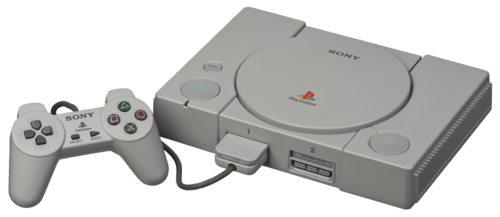
Tell me, who the f[THX sfx]k still has this in 2025? Does it still run? Name the Top 5 Best-Selling PS1 games from memory!!

This is proof in my pudding. Granted, there is a museum dedicated to the history of video games — several, in fact — and I don’t need to take this matter on myself. But I want to. There’s too many godly classics getting shunted to the dustbins and not enough efforts at preservation, nor are there many developers or publishers or even CEOs who care about this matter.

Silence would’ve been better to hear from you, Jimmy boy.

What about the devs, publishers, and other video game heads who do care? Well, the problem that trips them up can come down to the intricacies of development. Never mind the ludicrous projects that are bringing us the likes of Grand Theft Auto VI in 2026 after 13 years in Los Santos, nor the dire straits that kept Duke Nukem Forever cooking for 12 years or Beyond Good and Evil 2 in limbo for longer than that; say a game enters development one year, is announced with trailers and gameplay footage in the next year or year-and-a-half, and finally the full product is delivered after 2.5 to 3 years. If there was trouble, at most it’ll be upwards of five or more years. What kind of trouble could such a game face? Many.

If it covers a touchy subject especially under concurrent politics, it may not see a wide release, if at all. There’ve been efforts to better educate the gaming population about subjects like the Transatlantic slave trade, the Holocaust, and other such concepts, but because of how weighted these subjects are critics have fired back at the idea of using a video game to discuss it when the time-honored tradition of boring the students with the dullest teacher has always been seen as the least controversial, failing to understand that that may not be the most effective means to go about it.

A more dynamic teaching style can mitigate this outcome if the lesson is on Philippine-American reconcentrados.

Creative developers can skirt past this by hiding the lesson in a different narrative, and not even in a completely digital format. It’s possible that there’s a board game or DND campaign whose inner lore includes such a plot point. Several anime I’ve seen touch on the subject with the oppressed being some other humanoid or human-like species.

As for video game series that have adapted other media, the series itself may not be under trouble or has a countermeasure of some kind if the game is unceremoniously canceled for whatever reason. Game can’t release? Reboot the franchise but on more platforms, it’s been done before.

My best example of this.

For the Ultimate Ninja series, I thought for the longest time that there wasn’t a 5th game. There was, but it never got to North America due to timing and dubbing issues, which is why we now have the more successful Ultimate Ninja Storm series. More arcs, better tech, more new moves from the series, and on more platforms than the originals.

Then there’s instances where developer-side things are perfect, but politically things are not. As I mentioned in last week’s post, region-locking/coding can keep you from accessing a product. For instance, the Senran Kagura games are mostly available outside Japan, but not all of them are; the iDOLM@STER series has overseas fans, but the games are largely Japan exclusive. How did it travel the world? Probably a con, or an otaku from Nagoya visited Houston once. Who knows? Then there’s Kantai Collection or KanColle (Japanese: 艦これ) that despite not being accessible to the wider world, has attracted fans outside Japan as well.

Did I mention this is a browser game?

At the part of the politic-side of things, licensing and import restrictions can make things interesting. Oft-times though, politics and laws don’t impede the wider release of a product, but human error within the dev studio keeps it from gaining an overseas audience. Or worse, some type of greed or hesitancy motivates the studio to keep it locally available despite pressure from the wider audience.
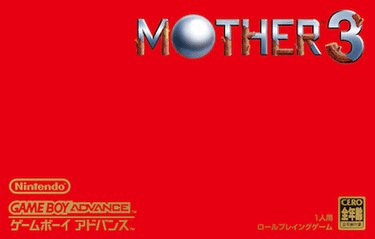
Fans have translated and dubbed this in the years since, Nintendo. What f[Mario coins]ing gives!?

Realistically, there won’t always be an opportunity to keep this from happening, and as time marches on, new technology will create new problems, but I’m not gonna stop forgetting what games and wider media used to look like and how patchy our earliest endeavors were at the beginning, and I think it’d be a crime if anyone else did either.

Semi-Lost Media

A Tragedy of Media

The title of this post is meant to have two purposes: to highlight how media can become lost and the modern era’s means of recovering lost media. There isn’t always a perfect method to prevent lost media nor is there a perfect means to recover lost media without sacrifice to the media in question. I’ve faced this problem personally while gaming and emulating games, but I’ll get to that soon.

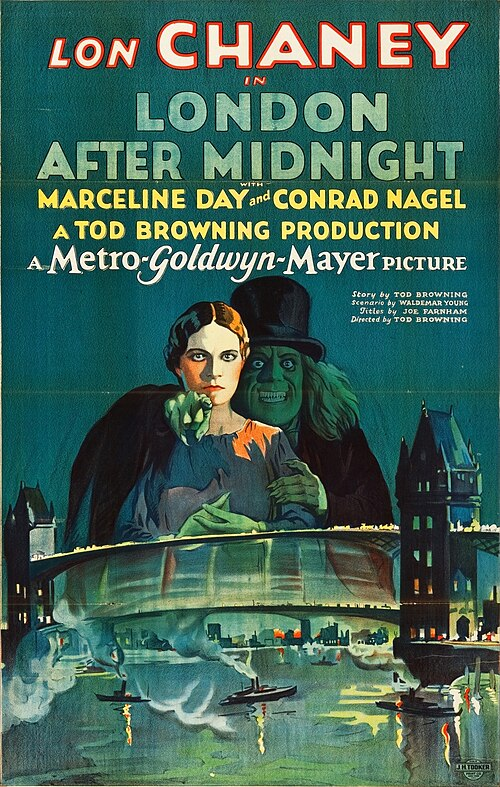
A brief overview of lost media is any piece of media whose preservation methods were either nonexistent or severely compromised to the point that part, most or the entire medium is effectively ruined or destroyed. Surviving copies can’t be located or recovered because they either don’t exist or sometimes won’t be released publicly, even after the copyright expires or the original author dies. For the longest time for obvious reasons, this has mostly applied to film, like so:

This film was released in 1927. It was kept in the MGM vault for decades until all surviving copies were destroyed in the 1965 vault fire. As of this writing, it only survives in posters like this and surviving still shots.

Yet as time has progressed, more and more forms of media have been created, to include video games which can also become vulnerable to media destruction. In one extreme case, Adobe Flash.

https://upload.wikimedia.org/wikipedia/commons/3/31/Adobe_Flash_Player_32.svg

Five years have passed and I still miss it.

This critical piece of software was launched in November 1996 and has formed an important cultural touchstone on the internet ever since. Countless creators, new and veteran, have used it to make everything from videos to short films to even video games. There used to be countless flash games and even websites hosting those games. They were inescapable, until Adobe ceased support for the software on New Year’s Eve 2020.

A not insignificant portion of these games couldn’t be saved and are thus forever lost outside of admittedly s[dial-up]ty videos recorded in 144P in 2007. Yeah, they were hard to look at and aged really terribly, but having aged media is better than having no media. It shows the technological progress between, say, VHS tapes and Blu-Ray discs.

The crux in the custard I’m getting to is that efforts to preserve media have been undertaken for over a century, and while not perfect, as an advocate of piracy and emulation, I also advocate the preservation and, by extension, re-release of old media in as many forms as possible, especially when the format in question begins to deteriorate due to age. My grandmother clung tightly to old VHS tapes and while they may have been endlessly playable in 2005 for example, they had problems at the time and have considerably gotten worse since. Same for all the old floppy disks she never threw away.

In my documented experience on this blog, in order of difficulty from easiest to find to Raiders of the Lost Ark, video games have been fairly easier compared to movies. And movies are still easier to search up compared to TV series. I say fairly and not absolutely because digital stores like Steam and Epic Games Store have delisted video games before and will nonetheless do so again for a variety of reasons. MMORPGs are most vulnerable to destruction when the devs can no longer support the servers due to something like acquisition, shutdown, or “cost-cutting measures.” That last one is less excusable because video games haven’t had a better time to be profitable than the modern day. You can pick your favorite examples of this, but my pick for one of the best-selling video games ever goes to:

Once RockStar realized this game s[gunshots]ts platinum, it hasn’t turned the faucets off ever since. Notice the gap in time between this and Red Dead Redemption 2.

Time and tech is another factor for this. Games released on arcade cabinets or 16- and 32-bit consoles are merely a collection of pixels and a third party emulator is seldom needed. In some cases, they function the same as a browser game. Sixth-generation video games do require a third party emulator but I’ve yet to face any problems downloading them. Just needed to make space. Seventh-generation has proven the most difficult to emulate. On average a PS2 game can be downloaded to PCSX2, for instance, in several minutes to an hour or two, but PS3 and Xbox 360 games can take double or triple that, especially with a spotty connection. Maybe a signal booster would help, but the area of El Paso is surrounded by mountains, so the servers in this part of the country may be considerably weaker than more densely populated areas. Testing this out myself would cost me money and resources I don’t have.

I made mention at the end of the last post that I was planning on posting in the future a comparison of three underappreciated 2012 video games that tackled corruption in different aspects, one of those being Yager Development’s Spec Ops: The Line. Unfortunately, I couldn’t find a store front that was carrying the PC release as it had been delisted ages ago. I’ll elaborate on that in the post, but in order to play it, I had to download a console version for four hours.

This is what I mean when I say it’s important to preserve as much media as we can. Spec Ops: The Line was one such example of a hard to find piece of media. I was worried it was only available in YouTube playthroughs from years ago, but digital libraries keeping the files available online were a godsend for this endeavor. For other games, this isn’t going to be the case. All traces of the game in question could be lost forever.

This wasn’t the sole inspiration for this post. Actually, region-locking of movies was the inspiration, but with the Stop Killing Games initiative going viral, I might as well include it here.

Going back to MMORPGs and similar online games, if a developer goes under or gets eaten by another dev, it’s not their fault if their efforts to stay afloat don’t work. And as I said earlier, the argument of keeping the servers up is too expensive faceplants epically when video games continuously make tons of money.

Although not the original victim of media destruction, the earliest films were most vulnerable to it due to attitudes towards them since inception. A lot of the first examples from the late 19th century were admittedly glorified experiments consisting of multiple still shots giving the illusion of a picture moving independently, but these early examples helped to perfect the craft. Science yesterday, artform today. But a lot of these old films were made with hazardous materials, notably cellulose nitrate. It could catch fire easily and long before the marriage between sound and sight, many of the silent films of a century-plus ago can no longer be recovered. At first, the reasons for preservation were balked at, but efforts to try and preserve it have been made. I consider the zenith of home releases to be the VHS and succeeding DVD-Video eras as both formats have re-released tons of TV and movies with estimates in the hundreds of thousands.

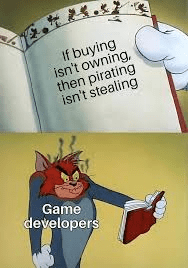
Then we progressed to digital streaming after some time and my main concern with that has to do with licensing and even region locking. If the license expires, you might find yourself unable to view the series you paid for. And if you move from one region to another, you might have to invest in a VPN to see the series you paid for. In a more perfect world, this wouldn’t be the case, but now that buying is no longer owning, piracy is no longer theft.

I do make some concessions with this. I don’t pirate modern games because of the risk of anti-piracy software. Some of the games I do pirate are from dead developers.

No matter the form media takes, it’s always important to save it for the archives. Allow future generations to be able to engage with it, even if it hasn’t aged well graphically. Ed Boon may be perpetually embarassed by Mortal Kombat: Special Forces, but it’s not like nothing was learned from that. Yesterday’s mistakes make for tomorrow’s masterpieces.

I’m still in the process of drafting up that comparison between Max Payne 3, Sleeping Dogs, and Spec Ops: The Line, but I want to preface that with a review on Spec Ops: The Line first. Now that I’m able to play it on RPCS3, I’m in a better position to give my thoughts on more than just its plot.

Anime, Piracy, and an Age-Old Threat: Companies

Viewing anime gets harder as time progresses

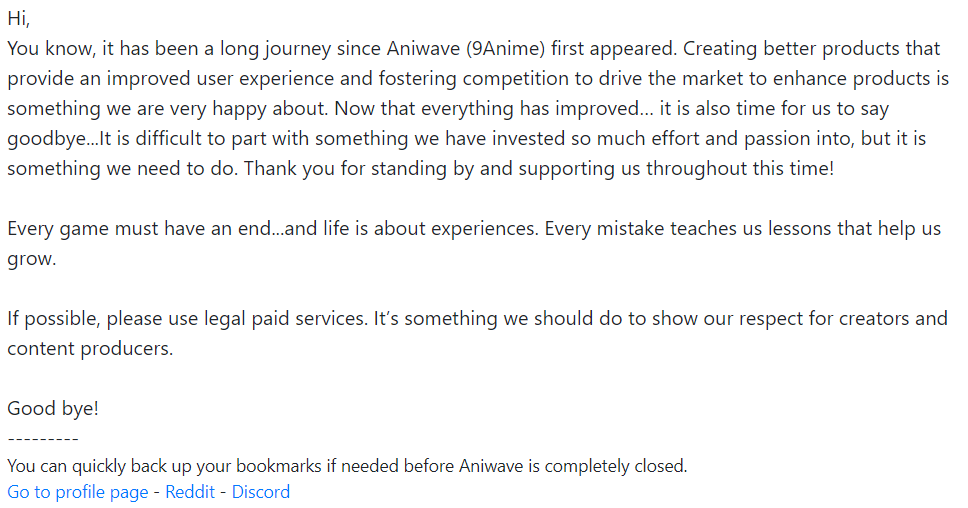
Earlier this week, it come to my attention that a pirate site I frequent called Aniwave was recently taken down.

Aniwave.to to be specific, other copycat sites are up and running, but for how long no one can say for sure… unless one of the web devs for those sites is currently reading in which case, hi! I’m a huge fan. Keep doing the lord’s work.

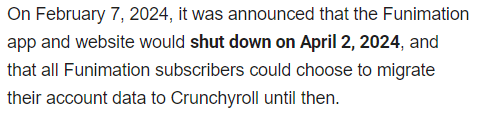
Aniwave.to going under is a huge blow considering it was purported to have one of, if not, the largest database of free anime at over 12,000 series. Regular watchers know that I’m a champion of anime piracy for a lot of reasons boiling down to practicality. Everyone and their great-grandmother has their criticisms and concerns over companies like Crunchyroll essentially monopolizing the anime industry, especially since they ate Funimation this year, Crunchyroll itself being bought by Sony three years before that. Damn, corporate consolidation is a b[slap]ch, isn’t it?

The one saving grace here is that past users of either have their old archives saved, so you can go back and look at the degeneracy you watched like five years ago (Shimoneta and Highschool DxD for me), but the point is fans are running out of options to view their favorite anime free of hassle. Crunchyroll is a mess of advertising for services and products few people asked for, and the library is far too small to satisfy those of a niche taste, like myself.

I make a habit of introducing you all to series you probably never heard of, partly because I found entertainment in it and partly because they can’t be found on the usual streaming services. HiDive, Crunchyroll, Hulu, and others all have their own shows, but often times even for legal reasons (or the creator being an oddball), some stuff is deliberately made impossible to access. Some of the stuff I’ve written about on this blog is thanks to those who take the plunge and go out of their way to search for these series. I get that sometimes copyright law gets in the way of a good anime session and your favorite series is at risk of becoming lost media (like the JoJo’s Bizarre Adventure film from 2007) or are lost media, forever wiped from collective memory, especially if there’s not a lot of marketing behind the series at the time, but it’s a damn shame that the task of archiving is left to fans who are that dedicated to some of the more obscure series.

This isn’t limited to anime as there are a handful of western series and movies that are poorly archived assuming an attempt was made. Most films from the early 20th century are likely forever lost due to faulty viewing methods at the time. But when it comes to preventing this problem and preserving media, copyright laws and the companies that study them closely will put piracy sites through legal hell which is why some of the series I’ve recommended may not be available anymore. Apologies for any dead links that are still up.

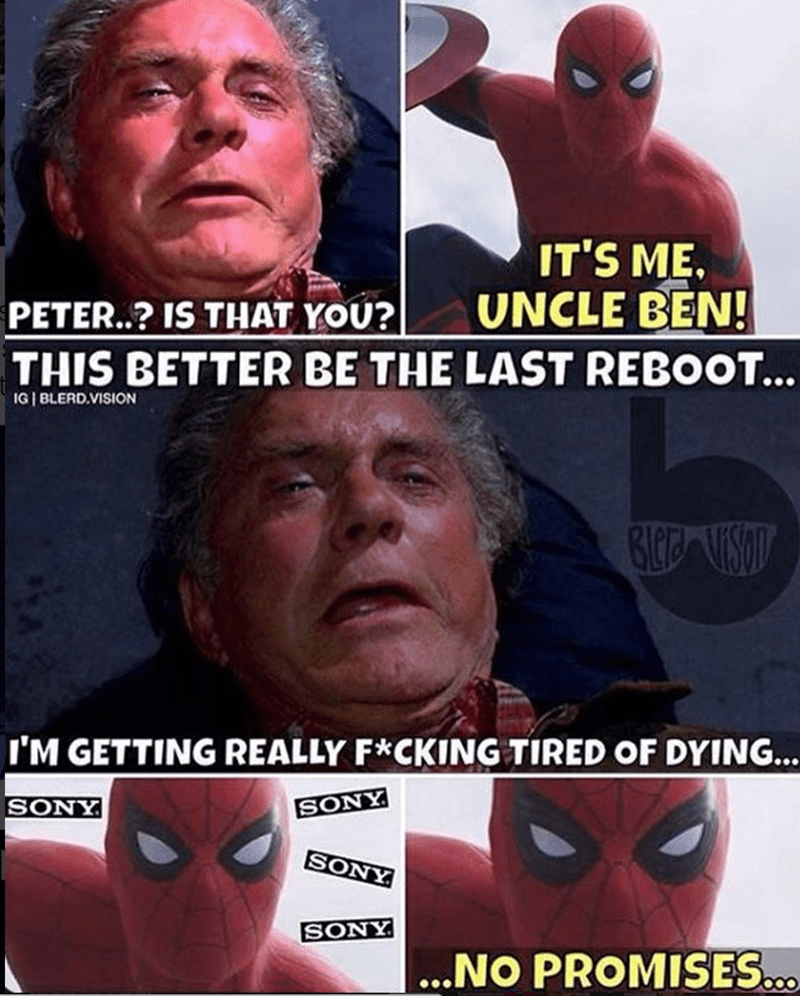
The discussion is healthy in places like Reddit and 4chan where they tend to put the blame on companies like Sony fighting for multiple different properties. If you recall, a few years ago, they got into it with Disney over the rights to the Spider-Man franchise, which led to a tense, uneasy deal where Sony continues ownership of the films while Disney markets everything else. It was a s[thwip]t show.

Canonically, Ben’s been alive and dead twice. Even if it led to an entire Spider-Verse (holy f[yamero!]k there’s a lot of those), Deadpool and Wolverine proved that establishing a multiverse isn’t always what it’s cracked up to be.

Fortunately and obviously, there’s still ways to combat this: other more durable pirate sites, hosting your own site, torrenting (which is a pain in the ass), but this consolidation hurts western anime fans with options for stress-free anime viewing getting increasingly scarce. Physical media is on its deathbed, and fewer studios are putting their series on hard copies these days. I doubt all of them are doing it willingly and likely have their reasons for making this move especially at the breakneck pace we’re seeing. There might also be another reason I haven’t thought of as the viewer looking in from the outside, but this reminds me of an Extra Credits video on why demos lost favor about a decade ago.

Part of the argument for why this happened in the gaming world is that gamers disincentivized devs from including demos in recent titles. Basically, with access to small section of the game, a handful of outcomes makes or breaks the future of the game. If the demo sucked, then the player might not be incentivized to get the full game on release; or if it was awesome, hype may surround a game that would turn out to be mediocre or if it lives up to its reputation, financially the developer doesn’t see a very large return on investment.

For anime, newer technologies are a high risk, high reward endeavor. Golden Kamuy was dropped yonks ago by those who were turned off by the CGI bear fight, but those who trudged along found a peak viewing experience with memorable characters and an interesting plot. Some may have gotten tired of waiting and bought as much of the manga as they could (or continued on MangaDex). I can see why companies and studios would pick and choose to show the anime that are famous instead of risk allowing access to niche markets, especially to minimize the risk of commercial flops.

But to argue in favor of allowing unfettered access to all anime produced, I offer two words: cult following.

Shoestring budget or high development cost, there’s a series out there for everyone. Studio heads and execs may be shortsighted or too cautious to see a property’s reputation grow over time, but if/when it does it can reinvigorate the conversation around the property, not all of it centered on associated products. I don’t know about you, but The Warriors getting a video game in 2005 published by RockStar was a good way to introduce a new audience to the franchise. Reboots also work, but it’s too easy for those to get out of hand like with Spider-Man or Tomb Raider.

It all looks like a tall order, and those of us without the technical expertise to torrent can only watch as the gods fight each other in the heavens, but while that’s going on, there’s other sites up that are picking up the slack. There’s 9animetv.to as well as aniwatchtv.to which seems to be undefeated in piracy if this meme is to be believed.

Credit: u/SpiderGeneralYT

Remember all of those? Good times.

Likely an exaggeration–as I said, more will replace what aniwave was–but if this keeps going on, then the future is pretty bleak with site after site getting taken down.

Sorry for the grim ending, but for a look on the bright side, someone else is currently updating a list of available sites to still watch anime if it hasn’t been done already. Only one way to see now if the sites listed are still up and running flawlessly.

My Preference for Older Music

Always the classics

Since this blog went up in January, I’ve written several weekly posts about primarily interactive and visual forms of entertainment, but the title of this post is about a form of entertainment that I don’t see most people discuss online a lot: music.

I hang around on the anime-based subreddits more so than anything music related, so these two fields collide mostly in passing than directly. The outliers here would be the JoJo’s Bizarre Adventure series and anime themed around music like Your Lie in April, Carole and Tuesday, K-On!, and Detroit Metal City. Does this mean the fundamentals of the discussion are different in music? Nope.

In anime, one of the most enduring discussions is dubs or subs. Video games have the console wars, and TV in general tends to have heated debate over what show is good or if X show is better than Y. All bog standard really, and regarding music, fittingly the songs are all the same. Old people music, dad rock, new age music… the debate around music has ties to the generational gaps. In modern history, it took pioneers within an established group to form something new, and in western music in particular, most music genres were spearheaded by black Americans in history. In the 1910s and during the First World War, 1st. Lt. James Reese Europe was known as the father of ragtime music. The interwar era and after had musicians like Robert Johnson, Lead Belly, Louis Armstrong who led the music world in jazz during and following the Roaring 20s; and during the counterculture, civil rights era, Marvin Gaye, Aretha Franklin, Jimi Hendrix, and the Jackson 5 helped open doors for more music genres to follow.

You might know more about the last group considering the reach they’ve all had since the 1960s compared to the musicians from before. And they all tend to reflect the differences in musical genres that they all grew up with and eventually grew to develop all their own. My family is definitely familiar with a lot of these musicians and the people they inspired or even collaborated with. Being with my mom, and being one of the younger people in my family, I was normally exposed to the older musicians and such.

In the eighth grade going onto high school, I started listening to AC/DC. My friend brought over his Xbox 360 which I didn’t have at the time yet, and one of the games for the system (GTA IV) had AC/DC on the in-game classic rock radio station at the time. After that I listened to more of the band in the first half of high school and continued on to more classic rock bands by day and metal bands at night. Most often my introduction came from hearing the music in a different medium. Chief among them: TV.

Above all, AC/DC and other bands like Guns n’ Roses benefitted fairly well from commercial advertising like the video above. I discovered other bands through a variety of different media. If it wasn’t TV or video games like GTA, it was different fan projects and animations. As much as I prefer older music, it’s clearly not the only type I listen to.

Online, there’s a series of stick figure animatics called Killing Spree created by Australian animator Sam Green. Going by the name of the series, the nature of its content is inherently violent even for a stick figure animatic. Fittingly, part of the soundtrack makes use of metal as a whole, the most common soundtracks coming from the band Disturbed.

Some of the tracks from their albums were used for background music in the animations and they inspired me to look through the rest of the band’s track list when I was in the tenth and eleventh grades. By the time I was a senior, this part of my metal phase influenced most of my tastes. Some of these aspects I still have and others I’ve abandoned because looking back, it was just stupid.

Black on everything gets a bit dull after a while, but one of the more memorable moments from this point in my life was a hand-me-down Led Zeppelin T-shirt that was a good luck charm to me about 85% of the time I had it on or near me. Then I graduated and the power of luck was seemed to have been wasted in high school. It was good while it lasted, but it didn’t stop me from listening to multiple different musicians. Throughout college and even now, I’ve diversified my tastes quite a bit. Rock, metal, and grunge are my top three all around, but I have since branched out. Though, I have a line drawn at certain genres and artists.

The spotlight makes it extremely difficult to be a controversy-free figure and I acknowledge that many of my favorite rock and metal icons have been under fire for various reasons. Looking deeper at the context though, there’s a difference between a minor legal trouble and being a ginormous jerk. In the case of the God of War series, the protagonist Kratos was an a-hole, but there were things he still cared about: glory, Sparta, and his family. Musicians across different genres have courted controversy and once or twice, especially by accident, tends to be forgiven. Sure, it’s embarrassing to learn that this musician got a DUI or an unpaid parking ticket or — if the rumors are true — flushed their drugs down the toilet to avoid the police, not realizing The Police was another British rock band, as what I’d heard had happened to the Rolling Stones. Sidenote: I just googled that to see if it was true and several articles seemed to have confirmed it. Like this one below:

https://www.latimes.com/archives/la-xpm-2005-may-21-et-quick21.5-story.html

But some of this stuff is peanuts compared to what some other musicians have done off stage. Rappers like XXXTentacion and Tekashi 69 have been in hot water for more serious offenses like assault or trafficking, Kanye in December of 2022 sung the praises of Adolf Hitler while on a show with Alex Jones, and the less said about neo-Nazi hate music, the better.

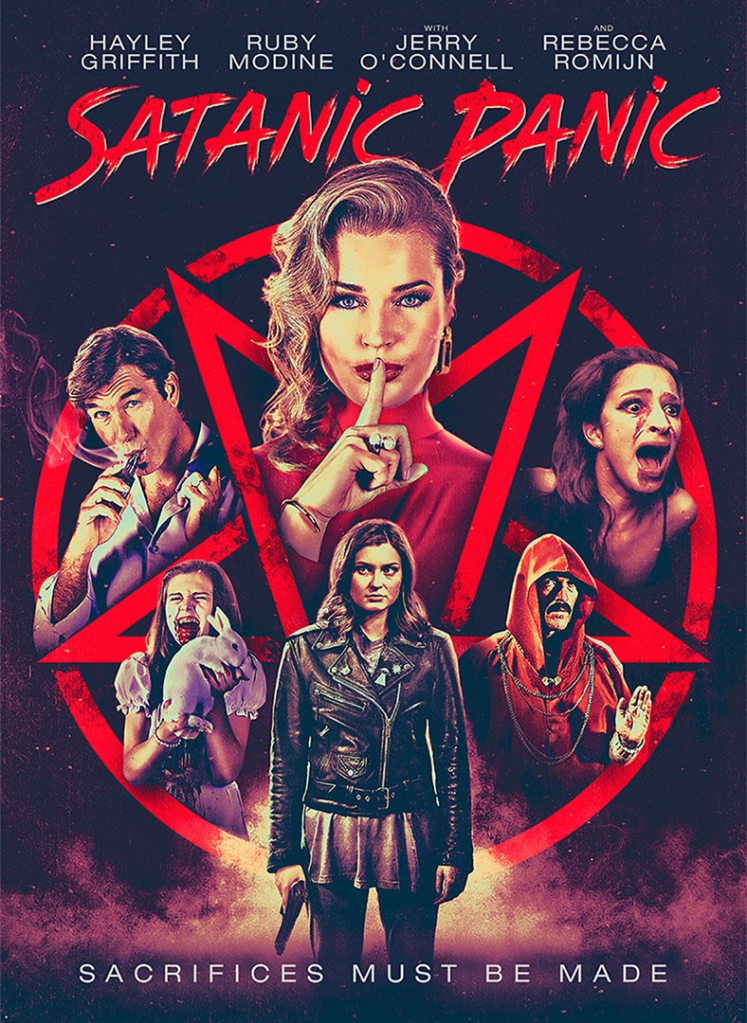
But of course, I’m cherry picking. We each have our tastes and if I played the role of the old man yelling at the clouds any further, I’d live up to the old satanic panic narrative that followed metal bands and funny enough DND for years.

And the “ban this filth” nonsense has been around for ages, and around most aspects of media and entertainment. It’s all but lost on us now, but if you ask an old person who was there, two of the most outrageous topics of discussion would’ve either been Elvis shaking those hips or John Lennon placing the Beatles’ fame above that of Jesus Christ in the Bible Belt states.

For me personally, my mom was the one to introduce and inspire my affection for classic rock and such so she didn’t resist or protest my tastes. My grandma, on the other hand, tried at the start but she stopped when she realized some of the bands I listened to were all around her age now, and there were more important stuff to focus on than who I was listening to. Call me the oddball, but if it was hard for me to take violent video games seriously, then there was really no hope for the supposed satanic messages in Stairway to Heaven.

This week’s YouTube recommendation is akidearest. Months ago, I recommended the Trash Taste podcast and the individual hosts’ YouTube channels. This time, one of them, Joey “The Anime Man” Bizinger’s girlfriend, Agnes “akidearest” Diego, is also a content creator with a channel of her own. She began in 2014 describing different aspects of anime as a whole from associated conventions to a bunch of different tropes across many shows.

Since moving to Japan, she has continued with this type of content while also adding in different aspects of life in Japan, particularly different customs and conveniences that contribute to the culture shock likely to be experienced by foreigners to Japan. As a bonus, both Akidearest and The Anime Man have a video about their most recent trip to the Philippines.

https://www.youtube.com/@akidearest/about