
Reviewing my play time
Down to the wire, the 11th hour and 2025 is drawing to a close and I have time for the last in this wrap up trio before I get to things I was aware of this year but didn’t or couldn’t cover. Some of these will be games that released this year, others will be old enough to legally drink in the U.S. Looking back on it, I played more games than I watched anime and the problem with anime I’ve had is one of the same ones I’ve had with television, standard or otherwise. The commitment to a series is more than a game that can last between 4 and 400 hours, not to mention as much as I loathe the binge watching method, one benefit it has is that I can clear out my watchlist sooner, but the drawback I see is not being able to fully absorb a show, nuances and all.
For the games I’ve played this year:
- Grand Theft Auto III (2001)
- God of War (2005)
- Silent Hill f (2025)
- Mafia: The Old Country (2025)
- Call of Duty: World at War (2008), Black Ops (2010), Black Ops II (2012)
- Ghost of Tsushima (2020)
- Max Payne (2001), Max Payne 2: The Fall of Max Payne (2003), Max Payne 3 (2012)
- Spec Ops: The Line (2012)
This is neither an exhaustive nor ranked in order list. Just ones that I spent a lot of time on this year and yes, for those who know, Max Payne is up there again. It’s my favorite series after all. Actually, looking at this list, I have reverence for games as old as myself, beginning with:

- You feelin’ lucky, punk?
Looking at the timeline, GTA 2 released in 1999 and III in 2001, October to be precise, and knowing what happened in real life a month prior, you’d think terrorism would at best lead to a delay, but loads of things were cut that would’ve made the game even darker and grittier than it already was, notably one such mission involving a fabricated aerial terrorist attack. Funny enough, anyone who was alive and old enough to remember 1990s U.S. politics would’ve suspected the decade to have something of a myriad of eye-catching headlines. Ruby Ridge, Waco, Oklahoma City, the World Trade Center parking lot in 1993, the East Africa Embassy bombings, and several others, not helped by President Bill Clinton promising repeatedly to get Osama bin Laden, only for that promise to be fulfilled a decade after he left office by the Obama administration, but I digress.
Of the cuts made to the game, the color scheme referencing the NYPD’s liveries was changed to black-and-white when it was originally sky blue-and-white. Those iconic police liveries would’ve been making daily trips to help clean up the area alongside FDNY and the National Guard, so the decision to change it would’ve been out of respect for the victims and the first responders, I take it. Also, if it wasn’t for 9/11, the NYPD police union might’ve brought them to court for copyright or plagiarism. Who knows? Several missions referencing terrorism were dropped because of course they were; unused characters and dialogue was found in the game’s files over the years; and the rest of what was found in the betas was also thought to be removed, but Rockstar/DMA Design was cutting bloated content in the months prior that year. Probably even before that.
Gameplay-wise, there’s loads of hints and minor details that make the game seem like a passion project/brainchild with so many celebrities whose voices and/or music was being featured in the game in some capacity. One that stands out to me would be the use of the background music for Scary Movies by Royce da 5’9″ and Eminem.

Something you’d have to find by delving into Wiki pages and whatnot
The music, the use of celebrities for voice acting roles (Frank Vincent, Robert Loggia, numerous rappers, etc.), the gangster movie aesthetic that was prominent in the late 1980s and 90s, and to top it all off, it was originally designed for the PS2 and original Xbox with a port to PC coming a couple years later. None of those devices had a lot of processing power at the time, and the games they housed were nothing short of extraordinary. The use of limited technology really drove creativity, and before I get accused of sounding like some boomer gamer longing for the “uncomplicated days,” as much trouble as I went through to emulate and play GTA III, I know damn well that between it and GTA V and later VI (set for release in 2032 or whatever), it aged poorly.
Even it’s 2002 asset flip in Vice City was a better showing in comparison.
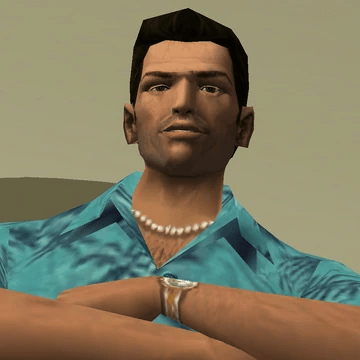
Tommy was essentially Claude with a functioning voice box and actual reasoning, all things considered
I really like GTA III, but I’m not gonna lambaste anyone who hasn’t played it or implore people to bother. If they do, great. If not, nothing was gained or lost. That said, the powers that be, the unchangeable forces of nature, and the gaming landscape owe a lot to GTA III. Rockstar’s successful venture into 3D with both this and Max Payne earlier that year show that with some refinement, 3D can and does work in the gaming sphere with nearly every video game releasing a sequel, if not debuting, over the course of the 2000s and the remainder of the 6th console generation in 3D. The open-world and nonlinear gameplay allowed for speedrunning and multiple different approaches to achieve the same objective so players can get creative with the sandbox. And this being Rockstar, the 3D graphics and depictions of violence led to lawsuits and court settlements for years to come.
Presumably less so for Max Payne and more so for GTA due to it being accessible despite having a slightly less dark story for the time period, GTA alone would see Rockstar in the hot seat by overzealous attorneys and aspirants harping on the zombie adage that “Video games cause violence.” A peek at just this blog and other, more respectable, researchers shows that that’s not and never has been the case–each one is unique, but ignoring nuance in the face of outrage is a time-honored human tradition that keeps us from discovering the aliens… or rather keeps the aliens from discovering us. We disagree on what a wall outlet should look like and the little green men are able to build advanced spaceships in galaxies lightyears away.

S[bark!]t like this is why we haven’t had any abductions as of late
And of course, Rockstar being Rockstar, not only kept trucking on in the face of adversity, but saw fit to take the piss out of their critics by putting their face on the Statue of Happiness in GTA 4, release Bully in 2006, and ride the wave until Jack Thompson was permanently barred from practicing law for his frivolous lawsuits. Rockstar may get s[gunshots]t for releasing one game every 30 years these days, but in a time when they put all of their heads together in a circle, they can give us the same magic used to make King Arthur’s armaments and accoutrements. The dark and edgy era of the 2000s isn’t here anymore, but I’d live to see a piece of media try something like this or Manhunt again, especially with all the cry-bullying that happens on Twitter, Facebook, Tumblr, and parts of Reddit. Heads would roll and I argue that they need to.
Onto the next game:

- Ares!!! Destroy my enemies, and my life is yours!!
We laud Kratos as the eponymous hero of the Norse saga these days, but I’ve learned ages ago that because of the Norse saga, few people realize he debuted in 2005 in the Greek saga. Now, fans who’d made the discovery, even if they picked up the 2018 soft-boot, have a bevy of a series to pick through, but for those who aren’t aware, the original Greek games were an homage to the old claymation, Greco-Roman movies of old like Clash of the Titans, The 300 Spartans, and the 1995 live-action Hercules series. David Jaffe and co. grew up with those and true to the meme, he turned 4, chose one of the several things little kids do at that age and based his entire personality on it.

In my case, it was medieval Japan and East Asia
Fast-forward to Sony Computer Entertainment crafting God of War the same way Hephaestus crafts weapons for Olympus, and it may be lost on those who haven’t or are unable to experience the Greek saga games, but God of War 2005 represents a shift in gaming that happened at the same time during its release. Quick-time events, which it helped to popularize in gaming years later for better or worse; hack-and-slash combat that would reach its zenith in this and other games; puzzles and intricate level design that would be a staple of the series and its several hundred thousand derivatives, and on that last point, several clones.
A stern critic could eye up the God of War trilogy and its PSP spinoffs and put them side-by-side with other games that tried to ape its formula, you’ll notice that several games attempt to rip it off in the years following to make a quick buck, but very few did so successfully or memorably. Something that happened to Mortal Kombat and Street Fighter in the 90s. No-name developers attempting to make a name for themselves by way of emulating a popular formula is a time-honored tradition in video games and sometimes movies. Sometimes you get a successful product like Bayonetta and other times you get a ripoff that deserves the “Like God of War But” stamp of disappointment.
Channel: The Escapist
A reasonable argument could made over imitation and video game clones, but the fact remains that if it was popular enough to sell, it’s also popular enough to steal. God of War wasn’t the only victim of widespread theft, but it was a very noticeable one. To this day, video games are getting cloned and nothing is really stopping the cloning process.
Numero Tres:

- 化け物や!
Google Translate isn’t good for out of context translations…
My exposure to Silent Hill as a series was always through the grapevine. I didn’t know about it for years and by the time I showed interest in some of the better games, my financial situation and the trends of the time wouldn’t allow me to play them on obsolete hardware. Fast-forward to emulation and I have it saved on my PCSX2 emulator so when the time comes (probably in a few days or a week or so), I have Silent Hill 2 to look forward to.
I’ve been told many times that 2 is the peak of quality and the series gradually fell with 2007’s Origins, the following year’s Homecoming, the 2009 Shattered Memories remake, and 2012’s Downpour falling short of prior entries. A sycophantic Silent Hill fan may have more details on each, but the one game that got me genuinely interested in the series is one that can no longer be accessed by normal means thanks to Konami’s boneheadedness in the last 11 or 12 years.

Veterans got flashbacks and bad memories of a game that never was
From the viewer side of things, this was unsettling enough to simply watch–if I had a PS4 at the time, and I was made aware of the cancellation of Silent Hills, I would treasure P.T. like it was the crown jewel in my empire. Legendary horror writers and programmers in Guillermo del Toro, Hideo Kojima, and Junji Ito were, at some point, approached by Konami to work on, or at the very least contribute to the game’s development, but inheriting the same problems that Sega has — that being incredibly difficult to work with — Konami s[pig squeals]t so hard through the bed, the stool broke through the floor at Mach 7 and made a sinkhole that ate the house.
To make it worse, in 2015 during the Game Awards, a Konami-hired attorney barred Kojima from physically accepting awards for Metal Gear Solid V under threat of legal hell. My criticism of Konami is merely surface level, but I know there’s people out there who will die never letting Konami forget what they let slip through their fingers all those years ago by focusing mainly on profit over playability. Kojima’s expulsion was especially felt when Metal Gear Survive was crapped out, showing how much heavy-lifting Kojima was doing at Konami. To date, Metal Gear hasn’t had a release in over seven years and probably won’t unless we get something of a spiritual successor.
The whole point of detailing all of that was a reminder that even when a bad actor does good once in a while, a single move in the right direction isn’t enough to erase the past sins. I normally don’t like to bludgeon the point home like this, but in the case of recidivist behavior, the symptoms are still showing and a higher dosage is required. Having said that, Silent Hill f appears to return to form of sorts as a proper horror game in the same vein as the earlier entries from over 20 years ago. Coupling the psychological with the physical, the sense of foreboding and tension as you choose what part of fight or flight you want to emphasize really adds to the game. The use of a regenerating stamina bar and a regenerating sanity bar add to the experience too. You’re not some superpowered gorilla capable of smashing through everything from the grass going up like it’s Rampage; you’re a teenage schoolgirl in 1960s rural Japan where constant intrusions into your neighbor’s personal lives are how you get the news.

彼女の名前は深水雛子や。
AFAIK, prior Silent Hill games were always set in the titular Silent Hill or a surrounding suburb, but the decision to return it to Japan was to fully reset the series and remind everyone that it began with Japanese horror tropes, not western ones. Now my limited knowledge on East Asian, and specifically Japanese, horror boils down to Ju-On: The Grudge, One Missed Call, Ringu, and most recently Taiwan’s The Tag-Along, so I’m not an expert on East Asian mythological horror tropes outside of Japanese kami and various yokai. Still, there were several noticeable Japanese horror tropes that did tie into Shintoism and Mahayana Buddhism. I suspect that yokai are an influential part of the monsters in this entry, but it’s merely a gut feeling based on what I’ve seen and roughly two hours of gameplay ain’t enough to speak with certainty. I’ll be back for a full review of the game probably in February or something.
Quattro:
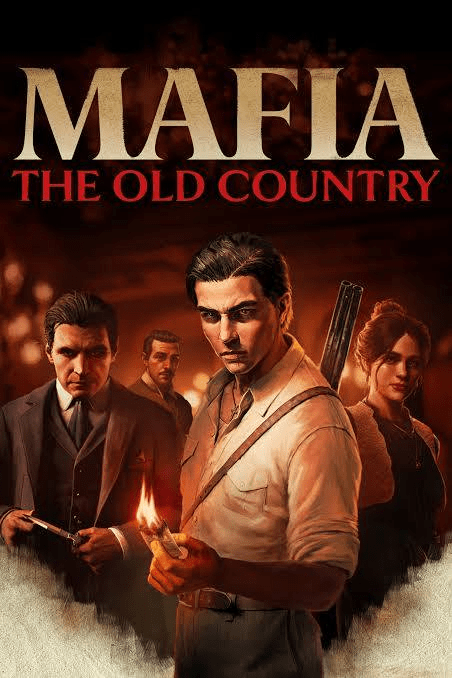
- Il Regno delle Due Sicilie
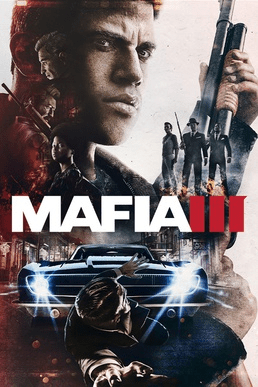
I’ve talked about the Mafia series before because I like it, but not nearly as much as God of War or Max Payne, both of which I talk about and play at least once a year. For the Mafia series, it’s been a bit tougher with the original games descending into abandonware status and necessitating remakes, which are more accessible than the originals that they’d fixed, though they’re all long as hell, with Mafia III being one of the longer entries in the series for all the side content available in just the base game.
Mafia: The City of Lost Heaven takes place in the 1930s in the Midwest at the end of Prohibition, so you can still make a few pennies from rumrunning. Mafia II takes place between 1945 and ’51 on the East Coast and makes mention of the war effort and the lifestyle of the early 1950s. Mafia III takes place in 1968 in the Deep South during the civil rights movement, a pivotal time for the U.S. foreign and domestic policy concerning race relations and the Vietnam War effort seeing record anti-war protests and draft dodging. The Old Country is a prequel set in 1900s Sicily, at a time when Italy was whole but Italians as a national people were only just being made.
Much of my knowledge on Italian history came from the latter third of middle school, tenth grade, and my Italian language community college courses. So I know the generic stuff about the peculiar boot-shaped country, but not enough about specific regions at specific periods in time to criticize the historical angle, so learning that some families sold their sons to work in sulfur mines to pay off debts was interesting. The weapons in the games do reflect the era of combat, and in this case, the weapons used by the mafiosi would’ve been in use during Italy’s pathetic attempts to colonize East Africa.

The Mongols had better deserts to exploit, just saying
As such, rolling blocks, trapdoor rifles, and bolt-action rifles are a feature in the game. The machine guns and submachine guns of later mobster media obviously comes decades after all this. I’m not as far in this game as I am with some of the others on this list, but graphically Hangar 13 found their bread and butter back in Mafia III and have been using that with Mafia: Definitive Edition and this game, but left Mafia II untouched. But Mafia II: Definitive Edition has the appropriate promo art.
The tech also reflects the time period. Telephones, automobiles, entertainment; it all feels appropriate for the mid-1900s, which is to say primitive compared to Tommy Angelo’s definition of entertainment, and Vito Scaletta’s and Lincoln Clay’s, and the latter two had television. As a matter of fact, what I’ve seen of The Old Country so far reminds me of some mobster media about the earliest Italian-American organized crime groups. Less Commission and Lucky Luciano and more John Dillinger, Bugs Moran, and adolescent Al Capone.

Before he was dressing like this, though he might’ve always dressed like this
More needs to be explored before I share my thoughts, but for immersion, I’ve set the language output to Sicilian because English language courses as a part of the national Italian curriculum would be a century away.
五番目:

- Seelow Heights 1945, Vietnam 1968, and Downtown L.A. 2025
I’ve played the Black Ops games before multiple times, but this year was the first time I got to World at War and playing through it, it has the hallmarks of a horror game. Enemies can pop up at you from nothing, notorious adversaries who famously courted death on the battlefield (Imperial Japanese and Nazi German fanaticism is still studied to this day), scarce ammunition, dark atmosphere in contrast to how this era is typically depicted especially in film; I shudder to think how many U.S. soldiers, sailors, and Marines were caught by surprise by the Japanese as well as the rest of the Pacific Allies. Same goes for everyone caught in the Eastern Front against Germany, to include collaborators and partisans.
I didn’t expect a war game to unnerve me while I was playing and here we are. Goes to show how far war games have fallen over the years. War has and always will be unpleasant. One thing to highlight though are a slew of historical inaccuracies design-wise. Of course, true historical accuracy is a concern for the reenactors and cosplayers, but to get to at least 90% accuracy requires a couple of mods. Some that reflect the ethnic diversity of the Soviet Union so we get more than Russian names; some that replace the Wehrmacht and Waffen-SS with the Volkssturm, the last ditch militia propped up by Hitler at the 11th hour; some for the U.S. Marines’ gear in the Pacific so they look appropriate for the era; and some for the Japanese Army, presumably some variance in voice lines to denote Japan’s historical use of Korean, Taiwanese and Manchu conscripts, as well as ideologically-minded partisans. But that’s not my strict desire, that would be the desire of YouTube channel: The Frosty 1.
Treyarch really had platinum with these games. It was still there come Black Ops III time, but after IV, it wasn’t worth it’s weight anymore. Cold War and Black Ops 6 were up there, but the most recent entry necessitates a reboot yesterday.

The mighty have fallen and they can’t get up
Fortunately for me, I included a handful of those accuracy mods, so the next time I boot the game up, they should impact the experience for me next time.
Sechste:

- 我が名は境井仁だ!
I briefly touched on shogunate foreign policy when I was reviewing The Elusive Samurai manga for the first time, but to further elaborate on that, the Mongols didn’t realize that the emperor of Japan was a figurehead for the Hojo clan regents (shikken) at the time until they launched a naval invasion in 1274, which is what Tsushima is about. Contrary to popular belief, only the second attempt was deemed a failure by way of monsoons. The first one was enough to shake the foundations in Kamakura and Kyoto because the samurai had all put up a stiff and adamant resistance to Mongol absorption. Thus, the Mongols hyper-invaded the Middle East to make up for the shortfall of failing in Japan while Japan itself held onto its seat of power in Kamakura until Ashikaga Takauji double-crossed the Hojo and eventually the emperor himself to consolidate power.
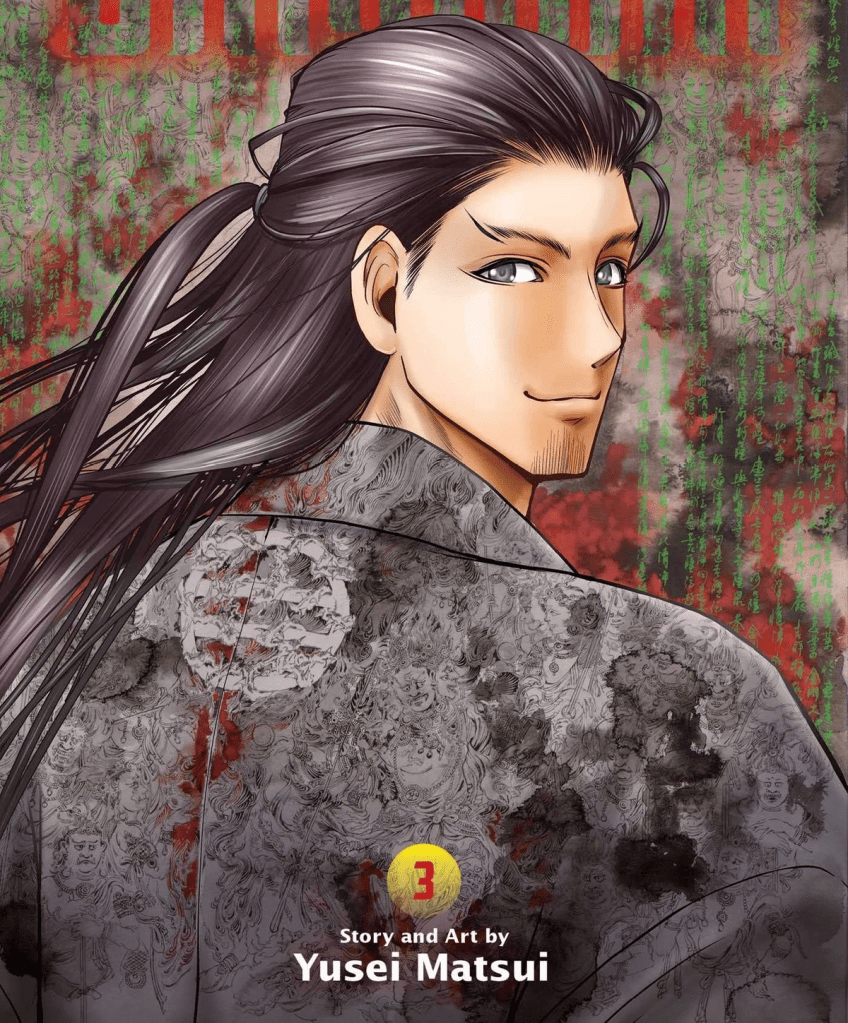
For a traitor, Matsui really made him easy on the eyes
Although developed by American studio Sucker Punch, Ghost of Tsushima and its sequel Yotei are a love letter to Akira Kurosawa films. I’d lambaste the strict adherence to samurai blades if the time period was wrong. But it’s not bad at all. Portuguese missionaries didn’t bring guns with them to Japan until 1543, and it took another couple of decades for the Japanese to reverse engineer them domestically. It’s a technical marvel in its own right with the language also being appropriate for the time and archaic for modern Japanophones.
As for critique, it gets points docked for the Mongols being unanimously Mongolian speaking when the Mongol-led Yuan dynasty included Jurchens, Han Chinese and Koreans, and standardizing speech and vocal patterns would be an afterthought in this time period since nationalism is a more recent thing. A militant Mongol Empire could enforce a national tongue, but if what I’ve been taught about Mongol culture is true, then their territory would’ve been smaller and subject to further internal divisions after Kublai Khan. Then again, this video below explains why the devs did what they did:
Channel: Cool History Bros
Accurate or not, the cross-cultural pollination of east and west was a significant factor for this game seeing as the Japanese audience absolutely loved this game, same as how numerous western fans coined the adage “Git Gud” as a response when a novice Souls player asks for help with a boss, the Souls devs being Japanese themselves. One thing to note about recent titles like these is the wider variety of language options and seeing as I’m playing Sekiro and watching Japanese live-action shows in the original language, I believe I’ve become something of a purist in regard to gaming. I can’t really criticize voice acting and direction when I’m not a voice actor myself. The choice behind this is related to setting. Fantasy worlds are a free-for-all, but feudal Japan, rural 1960s Japan (possibly a stand-in for Shizuoka based on the kanji 「静岡」), and Sicily are all real places with their own respective languages and dialects. Doesn’t make a lot of sense that Sakai Jin, Hinako-san, and The Old Country protagonist, Enzo Favara, would know English. Also, I want the Kurosawa experience for Ghost of Tsushima.
The only great shame I can express for Ghost of Tsushima was the practice by Sony to limit exclusivity to sell consoles. Accessibility for more players who don’t have the necessary hardware to play the games is one thing to praise, or I wouldn’t have been able to see God of War 4 for myself personally…
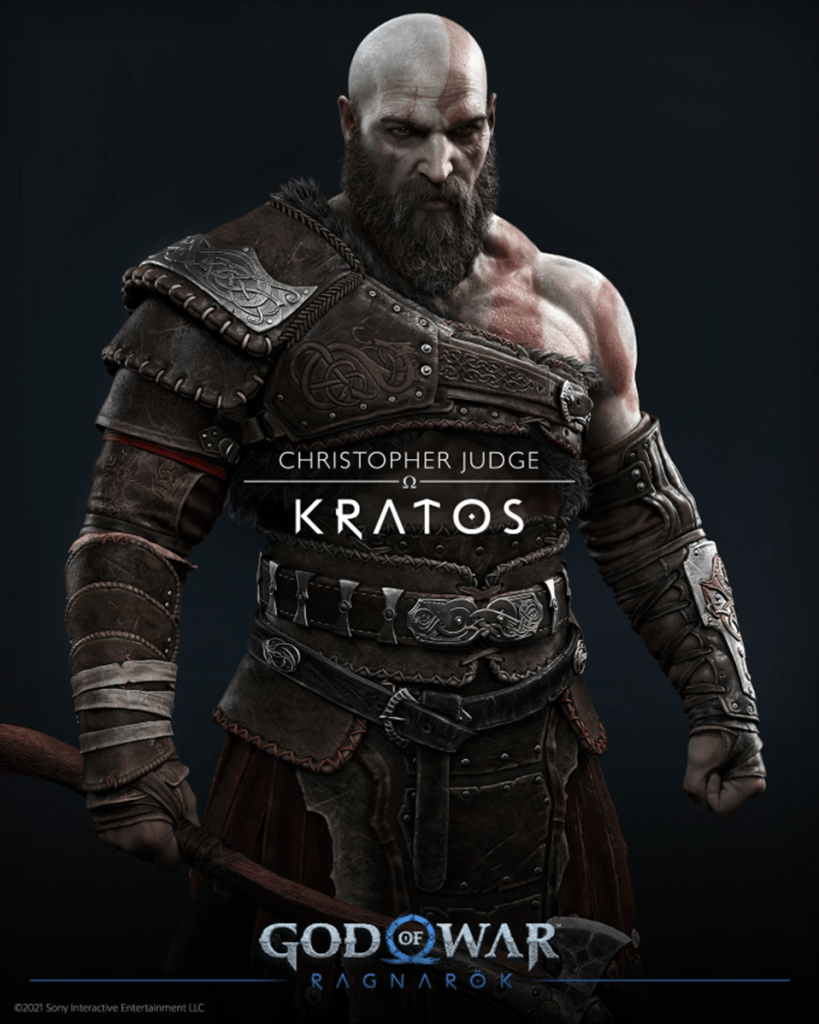
…but if the player already has a Sony product on one platform, what’s the motivation to shell out for the console itself? Especially with cross-play becoming a thing in recent years? I can play Dead by Daylight on PC while my National Guard buddies boot up an Xbox or PS4 and load in with 2% of the issues that this brings. As for console gaming itself, though I emulate old titles, use ROMs for select PC releases, and game largely on PC when able, I’m not completely opposed to console gaming for good. Unfortunately, the pandemic unleashed the flood gates for a myriad of scalpers to buy and resell the 9th gen consoles at obscene prices. Not to mention, neither of them are making confident moves with their respective products. You can find numerous videos expressing confusion at Microsoft’s direction with the Xbox while Sony has been putting one too many eggs in the future of gaming while seemingly forgetting their roots. Crash Bandicoot may be awkward to look at today, but expecting perfection at the first hurdle is how you get imperfections. Did no one ever teach that to Sony?
Sétimo:

- The Flesh of Fallen Angels
See this post for more details.
Okay, I’ll elaborate. My well-known love for the series goes without saying. The decision to replay it once again is something of a yearly tradition. The gunplay, bullet-time, story beats, writing, game mechanics; the series is a masterpiece of third-person shooting and the fact that it hasn’t inspired more clones over the years is striking. The only ones I can point to are 2007’s Stranglehold by John Woo, starring Chow Yun-fat reprising his role as Inspector Tequila and 2023’s El Paso, Elsewhere by Xalavier Nelson Jr.

One day, I shall judge Mr. Nelson’s work of art
I don’t really have to worry too much about the state of the third game, but the first two being as old as they are are subject to age. Not that they’re aging poorly, but that the tech is evolving without a means to reliably support them without issue. I can run the first game on one of my laptops, but I struggle on the big rig, yet the same big rig is able to run the second and third games issue-free. So the yearly gameplays are something of a quality test of sorts.
As far as gameplay goes, the first game remains a steady ass-kicker. It’s a game that has me quick saving every time I clear a room full of bad guys. It’s also the one with admittedly s[boots]t physics. It ranges from mildly annoying in regard platforming to downright nightmarish in the appropriate nightmare sections. Combine this with a few minor but noticeable glitches that initially had me clipping through the wall or getting stuck in a wall in pitched moments, and I have to risk exiting out to look for a hotfix and go through the bulls[urgh!]t all over again.
Enemy AI has almost always been strong ever since the first game, so from the frozen NY maze of brownstones and brickwork to the sheet metal, ramshackle Hoovervilles of Sao Paulo, I find myself planning my next moves even further beyond what I can immediately see. Typically, I tend to play it by ear and leave the door open for any type of surprise to come my way. It can be done in this series too, even after playing it as many times as I have, though not to a large extent. Max being a cop would be collecting evidence as he goes, and some parts of the games require more than gunning everything in sight.
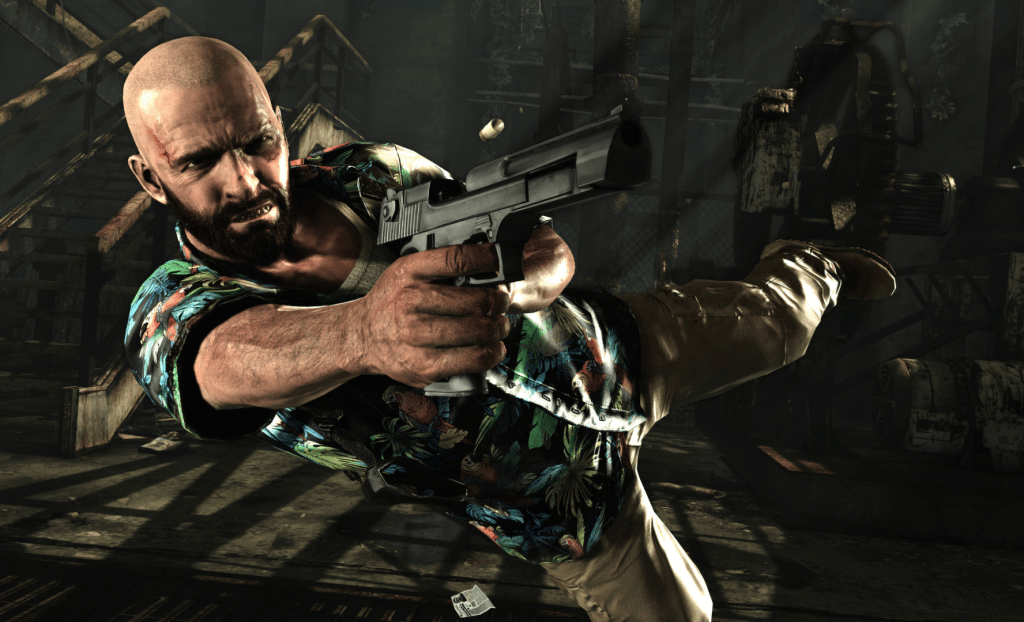
The third installment is the black sheep of the series noted by the lack of involvement from Sam Lake and Remedy Entertainment, the first clue being the cynical, nonanalytical writing, but in defense of the third game, it’s a nine-year gap between it and the second game and a strong painkiller/opioid addiction would leave anyone in a dour mood, especially if you were still mulling over the death of your family by outside forces.
Just ask this guy.
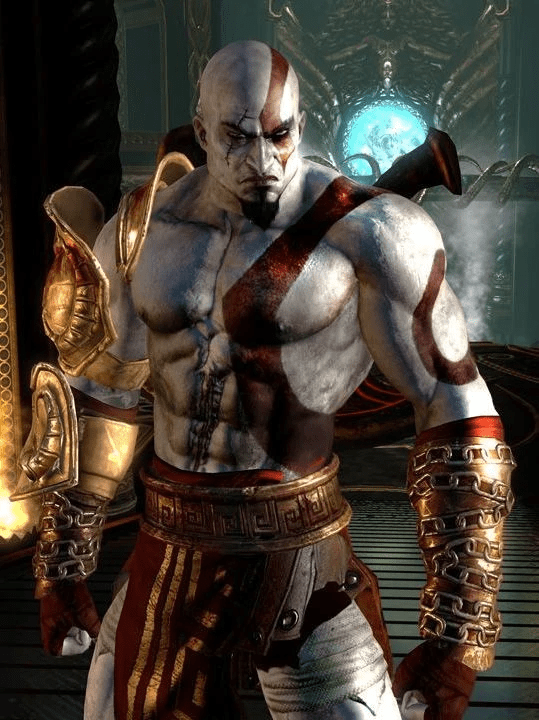
Granted, Max didn’t turn New York inside out, but the destruction of Olympus was literally the last thing Kratos was trying to do
Yes, this is another recommendation for Max Payne, and yes I’m eagerly awaiting the remakes coming out in or after 2026.
Lastly:

- Leopold II and the Congo, 1899; Col. Kurtz and South Vietnam, 1970s; and Lt. Col. Konrad and the UAE, 2012.
Personally, I feel that this game’s commentary and stark chastisement of gaming is one that aged terribly. It had a case in criticism of modern warfare games and U.S. foreign policy, like other media, but it wasn’t really meant to be rebooted. Suffice to say, it at least went out on a whimper than with a bang. The modern warfare military shooter was revolutionary when CoD did it in 2007, followed by Battlefield soon after, though both were starting to feel that there wasn’t any evolution and some critics were getting tired of the formula by 2011, absent of the individual plots of MW3 and BF3.
2012 would see the long dormant shovelware shooter series Spec Ops belch its profound words at the time in criticism of the modern warfare shooter. “You’re not a hero, you’re a gamer.” “You wanted to feel like something you’re not.” All well and good, Yager Development, but I don’t play CoD for the sole purpose of saving the world, I like campaign of select games and when I wanna turn my brain off I retreat to the zombies mode. Sometimes multiplayer if I can spare a couple minutes to an hour these days.
Admittedly, Spec Ops was asking familiar questions regarding the purpose of Iraq if the WMD scare was cattle manure and why we were still in Afghanistan with it being revealed that nation-building in a place like that hasn’t worked out well for anyone who tried. Not the Soviets, not the Brits, not the Persians, not even Alexander the Great, and we call him “the Great.”
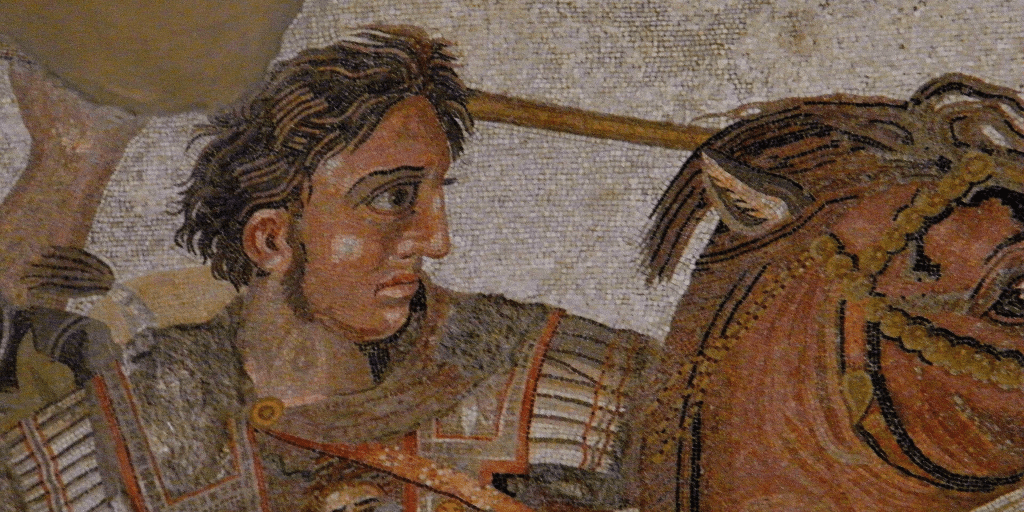
Well, it asked what it wanted to ask at the time and knowing how the War in Afghanistan ended with the Taliban unseated and subsequently reseated in Kabul, if Spec Ops did spawn a sequel or a successor, it might’ve been even harsher on U.S. foreign policy. And I won’t be nice, I know that the U.S. hadn’t built a stable nation since South Korea and calling South Korea stable is putting their modern history very nicely. Vietnam proved to be more prophetic than we originally thought.
But on the whole Spec Ops: The Line’s commentary is critically kneecapped by the decision to make the gameplay so cumbersome. I default to medium difficulty because I’m not so stunted that I need someone to hold and shake my penis every time I have to piss, but I’m also not a badass who can eat Dark Souls for breakfast, lunch, and dinner and still feel starved for tougher games. Functionally, Spec Ops: The Line is not fun to play and maneuver around and that’s on purpose. Bad controls are bad controls, but I don’t know if it’s made worse when it’s accidental or intentional.
To be fair to Yager, I wouldn’t call this an act of malice or villainy; I take it that they didn’t like the direction war games were going at the time. Unfortunately, there seem to be efforts to de-list and bury the game for some reason. It was difficult for me to find it for emulation on RPCS3 and despite its graphical glitches, it was the best way to play it on short notice. I still don’t recommend it, even for its story. Just watch an analysis on YouTube or play the Modern Warfare Remastered games like I did.

Heroes don’t exist…
The last post for 2025 will go up next week and while I’ll be on leave for the holidays, I’ll try to push it out sometime on December 26. The one after that, the first post of 2026 may have to be delayed so that I can make my flight. So it may be out over the weekend on Saturday.
Happy Holidays and Happy New Year, dear readers. Don’t stop consuming your favorite entertainment products.






 Opinions on Entertainment