If it releases before GTA 6 does (and some outletsseem to suggestthis as the case), the opening joke will become more prophetic than I meant it to. Anime and the Grand Theft Auto series aren’t too things that always mix themselves, but talking to any gamer or anime fan, you may find that they’re the same people. One of them is writing this blog right now! Matter of fact, GTA Online has a few cars that can be customized with anime liveries. You can have your very own Itasha of the GTA anime parody Princess Robot Bubblegum.
For some reason, I was more embarrassed of this than I was of High School DxD, and that series proudly shows boobs and ass in nearly every scene!
But to get away from a parody of an East Asian medium present in a game developed by Northern Englishmen and Scots, let’s go to an upcoming game whose development team is in East Asia and is drawing comparisons to a game developed by Northern Brits.
Announced in August 2023 under the working title Project Mugen, Ananta is described as a fantasy urban RPG open-world, not dissimilar from Zenless Zone Zero but with much more to do gameplay-wise. Driving, city exploration, minigames, and Spider-Man’s wrists.
Not much is known about the plot as of writing, but the associated Wikipedia page (which will definitely be updated post-release and interviews) explains that its protagonists are paranormal investigators with some kind of extrasensory perception (ESP). These abilities are being used to fight against the main antagonistic force known as Chaos.
Channel: Mugen Official
I haven’t the slightest idea who specifically asked for this, but I want to buy them a present. A six-foot tall cake with a stripper or porn star of their choosing.
It’ll be hard to see this as a gacha game with how it looks and what it’s supposed to have, being an amalgamation of GTA, Honkai: Star Rail, Spider-Man for PS4, and Zenless Zone Zero, with a dash of Mob Psycho 100. Write what you know, learn more so you can know more, write even more. It’s also worth making the distinction between the devs of this game and Mihoyo. They’re another Chinese company based in Hangzhou called Naked Rain. Due to the whales that coalesce around paid DLC and many gacha games, they most likely do have the capacity and resources to make a game like this, but they’re not. ZZZ comes close and it’s still not a 1 to 1.
Ananta’s trailer seems to promise the ability to drive around the city, or, according to the Wikipedia, cities with planned updates. A game with multiple cities. It might be due to the resources needed to include multiple cities, but I would love it if more games had more maps to explore without locking it behind an expansion pack, DLC, or any other paywall. Even a loading screen would be serviceable, to me at least. It’s what made Midnight Club 3 and the old Need for Speed games so memorable and exciting.
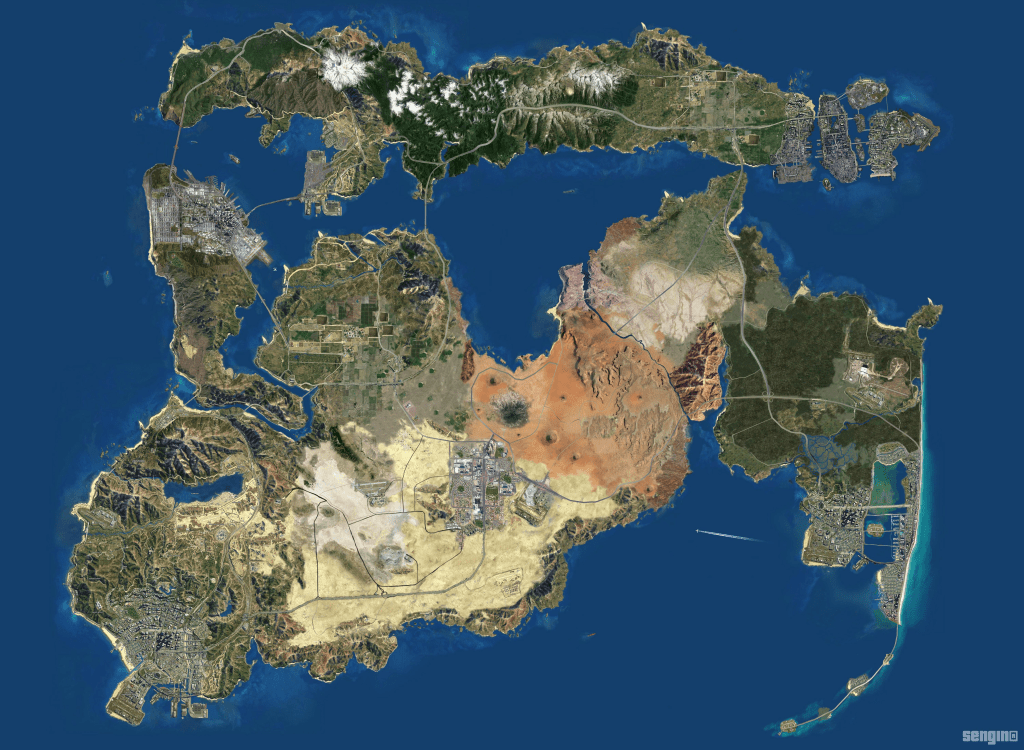
Also, I have to circle back to GTA for a rant. Liberty City, Vice City, Los Santos: the big three stand-ins for NYC, Miami, and Los Angeles and victims of the RockStar game design of “take well-known big city and make it an island.” There’s a few theories floating around that the reason for this is a great big satire on the old “self-absorbed Americans live in their own world” stereotype and to be honest, I’d say the joke is quite old. It may have worked before, but with GTA: San Andreas having stand-ins for Vegas and Frisco as Las Venturas and San Fierro respectively as well as an area that can be viewed as the rural part of NorCal, there’s evidence from RockStar that they can and could (read: should) make a multi-city game. Or frankenstein their three cities together. Multiple fan artists have done it in the years since.
Source: sengin*
* The source for that map is hard to find seeing as it’s nearly 10 years old. Nevertheless, we have a good base, even if conceptual in design. There was also Ubisoft’s The Crew which had a truncated map of the lower 48, and most MMORPGs to go off of for a true open-world GTA-esque game. Come on, RockStar, give us what we really want.
Sorry, back on topic. Ananta is available for pre-registration so you can be among the first get it once it’s available. And you can bet you’re bottom dollar, I’ve already pre-registered and I’ll definitely be one of the first to play it as soon as I acquire the yottabytes necessary to house them all. Maybe I should make a rant of modern gaming, there’s enough material online for me to use as examples… as well as anecdotes and memes of people moving files around for storage; a story I know all too well.
It’s easy to say that I’m excited for Ananta and want it to succeed. That kind of goes without saying, gacha games are plenty successful as shown by Mihoyo’s output and I don’t just mean the whales funding it better than any Wall Street investor. But I’m going to take a page from the Det. Cole Phelps Institute and match that excitement with some skepticism. No assumptions, wait for more trailers and information to be revealed, look into some theories, and most importantly, prioritize the facts. To quote the God of War:
Expect the worst;
Assume nothing, and;
Always anticipate [danger]
Credit: alexloai64
A series of great quotes to follow, not just in a hack-n-slash god-pulverizing simulator, and something I’ll keep in mind whilst eagerly awaiting more updates on Ananta/Mugen.
Citizens of the internet will know that fake trailers make the rounds several years or so after a popular franchise entry is on the market. I recall looking at fake videos of what GTA V would look like shortly after announcement in the middle of 2012. Me and my friends were hyped for the latter half of that year and 2013 waiting for the game to come out and when it did, in a nutshell it broke records back to back.
A few weeks after initial release, GTA Online debuted and despite an initial hiccup for those who were there (I was one of them), Online alone probably counted for lifetime revenue for the game. The most expensive piece of media in history made back all of its money and then some. If Rockstar was feeling philanthropic, every employee could probably retire and have enough savings for their descendants.
Over the years, critics have popped up questioning Rockstar’s design philosophy and direction. GTA V was said to have a DLC that was functionally stolen by GTA Online, which has enough DLC on its own to be released as a standalone semi-RPG (an idea that Rockstar could capitalize on if done more honestly), and even after the release of the phenomenally made, if overdone Red Dead Redemption 2, players often defaulted to GTA. Answering to the money (read: gold) found in the criminal funhouse that GTA Online was and still is, Red Dead Online suffered as a result and some haven’t forgiven Rockstar for it.
Nevertheless, Rockstar’s reputation as a more patient company has paid off. Gone are the days where they were a small team of British programmers asset flipping successful titles with only a year in difference. Projects have gotten bigger and bigger since at least 2007 coming to fruition with the following year’s GTA IV.
I think I have a theory on why the games have taken a more contemporary approach as opposed to the older unnumbered titles like Vice City or Liberty City Stories, and that theory starts with “it’s easier to capture what is than thumb through records looking at what was.” Maybe there’ll come a day when I elaborate further, but today we’re talking about a very long, very awaited installment in the GTA franchise.
On December 1, Rockstar announced the trailer would release on December 5, at 9:00 AM but the full trailer was leaked 15 hours ahead of schedule, racking up a record breaking view-count in minutes.
Channel: Rockstar Games
The internet has been demanding a follow-up to GTA V for a number of reasons, the most popular of them being criticism over the gluttonous mass that is GTA Online. I can’t say with certainty if these are the same people who default to GTA Online, but if there is some of that overlap, then it’s true what they say about a view from a glasshouse.
So following up on GTAs IV and V, GTA VI is yet another entry into the contemporary setting of modern-day Miami/South Florida. After looking myself, commenters who are from or have been to Florida have applauded the downright authentic portrayal of life as a Florida man or woman. Exploration of the Everglades and Keys, run ins with alligators, regular folks putting bizarre twists on normal activities and other easter eggs to the unpredictable nature of Florida man. Here’s a fun game you can play: google your birthday and put Florida man in and see what comes up.
Unlike the portrayal of South Florida from Vice City, where it takes home the allegations of a copy of 1983’s Scarface with a few references to Miami Vice, this time the game incorporates pretty much any given report on life in Florida. Much of the in-game footage captured seems to be recorded on Rockstar’s as of yet released parody of TikTok. Allow me to repeat a similar soundbite when I say that the graphics have never looked so amazing. YongYea recorded a video on this the previous night speaking similarly about the graphics and there’s no hyperbole when I say that minor things like hair and clothing affected by the wind, or facial rendering right down to the muscles, or even the local wildlife all come alive in just the trailer.
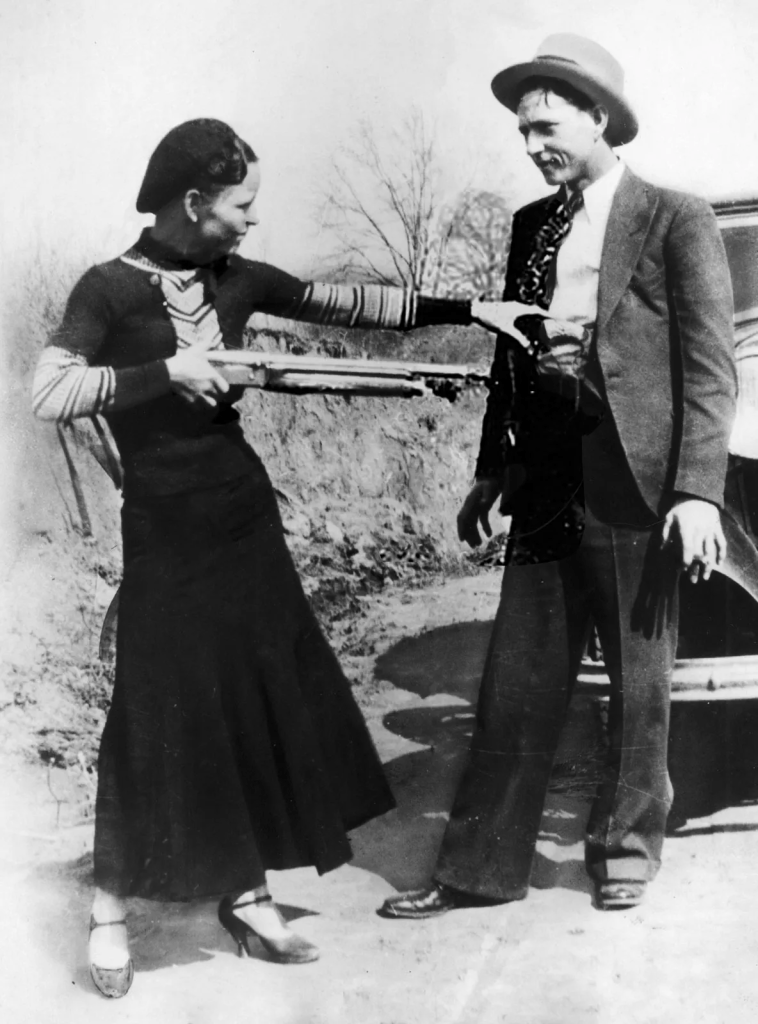
As for the plot, I’m personally saving my viewing eyes for later trailers to follow in 2024 and ’25, but from what we’ve heard and seen, it’s heavily inspired by the 1930s outlaw pairing of Bonnie and Clyde.
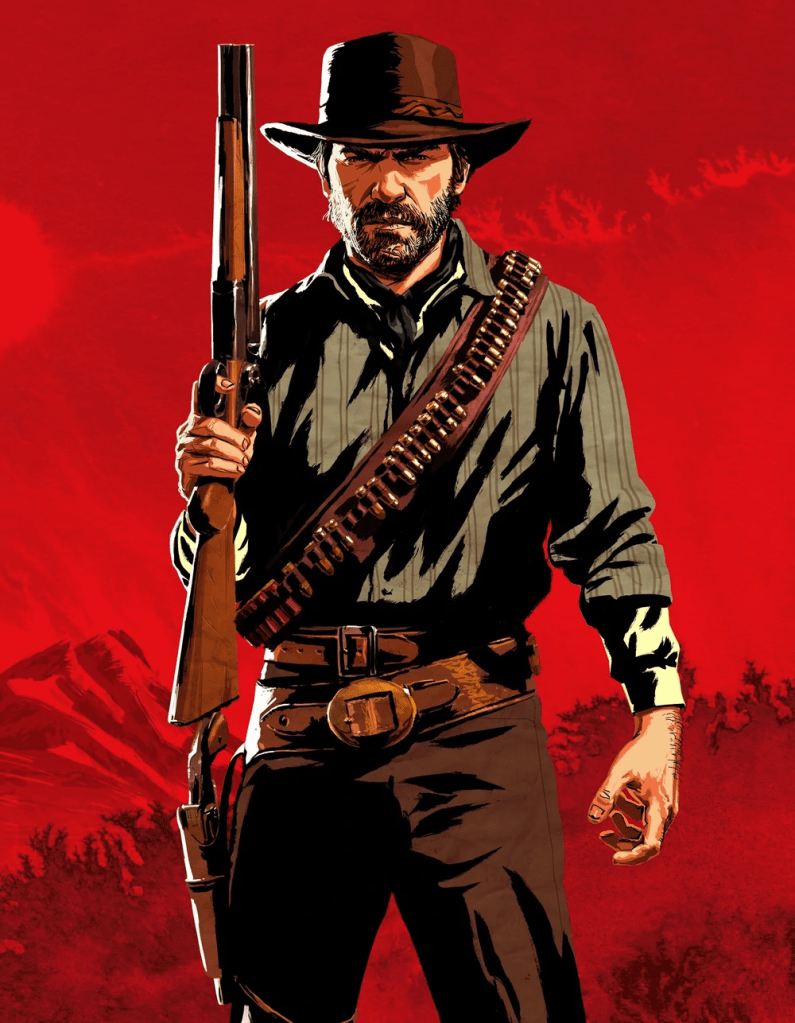
Also a first for GTA is a female protagonist. Rather than make your own in Online (as I have), the female lead is named Lucia and the male lead is named Jason. Plot details are obviously scarce and I intend to keep myself surprised until release even though select details have leaked yonks ago. From what I can gather from the trailer, it begins not dissimilar from JoJo’s Bizarre Adventure: Stone Ocean.
Think about it: young Florida woman begins in the prison system; Lucia herself most likely dodging worse versions of what Jolyne was forced to share a detention complex with during her own incarceration; a boyfriend with an equally sketchy history… and again without anymore information from that, I can’t say where else the story goes, but it clearly doesn’t take place in a prison, though the prison is likely to play a role in the story in some capacity. By the way, the initial comparisons weren’t lost on the JoJo community.
Credit: u/klydex210, r/ShitPostCrusaders
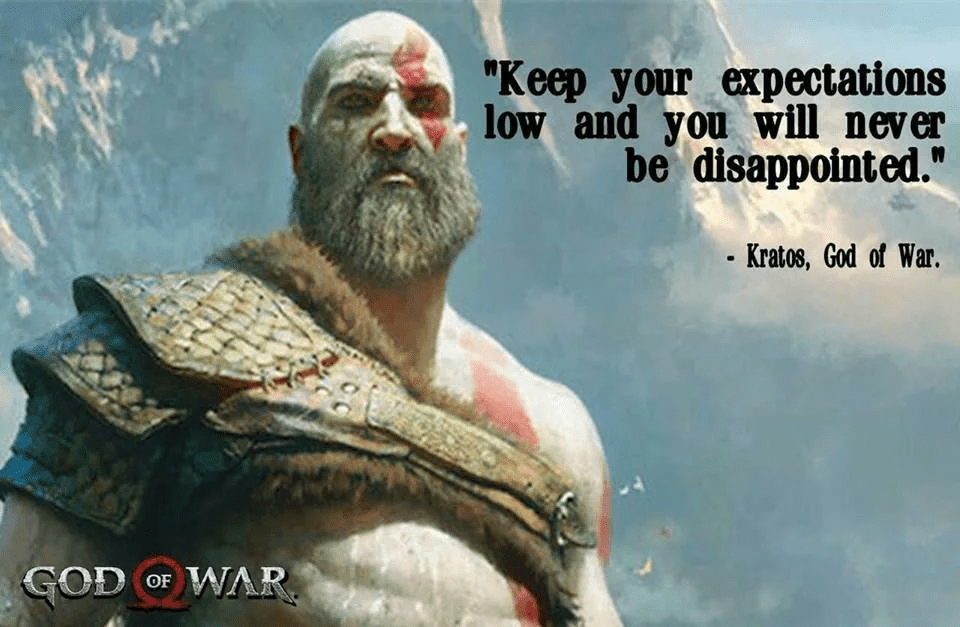
I honestly thought, as did others, that the release window would be, say, Q4 2024, but the trailer ends with a vague 2025 release window. As of writing this, in-depth analyses of the trailer are releasing on YouTube and more will follow with more trailers in 2024. All that time cooking up a five-course meal, so many people have been waiting for the main dish and it looks like whatever trailers are releasing next year and after until release will hold us all over as appetizers. I’m excited, but all throughout this post, I’ve been keeping a level and realistic outlook on this. As exciting as this reveal trailer was, I’ve learned from past mistakes and disappointments to wait for as much information to be made available. Remember Kratos’s words:
Credit: u/Shaho99, r/GodofWar
Open your mind to the possibilities and all that. Now have some analysis videos to hold you over until the next trailer.
I call this one a humble brag of sorts as I look back to the games I had available on my old PS2. From the day I got it (c. 2003) to the day I canned it (March 2013), I had a large library of games. Not exactly enough to fill a whole bookcase, but large enough to dedicate one of the shelves of the bookcase to them for storage. My ever reliable memory may fail me here, but I’ll go ahead with the ones that I remember dedicating the most time to, starting with this.
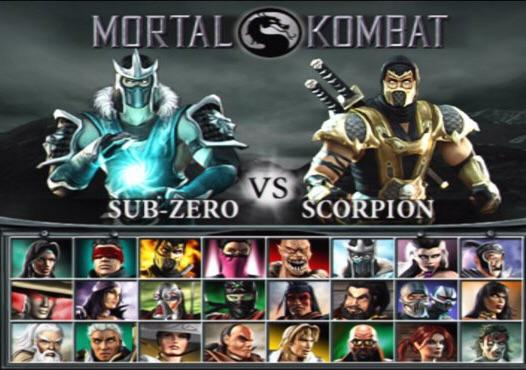
3D Mortal Kombat Games (2002-06): Starting with a classic series, you might be surprised to learn how I got into Mortal Kombat. My mother actually was a fan during the 90s’ 2D era Mortal Kombat games.
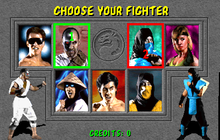
Considering the steps the franchise has taken since and now with a new game debuting in the middle of September, it’s nostalgic to look back at these 2D sprites of digitized martial artist-actors and think that this was the first of a phenomenal and influential video game series. The blood, the characters, the story, the moves, and best of all the fatalities; something this popular and this controversial — so much so that it helped birth the ESRB — was not lacking in graphic content, nor even imitators for that matter.
There were always fighting games before, during, and after MK’s big debut, but I’m not sure if any other fighting franchise can boast about having as many imitators as MK did at the time, and probably still does. Then again, a few come to mind…
MK’s transition to 3D in 1997 wasn’t without its missteps however. It tried its best, but Ed Boon even admitted that Mortal Kombat 4’s quality wasn’t up to snuff, and this isn’t even mentioning the media getting in on the then-hyper realistic graphics and their supposed influence on the impressionable and possible contribution to real-world violence–an accusation that video games couldn’t seem to shake off for years. But nevertheless, Midway trudged on and met the 2000s swinging at the fences.
Although Deadly Alliance came first in 2002, the first MK game I had was 2004’s Deception. The simple numbering system for sequels isn’t concrete giving way to creativity most of the time, but an average consumer without even a bit of knowledge in what they’re buying may not notice until after they buy the game. Fortunately for us, Blockbuster Video was a popular rental store for those who wanted to test an entertainment medium before committing or just didn’t see themselves owning it for good.
This was how I found out about Deadly Alliance. Being a bit older than Deception, most of the features in Deception aren’t in Deadly Alliance. It did have the 3D animations, fighting styles, and arenas that followed it into Armageddon and MK vs DC Universe (I personally don’t count this as an MK game), but what it was lacking in is what makes Deception look like an upgrade by comparison. This doesn’t mean Deadly Alliance was barebones, far from it. It’s Konquest mode was a great big tutorial for how to move and maneuver the characters and their combos, the endings were all unique with some connecting to others, the krypt had loads of secrets and collectibles to find, and the soundtrack stands as one of my favorites in video gaming.
On the later end of the 3D era, Armageddon had the same fighting mechanics of the last two games with several more added features, several mini-games and an in-depth plot about the fate of existence like that of Deception, and has possibly featured nearly every character ever introduced in Mortal Kombat since its inception 14 years earlier, but seems more than a little bit barebones compared to its predecessors. The previous two games gave the characters two fighting styles and a weapon, an arsenal of special moves, one fatality in Deadly Alliance and two in Deception including a Hara-Kiri/suicide move. Deception and Armageddon fixed the error that Deadly Alliance committed by omitting the stage fatalities, but committed some of its own cardinal sins.
Technically, it’s possible to have mastery over two or more martial arts styles. I was never the biggest fan of the old style-branching combos with so many of them being so difficult to pull off in rapid succession, but for the most part, the variety they added to a fight by chaining multiple combos between styles and sometimes ending with a strong weapon attack was the definition of a power move, or dare I say, a pro gamer move.
So while they might be gone from Armageddon, at least the characters feel and play differently: males apart from females apart from creature-types like Motaro or Baraka apart from the literal beasts like Goro, Onaga or even Blaze himself after the glow up from his addition as a secret character from MK Deadly Alliance.
The other cardinal sin committed, one that’s less forgivable or defendable is that of the fatalities. If you’ve played these older games, you’ll know that the window of opportunity was notoriously unforgiving and the combos so precise that one slip-up could turn a head ripper into a slap in the face which some would say added to the reward. I actually discovered Armageddon’s fatality system by accident after trying to finish a character off by way of special move only to unintentionally dismember them and squeeze his head. Yeah, Armageddon got lazy with the fatalities.
No room for practicing something difficult anymore, everyone regardless of physicality is capable of committing many of the same fatalities and input combos, with different tiers depending on what’s done to the victim. Single moves aren’t anything special where as a full-on prolonged dismemberment and maiming before the big finish creates what the game calls an “Ultimate Fatality.”
I can call this a lot of things, but part of me used to believe the titling of Armageddon was a glimpse into what was going on behind the scenes. Just now, a Google search revealed that there was more going on under the hood that resulted in Midway shutting down in 2009, not the least of which was an overdependence on Mortal Kombat along with financial mishandling, so while I wasn’t off the mark, I wasn’t entirely accurate either.
3D Grand Theft Auto Games (2001-2006): This brings me back to an arguable bygone era of RockStar Games, a time when the next game was literally a few years or even months away than a full-on decade and change. Think about it: the last GTA game will turn ten years old in less than a month as of writing this. Also, the most recent release was an ambitious project that lived up to its purported hype if not beyond and RockStar is seeking to abandon it.
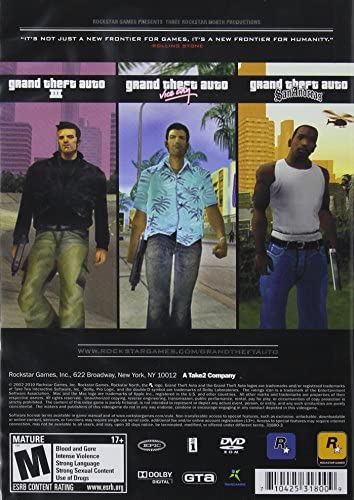
But we’re getting off track. The most iconic games of the GTA era were released seemingly back to back between October 2001 and October 2004 and have set the precedent for 3D gaming ever since, finding the solution to a complex problem. For GTA III, full 3D graphics have been realized and helped struggling developers hit the ground running when they eventually tried it in their own IPs (though I argue this was also perfected in another game published that year, Max Payne). For 2002’s Vice City, while admittedly an asset flip that has helped with the influence of future methods of lazy rip-offs and asset flips (arguable again, I can’t put fault for all of that on one game), it added more to the GTA franchise and gaming in general with the setting, plot, characters, star studded voice actors and features. Finally, for 2004’s San Andreas, the features present in that game got an even bigger boost across a much larger open-world game. It incorporated several RPG-like elements regarding character customization, had expanded on bonuses featured in prior entries, expanded on the ownership of assets from Vice City and many more features that are too numerous to name.
Additionally, there were spin-offs set in between these games like Vice City Stories and Liberty City Stories, both of which I’ve covered on this blog earlier this year. From GTA III to 2006’s VCS, the 3D era games show the most innovation and imagination to me. GTA III walked so the succeeding games could sprint, to the point that in lists describing games that have aged poorly, GTA III consistently places in the middle for what the succeeding games have that it didn’t.
It’s hard to say when silent protagonists lost their favor with developers with them becoming more rare as personable protagonists became more commonplace, but Claude having no voiced lines would make him forgettable if it wasn’t for his attire. Green cargos, a leather jacket, and what looks like navy blue Nikes or Vans; at least he’s recognizable. But without a voice, players are left with his actions to characterize him. The Professional makes a case for him being a textbook psychopath. Although the game is majority player-driven, Claude not even second guessing his own actions before nodding and blasting sounds like a worry spot for criminal profilers to watch out for.
His successor, Tommy Vercetti, was much more animated and well-acted, which may have something to do with his voice actor.
An ambitious move on RockStar’s part, hiring A-list actors for main roles was an ingenious move that continued well into the 2010s to help shape the numerous protagonists going forward. Tommy Vercetti is an embittered ex-mobster who was given all the freedom to screw over a boss who wronged him ages ago. To this end, he’s mostly stuck working with a hapless, cocaine-addled lawyer whose voice lines whenever you get busted by the cops are some of the most humorous in the game.
He was initially supposed to go down to Vice City, Florida to make money for the mob and send the earnings back to the Forelli family, but with all that’s happening in VC thus far, coupled with a complicated past of betrayal, Tommy’s choices are clearer than they were. Forget the mob, Vercetti’s the big boss of this neon-lit city, and the ownership of assets from a cab company to a print shop to a cocaine distributor masquerading as an ice cream factory reflects this. It all comes to a head when the news and not the money reaches the mob’s ears and thus comes the final mission paying homage to the 1983 remake of Scarface.
I’m not kidding, this is a remake of a 1930s movie.
Anyway, GTA: San Andreas’s use of RPG elements was peak customization. VC allowed you to change your clothing, but SA gives you way more freedom. Whole outfits can be created by changing a simple article of clothing, the player can ink themselves up, and get any haircut they desire. There’s also a sort of leveling system based on how often you perform such an action. From my own experience, I’ve employed what some could consider a Call of Duty method to shooting. What I mean is, most of the time, my accuracy in shooting got a boost each time I crouched down and took aim. So I started on the AK firing at the hip and ended the game firing it from the shoulder as God intended.
Relationships also got an upgrade. The protagonists of the last games had more business partners than personal friendships, but CJ sets this apart since he’s a native San Andrean coming back to settle debts with friends and old gang members, especially when corrupt LSPD officers Frank Tenpenny and Eddie Pulaski (voiced by legends Samuel L. Jackson and Chris Penn respectively) instruct (read: coerce) them to do their dirty work. Interestingly, the inspiration for much of SA’s plot comes from the 1992 L.A. Rodney King riots and the Rampart scandal in the LAPD. There’s a chance an Angeleno who witnessed either or even both of these personally got an ugly reminder of these events while playing the game.
Of all the games from the 3D era, due to them being released before the internet and multiplayer games caught up with each other, these were the ones that got remastered more than the other games between their respective ten-year anniversaries and GTA III’s 20th anniversary culminating in the largely reviled Grove Street Games definitive edition.
Take my opinion for what it’s worth as this section of this week’s entry as well as opinions made earlier this year have made it quite clear where I stand on games this old, but not only was this a black eye to the image of a company that might be doing too much with one franchise while neglecting another and moving too slowly to get a long-awaited sequel out, it was also somewhat unnecessary. In the lead up to the Definitive Edition’s release, the originals were all delisted on Steam. Fortunately for me, I managed to blaze through the originals on PC. I bought and beat VC on Steam before that happened, I pirated and beat GTA III and I managed to snag San Andreas for free from the RockStar Games Launcher. So, have at it RockStar.
Naruto: Ultimate Ninja and Uzumaki Chronicles Games (2002-07): The influence and spread of the Naruto franchise at the outset is not to be understated. It did not take long for cartoon distributors to air it soon after getting the green light. Naturally, this lead to widespread marketing across the western world, even with western toymakers like Mattel, some of which I owned myself. The video games themselves each centered around different arcs from the series. 1-3 covered the whole of Part 1, 4 and 5 covered about a fifth or so of Shippuden, though only Japan and Europe got a hold of the fifth installment of the Ultimate Ninja series before it got another chance as the Storm series, finishing all of Naruto and adapting the Boruto movie in the game.
As for the rest of the game, with the entirety of the main arc being relatively easy to clear, there were game exclusive arcs that could be boiled down to an OVA. In UN2, after Tsunade returns to the village to become the Fifth Hokage, Orochimaru returns to again coerce her into healing his arms after getting his sealed during his fight with the Third, even going as far as using forbidden jutsu like the the Gedo Mark and Reanimation to destroy the Leaf Village until she capitulates. Interesting from a plot perspective but ignorant of established lore with its own set of plot holes.
Ultimate Ninja 3 had its exclusive arc adapted into an OVA to promote the game. In it, Tsunade hosts a battle royale featuring Leaf and Sand shinobi with the promise that the winner can put up a regulation of their own choosing for a week. You don’t know what everyone’s is, but the biggest one is the one that eventually becomes canon and sits in the background while Naruto’s son does the plot things. Rather than precede or even succeed any of the adapted arcs, it’s its own separate thing altogether.
Ultimate Ninja 4, has its OVA-like arc before Naruto and Jiraiya returns to the village. Arguably, one of my favorites, Naruto and Jiraiya are wrapping up their training with a final lesson. Naruto wears weighted beads on his wrists and ankles for an extended period of time. They change color as he goes on. Meanwhile, he and Jiraiya stumble on a village that made use of its mining industry at the expense of safety. An ancient spirit from within dwells within and takes regular sacrifices, one of them being a little girl that Naruto tries to Talk no Jutsu into coming back to her village. As he learns more about her and her motives, he eventually comes through to her, aids in her predicament and makes a new friend. However, due to her being non-canon and this being Naruto, he got used to not being able to keep her as a friend. Then the rest of Shippuden happens all the way up until Gaara is taken back to the Akatsuki hideout.
The fifth game includes that and the Tenchi Bridge arc but North America wouldn’t be able to witness that through conventional means, culminating in this:
For the gameplay, it was on a pair of 2D planes with one acting as the background and the other the fore ground allowing players to transition between them whenever they desired. As for move sets, unlike Mortal Kombat, the same buttons do the same things across the games: there’s one attack, one charge, one ultimate move button, a jump, and a throwables button. This sounds like the games are one note, but most of the move sets are unique to the characters and true to their depictions in the series.
It was a working formula for the games, but according to the Naruto Wiki they were pumped out at a breakneck pace which may explain the issues with continuing it past Number 5 and getting it to the rest of the world. Fortunately, Ultimate Ninja Storm fixed what was broken and gets to a proper, more complete adaptation instead of simply cutting corners.
I think it was for the best that Ultimate Ninja got the boot. Rapid adaptations before the series is even finished is good for marketing, but if the game catches up to the series, it tends to force the devs to get creative. Unlike original IPs like GTA or MK or even Mario for that matter, adapting something that exists isn’t always easy. In the case of Naruto, it allegedly made things easy by way of all the fillers it has separating the canon from the actual plot, but for something that was still in serialization, Bandai Namco seemed to have struggled in some areas.
Earlier when I mentioned the UN2 exclusive arc about reanimation and forbidden jutsu, if you don’t know, powerful jutsu often demand large chakra reserves and a critically crippled Orochimaru trying this even through Kabuto shows his desperation but there’s a fine line between desperation and suicide. According to the lore, it should’ve killed him. Then again, Kishimoto’s method of storytelling was by way of drip feed then downpour, so are the devs still at fault for that arc? Well, I don’t think so. It’s all fiction anyway.
Racing Games (2000-07): I’ll close off with the racing games I played with. Back in April (time surely flies), I made a post about my top 3 racing games from best to worst and in that order mine were Midnight Club 3, Need For Speed: Hot Pursuit 2 and L.A. Rush. Thanks to a video by the YouTuber BlueTag, I was reminded of how much I hated the last of those three. But just because those three were the most memorable doesn’t mean those were the only games I engaged in regarding racing. I vaguely remember the Gran Turismo series though I don’t remember engaging that much with it. L.A. Rush definitely turned me off of that game for reasons expressed many moons before.
Midnight Club however motivated me to check out the earlier entries and while they weren’t bad, they reminded me of what I wrote about GTA in this post. The succeeding games got better and better and better and as a result the older games aged so badly that you have to get used to a whole new set of rules, like transitioning from horses to cars but backwards in this case. Also, a feature that is underappreciated is the freedom to cruise around a given city. I remember Midnight Club 2 incessantly reminding you to race other racers, whereas in MC3, you could do what you want in the world. The racers and races and tournaments were there, but there was almost no pressure to knock them all off the streets as fast as possible. Above all, the series always harped praise and reward on you the player to be the best racer ever and get 1st place all the time. MC3 to me was the easiest game to 100% complete.
On the other end of the spectrum, skill and learning have almost always been a cornerstone of EA games as I found out playing Battlefield 1. It takes some getting used to but once you get the hang of an EA game, you’ll feel like a master in no time. NFS: Hot Pursuit 2 had a noticeable difficulty curve and didn’t always drive you (get it?) to be number 1 all the time. By working on a points system, it carries over from race to race, so there’s no pressure to be 1st all the time, but it does help. Tournaments and knockouts also make a difference regarding the rules of the race, so few races played the same.
The downside though was that the customization wasn’t as extensive as MC3. If you’re a creative or artsy type of person, the cosmetics in Midnight Club make it feel as though you’ve walked into God’s personal workshop ready to design your greatest fleet of dream cars. As part of an experiment, I played MC3 last winter on PCSX2 without a controller. Thanks to my abnormally long fingers I was able to 100% the game and unlock all the collectibles on the keyboard. But it was so tedious that I resorted to using a program that tricks Windows into thinking my PS3 controller was an Xbox controller and haven’t really looked back since. Even now that I got Flight Simulator working I used the controller for that among others. So the game and whichever program I’m running will depend on what control scheme I need.
As far as my library goes, I mentioned all these games on this nostalgia trip but it’s not an exhaustive list. I didn’t even mention the Dragon Ball Z games, Ribbit King, Max Payne, other anime-esque games and puzzle games that my mom really liked, some of the arcade collections; as I said, my memory is unreliable and bound to fail me once again. I might do this for other game systems I had, though I’ve gotta reach deep. Some are iconic, others are weird and obscure.
Looking at this now reminds me of most of the anime from the early 2000s just by the art style. Oh, how the times change before our giant anime eyes.
The last recommendation for the month of August is DashieGames a.k.a. DashieXP.
This is a throwback for me. I was introduced to DashieXP through a friend while we were looking for gameplay of the new Tomb Raider reboot and after pushing me to check out the rest of his content, I was momentarily obsessed with catching everything he put out, truth be told. I don’t watch everything he puts out and occasionally go back to select videos and gameplays for old time’s sake. DashieXP actually has his start as a rapper and skit actor of sorts online. His skit channel DashieXP was where he started with a bunch of different parodies and whatnot. After a year on that channel, he started DashieGames in 2011 and gradually turned that channel into his main one with all the time it steals from him.
The comedy style is a bit of an acquired taste. When I was in high school, his schtick would glue me to the computer but as I got older, I found other channels and my tastes have matured a bit. I do still have a soft spot for the guy, but thankfully he’s not the only YouTuber I watch anymore. If you’re interested, give him a watch.
Whether you play it or not, you likely know at least a few things about the Grand Theft Auto series: 1) it’s pretty much an organized crime simulator, 2) it’s violently comedic, 3) and the character Big Smoke exists to this day as a meme machine.
The more knowledgeable of you may also know some fun facts about the series as a whole, not the least of which involves the series’ humble beginnings. The concept of the game was under the working title of Race ‘n’ Chase with a release date set for sometime in 1997 by Scottish developers DMA Design. The original goal was top-down street racing with an added bonus of a police response that would become common for series like Midnight Club and Need for Speed.
The point of divergence for the concept was a tough-to-patch glitch. The police cars were extraordinarily relentless in pursuit of the player and most of the time, the devs couldn’t correct the issue, so instead they decided to team up with the madness and make it an action-adventure game retitled Grand Theft Auto. Across all the games, the skeleton of the objective is the same: the protagonist changes with each game, but they’re all tasked with completing a set of tasks for increasingly high payment with proportional risk to the player. As the games progress, the player unlocks new weapons, safe houses, locations, and in some cases clothing options. The police wanted level has influenced the game and others across the industry — the response is often proportional to the crime from mild disturbances having a single cop car investigating to high level crimes involving stand-ins for real life federal agencies like the FBI. Up until GTA V took away one of the stars, the military would be called for the highest wanted level of six stars all just to take you down. A look on YouTube may find you some compilation videos of the police partaking in the Darwin Awards, or interestingly analysis videos on the police in GTA games. My favorite comes from Game Theory where they experimented on whether real-life instances of brutality have been programmed into the game. In a serious tone, this is a debate best suited for a platform better equipped to make comment on it, so this is more of a comedic tone.
GTA and GTA 2 in 1999 were both 2D games despite the late 1990s being the era of the emerging 3D graphics market. Almost every developer was launching a video game with full 3D graphics with resounding success stories like Medal of Honor and GoldenEye 007 coupled with lackluster releases like Mortal Kombat 4 and what would’ve been Star Fox 2 if it came out on time.
One can argue that Grand Theft Auto III’s 2001 release was somewhat later than what was expected of games at the time as RockStar’s formula is to one-up itself with each new release and GTA III came swinging at the hip, guns ablaze. The graphics and mechanics at the time set the stage for a ginormous change all throughout the gaming industry and one of the first notable examples of GTA’s influence was the many clones, though I doubt the men in charge of RockStar cared all that much. Leslie Benzies and the Houser Bros., Sam and Dan, were busy making games and as shameless as some of the clones were, taking elements from a proven success story isn’t the end of the world. Other devs could do what they wanted while RockStar Games released, 2002’s GTA Vice City, 2004’s GTA San Andreas (which to this day is the reason the PS2 sold well over 150 million units), 2006’s Vice City Stories — one of two underrated GTA games that I talked about months ago on this blog, and one of the most expensive games at the time, 2008’s GTA IV.
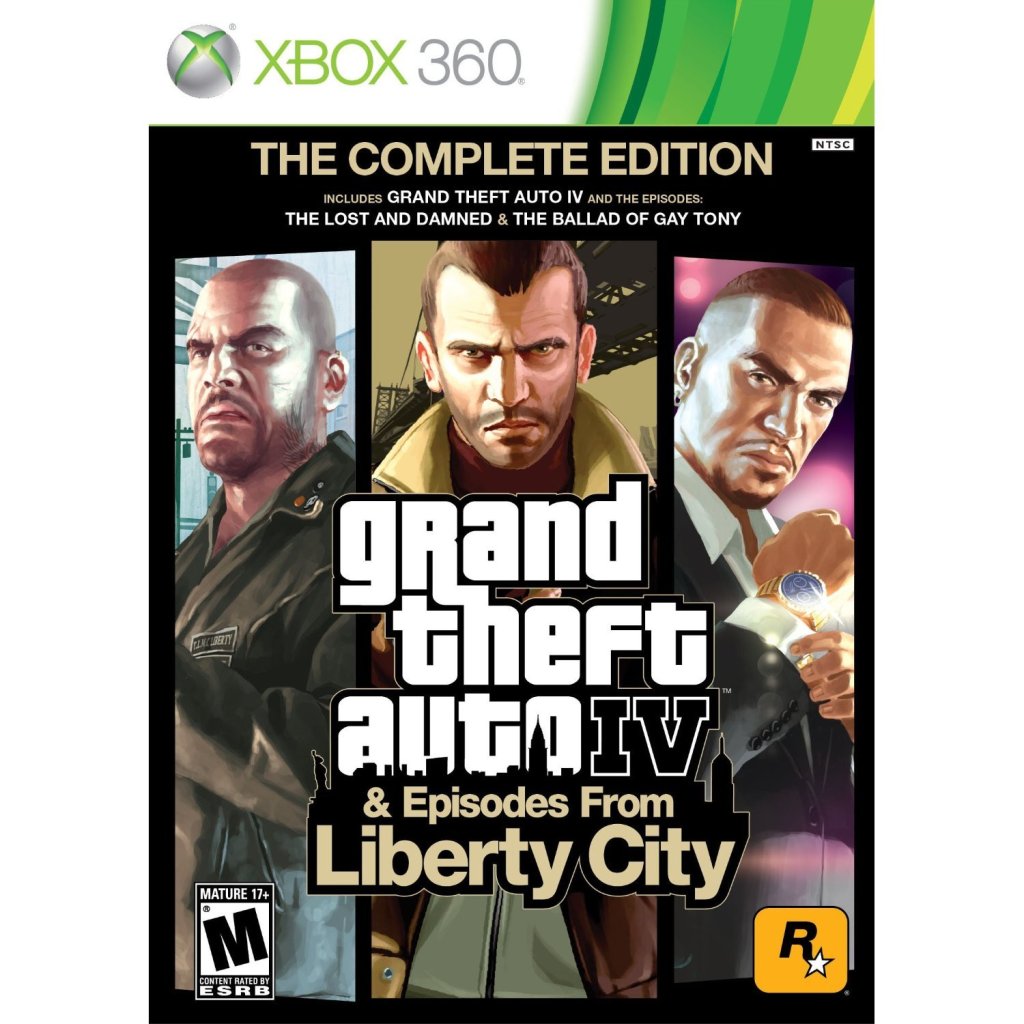
Coupled with DLC content in the form of The Lost and Damned and The Ballad of Gay Tony expansions, GTA IV signified a change in the GTA series. The HD era was upon us and the next generation of consoles was its home. Better graphics, a more serious tone, new mechanics, and reimagined cities and locales. GTA IV’s Liberty City looked more like the Big Apple than its 3D rendition, and a lot of small details from older games have remained unchanged or were tweaked to fit the era.
As we all know, RockStar’s prize success story is that of GTA V in 2013, which reimagines Los Angeles and some surrounding areas in the HD universe, but before that, there was another HD game in the 2D style: Grand Theft Auto: Chinatown Wars.
I was originally going to mention how much of a difference there is between this game and the two GTAs released before and after it, but every GTA game differs in some capacity so that would’ve been a useless metric for the game. The basic plot of this game involves Hong Kong immigrant Huang Lee who flies to Liberty City and is welcomed with violence. He arrived in the city to deliver a sword to his uncle Wu “Kenny” Lee, but things turned sideways when he was ambushed at the airport, so now he has to work to make up for the loss of the sword. Obviously, there’s more to this story and if you want to look at the series from beginning to end, The Professional, GTASeriesVideos (a RockStar fan channel), and Willzyyy are your best sources of gameplay on YouTube along with some other channels.
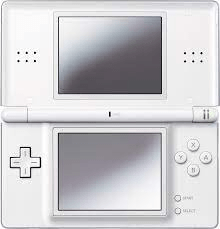
Now the plot is the standard, started at the bottom, now we’re here fare, but the most notable difference was that when it released in March of 2009, Nintendo allowed RockStar to publish it on the DS.
Yeah, the same company that heavily censored Mortal Kombat in the 1990s and lives and breathes by Super Mario and Kirby allowed a notoriously violent video game on one of their star handheld platforms. Granted, 2000s Nintendo was far removed from 1990s Nintendo. There was still the family-friendly image on the face of the company, but at this point Nintendo was letting the chains loosen a bit on the family friendly image by allowing Ultimate Mortal Kombat 3 to be played on the DS as well. It’s a large company with a large history, run by a council of suits and while there’s nothing detailing how this arrangement came to be in detail, the main connecting element is extensive use of the touchscreen function in some manner.
This might have been part of the deal to get certain types of games on the Nintendo DS: design it in a way that the touchscreen doesn’t go ignored, and while that works well for touch games like the Touchmaster series, third parties are hit and miss. From best use to worst use in my personal experience, it’s Chinatown Wars at best, Mortal Kombat in the middle, and Call of Duty at the worst. Or rather just awkward for that last one.
If I didn’t know any better, I’d say the rest of that deal included a lap dance of some sort. For Chinatown Wars, it might be a good example of a game whose mechanics are tied to the touchscreen, but not necessarily dependent on that feature. Certain minigames and combat sequences make good use of the feature and it flows naturally enough into gameplay that you won’t really notice it as much half the time. Don’t quote me on this, but I don’t think this was actually the first time a GTA game was on a Nintendo system. Prior to GTA III, there was GTA Advance available for the Game Boy, and once again, I doubt attempting to research that arrangement will net me anything interesting, unless I use a time machine or the wayback machine.
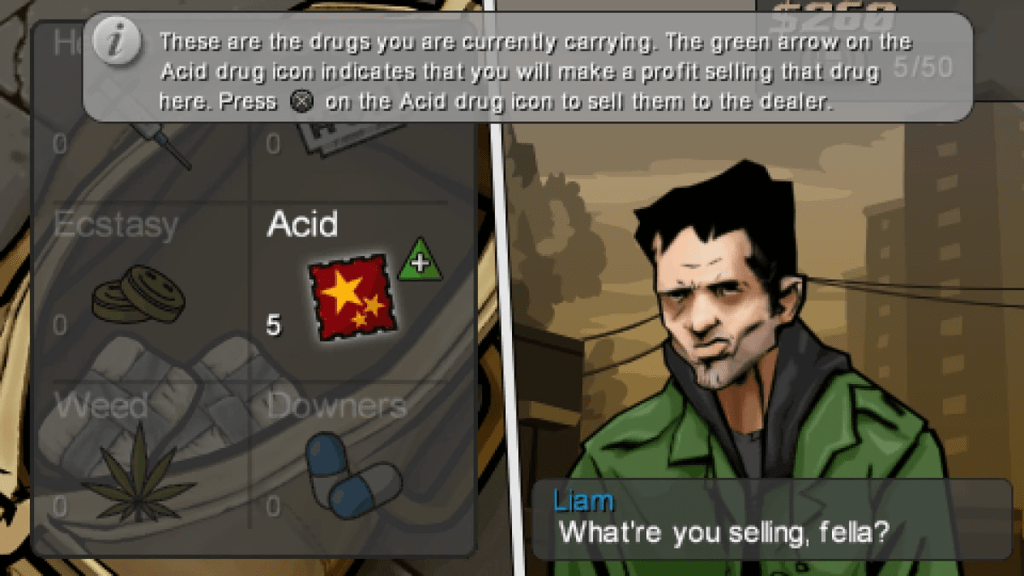
Some mechanics in Chinatown Wars that use the touchscreen include filling your own bottles of Molotov cocktails at the gas station; rigging stolen cars by way of screwdriver, hotwire, or PDA hacking (sidenote: this was most likely the last time in the modern era that PDAs would ever be important in any medium); assembling the sniper rifle for certain occasions, like a story mission; and controversially, drug dealing.
Grand Theft Auto belongs to a list of media properties that courts controversy like Casanova rounding third base for the fifth time in a week, and until recently, RockStar Games themselves have been known for their controversial money maker. Seasoned veterans of the series who skipped over this game may be curious why the drug dealing specifically was a sore point for critics to look at when the game was released. Well, another part of what makes the game different from the others was the player’s direct involvement in the drug dealing. For the most part, the protagonist is merely a glorified middleman who moves things from A to B, rarely having a role in the direct purchase or sale of such things save for cutscenes.
Chinatown Wars breaks away from that and allows the player to do so in their free time away from missions and sometimes as a prerequisite to activate a certain mission. Of course, it comes with its own set of risks. Sometimes the dealers — who come from multiple different gangs and factions — meet up in locations where a police camera is. The presence of the camera can help determine whether a deal is about to be busted, but its presence also raises the prices of a certain product. Minimizing the police response by destroying the cameras is also an option, but the price of the drugs bought or sold also takes a hit. This mechanic makes more use of the high risk, high rewards system that GTA is usually known for.
And I’m certain this is needless to say, but no, video game violence doesn’t lead to real life violence. There was one incident in 2003 when Alabama teen Devin Moore went on a rampage inspired by GTA Vice City that left three people dead and put him on death row where he still sits as of writing this, but if that were the metric used to judge games based on their content, then laws around video games in the US would closely resemble what Australia has on the books which was why GTA III was banned their for over twenty years.
This guy knows how it feels.
This is the part where after reviewing a game and listing its gameplay in detail, I’d encourage you to track down a copy and a working console to play it, or find an emulator to use, but unlike Warner Bros. who practically force us nostalgic types to emulate the 3D Mortal Kombat games, RockStar’s been a big fan of anniversary releases with GTA III, Vice City and San Andreas all getting updates every ten years to correspond with the games’ respective release dates, and GTA Chinatown Wars is the same being made available on smartphones as of late. There’s also a PSP version that adds another character, the opportunistic journalist Melanie Mallard as an extra character. To my knowledge, the smartphone versions are upgrades from the original DS version so, I guess it’s a matter of personal preference.
I had both versions available to me at the time and I personally recommend the PSP version for the extra character and extra music stations alone. Admittedly, there’s no voice lines in this games, except for the DS version where the game says a short dialogue line when the DS is closed and then opened, so the cutscenes are a bit like a visual novel or, since we have precedent, the cutscenes featured in 1988’s Ninja Gaiden on the NES.
As I said, gameplay videos exist on YouTube and however you experience the game is all up to you.
Finishing off with the second round of underrated GTA games
Last week, I brought attention to the likes of GTA: Vice City Stories, one of two games that I think should receive a remake, flaws notwithstanding. Even a PC port if able, and I don’t mean by way of emulation as it’s been my only means of playing the game. By the way, I want to quickly update and say I found a mission that may be worse than Supply Lines in San Andreas. The second half of the mission Unfriendly Competition ramps up the difficulty right quick. The second half of this mission can fall off a bridge. Anyway, we’re moving onto Liberty City Stories.
Liberty City Stories is set in 1998, which is three years prior to the start of GTA III. So to outline the timeline of the 3D era: Vice City Stories starts in 1984; Vice City takes place two years later in the mid-spring of 1986; San Andreas begins in 1992; LCS takes place in March of 1998, and GTA III being set in the modern day at the time takes place in mid-Autumn of 2001, and the real-world politics of its real-world counterpart were felt during the development of the game with all the content that was cut.
As a side note, I want to make a post about the uncanny references to 9/11 prior to the actual 9/11. See for yourself, it’s unreal.
Anyway, LCS centers around the character of Antonio “Toni” Cipriani. After lying low for a few years on the orders of Don Salvatore Leone, Toni is called back to do more mob work and help the Leones put the city under mob influence, fighting gangsters, cartels, and the Sicilian Mob itself across the map.
If you ask me, forgetting this game and VCS doesn’t make a lot of sense. You could argue that since they both feature one-off characters and GTA III itself (whom Toni appears in) is the last game chronologically, the point remaking LCS and/or VCS wouldn’t be worth it. But I argue that one-off or not, Victor Vance from VCS and Toni Cipriani from LCS have both been influential even if it’s not all that felt in the games that they serve as prequels too.
No, no one really honors Toni in GTA III and Victor Vance doesn’t appear again, save for the intro to Vice City while other characters like Maria Latore and Phil Cassidy et al have more screen time and became mainstays, but this highlights further problems with prequels. The lack of foresight that can often accompany them. If RockStar thought ahead, they would’ve had Phil Cassidy age properly from gun nut (like his appearance in VC) to drunkard (as shown in VCS) to old man heavy weapons dealer (as seen in GTA III and LCS).
Further, LCS has inherited the water puddle death that made seafaring so nerve-wracking in GTA III and Vice City. The three cities repeatedly lampooned in the GTA series (LA, NYC, Miami) all have beaches, but if you splash a little bit of water on Claude, Tommy Vercetti, or Toni, straight to the hospital. Though, after 2002 and until IV in 2008, motorcycles would make a permanent appearance.
As a sidenote, RockStar got around the lack of motorcycles in GTA III by stating in-universe that a petition to get them off the streets of LC pulled through. So bikers were essentially outlawed. Personally, I grew up in the Bronx and having seen a fair share of bikers growing up, they don’t play a very large influence, but biker gangs in NYC would still show up from time to time.
Thankfully the absence is quickly remedied following 2002’s Vice City, though the 3D era games have showcased several design flaws of the time. In the case of Liberty City Stories, at first glance it was structurally similar to III and Vice City, just asset flipped and this time making use of the map in-game as opposed to hoping the player could memorize from the mini-map in III. But like those games, swimming was against the law. Bikes and bikers were given an appearance, but aircraft would still take a backseat until the pilotable helicopters after 2002.
But a move RockStar made that would change the face of GTA going forward would be non-silent protagonists. Claude in III literally nods and sets forward blasting. Without a single word of dialogue, Claude portrays himself to be one hell of a sociopath. Employers and allies who stay by his side are left alone, but give him a briefcase of cash and a target and he’ll pursue it to the ends of the earth. This serves as a vague spoiler, so those of you looking to emulate it should be on the lookout.
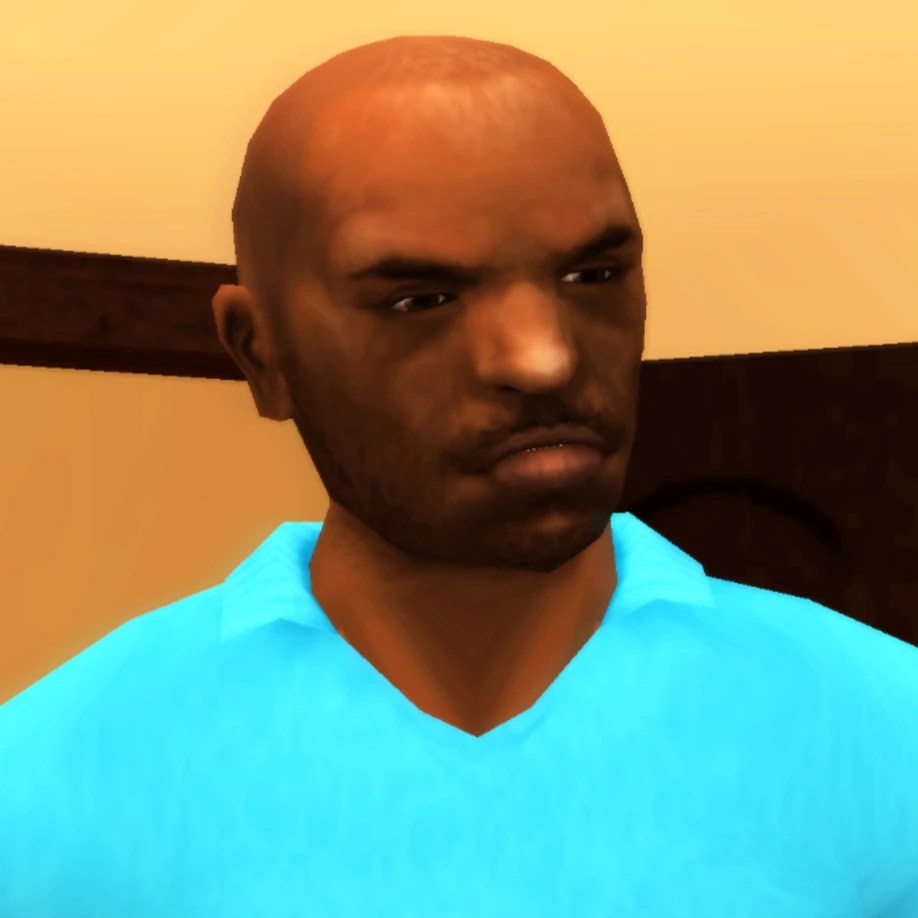
Speaking of III, Toni debuts as an employer in that game and trying my best not to spoil, the character models in both show a difference. Unlike what became of Phil Cassidy, more attention was at least paid to Toni’s model.
See the difference? I want to say RockStar doesn’t focus on progression all that much with characters from previous games quietly retiring or outright dying (Johnny Klebitz deserved better.), but within an established universe, and with the right amount of dedication, they can do good with a before and after. This isn’t related to anything plot wise between games, but at times in LCS Toni will be told that he’s remarkably, almost skeletally thin. In 1998, he was lightly mocked for being underweight, and over the next three years and change, he became overweight. A bit like Nikocado Avocado, except even with the extra pounds, Toni can still move around a lot faster.
Actually, if you’ve ever seen weightlifters, bodybuilders, or the most recent incarnation of Thor, packing on the weight helps plenty for those guys. Toni turned himself into an ox when you think about it. The way the GTA games are written gives away a sense of a Hollywood influence, and mobster movies get the most spotlight depending on the setting. Vice City combines aspects of shows like Miami Vice and any mobster movie set on the East Coast, and III and LCS both give me more New York Five Families vibes. Pick your favorite movie, but for me it’s Goodfellas, with a hint of Godfather, and maybe also Miller’s Crossing with these wise guys dedicating themselves to the mob from birth, the lot of them being mobster brats as kids.
That tends to be the case for both Tommy and Toni. For Toni, his mother doesn’t make a physical appearance, but more of a vocal appearance. Pushing him to step it up, bust his enemies’ teeth in, come back with at least five severed heads or don’t come back at all; admittedly, this feeds into stereotypes of both Sicilian parents and the Sicilian mob. I’m not Sicilian and I don’t know many Italians (save for the many pizzerias and Italian restaurants within walking distance of my apartment), so I can’t say how true to life this is for someone of Sicilian ancestry growing up. The Sicilian mob on the other hand gets a fair amount of media coverage in pop culture if not news outlets in and around Sicily and Southern Italy, and if Sicilian or Mediterranean-based journalists are worth their salt, the Sicilian mob isn’t one to trifled with.
Groups like Ndrangheta can and have done serious damage to people who’ve wronged them, and it’s far from pretty. Of course, works of fiction need to take liberties in case someone is dumb enough to imitate what happens in real life or for dramatic effect, but if RockStar pulled some stories from real-world headlines featuring the Sicilian mob in action, then perhaps it’s as close to accurate as can be short of interviewing an ex-mobster or watching an interview or documentary of such.
Toni Cipriani goes about doing much of what can be expected of a mobster with the strong-arming, enforcement, bribery, political meddling, malicious destruction and all that the mob was accused of doing or charged with. All this being said though, the asset taking and developing in the VC games and San Andreas are absent. On the one hand, it would fit with the narrative of the game, but it’s a bit unrealistic as several mobsters — real and fictional — operated front businesses to keep the police from sniffing around or at least bribe them with “get lost” money.
Grand Theft Auto is an ultimate in parody, but more realistic elements existed in movies and shows and funny enough JoJo’s Bizarre Adventure: Golden Wind. Golden Wind takes place in 2001 in Naples and briefly explains that many capos and even the Don’s consigliere (advisor) may have a side business if not an umbrella’s worth of them, sometimes with evidence. Mr. Pericolo (pictured above) is an example of mobsters continually hiding their identities and getting one up on the law or their enemies.
Disguises and shell companies and whatnot don’t feature in LCS. This would probably take away from the video game aspect of the video game and probably feeds into a misconception that a mobster can’t have a side hustle, which I can’t really believe after what happened to Al Capone.
And if that were the case, then the misconception is broken by way of Tommy Vercetti himself gaining assets and collecting regular payments for the latter half of Vice City. Recall that he’s from Liberty City originally, and the game follows much of the plot of Scarface 1983.
For LCS, one of the hidden perks of being an asset flip of GTA III and Vice City is that some of the problems and mechanics in SA and VCS make a comeback. This being Liberty City, the radio stations from III are all intact, albeit with different music and radio shows to listen to (Chatterbox FM is a hidden gem), mobster characters from III show up along with a few one-off characters who don’t appear in III, this being post-VC, there’s more weapons variety and I think the game fixes a minor anachronism.
Gun nuts reading this will notice that ever since the M4A1 was made famous by the U.S. military overseas, RockStar put it in all the 3D games after III despite it not being manufactured until 1994 and probably being issued to the military a year and change after that. So it makes sense at least to have that as a rifle in a game set in 1998. The games set years prior to that should all have the M16, while III and LCS have the M4 model, though this being early 2000s internet, this is assuming the internet was fast 20 years ago.
Anyway, the dialogue doesn’t sound out of place for a piece of mobster media for the time, the characters’ are all felt (especially Mrs. Cipriani), Toni is an impactful protagonist despite the lack of muscle mass, and considering he’s one of two characters to show up in at least four games, it seems as though RockStar wasn’t ready to part ways with either Phil Cassidy or the character Donald Love until it was time to use that next-gen technology to make LC look more like NY than it did back then. Now, I know I said this was a two-parter, but there’s a third game that probably doesn’t receive as much attention that I also want to get around to. Whenever that’ll be, I’ll have to rewrite the schedule, but it’ll be covered down the line, so be on the lookout.
This week, I recommend a podcast. The Trash Taste podcast is hosted by three anitubers Garnt “Gigguk” Maneetapho, Joey “TheAnimeMan” Bizinger, and Connor “CDawgVA” Colquhoun. All three have their own YouTube and Twitch channels, but I’ll only link the podcast since it’ll have the links provided already. The Trash Taste Podcast markets itself as an anime podcast, but has overtime evolved to encompass more about life in Japan especially as a gaijin/non-Japanese. They also have an After Dark channel that livestreams on Twitch as well. The podcast has a Patreon page, and while the videos are recorded for the YouTube viewing audience, if you can’t find the time to sit down and watch, podcasting apps like Google Podcasts and Spotify have their episodes on audio only so there’s more than one way to support them.
Looking at a pair of GTA games that deserve as much honor as the others
Gamers of all strides know the gods of controversy at RockStar Games and their most famous series of all: Grand Theft Auto. Developed by Scotsmen in 1997 under what used to be DMA Design, the working title was changed from Race n Chase to that of a motor vehicle theft, even though the games have always featured way more than that.
It wouldn’t be until the game’s 3D era installments in the Fall of 2001 that set a precedent across the gaming industry. Being one of the games that perfects the 3D formula as other games were failing or meeting expectations prior to the turn of the millennium is one hell of an accolade. Future games continued to reinvent the wheel, with a voiced protagonist and ownable assets in Vice City (2002), RPG elements in San Andreas (2004), and by the HD era, the characters got grittier and more realistic with the GTA 4 and Episodes from Liberty City protagonists of Niko Bellic, the Yugoslav War vet, Johnny Klebitz, the biker, and Luis Lopez, the nightclub manager.
That being said, the 3D trilogy protags and the ones pictured above from the HD era, coupled with the three protags of GTA 5, are the most memorable ones which becomes extremely ironic for the GTA III protagonist: Claude, a silent protagonist who can best be described as an amoral psychopath even without dialogue.
But among the myriad of GTA characters, there’s a few that don’t get as much recognition from the 3D era from a pair of forgotten GTA games. This post will focus on the first of these — Vice City Stories — while next week’s post goes to the second in this two-parter: Liberty City Stories. Those titles almost give me the impression upon reflection that there were drafts for a San Andreas Stories that never came to light.
So what’s Vice City Stories about? It’s set in 1984, two years before Vice City’s protagonist Tommy Vercetti gets out of prison and heads to Vice City, Florida (no fake state this go around), and follows the protagonist Victor Vance. He starts as a corporal in the U.S. Army and is sent to do bullshit tasks for his NCO Sgt. Jerry Martinez. Martinez, though, is an outlier of shitbaggery with most of his tasks being especially illegal. And with Vance as the fall guy, he gets kicked out with a dishonorable discharge for being caught with pot and coming to base with a hooker in toe on Martinez’s orders.
I want to tangent for a bit. If you’ve been in the military, especially the Army, there’s a few things that almost don’t add up very well. It’s an inside joke that Army corporals are very ignored and shat on by higher ups. Specialists are often seen as belonging to a club known as the E-4 mafia. Tons of videos explain what that is, but to my understanding, the shitty details relegated to lower enlisted normally include those in pay grade E-1 to -4, though a Specialist with some time in service knows a few tricks of the trade to get around performing said shitty details. Again, videos can explain it better than an entertainment blog.
Also, there’s a sad reality about the U.S. military that senior noncoms are almost always looked over when they misbehave since they’ve shown to be such an asset for being in for so long at so high a rank, even if their direct leadership (first sergeants and sergeants major) is simply impressed that they can run two miles in under fifteen minutes. Part of that is a joke, but there’s some truth to it. Theoretically, a sergeant first class in the Army or a gunnery sergeant in the Marines can be a total asshole to everyone below him or her and probably face nonjudicial punishment because of something stupid. So it raised a few alarm bells for me that Martinez was a sergeant at the pay grade of E-5 and not E-7 or higher. He probably has more time in service but got passed over for different reasons (the 1980s U.S. Army was a vastly different beast), but who knows?
But enough about military politics. Other outlets can better bitch and moan about that. Back to the game. Following Vance facing the worst of the Uniform Code of Military Justice, a few contacts made on the outside help Vic out and get him back on his feet. He explains to Sgt. Martinez that his purpose for joining the military was to provide for his family, though the game reveals how crap they all are with money, save for the one in his immediate family that really needs it, his sickly younger brother.
When you get an honorable discharge from the Army, ideally you have the best credentials because of how great it makes your resume look. Dishonorable discharge is a different story and Vic could generally be far, far worse than a dope peddler. Interestingly, halfway through the game he expresses discomfort for this part of the criminal underworld, sticking mainly with extortion, racketeering, and prostitution. Still morally questionable, but the character arc almost reminds me of Walter White in Breaking Bad, which is interesting as VCS was released about two years before Breaking Bad premiered on AMC in 2008.
I think I may have material for a future post. While I know what happens at the end of the game, having seen gameplay of it on YT, I’m refraining from major spoilers and looking at features lifted from other games. Swimming is here to stay and the era of “touch water equals death” was gone briefly until RockStar’s 2010 western game Red Dead Redemption brought it back because…
The asset ownership returns from San Andreas and Vice City and this time, Vic has a choice over what to turn a newly acquired building into. Rival gangs can attack your shit and if you don’t hustle, you pay out of pocket to fix it. There’s also side missions and upgrades to do and the fiscally conservative of you might sing your praises if the income outweighs the expenses. This was the case for me personally. You get your pay every day at 4:00 PM, and since I barely spent anything, my daily income brought me a fifth of the way to six figures, so paying to fix shit didn’t really faze me. A feature that also shaped GTA games in the future was bribes.
Whenever you get busted or wasted in game in this era, the authorities tending to you take away your guns, but in this game you can buy them all back. Then with GTA 4, only the police took your guns away. Mentioning the timeline in a non-spoilery way, the 3D era blends pretty well though there’s a few inconsistencies. Some characters disappeared from the timeline momentarily to show up in another game apropos of nothing. Sometimes characters aged incorrectly (see Phil Cassidy for more information). But putting aside developer oversight, the gangs within were mostly consistent, with X gang shown to be powerful in X game or Y gang disbanding because of actions in Y gang, etc., etc.
All of these would at least be grounds for a remake or remaster, or so I’d think, but III, VC, and SA get the most love as those were the three to be remade at least twice, first in the early 2010s to coincide with their respective ten year anniversaries, and again in 2021 to coincide with the 20 year anniversary of GTA III, though faceplanting at the first hurdle.
As well loved as these three games are, they scratch the surface of what the 3D games had to offer and leave a few things out of the narrative and timeline of the 3D era. You could piece together everything with just CJ, Tommy, and Claude and call it a day — many have done that — but personally, I like the extras included by these games inclusion. In fact, I’ll probably work on a timeline blog in the future. I’ve played these games a fair bit and I’ve got a solid grasp of the story.
I mentioned in the last post that for February, I would include YouTube channel recommendations. For February 3, 2023, I recommend the channel Tactical Bacon Productions. This channel covers video game content mainly focused on David Jaffe’s repertoire most famously Twisted Metal and God of War. The most common way to support him are through subscriptions and he does have a Patreon for which donations can be made. The link to his channel is below. If you want to hear more about Kratos or the games that were inspired (even heavily) by Twisted Metal, look no further.
















 Opinions on Entertainment