Anime I’ve Watched

Equally a lot and not enough

Getting back to the end of year wrap up of content, I’ve definitely watched more anime this year in between my regular duties in the Army. A lot of what I’ve been watching this year has been stuff I’ve written about on this blog yonks ago, but also some new stuff that can (and probably should get) their own posts, but this being a speedrun like before I shipped out to Fort Lost in the Woods for training is gonna be a brief overview of some stuff I got a look at this year, but didn’t necessarily finish. I may add more to the watch times of these respectively and give them the reviews that they deserve, but I’m probably gonna do what I normally do and play it by ear. Here’s the anime lineup:

  1. Texhnolyze
  2. Ghost in the Shell: Stand Alone Complex
  3. Clevatess
  4. Frieren
  5. Neon Genesis Evangelion

With a bonus. If you were to ask me if it was anime, it falls under “Yesn’t.” It’s based off a manga and has an anime adaptation that is currently four seasons in, but it’s doing something different.

Normally, this doesn’t always work even with a Japanese cast, but the short version of my upcoming opinion is, “Yes, please.”

Now to the list, starting off with:

Story time: in the first half of advanced individual training to be a 25H commo troop, we had a student leadership, selected by the drill sergeants based on the presentation that the trainees gave during a Soldier of the Month board. For those who don’t know, these boards are a series of questions given to the soldier (or servicemember since every branch does this) to test their knowledge and proficiency on a given subject. They mainly boil down to memorization. The student leads we had at the time seem to have convinced the cadre to use Discord of all platforms to mass communicate important information. But the logic behind it is solid. Wish I were a fly on the wall to see how it unfolded.

I’ve long since left the Discord server, but I recall one of the chats had an anime recommendation chat and one of them had a link to a series called Texhnolyze. I saved it thinking I would get to it immediately and only recently did I start watching it. With a name like that (certainly a tough one to pronounce out loud since X and H don’t normally meet in English), coupled wit the fact that the YouTube channel associated with it is still up, it belongs to the shortlist of things I can search up and still find on YT intact, but with some series falling victim to this Death Note of a blog when I bring them up, sometimes it’s a matter of time or whether bad luck notifies the YT copyright system and takes it down. Thankfully, Taiho Shichauzo is still up, so I still have access to my buddy cop fun times.

Calling Texhnolyze unique is only gently rubbing the surface, never mind a scratch. The description Google gives me reminds me of the Blade Runner: Black Lotus anime produced by Crunchyroll and distributed for weekly airing on Toonami in late 2021.
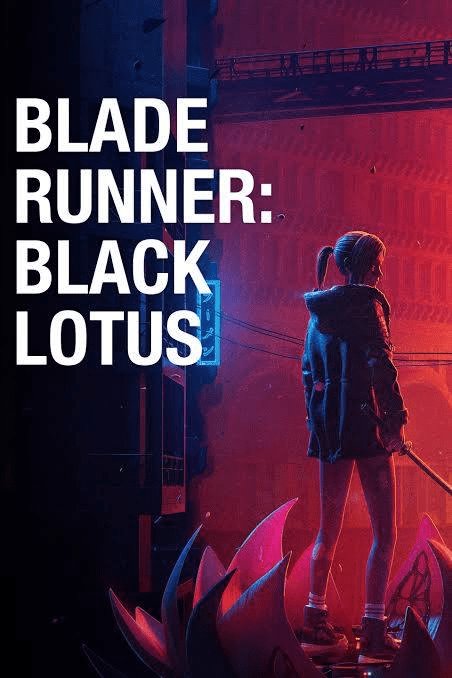
And now that I think about it, it makes me think of a bunch of other sci-fi, cyberpunk anime we’ve been getting over the years

There isn’t much to glean from just the first two episodes, but from what I recall, the society within features the protagonist, Ichise, a downtrodden prize fighter past his prime, losing his limbs and getting rebuilt $60 million man style. The setting is an underground city known as Lux, a crumbling city-state under which three main factions vie for power over what remains. Something, something, undesirable soldiers fighting for least desirable piece of real estate, only it’s not a base in the middle of a box canyon no one cares about.
I promise I’m not trying to be harsh here

Running from April 17 to September 25, 2003 for 22 episodes, I don’t wanna critique it based on originality considering a lot of my favorite things aren’t the most original or necessarily universally loved things in the world, but more with what came before, concurrently and after. Ghost in the Shell for instance debuted its manga in 1989 and has become a franchise ever since, with a 1995 movie (and 2008 redo with touchups); Neon Genesis Evangelion debuted in 1994 and has also spawned a franchise, spearheaded by Hideaki Anno who still leads the project to this day; and I had already mentioned Cyberpunk in this blog, so I’ll beat that horse when I have more to say.

On its own merits, Texhnolyze seems to have a few things going for it, but merely falling into obscure reference, cult classic status. As a result, it’s up my alley. Let’s describe it a little: a future dystopia where humans have cybernetic enhancements to answer for physical shortfalls, battling between wide corruption and complicated power struggles. That’s vague enough to describe Texhnolyze and 2018’s Megalo Box, which interestingly looks like it was animated in 1997 and due to a bevy of legal hoops and hurdles wasn’t able to air until over 20 years later.
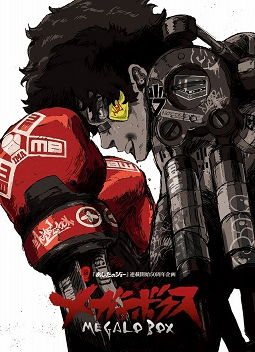
This series is said to pay homage to Ashita no Joe and Hajime no Ippo, but I suspect the animation team had at least one Texhnolyze fan onboard

The 22 episodes are still up for viewing as of this writing and I had saved the playlist in 2024 so I know where to go without having to close a pop-up ad every three seconds and so do you.

Channel: Parham

If the channel disappears, you know what I’m gonna say. And since I mentioned Ghost in the Shell earlier:
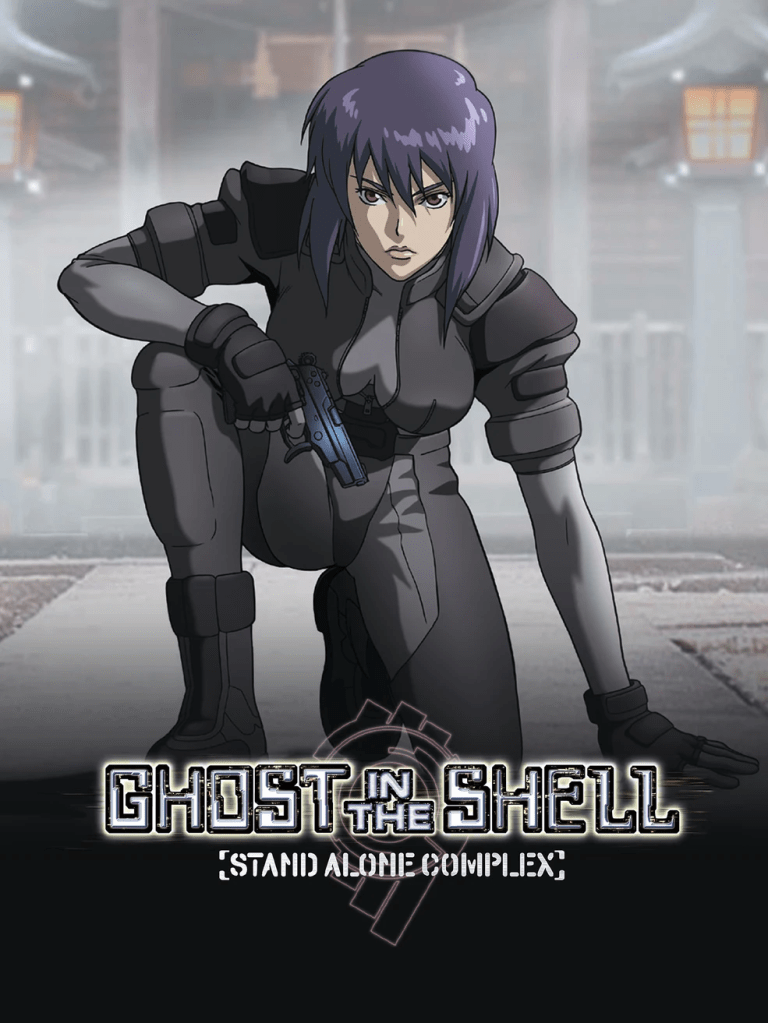
  • Major Kusanagi looks different from the 1995 movie here

This might be a bit harsher than I intend it to, given I’ve seen the movie at least three times and have had to retreat to Google-sama to get an understanding of what the hell it’s about. But in general, a cybernetic officer in a futuristic Tokyo is tasked with apprehending an entity who goes by the name of the Puppet Master, an advanced AI with the power to Worm and Trojan Horse itself into nearly any vulnerable computerized device to include humans with mechanical enhancements and this description alone may not do it justice.

The manga debuted in 1989, the movie in ’95, and Stand Alone Complex in 2002. It does raise a lot of biting, complicated questions over AI and technology’s advancement over time, though with my limited viewing of the series (four episodes on Tubi before Toonami snatched it back up after many years pimping it out to streaming services), while it scratches the itch I didn’t know I needed scratched, like Texhnolyze before it I’m only just getting started, but unlike Texhnolyze, it’s had decades to cook and it isn’t as straightforward as most other series of its caliber. The mangaka Masamune Shirow may not have realized what he’d unleash when he first put pen to manga panel, but with what it’s become ever since the movie, anyone getting into the franchise has a hell of a lot homework to do.

I’m going to be light on spoilers as I have a more in-depth review scheduled to be drafted and published in February, so until then I have more of it to watch. Take this as a light recommendation until then. Also, the content of this series and Serial Experiments Lain may reinforce Trunks’ biases against androids.

Channel: ImmaVegeta

Better get the boy an iPhone for Christmas
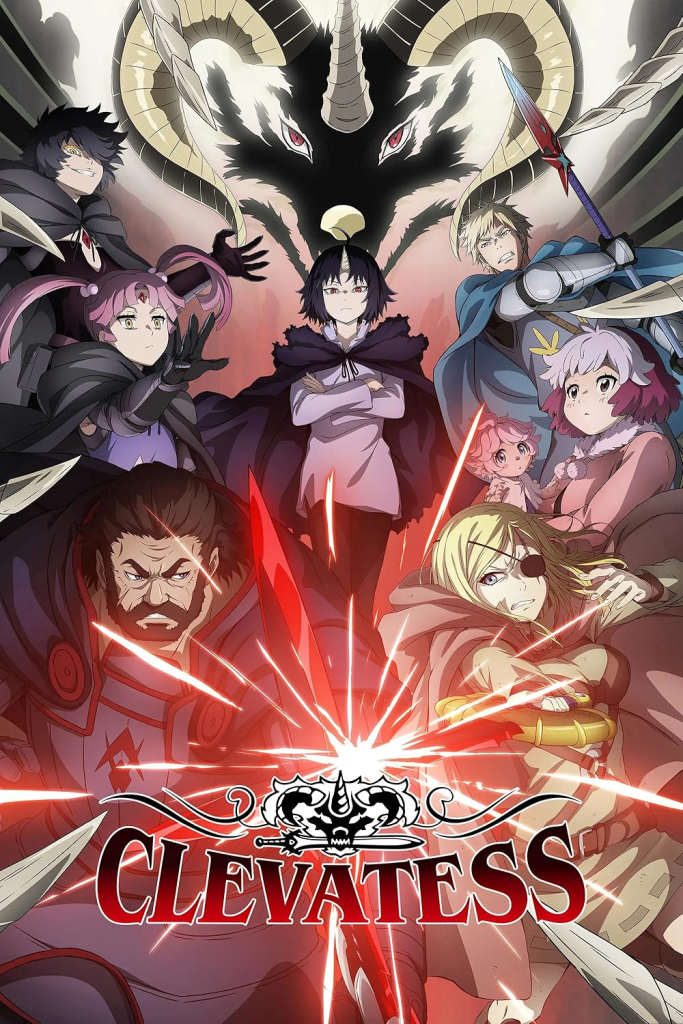
  • Fantasy world but the monster and the protagonist become an impromptu family

An interesting one that Crunchyroll was promoting at the time by letting you binge it in one sitting. I loathe binge-watching and forever hold the practice over Netflix’s shoulders, but I think for 2026, I’ll have to loosen that up a little. The series starts off with the protagonist’s party setting out to destroy a beast known as Clevatess, not knowing how royally f[clashing]ked they are until they all drop dead. Clevatess, the monster happens across a baby of noble birth that belonged to a royal family under threat from a rival kingdom and adopts the baby while also reviving one of the heroes to forever live as a zombie of sorts, but using many of the same principles that affected Bucciarati in the second half of Vento Aureo, sans the slow deterioration and lack of pain receptors.

If you’re curious what would drive a bloodthirsty beast to take on the role of a step-parent to an orphaned infant, well, the situation is equally a bet from the baby’s mother, and a test of humanity. Clevatess isn’t the only beast in the world; others like him are also out and about. The zombie female MC was among a group of 13 heroes sent to dispose of Clevatess and the rest, but ultimately struggled at the first hurdle. Following their demise, Clevatess was approached by the mortally wounded mother of the royal baby who had requested he spare humanity starting with the infant. If Clevatess could successfully raise the infant then humanity would be spared, but if not, then mass extinction imminent.

Some may draw unfavorable comparisons to Overlord, and I dispute that so heavily because the comparison is false. Yes, Clevatess and Momonga/Ainz adventure and aid with strict conditions, but Ainz is basically fantasy RPG Genghis Khan. Clevatess is a dark being hellbent on destruction. Even if the source material shows Clevatess leaning Overlord-like down the line, I’m not so certain I wanna give it the copycat flag just yet. Not for nothing, it flips a few tropes on their head where the bad guy becomes the caretaker, though I wonder just how old that trope is. These days, you can find it if you search hard enough, but looking for older examples is a struggle.

The manga debuted online in Japan on the LINE platform in the summer of 2020, so the anime was the only way I ever knew about it. Having said that though, for what it has going for it, it needs more episodes because 12 isn’t enough to give it the leg room it needs.

  • Elves don’t change like humans do

It kicked off in 2023 and had been memed all over the internet even to this day. The most prominent memes being, Ubel being a morally ambiguous mage with… lickable armpits… (ಠ_ಠ), Fern and Stark f[explosion!]k so much that Frieren could leave and come back to greet a litter of their children, and Frieren herself is a god-tier racist, on par with LowTierGod.

Demons beware

Admittedly the memes are far as hell in the animanga and I’m only a couple of episodes in. Aside from these three jokes, the plot is an after story. It’s a DnD campaign that wrapped and the heroes are getting used to peace after the evil entity had been defeated once and for all. Frieren the mage, Himmel the hero, Heiter, and others among the party all go on their separate ways while remaining friends. The one thing that gets to Frieren herself is her elven lifespan compared to that of humans. 50 years pass and Himmel is a frail old man while Frieren, due to her elven species, hasn’t aged a day.

This doesn’t bear on Frieren’s shoulders until Himmel passes away from old age and the elven mage regrets not having gotten to connect with him better. Over the course of the series, the characters, even in their new chapters in their lives, remember Himmel the hero by what he did and how he lived. Each person who remembers him has a lot to say and all of them are positive and uplifting. Of course, the heroes, having known him personally, have more personally ridiculous and intimate stories with him. This goes on throughout the series and Netflix currently has it in its line up so give it a watch if you don’t feel like pirating it. I’d talk more about what I’d observe, but in this instance, I think it’s better when you watch it for yourself.

  • Don’t make me ask twice! !GET IN THE ROBOT, SHINJI!

A staple in the mecha/gundam genre, NGE very much alludes to Christian mythos with the angels harkening to their biblically accurate appearances. There’s a lot to say about Evangelion, it’s movies, and the Rebuild sequel movie series, but this is another one I have slated for a 2026 review.

The main crux of the series is not “Wow, cool robot,” like most of its contemporaries. It’s a combination of peace of mind through acceptance of oneself and clever critique of the military use of children for dangerous experiments. Also the theme of personal loss in juxtaposition with self-acceptance. Roughly every character is fundamentally broken and the fact that much of the cast consists of 14-year-old mech suit pilots, Anno is a weird guy, alright, if this is the proof in the pudding.

What has people continuously talking about it for 30 years strong is the memes, of which there are many. You can have some of your favorites (my personal ones involving Asuka in some capacity), but the one thing to note is that unlike a lot of fandoms, I think the Eva fandom I’ve seen is one of the few to actually read its source material and understand it without issue. This puts it above some of the other series to air concurrently and down the line where the bombastic, earth-position-influencing combat is the sole or central focus of a series. It technically disguises itself as an allegory for depression through Christian mythology, but Hideaki Anno won’t admit that.

Like Frieren, it’s also on Netflix and so is the movie, End of Evanglion. I so far am wrapping up the anime, but I haven’t touched the movie yet. And speaking of movies:
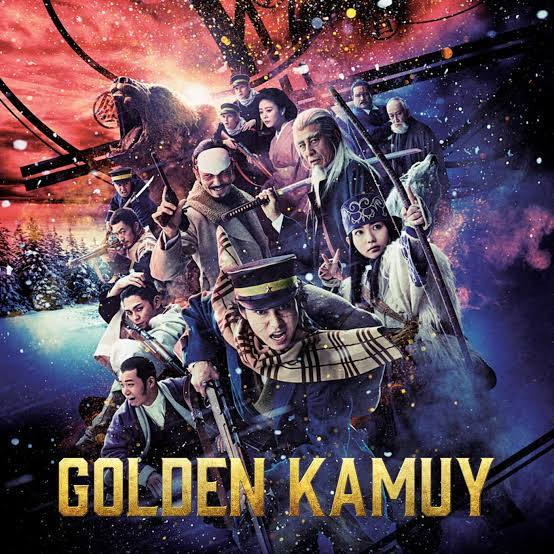
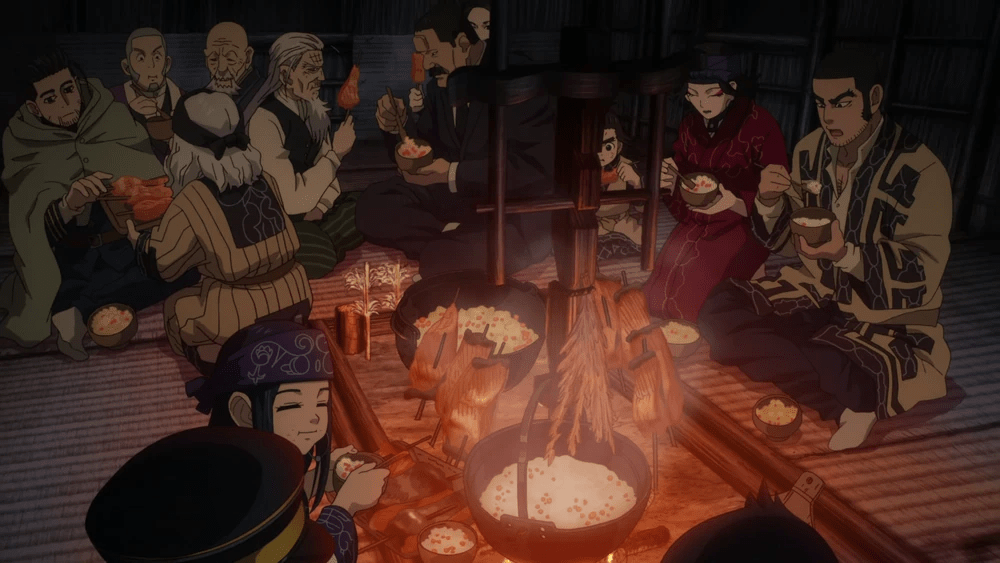
  • Even more Ainu cooking, but for real

So Satoru Noda began writing the manga in 2014 and the anime adaptation followed four years later. After that came this live action movie in 2024 and a continuation in a second season … Hmmm… The live action version of Golden Kamuy does well to capture the humorous elements of the manga while staying true to the practical elements. It isn’t 1:1 for obvious reasons but this was completely unexpected. A surprise to be sure but a welcome one. I had talked about Golden Kamuy before, so a run down of the salient points are everyone knows of the legend of the Ainu gold, the map to the treasure is tattooed on a group of eccentric Abashiri prisoners, and death is the only thing stopping everyone from using the gold for their own purposes. A race to near-infinite wealth of sorts…

Yeah, I went there.

I only give it high marks because I love the series so much, so as much as I recommend the movie and live-action series, consider that this part of the blog is a bit more subjective than normal since I consider myself part of the target audience for something like this.
The Wonders of Golden Kamuy

A near-perfectly balanced dramady

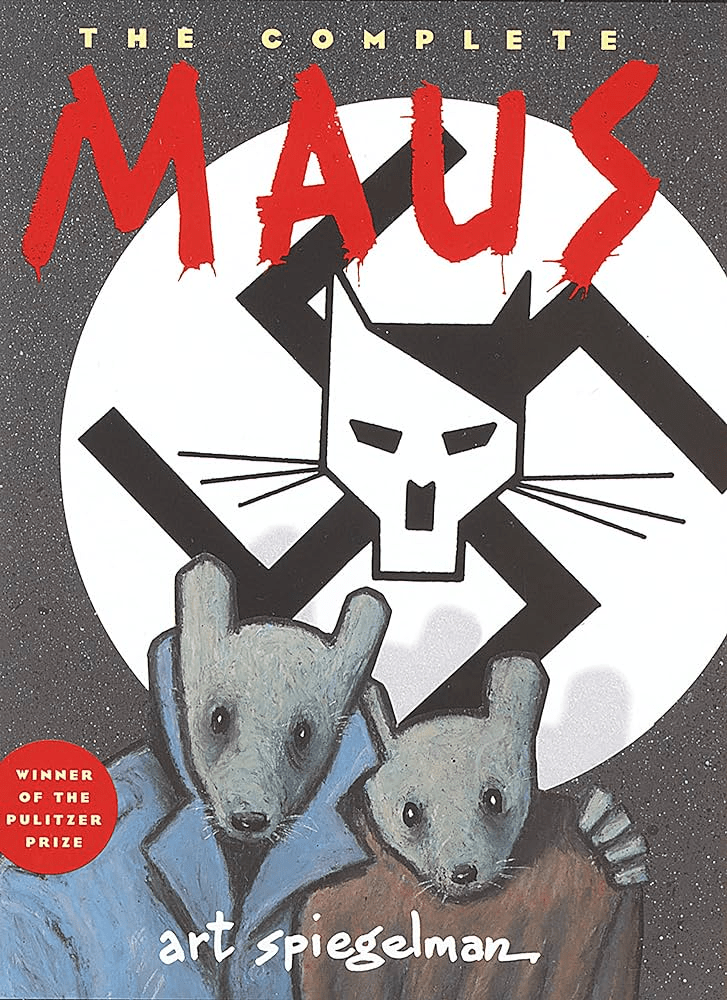
As both a history buff and a weeb, I like to think that history can work well even in graphic novel form. I’d bring proof, but so many political cartoons and, as mentioned before, graphic novels, have come out that the proof is everywhere you look. Here’s one of my favorite examples:

For the topic of this post (and something more lighthearted), I bring to you the manga series Golden Kamuy.

Created by Satoru Noda, Golden Kamuy is about a former Imperial Japanese soldier and Russo-Japanese war veteran named Saichi Sugimoto. After his military contract expires, Sugimoto hears from an ex-convict about a complicated story involving a legendary convict who hid a large stash of gold from the Ainu people of northern Japan, Hokkaido, and the Kuril Islands. When he was caught, he tattooed a map onto nearly 40 other convicts, each of whom is a specialist in his own right. After this, the prisoners were set to be relocated to another prison in the north of Japan, but the guards were ambushed and the convicts went into hiding. Sugimoto doesn’t buy into the story at first, but when the ex-con reveals that he’s one of the dozens tattooed by the legendary convict, he reveals the tattooist as “Noppera-bo.”

So far, we’ve got some interesting and familiar hooks, don’t we? A retired soldier searching for treasure, interactions with indigenous people groups, a changing political landscape, and slight spoilers for later, competing groups with similar interests. Almost sounds like a western… A story that fantastical would normally disappear into legend until you meet undeniable proof of its existence, but before we delve deeper into that, I want to discuss the historical background on which the manga is based.

Very briefly oversimplifying, Russo-Japanese relations in the early 20th century, the Russian and Japanese empires, both had conflicting interests in East Asia: for Russia, they wanted warm water ports and more land for the Trans-Siberian railway, and for Japan, they wanted to maintain political influence over East Asia, particularly Korea–but so did Russia. War broke out due to these conflicts and Russia maintaining a military presence in Manchuria when the original promise was for them to demobilize.

By 1905, the Theodore Roosevelt administration brokered a peace between the two powers that saw Japan as the victor, gaining the southern half of Sakhalin Island, political influence on the Korean peninsula, while Russia had to abandon its railway plans and its warm water port in Asia, the former of these later becoming Japan’s Southern Manchuria Railway which connected to that warm water port of Port Arthur.

Golden Kamuy is set in the aftermath of this. The fighting is long done away with, but the outside influences do have an impact on the characters. Keep in mind that decades before Japan went to blows with Russia, it was busy organizing itself into a modern country, and its first step was the reorganization of domestic territory into the modern day prefectures, all the while convincing the last of the samurai and feudal lords to surrender their holdings. Many did, but there were still a few holdouts, the most famous of them was the Vice Commander of the Shinsengumi, a hastily organized group of swordsmen with samurai sponsorship: Hijikata Toshizo.

This was all done during the Meiji Restoration of the 1860s. Although Golden Kamuy is decades after that, select characters with strong memories of the pre-Meiji days do still hang around. It’s also worth keeping in mind that the manga takes several liberties with history and some characters’ roles in specific events. Since I bring him up, Hijikata does appear in the manga, and is a part of a few flashback panels, but in the manga he appears as an old man and political prisoner since the Shinsengumi opposed the Meiji government. In real life, Hijikata Toshizo was shot dead on horseback while commanding troops in a major theatre of the Boshin War.

For the rest of the population of Japan, the Japanese government and media these days tend to promote an image of a homogenous populace, but reality is far different than what you’d believe. I briefly brought them up earlier, but the Ainu people are another central piece to the manga. The prisoner called “Noppera-bo” or “No Face” was the one who buried their gold in a hidden location and it takes the help of numerous Ainu peoples to help locate it. The Ainu people typically includes the indigenous groups found often in northern Japan and Hokkaido as mentioned before, but there are similar related groups elsewhere, on Sakhalin and in Russian Manchuria. These include but are not limited to the Uilta/Oroks, the Nivkh, the Nanai, and many more. One of these characters whom Sugimoto meets in Golden Kamuy is a little girl named Asirpa.

Asirpa serves as the audience’s window to an ethnic group that Japan has at best ignored and at worst disrespected. In history, the Yamato people of Japan gradually fought with them even into the Tokugawa Shogunate where they were forcefully relocated to Tohoku and Hokkaido. During the Meiji government in 1899, non-Japanese who were subjects of Japan (including the then-recently added Taiwan and soon to be added Korea) were forced to adopt Japanese names and use those publicly. True to this, even Asirpa has a Japanese name that would have to be used on official documents, as explained in her associated wiki page.

Nevertheless, love and appreciation for Ainu culture is evident and expressed in the Ainu characters, especially Asirpa when she explains language, naming customs, rituals, folk beliefs and several others. The name given to that convict who tattooed the map onto his fellow prisoners, Noppera-bo, is a reference to a Japanese spirit or “yokai.” The yokai come in a wide range of forms and depending on the legend, some are harmless or vicious. The Noppera-bo is described as a harmless yokai that takes the form of a human, only they have no face. Sorta like this:

Though as explained before, it normally takes the shape of a faceless human.

Regarding Ainu customs, the most famous aspect of the series among fans is the cuisine. It’s a common joke to refer to the series as a cooking show, which isn’t exactly inaccurate. Playing dodge bullet with loads of contentious groups is a key point of the series, but when there’s enough Arisaka rifle rounds flying for one scene, the next one transitions to Noda’s briefest possible tutorial on Ainu cooking, like so.

Channel: Crunchyroll Collection

It may seem insignificant plot-wise considering where the story takes our main leads, but funny enough, there’s a healthy hosting of food scenes throughout the series. Noda explained that much of his experience comes from growing up in Hokkaido as an ethnic Japanese. The conceptualization and characterization of the Ainu in particular comes both from his own experiences, which he admitted were limited and from research, which there’s a lot of.

The characters as a whole are all varied more so in personality than in ethnic group, though there’s a couple of the latter such as the Matagi, or traditional winter hunters also in Tohoku, or even people with varied accents and dialects, notably Satsuma dialect.

Although Japan also promotes a singular dialect of Standard Japanese, there’s a variety of accents in the archipelago. Like the U.S. or U.K., there’s often different words for many of the same thing like soda, pop, or coke in many U.S. regions or what lunch in dinner are called in different parts of the U.K.

Personality wise, the characters all differ in what they want the Ainu gold for. Sugimoto made a promise with a wartime and childhood friend that he’d look after his wife who moved to the United States who was at risk of going blind. A mutinous faction of soldiers, led by 1st Lieutenant Tokushiro Tsurumi, a vengeful intelligence officer, wants the gold to fund a separatist state in Hokkaido to spite the Meiji government. Asirpa was influenced by her father and another Ainu character to also use the gold to separate the Ainu from Japan but for different reasons, and some characters never reveal the truth of their intentions with the gold.

For the most part, the characters are in some way based on real life characters from history. Some are obvious like Hijikata Toshizo living for another 40 years in this universe, and others require some more research to determine their inspirations. My favorite has to be the character Yoshitake Shiraishi who was based on the similarly named prisoner and escape artist, Yoshie Shiratori. Like his inspiration, Shiraishi is described as a master escape artist, finding creative and innovative ways to get out of a jam from contorting his joints to making false keys and using lockpicks. You’d probably need a rotating body of prison guards to keep him in place.

Between Shiraishi and Tsurumi, these characters are both unique and not unique. Their quirks make them stand out from regular background characters, but there’s a bunch of characters who match that description anyone. Sugimoto, for example, gained fame during the war as the Immortal Sugimoto and has thus carried this nomme de guerre in the civilian world. Tsurumi and select soldiers within his unit — 27th Infantry Regiment, 7th Infantry Division — are all quirky as well. One might describe it as a circus of sorts. And this is a similar case concerning the prisoners who carry the map on their bodies.

Just about everyone is a specialist in some singular skill or trade. This may make them one-trick ponies by themselves, but there’s a lot of moments where they get to shine independently or in mixed company. Asirpa, for one, may initially seem like a monolithic standard-bearer for the Ainu, especially since she’s introduced with an old and negative stereotype of indigenous people groups from westerns, but both her and the rest of the Ainu presented don’t seem to adhere fully to these misconceptions.

Similar to the Amerindians in the Americas, the Ainu and other people groups in North Asia would’ve spent their lives directly or indirectly interacting with non-indigenous folks, fighting, trading, working, befriending them among other things. They would’ve been exposed to foreign customs and technology sooner or later, hence why during the Manifest Destiny era of the U.S., bands and tribes of American Indians would have fought back with the same rifles that were being used on them. Off the battlefield, cooking and craftsmanship have also caught up with the times, so old depictions of indigenous folk as backwards and removed are just that: they’re old and quite inaccurate.

My introduction to the series came from some old Funimation ads in 2018. At the same time as my anime speedrun during college, bouncing between Crunchyroll, Funimation, and the now defunct VRV, the ads for then-recently adapted Golden Kamuy were showing and initially, I wasn’t that interested. Most people weren’t either. No matter how high the marks, the average viewer would’ve been looking for “time well spent.” This conflicts with the overall negative opinion of CG in anime and with most of the ads depicting Sugimoto’s battle with a CGI bear, prospective audiences were initially turned off.

Then I started watching in 2019 and continued to do so during the pandemic. My opinions on CG have been somewhat influenced by those expressed online, but in all honesty, if it looks good and it means the animators don’t have to crunch to get an episode out, then it can work well for an anime production, and I feel it does here. I honestly didn’t realize the bear was CG until a few frames in. Just goes to show how rare and at times apprehensive studios can be about integrating this technology into a production.

The manga concluded in April 2022, but the anime recently wrapped up it’s fourth season in June after taking a hiatus out of respect for a treasured cast member’s passing in November 2022. A fifth season is currently in development, though as of writing there’s no release date. This is ample time to go through the anime and then continue in the manga or start the manga and compare/contrast the anime. Whatever works best for you.

It’s a month divisible by 2, and the last of the year so as a final sendoff, December’s first YouTube recommendation gets to the heart of a topic I have in store for next week: Cynical Historian.

https://www.youtube.com/channel/UCN5mhhJYPcNUKBMZkR5Nfzg

The Cynical Historian is a YouTube channel that covers the history of the American Southwest primarily, and other topics in history secondarily. Started in March 2013, by former Army cavalry scout and noted historian Joseph Hall-Patton, the Cynical Historian has himself produced lessons and dissertations on his specialty in the American Southwest, namely violence and conflict, sometimes touching on the historicity of the local American Indian groups and figures active during the era. He runs a tight ship on his YouTube channel and has little tolerance for bigotry, hatred, or conspiracy theories of any kind.

One series he does that I recommend above all else is his Based on a True Story series that compares and contrasts historical moments and their silver screen depictions. Since the most recent video he did was in the lead up to the theatrical release of Ridley Scott’s Napoleon film, I suspect that a Based on a True Story video on the little corporal is somewhere in the pipeline, but without clairvoyance, I can’t say more. Be sure to check him out when you find the time.

Before I sign off proper, I had another video lined up emphasizing the surprising significance of food in Golden Kamuy, but couldn’t put it anywhere above, so I’ll link it down here.

Channel: BOOFIRE191

Military Novels: A Recent Discovery of Mine

Practically just started

Before we start, concerning last week’s surprise destruction of The Escapist’s video team, the YouTube channel Clownfish TV (which I’ve recommended before) uploaded a video a few days later that I contemplated dedicating a post to, but ultimately decided that it wasn’t worth it. The minds behind the channel are staunchly independent of any corporate oversight and maintain this position above all else for a better deal in the long-run. The Escapist was bought by a conglomerate which complicated things, and while the team of Kneon and Geeky Sparkles have zero love for dishonest games journalism, part of what motivated a possible post would’ve been to correct the record and clarify what actually went on… or at least I would have.

After sitting back and analyzing what the video concerned, I realized that most of the criticism was elsewhere on The Escapist site and that one’s opinions seldom influence business rules especially from the outside looking in. For me, it didn’t feel like that because the comments section was what got to me.

It’s worth noting that this tends to be the nature of YouTube communities; channels do have their dedicated base and this often leads to biased echo chambers with again very little influence on what goes on in the afflicted realm. Also worth keeping in mind was that reporting on pop culture in any capacity is merely another day in the office for Clownfish TV. Malice can’t be assumed all things considered. As for the community, the one piece of advice that works for me is to get the entire story before judgment is passed. Get all the context and then give your final thoughts.

Now for the real topic I want to write about: military novels. Personally, I’ve never been all that interested in them, and since I’ve been around on r/Army, reading the occasional news stories of controversies surrounding the special forces community in particular, I’ve held a dash of skepticism to go along with what describe as a Heroic Tit-wank in Print form. If you don’t know, special forces like Army Green Berets or Rangers, Navy SEALs, Recon Marines, Air Force Combat Controllers and all of them tend to get the Hollywood treatment more often than not. I’m not saying they don’t deserve the recognition for their sacrifices, their missions, their stories, but they’re not exactly a monolith.

For every Medal of Honor recipient of any capacity like Dan Daly or Ralph Puckett or Alwyn Cashe, there’s also these guys making fools of themselves:

Credit: Getty Images

Credit: Getty Images

Clearly, the worst or more embarrassing stories of the military’s finest aren’t reflective of everyone including the HR folks or the intelligence or signal branches or anyone else who sees it as just another job, but sometimes it gives me pause for thought. As a history buff, I do like military history as well. The Elusive Samurai motivated me to research the Kenmu Restoration and the Ashikaga Shogunate in medieval Japan, for instance, and more than once I’ve done some light research on Civil War battle orders or even the Roman Empire, among numerous other things.

Channel: Metatron

Before even entertaining the idea of the military as a whole, the movies and whatnot all seemed so cool. Call of Duty and Battlefield led the way in cinematic experiences and memorable characters. After watching some more movies, and going to basic training myself, it’s safe to say that if you’ve been in the military — any military — you’re preconceptions are going to be challenged and your newfound knowledge on how things go in the real military will ruin a lot of movies for you.

Prior to shipping, I thought the boot camp portion of Full Metal Jacket was the highlight of that movie, primarily because of the characters: Joker, Pyle, Cowboy, and Gunny Hartman all make that movie, but stepping back from that, it’s divided first into how Marines are trained (sort of), followed by an active combat deployment to South Vietnam. The greatest irony of that movie is that for an anti-war film, so many incoming recruits watch and quote it ad infinitum, and expectedly so. The actors are the highlights of the movie and if it wasn’t for R. Lee Ermey and the jelly doughnut scene, then it probably wouldn’t have the same influence as it does almost 40 years post-release.

In the veteran community, lots and lots of media is heavily scanned and scrutinized based on what we’re all taught in boot camp and when we go off to train for the occupation we chose or have chosen for us based on test scores. This explains why movies like Generation Kill and the Hollywood misfit In The Army Now are more beloved amongst veterans and servicemembers compared to something like Zero Dark Thirty, American Sniper, or The Hurt Locker. Even vets who’ve never deployed to a combat zone (yes, this happens, ask around) will tell you that an overwhelming majority of the time is spent waiting to do something and that something goes by exceptionally fast. Such urgency…

Also, fair warning: the military has a frat house mentality. Keep in mind the ages of the people signing up.

So I’ve been rattling on over about military/war media and the reception based on the community viewing it, but I haven’t mentioned what I’ve been reading. As I said, I hardly ever had an interest, even in passing about these kinds of things, and even over time, now that I’ve been in a military training environment, I trend quite lightly these days. You’re drilled day and night about how to properly wear a uniform and even mishaps in film can get a vet’s dander up more so than stolen valor incidents.

I try my best not to overanalyze this stuff or make a monolith or standard-bearer of military/war media since a lot of it is for the public and like a lot of their real-life units, the special forces movies tend to play by their own rules. My rule for whether I should give something a watch or a read is wide reception. Even if the community hates it, it’s not good to let those opinions overtake or form future opinions on XYZ. But so far I have been enjoying Generation Kill, and I do like Saving Private Ryan and Dunkirk. Some of these I’m introduced to by proxy and they wind up being pretty good.

For Generation Kill, I went for the book first for comparison to the HBO miniseries. Nearly done with the book and the show so I might come back with some final thoughts. And getting back to controversies in the special forces community, there was one book that caught my eye. I don’t remember how I found it, but it’s called Code over Country by Matthew Cole. It’s based on the wide range of corruption and lax oversight within Navy SEAL Team Six. Once I get my hands on the book and get through reading it, I’ll try to make an effort to give my thoughts. Bear in mind, most vets and servicemembers won’t run into anything close to a special forces unit and for security reasons, most of what they do isn’t revealed until after the fact, so corroborating what I hear will have to be done by way of news reports like those featured on Military Times or its branch specific variants.

This post was kind of a misnomer all around, but before I close off, I want to make a case for the manga series Golden Kamuy.

I say this is a military series for a lot of the obvious reasons: veterans of a major war (Russo-Japanese War), active duty soldiers in uniform, commanders doling out orders by their judgment, and more. But it also takes the tropes of traditional westerns like those of the Clint Eastwood or Dances with Wolves variety.

I have a post in the pipeline regarding Golden Kamuy itself so look forward to it in the next few weeks. I’ll elaborate further on my case then.