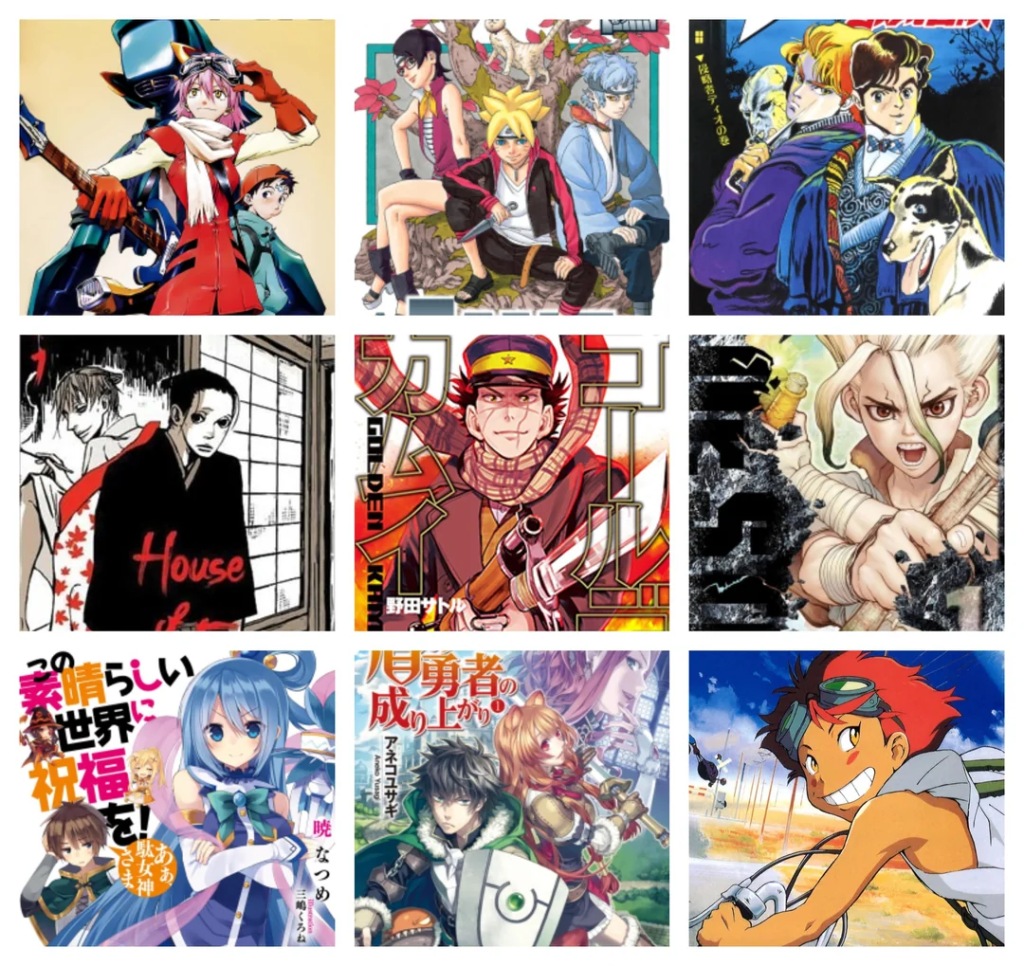
Anime I’ve Watched

Equally a lot and not enough

Getting back to the end of year wrap up of content, I’ve definitely watched more anime this year in between my regular duties in the Army. A lot of what I’ve been watching this year has been stuff I’ve written about on this blog yonks ago, but also some new stuff that can (and probably should get) their own posts, but this being a speedrun like before I shipped out to Fort Lost in the Woods for training is gonna be a brief overview of some stuff I got a look at this year, but didn’t necessarily finish. I may add more to the watch times of these respectively and give them the reviews that they deserve, but I’m probably gonna do what I normally do and play it by ear. Here’s the anime lineup:

  1. Texhnolyze
  2. Ghost in the Shell: Stand Alone Complex
  3. Clevatess
  4. Frieren
  5. Neon Genesis Evangelion

With a bonus. If you were to ask me if it was anime, it falls under “Yesn’t.” It’s based off a manga and has an anime adaptation that is currently four seasons in, but it’s doing something different.

Normally, this doesn’t always work even with a Japanese cast, but the short version of my upcoming opinion is, “Yes, please.”

Now to the list, starting off with:

Story time: in the first half of advanced individual training to be a 25H commo troop, we had a student leadership, selected by the drill sergeants based on the presentation that the trainees gave during a Soldier of the Month board. For those who don’t know, these boards are a series of questions given to the soldier (or servicemember since every branch does this) to test their knowledge and proficiency on a given subject. They mainly boil down to memorization. The student leads we had at the time seem to have convinced the cadre to use Discord of all platforms to mass communicate important information. But the logic behind it is solid. Wish I were a fly on the wall to see how it unfolded.

I’ve long since left the Discord server, but I recall one of the chats had an anime recommendation chat and one of them had a link to a series called Texhnolyze. I saved it thinking I would get to it immediately and only recently did I start watching it. With a name like that (certainly a tough one to pronounce out loud since X and H don’t normally meet in English), coupled wit the fact that the YouTube channel associated with it is still up, it belongs to the shortlist of things I can search up and still find on YT intact, but with some series falling victim to this Death Note of a blog when I bring them up, sometimes it’s a matter of time or whether bad luck notifies the YT copyright system and takes it down. Thankfully, Taiho Shichauzo is still up, so I still have access to my buddy cop fun times.

Calling Texhnolyze unique is only gently rubbing the surface, never mind a scratch. The description Google gives me reminds me of the Blade Runner: Black Lotus anime produced by Crunchyroll and distributed for weekly airing on Toonami in late 2021.
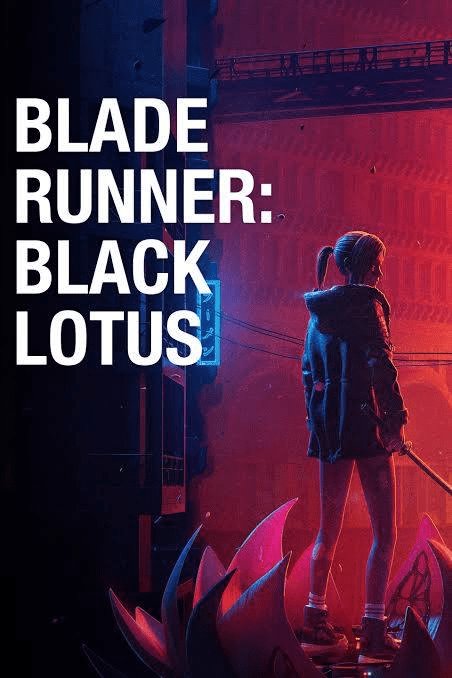
And now that I think about it, it makes me think of a bunch of other sci-fi, cyberpunk anime we’ve been getting over the years

There isn’t much to glean from just the first two episodes, but from what I recall, the society within features the protagonist, Ichise, a downtrodden prize fighter past his prime, losing his limbs and getting rebuilt $60 million man style. The setting is an underground city known as Lux, a crumbling city-state under which three main factions vie for power over what remains. Something, something, undesirable soldiers fighting for least desirable piece of real estate, only it’s not a base in the middle of a box canyon no one cares about.
I promise I’m not trying to be harsh here

Running from April 17 to September 25, 2003 for 22 episodes, I don’t wanna critique it based on originality considering a lot of my favorite things aren’t the most original or necessarily universally loved things in the world, but more with what came before, concurrently and after. Ghost in the Shell for instance debuted its manga in 1989 and has become a franchise ever since, with a 1995 movie (and 2008 redo with touchups); Neon Genesis Evangelion debuted in 1994 and has also spawned a franchise, spearheaded by Hideaki Anno who still leads the project to this day; and I had already mentioned Cyberpunk in this blog, so I’ll beat that horse when I have more to say.

On its own merits, Texhnolyze seems to have a few things going for it, but merely falling into obscure reference, cult classic status. As a result, it’s up my alley. Let’s describe it a little: a future dystopia where humans have cybernetic enhancements to answer for physical shortfalls, battling between wide corruption and complicated power struggles. That’s vague enough to describe Texhnolyze and 2018’s Megalo Box, which interestingly looks like it was animated in 1997 and due to a bevy of legal hoops and hurdles wasn’t able to air until over 20 years later.
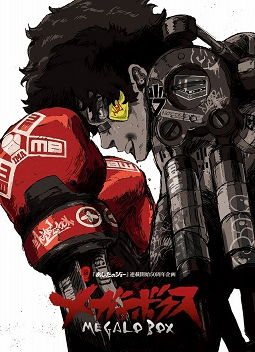
This series is said to pay homage to Ashita no Joe and Hajime no Ippo, but I suspect the animation team had at least one Texhnolyze fan onboard

The 22 episodes are still up for viewing as of this writing and I had saved the playlist in 2024 so I know where to go without having to close a pop-up ad every three seconds and so do you.

Channel: Parham

If the channel disappears, you know what I’m gonna say. And since I mentioned Ghost in the Shell earlier:
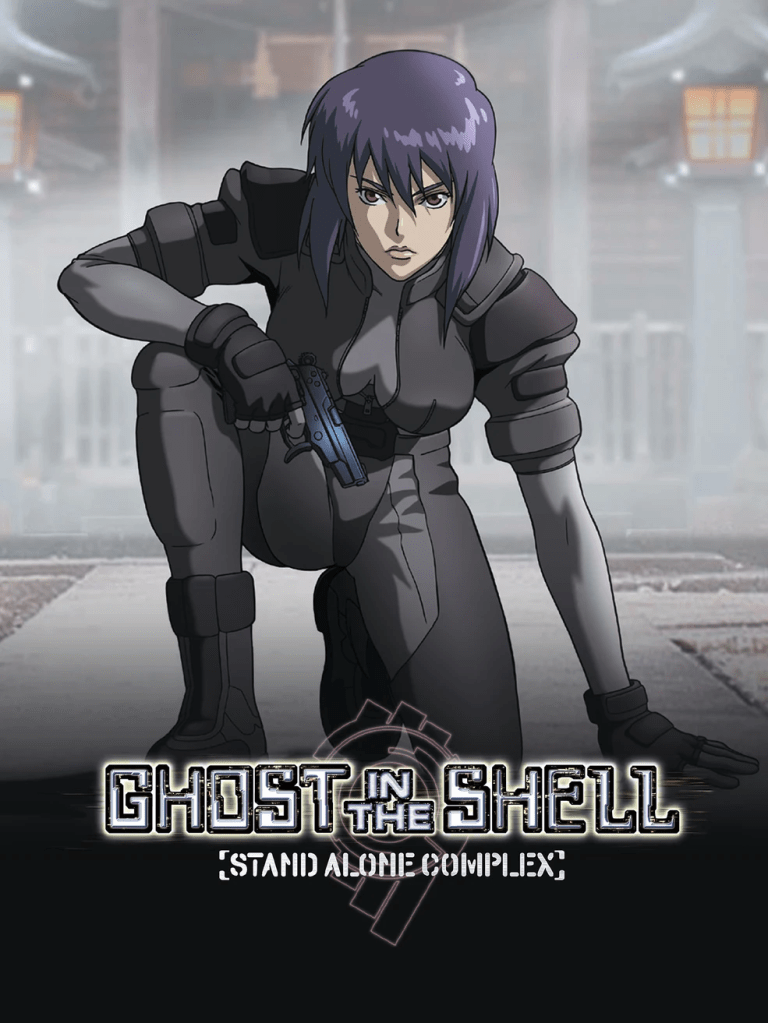
  • Major Kusanagi looks different from the 1995 movie here

This might be a bit harsher than I intend it to, given I’ve seen the movie at least three times and have had to retreat to Google-sama to get an understanding of what the hell it’s about. But in general, a cybernetic officer in a futuristic Tokyo is tasked with apprehending an entity who goes by the name of the Puppet Master, an advanced AI with the power to Worm and Trojan Horse itself into nearly any vulnerable computerized device to include humans with mechanical enhancements and this description alone may not do it justice.

The manga debuted in 1989, the movie in ’95, and Stand Alone Complex in 2002. It does raise a lot of biting, complicated questions over AI and technology’s advancement over time, though with my limited viewing of the series (four episodes on Tubi before Toonami snatched it back up after many years pimping it out to streaming services), while it scratches the itch I didn’t know I needed scratched, like Texhnolyze before it I’m only just getting started, but unlike Texhnolyze, it’s had decades to cook and it isn’t as straightforward as most other series of its caliber. The mangaka Masamune Shirow may not have realized what he’d unleash when he first put pen to manga panel, but with what it’s become ever since the movie, anyone getting into the franchise has a hell of a lot homework to do.

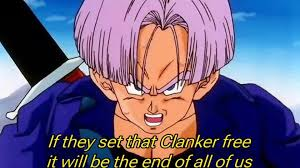
I’m going to be light on spoilers as I have a more in-depth review scheduled to be drafted and published in February, so until then I have more of it to watch. Take this as a light recommendation until then. Also, the content of this series and Serial Experiments Lain may reinforce Trunks’ biases against androids.

Channel: ImmaVegeta

Better get the boy an iPhone for Christmas
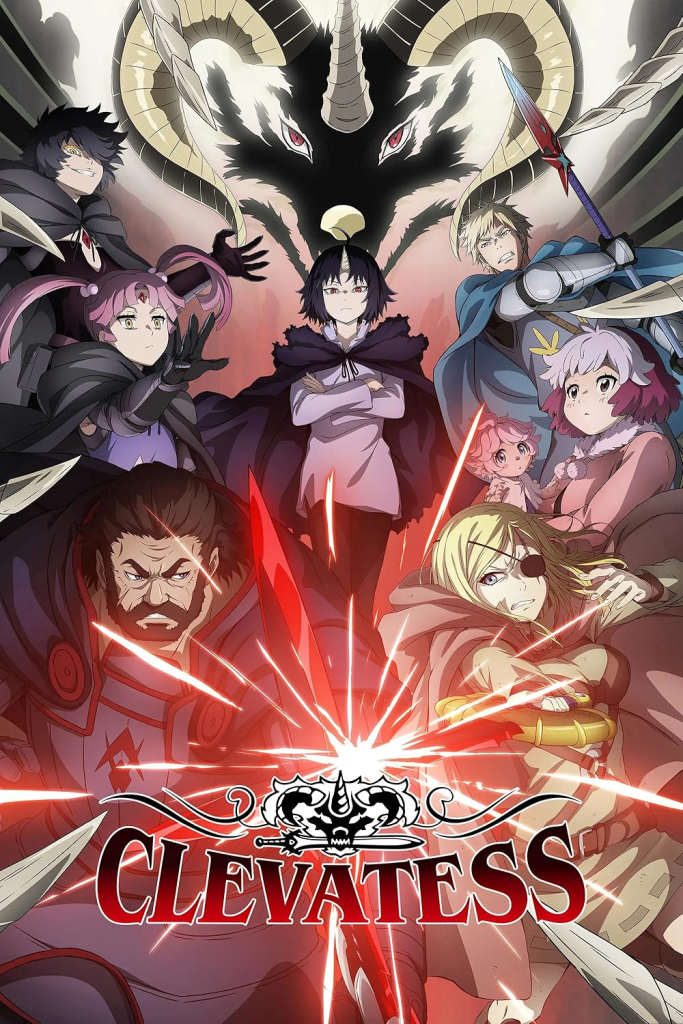
  • Fantasy world but the monster and the protagonist become an impromptu family

An interesting one that Crunchyroll was promoting at the time by letting you binge it in one sitting. I loathe binge-watching and forever hold the practice over Netflix’s shoulders, but I think for 2026, I’ll have to loosen that up a little. The series starts off with the protagonist’s party setting out to destroy a beast known as Clevatess, not knowing how royally f[clashing]ked they are until they all drop dead. Clevatess, the monster happens across a baby of noble birth that belonged to a royal family under threat from a rival kingdom and adopts the baby while also reviving one of the heroes to forever live as a zombie of sorts, but using many of the same principles that affected Bucciarati in the second half of Vento Aureo, sans the slow deterioration and lack of pain receptors.

If you’re curious what would drive a bloodthirsty beast to take on the role of a step-parent to an orphaned infant, well, the situation is equally a bet from the baby’s mother, and a test of humanity. Clevatess isn’t the only beast in the world; others like him are also out and about. The zombie female MC was among a group of 13 heroes sent to dispose of Clevatess and the rest, but ultimately struggled at the first hurdle. Following their demise, Clevatess was approached by the mortally wounded mother of the royal baby who had requested he spare humanity starting with the infant. If Clevatess could successfully raise the infant then humanity would be spared, but if not, then mass extinction imminent.

Some may draw unfavorable comparisons to Overlord, and I dispute that so heavily because the comparison is false. Yes, Clevatess and Momonga/Ainz adventure and aid with strict conditions, but Ainz is basically fantasy RPG Genghis Khan. Clevatess is a dark being hellbent on destruction. Even if the source material shows Clevatess leaning Overlord-like down the line, I’m not so certain I wanna give it the copycat flag just yet. Not for nothing, it flips a few tropes on their head where the bad guy becomes the caretaker, though I wonder just how old that trope is. These days, you can find it if you search hard enough, but looking for older examples is a struggle.

The manga debuted online in Japan on the LINE platform in the summer of 2020, so the anime was the only way I ever knew about it. Having said that though, for what it has going for it, it needs more episodes because 12 isn’t enough to give it the leg room it needs.
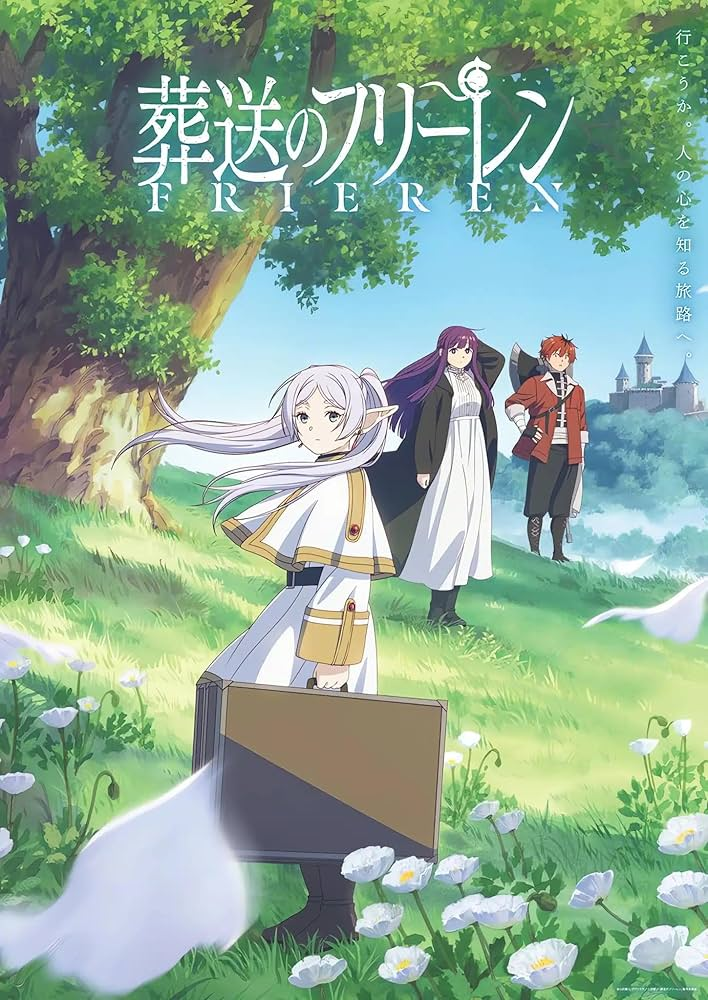
  • Elves don’t change like humans do

It kicked off in 2023 and had been memed all over the internet even to this day. The most prominent memes being, Ubel being a morally ambiguous mage with… lickable armpits… (ಠ_ಠ), Fern and Stark f[explosion!]k so much that Frieren could leave and come back to greet a litter of their children, and Frieren herself is a god-tier racist, on par with LowTierGod.

Demons beware

Admittedly the memes are far as hell in the animanga and I’m only a couple of episodes in. Aside from these three jokes, the plot is an after story. It’s a DnD campaign that wrapped and the heroes are getting used to peace after the evil entity had been defeated once and for all. Frieren the mage, Himmel the hero, Heiter, and others among the party all go on their separate ways while remaining friends. The one thing that gets to Frieren herself is her elven lifespan compared to that of humans. 50 years pass and Himmel is a frail old man while Frieren, due to her elven species, hasn’t aged a day.

This doesn’t bear on Frieren’s shoulders until Himmel passes away from old age and the elven mage regrets not having gotten to connect with him better. Over the course of the series, the characters, even in their new chapters in their lives, remember Himmel the hero by what he did and how he lived. Each person who remembers him has a lot to say and all of them are positive and uplifting. Of course, the heroes, having known him personally, have more personally ridiculous and intimate stories with him. This goes on throughout the series and Netflix currently has it in its line up so give it a watch if you don’t feel like pirating it. I’d talk more about what I’d observe, but in this instance, I think it’s better when you watch it for yourself.
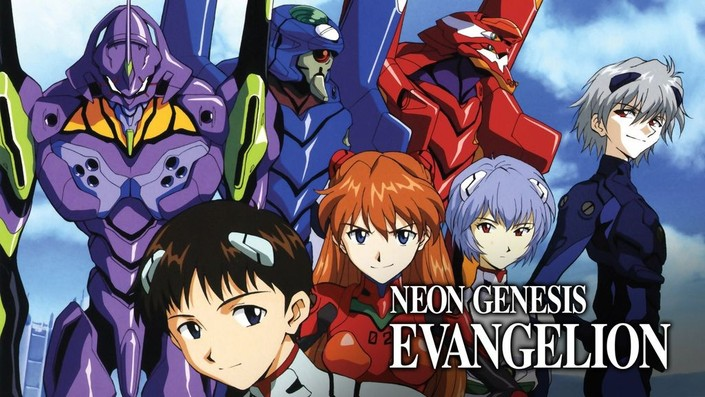
  • Don’t make me ask twice! !GET IN THE ROBOT, SHINJI!

A staple in the mecha/gundam genre, NGE very much alludes to Christian mythos with the angels harkening to their biblically accurate appearances. There’s a lot to say about Evangelion, it’s movies, and the Rebuild sequel movie series, but this is another one I have slated for a 2026 review.

The main crux of the series is not “Wow, cool robot,” like most of its contemporaries. It’s a combination of peace of mind through acceptance of oneself and clever critique of the military use of children for dangerous experiments. Also the theme of personal loss in juxtaposition with self-acceptance. Roughly every character is fundamentally broken and the fact that much of the cast consists of 14-year-old mech suit pilots, Anno is a weird guy, alright, if this is the proof in the pudding.
What has people continuously talking about it for 30 years strong is the memes, of which there are many. You can have some of your favorites (my personal ones involving Asuka in some capacity), but the one thing to note is that unlike a lot of fandoms, I think the Eva fandom I’ve seen is one of the few to actually read its source material and understand it without issue. This puts it above some of the other series to air concurrently and down the line where the bombastic, earth-position-influencing combat is the sole or central focus of a series. It technically disguises itself as an allegory for depression through Christian mythology, but Hideaki Anno won’t admit that.

Like Frieren, it’s also on Netflix and so is the movie, End of Evanglion. I so far am wrapping up the anime, but I haven’t touched the movie yet. And speaking of movies:
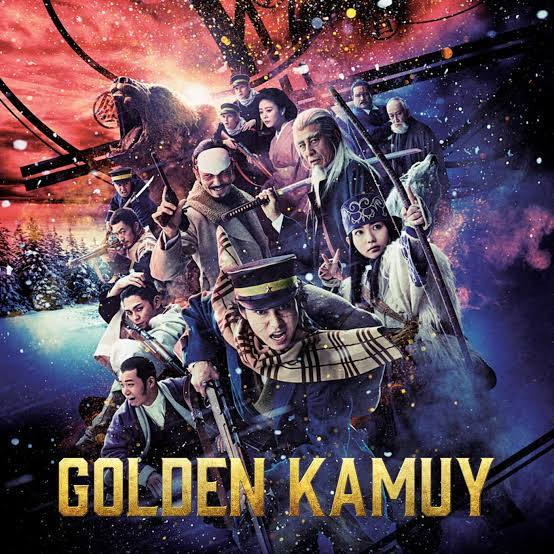
  • Even more Ainu cooking, but for real

So Satoru Noda began writing the manga in 2014 and the anime adaptation followed four years later. After that came this live action movie in 2024 and a continuation in a second season … Hmmm… The live action version of Golden Kamuy does well to capture the humorous elements of the manga while staying true to the practical elements. It isn’t 1:1 for obvious reasons but this was completely unexpected. A surprise to be sure but a welcome one. I had talked about Golden Kamuy before, so a run down of the salient points are everyone knows of the legend of the Ainu gold, the map to the treasure is tattooed on a group of eccentric Abashiri prisoners, and death is the only thing stopping everyone from using the gold for their own purposes. A race to near-infinite wealth of sorts…
Yeah, I went there.

I only give it high marks because I love the series so much, so as much as I recommend the movie and live-action series, consider that this part of the blog is a bit more subjective than normal since I consider myself part of the target audience for something like this.

The Year in Manga

What I’ve been reading this year

Right before we get to the crux of this post, I had a second look at my notes and noticed a gap between November 28 and December 12. I forgot to fill that in in time so before we properly wrap it up, next week will be something of an intermission discussing a controversial video game even by RockStar’s standards. Here’s a few vague hints: Jack Thompson tried to have it made illegal, it was banned in several countries, including the US at first, and the real kicker, it’s primarily a stealth game, so you get rewards when you knock skulls around without people noticing. Now for the real focus of this post.

The end of the year is on the horizon and before we close out the Year of Cordis Die, let’s recap some of the manga I’ve been pirating. I’ve talked at length about manga I’ve been pirating and recommending for as long as this blog has been up, some series I’ve recommended and others I haven’t mentioned yet. So for this post, there will be updates on what I’ve been reading this year, coupled with some looks at manga I’ve yet to mention on the blog. Here’s some series I have lined up, unordered:

  1. Dosanko Gyaru wa Namaramenkoi/is Mega Cute/Hokkaido Gals are Super Adorable
  2. Torako, Anmari Kowashicha Dame Da Yo
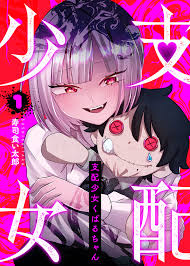
  3. Shihai Shoujo Kubaru-chan
  4. Redo of Healer (T^T)
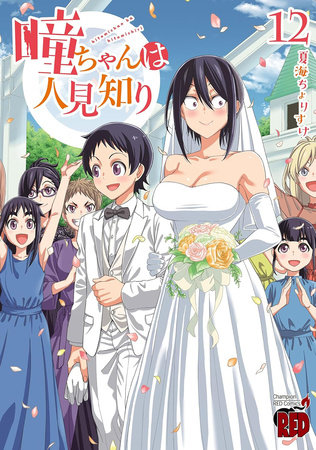
  5. Hitomi-chan is Shy Around Strangers

Some of these are familiar to the long-timers, others I haven’t spoken a word of once on this blog, even in passing. Take these as holiday recommendations to get you through the time-honored tradition of repeating yesterday’s Christmas songs until Boxing Day.

    Having finished the anime adaptation last year, along with its stellar opening soundtrack, I wanted to continue into the manga. The last episode of the manga covers chapters 31 to 32.5 and right after that the rest is saved for the next season set to air sometime in the distant future when apes walk upright again after millions of years subservient to the superior human and AI starts thinking about installing an emotions software (and those electric f[dial-up]kos can keep dreaming because I want my clankers to be as unaware of the outside world as possible), so after October 2026 or April 2027.

    Now, animanga taking us away from Tokyo because everyone goes there and letting us see the rest of Japan like Hokkaido in this one and Fukuoka historically in Excel Saga (that series doesn’t tell you explicitly that it’s Fukuoka but the mangaka is from there so who else but him, right?) is a neat little tradition when the lights of the world’s largest metro start to get blinding. We’ve still yet to see a mainstream series go to Shikoku (Matsuyama is right there) and until the prefectures on that island band together and spit out a series for us, we’ve got to make-do with RNGesus Japan edition.

    So what has happened ever since Tsubasa charmed these Minnesota-accented Hokkaidoans with his rich boy Tokyo Prefecture charm? Well, I’m still in the middle of that arc but we finally see Tsubasa’s mother, Renka. Hospitalized from running herself ragged trying to raise the perfect Japanese son, it’s a good thing she’s already bound to a hospital bed because knowing a son of hers is besties with a trio of gyaru-tachi would give her a heart attack. Also, it’s interesting that the grandmother, Kaede, is healthier than her own daughter, but that’s the thing about that RNGesus character, he’s a funny guy. Less of a downer than Buddha, all things considered.

    As it happens, Tsubasa was brought to Hokkaido largely to prove that he can excel even outside his comfort zone and on the friends and family front, he has passed, but Renka being the type of mother who’d disown her child on her deathbed for getting an A and not an A+ while also being captain of the chess club and the like concludes that frolicking with the popular girls has led him astray and will return him to Tokyo no questions asked to return to his former glory as a golden boy.

    Not that one.

    Until Kaede, Hirotaka, and Minami herself show Renka that this level of control over the boy’s future and lifestyle is utterly unnecessary, releasing a weight from his shoulders (sort of) under the condition that she be allowed to witness his growth in real time. I’m still reading the manga online and expect to report back either when the second season is announced or around the same time next year, whichever comes first.

    • What the f[punch]k are you lookin’ at, jackass?!

    Japanese subcultures come and go over the years and the subculture that had its halcyon days in the 1970s through 90s was that of the bancho/yankii, the delinquent of sorts. Numerous characters fit the mold from Jotaro Kujo, who was in his element in 1989; to Taison Maeda, who was conceptualized right in the middle of this era at the same time Stardust Crusaders started serializing; from Eikichi Onizuka, who represented the progenitors as they were growing up even at the time, to Josuke Higashikata, who Hirohiko Araki knew would be seen as dated even by 1999 as gyaru were starting to emerge and become more popular.

    Even now as Japan has crossed over into the cholo era (yes, really), some mangaka and anime dedicate characters to a bygone era because nostalgia for an earlier era is not just a time-honored tradition, but a worldwide phenomenon, if fans of pre-revival Doctor Who are anything to go by.

    !EXTERMINATE!

    And I’m not immune to that myself with how often I look for content from the early 2000s, when immediately following a geopolitical tragedy the decade chose to be edgy and serious and smiling was against the law, but I digress.

    Mangaka Nujima got a kick out of introducing East Asian folklore and horror stories in Mysteries, Maidens, and Mysterious Disappearances, but next to that we were given another series, this time about a shy tomboy who gets moved to a rough and tumble high school where the most ferocious girls challenge her… and get humbled at every step. Even the boss Sukeban girl was utterly embarrassed in the first chapter after having her breasts exposed by accident and she hasn’t been able to forget it.

    The translated name is Torako, Don’t Break Anything, and when you’re built like you were supposed to accompany Arthur, King of the Britons on the quest for the Holy Grail, trying not to break s[porcelain]t gets harder and harder, especially when the school you’re in has it as official policy to be a delinquent. Most of the student body looks like it could take on Jotaro Kujo, not necessarily successfully.

    Protagonist Aiko “Torako” Torasawa transfers to a delinquent school and without consent must dodge attacks from the main delinquent girl group that gradually accepts her as one of their own. This manga being an older work of Nujima’s some of what he put in the East Asia version of Urban Legends can be seen in this one. So are there giant boobs in this one as was the case for Whereabouts Unknown? Yes, and multiple… but this is a short series that ran for 20 chapters in 2016. I couldn’t find any associated wiki pages for this series and MangaDex is not the most reliable regarding this information, so I’m adding a pinch of salt to this timeline.

    This series doesn’t take itself as seriously as the other one so funny fanservice is more prevalent than in the other one. Be mindful though that before we got Sumireko’s Oppai of Truth, we have Torako-chan’s Premium Mediums. Would help if we had a medium with premium mediums, but I so far haven’t seen a manga about a fortune teller lady with an average chest size.

    • Before you think about killing yourself, you wanna be my puppet and fall in love with a random chick?

    The official title translates to Ruling Girl Kubaru-chan and the plot of the manga lives up to that ideal with the main male protagonist submitting himself to his female classmate’s whims not by force but by coercion. Given the state he’s in after the first chapter, the poor boy doesn’t have much of an opportunity to resist; he was already driven to ending it all anyway, so the man feels like has nothing worth living for until Kubaru tries to play him like a chess piece. Which fate do you consider the worst? Well, looking at it, no one is playing with a full deck and everyone has problems. The characters all feel real but just about every chapter has a giant layer of what the f[siren]k attached. Someone should go ask Nujima if he can lend some of those Mysterious Disappearances warning signs to this manga instead; the tone of the manga makes it very unpredictable.

    What makes it interesting is that the mangaka’s forewords are always humorous little comments. For example, the main character could be bracing to be a disgusting rape victim and then the chapter ends and the mangaka’s like, “check out this butterfly I found in my backyard.” Dude, your own MC is about to get molested, the f[alarms]k is this??

    The manga starts with Yuto Kiba about to toss himself off the roof, due in large part to a series of misunderstandings that have made him a bad bedfellow to his classmates. Then spunky, eccentric Kubaru proclaims that she can change his life for the better… after he breaks his arm trying to kill himself.

    Alive if not exactly well he may be, that was just the beginning. I’d spoil some of the chapters here, but I don’t believe even some of what’s been going on in this damn manga. Still ongoing, still on MangaDex, and I might dedicate an individual post to the series in the future (gotta move some stuff around for that). Just got to wait and see.

    • (ಠ_ಠ)

    I… was curious… to see what else the source material had in store and, uh… this is a job for the big book of reaction memes.

    (ノಠ益ಠ)ノ彡┻━┻

    There’s two versions of the anime and both of their showings are polite. Why do I say that knowing this screenshot exists in the uncensored version?

    Because the manga holds nothing back. I’m serious, the anime was, for lack of a more appropriate term charitable to its cast with all the raping and blasting going on. Visually, it could’ve been even more shocking and the interview between the Rui Tsukiyo and The Anime Man reveals as much:

    Channel: The Anime Man

    (ノ _ <,, )

    I think, if it’s all the same to you, I’m not so sure if I’d like to explore what women consider edgy and dangerous. For a guy, it’d probably be a reading off of every slur and every offensive gesture in every language and culture; groups like the National Socialist Movement and the Klan would have to reconsider their lives having been outdone by the least racist 4channer. A woman’s fantasies–if the internet isn’t completely full of s[honk]t–are being waited on hand and foot by a smartly dressed bison or wolf or lion by day and being bred like the females of these respective anthropomorphic animals…

    Maybe I’ve been watching too many reactions to Shoe0nhead’s video about a certain dark fantasy romance novel that I refuse to name or allude to. Barely counts as romance (and the author needs to reassess what age millennials are, just saying), and that’s the most I’ll ever touch on the subject for the foreseeable future.

    For the finer details of what the manga entails passed the adapted chapters, well, there’s some changes between what got greenlit and what needed to be changed. So dark themes and imagery alone isn’t a deal-breaker, but explicit use of degrading language and BDSM clothing with emphasis on the SM is, especially when a spare-ess princess orders the servant (read: sex slave) to wear it under penalty of death… or worse: unanesthetized castration, and I’ve got the sneaking suspicion that the Jioral Kingdom is familiar with such a tactic, but I’ve yet to prove it.

    (>_<) (~_~)

    Once again, I’m in strong recommendation towards the gender-reverse isekai and the sexual deviant isekai for the simple fact that these two have a lot of fun with the concept. We here in the west have done sex comedy before and animanga shows that it’s not to be outdone. Ecchi is the proof.

    • For such a tough-looking face, she’s actually just really shy.

    Finally, and for a tonal cleanser, back to high school romcom between a short king and his tall, shy, athletic wife. I haven’t been able to keep up with this series as closely as I used to, but I occasionally check in. With the news that it wrapped up serialization in Spring of this year, my excuse trough has gotten lighter with only work and several more animanga series I have saved in, like, 250 other tabs across all my devices and browsers.

    My muscle memory hasn’t evolved past 2005 Internet Explorer

    From the series’ inception until its conclusion, it’s managed to keep a relatively small fanbase over the years, so it doesn’t attract a lot of newsworthy controversy if at all. On the one hand: great, that means less weirdos barge in and try to change things or “literally me” the characters to death; but on the other hand: dang, how do I know what kind of news is going on with the production of this series? Chorisuke Natsumi doesn’t seem to need the media buzz to get his manga off the ground with social media posts from both fans and himself doing that much of the heavy lifting, but as I said ages ago with the creator of Mysterious Girlfriend X, readily available footage of Natsumi are hard to come by, but at least we know this guy is still alive. He just finished a manga this year.

    Still, Scrutinous Saliva Sucker got a little 12 episode anime and there aren’t any hints that that’s next for Sharkboy‘s Shy Sister. If it happens, neat. If not, alright then; numerous manga don’t get an adaptation for ages if at all with some getting greenlit from the cutting room floor. I don’t have any hard and concrete predictions to make for this, short of what I wrote about in a different post covering it at length. All that’s left to say is that it maintains its cutesy, slice of life, wholesome goodness from start to finish with hints that Hitomi and Yuu become more at the end.

    (^v^)/

    Muscle waifu in wedding attire with friends in attendance, the thing that riles me up the most about the genre is that it ends after the couple ties the knot. Can’t we see Yuu as a dad or Hitomi as a mom? Come on now!!

    But at least there’s something to chew on compared to this:

    And again, ecchi is always stellar, but it can shine even brighter with a strong plot. But that’s true of everything in fiction.

      Gender-Swapped Fantasy Isekai

      Stop me if this sounds familiar

      A man gets reincarnated into a world where traditional gender roles a flipped, in that women are the breadwinners who sexually objectify the opposite sex while men are demure homebodies to be seen and hardly heard from even during intercourse. Quick! Which isekai did I describe!?

      If your answer was several, then great news! You understand how unoriginal the premise has become over the years. It may have had a spark in the beginning but with surprise comes formula comes borderline formulaic. There aren’t many isekai that reverse gender roles, but there’s enough to make it seem as though many follow the exact same story beats. Still, the subject of this post caught my eye, largely because of the premise and because it reinforces a meme I used in a prior post:

      In matters concerning the pleasures of the flesh, women and men are equal. But sometimes people get competitive and develop superiority complexes… for some reason…

      The manga in question is actually adapted from a light novel series, and there’s said to be more in the LNs than the manga considering it’s older, but I haven’t touched the LN yet. Anyway the series in question is Virgin Knight: I Became the Frontier Lord in a World Ruled by Women or in Japanese: Teisou Gyakuten Sekai no Doutei Henkyou Ryoushu Kishi. Another isekai, another title that gives away the premise. But let’s not be harsh–for as s[coconuts]tty as the title may sound, it’s not like it has nothing to show for it.

      And this is just the manga cover

      This is going to be written based on what I read in the manga as well as this Wiki page. The LNs were first written online on Kadokawa’s Kakuyomu site in 2021 and the manga followed two years after that, still there’s not a lot of information on the series on either the Wiki or Wikipedia, nor is there any certainty to the future of the series, seeing as the LNs are only four in number and the manga up to 11 chapters. Very little to take the piss out of, all things considered, especially when a more fleshed out isekai like Re:Zero or the Saga of Tanya the Evil have richer Wiki entries, both on that Wiki linked above, their own associated Wikis and plain old Wikipedia. So this post may be more barebones and subjective than my normal output.

      The basic premise is that Japanese adolescent No. 14,289 gets isekai’d, but the manga skips over the isekai-ing event. Maybe it was Truck-kun again, for which I’m curious why no one put out a hit on him yet. He’s bound to have isekai’d a Yakuza or something; would the family not care that one of their kyodai got f[truck horn]ked up or what?

      The protagonist gets reincarnated into a world where the freedoms enjoyed by men for time immemorial are enjoyed by women this time, faults included. So while we have our own male historical figures to study, this world reverses their gender so expect something like Cristina Colombo instead of Cristoforo, Leonarda da Vinci, Georgia Washington, and numerous others. Per this world’s rules, women are selected to be trained as squires and eventually become knights, but our boy, Lord Faust von Polidoro becomes the exception to this rule. This lone male knight surrounded by female knights still hasn’t gotten with the program that this is where men are lesser creatures, and would thus struggle being in a world where women are as comfortable with their bodies as men historically have been.

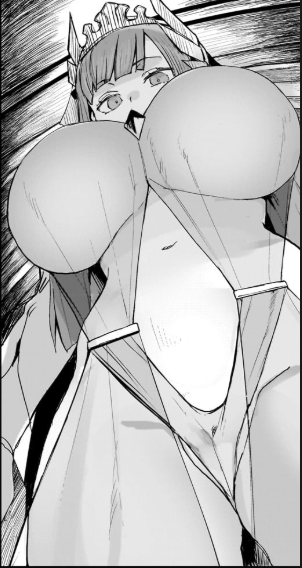
      This is how the queen dresses by the way. Just imagine a topless fight between two noblewomen in this world. Oh wait…!

      Eh, there isn’t any conclusive evidence that Austrian noblewomen fenced topless, but it’s a fun campfire story to get people’s imaginations running wild.

      The introductory chapters explain how objectified men are, being sold as sex slaves, highly prized (for the bodies) and highly guarded (for the private use of their bodies), in some cases being passed around between every available woman, especially women in power, so theoretically a Viscountess has a private harem consisting of men who engage in any one of the BDSM subcategories. If she feels like sharing, these sex slaves are passed between this hypothetical viscountess and her entourage, always being used, spent, and emptied only to go through it all the next day… or hour.

      By our standards, what I described is a regular day in the Jioral Kingdom Royal Palace, if not worse for the men.

      For less sexually suggestive themes, if you know a thing about Ancient Greece, specifically Athens, then you know that Athenian society made second-class citizens of their women, with all the men having the influence in the day-to-day operations of the city-state from the politics to the foreign affairs to the military to the voting to the education and numerous other aspects of the way of life. It’s the same in this series as well, of course with women filling that role.

      Writing that last paragraph, I just remembered this trope has a name: Lady Land, and it’s precisely what it sounds like. It’s a bit of a divisive trope for portraying what would happen if women in the west had near or precisely equal rights to men, with critics deriding it as paranoid bollocks. Personally, I’m in the same boat. I’ve lambasted the likes of MeToo and GamerGate as having been hijacked and perverted by radical firebrands and the like, but it’s worth committing to memory that movements like this aren’t as big in membership as the Internet likes to fear-monger over. In the case of the Lady Land trope, I could see someone from the 1890s or around that time organizing a list of why women shouldn’t have these rights, but these days such worries would be overblown and truth be told, sections of the Internet would kill to get that kind of sex slave action, failing to understand that love and lust are two distinct concepts despite the overlap.

      As much as I make it sound like this isn’t worth the read, it’s tropes like these that get me thinking about how women used to be treated in legacy media. Age-old comic tropes getting flipped on their head to offer insight on the other side of the fence. Not saying the same dire straits don’t still affect women today, but to treat it as though there hasn’t been any evolution since at least the late ’60s is both a lie and part of a means to completely flip everything in a more female-centric role but for the worse. The terminally online like to think that patriarchy is the source of all ills and either think things will be different under a matriarchy (they won’t) or, worst case scenario, install some sort of matriarchal dictatorship. Silly conclusions to draw, but I’m a “cooler heads prevail” kind of guy.

      Maybe my time watching British content creators gave me a stiff upper lip, it’s hard to take the Internet seriously when it gets like this at times

      Only about 11 manga chapters, the first few introduce the world, explain how this world’s men are like Ancient Athenian women, i.e. possessing only the right to live and exist (typically as a sperm-filled turkey baster for noblewomen), and introduces the characters. The story follows lone male knight Lord Faust von Polidoro being given the floor to speak by the Queen Lisenlotte who makes Scarlet from Scarlet Maiden look fully clothed by comparison.

      Abnormally thick tooth floss for clothing

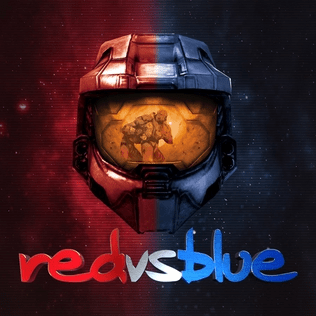
      Lisenlotte explains that the first princess Lady Anastasia whose set to inherit the throne is the one who gets the most resources against a uniformed standing army while the second princess Valiere is stuck with glorified conscripts to handle barbarians. Master Chief fighting the Covenant while the Reds and Blues glare at each other in Blood Gulch, or sending units in a Civ game to fight Cleopatra or Gandhi VS sending units to clear out barbarians so you can place a settler. The way this is done doesn’t fly with Polidoro (who’s fighting is own chastity belt in the face of obese boobs), who suggests letting Valiere take more professional soldiers with her during this trial. Queen Lisenlotte concedes and allows the royal coffers to flow equally into both her daughters hands, while still casting favor over Anastasia–primogeniture and all that. But the Lord’s pleas to reconsider undersupplying the youngest daughter gets the queen feeling some type of way. The last man to get her this giddy was her late husband, and presumably she feels something for Polidoro but wouldn’t make a move on him as he’s the spare’s advisor, though she contemplates whether letting him stay as the advisor to the second daughter or giving him to the first. Even as a knight, Lord Polidoro is but a piece of meat to these powerful women. Alternate universe female me would write the same thing.

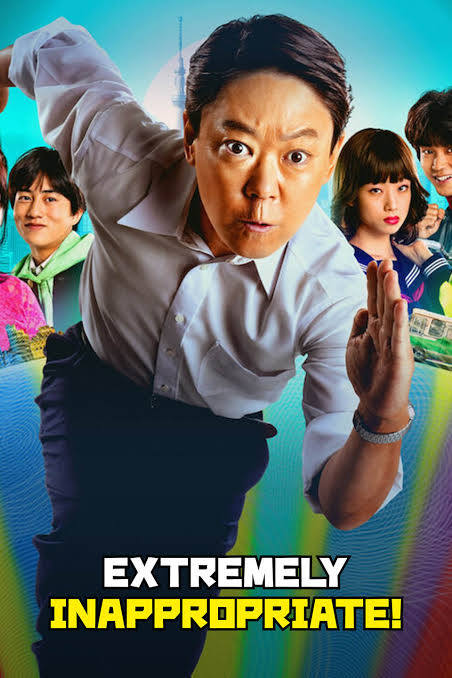
      Scraping away the prominent gender-flip, the tropes in play are quite typical of any old medieval European fantasy and by extension Euro-fantasy isekai stories that the genre loves to exoticize, like in From Bureaucrat to Villainess or My Next Life as a Villainess or I’ve Raped So Many Women that My Penis is Now Trans— I mean, Redo of Healer. Medieval Europe never appealed to me as much as Medieval Japan did, so I admit that I have a blindspot for this period of history as well as a bias towards East Asia, which has ramped up as of late with my viewership of East Asian media, to the point where my YouTube recommendation feed features Japanese YouTube channels, and I’ve found this comedic gem on Netflix:

      The one time I actually give a damn about musicals

      From what little I know of medieval European absolute monarchies, the politics of the world aren’t even hidden. Navigating internal royal politics is its own chore even for the one in charge, as you want everyone else who shares the power with you as well as those who will soon have that same power after you die are satisfied long enough to keep the realm from falling into disorder. Unwritten rules that rulers take to heart historically and when speedrunning the Age of Discovery in Europa Universalis IV or the Victorian age in the Victoria series. Actually, these concepts were catalogued in Sun Tzu’s The Art of War. In the case where war is inevitable, all precautions need to be taken to guarantee a victory, and not just on the battlefield.

      The rest of the chapters are about Polidoro, Lady Valiere, and the entourage they take in battle with them to fight against the barbarians, with select panels dedicated to the rest of the cast, like Lady Anastasia, the captain of the army, the third in line for the throne, Duchess Astarte, and others. The LNs definitely have more content and I may have a light novel arc in the future, mainly to confirm this but more to the point because some series I like have better LN continuations than they do animanga.

      I’ve heard that the light novels vary from the anime and I want to see if that’s true

      The manga so far ends in the midst of a campaign against the barbarians with more to follow, but AFAIK, the mangaka Michizo is hibernating and short of entering the dragon’s lair to agitate the beast, whenever we get the next full chapter or even update, or god forbid, more information on the series, the best we have are crumbs. It’s completely available on MangaDex and other such pirate manga sites, but beware the AI porn ads on the sidebars. S[ooh!]t’s getting out of control, people. The androids must not win!!

      Trunks and John Connor are our last bastions of freedom

      Ladies and Gentlemen, the Dumbest Otome Villainess Protagonist

      Her braincell is always out to lunch

      Multiple times on this blog, I’ve explained that I don’t make a beeline for the Isekai genre. My tastes are varied and, if I had to look at it objectively, inconsistent. But if it wasn’t me being lazy, it was life reminding me that the big picture exists.

      Thank god for stock imagery

      With the case of Isekai, recently I’ve had a look at some of the shows I’ve been watching, some of which have appeared on this blog before, and I don’t think the statement holds up anymore. Matter of fact, some earlier anime I watched as a kid technically count as Isekai by the slimmest margins and the loosest definitions. Similar to when I watched Shield Bro Loli Pokemon, I came across the subject of this post on Crunchyroll sometime in 2020. It’s not in my watch history for some reason, but I did see the entire first season and part of the second season, so I definitely remember the plot beats going on for this series.

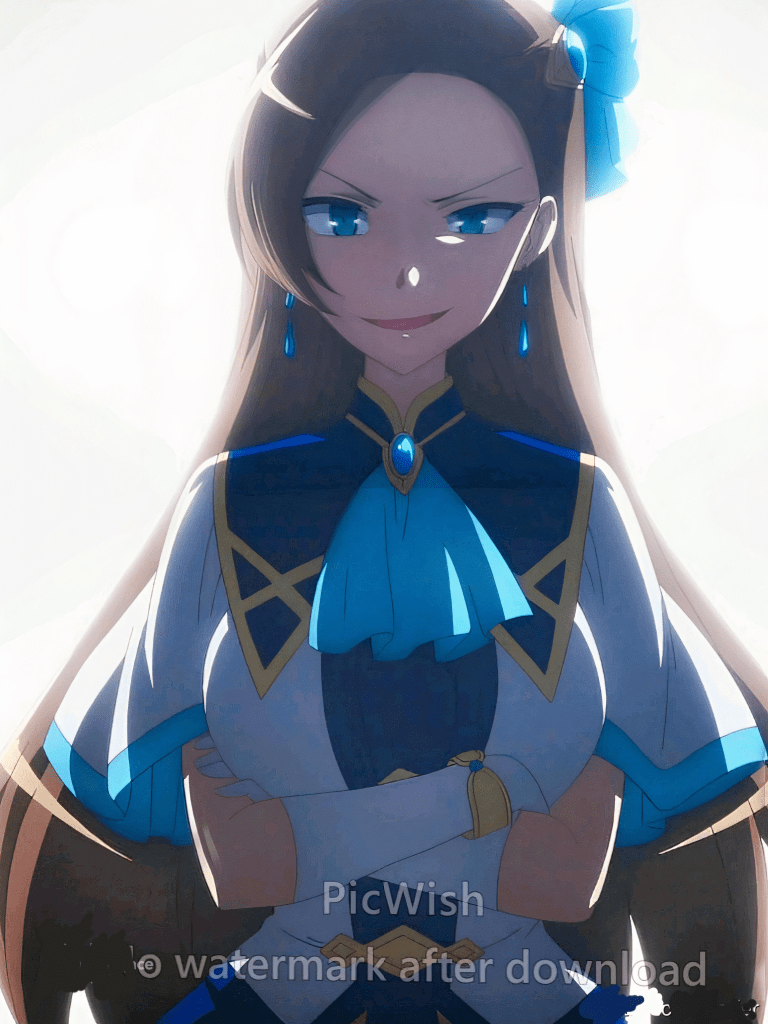
      This series is an otome harem Isekai that would become more and more commonplace after 2020 for some s[piano]ing reason. As I recall, the anime skips over the Isekai-ing action, and drops the protagonist into the shoes of the villainess/antagonist, Catarina Claes, who is known to the Japanese audience as Bakarina for having an IQ level as big as her shoe size. The full English title doesn’t really do the series any favors, as the point of the game she’s isekai-ed into is to avoid all the doom flags. The game, known as Fortune Lover, has a series of different paths for the player to follow given specific conditions. One ending sees the villainess exiled, another puts her behind bars, and the third sees her killed in a crime of passion.

      When the protagonist takes command of Bakarina’s braincell, the roles are reversed in even the design. Robbing the game of the villainess irreversibly changes the flow of the game to the point that the game semi-acknowledges the takeover, although the major consequences of this aren’t even that punishing, given the English translation of the Japanese title being “I Reincarnated into an Otome Game as a Villainess with only Destruction Flags” as opposed to the subtitle All Routes Lead to doom. A distinction I make seeing as the former explains the concept of and subsequent obsession with doom flags as opposed to the latter that leaves it largely vague. Couldn’t help but get pedantic about that…

      Be it the villainess or the actual protagonist of the video game (to distinguish from the Female MC), the opportunity to romance any of the archetypes characters is, on the surface, divvied between the two, but with Bakarina being the queen of this series, that’s a decision largely left to her. Bakarina’s definitely different from how the original Catarina behaves, being more charitable than selfish, all to avoid the death flags. In so doing, she unlocks a secret ending that most games won’t give you until you 100% it once at the minimum.

      Without a real window into the game before Catarina’s mind was taken over, all we the audience have to go off is what Bakarina claims she was. To be fair, there’s a few scenes that show what would happen to Catarina if she was the same as she was before the plot of the series kicked off. Now, as for concrete proof that this is an Isekai, again, the anime never shows the action, but it does have a flashback to what the pilot of the Catarina mech-suit looks like, all without ever giving her an actual name.

      Another thing done differently is a semi-timeskip. The first five or so episodes start off in Bakarina’s childhood before transitioning to her and the rest of the cast as first- or second-years in high school. And although they’re all adolescents going forward, the recurring gag is that before a major life-altering decision is made, Bakarina retreats to an inner council within her own mind where five younger-somehow chibi-er versions of her debate the pros and cons of a certain path before moving forward with the decision.

      And to put the cherry on top, the reason she’s referred to as Bakarina has to do with a variety of weird and idiotic moves prior she’d become famous for. I guess I would also find it difficult to explain that the world is an otome game from a different world, but with death acting as a portal from one world to another, the most I can do is reflect on my previous life before pulling a “when in Rome.” While Bakarina acknowledges the doom flags and bends over backwards to avoid them, she brings mannerisms and habits from her old world into this one.

      Funny enough, I did a quick Google search and found this Reddit post that posits, with evidence, that she’s on the spectrum. It’s credible, but medical and mental health professionals make the distinction between autism, ADHD, and simply having those symptoms without fitting into either category. But their is also evidence that she is simply braindead. A lot of it having to do with her being clueless to a lot of things going on in the lives of the romancibles, notably their feelings towards her.

      The show is entertaining enough and deserving of its second season when you keep in mind that Bakarina is a moron, though not completely. She does have her moments, though the plot doesn’t give much in the way of character development for Bakarina. She stays mostly the same from beginning to end, even after realizing how much of the plot of the game she’d changed. This isn’t necessarily a bad thing, but it’s a noticeable thing to keep in mind, especially for puzzles, such as one episode where everyone else was in despair while Bakarina kept stuffing her face.

      But on the subject of idiocy, a distinction needs to be made between intelligence and wisdom. There’s overlap between the two concepts and some believe that they’re merely interchangeable. But that’s false. In layman’s terms, it’s merely the book smart VS street smart debate. A professor can tell you all about physics and maths, but will probably be lost in the worst parts of the Bronx. On the other end of the spectrum for wisdom, someone may be unable to do complex maths, but they can still learn you a thing or two about life.

      The anime’s has two seasons with 12 episodes each plus an OVA. It was adapted from a 2017 manga which in turn was adapted from a 2014 light novel.

      Need I elaborate?

      Before I go, I have plans for a post concerning the corruption subplots of the video games, Max Payne 3, Sleeping Dogs, and Spec Ops: The Line, with all three handling it all differently. I can’t say for sure when it’ll be done, especially since Spec Ops had been delisted in most online retailers, leaving me the only option to pirate over it. Once I’ve finished at least the last two games (having finished MP3 before), I’ll have the full context of all three ready.

      Solo Leveling and Jujutsu Kaisen

      A pair of anime darlings in this day and age

      It isn’t everyday that new anime debut and take the world by storm… or maybe it is since the audience is starved for a brand new bevy of releases to christen the Big Three of Anime. The western anime fans are still in search of those that can lay Bleach, One Piece, and Naruto to rest and as far as contenders go, the early 2020s have so far seen two of them go back and forth in popularity: Jujutsu Kaisen and Solo Leveling.

      JK debuted in 2018 as a serialized manga running for 30 volumes until 2024 and SL started sometime in 2016 and bounced between publishers online as a Korean webcomic until it got a physical release the same week as JK for 14 volumes of its own, releasing its final chapter in 2021. I admit that I was late to the party, coming on for both JK and SL only this year, and I’ve made better progress in the former than the latter, though still stuck on the first season. Not to mention how inconsistent I am with my viewing, so the remainder of this double bill will default to Wikipedia. Starting with the first:

      A supernatural story involving yet another orphaned adolescent who gets chosen by a demonic power that doesn’t kill him but lies in his body as a host and comes out to puppet his latent abilities. Of these, is the famed Domain Expansion whereupon an alternate dimension opens up where the user is given free will to do whatever to win the battle. Something something victory is god and the user is pope fare. The orphaned adolescent is pure of heart, innocent Yuji Itadori. His sickly grandfather leaves this mortal plane with a dying message to always stay kind. Easy instructions to follow since that’s all he wants for himself and his friends.

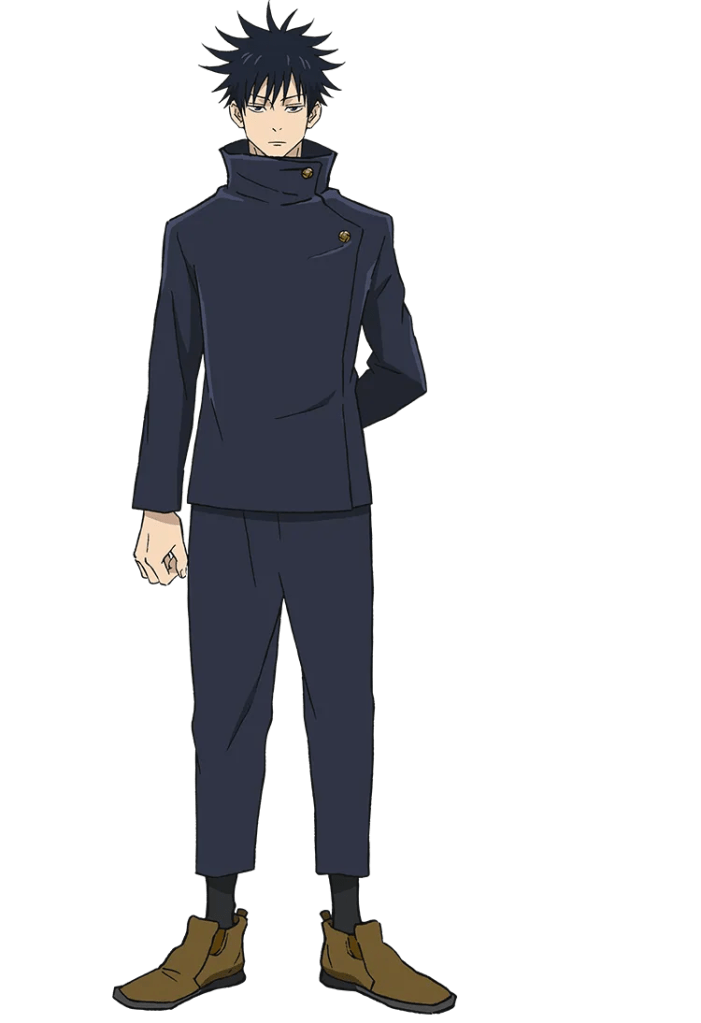
      Afterwards, he continues life in high school and runs into people with some of the aforementioned abilities, starting with Megumi Fushiguro.

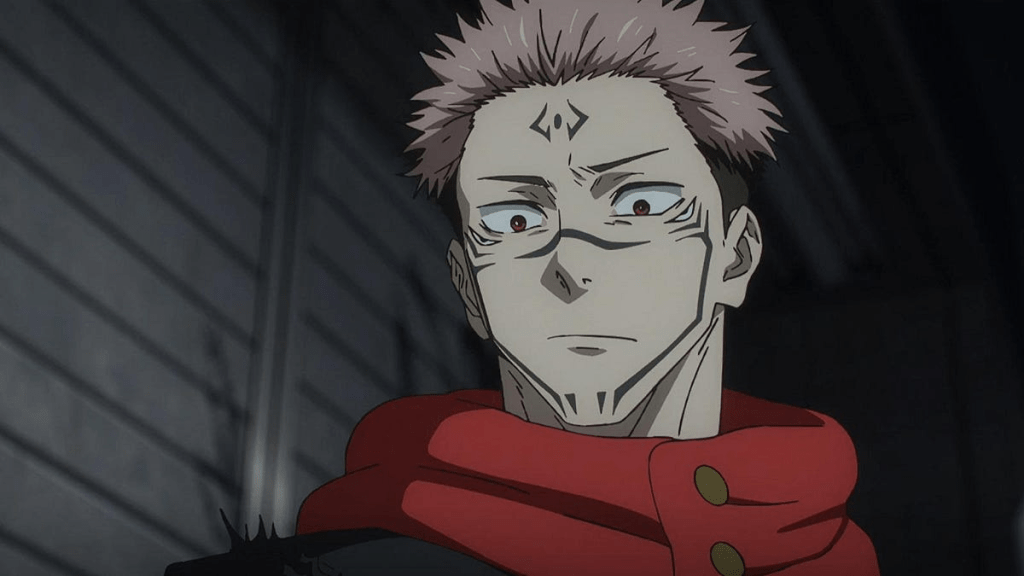
      Fushiguro is what is known as a Jujutsu Sorcerer, part of a secret society of sorcerers tasked with protecting the innocent from ancient evil Curses. One way in which this is achieved is by collecting scattered demon body parts, some of which belong to the worst known as Ryomen Sukuna. In one such encounter, Fushiguro finds students who find Sukuna’s disembodied finger. Understanding the inherent evil in just the severed appendage but not yet knowing how it works, Yuji swallows it whole allowing Sukuna to dwell within his body.

      Here, the demon acts as Yuji’s id, or from what I’ve seen thus far, tries to. Yuji still maintains control of the flesh, but will call upon the evil within to get him out of a particularly tough battle. Though he has the powers of the demon at his beck and call, he’s not exactly an expert and in the eyes of the Jujutsu Sorcerers, he’s marked for exorcism and eventually execution. In the series, select individuals — to include Yuji — have the ability to control such evil, and before they become experts in this ability, they attend school at any one of Japan’s government-sponsored Jujutsu Sorcerer academies.

      Bearing witness to this course of opening events is Fushiguro’s senpai, Satoru Gojo, who elects to stay the impending exorcism so that Yuji can learn how to control the demon within. The chimp has the rifle, but good luck expecting marksmanship or trigger discipline from the great ape, which is why he initially struggles to perform in combat. After Gojo helps Yuji transfer to the Tokyo branch of the Sorcerer academy, the series gets its proper start in the format we’re all familiar with and those of you who haven’t seen it, if the occult is up your alley, then give it a watch.

      Personally, I liked the premise enough to progress to 2/3’s of the way through Season 1. Now, my work schedule has kept me from completely finishing the series and I’m notorious for bouncing between series. I’ve mentioned it yonks ago that I’m not a fan of the binge culture spearheaded by the likes of Netflix and I like to take my time with series, especially new ones. The cost of this is that a lot of time is put between viewings which leaves me to play catch ups in my head or do research prior to picking it back up or both. For what it’s worth, my memory works well enough to keep me from having to do that as frequently save for these blog posts–usually the next episode helps jog that memory.

      This era of anime has since done away with the worst forms of Recap Syndrome that have stuck with the medium for decades, and I consider myself lucky enough to have such a memory, but for other people who binge their series, this is probably one of the most inconvenient times to discover anime. At least the pacing hasn’t taken a serious hit, and in some ways has improved due to the direction of the blowing wind now. For me, I maintain that spacing allows me to think about what I just watched, whereas binging gives me a lot all at once and there’s only so much I can take these days.

      Back to Demon Hunter School…

      …not that one.

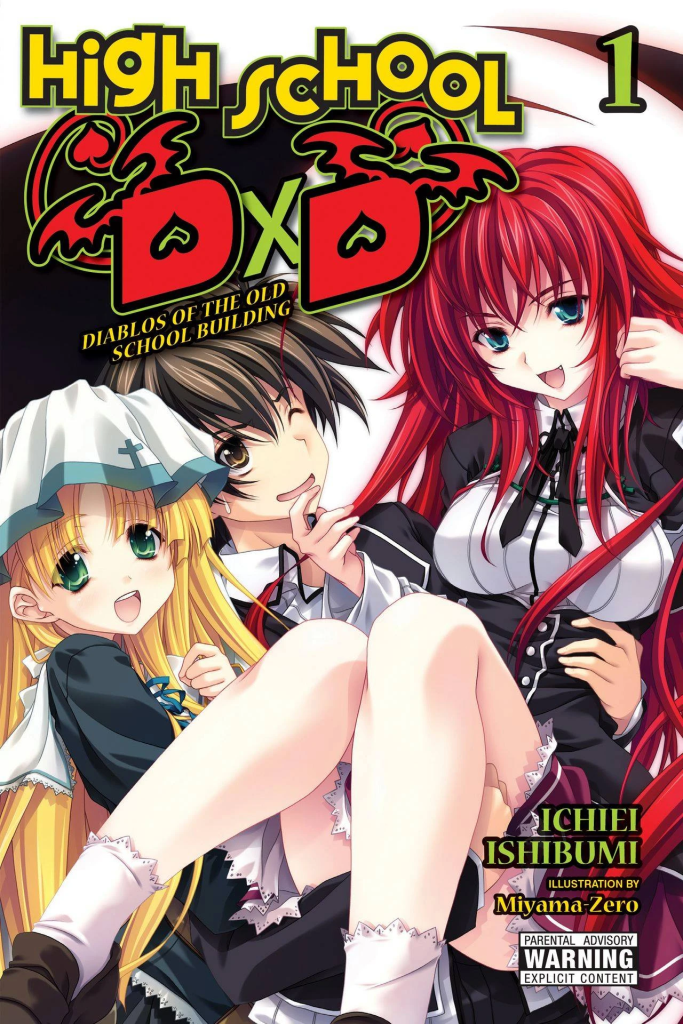
      The driving force that keeps me from forgetting about the series is the occult nature of it all as well as the drip feeding of Japanese folklore, namely the series’ interpretation of famous Yurei and Yokai mythology. Why didn’t I jump on it as it was popular? Especially since one of my favorites, High School DxD, is the occult with T n A? I don’t chase trends, especially as they air or debut, which is why it’s taken me ages to at least check out My Dress Up Darling for instance. Damn, this castle manor of anime endlessly expands. Did I steal the blueprints for the Winchester mansion or something?

      Well, whatever, onto the rest of this double bill with Solo Leveling:

      Alternatively titled, Only I Level Up, Solo Leveling has a few occult themes in it, but is merely wearing the skin of a homebrew DnD campaign. Contemporary South Korea has a map of different dungeons that are far too dangerous for the Republic of Korea Army to attempt to clear out by themselves, even with U.S. military aid, but a subsect of people exist with different abilities to help clear them based on their skill level. E-tier or worse? You get s[punch]t. B-tier or better? The dungeons get worse, but you come out better. Sooner or later, you’ll climb out of hell wearing the devil’s skin as a shirt and his head on your hip.

      From that description alone, and based on other Korean media I’ve been exposed to, the tropes exist within the Korean online gaming market (sans CS:GO) with monsters and enemies that exoticize the different DnD races while holding back on the East Asian romantic picture of western European court and nobility. The protagonist here is low-level hunter Sung Jin-woo. He gets chosen by virtue of being the last of his hunting party when nearly everyone gets their s[crunch]t stomped in by the monsters and possesses an ability no other hunter has: the ability to level up, thus giving the title its purpose. Every other hunter has their abilities set in stone, but the powers that be choose him to be the one to level up from paltry E-tier to god pulverizing S-tier.

      Credit: u/MaxSupreme369, r/SoloLeveling

      I wrote ages ago about how historical and political circumstances led to the Korean government to heavily vet and scrutinize nonpolitical media and the likes for any anti-government, pro-North Korean/pro-communist sentiment, which I think severely limited outside exposure to webcomics (along with ancient Internet being even more closed off), and I maintain that these circumstances are why Korean webcomics are still in their discovery era even now as series are still being discovered, despite some of them debuting their first chapters years ago.

      For Solo Leveling, a bevy of outside factors seem to have also influenced its central themes. The premise of dungeon raiding has deep medieval European roots, the caste system has medieval Asian roots, and as explained in this video, the concept of killing God and defying fate has specifically Japanese roots. At most, the only thing Korean about the series is its setting, Seoul, its characters having Korean names and abandoning the character design philosophy of “Mukokuseki,” where characters have nontraditional hair and clothing senses so that the viewer can self-insert into their favorite characters. I feel the concept is better used in Japan than Korea given geopolitics, and successive authoritarian Korean governments having a more noticeable thumbprint on what was previously allowed to print.

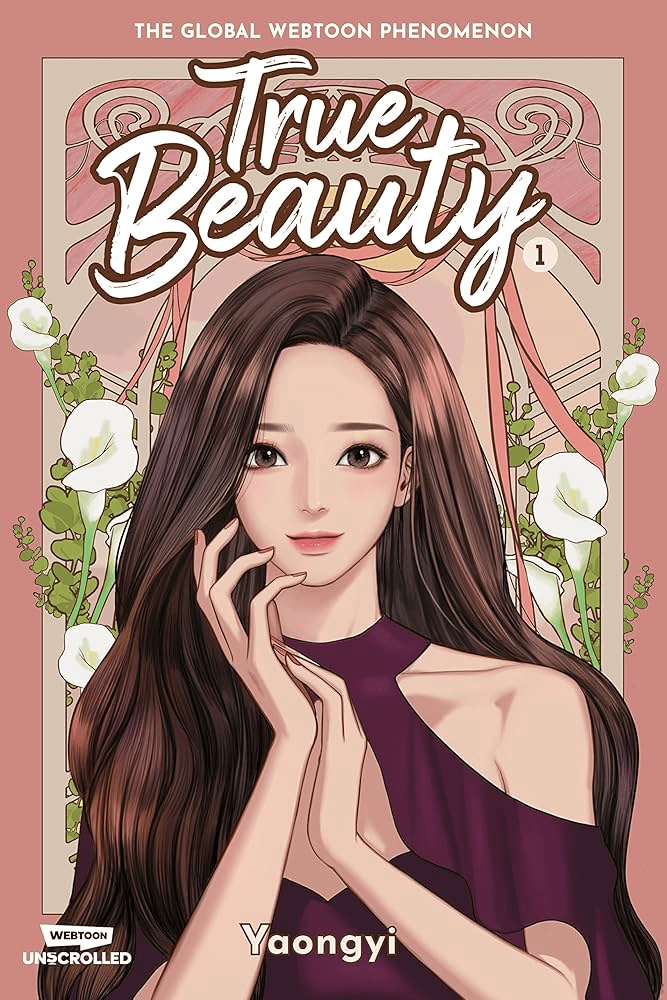
      Fortunately, this hasn’t affected this specific webcomic all that much in a way that was noticeable to the untrained eye. But it still has a few of the same problems from the True Beauty webcomic, in that the main character needs an outside source to become a better version of themselves in order to be accepted by their peers.

      I am still speaking from an outsider’s perspective, and if everything I’ve read about Korean culture is even somewhat true than I’d probably look to Europe as a source of freedom from my mundane at best Korean life.

      Solo Leveling also deserves a watch for those who enjoy the DnD-ness of its format, but to measure it up against the likes of JK… I still lean more Jujutsu-ward than SL. Both are great in their own right, with interesting characters in a creative and compelling story, but at the risk of throwing Korea under the bus like its neighbors have done so historically, JK pulls me in much stronger than SL. This very blog is evidence enough that I game to a supremely unhealthy degree and if I’m being honest, the games are all the solo leveling I need. This isn’t me saying “I don’t like character arcs,” no sane person would say that; rather it’s me saying that “I don’t find Solo Leveling’s presentation to be my particular cup of tea.” Basically this meme format so as to not mince words:

      Still, give it a watch if you wanna see Sung Jin-woo get a comically larger chin without having to Habsburg his way there.

      Sex Critics Review Otherworldly Female Creatures

      Speak, penis, for you have the floor… and the p[nyan]y.

      My reluctant review of F[crash]k You! Actually F[horn]ks You Into the Harem ended with a mention of another series that was pushing the envelope, so much so that it took Funimation three episodes to realize it might as well have been hentai. And looking at it’s content, I really wanna go back in time to Funimation’s as of yet unclaimed office, stare the big boss/manager/whatever in the face and say, “With a premise like this, what were you expecting? Raunchier KonoSuba?”

      No matter the intention, learning about this led to a Streisand effect in the animanga community, whereby, those who weren’t watching it yet, checked it out to see why Funimation would choose not to continue airing a current anime series. Once they saw why, it made sense.

      If I was in charge of a streaming service, I’d put this behind an older teen or 18+ section. Simply change your user settings to be able to view hentai and ecchi freely and voila! Enjoy your culture, ladies and gentlemen.

      The premise is simple: a fantasy world where every monster girl is available and about 90% of them work in a legalized sex industry, Stunk the human and his bestie Zel the elf embark on an adventure to f[crumble]k every monster girl they can find. Shortly after their quest begins, they meet an angel named Crimvael who has both sets of genitalia, but defaults male to lessen the confusion when being addressed by others. And wouldn’t you have it, the little angel is the most well-endowed of the three. It’s like Team Four Star’s take on Krillin, smacking him around all throughout the Abridged Dragon Ball run until finally giving him the golden ticket in Android 18.

      A typical episode begins with the trio heading to a brothel under the ownership of a type of monster girl, they ask for the services and perhaps through power of Post Nut Enlightenment, their reviews of the girls read like Dante Alighieri’s Divine Comedy at times. Aiding your prostate apparently brings out the poet when describing how well (or poorly) these girls use their bodies to help the reviewer reach a satisfying climax. Not the first or last time such an observation would be made, as PornHub comments and the Zenless Zone Zero community can attest.

      D[clank]ks out, tits out, spurt like a faucet and cover in baby batter, rate us on Yelp, hope to clean your fluids off our floors again… but would you believe me if there was more than an absurd number of fetishes in this series? The culture of individual monster girls plays a significant role to some degree. For instance, minotaur/cow-girls have the biggest breasts and their speech patterns are cattle-influenced; the succubi are so extremely depraved that they can f[pop!]k you to death; fairy girls are predictably Tinker Bell-sized, so good look trying something remotely kinky; elf girls are all GILFs by default due their aging process compared to human beings, etc. etc. etc.

      This also leads to a few dark moments in the series. Away from the brothels where penises get played with like any other toy, sometimes venues make a strip show of things. Venturing into even more inappropriate territory sheds light on a certain episode involving egg-laying. And that’s the most I’ll reveal about that episode. Another moment involves them making a sex doll in the shape of their bird girl friend and tavern waitstaff, Meidri. After the men take their turns, word gets around and let’s just say arms and legs don’t bend in three places for a reason.

      Yeah, it begins on a funny note and evolves into WTF?! over the course of its twelve episodes. The manga is apparently still going on and it has two light novels. Competitive Harem Rapist still outmatches it by it’s sheer gratuitous sex and sexual assault scenes (everyone sins in that goddamn anime!!), but an animanga based around sex work and the various girls that can be found in the Red Light district… outclassed or not, I’d give it a watch. I saw it through to the end in 2021, and it’s worth a rewatch, especially for the opening:

      Channel: mediafactory

      Knowing what ecchi is now, it’s nice to see the ones that helped push the envelope, no matter how they age.

      She Abandoned Nobility to Embrace Her Sexual Deviancy

      And regrets nothing

      This post had a different title in my notes, but I figure the current title was a much better one than what I originally had. Last week, I wrote about a rape and revenge animanga series where the morally dark gray protagonist renamed his penis Divine Punishment and used it to add more and more women to his sadistic fantasy harem in an effort to take down a morally nonexistent kingdom. This time, I’ve got a manga that follows similar story beats, but the question isn’t about consent, but about kinks and the supposed absence of lines to draw.

      Gigguk was right; animanga has been moving gradually towards the “I can’t believe it’s not hentai” genre as of late. A not insignificant portion of my reading and viewing experience either plays with pornographic content or just practically walks up to me and says, “Nice shoes, wanna f[clash!]k?”

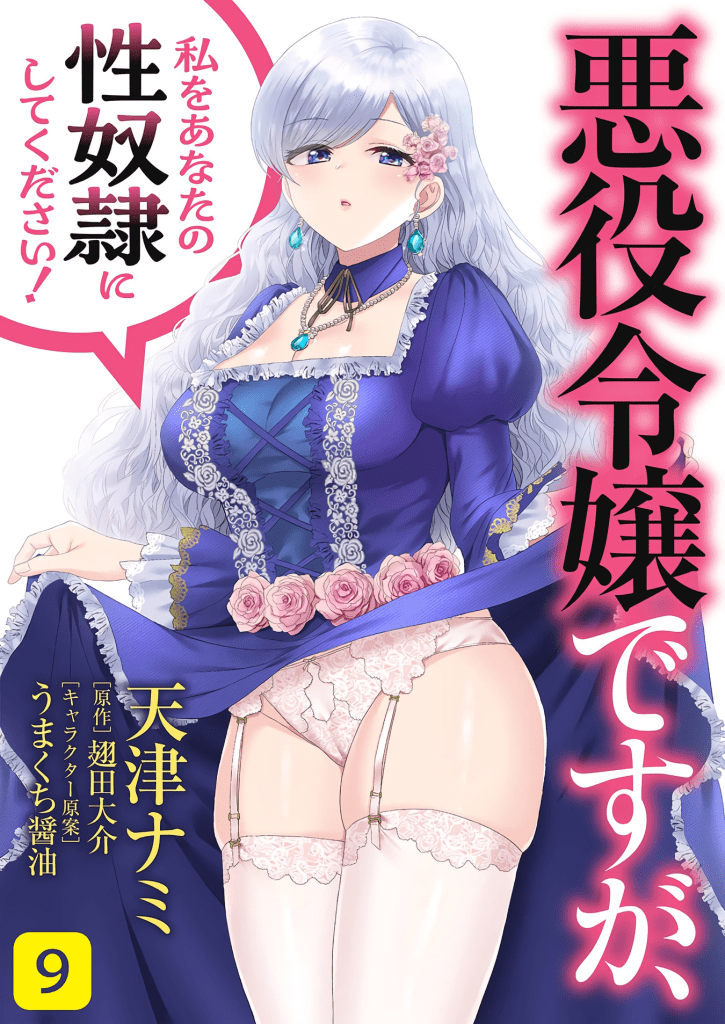
      The series in question is I May Be a Villainess, But Please Make Me Your Sex Slave, Japanese title Akuyaku Reijou desu ga, Watashi o Anata no Seidorei ni Shite Kudasai! and it wears its premise on its sleeve and in its chapters. Most online manga viewing sites like MangaDex, for instance, have 10 chapters translated so far, and I’m eagerly awaiting updates. This post may be shorter than the rest so I may bring it up again if we get more. It follows the isekai tropes we all know and love, but the protagonist, Kaito, isn’t Kazuma Sato or Keyaru/Keyaruga. He begins the series as the servant to a duchess named Christina “Chris” Febster, a.k.a. the silver-haired girl whose image graces the cover of the manga.

      She begins the manga in a role similar to My Next Life as a Villainess’ Kata(baka)rina Claes or From Bureaucrat to Villainess’ Grace Auvergne/Kenzaburo Tondabayashi. Icy, vain, unforgiving, cruel; think of every negative thing said about Mandy from Billy and Mandy during the Keeper of the Reaper episode.

      A single smirk puts her into the Powerpuff Girls’ universe, I s[buzzing]t you not.

      So Duchess Chris Febster’s attitude is so distasteful and inappropriate that her fiance calls off the engagement. Protagonist Kaito feels like a failure understandably as her personal servant attempting to avoid the Otome game doom flags (these have been popping up a lot as of late, I guess I should add otome games into the pipeline if I can find any in English). Kaito expected he and Chris to face the worst of the worst of outcomes, but in a twist not only is she relieved to be free from her noble status, she U-turns into the world of sexual deviancy.

      Kaito grew up next to Chris and while this reincarnated young man grew to accept his role as a loyal servant, Chris had grown attached and at one point in her past asked about how to sexually satisfy a man. Following up on that, she requests (read: demands) to become subservient to Kaito’s penis in a sort of role reversal… or role… correction…? Normally, role reversal is when traditional gender roles are flipped on their head (working wife, house husband structure), but this is flipping the roles back on their feet.

      It’s the opposite of this, and far smuttier.

      So, Kaito accepts and Chris is arguably too proud to be a nun in this Church of D[whistles]k. As for the base of the story, by day, Kaito and Chris are slaying monsters and conquering dungeons in a typical fantasy adventure and, by night, Kaito plays along to Chris’ strange addiction and reinforces her infatuation as a pervert.

      I mentioned this isn’t a hentai, right? And yet it’s structured like it would have the corresponding tags. So far, there’s not an ugly bastard yet, but I just wanna show you all what its categorized under.

      Erotica tracks, but romance… I’m exaggerating, there’s a bunch of freaky couples out there and considering the recent chapters have roleplay in them, these tags give the author free reign to put whatever is in so long as it gets readers.

      So, this manga, I felt, was more honest than Revenge of the Rapist due to its title alone and ironically I find it tamer largely because the parties consented to the arrangement, but it’s still strange that Chris needs to tell everyone with ears that her purpose in life is to take Kaito’s d[squirt!]k. Is this why I like it more? Honestly… yes. I did give some amount of praise for Angry Penis, but this time around I give more praise to the 10 chapters of Punish Me With Your Penis, Master largely for the consent aspect, and also because the protagonists weren’t victims of the most corrupt, vile, wicked people to ever exist nor were they so evil they didn’t realize a demon was in the mirror. Actually, there’s little showing of Christina’s villainy and more of Kaito being a servant/butler type. Even he didn’t expect to suddenly be a Penis Master, but here he is, f[gunshot]king Chris’ brains out because she’s down horrendous.

      Now, this won’t be everyone’s cup of tea. I’m still uneasy about Redo of Healer after eight episodes and at times, I feel that All Hail My Master’s Howitzer gets into ridiculous territory, but away from all of that, the chapters are usually somewhere around 30 pages on average. A majority of the panels, in some way, feature the two main leads f[wood planks]king like they’re the last two people on earth, and one of the tags that should be considered is comedy because they f[hoot]k so loud that it can wake up the dead.

      Source: Chapter 5, Page 23.

      This is one of the tamer pages I could find. Before you is the face of a woman who secretly always wanted to live the life of a whore. Spoiler alert: she gets that and more.

      I’m not even kink-shaming or kink-asking like I did last time. I wanna see more of this and I hate that we currently only have 10 chapters. If you so choose to read this yourself, MangaDex is my recommended go to for the lack of ads on the sides. The site did suffer from a DMCA and several series were scrubbed in some capacity, some wholesale. You’re more than welcome to find a different underground manga hosting site for your viewing pleasure. Actually, disregard my summary of this series, the meme below is a better summary:

      Tell me where the lie is.

      Robot Girl War Mobile Game

      A Brief Fling with Girls Frontline

      At this point in time, I’ve got to propose a chicken and egg question about the origin of cute girls in dystopian fiction in East Asia. Whatever the case, there’s enough in the world to inspire such a setting for a mobile game. The one I’m referring to being Girls’ Frontline

      Developed by MICA Team in 2016 in mainland China before spreading its wings overseas, Girls’ Frontline (Chinese name: 少女前线) is set in a distant future where the widespread integration of androids is commonplace in numerous walks of life from services to retail to even the military, more so than what we currently have in the world’s most developed militaries, so those drones have a human-looking face for once.

      A devastating global war breaks out (probably even worse than nightmare scenarios of a WWIII) and these androids in the shape of cute girls are repurposed en masse to make up for the military shortfall. They’re designed and programmed in a way to effectively and efficiently handle specific firearms and their classifications, whatever those classifications may be. Outsiders, welcome to the wacky world of North American gun laws (because Canada does weird s[bang!]t with their guns too). For instance an android, called a T-Doll, that’s specifically designed for the M16A2 will only operate the M16A2. Modifications can be made to get them to adopt other rifles of a similar platform, though this requires some amount of recalibration beyond what can be expected for the military use of automatons.

      Whatever you’ve conceptualized as an android, it’s a different beast being depicted here. They’re machines to the core, yes, but they’re not exactly soulless or anything. It’s not like there are military formations of androids with Android 16’s personality. That’d make for a boring game.
      They’re programmed with their own personalities. Some are charming, others are sweet, a third category is more varied with the typical animanga tropes like -dere types, and the rest you can fill in the blanks of this Mad Lib if you’d like. I wonder if the different depictions of robots in the east and west can be counted as a culture clash. With only a few exceptions, most western stories view robots as a menace compared to East Asia where they fit right in with society. As for the plot, well, it’s got the foundation of the wider lore of the Terminator franchise, in that advanced AI goes rogue and after a catastrophe reduces the human population to near-extinction by the early 2060s.

      The offending AI in question is called Sangvis Ferri (SF) and starts terrorizing what’s left of mankind and setting up human-free areas. The unaffected androids are contracted by a private military company called Griffin & Kryuger (G&K) to stop the reign of terror, reduce SF’s numbers and destroy them. So this belongs in the rare category where androids are more complicated than originally presented.

      Looking back, both sides can be viewed for the general use of androids for military purposes and it can be seen as a distinction without a difference, which it is on the surface. Digging into the nuance reveals what G&K does differently with their own T-Dolls: saving humanity. Thus morphing from distinction to false dichotomy.

      Now, my memories with the game were during the Spring and Summer of 2022 and a bit in 2023 before interest died off. It was during the time when I was trying to join the Army and the recruiter I was directed to at the time kept dragging his heels. Or I wasn’t being proactive — either way, I invite someone to tell me why there’s a two-year wait for Glossary Non-Prior Service types. But I digress.

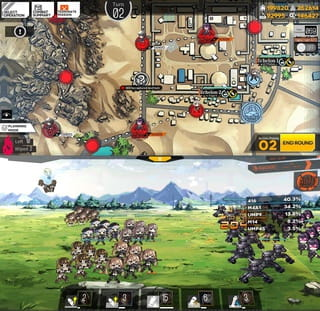
      The best way to describe the gameplay is a hybrid of “deploy unit to achieve task” and “move and reposition unit to impact effectiveness.” The same system I recall being used in Assassin’s Creed: Black Flag where Edward can deploy ships to specific parts of the world to lessen the danger levels and make use of established trading ports, like a real pirate.

      The gacha-ness of the games comes from spending points to unlock more T-Dolls which can be upgraded individually or used to upgrade existing dolls. For instance, if I have one who uses a MAC-10 and get another MAC-10 doll, I can keep on building the older one and eventually build the second, newer one. Or I can cannibalize the newer one for parts for the first one. There’s not exactly a wrong way to go about this provided it’s the same type of doll being used for the upgrade. An MP-40 doll doesn’t have parts compatible with a Mosin-Nagant doll and etc.

      Sounds like a neat experience, right? Well, remember when I wrote about You’re Under Arrest/Taiho Shichauzo? The Buddy Cop anime series from the mid-1990s and it’s revitalization as a meme? Specifically this one:

      Channe: Vinicius Costa

      Meme tourism is a hit or miss for me. It can introduce people to a series that may not have the same marketing as something else more popular or it can backfire and drive people away or bring in the wrong types of people. JoJo fans get a bad rap for being obnoxious if you ever scroll down the comments of a song or artist referenced in the series.

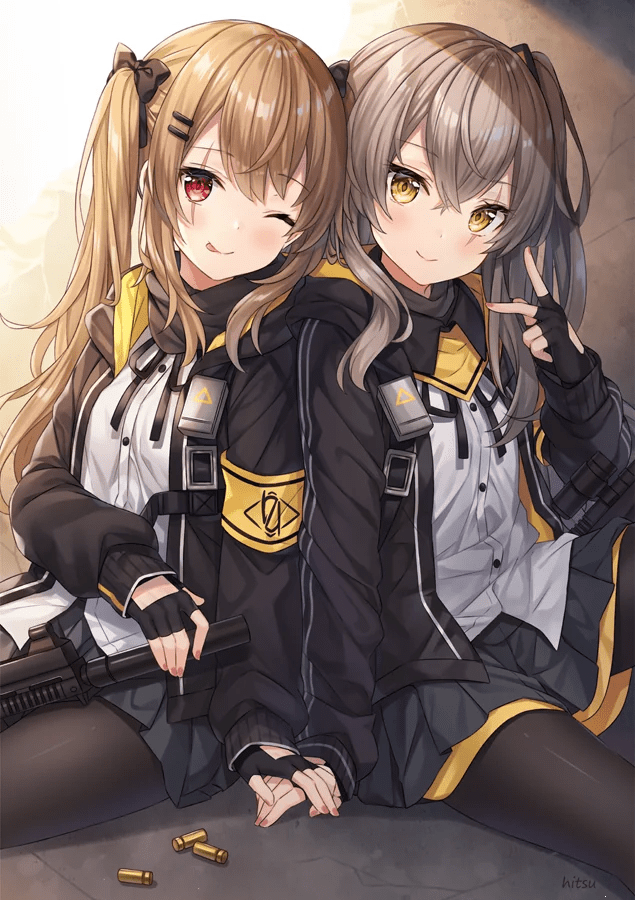
      The way I found out about Girls’ Frontline was through a different video. Moonshine Animations’ stop-motion toy review of a figure of one of the characters: UMP9.

      Channel: MOONSHINE ANIMATIONS

      In the video itself, Moonshine contacted a voice actor on Twitter to voice the character in Japanese as a gag. Having dabbled in stop-motion before, I was pulled in by the presentation and after doing more research on the game downloaded it myself. I was doing rather well at the time making it to the second chapter, but ultimately the game bent me over and painted my ass creamy white. It defeated me and made me feel like a whore wearing thick tooth floss while doing so. Gacha games have a drawback for repetitive gameplay and grinding for those who can’t fork over cash to advance. (Still more honest than EA’s bulls[ka-ching]t lootboxes and Konami’s pachinko machines, I guess.) And Girls’ Frontline is no different.

      Multiple attempts to get past a level had me repeatedly grinding earlier levels to get more tokens to progress and upgrade, though doing so meant waiting literally minutes to hours to get anywhere. I don’t remember if it had a system to use real money, but it was at a time where I also wasn’t making any money of any kind, so putting a few bucks on the game at the time wasn’t an option for me. These days, the most I’ve done was drop a few bucks on monochromes for Zenless Zone Zero because I have a MIGHTY NEED to get the shark maid.

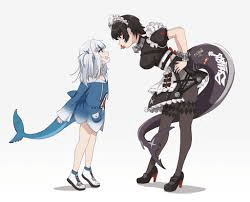
      No! Miss Ellen! You can’t give up now! You’ve got to have pride in yourself!!

      — Vegeta Corin Wickes

      Perhaps I’m showing my bias or whatever but MICA Team’s first installment in this franchise left a boot print in my ass and I haven’t looked back. Until I learned that it had an anime adaptation. In the case of media franchises Girls’ Frontline has a leg up on, say, Touhou Project or Idolmaster in terms of foreign accessibility, and my experiences are unique. Should you choose to engage in the mobile game, I’d better hope you have a better strategy than simply press buttons and whatnot. As for the anime, there’s better series and there’s worse series. Make of that what you will.

      Credit: hitsukuya

      Did I Really Get Isekai’d with my Mother!?

      How did it come to this?!?!

      I’ve made it a point several times that I don’t default to isekai, but I don’t remember clarifying what that means. I make a beeline for shows I find interesting, that some of them are isekai is pure coincidence. I’m not an isekai junkie like Gigguk or an isekai avoider like The Anime Man. I’m in the middle of it, all things considered. Of course, I’ve made it clear that I don’t always find contemporary anime to watch, but the subject of this week’s blog was all the rage when it was airing.

      Alternatively titled Okaasan Online, Do You Love Your Mom and Her Two-Hit Multi-Target attacks began life as yet another light novel but from the late 2010s rather than the early 2010s, complete with a manga adaptation as a companion piece running concurrently with the light novel. Shame it was subject to a simple 13-episode series, though this might be par for the course for series that only run for the same length of time as a single US presidential term. The unofficial name for this series is called MILF-sekai and the reasons below explain it better than the cover for the light novel:

      The MMORPG parody is strong with this one.

      The gist of the story is an ungrateful, angsty teenage boy named Masato Osuki tries to push his clingy mother, Mamako, away. Both of them are suckered into an isekai video game and go on an adventure together, interacting with other characters who have fallen for the same trap. The best joke this series tells is that it plays coy with the incestuous, MILF-y tropes that accompany the genres without exploring them on purpose. The most the anime will do is strip Mamako naked and have her son comedically fall on top of her in the second episode. Damn, I’ve read NTR doujins and felt less cucked there than in this series. That’s pretty much the height of the MILF antics, but the OVA has more to show in that regard.

      As far as actual plot goes, Masato’s relatability comes in the form of wishing he were someone else with a doting mother whom he wishes was a different person, at the outset. Then he meets the future members of his party and their mothers and annoying as it may be to have a mom, let alone parents, who embarass you at every turn, it’s better than one with godly expectations or one who can’t help but let their vices enslave them. In the former example, one party member, Medhi, has a mother who’ll chastise her in private for not being perfect like a Cell after losing a competition, leading to feelings of doubt and self-loathing in the poor girl. For the latter example, party member Wise and her own mother, had a frought relationship in real life and used the game as a means to better bond, but when Wise’s mother learned that she could make a harem of men at her beck and call, she made a beeline for that and never went back. At least it beats what this girl was going through:

      I’m almost tempted to catalogue some of the worst mother’s in media, but I don’t wanna abandon my faith in humanity just yet.

      The show’s ecchi-leaning comedy make it the butt of a few jokes, but it’s not like it doesn’t know what its talking about. It’s different from a thinking man’s anime, but has a lot of the same story beats as one. Between the JRPG satire and the ecchi satire, it tries its best to split them evenly, though lacks in some other areas. I want to blame this on the anime for cramming so much into so little time, but on the whole that does nothing to specify which anime I’m talking about, for this series specifically, that’s an inaccurate and misleading conclusion to draw seeing as the light novel and manga were still running when the anime was airing in 2019, putting it in the category of yet another anime promoting the source material. And as a manga reader, I’d rather explore manga naturally than be given homework. At least not every series does that to me:

      I’ll put this one in the timeline somewhere.

      So how does Okaasan Online work as a series? Fine… it knocks out the important points like Kazuma at the batting cages, and generally speeds through them in about one or two episodes. But it also doesn’t really explore anything in much detail beyond “here’s a trope, give me my laughs.” Funny enough, the anime doesn’t do this as perfectly as presented. Two characters’ origins with their own mothers are explored, but one such character, Porta, is a one-off. No such relationship status between her and her own mother are revealed in the source material or the anime; she’s simply the little mage that behaves the most like a little sister to Masato and young daughter to Mamako.

      Now that I’ve written that, Porta behaves the most like a little puppy or a kitten. The party leader status is shared between mother and son and awkward as it seems to point this out, they’re like the parents to the other three girls even though Masato and Mamako are mother and son. F[Nyan]k, even I couldn’t avoid the incest trope. Again, not explicit or even acted upon in any media, but it’s there.

      So, Tiberius, do you recommend it? Eh, I’m indifferent. I watched it all the way through and 20-year-old me felt naughty things thanks in no small part to the visuals. Fast-forward five-and-a-half years later and looking back, it may have served as a gateway to lewder and racier things without meaning to. Basically, what I’m saying is, before, during, and after its run, the series has been outdone. I won’t persuade you to watch it or dissuade you from doing so, just know that while you could sit down and spare some time to give this one a watch, it co-exists with better shows, so don’t expect me to show up at your door at 3AM like this:

      Add it to your isekai library if you feel like it.

      Revenge of the Shield Bro or Oops, All Lolis

      What Went Right and What Went Wrong

      I’ve said before that I don’t make a beeline for Isekai. I don’t love or hate it, I’m just indifferent and for a while I was curious why so damn many anime fell under the Isekai genre as of late, but looking at the goings on in Japan, it wasn’t hard to connect the dots. The same could be applied to much of the rest of East Asia, all things considered. There are still a few Isekai that I enjoy and stop me if these sound familiar: KonoSuba, Overlord, I have plans to watch The Saga of Tanya the Evil, Gate, and probably Re:Zero if more people shut up about it. Technically, I got the gist of what to expect from all of these thanks to the Isekai Quartet parodying all of them.

      But it’s no substitute for all of them. Watch the originals or read their source material if you haven’t already.

      If we use technicalities, Btooom! counts as the fifth Isekai I’ve ever seen. The Rising of the Shield Hero is one of the earliest I’ve seen at the height of its popularity and according to my watch history archived on Crunchyroll, it was about a month before the pandemic was declared as such. Thank goodness I had something to hold me over until the vaccines were made available. It had a decent starting premise for an adaptation of a light novel from 2013, and wound up living up to its name.

      It begins with a college student, Naofumi Iwatani, visiting his local library and thumbing through a magical book that puts him in another world with three other people from alternate versions of Japan. Now that I’ve written that, it took me ’til now to realize that Isekai can be looked at from a multiverse lens than from a reincarnation lens. Anyway, our four noble heroes are awarded four weapons: spear, shield, sword, and bow with shield being the most maligned of the four. For further malice, Naofumi is cursed to team up with what becomes a major antagonist in the series: Princess Malty S Melromarc.

      Worse Azula here starts off okay, but after a stay in a motel, she wrongly accused Naofumi of sexual harassment and assault, which burned a hole through the internet at the time due to the ongoing MeToo movement as it was getting hijacked by the worst people we’re forced to share the world with. In a prophetic scene that brings me to the Depp-Heard trial, Naofumi pleaded his innocence, but the kingdom he pledged to serve is a matriarchal society, and using that card to her advantage, she had him stripped of his prestige and ousted, momentarily marked as the Devil of the Shield.

      A different series would’ve turned him into Kratos without the family-killing dynamic.

      With only a few people to rely on, Naofumi continues on honing his shield skills, and controversially buys a slave. In this world, there’s two types of people: human beings who have the rights and demihumans, blanketly any humanoid with slight anatomical differences, most commonly of the kemonomimi variety, which is applicable to the Thirens of Zenless Zone Zero. This particular slave is a raccoon girl called Raphtalia and I firmly recall the internet falling in love with her for being a reliable companion and most importantly not f[Ore wa!]ng Malty. Even I loved her at one point.

      Over the course of the anime, Naofumi occasionally runs into the rest of the dumbasses he was gonna serve the kingdom with, taking snide remarks on the side and dishing them out whilst also proving himself to be more capable in more than just shield tactics. Slave or no, Naofumi taught Raph how to fight as a swordswoman, and act as the offense to his defense. Later, he purchases an egg from which we get a character known as a Filolial named Filo, who can transform between bird and human form; her human form being a loli, which seem to be attracted to him in the same way a planet is attracted to a star. Finally, in the first season, there’s the second princess, the much nicer Melty Melromarc, another loli.

      Credit: u/FurySnow47, r/ShieldHero

      Guess all the MILFs were taken? Not all of them, though, there is still Queen Melromarc who was conveniently absent until the second half of the first season.

      Fortunately, she’s absolutely nothing like her daughter and (spoilers) retries her and her husband, the king, for their harsh treatment and high crimes and misdemeanors on the throne, about to be executed until Naofumi does what most responsible heroes would do and stays their execution in favor of a more humiliating punishment, renaming Malty to “Bitch,” and the king to “Trash.” The first season doesn’t end there, but for loads of people watching, myself included, this was a definite highlight for characters who treated the protagonist like dirt all this time.

      Due to the recency bias, an old 3×3 of mine has it included.

      This was in August of 2021, one of my earliest Reddit posts. I do still like some of these series, and in the case of Shield Hero, its first season started strong and went demonstrably well. Where does it falter? By most accounts, season 2 is where it starts to fall.

      I didn’t watch it due to the reputation it was carrying as it went on and I was too busy looking for employment as well as working with an extremely slow Army recruiter (2022 wasn’t my year (-_-)), but as I understand it, season 1 started strong, season 2 fumbled it but picked it up, and season 3 did better than season 2’s beginning. I don’t think I’ve said it before but I don’t really plan any of my anime watches out. I definitely watch anime, but I don’t set anything in stone; I just follow my whims. I put more planning in the blog topics than I do in my anime “watchlist,” so I won’t say whether I’ll see for myself if Shield Hero S2 is as bad as it says, but more like if I so choose, I’ll have this video linked below to keep in mind:

      Channel: LunarEquinox

      But my expectations are already nonexistent so aside from all of you dear readers, who else do I need to tell this to?

      I enjoyed the first season for what it was at the time. Looking back, if I’m being honest, Naofumi doesn’t have the makings of our modern definition of a hero, he’s written more in line with the old Greco-Roman classical heroes, like Hercules/Heracles or Theseus or basically Kratos from God of War 2005. He’s not the most selfish or intimidating or morally conflicted character, but the cards he’s been dealt and the people he serves makes him question whether he should quit and what good he’d get out of it aside from a good night’s rest for once. Instead, rather than wait on quests to pop out of nowhere, as a white mage of sorts, he doesn’t really need combat to showcase his heroics; when the other heroes leave to claim their rewards, Naofumi stays behind to deliver medicine and sanctuary to the shaken populace, fitting and expected of a shield. See what I did there?

      This is probably the first time I’ve felt conflicted recommending a series. Guess we’re transitioning into the S[oink]t That Exists that Makes me Pissed arc, and while it’d be more fitting for a blog meant to present unconventional opinions, I rarely do such a thing. For this series, I don’t recommend you watch as I recommend you experience the series. Season 1 and season 3 are the cleanest they’ll get, but season 2 might be left to the Pick Your Poison method. Can you stomach the reportedly poorly presented first half or would you rather spare your eyes and delve into the light novels? Maybe that’s your approach if you choose to give it a watch. It’s far from the first light novel adaptation I’ve written about, but it’s one with a complicated legacy after 12 or 13 years on the shelves. I don’t recommend going in with a judgmental or comparative mind as thinking about a different series in the viewing of this one may ruin the experience for you. Rather, what you should do is go in as blind as humanly possible and judge it on its own merits. It’s got light novels, manga, and the anime’s 4th season is supposed to release this year. Hopefully, the 4th one doesn’t ruin anything any further… or worse!