Revisiting Max Payne

I rearranged my notes for this, and for once in two years, I’m glad I did

It’s been dog’s years since I rearranged my notes to get to topics I thought would take me longer to complete than normal. Work has had me begging for relief of some kind (more than I can get from a dakimakura or a viewing of my favorite anime):

Unsurprisingly, this is the only SFW version of this I could find.

And outside of The Saga of Lady Rias and Straw Hat Pirate Crusade, I’ve been busy playing a series of games I’ve played before for old time’s sake, and also for some analysis of gameplay and plot details. Additionally, this is going to be a series of posts spanning three weeks, so I’m going to cover the Max Payne series, this week; the 3D era Mortal Kombat games next week, (excluding Shaolin Monks having covered that before); and the HD Mortal Kombat games the week after that. I haven’t gotten through the HD games yet partly because MK9 doesn’t run as well on RPCS3, and it would take a while to grab my PS3 from back home and some of its corresponding games, but this was a quicker and less expensive process. Off topic: American Airlines upsets me greatly.
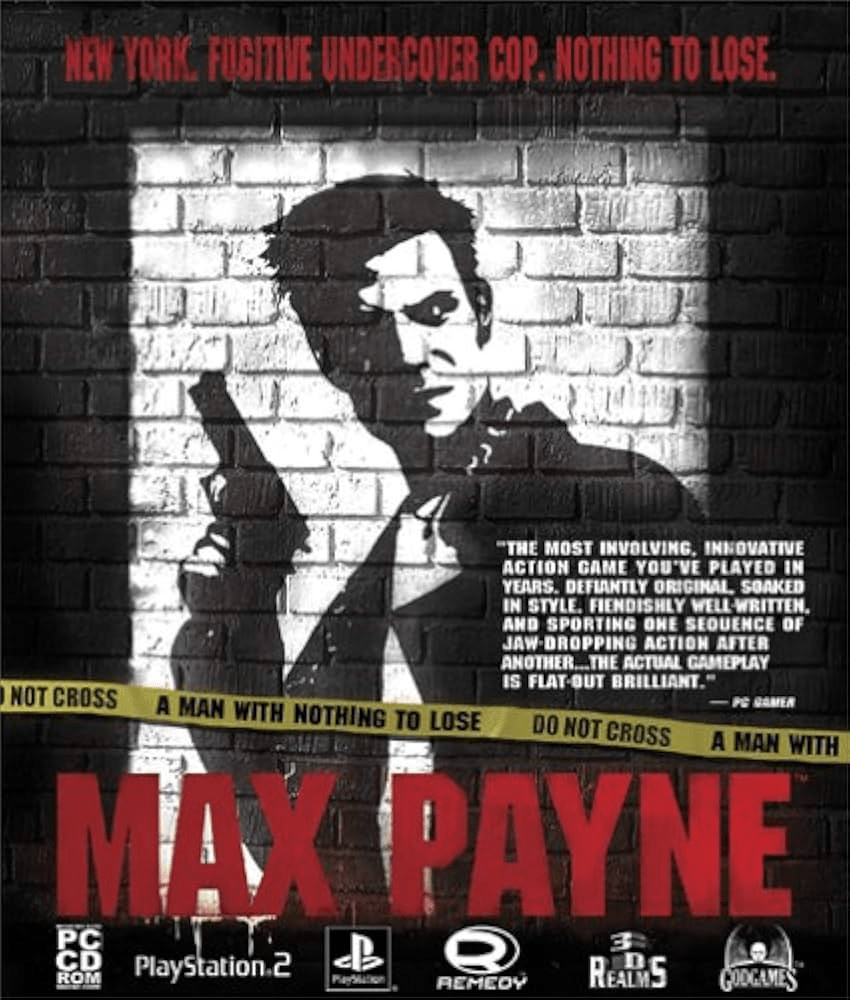
You may know this as my favorite video game series of all time from this post, but if you’re just joining us, Max Payne holds a special place in my heart. Although it was a culmination of gun-fu cinema that began in the early 1990s, it did wonders to popularize bullet time as a gameplay mechanic helped up by the likes of Hard Boiled and The Matrix. Narratively, the entire series is baked with the type of writing prose that would make The Bard even slightly jealous.

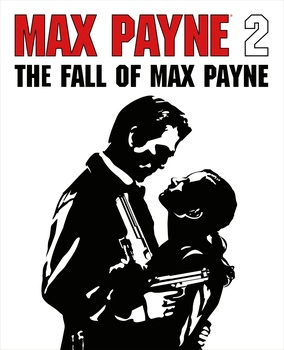
Conjured in a laboratory deep in the recesses of Remedy Entertainment with Sam Lake as its prime director, writer, and face model, the series contains three games all with contemporary settings: Max Payne released in July 2001 set in a brutal winter that may remind some New Yorkers of the city’s worst blizzards; Max Payne 2: The Fall of Max Payne released in October 2003, focusing more on the psychological horror elements; Max Payne 3, doing something completely different by putting it’s titular character in São Paulo, but following some of the same narrative story beats that he’s been through before. So the more things changed, the more they stayed the same… at least on the surface.

This is going to be a spoiler heavy post, but considering I’ve played through the series at least four times before, it goes to show the replayability of the games while also adding in some criticism of the games that I omitted from the first time I wrote about the series.

They were all dead. The final gunshot was an exclamation mark to all that had led to this point. I released my finger from the trigger, and then it was over.

Following a trend that would define select games of the 2000s, Max Payne begins with establishing shot of then-current NYPD-colored vehicles answering to a distress call at the fictional Aesir Plaza. Shots fired/firearm discharges, malicious destruction of public property, numerous charges of manslaughter, and a man who became public enemy number 1 in a New York Minute. Beginning at the end, it works its way back through the narration told in a graphic novel style. NYPD Detective Max Payne in 1998 is offered an accession to the Drug Enforcement Administration by Agent Alex Balder. Max declines and puts away what he promises is his final cigarette for the sake of his infant daughter, Rose’s, health. The offer is still there as Max heads back to his New Jersey home where his family would be.

Unbeknownst to him, his wife, Michelle, and their newborn daughter would be victims of a disgusting drug experiment. The first thing to pop out at Max aside from the dead silence is a tag in the parlor of the house: a V with a syringe running through it like the sword in the Adventure Time logo: the central plot device behind the game, a designer drug known as Valkyr. Next to that, the phone rings and a raspy-voiced woman coldly asks Max to confirm that this is indeed the Payne residence, while he fails to convince her to phone the police. Now that she knows this is Max’s house, she hangs up and leaves him to discover the American Dream being torn to shreds in no time. His loved ones brutally slaughtered by junkies in his own home, Max avenges their deaths there and after the funeral expenses, transfers to the DEA under Balder’s supervision.

Three years of undercover work in the Punchinello family reveal them as the main suppliers of Valkyr by February of 2001. With fellow agent, B.B., Max and Balder are summoned to Roscoe Street Subway Station and are nearly gunned down by the same mobsters in an elaborate robbery through a web of tunnels connecting to a bank where Aesir Corporation bonds are being housed. Max pushes through, though, and stops the in-progress robbery, meeting Balder in the process. Unfortunately for Max, an assassin nails Balder in the head before he’s able to reveal a critical piece of evidence, and to make things worse for Max, with him as the last one to see Agent Balder alive, the NYPD finger him as the prime suspect, so he now has to evade the law while going on his next mission: taking the fight to underboss Jack Lupino himself.
The intricacies and complexities of Mafia hierarchy makes Lupino the second most untouchable man in the underworld, which was what Max expected. Fighting his way through several key figures at a mob-run brothel, Max picks up crucial evidence to clue him in to the wider plot at large. One of these pieces concerns a hooker named Candy Dawn selling sex tapes as blackmail material; the other is the office of Lupino’s lieutenant, Vinnie Gognitti.

An icy rooftop chase leads to Vinnie getting cornered and confessing under duress the location of his boss, who, to put it lightly, has gone mad. “Don’t get high on your own supply” exists for a reason and Lupino is patient zero for why you should never do that. One too many Valkyr injections and the entire Prose Edda sits where his brain should be. Notes collected prior to arriving at his club hint at the frustrations and concerns levied at him at all levels, but Lupino’s lunacy drowned it all out. Taking residence in an occult club, the Ragna Rock, Max explores the gothic revival building in search of the man he believes is responsible for his pain.

You can’t blame Max for pumping Lupino full of lead after their death-defying battle when he squawks at you like this:

Channel: Adddicteddd

Knowing damn well the dangers of Valkyr, Max did to him what law enforcement did to Bonnie and Clyde, the best replica of human Swiss cheese, until hitwoman Mona Sax waltzes in to reveal that Lupino wasn’t even in the right state of mind to try to frame Max for anything, let alone the death of Alex Balder. The real prize lies with the Punchinello family don, Angelo. Lupino was simply a [mad] middleman.

Max can’t refute her claims, but doesn’t. Instead, the only thing he can do is accept it as a lead to the truth. But before he can embark on the warpath to the don’s manor, Mona spikes his drink at the bar. The first of two run-ins with Valkyr puts him into a nightmare he was trying not to acknowledge. He was already living in one, so why put him in another. After that, he’s taken by the mob back to the same brothel he shot up and whacked several times in the head by Francesco “Frankie the Bat” Niagara.

Undefeated and undeterred, Max walks away from the slowest execution to exact revenge on the last of the Punchinello mob, picking up more evidence along the way of the rest of his enemies in the process. Once the Bat is broken in twain, Russian mobster, Vladimir Lem, appears with a deal he can’t refuse. He’s always wanted to say that!

Both men are after Punchinello, and Lem has the means to get him to the don if Max kills a turncoat at the harbor, Boris Dime. Accepting this offer before him, Max manages to anger Punchinello enough to set fire to his own restaurant in an elaborate way to get rid of Max, but the deficit wasn’t worth it when Lem circled back around to pick Max up and drop him off at the manor. Gun-kwon-do ensues and brings Max to the desk of Angelo Punchinello himself.

Crying and begging for a chance to explain himself before the installation of a new ventilation system, the evidence he’s searching for kills him in his own home under the command of the real villain of the game: Aesir Corp. President Nicole Horne. The ruthless, avaricious killer in the midst; the destroyer of Max’s life and livelihood; the one who arguably set the entire series off to begin with. Her lapdogs gun down the mob boss and torture Max with a worse dosage of Valkyr where things get too real for a moment.

Channel: YianKutHexy

The nightmare subsides and he gets his next lead: Cold Steel. A steel mill hiding an abandoned military bunker where the source of Valkyr was found. Stumbling upon Gulf War-era archives, Max makes the same discovery that got his wife and daughter killed three years ago. Following the first of many of Saddam’s Ls, US troops came home with a mysterious illness that today is known only as Gulf War syndrome. Seeing it as a lack of morale, the US government spearheaded a project based on Norse mythology in mid-1991 to invent a drug that would turn our warfighters into war machines.

Four years later, the project was halted due to observations of habit-forming properties and behavior, but being the main benefactor behind the project, Horne was dead set on getting her investment’s worth. Unauthorized, the project was rebooted through dark means and motives. Due to a data leak, Michelle discovered the ongoing project and was thus silenced in order to keep it secret. Horne hoped the junkies, the mob, and the rest of the city would put Max down for her, but proving tougher than a cockroach forced her hand.

Max had seen enough, he had more than enough motive to avenge Michelle and Rose, but there was another loose end to tie up: B.B. Putting the pieces all together, there was a reason he hadn’t seen B.B. since the Roscoe Street Station robbery. Another turncoat, he was also on Horne’s payroll and had been trying to get him killed on her dime. Max realized it late, but better late than never seeing as B.B.’s confirmation as a bent cop had grown irrelevant over the course of the game.

With him gone, Max was contacted by a secret society with deep ties to Horne, the Inner Circle, and its leader, Alfred Woden. The very man Candy Dawn was making sex tapes of for Horne to use as blackmail in revenge and to stop him from pursuing her further.

The amount of influence she had over him as well as the rest of NYC was impossible to measure or imagine, but seeing as she was able to cut the mob itself in on a deal and keep the Inner Circle from going public for years, leveraging their own sins against them, it was a dead ringer for why Max was the only candidate capable of stopping her. Which he does.

Max escapes the attempts on the Inner Circle’s life and heads straight to the Aesir Plaza where the final showdown commences. Numerous obstacles fail to stop Max from getting the revenge he was entitled to, and the fiery send off couldn’t feel any more appropriate, short of hand-delivering Horne to the devil personally.

Channel: KLB TV

His revenge complete, Max willingly surrenders to the NYPD confident that Woden would be a man of his word and bury the charges deep into the hole where his adversaries were sent. But this was merely the beginning of a cacophony of pain.
And we keep driving into the night
It’s a late goodbye, such a late goodbye
And we keep driving into the night, it’s a late goodbye

— Poets of the Fall

After the revenge fantasy of the last game, the conspiracies that were supposed to remain buried reemerged, this time with new faces. The complicated web Max found himself entangled in started to unravel.

This game takes place in medias res, in the aftermath of a mess Max had made for himself, but right before it resolves itself. Woden kept his word and put Max back at his old job, where a new case involving a series of contract killings, reveals an old face once thought dead before: Mona Sax.

The new love interest, she was last seen taking a bullet to the face at the end of the previous game, only for her “corpse” to vanish after a quick exchange of gunfire. She reappears, revealing her connection to the killings, and due to the conflict of interest, Max’s new partner, Valerie Winterson, takes him off the case and apprehends Mona for further questioning. Max is behaving unethically by choosing her over his job, but unbeknownst to him, Valerie herself is another conflict of interest. Being a lover of and enforcer for Vladimir Lem, he and Mona have both started up a feud, one that ties a third series of people Max has faced before: the Punchinellos.

Old enemies return, loyalties are challenged, and the cobweb breaks apart under intense scrutiny. This game, honestly, suffers under the weight of its own conspiracies, but makes up for it in small increments with more weapon variety and the changing of protagonist perspectives from Max to Mona in a couple of chapters. Mona doesn’t play any differently from Max, but is more long distance combat focused almost always seen with a sniper rifle than the armory Max keeps in his pants.

There may be one too many connecting elements in the second game, but the course of events shows its unraveling. No real friends this time around, seeing as you go from gunning after old enemies to helping them help you uncover the series of killings. And it all circles back to Vlad, his bratva connections, Valerie being his personal mole and mistress, and his pursuit of power in the Inner Circle.

Speaking of which, Alfred Woden’s still the leader of the Inner Circle and a sitting US Senator for New York, but a cancer diagnosis is what emboldens Vlad’s hostile takeover this time around, seeing as the old man would be physically unable to challenge Vlad, even personally. Well, thanks to Max’s tenacity in the face of it all, he puts a permanent end to Vladimir Lem once and for all.

Channel: iPhantom3D

The ending credits are supposed to be the original song Late Goodbye by Poets of the Fall, but they’re not included in the linked video. Here’s a separate link.
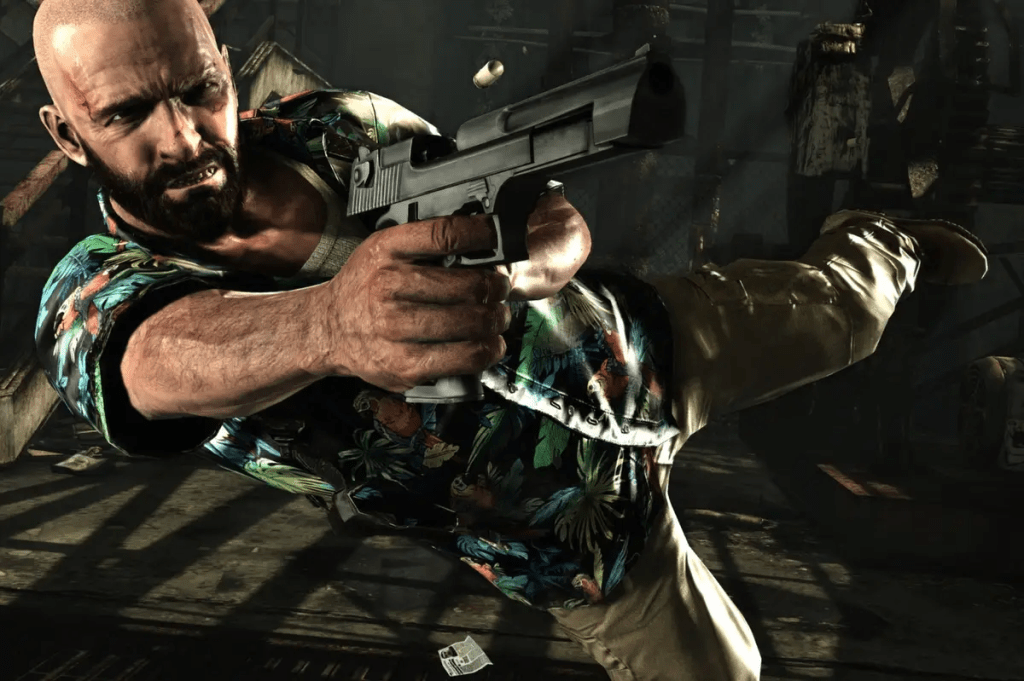
So I guess I became what they wanted me to be, a killer. Some rent-a-clown with a gun who puts holes in other bad guys. Well that’s what they had paid for, so in the end that’s what they got. Say what you want about Americans but we understand capitalism. You buy yourself a product and you get what you pay for, and these chumps had paid for some angry gringo without the sensibilities to know right from wrong. Here I was about to execute this poor bastard like some dime store angel of death and I realized they were correct, I wouldn’t know right from wrong if one of them was helping the poor and the other was banging my sister…

Cop work is no longer Max’s forte, but even in the final installment, his detective skills come as naturally as a footballer’s natural instincts to kick or block an incoming soccer ball. From playing it Bogart to letting the depression catch up to being done with the world, Max Payne 3 puts our favorite pill-popping, alcoholic in São Paulo, working a private security detail for a quasi-aristocratic entrepreneur family, the Brancos, who are routinely targeted by the local favela hoodlums among other honorable enemies.

Starting at a party for some of SP’s best and brightest, it’s quickly hijacked where Max and new partner, Raul Passos, spring into action to save their boss and his family from impending doom.
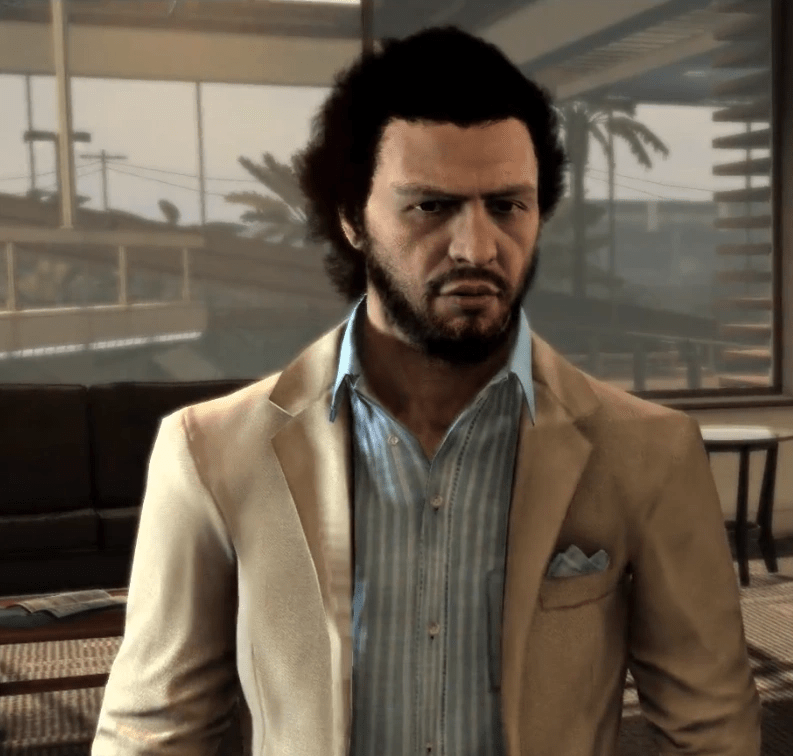
Targeted attacks against their boss, Rodrigo, and his trophy wife, Fabiana, were nothing new. The game and the wiki and some marketing material are evidence that they’ve been targeted many times before. This time, it gets worse, and clues in the game point to it being an inside job.

Fabiana was taken by the Comando Sombra gang during a party and the CS send a ransom demanding three million reais for the safe return of Fabiana at a football club after hours. Things go wrong when a rightwing paramilitary known as Crachá Preto ambush the two parties. Max and Passos fight their way out of the football stadium, tooth and nail, but no closer to getting Fabiana back home. In between the leads directing them to Fabiana and the Comando Sombra, the next chapter of the game shows what brought Max to Brazil and why.

It’s shown that Passos found him in a dive bar in Hoboken with the offer of a better paying job that would be a step above simple law enforcement, but the two are ambushed by New Jersey mob brats led by Tony DeMarco. In a crime of passion, Max guns the boy down and has to get through this dollar store posse of Jersey Shore rejects. Away from that, Max hears more about the private security sales pitch but is ambushed by real mobsters in the form of Tony’s father, Anthony Sr.

Back to the present, the impromptu investigation puts them on a boat on the Tiete River where the CS operate a large scale trafficking ring. Fabiana is confirmed to be alive, though suffering under their malice. The two try to close in on the CS and their leader, Serrano, but were outsmarted and outmatched, unable to recover Rodrigo’s wife.
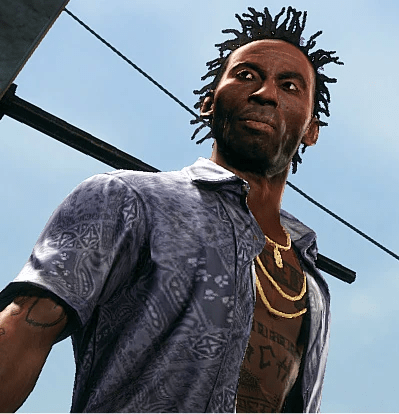
A ruthless favela gang leader, Serrano was marketed as the top boss, but in later game production, and based on the clues, he’s one of several puppets in yet another grand conspiracy, the likes of which would rival any LATAM telenovela. It certainly has the drama of one and was definitely inspired by movies like Tropa de Elite and Cidade de Deus, in case you wanted to see what true police brutality, militarization, and corruption looked like. Incidentally, those two films are the main inspiration for Max Payne 3’s plot.

Back to it, the Crachá Preto make another appearance in this chapter, serving as the distraction to the main event: killing Rodrigo and bombing his office with the survivors inside. Crachá isn’t necessarily responsible for the flames, as their main grudge centers around Max. As for Fabiana’s fate, she was taken by Serrano’s ilk up to Nova Esperança favela, presumably to wring more money out of the remaining Brancos.

Max goes up once again to risk his life for this family he swore to protect, only to fail them once again. Fabiana gets killed shortly before the corrupt 55th Battalion of the Unidade de Forças Especiais conduct a regularly scheduled raid on the favela in search of some fresh meat. The death of the trophy wife reminds Max of another pair of women he failed to protect in the past. Flashback to a late and final goodbye at the Hoboken cemetery before darting off to protecting the rich from the filthy poors, and the mob miss their own opportunity to be rid of Max once and for all, though that wouldn’t matter seeing as how he’d be far and away from the mess to follow.

In the present, Max learns first hand that the brutality and corruption of São Paulo law enforcement firsthand, with the appearance of a PMC and the military discipline of an even more broken junta. Call it a hunch, but I wonder how much of the junta days still haunt Brazil to this day, same with other countries who’ve suffered under such circumstances. In any case, Max is witness once again to the cutthroat gangland violence, as the Brancos lose another son in Marcelo.

Max immediately kills Marcelo’s killer on the spot with his own machete. Fabiana’s sister, Giovanna, is all that remains and Max does succeed in getting her out of Dodge whilst avoiding the Crachá Preto, but is left behind by Passos who picks up Giovanna, pregnant with his child, and helicopters away. Meanwhile, Max is approached by a character we meet earlier in the game, Officer Wilson da Silva, an incorruptible cop and one of a handful in Brazil, all things considered. Da Silva was the one to give Max the names of most of the villains we’ve been introduced to.

He returns to question one of Max’s and Passos’ failures, a job in Panama, ferrying a rich New York divorcée, Daphne Bernstein. Remember when I mentioned that the plot is suggested to be an inside job? Funny enough, it’s not the first instance of one. The Panama job was a set up to get Bernstein and her peers maimed and robbed and use Max as a scapegoat for a botch job, but things go south when Max makes an attempt to be a good man and rescue his client from a rightwing Colombian death squad called the AUP. All in all, Max is only a stone’s throw away from deception.

The mother of all nightmares comes when it’s discovered that the UFE and Crachá Preto have a hand in an organ smuggling operation based out of an abandoned condemned hotel. The corruption runs deep and playing up the themes of corruption and loose ends, Max, for the third time in his life, finds himself at the forefront of a great scandal involving people he’s either supposed to protect or get protection from. This time, it’s wearing a green-yellow-navy blue flag, speaks Portuguese and is the third worst offender of police and military corruption and brutality, as well as being the home of several ratline users after the fall of the Nazi regime.

Serrano, gets a slight redemption, in that Max lets him kill the main surgeon responsible for the organ theft while he deals with the bigger fish, the Crachá Preto leader Álvaro Neves.

The penultimate arc puts him deep in the heart of the 55th Battalion of the UFE, their leaders, Armando Becker and Bachmeyer, and the main benefactor, Victor Branco, the middle child and rightwing politician using tragedy and scandalous donations to fund his struggling mayoral campaign. With Da Silva’s help, the villains behind this wicked plot are put to bed and Max lives out the rest of his retirement as a Brazilian resident of Bahia (or Americana if we wanna get creative), with his voice actor James McCaffrey losing the fight to cancer in December 2023.

James McCaffrey (1958-2023)

All an exciting plot, right? Well, there are criticisms especially of the second and third games to be addressed. Mechanically, an attempt to play the older games on modern hardware runs into problems that will leave Max stuck fighting the physics engine one too many times to count. I’ve gotten stuck on staircases and such trying to get through the first game. As for the second, no such problems, with even the bosses becoming more manageable than simply being tougher to kill in this instance; however, as I’ve said, there seems to be too much intrigue-ception going on. Makes Game of Thrones look like a Roald Dahl storybook due to the complexities–I retreated to the wiki pages to play catch ups.

Two cops in the same department on opposing sides have fugitive/criminal lovers who are getting each other’s way, one attempting to get to the bottom of the Cleaners’ case with the other feigning indifference to let her lover get away and finance his front companies off the corpse of the Mafia, facing an unkillable painkiller addicted cop. Is that a good summary? Do fish piss where they eat?

In my research, I heard that Max Payne 2 was a flop, which contradicts to the praise it gets nowadays with most considering it to be better than the final installment. For what it’s worth, I say that the themes don’t change even if the language does. To defend Max Payne 3, it was a technical marvel, a RockStar Games brainchild featuring many of the minor details and aspects that would bring the following year’s Grand Theft Auto V to its lofty heights for the next decade. Weapons that flow from gameplay to cutscene and vice versa; different exiting messages when you click/press the Exit Game button; some avoidable fire fights; an added focus on bullet camera; an added cover system; and a more realistic arsenal that the player can pick and choose from over the course of the game as opposed to merely picking from an invisible weapon statistic to choose from the numerous weapons you run into in the game. This video linked below shows this in action:

Channel: o Knightz o

2012 in video games was stacked with heavy hitters like Halo 4, Borderlands, Diablo and others overshadowing the game’s release with the previous years’ series still dominating the landscape while the succeeding year’s game release window made for incredible hype, and I was not immune to this. GTA 5 being around the corner and my at-the-time lack of then-current gen hardware meant that I would have to experience the Max Payne series later than normal, but like all those who discovered Avatar: The Last Airbender due to Netflix acquiring the series for streaming in 2020, better late than never. Now we can all enjoy things at our own pace.

If you stuck it out for this long and drawn-out plot summary of a whole series, this is a full-on recommendation of the series as are most of the entries in this blog. Apologies if it was too long or there weren’t enough (or somehow too many) paragraph breaks. For the next series of games to cover, I’m gonna shorten as much as possible.
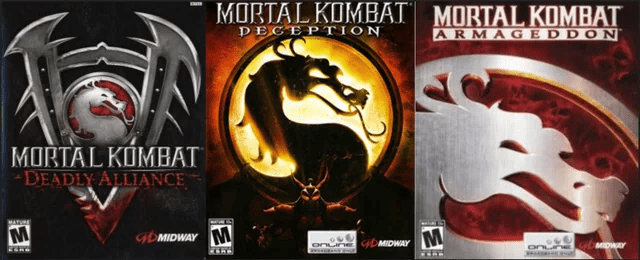
These days, you can only play these by way of an emulator, but based on my experience, it’s worth the effort and unlike an emulator of a 7th generation console, these all run as smoothly as possible so long as you don’t nitpick too hard.

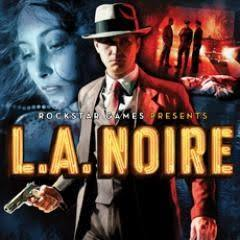
What Was Lost from L.A. Noire

It was underbaked all along

I’ve brought up L.A. Noire before as an example of what went wrong with it on the developer’s side. To not repeat myself a third time, here’s the short version: Australian developer and programmer Brendan McNamara used his experiences working on the 2002 video game The Getaway to open his own studio in Sydney called Team Bondi with the goal of developing their only game L.A. Noire, based on old noir films from the 1940s and 50s. The problems that arose came from McNamara’s corrosive personality, crunch, and, according to ex-developers under his wing, explicit approval of sweatshop hours. Numerous people quit or got sick either physically or mentally of his open berating of “slackers” and loads of people who contributed to the project were omitted from the credits, especially if they didn’t see it to its May 2011 release. Keep in mind, Team Bondi started working on the game in 2004.

Over the course of nearly eight years, Team Bondi lost a lot of people and with a high turnover rate and new people not knowing what their predecessor was specifically working on, lots of stuff was scrapped. It wasn’t until Rockstar themselves made a personal investment in the game’s release, but by the time it released, it never broke even and Team Bondi’s assets were sold off in October 2011. The studio was said to have spent over $50 million on the game, making it one of the most expensive video games at the time, but it only made back less than half, even with all the marketing in the years prior to release.

After 12 years and a series of remasters and graphical upgrades especially on newer consoles, Rockstar clearly has a place in its heart for the game. As for what would’ve been different if more level heads were allowed to direct or manage the project, it’s difficult to say. Maybe someone could’ve reined in McNamara or fired him from his own studio for the toxic sludge he spewed from his mouth. Maybe the game would still be in development with graphics and physics engines changing over time. Maybe it’ll get cancelled and all we’ll have are numb, carpal tunnel afflicted hands to show for it. No one can say for certain at least not until we master interdimensional travel.

As for what should’ve made it into the game, it’s clear to see that some content was missing. Select characters seem to know the protagonist Cole Phelps without a proper introduction for the audience, especially on the game’s ad vice desk which handles drug crimes. Spoilers incoming, there’s also a subplot in the latter quarter of the game tying together (though haphazardly) the fate’s of the characters Cole Phelps, an ex-Marine who fought with him in the Pacific Jack Kelso, and a German immigrant jazz singer Elsa Lichtmann. Part of the subplot is meant to hint at Cole becoming smitten with Elsa and beginning a love affair with her despite him being married with children.

Following this revelation, his partner on the vice desk rats him out due to personal reasons (he lost out on a boxing match and Cole pretty much ruined the fun for him by promising one of the potential victims a ticket to catch a ferry from New York), and he’s demoted for adultery. The scandal makes the headlines and left with no one but Elsa, after a few cases on the arson desk, Cole looks into a personal conflict Elsa’s been looking into for a while: the most likely (read: confirmed) fraudulent death of her friend. This is where Kelso comes in as an investigator for the California Fire and Life insurance company. Elsa’s friend was a construction worker who was contracted in the development of new homes for returning G.I.’s but the house he was working on collapsed and killed him. It’s revealed from Kelso’s investigation that most of the houses were build with subpar wood and brickwork, some of it from shut down silent-era film sets.

I bring all this up because the adultery subplot comes in quite apropos of nothing. Call it subtlety or a hint at the rushed development cycle, but the closest we get to a build up of Cole’s and Elsa’s relationship is him visiting the club that she sings at most nights. The scenes where they get even somewhat intimate are rare and in the last few cases in the game. It also seems that much of Cole’s character development is absent. Throughout the patrolman cases and going to the traffic and homicide desks, he’s portrayed as levelheaded and quite straightlaced, even chiding fellow officers for not sticking to his personal definition of justice no matter how slight, though keeping to himself for some other officers’ personalities.

By the time he’s on the arson desk, he’s back to his old professional ways and he’s still the type to chase a victory, even with the power of slippery slopes, but I personally never saw him as the type of guy to think himself as a hypocrite, nor did I think that his preaching morality was in some way a shield for his own personal conduct. Some moments do stand out, but don’t have that much of an effect on the story, such as his pride in his own job as a cop while his first partner, Stefan Bekowsky, complains about aspects of his tenure on the traffic desk; or his taking the homicides more seriously on that desk while his partner there, Rusty, is busy drinking half the time, and several others.

Still, if the devs weren’t dodging an interpretive clock or a nasty boss, it could’ve seen a lower turnover rate and some of the original ideas that were cut could’ve been added back, if not in the game itself than as an expansion pack or DLC. The finer points of this implementation can be better explored elsewhere if they haven’t been already, but of the ideas that were scrapped, there were two crime desks that were abandoned: the fraud desk and the burglary desk.

According to McNamara himself, the desks were exactly as described: burglary dealing in thefts and robberies, stuff going missing, and all that entails; fraud would’ve dealt with scams, conmen, forgeries and everything in between. We don’t know who would’ve been the officer in charge of dispatching detectives to investigate these cases, but we have one clue as to who would’ve been partnered with Cole at least on the burglary department: a minor character named Harold Caldwell.

Caldwell was seen getting along famously with Cole. During the final case on the vice desk, he lends a hand to Cole and his vice desk partner, the sleazeball Roy Earle. Caldwell was suggested to have been Cole’s partner on the burglary desk which would’ve had around 11 cases to play, which is the closest explanation for how he has such a good chemistry with Cole at this point in the game. Because the game skips forward six months between the traffic and homicide desks, it’s suggested that the timeskip was supposed to be the burglary desk, but the reason for its omission comes down to formatting and storage.

The PS3 version has the benefit of a large capacity Blu-Ray disc, but there’s no equivalent feature for the Xbox 360 version. Having played it myself after getting it loaned to me by a friend, I remember the game case having a total of three discs. Leaving extra content in the game would’ve necessitated a fourth disc and to my knowledge, few, if any, games would’ve come with so many discs. Without the cut content, L.A. Noire clocked in at a 20 hour campaign depending on your playstyle, but with 11 more cases focused on burglary, who knows how many more hours and gigs would’ve been dedicated to the game?

As for the fraud desk, we know even less. All we have is speculation based on what probably would’ve counted as fraud in the late 1940s since this game was also released in a time before the Miranda rights afforded criminal suspects protection while in police custody along with a defense attorney. It might not be obvious playing it, but if you ever look at gameplay of L.A. Noire or play it yourself, you’ll notice that Cole never reads the suspects their rights. The landmark Miranda rights case was argued in Arizona in 1966, less than 20 years after the events of L.A. Noire, so a lot of what the LAPD could’ve been implied to play fast and loose with in 1947 would’ve largely ceased by then.

Regarding people involved in the fraud desk, that’s also not well known. Who would’ve been the dispatcher? Cole’s partner? Is there a desk that challenges Cole’s lawman philosophy and awaken him to the shades of gray in law enforcement? All of this is up for interpretation. McNamara claimed to have had some levels and concept art for the burglary at least, but I couldn’t find any screenshots of these to verify. Not that I’m calling McNamara a liar, but he was the only public face during the development of the game.

The attitudes and accounts of the disgraced ex-employees of Team Bondi (especially those who left before the game released) may suggest that McNamara had all the cards, so unless an artist or designer snuck away a copy of a potential level, this cut content exists as lost media. Instances of both still exist in the game, but you would only be able to see it in the game’s free roam mode, looking at fliers and ledgers and whatnot.

Would the cut content have made the game any better than what we got? Well, I doubt it would make as big an impact as expected, though it could still change a lot of things. Like what? Probably an in-depth look at how theft was prosecuted post-war or what defined fraud. The examples I listed above are clearly not exhaustive and people smarter and more experienced than me in those fields may have more to add to those, but those would be the more obvious ones to me as I’d never investigated a missing object in any capacity, nor have I investigated fraud. Certainly, Caldwell would join the list of partners Cole has had over the course of the game and likely one of the more respectable ones compared to Roy Earle who takes home loads of allegations of racism and misconduct, even for an America pre-integration.

For formatting and storage, if Team Bondi was able to commit as much as possible to leaving everything in undisturbed, then the game case may look more like a binder or folder with well over four discs dedicated to each case on the Xbox 360 and probably two or three Blu-Rays for the PS3. Subsequent re-releases for PCs would occupy more storage than can possibly fit on an unmodified computer. If I was a part of that alternate reality, I could easily see myself budgeting for more than one high capacity hard drive for just one game or even a series.

On that note, there’s also a part of me that sees this as being a series given the same treatment as the multiple expansions for The Sims franchise or Battlefield and Medal of Honor, which probably says a lot about how EA’s design philosophy compared to what was inherited from Team Bondi into the Rockstar family.

The only notable changes for later releases of L.A. Noire is the interrogation going from Truth, Doubt, and Lie to Good Cop, Bad Cop, and Accuse. All things considered, what counts as speculation for a different game solely exists in criticisms for what didn’t work or go far enough in the version we got. Then again, it takes a game with enough hard work going into it to spark debates and discussion years after the original developer went under and the closest thing we had to DLC or a sequel was seemingly shelved forever. This video by Real Pixels explains all the faults in L.A. Noire. Based on what I wrote, there’s a lot so take this as a brass tacks examination of L.A. Noire.

Channel: Real Pixels

Finally, is L.A. Noire even good? It clearly doesn’t live up to its purported expectations and as I’ve explained there’s a lot under the hood that’s missing or what’s left over isn’t perfectly aligned, but considering I’ve dedicated one post to the game and sections within two separate blog posts to the game, I have a relatively high opinion of the game, and so do others given how many people dream about there being a better version of L.A. Noire or even a Whore of the Orient.

We end 2023 with a YouTube recommendation for the channels Business Basics and Geopolitics Daily.

https://www.youtube.com/@BusinessBasicsYT

https://www.youtube.com/@GeopoliticsDaily247

The twin channels cover news coverage and geopolitics across the world keeping viewers up to date on major issues that affect us directly or indirectly, typically from a consequences of conflict standpoint especially in the case of territorial disputes like those of Russia, Israel, and China among other places across the world. Both channels began as business and investment guides before the shift to global events, but do still offer tips and guides for business and investing.

Crime Games: An Answer to the Mobster Movie

The trifecta is complete

Before we begin, hope you all had filling Thanksgiving festivities for those who celebrate. I went through a slight hiccup with frozen food, but the other stuff was taken care of, so nothing to worry about. Now to the post.

If you’re looking at the title and thinking, “didn’t you do this two weeks ago?” Technically, yes I did. But that was about true crime, documentaries or media next to documentaries about real life crimes that have happened before, i.e. the Five Families, the Winter Hill gang, Al Capone, Bonnie and Clyde, and countless other criminal figures of yesteryear, all of them inspiring many of our fictional crime lords and kingpins in other media like Gus Fring and Don Eladio in Breaking Bad/Better Call Saul, Clay and Jax Teller in Sons of Anarchy, or for this post, most of the GTA and Mafia games’ lineup of characters. These are long-running series with colorful casts so allow me to preview the short version:

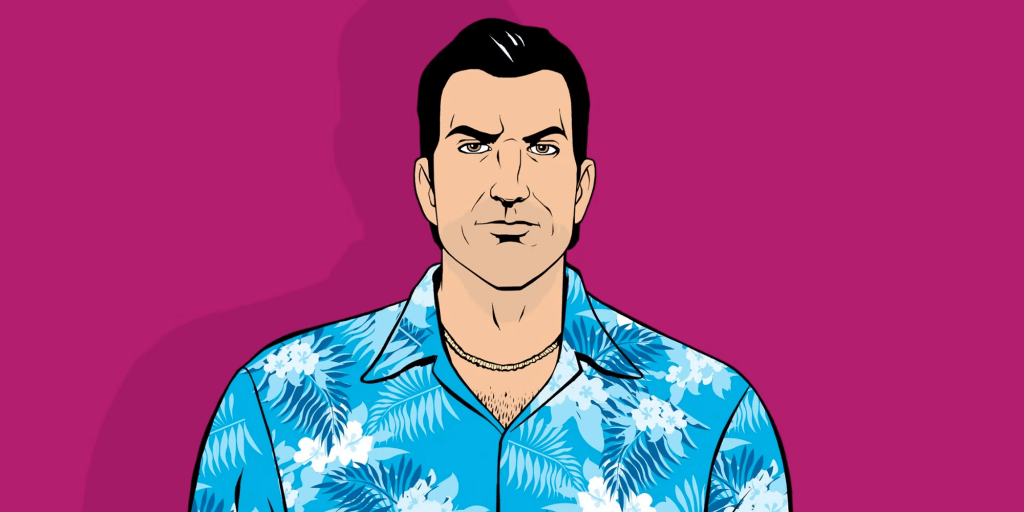
If I were a documentarian, I’d put characters like Tommy Vercetti in the bin of “Amalgamation of Prior Characters Seen in Media.” And not just him; other GTA protagonists and/or GTA moments have taken inspiration from movies released in the past. Some of the games take place in a specific time period and thus take inspiration from movies released around the same time. This video from WatchMojo.com lists different examples:

Channel: WatchMojo.com

Some of these may be easter eggs, but it goes to show how many fans of [Insert Movie Here] work or worked at RockStar. Call it a tradition to sneak some of these in, but they come in full force in GTA V, coupled with call backs to older games, including but not limited to:

  • a car that references James Bond on its license plate, equipped with spy gadgets
  • the cargo train’s registration number on the front referencing the year of the PS2’s highest selling video game (San Andreas)
  • Lester listing off successful heists initiated by prior protagonists; one of those characters being recruitable for a job later in the game
  • Michael’s special ability calling back to the bullet time mechanics of Max Payne
  • and if you wanna get technical, the five-year release gap between GTA’s IV and V, also calling back to CJ’s opening lines in San Andreas

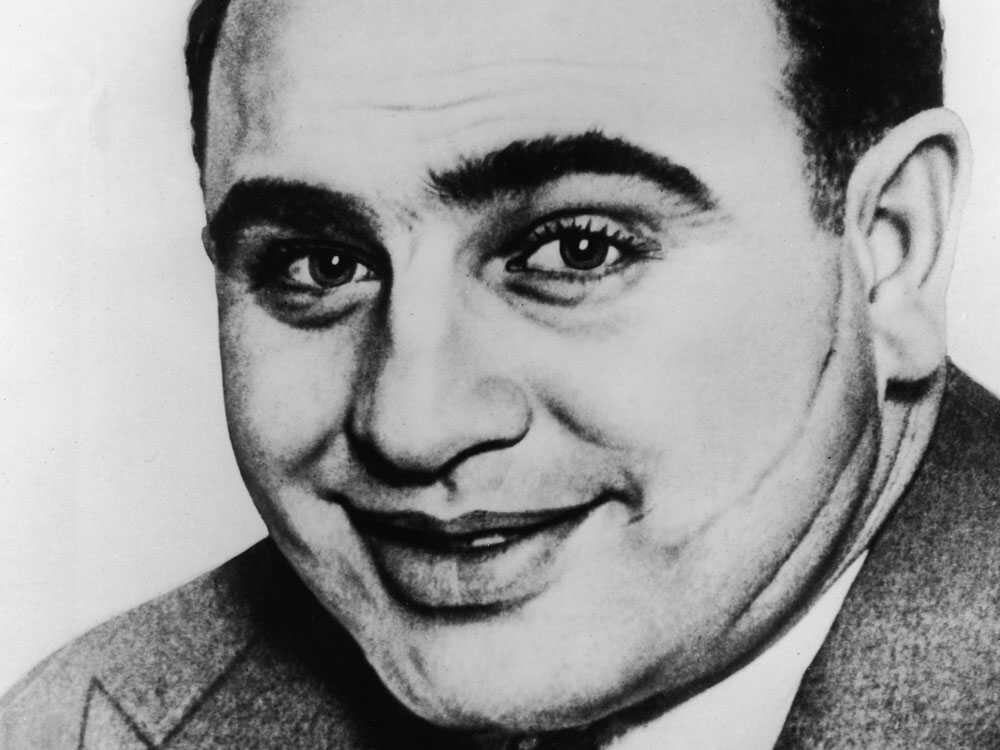
As for real-life inspirations in the GTA series, well, that’s complicated. Vice City provides the easiest example taking inspiration from 1983’s Scarface which is a remake of the 1932 movie of the same name which was about its real-life namesake, Alphonse “Snorky/Scarface” Capone.

From my research, GTA’s influences do call back to high crime eras in American (and sometimes British history), but don’t take direct inspiration from any named criminal or mobster, comfortable to let Hollywood do it for generations before developing a love-letter masquerading as a video game. Sounds like a bit of a letdown, but a series that collects controversy like Yu-Gi-Oh! cards would probably try its hardest to let the games speak for itself, hence why RockStar’s problems weren’t in the headlines until later. Gratuitous cartoon violence was still thought of at the time as limited to Hanna-Barbera cartoons, so facsimiles of someone’s granny legging it after a gun goes off, or rural folk from D[bell noise]k-Fart, NorCal going hog wild thanks to cheat codes would be unheard of in the series’ early days.

I doubt it was much the same for the Mafia series, since that one could sneak past unnoticed, and if it did, the Mafia movie comparisons were proudly warn on its chest like a veteran’s war medals. You didn’t need to convince me that Tommy Angelo was Al Capone or that Mafia II was The Sopranos. It admits that by way of the title, and in stride. The Mafia series also heavily fictionalizes real-life locales, but thankfully offers more than the New York-Miami-Los Angeles trifecta that contemporary media blows its load over. It may just be me, but as a native New Yorker, I could do with a lot less New York. If a thousand monkeys can eventually produce Shakespeare, surely it can take a greater than or equal to number of monkeys to make modern-day Amarillo, Texas more exciting. The Coen brothers achieved that with Fargo back in the day.

So getting away from the usual three, Mafia: The City of Lost Heaven’s titular city is meant to be a fictionalization of Chicago in the 1930s, during and after Prohibition. Mafia II takes place in the mid-1940s and early-50s in Empire Bay, a fictionalized version of several East Coast cities, but having the trademark Mid-Atlantic accents that later defined New York and, depending on who you ask, Baltimore. Mafia III comes right out of left field by throwing the player into the Deep South in the 1960s, stuck between the counterculture movement at home and Vietnam abroad. Specifically, it creates a more in-depth though still fictional version of New Orleans, this time known as New Bordeaux, complete with all the neighborhoods that are said to be in New Orleans, though as I’ve writing, I’d never been. I wouldn’t mind a trip though, I hear Mardi Gras is a hoot.

So while the RockStar series is content with pure fiction, the Mafia series uses history as a jumping ground. Having said that, crime games have proven to be more imaginative than just these examples; I just have a lot of expertise in this field as an avid player of both GTA and Mafia. I believe I said this a few weeks ago, but this isn’t exclusively an American or British thing. Throw a dart on a map, and the country the dart lands on may have something next to a fictional depiction of organized crime–even if it’s beat out by a more popular neighbor. Consider how the western populace learned about organized crime in East Asia or the former Soviet Union, or how crime and law enforcement probably goes back even further than Hammurabi and Babylon.

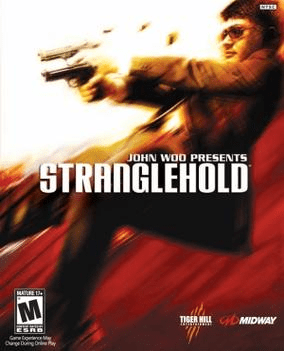
And obviously not all crime games put you at odds with the law; sometimes it’s you flashing the badge instead of blasting away at the guys who do. Followers already know about my love life with Max Payne, but I’ve definitely watched more crime drama shows and played more games where you are the law. One of the earliest games I played called back to Max Payne: may I present to you Stranglehold:

Full disclosure, I have this game (I don’t remember how I got it, it might’ve been from a bargain bin at Target or Game Stop), but I don’t recall ever finishing it. I’d play it again, but I need to check if it’s backwards compatible with the Xbox One before I try, or failing that, emulation or a YouTube Let’s Play can be found to catch me up to speed.

All I remember is that famed Hong Kong cinema director John Woo was contacted by Midway Games, makers of NFL Blitz and Mortal Kombat, to help produce a Max Payne clone with the likes of Chow Yun-fat reprising his role as Inspector Tequila from the 1992 film Hard Boiled, which I haven’t seen. Not that seeing the movie first would put me in the right head space to play the game since I started with the game, but if it helps me get an idea of who Tequila is supposed to be then it’s a good thing it’s in my long-ass watchlist because I’ve got some time to kill.

Traditionally, video games based on movies have been notoriously terrible, but some select developers have tried their best with the material given, sometimes even expanding on the formula established. I know that RockStar paid homage to the 1979 cult classic film The Warriors with a 2005 video game based on the movie, and I remember having fun with Stranglehold, so not all of them are crapshoots.

A more memorable game featuring Hong Kong-based Triad groups came out a few years later. We all know it as Sleeping Dogs, developed by the now-defunct United Front Games and published by the still-in-business Square Enix.

This one does have the Max Payne style of combat and maneuverability. In fact, it’s not comparable to Max Payne aside from the fact that both the respective protagonists are law enforcement officers deep undercover in an organized crime syndicate, but I’m getting ahead of myself. It’s meant to be a spiritual successor to the True Crime series.

Sleeping Dogs is set in contemporary Hong Kong where the protagonist, former San Francisco police officer Wei Shen is transferred to the Hong Kong Police Force to go deep undercover in the Sun On Yee. This presents an interesting dichotomy for Shen as he’s caught between two loyalties: the Triads and the law. I’d elaborate even further, but this ventures into spoiler territory and from what I recall the latter half of the game doesn’t stay as close to this as it originally set out to. This review has more insight.

Channel: The Escapist

Then there’s L.A. Noire, which I’ve mentioned at length or featured videos and articles that have mentioned it at length before, especially the development side of things.

The gist of all this would have to be that life influences culture, I guess. This all had to come from somewhere and the North Side Gang wasn’t gonna emerge from the dirt like Adam in Genesis. But it’s a generally good way to comment on contemporary society. Other times, people just wanna tell a story and whether a million people find it mediocre or one hundred start a fan club around it, the primary focus of entertainment had been fulfilled.

For crime dramas, that succeeds in spades taking home more gold than the original California 49ers. Part of the downside to the crime drama is that it’s come under scrutiny before for inspiring similar crimes, and not just the true crime genre. Violence in media is heavily scrutinized and when it’s in a video game, it’s a media circus that brings more attention than what was previously projected. I know I’ve harped on this before, but I feel that it bears repeating. Sorry to leave on a sour note, but calling back to a video put out by Alternate History Hub: the news should stop glorifying and perpetuating violence. It’s shown time and time again to do more harm than good.

Last thing, before I properly close off: I wanted to make a post about the fourth chapter of Boruto: Two Blue Vortex, but Thanksgiving preparations kept me from properly preparing the notes. I’ll try to get one out sometime in the next week, ideally before next week’s post.

True Crime/Noir Media

My third favorite genre

There’s no question by now as to what I like. Most of my posts here have a video game or animanga focus, but let it be known that I have more in store than Japanimation and rhythmic button-pressing. It’s the title of this post which I should clarify. While I used to gravitate mainly mobster/organized crime centered media, for the most part the characters and organizations therein were largely fictional or fictionalized. Stop me if this sounds familiar: mobster movies tend to require a bigger commitment compared to video games like the Mafia series, select GTA games, or the video game version of The Godfather. All solid series and franchises in their own right still, but even within a genre we each have our preferences.

But obviously fictional media interpretations of the Mob didn’t come from nothing. Crime fiction as a genre’s always been there, just look at the westerns. Lawmen, gunslingers, outlaws, big names like Billy the Kid, Bass Reeves, the Earp brothers. Whatever the criteria is for crime media, if it involves someone stepping on the law to get to a goal while someone else representing the law is stopping at nothing to stop them, then by all accounts it’s a crime movie… which probably means Lord of War falls into that too by my standards.

Yuri Orlov may as well have been Major General Smedley Butler: they both had rackets on three continents.

And this is quite apt, as Yuri Orlov was said to draw inspiration from the real life Merchant of Death Viktor Bout. And he’s not the only fictional criminal to be based on a real mobster. Sometimes the real life mobster themselves is fictionalized. If you know anything about Prohibition, you no doubt know about Al Capone and his ability to fool the cameras at least until St. Valentine’s Day. And since that time and following his death, countless movies have come out with him as the prime inspiration.

As for how I got to this genre, that’s really hard to say. At first, I thought it was from the GTA series, but looking back that’s probably inaccurate in my case. Movies? Kind of… my grandma does have The Godfather trilogy and numerous westerns, but I didn’t see some of these until I was at least 12. TV? Definitely not, my mom barred me from watching Family Guy until I was a teen due to sexual content. So in lieu of a true origin, I’ll explain some of my favorite media pieces from this genre. Starting with a game that puts you in the same boat as the law instead of against it.

Post-WWII, Los Angeles, war hero turned LAPD lawman Cole Phelps fights crime in the City of Angels. This is how it starts, but later in the game a conspiracy spearheaded by some of the city’s top officials is underway. The game gives the player glimpses of this in a string of newspaper clippings that can be found during gameplay, coupled with an interspersing of Cole’s service in the Marines during the war. Once everything is put together by the end, you have a near-perfect storyline.

I say near-perfect because the development of this game bogged down its own potential. A video game director who’s behavior would be welcomed in a Brazilian junta; a poorly populated 1940s rendition of L.A.; a finnicky motion capture technique that made interrogation impractical; a piss-poor implementation of a penalty system; and most disturbing of all, a dead studio.

Mechanically, it had great and interesting ideas, and if given the room to spread (read: taken out of McNamara’s hands at the time), these ideas could have inspired future developers for the better. Instead, it and the firing of Jason West and Vincent Zampella of Call of Duty fame unearthed a culture of toxicity that the video game industry is still trying to shake off. No matter the intention, eight years in the inferno for a paradoxically half-baked product tells anyone reading up on Team Bondi all they need to know about how things were handled from beginning to end.

To my knowledge, we haven’t had a story that nightmarish before or since then, but there’ve been several close calls. Needless to say, the behind-the-scenes drama that unfolded at Bondi is why I put L.A. Noire so low on my personal tier list. Without the crunch and a better management of time (and perhaps sacking McNamara), L.A. Noire could’ve turned out better than what we got in our timeline.

For a series I’d put firmly in the middle:

So far, I’ve had three different hot takes:

  1. Kratos was right mostly
  2. Boruto’s not that bad mostly
  3. Chainsaw Man is predictable

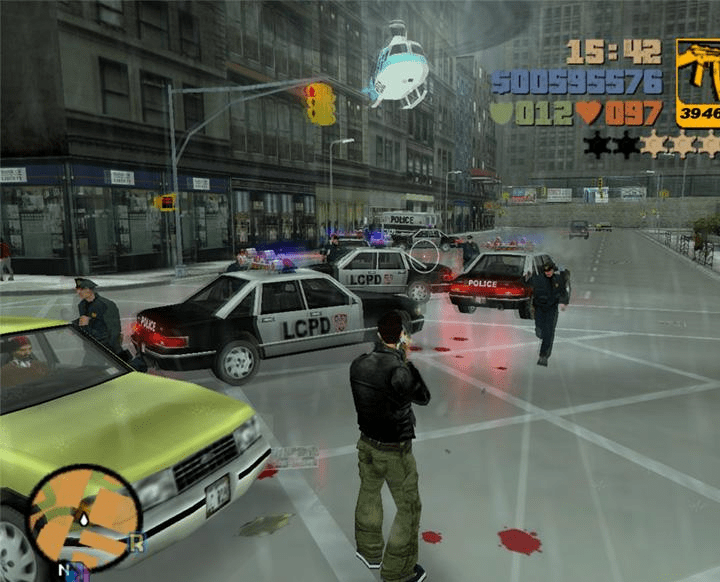
We’ve got another on the list: The Godfather is Mid. And depending on who you ask, this is either sacrilegious or moot. It’s an influential novel and movie trilogy. It adds nuance to otherwise dastardly characters. It’s a source of inspiration for numerous directors on the big and small screens, but to me, much of this is a little lost in translation. It’s like playing GTA III after reading a list of all the game that have drawn inspiration from it, narratively or mechanically.

It’s not so much that I think it’s unbelievable (as in the laws of logic would never allow it), or that I think it’s terrible (clearly false), or that I’m saying it’s overrated, though others have said that before. It’s more like before and since The Godfather, there’ve been truckloads of mobster movies that I think did better than The Godfather. It might be the emphasis on subtlety that bogs it down for me, but a visual medium like film–while capable of telling instead of showing–should still show instead of tell, or in this case, show more than it tells. From what I remember it was 2/3s tell and 1/3 show.

But it does its job phenomenally well. Inspiration, references, inside jokes (even bad ones); I haven’t found a single person who hasn’t heard of the franchise in one form or another. It took the tropes of the old 1930s and 40s noir films and put new spins on them while also inventing some of their own. Watch a mobster movie or TV show made in recent memory, there’s a good chance that it’ll draw at least one thing from Mario Puzo’s novels or Francis Ford Coppola’s movies.

At this point, I’ve thrown shade at a big movie, suggesting I think there’s something better. Well, not exactly better but more so one I like a whole lot more than The Godfather:

For this one, I was a bit late. The other stuff I’d known about for years; I was first introduced to Black Mass the year it’s film adaptation released.

Channel: Warner Bros. Pictures

In the lead up to the release I read the book by Boston Globe journalists Dick Lehr and Gerard O’Neill, intent on getting the full story of it’s star, James “Whitey” Bulger. Interestingly, the movie released a few years after the F.B.I. closed in on him in the summer of 2011 after 12 years on the lam. At first, I thought that the idea was exercised shortly after his arrest in California, but ever since the book was published in 2000 (and of course re-released 15 years later for marketing purposes), different ideas were thrown around to get an adaptation off the ground, but they didn’t exactly take off until 2015.

For my take, I’m sort of glad we got the final product that year as opposed to, say 2005. The movie mostly focuses on Whitey’s activities between 1975 and the mid-80s, but the epilogue detailing Whitey’s and his associates’ fates after the fun’s over is what sticks with me. Some of them snitched and got comparatively lenient sentences, others were thrown in jail for life or were sentenced with lifelong shame for colluding with Whitey Bulger himself, and the rest of the snitches were released earlier than the others for cooperation and continual good behavior.

As for Whitey himself, well as previously mentioned, an unnamed source warned the F.B.I. field office in L.A. that he was seen in Santa Monica, and he faced the consequences of his actions to the tune of two life sentences plus five years and a civil asset forfeiture of his riches totaling $25.2 million and another $19.5 million in restitution. Unfortunately for him, he’d fully serve these sentences on October 30, 2018 when he was bludgeoned to death by another inmate. Seems it was only fitting that his end was as grizzly as his life and leadership of the Winter Hill Gang.

As it stands, this is really the only mobster story that concerns an Irish mobster instead of Italian ones, and I’m always looking for stories on other mobsters the world over, not necessarily Cosa Nostra style. As of writing this, I’m trying to do some research on the Triads and the Yakuza for a story idea I have set in East Asia and concerning some of these characters. Fingers crossed, the research I do on these serves me well when I open a new Word document and get to typing. And it’ll also serve me when it comes to researching organized crime in other parts of the world. I know that they’re all there, it’s just that perhaps that I’m a New Yorker, a resident of the city where arguably the Mafia started and thrived, the origins of the Mafia and subsequent media genres thrives in this city, and most mobsters here being Italian or Jewish (see Kosher Nostra/Jewish-American organized crime for more details) sort of colors my view and at times my expectations of organized crime rackets, even fictional ones I hear about or create myself.

I also want to give a few honorable mentions to a few other properties I either haven’t seen but heard were good or I have seen but haven’t given them a proper ranking yet.

  • Casino (1995) — owing to what I’d been talking about with mobsters inspiring Hollywood, Frank Rosenthal’s gambling prospects were an interesting choice that I believe paid off quite well.
  • Fear and Loathing in Las Vegas (1998) — it meets my personal criteria of a crime movie and while I’ve neither read the book nor watched the movie, the premise seems like it’s worth a watch or read or both. If you’ve read the book, watched the movie, or both, don’t spoil me. I wanna go in blind.
  • To Live and Die in Los Angeles (1988) — also meets my criteria, but deals more with high crimes. I’ll rank it properly once I see it… in 10 years.
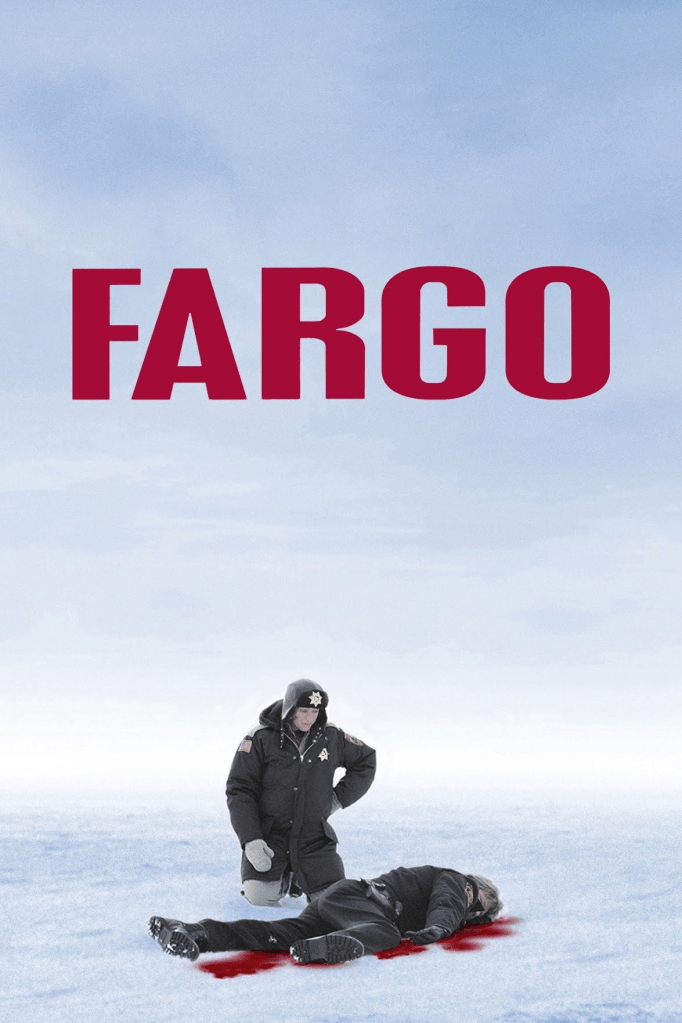
  • Fargo (1996) — The cinematic equivalent of you don’t have to do anything wrong for a plan to cock up disastrously. If anything, if anyone before this thought the Upper Midwest was to chaste for criminal behavior than digging through news archives of high profile crimes should change that perception. Fun fact: I watched this prior to typing my third manuscript. I anticipated a few scenes where the characters would pass the time talking about recently released movies and this was up there along with Waterworld, Fatal Attraction, and Pretty Woman. Fargo didn’t make the cut, as I recall.
  • Miller’s Crossing (1990) — You can’t really go wrong with the Coen brothers. The synopsis itself sounds quite complicated, wait ’til I see it in action; and finally;
  • No Country For Old Men (2007) — another Coen bros. flick, I saw this at a relative’s house a few years ago, and as cool as it was then, I think it’s worth a rewatch. I don’t know why films did and some still do this, but quiet mumbling as dialogue interspersed with operatic action noise is goddamn annoying. Dramatic or not, it makes me feel like I’m getting long in the tooth when a dialogue scene is near mute while the action scenes have the loudness of artillery volley fire.

Quite a list to try and rank properly. Maybe I’ll come back to this in the future.