My Mini-YouTube Movies Arc

Still ongoing, still finding new films to view

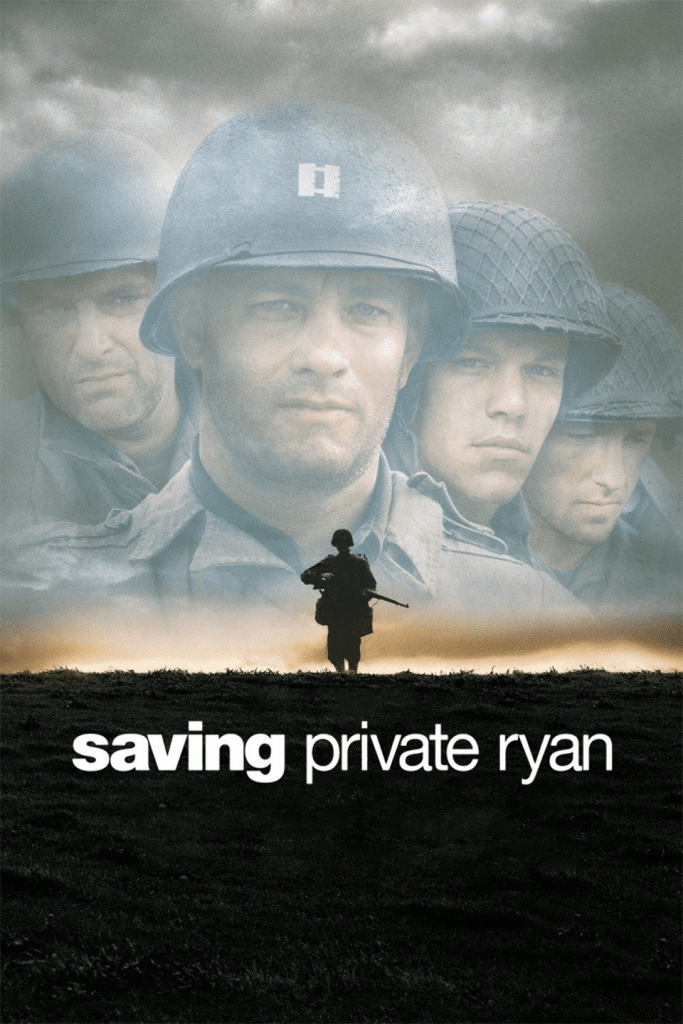
Although I’m as much a piracy advocate as Gol D. Roger, it’s not like the legacy services don’t occasionally give us something worth viewing. The way I got into watching movies primarily on YouTube (before looking elsewhere if what I wanted wasn’t available) began with that time I started to binge all the Terminator movies in rapid succession, next to a viewing of Saving Private Ryan.

For Saving Private Ryan, I recall in middle and high school how whenever the history classes progressed to World War II and eventually to the Allied Landings, they almost always showed the Normandy landings and it became something of a tradition to show the brutality of battle from the Omaha landings, the deadliest landing of just that day. But if you’re American, you’re history lessons probably stopped short of the fall of the wall or the collapse of the Soviet Union. Out of curiosity, I went to look up the entire movie and someone was ballsy enough to have it fully uploaded onto YouTube at the time, before there were ads and before YouTube started to turn to s[pop!]t.

And as regular viewers would know, this was the same setup for at least the first Terminator movie. The original channel I watched it on a decade ago is most certainly deleted (and I highly doubt I can look up my YouTube history from ten years ago), but even to this day dastardly (read: heroic) YouTube channels with only about 20 people in their audience are uploading the full movie, risks notwithstanding. Like this channel:

Channel: INDY CAT PLAY

The graphic content will of course lock the movie to YouTube, but this is an acceptable sacrifice.

After that, it was down to looking for multiple different movies on multiple different pirate and torrenting sites. Gangster Squad, the 300 movies, Apocalypse Now, Full Metal Jacket, and several more. It was an occasional thing to do prior to community college and during the summer of 2017, it started to ramp up alongside that time I checked up on the Naruto series to discover that Boruto was a thing.

Maybe it’s because I took a break from Naruto that I grew to appreciate the successor series as well. But criticism still exists.

In between choosing my courses, I was on the hunt for new movies to watch, and prior to this, I had expressed an interest in military service by the end of high school. Unfortunately, I was 17 when I graduated and wasn’t able to convince my mom that even part-time service had its merits. “Try college first,” everyone said. You know how the classroom setting doesn’t mesh with everyone? That’s me. Learning by myself was always better than learning in a classroom setting, and there was always a pressure to get the highest scores. My average was usually a B- to B, tops. Except for Art, English and Foreign Languages which got me consistent A’s. The push for A’s across the board led me to lightly defy those expectations due to how Icarian and hubristic it felt. Also, every smart kid was a know-it-all with an attitude.

So I went from slightly above average high schooler to slightly below average college student. Seriously, my GPA took a hit due to my piss poor math scores. But away from that, a section of my free time was devoted to movies with a military slant, as a means to hype myself up. I was still determined to join the Army, and if I’m being honest, I probably wouldn’t have had that break in service from 2021 to ’24 if I had kept it a bit more realistic.

As for the movies I was looking for, there was never a single one-size-fits-all website for me to watch them all on, and as you’d expect, popup ads. Popup ads everywhere. But I was able to fight through the mess and make some pretty neat discoveries. The one website that I was able to watch my movies on was called MegaShare. I’m going off memory alone, but as I recall, the site had its server in Vietnam and momentarily went under in late 2020. A Google search during this draft reveals that as of writing this it’s still up and still functional, with TV series included in its lineup.

Watching anything on this site is a bit tricky without a VPN so good luck streaming Paddington 2 or Jigsaw for instance. These days, the majority of the content that I don’t always pirate comes from my subscriptions to Crunchyroll, Netflix, and Tubi, and for free viewing, there’s YouTube Movies and the Internet Archive, God’s gift to the internet.

Which brings me to the arc of YouTube movies made free with ads in between. It started in early June 2020. In the aftermath of the George Floyd riots, movies promoting primarily black casts and stories were made free with ads, and one of them was the saga of Philly detective Virgil Tibbs:
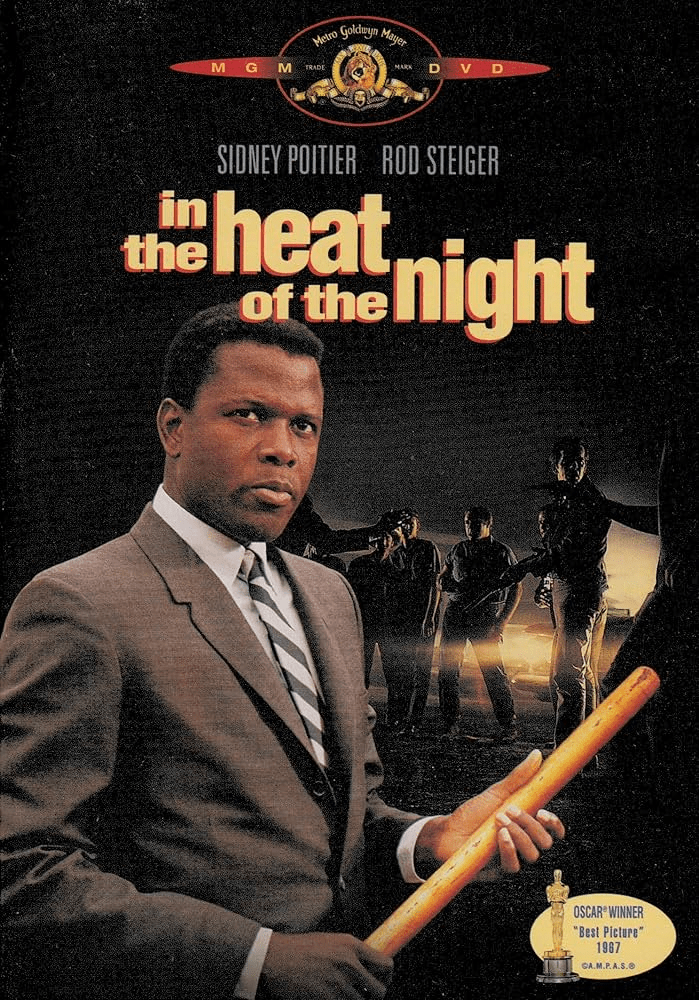
Filmed in 1967, starring Sidney Poitier and Rod Steiger, this movie was about a murder of an influential man in tiny Sparta, Mississippi. The racist police department not only suspects this out-of-town Yankee Negro of doing the deed, they point a gun at him while taking him in. However, when Det. Tibbs reveals that he’s also a cop, his superiors assign him to this murder case and his expertise wins over both the police, the victim’s next of kin, and even select townsfolk. A great movie that to those who’re old enough may have a few things to say about how segregation worked at the time, though probably a smaller net would need to be cast for on-duty cops from back then. My grandmother certainly has some surviving memories of Virginia. Not as far south, but still influenced by the Jim Crow laws.

Afterward, there was a blank period where I didn’t watch that many movies, until the last half of 2022. In the Army, if you can’t continue on in basic training, you’d still be allowed to graduate just at a later date. They’ll recycle you into another company either at the beginning or slightly behind depending on certain factors. I was getting tired of medical issues f[clank!]ing me over and I called it quits… which I was regretting. Playing the waiting game for the entirety of 2022 gave me a lot of time to kill as I couldn’t get a job. Eagerly awaiting the initial rejection, I just watched a handful of movies, two of which that stood out were The Mask and Tombstone. Fast-forward to the last quarter of 2023, where my second attempt at joining the Army bore fruit. Much of my time was divided between watching Lucky Star and Azumanga Daioh on YouTube through unlisted playlists and playing CoD: MW 2019 and House Flipper. This was also after my grandmother moved out to an elder’s home in Baltimore, so for the first time in my life I had my own room… at 24 years old…

The recruiter I was talking with through Reddit (true story) told me that my waiver had been approved and I was set for training at Fort Leonard Wood, Missouri the following January. With that out of the way, I watched as many of the movies as YouTube would make available. The list of movies I’ve seen is extensive, so instead I’ll grab three of the movies that I recall watching on YouTube. Not necessarily before the second attempt at Army life, but just on YouTube Movies

1. Black Hawk Down
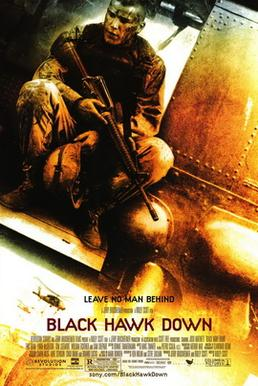
I was more than a little hyped up getting back into the Army, and one of the movies I watched was Black Hawk Down. The dramatic retelling of Delta Force’s worst day in Somalia in 1993. To gloss over some of the history, numerous factors helped contribute to the breakdown of the Somali government and instability in the leadership thanks in no small part to colonialism and the clan system. By the early 1990s, the Somali government hit the road indefinitely and numerous warlords rose up dousing the flames with gasoline. One of them, Mohamed Farrah Aidid, had been antagonizing UN Peacekeepers from Pakistan, and President Bill Clinton authorized military action to take him out. The tip of the spear had no idea what they were fighting, a trend that would curse the U.S. military, starting arguably in Vietnam, but continuing on after Somalia.

Channel: Armchair Historian

This video explains it in further detail.

A Black Hawk helicopter was blasted out of the sky and the new mission was to find the soldiers and get them out intact. Easier said than done, when the population of Mogadishu, radicalized and armed with small arms and machetes comes barreling down on your position. Delta lost two of their operators, Master Sergeant Gary Gordon and Sergeant First Class Randy Shughart, and it became a race to get the f[gunshot]k out of Mogadishu without losing anymore people. Mission failed. We won’t get them next time. Somalia is a failed state, yadda yadda…

I’ve talked about this last year, but that was to observe different military practices that are still in use today. For content, 90% of the movie is obviously focused on events from that fateful day, with 10% dedicated to the history and politics of the event. Completely historically accurate? Well, this website fills in the gaps that were scrubbed from the movie for brevity’s sake, but it’s not like there was a fictional account of a flying Pegasus so to that I’d say it’s 95% accurate.

2. Tropic Thunder

This one I hadn’t seen since I was a kid, and its content shows that, on the one hand, it’s best when things age to show the difference between the culture of media then and now, but on the other hand, biting satire like this is sorely missed in this day and age, especially with social media companies making idiot moves in recent history. Cancel culture anyone?

The premise of this comedic masterpiece is that four actors are joined together to adapt a novel of a Vietnam war movie and the production goes awry at every turn. Not because they can’t get film rights, but because of on-set clashes between not just the actors, but also the producers. The studio decides to throw them into Indochina and film them with hidden cameras, failing to realize that they were dropped into the Golden Triangle, a region swaddling Thailand, Laos, and Myanmar where much of the world’s opium is cultivated, typically under the thumb of the nastiest gangs in Asia, to include Triad groups.

Of course, the actors find themselves somewhat held hostage by these guys and the movie turns into an impromptu rescue mission that harkens back to the Project 100,000 policy during the Vietnam War. As for the directors, they have a very clouded “show must go on” mentality and fail to realize who has their stars hostage.

The comedy comes from all the politically incorrect writing and satire. This movie pulls zero punches in taking the piss out of everything. Hollywood’s controversial casting choices, the portrayal of disabled characters by able-bodied actors, the drug use among the Hollywood elites, the draconian control of select studio execs, directors, and other production staff; in an alternate universe, Tropic Thunder would’ve been a documentary. I’ve made jokes elsewhere online that comedy is prophetic and I’ve been seeing it less as a joke and more as the truth these days. No matter your beliefs on a variety of topics, I can’t encourage you to watch this enough. If you’ve seen it before, like I have, give it another watch.

3. No Country for Old Men

Based on the novel of the same name by Cormac McCarthy, in 1980, West Texas hunter, Llewelyn Moss stumbles upon a drug deal gone wrong and takes the money for himself and his wife. Knowing an agent of chaos is after him, he goes through numerous lengths to avoid this amoral hitman, all while an aging sheriff tries to reach him before cartel bullets do.

This movie is called by some the pinnacle of the western genre brought to the modern age. Changing world, untamed land, conflict between nature, society, and mankind; I can think of different media that fit this mold.

No Country requires an elevated level of thinking. It gets a lot of flak from some for the way it ends, which I attribute to a misunderstanding of the western genre. Moss may have been the protagonist, but he’s not necessarily a good guy. His adversary, Anton Chigurh, is both an antagonist and a bad guy and the sheriff Bell is honestly at a loss. When the camera pans to him, he feels like he’s useless and out of his element. Things made sense ages ago, but that age is no more and there’s not much he feels he can do. Moss and Chigurh move at a comparably breakneck pace in their search for the money. Most analyses of the movie are about Chigurh, but not a lot mention Sheriff Bell at all. The movie introduces his character several minutes in, but he has the first and last lines in the movie. I don’t have the analytical expertise to talk about Bell’s place in the movie or the novel (which I haven’t read), but I say he deserves some exposure himself.

YouTube movies can expose you to some films you didn’t know you would like and with a healthy library to show for it, you could easily get lost looking for something to see. No, really, it’s a labyrinth, bring a map… and maybe something to distract the minotaur. For a fourth surprise recommendation to complement the three here, have this:

No staff members were sacked in the production of this classic.

Hong Kong Action Cinematic Masterpieces

The Cantonese Collective

Hollywood has a century and change with a wealth of films and genres to back it up, but it’s obviously far from the only producer of groundbreaking films. On the other side of the world on the Pearl River Delta, there’s a city in Guangdong Province that’s been a part of the British Empire longer than it’s been Chinese, and a look through city streets and select-people’s names shows this.

Hong Kong! One of Britain’s prizes in East Asia, to summarize the history of the area, 19th Century European powers sought foreign markets for trade. Britain, for instance, was making inroads in Asia and one of their stops was a fishing village in Southern China. China didn’t want the Brits to sell opium to their people due to the adverse effects on health and in doing so, ignited a war that they lost to Britain.

Although Hong Kong Island was the prize, it did nothing to satisfy British interests and they’d try to renegotiate the existing treaty. China said no again and this time more of Europe and even America had something to gain from an even more vulnerable China, or at least their neighbors. Sticking with Hong Kong, Britain’s near-peer rivals could and have sacked similar-sized territories thus necessitating a formation of the British military to keep the territory safe, though this stronghold of sorts was also witness and participating in further engagements for the rest of the 19th century.

By 1899 and the start of the Boxer rebellion, China had ceded so much territory that it was derisively known as the “Sick Man of East Asia.” Russia, Germany, France, Britain, and Japan all took some of their land and/or influence, further European powers split Shanghai amongst themselves, and Japan was making it crystal clear that this would be their backyard, largely solidified when they won out in the Russo-Japanese War in 1905. British-appointed Hong Kong leaders largely sat back while this corner of the globe kept adjusting lines on maps one ink-dipped fountain pen at a time… at least until Japanese ambitions brought the chaos to the governor’s mansion following Pearl Harbor.

Part of Japanese expansionist ambitions, the great lie told to the colonies of East Asia was that the answer to western imperialism was Japanese imperialism. They lost their opportunity when the US and UK shot down a racial equality clause at Versailles, so Japan’s next move was to dislodge western influence in the area through blood.

The 1920s and 30s gave Japan multiple opportunities to gradually expand in China and Mongolia, but their endeavors were somewhat halted by the US oil embargo after vile reports of, for lack of a better term, Olympic-level rapes and murders being committed in Nanjing.

This book has the details, and predictably none of them are for the faint of heart. Read at your own discretion.

After Pearl Harbor, American, British, Dutch, and commonwealth possessions were eaten and absorbed into the Greater East Asia Co-Prosperity Sphere, including Hong Kong, who wasn’t safe from Japanese atrocities across the Pacific. As we know, the combined forces of the US, UK, Australia, New Zealand, and resistance fighters in Japanese-occupied territories worked tirelessly to send the Japanese back to Tokyo and finish it off with a pair of bangs in 1945.

The Cold War saw roughly every part of the world violently or peacefully throw off the yoke of colonial influence and the last two in China were Hong Kong and Macau in 1997 and 1999 respectively from British and Portuguese hands to a two-systems situation, with full reintegration of the territories into China by 2047 and ’49, on the 50th anniversaries of their return to China, but recent news particularly in Hong Kong leaves the fate of the region uncertain.

Suffice it to say, Hong Kong’s history is one to preserve and retell for eternity. So, why bring up geopolitical history in a post hinting at their cinematic history? Well, I felt that the outside world would certainly have an influence on the region and Hong Kong would have something to give back to the world. Notably, it’s film industry.

Before Hong Kong, Shanghai was China’s moviemaking capital, but very few films of that era are available for wide viewing. Conversely, Hong Kong under British ownership had more room to flex its artistic muscle and it did, compared to mainland China and Japanese Taiwan. Since the end of World War II, the Hong Kong movie industry enjoyed an approach to movie making that wouldn’t be seen until the late civil rights era in the US where more and more independent films would rise to challenge Hollywood.

As a matter of fact, Hong Kong-born cinema was free from subsidies and government influence as a consequence of British ownership, so there weren’t any efforts at the time to scrutinize their films for any anti-British sentiment, like the Shanghainese film industry or the colonial Taiwanese film industry, both of which would be heavily vetted for dissent or used as propaganda tools for the empires. Still, the British empire would likely have something of a propagandist industry, especially in the Cold War. But the filmmakers in London would be doing that anyway, and they wouldn’t need the crown or MI6 to influence their slant seeing as the alliance with the US and NATO membership status would guarantee anti-Soviet hostility even in British media.

The Brits wouldn’t be outdone at this time.

But enough about the pillow where the crown rests, time to continue on about one of its overseas territories. In retrospect, each time the UK tried to put a thumb on their territories, it declared independence with the worst lesson learned. Conversely, when London leaves the colony alone, it learns to develop on its own, coming out better as an independent state. For Hong Kong’s sake, freedom plus location equals a prime source of inspiration. A millennia of Chinese stories ripe for the adapting was set to follow, and with Hollywood pumping out British and American works (at times distributing continental European cinema over the years), the world was Hong Kong’s oyster.

Most of the time, HK filmmakers stuck with the stories they knew best, though by the 1960s and 70s, some of Hong Kong’s best movies would be bolstered by legendary actors and directors, to include but are not limited to Stephen Chow, Jackie Chan, John Woo, Donnie Yen, Chow Yun-fat, and one of the biggest in martial arts cinema, arguably the biggest in his lifetime, Bruce Lee.

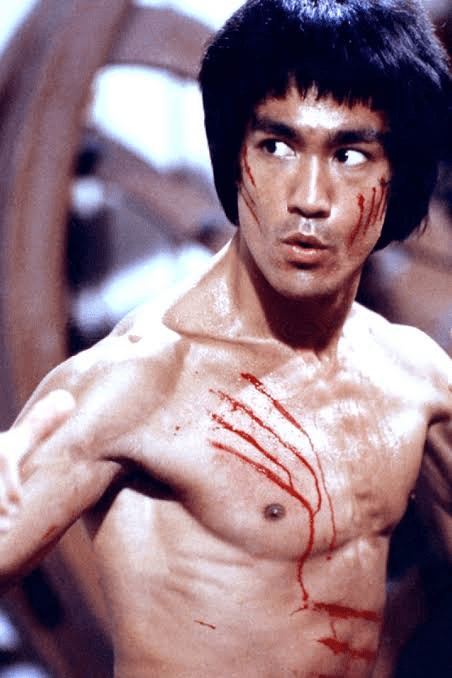
Personal story, where I grew up in the Bronx, there were at least ten different Chinese restaurants within walking distance or a short bus or train ride away. One of them had a mural of Bruce Lee in his trademark stance from the Enter the Dragon series.

Millennia of martial arts disciplines and practices led to filmmakers incorporating the concepts into many of their films. The aforementioned Enter the Dragon, Drunken Master, Crouching Tiger Hidden Dragon, Rumble in the Bronx, Kung Fu Hustle; hallmarks of Hong Kong cinema and complete with martial arts action and uniquely comedy. Several of these tend to be based on folktales from the mainland or at least the Guangdong Province, sort of like how kids in the US learn about Paul Bunyan or John Henry. Larger than life folk heroes giving the audience a window into their world at that point in time. For Hong Kong’s film industry, it’s had lots of time to reach perfection over the years, even rivaling foreign competitors, taking in as much cash flow as the US, UK, India, the mainland, Japan, and France.

Sadly, the fun had to end at some point. Domestic competition initially benefitted individual studios and filmmakers to found some of their own, like Golden Harvest, for instance, but when the competition collapsed in the early 1970s, only one studio, Shaw Bros., was left to carry the weight of the industry on its shoulders. The studios in Hong Kong felt this pressure and was compelled to get as many films in theaters as possible in a short amount of time. The problem with rushing movies out the door like that is the same for rushing video games out of the door: quality control. Few rushed movies come out perfectly and the ones that do have to compete with the rest of the dreck they release with or rely on rapidly aging tropes which was the case for Hong Kong. Trope bloat was killing the industry and filmmakers didn’t understand why.

Another, more indirect, cause of the industry’s downfall came with an increase in affordable housing. More tenants move in and start families and/or get jobs, other things take priority, and entertainment becomes a luxury that only a few can afford. Speaking of which, job creation eventually grew the middle class who increasingly became critical of low budget indie films, so good luck getting an honest answer out of Brian Chang when you ask him about the Blair Witch Project.

Or at least the Cantonese answer to The Blair Witch, I suppose.

The final two death throes had to do with piracy and Hollywood making in-roads in East Asia. If you think companies are overblowing the concern for piracy, in some parts of the world, piracy was still necessary if you wanted to watch movies, and going back to East Asian politics, some countries were severely restricting distribution in their territories at the time. Some still do and lobby draconian retaliation for even having the film in their soil. The final straw was Hollywood’s push into the East Asian market and all the aforementioned factors would mean that the Einstein of Cinema would need to breathe new life if Hong Kong was going to rebound. As of 2025, it still hasn’t.

All things considered, all that time rising, shining, and fading was arguably more than enough for Hong Kong cinema to make an impact on media, even to the point that countless classics get referenced to this day. The most recent example that comes to mind would be the gacha game Zenless Zone Zero where the developers at Hoyoverse released an animated promotional music video for their limited S-rank character Ju Fufu, with numerous homages to Hong Kong cinema.

Channel: Zenless Zone Zero

The thumbnail alone is a movie reference. Quick! Guess which one!

And predictably, the Hong Kong films of old would find their way into video games. Of these, I’ve played two unconnected video games, one of which has an interesting story. Starting off:

Sleeping Dogs (2012):

Released by Deep Silver in 2012, it’s more than a Hong Kong GTA clone. It’s cast consists of big name actors on both sides of the Pacific, one of them–Will Yun Lee–taking the visage of the protagonist, Hong Kong-born Wei Shen, a troubled youth who set himself right after he moves with his mother and sister to San Fran. Sadly, the move hardly changed the life of his sister Mimi who was ultimately defeated by a heroin addiction. For Wei, he still had connections to old friends back in Hong Kong, a not insignificant number of them being Triads from adolescence.

In the game, the SFPD imbeds him into the Hong Kong Police Force deep undercover to nab a high ranking Triad in the Sun On Yee, based on the real life Sun Yee On. The gameplay infuses eastern and western tropes and even some concepts, as a result of Hong Kong’s outside influences. The East Asian concept of face culture is implemented in both the plot and in gameplay where an underling, regardless of skill, makes the boss look more capable than they really are. Company-suck up culture with an East Asian flare.

Since he’s playing both sides in this, there are missions where Wei is a detective and story missions where he continues to embed himself in the Triads. Contrary to the game’s description, there’s really no conflict between these that can’t be solved relatively easily. The Triad characters suspect Wei of being a rat three times at most before he Academy Award acts his way out of it–a skill I expect undercover cops to have but it’s stretched to comedic levels until the end. Meanwhile, the HKPF hardly warn that his cover is under serious threat. Maybe they think he can handle it or not, but that’s not a unanimous view. Some of Wei’s handlers express doubt over his ability to stay on the straight and narrow once this is over… even though you the player can probably balance out the criminal activities with the cop work for the duration of the game. The game doesn’t even punish you very harshly for screwing up, merely awarding less upgrade points at the end.

Still worth experiencing, as the DLCs make up for it, each with unique mechanics.

Hard Boiled (1992)

I’d been looking for this one for a few months before I had found it on the Internet Archive sight. John Woo’s blowout success before embarking to Hollywood, like Sleeping Dogs, it’s another cop story, but with arguably more guns than a US gun show.

A pair of Hong Kong cops, Inspector Tequila Yuen, runs into an undercover cop and agrees to help him shut down a gunrunning ring. Tequila is a loose cannon who skirts past the rules to get results, which works in the long run but leaves him subject to reprimand each time. The movie itself has loads of action with some downtime sprinkled for a total of at least 10-15 minutes of breathing room combined. Paying close attention to the cinematography, it’s rare to find a contemporary gun-fu flick without shaky camera effects and I forever praise John Woo for omitting a maligned practice.

The camera stays afar and runs up close during pivotal moments so the fear of missing anything during the action scenes is highly reduced. By the film’s end, the loose ends had been largely tied up leaving for a bittersweet ending.

I didn’t know it at the time, but a video game I played was marketed as a sequel to this very movie. After watching Hard Boiled, I see how that came to be.

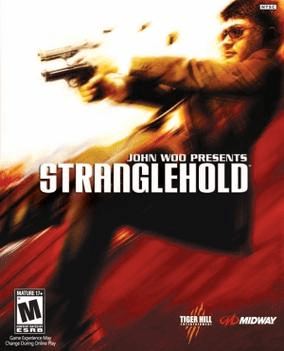
Stranglehold (2007)

Speaking of bittersweet, the sweet part is knowing that this is a surprisingly well-done Max Payne clone. The bitter part is knowing this came out with Midway staring bankruptcy from the business end of a rifle.

A follow-up to Hard Boiled set 15 years later, Triads kill a cop and kidnap Tequila’s family and he goes on a one-man mission to get his loved ones home. Sound familiar?

Well, it actually precedes Taken by a year at most, meaning it was probably in development as early as 2004 or 05. Taken likely had been in production since at least late 2005 to mid-2006. Coincidence, nothing more. For John Woo’s sake, Hard Boiled and it’s video game sequel were at least well-received even if the latter is a Max Payne clone and the former helped to influence, interestingly, not just Max Payne but also The Matrix. Funny how it all ties in together, isn’t it?

I’m not yet done with Stranglehold, but I did finish and download Hard Boiled from the Archive site for preservation’s (and private viewings} sake. So once I’m done with the game at least, I hope to give it a review and how well it compares to Max Payne whilst doing its own thing.

Hong Kong used to be a giant in the film world. Someone has to bring it back to its former glory… or s[guns]t, I don’t know. Start a video game company there.

Enough people doing this in Hong Kong should revive it’s anemic industries.

Military Novels: A Recent Discovery of Mine

Practically just started

Before we start, concerning last week’s surprise destruction of The Escapist’s video team, the YouTube channel Clownfish TV (which I’ve recommended before) uploaded a video a few days later that I contemplated dedicating a post to, but ultimately decided that it wasn’t worth it. The minds behind the channel are staunchly independent of any corporate oversight and maintain this position above all else for a better deal in the long-run. The Escapist was bought by a conglomerate which complicated things, and while the team of Kneon and Geeky Sparkles have zero love for dishonest games journalism, part of what motivated a possible post would’ve been to correct the record and clarify what actually went on… or at least I would have.

After sitting back and analyzing what the video concerned, I realized that most of the criticism was elsewhere on The Escapist site and that one’s opinions seldom influence business rules especially from the outside looking in. For me, it didn’t feel like that because the comments section was what got to me.

It’s worth noting that this tends to be the nature of YouTube communities; channels do have their dedicated base and this often leads to biased echo chambers with again very little influence on what goes on in the afflicted realm. Also worth keeping in mind was that reporting on pop culture in any capacity is merely another day in the office for Clownfish TV. Malice can’t be assumed all things considered. As for the community, the one piece of advice that works for me is to get the entire story before judgment is passed. Get all the context and then give your final thoughts.

Now for the real topic I want to write about: military novels. Personally, I’ve never been all that interested in them, and since I’ve been around on r/Army, reading the occasional news stories of controversies surrounding the special forces community in particular, I’ve held a dash of skepticism to go along with what describe as a Heroic Tit-wank in Print form. If you don’t know, special forces like Army Green Berets or Rangers, Navy SEALs, Recon Marines, Air Force Combat Controllers and all of them tend to get the Hollywood treatment more often than not. I’m not saying they don’t deserve the recognition for their sacrifices, their missions, their stories, but they’re not exactly a monolith.

For every Medal of Honor recipient of any capacity like Dan Daly or Ralph Puckett or Alwyn Cashe, there’s also these guys making fools of themselves:

Credit: Getty Images

Credit: Getty Images

Clearly, the worst or more embarrassing stories of the military’s finest aren’t reflective of everyone including the HR folks or the intelligence or signal branches or anyone else who sees it as just another job, but sometimes it gives me pause for thought. As a history buff, I do like military history as well. The Elusive Samurai motivated me to research the Kenmu Restoration and the Ashikaga Shogunate in medieval Japan, for instance, and more than once I’ve done some light research on Civil War battle orders or even the Roman Empire, among numerous other things.

Channel: Metatron

Before even entertaining the idea of the military as a whole, the movies and whatnot all seemed so cool. Call of Duty and Battlefield led the way in cinematic experiences and memorable characters. After watching some more movies, and going to basic training myself, it’s safe to say that if you’ve been in the military — any military — you’re preconceptions are going to be challenged and your newfound knowledge on how things go in the real military will ruin a lot of movies for you.

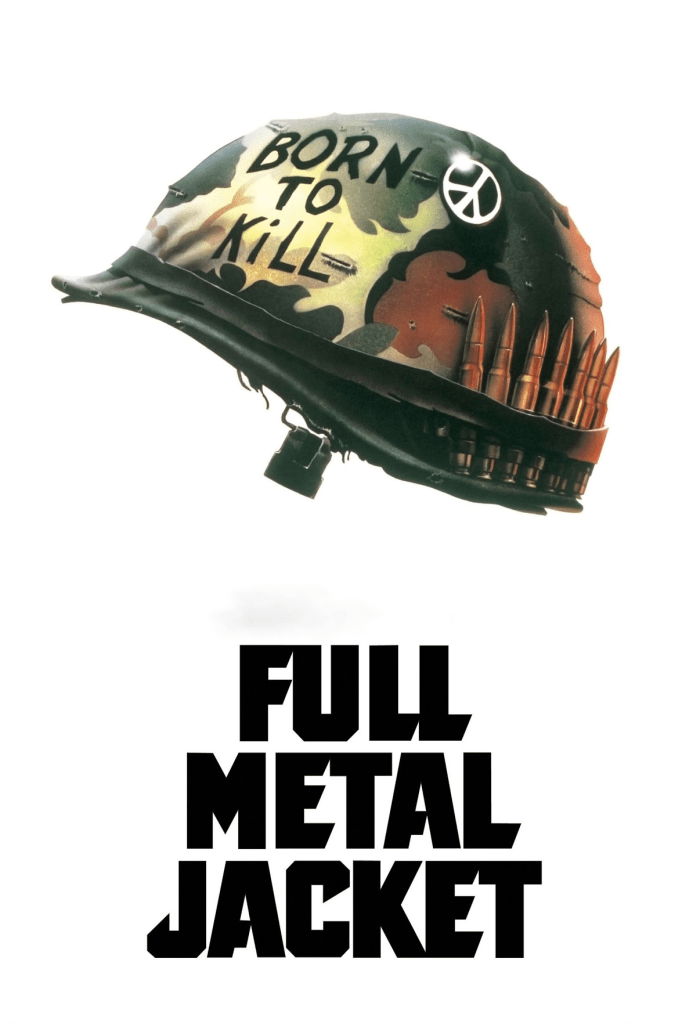
Prior to shipping, I thought the boot camp portion of Full Metal Jacket was the highlight of that movie, primarily because of the characters: Joker, Pyle, Cowboy, and Gunny Hartman all make that movie, but stepping back from that, it’s divided first into how Marines are trained (sort of), followed by an active combat deployment to South Vietnam. The greatest irony of that movie is that for an anti-war film, so many incoming recruits watch and quote it ad infinitum, and expectedly so. The actors are the highlights of the movie and if it wasn’t for R. Lee Ermey and the jelly doughnut scene, then it probably wouldn’t have the same influence as it does almost 40 years post-release.

In the veteran community, lots and lots of media is heavily scanned and scrutinized based on what we’re all taught in boot camp and when we go off to train for the occupation we chose or have chosen for us based on test scores. This explains why movies like Generation Kill and the Hollywood misfit In The Army Now are more beloved amongst veterans and servicemembers compared to something like Zero Dark Thirty, American Sniper, or The Hurt Locker. Even vets who’ve never deployed to a combat zone (yes, this happens, ask around) will tell you that an overwhelming majority of the time is spent waiting to do something and that something goes by exceptionally fast. Such urgency…

Also, fair warning: the military has a frat house mentality. Keep in mind the ages of the people signing up.

So I’ve been rattling on over about military/war media and the reception based on the community viewing it, but I haven’t mentioned what I’ve been reading. As I said, I hardly ever had an interest, even in passing about these kinds of things, and even over time, now that I’ve been in a military training environment, I trend quite lightly these days. You’re drilled day and night about how to properly wear a uniform and even mishaps in film can get a vet’s dander up more so than stolen valor incidents.

I try my best not to overanalyze this stuff or make a monolith or standard-bearer of military/war media since a lot of it is for the public and like a lot of their real-life units, the special forces movies tend to play by their own rules. My rule for whether I should give something a watch or a read is wide reception. Even if the community hates it, it’s not good to let those opinions overtake or form future opinions on XYZ. But so far I have been enjoying Generation Kill, and I do like Saving Private Ryan and Dunkirk. Some of these I’m introduced to by proxy and they wind up being pretty good.

For Generation Kill, I went for the book first for comparison to the HBO miniseries. Nearly done with the book and the show so I might come back with some final thoughts. And getting back to controversies in the special forces community, there was one book that caught my eye. I don’t remember how I found it, but it’s called Code over Country by Matthew Cole. It’s based on the wide range of corruption and lax oversight within Navy SEAL Team Six. Once I get my hands on the book and get through reading it, I’ll try to make an effort to give my thoughts. Bear in mind, most vets and servicemembers won’t run into anything close to a special forces unit and for security reasons, most of what they do isn’t revealed until after the fact, so corroborating what I hear will have to be done by way of news reports like those featured on Military Times or its branch specific variants.

This post was kind of a misnomer all around, but before I close off, I want to make a case for the manga series Golden Kamuy.

I say this is a military series for a lot of the obvious reasons: veterans of a major war (Russo-Japanese War), active duty soldiers in uniform, commanders doling out orders by their judgment, and more. But it also takes the tropes of traditional westerns like those of the Clint Eastwood or Dances with Wolves variety.

I have a post in the pipeline regarding Golden Kamuy itself so look forward to it in the next few weeks. I’ll elaborate further on my case then.

My History With Movies

A love letter to cinema

I was originally gonna rattle off some of my favorite movies and what I liked about them, but I thought I’d get more mileage out of listing off my history with the medium, so I’ll go with that. I may list off some of my favorite movies recently or movie genres by the end, so look forward to that.

Getting to the topic of how my taste in movies developed, like all things, will be complicated. The history of that even more so, but to the best that I can remember, funny enough, it began with my mom and her siblings. The area of the Bronx that I grew up in had several local theaters in the 1960s and 70s, many of them are abandoned or were torn down in favor of a retail store or local pharmacy, but some that have stayed have significantly minimized their presence or reach. There might have been a trend in the 80s and 90s concerning access to cinema, probably with access to VCRs going stronger than an ox at this time, or some major movie distributor like AMC getting a huge boost, but I can’t say for certain whether any of these were the case. But if I ask my mom or aunts, they might say that it was.

Whatever the answer is to this chicken-or-egg scenario, it did mean that VHS tapes would be made in surplus over the years until they fell out of fashion with the rise of DVDs by 2002, only for those now to be seen as obsolete thanks to digital releases, but I’m getting ahead of myself.

For context, I was born in 1998, and, according to Legacy Box, VHS lost popularity around 2002-03. Some of the first movies I’d watched were formatted for a VCR and one of those happened to be a movie adaptation of a certain yellow sponge who lives in a tropical fruit.

Since it came out in 2004, I’m not entirely certain how it got to my house. I’m pretty sure an older relative of mine got it for me, but it’s been so long and whatever VCRs we still have these days is likely no longer compatible with modern TVs now. I’m confident that VHS releases of beloved movies of yesteryear have since become collector’s items due to the rarity, even at the time of release.

The SpongeBob movie certainly got some out of me as a kid, but at that time, anything animated was my bread and butter and seeing the porous cube for an extended adventure was a ginormous win. For other animated movies, I definitely remember watching a certain pair of movies as a kid. The first one was about an Inuit man who learned the hard way of what it’s like to disturb nature and lives his life as a bear as penance.

And I would only go on to continue watching Disney animated features of this making because that’s what Mortimer Mouse does best. He and Jimmy Carter may be the most prolific nonagenarians at work. Brother Bear was on DVD, and thus still compatible with modern TVs. Even back then, there were fewer problems regarding DVD players than there were with VHS tapes, so rewatching some of my favorite scenes from Ursa Fraternity was damn easy.

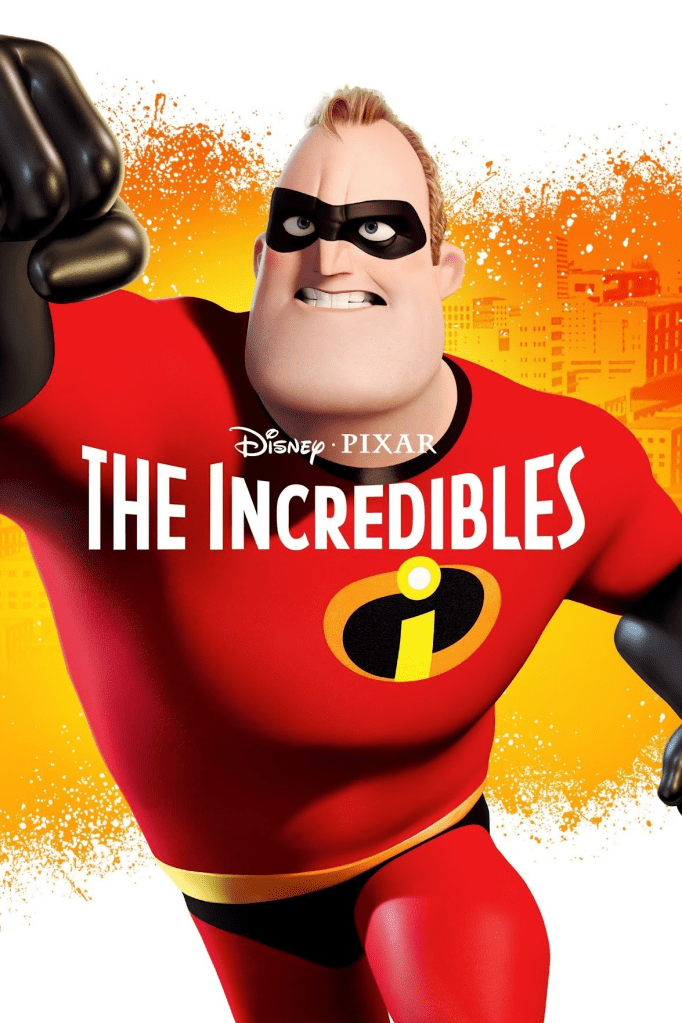
The second one was about a superpowered family juggling life between saving the day and the boring parts of Americana that get glorified for the sake of a joke on TV.

Also a 2004 release but on DVD, this was my go-to when the adults were busy watching MTV or BET sitcoms and movies, and I watched this movie a disturbing number of times because I was an only child and my options for entertainment, though present, were limited. Cell phones weren’t necessary in the early-to-mid 2000s and no good parent would let a child out after dark unless they genuinely knew what they were doing. I could go to the park, though that often meant waiting on my mom to take me there even though it was down the block from where I lived. So TV and video games for the rest of my childhood.

Between all of these, a reasonable conclusion to jump to would be that from a parenting standpoint, the movies I was allowed to watch at around 4 or 5 years old didn’t fall outside of established parental guidelines and from a child’s standpoint, heroes and villains here, monster fights there, save the day, get the girl, the classic Superman formula.

On the opposite end of the spectrum, because my mom was single at the time and my grandma hadn’t retired until 2004, this meant leaving me in either my grandma’s care or that of a neighbor who comparatively had three children and was seen as the go-to for some of the other neighbor kids. So 6-year-old, only child me often had to spend time with some of these kids who were not very far from their immediate siblings. So that was neat.

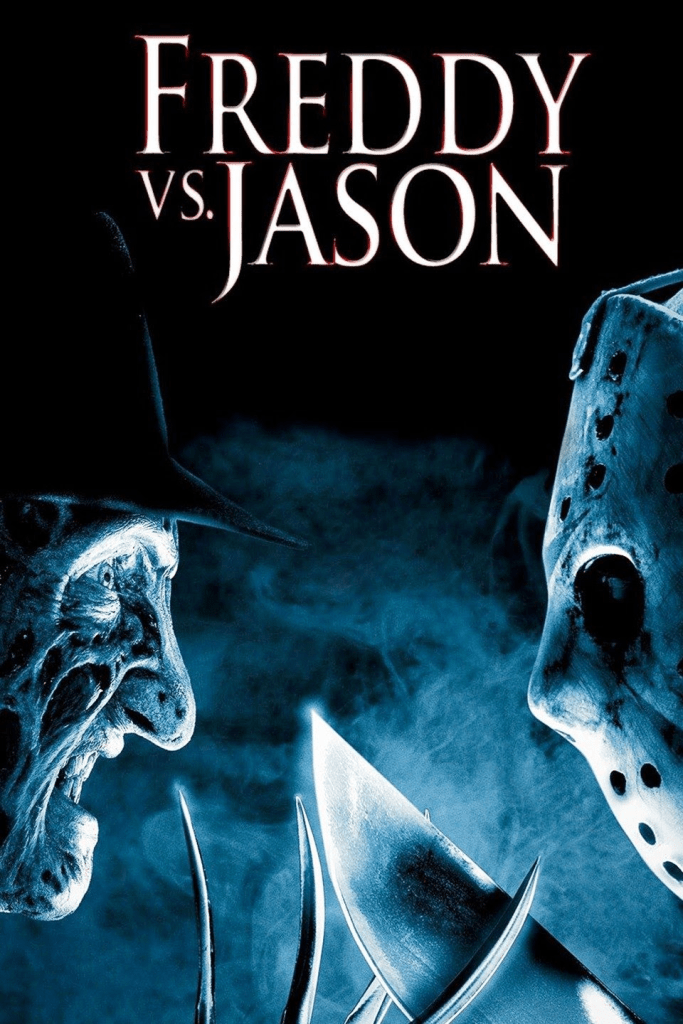
In line with that pattern, it might be because a lot of these kids were somewhat older, but for whatever reason, if I wasn’t witnessing MTV devolve in real time, I was watching a slasher movie. Of the ones I was unfortunate to see at a young age, the one about the masked machete wielder stuck with me for an uncomfortably long time. His collaboration with a sweater-wearing burn victim from the nightmare realm did me no favors, though there was a reason for me why the machete wielder was the worst of those two.

The other slashers and horrors were largely forgettable, but every goddamn time something reminded me of Jason Voorhees, I’d get mental images of a grizzly slaying. And why Jason? Why not Michael Myers, or Freddy Krueger, or Predator, or the Aliens from Alien? For me, it was because Jason and by extension Michael were so calm and collected. They walked into frame with a clear vision and a creativity only a psychopath could appreciate. Their flare for the gory and incorrect ways to use a lawn ornament and the fact that either one of them could do so much with just so little made it even more dramatic than it probably was. If they didn’t use their powers for nefarious purposes, they might be the first people to thrive in the middle of a zombie apocalypse. I’m pretty sure they’d be tailormade for the first part of The Last of Us 2 since that part of the game starts in a Wyoming winter and Max Brooks of World War Z fame wrote that in such a scenario the coldest climates are ironically the hottest spots on earth.

Needless to say, I didn’t start appreciating Jason or Michael until I was around 16 and part of that was because on reflection, so many horror movies at the time telegraphed and prioritized their jump scares over their stories that the money that should’ve gone to the screenwriter and storyboard artist went to the pockets of the soundtrack composers, and every time the brass section went nuts during a jump scare, the composers would need to run back to the store to get a new safe to hold all that cash. It was annoying!

Cliffordlonghead (YouTube), Nickelodeon, Viacom

Friday the 13th, Halloween and others did that as well, but not every five minutes. I think one day I’ll dedicate my research to the history of film scores.

By the time I was 15 or 16, trips to the theater fell to the wayside, reflecting a growing trend of home streaming and home video releases as Blockbuster shuttered its brick and mortar stores while Netflix thrived online, especially with shows like Breaking Bad being made available for streaming on the platform in the years following its airing on AMC, as well as many Netflix originals, short lifespans notwithstanding.

Followers of this blog can remember how clear and precise my words were when I admitted to emulating and pirating certain video games. What I didn’t mention until now was that it didn’t start with video games. I remember watching 300 on pirate sites in anticipation for the 2014 follow-up. And about a year later, after watching The Terminator on YouTube on a probably now deleted account, I heard through the grapevine that a fifth Terminator was releasing soon and when I later watched the trailers myself, I vowed to pirate it sometime in the future.

I avoided major spoilers for Terminator: Genisys while pirating online or catching the others on TV and by the time I saw the fifth one by way of piracy, my opinions on the fifth Terminator movie are thus:

I paid for nothing and still felt robbed. Okay, let’s dial it back. The first two movies and somewhat the third all did well enough to prepare you for what was to come about the prophecy about SkyNet launching on August 29, 1997 and the immediate aftermath that subsequent releases felt like they were written into a narrow corner and had to dig themselves out with a spoon and crossed fingers.

If I were to rate the series having only seen the movies, my opinions on them all are this:

  • The Terminator (1984): Fantastic. 4.5/5
  • Terminator 2: Judgment Day (1991): Also fantastic, like the original. 5/5
  • Terminator 3: Rise of the Machines (2003): Interesting take on the premise. 3.2/5
  • Terminator: Salvation (2009): Memorable only because of Christian Bale’s temper tantrum on set. Otherwise, missing crucial elements. 2.3/5
  • Terminator: Genisys (2015): Nice that you’ve got Arnie back, but are we still on the same timeline as Salvation or what? 2/5

My opinions on Genisys isn’t isolated either; other critics and viewers thought much the same. Call it for what it is, but if 2014 was starving for good games, 2015 was starving for good movies. Or rather, I remember more bad movies getting the adverts than I do the good or better movies largely because many of the studio heads were losing faith in these potential box office bombs. It might have cost the studios some dough, but from my perspective, being nose deep in the novel Black Mass in anticipation for its movie adaptation that year, it’s a good thing I spent that year invested in my own interests instead of following trends or I would’ve been even more disappointed with Fifty Shades of Grey.

This was a better film to have Dakota Johnson’s and Johnny Depp’s names on compared to what else they were in that year.

The latter half of the 2010s became the era of the Crazy News Segment and it was around that time I decided that Facebook wasn’t my style. Retreating into the movies at this time slowed down as I was dedicating myself to community college and whatnot, but I was still watching movies. The newer stuff coming out was putting me to sleep, so I went to some classics.

In my latter years of high school and all through college, I’d entertained the idea of joining the Army and thought I’d get a general idea of that through movies. Good idea? Bad idea? Well, the movies I’d watched that came to mind for me as quintessential war movies were centered around either of the two World Wars or Vietnam. I’m still searching for a good Korean War movie though.

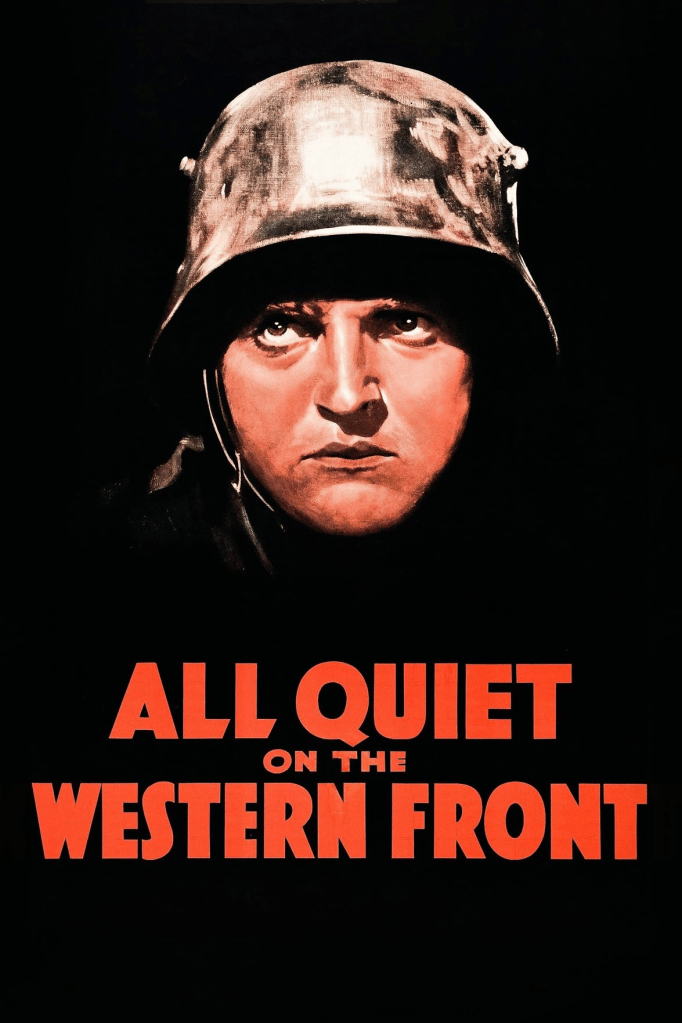
In the U.S., copyrights are good for at least 75 years, and with the copyright long expired on one of these by the time I was able to watch it, technically, it wasn’t piracy. As I recall, this particular film and similar were archived online. If this is the case every time a movie gets that old, then as time goes on, whenever I want to watch an old movie, I have a beeline.

This movie was an adaptation of a diary of a German WWI vet, and as of 2022 was the first of about three so far.

World War I movies, I feel, have been muted by the clearer battle lines of its deadlier successor. You have villains, heroes, and a happy ending, hence why numerous intellectual properties in the decades since the end of World War II have looked on to the Nazis and the Wehrmacht as the perfect archetype for a villainous force of nature. Allow me to complain somewhat, but there were other armies of equal or worse brutality to look at for a template. Not saying you can’t keep using the Nazis or their 10,000 paramilitaries for reference if you want; just that it pays to look elsewhere from time to time. Consider your options.

And speaking of movies about the deadlier successor, an impromptu reconnaissance platoon sent into France to ship the sole survivor of the Normandy landings out of a family of five brothers back home, complete with a perilous journey through the occupied north.

And for better or worse, veterans of all strides who would otherwise take their stories with them to the grave were motivated to share them by proxy after watching the movie. It’s a fact.

In the case with Vietnam War movies, the diplomacy of the war itself at the time leads me to believe that it was a sign of things to come. Light my on the pyre for this, but experiences with guerilla fighting in Indochina probably would’ve helped to better inform post-9/11 warfighting policies in the Middle East if we stopped looking at things the same way we looked at World War II. False equivalency, you say? I do still have a point. Accounts from the French experience leading up to occupation by Germany in WWII draw toward the conclusion that if France had realized Round 2 would be a different fight, they would’ve been able to stave off occupation or at least better liberate themselves than in our timeline.

Similarly, U.S. military history has a gap between the fall of Saigon and the Gulf War that probably reminds folks of the current recruiting crisis the DoD doesn’t need as it’s the second time there’s been a military shortfall at home. In my eyes, the Vietnam-era movies serve a purpose and have important lessons that only now we seem to be adhering to–that is to say know your enemy and yourself; set and understand your goals; and one of the biggest lessons from the jungles of former French Indochina, make sure the populace is on your side. No one wants to be sent to fight in a country they can’t find on a map only to lose and come back and get harassed for what they were forced to do.

As for movies I’ve seen about the conflict itself, there are two that stand out that you probably know about. One was about a rogue special forces field grade who needed to be taken out and the other was about the most sympathetic of McNamara’s Misfits for the first half while also criticizing the nature of warfare in general in the second half.

As told by retired SEAL Commander Jocko Willink in this video, if a servicemember commits a crime overseas or goes rogue in-country/while deployed, their punishment is determined mostly by rank and performance prior to the crime. For example, if a private or private first class is under scrutiny, they could face any combination of forfeiture of pay, reduction in rank, imprisonment, or for severe crimes, execution for conduct unbecoming. Higher ranking enlisted soldiers may face that as well, but so far the highest ranking enlisted soldier I know of that has ever faced such a penalty was the 10th Sergeant Major of the Army Gene McKinney, and he wasn’t even reduced by that much. Below Sergeant Major of the Army is command sergeant major, and below that is either first sergeant or master sergeant depending.

Officers like that of Colonel Kurtz are in command of a large number of servicemembers, generally brigades. Being that high up in a chain of command with that much time in service (over 20 years avg.), he would’ve been captured and interrogated for what he’d done and any penalties would likely come from whoever was the Secretary of Defense at the time.

Now for that one about a McNamara-grade recruit…

In my experience in basic training, FMJ was the one to get the most love out of the trainees because we saw ourselves in those starry-eyed virgin recruits even if events depicted were exaggerated. R. Lee Ermey’s portrayal of a Marine DI was exaggerated for drama’s sake, and in the Army we didn’t have footlockers, and compared to the men who would be sent to Vietnam, our drills were, due to several factors, fairly lenient with us. That said, we still got the dog crap smoked out of us because the good idea fairy visited our battle buddy that day; or we learned to lock our lockers and secure our stuff when half of it was across the bay and other half was under my battle buddy’s bed in pieces.

That being said, looking at GySgt. Hartman’s conduct as a drill instructor, he would likely have been investigated for inciting hazing against Pvt. Leonard Lawrence/Gomer Pyle. Similarly, for how the boot camp section of the movie ends, even though those Marines were graduating and whatnot, the precursor to the NCIS would’ve gotten word of crimes in the barracks like a [spoiler warning] murder-suicide, especially if an SNCO like Gunny Hartman was involved in some way. With an even hand, after the dead are laid to rest, the whole platoon could forget about ever getting to Vietnam, though at this point in history, stuff was getting swatted to the wayside because the war effort was more important.

Fast-forward to Bush Jr. in Iraq boosting numbers for the 2007 surge and a round of stop-loss orders and most of those who were deployed at the time need three sets of hands to count the number of people who got in despite being previously disqualified for moral or medical reasons. Bonus points if the moral waivers offended in uniform. How do I know this? The Military subreddit among others holds the answers.

Above all, war films showed me that there’s always a gray zone even in the darkest moments in our lives or in history. Not everything has an easy answer.

Sorry if things got serious at the end there. Let’s take it back a few notches. My favorite film genres? Right now, it’s the war films since I clearly had more to say about them in this post. My Army brain isn’t gonna look at them the same way again, but for what it’s worth, the experiences from basic training to duty station to deployment to discharge are military-wide. Retired servicemembers from different ends of the political aisle will feel a connection because at one point they were clowns in the same circus. From this genre: Full Metal Jacket, Saving Private Ryan, Patton, and for atmosphere a Soviet Belarusian film called Come and See.

For something more humorous, comedies obviously work, but the talent lies with the writing and the characters. Done well, and I can see myself going back to a classic I enjoyed. Done poorly, and I’m praying to God, Lord Buddha, and Tom Selleck’s mustache that the writers of the god-awful “comedy” I was forced to watch walk into a door. From this genre: Identity Thief, Fargo, The Mask, History of the World, and Spaceballs.

And for action/adventure, my video game brain has been hardwired to expect a Point A to Point B plot with a clear goal and character arc. I don’t always get that, but when I do, my butt’s in the chair, my eyes are on the screen, and if I like what it opens with, I reserve judgment until the credits roll. If I don’t like it, I’m nitpicking from start to finish. From this genre: Red and Red 2, The Terminator until the third movie, London Has Fallen (kinda), RoboCop uncensored, and I want to put a martial arts film in here, but I haven’t seen any as of late. Bruce Lee’s Fist of Fury will serve as a placeholder for now.

This was late, I know. We were having issues with our cable, and I was summoned to try to fix it until we phoned it in to the service provider. Hopefully, next week’s post will be on time.