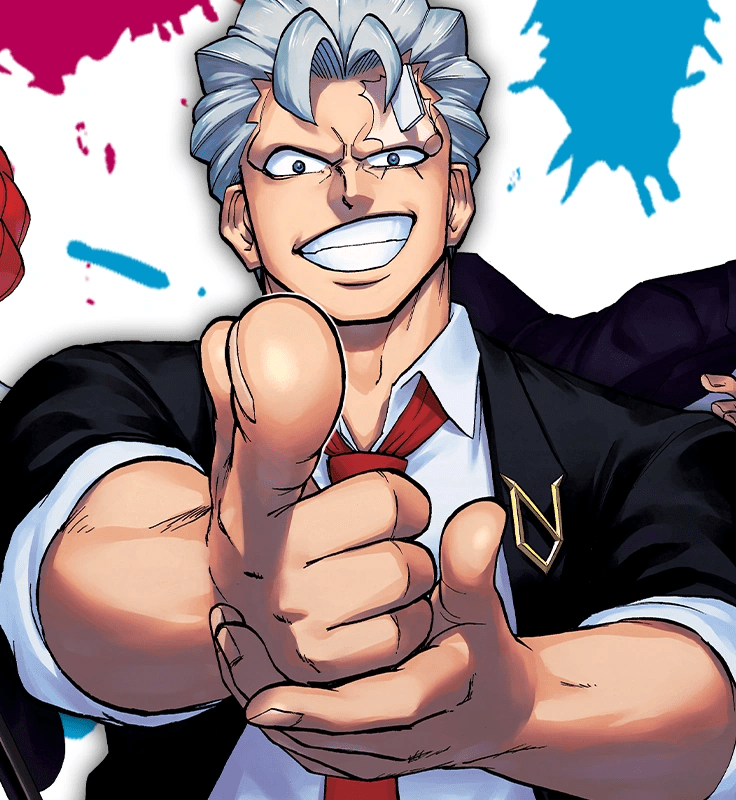
MHA Vigilantes Anime So Far

Been a while since we’ve done one of these

Out-of-schedule topics haven’t been a thing on this blog in over two months since I wrote about BLACK TORCH rising from the grave. The next topic will cover an anime I was really on the fence about watching, so take this one as a calm before the storm, so to speak. And thankfully one I’d been looking forward to for years.
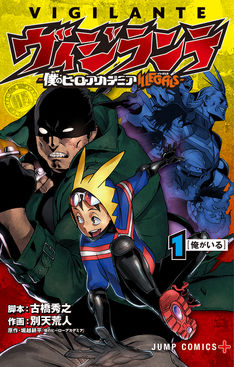
I’ve written about this manga before in the past, so here’s the cliffnotes version: college student Koichi Haimawari doesn’t fit the bill to be an officially licensed hero and so moonlights as Nice Guy in his neighborhood, as a sort of friendly neighborhood Spider-Man sans the tragic death of a popular brand of rice. One night, he and wannabe popstar idol, Pop-Step get jumped by a roving band of misfits and saved by this universe’s answer to Batman with a dash of Frank Castle sprinkled in.

Keep in mind, that that’s how the manga begins. The rest of the story covers a pivotal plot detail in the main storyline involving the Shie Hassaikai Yakuza’s use of an experimental Quirk-altering drug called Trigger, used to boost an individual’s Quirk to often disastrous results. The main tell that someone’s been using it is through their tongues, leaving them stained black from overuse. The main structure of Vigilantes is that the Pro-Heroes often can’t or (according to Stain) won’t stop smaller slice-of-life crimes as they’re expected to, so vigilantes tend to pick up the slack though under the cloak of darkness because vigilantism is illegal.

The hero system in this universe is used to denote what makes a villain, not a hero. Strict boundaries are put on heroes to stay within the law and legal limits, but villains and vigilantes aren’t bound by the same obligation. Even though a vigilante can cover a hero’s blindspots, not all of them subscribe to the same heroic ethos that binds most ordinary Pros so the legal system sees them as villains too, even though vigilantism birthed this same system. This is explained by one of Koichi’s senpai, Makoto Tsukauchi.

I’d highlight these as spoilers, but they’re more an explanation of the hero system as portrayed in all MHA media, adding nuance to a picture portrayed as black and white. Obligatory, honorable thieves, untrustworthy law enforcement; we’ve seen it all before, but to apply to superheroes tilts the picture significantly. The anime debuted last month and as of writing this is currently at eight episodes.

I cannot say for certain how many episodes or seasons it will have, but considering the cultural phenomenon MHA has become as a franchise in the last decade, it’s more than just a welcome addition to the franchise as a whole. It also fills in a few missing plot points from the original as a prequel set two years before Midoriya and Bakugo step off for UA High.

Going off the first episode, the anime opening follows the art style of the manga sticking closer to its western comic inspiration than the original does. Observe below:

Channel: TOHO Animation チャンネル

Studio BONES doesn’t miss a beat. Establishing shots of all the characters present, stylistic choices and art direction to fit them all with their appropriate themes – Koichi is shown using his Slide and Glide Quirk with the animation beginning with All Might and ending with Knuckleduster to show he’s gonna be different than his idol; Pop-Step dancing first with silhouettes of herself before they’re supplanted with fans who take heavy inspiration from Cyclops and Wolverine especially; and Knucklduster appropriately left an enigma for an upcoming reveal that manga readers already know. I made a promise not to spoil anything until we get there, so my lips are sealed and I will not ruin the surprise. The internet’s gonna lose it, I swear on it.

It sets up the anime well and I once again have to come to terms with simuldub. Growing up, most anime would take years to dub in English, let alone a different language from Japanese. Nowadays, thanks to social media, budding voice actors can contact dubbing studios, showcase their talents and through some other methods the public won’t see, they may be considered for certain roles. Voice actors have more insight into how this works, so don’t look to me for gospel in this aspect. I’m not a voice actor.

For what it’s worth though, the English VAs get the tone of voice really well. Kudos to their director. Confession: I was imagining the voices of Koichi, Pop, and Knuckleduster to be some variation of Todd Haberkorn, Kari Wahlgren, and Christopher Sabat respectively, though that may just be my own fantasy. Natsu Dragneel, Haruko Haruhara, and Piccolo walk into a bar… well, that’s just a fanfic now, but the manga gave a lot of leeway to imagine their voices until they were confirmed. Instead of legacy, the industry is giving rise to new faces. They don’t exactly have any household recognition yet like the aforementioned, but the grind of voice acting should put them on the map for future projects.

Credit: u/LolyHumter, r/TrashTaste

Characters this time are more varied and complex being on the older side. In the case of Koichi, with him being in college as opposed to high school, he’s shown to be much less insecure of his Quirk than Deku was. Granted, he wasn’t Quirkless at the outset, but we see the differences in a protagonist with a recently acquired Quirk and a protagonist who was born with one. Also being older makes him somewhat more humble in my eyes. Deku still has admirable goals, but I recall in the first episode how foolish several people thought he was wanting to be a Quirkless hero, until All Might saw him in action. I like underdog stories as much as the next guy, but there’s something refreshing about a character who doesn’t think about their powers all that much, merely using it as another tool in their arsenal.

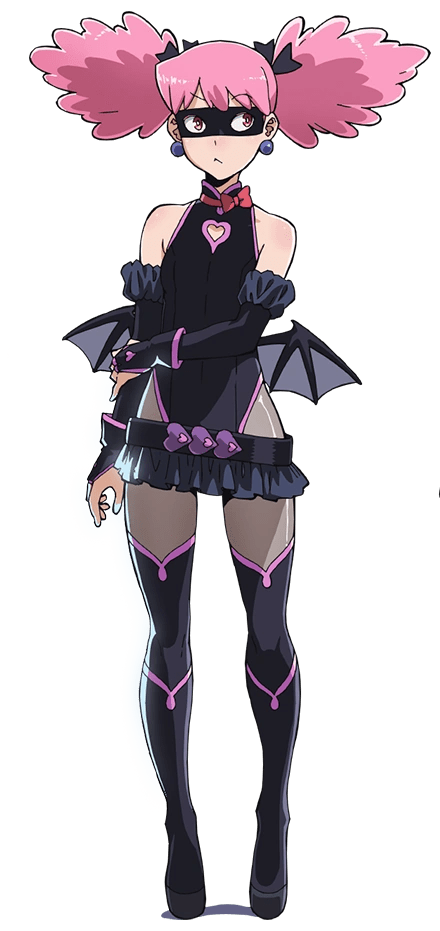
Pop-Step is written completely differently than Uraraka. Not wanting to be a hero for the sake of her family or thinking that much about heroics on the whole. She already uses her Quirk for impromptu concerts so it’d be a bit ridiculous of her to try, although in the Vigilantes storyline, she technically is one by proxy. As the youngest one, she’s in high school being hinted at being around 16 or 17 years old (despite what some online have been saying, especially concerning her choice of costume).
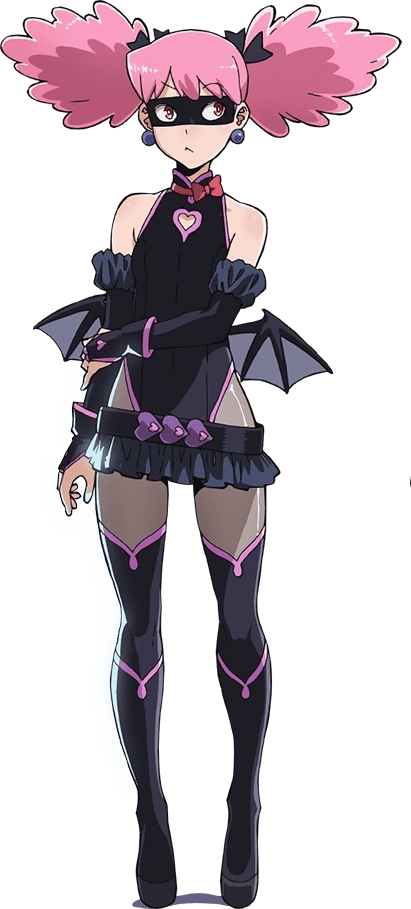
Those tights are an anime addition. Beneath that in the manga it’s all skin. The manga art shows more funny enough.
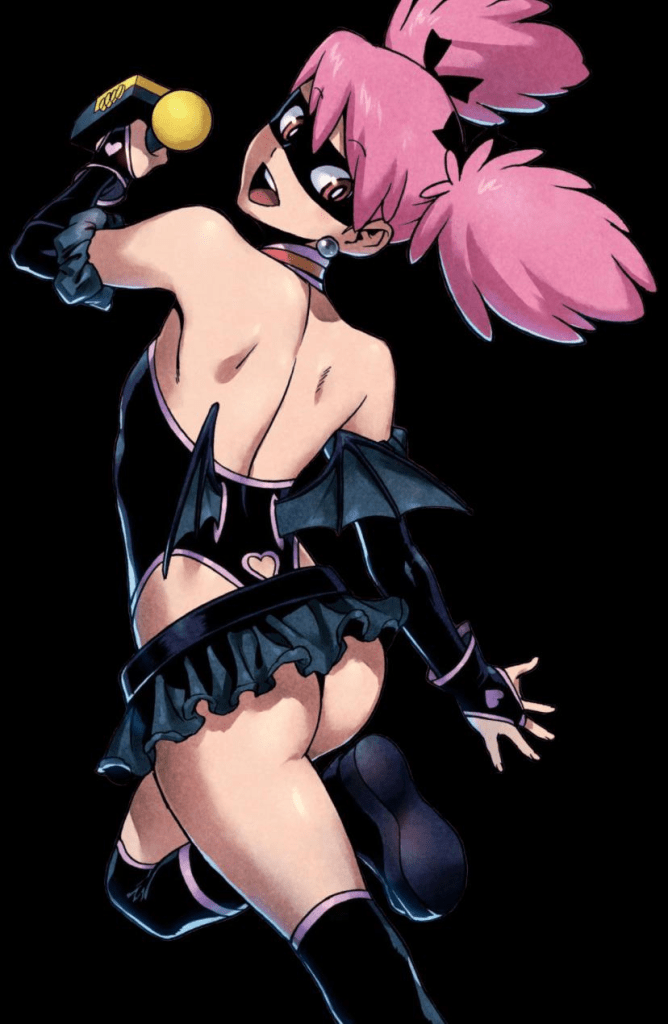
Lore-wise, this was her choice, but character design-wise, sometimes you gotta look at the writers and wonder…

But why get anal (no pun intended) about character designs? Manga readers know that Midnight used to look like this:

This costume design caused lawmakers to rewrite acceptable costume laws. If it wasn’t for that, a good portion of her career would be even more scandalous than it probably already is.

Kazuho Haneyama is instead very tsundere-coded. She’ll lend a helping hand and use her online influence to implore her loyal fans to keep a keen eye for Trigger users and encourage them to stay away from it. I’ve talked before briefly about my thoughts on East Asian idol culture, but if there’s an argument in favor of it, it can positively influence followers of a certain idol to raise awareness where it’s necessary. So Kazuho means well, but the tsuntsun comes out a lot when in close proximity to Koichi who unfortunately falls for a lot of the same traps that most would in his position when next to a tsundere. But she at least didn’t become the same type of Shonen female the genre’s been stuck with for decades.

I’m not as hostile to her as others have been, but Part I left a lot to be desired.

Finally, there’s Knuckleduster whose backstory is so heavy it needs to be shipped on a transpacific cargo ship. So keeping in line with where the anime is, he’s a dark gray character who lives up to the Batman comparisons even more than he lets on. Not to mention his first encounter with Shota Aizawa – better known as Erasure Hero: Eraserhead – shows that even pure adrenaline and energy can leave even the Pros tapping out for a breath of air. Coupled with the rest of his screen time and that brief encounter with just Aizawa reveals a few things about them. 1. Next to his first encounter with Koichi and Soga Kugisaki, you get more clues that he’s done this type of thing before, most likely in a past life; 2. The Pros shouldn’t rely so much on their Quirks for work, because they’ll eventually meet a villain or worse who’ll give them a run for their money (see the Paranormal Liberation War arc for more details); 3. Without endorsing his methods, Stain has a point about the Pros. Save for All Might, far too many heroes never know what they’re up against until they meet a Sisyphean endeavor, like the War arc in the main series.

On a final note, this post should be even more persuasion to check out the series in whatever medium you see fit. It’s still airing on Crunchyroll as I write this, so if you have the means to do so, check out it there. Or if you can’t or won’t for personal reasons (I won’t judge, and I can’t considering what I’ve been talking about for the better part of two-and-a-half years), you already know what I’m gonna say.

My Hero Academia: Vigilantes Adaptation Confirmed

At last!

This week’s post was gonna be about more webcomics, but I kinda already talked about that last week. Country of origin be damned, there’s distinction between manhwa/hua and western webcomics, but there’s not a lot of difference. So instead, we’re following up on a nearly 2-year-old newspiece:

Funny enough, when the original ended a few months ago, many felt more cucked than the central character of an NTR hentai; part of this has to do with the gap in Japanese culture and western culture as well as the assumption that My Hero Academia was a western-style superhero-themed manga. To be fair, it presented itself as such playing homage to DC and Marvel, but the application of Japanese characteristics explains why most western readers were let down by the ending. What I mean is, (spoiler) Deku becoming a teacher instead of staying as a Pro-Hero feels like a slap in the face to over a decade of build-up and promise due to the punching bag most teachers in the west are compared to East Asian teachers who are held in the same regard as historical figures and heroes. Teachers in the east are seen with the same reverence as, say, George Washington or Winston Churchill.

That said, much of the MHA fandom was conflicted over how it ended. Personally, I initially gave it praise for not falling into the same traps as DC and Marvel have in the past (re- everything, f[gasp]ing hell), but over time it became a bit too much to follow. I lost track and playing catch-ups made me feel like Samurai Jack being sent to Aku’s future.

Vigilantes, on the other hand, had a tighter focus. Smaller cast, more mature atmosphere, a deceptively loose connection to the main series through characters, concepts, and/or key items, and a darker tone than the original’s high school setting. Summarizing s[neighs]t I said two years ago, college student Koichi Haimawari starts off as a friendly, neighborhood Spider-Man-like archetype doing it because it’s the right thing to do; he meets wannabe pop-star and tsundere-in-training Kazuho Haneyama and before the pair are nearly violently assaulted by a trio of anti-villainous thugs, Japanese Batman-like Knuckleduster knocks their skulls out of place in search of an illegal Quirk enhancer and offers (read: practically threatens) to tutor Koichi in the art of vigilantism. Much appreciated, but a date with a neck brace initially feels better than Peter Parker becoming angsty again.

I jest, it doesn’t get to this level, but it does explore themes that the original doesn’t delve very far into. It wrapped up its story with a neat and tidy ending, and is an interesting addition to MHA on the whole, along with the light novels, and spin-off, yonkoma parody. Yeah, it’s become a franchise since debut.

It was in 2023 where the rumors of an adaptation first circulated and I did report on it at the time, letting it sleep until I got official news from the horse’s mouth. Fast-forward to mid-January 2025, and the rumors are facts: My Hero Academia: Vigilantes is set for a spring 2025 release.

As far as reputations go, the fandom coupled with the writing of the last two quarters of the manga seem to have colored many people’s outside interpretations of the series. Not that it had a good leg to stand on initially; for all the praise it gets for helping to popularize new Shonen tropes, if you just got off a binge of the big 3 anime of yesteryear and expected badassery on every corner, then I can’t blame you if you were ever disappointed. Then again, the original’s deconstruction of Shonen tropes was what made it seem so fresh at the time. Deku doesn’t start off as a badass–instead he’s proof that heroes are made, not born. He’s basically what happens if you tell someone in the past that this scrawny weakling would become the best of the best in ten years time before being laughed out the room.

And that was an easy sell at launch. It and Demon Slayer have broken the mold with more empathetic protagonists, and as such have garnered their own opinions on such a trope. Koichi, on the other hand, doesn’t exactly have the most unrealistic goals imaginable: college student by day, local helper by night. At the risk of burying Deku under the cemetery, Koichi’s no starry-eyed kid with his head in the clouds. Being an All Might otaku, he does secretly dream of being a hero, but is content with being anything but the hero.

Over the course of the manga, this begins to morph into something more complicated tan what was originally stated. More characters, more intrigue, more mysteries unraveled; it makes the L.A. Noire plot look like a retelling of the Three Little Pigs. And out of respect for you, the reader, I refuse to spoil the main plot of the manga.

But what about the upcoming anime? Well, the manga fell into a bit of controversy over the depiction and treatment of select female characters, namely Kazuho Haneyama, alias Pop-Step. Notably her vigilante costume.

As you can see, Kazuho, who’s around 16 years old in chapter 1, wears this as her costume. The Pop-Step persona is meant to be a cutesy imp-like creature which, on reflection, makes me think of Ironmouse in a lot of ways. The original series had people crying foul over Horikoshi’s decision to have Momo show so much skin for her quirk to work, but in a weak defense, that was one of a few ways to get it down. (Some headcanons depict her as a shy exhibitionist unlike Midnight, IYKYK.)

Pop-Step has less reason to show her butt here. I had brushed it off as “animanga tropes” while I was reading it, but after some thought (and time), this doesn’t look very good. Couple that with the initial panels of her about to face a nasty assault or harassment and the criticism is as solid as Snake. Trust me, though, it does get better as the manga progresses, and to answer to an upcoming backlash, the animators have considered the following for a redesign of her costume:

Tights! Will it work for the anime? Time will tell. Does it work for me? I turned my brain off and let the story guide me each time I read another chapter so I didn’t put much thought into it until way later when the manga ended. For my recommendation, you’re better off letting the manga do the same and speak to you then go in with any expectations whatsoever. Even what you know about the original series is gonna get tossed out the window at the first panel. You know my shtick by now. Manga hosting pirate sites, physical volumes, etc., etc., though the former may help you get up to speed considering it has significantly less volumes and chapters — 126 spread across 15 volumes VS the originals 431 spread across 42. I have yet to see a box set of the whole franchise, but it’s only a matter of time before it gets a Naruto-like 3-in-1 omnibus manga treatment.

YouTube recommendations! I’ve been struggling to find some channels to have you all check out largely because what I watch these days is incredibly varied and I don’t like throwing people in at the deep end. I do still want to keep sending stuff your way and my crystal ball sees me recommending a series of sorts whether its on YouTube or not. Some candidates have had to axe their channels due to unwanted outside attention, others have simply moved on. And that makes this difficult.

This time, I thought I’d share what I’ve been watching. I’ve only got a few lined up for February now, but as time goes on I may do what I did in 2023 and do a bi-monthly recommendation system compared to what I had going on last year.

A channel that has my eyes is Stiff Lip Supplements. A series of humorous Army MOS ads masquerading as a satire, it’s a company whose videos are short form Zyn advertisements. You don’t necessarily have to be a servicemember or Zyn/snu user to get the gist of their humor. They know damn well that what they’re selling isn’t a miracle cure for the usual daily bollocks, but do offer to alleviate the headache only slightly. If you need a quick chuckle or you’re thinking about buying some of their merch (which does include apparel), the link is in the first line of this paragraph.

The Elusive Samurai Anime Review

A burgeoning franchise based on medieval Japan

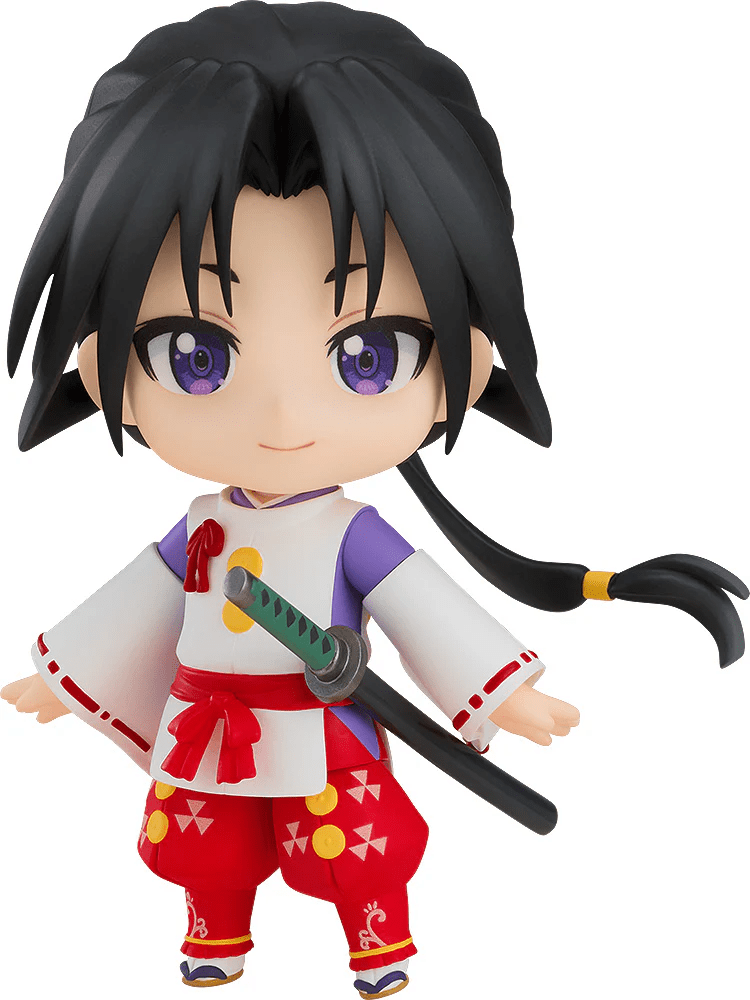
Long time subscribers (and newcomers who’ve searched the archives) know how I feel about history and even Japanese history as a weeb. I’d been following this series by Yusei Matsui since the first chapter was licensed for English by Viz Media in late January of 2021. After three years, about 17 volumes (plus more to follow), an anime adaptation, and figures set for release sometime next year; of all the things that could’ve happened to this series, franchising was probably the last thing I expected even for promotional purposes. Then again, this isn’t the first series to get a boost in merchandise time of debut notwithstanding.

Save for the OVAs and the lost 2007 movie, 25 years is a hell of a wait for a proper adaptation.

I’ve already written about the time period Nige Jouzu no Wakagimi takes place in, but as a refresher and to catch newcomers up to speed: between 1180 and 1185 in the Genpei War between the Taira and Minamoto clans, the Minamoto won out and established the Kamakura shogunate in the namesake city of Kamakura where it would be under the de facto rule of the Hojo clan, a Minamoto ally by the 1330s. The retired Emperor Go-Daigo plotted with Hojo clan retainers, the Ashikaga, with the purpose of returning control of Japan from the shogunate to the imperial court.

Following these plans initially, the Ashikaga betrayed the Hojo and led a siege spearheaded by the Ashikaga brothers, Takauji and Tadayoshi, with the purpose of mass elimination of the Hojo clan.

Of course, they had retainers of their own, Ogasawara Sadamune, Ichikawa Sukefusa, Nitta Yoshisada, and several others who rally to the Ashikaga cause. All but one of the Hojo survives, Tokiyuki, who carries more value as the heir to the previous ruler or shikken Takatoki compared to his half-brother Kunitoki, whose mother was a concubine.

These people all did exist in Japanese records, but English-language sources are scarce and my Japanese isn’t proficient enough to try to search through the original sources to look more into their personal lives, but as a spoiler, Hojo Tokiyuki made it all the way to the 1350s running endlessly from the forces of Ashikaga Takauji, escaping until his eventual capture and execution by forces loyal to Ashikaga in the Spring of 1353.

As for Go-Daigo, well Ashikaga seemed to have used the opportunity to betray the Hojo to also betray the emperor. Paying lip service to the idea of a civilian-run government, Go-Daigo’s Kenmu Restoration as it’s known these days was short-lived and Ashikaga implemented the Ashikaga Shogunate in 1336 until it eventually collapsed during the Sengoku era, paving the way for the last shogunate, Tokugawa, until 1868. Never trust a traitor. Though the entire time of the Ashikaga’s brutal rise to power, there were technically two courts in the north and south of Japan which is why this era is also known as the Nanboku-cho period and why there are two sets of emperors whose claim to legitimacy is dubious.

I remember reading about the anime adaptation last year, prompting the first ever full-length post about it the day of. Now that it’s here, I can finally share my thoughts on the adaptation. Clover Works pulled out all the stops to bring this series to the small screen. I’m almost 26 and in all my years as a weeb, I’ve never seen a more beautifully animated piece of media, not even when Toonami pranked us years ago by showing the original dub of Masaaki Yuasa’s 2004 film Mind Game.

Some sore spots exist with the use of CGI in select scenes in the anime, but they don’t really do anything harmful to the overall plot of the series. I admit, I was worried slightly with how much attention other anime were getting around it especially with regular updates on Reddit, but then again, a single social media forum isn’t and shouldn’t be seen as the poster child for all discussion on media, least of all anime. Healthy discussion does exist, but with how big anime has become, I think it’s time for the medium to go back to its roots as showcased in late 90s-early 2000s discussions are concerned, namely, a small group of friends, enthusiasts and connoisseurs (with a strict member limit) who meet up and talk about the latest series and other anime news. Reddit and Twitter are cramping anime’s style, you know?

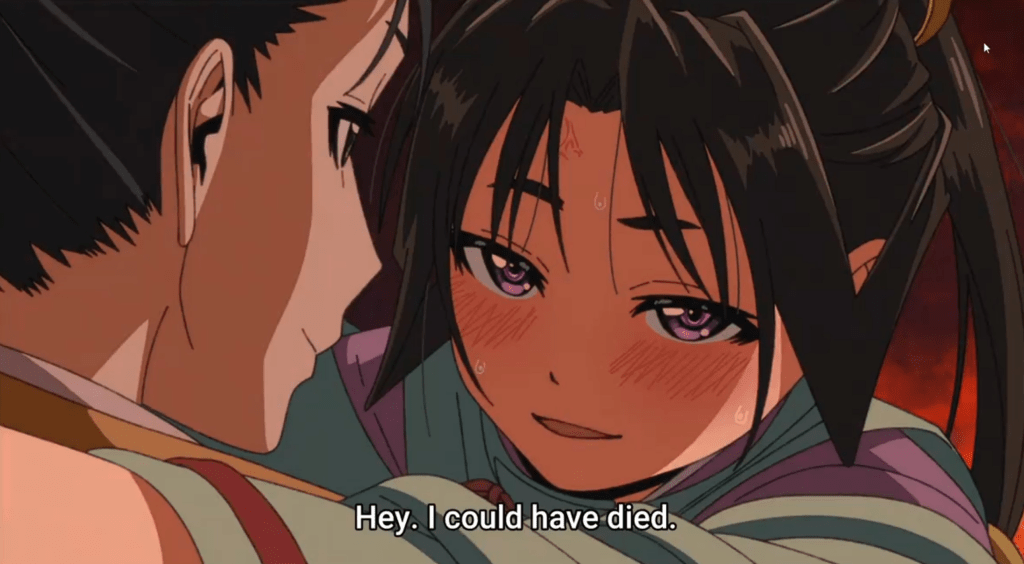
Following on from that point, if you want more evidence that social media is more curse than blessing, I made a discovery about seven or eight episodes in. I didn’t know this at the time, and I know better than to share misery, but in the first episode (spoilers again), there’s a scene where the chief of the Suwa Grand Shrine, Suwa Yorishige, pushes Tokiyuki off a cliff to join his family and be killed, when he shows his max experience in evasion and makes it back up the cliff, he flies into Suwa’s arms, and angrily tells him that he could’ve died down there. Though angrily in this context may not be what you imagine.

Matsui’s pride in femboy characters strikes again, as a disturbingly noticeable percentage of Japanese Twitter saw this scene and exploded with… excitement. I’m not responsible for this scene, but I still feel an apology is owed to someone. Maybe Shinzo Abe’s ghost for all of that excitement going into crumpled up tissues and not the rest of the population for procreation. Sorry, was that vulgar? Have a meme.

Pictured is my reaction to Japanese Twitter’s “awakening.”

Eh, it counts as engagement, so success? I’m still collecting and reading the manga, which I encourage you to do however you see fit. Follow along with the anime (which ends the 1st season at chapter 31), continue in the manga, or if you’ve done/are doing that, then wait with me for the figures to release. Time’s on our side.

On a final note, I heard rumors that a second longer season was in the works. We’ll have to wait for confirmation on that.

Undead Unluck Anime Adaptation

From page to cel

Ah, f[swords clashing]k it. I’ve been putting it off long enough and my desire for perfection is clashing with my schedule so, I’m bringing the long-awaited opinion on the anime adaptation of Undead Unluck. Still got a few episodes left in this season, but I’ve reviewed anime halfway through before so there’s no reason to hold this one to a higher standard.

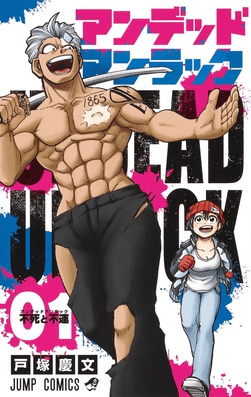
Immortality Misfortune is the story of a man who’s chronologically so old, his birthday is on a different calendar system going on a journey with Japan’s millionth unlucky female protagonist on a quest for the best death the world can offer. It was picked up by Viz Media in January 2020 for weekly distribution in the west and I’ve been keeping up with it leading up to my first try at Army basic training. I’m still following along to the best of my ability, and yes I still recommend the manga.

For the anime, it was picked up by David Production, the same craftspeople responsible for bringing JoJo’s Bizarre Adventure to stunning life after 25 years in limbo and Fire Force, only for that to be delayed by a few weeks due to the tragedy at KyoAni in July 2019. It’s not often that a manga I follow closely gets this treatment, but the industry seems to be enjoying a boost as of late with more and more manga I find getting adaptations later. Speaking of which, The Elusive Samurai’s next episode should be airing right now so a review of that will arrive in time. I will try my best not to delay it as long as I’ve done with this one.

Considering the year of release of the manga and that of the anime, Deathless 13 went through a few changes since it takes place in the modern era. COVID had a slight influence on the first episode as the female MC, Fuuko Izumo, was all by herself before attempting to try her own hand at death, whereas in the manga, there was a crowd gathered attempting to stop her. Then deuteragonist, Andy, shows up attempting to do the same but in style.

The series likes to have a ton of fun with body horror considering the premise: a select group of people possess supernatural abilities that negate the laws of physics. What anyone else can do normally, these “Negators” can do the opposite, hence the abilities like Untouch, Undead, Unstoppable, Unchange, Unmove, etc. No, it doesn’t match with how English works, but longtime weebs know the difficulties of accurate localizations.

A small group of Negators, known as The Union, have made it their mission to uncover the mysteries of the world they live in by challenging God himself. Many obstacles stand in their way, those being the UMAs or Unidentified Mysterious Anomalies/Animals. These beings have an adverse affect of some kind on the rest of the planet and are due in large part to The Union’s performance in the field. If successful, the repercussions are negated and things return to their normal state; but if they fail, the consequences become part of nature, in some cases permanently. Sacrifices tend to be made in order for The Union to reach their goal.

Having followed the series for the better part of 3.5 years, I recall some panels that would look astounding if animated because the action within is limited by the medium it originated from.

Of course, not every manga has that luxury, as Berserk fans know very well. When I learned that DP would be captaining the ship, I recalled their expertise in animation with JoJo, Fire Force and several other series and rested easy that night confident that their ethos of quality animation would not have to suffer. The studio promised us the Sistine Chapel once again and their hard work has paid off. Better yet, no one was breathing down their necks to meet an arbitrary standard so prepare yourselves, people. For the chefs have cooked another perfect dish.

I personally didn’t have much issue with the Stone Ocean adaptation, but I understand the argument that there was interference.

DP’s attention to details is one for the textbooks. Watching Andy regenerate severed limbs and such is phenomenal, and whatever confusion there was about how this world works is enhanced with the motion of all the pictures. No more flipping through pages for visual learners.

Having said that though, much of the series makes it a candidate for the mystery genre. Discoveries are being made all the time, characters keep their pasts well-hidden, motives change regularly, and the changes that influence the world can only be explained by a handful of people. I’d say it meets those prerequisites well with what I remember about it.

I can’t recommend enough that you check out the anime yourself. The manga got back on its feet a while back after a subpar arc, but with the anime adaptation in tow, it’s more than worth the watch. It’s available in dub and sub on Hulu and you already know what I like to frequent.

Undead Unluck First Impressions

This is a long-time coming.

If you’ve been following this blog since the beginning, you may recall months ago when I wrote about a manga where select people get random powers of negation, as in what would normally happen to someone else doesn’t happen to the negator themselves. Lots of luck? This person gets none. Mortal? Not gonna happen. Approachable? There’s a literal barrier that keeps you from getting close. This manga is known as Undead Unluck. Created by Yoshifumi Tozuka on January 20, 2020 (the events since, my god), it’s up to 18 volumes as of writing this with 11 currently translated for an international audience. It was recently picked up for an anime adaptation in August 2022, and it’s first episode debuted on October 7, 2023 on Hulu with weekly releases to follow.

It’s too early to tell whether it’ll run for 12-13 episodes or 24-26 episodes, so this post will be a first impression of the first episode and whenever the first season ends, I’ll review it in bulk with comparisons to the manga. If the title, didn’t give it away, I’m gonna spoil episode 1. So go watch the first episode if you haven’t already, then come back when you’re all caught up.

Speaking of which, the first episode is already markedly different from the first chapter. Being early 2020, no one could predict the global impact of the COVID-19 pandemic then. On a side note: I first read about it in December 2019 and said to myself, “That’s unfortunate, but as long as it stays there [in Wuhan], we have nothing to worry about.” My words were delicious, thanks for asking.

Anyway, no one knew about the pandemic’s global impact in January, news was still getting out back then, and I bring this up because the manga starts in August 2020, deep into the pandemic with lockdown and travel restrictions in place across the world. This is reflected in the anime as the first scene shows the protagonist Fuuko Izumo set to self-delete from atop a trainline with only Andy, a.k.a. Undead watching from the other side. In the manga, she was surrounded by bystanders who were attempting to bring her back to safety but were stopped when she produced a knife.

Andy still walks into the blade and touches Fuuko’s face hoping to catch some of her Unluck ability, and like clockwork, the platform collapses beneath him, causing him to fall onto an incoming train. In the manga, they show the disruption of service due to the fall, but the anime skips past that and immediately shows Undead sprouting a new body from his head.

In the anime, members of an antagonistic agency (revealed later in the manga, I won’t spoil too much) show up to apprehend Undead, but he takes Fuuko with him and flees. In the manga, with the world still being populated, a civilian witness attempts to alert the cops on an out-of-context scenario involving a naked man and a young woman in public (honestly, much of the manga is just “Out of Context” the series; it’s unbelievable).

In both the manga and the anime, Undead and Fuuko stop at a building rooftop with Undead dangling Fuuko over the edge until she explains her Unluck ability. She explains it and although it was given a single page in the manga, the anime elaborated further on this. It starts with scenes alternating between Fuuko’s last connection with her parents before the accident, and scenes from the romance manga she was reading.

The anime had introduced them early, but by this point in the manga, after being saved from an accidental slip and fall from the rooftop, the antagonistic agency, represented by men in black suits observes their target making a run for it to an abandoned site. At the site, Fuuko’s jacket snags and she loses her beanie which kept her hair under wraps for years since no hairdresser or stylist could cut it without dropping dead. At the same time, Undead is maintaining as much skin contact with Fuuko while he cuts her hair so that he can test a few hypotheses, mainly is the impact influenced by duration or surface area?

Well, he doesn’t really get that answer since this agency of black suits tracks him down to his hideout and lops off his head. They put the head in a container and handcuff Fuuko, but the Unluck comes in clutch to save the two as one of the black suits gets zapped. Undead regenerates everything below the neck and removes the card he keeps in his head as a restrictor of sorts to cut them all down to size. Between the manga and the anime, this scene is a mix of gore and action.

The main guy in a black suit holds Fuuko at sword-point and threatens to behead her too if Undead doesn’t surrender his own head. Neither of them agree to that and when Fuuko breaks free and kisses Undead on the cheek, a meteorite decimates the abandoned hospital. With just a single cell of him left, Undead regenerates full and takes the black suit’s sword as a keepsake. Putting two and two together, he realizes that neither duration nor surface area have anything to do with the Unluck reciprocated and that it may be more connected to feelings of affection. Working with that as the going hypothesis, Undead, now christened “Andy” as a play on words (works better in Japanese) by Fuuko, half-jokingly proposes that they’ll both get their desired death if they have sex… which Fuuko is clearly not keen on as they both just met. And that’s where chapter 1/episode 1 leaves off.

For my impression, I say that if follows the manga as best as it can with a few nods to real life changes. Then again, for obvious reasons, the COVID pandemic and probably by extension the year 2020 aren’t going to be referenced very heavily in media unless it’ll be for alternate changes to reflect real life or for an alternate timeline of sorts. I liked what they did in just the first episode. This being, David Production, the people who brought us JoJo’s Bizarre Adventure, I didn’t worry all that much about how it would look or turn out.

This studio tends to live up to their reputation and they made Undead Unluck look pretty good for the beginning. I didn’t think they’d expand further on the origin of Fuuko’s Unluck ability with the plane explosion, but from a narrative standpoint, it’s cool to see what we’re expecting going forward. The same goes for the scenes of Fuuko’s romance manga. This is connected to the plot many chapters into the manga, but without spoiling this again, DP seems to be playing the long game of adaptation with the foreshadowing in just this episode and likely more to follow.

If the anime is 1-cour running for 12 or 13 episodes, then the last episode should air on December 23 or 30 of this year. Alternatively, if it’s 2-cour running for 24 or 26 episodes then it should wrap up its first season by either March 16 or March 30, 2024. Whichever of those comes first, I’ll save a spot in my schedule for that and cover it in a post in the future.

Call me biased in favor of the series, but I’m glad to see something I cheerlead for in the beginning get one of its dues and I hope I can say the same for The Elusive Samurai when it releases in 2024.

Tomorrow I’ll be covering a media company that is on a slow and steady decline. Stay tuned. Here’s a hint: