Hello, subscribers and tourists catching this on the fly. I’m known as the one who publishes ironically non-controversial takes on entertainment, mostly video games and animanga as of late. As I recall, the only hot takes I have on hand are these three:
1. Kratos did nothing wrong (sorta)
2. Boruto is slightly above average, and;
3. Chainsaw Man was predictable (to me)
And some others that might be expressed in the future. I’m writing to inform you all of something I should have updated everyone on in October 2023. After ten long years, I’d finally self-published my book. It’s called Dawn of Freedom. It’s a fictional crime story set in the early 2010s in New York, which was modern-day when I wrote it years ago. I’d struggled trying to navigate the publishing world and had to rewrite the manuscript multiple times, but I pushed through and saw it come to print. If you’d like to check it out, I have an Amazon link below for you.
I’ve come across a lot of manga series over the years, and while I don’t remember all of them, if I had something similar to My Anime List, I’d probably rank the ones I’ve read or heard of in terms of read (past tense), reading, going to read, or no interest; and based on what I’ve recommended across this blog this year, I’d say that there’s going to be a lot of series that the average manga reader has never heard of or can’t find through conventional means. However long you’ve read manga or watched some of their corresponding anime, you’ve undeniably heard of series like Naruto, Bleach, Dragon Ball, or One Piece. And you know some recent trendsetters by name: Attack on Titan, Sword Art Online, KonoSuba, My Hero Academia, etc.
But be honest with me: before reading some of my entries from this year, did you ever know about Wave, Listen to Me? Or Rokudenashi Blues? How about House of Five Leaves? Mashle? Black Torch? No? Well, that’s to be expected. Some of these have only recently gotten their well-earned press and praise and the others rode that ship ages ago. Rokudenashi, for instance, is from the 1980s and it shows.
Only JoJo’s Bizarre Adventure still looks like this.
This quest of mine to find and screen through manga we’ve never heard of or haven’t heard much about is in equal measures personal and exciting. Personally, I don’t mind much of the series that get praised online these days or even IRL, but sometimes the praise can be a bit much. Although I enjoyed Chainsaw Man, my previous excursion with Black Torch by Tsuyoshi Takaki subconsciously colored my perception of the anime. It took me a while to realize how similar they were in structure, but fortunately for Tatsuki Fujimoto, CSM is more comical in comparison. Takaki’s manga seems to have been a victim of the times.
As for the excitement, call it the general sense of joy that comes with discovering something new. And it’s not these are hard to find. Google and Bing are likely to have them indexed and sites like Mangadex may have it in the archives. As for discovering the series myself, some series were the result of accidental Google searches. Others came from digging through the Manga Plus front page or reading an article about supposedly underrated series.
This one specifically came from when I was trying to Google Do You Love Your Mom, AKA the MILF-sekai.
Alternatively, there’s online forums dedicated to discussing manga, the most common one for me being Reddit. It is worth keeping in mind that sites like this will have a younger audience (i.e. early middle school to middle high school age), so what was popular when you were graduating is gonna be seen as old by the time some of these users are your age. I’m writing from personal experience and the weight of this gap is felt for me, but hey, at least Yu-Gi-Oh! and Pokémon still make the rounds, even through memes.
Another point to bear in mind is availability. There’s a difference between knowing the name of a series and knowing where to read it. Mangadex is a weeb’s go-to for series that are running but can’t be easily found, but there’s a chance the series in particular is available to the public in some form or another elsewhere. The only barrier in that aspect would perhaps be the age of the reader or just a trip to the local bookstore. Any Barnes & Noble employee worth their salt would know better than to let a high schooler go home with a raunchy series, but let’s be real there’s always a loophole. Grab a friend who’s older than 18 or go online like everyone else.
Going back to Mangadex, there’s no shortage there of the big four genres of Shonen, Seinen, Shojo and Josei, but if you want something 18+/hentai, then Mangadex will not help you. Even these sites have their limits, and that’s fine. Digging through a pirate site that’ll have what you’re looking for is tricky. In my experience, some pirate sites are overridden with pop-up ads that open a new tab bursting with malware, and it isn’t always when looking for hentai. Some Korean manhwa get scanned and translated into multiple languages by groups advertising these services on donation/contributor sites like Patreon, and many of the pirate sites that they end up on are all third party hosts.
Other sites like Webtoon or Toomics do host them free of all the issues that come with a pirate site, but sometimes have a string or two attached. I’m not lambasting these sites for putting walls up to entry. That’s what deserves praise. It may sound odd of me to admit to pirating while also condemning it, but I’ve been clear on where I stand on that. For some things that, thanks to the passage of time, have grown increasingly difficult to find conventionally, piracy is the most convenient* way to experience it firsthand; and I apply these same rules for series that have concluded or ongoing series that aren’t available in your region (*it’s not always reliable though).
For something ongoing, general or NSFW audience notwithstanding, if you’ve got the means to do so, it’s heavily implored that official releases are supported and as tempting as it is to head for the raw, untranslated version, I won’t act like I have the authority to stop you but for some series, unless you can read and speak fluent Japanese or Korean, I don’t recommend pulling double duty running the dialogue and speech bubbles through Google Translate. Depending on how it’s written, straight translations will contain slang and references that are gonna get lost that way. Translate has gotten better over the years, but it’s no substitute for a structured class. And finally, these languages have scripts that can and do show up as calligraphic works of art. I find it beautiful, but tracing the damn characters into Translate, especially on mobile, gets tedious quickly.
Now I’ve not abandoned or wholly used uncommon means of getting to my favorite series. I recently downloaded the Shonen Jump app on my phone and I have a tab on my computer logged into Manga Plus, and true to the title of this week’s post, I’ve discovered a new manga series that I’d like to explore further called Beat & Motion.
Take this as more of an exploration for how to discover new or underappreciated series and my experiences doing so. My method of doing so, though, is quite slapdash and haphazard, so if there’s a more sensible way of going about this, use that method to the fullest extent. Only go on sites you trust, and please use a VPN of some kind. Opera and its GX variant go a long way, but if you have the means to my recommendations come from those that I’ve seen sponsored on YouTube including but not limited to Dashlane, Atlas, Express, Nord, and Private Internet Access. I like to think everyone is in wide agreement that nothing ruins the fun of reading manga/watching anime more than when a simple mouse click puts you on a site with malware on it.
But of course remember to have fun with what you find.
This series needs no introduction. It’s famous in the animanga circle for its name, its reputation, its characters, its violence and most of all its f[Boost mobile chirp]ng swear count.
Channel: Edwin De Paz
It’s mostly famous by its anime, but it started off as a manga by Rei Hiroe in April 2002 and has run ever since in the Seinen manga magazine Gene-X, for far, far longer than the anime and its OVA ever did. The clip above (which is understandably though unfortunately age-restricted) is one I will see sometimes on YouTube or Reddit because of course. It’s badass, it’s f[monkey screeches]ng awesome, but around the gratuitous gory action is an appropriately mature story.
I don’t remember when or how I learned of Black Lagoon, but I think it was through some WatchMojo clips about anime gunslingers that introduced me to the series, and it wasn’t until I was in the middle of college that I got around to watching it properly. Before we begin describing the series, no matter your opinion on subs or dubs, I heavily implore you to watch it however you can in English. I mean zero disrespect or offense to the original Japanese VAs, but the writing of the dub makes all the swearing necessary. F[gun cocking]k hits far harder in this anime when accompanied by the sounds of a firing range in comparison.
The premise is this: in the mid-1990s, Tokyo-based salaryman 25-year-old Rokuro “Rock” Okajima and a department chief are hijacked in the South China Sea by a trio of pirates onboard the Black Lagoon PT boat and calling themselves Lagoon Company. The chief leaves Rock to his fate and he joins up with Lagoon Company’s members consisting of Vietnam vet Dutch, Chinese-American gunslinger Rebecca “Revy” Lee, and South Florida computer programmer, Benny.
As the fourth face of Lagoon Company, Rock is the glorified diplomat if Dutch is unavailable, especially since there’s an equal or greater amount of time on land than on sea, mostly in the fictional border city of Roanapur, Thailand. This base of theirs is also home to many more organized crime syndicates the world over including but not limited to Colombian cartels, Russian and Sicilian mobs, the Triads, and the Yakuza.
As for the cast of characters Lagoon Company faces, it’s quite a mixed bag. Just about everyone in the story is motivated by coin, though there’s a fair few who have their own ideals and tenets, not all of them savory or agreeable. Criminals, extremist organizations, drug lords, and general psychopaths are drawn like moths to flame.
Hiroe’s inspiration for Black Lagoon was inspired in triplicate: news reports about piracy in the South China Sea from the 1990s (hence the setting), the writing drew from a variety of influence like Stephen King and James Ellroy, filmmakers like Quentin Tarantino and John Woo, and overall crime noir and Hong Kong action cinema, and other mangaka like Kenichi Sonoda who created Gunsmith Cats (another series I wish to cover one day) and Akihiro Ito who created Geobreeders.
The characters and setting are all diverse in appearance and in skillset, especially protagonist Rock who skirts by on a lack of battle sense with the powers of negotiation and diplomacy. The setting of Roanapur among other places would make the guy an ill fit since he’s not really seen as bloodthirsty as the others, but then again, the wider cast of characters is exactly that unpredictable, or (spoiler incoming) you wouldn’t really expect a guy like this to be an arsonist, would you?
Speaking of which, this speaks to the creativity of Hiroe, understanding that there’s no bog-standard look for a criminal. Some dress in suits, others are tattered, and the rest are casually dressed. The same goes for some of the child characters in the show. Conceptually, almost everything is thrown into the kitchen sink when designing a character and putting them in the story.
As for the chapters themselves, Hiroe has stated in interviews that unlike mangaka who release weekly chapters, he employs a slower approach, often taking as long as a month to release a new chapter, and normally for two reasons: to avoid burnout experienced by mangaka of several popular series still running, and also for mental health reasons. For what its worth, if the research for the series has him glued to news screens and snippets combing over crime on international waters, then it can get daunting keeping it plausible yet exciting. Or if its a series of other things that see him taking multiple hiatuses from Black Lagoon, then whatever happens, the series already gets high praise online and in real life from Japanese and western audiences alike, and not to sign a Death Note of sorts, but even in the worst case scenario, his flagship series will progress toward an ending, even if it isn’t him specifically who will finish it.
Someone will be there to finish it, with him or for him. And no matter what, Black Lagoon started with a bang and I sure hope that when it eventually ends, it ends with a f[swords clanging]ng bang.
This week’s recommendation is the YouTube channel RunJDRun.
RunJDRun is the gaming channel of John David “JD” Witherspoon, son of late comedian John Witherspoon. Beginning in June 2009, he hosts Let’s Plays primarily on this channel either by himself or with friends, but also has commentary videos on video games or just in general. JD also has a podcast that he co-hosts with his friend Paul. He normally uploads daily, and like his father, he also has TV appearances and performs stand-up from time to time in the Los Angeles area.
The topic of VTubers is somewhat old hat as of writing this so nothing I write will be new, but my posts since the beginning have mostly always been like that so structurally, nothing’s changing. As for the topic itself, others have mentioned VTubers in the past before and more succinctly so I won’t go into the history as much here. But in case you’re curious on what VTubers are, Gigguk is down below to catch you up to speed. Granted, the video is from October 2020, but all things considered the landscape hasn’t changed all that much.
Channel: Gigguk
All in all, there’s some debate over the beginning of VTubing, but it’s widely accepted that the VTuber Kizuna Ai is the one to spread the idea and popularize it worldwide. Kizuna Ai debuted in November 2016, and many more have followed, mostly of Japanese origin though several from outside Japan, notably the U.S. and U.K. have had their own similar debuts. It wasn’t until 2020, that I was exposed to many of the VTubers mentioned in the video above and the talent agencies (known as tarentos in Japan) that host them and these days many of the notable and newer ones have in some manner populated my feed.
Call me paranoid and nonsensical, but I’d never had that much trust in a machine or any such program. The irony to this was that when I was in Army boot camp initially, I was set for a military occupational specialty (MOS) that would’ve had me working with telecoms networking at the time and here I am with a man vs. technology complex. It’s not all that special, humans have always looked at the strange and foreign with suspicion, but for me it’s just irrational. When I was 16, I binged all the Terminator movies in the lead up to the great disappointment known as Terminator: Genisys and I’ve always chalked that up to the reason I look at new tech with the stink eye.
Nowadays, I don’t really mind the direction AI tech is going since most of the time we’re merely putting in silly prompts and in my case, general history questions. Could we one day mess around and find out Skynet style? Who knows? We’ve got to wait and see. For my exposure to VTubers, it wasn’t around 2019 going into ’20 that I’d gotten more exposure, mostly by proxy through the Trash Taste Podcast when the boys invited VTuber Mori Calliope to the show.
Channel: Trash Taste
And it wouldn’t be the only time a VTuber appeared on the podcast or even individually with the boys on their own channels. Speaking of Kizuna Ai, Joey had her on his channel a few years ago. Gigguk did a few rare collabs with the likes of Hime Hajime, and followers of CDawgVA, the thickest Welsh boy, are very familiar with his dear friend Ironmouse and the pathetic VTuber Rainhoe. These are all jokes, of course. Check them all out when you have the time.
I’d say that VTubers like these helped introduce me to others in my feed as well as the talent agencies that host them. As explained by Gigguk in the first video here, some of the appeal of VTubers comes from the personality themselves and/or the associated lore, other times there’s something unique that comes with VTubers especially in the realm of video gaming where you’ll find a lot of them, and the rest of the time they’re recounting humorous or embarrassing stories or otherwise screwing around. No matter how many clips I find in my feed, this one of VTuber Amano Pikamee making a JoJo reference is always a personal favorite of mine.
Channel: Giobun
But even outside the realm of traditional entertainment, sometimes YouTubers outside Japan have jumped aboard the trend themselves for a variety of reasons and purposes. Back in April, I recommended the YouTube channel Rev Says Desu for his commentary on controversies in and around the anime community, notably in online forums like Twitter. Rev himself uses a VTuber model in his videos and often due to the nature of the content within his videos, he’s normally subject to demonetization at the least and harassment at the most, largely because many of the people he puts on blast from Twitter are a minority of firebrands. Most of Twitter isn’t like that I’m aware, but this is more of a problem of popular and social media giving a lot of power to people who demonstrate that they shouldn’t have it. An age-old bugbear that should’ve been exterminated years ago.
On a more lighthearted note, the messing around, joke around, fun type of VTuber is the kind that has its appeal the world over and has inspired individuals outside Japan as well as English language options being made available for Japan-based VTubers, including but not limited to those associated with the Nijisanji and/or Hololive agencies, sometimes spawning collabs and memes especially in forums like r/Animemes or its sister forum r/goodanimemes. For a while, Gawr Gura and Watson Amelia were featured quite a bit in these subs as one example.
Creator: phdpigeon
And there’s lots more fanart and such to go around.
For my mileage, I’ve come to accept that VTubers are another arm of Japanese pop culture jumping ship and spreading to the rest of the world and rapidly. As Gigguk had mentioned in the above video, some would argue that it’s a fad, a passing fancy, but 2024 is down the street and we still have VTubers debuting these days long after Kizuna Ai helped break the mold, most likely with aid from pioneers from years before. Whatever comes after VTubers I think it’ll be a while before we see it.
This week’s recommendation is a channel known as The4thSnake.
I’ve mentioned this channel on other posts before. This channel is dedicated mainly to fighting games, their lore, and individual plot points, but takes it a step further by mentioning the plots of specific characters over the course of a series’ timeline, clarifying messy plot points, among other stuff. The4thSnake specializes in Mortal Kombat lore and collabs loads of times with another channel I’ve mentioned before: TrueUnderDawgGaming. And since Mortal Kombat 1 has been out for about a month at this point, both of them are set to capitalize on the new lore brought about by this latest installment of Mortal Kombat.
Regular readers know the nature of this blog: obscure, unheard of, niche unsung series; and occasionally something popular that’s ongoing. Following that trend, I bring to you a manga that not only had a small fanbase for its duration, but was also cancelled before it could spread its wings and take proper flight: Black Torch by Tsuyoshi Takaki
I caught onto this quite early in 2017. It’s first chapter was included in a manga published by Viz Media about upcoming series at the time, and fun fact: this same manga showcase series had the first chapter of Demon Slayer in it.
Black Torch is about a young man named Jiro Azuma, a street punk who has the gift of Eliza Thornberry — talking to animals. One day, he meats a Mononoke taking the form of a black cat called Rago who tells him (with a cynical tone) that there are many more Mononoke like him who exist to cause chaos in the world. One of them mortally wounds Jiro and Rago possesses the boy, bringing him back to life and they defeat the Mononoke that killed him, only for he and Rago to be subdued by a special operations unit trained in shinobi martial arts for the purpose of tracking and eliminating evil Mononoke.
There’s some nuance to the plot. In Japanese folklore, Mononoke are perceived the same way as demons here in the West; wicked creatures who lurk in the dark and take possession of the innocent. The concept is similar in Japan, though in Black Torch, as seen in Rago and one or two other characters, not all Mononoke are pure evil. And for Rago’s case, well, he’s a cat and I think cat owners can relate to this aspect.
So let’s rewind and assess that for a bit. A demon that takes the shape of a household pet takes possession of an adolescent after he dies in a violent manner, and both the demon and the young man are recruited into a special division of demon hunters whose mission is to destroy the evil demons, sometimes working with the good ones or those not powerful enough to be a world-ending threat. Where have I heard that plot before?
You can chalk this up more so to coincidence than an outright ripoff of sorts. Black Torch ran for five volumes between December 2016 and March 2018. CSM debuted December 2018 and is still running today. No doubt you’ve seen what the community regards as season 1 of the anime. I know I did. 12 different ending themes; imagine being the accountant for MAPPA.
It’s easy to make it look like I’m jealous that a manga that tried this first failed while another one succeeded, but delving deeper into the Black Torch manga reveals why. It was more than just the framework of the manga. Yonks ago, I learned that a dispute between Takaki and the publisher were why his manga was axed so early in its run. In my research for this post, I found that online discourse has its own opinions for why the manga suffered. In animanga spaces around forums like Reddit, some believe that it was trying to copy Bleach but was about a decade late and a yen short. Others thought it was a case of style over substance. And a third opinion, by this blog called Tower City Media Video, proclaims that the second biggest killer was pacing. I’d like to go over these points, though I won’t be talking about the publication issue since most of the time that stuff is handled away from public eyes, presumably to keep the press from ruining an ongoing process.
It’s not like there’s no market for edgy manga. Bleach, Tokyo Ghoul, Chainsaw Man and even Black Torch have that approach among others, but they all do it differently. Chainsaw Man does it by having the protagonist be an orphan with missing limbs thanks to his deadbeat dad’s irresponsible debt to the Yakuza, and when the boy can’t make a dent in that he’s chopped into pieces until best boy Pochita possesses and revives those pieces. Black Torch goes more for a rug pull of sorts. Jiro lives with his grandfather who generally has the strength of other old men in manga like Golden Kamuy’s Youichirou the Manslayer or Naruto’s Third Hokage. In fact, there’s a scene in the manga where Jiro is forced to fight his grandfather who plans to kill him and then end his own life for failing to protect his grandson from the Mononoke as well as letting a Mononoke possess him, only to walk it back as a test of conviction when Jiro fights back just as hard, as explained by this Screen Rant article.
As for style over substance, this one is a bit of a stretch for me personally. There’s no shortage of good looking series that don’t have a lot beneath the surface, but that’s not a problem I recall from Black Torch in particular. Really, without the space needed to take flight, the hints that there was a deeper story than we realize are mostly lost. I mentioned earlier that it shows that this unit of shinobi is willing to work with some of the Mononoke so long as they’re harmless, but that may also hint at a sort of mutual exchange between unlikely partners. But now that the manga’s been long cancelled, who knows whether that’s the case?
The final one by Tower City Media about turtle pacing was something I didn’t notice at first, but after reading that article and looking back, if the manga could’ve done better to pick up the pace, it probably wouldn’t have been cancelled so soon, if at all. Rago the cat isn’t the only animal Jiro talks with. In the beginning, he used to have a dog that he often spoke with while washing her, and I recall in the third volume that while he was traipsing about the woods, he spoke with a snake.
I joke, but Orochimaru wouldn’t look all that out of place in a manga like this.
If any of these points are true or there’s another factor contributing to Black Torch’s cancellation, then what may have helped Takaki would’ve been to trim the fat, get a move on with the pacing, and add more character to the characters. Jiro Azuma does well enough to make himself interesting, but he couldn’t carry the manga by himself, and going back to coincidences between Black Torch and Chainsaw Man, both had their own version of the super serious stoic type, but thankfully for CSM, Aki wasn’t copy-pasted twelve times over.
For all of Black Torch’s faults, it was at least able to end with a whimper as opposed to a bang. At least it didn’t run around like a headless chicken trying to end with an overdue bang. When I bought the manga during college, Viz charged $10 per volume up from $8 from around 15 years ago, and at five volumes, $50 plus tax is cheap for a cancelled series compared to the 20-something box sets of Demon Slayer or the 72 volumes in triplicate box sets for the Naruto manga. But of course, if you want the story that did it better, it’s not too late to catch up on Chainsaw Man.
It’s a month divisible by 2 and for this month’s recommendation is Escapist Magazine.
Beginning as a video game journalism site by Nick Calandra in 2005, The Escapist has branched out into general media with classic series like Yahtzee Croshaw’s Zero Punctuation, Jim Sterling’s Jimquisition, Movie Bob’s the Big Picture and many more. Although they have a YouTube channel (linked above), they also have a website where their series are hosted before being made public on YouTube.
Back into the fold with a manga that I genuinely tried to research reviews for but this time I came up short. Google helps with pages of individual reviews on different sites, but video reviews are what’s lacking. A quick search on YouTube (as of this writing) brings me to about seven or eight videos that don’t really have a great audience number collectively, only a few cracking a thousand views, at least on English YouTube; Japanese YT has more to talk about it seems. On the one hand, I want to see that change, but on the other hand, the subject matter of what I’m about to talk about in this post may highlight why this is for the best.
The manga I bring to you is called Rokudenashi Blues, known alternatively as Good For Nothing Blues.
I’ve made a small mention of this manga in earlier post (can’t remember which one), but here I’d like to elaborate on what it’s about. Created by Masanori Morita, it ran from May 1988 to February 1997 in Shueisha, spawned several OVAs, a couple of films and TV dramas with the most recent one listed having run for the summer of 2011 in Japan on the Nippon TV network.
It’s about a highschooler named Taison Maeda, a bullheaded delinquent who dreams of becoming a world-class boxer, racking up a gnarly fight count along the way. In Japan from around the late 1970s to the early 90s, the delinquent subculture is more of a lifestyle than an indicator of anything more sinister; it’s not like Japanese delinquents have ties to the Yakuza or anything else organized crime-like. Some do or did, but they’d be the outlier, not the standard. For an idea of what a delinquent is in media, look no further than Jotaro Kujo or Yusuke Urameshi.
The first discernable aspect of the delinquent is to compare them to any other student. The delinquent’s hair is loose, long, messy, or sometimes combed into a pompadour; their uniforms are loose-fitting and scruffy with unfastened buttons, and in some cases they’re elaborately decorated with kanji or any other lettering or symbolism. I’m not sure if there’s a meaning behind it; some depictions I can see relate to luck or strength, so that might be a theme with select individuals who partake.
It should also be highlighted that it wasn’t exclusively a boys thing to engage in delinquent culture — girls did it too. In contrast with their more studious counterparts, girl delinquents, or sukeban, wore longer skirts, down to the ankle, and also tended to have their hair as messy as their male counterparts. Of all the examples of a sukeban in media, the best example comes from the movie Sukeban Deka, a Shoujo manga that has climbed to popularity thanks to its live-action adaptation.
If this aesthetic looks familiar, there was a bit of a crossover between the greasers of the 1950s in the US and the punks of the 70s and 80s in the US, UK, and Australia. So keep this in mind when you come across Japanese media from the 80s or 90s; it’s a classic. Since the late 1990s and early 2000s, delinquents have fallen to the wayside while gyarus and by extension the kogal has taken over with media featuring the subculture still slated for release in the near future.
But I think nostalgia will either bring the delinquent back, or put the archetype side-by-side with the gyaru.
In Rokudenashi Blues, the protagonist Maeda and at times his friends, Katsuji and Yoneji clash with rivals first within the school and then in different parts of the Tokyo Metropolis as the series progresses, sort of like the huge fight between different middle schools in Mob Psycho 100.
The clashes with these numbskulls are weekly, if not daily, and the popularity of the delinquent’s outfit makes it easy to lose among the scuffle, but in both a character design and personality sense, there’s a few that stand out from the mold: Wajima and Hatanaka.
Wajima’s designed to be a physically imposing character. Think of your typical brawler or weightlifter body type from a beat ’em up video game. He leads one of the groups known as the Cheer Squad in the school and these guys have fought with Maeda and co. at times. Personality-wise, he’s as bullheaded and shortsighted as Maeda, at least in the beginning. I’m still reading the manga so it remains to be seen how he grows as a character.
Another one who mirrors Maeda in looks, but succeeds him in overall intelligence would be Yutaro Hatanaka. These two have clashing goals and in classic Shonen Jump fashion, he’s set up as the rival to Maeda, but unlike him, Hatanaka has a clear plan that he can recite with steps toward his final goal. Basically, what I’m saying is, he seems to be more studious and articulate with his thoughts, though when it’s time to play rough he can do it in stride. He’s a bit like Sasuke though far less brooding and more laidback compared to the energetic Maeda. It also remains to be seen how he grows over the course of the manga. I have a few ideas on the trajectory, but I want to see the surprise for myself.
The art style of the manga may also be familiar to fans of Fist of the North Star/Hokuto no Ken, and the reason for that is because the mangaka, Masanori Morita, previously worked as an assistant for the creator of Fist of the North Star, Tetsuo Hara.
This art style became the face of 1980s action manga with several mangaka taking elements from Hara’s magnum opus. It was a ground breaking inspiration for many creators over the years and according to some accounts serves as the main inspiration for characters like Jonathan Joestar and Dio Brando. Several more characters of this caliber would follow over the years, but it’s hard to say how many were developed in a vacuum or took on the shape of Kenshiro in some capacity.
I stumbled upon this manga after I remembered an article that mentioned other underrated series a few years ago and went to explore some of those suggestions for myself. In fact, on another blog, I talked about one of those series after watching it from start to finish on YouTube; it was the series House of Five Leaves/Sarai-ya Go You by Natsume Ono.
I plan on redoing it on this blog one day as I wasn’t all that proud of what I said in the last one.
Even if you’re not one for boxing or sports in general, I still give Rokudenashi Blues a solid recommendation. It’s got a lot of heart and it’s not exactly the most complex sports manga ever, but the manga focuses more so on the characters and their lives as they go (read: brawl) through school and later, as I’ve been told, through other schools. I may return with an update once I’m finished with the manga, though that’s not a fixed and consistent schedule so it remains to be seen.
Mortal Kombat 1 released on September 19, 2023 and continues with the new continuity left over from the last game MK11. For a recap, MK 2011 (MK9) retold the story of the first three arcade games but with twists. MK X can be considered a divergent timeline than what was seen in Mortal Kombat 4 and Deadly Alliance. MK 11 is what I personally consider a joining together of Deception and Armageddon, and the new game goes full circle.
I had the pleasure of watching the YouTube channel MKIceAndFire play the game from start to finish, I believe with a review copy. I won’t spoil too much for the game, but continuing the trend of reboots, rehashes, and retcons like a late 2010s Marvel or DC Comic there are some changes that I welcome and some I think could’ve been done better. Of those I won’t change: Fire God Liu Kang.
From 1992 to 2023, seeing this franchise evolve over the years is amazing as a fan, so in celebration, I thought today I’d take a look at the franchise’s attempts at spinoffs; and I exclusively mean spinoffs, so updates like Ultimate MK3, Mortal Kombat Gold, or MK vs DC don’t count as most of these are laid out the same as their main contemporaries and don’t do anything different from the others or if they do, not enough.
Video games spawning spinoffs and spiritual successors is a time-honored tradition. Sleeping Dogs succeeds True Crime, the BioShock series to System Shock, and several others. Generally focusing on individual characters or inventing something new comes easy to video games and Mortal Kombat does that in spades, many times over. The first success coming from 2004’s Deception.
By himself, Shujinko’s journey across the realms to gather the Kamidogu though (spoiler) under false pretenses is a solid and interesting story to follow. The boy who dreamt of great things. As an addition to the MK franchise, his story definitely stands out while also adhering to age-old kung fu cinema tropes like that of the wise old foolish master. A combining of the old and new, though he’s currently limited to the 3D era with few references beyond that.
Fortunately, there’s a spinoff that by all accounts is considered perfect. Fluidic combat, leveling abilities, a reimagining of the characters, and a great big tournament with traversable realms, along with a co-operative mode. It’s MK: Shaolin Monks.
With all that had occurred in the franchise’s history, I like to think of this game itself along with the Konquest modes of Deception and Armageddon as culminations of what worked in the past coupled with new ideas that carried these games in particular to new heights. Having said that and considering the title of this post, it’s not hard to see the struggles endured by the franchise.
With even some main games struggling at the first hurdle, some of the updated versions helped somewhat to pick up the slack and can thus be forgiven for their faults. Few games age as well as some others. For spinoffs, though, Ed Boon and John Tobias seemingly had a desire to branch out beyond the main Mortal Kombat tournament or reimagine it somehow. The ideas they had were interesting, but the execution wasn’t what it could’ve been.
Starting with the first of these, the 1997 spinoff featuring the failed Mythologies series.
The Development section of the game’s Wikipedia page states that John Tobias wanted Mythologies to be a separate series, not dissimilar from the multiple series within the Sonic or Mario franchises. The reason for this was to better flesh out and develop the individual stories of the characters far exceeding the limits of the character endings and bios. The people at Midway chose Sub-Zero as their candidate and went with a side-scrolling platformer, also not unlike the more family friendlier video games of the era, or even Castlevania.
Unfortunately for Midway, the results of these efforts were executed poorly. If they were perfect, then the shape of the Mortal Kombat franchise as of now would be different. For their efforts, Mythologies failed at what it set out to do. Awful graphics for the time (and even now), frustrating controls, confusing layout, and uninspired enemy designs, and a difficult loop instead of a curve put this game below the bottom of the barrel.
Probably would’ve been better to spend more time in the oven. That same development section of the Wikipedia article explained that the team working on this game was much smaller and the techniques used a whole bunch of green screen and overlays. Not saying that more cooks in the kitchen would’ve produced a better meal, but if the size of the dev team was the culprit than a few more hands would’ve helped. Or if not that, then the old ways that worked for the other games were still available.
Could Mythologies have been made better? Perhaps. Whatever the defining factor is that gave us the Mythologies of this timeline than whatever another timeline got, I can’t say with certainty. As a positive for that game though, the costumes and set design were true to the original character designs and it’s cool to see someone loved Quan Chi’s appearance in MK4 enough to make that his alternate costume going forward. Observe.
Not to be deterred by one failure, the alchemists of Midway sought to try again some three years later with a worse attempt at a spinoff: Mortal Kombat: Special Forces. The specter of video game development hell would have it out for Midway at this stage it seemed. The moderately-sized dev team behind MK Mythologies was unlucky, but according to this game’s Wikipedia article and this article by Gaming Bolt, the development of the game was way more trouble for subpar returns.
Comparing MK4 from 1997 to Deadly Alliance from 2002 shows that for the former, the transition to 3D was neither easy nor pretty while the latter made use of what was learned the first time around to produce a better looking product. But MK4 is a game the old heads of Midway are at least somewhat proud of for not breaking too much and experimenting with a new trend at the time. Special Forces is infamous for being so maligned that Ed Boon hasn’t acknowledged it since its 2000 release on the almost retired PlayStation and for good reasons.
The technology at the time was well outside the dev team’s scope and experience, given how much of a chore it was just to get MK4 and the subsequent Gold up and running. As for what gameplay consisted of, it was quite ambitious at the time. An action-adventure beat ’em up with a revolving door of abilities and even weapons at the player’s disposal sounded way too good to be true for a 2000 game and it unfortunately was. These difficulties mounted with distressed developers jumping ship and leaving new folks with a mess to sort through.
Of these departures was John Tobias himself. One of the two men who brought us this franchise needed to dip out and take a much needed breather, and with news of this during the dev cycle, rumors abound that Special Forces was set to be cancelled soon. But the remaining devs continued forth in this perilous journey to bring the game out and their efforts sadly did go to waste.
Never mind cooking with a missing number of cooks; this is what happens when some of the cooks leave and new cooks fill their shoes without filling them in on what they’re finishing. Needless to say, ugly graphics, bad controls, a convoluted story, and last-minute changes to who the protagonist was supposed to be, the wider MK community has little love for this game and those who are joining but don’t know about this game, take it from those who do, you’re not missing much. Deadly Alliance has more bang for your buck.
I’d already said above that Shaolin Monks was perfection as far as spinoffs go and for a while I didn’t realize that it was also supposed to have a sequel. I tried looking into this more and for games that get canned for XYZ, many of those that don’t see the light of day at least have footage for the public to gaze upon. Like Eight Days, or Sonic X-Treme or Scalebound to name a few. In my research, I’d found that a developer known as Paradox Studios (not the makers of Europa Universalis or Hearts of Iron) were supposed to spearhead a sequel focusing on Scorpion and Sub-Zero with the working subtitle of Fire & Ice.
It would’ve been loosely based on the Mortal Kombat II ending to Scorpion’s arcade run where to atone for killing Sub-Zero’s brother, he vows to protect him as a savior and guardian. If you’ve played any of the recent Mortal Kombat games, there are several nods to this in a few select endings. My personal favorite being guest character Spawn’s from MK11.
Credit: MKIceAndFire
All things considered, the great focus paid to Sub-Zero and Scorpion culminating in an almost game that was canned on the drawing board makes it seem as though Fire & Ice was the one that got away. The reasons behind the cancellation had to do with Paradox Studios suffering from financial woes, as explained in this article from Game Informer. The most they could do was a concept level and character design before the project was tossed out with the bath water.
Still, the concept resonated enough for Ed Boon et al to keep referencing it some 15 years after the project’s premature death and for fans to produce a bevy of fanart and fanfics over what the story could’ve been about. Perhaps it could’ve been something like what Mythologies would’ve been with the fleshing out of other character stories; maybe the two would combine to beat down on Quan Chi only for him to be saved by one of the Brothers of Shadow or even Shinnok himself. The sky was the limit back then, and it still is. For all its faults, Armageddon was onto something with the character customization, something that made a comeback in MK11 with the different loadouts for each character.
Since the reboot in 2011, NetherRealm Studios (probably with insistence from WB Games) has been focusing on the main plot with nothing to show for a side plot to explore aside from the associated comics that most folks probably won’t realize are being released until they do some more digging. I’m hesitant to say that WB Games won’t allow a new Fire & Ice; while backwards compatibility is off the table for them, it’d help me greatly if I knew what their game plans were before I say anything. And with studios so tightlipped about projects and pitches, speculation is the best we can do until a statement is made.
I promised myself that I’d release more Boruto-related news on or after the day of release and to live up to that promise, I have one for September. Sticking with the monthly schedule of its previous part, Vortex released one on September 20, with the third chapter releasing the week of October 20. From what I’ve read, it’s sticking with the drip-feed/cliffhanger method of storytelling not seen since Dragon Ball Z.
In that regard, Omnipotence is still in effect, and like select Boruto fans and many critics who at least try to read the series, I stand with them in voicing a flaw that sites like CBR and Screen Rant seem to be ignoring. There are several minor details that eagle-eyed viewers can’t help but consider that average readers don’t. Under Sasuke’s mentorship, Boruto was given his old scarred headband which now has the new scar given by Kawaki prior to the Omnipotence. Kawaki himself has been confirmed by Amado and Team Konohamaru to be genetically enhanced with the Scientific Ninja Tools, all from Kara’s (read: Isshiki’s) dime. When the Omnipotence happened, everything we knew about them had been reversed as far as those affected by it are concerned with only Sumire and Sarada learning the truth, so why does the village accept that Kawaki–an Uzumaki–doesn’t have the headband while Boruto the “Traitor” has it?
The Vortex manga explained the first time around that Omnipotence gradually does that, but doesn’t specify how that becomes working from the fumes of “trust me bro.” Even Himawari isn’t so sure about the situation.
Credit: @hinatahyugamzng
Then again, I might be jumping the gun expecting an explanation yesterday. Amado lore dumped on the audience over the course of a few chapters and that may just be what’s going on next. Be that as it may, everything that’s been established up to now is a reversal makes the circumstances all so tenuous. Boruto didn’t mind Mitsuki calling him the sun all the time, but Kawaki takes notice asks him to knock it off. Boruto grew up with an entire village expecting the best and the most of him, but Kawaki was born a vessel, used and seen as such until Naruto showed himself to be the only caregiver to actually give care to the boy who needed it the most.
Whatever happens, the village is gonna be rightly confused when their preconceptions about Boruto are challenged.
For Chapter 2, Code recovered from getting a face full of Boruto’s foot in the last chapter whereupon the latter advised Sarada to help out the rest of the village by taking out Code’s claw grimes while he and Boruto had a talk about the Ten Tails. Along the way, we also learn that Boruto claims responsibility for scarring Code’s eye and while he admits there would be no issue in killing him, but the information he has on the Ten Tails and the Chakra Fruit is too precious to resort to that. As for individual shinobi’s performance, as far as we know, Hima’s lessons came straight from Inojin, Shikadai, and Cho-Cho and we mostly have scenes of her training in action so far. The new generation of Ino-Shika-Cho surely has kept up its regimen as well; their parents wouldn’t let that slide especially with two mutually deadly enemies nipping at the heels of the village leadership.
We haven’t seen anyone else emphasize proof of concept though. Sarada got to use her clan’s trademark Fireball Jutsu and herself use Chidori on some claw grimes, but that’s about it. From what I remember, spamming Chidori puts undue strain on the shinobi, something she’d never be able to surpass even with her Mangekyou Sharingan and a curse mark like that of her father’s would be out of the question. On the flip side, Boruto seems to have learned swordsmanship quite well, downing several grimes himself in no time.
Actually, having Googled a reference picture just now, I was brought to a post on the Naruto subreddit about other swordsmen/kenjutsu users in the Narutoverse, among them Orochimaru.
We’re likely to see more of Boruto’s moves in the coming chapters, so we’ll likely see some more posts between the Naruto and Boruto subreddits or even Twitter comparing the fighting styles across all of those who’ve used it over the course of the series. For my definition, I’m not counting the Seven Ninja Swordsmen of the Mist because all of their swords are abnormally shaped and mostly make use of Chakra in some form or another. We’ve also hardly seen individual members wield anything close to a normal sword long enough to try something fancy against an enemy. So I doubt we’ll see a comparison to this guy.
Code’s grimes have been shown to use the same transportation technique that he uses: traversal through the claw markings, not necessarily limited to a nonliving object. The latter chapters of Boruto original boasted a grime count of six figures, equal to the number of enemies deployed on the shinobi during the Fourth Shinobi War–and most of them were made of the dead and reanimated.
This time around, Code’s crusade is even more faceless, an amalgamation of beings made from an imprisoned Ten Tails from another dimension. Which reminds me; in the movie, the DLC for Ultimate Ninja Storm 4, and even the anime, it was shown that Sasuke was on a mission before to investigate anything Ohtsutsuki related, including Kaguya’s old temple where he was ambushed by Momoshiki and Kinshiki.
His absence for the first two chapters might be in some way related to that. Before the timeskip, Sarada only asked that he help Boruto and get him to safety, never specifying what else would happen, but the Uchihas trust each other dearly so whatever was up Sasuke’s arsenal (it’s a long list of jutsu, combined with all the other stuff might not have seen) would have been partly passed on to Boruto over the course of those three years.
Credit: u/BarlasLewis
Now that they’re both outcast cyclopes, they can connect even better than Naruto and Jiraiya did. I’ve only got speculation for what Sasuke taught him and where they trained, but one thing that closed off the chapter was the new technique Rasengan Uzuhiko or Rasengan Vortex. It’s not uncommon to joke that Rasengan is the number one technique Naruto defaults to, but the twist this time is that the swirl engulfs Boruto’s body than just the palm of his hand.
It might be in some way related to the sparingly-used Vanishing Rasengan. In the anime and the game, Boruto showed off the new technique to Sasuke who began unimpressed, but before he could close off his honest thoughts, Boruto through the miniature Rasengan at a tree where it dissipated… or so you think because a few seconds later the impact was seen on a nearby tree.
It was explained later that the Lightning Release had an affect on the shape and impact of the Rasengan itself. Further working with speculation in this case, Boruto might’ve convinced to some degree that he’s the one who can use the jutsu like that of Naruto and Minato before him, enough for Sasuke to take full advantage of that and enhance what exists while throwing in something new.
Gotta wait till October to see what the Vortex looks like, but for something we have data on now that the chapter’s out, it looks like Boruto TBV is hot on the heels of another popular manga.
Never thought I’d see the day where a somewhat new series would catch up to an established quarter-century long manga series. If you’re curious what was in third place, it’s Chainsaw Man.
I was originally gonna rattle off some of my favorite movies and what I liked about them, but I thought I’d get more mileage out of listing off my history with the medium, so I’ll go with that. I may list off some of my favorite movies recently or movie genres by the end, so look forward to that.
Getting to the topic of how my taste in movies developed, like all things, will be complicated. The history of that even more so, but to the best that I can remember, funny enough, it began with my mom and her siblings. The area of the Bronx that I grew up in had several local theaters in the 1960s and 70s, many of them are abandoned or were torn down in favor of a retail store or local pharmacy, but some that have stayed have significantly minimized their presence or reach. There might have been a trend in the 80s and 90s concerning access to cinema, probably with access to VCRs going stronger than an ox at this time, or some major movie distributor like AMC getting a huge boost, but I can’t say for certain whether any of these were the case. But if I ask my mom or aunts, they might say that it was.
Whatever the answer is to this chicken-or-egg scenario, it did mean that VHS tapes would be made in surplus over the years until they fell out of fashion with the rise of DVDs by 2002, only for those now to be seen as obsolete thanks to digital releases, but I’m getting ahead of myself.
For context, I was born in 1998, and, according to Legacy Box, VHS lost popularity around 2002-03. Some of the first movies I’d watched were formatted for a VCR and one of those happened to be a movie adaptation of a certain yellow sponge who lives in a tropical fruit.
Since it came out in 2004, I’m not entirely certain how it got to my house. I’m pretty sure an older relative of mine got it for me, but it’s been so long and whatever VCRs we still have these days is likely no longer compatible with modern TVs now. I’m confident that VHS releases of beloved movies of yesteryear have since become collector’s items due to the rarity, even at the time of release.
The SpongeBob movie certainly got some out of me as a kid, but at that time, anything animated was my bread and butter and seeing the porous cube for an extended adventure was a ginormous win. For other animated movies, I definitely remember watching a certain pair of movies as a kid. The first one was about an Inuit man who learned the hard way of what it’s like to disturb nature and lives his life as a bear as penance.
And I would only go on to continue watching Disney animated features of this making because that’s what Mortimer Mouse does best. He and Jimmy Carter may be the most prolific nonagenarians at work. Brother Bear was on DVD, and thus still compatible with modern TVs. Even back then, there were fewer problems regarding DVD players than there were with VHS tapes, so rewatching some of my favorite scenes from Ursa Fraternity was damn easy.
The second one was about a superpowered family juggling life between saving the day and the boring parts of Americana that get glorified for the sake of a joke on TV.
Also a 2004 release but on DVD, this was my go-to when the adults were busy watching MTV or BET sitcoms and movies, and I watched this movie a disturbing number of times because I was an only child and my options for entertainment, though present, were limited. Cell phones weren’t necessary in the early-to-mid 2000s and no good parent would let a child out after dark unless they genuinely knew what they were doing. I could go to the park, though that often meant waiting on my mom to take me there even though it was down the block from where I lived. So TV and video games for the rest of my childhood.
Between all of these, a reasonable conclusion to jump to would be that from a parenting standpoint, the movies I was allowed to watch at around 4 or 5 years old didn’t fall outside of established parental guidelines and from a child’s standpoint, heroes and villains here, monster fights there, save the day, get the girl, the classic Superman formula.
On the opposite end of the spectrum, because my mom was single at the time and my grandma hadn’t retired until 2004, this meant leaving me in either my grandma’s care or that of a neighbor who comparatively had three children and was seen as the go-to for some of the other neighbor kids. So 6-year-old, only child me often had to spend time with some of these kids who were not very far from their immediate siblings. So that was neat.
In line with that pattern, it might be because a lot of these kids were somewhat older, but for whatever reason, if I wasn’t witnessing MTV devolve in real time, I was watching a slasher movie. Of the ones I was unfortunate to see at a young age, the one about the masked machete wielder stuck with me for an uncomfortably long time. His collaboration with a sweater-wearing burn victim from the nightmare realm did me no favors, though there was a reason for me why the machete wielder was the worst of those two.
The other slashers and horrors were largely forgettable, but every goddamn time something reminded me of Jason Voorhees, I’d get mental images of a grizzly slaying. And why Jason? Why not Michael Myers, or Freddy Krueger, or Predator, or the Aliens from Alien? For me, it was because Jason and by extension Michael were so calm and collected. They walked into frame with a clear vision and a creativity only a psychopath could appreciate. Their flare for the gory and incorrect ways to use a lawn ornament and the fact that either one of them could do so much with just so little made it even more dramatic than it probably was. If they didn’t use their powers for nefarious purposes, they might be the first people to thrive in the middle of a zombie apocalypse. I’m pretty sure they’d be tailormade for the first part of The Last of Us 2 since that part of the game starts in a Wyoming winter and Max Brooks of World War Z fame wrote that in such a scenario the coldest climates are ironically the hottest spots on earth.
Needless to say, I didn’t start appreciating Jason or Michael until I was around 16 and part of that was because on reflection, so many horror movies at the time telegraphed and prioritized their jump scares over their stories that the money that should’ve gone to the screenwriter and storyboard artist went to the pockets of the soundtrack composers, and every time the brass section went nuts during a jump scare, the composers would need to run back to the store to get a new safe to hold all that cash. It was annoying!
Cliffordlonghead (YouTube), Nickelodeon, Viacom
Friday the 13th, Halloween and others did that as well, but not every five minutes. I think one day I’ll dedicate my research to the history of film scores.
By the time I was 15 or 16, trips to the theater fell to the wayside, reflecting a growing trend of home streaming and home video releases as Blockbuster shuttered its brick and mortar stores while Netflix thrived online, especially with shows like Breaking Bad being made available for streaming on the platform in the years following its airing on AMC, as well as many Netflix originals, short lifespans notwithstanding.
Followers of this blog can remember how clear and precise my words were when I admitted to emulating and pirating certain video games. What I didn’t mention until now was that it didn’t start with video games. I remember watching 300 on pirate sites in anticipation for the 2014 follow-up. And about a year later, after watching The Terminator on YouTube on a probably now deleted account, I heard through the grapevine that a fifth Terminator was releasing soon and when I later watched the trailers myself, I vowed to pirate it sometime in the future.
I avoided major spoilers for Terminator: Genisys while pirating online or catching the others on TV and by the time I saw the fifth one by way of piracy, my opinions on the fifth Terminator movie are thus:
I paid for nothing and still felt robbed. Okay, let’s dial it back. The first two movies and somewhat the third all did well enough to prepare you for what was to come about the prophecy about SkyNet launching on August 29, 1997 and the immediate aftermath that subsequent releases felt like they were written into a narrow corner and had to dig themselves out with a spoon and crossed fingers.
If I were to rate the series having only seen the movies, my opinions on them all are this:
The Terminator (1984): Fantastic. 4.5/5
Terminator 2: Judgment Day (1991): Also fantastic, like the original. 5/5
Terminator 3: Rise of the Machines (2003): Interesting take on the premise. 3.2/5
Terminator: Salvation (2009): Memorable only because of Christian Bale’s temper tantrum on set. Otherwise, missing crucial elements. 2.3/5
Terminator: Genisys (2015): Nice that you’ve got Arnie back, but are we still on the same timeline as Salvation or what? 2/5
My opinions on Genisys isn’t isolated either; other critics and viewers thought much the same. Call it for what it is, but if 2014 was starving for good games, 2015 was starving for good movies. Or rather, I remember more bad movies getting the adverts than I do the good or better movies largely because many of the studio heads were losing faith in these potential box office bombs. It might have cost the studios some dough, but from my perspective, being nose deep in the novel Black Mass in anticipation for its movie adaptation that year, it’s a good thing I spent that year invested in my own interests instead of following trends or I would’ve been even more disappointed with Fifty Shades of Grey.
This was a better film to have Dakota Johnson’s and Johnny Depp’s names on compared to what else they were in that year.
The latter half of the 2010s became the era of the Crazy News Segment and it was around that time I decided that Facebook wasn’t my style. Retreating into the movies at this time slowed down as I was dedicating myself to community college and whatnot, but I was still watching movies. The newer stuff coming out was putting me to sleep, so I went to some classics.
In my latter years of high school and all through college, I’d entertained the idea of joining the Army and thought I’d get a general idea of that through movies. Good idea? Bad idea? Well, the movies I’d watched that came to mind for me as quintessential war movies were centered around either of the two World Wars or Vietnam. I’m still searching for a good Korean War movie though.
In the U.S., copyrights are good for at least 75 years, and with the copyright long expired on one of these by the time I was able to watch it, technically, it wasn’t piracy. As I recall, this particular film and similar were archived online. If this is the case every time a movie gets that old, then as time goes on, whenever I want to watch an old movie, I have a beeline.
This movie was an adaptation of a diary of a German WWI vet, and as of 2022 was the first of about three so far.
World War I movies, I feel, have been muted by the clearer battle lines of its deadlier successor. You have villains, heroes, and a happy ending, hence why numerous intellectual properties in the decades since the end of World War II have looked on to the Nazis and the Wehrmacht as the perfect archetype for a villainous force of nature. Allow me to complain somewhat, but there were other armies of equal or worse brutality to look at for a template. Not saying you can’t keep using the Nazis or their 10,000 paramilitaries for reference if you want; just that it pays to look elsewhere from time to time. Consider your options.
And speaking of movies about the deadlier successor, an impromptu reconnaissance platoon sent into France to ship the sole survivor of the Normandy landings out of a family of five brothers back home, complete with a perilous journey through the occupied north.
And for better or worse, veterans of all strides who would otherwise take their stories with them to the grave were motivated to share them by proxy after watching the movie. It’s a fact.
In the case with Vietnam War movies, the diplomacy of the war itself at the time leads me to believe that it was a sign of things to come. Light my on the pyre for this, but experiences with guerilla fighting in Indochina probably would’ve helped to better inform post-9/11 warfighting policies in the Middle East if we stopped looking at things the same way we looked at World War II. False equivalency, you say? I do still have a point. Accounts from the French experience leading up to occupation by Germany in WWII draw toward the conclusion that if France had realized Round 2 would be a different fight, they would’ve been able to stave off occupation or at least better liberate themselves than in our timeline.
Similarly, U.S. military history has a gap between the fall of Saigon and the Gulf War that probably reminds folks of the current recruiting crisis the DoD doesn’t need as it’s the second time there’s been a military shortfall at home. In my eyes, the Vietnam-era movies serve a purpose and have important lessons that only now we seem to be adhering to–that is to say know your enemy and yourself; set and understand your goals; and one of the biggest lessons from the jungles of former French Indochina, make sure the populace is on your side. No one wants to be sent to fight in a country they can’t find on a map only to lose and come back and get harassed for what they were forced to do.
As for movies I’ve seen about the conflict itself, there are two that stand out that you probably know about. One was about a rogue special forces field grade who needed to be taken out and the other was about the most sympathetic of McNamara’s Misfits for the first half while also criticizing the nature of warfare in general in the second half.
As told by retired SEAL Commander Jocko Willink in this video, if a servicemember commits a crime overseas or goes rogue in-country/while deployed, their punishment is determined mostly by rank and performance prior to the crime. For example, if a private or private first class is under scrutiny, they could face any combination of forfeiture of pay, reduction in rank, imprisonment, or for severe crimes, execution for conduct unbecoming. Higher ranking enlisted soldiers may face that as well, but so far the highest ranking enlisted soldier I know of that has ever faced such a penalty was the 10th Sergeant Major of the Army Gene McKinney, and he wasn’t even reduced by that much. Below Sergeant Major of the Army is command sergeant major, and below that is either first sergeant or master sergeant depending.
Officers like that of Colonel Kurtz are in command of a large number of servicemembers, generally brigades. Being that high up in a chain of command with that much time in service (over 20 years avg.), he would’ve been captured and interrogated for what he’d done and any penalties would likely come from whoever was the Secretary of Defense at the time.
Now for that one about a McNamara-grade recruit…
In my experience in basic training, FMJ was the one to get the most love out of the trainees because we saw ourselves in those starry-eyed virgin recruits even if events depicted were exaggerated. R. Lee Ermey’s portrayal of a Marine DI was exaggerated for drama’s sake, and in the Army we didn’t have footlockers, and compared to the men who would be sent to Vietnam, our drills were, due to several factors, fairly lenient with us. That said, we still got the dog crap smoked out of us because the good idea fairy visited our battle buddy that day; or we learned to lock our lockers and secure our stuff when half of it was across the bay and other half was under my battle buddy’s bed in pieces.
That being said, looking at GySgt. Hartman’s conduct as a drill instructor, he would likely have been investigated for inciting hazing against Pvt. Leonard Lawrence/Gomer Pyle. Similarly, for how the boot camp section of the movie ends, even though those Marines were graduating and whatnot, the precursor to the NCIS would’ve gotten word of crimes in the barracks like a [spoiler warning] murder-suicide, especially if an SNCO like Gunny Hartman was involved in some way. With an even hand, after the dead are laid to rest, the whole platoon could forget about ever getting to Vietnam, though at this point in history, stuff was getting swatted to the wayside because the war effort was more important.
Fast-forward to Bush Jr. in Iraq boosting numbers for the 2007 surge and a round of stop-loss orders and most of those who were deployed at the time need three sets of hands to count the number of people who got in despite being previously disqualified for moral or medical reasons. Bonus points if the moral waivers offended in uniform. How do I know this? The Military subreddit among others holds the answers.
Above all, war films showed me that there’s always a gray zone even in the darkest moments in our lives or in history. Not everything has an easy answer.
Sorry if things got serious at the end there. Let’s take it back a few notches. My favorite film genres? Right now, it’s the war films since I clearly had more to say about them in this post. My Army brain isn’t gonna look at them the same way again, but for what it’s worth, the experiences from basic training to duty station to deployment to discharge are military-wide. Retired servicemembers from different ends of the political aisle will feel a connection because at one point they were clowns in the same circus. From this genre: Full Metal Jacket, Saving Private Ryan, Patton, and for atmosphere a Soviet Belarusian film called Come and See.
For something more humorous, comedies obviously work, but the talent lies with the writing and the characters. Done well, and I can see myself going back to a classic I enjoyed. Done poorly, and I’m praying to God, Lord Buddha, and Tom Selleck’s mustache that the writers of the god-awful “comedy” I was forced to watch walk into a door. From this genre: Identity Thief, Fargo, The Mask, History of the World, and Spaceballs.
And for action/adventure, my video game brain has been hardwired to expect a Point A to Point B plot with a clear goal and character arc. I don’t always get that, but when I do, my butt’s in the chair, my eyes are on the screen, and if I like what it opens with, I reserve judgment until the credits roll. If I don’t like it, I’m nitpicking from start to finish. From this genre: Red and Red 2, The Terminator until the third movie, London Has Fallen (kinda), RoboCop uncensored, and I want to put a martial arts film in here, but I haven’t seen any as of late. Bruce Lee’s Fist of Fury will serve as a placeholder for now.
This was late, I know. We were having issues with our cable, and I was summoned to try to fix it until we phoned it in to the service provider. Hopefully, next week’s post will be on time.
A personal anniversary is on the horizon, so to get ready I thought I’d commemorate the occasion by reminiscing on how I went from “struggling to hold a pencil” bad to “Shakespeare School of Literacy” decent at writing. Bear with me folks, because the path is a long and winding road with unpredictable twists and turns that won’t make sense unless you’re paying attention. So do pay attention; there’s a test at the end.
Before we begin let’s get confusing. Although I acknowledge the general start of this writing journey as October 2013, the closest I ever got to writing would be in July 2012, and my familiarity with programs like Microsoft Word precede that even by a few years as schooling in the 2000s saw the potential of computers in class and wanted to start us early on those Mac desktops.
These things were everywhere when I was 8.
Writing falls under the umbrella of creativity, so something needed to inspire the writing journey, right? Right! And where was the inspiration? Lego bricks. The building blocks made about 40% of my childhood, with the others being video games and the playground. During one summer a friend and I were playing with the Legos I had set up on the coffee table. At the same time, I was a big consumer of stop-motion videos on YouTube and was momentarily part of that brickfilming community myself.
For those unaware brickfilming is a subset of stop-motion that in any capacity makes use of Lego bricks for set pieces, actions, scenes or what not. There have been several over the years, but a pioneer in the concept is Australian filmmaker Lindsay Fleay who between 1985 and 1989 made one of the first brickfilms: The Magic Portal.
Channel: Keshen8
Despite the huge production time, it still only clocked in at around 16 minutes, with subsequent brickfilmers over the years making longer films in even less time assuming no technical difficulties are around to ruin anything. A quick Google search and the Wikipedia page for brickfilming will tell you that Lego had long seen this potential and are said to have started this themselves as early as the 1960s, though feature length films made entirely or partly through stop-motion.
For the connection to my writing, it was my intense viewership of brickfilmers on YouTube, some of which included custom-made Brick Arms (some of which I had myself), or plastic molded to the shape of any given gun or sword that can be made that gave me an idea to try animation in June 2012. I saw a moderate amount of success for a beginning YouTuber at the time, though other responsibilities kept me away from my makeshift film sets. After Christmas Eve 2012, I tried to keep it going but with New Years’ Day 2013 walking away and high school proving more important, there was just no way.
Still, the interest in animation, tedious and meticulous as it was, was there. Most importantly, the storytelling element was what I remembered the most. I had made a minifigure, or Lego figure, that I’d gotten somewhat (read: quite) attached to. I made it with one of the blue leg pieces, a trench torso piece, a black scruffy hair piece, and one of the heads with the angry-looking face, but wearing orange-tinted shades. If I were to draw him again today, he’d be drawn with blue jeans, a light blue dress shirt under a blue overcoat, messy black hair and the same light orange-tinted shades. If that description makes you think of an underlying symbolism of any kind, try not to overthink it. Keep in mind that, this character was designed when I was around 13 or 14 between middle school and high school, so there might not have even been a real meaning other than, “it looked cool.”
Not this intense or exaggerated, but around a halfway point of sorts. When it came to developing him further, writing was amateurish and my taste for the craft was underdeveloped at the time. Being inexperienced here, I dove headfirst by putting it all in a notebook that I wasn’t using for anything important. I’ve gone through many of those, occasionally scribbling in the blank pages and whatnot. The earliest form of this story I have in print isn’t exactly the earliest form of the story as a concept.
As time went on, and I started to write more for my English and history classes (projects, reports, and essays, etc.), I’d begun to learn more about themes and motifs and other terms to help craft better versions of the story about the man in the orange-tinted shades. Between 2014 and around 2019, I’d written and rewritten this manuscript, with each successive manuscript getting longer and more complex than the last, developing a more mature tone over time.
Through all of that, I’m glad to say that the latest version of the story is arguably the best version I have of it. Subsequent manuscripts of mine would also go through rewrites and edits of their own, although not as many as the first one, not for so long, and partly due to technical issues with aging computers and/or computer components.
Fortunately, Microsoft’s good idea fairy had a “lightning in a bottle” idea, and made Microsoft Office available on mobile. So if you trust OneDrive enough to try your clothes on only once, you can craft a chapter or two on your laptop/desktop, and when duties pull you elsewhere, you can add more to the manuscript on a mobile device that allows for it. Personally, I favor phones over tablets, but my experiences writing more than YouTube comments and text messages with my giant hands make it somewhat unbearable. I don’t really like tablets all that much, but if I had one on hand and some time to kill in between other responsibilities, I could edit and add some more to the manuscript and then when it syncs up with what’s on the real computer, it’ll add that and I can continue with no serious issues.
Creativity was often the barrier, which just seems like the typical creative person thing to say for why I do or don’t do X, but it’s true. Those of you who can’t see yourself as an artist or painter or musician, etc. creativity comes whenever. It’s like dealing with a spontaneous cat; you never know when it will greet you, but you’re delighted when it does and you want your time with it to be meaningful before your train of thought derails.
Art doesn’t march to a schedule it comes whenever and goes whenever. Sometimes the sparks start a fire, other times it doesn’t and like a pyromaniac, you want to make use of that fire before it gets put out or burns out. Inspiration also plays a major part in creativity. Find any modern artist and they’ll list off influences, many of those influences, if they’re still around, will list influences of their own and then some.
For me, the tenth grade was a turning point in my writing journey. Part of the inspiration came from some of the books we read and class and had at the time, it was clear that I had a certain preference. Of all the books to introduce me to the coming-of-age genre, I would’ve preferred anything else besides J.D. Salinger’s Catcher in the Rye. Short rant: Holden Caulfield is a [donkey noises]. Fortunately for me, I got a better showing of the genre in Stephen King’s novella Stand By Me. Matter of fact, this and select others were how King became one of my favorite authors.
At the same time, during a reading of F. Scott Fitzgerald’s The Great Gatsby, my tenth grade English teacher assigned us to write a short snippet in either the point of view of an existing character or we could make one up. I chose the latter, creating and writing from the POV of a performer in Jay Gatsby’s mansion. This was the paper that netted me an A+ in that class and admittedly I didn’t move on from that for a while. I’m tempted to say I never did as of writing this. Although I was never a bad student, my teachers always wanted me to shoot for the stars, but I kept dragging my heels while the more analytic brainiacs in math and science thrived. But this was where I was encouraged to let my creative side go nuts, so I did. As another humblebrag, I did exceptionally well in my art class, hardly ever dipping below a solid A+. The conclusion to draw from that is structured tutorials are a limiter for me, but with a green light and the simple words “The sky’s the limit,” nothing is gonna stop me from channeling my inner Claude Monet.
Honestly, I’m more of a Van Gogh kind of guy.
From around 2015 to the modern day, I just kept on writing and rewriting those manuscripts. For the first one about the orange shades guy, with help from family, I had it copyrighted in 2018. All that was left was to edit and find a publisher. The publisher proved to be quite tricky. In general, you’re not supposed to pay the publisher; that’s a scam. The author gets 7/10 of the royalties and the publisher gets the rest. I do have dreams one day that the manuscripts graduate from file to physical book on a shelf, even now as I draft a potential fourth draft while editing the third one.
This method of mine is probably not unheard of. Stephen King is so prolific, that if he spits it’s a bestseller slated to receive its film adaptation in the next three years or so. And the olden days where books could serve as a writer’s sole source of income probably needed to be written with the speed of Barry Allen. Fame and fortune not guaranteed while the author is still alive, but at least Poe and Lovecraft have their appropriate credits.
Towards the end of college, and even now, I’d been looking at a variety of outlets that have a strong writing market. For the anniversary of this blog, I plan on giving a sneak peek of a blog I had on Blogger from February to December of 2021 with a brief hiatus in between because I was in the Army. As a mild spoiler, it… went off the rails and no one can be bothered to clear the debris.


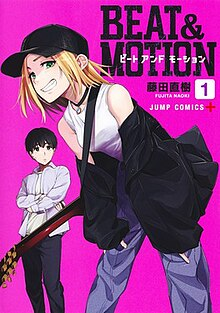
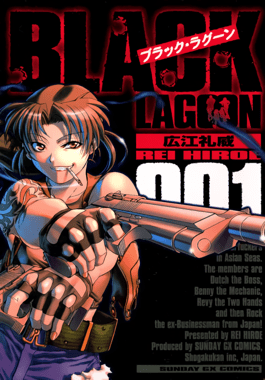
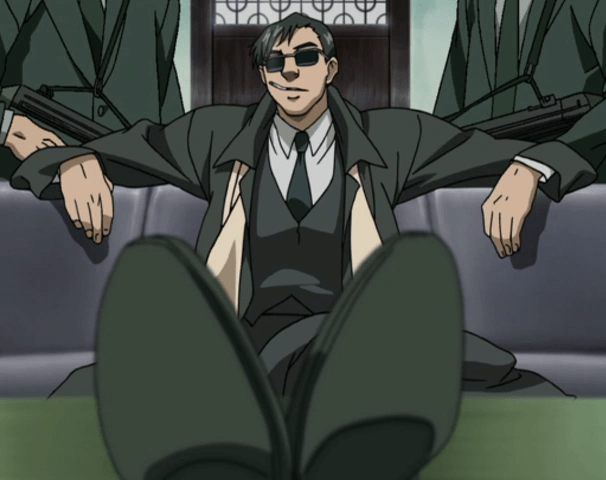







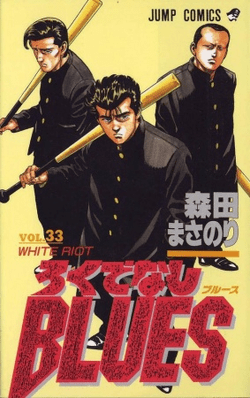

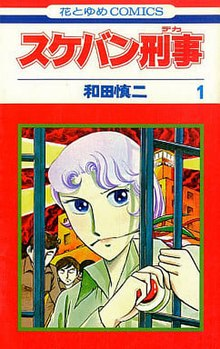

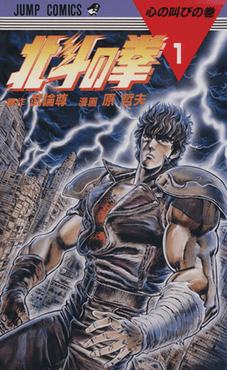
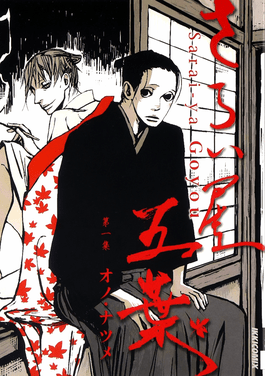
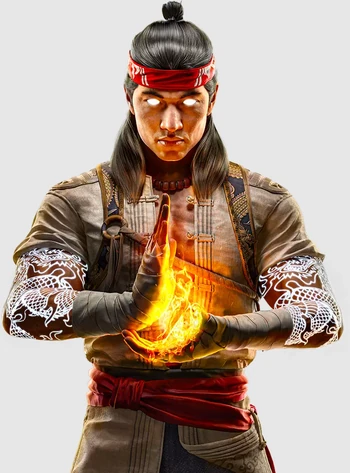
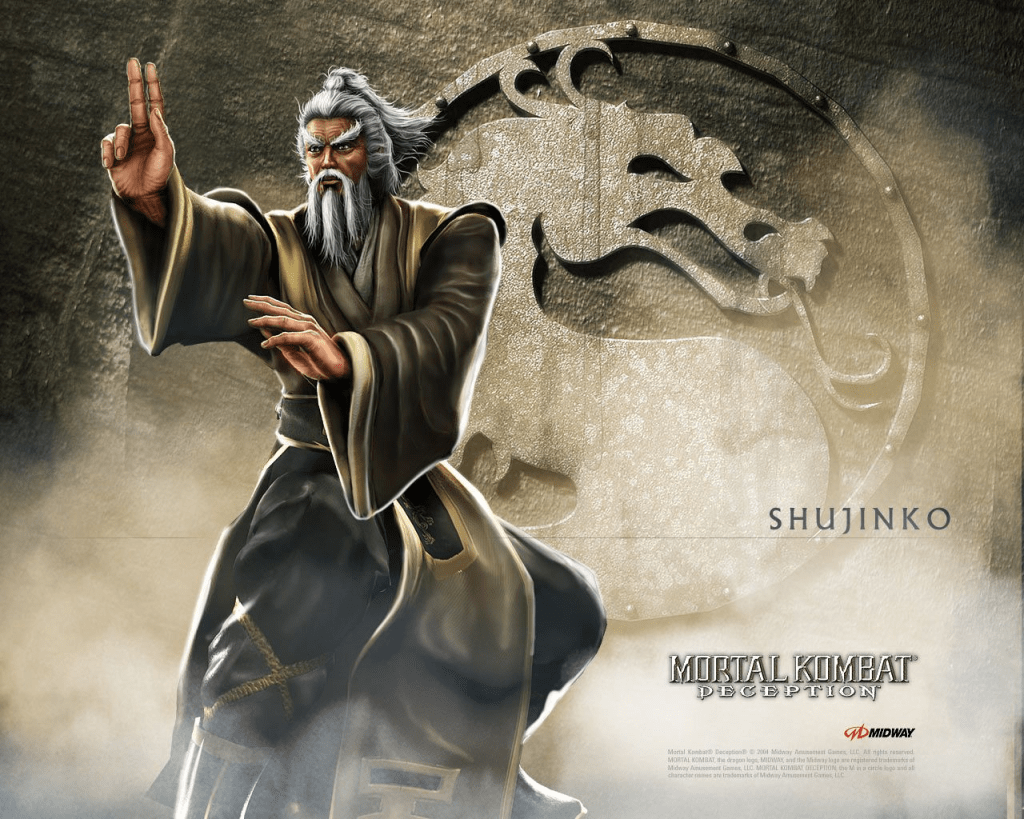
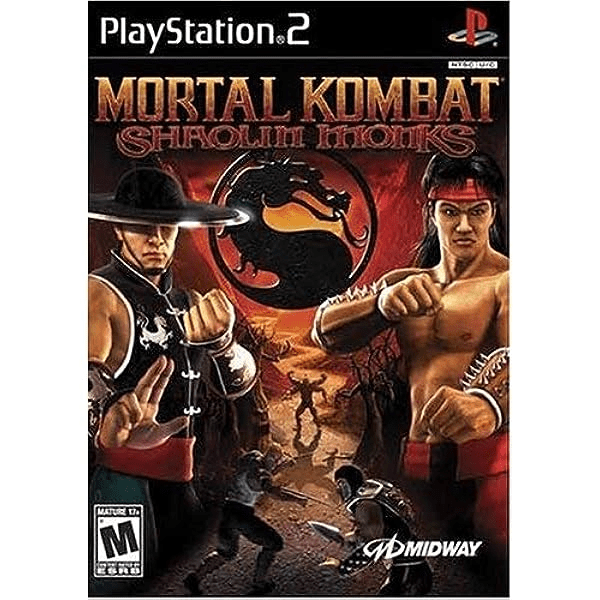

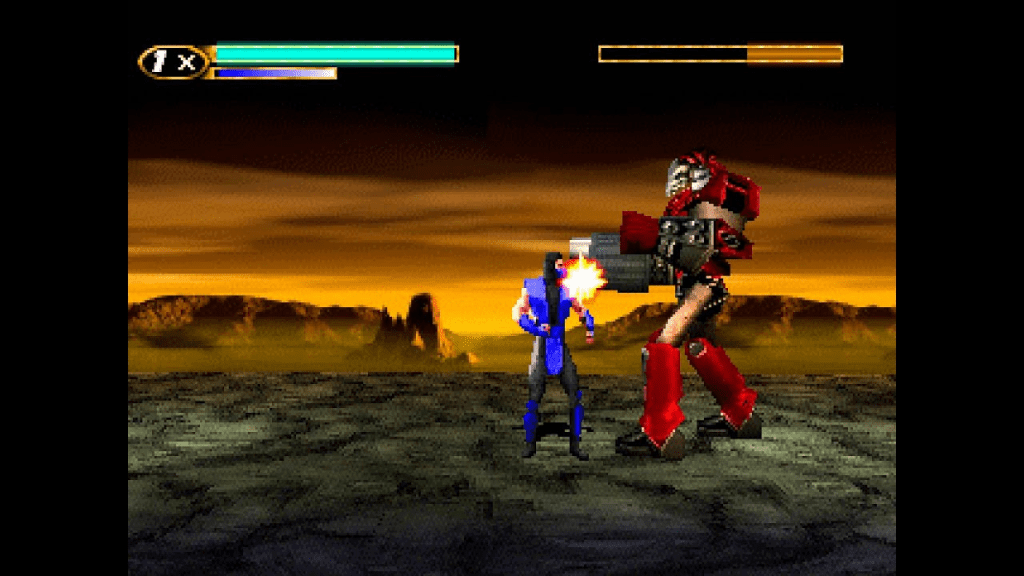


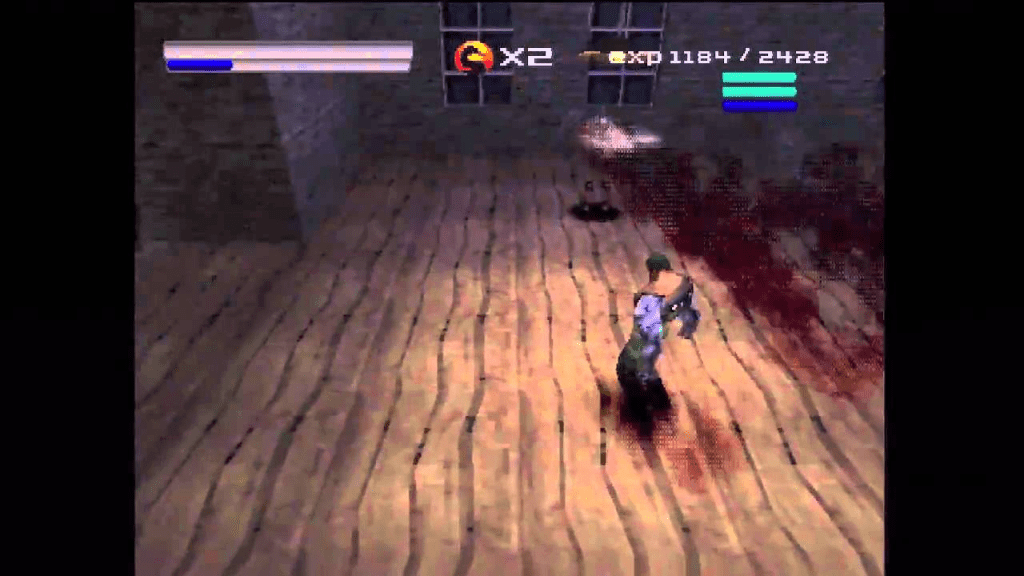



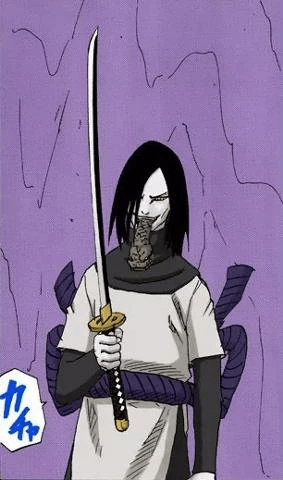
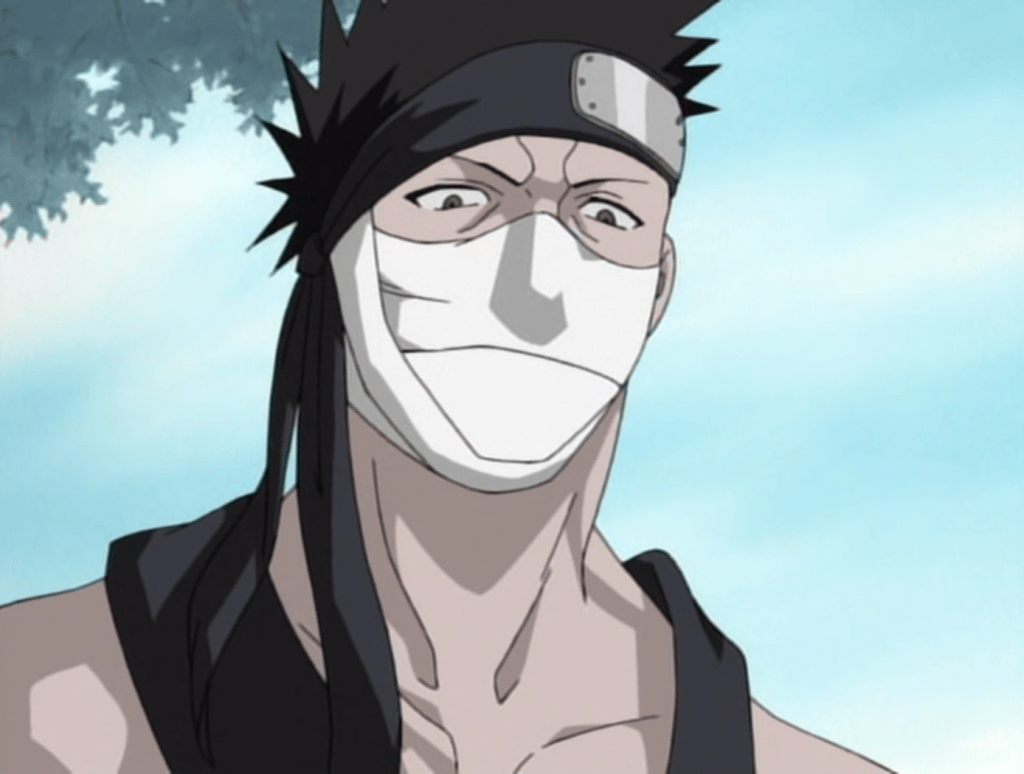


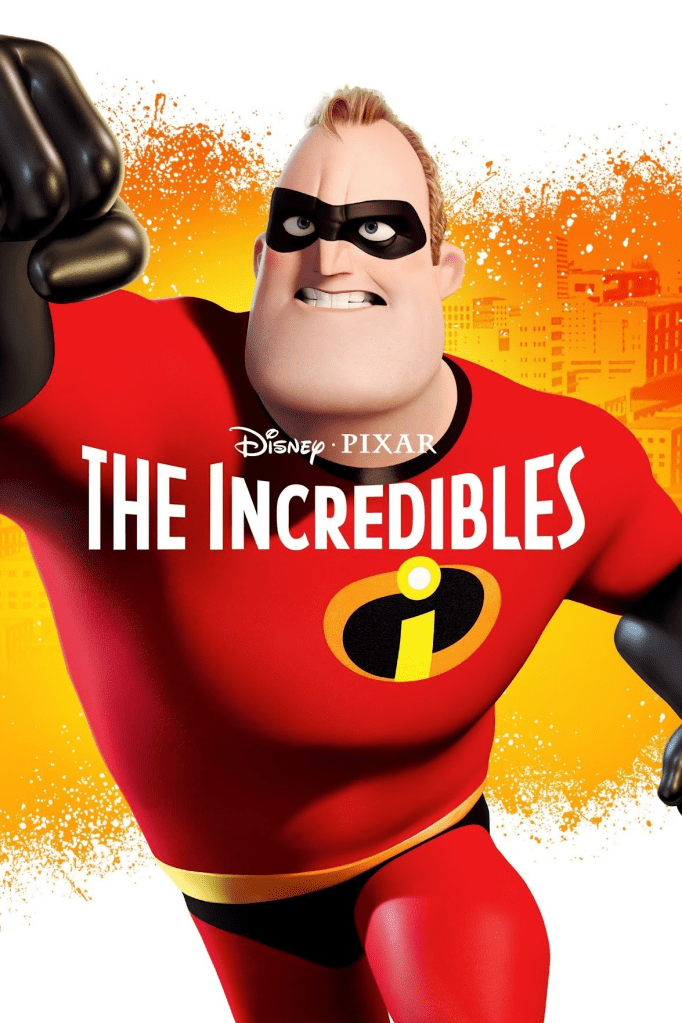

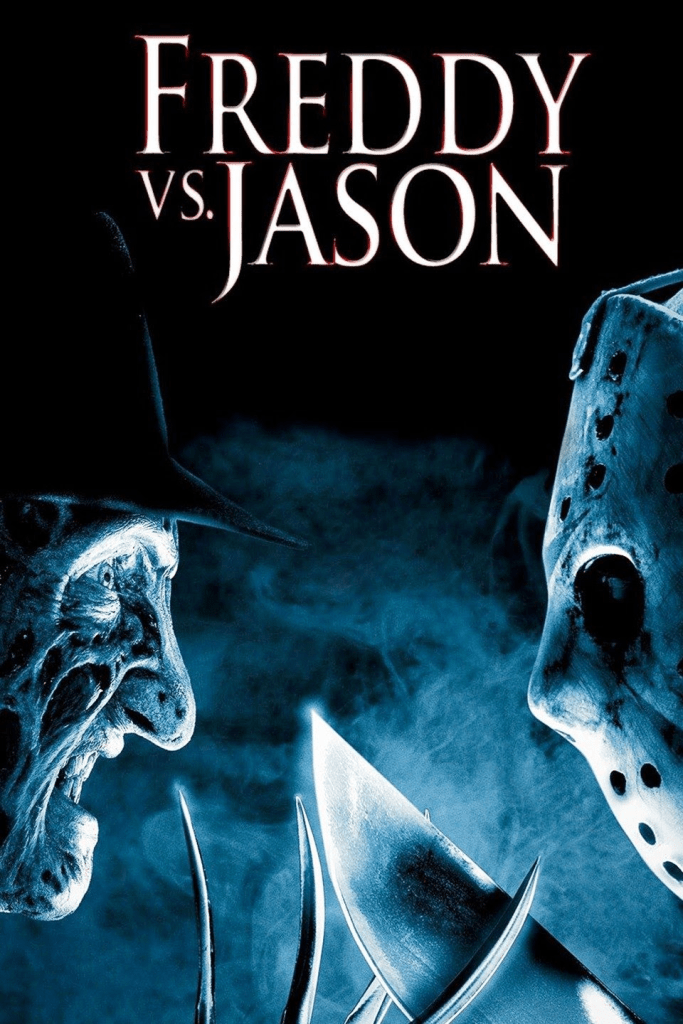


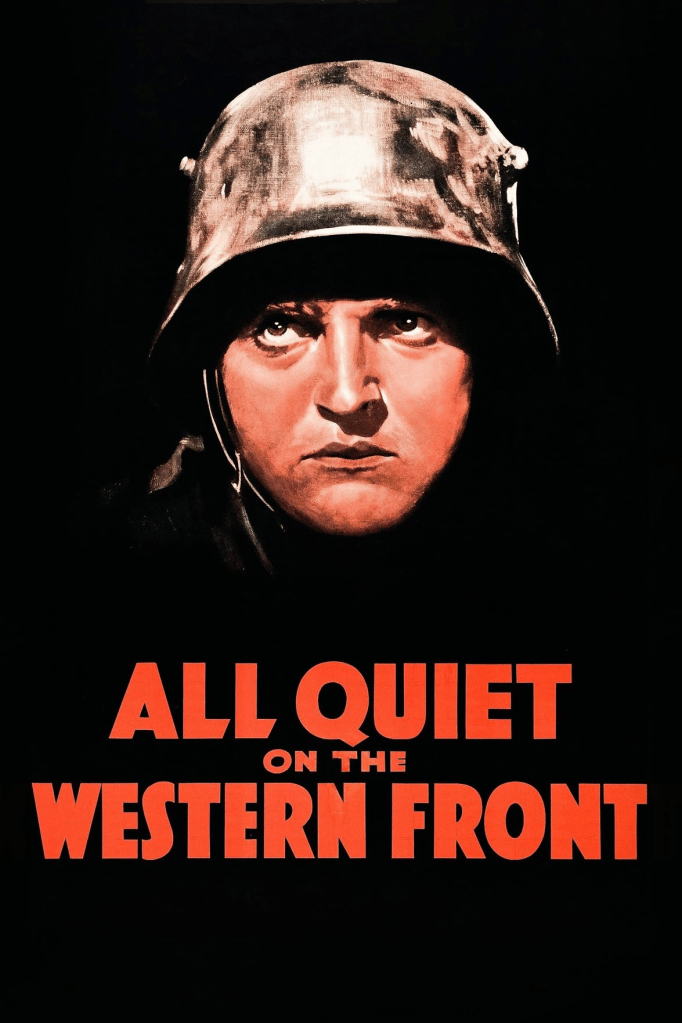
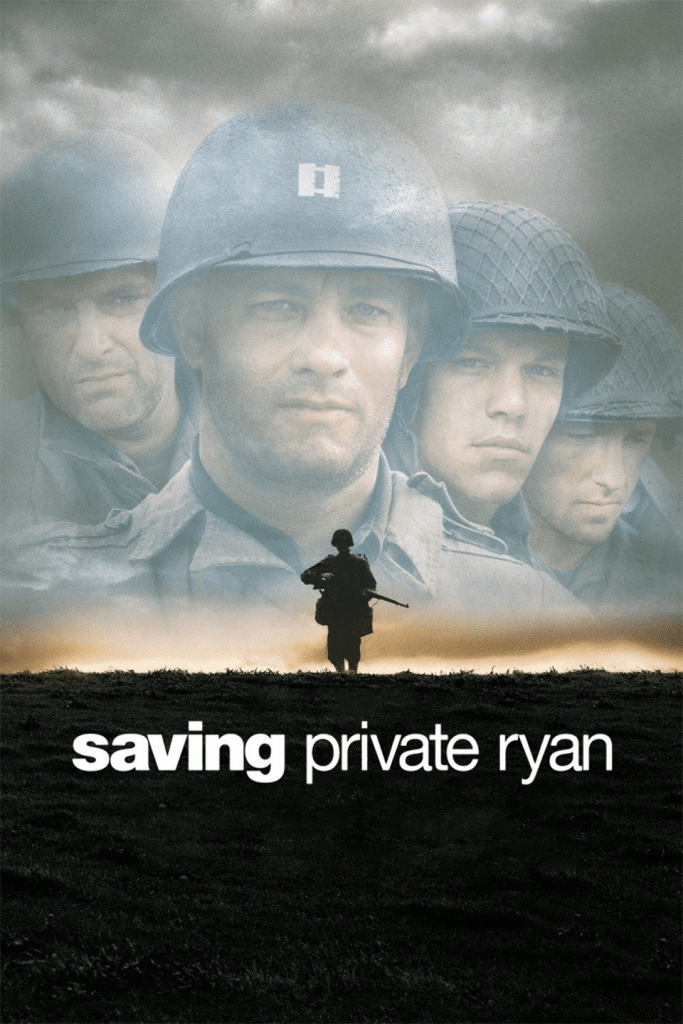

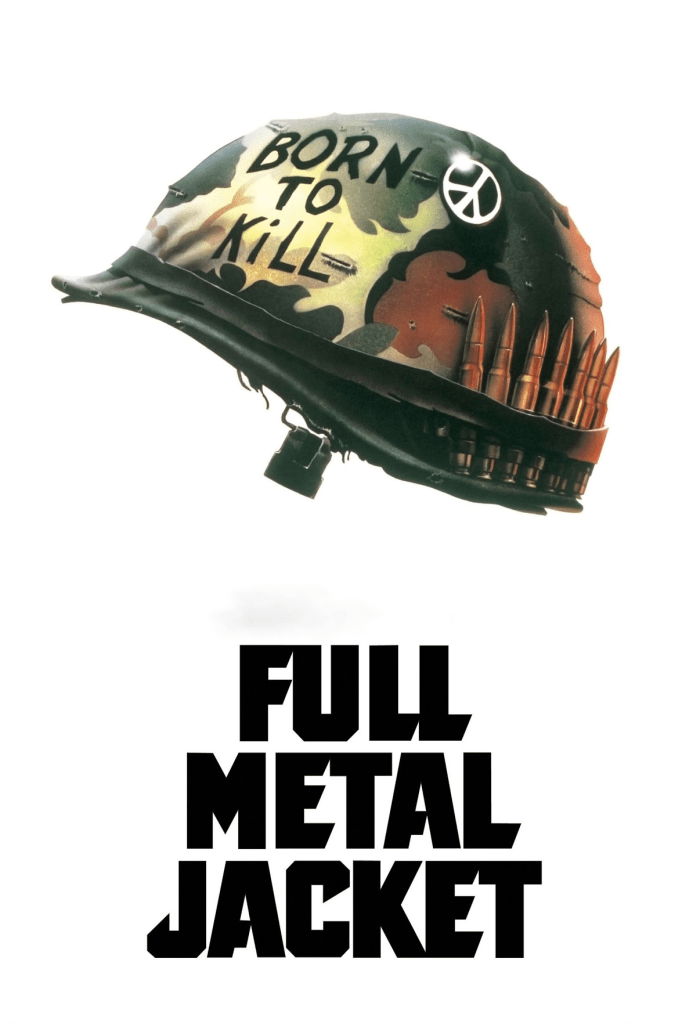





 Opinions on Entertainment