One Vengeful Cudgel VS A Thousand Pacifistic Proverbs

Heroes don’t exist

For the longest time, I’ve been on the fence about this series. It came out in 2021 adapted from a manga that already had a surprisingly high female fanbase, so clearly they were the ones looking forward to the Ranked Raping Ecchi. That might sound harsh and considering what I’ve watched in the past, may bode poorly on me. I’m aware of how that comes across and I know damn well I’m not one to judge. I’ve been eyeing up Rias Gremory merch for a few months now; I’ve come around to Anna Nishikinomiya after a few years, despite her being a committed (and scarily athletic) serial rapist; and I believe Monster Musume’s best girl is Suu (Centorea is a runner-up); but Redo of Healer has a sign posted that reads “No God Will Save You if You Pass This Point,” not even Kratos.

So to that I ask, “Will Satan be the one to save me? Because I’m letting curiosity take the wheel on this one, but I’m not sure if I should apply the ‘surprise’ principle on this one.” Well, this time I didn’t go in as blind as I normally do, I read the summary elsewhere and after a few episodes, I learned that the main genre is “rape and revenge” pioneered by cinematic pieces like I Spit On Your Grave, a notoriously awful movie that even I’d think would land me at a war crimes tribunal.

Basically, the main healer, Keyaru, plans an elaborate vengeance scheme. Having retained the memories of a previous go at life, he carries the weight of that hatred and uses it on the people he was supposed to help, members of an explicitly corrupt kingdom and their royal family, most notably the princess and heiress Flare, who gives her ilk her blessing to repeatedly abuse and molest poor Keyaru in exchange for goodies.

On the one hand, I shouldn’t kink-shame—technically, I’m kink-asking and kink-observing. But on the other hand, I have to draw a line somewhere. There are corners of the internet I know better than to explore because I want to maintain my sanity as an adult, and in this case, as much as I love ecchi and hentai, this merely goes to show that I’m a firm believer in the Love Making Philosophy of Sex, as in, two people who are inseparably in love with each other in the kind of way that makes you cringe but also want nothing more than good things to happen to the couple.

That’s not here! Even after Keyaru has gotten his revenge on the rotten royals, he continues to rape and reshape this world from below the belt. The infamous second episode has a “cathartic” torture scene against the princess Flare. Once he’s finished, he irreversibly wipes her memory and gives her a different personality under the name Freia. Did I mention there’s no heroes in this series? What about the female fanbase? Which is what I’m kink-asking the most.

I’ve been to a certain part of the internet that has explained to me like a college professor on the concept of “consensual nonconsent” whereby in roleplaying, both partners (or more) agree to have sex in a manner that replicates a raping—and in the right mood under ideal conditions, that’s… quite kinky to say the least. Obligatory, treat me like a princess, f[glass breaking]k me like a whore. That part I understand, and I just want clarity on whether this is the aspect that led to the majority female fanbase.

So how’s the rest of the series? Honestly, it follows a formula. Keyaru, now going as Keyaruga, encounters a female enemy, she gets depowered and Keyaruga uses his d[bong]k as a baton to knock them into line. There’s harem anime where all the girls love the male MC unconditionally, and then there’s Redo of Healer where the girls neither have a choice nor a real chance to fight back. Even if they try, they lose… to his d[munch!]k. Now, I’m not particularly saying they’re guilt-free themselves; some of these girls have used and abused Keyaruga in his past life, hell, some of the men molest him too. Maybe it’s me, but if diplomacy is a tool at my disposal, it’s the first tool I’m using to get a word in edge-wise. Even in anger, I’m not using my d[thwack!]k as a cudgel to punish my enemies. I’d sooner do to my enemies what Kratos did to Hercules, and I can imagine an ancient Greek coroner trying to make heads or tails of the tomato paste that used to be his face.

It still has some of its shock value, but for lack of a better choice of words, most of it was blown on the first two episodes and they were each 65-70% flashback to when Keyaru was drugged and gangraped at the princess’ commands. S[bark]t, I mentioned Kratos in this blog, I can almost see the comparison if Kratos in the Greek saga went “Full Spartan.” Though the comparison isn’t as apt as I’m implying here. Kratos will only strike if you keep annoying him; Keyaruga will knight you as a sex slave with his penis if you’re female. If you’re male, then your innards have never been more delicious to hungry wolves. Add some salt and you’re gourmet cooking.

Do I recommend Redo of Healer? Before I get there, I want to live up to this blog’s stated mission purpose for once and say that I like what it does. It knows it’s a vengeance story about a hateful bastard intent on taking home the gold in the Rape Olympics. I like that it keeps that consistency in the face of criticism that, fortunately for it, never came because its release window coincided with that of Attack on Titan and that show’s dodgy as hell CGI for that season. Having said all that, I won’t try to sway your opinion one way or the other, just that if you choose to view this for yourself, do so with a particular mindset. Understand the concept of revenge before going in, pick your favorite vengeful fictional character to use as a reference point. I used Kratos as one such example, but if you want equally or more violent examples, you can use that—Hanzo Hasashi, for instance. Come to terms that the sexual assault and rape is taken more seriously this go around. It’s not like Shimoneta where it’s a great big punchline; it’s as much a weapon in Keyaruga’s arsenal as it was (and disturbingly is) in most of the genocidal wars and regimes from real life in the past 50 years (from Vietnam, to Bosnia, to Darfur, to Rwanda, to Uganda and elsewhere). I don’t know about you, but I’m not rooting for or against anyone. I’m merely watching the raindrops come as they fall, and I think that’s a good approach for those who choose to watch this.
If you’ve reached the drinking age in your country, consider taking a swig before watching an episode or two. But mind your drinking. I did it twice, and no hangover can erase the memory of what I’d seen in the first two episodes.

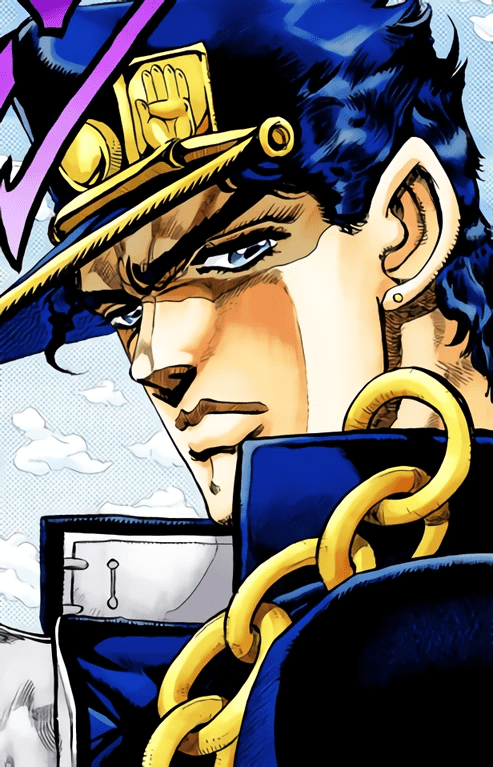
And I thought this was pushing the envelope… やれやれだぜ。

I don’t even know if I’ll read further into the manga…

Music and Tea with Cute Girls

Or Cute Girls Doing Cute Things Cutely

Animanga came to the western Anglophone world in the early 1960s with Osamu Tezuka’s magnum opus Astro Boy, and about 20 years later came Dragon Ball and its more famous successor Dragon Ball Z, both penned by Akira Toriyama. Since then, the floodgates have introduced not only more anime to follow, but also different ways in which one defines a certain era.

If you’re a weeb/otaku like myself, you can probably point to pivotal series of each decade. Dragon Ball in the 1980s; Ghost in the Shell, Yu Yu Hakusho, and Cowboy Bebop of the ’90s; Clannad, Azumanga Daioh, Lucky Star, and K-On! across the 2000s; Sword Art Online, Attack on Titan, Date A Live, Kill la Kill and Is it Wrong to Try to Pick Up Girls in a Dungeon? of the 2010s; and finally this decade, we’ve had Keep Your Hands off Eizouken, Oshi no Ko, Bocchi the Rock, Jujutsu Kaisen and several more slated for release this decade.

Basically what I’m saying is that different anime define a decade. The 2000s in anime was defined by the moeblob, where many animanga series ascribed to a cutesy art-style and theme. Not just in character design, the characters themselves did things “cutely” too. Or rather, they did normal things in a cute way. They didn’t fight monsters or go on fantastical journeys or acquire magic relics. Often they attended their daily lives which overwhelmingly revolved around high school. Joining the moe trifecta of Azumanga Daioh and Lucky Star comes K-On! A series about an extracurricular club centered around light music.

It starts in a nonspecific part of Japan (since the mangaka Kakifly is from Kyoto, I’m gonna imagine it’s somewhere in Kansai), four high school girls become a part of an after school music club in order to save it from disbandment. The four main leads are Yui Hirasawa, the ditsiest, silliest guitarist in the series; Mio Akiyama, the lead guitarist afflicted with stage fright; Ritsu Tainaka, the loudest girl even without a drum kit; and Tsumugi “Mugi” Kotobuki, the rich and physically strong one on keyboard.

For a series dedicated to light music, the actual musicmaking takes a backseat to the girls simply goofing off after school. There is musicmaking but a given estimate would put it at somewhere near 35 to 40% of the actual screentime, across both seasons. Not to mention, this is still a series that debuted in the 2000s, so music players like the iPod and digital song downloading wouldn’t be as popular and prominent as opposed to cassette tapes, Walkmans and the like. Even then, keep in mind, these then-new devices wouldn’t look like anything what we have nowadays. Touchscreens and smart devices have come a long way.

From what I’ve seen though, analog tech is one of the few ways the series shows its age and that’s merely 16 years old, in line with the corresponding ages of the characters at the beginning. Come the second season, they gain a fifth member, the pigtailed rhythm guitarist, Azusa “Azunyan” Nakano, who takes her role as guitarist more seriously than Yui or even Ritsu does with her drums. You’ll notice that at this point in this post, I haven’t mentioned plot and this ties in with including the likes of Lucky Star and AzuDaioh in that all three have the same basic plot: f[guitar riff]k and all.

Gigguk, at the time, was less forgiving of the anime as a whole, with most episodes in some manner boiling down to goofing off with a cup of tea, something that didn’t really jive with him, which may be in some way related to his musical past.

In contrast, Gigguk’s good buddy Joey “The Anime Man” Bizinger favors K-On! over Bocchi the Rock, and that’s an opinion I hold though not for the same reasons as Joey. I don’t doubt the existence of people that stiflingly shy; part of it has to do with everyone praising it at the first hurdle. Perhaps for Gigguk, there’s more realism to Bocchi than K-On! and I can’t do much with either man’s opinions on the show.

For what it’s worth, he did warm up to it after a few years have passed though not by much. For me, ignoring outside influences and the layman’s opinion on one or the other, I haven’t seen Bocchi yet and I don’t think I will, at least not this year. I had trouble wading through the first episode of WataMote, but at least Bocchi’s not a sleep-deprived femcel.

For me, this puts Tomoko one flight of stairs lower than Bocchi, at least in the beginning. I’m not really one for cringe humor.

On its own, K-On! gives me the impression that it’s not trying to take itself seriously in the slightest. It’s not exactly a comedy like AzuDaioh or Lucky Star and fortunately for it, the jokes aren’t subject to translation mishaps like the former. I humbly accept it as a show about high school friends goofing off outside their club activities and their studies.

Is this why I like it? Well, call it a palate cleanser from all the one-piece finding, dragon-ball hunting, Hokage-aspiring, soul-reaping action of most Shonen series. I don’t always want action, sometimes I just wanna kick back, grab a drink of my choosing, and watch people somewhat like me just screw around. If this isn’t a convincing argument to at least check out some of the first season, consider the uncommon music scenes. Adding music or musical anything as a genre type to a series means adding some original scores and music to the series beyond the opening and ending music, both of which are impressive in their own right. Select scenes in the anime dazzle with the change in lighting and art aesthetic giving it an animated music video feel which is not necessarily the same as an AMV, though it does set itself up for that. I did some quick googling and there are some AMVs with K-On! as the main animation piece, and the series has produced some original songs, so it’s not the most devoid of music, but it could’ve benefitted from a few more scenes at the end of a few episodes.

You can still enjoy the series for being all warm and fuzzy but for those of you who want a series dedicated to musicmaking, my recommendation there goes into Beat & Motion. It’s coupled with a look in animation so it feels more like an AMV-centric manga.

No word yet on whether it’s been slated for an anime, but if it is, yes please. I want more.

Did I Really Get Isekai’d with my Mother!?

How did it come to this?!?!

I’ve made it a point several times that I don’t default to isekai, but I don’t remember clarifying what that means. I make a beeline for shows I find interesting, that some of them are isekai is pure coincidence. I’m not an isekai junkie like Gigguk or an isekai avoider like The Anime Man. I’m in the middle of it, all things considered. Of course, I’ve made it clear that I don’t always find contemporary anime to watch, but the subject of this week’s blog was all the rage when it was airing.

Alternatively titled Okaasan Online, Do You Love Your Mom and Her Two-Hit Multi-Target attacks began life as yet another light novel but from the late 2010s rather than the early 2010s, complete with a manga adaptation as a companion piece running concurrently with the light novel. Shame it was subject to a simple 13-episode series, though this might be par for the course for series that only run for the same length of time as a single US presidential term. The unofficial name for this series is called MILF-sekai and the reasons below explain it better than the cover for the light novel:

The MMORPG parody is strong with this one.

The gist of the story is an ungrateful, angsty teenage boy named Masato Osuki tries to push his clingy mother, Mamako, away. Both of them are suckered into an isekai video game and go on an adventure together, interacting with other characters who have fallen for the same trap. The best joke this series tells is that it plays coy with the incestuous, MILF-y tropes that accompany the genres without exploring them on purpose. The most the anime will do is strip Mamako naked and have her son comedically fall on top of her in the second episode. Damn, I’ve read NTR doujins and felt less cucked there than in this series. That’s pretty much the height of the MILF antics, but the OVA has more to show in that regard.

As far as actual plot goes, Masato’s relatability comes in the form of wishing he were someone else with a doting mother whom he wishes was a different person, at the outset. Then he meets the future members of his party and their mothers and annoying as it may be to have a mom, let alone parents, who embarass you at every turn, it’s better than one with godly expectations or one who can’t help but let their vices enslave them. In the former example, one party member, Medhi, has a mother who’ll chastise her in private for not being perfect like a Cell after losing a competition, leading to feelings of doubt and self-loathing in the poor girl. For the latter example, party member Wise and her own mother, had a frought relationship in real life and used the game as a means to better bond, but when Wise’s mother learned that she could make a harem of men at her beck and call, she made a beeline for that and never went back. At least it beats what this girl was going through:

I’m almost tempted to catalogue some of the worst mother’s in media, but I don’t wanna abandon my faith in humanity just yet.

The show’s ecchi-leaning comedy make it the butt of a few jokes, but it’s not like it doesn’t know what its talking about. It’s different from a thinking man’s anime, but has a lot of the same story beats as one. Between the JRPG satire and the ecchi satire, it tries its best to split them evenly, though lacks in some other areas. I want to blame this on the anime for cramming so much into so little time, but on the whole that does nothing to specify which anime I’m talking about, for this series specifically, that’s an inaccurate and misleading conclusion to draw seeing as the light novel and manga were still running when the anime was airing in 2019, putting it in the category of yet another anime promoting the source material. And as a manga reader, I’d rather explore manga naturally than be given homework. At least not every series does that to me:

I’ll put this one in the timeline somewhere.

So how does Okaasan Online work as a series? Fine… it knocks out the important points like Kazuma at the batting cages, and generally speeds through them in about one or two episodes. But it also doesn’t really explore anything in much detail beyond “here’s a trope, give me my laughs.” Funny enough, the anime doesn’t do this as perfectly as presented. Two characters’ origins with their own mothers are explored, but one such character, Porta, is a one-off. No such relationship status between her and her own mother are revealed in the source material or the anime; she’s simply the little mage that behaves the most like a little sister to Masato and young daughter to Mamako.

Now that I’ve written that, Porta behaves the most like a little puppy or a kitten. The party leader status is shared between mother and son and awkward as it seems to point this out, they’re like the parents to the other three girls even though Masato and Mamako are mother and son. F[Nyan]k, even I couldn’t avoid the incest trope. Again, not explicit or even acted upon in any media, but it’s there.

So, Tiberius, do you recommend it? Eh, I’m indifferent. I watched it all the way through and 20-year-old me felt naughty things thanks in no small part to the visuals. Fast-forward five-and-a-half years later and looking back, it may have served as a gateway to lewder and racier things without meaning to. Basically, what I’m saying is, before, during, and after its run, the series has been outdone. I won’t persuade you to watch it or dissuade you from doing so, just know that while you could sit down and spare some time to give this one a watch, it co-exists with better shows, so don’t expect me to show up at your door at 3AM like this:

Add it to your isekai library if you feel like it.

Unpopular Nerds become Preppy Rebels or Anime Rebel Without a Cause

A misnomer since it’s a manga as of writing this

Let me know if this sounds familiar, a shy, nerdy girl with a nonexistent social life in middle school redoes herself come high school into a gyaru and becomes the cock of the walk at school with an expanding circle of friends. Quick! What am I describing? A new and circulating manga or an R-rated doujin by Shindo L?

Dark jokes aside, I couldn’t help but draw the comparisons in the first chapter, but delightfully and thankfully, the subject of this manga isn’t about an adolescent girl being coerced into becoming the town bicycle by cliques of parasites. Instead, the manga on the table is a wholesome slice of life appreciation for the gyaru subculture, something I’m intimately familiar with as regular readers may know.

The manga is known as No Gyaru in This Class by Shigure Tokita. I’ve recently wrapped up the eighth chapter and there are currently 20 with many more to follow going forward. Halfway through this brand new manga, there are three central characters: Mirei Nanase, Yushin Mamiya, and Subaru Raisaka. All three were completely different people before the transition to high school — Nanase was a straight A student who put all of her experience points into being the best student in the class at the expense of a social life; Mamiya was in a similar boat; and Raisaka had put all her experience points into sports and fitness.

All three coincidentally chose to remake themselves and get more friends in high school, which puts this manga in the same boat as Komi Can’t Communicate based largely on the main characters’ goals. So far, I haven’t seen either character mention their previous lives in middle school prior to their transformations, though Tokita likes to have fun with the characters in the chapter covers.

I’ve already explained the gyaru subculture, so those who are paying attention may have already spotted the misnomer in the title. The nuances of Japanese popular culture require a reframing of the word “rebel” in this context. It’s not unheard of for Japanese schools to police students’ appearance, even in regard to hair (even though some Japanese have naturally light brown hair), so going purely by this definition, Nanase, Mamiya, and Raisaka are all rebels. In Mamiya’s case in particular, he tried to reimagine himself as a tough guy, but from what I’ve seen and how he’s portrayed in the manga, the tough exterior does nothing to hide his true nature. Nerdy and intellectually gifted he may be, he’s always been a softie, thus inducting him into the Soft-Hearted Brawler trope, though only on a technicality. It’s still early and we’ve yet to see Mamiya throw hands, unlike others who fit this trope.

As for a character who could potentially fit the trope better, Raisaka was previously manufactured like the average anime tomboy complete with the short hair, energy, and fitness levels to match. Comedically, she’s surpassed Usain Bolt when it comes to speed and may just be strong enough to bench press Manhattan Island. If Mugi from K-On! was a different person, she’d probably react like this:

As a gyaru in high school Raisaka is extra taciturn, or she may have already been that way. Either way, the turn around for all three to becoming these flashy new kids on the block is a day-night difference. I’d give to be the one person who recognized either one of them and said, “They’re the last I would ever expect to turn out like that.” High school slice of life may not be everyone’s cup of tea, but I’m enjoying this one quite well. It does well to turn several tropes on their head and the ones that remain in place are executed decently enough to keep scrolling on the screen.

Will this get an adaptation? An OVA? Will it continue on for years? I’ve since retired my Nostradamus powers so I won’t comment on any of that. As far as first impressions of Tokita’s works go, Reddit holds this mangaka in high regard based on other series they’ve done. The fact that one of their manga is being mentioned on this blog at all pretty much guarantees a recommendation, not to fans of their work who would have already started reading once word got around that a new manga was in the works, but to newcomers like myself who want a break from all the heart-pumping, mouth-watering Shonen action. It’s a fun manga about reinventing oneself for their own benefit and getting rewarded with friends and good times. One could argue that the characters are merely lying to themselves and each other for this radical change, but to be fair, no one is really lying about anything and they wouldn’t really need to. Honest characters never have anything to hide or if they do, they do it very poorly. I haven’t gotten to that point in the manga, and while I did say I’m not going to be making bold predictions, I see one of two outcomes: they each reveal what they were in middle school, or they don’t say anything because it doesn’t matter in the long run. There’s really only one way to find out and to that end, Manga Plus, Shonen Jump, and other unconventional manga hosting websites have the series in stock, so you have your pick of the litter, though as with many things, exercise caution.

Middle-Aged Salaryman Becomes Otome Villainess

Isekai strikes again

Remember when I said that I don’t particularly gun for isekai anime? Well, it’s not because I have strong feelings towards it; it’s quite the opposite. I’m indifferent. A few good isekai will make the rounds and come up on my radar a few months after people finally stop yapping about them… except in this case where I discovered this one due in large part to its upcoming and currently airing anime adaptation that I haven’t been able to access through the usual channels.

Created in March of 2020 (flashbacks), the manga follows middle-aged salaryman and damn near everyone’s Ojiisan, Kenzaburo Tondabayashi, 50something pencil pusher whose reward for the consideration of a young boy’s life is an isekai journey into an otaku blindspot of his that is more of a specialty of his daughter, Hinako: an Otome video game, known as Magical Academy: Love & Beast. For those who don’t know, the Otome genre of visual novels and JRPGs consists of a female protagonist and series of branching story paths that determine the fate of the characters in relation to the MC. More often than not, the MC faces a challenger in the name of the sadistically evil villainess as a competitor for the affections of the same male romance targets.

In recent times, the isekai genre has begun to saturate with a twist on the formula by inserting Truck-kun’s victims into the minds of the listed antagonists. And in the case of My Dad’s in an Otome Game?!, Mr. Tondabayashi is an ultimate fish out of water. Or he is in regard to this specific genre. As luck would have it, Kenzaburo and his wife, Mitsuko, are expert otaku having been adolescents and young adults during the boom of the 80s and 90s. So Hinako’s parents are intimately familiar with some old school anime that have found new life online in memes, not the least of which include this:

There’s a story of a Japanese man who, at his first job in the 90s, spent a significant portion of his paycheck on VHS tapes of Yu Yu Hakusho, Hajime no Ippo, Captain Tsubasa, and Neon Genesis Evangelion. That man now works in a museum where most of his collection was donated. The rest sold well online for a collective hundred thousand yen. I made that all up, but how far outside of reality is that?

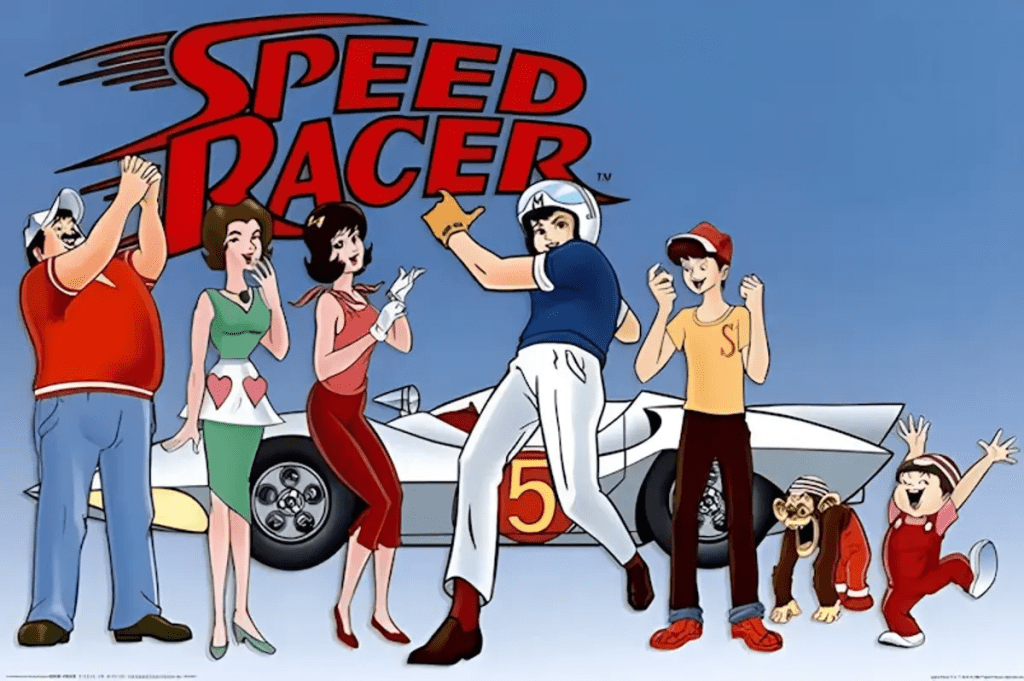
As a result of Kenzaburo’s and Mitsuko’s experience in the medium, they practically raised Hinako on the same animanga series that shaped their youths. And like the child of an otaku, she went on to discover her own favorite animanga genres. Something I share personally having grown up on Naruto, Bleach, and Dragon Ball Z, while my mom and uncle were also present for DBZ’s western debut alongside Speed Racer.

You just know a series is influential when the west tries to ape it to mixed results and more than once.

Following the isekai-ing incident, Kenzaburo navigates the game with his limited knowledge unknowingly aided by his family back home. The set up is not dissimilar from tackling a problem with an outdated but still effective solution, sort of like fighting a modern war from the trenches or on horseback. Mounted riflemen!

The fish out of water comedy in this anime is the contrast between Kenzaburo and the in-game villainess he’s currently piloting. A nasty wench named Grace Auvergne, she has a reputation for being as delightful and radiating as nuclear fallout. Toxicity is more than just a System of a Down song and Grace pre-takeover was a textbook mean princess. Berating the help, unrealistic standards, short temper, a cutthroat attitude, and a silver tongue sharp enough to dice your soul like onions on a chopping board.

Post-takeover, Kenzaburo overriding her character has transformed her into a firm but considerate character. She respects her servants equally, lifts their unforgiving standards, lengthens her fuse, and although still confident, she’s not a show-stealing showman. She let’s the game’s protagonist Anna Doll get her time of day, assisting and dare I say playing cheerleader for her.

This is the result of Kenzaburo empathizing as a father, and although I’m currently watching subbed, the comedy has transcended the language barrier. It’s never not funny to watch Grace/Kenzaburo attempt to be an intimidating villain and have his better nature overpower her villainous intent. He’s aware of his role as the primary antagonist, but can’t help but be a gentleman. He simply spent too much of his adult life living well.

Now you may have caught on that I listed Kenzaburo as another of Truck-kun’s victims and he is, but perhaps because he’s built like a brickhouse compared to the popsicle sticks Truck-kun normally runs over, he’s spared death in favor of a coma. So Truck-kun only gets half a point for this. Aside from that, Kenzaburo’s condition is stable physically while mentally he’s extrapolating with incomplete information on a genre he’s not intimately familiar with, but will try his best to play his part. The keyword being try, because the first few episodes do him no favors whatsoever.

As of writing, there’s 8 volumes, 4 of which have been translated online and the anime recently concluded with 12 episodes. Of the available services to watch it for yourself, there’s HiDive, any pirate site for our unscrupulous types, and would you have it: YouTube. For now, anyways. It’s only a matter of time before the Chad uploading them as they air gets the channel terminated for theft.

Channel: WOLF RECAP

Let me use my Made in China Nostradamus powers and say this channel will go under before October 2025. Watch it while its fresh! Or get HiDive; I’m not your boss.

The Bleach Spin-Off that (sorta) Disappeared

Shame its a one-off

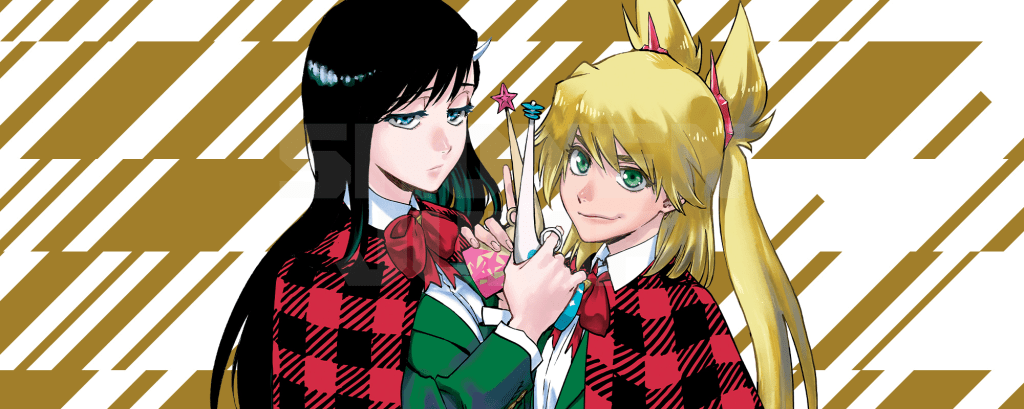
Sometime in 2018, Bleach mangaka Tite Kubo released a one-shot manga known as Burn the Witch, starring two lead female MCs: Ninny Spangcole and Noel Niihashi.

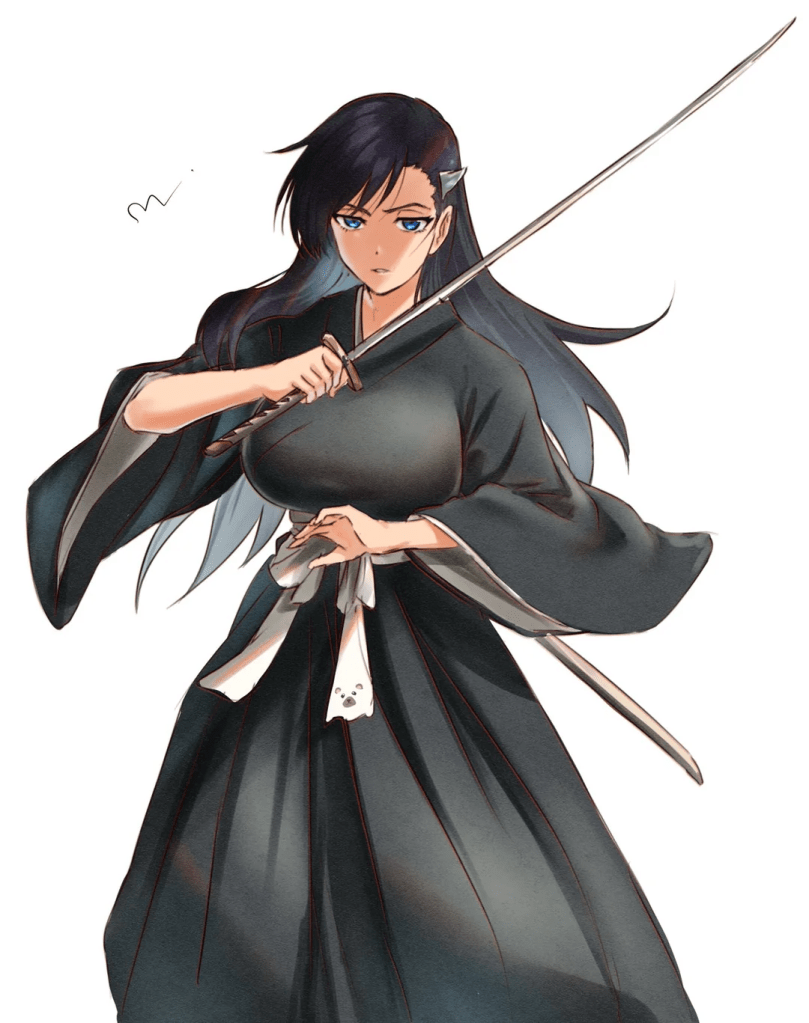
Kubo expanded further and added more chapters in October of 2020, and in March of 2021, it was given a three-episode OVA the length of a movie when combined. On the left in the picture above is Noel Niihashi, a surprisingly well-rounded kuudere and I don’t just mean her uncanny appearance to a capital letter P from the side. Oppai is truth > flat is justice. Don’t let her surname fool you however; though a romanization of an existing Japanese surname, her connection to the land of the rising sun lies in her creator and, in lore, is merely surface level. Like Ninny, she’s a Londoner who’s never even set foot in Japan, but is so in love with the country that if she woke up in Wakayama would have a heart attack seeing the kanji on all the street signs.

Credit: Twitter @9431116

This fanart of her as a Shinigami from Bleach is a great representation of her both in another canon and if she activated her inner weeb past her name. On the right of, there’s Ninny Spangcole, a flat is justice tsundere who tsuns more so than she deres, moonlighting as a singer as her cover. Together, the girls are witches under the organization known as Wing Bind, whose mission is to control flying dragons, hence the name.

Fantastic reading, 10/10. Noel is best girl. I recall keeping track of the upcoming OVA adaptation in the latter half of 2019 and watching it all in full subbed, and as much as I default to dub, I have to come to the defense of subs this time around. Not because I thought the English VAs did terribly or didn’t have a good voice coach, but because of the direction the dub went. On a whim, this came to mind and I decided to look up the dub on YouTube and what made me despair so hard was that the English dub failed to acknowledge the UK as the setting.

I’m not exactly asking for a cigarette-breathed Cockney cocking about, but the manga did such a good job of translating and Britifying the dialogue as shown by the slang. Knickers, mostly, but its the dead giveaway that we’re in London. And sadly the only giveaway as it puts the story in London, but doesn’t do too much with it. A not insignificant portion of it retains its Japanese-ness in the setting and style in some subtle ways. My exposure to contemporary British culture is limited at best, but with some movies like the Three Flavours Cornetto and shows like The Inbetweeners, The IT Crowd, the original The Office and several others, it’ll probably be the closest measuring stick to use to assess the Britishness of a property and in just that department, Burn the Witch is underdeveloped.

I still fully endorse and recommend it be given a read. Even if it’s missing some generic British accents at best to really sell it, it does a good enough job connecting it to Bleach. Yeah, this spinoff is connected to the same property with Noel and Ninny being part of the same Soul Society as Ichigo and crew, just its western branch in London while the eastern branch is in Tokyo.

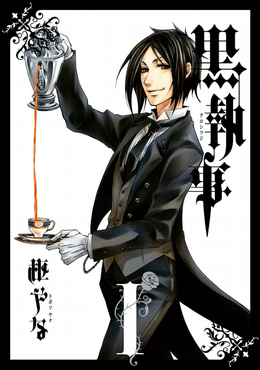
It’s funny, I initially intended for this to be a rant about the accents in the English dub, but on reflection, it’s not that big a deal. It’s not the first anime to use Americans (majority Texans) to voice non-American characters — you know who you are, Black Butler and JoJo Parts 1 and 2.

I’m kidding, I digress.

As far as recommendations go, consider Burn the Witch as something extra if you’re a Bleach fan, or if it’s been a while since you read/watched Bleach or haven’t touched it at all, then you don’t really need the strongest connection to Bleach to enjoy it. The Soul Society connection is only shown in a single panel/scene anyway. Easy to miss or brush off.

See? Told you she was more than a kuudere, and the fans didn’t even have to touch her like NGE and the Rei Chiquita memes. Also, if you’re still on the fence on the one-shot, this article can give you more insight.

Will there be a continuation or elaboration on this series in the future? Time holds the answer. For now, it’s best to see it as a passion project in the short term. Some one-shots do go on to have more interesting lives and afterlives and my optimistic side sleeps at night dreaming of a world where Burn the Witch continues while my realistic side knows that predicting the future is the most useless thing to do these days. You don’t even have to turn the news on it, the news turns you on… non-sexually, you weirdos.

Who knows? If an old blog post of mine has new relevance thanks to recent events, then the sky’s always been the limit.

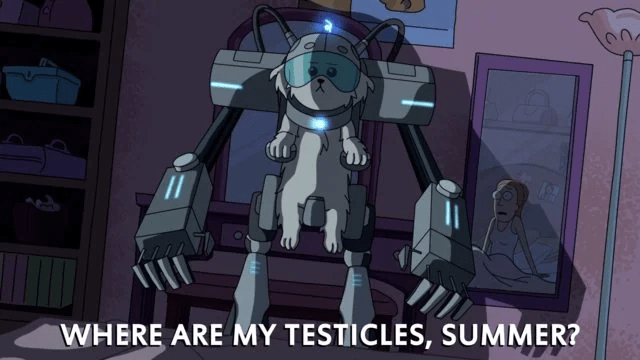
Where the F[bells]k are My Balls?!

Where are they, Summer?

Normally, I’m not one for popular and currently airing anime darlings. You know that by this very blog, but if it wasn’t for Creepy Nuts performing the opening of Dandadan then I probably would’ve given it a wide berth until it died down. Something I’m still trying to do with the likes of Frieren before I let it bless my eyeballs beyond the memes.

Credit: Twitter (x.com@TopGyaru)

I’ll be patiently waiting for a while.

Dandadan comes to us from another disciple of Tatsuki Fujimoto’s, one Yukinobu Tatsu, who like his sensei used his talent to bring us a story about a pair of occult chasers, one nerdy one gyaru and the quest to find the nerd’s testicles.

Don’t bother competing in No Nut November anymore, lads. This boy has won for eternity. But I’m jumping the nutcracker, let’s rewind a bit.

It begins with gyaru and Ken Takakura enjoyer, Momo Ayase, breaking up with a guy after he behaves like a jerk with a load of beef jerky. A final plea is answered with a kick to cheek and before we know it, she drags her depressed ass back to her gyaru friends, Miko and Muko, who do show to have their girl’s back in times like these. In another classroom, aspiring ufologist, coincidentally also named Ken Takakura (though baring zero resemblance to the late actor), reads his space and extraterrestrial magazines in disturbance while other boys pick on him. Typical.

Momo barges in like any other gyaru and equally shows and feigns interest by inspecting his reading material. It shuts the bullies down for the time being, but little Ken goes back to find her, confessing that she’s the first person to ever show even 1% interest in an interest of his. Momo doesn’t really care about aliens, initially claiming they’re not real in favor of ghosts. Ken himself also shows indifference in ghosts and the paranormal. Part of the gag involves the two initially connecting only to fire back at each other with fierce debate over what’s real and what isn’t.

In the first of these gags, we get the plot where they challenge one another to investigate areas of interest notorious for ghost or alien sightings: Ken is challenged to take on the myth of Turbo Granny, based on a real-life yokai of the spirit of an elderly woman said to run 100 km/h. This isn’t the yokai’s first appearance in anime; other references exist, but my favorite comes from season 2 of Mob Psycho 100. In kind, Momo investigates an abandoned building said to be famous for a number of UFO sightings. Both think the other is full of it, and are subsequently proven wrong: Ken gets got by Turbo Granny and Momo is damn near sexually assaulted by the aliens, all of whom are identical and reproduce by harvesting the genitalia of the females of other planets, so Momo’s not the first almost victim of such a thing. Harrowing.

That’s the first episode and it gets even nuttier and squirrel-ier than that, ironic since Ken, from then on dubbed Occult-kun/Okarun to keep the fantasy of the real late Ken Takakura alive, spends the duration of the series finding his nuts hoping they haven’t been taken by wild squirrels. This introduction to the other’s paranormal belief exposes/curses them with supernatural abilities. Momo gains the ability of telekinesis while Okarun gets possessed by the sonic-footed yokai, able to transform into a being with the same powers as the namesake urban legend at the sacrifice of his testicles. The lore differs depending on who’s telling the story, but it consistently shows little variance between tellings. Turbo Granny is said to be the protector of the spirits of young girls who were the victims of malicious crimes. Sort of like if the real life Highway of Tears had a protector deity for all of its victims.

Don’t let this spoiler for the first episode turn you off from the rest of the series or the manga. I’ve said before that I live for the occult and mystery stories like this and Dandadan satisfied that itch for a time. It’s not what I’d call unique, but it’s definitely crazy enough to get a recommendation from me, especially when demons show up halfway through the anime’s run. It’s a supernatural adventure story to retrieve a boy’s d[gong]k and balls. The anime has 12 episodes available for view on Netflix, Hulu, Crunchyroll, and Muse for those of you in Southeast Asia, or your favorite pirate site of your choosing with 18 volumes of the manga continuing the story past that.

Now to live up to this blog’s name and make a declaration: I think Dandadan is a better series than Chainsaw Man. Here’s my explanation:

Characters: the cast of Chainsaw Man are all inherently flawed compared to the cast of Dandadan given that in the former, they’re mostly adults or confused teens. Real-life adults as we know aren’t guaranteed to act their age assuming the adage of “we don’t grow up, we grow old” is true. And CSM is proof of concept. In contrast, Dandadan, though ridiculous, focuses on a bunch of high school kids who I never really expect to be better or know more than the adults, though I’m not really here for that. My viewership comes from the display of supernatural powers and beings f[glitch]ng around on Earth.

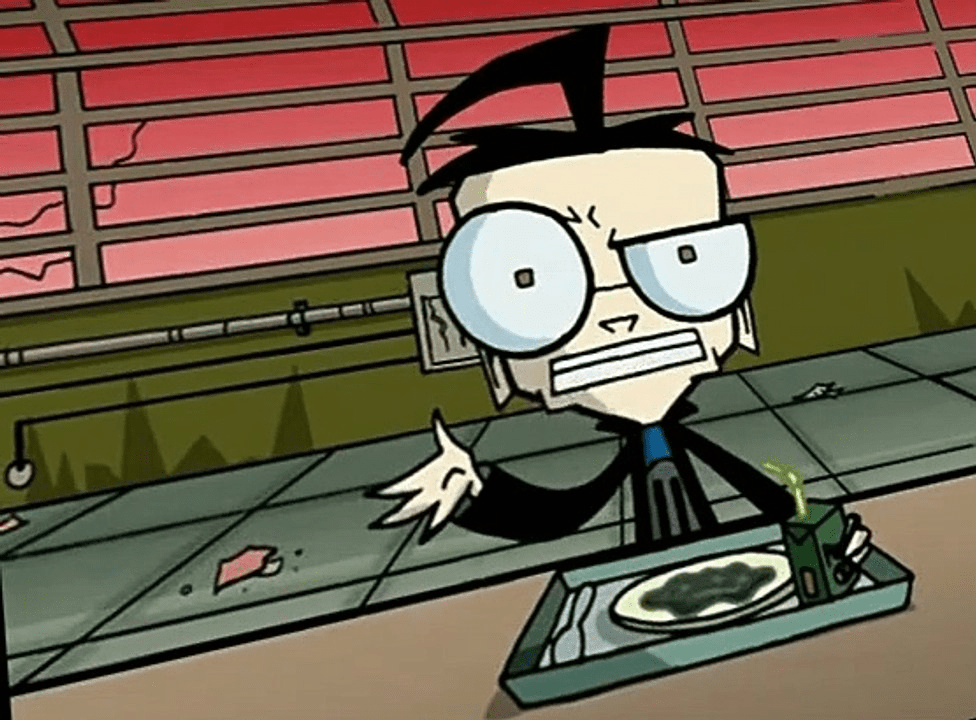
Setting: I know CSM is a dark series, but at times I feel it does its job a bit too well in some areas. Denji, through no fault of his own, is an uneducated circumstantial victim. No home, no family or friends that live to see tomorrow, and seemingly no future beyond surviving and finding true love and bonds. A lost puppy who tries no matter how many times he gets kicked to the curb. Meanwhile, damn near every woman he talks to is, for lack of a better term, a hot f[tiger roar]ng mess. Spoilers incoming: Power rarely showers and has the B.O. to prove it; Reze played with Denji’s feelings just to get to his chainsaw heart; the Justice Devil cut down Asa where she awoke with the powers of the War Devil; and Makima, one of the worst offenders so far, groomed and puppeted an absurd number of people. This video explains it more concisely. Dandadan is also quite dark if you think about it, but it has more fun with its premise in an Invader Zim/Johnny the Homicidal Maniac sort of way. There is an existing threat, but consider how embarrassing it would be if an alien race or a ghost or a demon was bested by a 15-year-old. Just about an average episode of Invader Zim, except where Dib gets a W for once.

Plot: Let it be known, dear reader, that CSM debuted in December of 2018. Denji, having no family, wants one as a stepping stone to a normal life, but the world of CSM gets in the way to an absurd degree. Rotten luck or not, forget bad actors being the reason we can’t have nice things — nice things just don’t exist in this world. Dandadan has a similar level of craziness about it, but reading its chapters or watching the anime, there’s no sense of dread or despair. This could be a quirk of Fujimoto’s unpredictable writing in contrast to Tatsu, their storytelling philosophies, the themes in their respective stories or some combination of the lot, but if Dandadan is taking me to an amusement park, Chainsaw Man is burning it down not five minutes after we’re done for the day and went home. Speaking of which…

Art: The grotesqueness of Chainsaw Man is a big give away that the world inside is quite ugly in contrast Dandadan where the world is colorful and quirky and doesn’t take itself as seriously as CSM does. Different philosophies again in the making of the respective manga perhaps, but I don’t feel that Dandadan’s characters are assholes. CSM tends to leave me feeling indifferent with each chapter, increasingly reluctant to wish Denji good luck when there’s no such thing as a guarantee. I used to be able to predict story trajectories, but congratulations, Fujimoto. You’ve done away with the fun of theorizing.

All that said, I still wanna see where Fujimoto is going with Chainsaw Man. Dandadan? I’ve yet to hear news of a second season, and with the manga still running, nothing’s stopping me from picking up where episode 12 ends. Though more to the point, I’m getting tired of anime releasing 12 or 13 episode series. We used to have two-cour series, now we’re lucky if a series’ first season can get more than 10 episodes. I’d rather the Undead Unluck method of 24 episodes like the old days, as long as the animators get to go home.

Revenge of the Shield Bro or Oops, All Lolis

What Went Right and What Went Wrong

I’ve said before that I don’t make a beeline for Isekai. I don’t love or hate it, I’m just indifferent and for a while I was curious why so damn many anime fell under the Isekai genre as of late, but looking at the goings on in Japan, it wasn’t hard to connect the dots. The same could be applied to much of the rest of East Asia, all things considered. There are still a few Isekai that I enjoy and stop me if these sound familiar: KonoSuba, Overlord, I have plans to watch The Saga of Tanya the Evil, Gate, and probably Re:Zero if more people shut up about it. Technically, I got the gist of what to expect from all of these thanks to the Isekai Quartet parodying all of them.

But it’s no substitute for all of them. Watch the originals or read their source material if you haven’t already.

If we use technicalities, Btooom! counts as the fifth Isekai I’ve ever seen. The Rising of the Shield Hero is one of the earliest I’ve seen at the height of its popularity and according to my watch history archived on Crunchyroll, it was about a month before the pandemic was declared as such. Thank goodness I had something to hold me over until the vaccines were made available. It had a decent starting premise for an adaptation of a light novel from 2013, and wound up living up to its name.

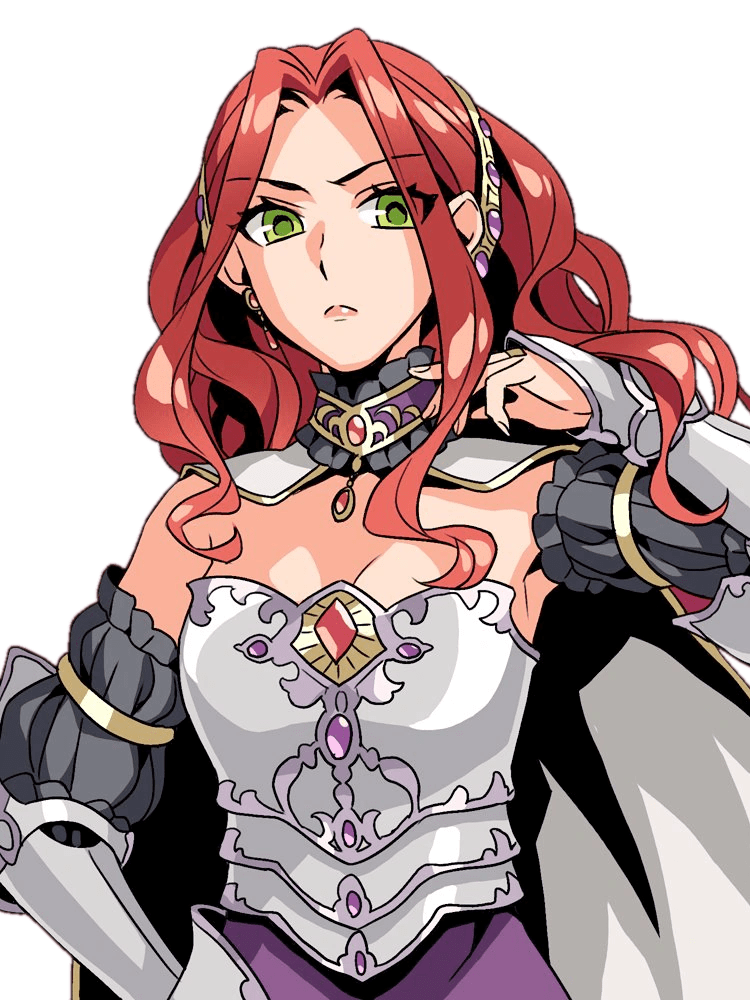
It begins with a college student, Naofumi Iwatani, visiting his local library and thumbing through a magical book that puts him in another world with three other people from alternate versions of Japan. Now that I’ve written that, it took me ’til now to realize that Isekai can be looked at from a multiverse lens than from a reincarnation lens. Anyway, our four noble heroes are awarded four weapons: spear, shield, sword, and bow with shield being the most maligned of the four. For further malice, Naofumi is cursed to team up with what becomes a major antagonist in the series: Princess Malty S Melromarc.

Worse Azula here starts off okay, but after a stay in a motel, she wrongly accused Naofumi of sexual harassment and assault, which burned a hole through the internet at the time due to the ongoing MeToo movement as it was getting hijacked by the worst people we’re forced to share the world with. In a prophetic scene that brings me to the Depp-Heard trial, Naofumi pleaded his innocence, but the kingdom he pledged to serve is a matriarchal society, and using that card to her advantage, she had him stripped of his prestige and ousted, momentarily marked as the Devil of the Shield.

A different series would’ve turned him into Kratos without the family-killing dynamic.

With only a few people to rely on, Naofumi continues on honing his shield skills, and controversially buys a slave. In this world, there’s two types of people: human beings who have the rights and demihumans, blanketly any humanoid with slight anatomical differences, most commonly of the kemonomimi variety, which is applicable to the Thirens of Zenless Zone Zero. This particular slave is a raccoon girl called Raphtalia and I firmly recall the internet falling in love with her for being a reliable companion and most importantly not f[Ore wa!]ng Malty. Even I loved her at one point.

Over the course of the anime, Naofumi occasionally runs into the rest of the dumbasses he was gonna serve the kingdom with, taking snide remarks on the side and dishing them out whilst also proving himself to be more capable in more than just shield tactics. Slave or no, Naofumi taught Raph how to fight as a swordswoman, and act as the offense to his defense. Later, he purchases an egg from which we get a character known as a Filolial named Filo, who can transform between bird and human form; her human form being a loli, which seem to be attracted to him in the same way a planet is attracted to a star. Finally, in the first season, there’s the second princess, the much nicer Melty Melromarc, another loli.

Credit: u/FurySnow47, r/ShieldHero

Guess all the MILFs were taken? Not all of them, though, there is still Queen Melromarc who was conveniently absent until the second half of the first season.

Fortunately, she’s absolutely nothing like her daughter and (spoilers) retries her and her husband, the king, for their harsh treatment and high crimes and misdemeanors on the throne, about to be executed until Naofumi does what most responsible heroes would do and stays their execution in favor of a more humiliating punishment, renaming Malty to “Bitch,” and the king to “Trash.” The first season doesn’t end there, but for loads of people watching, myself included, this was a definite highlight for characters who treated the protagonist like dirt all this time.

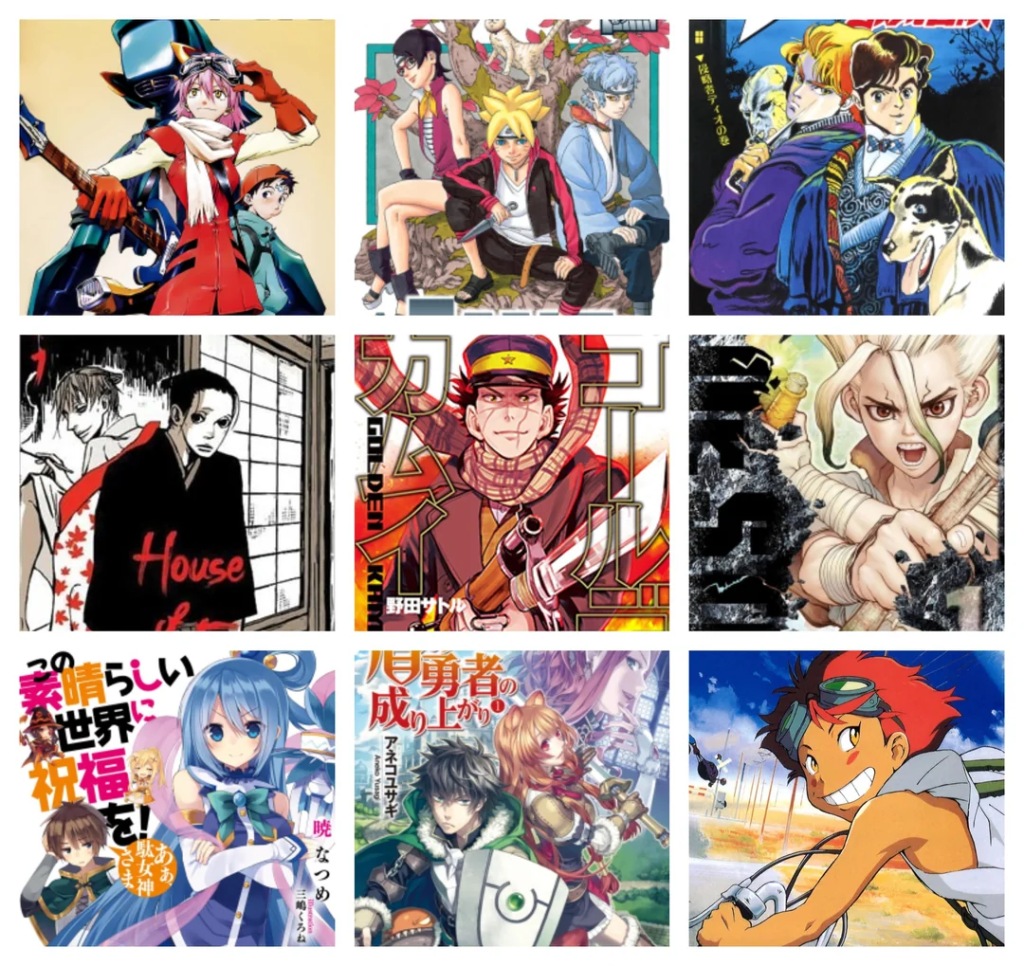
Due to the recency bias, an old 3×3 of mine has it included.

This was in August of 2021, one of my earliest Reddit posts. I do still like some of these series, and in the case of Shield Hero, its first season started strong and went demonstrably well. Where does it falter? By most accounts, season 2 is where it starts to fall.

I didn’t watch it due to the reputation it was carrying as it went on and I was too busy looking for employment as well as working with an extremely slow Army recruiter (2022 wasn’t my year (-_-)), but as I understand it, season 1 started strong, season 2 fumbled it but picked it up, and season 3 did better than season 2’s beginning. I don’t think I’ve said it before but I don’t really plan any of my anime watches out. I definitely watch anime, but I don’t set anything in stone; I just follow my whims. I put more planning in the blog topics than I do in my anime “watchlist,” so I won’t say whether I’ll see for myself if Shield Hero S2 is as bad as it says, but more like if I so choose, I’ll have this video linked below to keep in mind:

Channel: LunarEquinox

But my expectations are already nonexistent so aside from all of you dear readers, who else do I need to tell this to?

I enjoyed the first season for what it was at the time. Looking back, if I’m being honest, Naofumi doesn’t have the makings of our modern definition of a hero, he’s written more in line with the old Greco-Roman classical heroes, like Hercules/Heracles or Theseus or basically Kratos from God of War 2005. He’s not the most selfish or intimidating or morally conflicted character, but the cards he’s been dealt and the people he serves makes him question whether he should quit and what good he’d get out of it aside from a good night’s rest for once. Instead, rather than wait on quests to pop out of nowhere, as a white mage of sorts, he doesn’t really need combat to showcase his heroics; when the other heroes leave to claim their rewards, Naofumi stays behind to deliver medicine and sanctuary to the shaken populace, fitting and expected of a shield. See what I did there?

This is probably the first time I’ve felt conflicted recommending a series. Guess we’re transitioning into the S[oink]t That Exists that Makes me Pissed arc, and while it’d be more fitting for a blog meant to present unconventional opinions, I rarely do such a thing. For this series, I don’t recommend you watch as I recommend you experience the series. Season 1 and season 3 are the cleanest they’ll get, but season 2 might be left to the Pick Your Poison method. Can you stomach the reportedly poorly presented first half or would you rather spare your eyes and delve into the light novels? Maybe that’s your approach if you choose to give it a watch. It’s far from the first light novel adaptation I’ve written about, but it’s one with a complicated legacy after 12 or 13 years on the shelves. I don’t recommend going in with a judgmental or comparative mind as thinking about a different series in the viewing of this one may ruin the experience for you. Rather, what you should do is go in as blind as humanly possible and judge it on its own merits. It’s got light novels, manga, and the anime’s 4th season is supposed to release this year. Hopefully, the 4th one doesn’t ruin anything any further… or worse!

BLACK TORCH: Back From the Grave?

I expect nothing and I’m still surprised…

This came straight from nowhere for a lot of people and right out of a mausoleum for me. I wrote about BLACK TORCH’s lifespan in October 2023 and I faintly recall doing it out of jealousy over a similar manga that debuted the same year it ended.

Just in case it’s clear as mud, I’m not asking for Chainsaw Man to get buried under a keystone shaped burial mound. It earned its place in animanga and I have come around. I am caught up to the manga after all. At the time, I had already accepted that BLACK TORCH had been laid to rest for good, but then I hear through the grapevine that it’s been greenlit for an anime adaptation.

Channel: vizmedia

On the one hand: what the f[guitar riff]k? But on the other hand: It’s not the first time an anime was greenlit from the cutting room floor. Yoshitoshi Abe was able to get Haibane Renmei onto the silver screen; so why can’t Tsuyoshi Takaki?

Now, having written in disappointed praise about BLACK TORCH in the past and snidely remarked at Chainsaw Man’s expense in the process, does this in any way indicate that I’m happy BT was given an anime adaptation? Yes/no. It’s a spark on the stove that caught my eye, but isn’t worth exploring any further until we get more information. So far, we only have the teaser linked above, the article on Crunchyroll which itself is sparsely detailed, whatever the other outlets have to say about the news and the Wikipedia article which reflects the updates.

To find out a little more at the time of writing, I learned that the studio animating it was established in 2021 as a subidiary of another company called HIKE. 100studio, romanized as One Double O, is gonna spearhead the anime adaptation whenever that will be. Based on the teaser, I say that it’s 10% complete. It’ll come out either in the 4th quarter of this year or the 1st or 2nd quarter of 2026 if luck is on our side. As for the studio itself, while can’t speak for anyone else, I just now learned about this studio who apparently produced the series Quality Assurance in
Another World. ¯\_(ツ)_/¯

No idea what to make of that, nor even this act of necromancy. But now I have something else to add to my watchlist.

Fat Otaku Today, 10/10 Girl Tomorrow

Who’s this chick in the mirror? Is that… me?!

You may remember in January when I wrote about my Korean manhwa arc of which a high number of the series put out was pornographic in art. Several series I remember fondly not just for the tits and ass on the page (read: my phone/computer screen), but because of some of the unique premises they played around with. Even some of the very Korean drama-esque stories had something interesting to keep me coming back. Observe:

This one, for instance, called Lady Long Legs, is about a man who pays a debt owed to a businesswoman by becoming her man-servant. There is porn in this one, but slight spoilers, it comes later than you’d think.

Circling back to my post on manhwa, the topic of this post is about a manhwa adaptation I watched in Spring of 2021, a few months out from my first excursion in the Army.

The series is called When I Woke Up, I Became a Bagel Girl and with a title like that, we already have to do a little bit of homework on Korean culture. The term “bagel girl” has nothing to do with bagels, so those of you who were looking out for that, I’m sorry. The best I can do is direct you to the closest bakery or Wawa if you live near one. The term is a play on words of sorts, where bagel girl is a Korean portmanteau of “baby face, glamorous body;” think of it like old cartoons where a smokin’ hot babe is referred to as “babe” or just “dollface.”

The protagonist is a 26-year-old virgin otaku named Bong-gi. No ladies that aren’t plastic or standing in dynamic poses on his shelf, no looks aside from those that cause onions to cry, no hope for the future seeing as he’s in a dead end job, and no confidence unless it’s on a screen in the dead of night. Alright, enough about myself, let’s talk about Bong-gi. Well, a lot of that is true of Bong-gi, so I’m definitely not one to judge. After a s[PS2 bootup]ty day at work, Bong-gi makes a beeline for his PC and games all night, snacking in the process. I mean no hyperbole when I say that’s extremely relatable, at least for me recently.

The next morning, he awakens in his waifu-splashed one-bedroom apartment, clutching his body pillow to answer the door only to discover that there are two large protrusions coming from his chest. He swears on best girl Hestia that he was a man the day before. What happened? Thankfully, he’s also curious or there wouldn’t be a series. An immediate comparison to make for “guy becomes girl” is either Gonna Be the Twintail or Ranma 1/2, but unlike those two series, Bong-gi can’t change gender at will, nor does he have any memory of it happening seeing as it happened in the dead of night while he was fast asleep. It’s also not an action series, but it’s not a pornhwa either, though it does have fun with the genderbend concept.

Just like its concept, the central plot of the series can be considered a bait and switch of sorts. If you went in thinking it was going to be a slice of life, think again. It’s more of a detective series with more beneath the surface than meets the eye. Without spoiling too much of the plot, the entirety of the series is based on this mystery plot with different twists and turns that give it a distinct thriller feel. I’m compelled to compare it to a telenovela or a soap opera.

Now to judge it on non-spoiler-y elements. I read many manga series and watch many anime series, as evidenced by this very blog. Manhwa is still a bit of a blind spot of sorts. As I mentioned above, I had a whole arc dedicated to this medium all through community college, however, but with the animanga scene exploding on its own home turf and abroad, whatever I wanted to watch or read from the Korean side of things has been a struggle. Either there’s not enough of it or it gets buried under a wave of other series from Japan. Tying back to my post on the history of manhwa, local Korean politics may or may not be responsible for this.

The youngest Koreans born under Japanese rule may at best be in their mid-to-late 80s, but the generations following still grew up under a military dictatorship hellbent on warning its citizens of what would happen if they bent the knee to the North in particular and the communists on the whole. As a result, in Korea (and by extension Taiwan), creative minds in both countries have been apprehensive about including anything remotely satirical. Some of the manhwa I’ve read (to include Lady Long Legs) have some reference to a real life Korean concept or even law. I’m a bit ashamed to admit that this was how I learned that the country still has conscription; just goes to show that the true opposite of love isn’t hate, but indifference. There wouldn’t be conscription there if they didn’t care about their wacky neighbor (but to be fair, neighboring the hermit kingdom isn’t easy).

I bring that up once again to highlight why manhwa seems to be getting the spotlight only recently. It could simply be Korean politics overpolicing media as a consequence of Cold War politicking; it could be viewers running out of material during the pandemic and reading whatever’s available; it could be a more subtle form of Korean pop culture spreading, sitting side-by-side with K-dramas, movies, and music; it might be all of these or none of these.

For me, it’s along the lines of adding to my fortress of consumable content. I have so many shows and movies in my watchlist that I barely get through all of them. I can watch a few episodes no problem, but I’m not 19 and my days of watching content ’til 2:30 AM are long behind me. Even if I didn’t have the responsibilities demanded of me by the military, I wouldn’t be able to sit there and browse anime to watch anymore. I’ve done it before, and while I haven’t exactly seen it all, the 24-hour binge is far from ideal or even recommended. I don’t even like 24-hour news cycles; you think I wanna watch the same specific series uninterrupted? For this reason, I adopted a method employed by Adult Swim ten years ago: the Double Shot method. It’s a reference to an old Adult Swim promo from the time.

I can’t find any evidence of it online, but as I recall, the programming block aired two consecutive episodes of a certain show for the hour and continue to the next show in it’s line up. For example, King of the Hill would air Episode 15 at 9 and then Episode 16 later at 9:30. The same for American Dad at 10 and 10:30, then Family Guy or Rick and Morty or China, IL at 11 and 11:30, and so on. So far, it’s a sound method that only fails when I feel lazy. Otherwise, it works. This being the second time, I’ve mentioned manhwa, my crystal ball doesn’t say with certainty whether it’ll come up again this year — I only have the first half of this year filled with blog topics — but it does highly recommend the series. As of writing, it’s available for free on Tubi and there’s generally no pressure to sign up if you haven’t already. As for the manhwa, most manhwa hosting sites are gonna be flooded with pop-up ads on the side for a crappy mobile game or porn site, even if you’re not reading a pornhwa. There’s no shortage of them, but I highly advise you be careful where you choose to read this if that’s more your angle.

Also, this series clues you in to how strict Korean beauty standards can be. Most places tend to be like this, but the cultural shock will give you a headache.