Anime I’ve Watched

Equally a lot and not enough

Getting back to the end of year wrap up of content, I’ve definitely watched more anime this year in between my regular duties in the Army. A lot of what I’ve been watching this year has been stuff I’ve written about on this blog yonks ago, but also some new stuff that can (and probably should get) their own posts, but this being a speedrun like before I shipped out to Fort Lost in the Woods for training is gonna be a brief overview of some stuff I got a look at this year, but didn’t necessarily finish. I may add more to the watch times of these respectively and give them the reviews that they deserve, but I’m probably gonna do what I normally do and play it by ear. Here’s the anime lineup:

  1. Texhnolyze
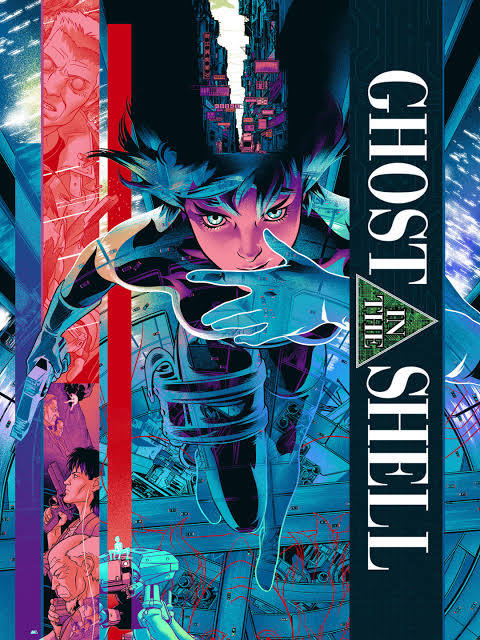
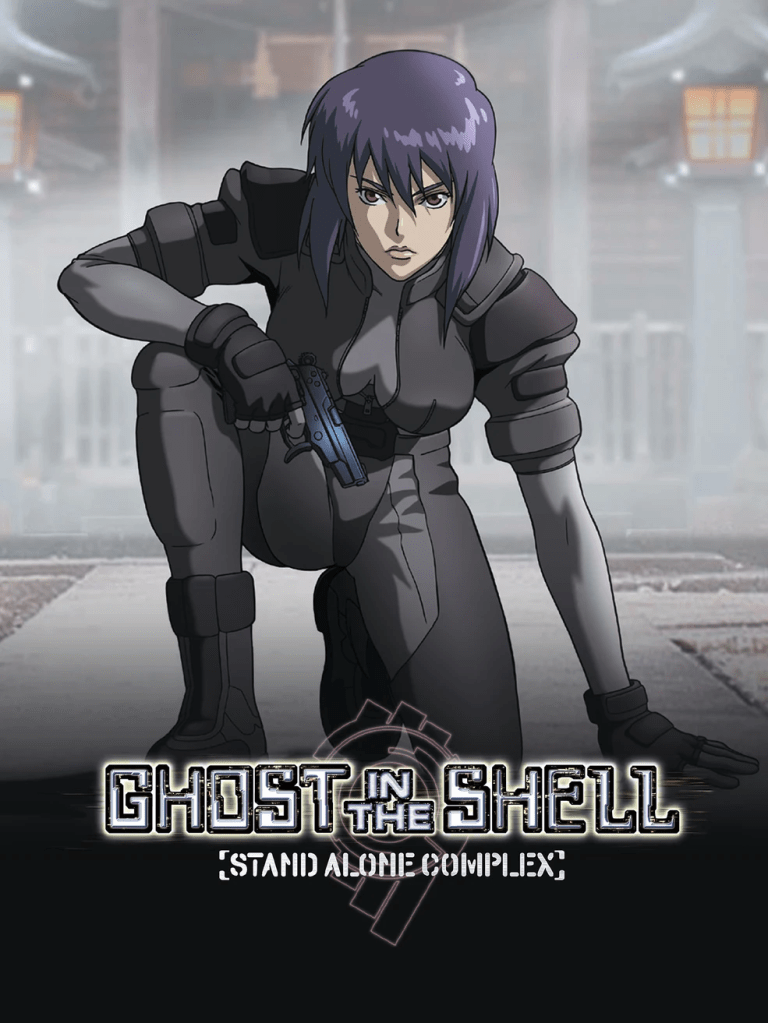
  2. Ghost in the Shell: Stand Alone Complex
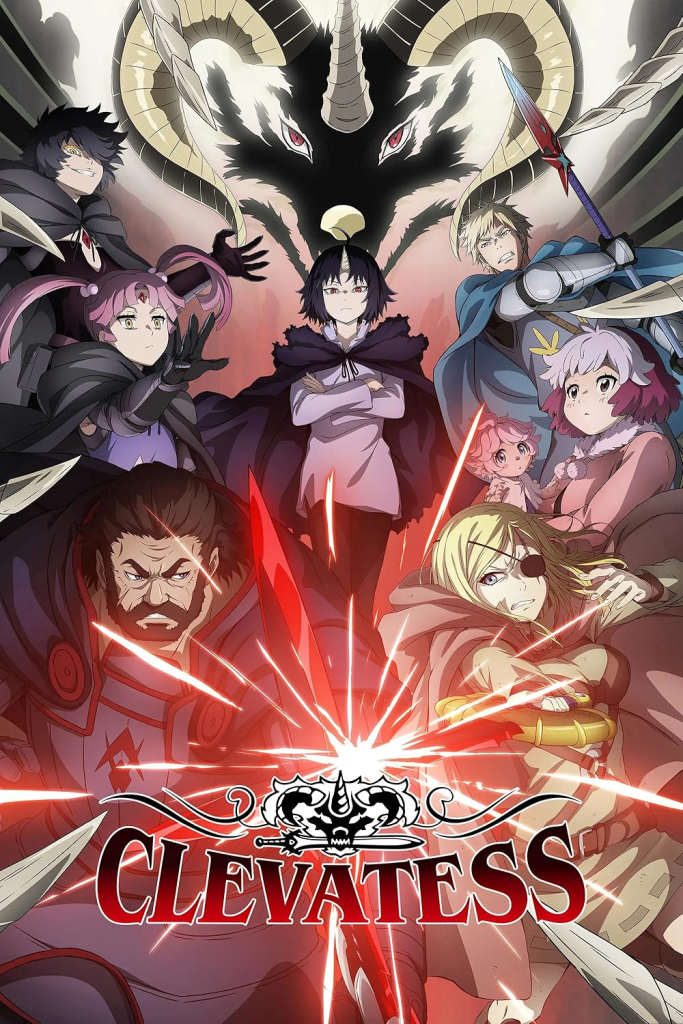
  3. Clevatess
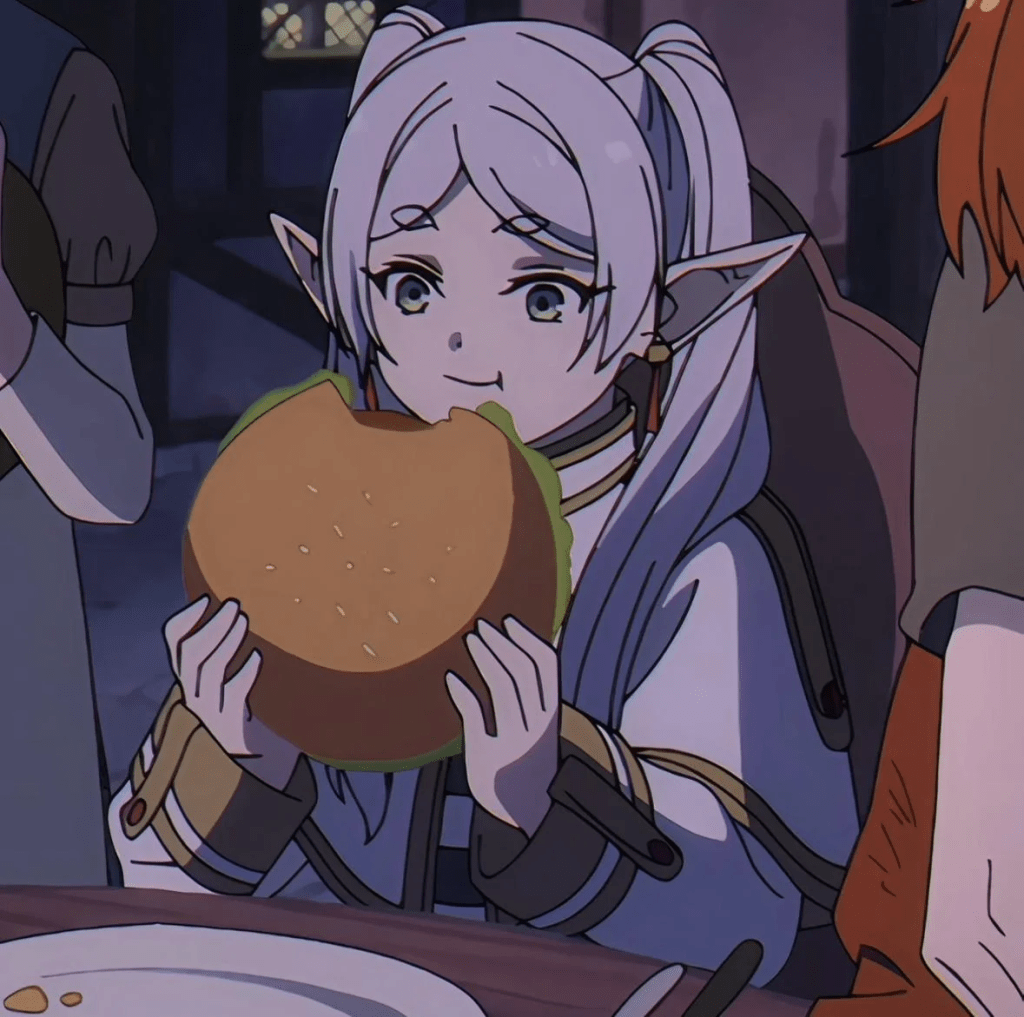
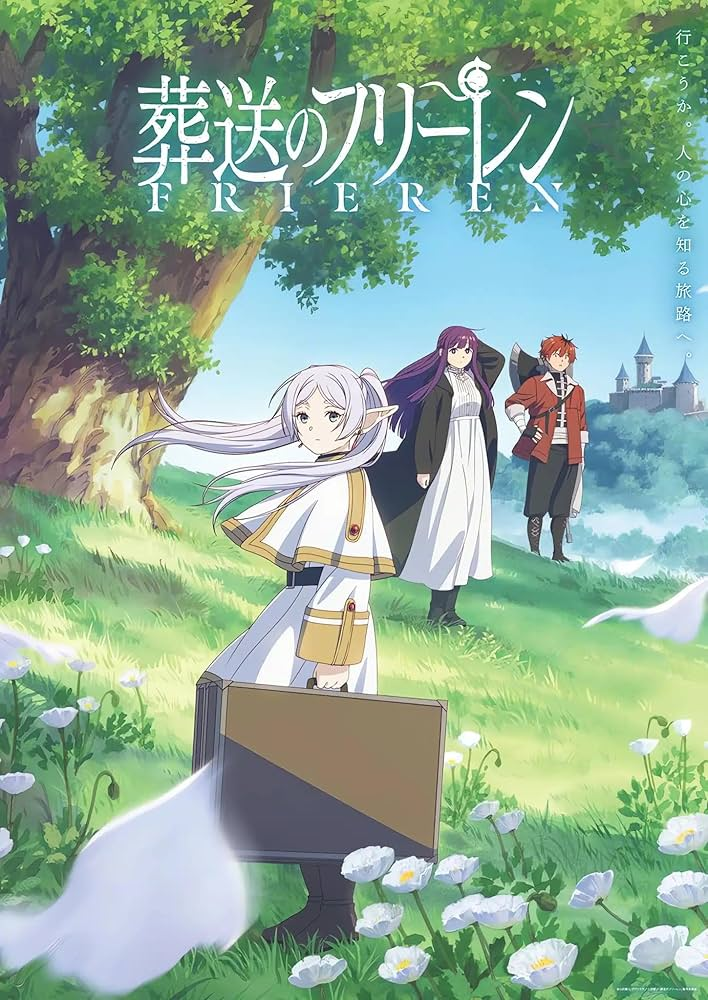
  4. Frieren
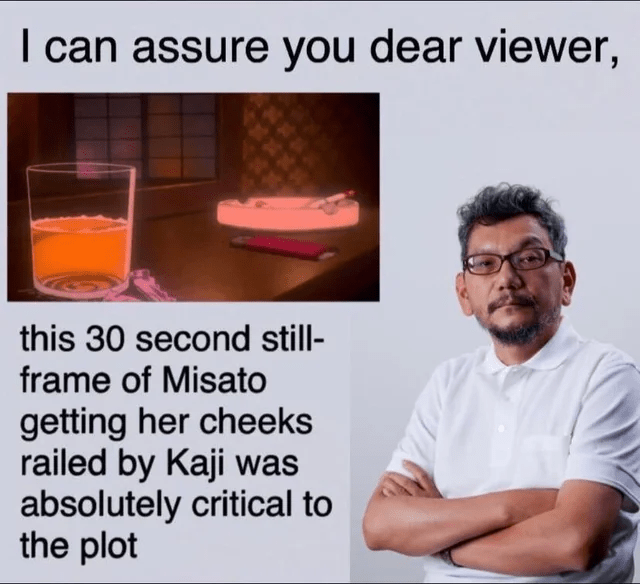
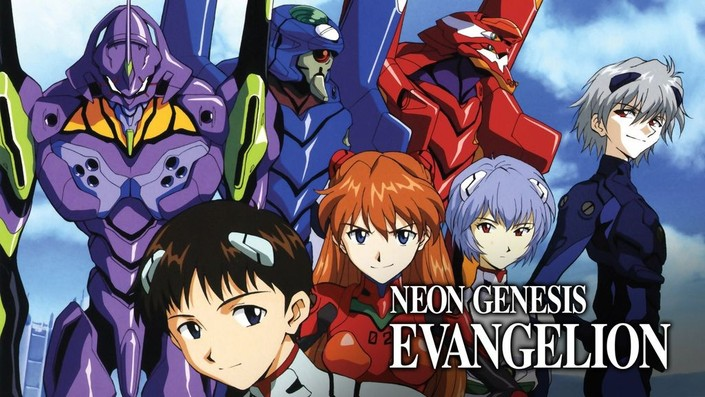
  5. Neon Genesis Evangelion

With a bonus. If you were to ask me if it was anime, it falls under “Yesn’t.” It’s based off a manga and has an anime adaptation that is currently four seasons in, but it’s doing something different.

Normally, this doesn’t always work even with a Japanese cast, but the short version of my upcoming opinion is, “Yes, please.”

Now to the list, starting off with:

Story time: in the first half of advanced individual training to be a 25H commo troop, we had a student leadership, selected by the drill sergeants based on the presentation that the trainees gave during a Soldier of the Month board. For those who don’t know, these boards are a series of questions given to the soldier (or servicemember since every branch does this) to test their knowledge and proficiency on a given subject. They mainly boil down to memorization. The student leads we had at the time seem to have convinced the cadre to use Discord of all platforms to mass communicate important information. But the logic behind it is solid. Wish I were a fly on the wall to see how it unfolded.

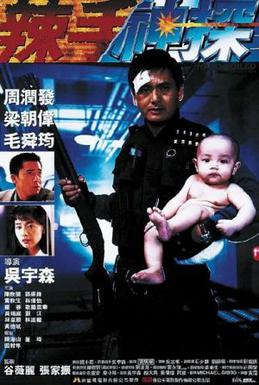
I’ve long since left the Discord server, but I recall one of the chats had an anime recommendation chat and one of them had a link to a series called Texhnolyze. I saved it thinking I would get to it immediately and only recently did I start watching it. With a name like that (certainly a tough one to pronounce out loud since X and H don’t normally meet in English), coupled wit the fact that the YouTube channel associated with it is still up, it belongs to the shortlist of things I can search up and still find on YT intact, but with some series falling victim to this Death Note of a blog when I bring them up, sometimes it’s a matter of time or whether bad luck notifies the YT copyright system and takes it down. Thankfully, Taiho Shichauzo is still up, so I still have access to my buddy cop fun times.

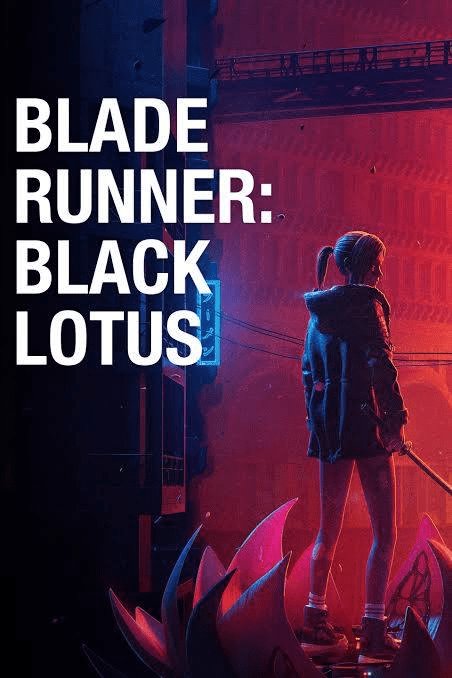
Calling Texhnolyze unique is only gently rubbing the surface, never mind a scratch. The description Google gives me reminds me of the Blade Runner: Black Lotus anime produced by Crunchyroll and distributed for weekly airing on Toonami in late 2021.

And now that I think about it, it makes me think of a bunch of other sci-fi, cyberpunk anime we’ve been getting over the years

There isn’t much to glean from just the first two episodes, but from what I recall, the society within features the protagonist, Ichise, a downtrodden prize fighter past his prime, losing his limbs and getting rebuilt $60 million man style. The setting is an underground city known as Lux, a crumbling city-state under which three main factions vie for power over what remains. Something, something, undesirable soldiers fighting for least desirable piece of real estate, only it’s not a base in the middle of a box canyon no one cares about.

I promise I’m not trying to be harsh here

Running from April 17 to September 25, 2003 for 22 episodes, I don’t wanna critique it based on originality considering a lot of my favorite things aren’t the most original or necessarily universally loved things in the world, but more with what came before, concurrently and after. Ghost in the Shell for instance debuted its manga in 1989 and has become a franchise ever since, with a 1995 movie (and 2008 redo with touchups); Neon Genesis Evangelion debuted in 1994 and has also spawned a franchise, spearheaded by Hideaki Anno who still leads the project to this day; and I had already mentioned Cyberpunk in this blog, so I’ll beat that horse when I have more to say.

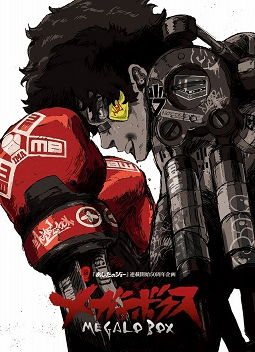
On its own merits, Texhnolyze seems to have a few things going for it, but merely falling into obscure reference, cult classic status. As a result, it’s up my alley. Let’s describe it a little: a future dystopia where humans have cybernetic enhancements to answer for physical shortfalls, battling between wide corruption and complicated power struggles. That’s vague enough to describe Texhnolyze and 2018’s Megalo Box, which interestingly looks like it was animated in 1997 and due to a bevy of legal hoops and hurdles wasn’t able to air until over 20 years later.

This series is said to pay homage to Ashita no Joe and Hajime no Ippo, but I suspect the animation team had at least one Texhnolyze fan onboard

The 22 episodes are still up for viewing as of this writing and I had saved the playlist in 2024 so I know where to go without having to close a pop-up ad every three seconds and so do you.

Channel: Parham

If the channel disappears, you know what I’m gonna say. And since I mentioned Ghost in the Shell earlier:

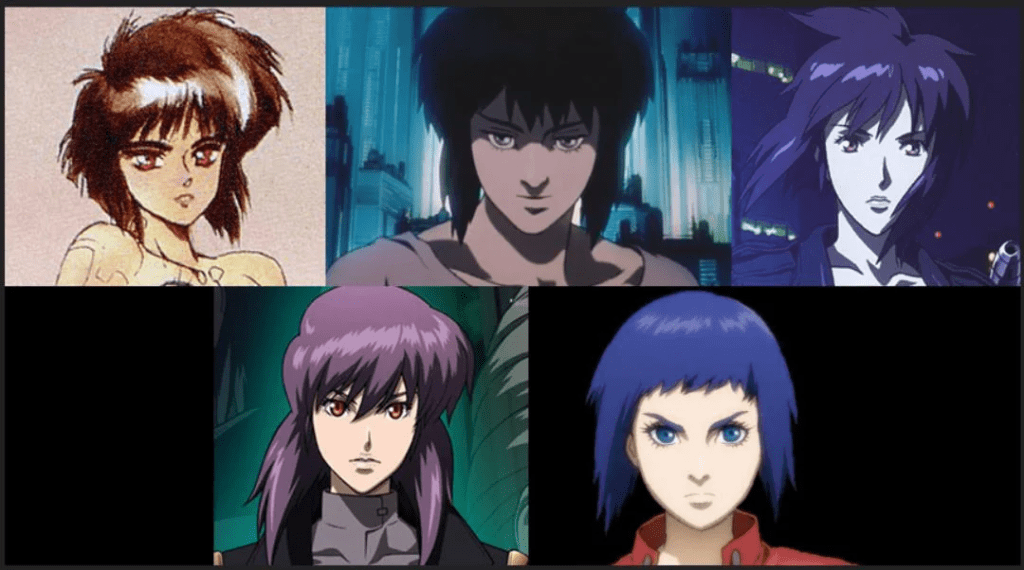
  • Major Kusanagi looks different from the 1995 movie here

This might be a bit harsher than I intend it to, given I’ve seen the movie at least three times and have had to retreat to Google-sama to get an understanding of what the hell it’s about. But in general, a cybernetic officer in a futuristic Tokyo is tasked with apprehending an entity who goes by the name of the Puppet Master, an advanced AI with the power to Worm and Trojan Horse itself into nearly any vulnerable computerized device to include humans with mechanical enhancements and this description alone may not do it justice.

The manga debuted in 1989, the movie in ’95, and Stand Alone Complex in 2002. It does raise a lot of biting, complicated questions over AI and technology’s advancement over time, though with my limited viewing of the series (four episodes on Tubi before Toonami snatched it back up after many years pimping it out to streaming services), while it scratches the itch I didn’t know I needed scratched, like Texhnolyze before it I’m only just getting started, but unlike Texhnolyze, it’s had decades to cook and it isn’t as straightforward as most other series of its caliber. The mangaka Masamune Shirow may not have realized what he’d unleash when he first put pen to manga panel, but with what it’s become ever since the movie, anyone getting into the franchise has a hell of a lot homework to do.

I’m going to be light on spoilers as I have a more in-depth review scheduled to be drafted and published in February, so until then I have more of it to watch. Take this as a light recommendation until then. Also, the content of this series and Serial Experiments Lain may reinforce Trunks’ biases against androids.

Channel: ImmaVegeta

Better get the boy an iPhone for Christmas

  • Fantasy world but the monster and the protagonist become an impromptu family

An interesting one that Crunchyroll was promoting at the time by letting you binge it in one sitting. I loathe binge-watching and forever hold the practice over Netflix’s shoulders, but I think for 2026, I’ll have to loosen that up a little. The series starts off with the protagonist’s party setting out to destroy a beast known as Clevatess, not knowing how royally f[clashing]ked they are until they all drop dead. Clevatess, the monster happens across a baby of noble birth that belonged to a royal family under threat from a rival kingdom and adopts the baby while also reviving one of the heroes to forever live as a zombie of sorts, but using many of the same principles that affected Bucciarati in the second half of Vento Aureo, sans the slow deterioration and lack of pain receptors.

If you’re curious what would drive a bloodthirsty beast to take on the role of a step-parent to an orphaned infant, well, the situation is equally a bet from the baby’s mother, and a test of humanity. Clevatess isn’t the only beast in the world; others like him are also out and about. The zombie female MC was among a group of 13 heroes sent to dispose of Clevatess and the rest, but ultimately struggled at the first hurdle. Following their demise, Clevatess was approached by the mortally wounded mother of the royal baby who had requested he spare humanity starting with the infant. If Clevatess could successfully raise the infant then humanity would be spared, but if not, then mass extinction imminent.

Some may draw unfavorable comparisons to Overlord, and I dispute that so heavily because the comparison is false. Yes, Clevatess and Momonga/Ainz adventure and aid with strict conditions, but Ainz is basically fantasy RPG Genghis Khan. Clevatess is a dark being hellbent on destruction. Even if the source material shows Clevatess leaning Overlord-like down the line, I’m not so certain I wanna give it the copycat flag just yet. Not for nothing, it flips a few tropes on their head where the bad guy becomes the caretaker, though I wonder just how old that trope is. These days, you can find it if you search hard enough, but looking for older examples is a struggle.

The manga debuted online in Japan on the LINE platform in the summer of 2020, so the anime was the only way I ever knew about it. Having said that though, for what it has going for it, it needs more episodes because 12 isn’t enough to give it the leg room it needs.

  • Elves don’t change like humans do

It kicked off in 2023 and had been memed all over the internet even to this day. The most prominent memes being, Ubel being a morally ambiguous mage with… lickable armpits… (ಠ_ಠ), Fern and Stark f[explosion!]k so much that Frieren could leave and come back to greet a litter of their children, and Frieren herself is a god-tier racist, on par with LowTierGod.

Demons beware

Admittedly the memes are far as hell in the animanga and I’m only a couple of episodes in. Aside from these three jokes, the plot is an after story. It’s a DnD campaign that wrapped and the heroes are getting used to peace after the evil entity had been defeated once and for all. Frieren the mage, Himmel the hero, Heiter, and others among the party all go on their separate ways while remaining friends. The one thing that gets to Frieren herself is her elven lifespan compared to that of humans. 50 years pass and Himmel is a frail old man while Frieren, due to her elven species, hasn’t aged a day.

This doesn’t bear on Frieren’s shoulders until Himmel passes away from old age and the elven mage regrets not having gotten to connect with him better. Over the course of the series, the characters, even in their new chapters in their lives, remember Himmel the hero by what he did and how he lived. Each person who remembers him has a lot to say and all of them are positive and uplifting. Of course, the heroes, having known him personally, have more personally ridiculous and intimate stories with him. This goes on throughout the series and Netflix currently has it in its line up so give it a watch if you don’t feel like pirating it. I’d talk more about what I’d observe, but in this instance, I think it’s better when you watch it for yourself.

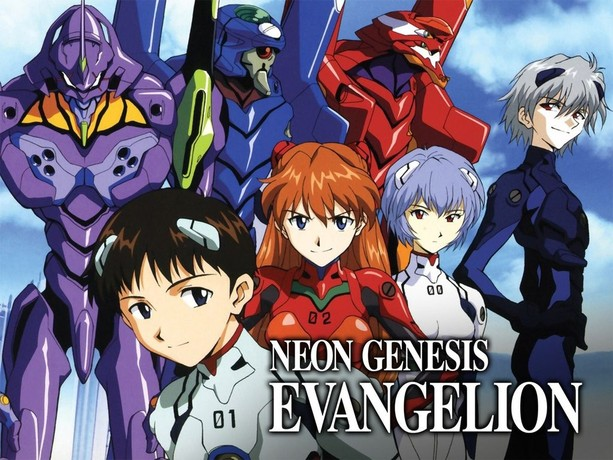
  • Don’t make me ask twice! !GET IN THE ROBOT, SHINJI!

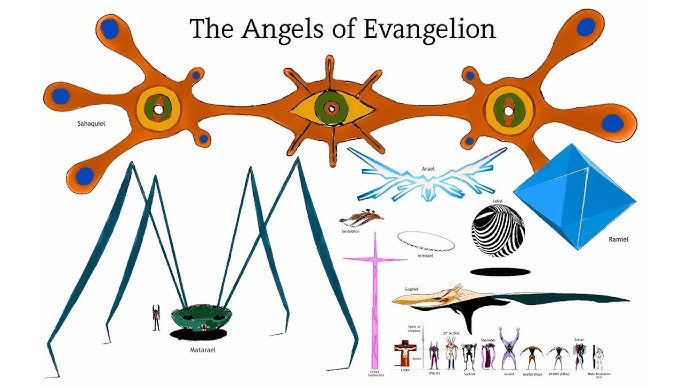
A staple in the mecha/gundam genre, NGE very much alludes to Christian mythos with the angels harkening to their biblically accurate appearances. There’s a lot to say about Evangelion, it’s movies, and the Rebuild sequel movie series, but this is another one I have slated for a 2026 review.

The main crux of the series is not “Wow, cool robot,” like most of its contemporaries. It’s a combination of peace of mind through acceptance of oneself and clever critique of the military use of children for dangerous experiments. Also the theme of personal loss in juxtaposition with self-acceptance. Roughly every character is fundamentally broken and the fact that much of the cast consists of 14-year-old mech suit pilots, Anno is a weird guy, alright, if this is the proof in the pudding.

What has people continuously talking about it for 30 years strong is the memes, of which there are many. You can have some of your favorites (my personal ones involving Asuka in some capacity), but the one thing to note is that unlike a lot of fandoms, I think the Eva fandom I’ve seen is one of the few to actually read its source material and understand it without issue. This puts it above some of the other series to air concurrently and down the line where the bombastic, earth-position-influencing combat is the sole or central focus of a series. It technically disguises itself as an allegory for depression through Christian mythology, but Hideaki Anno won’t admit that.

Like Frieren, it’s also on Netflix and so is the movie, End of Evanglion. I so far am wrapping up the anime, but I haven’t touched the movie yet. And speaking of movies:

  • Even more Ainu cooking, but for real

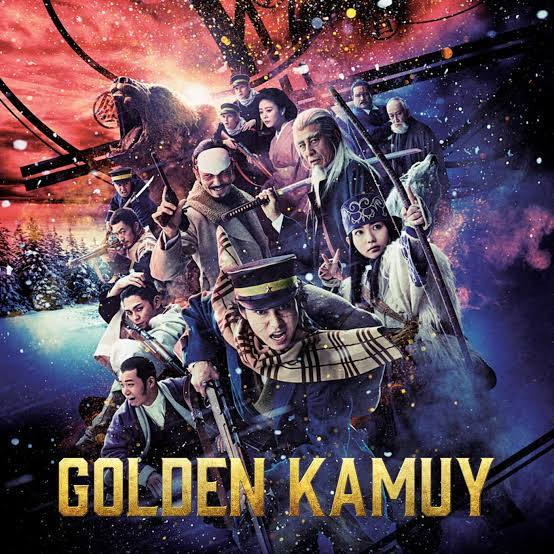
So Satoru Noda began writing the manga in 2014 and the anime adaptation followed four years later. After that came this live action movie in 2024 and a continuation in a second season … Hmmm… The live action version of Golden Kamuy does well to capture the humorous elements of the manga while staying true to the practical elements. It isn’t 1:1 for obvious reasons but this was completely unexpected. A surprise to be sure but a welcome one. I had talked about Golden Kamuy before, so a run down of the salient points are everyone knows of the legend of the Ainu gold, the map to the treasure is tattooed on a group of eccentric Abashiri prisoners, and death is the only thing stopping everyone from using the gold for their own purposes. A race to near-infinite wealth of sorts…

Yeah, I went there.

I only give it high marks because I love the series so much, so as much as I recommend the movie and live-action series, consider that this part of the blog is a bit more subjective than normal since I consider myself part of the target audience for something like this.

Ladies and Gentlemen, the Dumbest Otome Villainess Protagonist

Her braincell is always out to lunch

Multiple times on this blog, I’ve explained that I don’t make a beeline for the Isekai genre. My tastes are varied and, if I had to look at it objectively, inconsistent. But if it wasn’t me being lazy, it was life reminding me that the big picture exists.

Thank god for stock imagery

With the case of Isekai, recently I’ve had a look at some of the shows I’ve been watching, some of which have appeared on this blog before, and I don’t think the statement holds up anymore. Matter of fact, some earlier anime I watched as a kid technically count as Isekai by the slimmest margins and the loosest definitions. Similar to when I watched Shield Bro Loli Pokemon, I came across the subject of this post on Crunchyroll sometime in 2020. It’s not in my watch history for some reason, but I did see the entire first season and part of the second season, so I definitely remember the plot beats going on for this series.

This series is an otome harem Isekai that would become more and more commonplace after 2020 for some s[piano]ing reason. As I recall, the anime skips over the Isekai-ing action, and drops the protagonist into the shoes of the villainess/antagonist, Catarina Claes, who is known to the Japanese audience as Bakarina for having an IQ level as big as her shoe size. The full English title doesn’t really do the series any favors, as the point of the game she’s isekai-ed into is to avoid all the doom flags. The game, known as Fortune Lover, has a series of different paths for the player to follow given specific conditions. One ending sees the villainess exiled, another puts her behind bars, and the third sees her killed in a crime of passion.

When the protagonist takes command of Bakarina’s braincell, the roles are reversed in even the design. Robbing the game of the villainess irreversibly changes the flow of the game to the point that the game semi-acknowledges the takeover, although the major consequences of this aren’t even that punishing, given the English translation of the Japanese title being “I Reincarnated into an Otome Game as a Villainess with only Destruction Flags” as opposed to the subtitle All Routes Lead to doom. A distinction I make seeing as the former explains the concept of and subsequent obsession with doom flags as opposed to the latter that leaves it largely vague. Couldn’t help but get pedantic about that…

Be it the villainess or the actual protagonist of the video game (to distinguish from the Female MC), the opportunity to romance any of the archetypes characters is, on the surface, divvied between the two, but with Bakarina being the queen of this series, that’s a decision largely left to her. Bakarina’s definitely different from how the original Catarina behaves, being more charitable than selfish, all to avoid the death flags. In so doing, she unlocks a secret ending that most games won’t give you until you 100% it once at the minimum.

Without a real window into the game before Catarina’s mind was taken over, all we the audience have to go off is what Bakarina claims she was. To be fair, there’s a few scenes that show what would happen to Catarina if she was the same as she was before the plot of the series kicked off. Now, as for concrete proof that this is an Isekai, again, the anime never shows the action, but it does have a flashback to what the pilot of the Catarina mech-suit looks like, all without ever giving her an actual name.

Another thing done differently is a semi-timeskip. The first five or so episodes start off in Bakarina’s childhood before transitioning to her and the rest of the cast as first- or second-years in high school. And although they’re all adolescents going forward, the recurring gag is that before a major life-altering decision is made, Bakarina retreats to an inner council within her own mind where five younger-somehow chibi-er versions of her debate the pros and cons of a certain path before moving forward with the decision.

And to put the cherry on top, the reason she’s referred to as Bakarina has to do with a variety of weird and idiotic moves prior she’d become famous for. I guess I would also find it difficult to explain that the world is an otome game from a different world, but with death acting as a portal from one world to another, the most I can do is reflect on my previous life before pulling a “when in Rome.” While Bakarina acknowledges the doom flags and bends over backwards to avoid them, she brings mannerisms and habits from her old world into this one.

Funny enough, I did a quick Google search and found this Reddit post that posits, with evidence, that she’s on the spectrum. It’s credible, but medical and mental health professionals make the distinction between autism, ADHD, and simply having those symptoms without fitting into either category. But their is also evidence that she is simply braindead. A lot of it having to do with her being clueless to a lot of things going on in the lives of the romancibles, notably their feelings towards her.

The show is entertaining enough and deserving of its second season when you keep in mind that Bakarina is a moron, though not completely. She does have her moments, though the plot doesn’t give much in the way of character development for Bakarina. She stays mostly the same from beginning to end, even after realizing how much of the plot of the game she’d changed. This isn’t necessarily a bad thing, but it’s a noticeable thing to keep in mind, especially for puzzles, such as one episode where everyone else was in despair while Bakarina kept stuffing her face.

But on the subject of idiocy, a distinction needs to be made between intelligence and wisdom. There’s overlap between the two concepts and some believe that they’re merely interchangeable. But that’s false. In layman’s terms, it’s merely the book smart VS street smart debate. A professor can tell you all about physics and maths, but will probably be lost in the worst parts of the Bronx. On the other end of the spectrum for wisdom, someone may be unable to do complex maths, but they can still learn you a thing or two about life.

The anime’s has two seasons with 12 episodes each plus an OVA. It was adapted from a 2017 manga which in turn was adapted from a 2014 light novel.

Need I elaborate?

Before I go, I have plans for a post concerning the corruption subplots of the video games, Max Payne 3, Sleeping Dogs, and Spec Ops: The Line, with all three handling it all differently. I can’t say for sure when it’ll be done, especially since Spec Ops had been delisted in most online retailers, leaving me the only option to pirate over it. Once I’ve finished at least the last two games (having finished MP3 before), I’ll have the full context of all three ready.

One Piece Progress: One Pace

An update on a declaration

Some time last year, I made a bold declaration to give some older anime series a rewatch, namely Giant Pirate Adventure and Space Monkey Mafia. I was able to watch Dragon Ball Z’s Kai dub on the Internet Archive from start to finish, at first before leaving for the Army, and again while in. For One Piece though, I made mention of its pacing problem before which kept me from watching it as consistently at first. Following that, I looked for the One Pace recut to do away with all the half-isode runtime that was standard practice at the time, if you’ve ever watched orignal Naruto, Bleach or the original cut of Dragon Ball Z.

I’m still in the process of completing One Pace after getting back into it from the insistence of a fellow soldier whose exposure to the series is more personal. So far, I’m on the Drum Island arc. Yeah, yeah, snails pace and all that.

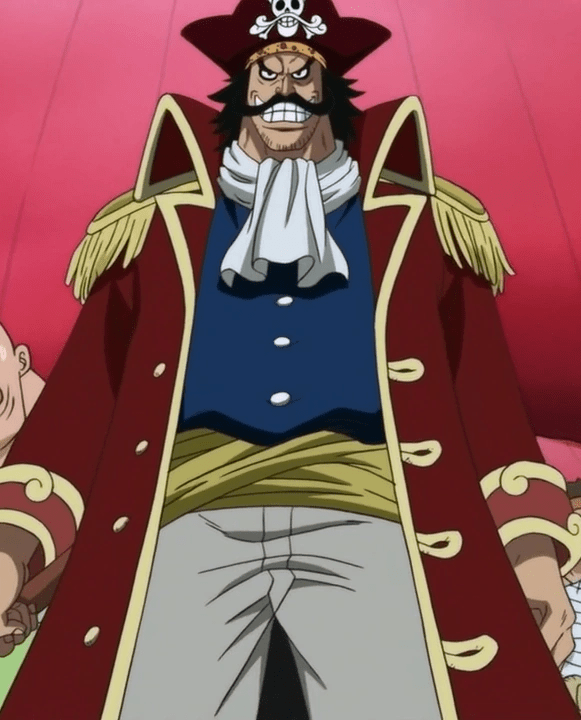
But I am rediscovering what appeals to so many about Luffy’s adventures. The core of the series is merely to search for the legendary treasure of the legendary Gol D. Roger: a posthumous character who took the location of his treasure with him to the grave.

There was something about Luffy seeing the execution platform that evoked several images and emotions. The most powerful pirate in history was caught and killed by the Marines, never revealing the location of his treasure, but sprinkling breadcrumbs for other ambitious pirates to follow. The risk of capture and execution is still present, but let’s think critically about what the pirates and the Marines means in this world.

To some of you reading, this may bring up things Hasan Piker has said about One Piece before being “pro-socialist, anti-imperialist” in design. I do see that talking point, but I personally don’t agree with it, since you can be anti-imperialist without being pro-socialist. Getting away from that, though, One Piece does have a slant against an oppressive government as seen in this clip:

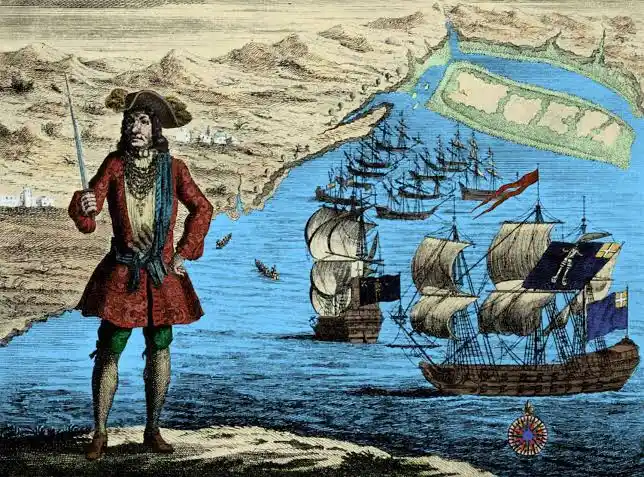
As I’ve stated, I’m not that far into the anime, but so far, looking at what Gol D. Roger did to get himself executed by the Marines is a question worth asking. This isn’t me saying he was a good guy. Going by his design, and just from what I can extrapolate from the openings, he doesn’t seem to be very different from Blackbeard or Henry Every or, one of the worst pirates in the Golden Age of Piracy, Black Bart Roberts.

Still following along, albeit, much less closely. It’s a monster series that’s still being released and even repackaged in 3-in-1 omnibus volumes after 28 years in serialization and counting. Not as massive as JoJo’s Bizarre Adventure, but it’s a contender for longest-running series next to Sazae-san and any soap opera/telenovela still on the air.

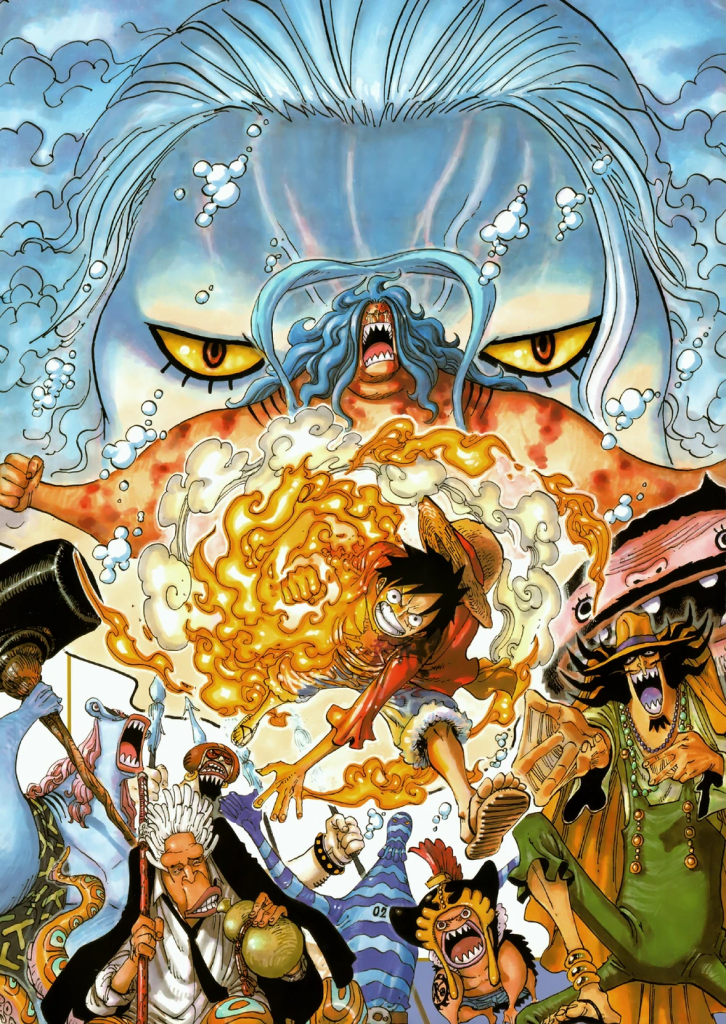
Maybe because of how long it is, I can make this a yearly thing. Perhaps by September next year, I’ll be nearly done with the Fishman Island arc.

Actually, since I talked more critically about One Piece this time, I think I can put my analysis of Dragon Ball Z in for next week.

Solo Leveling and Jujutsu Kaisen

A pair of anime darlings in this day and age

It isn’t everyday that new anime debut and take the world by storm… or maybe it is since the audience is starved for a brand new bevy of releases to christen the Big Three of Anime. The western anime fans are still in search of those that can lay Bleach, One Piece, and Naruto to rest and as far as contenders go, the early 2020s have so far seen two of them go back and forth in popularity: Jujutsu Kaisen and Solo Leveling.

JK debuted in 2018 as a serialized manga running for 30 volumes until 2024 and SL started sometime in 2016 and bounced between publishers online as a Korean webcomic until it got a physical release the same week as JK for 14 volumes of its own, releasing its final chapter in 2021. I admit that I was late to the party, coming on for both JK and SL only this year, and I’ve made better progress in the former than the latter, though still stuck on the first season. Not to mention how inconsistent I am with my viewing, so the remainder of this double bill will default to Wikipedia. Starting with the first:

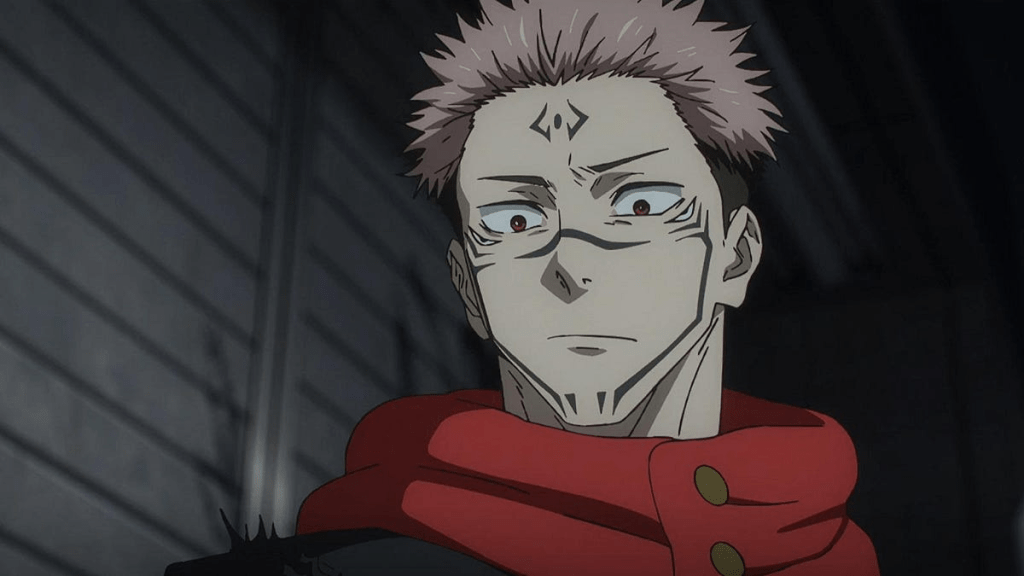
A supernatural story involving yet another orphaned adolescent who gets chosen by a demonic power that doesn’t kill him but lies in his body as a host and comes out to puppet his latent abilities. Of these, is the famed Domain Expansion whereupon an alternate dimension opens up where the user is given free will to do whatever to win the battle. Something something victory is god and the user is pope fare. The orphaned adolescent is pure of heart, innocent Yuji Itadori. His sickly grandfather leaves this mortal plane with a dying message to always stay kind. Easy instructions to follow since that’s all he wants for himself and his friends.

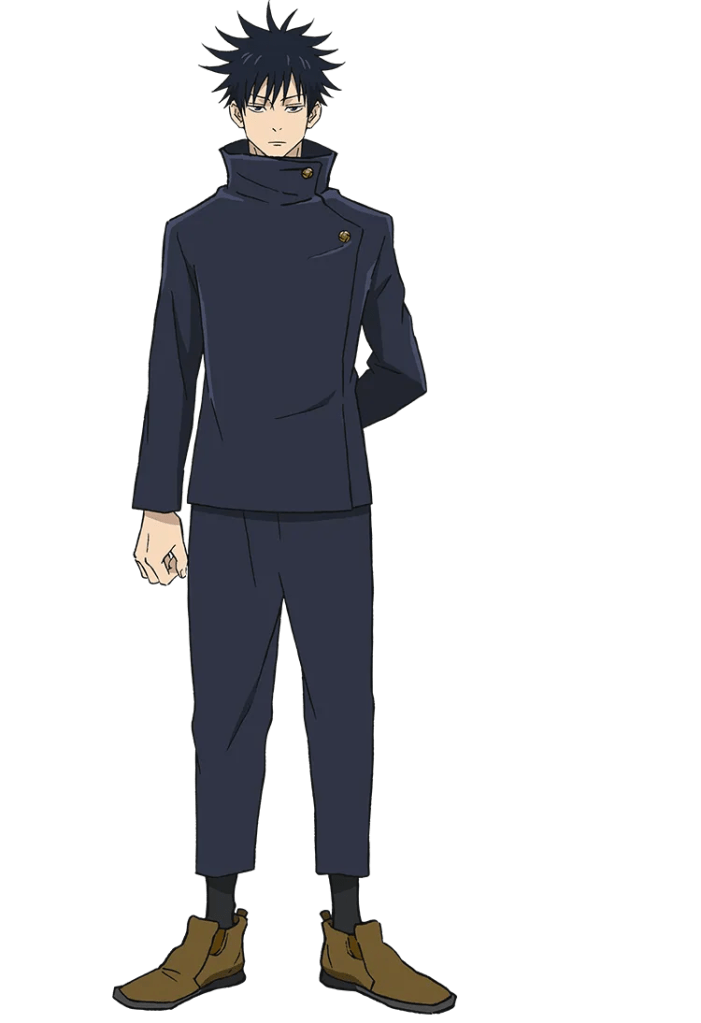
Afterwards, he continues life in high school and runs into people with some of the aforementioned abilities, starting with Megumi Fushiguro.

Fushiguro is what is known as a Jujutsu Sorcerer, part of a secret society of sorcerers tasked with protecting the innocent from ancient evil Curses. One way in which this is achieved is by collecting scattered demon body parts, some of which belong to the worst known as Ryomen Sukuna. In one such encounter, Fushiguro finds students who find Sukuna’s disembodied finger. Understanding the inherent evil in just the severed appendage but not yet knowing how it works, Yuji swallows it whole allowing Sukuna to dwell within his body.

Here, the demon acts as Yuji’s id, or from what I’ve seen thus far, tries to. Yuji still maintains control of the flesh, but will call upon the evil within to get him out of a particularly tough battle. Though he has the powers of the demon at his beck and call, he’s not exactly an expert and in the eyes of the Jujutsu Sorcerers, he’s marked for exorcism and eventually execution. In the series, select individuals — to include Yuji — have the ability to control such evil, and before they become experts in this ability, they attend school at any one of Japan’s government-sponsored Jujutsu Sorcerer academies.

Bearing witness to this course of opening events is Fushiguro’s senpai, Satoru Gojo, who elects to stay the impending exorcism so that Yuji can learn how to control the demon within. The chimp has the rifle, but good luck expecting marksmanship or trigger discipline from the great ape, which is why he initially struggles to perform in combat. After Gojo helps Yuji transfer to the Tokyo branch of the Sorcerer academy, the series gets its proper start in the format we’re all familiar with and those of you who haven’t seen it, if the occult is up your alley, then give it a watch.

Personally, I liked the premise enough to progress to 2/3’s of the way through Season 1. Now, my work schedule has kept me from completely finishing the series and I’m notorious for bouncing between series. I’ve mentioned it yonks ago that I’m not a fan of the binge culture spearheaded by the likes of Netflix and I like to take my time with series, especially new ones. The cost of this is that a lot of time is put between viewings which leaves me to play catch ups in my head or do research prior to picking it back up or both. For what it’s worth, my memory works well enough to keep me from having to do that as frequently save for these blog posts–usually the next episode helps jog that memory.

This era of anime has since done away with the worst forms of Recap Syndrome that have stuck with the medium for decades, and I consider myself lucky enough to have such a memory, but for other people who binge their series, this is probably one of the most inconvenient times to discover anime. At least the pacing hasn’t taken a serious hit, and in some ways has improved due to the direction of the blowing wind now. For me, I maintain that spacing allows me to think about what I just watched, whereas binging gives me a lot all at once and there’s only so much I can take these days.

Back to Demon Hunter School…

…not that one.

The driving force that keeps me from forgetting about the series is the occult nature of it all as well as the drip feeding of Japanese folklore, namely the series’ interpretation of famous Yurei and Yokai mythology. Why didn’t I jump on it as it was popular? Especially since one of my favorites, High School DxD, is the occult with T n A? I don’t chase trends, especially as they air or debut, which is why it’s taken me ages to at least check out My Dress Up Darling for instance. Damn, this castle manor of anime endlessly expands. Did I steal the blueprints for the Winchester mansion or something?

Well, whatever, onto the rest of this double bill with Solo Leveling:

Alternatively titled, Only I Level Up, Solo Leveling has a few occult themes in it, but is merely wearing the skin of a homebrew DnD campaign. Contemporary South Korea has a map of different dungeons that are far too dangerous for the Republic of Korea Army to attempt to clear out by themselves, even with U.S. military aid, but a subsect of people exist with different abilities to help clear them based on their skill level. E-tier or worse? You get s[punch]t. B-tier or better? The dungeons get worse, but you come out better. Sooner or later, you’ll climb out of hell wearing the devil’s skin as a shirt and his head on your hip.

From that description alone, and based on other Korean media I’ve been exposed to, the tropes exist within the Korean online gaming market (sans CS:GO) with monsters and enemies that exoticize the different DnD races while holding back on the East Asian romantic picture of western European court and nobility. The protagonist here is low-level hunter Sung Jin-woo. He gets chosen by virtue of being the last of his hunting party when nearly everyone gets their s[crunch]t stomped in by the monsters and possesses an ability no other hunter has: the ability to level up, thus giving the title its purpose. Every other hunter has their abilities set in stone, but the powers that be choose him to be the one to level up from paltry E-tier to god pulverizing S-tier.

Credit: u/MaxSupreme369, r/SoloLeveling

I wrote ages ago about how historical and political circumstances led to the Korean government to heavily vet and scrutinize nonpolitical media and the likes for any anti-government, pro-North Korean/pro-communist sentiment, which I think severely limited outside exposure to webcomics (along with ancient Internet being even more closed off), and I maintain that these circumstances are why Korean webcomics are still in their discovery era even now as series are still being discovered, despite some of them debuting their first chapters years ago.

For Solo Leveling, a bevy of outside factors seem to have also influenced its central themes. The premise of dungeon raiding has deep medieval European roots, the caste system has medieval Asian roots, and as explained in this video, the concept of killing God and defying fate has specifically Japanese roots. At most, the only thing Korean about the series is its setting, Seoul, its characters having Korean names and abandoning the character design philosophy of “Mukokuseki,” where characters have nontraditional hair and clothing senses so that the viewer can self-insert into their favorite characters. I feel the concept is better used in Japan than Korea given geopolitics, and successive authoritarian Korean governments having a more noticeable thumbprint on what was previously allowed to print.

Fortunately, this hasn’t affected this specific webcomic all that much in a way that was noticeable to the untrained eye. But it still has a few of the same problems from the True Beauty webcomic, in that the main character needs an outside source to become a better version of themselves in order to be accepted by their peers.

I am still speaking from an outsider’s perspective, and if everything I’ve read about Korean culture is even somewhat true than I’d probably look to Europe as a source of freedom from my mundane at best Korean life.

Solo Leveling also deserves a watch for those who enjoy the DnD-ness of its format, but to measure it up against the likes of JK… I still lean more Jujutsu-ward than SL. Both are great in their own right, with interesting characters in a creative and compelling story, but at the risk of throwing Korea under the bus like its neighbors have done so historically, JK pulls me in much stronger than SL. This very blog is evidence enough that I game to a supremely unhealthy degree and if I’m being honest, the games are all the solo leveling I need. This isn’t me saying “I don’t like character arcs,” no sane person would say that; rather it’s me saying that “I don’t find Solo Leveling’s presentation to be my particular cup of tea.” Basically this meme format so as to not mince words:

Still, give it a watch if you wanna see Sung Jin-woo get a comically larger chin without having to Habsburg his way there.

Sex Critics Review Otherworldly Female Creatures

Speak, penis, for you have the floor… and the p[nyan]y.

My reluctant review of F[crash]k You! Actually F[horn]ks You Into the Harem ended with a mention of another series that was pushing the envelope, so much so that it took Funimation three episodes to realize it might as well have been hentai. And looking at it’s content, I really wanna go back in time to Funimation’s as of yet unclaimed office, stare the big boss/manager/whatever in the face and say, “With a premise like this, what were you expecting? Raunchier KonoSuba?”

No matter the intention, learning about this led to a Streisand effect in the animanga community, whereby, those who weren’t watching it yet, checked it out to see why Funimation would choose not to continue airing a current anime series. Once they saw why, it made sense.

If I was in charge of a streaming service, I’d put this behind an older teen or 18+ section. Simply change your user settings to be able to view hentai and ecchi freely and voila! Enjoy your culture, ladies and gentlemen.

The premise is simple: a fantasy world where every monster girl is available and about 90% of them work in a legalized sex industry, Stunk the human and his bestie Zel the elf embark on an adventure to f[crumble]k every monster girl they can find. Shortly after their quest begins, they meet an angel named Crimvael who has both sets of genitalia, but defaults male to lessen the confusion when being addressed by others. And wouldn’t you have it, the little angel is the most well-endowed of the three. It’s like Team Four Star’s take on Krillin, smacking him around all throughout the Abridged Dragon Ball run until finally giving him the golden ticket in Android 18.

A typical episode begins with the trio heading to a brothel under the ownership of a type of monster girl, they ask for the services and perhaps through power of Post Nut Enlightenment, their reviews of the girls read like Dante Alighieri’s Divine Comedy at times. Aiding your prostate apparently brings out the poet when describing how well (or poorly) these girls use their bodies to help the reviewer reach a satisfying climax. Not the first or last time such an observation would be made, as PornHub comments and the Zenless Zone Zero community can attest.

D[clank]ks out, tits out, spurt like a faucet and cover in baby batter, rate us on Yelp, hope to clean your fluids off our floors again… but would you believe me if there was more than an absurd number of fetishes in this series? The culture of individual monster girls plays a significant role to some degree. For instance, minotaur/cow-girls have the biggest breasts and their speech patterns are cattle-influenced; the succubi are so extremely depraved that they can f[pop!]k you to death; fairy girls are predictably Tinker Bell-sized, so good look trying something remotely kinky; elf girls are all GILFs by default due their aging process compared to human beings, etc. etc. etc.

This also leads to a few dark moments in the series. Away from the brothels where penises get played with like any other toy, sometimes venues make a strip show of things. Venturing into even more inappropriate territory sheds light on a certain episode involving egg-laying. And that’s the most I’ll reveal about that episode. Another moment involves them making a sex doll in the shape of their bird girl friend and tavern waitstaff, Meidri. After the men take their turns, word gets around and let’s just say arms and legs don’t bend in three places for a reason.

Yeah, it begins on a funny note and evolves into WTF?! over the course of its twelve episodes. The manga is apparently still going on and it has two light novels. Competitive Harem Rapist still outmatches it by it’s sheer gratuitous sex and sexual assault scenes (everyone sins in that goddamn anime!!), but an animanga based around sex work and the various girls that can be found in the Red Light district… outclassed or not, I’d give it a watch. I saw it through to the end in 2021, and it’s worth a rewatch, especially for the opening:

Channel: mediafactory

Knowing what ecchi is now, it’s nice to see the ones that helped push the envelope, no matter how they age.

My Wife Was My Teacher

Forbidden love made into a comedy

Don’t let the title of this post deceive you, reader. This isn’t a sharp left turn into chronicling French President Emmanuel Macron’s married life, nor is it me announcing that I contacted an old teacher and got down on one knee for a short-lived matrimony. Instead, we’re diving back into my community college days where I watched an ecchi anime known only as Why the Hell Are You Here, Teacher!?

Known in Japanese as Nande Koko ni Sensei ga!?, the series is about a quartet of female high school teachers of different personalities and subjects who develop romantic feelings for their students. A slice of forbidden fruit that can’t work due to a power dynamic that this anime seems to have a lot of fun with and far from the only series animated or not to try this. Most other anime go the “incest = wincest” route of forbidden fruit. From what I’ve seen, there’s a bit of overlap between teacher-student romance and office worker romance, appearance-wise as both tend to feature smartly dressed love interests with professional presentations, but under scrutiny these “professionals” aren’t immune to clumsy f[clicks]k-ups from time to time.

What I remember from Sexy Teacher, Bombshell Wife was that the four teachers all behaved different in front of their respective classes compared to their love interests. Language teacher Kana Kojima was dubbed “Kojima the Demon” because she’s known to be demanding in class, but in front of her love interest, Ichiro Sato, she can behave just like Hinata Hyuga, albeit less creepy. Art teacher Mayu Matsukaze is a busty shortstack with a demure personality, affectionately nicknamed “Lady Matsukaze” for her kind personality. Cupid’s Arrow also makes a fool of her when she’s next to her love interest, the towering gentle giant Rin Suzuki who “helped” her deliver important paperwork. For romantic backstories, this is right up there with a comedic plot of being helped by the protagonist and the “help” in question was just a dropped pencil, or a notice of an untied shoe. Well, it’s simple…

Gym teacher Hikari Hazakura is a trademark, tanned, big tittied tomboy, the kind who’d encourage a novice swimmer to improve by starting at the deep end and giving an after action report, hoping to see her students become Michael Phelps. One student, Takashi Takahashi, is the one she gets real touchy-feely with. They later develop romantic feelings with each other. Finally, there’s the school nurse: a Kuudere named Rei Ayanami Chizuru Tachibana, who’s been dubbed “Absolute Zero,” and the nickname isn’t lost on her in the series. She wants to be closer to the students, notably one Ko Tanaka, and over the course of their arc, they grow so close they lose their virginities together in a love hotel. Going further than Kojima who was engaged to Sato at the end, a bonus chapter reveals that they started a family together. Obligatory, “silent in the streets, freaky in the sheets.”

Ecchi funtimes all around, but with most anime these days merely advertising the manga without guaranteeing a longer run, the anime covered four arcs spread across a miserable 12 episodes. We’re far and away from the likes of Azumanga Daioh and few are expecting a Yotsuba-to! adaptation anytime soon, but AzuDaioh was able to stretch and progress a four-panel manga over the course of 26 episodes in 2002.

But expanding on a romcom could ruin it, you’d argue and if The Way of the Househusband on Netflix is an indicator, then yes, putting effort where it isn’t needed and ignoring it where it is needed would’ve netted us a piss-poor adaptation of Yakuza Yesterday, Husbando Today. So why don’t I look back at Why Does My Teacher Want My Heart? as fondly as others? Largely because of its length.

I gave it some slack yonks ago when I watched it because it did make me laugh with the short time I had with it and also the horniness at the time was on autopilot. My braincells fired up at the end when all the teachers and love interests got together toward the end to announce that some of them were dating, engaged, married, or expecting.

And then it just ended. I didn’t know at precisely at the time, but with only 12 episodes, it felt like more could’ve done even with just the Fab Four and their Lovely Maidens. The source material even lists more than just the characters that got to the anime. So, is this a recommendation in favor of the series or not?

Again, the braincells were out to lunch while the horniness took command, but looking back it’s nothing more serious than a “haha look at this fanservice” gradually evolving into “you may now kiss the bride.” My post history is the evidence needed when I say that I’ve seen this s[bells]t before. It’s also evidence that I know what I like and while I’m not gonna say it wasn’t up my alley, if I’m gonna watch ecchi/fanservice/hentai, a plot can go a long way. Came for the booba, stayed for the story gambit and this may be part of the pipeline into erotic fiction, or it may have been a bit earlier than that… Hmmm…

I cannot say with certainty. For my recommendation, you’re more than welcome to see I Found My Wife in High School, and She Wasn’t a Fellow Classmate up to the last episode and continue in the manga to see what didn’t make the cut, it has 12 volumes and the anime was followed up with an OVA I haven’t seen in 2019. But for something somewhat more grounded, feel free to pair it with 2002’s Please Teacher!

Off topic, I simultaneously adore this old art style and can’t disassociate it from some hentai I’ve seen or read recently.

Happy 4th of July, fellow Americans!

F[slash]k you, *un-Kagura’s Your Bachi*

Memes prove that the joke wrote itself

We return once again to a currently serializing manga slated for an anime adaptation in the near future. The manga in question debuted in September 2023 and was licensed for western serialization by the likes of Viz Media: Kagurabachi.

Created by up-and-coming mangaka Takeru Hokazono, it follows the story of a young man on quest for vengeance after his swordsmith father is murdered by evil sorcerers and his seven Enchanted Blades are stolen from their home in the mountains. Not exactly the most unique story, all things considered, but I’d be the last to say it’s aping something along the lines of Demon Slayer as far as inspiration goes. Young boy lives with family in the woods has life flipped-turned upside down when screeching plot device orphans him. Though, that’s the point of divergence for Magical Sword Journey as Kagurabachi merely gifts the protagonist with dead parent instead of demon imouto. Also, the protagonist is older than Gonpachiro Kamaboko being 18 instead of 14, so Hokazono can put more wild s[tenchu!]t in the plot, and boy does he.

The protagonist of Let’s Go Get My Dad’s Enchanted Swords is Chihiro Rokuhira, made noticeable by an all-black outfit consisting of a blazer under an overcoat, one of the few remaining katanas at the hip that wasn’t stolen by the antagonists, and a giant scar on the left side of his face.

The manga alone gives me the impression that the goal wasn’t about originality but instead just writing an epic action tale of vengeance because Hokazono’s a grown man and no one besides the legal system can tell him what to do. The antagonist faction is a group of sorcerers known as the Hishaku, a small but formidable force in bed with other factions like the Sazanami Clan of sorcerers and the Korogumi Yakuza group, the latter of these felt typical with the Yakuza becoming more involved in supernatural phenomena in Japanese media as of late. Pick your favorite example, mine has to be MHA’s Shie Hassaikai.

Like many villain groups, the combined might of the Hishaku, Korogumi, and Sazanami is primarily based on ignorance, but the main connecting element extends beyond the magical blades of Chihiro’s father, Kunishige. The main plot device is a little girl named Char Kyonagi, the last in a line of regenerators. No matter who nabs her, they have the key to immortality in their hands, and the traditional Shonen trope is to protect her whilst searching for the swords and making sashimi out of Kunishige’s killers, which does happen, though Chihiro’s general attitude in the manga is so cavalier that I can’t help but imagine most anti-heroes from the late 1990s and early 2000s. The unsmiling, scarred visage of this edgy 18-year-old is a contrast to the similarly themed BLACK TORCH and its cocky, but confident 17-year-old animal lover and learning that Hokazono took inspiration from the likes of John Wick and Quentin Tarantino films shows that this was a deliberate choice.

Cross cultural pollination strikes once again, first through Disney Company’s namesake meeting with Astro Boy’s creator, then through Hirohiko Araki’s manliest 1980s playlist and now with this green mangaka enjoying western cinema. Part of a cycle that is guaranteed to keep on turning like a dharma wheel. All of what I’ve been writing so may make it sound like I’m taking the piss out of the manga and thanks to memes like the one below, you could get the wrong impression that the manga is far from good.

However, the meme tourism has done a bang up job boosting its numbers globally. Sitting at a sexy 2.2 million copies in circulation and growing, it isn’t every day that memes bring something to popularity. The “ah… eto, bleh!” meme from 1995’s You’re Under Arrest has found a new life online, and 2019’s Joker made even more famous the set of stairs in the Bronx, to the chagrin of many natives, myself included at the time. With the internet and animanga going hand in hand over 30 years strong, something like this is almost guaranteed to happen again in the future.

The manga is currently at over 80 chapters and I’ve only read six so far. For my assessment, although there’s nothing concrete about an anime adaptation, it’s put together like it needs one. The manga panels of Demon Slayer only go so far but with Ufotable flexing their tax evasion with artful animation, and CloverWorks doing the impossible by overloading the color palettes on The Elusive Samurai in nearly every scene, the animators’ fingers will look like nubs with dried blood as they bring this dark fantasy manga to life. As it stands, the studio tasked with conducting the anime will be CyGamesPictures, responsible for bringing us Umamusume, Princess Connect! Re:Dive, and Zombieland Saga. With how dark and broody the manga comes off as, it makes me think of all the graphic novel panels from Max Payne and the overall vibes I’ve gotten from Silent Hill 2 clips.

At least the themes match. Max was able to lie to himself for two-and-a-half games before it came crashing down like an absinthe hangover in the final installment where he found himself pulling a look that would’ve gotten him mistaken for a South Florida kingpin in 1986. Looking it over now, we haven’t really had a lot of dark animanga that’s been able to stand the test of time. The closest examples that come to mind for me are Berserk 1997, Elfen Lied, and Akame ga Kill, three critical series where only a chosen few have plot armor, but it’s treated less like a luck stat and more like a discipline that slips away as easily as muscle memory.

As much as I love the influx of Kawaii Sugoi characters being as dangerous as cotton balls, I’ve gone on record saying that variety is the slice of life and I’d like to see more dark series get their own. I’m fully aware they exist, but with so much animanga defaulting to lightheartedness as of late, few other series get the attention they need. It also doesn’t help that Seinen is overlooked in favor of Shonen usually for not having heart-pumping, corpse-reviving, zombie-apocalypse-beginning action scenes, and Seinen and Josei are where more of the mature storylines exist.

I know better than to say darker series are few in number, and while I’d rather the tourists not barge in and ruin it with their holier-than-thou moralitybabble, it would help some if there was a bit more marketing. It helped yonks ago on Crunchyroll/VRV when they were advertising Golden Kamuy and I think it can help here. Thankfully, the memes have helped propel both it and its mangaka to fame, so perhaps in the future we’ll get even more dark manga to join the rest of the lineup getting anime adaptations these days. I don’t even care if the endings are happy or not so long as they’re fulfilling reads. The expectation for Kagurabachi to reach new heights and have a lasting legacy is clearly there, and I wanna see where it goes in the next five years or so.

Hentai!!

Where culture thrives

Doesn’t get any simpler than the title, eh? I’ve gotta confess first that I was so busy all week preparing for Army things to last the next few months (not a deployment or rotation, that would last way longer) that I didn’t even think to look at my topics list until last night and even then I was so tired I didn’t have much prepared until this morning save for this opener. Now that I’m well-rested and caffeinated, I’m going to spend this post talking about my journey into hentai, some of my favorite artists, and some updates; one related to work which may or may not have an impact on future blog posts, and one that covers an event in the city where I’m currently stationed.

Now, what is hentai? If you’ve been around the internet or can call yourself a veteran weeb, you might have instantly thought of an image involving an anime girl, tentacles, or in some cases, both. By which I mean a tentacle girl.

And there’s a reason the image of tentacles of have stuck with the genre for decades. For as long as art has been a thing, humanity has been sculpting, painting, and carving images of exaggerated and unrealistic human or humanoid bodies, to include depictions of deities. Travel the world and tell me about all the fertility statues you can find. In recent memory, I’ve stumbled upon a photo of this Indian Yakshini statue.

Shame the head’s missing, but simply what’s left is enough inspiration for countless artists, even today. Observe:

Credit: Takemi Kaoru, Original Source

In the context of hentai and overall Japanese pornographic works (live and drawn), the term “hentai” originally carried to connotations denoting strange or inexplicable behavior, not necessarily erotic or sexual in nature. Over time, the term has been so associated with animated porn that search engines preface that the results are censored or otherwise NSFW. For erotic art in Japan, early sources of erotic works of art can be traced all the way back to the Heian period. Theoretically, a daimyo who had some control of the Taira or Minamoto clans at the time likely had a stash of erotic art. Maybe a samurai clan had a treasure trove up until the Meiji Restoration or priceless art where everyone’s bits are out. Who knows?

One of the most famous erotic artists in history was one Katsushika Hokusai and his painting “The Dream of the Fisherman’s Wife.”

An early depiction of a woman being sexually pleasured by countless appendages and a fixture that will grace the genre centuries later.

From these humble beginnings, come manga. The associated wikipedia page clarifies that what you think of as manga today meant something completely different during the Tokugawa period. I’m not talking about animanga series set in the Edo period (a completely different topic that I have no problem exploring in the future), manga at this time wasn’t made up of structured stories like a serialization or even a yonkoma. The pictures were unrelated and predictably more difficult to make, but if it can be put into a book format and follow a kind of plot with boobs, d[foghorn]ks, and p[tiger]y playing some kind of part in it (and not just in a playfully teasing manner) then by all accounts it’s an erotic manga. These days, we know them as doujinshi, the Japanese term for a self-published work that not a lot of people realize is itself a broad term not necessarily exclusive to hentai and not always limited to physical releases. Name your favorite artist on Twitter or Pixiv or Bilibili, they may or may not have dabbled in putting plot to artwork. Here’s a sneak-peek of one of my favorites:

Source: Tatsunami Youtoku

After manga came adaptations into the form of animation/anime. Classic examples to some of you veterans may include Bible Black or Sailor and the 7 Ballz or for all you Eva fans reading this, the enigmatic Human Salvation Project (the latter of these I found out about yesterday morning). All classics, but none of them are the oldest examples of animated hentai/porn, neither in Japan or elsewhere. Saberspark has an example of one such animation from the late 1920s. His video is below with more details.

Channel: Saperspark

I stand corrected, a link to his video is here with more details. The wikipedia page for the short film is also linked. Six-and-a-half minutes and not too out of place for the Betty Boop-era.

The true earliest form of animated hentai was an Osamu Tezuka directed film adaptation of the 18th-century Middle Eastern folktale 1001 Arabian Nights. There’s two films with the same name released a decade apart in different countries. The American produced 1001 Arabian Nights released in 1959, and the Japanese produced One Thousand and One Nights released in 1969. I probably shouldn’t be surprised that the father of Astro Boy is behind this one. When your contributions kick a genre or medium into overdrive you have to go multiple different places. Still fascinating to see Tezuka’s name on such a thing.

Not as famous as the 1972 raunchy animated film Fritz the Cat, but preceding that film by about three years puts more points in that basket to me.

The more accurate adaptation of the Middle Eastern story isn’t the only one with Tezuka’s name on it as he also helped direct a raunchy retelling of Cleopatra’s life. After that erotic and hentai-like adaptations lay dormant and sparsely touched until the mid-1980s. Considering their laws addressing such material is from the late Meiji era when lines on maps were the most important thing in the world, in Japan’s case all hands on deck would be needed for such endeavors and leaving erotica uncensored was grounds for imprisonment. These days, it still is, which is why so many doujins and even live-action porn, known in Japan as adult videos, are censored even though the intended demographic is 18+… I won’t lie, I was a horny teen once.

I’m not a lawyer and I can’t argue in favor of either censoring or uncensoring Japanese porn and hentai, but what I do know is that the restrictions in place have inspired many geniuses ever since. An uncensored penis is how the artist gets slapped on theirs with a giant dildo bat not seen since Saints Row, but similarly shaped phalluses are not, which is all an artist needs to simulate pentrative intercourse or self-pleasure without the addition of censor bars, pixels, or more recently the lightsaber effect. The earliest of phallic replacements for the penis was tentacles which brings me back to Hokusai’s famous painting. We began with the likes of an octopus or other cephalopod caressing a naked woman’s body and have not looked back ever since.

Nowadays, references call back regularly to these early depictions of hentai online with comments showing tentacles in any such manner being some amalgamation of “I’ve seen enough hentai to know how this ends.” The genre wasn’t even done evolving. Where else could you find erotic anime-style scenes? Video games. Specifically, visual novels.

You might be familiar with early attempts at adult video games and the continuing legacy that I’ve found myself a part of recently, and that’s just speaking of the west where earlier depictions have fallen into controversy even in the wild times of the 1970s and ’80s. The time where the sexual revolution helped boost many names in porn and the video game industry hadn’t found its legs yet. The most infamous examples of adult-themed video games with any such action come in the form of the controversial Custer’s Revenge and X-Man, the latter of which is notorious for the pixely depiction of a Civil War and Indian Wars general George Armstrong Custer taking advantage of a bound, nude Amerindian woman.

Crazy that it took until Mortal Kombat and Night Trap to create the ESRB. Considering this s[bricks]t exists, it should’ve happened sooner.

From woodblock ukiyo-e print to manga to moving frames to playable frames, having dumped all that lore on the history of anime pornography on you, before I list my favorites, I must make another confession. My history with hentai is simultaneously a blindspot and a poorly-explored endeavor. Some of my recommendations come from the appropriate subreddits, but I’ve made a habit of saving so many posts and links that it’d take longer to find and paste the links into a browser than it would to view it all. As for what I have seen, Reddit’s not the only place I’ve seen what can be classed as hentai. Pixiv, Danbooru, Gelbooru, and even Twitter allow users to view and/or upload porn in some manner, though Pixiv and Twitter require age verification, Twitter especially recently.

My introduction to hentai actually came in the form of ecchi series like High School DxD and Shimoneta (both of which I’ve written about already). Shimoneta had a message about censorship hidden in between all the boobage and panty shots while DxD didn’t exactly have that same message and was merely about angels and devils with a side of T ‘n A, which sounds like the worst possible way to describe the Neon Genesis Evangelion franchise.

Credit: u/thot_patrol117, s/EvangelionMemes

Try not to look for deeper meaning amongst the Eva memes. It’s not the deep. But the franchise definitely is, if you’re willing to take Hideaki Anno at face value.

I believe I’ve said it before that DxD and Shimoseka were gateways to pornographic animanga and I hold onto that dearly. They got the ball rolling by proudly showing Rias’ tits and boldly displaying the consequences of a horny (read: predatory in this context) awakening and thus led me to discover more hentai series. I’ve seen many and read many but my personal favorites have to be as follows:

  1. I Want to do Sexy Things with my Tall Younger Cousin
  2. Seika Jogakuin Koutoubu Konin Sao Ojisan; and
  3. Twin Milf

Admittedly something of a one-shot with an incest angle, the central themes of this plot boil down to a tall girl fetish. The fantasy lies in a shorter male scaling a taller female like summiting Mt. Everest on the journey to her Mt. Everests. See what I did there? It also does away with the cutesy embarassed trope. The two main leads are hardly what I’d call shy, in fact, they both confidently know what they want with hints in the doujin alluding to a history of having done this type of thing. What really reels me in is the tomboy trope of the female lead. Cute and playful, she reminds me of Tomo Aizawa from Tomo-chan is a Girl in some ways. Hardly anything deeper than surface level though so those who wanted some drama may have to look elsewhere.

Created by Kurosu Gatari, it translates to English as Seika Girls’ Academy Official Sanctioned Gigolo. This one does have a plot to go with the mountains and valleys. A man with a friend in debt agrees to share some of that debt to help the first guy get back on his feet, this means he has to repay the remaining debt and to do so he takes a job as a gigolo for an all girls’ school. The test involving sex with the dean of the school, before passing and being allowed to exercise this blessing on a select number of students. The operative logic behind this move is hands-on stress relief seeing as sex is a great way to relieve stress and burn calories.

Each of the girls is unique in their own right, one of them having deep-seated daddy issues that don’t arise until she reluctantly uses these gigolo services herself where she gradually evolves from bitch of the school to stern hand. Getting d[monkeys]ked down by the school man-whore softens her up so much that it leads to a personality change. From punishing a tiny infraction to brushing it off like a levelheaded adult, I haven’t crossed that bridge yet but with so many stories corroborating this, a little bit of bumping uglies does seem to go a long way. For the male lead, he’s drawn like an ugly bastard, but is merely just a middle-aged gentleman facing an unusual problem. Debt he can handle, but feeling like a hooker to pay some of it off over time was the last thing he was expecting. What makes his situation more tricky is that he’s married with a daughter no older than the girls he’s getting paid to sexually pleasure, so life at home gets extra awkward when his side job is to mingle with girls like this to make some extra cash. So if you want more drama than the last entry’s “tall girl fantasy,” have at it.

Created by a master of MILF hentai Tatsunami Youtoku, Twin Milf is exactly as advertised on the tin, identical twin sisters with voluptuous body types. A college student and avid soccer player/fan is neighbors with a thick, busty woman. In one such incident, water leaks down into his apartment where she comes down personally to apologize, only for him to accidentally grope her breasts and realize she put something on very quickly (i.e. no bra). From there, he spills the beans to his best bro who’s stuck with a tsundere girlfriend who doesn’t suffer perverts. Main MC presumably runs into his MILFy neighbor again only she’s more perverted than originally introduced and invites him to f[cannonball]k her in her own car.

It isn’t until after this he realizes she’s a twin and the rest of the series takes off. Like Kurosu Gatari, Tatsunami has a type and it’s a woman so thick the clapping of her ass cheeks alerts all of Western Australia and part of Jakarta.

These aren’t exhaustive recommendations as I have more from the same artists and then some so consider this another gateway that I’ll leave open for you to enter.

Now for those updates: without revealing too much, starting on June 16 and continuing until October, my unit will be travelling periodically back and forth between Fort Bliss in El Paso and a missile range in New Mexico. Thankfully, the first week will only be about three days long since Juneteenth is a federal holiday that I have off, so I can get the next topic out in time. We won’t be there during the weekends to my understanding so until later this year the posts will see a Saturday or Sunday release at the latest. If not, then delays are to be expected.

For the event happing in El Paso, I’m currently writing this whilst I have a ticket to an anime convention in El Paso lasting June 14 and 15 until the evening hours. I don’t exactly plan to write about my experiences in detail as each one is different, but it will be my first one in a different city, having attended one in Augusta during AIT last June. If I do, it’ll be more spur of the moment than regularly scheduled.

One Vengeful Cudgel VS A Thousand Pacifistic Proverbs

Heroes don’t exist

For the longest time, I’ve been on the fence about this series. It came out in 2021 adapted from a manga that already had a surprisingly high female fanbase, so clearly they were the ones looking forward to the Ranked Raping Ecchi. That might sound harsh and considering what I’ve watched in the past, may bode poorly on me. I’m aware of how that comes across and I know damn well I’m not one to judge. I’ve been eyeing up Rias Gremory merch for a few months now; I’ve come around to Anna Nishikinomiya after a few years, despite her being a committed (and scarily athletic) serial rapist; and I believe Monster Musume’s best girl is Suu (Centorea is a runner-up); but Redo of Healer has a sign posted that reads “No God Will Save You if You Pass This Point,” not even Kratos.

So to that I ask, “Will Satan be the one to save me? Because I’m letting curiosity take the wheel on this one, but I’m not sure if I should apply the ‘surprise’ principle on this one.” Well, this time I didn’t go in as blind as I normally do, I read the summary elsewhere and after a few episodes, I learned that the main genre is “rape and revenge” pioneered by cinematic pieces like I Spit On Your Grave, a notoriously awful movie that even I’d think would land me at a war crimes tribunal.

Basically, the main healer, Keyaru, plans an elaborate vengeance scheme. Having retained the memories of a previous go at life, he carries the weight of that hatred and uses it on the people he was supposed to help, members of an explicitly corrupt kingdom and their royal family, most notably the princess and heiress Flare, who gives her ilk her blessing to repeatedly abuse and molest poor Keyaru in exchange for goodies.

On the one hand, I shouldn’t kink-shame—technically, I’m kink-asking and kink-observing. But on the other hand, I have to draw a line somewhere. There are corners of the internet I know better than to explore because I want to maintain my sanity as an adult, and in this case, as much as I love ecchi and hentai, this merely goes to show that I’m a firm believer in the Love Making Philosophy of Sex, as in, two people who are inseparably in love with each other in the kind of way that makes you cringe but also want nothing more than good things to happen to the couple.

That’s not here! Even after Keyaru has gotten his revenge on the rotten royals, he continues to rape and reshape this world from below the belt. The infamous second episode has a “cathartic” torture scene against the princess Flare. Once he’s finished, he irreversibly wipes her memory and gives her a different personality under the name Freia. Did I mention there’s no heroes in this series? What about the female fanbase? Which is what I’m kink-asking the most.

I’ve been to a certain part of the internet that has explained to me like a college professor on the concept of “consensual nonconsent” whereby in roleplaying, both partners (or more) agree to have sex in a manner that replicates a raping—and in the right mood under ideal conditions, that’s… quite kinky to say the least. Obligatory, treat me like a princess, f[glass breaking]k me like a whore. That part I understand, and I just want clarity on whether this is the aspect that led to the majority female fanbase.

So how’s the rest of the series? Honestly, it follows a formula. Keyaru, now going as Keyaruga, encounters a female enemy, she gets depowered and Keyaruga uses his d[bong]k as a baton to knock them into line. There’s harem anime where all the girls love the male MC unconditionally, and then there’s Redo of Healer where the girls neither have a choice nor a real chance to fight back. Even if they try, they lose… to his d[munch!]k. Now, I’m not particularly saying they’re guilt-free themselves; some of these girls have used and abused Keyaruga in his past life, hell, some of the men molest him too. Maybe it’s me, but if diplomacy is a tool at my disposal, it’s the first tool I’m using to get a word in edge-wise. Even in anger, I’m not using my d[thwack!]k as a cudgel to punish my enemies. I’d sooner do to my enemies what Kratos did to Hercules, and I can imagine an ancient Greek coroner trying to make heads or tails of the tomato paste that used to be his face.
It still has some of its shock value, but for lack of a better choice of words, most of it was blown on the first two episodes and they were each 65-70% flashback to when Keyaru was drugged and gangraped at the princess’ commands. S[bark]t, I mentioned Kratos in this blog, I can almost see the comparison if Kratos in the Greek saga went “Full Spartan.” Though the comparison isn’t as apt as I’m implying here. Kratos will only strike if you keep annoying him; Keyaruga will knight you as a sex slave with his penis if you’re female. If you’re male, then your innards have never been more delicious to hungry wolves. Add some salt and you’re gourmet cooking.

Do I recommend Redo of Healer? Before I get there, I want to live up to this blog’s stated mission purpose for once and say that I like what it does. It knows it’s a vengeance story about a hateful bastard intent on taking home the gold in the Rape Olympics. I like that it keeps that consistency in the face of criticism that, fortunately for it, never came because its release window coincided with that of Attack on Titan and that show’s dodgy as hell CGI for that season. Having said all that, I won’t try to sway your opinion one way or the other, just that if you choose to view this for yourself, do so with a particular mindset. Understand the concept of revenge before going in, pick your favorite vengeful fictional character to use as a reference point. I used Kratos as one such example, but if you want equally or more violent examples, you can use that—Hanzo Hasashi, for instance. Come to terms that the sexual assault and rape is taken more seriously this go around. It’s not like Shimoneta where it’s a great big punchline; it’s as much a weapon in Keyaruga’s arsenal as it was (and disturbingly is) in most of the genocidal wars and regimes from real life in the past 50 years (from Vietnam, to Bosnia, to Darfur, to Rwanda, to Uganda and elsewhere). I don’t know about you, but I’m not rooting for or against anyone. I’m merely watching the raindrops come as they fall, and I think that’s a good approach for those who choose to watch this.

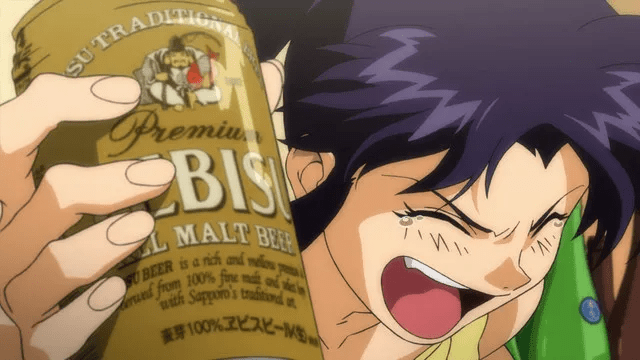
If you’ve reached the drinking age in your country, consider taking a swig before watching an episode or two. But mind your drinking. I did it twice, and no hangover can erase the memory of what I’d seen in the first two episodes.

And I thought this was pushing the envelope… やれやれだぜ。

I don’t even know if I’ll read further into the manga…

MHA Vigilantes Anime So Far

Been a while since we’ve done one of these

Out-of-schedule topics haven’t been a thing on this blog in over two months since I wrote about BLACK TORCH rising from the grave. The next topic will cover an anime I was really on the fence about watching, so take this one as a calm before the storm, so to speak. And thankfully one I’d been looking forward to for years.

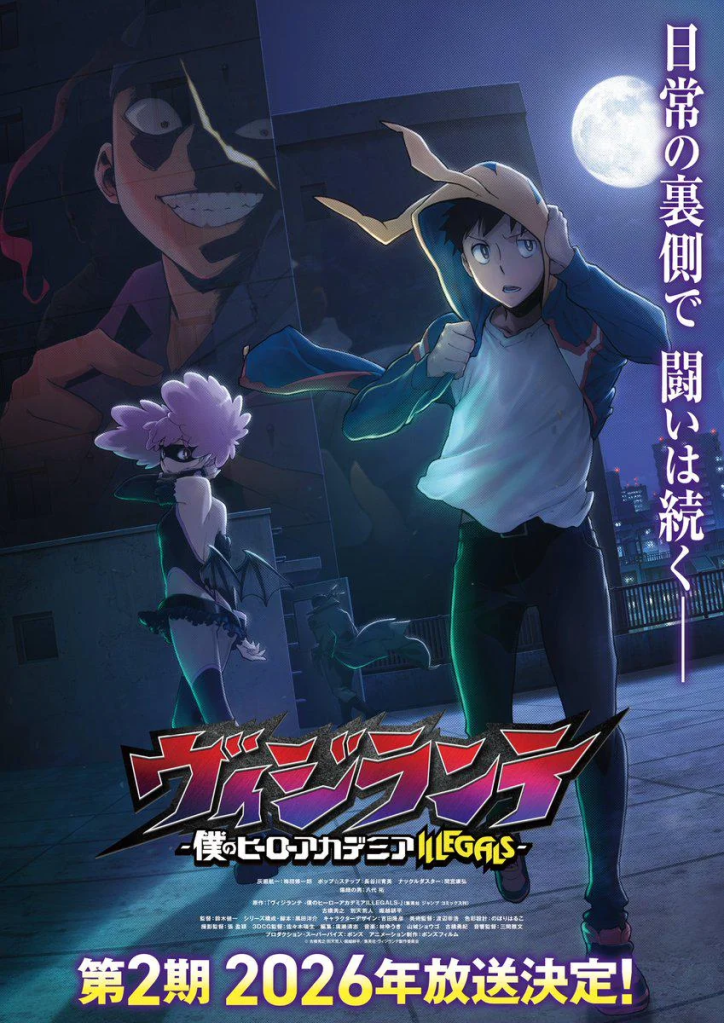
I’ve written about this manga before in the past, so here’s the cliffnotes version: college student Koichi Haimawari doesn’t fit the bill to be an officially licensed hero and so moonlights as Nice Guy in his neighborhood, as a sort of friendly neighborhood Spider-Man sans the tragic death of a popular brand of rice. One night, he and wannabe popstar idol, Pop-Step get jumped by a roving band of misfits and saved by this universe’s answer to Batman with a dash of Frank Castle sprinkled in.

Keep in mind, that that’s how the manga begins. The rest of the story covers a pivotal plot detail in the main storyline involving the Shie Hassaikai Yakuza’s use of an experimental Quirk-altering drug called Trigger, used to boost an individual’s Quirk to often disastrous results. The main tell that someone’s been using it is through their tongues, leaving them stained black from overuse. The main structure of Vigilantes is that the Pro-Heroes often can’t or (according to Stain) won’t stop smaller slice-of-life crimes as they’re expected to, so vigilantes tend to pick up the slack though under the cloak of darkness because vigilantism is illegal.
The hero system in this universe is used to denote what makes a villain, not a hero. Strict boundaries are put on heroes to stay within the law and legal limits, but villains and vigilantes aren’t bound by the same obligation. Even though a vigilante can cover a hero’s blindspots, not all of them subscribe to the same heroic ethos that binds most ordinary Pros so the legal system sees them as villains too, even though vigilantism birthed this same system. This is explained by one of Koichi’s senpai, Makoto Tsukauchi.

I’d highlight these as spoilers, but they’re more an explanation of the hero system as portrayed in all MHA media, adding nuance to a picture portrayed as black and white. Obligatory, honorable thieves, untrustworthy law enforcement; we’ve seen it all before, but to apply to superheroes tilts the picture significantly. The anime debuted last month and as of writing this is currently at eight episodes.
I cannot say for certain how many episodes or seasons it will have, but considering the cultural phenomenon MHA has become as a franchise in the last decade, it’s more than just a welcome addition to the franchise as a whole. It also fills in a few missing plot points from the original as a prequel set two years before Midoriya and Bakugo step off for UA High.

Going off the first episode, the anime opening follows the art style of the manga sticking closer to its western comic inspiration than the original does. Observe below:

Channel: TOHO Animation チャンネル

Studio BONES doesn’t miss a beat. Establishing shots of all the characters present, stylistic choices and art direction to fit them all with their appropriate themes – Koichi is shown using his Slide and Glide Quirk with the animation beginning with All Might and ending with Knuckleduster to show he’s gonna be different than his idol; Pop-Step dancing first with silhouettes of herself before they’re supplanted with fans who take heavy inspiration from Cyclops and Wolverine especially; and Knucklduster appropriately left an enigma for an upcoming reveal that manga readers already know. I made a promise not to spoil anything until we get there, so my lips are sealed and I will not ruin the surprise. The internet’s gonna lose it, I swear on it.

It sets up the anime well and I once again have to come to terms with simuldub. Growing up, most anime would take years to dub in English, let alone a different language from Japanese. Nowadays, thanks to social media, budding voice actors can contact dubbing studios, showcase their talents and through some other methods the public won’t see, they may be considered for certain roles. Voice actors have more insight into how this works, so don’t look to me for gospel in this aspect. I’m not a voice actor.

For what it’s worth though, the English VAs get the tone of voice really well. Kudos to their director. Confession: I was imagining the voices of Koichi, Pop, and Knuckleduster to be some variation of Todd Haberkorn, Kari Wahlgren, and Christopher Sabat respectively, though that may just be my own fantasy. Natsu Dragneel, Haruko Haruhara, and Piccolo walk into a bar… well, that’s just a fanfic now, but the manga gave a lot of leeway to imagine their voices until they were confirmed. Instead of legacy, the industry is giving rise to new faces. They don’t exactly have any household recognition yet like the aforementioned, but the grind of voice acting should put them on the map for future projects.

Credit: u/LolyHumter, r/TrashTaste

Characters this time are more varied and complex being on the older side. In the case of Koichi, with him being in college as opposed to high school, he’s shown to be much less insecure of his Quirk than Deku was. Granted, he wasn’t Quirkless at the outset, but we see the differences in a protagonist with a recently acquired Quirk and a protagonist who was born with one. Also being older makes him somewhat more humble in my eyes. Deku still has admirable goals, but I recall in the first episode how foolish several people thought he was wanting to be a Quirkless hero, until All Might saw him in action. I like underdog stories as much as the next guy, but there’s something refreshing about a character who doesn’t think about their powers all that much, merely using it as another tool in their arsenal.

Pop-Step is written completely differently than Uraraka. Not wanting to be a hero for the sake of her family or thinking that much about heroics on the whole. She already uses her Quirk for impromptu concerts so it’d be a bit ridiculous of her to try, although in the Vigilantes storyline, she technically is one by proxy. As the youngest one, she’s in high school being hinted at being around 16 or 17 years old (despite what some online have been saying, especially concerning her choice of costume).

Those tights are an anime addition. Beneath that in the manga it’s all skin. The manga art shows more funny enough.

Lore-wise, this was her choice, but character design-wise, sometimes you gotta look at the writers and wonder…

But why get anal (no pun intended) about character designs? Manga readers know that Midnight used to look like this:

This costume design caused lawmakers to rewrite acceptable costume laws. If it wasn’t for that, a good portion of her career would be even more scandalous than it probably already is.

Kazuho Haneyama is instead very tsundere-coded. She’ll lend a helping hand and use her online influence to implore her loyal fans to keep a keen eye for Trigger users and encourage them to stay away from it. I’ve talked before briefly about my thoughts on East Asian idol culture, but if there’s an argument in favor of it, it can positively influence followers of a certain idol to raise awareness where it’s necessary. So Kazuho means well, but the tsuntsun comes out a lot when in close proximity to Koichi who unfortunately falls for a lot of the same traps that most would in his position when next to a tsundere. But she at least didn’t become the same type of Shonen female the genre’s been stuck with for decades.

I’m not as hostile to her as others have been, but Part I left a lot to be desired.

Finally, there’s Knuckleduster whose backstory is so heavy it needs to be shipped on a transpacific cargo ship. So keeping in line with where the anime is, he’s a dark gray character who lives up to the Batman comparisons even more than he lets on. Not to mention his first encounter with Shota Aizawa – better known as Erasure Hero: Eraserhead – shows that even pure adrenaline and energy can leave even the Pros tapping out for a breath of air. Coupled with the rest of his screen time and that brief encounter with just Aizawa reveals a few things about them. 1. Next to his first encounter with Koichi and Soga Kugisaki, you get more clues that he’s done this type of thing before, most likely in a past life; 2. The Pros shouldn’t rely so much on their Quirks for work, because they’ll eventually meet a villain or worse who’ll give them a run for their money (see the Paranormal Liberation War arc for more details); 3. Without endorsing his methods, Stain has a point about the Pros. Save for All Might, far too many heroes never know what they’re up against until they meet a Sisyphean endeavor, like the War arc in the main series.

On a final note, this post should be even more persuasion to check out the series in whatever medium you see fit. It’s still airing on Crunchyroll as I write this, so if you have the means to do so, check out it there. Or if you can’t or won’t for personal reasons (I won’t judge, and I can’t considering what I’ve been talking about for the better part of two-and-a-half years), you already know what I’m gonna say.