
Who’s this chick in the mirror? Is that… me?!
You may remember in January when I wrote about my Korean manhwa arc of which a high number of the series put out was pornographic in art. Several series I remember fondly not just for the tits and ass on the page (read: my phone/computer screen), but because of some of the unique premises they played around with. Even some of the very Korean drama-esque stories had something interesting to keep me coming back. Observe:
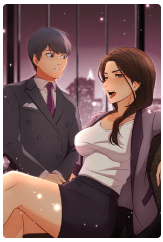
This one, for instance, called Lady Long Legs, is about a man who pays a debt owed to a businesswoman by becoming her man-servant. There is porn in this one, but slight spoilers, it comes later than you’d think.
Circling back to my post on manhwa, the topic of this post is about a manhwa adaptation I watched in Spring of 2021, a few months out from my first excursion in the Army.
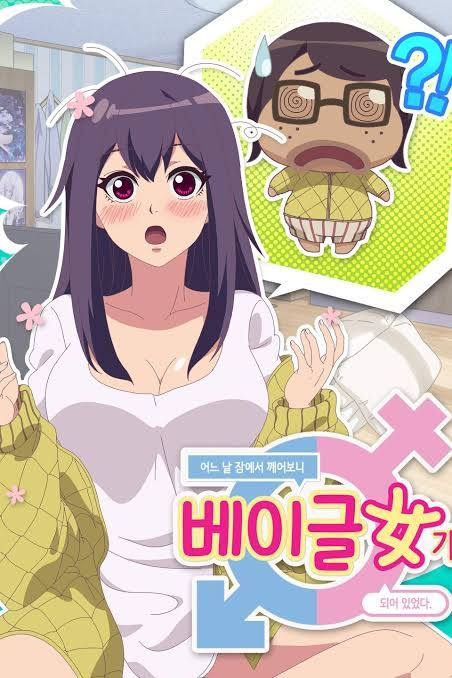
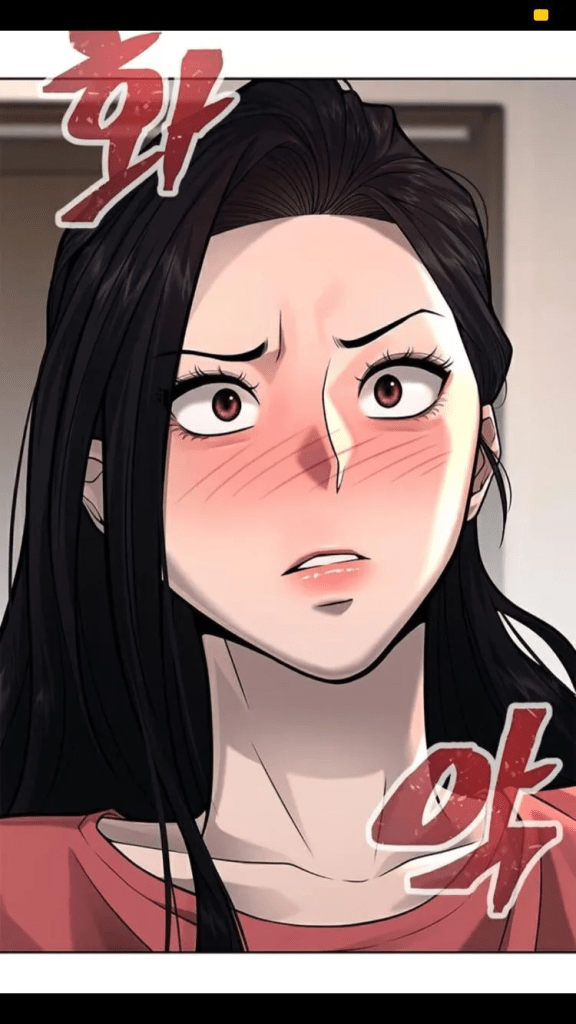
The series is called When I Woke Up, I Became a Bagel Girl and with a title like that, we already have to do a little bit of homework on Korean culture. The term “bagel girl” has nothing to do with bagels, so those of you who were looking out for that, I’m sorry. The best I can do is direct you to the closest bakery or Wawa if you live near one. The term is a play on words of sorts, where bagel girl is a Korean portmanteau of “baby face, glamorous body;” think of it like old cartoons where a smokin’ hot babe is referred to as “babe” or just “dollface.”
The protagonist is a 26-year-old virgin otaku named Bong-gi. No ladies that aren’t plastic or standing in dynamic poses on his shelf, no looks aside from those that cause onions to cry, no hope for the future seeing as he’s in a dead end job, and no confidence unless it’s on a screen in the dead of night. Alright, enough about myself, let’s talk about Bong-gi. Well, a lot of that is true of Bong-gi, so I’m definitely not one to judge. After a s[PS2 bootup]ty day at work, Bong-gi makes a beeline for his PC and games all night, snacking in the process. I mean no hyperbole when I say that’s extremely relatable, at least for me recently.
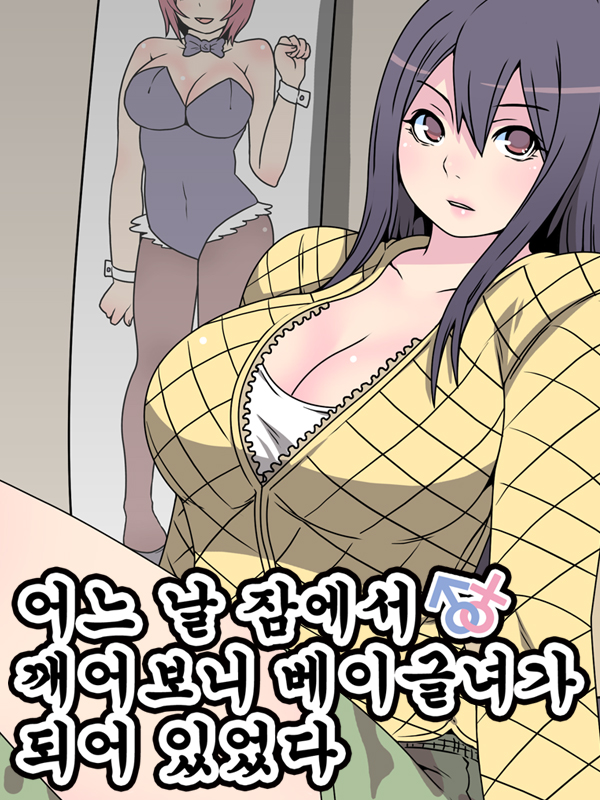
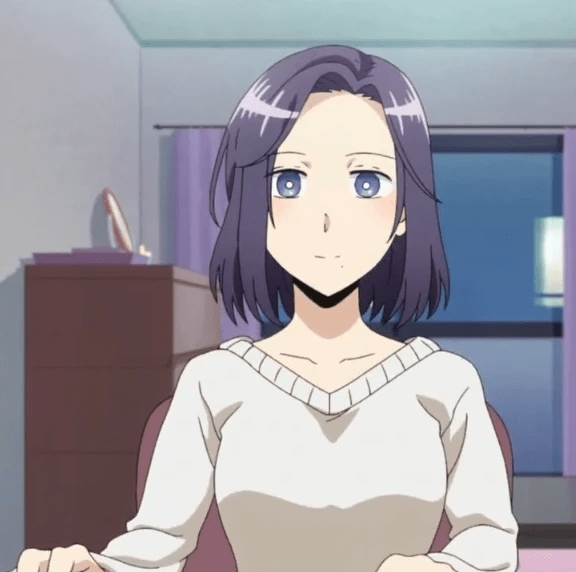
The next morning, he awakens in his waifu-splashed one-bedroom apartment, clutching his body pillow to answer the door only to discover that there are two large protrusions coming from his chest. He swears on best girl Hestia that he was a man the day before. What happened? Thankfully, he’s also curious or there wouldn’t be a series. An immediate comparison to make for “guy becomes girl” is either Gonna Be the Twintail or Ranma 1/2, but unlike those two series, Bong-gi can’t change gender at will, nor does he have any memory of it happening seeing as it happened in the dead of night while he was fast asleep. It’s also not an action series, but it’s not a pornhwa either, though it does have fun with the genderbend concept.
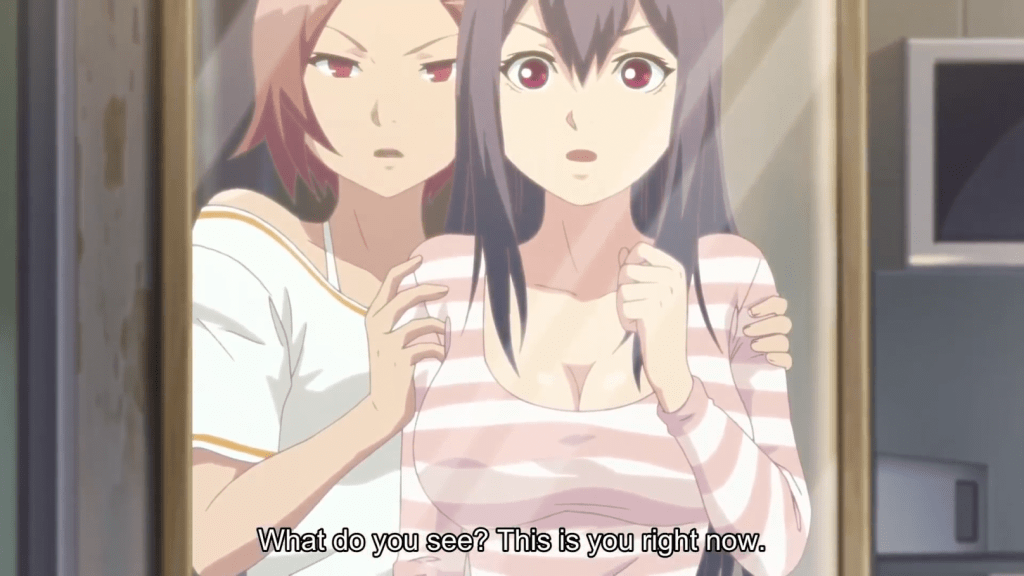
Just like its concept, the central plot of the series can be considered a bait and switch of sorts. If you went in thinking it was going to be a slice of life, think again. It’s more of a detective series with more beneath the surface than meets the eye. Without spoiling too much of the plot, the entirety of the series is based on this mystery plot with different twists and turns that give it a distinct thriller feel. I’m compelled to compare it to a telenovela or a soap opera.
Now to judge it on non-spoiler-y elements. I read many manga series and watch many anime series, as evidenced by this very blog. Manhwa is still a bit of a blind spot of sorts. As I mentioned above, I had a whole arc dedicated to this medium all through community college, however, but with the animanga scene exploding on its own home turf and abroad, whatever I wanted to watch or read from the Korean side of things has been a struggle. Either there’s not enough of it or it gets buried under a wave of other series from Japan. Tying back to my post on the history of manhwa, local Korean politics may or may not be responsible for this.
The youngest Koreans born under Japanese rule may at best be in their mid-to-late 80s, but the generations following still grew up under a military dictatorship hellbent on warning its citizens of what would happen if they bent the knee to the North in particular and the communists on the whole. As a result, in Korea (and by extension Taiwan), creative minds in both countries have been apprehensive about including anything remotely satirical. Some of the manhwa I’ve read (to include Lady Long Legs) have some reference to a real life Korean concept or even law. I’m a bit ashamed to admit that this was how I learned that the country still has conscription; just goes to show that the true opposite of love isn’t hate, but indifference. There wouldn’t be conscription there if they didn’t care about their wacky neighbor (but to be fair, neighboring the hermit kingdom isn’t easy).
I bring that up once again to highlight why manhwa seems to be getting the spotlight only recently. It could simply be Korean politics overpolicing media as a consequence of Cold War politicking; it could be viewers running out of material during the pandemic and reading whatever’s available; it could be a more subtle form of Korean pop culture spreading, sitting side-by-side with K-dramas, movies, and music; it might be all of these or none of these.
For me, it’s along the lines of adding to my fortress of consumable content. I have so many shows and movies in my watchlist that I barely get through all of them. I can watch a few episodes no problem, but I’m not 19 and my days of watching content ’til 2:30 AM are long behind me. Even if I didn’t have the responsibilities demanded of me by the military, I wouldn’t be able to sit there and browse anime to watch anymore. I’ve done it before, and while I haven’t exactly seen it all, the 24-hour binge is far from ideal or even recommended. I don’t even like 24-hour news cycles; you think I wanna watch the same specific series uninterrupted? For this reason, I adopted a method employed by Adult Swim ten years ago: the Double Shot method. It’s a reference to an old Adult Swim promo from the time.
I can’t find any evidence of it online, but as I recall, the programming block aired two consecutive episodes of a certain show for the hour and continue to the next show in it’s line up. For example, King of the Hill would air Episode 15 at 9 and then Episode 16 later at 9:30. The same for American Dad at 10 and 10:30, then Family Guy or Rick and Morty or China, IL at 11 and 11:30, and so on. So far, it’s a sound method that only fails when I feel lazy. Otherwise, it works. This being the second time, I’ve mentioned manhwa, my crystal ball doesn’t say with certainty whether it’ll come up again this year — I only have the first half of this year filled with blog topics — but it does highly recommend the series. As of writing, it’s available for free on Tubi and there’s generally no pressure to sign up if you haven’t already. As for the manhwa, most manhwa hosting sites are gonna be flooded with pop-up ads on the side for a crappy mobile game or porn site, even if you’re not reading a pornhwa. There’s no shortage of them, but I highly advise you be careful where you choose to read this if that’s more your angle.

Also, this series clues you in to how strict Korean beauty standards can be. Most places tend to be like this, but the cultural shock will give you a headache.



































 Opinions on Entertainment