
A long-time coming
My days of binging anime series may be well behind me in my adult years, but to make up for a lot of lost time, I’ve designated an alarm to get me up to speed on some anime I’ve been sleeping on, one of which I wrapped up recently with plans to watch the movie, despite my opinions on some anime movies. Looking at the title of this week’s post, it’s none other than:
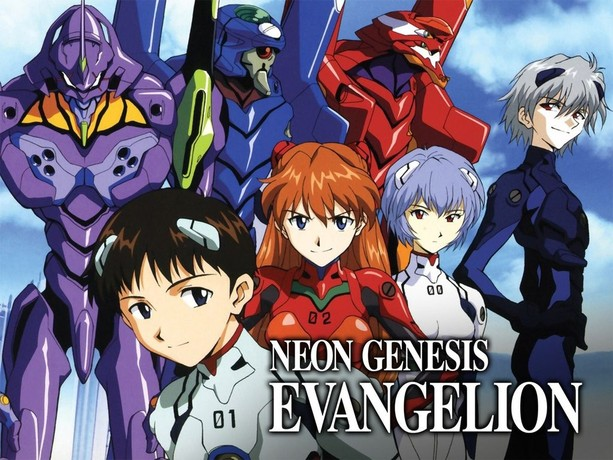
Undoubtedly, one of the most famous franchises to debut in the mid-1990s is none other than an anti-war allegory hidden behind skyscraper-sized giant robots wearing the mask of religious mythology. Not the first ever intellectual property to pull this off or do so in amazing fashion, Neon Genesis Evangelion features an adolescent boy and his “friends” whose sole purpose is to pilot giant mechs known as Eva Units or Evas. Each user is psychologically linked to their own Eva Unit, as synchronization with the machines are key. Without uniform synchronization between user and machine, dire consequences arise.
The main plot of the series is quite well-known but for those who haven’t heard of Evangelion or haven’t been able to see it for themselves, in 2015, a decade and change after a cataclysmic event known as the Second Impact, monstrous beings called Angels arise to terrorize what remains of humanity. The force standing in the way of these mindless creatures is a Japanese paramilitary organization known as Nerv, led by Commander Gendo Ikari and a team of advanced scientists, officials, and personnel. One such officer, Misato Katsuragi, is placed in charge of an adolescent pilot, Ikari’s son, Shinji, and her purpose is to train, maintain, and provide for Shinji both as mentor and in many ways as a surrogate mother figure to Shinji.
The stiff Asian parenting trope is strong with Gendo. He’s described as an estranged father with his wife, Yui, dying in an accident before the start of the series, but the word doesn’t do his character very well. He starts off as a mean old cinderblock of a man and as the series progressed, it became evident that his demeanor carries into more than just his relationship with his son. In contrast, Shinji is quite meek at the outset, and his initial handle on his assigned Eva is at best unimpressive and at worst catastrophic, but not for nothing, he’s neither a fool nor a coward. In fact, the best comparison I can dig up is that he’s very similar to Courage the Cowardly Dog.
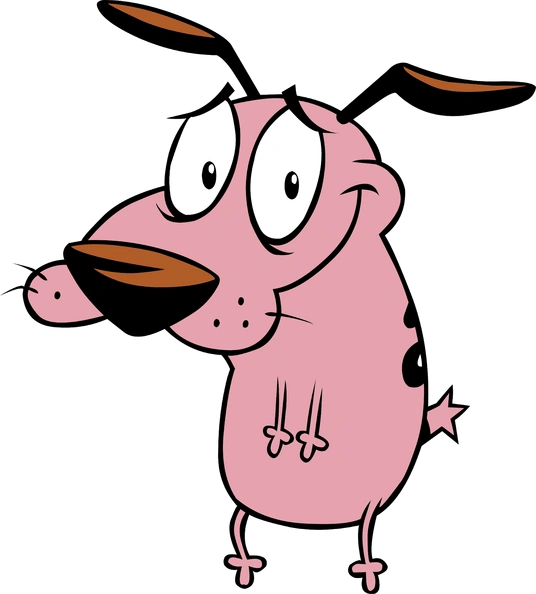
Screaming his lungs out at the ever-present danger before tackling it with his bear f[dog bark]ing hands
It takes a bit to get his courage up (heh), but once he does, Shinji can do anything. Poor boy just doesn’t see it, and it’s not because he’s a 14-year-old boy. Outside of a Shonen series, if he carried himself the same way Naruto, Luffy, or Ichigo did, then the overall message of self-confidence would be critically undermined.
On that note, an overly confident and foolhardy character exists in the form of a German-Japanese hafu girl known as Asuka Langley Soryu. A teenage girl with all her emotions on her sleeve and all of them as warm and inviting as a gambling den frequented by neo-Nazis. Asuka is not the first inductee in the Tsundere Hall of Fame, but is a prominent one standing in line with those of Lum from Urusei Yatsura, Madoka Ayukawa from Kimagure Orange Road, Taiga from Tora Dora, and countless others ever since and today.
Another victim of personal tragedy, she wears this mask of so-called strength as means to show others that she’s not a lousy pushover and can do everything unaided. Almost like a blind little girl I’ve seen in action who thankfully learns from a retired general about what camaraderie really means…
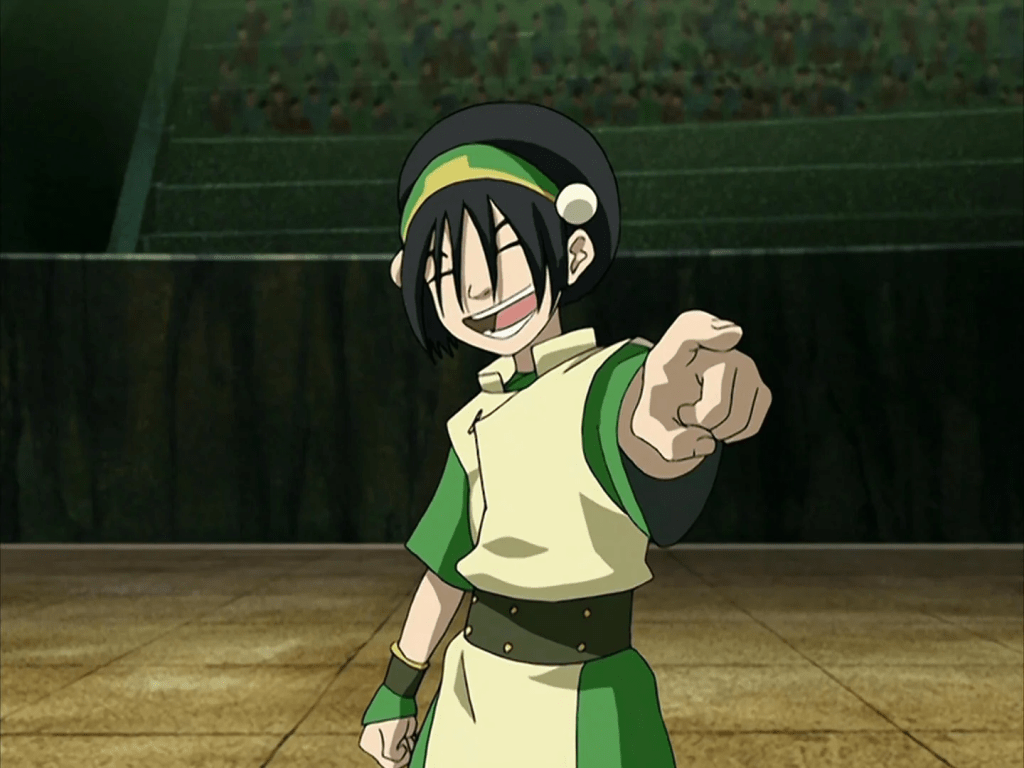
Overconfident foolhardy trope?
In any case, Asuka knows what she’s doing and why, but hates admitting it out loud. And looking back, I think this is what makes her quite relatable. I personally think “relatable” characters are overblown and overdone, but what makes the angry German girl click for me is that fear of looking vulnerable equates to the fear of looking worthless or interruptive. If you’re not one for tsunderes, it’s worth seeing Asuka in action for at least a few minutes, alone or with the rest of the cast, not the least of which involves a character she not only comes to blows with but one who doesn’t really entertain her antics most of the time.
Rei Ayanami has a lot of character traits in line with Mikoto Urabe from Mysterious Girlfriend X, though void of the eccentricities of Urabe. AFAIK, she doesn’t have a floodgate for a mouth, though some weirdo is probably gonna make that a reality if it hasn’t been done by now. Rei is a perplexing, enigmatic character, the pilot of the Eva Unit-00 and something of a science experiment the way she interacts with all the other characters, though most of her interaction is with Shinji, Asuka, and the few classmates they speak to in between.
There’s many implications that she’s a kuudere character and looking at what came before and after, I can see it. What is shown of her personality is that it takes more to get under her skin unlike Asuka. Cold, standoffish, aloof; but dedicated, motivated, questionless and complaint-free. And in some unique cases, blunt. Almost too blunt for comfort.
As for the handler of these child soldiers, Captain Misato Katsuragi is assuredly a hot mess, by which I mean smoking hot and living in and like a goddamn mess. Early tragedies, self-destructive habits, a light-switch relationship with a former colleague named Ryoji Kaji, and a MIGHTY NEED to feel loved in some capacity. Platonically, romantically, sexually; she longs for a human connection but she’s so s[car crash]t at establishing and maintaining it, that from the outside looking in, you could assume she does it to herself for thrill’s sake and you’d be partly right. Deep down though, examining her tastes and the rest of her life reveals why this seems so untenable for her. Gonna have to cut deep for this one, she reminds me of what I’ve seen of children with divorced or absentee parents. As in, she could do so much better for herself if her taste in men wasn’t so apocalyptic. Her taste is bitter and no amount of Yebisu beer can numb it.
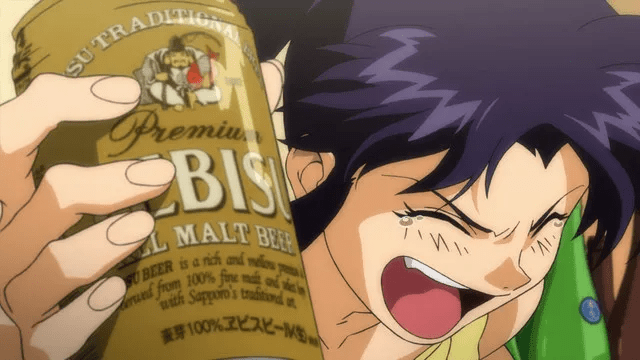
Flaws aside, she’s not a terrible person. She means and does well by her disciples and what she doesn’t have in self-discipline, she makes up for it as caregiver to the wonderful trio. You could call it hypocritical for the problem children to take a wide berth with her after hours, but all of their problems aside, they all know they can do better and they (and myself) all wish she could also do better. This is where you’d have to make the distinction between criticism and hard judgment.
I’m still quite new to this entire franchise, as I recently wrapped up the anime series which I viewed on Netflix and I have plans to view the End of Evangelion movie, and look for the rebuild series through my usual piratical channels. So rather than tie a bow on the franchise as a whole (which would make this post a lot longer than what I have in mind), I think I’m gonna have a look at the central themes that I’ve been eyeing up. A dark series using religious mythology to tell its story with heavy biblical/mythological undertones.
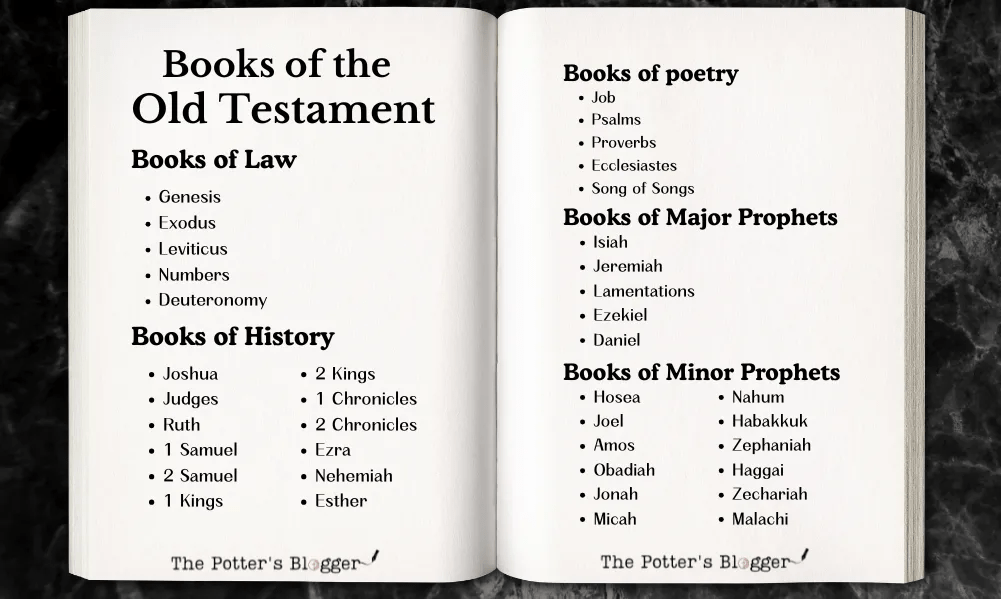
I haven’t been to a formal house of worship for its sole purpose of worship at all in my life, save for accompanying practicing Catholic trainees to Church services during Basic Training, but even without thumbing through all the books of the Old and New Testaments in Catholicism, anyone can pick up on the religious undertones. The Angels have initially been described with inhumanly, grotesque works of art for their physical forms rather than their innocuous and inviting descriptions. This description is meant to ward off evil. Conversely, evil and satanic forces are typically described in a lot of Christian mythology as deceptively gorgeous, any depiction of the Devil notwithstanding as a means to steer humanity toward the course of short-term indulgence with long-term devastation yet to come. Temptation over morality, quickfire relief over long-term realization and moderation.
Looking at these key elements in NGE, we can see the series test everyone’s personal characters. Some pass with flying colors and others fail terribly, but not conclusively or it doesn’t lead to the end of the world for them. They fell out of a tree, but can still get back up, intact or limping to the hospital to get patched up. Hell, these characters didn’t enter the world cleanly, nor did they enter with hopes of terrible failure. Clashes, conflicts, and crises of the mind abound, but the unifying factor is the same one our caveman ancestors had when their grunts were gradually replaced with semi-recognizable ancient languages and dialects: survival. Human survival has always been and always will be. The dire need to boost survival in ages where crisis and chaos are law is the binding factor for all humanity, no matter who or what the threat is.
For NGE, the world couldn’t look more destroyed if it looked like the Earth from the mid-2000s’ series Skyland.
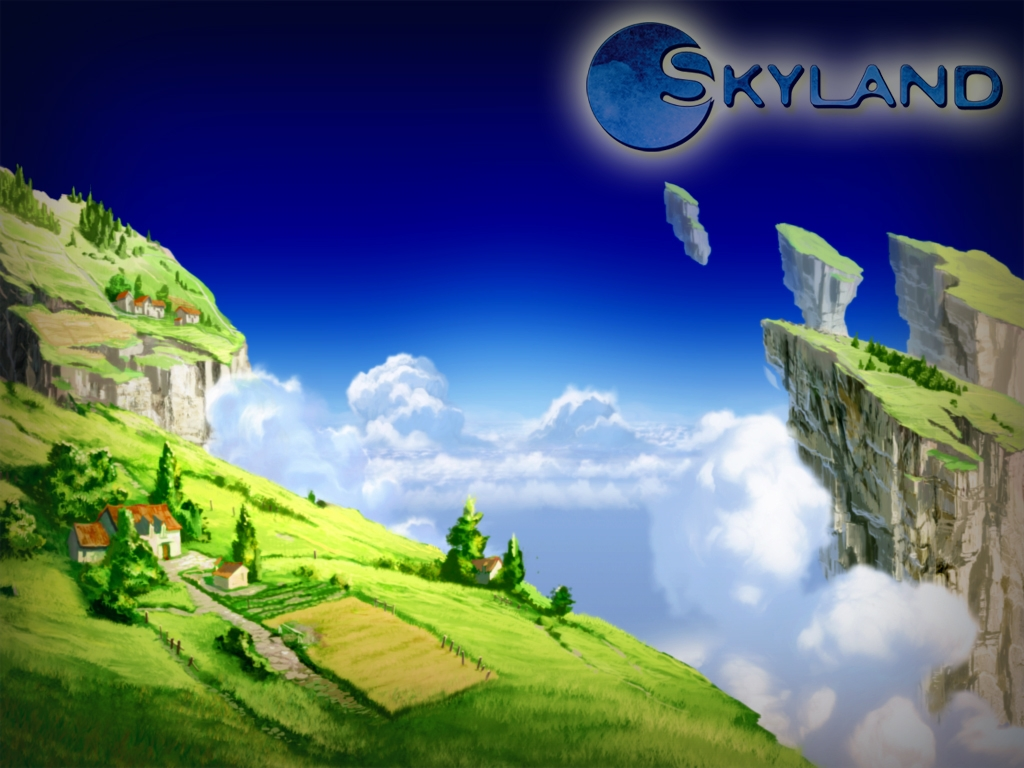
This show was one hell of a science fiction introduction to me.
Speaking of global catastrophe, take a close look at when the series debuted: October 1995, and Gainax and Tatsunoko Production licensed Anno’s brainchild to air for twenty-six episodes, the final one airing in March 1996. The mid-to-late 1990s was a halcyon era for when anxiety concerning Y2K was ripe. What would happen when we had to date our documents as 20XX instead of 19XX like we had for generations? What would become of the Internet? Would it live or lose its viability? Seems absurd to worry about this in 2026, but if you go back 30 years and played a slideshow of what the Internet would be in three decades, you might be unfavorably compared to Ted Kaczynski. Fears over the reach and influence of a brand-new technological advancement are a time-honored tradition–we behaved like this when books were being written and copied at a faster pace with the Gutenberg printing press, American slavers were about to wrestle with the question of the institution until Eli Whitney’s gin dashed that question away, the world wasn’t sure of the fate of horses once the automobile debuted and evolved, and in this day and age, creative types (myself included) ponder what will happen with artificial intelligence perfecting itself at a breakneck, Sonic the Hedgehog pace.
New tech is always gonna emerge and we’re never gonna stop looking at it with cautious curiosity. For Anno, his series is ripe for its time, even if the futuristic sci-fi elements fall into the trope of overimagining the 21st century. 20XX doesn’t automatically mean flying cars and The Jetsons overnight; that s[zip]t is gradual, incremental. So, Eva Units the size of miniature Chrysler Towers is the thing I call bulls[train siren]t on the most. Even with Angels that look like this.
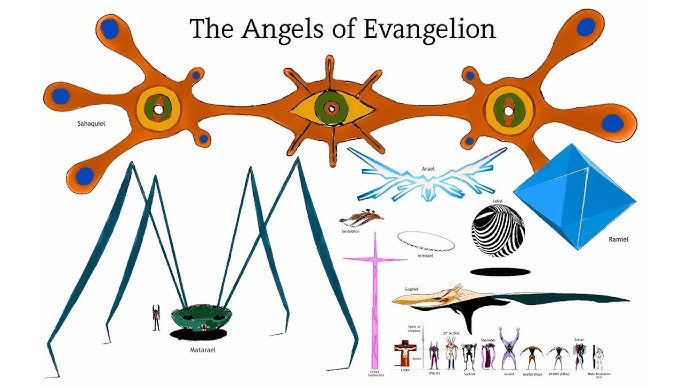
Still, this is Hideaki Anno’s brilliance in real-time so why judge a cook in the kitchen?
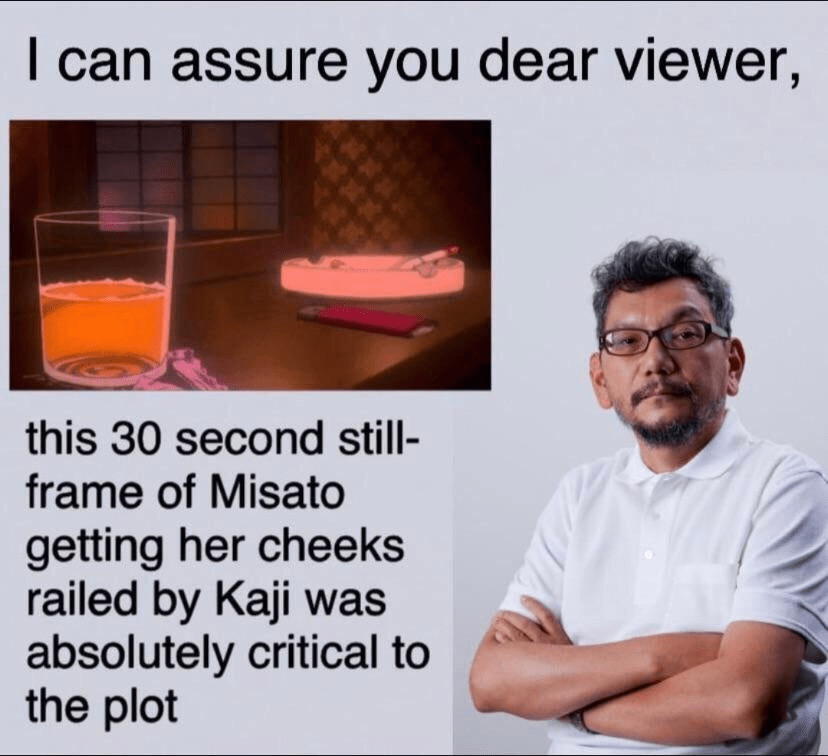
Ironically, this meme doesn’t spoil as much of the plot as it alludes to–just a single scene late anime.
The final piece in this Eva-shaped puzzle is the fanbase. 30 years strong and this franchise still has a dedicated fanbase memeing and taking the piss out of different story beats and characters, albeit crudely and perversely at times. A lot of them also spoil different parts of the plots of the anime, manga, movies, or the Rebuild series, so being in the know is a bit like being a part of the JoJo’s Bizarre Adventure fandom, but unlike JoJo’s, individual scenes can’t really be taken out of context, so there isn’t a chance to see the Evangelion equivalent of Tequila Joseph in the wild.
Countless memes and such have sprung from this series, and one of my favorites that’s used as a reaction image is this:
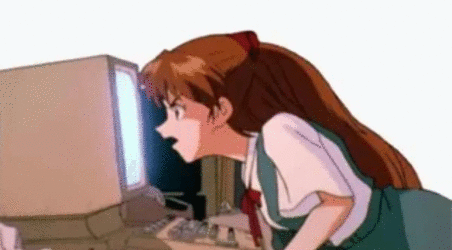
She has never seen such bulls[!NEIN!]t before.
For what it’s worth though, at least the fanbase realizes there’s more to the series than giant robots saving the world. As I said, there’s a lot more (a LOT more) to the franchise that I have yet to dive deeper into. My timeline may delay a few posts in the future depending on what’s in store for me, but once the schedule gets back to being boringly predictable, I may be able to squeeze the rest of the franchise in somewhere for review. For NGE the TV series and the movie End of Evangelion, both are on Netflix for paying customers and on every pirate site for ne’er-do-wells law-abiding internet denizens.
I wasn’t here.
 Opinions on Entertainment