The Year in Manga

What I’ve been reading this year

Right before we get to the crux of this post, I had a second look at my notes and noticed a gap between November 28 and December 12. I forgot to fill that in in time so before we properly wrap it up, next week will be something of an intermission discussing a controversial video game even by RockStar’s standards. Here’s a few vague hints: Jack Thompson tried to have it made illegal, it was banned in several countries, including the US at first, and the real kicker, it’s primarily a stealth game, so you get rewards when you knock skulls around without people noticing. Now for the real focus of this post.

The end of the year is on the horizon and before we close out the Year of Cordis Die, let’s recap some of the manga I’ve been pirating. I’ve talked at length about manga I’ve been pirating and recommending for as long as this blog has been up, some series I’ve recommended and others I haven’t mentioned yet. So for this post, there will be updates on what I’ve been reading this year, coupled with some looks at manga I’ve yet to mention on the blog. Here’s some series I have lined up, unordered:

  1. Dosanko Gyaru wa Namaramenkoi/is Mega Cute/Hokkaido Gals are Super Adorable
  2. Torako, Anmari Kowashicha Dame Da Yo
  3. Shihai Shoujo Kubaru-chan
  4. Redo of Healer (T^T)
  5. Hitomi-chan is Shy Around Strangers

Some of these are familiar to the long-timers, others I haven’t spoken a word of once on this blog, even in passing. Take these as holiday recommendations to get you through the time-honored tradition of repeating yesterday’s Christmas songs until Boxing Day.

    Having finished the anime adaptation last year, along with its stellar opening soundtrack, I wanted to continue into the manga. The last episode of the manga covers chapters 31 to 32.5 and right after that the rest is saved for the next season set to air sometime in the distant future when apes walk upright again after millions of years subservient to the superior human and AI starts thinking about installing an emotions software (and those electric f[dial-up]kos can keep dreaming because I want my clankers to be as unaware of the outside world as possible), so after October 2026 or April 2027.

    Now, animanga taking us away from Tokyo because everyone goes there and letting us see the rest of Japan like Hokkaido in this one and Fukuoka historically in Excel Saga (that series doesn’t tell you explicitly that it’s Fukuoka but the mangaka is from there so who else but him, right?) is a neat little tradition when the lights of the world’s largest metro start to get blinding. We’ve still yet to see a mainstream series go to Shikoku (Matsuyama is right there) and until the prefectures on that island band together and spit out a series for us, we’ve got to make-do with RNGesus Japan edition.

    So what has happened ever since Tsubasa charmed these Minnesota-accented Hokkaidoans with his rich boy Tokyo Prefecture charm? Well, I’m still in the middle of that arc but we finally see Tsubasa’s mother, Renka. Hospitalized from running herself ragged trying to raise the perfect Japanese son, it’s a good thing she’s already bound to a hospital bed because knowing a son of hers is besties with a trio of gyaru-tachi would give her a heart attack. Also, it’s interesting that the grandmother, Kaede, is healthier than her own daughter, but that’s the thing about that RNGesus character, he’s a funny guy. Less of a downer than Buddha, all things considered.

    As it happens, Tsubasa was brought to Hokkaido largely to prove that he can excel even outside his comfort zone and on the friends and family front, he has passed, but Renka being the type of mother who’d disown her child on her deathbed for getting an A and not an A+ while also being captain of the chess club and the like concludes that frolicking with the popular girls has led him astray and will return him to Tokyo no questions asked to return to his former glory as a golden boy.
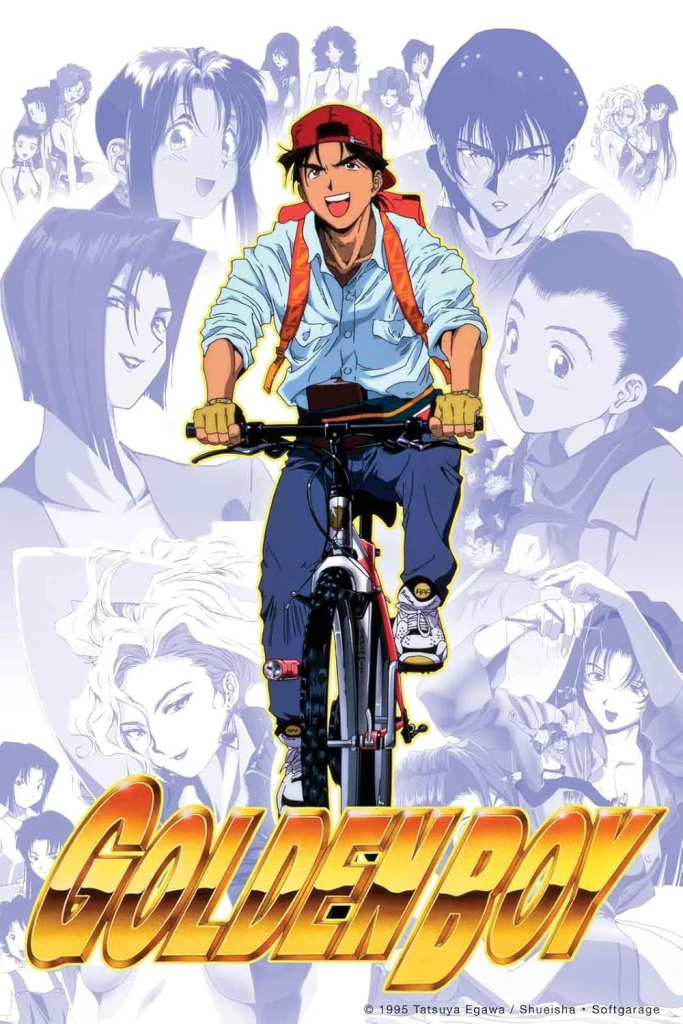
    Not that one.

    Until Kaede, Hirotaka, and Minami herself show Renka that this level of control over the boy’s future and lifestyle is utterly unnecessary, releasing a weight from his shoulders (sort of) under the condition that she be allowed to witness his growth in real time. I’m still reading the manga online and expect to report back either when the second season is announced or around the same time next year, whichever comes first.

    • What the f[punch]k are you lookin’ at, jackass?!

    Japanese subcultures come and go over the years and the subculture that had its halcyon days in the 1970s through 90s was that of the bancho/yankii, the delinquent of sorts. Numerous characters fit the mold from Jotaro Kujo, who was in his element in 1989; to Taison Maeda, who was conceptualized right in the middle of this era at the same time Stardust Crusaders started serializing; from Eikichi Onizuka, who represented the progenitors as they were growing up even at the time, to Josuke Higashikata, who Hirohiko Araki knew would be seen as dated even by 1999 as gyaru were starting to emerge and become more popular.

    Even now as Japan has crossed over into the cholo era (yes, really), some mangaka and anime dedicate characters to a bygone era because nostalgia for an earlier era is not just a time-honored tradition, but a worldwide phenomenon, if fans of pre-revival Doctor Who are anything to go by.
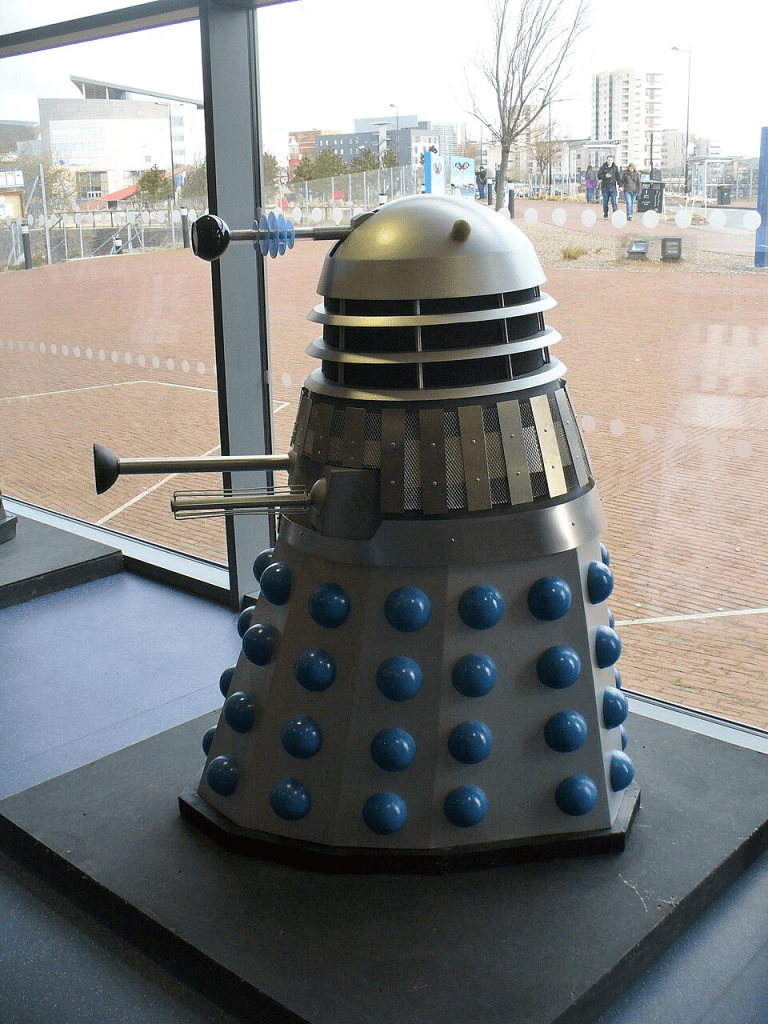
    !EXTERMINATE!

    And I’m not immune to that myself with how often I look for content from the early 2000s, when immediately following a geopolitical tragedy the decade chose to be edgy and serious and smiling was against the law, but I digress.

    Mangaka Nujima got a kick out of introducing East Asian folklore and horror stories in Mysteries, Maidens, and Mysterious Disappearances, but next to that we were given another series, this time about a shy tomboy who gets moved to a rough and tumble high school where the most ferocious girls challenge her… and get humbled at every step. Even the boss Sukeban girl was utterly embarrassed in the first chapter after having her breasts exposed by accident and she hasn’t been able to forget it.

    The translated name is Torako, Don’t Break Anything, and when you’re built like you were supposed to accompany Arthur, King of the Britons on the quest for the Holy Grail, trying not to break s[porcelain]t gets harder and harder, especially when the school you’re in has it as official policy to be a delinquent. Most of the student body looks like it could take on Jotaro Kujo, not necessarily successfully.

    Protagonist Aiko “Torako” Torasawa transfers to a delinquent school and without consent must dodge attacks from the main delinquent girl group that gradually accepts her as one of their own. This manga being an older work of Nujima’s some of what he put in the East Asia version of Urban Legends can be seen in this one. So are there giant boobs in this one as was the case for Whereabouts Unknown? Yes, and multiple… but this is a short series that ran for 20 chapters in 2016. I couldn’t find any associated wiki pages for this series and MangaDex is not the most reliable regarding this information, so I’m adding a pinch of salt to this timeline.

    This series doesn’t take itself as seriously as the other one so funny fanservice is more prevalent than in the other one. Be mindful though that before we got Sumireko’s Oppai of Truth, we have Torako-chan’s Premium Mediums. Would help if we had a medium with premium mediums, but I so far haven’t seen a manga about a fortune teller lady with an average chest size.

    • Before you think about killing yourself, you wanna be my puppet and fall in love with a random chick?
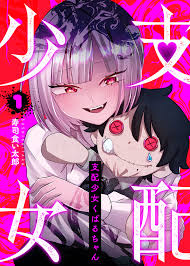
    The official title translates to Ruling Girl Kubaru-chan and the plot of the manga lives up to that ideal with the main male protagonist submitting himself to his female classmate’s whims not by force but by coercion. Given the state he’s in after the first chapter, the poor boy doesn’t have much of an opportunity to resist; he was already driven to ending it all anyway, so the man feels like has nothing worth living for until Kubaru tries to play him like a chess piece. Which fate do you consider the worst? Well, looking at it, no one is playing with a full deck and everyone has problems. The characters all feel real but just about every chapter has a giant layer of what the f[siren]k attached. Someone should go ask Nujima if he can lend some of those Mysterious Disappearances warning signs to this manga instead; the tone of the manga makes it very unpredictable.

    What makes it interesting is that the mangaka’s forewords are always humorous little comments. For example, the main character could be bracing to be a disgusting rape victim and then the chapter ends and the mangaka’s like, “check out this butterfly I found in my backyard.” Dude, your own MC is about to get molested, the f[alarms]k is this??

    The manga starts with Yuto Kiba about to toss himself off the roof, due in large part to a series of misunderstandings that have made him a bad bedfellow to his classmates. Then spunky, eccentric Kubaru proclaims that she can change his life for the better… after he breaks his arm trying to kill himself.

    Alive if not exactly well he may be, that was just the beginning. I’d spoil some of the chapters here, but I don’t believe even some of what’s been going on in this damn manga. Still ongoing, still on MangaDex, and I might dedicate an individual post to the series in the future (gotta move some stuff around for that). Just got to wait and see.

    • (ಠ_ಠ)

    I… was curious… to see what else the source material had in store and, uh… this is a job for the big book of reaction memes.

    (ノಠ益ಠ)ノ彡┻━┻

    There’s two versions of the anime and both of their showings are polite. Why do I say that knowing this screenshot exists in the uncensored version?

    Because the manga holds nothing back. I’m serious, the anime was, for lack of a more appropriate term charitable to its cast with all the raping and blasting going on. Visually, it could’ve been even more shocking and the interview between the Rui Tsukiyo and The Anime Man reveals as much:

    Channel: The Anime Man

    (ノ _ <,, )

    I think, if it’s all the same to you, I’m not so sure if I’d like to explore what women consider edgy and dangerous. For a guy, it’d probably be a reading off of every slur and every offensive gesture in every language and culture; groups like the National Socialist Movement and the Klan would have to reconsider their lives having been outdone by the least racist 4channer. A woman’s fantasies–if the internet isn’t completely full of s[honk]t–are being waited on hand and foot by a smartly dressed bison or wolf or lion by day and being bred like the females of these respective anthropomorphic animals…

    Maybe I’ve been watching too many reactions to Shoe0nhead’s video about a certain dark fantasy romance novel that I refuse to name or allude to. Barely counts as romance (and the author needs to reassess what age millennials are, just saying), and that’s the most I’ll ever touch on the subject for the foreseeable future.

    For the finer details of what the manga entails passed the adapted chapters, well, there’s some changes between what got greenlit and what needed to be changed. So dark themes and imagery alone isn’t a deal-breaker, but explicit use of degrading language and BDSM clothing with emphasis on the SM is, especially when a spare-ess princess orders the servant (read: sex slave) to wear it under penalty of death… or worse: unanesthetized castration, and I’ve got the sneaking suspicion that the Jioral Kingdom is familiar with such a tactic, but I’ve yet to prove it.
    (>_<) (~_~)

    Once again, I’m in strong recommendation towards the gender-reverse isekai and the sexual deviant isekai for the simple fact that these two have a lot of fun with the concept. We here in the west have done sex comedy before and animanga shows that it’s not to be outdone. Ecchi is the proof.

    • For such a tough-looking face, she’s actually just really shy.

    Finally, and for a tonal cleanser, back to high school romcom between a short king and his tall, shy, athletic wife. I haven’t been able to keep up with this series as closely as I used to, but I occasionally check in. With the news that it wrapped up serialization in Spring of this year, my excuse trough has gotten lighter with only work and several more animanga series I have saved in, like, 250 other tabs across all my devices and browsers.

    My muscle memory hasn’t evolved past 2005 Internet Explorer

    From the series’ inception until its conclusion, it’s managed to keep a relatively small fanbase over the years, so it doesn’t attract a lot of newsworthy controversy if at all. On the one hand: great, that means less weirdos barge in and try to change things or “literally me” the characters to death; but on the other hand: dang, how do I know what kind of news is going on with the production of this series? Chorisuke Natsumi doesn’t seem to need the media buzz to get his manga off the ground with social media posts from both fans and himself doing that much of the heavy lifting, but as I said ages ago with the creator of Mysterious Girlfriend X, readily available footage of Natsumi are hard to come by, but at least we know this guy is still alive. He just finished a manga this year.

    Still, Scrutinous Saliva Sucker got a little 12 episode anime and there aren’t any hints that that’s next for Sharkboy‘s Shy Sister. If it happens, neat. If not, alright then; numerous manga don’t get an adaptation for ages if at all with some getting greenlit from the cutting room floor. I don’t have any hard and concrete predictions to make for this, short of what I wrote about in a different post covering it at length. All that’s left to say is that it maintains its cutesy, slice of life, wholesome goodness from start to finish with hints that Hitomi and Yuu become more at the end.

    (^v^)/

    Muscle waifu in wedding attire with friends in attendance, the thing that riles me up the most about the genre is that it ends after the couple ties the knot. Can’t we see Yuu as a dad or Hitomi as a mom? Come on now!!

    But at least there’s something to chew on compared to this:

    And again, ecchi is always stellar, but it can shine even brighter with a strong plot. But that’s true of everything in fiction.
      The World of Devil May Cry (and some other stuff)

      The story of one of the best demon hunters with a supplement

      Making another breakthrough in legacy video game franchises this time with Devil May Cry, the story of Dante, a supernatural gun for hire who hunts down every paranormal entity on earth to keep these forces from invasion and conquest. In his arsenal are a pair of handguns lovingly dubbed Ebony and Ivory to reflect their coloring, one blued and one chromed, so if you were in the market for a pair of collector’s items, you’ve gotta make sure Dante’s dead enough to pilfer his weapons. A sword is also attached to his back and seems to do roughly the same amount of damage as the buster sword from Final Fantasy VII.

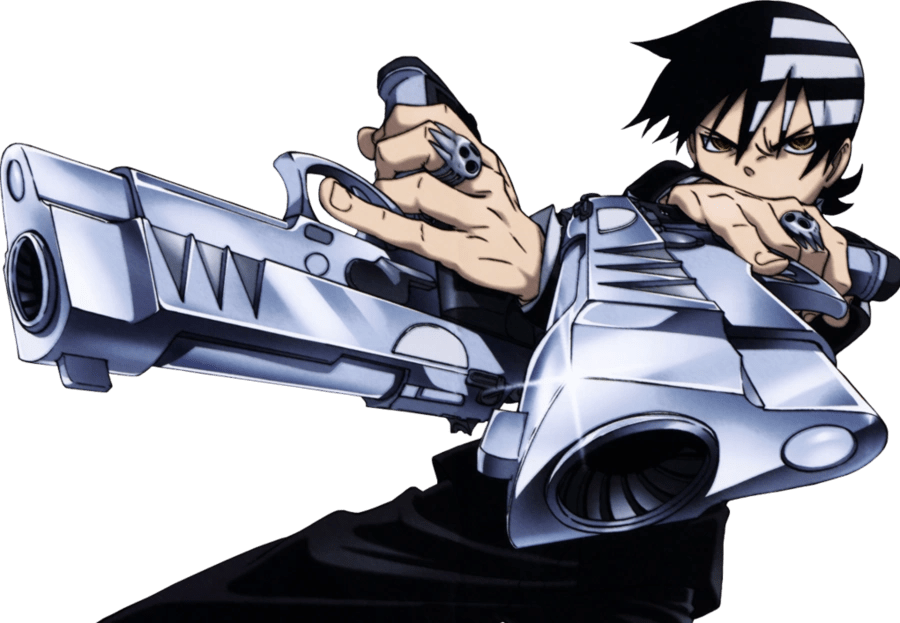
      The series debuted in 2001, spearheaded by Capcom when they were still respectable and didn’t pimp out the Resident Evil series over the course of the 2000s. Now let me see if I’ve got this right: a man named Dante ventures through hellish conditions to bring the light of the lord to humanity. Yes, the independent game wiki and associated Wikipedia page both mention the Divine Comedy as a source of inspiration, but unlike Dante Alighieri’s satire of the Holy See, Capcom’s crack adds 2000s edginess that’d be replicated in the likes of God of War and Max Payne, adds a skills-based combat system mostly based on your ability to move and shoot (though less balletic John Woo/Matrix-like than Max Payne, and more Soul Eater’s Death the Kid sans the strong pinky action).

      Kid must do push-ups with his pinkies to be able to pull this off

      To add on to the God of War aspect that would define its Greek Saga (and to a lesser extent Norse), the game features light puzzle-solving, as well as the fixed camera angles that were a staple of Resident Evil until at least 2005’s Resident Evil 4. And not dissimilar from God of War, the fixed camera can sometimes be a little uncooperative especially in combat. At least it’s not enough to make you wish you could go back in time and heavily scrutinize the dev-team for this. And whatever complaints there were at the time were addressed when the games were remastered in HD by 2018. So rest assured, the franchise is still kicking.

      Funny enough, I recall a cardboard advert of Devil May Cry 4 back in 2008 featuring deuteragonist, Nero…

      I’m still new, as I thought this was Vergil at first

      …and sadly I was way too broke at the time to get it. My PS2 was still marching on and I wouldn’t see a seventh-generation console until 2013… when it was ending. Coupled with console exclusivity and DMC would enter my life yonks later by way of PCSX2. Similar to my introduction to the Yakuza series which I wrote about here.

      As of writing, my interpretation of the series is more browsing the Wikipedia page for reference as I just started exploring the game. I at least wanna get through 80% of the first game though before I start lore dumping, just so that I know I understand the plot. Still a recommendation—that goes without saying. It’s old enough and developed enough to garner new players, myself included, after many years. Maybe a future post could compare the original and the remaster, something I have an idea for regarding Yakuza and the Kiwami games.

      So until I learn more about the children of Sparda, let’s move onto Flash games.

      I’ve waxed poetic in the past about my lovely childhood with Flash games and directed you viewers to an archive of most of the games that were sacrificed the same day Flash died. Be it CQ or staff duty in the Army, when it comes to graveyard hours, I’ve got as much time as can be spared, plus the weekend and recovery to rediscover what all those hours on the computer were dedicated to in between my scheduled assignments during school and what was allowed during day camp depending on what days had the fun counselors and what days had the wet blankets. The fun ones literally said, “Anything but a chat room,” and the wet blankets opposed violent video games and looking at what I was playing, many of them were slightly north of bloody and viscous, but thankfully for them not bloody enough for Mortal Kombat.

      So, Tiberius, what did you rediscover? Several things I’ve played before on the functionally vegetative Stickpage among some others. The one that a friend introduced me to when we were around nine years old was the Sift Heads series.

      This was peak at one point in time

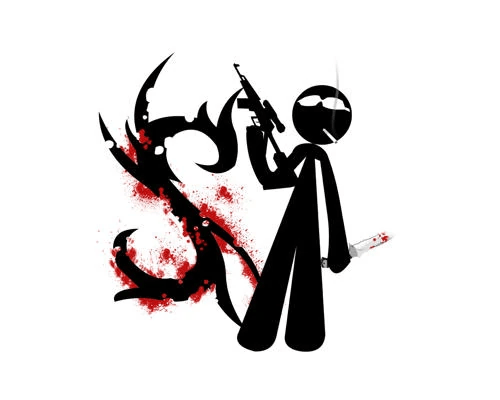
      I’ve mentioned this in passing before on this blog, but now to unpack it in detail. By now, it’s a franchise accessible on any device that allows you to game from the beefiest, sexiest computer Best Buy or other stores like JB Hi-Fi can give you, but it didn’t begin like that. If the Flash Games Archive or the developers are honest about the game’s history, the series of stick-figure shooter games debuted in March 2006, featuring protagonist Vinnie, an ex-mafioso taking scores in the Windy City by way of lightspeed boring machines for your brain. $5,000 please.

      Performing a series of contracts for the highest bidder, Vinnie shows himself an effective killer, and when he’s offered a chance to become a full-time mafioso, he declines, declaring to work solely for himself. Freelancing gives him the flexibility to choose his contracts. As a downside, this means that turning down the wrong people makes him popular with the wrong people, like Max Payne, only there isn’t a cemetery plot dedicated to his dead family because his wife got a dossier from a morally absent pharmaceutical company, so Vinnie can still call Chiraq home and travel the world in search of heads to sift.

      The third and fourth installments add more lore to Vinnie to go along with the plot progression, but the prequel, creatively numbered 0, goes into his past. The short version is that he was born in 1975 and had been killing things from day 1. A cat that mauled his favorite teddy (funny how he remembered that considering memories don’t usually start developing until the age of four or so, unless his mother told him), a toddler who played with his favorite toy car, and an annoying seventh grade teacher who was killed falling out of a two-story window. Tried to fix the AC, should’ve called the repairman; they still had them by 1987. By 1993, 18-year-old Vinnie, driving in a Plymouth Barracuda with an open bottle, is pulled over in a roadside stop. Speeding off irks the Chicago PD who tragically lost their lives in a car crash. Yeah, happened a lot back then. Now all of that silliness out of the way, the late 1990s sees Vinnie accept his first contract. The son of a crooked cop is kidnapped by a major drug smuggler and Vinnie needs to pop the guy and free the son. By 1998, the smuggler is no more and the dirty cop’s dirty son is free as a bird.

      New millennium, 2005. Another major contract is taken and Vinnie, now 30, has gotten more creative with his hits.

      Probably the best bounty hunter in Chicago

      The next series of games sees a few chickens come home to roost, with a relative of a contract in Japan tracking him down and attempting to kill him. This character is known as Kiro, which doesn’t sound like a name that would be found in Japanese, more so a romanization of “kiroguramu,” but I’ve not got any influence over the series, so we’re rolling with it. An ex-yakuza on the run from his own family plus the triads for a misunderstanding that got a lot of people killed.

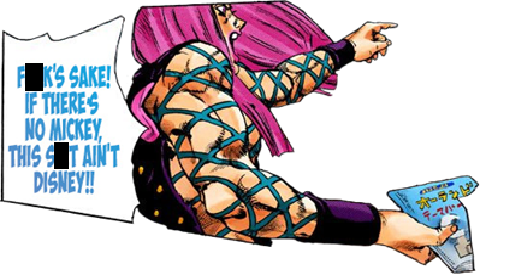
      Vinnie has the opportunity to kill this guy but instead spares him. No one put a price on his head, so he’s not worth the trouble. Guess we know now where his priorities are. If there ain’t no money, this s[guns]t ain’t funny.

      Spoiler for Stone Ocean: the anime wasn’t able to include this scene. Disney’s lawyers are too strong.

      AFAIK, every game with “Sift” in the title is archived on this site, so feel free to explore what makes these stick figures so compelling. And on that note: Johnny Rocketfingers.

      Seems this was re-released on Steam, I didn’t know that ¯\_(ツ)_/¯

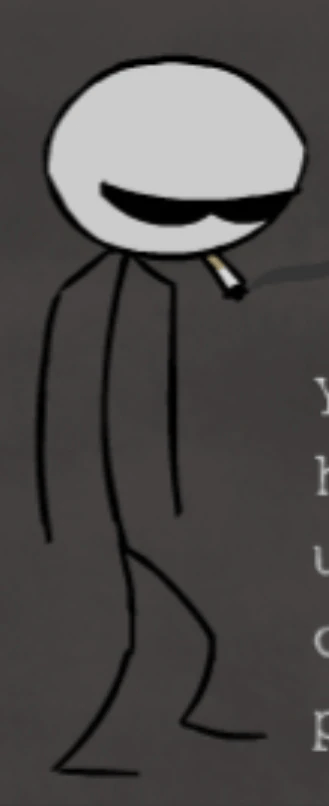
      Crack-smoking, swears-using, drug-dealing, beer-swigging, cigarette-smoking; Johnny Rocketfingers doesn’t play games despite being the protagonist of one. An older game from 2003 (I didn’t realize it was that old either), Johnny boy is asked by a screeching harlot to recover her daughter from hoodlums for a price, enough to buy him a truckload of crack. That’s not a joke, by the way.

      The game has branching dialogue paths, but only one path is canon while the rest are there for s[lighter]ts and giggles. Illusion of choice? To an extent, but you can explore the non-canon choices if you’re curious.

      So, Johnny agrees to get the girl back for a price and goes on an adventure knocking down hoodrat after hoodrat in creative ways. A cat to maul a bouncer, a doll to distract a guard, a can to distract two more guards and an action sequence that results in Johnny getting held captive and tied to a chair.

      But that’s all malarkey after busting out and delivering a “child” to the woman in exchange for that sweet, sweet crack money. But the gang catches up to him and I guess Chiraq starts to resemble Iraq post-insurgency with bodies littering a city street.

      And wouldn’t you know it, Johnny Rocketfingers has a sequel with more to the point-and-click Choose Your Own Adventure style of gameplay. There’s more interactions, more people to interact with, things to collect and more. What’s more, it’s in color as well so we see more and more how ridiculous this simply-drawn character looks next to more detailed NPCs.

      Being in a game doesn’t mean Johnny plays them

      Lover of puzzles and the crack epidemic’s immediate effects Johnny may be, he can’t stop messing with the wrong ones. Everyone knows better than to rip off a dealer, but leave it to this guy to straight up rob and try to stiff the guy. Consequences come a-knocking when Johnny mid-swig is surrounded on all sides by three Knicks rejects. With a broken bottle in one hand and ashes in the other, all three litter the floor of the bar and Johnny drives off while the drug dealer’s henchman calls the boss in a phonebooth, which simultaneously dates the game and adds to the character of the environment. Side note, I always wanted to call someone on a payphone, but there were obsolete by the time I was grown.

      The next morning, Johnny gets a knock on the door of his rundown apartment in the projects (my, the memories of my childhood flood at the mention of that) and the drug dealer’s goons aren’t playing. The rest of the game is spent gathering information on these guys through roundabout favors, or favor, for there is only one that matters. Talk to the hooded dude hanging out on the corner and he’ll tell you what he knows—vaguely—if you recover his Zippo lighter.

      While doing that, Johnny commits random acts of theft, vandalism and robbery of a parking meter (the old-style ones for individual parking spaces on the curb), force-feeding seltzer to a pigeon to get into its nest, boozing up a bum to take his pocket change; this all sounds random the way I’ve written it, but it all adds up in action.

      Getting the Zippo is the interesting part because it’s in a storm drain guarded by a sewer gator. Yes, that’s merely the projects in Brooklyn or the Bronx, but home pride refuses to let me take the piss out of NYC, even if it could use it. Johnny arms himself with a rusty pipe in an attempt to get the gator to f[roar]k off, but the leather-headed bastard is a stubborn bitch. It corners Johnny in a drainage pipe, but finagling with tools dug out of the rubbish bins of the city get him some trinkets to try to open the drainpipe and send the gator flying.

      Patient or foolish enough to toy with his food, but anyway, the gator is out, and we find that this dragon was guarding a treasure trove that Johnny would never get his hands on. And looking at where he lives and how he lives, that much weight in gold doesn’t know how to shut up; the boy’d get clipped if he had even a dollar on hand, never mind valuable Civil War bonds. The real prize is the Zippo, which, when recovered, is the price to pay for information on the main antagonist faction, Thug Inc. If you think it sounds dumb to name an organization like that, this article about Murder Inc. begs to differ.

      Budget Slim Shady doesn’t reveal much about the organization. For the most part, their location is a well-guarded secret, but one of their spots is in a certain part of the city. The coins collected from the parking meter are used to pay for bus fare and before Johnny disappears to knock some skulls around, Dollar Store Eminem is revealed to be a Thug Inc. member by way of the ring on his finger.

      Something, something insider threats and all that s[sparks]t

      To cap it off, this game’s sense of humor has you walk into an obvious trap, pointed out by—and I’m not making this up—a giant, glowing sign that reads: “This way to gang hideout.” Luckily, this is a game or the cops would be all over it, but then again if the dealer is as powerful as portrayed then he’s probably this universe’s Big Smoke, with a section of local PD in his pocket… or just confident no officer would look too heavily into the slums. Johnny walks into the alley, playing it Bogart, when he’s surrounded by similar looking thugs to when he was at the bar the other night. He survives the onslaught until the big boss comes back with a gun in hand. This time, the boss doesn’t survive and gets himself capped, knee capped that is. Then at the end, Johnny’s at the bar again and another chicken returns to roost. The same woman who got the circus freak in the last game hires a real PI (should’ve done that in the first place, dumb ho) to beat the f[knuckles]k outta Johnny and the credits roll.

      Unstoppable

      He was found dead at 32 from a crack and speedball overdose. The bartender barely missed him. /j

      The last Flash game that I wanna close off with is based on another Flash game featuring a semi-famous character. Called Andre’s Adventure: The Quest for the Hammer is based on a similar beat ‘em up game called Combo Factory, and I recall Andre being a central character in that game in mid-2010, though he’s appeared in different games and animations at the time.

      Standard fare, pointy-clicky, attack-y the baddie; Andre’s trademark hammer has grown legs and walked away, and he goes through some kind of supernatural militia to get it. The enemies themselves aren’t fully supernatural; they’re all regular dudes with guns. The supernatural element comes in the form of zombies and Andre’s dark clone: Erdna. If you’ve played Combo Factory, you might notice that the moves used against Dark Andre are not at all dissimilar from those in that game, suggesting either some of the programmers who made that game also helped develop this one, or the devs, while different people, were paying homage to a stick figure icon of sorts. Either way, it seemed to have been a collaborative effort back then. The impact of this orange supernatural crime-fighting stickman are definitely lost on today’s internet, but until I get those mind control Chum Bucket helmets from the SpongeBob movie, I can’t speak for anyone but myself when I say that this one was a classic.

      They’re all available on the Flash Archive site and function as they did back when computers were cathode rays and bulky motherf[typing]kers, so those of you who weren’t around or were too young or just old enough to experience these in their halcyon days and want a hit of nostalgia, give it a go when you’re able.

      The end of the year is on the horizon and the last few posts before 2026 will be a review of some animanga I’ve viewed and video games I’ve played this year. Not all of them having released this year, just things that I didn’t play until this year if that.

      Hentai Games Trio

      The chickens came home to roost again

      The time has arrived once again to do what I do best and talk about an obscure piece of media with zero problems showing breasts and p[nyan]sy. Last year’s post about High School DxD, Shimoneta, and Monster Musume was a teaser; Valentine’s Day’s post about Scarlet Maiden was a personal introduction to AO/R18+ gaming; Spring’s post about FlipWitch – Forbidden Sex Hex was a continuation; and countless other lewd and raunchy animanga series have been showcased on this blog. This time around, I bring you a trio of hentai video games. Like Scarlet Maiden and FlipWitch, follow the Metroidvania formula in shape and art style with endless travel and backtracking, pixelated graphics, a list of bosses without a discernible order in which to defeat them, and several others. These three games are known as:

      1. Midnight Castle Succubus
      2. Tower and Sword of Succubus, and;
      3. Castle in the Clouds.

      I’ll cover them in chronological order in this blog. As usual, I haven’t finished them all 100% but have spent enough time with all of them to get an idea of the least played ones to understand what was being emulated design-wise. Now onto:

      The one that loves Castlevania so much that it rubs its sweaty tits all over the original video game cartridge, Midnight Castle Succubus was developed by Pixel Teishoku and Libra Heart and published under the Critical Bliss horny umbrella on September 18, 2020. Its premise is that every century, an evil succubus lays waste to the lands, slaughtering all men (presumably to add them to her army, like another video game character that I know of), and unleashing hordes of horny monsters to kidnap and molest every woman they can find.

      Somewhat connected sidenote: I read further along in Redo of Healer (my soul is not safe), and the second princess Norn is shown to be a somehow worse monster than most of the others in the Jioral Kingdom; the succubus by that description makes me think of a toned down Norn.

      The protagonist of this venture is a crimson-haired nameless beauty who specializes in the art of the whip. For that, I’ll call her Beatrix. Her mission is essentially defeat the succubus, save the people, rescue the rape victims, don’t get raped herself; that last one happens whenever you die so it follows the FlipWitch variant of combat, but is thankfully more generous with the saves than FlipWitch was, so I can steamroll a level and knock the teeth out of Muscle Fat Ogress, die, come back and not have to worry about losing a trinket I collected along the way because I had the foresight to save prior.

      Speaking of trinkets, the game offers quite a handful. Crowns and orbs, for the most part, with throwable weapons for pickup, almost all of which seem to have been airlifted from the 2D side-scrolling Castlevania games. For the characters, Beatrix doesn’t necessarily venture alone. She can recruit a quartet ranging from the mage, the monk, the thief, and the warrior. I have yet to find the mage, and there’s a power up you can grab from a wizard that allows you to be able to summon all four of them at once as opposed to swapping them out one-by-one. Not to mention another power up that lets you use your untapped succubus powers.

      I have also yet to unlock this feature in the game and at 80% completion (map traversal notwithstanding), I’m not even done with the game. Classic Castlevania lovers are sure to get a kick out of it and lewd game enjoyers will surely enjoy select loading screens of Beatrix in various scenes of undress along with a handful of the women to save being aggressively passed around by horny orges while the boss protects them in their forced breeding endeavors. If that’s two much for you, the game has a SFW version so you don’t have to worry about innocent eyes rolling out of their sockets from two cubicles over. Now onto:

      This game advertises itself as a 3-in-1, but so far I’ve only ever been able to play Tower and Sword. The third game, Succubus Hunter, I haven’t been able to access due to a technical issue with the game’s coding. Maybe this is some kind of odd developer oversight or I need to contact the lord of sex in order to get to work on any one of my machines, but anyway, it came out a month later on October 30, spearheaded by Japanese dev Libra Heart on a solo venture and carried once again by Critical Bliss.

      In Tower, a succubus is void of nearly all her powers and needs to traverse a skyscraper, f[squelch]ing and plucking all the way up until she can f[uoggh!]k her lovers to death as the prince of darkness intended.

      Taking a page from Scarlet Maiden, the design of this succubus, whom we’ll call Matilda, is that of more pieces of abnormally thick tooth floss covering only the important bits so that I don’t have to put the censors to work (wish I had better ones to use though, since those black squares don’t get paid enough), easily removed so that when it comes to magicking the life force out of a demon’s soul (read: penis), she gets ever stronger. Wait ’til Matilda gets to Level 100 and you’re jizz causes her to grow wings so that she can engage in endless flight. That’s the kind of magic that fuels anti-masturbation propaganda. “No, honey, I wasn’t wanking to that tramp over there! the Demon Matilda stole me seed! You’ve to believe me!!” And that’s how marriages fail. – Friar Maxwell, c. 1584.

      I’m not certain if there’s a SFW version, but if there is it’d defeat the purpose of the goal of the game. Put these nun clothes on, dearie, won’t you please think of-wait, sexy nuns are thing, that’s a poor example.

      For the second in this functional 2-in-1:

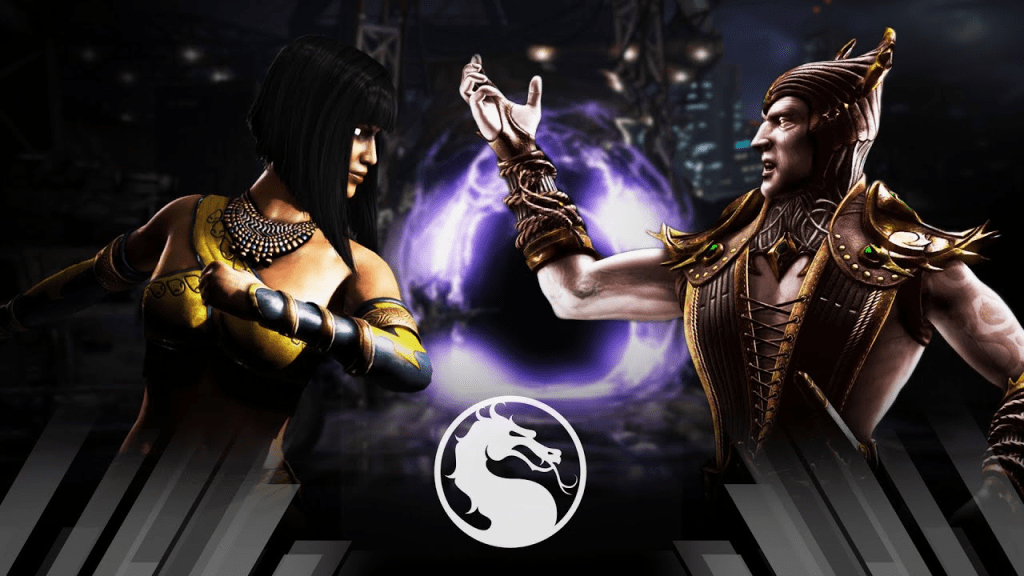
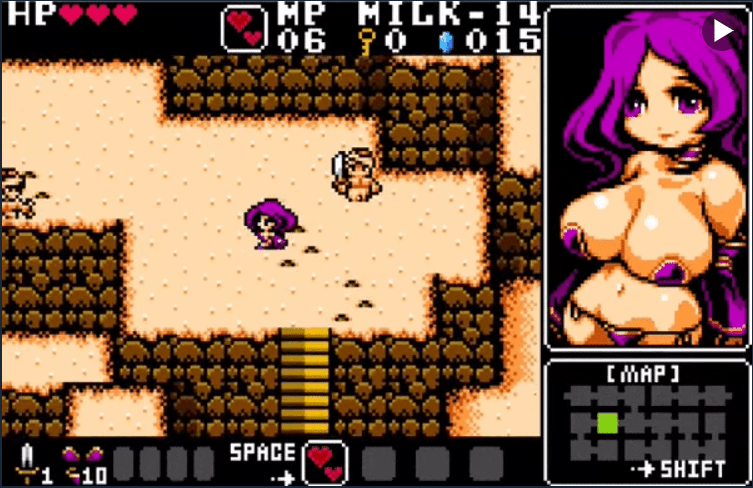
      From stealing Alucard’s codpiece to raiding Zelda’s elf-eared panties, comes Sword of Succubus, whereby traversing the world is very dangerous without protection… and a sword. The succubus this time, Yolanda, gains the power of a holy sword by which to defeat the king of the demons. Now, succubi are only creatures, praying on mankind’s sexual temptation, so a being who robs you of your seed through her tits going on to do the same to Lucifer is a bit like Tanya from Mortal Kombat fighting Shinnok.

      Hold on…

      An MK X arcade run perhaps?

      The layout definitely calls out more to Zelda’s first outing as opposed to the Belmonts with the pixelated succubus waving a sword and by way of lucky magical charming powers getting the sword buried deep within her enemies’ pants. That description makes me think of a female Fleece Johnson or !shock! Silvia from the KonoSuba movie.

      Tall, dark, beautiful, and capable of penetrating you effortlessly…!

      As a white hat succubus of sorts, Yolanda carries in her ginormous tits (also covered by easily-removable tape) life-saving milk that is the source of her immense power. It can be deposited for upgrades or traded between Yolanda and fellow succubi because real recognizes real or in this case breast recognizes breast.

      Technically, I’m stuck on the first world, but the way this game is mapped out is a bit weird. It might have been the same as the original Zelda game back in 1986, but I have yet to run that through a ROM, partly because my interest in Zelda is quite limited, having only played Phantom Hourglass some 15 years ago, and Zelda had already come a long way seeing as she’s HD and thicker than a tower of king-size snickers.

      The map has different teleportation points to go from one area to another with three different points in the town to a cave to a desert area and that’s the furthest I’m in so far. Different people interact with you with different reactions depending on what you’re wearing or not. The above photo shows Yolanda’s full dress and with enough hits, the thong, nipple tape and sleeves fall off. She’s clearly comfortable fighting naked (and most likely covered in c[hmph!]m after using her charm magic) and can do so quite well until her health drops to zero and you’re greeted with a “Game Over! Try Again!” with her tits in view or her giant ass taking up 40% of the screen. Do they make doors wider to accommodate?

      Until I’m able to access Succubus Hunter, I’ll add it to the review list later. Finally, we’ve got:

      Those aren’t boobs; those are the earth-movers that Obadiah Stane was developing in Iron Man: Armored Adventures.

      Pixel Teishoku and Libra Heart teamed up once again to lead the development of Castle in the Clouds with Critical Bliss coming in clutch for a release date on October 8, 2021. The gameplay is even more fluidic than Midnight Castle Succubus where you can start off running as opposed to unlocking it in that game where Beatrix has an admittedly cute run, like when Senku cured Ruri and the first thing she did was run around:

      Channel: Crunchyroll

      The protagonist of Castle in the Clouds, Lily (an actual named MC this time), starts off as an agile, nimble fighter, armed again with a whip and all the purchaseable upgrades from MCS being available from the first pixel. Penelope stumbles upon a gang of bandits who molest her at the command of their boss, a coldhearted female bandit we’ll call Rachel. You do get your revenge and then some in a boss battle against her, but as you progress through the game, you gain work as a sex worker. Great! So slaying monsters by day and conquering “monsters” by night.

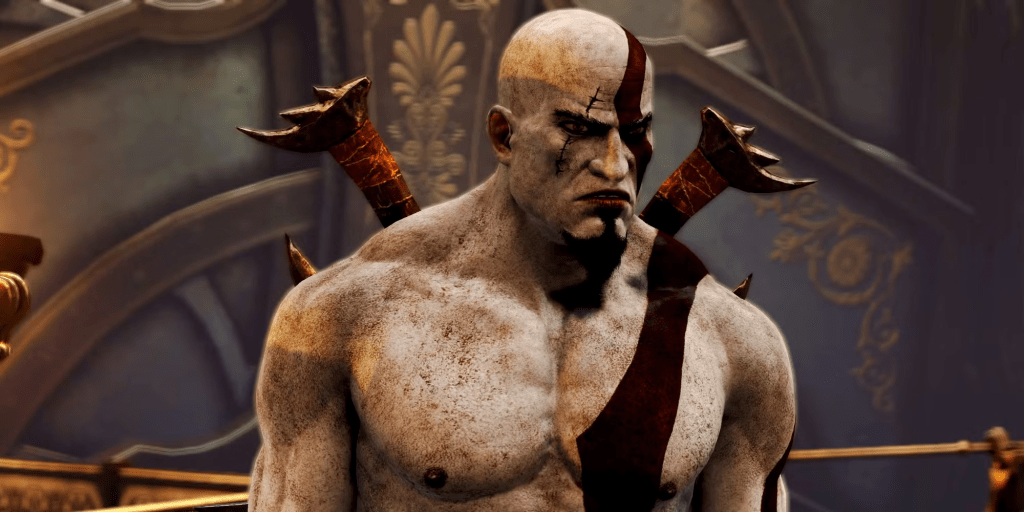
      Lily is a bounty hunter and her main motivation is coin which she hopes to gain by slaying monsters across the world with presumably the same type of whip she uses for her clients. Not that it makes any difference since she can buy more whips from the weapons shop and not just whips (or chains). Swords, scythes, axes, staffs; she’s got access to numerous weapons though she’s still no God of War: Ascension Kratos.

      A general has to know how to use all sorts of weapons, you see.

      Lily’s quest for coinage explains her agreement to take on sex work on the side and is an interesting side hustle of hers, to say the least. The game apes more from the rest of the 2D Castlevanias whilst combining elements from Metroid and rounding out the whole lewd Metroidvania picture. I explored more of this game than Tower and Sword, but not to the extent of MCS.

      With multiple different locales, we probably add Mario 3 to the list of games this game owes money to.

      Does this in any mean that the sex scenes are any different? Not really, it’s the same across the board, but there are a few additions that appeal to the teasing aspect so you creative minded gooners have something to look forward to. Plot-wise, it’s not all that different from a mature isekai or a hentai whose plot just so happens to be in an isekai. Lily accepts quests from the guild, takes on the quest, and gets rewarded in coin.

      There’s more of the game that I’m missing, but the presentation it gives me at the first hurdle is one worth exploring once I’m done with the others or reach 90% in the others, whichever comes first… and considering the content, the players will c[ooh!]m first.

      Looking at all three of these games, let’s ponder for a fact that a woman is the main character of all these games. Agree to disagree on the game over screens being some form of rape of the character by the respective enemy types, only in defeat is the woman helpless and towards the end most of the time, she’s not just in control of the situation but so overpowered, they could become some sort of evil queen with the whips and chains to boot. Let’s one up Spike Spiegel, f[araara]k women who can actually just kill you; lay down the red carpet for the woman who can enslave you.

      Channel: Gianni Matragrano

      All three of these on Steam are available for $13 each, which is appropriate for obvious reasons. Spend $39 now on all of them or wait for an upcoming sale to knock a few bucks off.

      The Asian Cinematic Journey

      About time I addressed a noticeable pattern of mine

      Between Hong Kong cinematic action pieces of yesteryear and Japan’s golden age of cinema, I’ve been quite busy exploring the directors of East Asia. So far, I’ve addressed four powerful names in the cinematic world (John Woo, Akira Kurosawa, Yasujiro Ozu, Kenji Mizoguchi), but this is only the tip of the iceberg, as I’ve definitely seen more than just those for in both the live-action and animated worlds. And before I expand on that, I thought I’d address that for a few seconds:

      I love this era of literal memes, it beats brainrot 100% of the time.

      The archives of this very blog show that the things I write the most about animanga and almost always on the series itself as opposed to the production side of things. It’s been this way since the blog first launched in 2023 and when it comes to writing about the production side, it’s heavily skewed toward games, movies and TV series. The reasons for this have to do with what creators are willing to share to news agencies. From my experience, game devs are happy to document the process from storyboard to controller to thrown off a cliff by Margit the Fell Omen.

      Animanga is a lot of the same but it highly depends on the publisher. So while the 3D Mortal Kombat games have videos where Ed Boon et al talk candidly on the creation and re-introduction of legacy MK characters, Francis Ford Coppola feels cathartic talking about the troubles facing Apocalypse Now, and Bryan Cranston and Aaron Paul would walk you through the making of Breaking Bad and Better Call Saul, only a few manga publishers I’ve found are to be this open about their processes. Individual mangaka certainly, but editors for companies like Shueisha, Kadokawa, etc. are more than a little lockjawed. Even when they do show journalists the tour or sit down to conduct an interview, the details are either light or the sources are in Japanese, which I’ve explained during my review of The Elusive Samurai anime adaptation is nowhere near at a level where I can confidently review the contents. This part is understandable when the studio is busy bringing manga to life in real time, but if nothing is currently being worked on or not set to be for another half-year or so, then there’s really nothing worth keeping secret about the general production part at least, and I say this as a guy who revels in surprises.

      Sometimes information is behind a paywall or a region code and no amount of sloppy-toppy offers will get me access to that succulent content short of a VPN subscription and moving my IP address somewhere else.

      Maybe this will help when it comes to viewing the BBC’s documentary on The Troubles

      A not insignificant portion of my animanga reviews have my parsing what I can from what I’m able to find in English, the most notable examples on this blog being that of Nazo no Kanojo X and Haibane Renmei, where the mangaka doesn’t have easily accessible photos of themselves or evidence that they’ve done interviews in the past and the other where the eccentric writer pulled an anime adaptation off the cutting room floor of his studio. Who says Haibane Renmei was a final draft at the time?

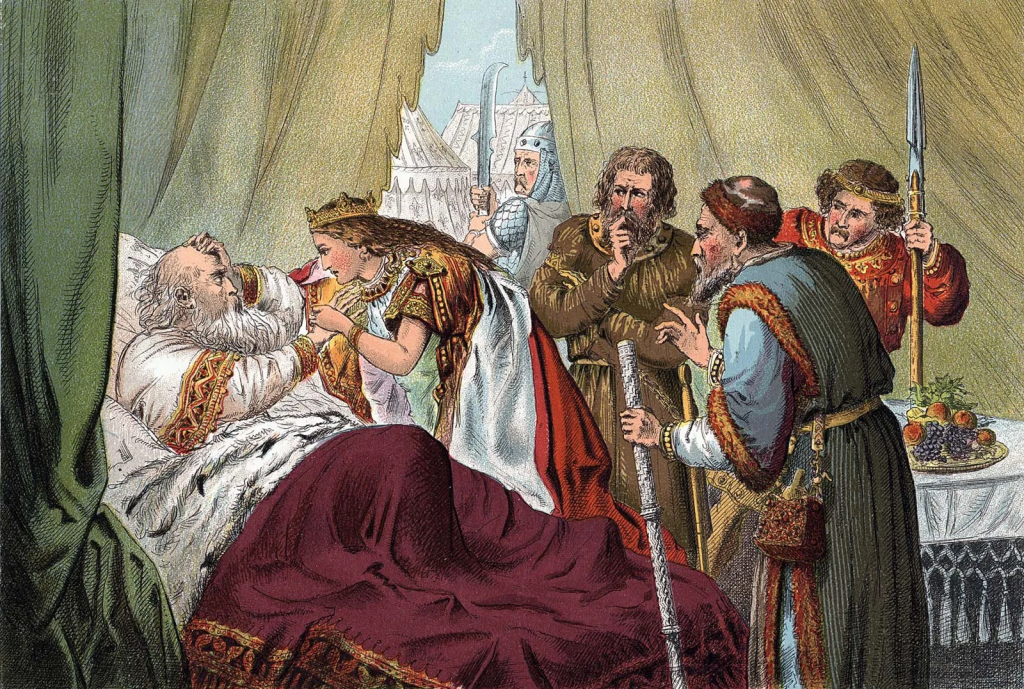
      With that said, my recent trip to the cinematic side of things in East Asia is something of a pipeline, I consider. The precise origin point isn’t so much lost as its under tough debate within myself. I would say that it began when I was in community college in 2018 and my Asian Art History professor introduced the class to Akira Kurosawa’s Ran which is a medieval Japanese interpretation Shakespeare’s King Lear.

      Japanese romanticization of medieval Europe is a time-honored tradition outside of Isekai, it seems.

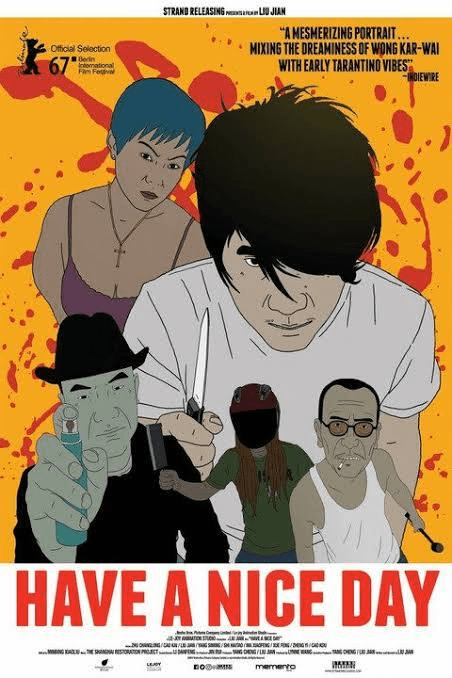
      But as I recall, I was on a streaming site whose name I forget where I was made aware of a Chinese-animated and directed film by the name of Have a Nice Day.

      Without spoiling too much of the plot, it’s inciting incident is when a cab driver, Xiao Zhang, takes a million yuan ($150,000 USD) at knife point. Not for completely selfish reasons; his girlfriend was the victim of a botched cosmetic surgery and he wants to use the money to get it fixed in South Korea. The rest of the film is something of a No Country For Old Men type of movie, in the sense that even more unscrupulous folks are after the cash, with each pursuer quirkier than the last. Are they dangerous? Yes and no. They are dangerous, but often to themselves than anyone else. And Zhang is still in some kind of danger as some of these types gun for him too, but have to fight the rest of the mob off as they chase him down. One prize, clashing goals, and a story made up of losers and those who lost less. Make of that what you will. It’s currently free to watch on Tubi as of this writing, so I might as well remind myself what I liked about it.

      At the time, I was simply looking for movies and content to watch in the dark of night on my ancient Samsung touchscreen laptop. I was 18 turning 19 at the time and the 2AM binge was a fierce mentality. After a few years of that, binging doesn’t do it for me anymore, as I’ve explained in the past. I was scrounging for films I’d heard of but haven’t seen, and without a specific order in mind. Just wait for the lightbulb to flash on, scour the web for a pirate site that’ll allow to me watch or torrent without issue, and I’m on my way. In some cases, I took these with me to the movies during the holidays and because the copyright expired on some of these, I was able to watch them all in the Almighty Internet Archive.

      To keep track of all of these, I had a Wordpad document organizing the movies listed by decade, starting with the 1930s black and white films where just about every production member is long dead, the production studio defunct or eaten by another one over the years, and no one left alive to make a fuss over it. Pirating movies is my time-honored tradition, Jake.

      Of the films listed, some of these do happen to be Kurosawa films, but looking back at that old document, interspersing Eastern films with the plethora of Western films harkens back to a time when I couldn’t tell the difference between animation and anime, but didn’t care because the drawings moved. You think I gave a damn whether Zatch Bell! or Yu-Gi-Oh! were animated in Vancouver or Yokohama? Seven-year-old me could tell it was art, and it was f[horse]king art!!

      Where did this series go, by the way?

      Speaking of art, I can talk at length about the production and cost side of even foreign cinema, but aside from country of origin, there really isn’t anything foreign film studios do differently in terms of filming. And yet as far as accessing these films go, it’s historically been a challenge for the simple reason of Hollywood being Hollywood. Harboring the lion’s share of the world’s movies, a foreign film would need an international film festival to get more eyes on it. These days, there’s not much trouble achieving that and more, but in an industry where the mantra is to “know your audience,” dropping a foreign film on an unfamiliar audience can further alienate the audience and hurt the film’s efforts, provided the audience is looking at that sort of thing. It can feel like homework if there isn’t prior exposure to the subject matter.

      What does this mean for Asian cinema in the past? Well, long before the interconnected-ness of the modern age, the best you could do was release films of age-old stories, hence why the western film genre dominated from the late 1890s to the 1970s. So powerful and inspirational were these stories of cowboys and Indians that non-American directors took a stab at it by way of the European (mainly Italian) subgenre, the spaghetti western. East Asia, in particular, had to make do with old tropes and stereotypes for specific genres to gain traction over the decades with pioneers like Bruce Lee, John Woo and even Akira Kurosawa gradually introducing these concepts to the western market. The benefit being that their names are known, the drawback being that kung fu, samurai, shinobi, and other medieval concepts were assumed by many to be all that the region had to offer at least until minds like John Woo and Park Chan-wook showed us that even East Asia can cinematic set piece and gun-fu to the top.

      Another thing to highlight about Asian cinema would be the local politics. Like it or not, history and politics touches everyone and in the grand scheme of things, East Asia and Southeast Asia have a disturbing tradition of strong men dictators who couldn’t help but meddle in the affairs of private citizens, historically and contemporarily. Mainland China has loosened its grip in recent years, but in some areas the CCP can still put a thumb over film production. Japan is a democracy these days, but pre-war films were heavily scrutinized for dissent from the Meiji era to the mid-Showa era. Post-independence South Korea had a hardline anticommunist stance that kept creatives walking on eggshells in the film industry and (as I’ve discussed before) in their manhwa/comics industry, leaving their manhwa to be discovered decades after publishing online. Needless to say, if the government didn’t like it, it wasn’t gonna get a wide release outside the country, never mind have a guaranteed impact at home. Why bother making uncultured foreigners care about our movies?! We have mouthpieces to produce!!

      But we live in a freer world, so that’s not an issue anymore… supposedly… It’s only a recent discovery (or re-discovery if I’m being honest) that I’m adding these films to my watchlist and the showing thus far has been nothing short of:

      Insert Invincible title card effect here

      I will not stop writing about these films. I’ll use my remaining appendages if my fingers fall off.