The Shy Shark-toothed High School Tomboy with Resting Bitch Face

That… could’ve been shorter

Stop me if this sounds familiar in, not just animanga, but in media on the whole. A short guy way in over his head takes chances with the taller, at times stoic or stoic-presenting girl. By way of his bumbling charm, he wears her down and she agrees to one date. Turns out shortman is a charmer beyond all and the two are an item. Maybe they have a family and live on a tropical island with a talking turtle.
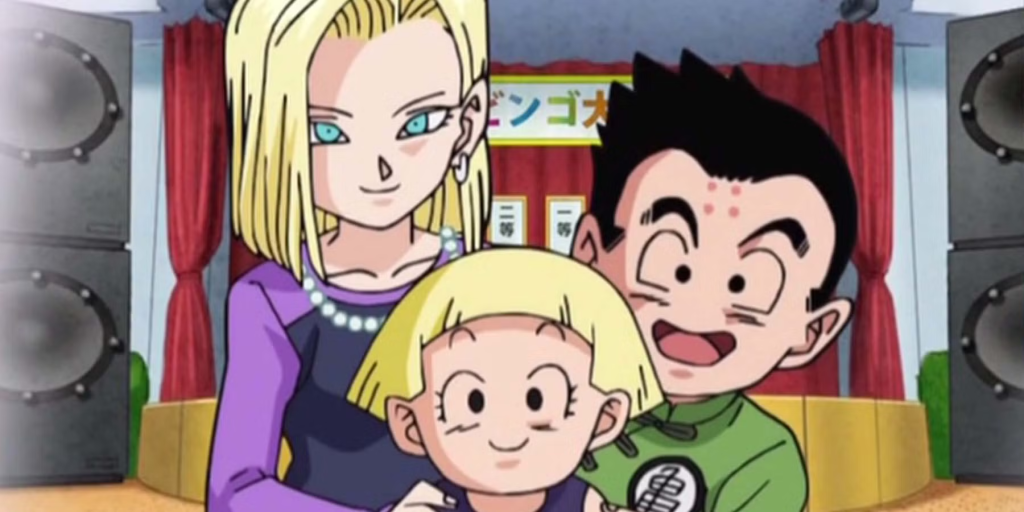
Admittedly, she made the first move, but Krillin won out in the end, so why split the hairs that Krillin has now been able to grow out?

Even if you weren’t thinking about a specific pairing, you may have seen it enough times to consider its frequency in media. I definitely have… if only just now. There’s quite a few of these in the trope that come to mind right now

  • Fix-it Felix and Sgt. Calhoun from Wreck-it Ralph: aside from the villain walking away from villainy, the protagonist finds his way into the arms of a top soldier woman, and by the end of the movie, he’s her groom.
  • Krillin and 18: the very picture above clearly didn’t happen overnight. Being the last one left standing when the remaining Z fighters were pummeled by Gero’s Androids, 18 was the one to proposition Krillin with a kiss on the cheek, when she was strong enough to fold Vegeta like a gyoza while 17 punched Piccolo’s and Tien’s spines out. Why the short bald one of all people? Perhaps Toriyama was feeling merciful on our favorite monk.
  • Mario and Peach: there’s probably better couples from the Nintendo Universe, but going to what’s easy, the Italian plumber working in Brooklyn gets suckered into a strange world where mushrooms are enemies, flowers let you throw fireballs, and a giant firebreathing turtle kidnaps a princess. Doing this for over 40 years (happy anniversary, Mario!!), I doubt they’re the progenitors of the trope, but they’re an early example, or at least Mario is from the Donkey Kong days.

And now the subject of this week’s post: Hitomi-chan is Shy with Strangers
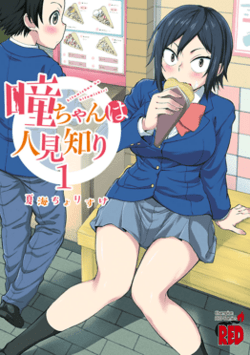
Japanese name: Hitomi-chan wa Hito Mishiri

The plot of this manga is that a second-year high school student, Yuu Usami, is taking a train to school and gets the most menacing glare from a scary looking taller girl. He figures out pretty quickly that that’s just her default face (many such cases), and noticing that he’s wearing the same uniform as her, once Usami gets off the train, the girl follows him. He’s expecting some kind of beat down, but she simply walks over to him, looks him straight in the eye… and asks for directions to the high school, seeing as she’s a new student and first year. She eventually introduces herself as Hitomi Takano.

Sounds awkward in retrospect, doesn’t it? Cold hard truth, I relate to this very much. I’ve been the shy guy and the introvert involuntarily adopted by the boisterous extroverts who have attention at their beck and call. The shy part is getting someone’s attention, whether they’re with someone or not — and the introvert part is choosing to be in another world than with people on average. Not like it’s hard for me to make friends; I do, but there’s only so much I can take before I feel like I ran from the southernmost part of Chile to the Aleutian Island chain. Those of you who absorb geography like Galactus the Planet Eater know what that means. Those who need that spelled out, over 9800 miles/15,800 kilometers.

An exaggeration, sure, but it feels like this sometimes. This feature of Hitomi-chan is the most consistent aspect of the whole manga from start to finish, but overtime she gradually opens up. Originally, Hitomi only talked to Yuu, but then she met his sister, some delinquent girls, an American exchange student (because the good old red, white and blue needs to make a presence in animanga somewhere), and even introduces these lot to her older brother and little cousin.
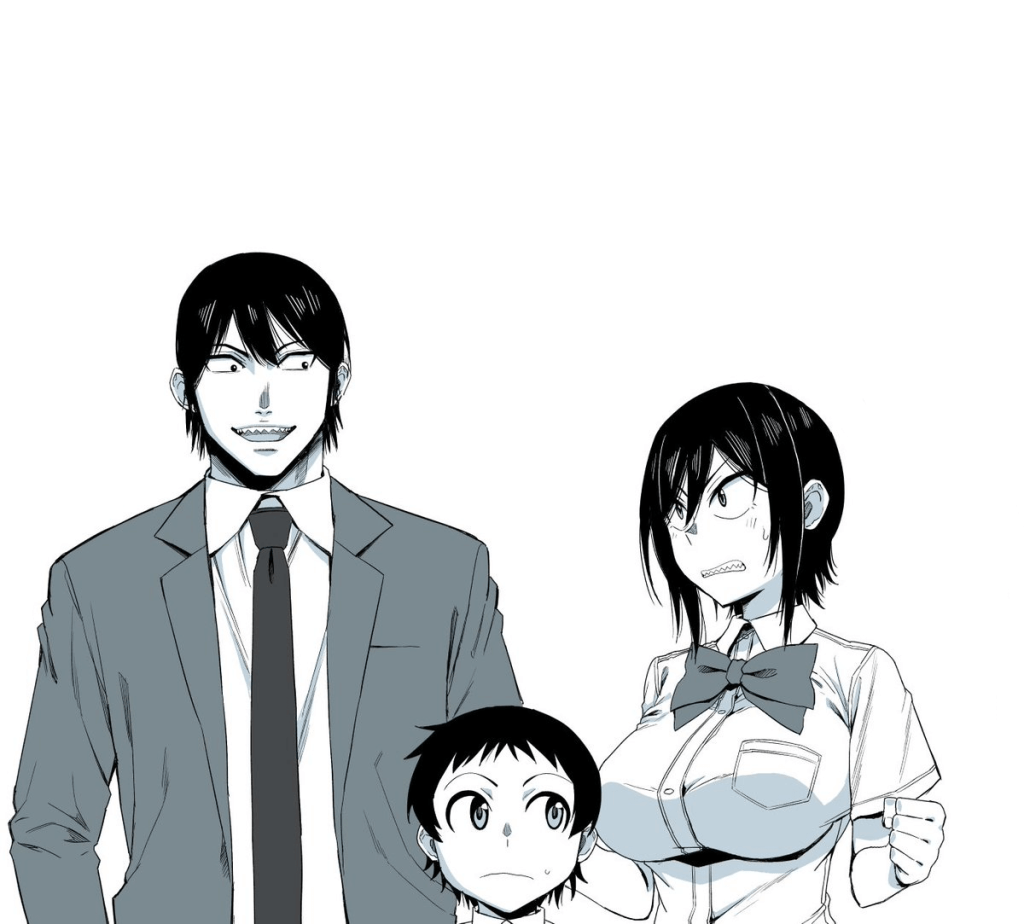
Seems even growing up with siblings can make you deathly shy, though Hinata Hyuga knows this by heart.

For that matter, tall girl short guy trope also meets gentle giant(ess) trope seeing as she’s quite harmless. She’s a kind girl who hates resorting to violence, but her height (6’1″/185.4 cm), and her intimidating face at rest would usually be enough to scare someone straight, such as her first introduction to the delinquent girls who later became her best of friends.

If you’re drawing comparisons between this and Komi Can’t Communicate, I haven’t seen or read that series, but from those who have, they claim that her “shyness” is more selective mutism, and there’s this reddit post that claims, she’s a silent extrovert more so than an introvert, and the premise of the series confirms that long before you read the first chapter. Wants to have a hundred friends, lacks the natural charisma necessary. Fortunately, she at least does things the old fashioned way unlike some others:

Some artists pair her with Konata Izumi to contrast their personalities as otaku, and I say it works.

Does the series suffer from any flaws? What series isn’t flawed? Even my beloved Max Payne and High School DxD have flaws and the flaws that accompany Shy Shark-tooth Girl are much of the same ones that accompany My Boss is Beautifully Busty. Based on the trope I started this post with, you can bet your sweet bippy it has romance, and like the other manga, it takes 20 years, a career, a marriage, and a divorce proceeding to gain steam, but is still Mercury-making-a-full-orbit faster than Takeda and Takizawa, Sitting in a Tree. Maybe the former is based on teens generally moving faster than adults for the simple reason that adults have more maturity and have more nuances to wade through before popping the big question of whether r/Animemes is really about anime. And in my life, I’ve seen both. High school romances reenacting the Hindenburg and adult romances advancing at the speed of ZZZZZzzzzz…… ah, whah?! Whozzat?

Sometimes the reverse or a combination of these, and there’s a chance you have as well. Another mark against the manga may be the idealized, romanticized, unchallenged romance. For the most part, there’s few rough patches that test Hitomi’s and Yuu’s relationship, but examining the manga panels closely shows that it does get tested a fair bit. Not so much in the name of drama, but more so transitioning from casual to romantic dialogue, so to speak. The two acknowledge each other’s feelings and are hilariously led to believed that their dynamic needs to change and fit this arbitrary criteria, when in the real world if this happens, the most that’ll change is that the universe stops standing in the way and lets them hold hands.
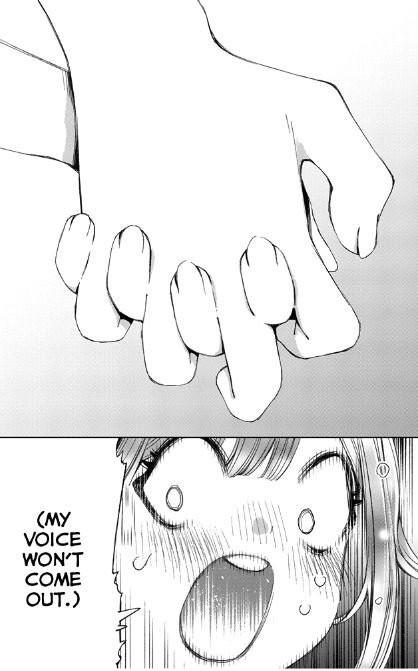
Not that adults can’t be this naive either, sheltered and dense adults will struggle with much of the same things teens do when they first start dating.

To further compare and contrast Cute Shork with Well-Endowed Superior, one is a 4-panel/yonkoma series set in a professional work environment, the other is a typical high school romance. Both put the male and female leads together and have the balls to continue on even after they finally get what their friends and family have acknowledged for ages. AdoraShark has a slightly larger cast though like Russian demographics, the women outnumber the men. In contrast, the smaller cast of the 4-panel manga has slightly more men than women characters, but is still equal. It’s also suited to maintaining this small cast while Hitomi-chan can and has introduced new characters piecemeal, each newcomer melding well with the established cast.

Even characters introduced at the beginning are given a chance to come back and get properly fleshed out, like the delinquent girls who were first seen antagonizing Yuu, until returning some 60 chapters later with more meat to chew on.

Chorisuke Natsumi seems to have a type.

12 volumes running from September 2018 to May 2025, the entire series is available for reading on MangaDex, being spared the grip of the Copyright Coalition in its most DMCA raid on the site. I haven’t heard news of anything in the way of any adaptation or OVAs as of yet, but like all the other times that’s crossed my radar, you can guarantee that I’ll post an update as news trickles out.

Ladies and Gentlemen, the Dumbest Otome Villainess Protagonist

Her braincell is always out to lunch

Multiple times on this blog, I’ve explained that I don’t make a beeline for the Isekai genre. My tastes are varied and, if I had to look at it objectively, inconsistent. But if it wasn’t me being lazy, it was life reminding me that the big picture exists.

Thank god for stock imagery

With the case of Isekai, recently I’ve had a look at some of the shows I’ve been watching, some of which have appeared on this blog before, and I don’t think the statement holds up anymore. Matter of fact, some earlier anime I watched as a kid technically count as Isekai by the slimmest margins and the loosest definitions. Similar to when I watched Shield Bro Loli Pokemon, I came across the subject of this post on Crunchyroll sometime in 2020. It’s not in my watch history for some reason, but I did see the entire first season and part of the second season, so I definitely remember the plot beats going on for this series.

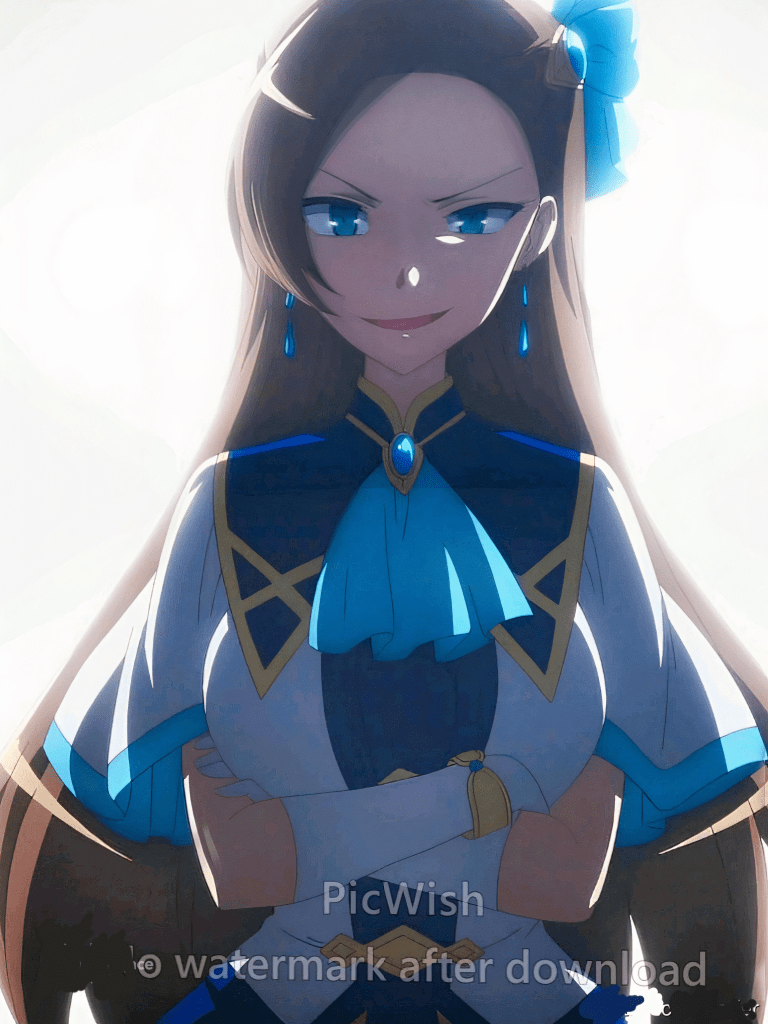
This series is an otome harem Isekai that would become more and more commonplace after 2020 for some s[piano]ing reason. As I recall, the anime skips over the Isekai-ing action, and drops the protagonist into the shoes of the villainess/antagonist, Catarina Claes, who is known to the Japanese audience as Bakarina for having an IQ level as big as her shoe size. The full English title doesn’t really do the series any favors, as the point of the game she’s isekai-ed into is to avoid all the doom flags. The game, known as Fortune Lover, has a series of different paths for the player to follow given specific conditions. One ending sees the villainess exiled, another puts her behind bars, and the third sees her killed in a crime of passion.

When the protagonist takes command of Bakarina’s braincell, the roles are reversed in even the design. Robbing the game of the villainess irreversibly changes the flow of the game to the point that the game semi-acknowledges the takeover, although the major consequences of this aren’t even that punishing, given the English translation of the Japanese title being “I Reincarnated into an Otome Game as a Villainess with only Destruction Flags” as opposed to the subtitle All Routes Lead to doom. A distinction I make seeing as the former explains the concept of and subsequent obsession with doom flags as opposed to the latter that leaves it largely vague. Couldn’t help but get pedantic about that…

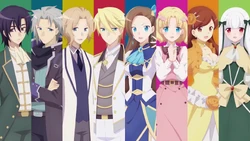
Be it the villainess or the actual protagonist of the video game (to distinguish from the Female MC), the opportunity to romance any of the archetypes characters is, on the surface, divvied between the two, but with Bakarina being the queen of this series, that’s a decision largely left to her. Bakarina’s definitely different from how the original Catarina behaves, being more charitable than selfish, all to avoid the death flags. In so doing, she unlocks a secret ending that most games won’t give you until you 100% it once at the minimum.

Without a real window into the game before Catarina’s mind was taken over, all we the audience have to go off is what Bakarina claims she was. To be fair, there’s a few scenes that show what would happen to Catarina if she was the same as she was before the plot of the series kicked off. Now, as for concrete proof that this is an Isekai, again, the anime never shows the action, but it does have a flashback to what the pilot of the Catarina mech-suit looks like, all without ever giving her an actual name.

Another thing done differently is a semi-timeskip. The first five or so episodes start off in Bakarina’s childhood before transitioning to her and the rest of the cast as first- or second-years in high school. And although they’re all adolescents going forward, the recurring gag is that before a major life-altering decision is made, Bakarina retreats to an inner council within her own mind where five younger-somehow chibi-er versions of her debate the pros and cons of a certain path before moving forward with the decision.

And to put the cherry on top, the reason she’s referred to as Bakarina has to do with a variety of weird and idiotic moves prior she’d become famous for. I guess I would also find it difficult to explain that the world is an otome game from a different world, but with death acting as a portal from one world to another, the most I can do is reflect on my previous life before pulling a “when in Rome.” While Bakarina acknowledges the doom flags and bends over backwards to avoid them, she brings mannerisms and habits from her old world into this one.

Funny enough, I did a quick Google search and found this Reddit post that posits, with evidence, that she’s on the spectrum. It’s credible, but medical and mental health professionals make the distinction between autism, ADHD, and simply having those symptoms without fitting into either category. But their is also evidence that she is simply braindead. A lot of it having to do with her being clueless to a lot of things going on in the lives of the romancibles, notably their feelings towards her.

The show is entertaining enough and deserving of its second season when you keep in mind that Bakarina is a moron, though not completely. She does have her moments, though the plot doesn’t give much in the way of character development for Bakarina. She stays mostly the same from beginning to end, even after realizing how much of the plot of the game she’d changed. This isn’t necessarily a bad thing, but it’s a noticeable thing to keep in mind, especially for puzzles, such as one episode where everyone else was in despair while Bakarina kept stuffing her face.

But on the subject of idiocy, a distinction needs to be made between intelligence and wisdom. There’s overlap between the two concepts and some believe that they’re merely interchangeable. But that’s false. In layman’s terms, it’s merely the book smart VS street smart debate. A professor can tell you all about physics and maths, but will probably be lost in the worst parts of the Bronx. On the other end of the spectrum for wisdom, someone may be unable to do complex maths, but they can still learn you a thing or two about life.

The anime’s has two seasons with 12 episodes each plus an OVA. It was adapted from a 2017 manga which in turn was adapted from a 2014 light novel.

Need I elaborate?

Before I go, I have plans for a post concerning the corruption subplots of the video games, Max Payne 3, Sleeping Dogs, and Spec Ops: The Line, with all three handling it all differently. I can’t say for sure when it’ll be done, especially since Spec Ops had been delisted in most online retailers, leaving me the only option to pirate over it. Once I’ve finished at least the last two games (having finished MP3 before), I’ll have the full context of all three ready.

On Dragon Ball Z

Cha-la! Head Cha-la!

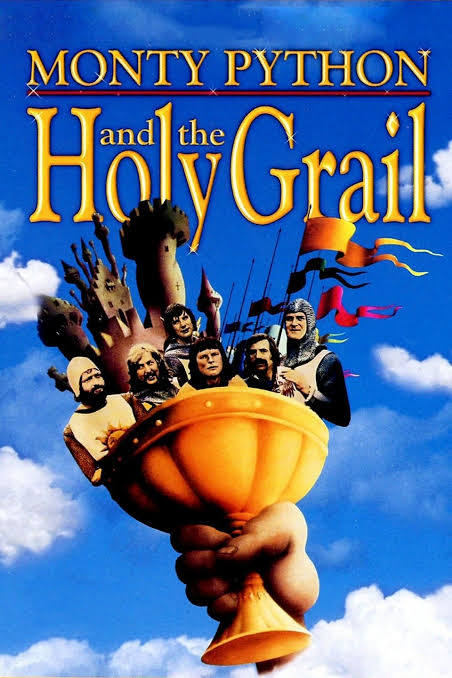
Last week, I gave an update on the extremely slow progress for One Piece. Given my situation in the Army and routinely driving weekly to do a training exercise, it sounds like I wouldn’t be able to do anything entertaining even if I wasn’t on a training exercise, but there’s a hell of a lot of down time that gives me my pick of the litter. There were the usual series I still had listed for viewing as well as the occasional movie that YouTube lets me watch for the small price of a skippable advertisement for a product I care little about. One such movie:

The impact of budget is often lost on the audience. This movie’s lack of funding was why they used coconuts… no evidence though that it explains the sparrow.

While One Piece has had me looking for One Pace (which is still lengthy in its own right given what the team is working with if the Discord server is what clues me in), Dragon Ball Z had been dubbed over ever since its western debut. Looking at simultaneous dubs today vs dubbing done even 15 to 20 years ago, it puts into perspective how long it took back then to translate everything well enough to give us a dub, passable or stellar. These days, finding a budding voice actor or even a newcomer is easier than it used to be. From the outside looking in, the talent manager/agent is either becoming a thing of the past or is fighting for the middleman position it now shares with social media.

Legacy and up-and-coming voice actors are all on Twitter and BlueSky now. Some are content creators outside of screaming their lungs deflated into a microphone, others are elsewhere in the entertainment industry, and the rest are varied. Why mention this? Mainly to show that the constraints that plagued animanga 40 years ago are largely a thing of the past, but in the case of the Dragon Ball franchise, fans would’ve went from waiting years to hear it in English to simply looking up where to find the VHS tapes, then the DVDs, then the Blu-Rays and eventually subscribing to whatever streaming service has your choice of show for a limited time.

Call me a monkey like Frieza because I have a bunch of s[monkey screech]t to fling, especially at these jokesters.

Dragon Ball Z was tied to Funimation in the west very close to the beginning, and the relationship hasn’t changed even after Funi got eaten by Crunchyroll as of late. It’s initial dubbing and runtime were extraordinarily long. This plus its content may explain how it became a staple in Latin America, but good luck selling animanga drama to an American or Canadian. Matter of fact, the reason Latin America loved animanga before the Anglophone world did can best be explained in this video:

Channel: Get In The Robot

The crux of this video is merely that with upwards of 90% of Latin America being subject to authoritarian dictatorships and military juntas or some other kind of government sponsored violence against itself (which ropes in the Philippines, Indonesia, South Korea, Taiwan, and other Asian countries that have a similar story to Chile, Brazil, Peru, Panama, and the others), the ridiculous plot points, dynamic battles, and Shonen-/Seinen-style romance stories were easy as hell to sell. Plus the changes made from Japanese to Spanish and Portuguese were left largely unchanged.

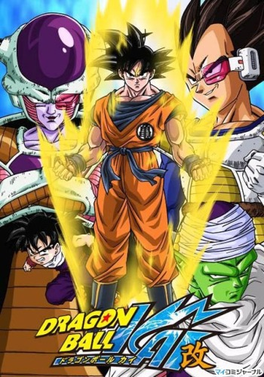
Eventually, though Dragon Ball would come to America and Canada and more than once. As stated earlier, the first round of dubbing kept the original episodes and dubbed them, but to mark the 20th anniversary of the western world’s reception of the Dragon Ball franchise, it was dubbed again with the subtitle Kai.

Like One Pace and Dragon Ball Z: Abridged, Kai recuts the anime and pretty much shortens the pace substantially. The original run of DBZ in the 1980s in Japan and its English version in the 90s, had an episode count of 291. When Kai came around, it cut the episode count to 167 episodes. Both of these include not just the three major sagas of the Z arc of the Dragon Ball manga — Saiyans, Frieza, and Androids — but also the rise of Majin Buu. Likewise, the original longer Dragon Ball Z had all those main arcs, stretched out, but also had filler arcs.

You could include a bunch of nonsensical, non-canon filler arcs back then as the manga would still be in serialization and several volumes in as soon as the animators were drawing the first cels of the first few seconds of the pilot episode. In contrast, when it comes to animation in the west, the storyboard and production phases would be planned out over the course of months for a weekly release schedule. Depending on the series it can last between 10-13 episodes or 20-26 episodes. Same goes for anime, though rather than batch release series, they’ve truncated the average run time from over 22 episodes to 12-13 episodes at best. There’s a wider discussion to be had about the treatment of animators, which gets away from the point of this post while also using secondary and tertiary accounts, but that’s best saved for another date. No guarantees, though, I’m not a Sith.

Maybe I am a Sith because I think this is absolute horse s[neighs]t.

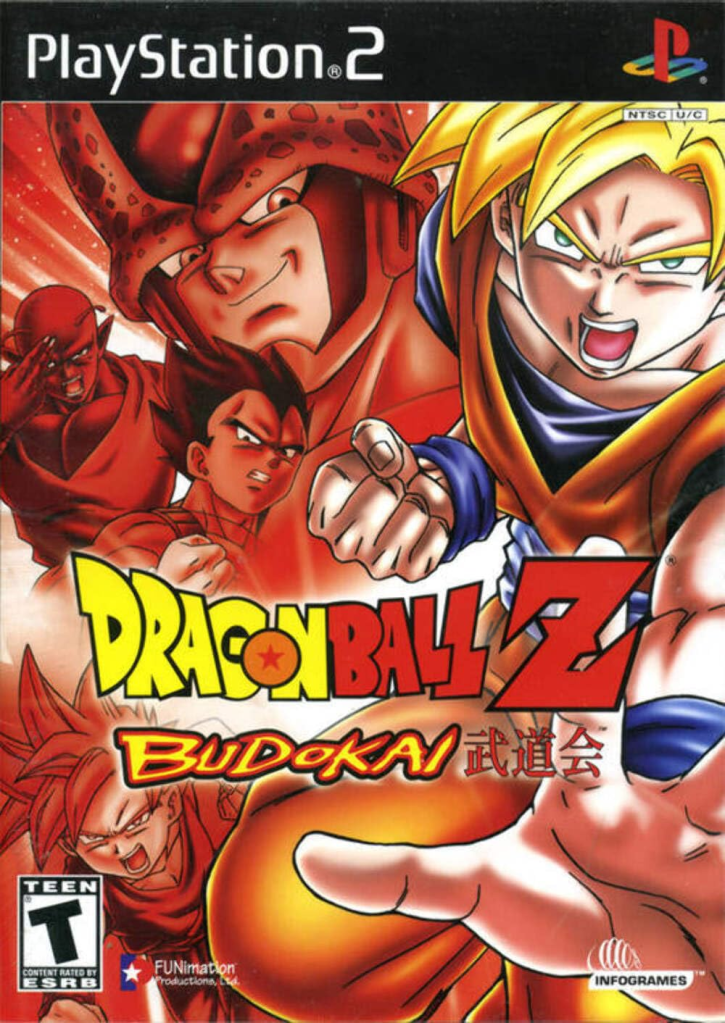
Every time I watch Dragon Ball Z anything, I default to the Kai dub because it was my introduction to the series on TV, though not exactly my introduction to the series. That came from the PS2 version of the Dragon Ball Z: Budokai, released in North America in 2002.

If I were Dr. Strange and I wanted to find a universe where Dragon Ball wasn’t also a video game for s[blasts]ts and giggles, I would be so short of results that the debt collectors would’ve broken my legs ahead of time.

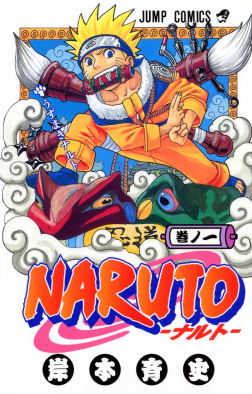
I was probably able to do it at a young age, given that I went back to watch Naruto from halfway through the Chunin Exams arc, as well as Shippuden from start to finish in order to get up to a certain plot point mentioned in passing in Boruto, but to be honest, the original run of Dragon Ball doesn’t jive that well with me. Many who were around at the time can easily go back to that dub or even the sub if they prefer, but I’ve been living off accurate adaptations of serializing manga and light novels. The comparisons between DBZ original and its manga would drive me nuts and there’s no steering wheel down there.

:D

I don’t care what anyone says, whether I’m missing something hilarious in the filler arcs or if their importance is lost on anime these days. I fully understand that that’s the case now. Not that all filler is a waste of time, but rather with anime adopting the seasonal model in the mid-2010s so to speak, there’s no need to chain the animators to their desks and keep them drawing until their hands bend in eight places.

I’m exaggerating, not every animation studio is doing that, but abridged series, official and parodical, show that there’s no need to rush the release anymore. For Kai, I may be an artist, but I’m not an animator and I don’t have an intimate knowledge of recuts, but my limited experience with video editing shows that it’s a bit more complicated than simply removing a few scenes or adding some. No matter what Team Four Star would have you believe. This may harken back to my lifelong difficulty of absorbing massive amounts of information in one sitting, which was why I hated school, but I’d rather watch the Kai dub a hundred times than try to get through the original uncut Dragon Ball Z. And not just that, I’m certain the human mind isn’t designed to or supposed to take in so much information so shortly. I can tell you the plot of some things I’ve watched or played even years after the fact if I’m interested, but speedrunning a series is how I miss some details. I like to absorb everything I can at my own pace, which is why I generally view animanga in a non-straightforward, nonlinear method. I need to let it simmer before I start serving the soup.

I’ve watched the Kai dub at least twice now because of this set up so I’m glad I can say that this works for me. The absence of filler arcs distracted me less and the rigid focus on adapting the manga this time around was easier to follow. Having said that, if you’re cut from the same cloth as I, you may find it easier to hunt for the Blu-Rays or pirate and torrent, especially now since “buying ain’t owning” anymore. And definitely the Kai dub so less time is wasted stretching a single frame or scene for longer than it needs to be.

Shame no other studio officially recut its long ass anime into shorter episodes before it gained traction in the last decade or rewatching original Naruto would be so much easier than it is now.

At least there’s guides to help pick apart the canon from the filler.

One Piece Progress: One Pace

An update on a declaration

Some time last year, I made a bold declaration to give some older anime series a rewatch, namely Giant Pirate Adventure and Space Monkey Mafia. I was able to watch Dragon Ball Z’s Kai dub on the Internet Archive from start to finish, at first before leaving for the Army, and again while in. For One Piece though, I made mention of its pacing problem before which kept me from watching it as consistently at first. Following that, I looked for the One Pace recut to do away with all the half-isode runtime that was standard practice at the time, if you’ve ever watched orignal Naruto, Bleach or the original cut of Dragon Ball Z.

I’m still in the process of completing One Pace after getting back into it from the insistence of a fellow soldier whose exposure to the series is more personal. So far, I’m on the Drum Island arc. Yeah, yeah, snails pace and all that.

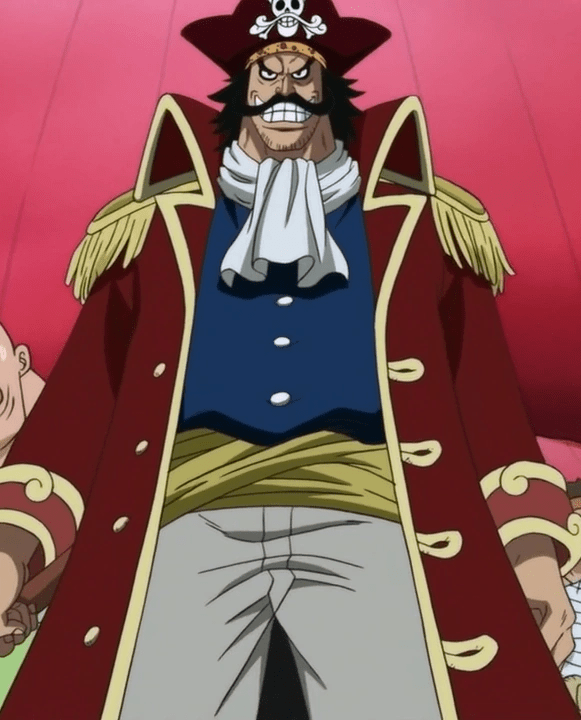
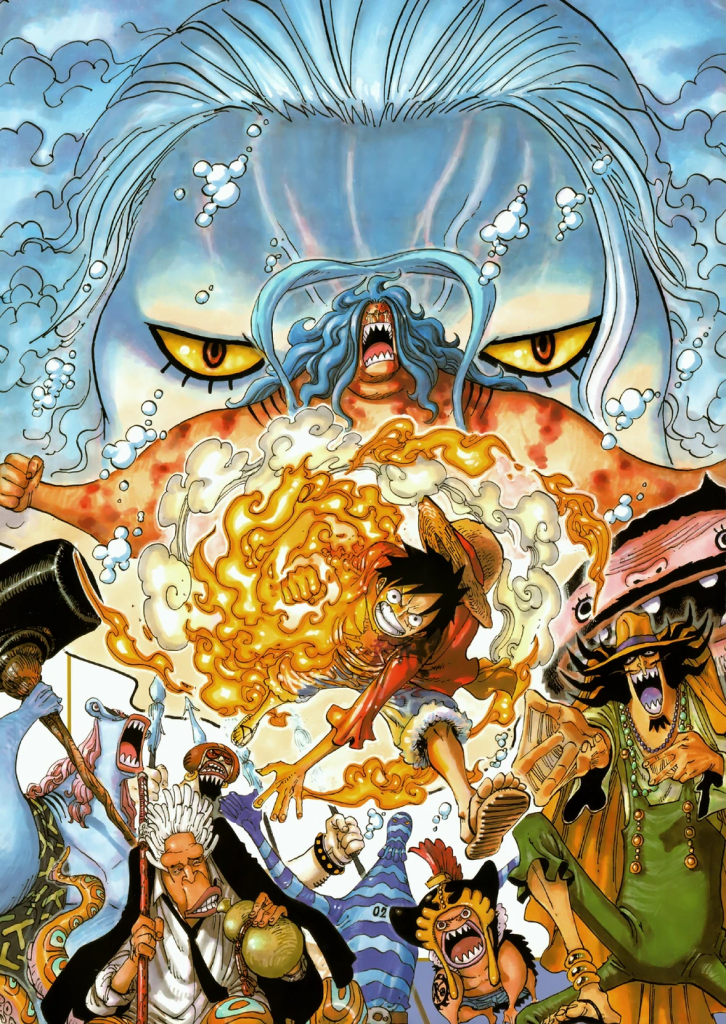
But I am rediscovering what appeals to so many about Luffy’s adventures. The core of the series is merely to search for the legendary treasure of the legendary Gol D. Roger: a posthumous character who took the location of his treasure with him to the grave.

There was something about Luffy seeing the execution platform that evoked several images and emotions. The most powerful pirate in history was caught and killed by the Marines, never revealing the location of his treasure, but sprinkling breadcrumbs for other ambitious pirates to follow. The risk of capture and execution is still present, but let’s think critically about what the pirates and the Marines means in this world.

To some of you reading, this may bring up things Hasan Piker has said about One Piece before being “pro-socialist, anti-imperialist” in design. I do see that talking point, but I personally don’t agree with it, since you can be anti-imperialist without being pro-socialist. Getting away from that, though, One Piece does have a slant against an oppressive government as seen in this clip:

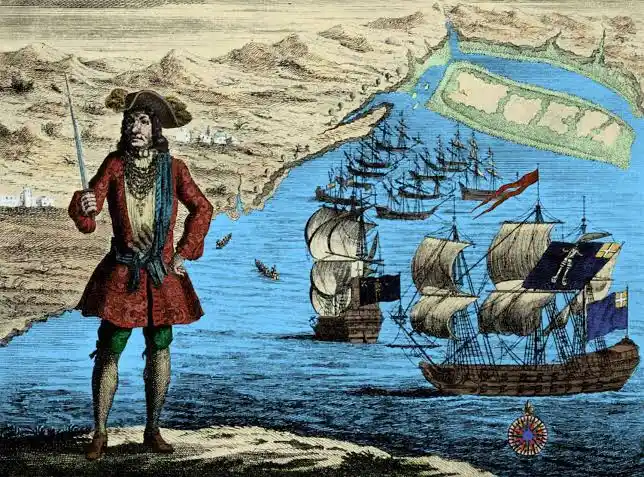
As I’ve stated, I’m not that far into the anime, but so far, looking at what Gol D. Roger did to get himself executed by the Marines is a question worth asking. This isn’t me saying he was a good guy. Going by his design, and just from what I can extrapolate from the openings, he doesn’t seem to be very different from Blackbeard or Henry Every or, one of the worst pirates in the Golden Age of Piracy, Black Bart Roberts.

Still following along, albeit, much less closely. It’s a monster series that’s still being released and even repackaged in 3-in-1 omnibus volumes after 28 years in serialization and counting. Not as massive as JoJo’s Bizarre Adventure, but it’s a contender for longest-running series next to Sazae-san and any soap opera/telenovela still on the air.

Maybe because of how long it is, I can make this a yearly thing. Perhaps by September next year, I’ll be nearly done with the Fishman Island arc.

Actually, since I talked more critically about One Piece this time, I think I can put my analysis of Dragon Ball Z in for next week.