My Mini-YouTube Movies Arc

Still ongoing, still finding new films to view

Although I’m as much a piracy advocate as Gol D. Roger, it’s not like the legacy services don’t occasionally give us something worth viewing. The way I got into watching movies primarily on YouTube (before looking elsewhere if what I wanted wasn’t available) began with that time I started to binge all the Terminator movies in rapid succession, next to a viewing of Saving Private Ryan.

For Saving Private Ryan, I recall in middle and high school how whenever the history classes progressed to World War II and eventually to the Allied Landings, they almost always showed the Normandy landings and it became something of a tradition to show the brutality of battle from the Omaha landings, the deadliest landing of just that day. But if you’re American, you’re history lessons probably stopped short of the fall of the wall or the collapse of the Soviet Union. Out of curiosity, I went to look up the entire movie and someone was ballsy enough to have it fully uploaded onto YouTube at the time, before there were ads and before YouTube started to turn to s[pop!]t.

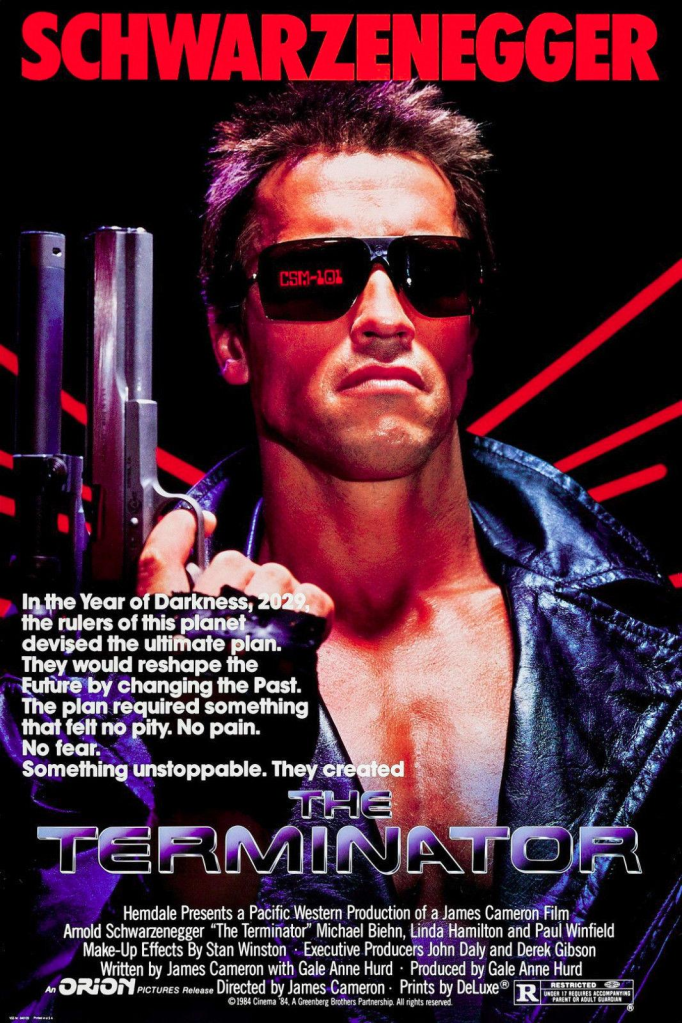
And as regular viewers would know, this was the same setup for at least the first Terminator movie. The original channel I watched it on a decade ago is most certainly deleted (and I highly doubt I can look up my YouTube history from ten years ago), but even to this day dastardly (read: heroic) YouTube channels with only about 20 people in their audience are uploading the full movie, risks notwithstanding. Like this channel:

Channel: INDY CAT PLAY

The graphic content will of course lock the movie to YouTube, but this is an acceptable sacrifice.

After that, it was down to looking for multiple different movies on multiple different pirate and torrenting sites. Gangster Squad, the 300 movies, Apocalypse Now, Full Metal Jacket, and several more. It was an occasional thing to do prior to community college and during the summer of 2017, it started to ramp up alongside that time I checked up on the Naruto series to discover that Boruto was a thing.

Maybe it’s because I took a break from Naruto that I grew to appreciate the successor series as well. But criticism still exists.

In between choosing my courses, I was on the hunt for new movies to watch, and prior to this, I had expressed an interest in military service by the end of high school. Unfortunately, I was 17 when I graduated and wasn’t able to convince my mom that even part-time service had its merits. “Try college first,” everyone said. You know how the classroom setting doesn’t mesh with everyone? That’s me. Learning by myself was always better than learning in a classroom setting, and there was always a pressure to get the highest scores. My average was usually a B- to B, tops. Except for Art, English and Foreign Languages which got me consistent A’s. The push for A’s across the board led me to lightly defy those expectations due to how Icarian and hubristic it felt. Also, every smart kid was a know-it-all with an attitude.

So I went from slightly above average high schooler to slightly below average college student. Seriously, my GPA took a hit due to my piss poor math scores. But away from that, a section of my free time was devoted to movies with a military slant, as a means to hype myself up. I was still determined to join the Army, and if I’m being honest, I probably wouldn’t have had that break in service from 2021 to ’24 if I had kept it a bit more realistic.

As for the movies I was looking for, there was never a single one-size-fits-all website for me to watch them all on, and as you’d expect, popup ads. Popup ads everywhere. But I was able to fight through the mess and make some pretty neat discoveries. The one website that I was able to watch my movies on was called MegaShare. I’m going off memory alone, but as I recall, the site had its server in Vietnam and momentarily went under in late 2020. A Google search during this draft reveals that as of writing this it’s still up and still functional, with TV series included in its lineup.

Watching anything on this site is a bit tricky without a VPN so good luck streaming Paddington 2 or Jigsaw for instance. These days, the majority of the content that I don’t always pirate comes from my subscriptions to Crunchyroll, Netflix, and Tubi, and for free viewing, there’s YouTube Movies and the Internet Archive, God’s gift to the internet.

Which brings me to the arc of YouTube movies made free with ads in between. It started in early June 2020. In the aftermath of the George Floyd riots, movies promoting primarily black casts and stories were made free with ads, and one of them was the saga of Philly detective Virgil Tibbs:
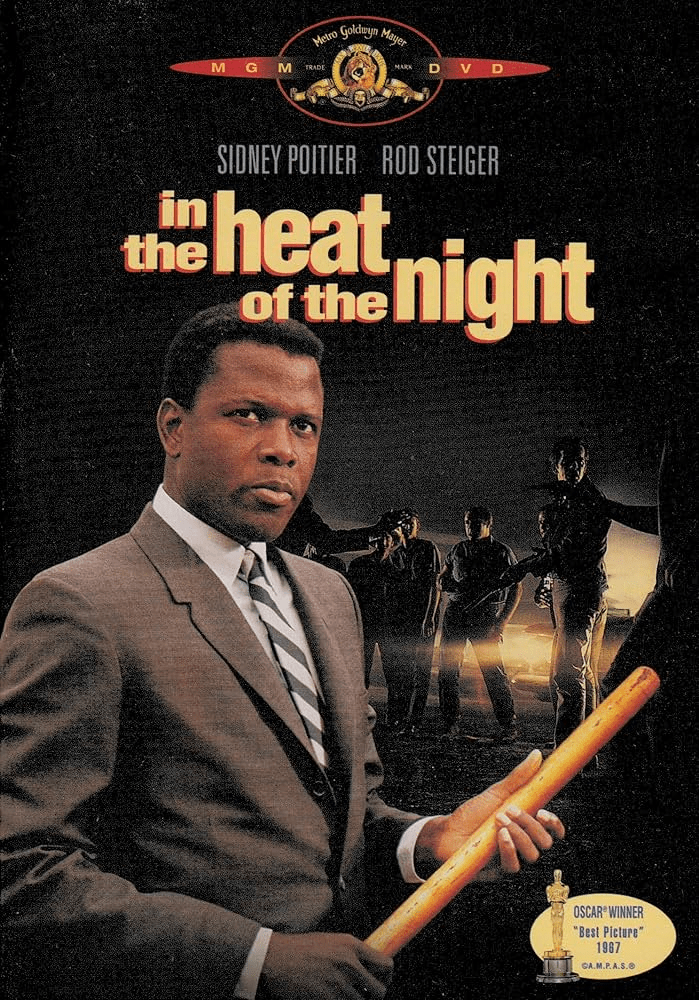
Filmed in 1967, starring Sidney Poitier and Rod Steiger, this movie was about a murder of an influential man in tiny Sparta, Mississippi. The racist police department not only suspects this out-of-town Yankee Negro of doing the deed, they point a gun at him while taking him in. However, when Det. Tibbs reveals that he’s also a cop, his superiors assign him to this murder case and his expertise wins over both the police, the victim’s next of kin, and even select townsfolk. A great movie that to those who’re old enough may have a few things to say about how segregation worked at the time, though probably a smaller net would need to be cast for on-duty cops from back then. My grandmother certainly has some surviving memories of Virginia. Not as far south, but still influenced by the Jim Crow laws.

Afterward, there was a blank period where I didn’t watch that many movies, until the last half of 2022. In the Army, if you can’t continue on in basic training, you’d still be allowed to graduate just at a later date. They’ll recycle you into another company either at the beginning or slightly behind depending on certain factors. I was getting tired of medical issues f[clank!]ing me over and I called it quits… which I was regretting. Playing the waiting game for the entirety of 2022 gave me a lot of time to kill as I couldn’t get a job. Eagerly awaiting the initial rejection, I just watched a handful of movies, two of which that stood out were The Mask and Tombstone. Fast-forward to the last quarter of 2023, where my second attempt at joining the Army bore fruit. Much of my time was divided between watching Lucky Star and Azumanga Daioh on YouTube through unlisted playlists and playing CoD: MW 2019 and House Flipper. This was also after my grandmother moved out to an elder’s home in Baltimore, so for the first time in my life I had my own room… at 24 years old…

The recruiter I was talking with through Reddit (true story) told me that my waiver had been approved and I was set for training at Fort Leonard Wood, Missouri the following January. With that out of the way, I watched as many of the movies as YouTube would make available. The list of movies I’ve seen is extensive, so instead I’ll grab three of the movies that I recall watching on YouTube. Not necessarily before the second attempt at Army life, but just on YouTube Movies

1. Black Hawk Down
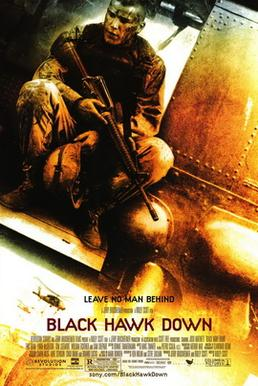
I was more than a little hyped up getting back into the Army, and one of the movies I watched was Black Hawk Down. The dramatic retelling of Delta Force’s worst day in Somalia in 1993. To gloss over some of the history, numerous factors helped contribute to the breakdown of the Somali government and instability in the leadership thanks in no small part to colonialism and the clan system. By the early 1990s, the Somali government hit the road indefinitely and numerous warlords rose up dousing the flames with gasoline. One of them, Mohamed Farrah Aidid, had been antagonizing UN Peacekeepers from Pakistan, and President Bill Clinton authorized military action to take him out. The tip of the spear had no idea what they were fighting, a trend that would curse the U.S. military, starting arguably in Vietnam, but continuing on after Somalia.

Channel: Armchair Historian

This video explains it in further detail.

A Black Hawk helicopter was blasted out of the sky and the new mission was to find the soldiers and get them out intact. Easier said than done, when the population of Mogadishu, radicalized and armed with small arms and machetes comes barreling down on your position. Delta lost two of their operators, Master Sergeant Gary Gordon and Sergeant First Class Randy Shughart, and it became a race to get the f[gunshot]k out of Mogadishu without losing anymore people. Mission failed. We won’t get them next time. Somalia is a failed state, yadda yadda…

I’ve talked about this last year, but that was to observe different military practices that are still in use today. For content, 90% of the movie is obviously focused on events from that fateful day, with 10% dedicated to the history and politics of the event. Completely historically accurate? Well, this website fills in the gaps that were scrubbed from the movie for brevity’s sake, but it’s not like there was a fictional account of a flying Pegasus so to that I’d say it’s 95% accurate.

2. Tropic Thunder

This one I hadn’t seen since I was a kid, and its content shows that, on the one hand, it’s best when things age to show the difference between the culture of media then and now, but on the other hand, biting satire like this is sorely missed in this day and age, especially with social media companies making idiot moves in recent history. Cancel culture anyone?

The premise of this comedic masterpiece is that four actors are joined together to adapt a novel of a Vietnam war movie and the production goes awry at every turn. Not because they can’t get film rights, but because of on-set clashes between not just the actors, but also the producers. The studio decides to throw them into Indochina and film them with hidden cameras, failing to realize that they were dropped into the Golden Triangle, a region swaddling Thailand, Laos, and Myanmar where much of the world’s opium is cultivated, typically under the thumb of the nastiest gangs in Asia, to include Triad groups.

Of course, the actors find themselves somewhat held hostage by these guys and the movie turns into an impromptu rescue mission that harkens back to the Project 100,000 policy during the Vietnam War. As for the directors, they have a very clouded “show must go on” mentality and fail to realize who has their stars hostage.

The comedy comes from all the politically incorrect writing and satire. This movie pulls zero punches in taking the piss out of everything. Hollywood’s controversial casting choices, the portrayal of disabled characters by able-bodied actors, the drug use among the Hollywood elites, the draconian control of select studio execs, directors, and other production staff; in an alternate universe, Tropic Thunder would’ve been a documentary. I’ve made jokes elsewhere online that comedy is prophetic and I’ve been seeing it less as a joke and more as the truth these days. No matter your beliefs on a variety of topics, I can’t encourage you to watch this enough. If you’ve seen it before, like I have, give it another watch.

3. No Country for Old Men

Based on the novel of the same name by Cormac McCarthy, in 1980, West Texas hunter, Llewelyn Moss stumbles upon a drug deal gone wrong and takes the money for himself and his wife. Knowing an agent of chaos is after him, he goes through numerous lengths to avoid this amoral hitman, all while an aging sheriff tries to reach him before cartel bullets do.

This movie is called by some the pinnacle of the western genre brought to the modern age. Changing world, untamed land, conflict between nature, society, and mankind; I can think of different media that fit this mold.

No Country requires an elevated level of thinking. It gets a lot of flak from some for the way it ends, which I attribute to a misunderstanding of the western genre. Moss may have been the protagonist, but he’s not necessarily a good guy. His adversary, Anton Chigurh, is both an antagonist and a bad guy and the sheriff Bell is honestly at a loss. When the camera pans to him, he feels like he’s useless and out of his element. Things made sense ages ago, but that age is no more and there’s not much he feels he can do. Moss and Chigurh move at a comparably breakneck pace in their search for the money. Most analyses of the movie are about Chigurh, but not a lot mention Sheriff Bell at all. The movie introduces his character several minutes in, but he has the first and last lines in the movie. I don’t have the analytical expertise to talk about Bell’s place in the movie or the novel (which I haven’t read), but I say he deserves some exposure himself.

YouTube movies can expose you to some films you didn’t know you would like and with a healthy library to show for it, you could easily get lost looking for something to see. No, really, it’s a labyrinth, bring a map… and maybe something to distract the minotaur. For a fourth surprise recommendation to complement the three here, have this:

No staff members were sacked in the production of this classic.
The Cartoon that Satirized Anime Before it was Cool

One in a million

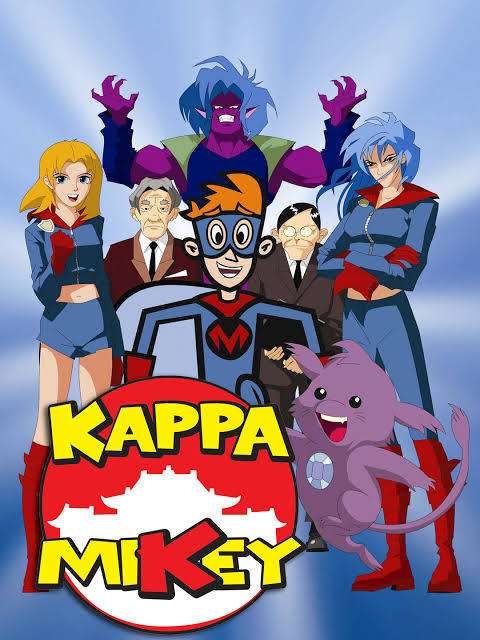
There have been numerous non-Japanese animations that have aped the art-style and, at times, tropes of the medium over the years. Sometimes a single episode is dedicated to taking the piss outta anime, other times it’s the framework of the entire show. You can pick some of your favorites, and while some of mine come from French-produced animations that Nicktoons Network was able to air in the US, one particular show jumped on the same bandwagon and in a more crude manner than its contemporaries in Europe. Enter Kappa Mikey:

Created by Larry Schwarz and his production company Animation Collective, it was given a home on Nicktoons Network, Nickelodeon’s redhaired step-child channel, from February 25, 2006 to September 20, 2008. The premise of the show is 19-year-old Ohioan fumbles an audition to become an actor in Cleveland and gets shunted by the auditioner for his inability to act. Elsewhere, the cast and crew of a Japanese tokusatsu children’s show called LilyMu are eyeing up the wall where the kanji for “financial ruin” (財政破綻) is being written. Their boss notices and demands the director come up with a solution to fix it or they’ll be jobless in no time. After a series of stellar auditions that go nowhere, the crew resorts to a contest on a series of scratch cards, some of which blow in the wind and find themselves in the failed actor’s hands in America.

As luck would have it, it’s the winning ticket, and since becoming even a B-list celebrity in the US is a bust, it’s time to see if the Japanese populace can be won over on this struggling TV series. Sure enough, the fish out of water wins over Japanese fans and breathes new air into the show.

The format of the show is like most comedy anime and even a few western cartoons. Rather than separate the A and B subplots of the episode, they tend to blend into each other, first being introduced as separated entities until they converge roughly 3/4 or 4/5 into the episode’s run time. As for the animation style, it’s a mix of eastern and western animation styles with the American having his distinct art style separate from his Japanese and other non-American counterparts.

The cast of the Kappa Mikey series consists of LilyMu actors Michael “Mikey” Simon, Gonard, Lily, Mitsuki, and the director-producer, Guano. Above them are the literal suits, their boss, Ozu and his Yes-Man named as such. Mikey is the orange-haired, blue-shirted American who does silly and ridiculous things when not acting as the new addition to the LilyMu team. On the set of the show, he’s the star and main hero, a position that would’ve gone to his co-worker, Lily, if it wasn’t for his introduction into the show and is the main reason for her off-screen aloofness towards him.

For Lily, her character design is across between Inuyasha’s Kagome Higurashi and Sailor Moon’s Usagi Tsukino, but personality-wise she exudes a type of tsundere exhibited by Tora Dora’s Taiga Aisaka and Lucky Star’s Kagami Hiiragi. Her language may not carry the same weight after 20 years, but at the time, she was so liberal with the use of the word “spaz” that a concerned British parent may as well investigate further before muting the telly because of how dangerously close that is to the word “spastic.” Sidenote: If you’re curious why that’s a taboo word in the UK, in the Americas it carries the same connotation as the word “retarded.”

Gonard is built like an off-brand Raditz sans scouter, armor, and death by Kakarot, but has the same role as Raditz and just because he isn’t plenty dead enough, lots more screentime. His role in the LilyMu TV show is that of the villain with all the gadgets and gizmos that either inspired Heinz Doofenshmirtz in Danville to build his own or inspired him to take on a lawsuit because that Japanese show took all of his ideas!

But the Tokyo Metropolis is well outside the tri-state area and Doof’s mission is to be a doofus.

When off the show, Gonard is simply the good-natured dimwit who eats everything that is known to edible while also experimenting like that one episode of Teen Titans when Cyborg’s module malfunctioned and he saw food everywhere. Gonard is essentially Patrick Star from the ridiculous ideas, to the green shorts, even to the body type, though instead of hefty, Gonard has noticeable muscle mass. As a result of being the villain on the show, one episode hints at him being feared by those with a surface level knowledge of the show he plays in. And this is a real phenomenon where kind actors are too heavily associated with a great villain they have or currently portray. See Sir Anthony Hopkins and Hannibal Lecter for more details.

Mitsuki is the polar opposite and foil of sorts to Lily. If Lily was like Kagami from Lucky Star, Mitsuki is a bit like her sister, Tsukasa. Furthermore, Mitsuki instantly took a liking to Mikey once he landed at Haneda Airport and has an immediate crush on him at first glance, despite his general idiocy and whatnot. Sadly, it’s not very reciprocal as Mikey himself has a one-way crush on Lily. The reason given in a Season 2 episode being that she has a competitive, risky edge to her, compared to Mitsuki who could best be described as what Jotaro Kujo considers a traditional Japanese woman, or “yamato nadeshiko”. Quiet, demure, considerate, but also smart and unflinching. I don’t know if the “blue haired loser girl” trope is this old, but if it’s not then that means Mitsuki is either the progenitor or an early source of the trope. On the show, she’s fiercer and tougher than she is off screen

Guano is the purple-dyed Pikachu reject and nervous trainwreck that manages to keep the show held together with homegrown gorilla glue and 20-year-old Flex Tape, and it’s fairly obvious why he’d be that. He’s the director and Ozu and Yes-Man breathing down his neck put him on edge, especially when things go diagonally. On the show, he lives up to the rip-off Pikachu by merely repeating his name with each action or attack he pulls, especially with the large gemstone in his chest. Although the gemstone functions and shoots lasers, its reserved for other emergencies both on the set and on the Kappa Mikey show as a whole, merely having the same function as the gem or laser eyes on Frylock’s back in Aqua Teen Hunger Force.

For Ozu and Yes-man, Ozu is the man who can feed or starve his actors, pay or withhold pay, pull the plug or keep life support on. Long before Benson the gumball machine on Regular Show would threaten to fire Mordecai and Rigby, Ozu did it several years prior and normally did it to Mikey, but sometimes he extended it to the rest of the cast if the screw up was that egregious. Opposite the iron footprint on the floor, he’s consistently shown to butter up Mikey and consider him the prized piece that makes the show whole. As an inseparable addition to the show, keeping Mikey in good graces is his main priority. He doesn’t always do this to him out of genuine kindness, but it hints at one aspect of Japanese and, by extension, East Asian face culture. Maintaining an image of grace and harmony keeps the tabloids and journos from slandering you every minute. As a contrast, the employees are societally obligated to also make the boss and the company look at its absolute best 100 percent of the time. And this is all a satire as the reality on the ground still exposes even East Asian companies to scandals and controversies of their own. Nintendo, Konami, most Korean chaebols (itself a different snake pit), Alibaba; being based in East Asia doesn’t save these kind of companies from human error, negligence, or even malice.

Finally, there’s Yes-man who’s more of a caricature than an actual character. He’s a parodical gag of an existing character in other media and at times in real life. A cheerleader in a suit for Ozu himself, he’s not exactly meant to have any development whatsoever, merely an exaggerated side-character to point and laugh at. A jester of sorts.

This video by Jordan Fringe explains the production side of things:

Channel: Jordan Fringe

For two seasons, Kappa Mikey ran largely unimpeded by any outside forces. It was pitched by Schwarz as an “American-style anime series” and considering what I’ve grown up on, it’s been preceded and surpassed many times depending on what you consider an American cartoon whose art-style is heavily influenced by Japanimation. The Boondocks and Avatar: The Last Airbender for instance but neither are very well-loved in Japan in particular or East Asia very widely. The former was made by Aaron McGruder as a reflection of black American culture which will get lost in translation, literally, when exported abroad and the latter does its best with its source material of wider Asian folklore and mythology, but without the core tenets of Buddhist, Taoist, or Confucian beliefs, the face culture, or the courtship, it would at best be limited to a cult following outside of the west.

I haven’t even the slightest idea if this show has popularity in the country it takes the piss out of. On the one hand, it’s theme song is sung by a J-Rock band called Beat Crusaders, but on the other hand, Nickelodeon’s practice of hiding mid-tier TV series on Nicktoons Network and praying no one would notice when iCarly and Drake and Josh and SpongeBob were on the air left it to its fate of obscurity, at least for those who couldn’t afford cable.

Damn, I miss this logo…

Now that’s pretty much the show and its lifespan, how did it end? Or more to the point, why did it end? It had the energy to get at least another season or two. Perhaps even a made-for-TV movie. In that same video by Jordan Fringe, no clear reason was given except for speculation over budget constraints and a low viewership. Considering it was on an affiliate channel at the time and not likely not a major priority for the likes of Nick and Viacom, I can’t help but feel some sabotage was at play and as biased as it may sound to say about a studio over one show, there were a lot of shows that got shunted and only found wider success of sorts on the smaller channel. Some of the shows being legacy series that were given a modern reboot, though the results were far more mixed.

For a rather primitive though mid-2000s charmed show about an American becoming a Japanese audience darling, the entire series can be found on the Internet Archive for your viewing pleasure. Not to mention one I’m watching out of order since the callbacks to earlier episodes are few and far between.

Solo Leveling and Jujutsu Kaisen

A pair of anime darlings in this day and age

It isn’t everyday that new anime debut and take the world by storm… or maybe it is since the audience is starved for a brand new bevy of releases to christen the Big Three of Anime. The western anime fans are still in search of those that can lay Bleach, One Piece, and Naruto to rest and as far as contenders go, the early 2020s have so far seen two of them go back and forth in popularity: Jujutsu Kaisen and Solo Leveling.

JK debuted in 2018 as a serialized manga running for 30 volumes until 2024 and SL started sometime in 2016 and bounced between publishers online as a Korean webcomic until it got a physical release the same week as JK for 14 volumes of its own, releasing its final chapter in 2021. I admit that I was late to the party, coming on for both JK and SL only this year, and I’ve made better progress in the former than the latter, though still stuck on the first season. Not to mention how inconsistent I am with my viewing, so the remainder of this double bill will default to Wikipedia. Starting with the first:

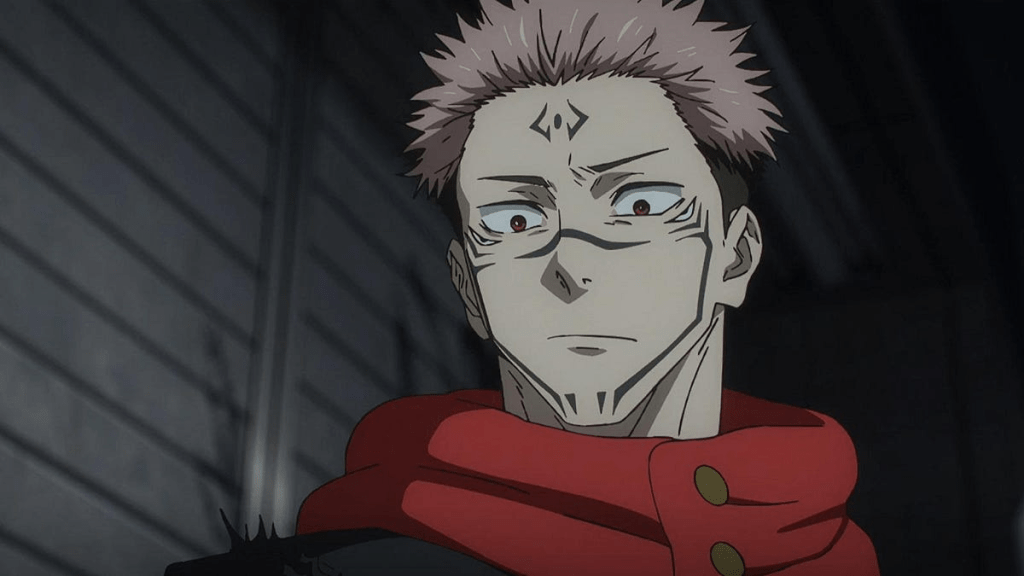
A supernatural story involving yet another orphaned adolescent who gets chosen by a demonic power that doesn’t kill him but lies in his body as a host and comes out to puppet his latent abilities. Of these, is the famed Domain Expansion whereupon an alternate dimension opens up where the user is given free will to do whatever to win the battle. Something something victory is god and the user is pope fare. The orphaned adolescent is pure of heart, innocent Yuji Itadori. His sickly grandfather leaves this mortal plane with a dying message to always stay kind. Easy instructions to follow since that’s all he wants for himself and his friends.

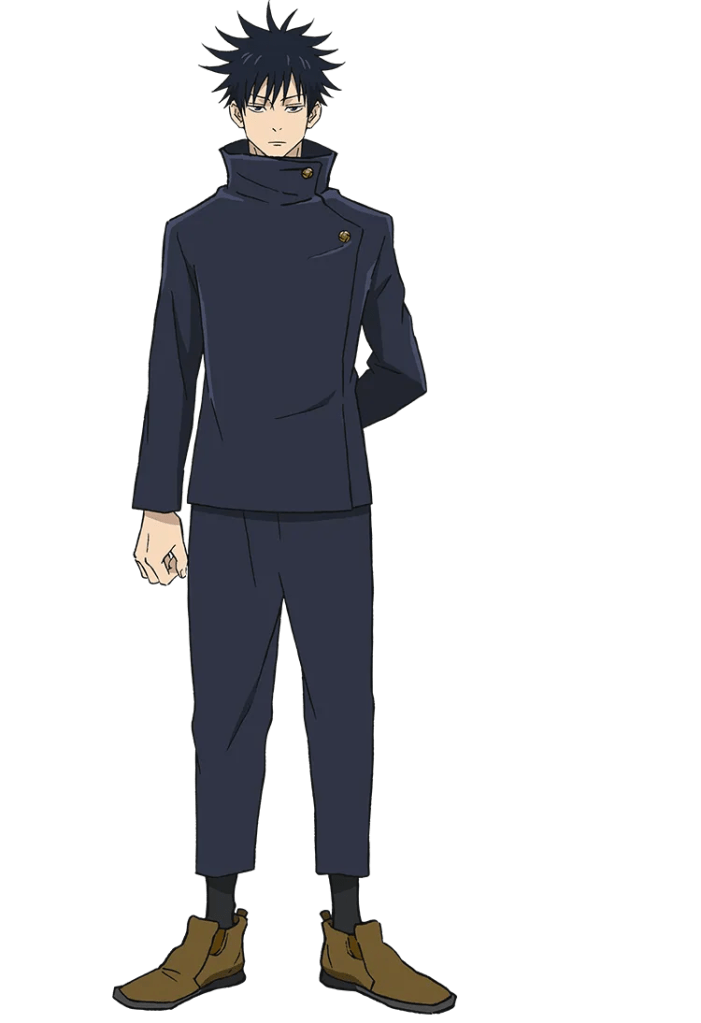
Afterwards, he continues life in high school and runs into people with some of the aforementioned abilities, starting with Megumi Fushiguro.

Fushiguro is what is known as a Jujutsu Sorcerer, part of a secret society of sorcerers tasked with protecting the innocent from ancient evil Curses. One way in which this is achieved is by collecting scattered demon body parts, some of which belong to the worst known as Ryomen Sukuna. In one such encounter, Fushiguro finds students who find Sukuna’s disembodied finger. Understanding the inherent evil in just the severed appendage but not yet knowing how it works, Yuji swallows it whole allowing Sukuna to dwell within his body.

Here, the demon acts as Yuji’s id, or from what I’ve seen thus far, tries to. Yuji still maintains control of the flesh, but will call upon the evil within to get him out of a particularly tough battle. Though he has the powers of the demon at his beck and call, he’s not exactly an expert and in the eyes of the Jujutsu Sorcerers, he’s marked for exorcism and eventually execution. In the series, select individuals — to include Yuji — have the ability to control such evil, and before they become experts in this ability, they attend school at any one of Japan’s government-sponsored Jujutsu Sorcerer academies.

Bearing witness to this course of opening events is Fushiguro’s senpai, Satoru Gojo, who elects to stay the impending exorcism so that Yuji can learn how to control the demon within. The chimp has the rifle, but good luck expecting marksmanship or trigger discipline from the great ape, which is why he initially struggles to perform in combat. After Gojo helps Yuji transfer to the Tokyo branch of the Sorcerer academy, the series gets its proper start in the format we’re all familiar with and those of you who haven’t seen it, if the occult is up your alley, then give it a watch.

Personally, I liked the premise enough to progress to 2/3’s of the way through Season 1. Now, my work schedule has kept me from completely finishing the series and I’m notorious for bouncing between series. I’ve mentioned it yonks ago that I’m not a fan of the binge culture spearheaded by the likes of Netflix and I like to take my time with series, especially new ones. The cost of this is that a lot of time is put between viewings which leaves me to play catch ups in my head or do research prior to picking it back up or both. For what it’s worth, my memory works well enough to keep me from having to do that as frequently save for these blog posts–usually the next episode helps jog that memory.

This era of anime has since done away with the worst forms of Recap Syndrome that have stuck with the medium for decades, and I consider myself lucky enough to have such a memory, but for other people who binge their series, this is probably one of the most inconvenient times to discover anime. At least the pacing hasn’t taken a serious hit, and in some ways has improved due to the direction of the blowing wind now. For me, I maintain that spacing allows me to think about what I just watched, whereas binging gives me a lot all at once and there’s only so much I can take these days.

Back to Demon Hunter School…

…not that one.

The driving force that keeps me from forgetting about the series is the occult nature of it all as well as the drip feeding of Japanese folklore, namely the series’ interpretation of famous Yurei and Yokai mythology. Why didn’t I jump on it as it was popular? Especially since one of my favorites, High School DxD, is the occult with T n A? I don’t chase trends, especially as they air or debut, which is why it’s taken me ages to at least check out My Dress Up Darling for instance. Damn, this castle manor of anime endlessly expands. Did I steal the blueprints for the Winchester mansion or something?

Well, whatever, onto the rest of this double bill with Solo Leveling:

Alternatively titled, Only I Level Up, Solo Leveling has a few occult themes in it, but is merely wearing the skin of a homebrew DnD campaign. Contemporary South Korea has a map of different dungeons that are far too dangerous for the Republic of Korea Army to attempt to clear out by themselves, even with U.S. military aid, but a subsect of people exist with different abilities to help clear them based on their skill level. E-tier or worse? You get s[punch]t. B-tier or better? The dungeons get worse, but you come out better. Sooner or later, you’ll climb out of hell wearing the devil’s skin as a shirt and his head on your hip.

From that description alone, and based on other Korean media I’ve been exposed to, the tropes exist within the Korean online gaming market (sans CS:GO) with monsters and enemies that exoticize the different DnD races while holding back on the East Asian romantic picture of western European court and nobility. The protagonist here is low-level hunter Sung Jin-woo. He gets chosen by virtue of being the last of his hunting party when nearly everyone gets their s[crunch]t stomped in by the monsters and possesses an ability no other hunter has: the ability to level up, thus giving the title its purpose. Every other hunter has their abilities set in stone, but the powers that be choose him to be the one to level up from paltry E-tier to god pulverizing S-tier.

Credit: u/MaxSupreme369, r/SoloLeveling

I wrote ages ago about how historical and political circumstances led to the Korean government to heavily vet and scrutinize nonpolitical media and the likes for any anti-government, pro-North Korean/pro-communist sentiment, which I think severely limited outside exposure to webcomics (along with ancient Internet being even more closed off), and I maintain that these circumstances are why Korean webcomics are still in their discovery era even now as series are still being discovered, despite some of them debuting their first chapters years ago.

For Solo Leveling, a bevy of outside factors seem to have also influenced its central themes. The premise of dungeon raiding has deep medieval European roots, the caste system has medieval Asian roots, and as explained in this video, the concept of killing God and defying fate has specifically Japanese roots. At most, the only thing Korean about the series is its setting, Seoul, its characters having Korean names and abandoning the character design philosophy of “Mukokuseki,” where characters have nontraditional hair and clothing senses so that the viewer can self-insert into their favorite characters. I feel the concept is better used in Japan than Korea given geopolitics, and successive authoritarian Korean governments having a more noticeable thumbprint on what was previously allowed to print.

Fortunately, this hasn’t affected this specific webcomic all that much in a way that was noticeable to the untrained eye. But it still has a few of the same problems from the True Beauty webcomic, in that the main character needs an outside source to become a better version of themselves in order to be accepted by their peers.

I am still speaking from an outsider’s perspective, and if everything I’ve read about Korean culture is even somewhat true than I’d probably look to Europe as a source of freedom from my mundane at best Korean life.

Solo Leveling also deserves a watch for those who enjoy the DnD-ness of its format, but to measure it up against the likes of JK… I still lean more Jujutsu-ward than SL. Both are great in their own right, with interesting characters in a creative and compelling story, but at the risk of throwing Korea under the bus like its neighbors have done so historically, JK pulls me in much stronger than SL. This very blog is evidence enough that I game to a supremely unhealthy degree and if I’m being honest, the games are all the solo leveling I need. This isn’t me saying “I don’t like character arcs,” no sane person would say that; rather it’s me saying that “I don’t find Solo Leveling’s presentation to be my particular cup of tea.” Basically this meme format so as to not mince words:

Still, give it a watch if you wanna see Sung Jin-woo get a comically larger chin without having to Habsburg his way there.

Miss Kyoko Takizawa, My Beautiful (Busty) Boss

The Life and Times of a Busty Office Lady

After over 150+ chapters of this manga, and years of fanart, I’ve come to the conclusion that its existence was used as an excuse for artists try and draw its title character in various outfits and hairstyles. Except by “artists,” I mean “creator” Yanbaru, though countless other artists have aped his art style in order to draw Takizawa-san.

Artist: AfterProject

Oops, I’m jumping the gun. Let’s properly introduce the series. Created by mangaka Yanbaru, Bijin Onna Joushi Takizawa-san (rough translation: My Beautiful Female Superior, Miss Takizawa), is a yonkoma/4-panel manga about office workers. A slice of life that cheekily takes the piss out of Japanese work culture, at least on the mild end where the bosses aren’t evil. You’d need Japan’s answer to Trey Parker and Matt Stone if you wanna take the piss out of Japanese black company culture, and biting satire, though honest, requires an above average number of braincells before the powers that be realize that it’s a plea for change masquerading as a comedy act.

But I digress, it’s primarily a comedy with romantic elements thrown in later into the manga, and quite late I might add, at least 50 or 60 chapters. Sounds like a dissuasion, but the benefit of a yonkoma format is that you can blaze through the first 20 chapters in under five minutes. It would surely explain Azumanga’s popularity back in the day.

Lovely Boss Takizawa starts off with baby-faced new hire, Kota Takeda, starting his job at a company under which he’s accepted into Takizawa’s department as her underling. The first few chapters show Takeda getting accustomed to the office life at this place and his slow introduction to some other characters. The unnamed Section Chief is meant to be written as a comic relief character, but with the gag being that he makes off hand comments about Takizawa’s extra large bust size, very much to her chagrin. This adds him to the shortlist of manga characters with a sexual harassment case as thick as a Yellow Pages. A step above Minoru “Grape Juice” Mineta of MHA fame, but somewhat below Minoru Kobayakawa who’s a lolicon at best, and pedophile at worst.

Mingling with his contemporaries, Takeda meets Shimizu who can best be described as a slacker, but not necessarily harmful to his own or Takeda’s personal development. A middling bro who means well but if given a character to bounce off of with a similar personality comes across as a Rigby to that character’s Mordecai. Wait, that’s pretty much Takeda’s role when I think about it, but the Regular Show comparison ends there since there aren’t any supernatural elements that damn near explode a local park every day.

By the time Takeda’s largely embedded into the company, another newcomer joins up in the form of Aya Miyamoto, a nervous young woman whose exposure to men her age was so severely limited as a consequence of graduating from an all-girls’ school. She has a bit of an anxiety towards men and thanks to her being introduced to Shimizu and the Chief of all people, her anxieties are realized. Thankfully, she makes contact with Miss Takizawa who metaphorically slaps them into gear and helps reintroduce Miyamoto to Takeda whom she regards as more trustworthy and less “dangerous” than the other two.

Away from the 9 to 5, Takizawa and Takeda grow closer and closer to the point where Everybody Knows but Them rears its ugly head, but more to the viewer than towards the other characters. Some, like Shimizu have their suspicions, but no one knows better than Takeda’s sisters, imouto Yuki…

…not that one.

And anee-san, Kaoru. I jest about Yuki Takeda and Yuki Suou right here, but the comparison isn’t as apt as I teased. They both read manga, though Yuki Takeda favors Shojo romance then Suou’s outright smut. I’m still catching up to the manga, but from what I’ve seen of Yuki, she shows her love for her brother in a funny way. Practically screaming at him to be a gentleman when around Takizawa, even though he was already doing that on and off work. Aggressive wingwoman box ticked.

For the more passive wingwoman, Kota’s older sister, Kaori, is more foxy in a manner of speaking. Being the first born, she teases her siblings left and right, and seems to do so indiscriminately every time she hangs out with Takizawa. In one such instance at an arcade, they’re playing all the games, and Kaori ends the trip getting more than a little invasive. Poor Takizawa. She’s already playing dodge harassment at work and Takeda’s older sister shows that she’s not safe from the same treatment around Kaori. Still, she exemplifies the opposite end of the spectrum where she seems to be pushing Takizawa towards Kota while Yuki does the same for Kota, pushing him towards Takizawa. I say passive in the sense that Kaori’s intensity shines less in how she accomplishes her mission compared to Yuki, but going by my description she’s still aggressive towards Takizawa. In that category, we may have to hold off on that tick or at least add an asterisk.

Does their hard work finally pay off? Well, after over 100 chapters of “will they, won’t they” teasing, I’m pleased to report that they do become an item, and some of the reactions around the office are funny. Most of the time, it’s generally seen as a bad idea to date a coworker, least of all someone in a managerial position, but in reality it’ll still happen and under ideal conditions, with a relationship that grows organically, this can blossom into something beautiful. So that’s the romantic aspect, the comedy aspect zeroes in on Takizawa’s F-cups… or G-cups or larger.

For an easily lewded character, I’ve yet to see someone even try to get her measurements. Even Yanbaru himself hasn’t bothered with this, AFAIK. I’ll just leave it at G-cup and call it a day. If that’s the case than most of her bras would either be special order (not too hard considering her position and its regular salary) or she’d have to look online for bras normally marketed to heavy-set women in Britain and America.

Do I give this series a recommendation? Depends on what you’re looking for honestly. If you’re looking for boob jokes or commentary, most of them come from the Chief or Shimizu and they’re not good parameters for comedy. If you’re looking for something akin to Kiyohiko Azuma, then you’ll find that in spades. The later chapters do still have visual gags like Takizawa’s boobs bouncing every which way, but I figure when your chest is big enough to shake your table if you plop them on the top, that mostly comes with the territory. And if you want to see a romance develop in a yonkoma, well you’re in for the long haul. Slice of life stories tend to have to fight to be seen or heard when every animanga these days is about balletic, bombastic fights and pseudo-kung fu mysticism, but this works in Great Boss Takizawa’s favor seeing as it can be break from the Jujutsu Kaisens and Solo Levelings getting all the praise these days.

For as much as I like this manga, pacing can summon the Sandman in some areas and the Azumanga Daioh is strong in the story structure seeing as this kind of format favors nonlinear storytelling. There is progression in the story, but with each chapter being written the way it is (usually apropos of nothing until a prior plot point is connected), it can be something of a chore in some areas. But the announcement of Takeda and Takizawa’s relationship developing is something to look forward to at least. For now, all the chapters are available on MangaDex with regular updates, but if you wanna find a pirate site to read it, then by all means. Beware the sidebar and pop-up ads.

Artist: yan-baru

Yanbaru may be having fun with putting Takizawa in outfits like this, but reading the manga shows why she’d never wear something so provocative.

The World of Japanese Live-Action Cinema

Same continent, Different History

Full disclosure, the first topic lined up was meant to be about the Senran Kagura series, but I haven’t been playing it as much as of late. Work-related stuff among other things took my time, and for the style of gameplay, I’ve seen better. At least it has an anime adaptation. Next to that, was about a series that was subject to limited release outside of Japan — Idolmaster, only I’ve mentioned it before and without access to the whole of the franchise, I’m not able to review it in the manner I’d like. Typically, I start at the beginning, but the circumstances that created this series in particular are only available in Japanese arcades with the Xbox 360 port dying with the console, making the first installment in this franchise semi-lost media. So instead, we’re sticking with Nihon and talking about their movies.

As far as old movies go, whatever I could get my hands on I’d always given it a watch. In community college, I watched 1932’s Scarface and 1933’s King Kong. I managed to find the 1982 film The Wall based on the Pink Floyd album of the same name. I recommend all three by the way. And all of these plus similar films have been my go to for years, from my piracy era to my movie theater era. I’ve heard from the Extra History channel on YouTube in their series on Japanese Militarism that when it comes to studying societal changes in the Axis Countries during WWII, Germany and Italy get over-studied while Japan frustratingly has been under-studied or brushed aside, presumably because they don’t have an equivalent to Hitler and Mussolini, or rather no civilian equivalent with the Japanese military dragging the society down into Hell with them one assassinated politician at a time. I bring up the historical blind spot in an admittedly faulty comparison to my own approach to the Japanese film industry. I’m American, after all, my first movies are going to be American. Sometimes, British cinema will spillover.

Guess I was always a sci-fi fan, I was just denying it because the genre was so broad.

Only recently have I been watching Japanese films and a lot of them are damn old, coming from legendary names in Japanese cinema, Akira Kurosawa, Yasujiro Ozu, and one other one I discovered whilst researching this topic, Kenji Mizoguchi. These three directors formed the foundation of post-WWII Japanese cinema in the 1950s during the Golden Age. By the time they were making film after film, Japan already had a storied cinematic history, though looking at the world the country left behind in and entered in favor of, one can see what kinds of films were being made especially during the late Taisho and early Showa periods. The short version of the history of the motion picture largely boils down to an amalgamation of centuries’ long efforts to get pictures to move by themselves, a means to record a moving flipbook and similarly, movements of this type popped up in East Asia.

Early films, as you can expect, are unimpressive considering what populates our screens, streaming services, and theaters today, but to Frederick Harrison Burgh in 1898, regular photos of the every man to his left and right were given life before his eyes. I didn’t exactly take any history of cinema courses, but I can also imagine a playwright of some kind looking at the first film directors in human history and incorporating the ideas into his plays or straight up becoming a film director himself in part or whole–to varying degrees of success. Maybe a combination of these, who knows?

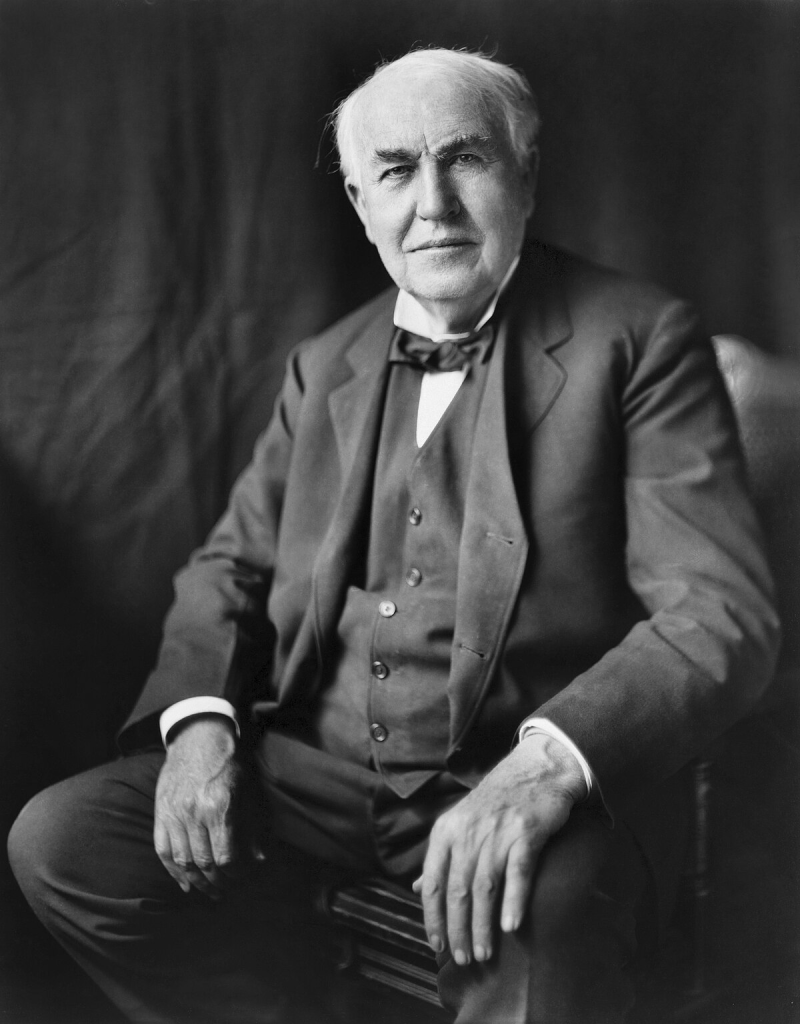
Even when Japan had more or less completed industrialization or neared its zenith, they weren’t done learning from western innovators, such as Thomas Edison.

Far from the progenitor of filmmaking, his inventions and contributions to cinema in particular formed the foundation of this industry worldwide. When the industry erupted in Japan, elements of kabuki and rakugo have made their way in over time. Narration, depictions of bygone eras, romanticism; different country, similar tropes about legendary figures. Just watch any western and compare it to the reality of the cowboy.

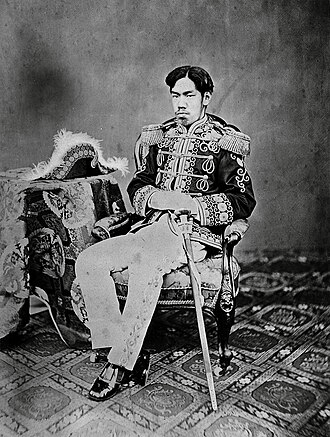
In this case, Japan had the shogunates and numerous tales of courageous warriors to adapt to film. Miyamoto Musashi, Tomoe Gozen, the main belligerents of the Genpei War; even the monarch has been depicted in film. Meiji was a fixture of post-WWII cinema for a time and looking at the Meiji era it’s easy to see why. A teenage emperor spearheads reforms that put an island nation on equal footing with the west over the course of about 45 years. Meiji was the emperor during the establishment of the Empire of Japan, his reforms reshaped the military into a powerhouse capable of knocking China and Russia around, empires many times the size of Japan itself and they were weak to Japanese might. Nationalist or no, you can’t help but laud an era of rapid industrialization and the man who helped with that.

These days, we can look at the era objectively, but the World Wars era emboldened and inspired filmmakers world wide. Wartime propaganda to motivate the populace to accept rations for the troops, instructional movies on the safety and operation of equipment and maneuvers, pre-mission briefs with the commanders in the war room before the march to battle: if done right, it can get the public firing on all cylinders and bolster the war effort significantly. If done wrong, the populace will be made complicit or forced to go along with the military’s worst actions. A tool of Japanese militarism, factions of junior officers in the Imperial Army and Navy formed individual groups all along the nationalist side of things. On the tame end, films released in this era in authoritarian nations helped lead to the cult of personality around certain authoritarians. Hitler had one, Mussolini had one, and I doubt he was aware of it, but Hirohito had a cult of personality as well, fostered by a radical faction working under the worst evolution of the national slogan, the latest one being “Revere the Emperor, Destroy the Traitors.”

The wild end of the propaganda spectrum can lead to the fabrication of enemies and dubious reasons to subjugate them. Most tools at their disposal were used for this purpose and led to ultimately dire consequences. Militarism could only last so long though and the dismantling of the Japanese colonial empire and subsequent occupation meant starting over again, with a new constitution and a self-defense industry with limited expeditionary capabilities.

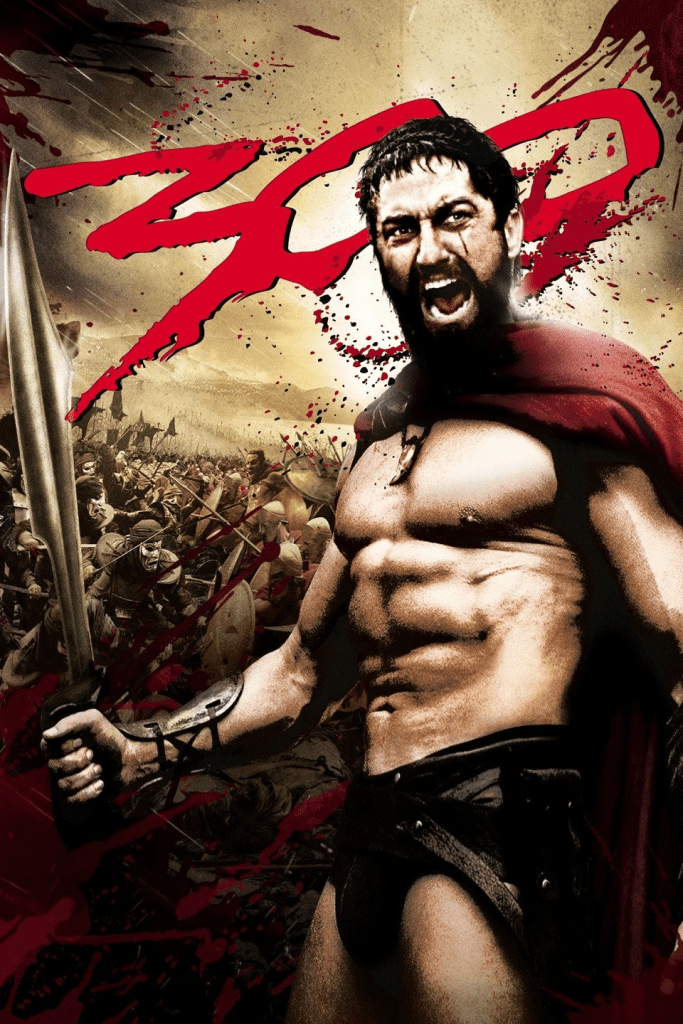
So where does filmmaking factor into all of this? Adaptable stories for one thing. Think of all the western films featuring Ancient Greece and Rome, even in a stylized/fictionalized manner.

Obviously, the Spartans had armor, these masters of warfare weren’t stupid.

As mentioned before, any knowledgeable filmmaker can make Japanese historical films, circling us back to the likes of Kurosawa, Ozu, and Mizoguchi. So far, I’ve only watched Kurosawa films, but I do want to talk about the others anyway. Kurosawa was an inspiration to many. He was to film what Osamu Tezuka was to animanga. The first time I watched him was in college during a course on Asian Art during the Japanese section. The film in question was called Ran and it was Kurosawa’s version of Shakespeare’s King Lear in a manner of speaking, which itself, when I saw it, drew parallels to the power struggle that emerged from the division of the Carolingian Empire in the 9th century. All three stories involve a ruler of some kind who chooses to divide power among his heirs in near-equal status; all three fail to realize that the water of the womb doesn’t always bind and that siblings may bicker, but rich siblings don’t pull any punches; all three heirs immediately raise armies to rob the others of their territory; and all three explain in a gruesome showing why much of the known monarchic world defaulted to primogeniture. This model is criticized heavily by historians but without a better alternative, what were medieval kingdoms gonna do? Let a woman rule? Well, sometimes…

Queen Eleanor by Frederick Sandys, 1858

Remember when I mentioned western influence in Japan? Expanding beyond technology, this opens up a wider question on Japanese appeal to medieval Europe, of which the short answer to that is exoticism, same as how many westerners and weebs exoticize Japan and at times the rest of East Asia, hence why a lot of East Asian celebrities and such adopt western names.

Samurai tales were Kurosawa’s bread and butter and a great influence on samurai stories thereafter. One such film I had the pleasure to watch while on CQ was Yojimbo: the tale of an anti-hero ronin with a bullish demeanor who fights off gangs after getting to know an innkeeper family.

Moving onto Yasujiro Ozu’s output, he didn’t make samurai tales, instead favoring contemporary, slice of life films about everyday life. Exclusively Japanese life? Yes and no. Obviously, the setting is going to be in Japan, but the lifestyle of the people in his films being relatively modern make it relatable to many people globally. These aren’t disillusioned ex-samurai with a lot to gain in a changing Japan; these were regular people with commonfolk stories, easy to tell and far away from the realm of fantasy. I only recently discovered a few of Ozu’s films on the Internet Archive site, and I do plan on giving them all a proper viewing.

The last of the Golden Age Japanese directors is Kenji Mizoguchi, who I mentioned I discovered while drafting this post. Google and his Wikipedia page both tell me that his films historical dramas with a focus on women’s lives. How feministic! He was the oldest of the trio and being born when Meiji was still emperor and thus would have been exposed to the lives of not just female entertainers (geisha) but also of women going into a rapidly advancing Japan. This leads me to believe that, like much of the western world, Japan in particular was about to approach the subject of a woman’s place in life but not with the right approaches or interests at heart in mind. Or when the society did so, it was a mixed bag of controversial successes and failures. Like their male counterparts, women enjoy many of the same privileges enshrined in western societies, but some age-old challenges still linger, many of which became a central theme of Mizoguchi’s movies. Like most of the other media I have listed, I also plan to watch a few Mizoguchi films. I hadn’t made any concrete plans to write about them in any capacity, but I do wanna get back into it at some point–things have been looking a bit too anime otaku-centric as of late.

Not a shift, but an addition to my typical lineup.