The Tale of a Needy Streamer [Overload]

My opinions on VNs rear their ugly head again

A few weeks before my second attempt to Army, I wrote about my opinions on visual novels, with the overall consensus being lukewarm above all else. A good VN can stay as long as it wants, but I don’t actively make a beeline to find them all, no matter how great the art style may be. For the topic of this post, I had bought another VN during my time in AIT on sale, and one of my roommates (who’s an even bigger weeb than myself, he’ll talk you to death about Konosuba or Hatsune Miku), had recommended the video game Needy Streamer Overload.

I placated him by “promising” and dismissing future playthroughs and I couldn’t see myself continuing forward for several reasons. Not limited to my play style as I have expressed some VNs do go on to have great legacies like Fate, Clannad, or Steins;Gate. This one specifically carried darker undertones, which I’m not against, but it varies depending on certain things. Maybe I’m just being arbitrary but the juxtaposition of cute and creepy in this one makes me a little uneasy. It’s a bit like the talking pie from that one episode of Regular Show. Like a doll possessed by the spirit of some little girl that drowned.

Now, watching and keeping up with thriller series Mysterious Disappearances would make you think I have no problem with scary stories like this, but with a series written around urban legends and folktales, some of which are plausible but not guaranteed, only a fool would try to take those seriously.

But what turned me off of Necessity Streamer Maximum would be because how real the concept is. It’s basically about a depressed, near-suicidal adolescent girl putting on a show for a legion of faceless fans across the globe, acting in an erratic and unpredictable manner as part of her schtick.
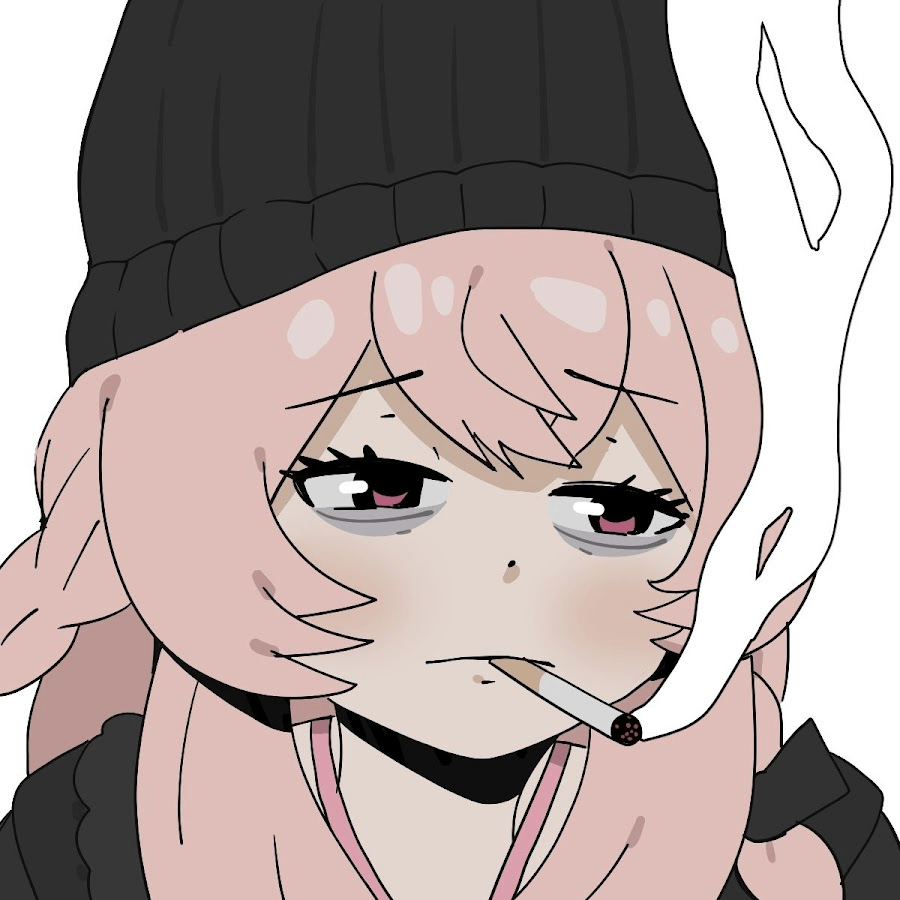
Yes, I know, I practically slandered VTubers, but in another post I assure you that I have no real problem with VTubers, following a few myself when the time allows for it. That said, my description in the above paragraph shows the types of VTubers I have a preference for. Sus-commentary is fine, everyone says weird s[8-bit soundbite]t from time to time, though only a few of us have the courage [read: foolishness] to monetize it. Personalities are also fine, look up any celebrity’s on-screen vs off-screen behavior and you may be shocked at what you found, like Marilyn Monroe being an intellectual cursed by the Hollywood cretins to play the blonde bimbo.

Screaming one’s lungs out certainly has an audience and I was among those, but in the years’ since, I can’t go back to that. There’s a meme of a guy tearfully gunning down something he loved because it grew increasingly annoying, and it sounds like I’m phrasing it that way, but it’s more the process of growing up. Some things you just outgrow and can’t really enjoy anymore. It stopped being entertainment by the time I was 19 and my 26th birthday is at the end of next month. So specifically with entertainment, while I don’t see myself outgrowing the analytical like, for instance, documentaries, the random humor that emerged in the late 2000s and 2010s especially on YouTube isn’t for me anymore. And personally, I had trouble watching Pipkin Pippa. Someone will try to convince me that she has less intense content, and I appreciate the body of water you’re allowing me to drink from, but the horse isn’t guaranteed to even take a sip.

This meme is the point of this post, the crux in the custard, the proof in the pudding, the facts in the fondue (hungry yet?). I know people who stuck it out with unstable people and got severely burned as a result, not to mention the numerous stories I’ve read of how bad things have gotten for some people and hypotheticals of how much worse it could get, so sorry if I’m a bit suspicious about what can and does happen in real life. You know how you view a piece of media and the antagonist is memorable because of how they can mirror some actual people past and present? It’s a bit like that.

Now I’m fully aware that this isn’t 100%, though the potential is what keeps me at arms length at times. This part is gonna get slightly personal; everyone has their problems that they’re trying to work out or live with and it’s something I commend, but my opinion changes for those who swear to whomever they call god that there’s not one thing wrong with how they live, even more so if they’re highly reactive. These types of people are easy to avoid on the street or whatever, but what about if you work with them? Or live with them? You don’t need me to say that life with a person who dwells in misery and is overly generous with their suffering is zero fun.

For Neediest VTuber Maximum Overdrive, it reminds me a lot of what I want to see less of in my future. Not by a giant margin, though it would get a bit depressing for me if the background art was a physically broken home. Then there’s the main character herself. It’s been a while so I don’t remember what her real name was supposed to be, but the alias she puts on is “OMGkawaiiAngel” or just K-Angel for short. The game’s Steam page describes her as a girl with an unsatisfiable lust for attention, which brings me to something else I want to see less of as I age. I’m always happy to help wherever and however I can, but I can’t stomach habitual linecrossing. Kindness is no weakness, but we often find ourselves sharing that philosophy with those who think otherwise.

Back on topic: Notice Me Senpai Simulator is perhaps a comprehensive look into mental illness that most internet forums like to meme away. A look I’m definitely not qualified to discuss in length, so here’s a video I found that explains the “I Can Fix Her” situation.

Credit: BoolioGalaxy

What is it exactly? A look at one of entertainment’s dark sides? An analysis of monetizing what’s left of one’s conscience? An extreme example of things going wrong? A combination of any one of these? Or none of the above because it’s just a game? I honestly wish I could break from this streak of cop-out answers, but if it’s any consolation, it looks like there’s a bunch of nuanced answers to Feed My Attention-Seeking Behavior, Nimrod.

Subscribers will remember the time from when I recommended the darkly comical episodic series The Casket of Drew and Ash and might be confused or call tu quoque for recommending that series and being uneasy about this one. But to reiterate and emphasize, that game had comedic elements of a classic black comedy. It elicits multiple emotions as you go along, whereas Hey, All You People, Won’t You Listen to Me? is darkly comical if you cross out -ly comical.

Rather than subscribe to the stereotypical dark atmosphere that accompanied horror movies of old, the disturbing part about this is that not only could it happen in real life, it probably is and few may even realize it, or they do and it feeds into the appeal of the yandere in anime.

Everyone likes a well-written archetype, but I found that Why Haven’t You Called Me Mommy Yet? does its job a bit too well. I’m no stranger to these sorts of things, I admit I’ve had dreams before where an unstable woman loves me unconditionally (so long as I keep my eyes on her and not any other owner of a second X-chromosome) but thank Rias it was just a dream. Joker isn’t crazy enough to fight the IRS and I’m 95% sure that I’m not mad enough to live this life:

Credit: kukuri ito

On a final note, if you’re keeping in the back of your head that this game was recommended by my roommate back in AIT, then congrats on your impeccable memory, have a trophy and some cheese popcorn. You’ve earned it. He was honest with me about his life and all things considered, it makes sense that this would be more his speed than mine. Don’t worry though, we’re all living our best lives. I’ve always wanted to see even a part of Texas, and that guy is currently living it up in the Hotel California Germany.

I have a recommendation this week, it’s Gattsu

https://www.youtube.com/@Gattsu

A Georgian YouTuber, his early work specialized in analyzing music, but nowadays he looks in-depth at the world, namely the western world, Russia, and the Caucasus region. If you’re sick to death of criticism of America and Britain in the west, let this guy’s honorary American card masquerading as a video convince you that he’s worth the watch. The man does his research in a variety of topics, which shows proficiency I say. Gotta know what you’re talking about before you take the piss out of it, am I right?
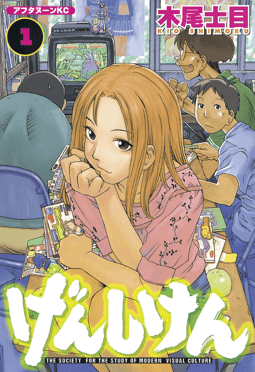
Genshiken: First Impressions of the Otaku Anime

Before…

I’m still hard at work at doing the research necessary before I fully write about Genshiken as I’ve only watched two episodes so far. By the time I’m done (ballpark estimate: mid-October at the very least, god willing), I hope to have completed most of the first season. For now, allow me to supplement you with a general impression based on the first two episodes.

The manga started publication in Monthly Afternoon magazine in 2002 in Japan before getting licensed by the Kodansha library for release in English. In online discussion, otaku has fallen out of favor in recent years mostly supplanted by the word weeb but for the time frame we’re observing, otaku would make sense for the series as anime was breaking ground in the U.S. and U.K., but not nearly enough to get the worldwide traction it has right now. It was an underground niche back then; otaku (country of origin notwithstanding) were to the general populace what JoJo’s Bizarre Adventure were to otaku.

Genshiken gives a somewhat appropriate insight into this by way of multiple perspectives: the hardcore otaku who can boast to have the original Astro-Boy manga and the outsiders who believe everyone grows out of their hobbies eventually. Side note: if that were true, then we wouldn’t know people who’re still reading Harry Potter or watching Star Wars. Source: me, emulating the older Mortal Kombat, God of War, and Naruto games.

The name in Japanese is a shortening of the full title: Gendai Shikaku Bunka Kenkyukai or “The Society for the Study of Modern Visual Culture.” If reddit was around when the manga debuted, these guys would be gods on the anime subreddits. Speaking of which, a clip of the second episode was how I found the series. Going over the English translation of the name, you get the impression almost that the runners of this animanga club think themselves high and mighty when they’re just another flavor of nerd. And as a nerd, they kinda stopped being special around the early-to-mid 2010s.

It’s easy to say that now since anime has gotten pitifully easy to access, but going back to the late 1990s and early 2000s, your best bet was the VCR or somehow knowing the guy who makes regular excursions to Shinjuku’s and Akihabara’s electronics zone. So I can excuse the elitism in that regard. The central characters in this club mostly fit common stereotype of the era: Harunobu Madarame, the eccentric leader who will defend his tastes to the ends of the earth no matter what; Soichiro Tanaka, the less eccentric, but still enthusiastic one; Mitsunori Kugayama, the gentle giant who speaks with a stutter; joined by newcomers to the club, Kanji Sasahara, Makoto Kosaka, and begrudgingly Saki Kasukabe.

You know, it’s a 2000s anime if a girl is on the cover, even if thematically she’s an improper fit, which was why I claimed that Saki reluctantly joined Genshiken. Slight spoiler: the first episode shows her having a smoke in a train station (something I believe Japan illegalized over time) and telling some dude to get bent before getting all giddy after seeing her childhood friend, now love interest Kosaka. Where things diverge is when Kosaka reveals that he has since become a weeb and encourages Saki to accompany him to the Genshiken club, learning about anime in general and some of Madarame’s tastes as a whole.

Madarame is who I best describe as anime Twitter’s unacknowledged/ignored id. Western anime Twitter has a giant beef to roast about fanservice in anime, but to hear it straight from the horse’s mouth, there is nothing better than fanservice.

Yes, I know the context behind both of these characters. This isn’t a criticism or anything, I just thought it was funny.

It does illustrate what Saki takes issue with the most in the anime community, and it’s a bit of zombie problem that from the outside looking in you’d think had largely disappeared in the online discourse, but has been eternally mummified and immortalized in several online spaces. Fanservice around women also gets a bad rap because of this.

So at the outset you know that Saki is not the target demographic for what these guys like but puts up with it because her love interest is heavily into it. Not to the extent that Madarame is, but he doesn’t feel out of place in Akihabara or the other popular anime hangout spots. With discourse surrounding the series itself being light (at least in the west, Japanese social media might give me more insight if the weblinks still work), the most I have to go on are the anime itself, its manga, and the accompanying Wikipedia page. It’s described as a Seinen series, which makes a lot of sense as none of what the characters like would be suited for a Shonen demographic.

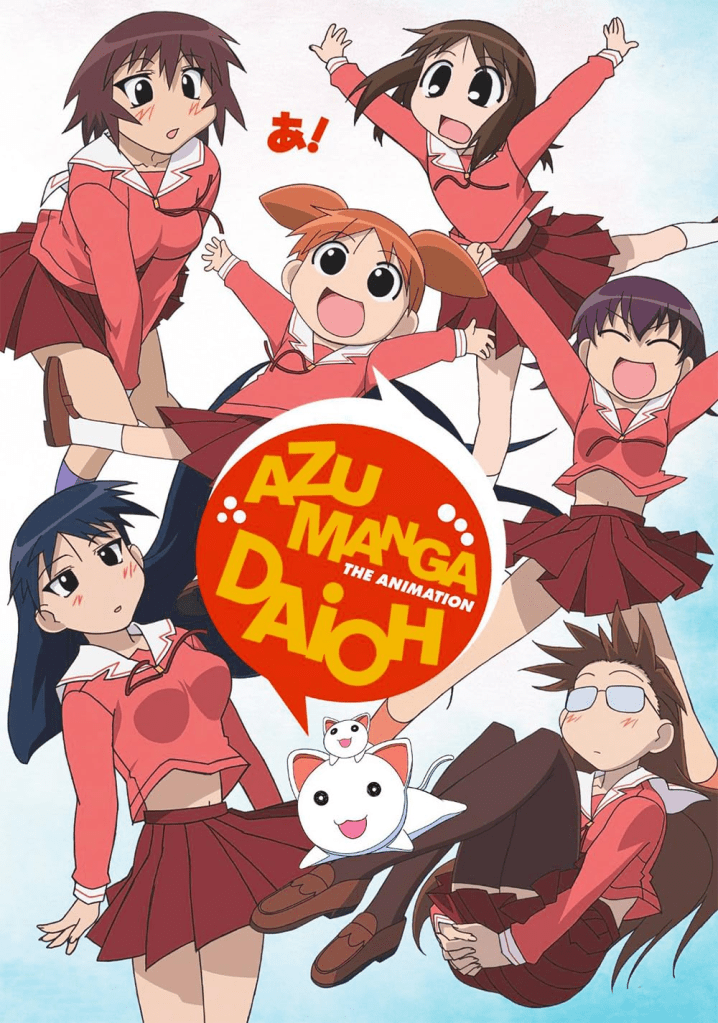
From what I can gather, 21 volumes released between 2002 and 2016, at least three seasons, a spinoff and an OVA all tell me that it was popular enough for all of that as well as foreign dubbing and licensing by Kodansha themselves even though it has a lot of the hallmarks present in something like Azumanga Daioh.

A slice of life series about a group of friends and they’re daily lives in a school setting, it’s original Japanese name largely untranslated or unaltered, but what splits the two series apart is that as a slice of life series, Azudaioh is very easy to take out of context and make the most baked memes and jokes about as any YouTube compilation shows evidence of, whereas Genshiken takes itself more seriously. Far from the “cute girls doing cute things cutely” subgenre of slice of life, Genshiken is more about the subject of… itself if you think about it. You or someone you know belongs to a group of weebs who talk about this regularly–why not have a series that’s a mirror of your hobbies?

As it stands, I don’t know enough yet to speak definitively on the design philosophy of the show, but the Wikipedia article explains that it’s about the characters moreso than what they do. An assertion I’ll hold it to once I’m done with the first season. For now, short of tracking down the physical media and the means to play it, 9animetv.to and Hianime are my new methods of watching the series and you’d be a fool to not use these reliable resources.

Giving Classic Anime the Rewatch it Deserves

They’re classics for a reason

Before we start, quick context: due to a technical issue with attempting to upgrade my computers, I was briefly unable to recover my files until I resynced everything with OneDrive, a service I have a love-hate relationship with. I’m still in the process of sorting the problem out with roughly 90% of my files saved due to OneDrive, one of those being my notes for this blog. Based on what I had scheduled next, it was supposed to be a review of the 2004 anime Genshiken. But due to work presenting me with some interesting surprises, I haven’t been able to relax and set aside some time to view it. I’m still looking for an ideal site to view anime and its a toss-up between Aniwatch, 9animetv, and Hianime, joined up by whatever no-name YouTube channel is brave enough to upload full episodes of insert 20-year-old anime here. I’ll try my best to get at least a few episodes in before I put my opinions down, so for now, have a supplementary post: classic anime!

I know I could’ve put up a picture of the actual anime, but with 25 years on air, I couldn’t resist. One Piece is very memeable. See r/MemePiece for more details. Also, I’ve gotta say that unlike most blogs where I review part, most, or whole series, I wanna make this an opportunity to announce a personal campaign of sorts. That is, to watch a majority of several classic anime that are known the world over. Two of them so far are One Piece and the remaining episodes of Dragon Ball Z, the Kai dub.

Others are in the running to join this grouping, but those are the two that come to mind for now.

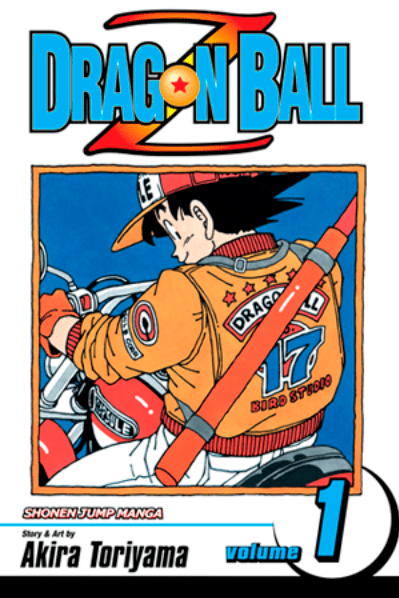
There’s no deep reason for wanting to do this, although lately I’d been reading my usual pick of manga on MangaDex, and I thought I’d find Toriyama’s magnum opus. Sure enough, I did. I’m not sure if it’s well-known in the west, but the original manga isn’t exactly split from Dragon Ball. We acknowledge Z as a continuation of the original manga, but it’s all rolled into a giant series unlike the anime.

It might be due to how it was licensed in the west, but although Z is seen as a sequel to the original Dragon Ball manga, Toriyama and his assistants put subtle hints that Z might as well be a part two of sorts, like Naruto: Shippuden or JoJo’s Bizarre Adventure dividing into different parts. Keeping this in mind made it easy for me to go straight to my favorite saga in Dragon Ball, the Namek saga.

When I was a kid and the series was redubbed in Kai for the twentieth anniversary of the anime adaptation in 2009, most of my exposure to Dragon Ball was through the video games and anyone who was a kid/pre-teen, etc. at the time can attest that a fighting manga like Dragon Ball has a Library of Alexandria’s worth of video games. Some are faithful adaptations of the series, others put their own spin on the same story, the rest worked with what they got and a fourth category got creative, for example, making a card game out of the series.

There exists a ROM of this somewhere, and I want to at least get to the first fight between Goku and Vegeta.

I owned a few of the games myself and with more and more getting released long after the Final Chapters, GT, and Super have all gotten their fifteen minutes of (screaming) fame, Dragon Ball has a hold on the cultural zeitgeist of the early 1990s and beyond. When I was a kid, the Namek saga felt like the home stretch. One more push and the remaining Z fighters will have achieved their goals of recovering the original dragon balls and reviving the others. The only things standing in their way was Vegeta and the forces of Frieza. Both men hate each other and wanted each other dead, Frieza certainly wanted Vegeta out of the picture with his rebellious streak and them both wishing for immortality.

From a writing standpoint, it of course has some of the usual tropes found in other anime of the time and unique to Dragon Ball, but if you’ll excuse the comparison, let me know if this sounds familiar: three parties happen upon a treasure said to bring untold riches and get in each others way to have it, dealing with the consequences that follow the acquisition of this wealth. Pick your favorite story arc from media to fill in the blank; I’m going with a specific plot point from Grand Theft Auto IV and it’s expansion packs: The Lost and Damned and The Ballad of Gay Tony.

I make this comparison because like the Namekian dragon balls, competing forces within GTA IV’s storyline are after another prize which all things considered also bring bad luck. It’s not uncommon for crossover events in the GTA series, in fact the series is famous for it. Vic Vance and Tommy Vercetti nearly close a deal before Riccardo Diaz sends gunmen to snuff them out; CJ wins a race against Claude the Silent before getting some property in San Fierro and in GTA IV’s case, Niko Bellic, Johnny Klebitz, and Luis Lopez all cross paths over one simple thing: blood diamonds. Going by the name it took a funeral pyre to dig them up and the rocks aren’t done taking bodies. Also, blood diamonds are a real thing, with West and Southwest African countries being the most likely to have this problem.

Like their real-life counterpart, in the games, the diamonds were smuggled into Liberty City where the main employers of the three protagonists unknowingly compete with each other to get their hands on them for their own ends. In a somewhat similar circumstance, three foreign parties land on a distant planet to uncover a set of dragon balls for their own ends. But unlike GTA where the trio are all antiheroes, there’s a clear line of good and evil in Dragon Ball, though Vegeta’s convenient alliance with Gohan and Krillin complicates things for him.

I told you these shows were memeable.

Favorite saga it may be, I admit I’ve had trouble keeping up with Dragon Ball ever since Super was on Toonami and without meaning to disparage the network, while it’s done wonders to bring anime to the west, more than once I’ve had a few conflicts with their scheduling in the past. Yes, I know outside circumstances can interfere with schedules, but come on. At least try to fight to keep it consistent at least for the season. And while we’re on the topic of Toonami, will they ever be allowed to air Mob Psycho 100 Season II? Ever?

Anyway, while I’ve been getting my fill of Dragon Ball once again, One Piece, like the titular treasure, surprisingly is difficult to view. Of all the anime I’ve pirated, One Piece hasn’t been it. Most of its western publishers have done a bang up job to host the series, but Crunchyroll proves to be the only one capable of lousing it up. All that time spent bringing your site to the 21st-century, buying up the competition, and nabbing bigoted localizers with an activist mindset, but what do you have to show for it, Crunchyroll-hime?

I highly doubt these afflictions are in One Piece since there is no ruining peak fiction, but the most recent shows that they host on their site do nothing to boost their reputation as of late.

For One Piece though, like Dragon Ball it was a show that made the rounds at school and among my friends in the neighborhood, especially with 4kids telling us without telling us how inexperienced they were with anime, but to their credit, anime was still a niche in the early 2000s. Everyone knew who Naruto was and is these days, but who at the time in the U.S. could name anyone in Azumanga Daioh?

In all seriousness, One Piece is definitely not hard to watch. Toonami had been airing it since it first debuted, bar a few breaks in screen time. Guess it’s only fitting now that I pirate the pirate anime. It’s been yonks since I’ve seen it, but from what I remember of it (a mix of the actual show and memes) moss-haired swordsman gets lost all the time (probably looking for more minorities to hunt), Nami disappeared for a bit before returning to the crew, Chopper is the series cowardly lion, Nico Robin has a dark and complicated past, Boa Hancock wants Luffy but he’s not about that life, and Brook is the tallest skeleton on Earth. Forget a 3-meter statue of the guy, just bronze his bones when he’s dead, put up a sign and call it a day.

That paragraph there is gonna piss off all the One Piece fans. With so many episodes and so little time left in the Year of Our Lord 2024, even if I speedrun, I’m not gonna get through all the episodes. And yes, I know One Pace takes care of the Shonen Recap Syndrome problem it has, similar to how Kai shortens Dragon Ball Z substantially. I think before I sit down and watch Genshiken, I’ll test which is the better way for me to watch One Piece.

Been missing these, this week’s YouTube recommendation is Preston Stewart.

https://www.youtube.com/@PrestonStewart

Similar to Ryan McBeth or William Spaniel, Preston Stewart is another channel run by the man who lends his name to the channel. An Army officer in the Reserve, his channel covers national security, world affairs, and the military in as unbiased a manner as possible. He doesn’t focus on cybersecurity like Ryan does, but there is overlap in their respective coverage of world events, especially with disinformation and overseas conflicts like Israel, Ukraine, or Taiwan. Consider this a completed trifecta, considering I recommended the other two in posts from last year. Factual, in-context reporting on real-world events. Need I elaborate further?

One more before I go:

And a bonus:

Credit: u/Dilly4Dall, r/azudaioh

I Bit the Bullet Thrice and Entered the HoyoVerse

Of all the games I’d play, gacha was the last I expected to be one of them

I wanna set the stage a bit before I get to the meat and potatoes of this topic. If you’ve been anywhere online, especially on social media, you know doubt have heard of a Shanghai-based video game company named MiHoyo, and their library of games, the four most famous of those being Honkai Impact 3rd, Genshin Impact, Honkai: Star Rail, and this year’s most recent release Zenless Zone Zero.

They’re all described as free-to-play games, though with massive strings attached: for starters, they’re all gacha games. If you’re not in the know, a gacha game has a gachapon mechanic based on a random number generator, downright imploring the player to spend real-life money on an aspect of the game. In the west, it would be a loot box with skins, and in East Asia where these games thrive, it’s a character or some other collectible. They’re designed to be scarce and encourage the player to keep going for a chance to win big; so gambling with loopholes.

Gachapon itself comes from a term for capsule toy dispensers in Japan, other parts of East Asia and select American cities, like New York or L.A.

I put all that up beforehand to explain what I’ve felt about lootbox mechanics and paywalls in games and why, despite being against them overall, I’ve played three of these games. So back in 2016-17, EA was taking a lot of manure for the implementation of lootboxes, and the manipulative mechanics in several of their releases, not the least of which was Star Wars: Battlefront II. Fans of this series felt that monetary gain was prioritized over player engagement and experiences and that in order to actually have fun with an EA or Ubisoft product, rather than put the DLC in with periodic updates (i.e. the RockStar Grand Theft Auto method), they release the DLC at nearly a fraction of the price of the “full release.”

Both them and other developers of this model were reamed for the predatory practices, with legislation being debated on over regulation coupled with concern over who is most at risk of engaging in such content intentionally or accidentally, from children with little understanding of money and financing to at-risk adults with a history of gambling addiction.

Did any of the legislation and debate help? Although most of the games I play are older, the ones I do play that still get regularly released don’t suffer from such a problem, though looking at the ones that do or did, there’s one of three outcomes:

  1. They overcame the lootboxes and have genuinely improved
  2. They still implement them despite them falling out of favor in the west; or
  3. The lootboxes one and scared away the gamers.

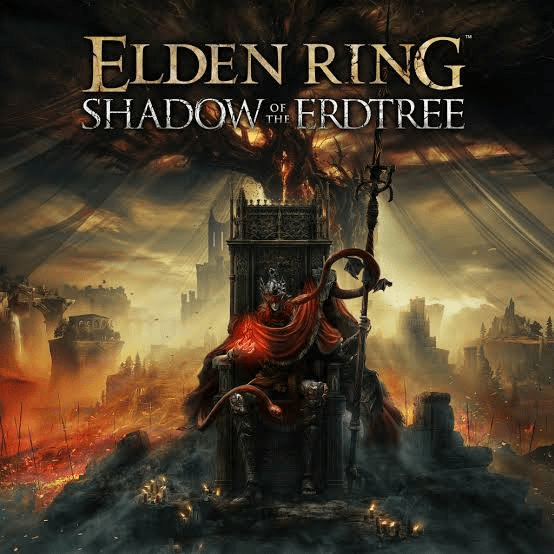
Outcome 1 is the rarer of the three, sadly. These days, it takes genuine care and development for a gamer to stick around and see the DLC, but if a company has a checkered past, either they’ll be written off as untrustworthy or gamers may wait and see what the reviews are before considering dropping cash on it. Personally, I’d balk at some Assassin’s Creed DLC that wasn’t worth its salt, but Elden Ring: Shadow of the Erdtree does get me thinking…

Never mind that my friend burned three hours trying to beat Radahn.

So if that’s all established why gacha > lootbox system?

Well, let’s look closely at what they all offer. As of writing, I have Honkai Impact 3rd downloaded, but haven’t played it so going instead I’ll go over why I caved to Genshin, Star Rail and ZZZ.

It took me an absurdly long time to see what this one was about, longer than the other two. For Honkai Impact, while that one is older than the other three, I nabbed it just last year, and once I play it, I may record my thoughts.

For now, Genshin released in September of 2020 and it looked like every YouTuber was getting sponsored by MiHoyo to talk about it or stream it on their associated channels. I think even Achievement Hunter got in on the action. It was the talk of the town and something I didn’t so much avoid at the outset with dedication, more like I was waiting for talk of it to die down before I tried it myself, which happened to be in December of 2021 — a full year and change after it had released. I didn’t know it at the time, but as a player of this and the others, I learned that characters debut shortly for a chance to roll (think roll of the die) and it can take a while (usually a few months) for the character to roll again.

If you’re in the loop, ZZZ just debuted the characters Seth Lowell and Jane Doe with more coming for the last quarter of this year. Best get to rolling if you wanna play as any of them.

Get her while she lasts, and while you’re at it, enjoy some thirsty memes. There’s plenty being made and more than enough to go around.

In Genshin, it’s a fantasy game that takes a lot of tropes from existing isekai anime and other fantasy stories. People and places are in some way, shape, or form take their names from Russian, Chinese, or Japanese folklore. Obligatory write-what-you-know, considering where MiHoyo is headquartered. I can’t list all of them, but there are a few instances that caught my eye, especially in the trailers. One character, for example, Qiqi is a zombie.

Starting with her name, it’s written in Chinese with the same characters for “seven” [七七], but it could also be a play on words with this also being the pronunciation for the Chinese word for “life” [气/氣], although with different vocal tones to it. As for her design, she’s based on the Chinese hopping zombie, an undead creature in Chinese folklore similar to vampires in that if they get a hold of you, they’ll turn you into them by sucking out your breath, though I doubt Qiqi herself can do that. There’s different ways of countering this, usually by way of rice or holding your breath so they can’t find you. Side note: as for why jiangshi are typically dressed like Qing dynasty officials, the style is a legacy of Hong Kong cinema. The choice to depict them this way might be a metaphor for how that dynasty ended, it could be because earlier dynasties had more ornate attire (read: harder to draw), or possibly because a reanimated Dong Zhuo or Liu Bei would be terrifying in concept… unless we’re talking Dynasty Warriors.

Other Genshin characters, locations, concepts, etc. take from East Asian/Old World folktales to make the fantasy feeling come alive. Couple that with timed events in-game and the fantasy aspect goes in maximum overdrive of sorts. The plot is that you take control of either a brother named Aether or sister named Lumine (though both are referred to as Traveler since you can put whatever name you want for them), with the other being captured and possessed while you go off to level up, and find and save your missing sibling. Typical fantasy tropes ensue, thriving city-state with armed militia as a protection force, you meet the many characters that inhabit it, help them and build trust, they help you and level up and after completing several events, they point you in the direction of your quest until you complete your goal. Side quests can be taken to help you level up because all of these games have a skills-based leveling system which I take slight issue with.

I’ll gladly collect experience points like dragon balls, but if I’m Level 15 and up against a Level 20, I hate that they can sleep me in one shot while I whittle away at their health bars for hours or weeks. Let me get the God of War hack n slash model of battle where I throw the chained blades in any direction and hit everything that’s too close to me.

Maybe it’s that way because it’s more popular in Asia where MiHoyo is expecting most of the player base to originate from. Either way, flaws aside, it’s a story-rich environment that has its moments and is often the talk of the town whenever an update comes out which is often. I can’t say how big the playerbase is, but it’s gotta be ginormous with all that it has to offer. I believe the adventure aspect is why I’m playing these all things considered, with all of them being different in some way. They’re all adventures, but Genshin Impact is certainly not Honkai: Star Rail:

Away from the medieval fantasy setting is a space epic setting that, now that I think about it, gives me Borderlands vibes. The main characters are on a vessel designed like a locomotive traveling through space where they land on another planet for the purpose of securing a Vault Key Stellaron. They’re not the only ones after these Stellarons however; a faction of hunters are also looking for them and stand in our heroes way.

Who are the heroes? They’re the residents of the Astral Express, another pairing of either a young man named Caelus or young woman named Stelle. They’re not said to be siblings like their Genshin counterparts and the quest either takes is supposedly one of regaining their memories than looking for a lost sibling, although memes exist of the two having a more realistic sibling relationship of sorts. I’m an only child, but I’ve absorbed a handful of media with siblings and read many stories to know that sibling fights don’t really cross any lines. They can be tense and competitive and spontaneous, but they still live with each other until its time to adult. However that looks varies the world over.

After the Traveler, or in Star Rail’s case Trailblazer, is March 7th, a bubbly girl with ice archery skills that also doesn’t remember her past, not even her name which is why she’s named after the date in which she was found by the Astral Express. Finally, there’s Dan Heng and here we see more of the Chinese influence in the game. There’s a reference to something from folklore in his name most likely, but I haven’t seen it yet. Or it could just be a name. He’s the more stoic and pragmatic of the trio.

Another way in which Star Rail differentiates itself from Genshin is combat. Genshin’s combat is more open-world, but Honkai: Star Rail has a short transition screen before switching over to a turn-based combat system. Everyone in your party gets a turn to attack or heal before it goes over to the opponent. It’s a classic system that to my knowledge still only exists in Pokémon. One fun fact: the English localizers collaborated with the Trash Taste podcast who all make cameo voice appearances in one arc in the game.

Since it’s not the same kind of adventure game, the need for crafting foods, weapons and other accessories isn’t present as this futuristic setting would make all the menial labor like this obsolete, and in a lot of ways in-game it does. Sometimes you go up against a combination of human and robotic enemies, while also controlling human or human/animal hybrid characters common in animanga (fox girl here, cat boy there, those moe characters with animal ears and tails everywhere), though they’re in limited number here. Still, there’s a bunch of interesting character designs and the characters themselves all have their own motives, which makes it a bit more mature than Genshin in some aspects.

As for a game that goes one step further, we have MiHoyo’s most recent release: Zenless Zone Zero.

I’m using the same screenshot for this section of the post only because I don’t really wanna make it seem as though I’m biased towards one of these, especially since I’ve been playing ZZZ a lot recently.

Another futuristic society, but this time relying on outdated technology like payphones, VHS tapes, and CRT monitors due to an interesting in-game reason. The lore of the world of Zenless Zone Zero is that modern technology like the device you’re currently reading this on is a magnet for Ethereals, hostile creatures, who lurk in the Hollows where access is cut off from the rest of the public for safety’s sake. Going in without a defense mechanism of any type spells doom for those who wander in, usually in the form of corruption and transformation into one of the Ethereals.

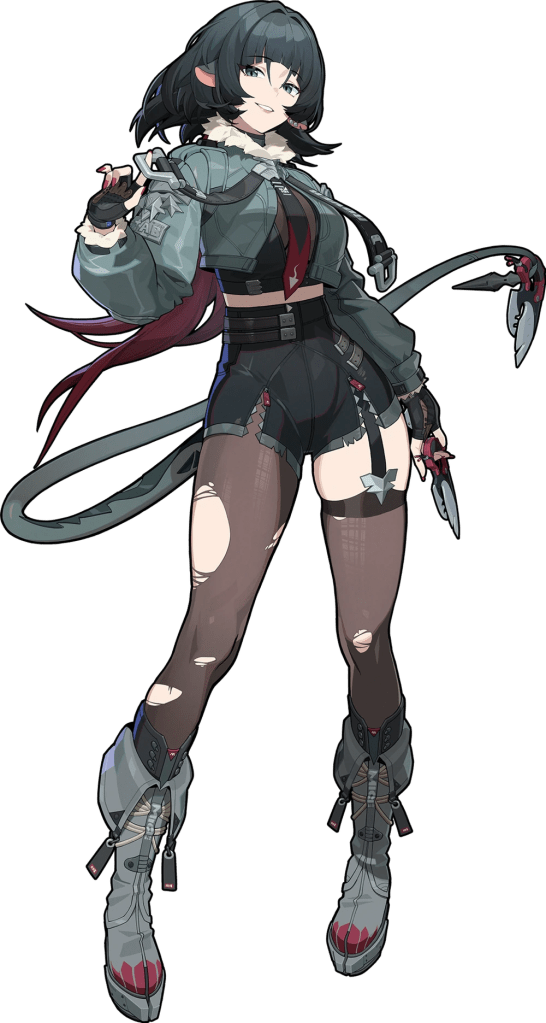
Like the other HoyoVerse games, the characters are subdivided into factions, some of which compete with each other or work together for common goals. The first faction is essentially a freebie, Gentle House known colloquially (unofficially doing business as) the Cunning Hares is a three-man team led by Nicole Demara, the fiscally irresponsible yet money-hungry face of this faction. Joined by a sentient A.I. Billy Kid and adoptive sister Anby, this faction accepts their commissions on the in-game service InterKnot through a Proxy who guides them through the Hollows. It’s a relationship of mutual interest though in lore, Nicole is so broke she walks down the street with Louis Vuitton that she probably found in the trash. Billy is a more childish character who, initially reminded me of Deadpool by way of the color-scheme, weapons of choice (dual pistols) and general demeanor. Recency bias coming from the Deadpool and Wolverine movie is to blame for that, though Billy is more prone to panic in stressful situations and isn’t exactly as snarky as the Merc with a Mouth, nor is he breaking down the fourth wall every hour on the hour.

Anby is the mystery one with no recollection of her past before being taken in by Gentle House. She makes me think of Rei Ayanami from Neon Genesis Evangelion at times. For characterization, she’s not boisterous or extroverted; but there are subtle ways to gauge her personality. She normally wears headphones as if listening to music during battle, quotes movies, and likes hamburgers. Observe:

I tried, I guess I am biased.

So between 2016 and 2024 (I’m including Honkai Impact 3rd despite not playing it yet), MiHoyo released a series of games that share something of a multiverse with gachapon mechanics based on a random number generator while disguising it under a series of beautifully designed video games and interesting characters and stories, many of which are in someway inspired by Russo-Sinitic-Japanese folklore and can offer enough content to live through the heat death of the universe with all the regular updates.

I state once again that I have no love for lootboxes and while I’m familiar with grinding in games, if it doesn’t scratch that particular itch it can f[metal clanging]k right off. But what about the MiHoyo games? Why do I give them all a pass whilst shunning the others? Reputation plays a big part. It might be something concerning in East Asia, but unless I teach myself Japanese and hop onto that side of Twitter, I might not see the discourse in East Asia surrounding this company’s influence, whereas regular talking fish heads on YouTube have a 99 problems and EA, Ubisoft, and Konami are all of them.

Pictured is a representation of Rev says desu… or YongYea…

Meanwhile, it seems the game development philosophy on the other side of the world is to make good games. I do have my gripes with the grinding and the gacha mechanics, but part of that may be the extra exposure having grown up with those toy dispensers in my neighborhood as shown above. It’s not like a vending machine where you know what you’re getting. Again, it’s a random number generator. If we were to put it in a tier-list, light exposure to this mechanic would probably be an internet personality engaging in the gachapon machines in Japan or Korea or just virtual gambling; middle exposure would be where I’m at with the toy dispensers, but also sometimes the gachapon machines in places like Barnes & Noble; and finally there’s heavy exposure where you not only live in a place that has those, but you’ve engaged in them before or do so regularly. There’s a tier above that where you’ve just been to Japan or Korea or Hong Kong or Taiwan and pulled a “when in Rome” during your travels.

Call this blog post a bit of a rant on how NOT to do lootboxes and grinding, but someone who’s more skilled and experienced in game design can tell you more about how it all works. I’m just a fan enjoying my games.