Haibane Renmei and Mysterious Disappearances: Mystery Double Bill

The long-awaited two-in-one special

I put this off for a week so I could do some more research on both, by which I mean reading the Wikipedia page for one and advancing in the manga for the other. Haibane Renmei is but a short 1-cour anime series from 2002. I found out about it from the same article that introduced me to House of Five Leaves a few years ago (along with another one), and without delving into details, a friend of mine challenged me to recommend him some anime he’s never heard of. Well, he didn’t challenge me per se, but I took it as such and I figured I might as well put another brick in this anime wall I chose to build. No, it still ain’t finished.

Japanese for Charcoal Feather Federation, Haibane Renmei starts with a young girl experiencing a very vivid dream about falling from the sky. This being the only memory she has, the theme of the series is that the Haibane–angel-like beings–are named after the dream they had. Shortly after that, their wings grow from their back and they’re given halos to wear above their heads.

It was based on an unfinished manuscript by the same mind responsible for the surprisingly well-aged Serial Experiments Lain, which when it comes to trying to label it, makes it difficult, at least for me. There’s anime that are adapted from manga, which is the most common adaptation style; anime that are adapted from light novels, which is probably the second most common adaptation style; sometimes anime are home grown originals (a.k.a. anime originals), proof that the studios animating them can make something special from thin air; and sometimes anime are adapted from novels:

It’s definitely irregular for a rough draft to get a green light for an adaptation, but it’s not like it’s unheard of. Stranger things have happened in media.

Part of my research for Haibane Renmei involved looking over this blog post from 2017. The writer explains that the cult-classic series has been the topic of such fierce debate over the meaning of the series, not helped by Yoshitoshi Abe’s notoriously enigmatic writing style. As a mystery series, this can be viewed as a double entendre both due to the cryptic writing and because the only source available lies with the writer and short of booking a flight to Japan to ask him directly, I highly doubt he’s ready to share the raw words with a wider audience so the anime adaptation had to make do.

That said, this isn’t the type of Scooby-Doo, CSI, Columbo type mystery series where you’re given a puzzle to solve. It leaves a lot open to interpretation and according to that post I linked above, a lot of it tends to be incorrect. From a writer’s perspective, there’s a fine line between treating the audience like they’re five years old and throwing them out of a plane and expecting them to catch the parachute on the way down.

Is this me being too harsh? Perhaps, but the creative world is pretty cutthroat in a manner of speaking. We criticize ourselves in a much harsher tone than any other critic, yet both the critic and the artist are given a near equal amount of outside exposure so doesn’t that mean we’re both talented groups of people?

Something, something pot calls the kettle black…

I like to think of it as an art house project. I believe the late 90s to late 2000s was the era of moe and this series does something different from most shows of the era. It was the equivalent of taking an extended museum tour and filling out a survey at the end before being released to the gift shop. It’s for thinkers; the door is open enough for observers to take a peek but is neither too wide nor too narrow. If it were too wide, important stuff goes missing, but if it were too narrow then you wouldn’t be able to see the contents very well. It sits neatly in the middle and once you’re done with the series you can walk away with your own interpretations of what you think the series is about. Here’s a link to the playlist. Enjoy it while it lasts:

Channel: Jesse M

From a series you probably never heard of before now to a series you still probably haven’t heard of unless you eat anime memes like black beans: Mysterious Disappearances.

Before I elaborate on this series, I want to get this out of the way right now: giant boobs.

Alright, we’re done with that. Well, I’m done with that aspect. Explaining the fanservice in this series will honestly get redundant especially since both the anime and the manga do that in spades. The first chapter especially ends with an uncensored shower scene (spoiler alert).

As for the rest of the series, Mysterious Disappearances is a blending together of urban legend and centuries-old Japanese folktales. The name doesn’t do the series enough justice. Looking to legends and myths for inspiration, Mysterious Disappearances has it all in droves. The first episode actually drops hints from an old urban legend about the fictional haunted Kisaragi Station. Akidearest explains it further in this video below:

Channel: akidearest

Basically, a few years ago, a Japanese vocaloid YouTuber’s videos spread by way of the recommendation system and the one thing that stood out was that their username and videos were mostly untitled, making use of zero width non-joiners or “invisible characters” read only by the computer. Anyway, the video referenced an old urban legend/creepypasta that only existed at the time on Japanese forums, namely 2chan in 2004. The urban legend in question was Kisaragi Station and was about a woman who noticed the train continued on for longer than usual. She gets off at the namesake station which was left unmapped and catalogs all of her interactions and findings at the phantom station, even wandering the tunnels until she was eventually picked up by a mysterious man who quickly dropped his helpful demeanor once she took the bait. Forums posters eagerly awaited for updates that never came after that.

This was one of several references to Japanese urban legend in the anime. Many more follow as the series progresses. Unlike The Society of Gray Feathers, Dangerous and Disturbing Puzzles has more exposition baked into it. Both the manga and the anime explore the phenomena as they happen. Part of the appeal for me is the urban legend side of things. Fictional or not, these ghost stories tend to be somewhat credible even if they don’t match beat for beat. They’re the fun little stories about things that go bump in the night. The supernatural element keeps me engaged, much like when I was first introduced to The Adventures of Shigeo Kageyama: Boy ESPer.
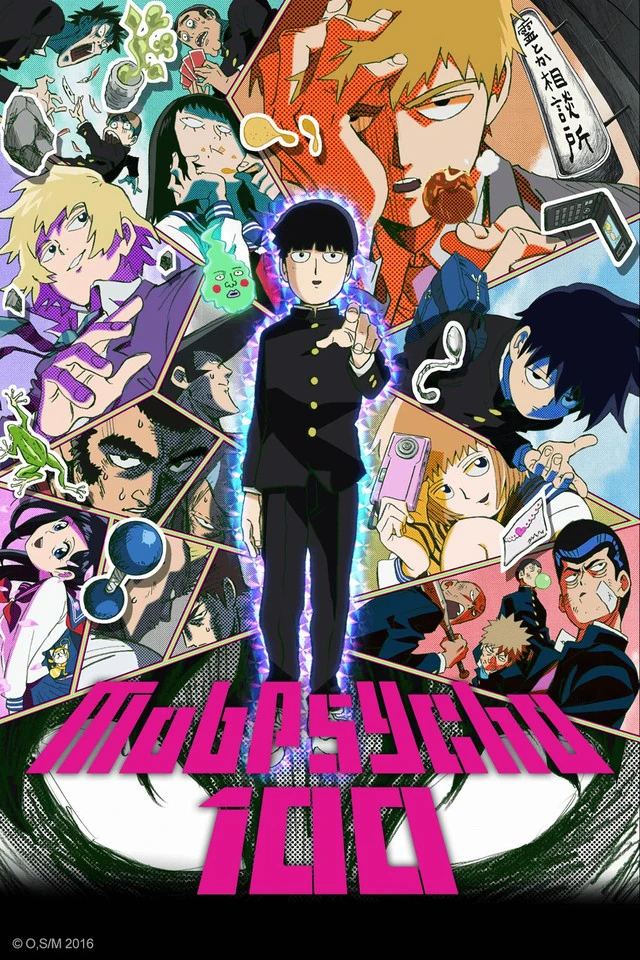
The protagonist is the big breasted woman we saw earlier, Sumireko Ogawa, a novelist working in a bookstore. Aided by her coworker Ren Adashino and his sister Oto, the trio investigate and confront the sources of the mysteries personally, unraveling their secrets along the way.

One of the main plot devices is a droplifted book picked up by the bookstore owner himself and gifted to Ogawa on her birthday. The anonymous writer catalogued ancient poems from the real-life Manyoshu, a collection of anonymously written Japanese poems going all the way back to the Nara period (circa 750s C.E.). If read aloud, the poems act as a spell cast on the reader themselves provided certain conditions are met. The “spell” can be broken by way of reading the poem backwards, but as shown in the series, when Ogawa does so, she’s able to control the effects of the poems on herself at will.

Other important plot devices are the siblings themselves and the signs that only they can see: yellow diamonds with exclamation points in the middle. They appear whenever a supernatural event has occurred. Once the event has been solved, the siblings are shown to use anything recovered from their findings as payment for tickets back to their own home through–you’ll never guess–Kisaragi station! It all comes together! There’s a lot more to this, though I haven’t gotten that far yet and the manga is still ongoing so it’ll be years before we see where the author, Nujima, is taking this series.

What is certain though is that for those who like creepypasta fanservice and closeup shot style fanservice are going to be intrigued by the blend here. It seems quite ridiculous to highlight Ogawa’s body as the connecting element when Ogawa herself is the protagonist, but the series finds a way to make it work. Rather than fall into the age-old trap of “damsel in distress,” Ogawa being the adult amongst the children here gives her more of a leg up as the woman in charge here. You could argue that she’s technically the mother figure based on this description, but the counterargument to that is that while the three do work together, they’re not inseparable.

Scenes exist with all of them together or just one of them alone or with other minor characters. All of them are well-written with their own goals and desires and none of them feels as though they’re held up by the other. That it’s mainly psychological horror is another plus for me. Honestly, I would’ve been turned off by anything horror as a kid, but now that I’m an adult and I’ve watched a few of the classic horror movies before they were ruined by their own franchising (Friday the 13th, Halloween, Scream, etc.), I realized that there’s still better ways to horror and thriller and Mysterious Disappearances is a better example of that.

All 12 episodes are available on Crunchyroll, but if you don’t feel like watching 12 of the same old advertisements, then you already know what I’m gonna say.

Because I’m behind schedule, I doubt I can guarantee a full review of Undead Unluck season 1 by the 30th, not to mention another topic lined up was pushed back due to the research I did for these two series in this post, so instead I’ll try to get back on track either the 29th (tomorrow) or sometime during the 4th of July weekend. The next topic I have concerns a manga that never got off the ground. Here’s a sneak-peek:

Also, the recommendations should return too.

The Sims Competitor That Almost Was

Slight divergence

I’m still hard at work getting the research ready for the next set of topics, Undead Unluck, as well as a double bill between an old anime that flew under the radar (fitting for this one specifically) and a more recent one that wrapped up not that long ago. This and some other stuff in my professional life are why I missed my deadline. I’ll do my best to get the Undead Unluck review out before the end of the month as I’ve said before or during the 4th of July weekend, preferably the former so we can all kick back with our friends that weekend. So I offer you a quick post here as a supplement to what I’d normally post. Also I think we could use a quick break from all the anime posts as of late.

What we’re shifting to now is video games. Specifically, life simulators like The Sims series and the topic of this post, a would-be competitor that was supposed to knock them down a peg this year: Life by You.

As a user of Reddit, one of the subreddits on my feed is r/TheSims, where users either showcase the strange happenings in their respective games, news from EA concerning the series, or simply airing their grievances against the latest installment, The Sims 4. I’ve seen them myself and have been both a supporter and critic of many of these grievances. It may be because I’m used to not having a lot, but of the things to complain about, only a select few are worth crying over; the rest of the dreck is borne from Reddit’s diva-itis. Then again, like most users, I have mods installed to add more spice to my saves, so this is part of what I see as valid.

Occasionally, there’s spillover of other life sim subs. For a while, there were a lot of posts on the sub about a potential competitor called Paralives. It’s still in development, but so far is promising a lot of the features that seem to be missing from The Sims 4, especially at launch ten years ago. Life by You promised much of the same things, and with Paradox spearheading the project, Paradox veterans would probably expect the same gameplay styles familiar with any of their games… or so you’d think.

Moving away from action-packed map staring and manipulation of geography, Paradox was teasing the project for about a year, and there were signs all around that this was an ambitious project for them specifically. Not exactly the first time a city/country/empire-builder studio tried this, ironically The Sims began when the lead designer was inspired to focus more on the people whilst developing the next installment of SimCity. Funny how this all comes together, right?

I can’t say whether the case was similar for Paradox, but it seems like lightning failed to strike the same spot twice. The original reveal and release date was pushed back multiple times, from late 2023 to March 2024 to June until Paradox unfortunately pulled the plug on the project once and for all. I’m tempted to say that it was far too ambitious and Paradox’s standards got in the way, but that sounds a bit harsh and a little accusatory. This company pushes out quality games regularly, they’re shown to be one of the few devs still supporting their games, even years after they release and have a more devil-may-care attitude towards mods. In my experience, they support and implore modders and programmers to share their works for other players to experience. Get yourself a quality computer and you too can experience your fellow gamers’ creativity.

Note that I’m not at all saying that Paradox should stay in their lane. I love it when people try something they normally wouldn’t do. I find it inspiring that risks are being taken, even if they don’t always pan out. It’s terribly unfortunate that they had to bury the project and effectively hand EA Maxis another W, but I remain optimistic for Paradox.

I’m not personally looking for a competitor to The Sims; I would’ve played it even if it wasn’t aiming to dethrone The Sims. I remember writing last year about the cancelled MK: Shaolin Monks sequel and Shaolin Monks itself. As I recall, part of the gameplay was inspired by the semi-RPG elements in MK: Deception’s Konquest mode. Whatever Paradox does next, it’s highly possible that they’re going to salvage what they learned and what worked with Life by You and implement it in the next project they launch.

As I’ve stated before, my gears turn relatively slowly, but only because I want a clearer picture to work with before I start writing. If this post seems briefer than what I normally produce, in this case, the news of the subject is still being written even as this is complete, meanwhile Shaolin Monks was released in 2005, giving me nearly two decades worth of research for me to use.

I’ll try not to make this a regular occurrence in the future, but the nature of my work won’t make that a guarantee. I may make an update in the future on the game or Paradox itself as time goes on. For now, the double bill is still in the drafting stage and should be up by Friday evening or Saturday.

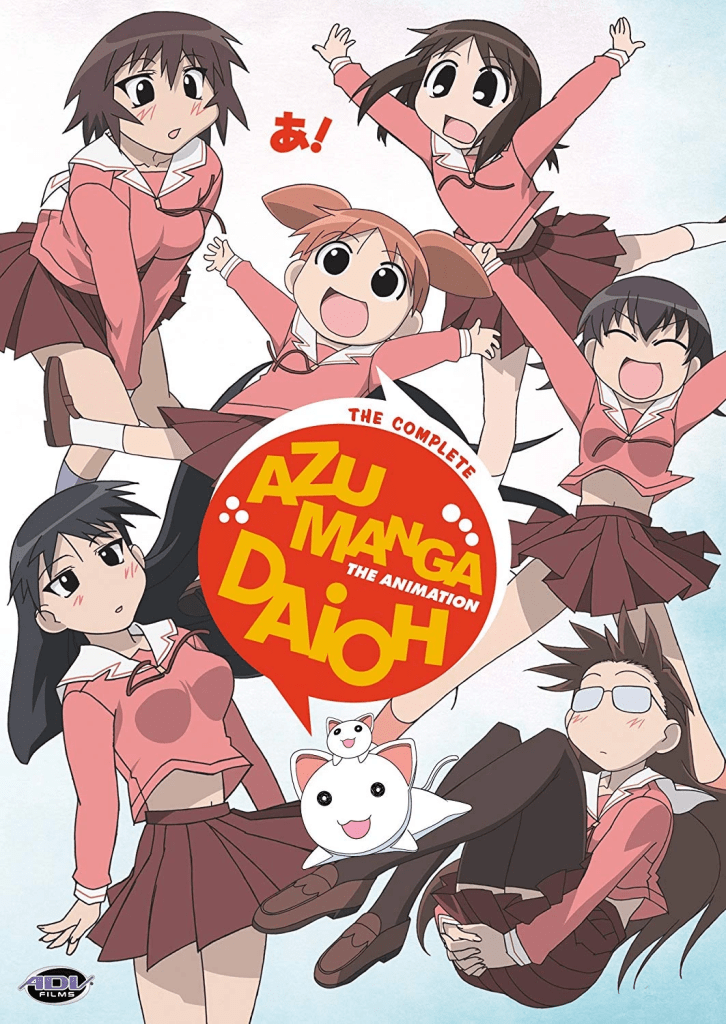
Azumanga Daioh: A Classic

Tsukurimashou

Calling back to a recent post, I once again searched for anime to watch on a whim and with how easy it is to pirate and upload on YouTube (for a time at least), my search led me to another series that needs no introduction: Azumanga Daioh.

A four-panel manga series running from 1999 to 2002, Kiyohiko Azuma’s famous series is about a group of girls navigating their high school and personal lives, with occasional peeks into the lives of two of their teachers. Its anime adaptation follows the manga nearly beat for beat in the sense that every episode is split into different segments. Four-panel manga all have the same layout and are most commonly found in comedy manga series like Azumanga, and are not limited only to Japan. Western comics also have the formula down pat if you’ve ever read the comic strips in newspapers.

As far as plot is concerned, Azumanga is a slice of life series under the “Cute Girls Doing Cute Things” umbrella, a legacy of its era in the moe blob of the 90s going into the 2000s. From start to finish, the manga panels have the star characters and their friends doing really uninteresting stuff, but often in a comedic way. The anime is the same, and having seen it from start to finish the anime translates the humor quite well to the small screen.

Channel: DarkDecietNarcissu

But it still requires a working knowledge of Japanese culture and comedy to understand why it’s like this. Going in blind may not leave as much of an impression compared to going in with this knowledge. The cultural barrier was still standing strong in 2002, and a problem one can see at least with the dub is an old bugbear that only exists when trying to view older anime dubbed in English: poor translations.

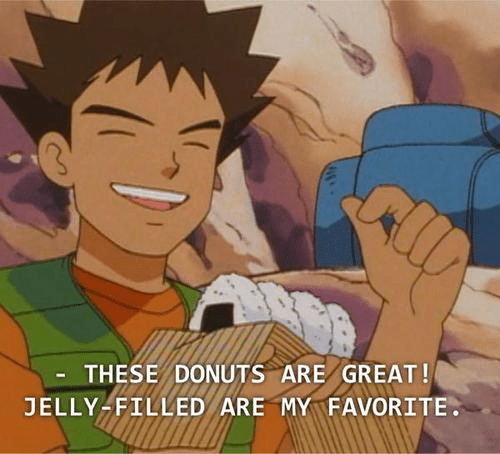
One of the strongest concerns in the dub vs sub debate online is whether the translators/localizers, etc. can correctly interpret the scenes and localize them for western audiences without doing away with the original context and humor. Numerous examples of poor translations in the early days exist, but one that makes the rounds regularly online is the Pokémon scene where Brock shares his onigiri rice balls.

By now, everyone has seen onigiri. When it comes to cultural boundaries breaking apart, food also plays a role in that–not just language or history. The faulty dubbing issue isn’t as persistent as it was back in the day, but the concern still exists for many anime fans in the form of internet/video game slang showing up in the subtitles. Personally, I see why this specifically can ruffle some feathers since more and more people watch anime these days and may not always be the same people browsing social media regularly.

From my perspective, Azumanga has a few of these issues here and there, but they didn’t stop me from watching it all the way to the end. As a matter of fact, this series and Azuma’s other series, Yotsuba to!, are a pair of internet darlings. The off-color humor in both series is a source of numerous memes and no-context compilations of the funniest moments from the Azumanga anime due to the style of surreal comedy employed.

Channel: Brolita

Humor like this can show the author’s attention to detail, especially when a seemingly unimportant gag or detail returns in a later episode or two.

Of course, the series isn’t just a barrel of laughs from start to finish. The characters all share intimate moments between each other and in their own personal lives. The character, Yomi, for example is featured in the opening weighing herself, highlighting an insecurity that gets light in the series. Chiyo, being the youngest character, has big shoes to fill with being gifted enough to attend high school at the age of 10. Osaka, real name Ayumu Kasuga, is the outsider, the awkward round peg outnumbered by a bunch of square holes. Her nickname is based on her home city of Osaka and the general perception non-Osakans have of the locals in that prefecture, sorta like how in the U.S. everyone has perceptions of everyone else based on what state they’re from.

Little moments like these help to flesh the characters out and with a small cast to work with, Azuma wasn’t as bogged down trying to give everyone the time of day. This doesn’t necessarily mean that smaller casts are better, but that it takes real care to ensure everyone in a work of fiction is given a piece of the pie. It isn’t always perfect and it doesn’t always need to be as long as all loose ends are tied up. Thankfully, the details in the series are all easy to keep track of through easy-to-remember clauses: one likes animals and tries to pet a finnicky alley cat; one is extra hyper and loaded with energy; one is prone to zoning out at random; one is a sports fanatic; and the list goes on.

Azumanga Daioh is the type of series that one can sit down and relax and have a few laughs while watching these girls go through high school. Its last episode is a neat and tidy conclusion that offers thanks to the viewers as a final goodbye, though I see myself going back for little things in the show.

If the playlist was still available in the English dub I’d provide a link but sadly, the channel that had all 26 episodes dubbed has been removed as of writing this. There still exists the subbed versions on YouTube and the good old-fashioned eyepatch wearing, peg legged, hook hand approach to viewing this series.

With any luck I’ll finally get done with the Undead Unluck anime and provide my thoughts. I’ll do what I can to have it out before the end of the month.

The Elusive Samurai Anime Adaptation Confirmed

A manga I’m following is greenlit

Long time followers of this blog may recall when I reviewed the manga The Elusive Samurai or Nige Jouzu no Wakagimi by Yusei Matsui, the same man responsible for My Teacher is a World-Ending Tentacle Monster?!

The Light-footed Hojo debuted in January of 2021 and I had been following it for months leading up to my first enlistment. Even now I still read it whenever I get the chance and a lot has transpired within the manga. Enough that there’s a whole time skip arc after 3.5 years in publication.

Now I come to report on an update regarding the manga, in that it joins my small but not insignificant list of manga I’m reading that is also getting an anime adaptation. So far, that makes this the fourth time it’s happened, the first three being, Demons Deserve Death, Gyarus of Hokkaido and Immortal Misfortune.

Channel: AnimeWakana

It started with a teaser sometime last year around the same time I actually reviewed the original manga before hibernating until now. With more time to simmer, it was now revealed to us further that the studio meant to bring life to this manga is none other than CloverWorks, the same studio that brought us many a work including but not limited to Bunny Girl Senpai, Spy x Family, Bocchi the Rock, Dress Up Darling, and several of the Fate adaptations.

An impressive repository of series to check out, right? That said, even godly studios have their off times and CloverWorks has made a few mistakes. We can each point to a studio and wonder what went wrong with XYZ and the number one anime to get brutally slaughtered without sound reason is:

An interesting cutesy horror story comparable to that of Made in Abyss, and interestingly another one I skipped over yonks ago to get to other manga I was and am still reading, Boruto and My Hero Academia: Vigilantes being among them.

I did watch all of season 1 when it premiered on Toonami years ago and I was planning on catching up with season 2, but knowing what became of that by word of mouth, to do so would be to waste time spent on other anime that’s worth my time. Namely:

I’ve still not started Season 3 yet, but now that it’s concluded, I can watch at my own pace.

For years since it’s conclusion readers have wondered why The Promised Neverland’s second season was so lackluster and divorced from the manga. I also occasionally try to look for answers and the most I get is mild speculation. I can’t say for certain how tight-lipped studios can be or will be about these sorts of things, especially Japanese studios, but with the news that studios like MAPPA have developed a crunch culture not seen since Team Bondi’s efforts to burn the candle at both ends or ufotable pulling an Al Capone tax-wise, there probably aren’t that many things besides language and traditions that separate Japanese animation studios from western ones.

Having said that, CloverWorks is one of the best studios in production today, standing tall with KyoAni, Pierrot, and David Production, and with more successes than failures to boast, especially in recent memory, I’ve no reason to believe CW will louse this up, even through malice, though a more mature way to look at it is that weirder stories have come from the animation industry and if it happens during the production of The Last of the Hojo, I’m damned sure gonna write about it. Bet on it.

For now, the scheduled date is July 6, 2024. I will save a spot for a first impression.

Date A Live: On a Whim Again

The life I live is watching anime with friends…

…and I can’t wait to do it on a whim again. I’m not apologizing for that Willie Nelson reference.

Date A Live honestly needs no introduction. It’s a series that I’d heard of for a couple years prior to actually watching it only to hear of a fourth season planned last year while I was already six episodes into the series.

It began life as a light novel with a run from March 2011 to March 2020, exactly nine years of writing from author Koshi Tachibana. A sci-fi fantasy romcom whose anime adaptation was released in 2013 and whose fifth season debuted in April of this year. Funny that light novels from the last decade are going strong in the 2020s.

So what’s Date A Live really about? Breaking it down by its genres, the sci-fi aspect comes from the world itself. It’s somewhat set in the future though no specifics are given so you the reader/viewer may fill in the blanks how you see fit. Spatial quakes or tremors in the solar system start affecting earth in a very negative manner, by way of leaving behind giant craters in the earth, one of the most notable being somewhere along the Eurasian steppe. Bad day to be wandering around Kazakhstan that day.

The in-universe explanation for this is that the space tremors follow the arrival of beings known as Spirits who all appear in the form of girls around the same age as the main character, Shido Itsuka–and protagonist powers aside he does have a crucial role that I’ll get to later.

Further, these Spirits possess abnormal powers, not the least of which involves the likes superhuman strength and devastating abilities the likes of which would make Babidi from Dragon Ball very, very jealous–and also ties in with the fantasy aspect of the series. There are two ways to combat these Spirits: one is by way of actual combat; and the other adds in the romance aspect and our main protagonist, Shido Itsuka.

Now that we’re putting two and two to get to four, you may have predicted that Shido’s task in this series is to romance the Spirits and prevent utter bedlam with the power of love, and you’d be right. The harem aspect is well advertised and if you know a few things about the harem genre in animanga, then you’re probably also aware of the main selling point: fanservice. Flash a boob once or twice, get some cheeky panty shots in, throw in an accidental pervert with multiple different -dere types and voila! you’re cooking a mean beef stew.

However, what I think separates Date A Live from contemporaries of this type would have to be the individual girls themselves. Even as I’ve only just wrapped up the second season of the anime, I’m seeing more than just comedically sexy eye candy. And I’ll even throw a bone to Shido himself. Rather than be just the generic harem protagonist who behaves as a stand-in for the audience, there is a personality to the boy for once. He’s shown to be persuasive and caring, especially since his position in the series is that of nonviolence. He’s basically playing the pacifist route in Undertale.

Meanwhile, the other main adversary present aside from rogue Spirits yet to be wooed by our hunk Shido is the Anti-Spirit Team. Similar to Japanese Special Forces, their purpose is to find and contain the damage the Spirits cause, a lot of the time through lethal force.

Then there’s the girls that Shido romances to the good, less destructive side. A lot of the time they fit well into the typical archetypes we’ve seen in other romance anime, but the backstories and personalities do make them intriguing. Some of them do genuinely want to live quietly and comfortably with Shido, but others answer the question “Violence?” with an enthusiastic “Yes!” Case in point: one of the most iconic characters in the series:

You can’t fix her, nor will she fix you or even try to make you worse. She’ll just leave a massive stain where you standing three seconds ago.

The series explains that the Spirits themselves come from different dimensions, but (minor spoiler) it’s possible for a human from this dimension to become a Spirit as well as what happened to some of the characters in the series. The AST is another display of the sci-fi within the series. With the Spirits being what they are–superpowered high school girls–the members of this elite team have to take the “fight fire with fire” approach to combating them with hi-tech battle suits. Not on par with what has been depicted all over the Gundam genre, but impressive all the same. It’s more like stripped down Iron Man armor in appearance.

Depending on your investment in the series overall and how you feel about the genres explained, you might get a kick out of it, or it might just be another harem series to add to the pile. Neither of these assessments are right or wrong, but it shows that it’s a product of its time. Does that mean the series hasn’t aged well? No. As I said, I got into it weeks before a fourth season was greenlit, not to mention a fifth season debuted a few months ago which suggests a determination to see it through to the end.

I know I’m not the first person to talk about this series and I will not be the last to do so. What I can do is simply point you in the direction of the series and however you choose to consume it. If possible for you, I say finish all five seasons of the anime and while you’re waiting on confirmation of a sixth, beat them to the punch with the light novels.

Before I sign off, since there’s a certain demographic that loves the type of character that I put further above, I feel the video below best describes that mindset:

Channel: Gianni Matragano

But hey, I like kickass ladies too.

For Saturday, June 8, 2024, I recommend the YouTube channel Christopher Chaos.

https://www.youtube.com/@christopherchaos/videos

Run by a retired Army Sergeant and Motor Transport Operator (Military Truck Driver), Christopher Chaos is a military explanation channel dedicated to detailing the possibilities and benefits that come with enlisting in the Army along with the occasional anecdote about his own personal service. Each servicemember’s/veteran’s story is unique due to how big the U.S. military is and how fast changes can be made while serving. Christopher himself explains that he served from 1999 to 2010, so most of his stories show the culture of the Army during his service. That being said, he does still keep up with Army and military news for the purpose of educating would-be recruit candidates.

And if you’re concerned about it, he’s not endorsed or sponsored by the U.S. Army. That chapter in his life is behind him.

Dystopian Fiction

And now for something completely different

Before we start, I’ll say that I meant to have something up either by Friday evening or sometime yesterday, but I missed it because I was tired after work and yesterday there was a local comic con in town that me and some friends wanted to attend. Also the two topics I had lined up for coverage–a review of the Undead Unluck anime adaptation, and a chronicling of the reboot Planet of the Apes series–would require me to both finish the anime, and to at least see the new Kingdom of the Planet of the Apes movie. The first of those can be done more easily than the second since while in TRADOC (Training and Doctrine Command) if you go off post, you need to be with at least two more people, and I haven’t found anyone to go with yet. So my thoughts on the anime adaptation will come later, and my series review of the Apes movies will also come later. Back to the topic.

I’ve gotta be honest and say that I had forgotten why I put this up as one of the many topics to blog about. As much as I like sci-fi, the dystopian side of things isn’t something I actively seek out on purpose. Often, what I find just so happens to have dystopian elements in the plot. This might’ve been on my mind at the same time as the Civil War movie back in April. I haven’t seen that movie myself yet, but based on what I’ve heard from people like Brandon Herrera, there seemed to be a lot of build up with little pay off. That, or everyone was expecting the same kind of hullabaloo that came with the political landscape of releasing a movie like this during an election year, and most people’s expectations weren’t in line with what the movie had in store. If I see the movie, I may share what I saw.

Jesse Plemons’ appearance in the trailer certainly added to the hype until release.

Anyway, I’d say that for me, the appeal of dystopian sci-fi comes from an added appeal to the fantasy, as in a lot can be done even with this one specific filter. It could be and often is a world similar to ours but with a few new rules that make it a darker and bleaker place. Think of Fahrenheit 451 by Ray Bradbury. The theme of this world is that of suppressing dissent. One way to go about this is burning books. All of them. It’s illegal in this world to even own a book let alone read it, so firemen are employed to do the opposite of what we know firemen in the real world do: light the books on fire. But with all the calls to burn the books, it can only mean that there’s a resistance of some kind to this draconian law and sure enough there is. An underground society of sorts that serves as a gathering of rebellious readers, sort of like a book club in tacit defiance of the Gestapo-like firemen.

As we can see from the book and its movie adaptation, the world is not dissimilar from ours except reading and literature are criminal acts where the offender is disappeared while their illegal library goes up in flames. In this case specifically, it calls back to the pre-war Nazi German laws where anything critical to national socialism was up for a mass purging, writings included. Of course, knowing Nazi Germany, this boiled down to anything perceived to be penned or endorsed by their enemies, namely communists and Jews.

Based on that example, the dystopian genre can also provide some social commentary on the real world, and it doesn’t necessarily have to take itself seriously. Comedic examples like Futurama, select episodes of South Park, or even certain skits in Robot Chicken do a lot to make a commentary on the real world, often through speculative warnings. And the operative word here is “speculative.” In my research for this blog, I found that utopia and dystopia normally go hand in hand, often as a response to one another and from my perspective either of them can and do address the issue of logical fallacies, namely slippery slopes and depending on the writing and phrasing tu quoque and/or middle ground fallacy; slippery slope since the more pessimistic of the two can be argued that X will happen if blank is allowed, tu quoque since either side can argue convincingly that the other is behaving naively and unethically, and middle ground since a third party can attest that the most ideal solution lies the furthest away from the two extremes and unlike the extremes, the middle ground attestation isn’t under the same expectation to provide supporting arguments.

Sounds familiar, right?

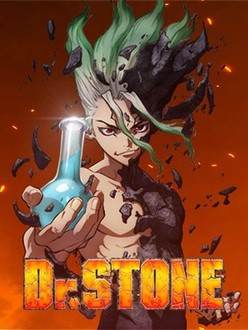
Well, like real-world politics, utopia/dystopia and everything under that umbrella can come in many different forms. As such, there’s a lot of elbow room over what a work of fiction can look like and/or talk about. Tell me your favorite examples. Mine has to be the beginning chapters of the Dr. Stone manga. Shortly after awakening, Senku, Taiju, and Tsukasa all agree to harness the titular anti-petrifying agent to awaken humanity and reclaim the Earth from that evil queen we call nature, but the conflict arises over who to revive. Senku chooses all of humanity should be revived no matter what, but Tsukasa disagrees, citing the existence of bastards and monsters in this world, many of them bitter geriatrics that we could do without and essentially starts off as an antagonist reviving a handful of warriors he believes are incorruptible while Senku, Taiju, and later Yuzuriha continue on without Tsukasa’s might and brute strength.

The question dealt with here in the beginning is that of morals. Both the antagonist and protagonist in this arc accuse the other of being nonsensical and provide compelling arguments for this case.

The manga obviously follows the protagonist who won out and eventually recruited Tsukasa to his side, save for several dissenters spouting his original tenets for the next arc or so, but if the manga was more Seinen instead of Shonen, we probably might see the perspectives of both sides or even a third side emerge, though depending on who you ask a third side already exists and its called the legal system.

Joking aside, since I’m already a fan of sci-fi and more specifically the alternate history side of things (See: my recommendations for Alternate History Hub and Monsieur Z/Dean Mosley), the dystopian side of things has its appeal for me for a lot of the reasons listed, offering interesting stories and scenarios to explore.

And since the subject is on dystopian fiction, I offer these novels as my personal recommendations:

Stand on Zanzibar (1968) by John Brunner

A Clockwork Orange (1962) by Anthony Burgess

Anything by Mary Shelley (1797-1851) (I’d be more specific, but there are too many examples to choose just one, though I do encourage looking beyond Frankenstein)

A Scanner Darkly (1977) by Philip K. Dick

Planet of the Apes (US)/Monkey Planet (UK) (1963) by Pierre Boulle