My Hero Academia: Vigilantes Might Get an Adaptation

An overlooked spin-off may finally get some attention

In my notes, the topic of this spin-off was in the pipeline for at least a few months now, but thanks to recent rumors, it’s possible that the fabled adaptation may be entering its production stage. And as a follower of the series for a time, this has been a long time coming.

The original My Hero Academia launched in 2014 by mangaka Kohei Horikoshi, and was given an adaptation about two years later which, as of writing this, has wrapped up its sixth season a few months ago. Additionally, it’s had a series of light novels, video games, associated apparel and other accessories, and a pair of spin-offs in the form of the aforementioned Vigilantes and a chibi four-panel comic, both of which are much shorter than the original MHA manga which, as of writing this, is nearing 400 chapters and over 30 volumes. All things considered, since Horikoshi was a fan of Naruto growing up, I think it’s safe to say that if part of the dream was to have the same impact that Naruto had in the early 2000s then on that front, he’s succeeded.

The Vigilantes manga meanwhile sat in the back, being released in April 2016 and running up until May 2022, concluding its story in 15 volumes, so it can be cleared at a faster rate than it would take to catch up to the original manga from the beginning. The protagonists are Koichi Haimawari, a college student and part-time vigilante who mostly patrols a single area of Tokyo under the alter ego of the Crawler, jokingly mispronounced “Cruller”; Kazuho Haneyama, the trademark, pink-haired tsundere high school student who moonlights as an impromptu pop-star under the guise of Pop-Step; and Knuckleduster, a crusty Batman-like archetype, who embraces his quirklessness and dishes out justice the old-fashioned way.

At the outset, you can see the differences between the original’s Izuku Midoriya and this one’s Koichi Haimawari. Izuku, or Deku, began the story quirkless and with zero prospects to become a world-class professional hero until his idol, the world’s Number 1 superhero All Might, observed a hallmark of bravery and allowed him to prepare enough to inherit his quirk One For All, which has been handed down through generations of world-class heroes. Koichi, on the other hand, has a quirk called Slide n’ Glide which allows him to glide around and connect to flat surfaces with three points of contact. Kazuho’s quirk is leap which allows her to jump at great distances; this allows her to live out the idol persona she puts on.

Not just limited to these unofficial heroes, pros from the original series also make an appearance to include, the big man himself All Might, Shota Aizawa, Midnight, Present Mic, Detective Tsukauchi and several more, most of these folks being pros before teaching at UA Hero Academy. Most notably, the tone of Vigilantes is darker and a bit more mature than that of the original as it focuses on a college student this time around than a high school class. As I wrote above, All Might is there, but his presence is more of a backdrop than as a prominence. Koichi’s part-time hobby as a vigilante puts him in a tough spot legally. The original manga introduces the pro heroes who are licensed to step in alongside the proper authorities like the police and courts, and the villains are their polar opposite, but the Vigilantes manga clarifies what this means.

When quirks were first discovered in the MHA world, the laws were nonexistent. Vigilantes were the original unlicensed heroes who stepped up to answer to the rampant chaos borne from the emerging quirk era. The law eventually came up, not to explain the makings of a hero but to classify villains. The first place to have laws written on heroism or villainy was the U.S. state of Rhode Island. Of 189 vigilantes whose candidacy for heroism was up for review, only seven were allowed to continue on as the U.S.’s first pro heroes. The issue for the other 182 candidates was that they didn’t have the qualities that made the trademark hero and either continued on as vigilantes or villains. Ironically, the law’s adherence to licensing puts vigilantes in the same spot as villains despite vigilantes being the origins of the laws and most vigilantes running counter to full-blown villainy. The causal loop is definitely not lost on the manga though.

Burgeoning heroes who find themselves in vigilante limbo though aren’t hopeless thankfully; there’s a program that allows pro heroes to recruit vigilantes as sidekicks and incidentally, some big name pros in the original began as sidekicks before finding their own paths in the hero world. Vigilantes also has a sort of slice of life element to it as well. If Koichi was up for hero candidacy, there’s no shortage of witnesses to his do-gooding in the immediate neighborhood, as well as some pro heroes who can give him a leg up if he needs it. There’s glimpses of him aiding people with minor inconveniences just as he assists his fellow vigilantes and pros in stopping villains in any capacity.
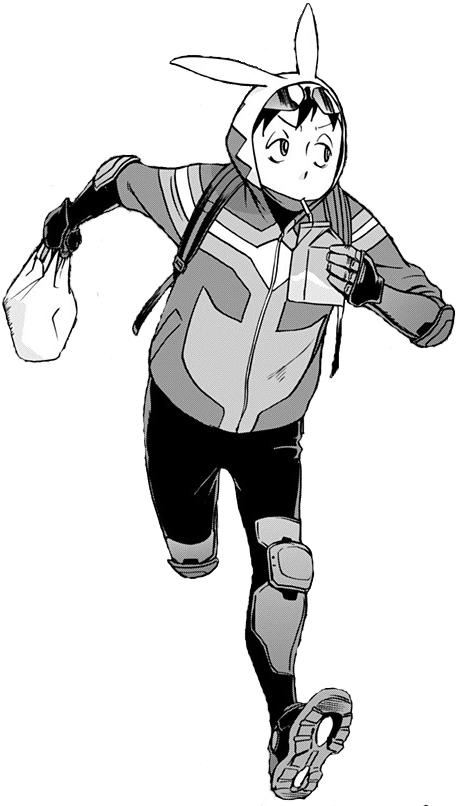
There are also several plot points in the original that have origins in the spin-off series. Another notable difference between Deku and the Crawler were how they both deal with their lots in life: Deku’s aspirations would’ve been impossible even if he had a relatively worthless quirk; meanwhile Crawler’s initial poor handling of his own quirk didn’t really stop him from attempting to help, even if it was with a stray dog (that’s sort of a joke, there is a dog in trouble later in the manga; not so much of a spoiler since it gets resolved in about five panels). Deku obviously starts off in high school with his head in the clouds; Koichi tends to keep it realistic and is more in it for the good of the locals, so if he went the pro hero route, the money wouldn’t be his main motivation, though the same would apply to Deku.

The Vigilantes manga’s place in canon can be interpreted as a sort of foil for the checkerboard presentation of the main plot. Vigilantes as unlicensed, illegal heroes are shown to be a necessary evil in the law’s eyes, and a digestible aid from a practical standpoint. With pro heroes, there’s laws that rein a hero in from overstepping the established boundaries, but vigilantes being unregulated could go a step further to prevent an escalation before it becomes a problem for the pros, which turns out to be Knuckleduster’s own philosophy in the manga.

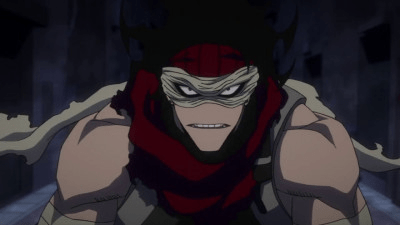
Personally, I welcome Vigilantes as a bit more grounded in its approach to what the original is doing. It’s still a Shonen series at heart, but in practice it takes things a bit further with an older, more mature protagonist who is still optimistic about his future even though he’s buried pretty deep in the gray muck of hero laws. It also has a bit of an edgier portrayal that would really challenge the cast of the original MHA, but not grotesquely or irreverently as Amazon’s The Boys. In the MHA world, Homelander and A-Train would be high on hero killer Stain’s crap list.
If the rumors are to be true, then a notable rarity in anime production would be the adaptation of a complete manga. The only other case that comes to mind would be that of JoJo’s Bizarre Adventure reaching a successful adaptation in 2012, one year after the eighth arc of the manga was being written. That said, all we have are the rumors, so it might not be true until an animator or someone else in the industry has more concrete evidence of an adaptation in the pipeline.

For now, the chapters are available on Viz Media and Shueisha, and its 126 chapters are spread across 15 volumes. To my knowledge there’s no collection or box set to speak of for the lesser known Vigilantes arc, but don’t let that stop you from making your own. For my take, it’s a B+. Avoiding spoilers, there are minor instances that could’ve been reworked or omitted, but the rest of the time it’s a solid manga.

To go along with this overlong recommendation wearing the mask of a blog post is the last YouTube recommendation for the month of June. Adding onto the cadre of Trash Taste affiliates and allies is the YouTube channel Abroad in Japan.

https://www.youtube.com/@AbroadinJapan/about

The channel and other associated Abroad channels are run by British grammar educator and YouTuber Chris Broad who first moved to Japan in 2010. Ever since, he’s made video after video on daily life in Japan going by prefecture, sights to be seen, activities to perform, and generally places to visit. While not a full-blown weeb, his guest appearances on Trash Taste have introduced him to several anime series and he has revealed to the TT boys that his favorites included most of Studio Ghibli’s lineup and anything directed by Hayao Miyazaki or Satoshi Kon or even Kenichiro Watanabe to name a few directors. Normally, when it comes to Japan-based YouTubers, one of the first people to go to is someone who’s native, but spending over a decade and change in Japan should put him in the same room as other Japan-based YouTubers, especially since he’s been up and down the country.

If you’re still looking for a slice of Japan, but you’ve had your fill of anime, Chris Broad’s always got a video or series up, to include the likes of Dr. Jelly as part of a collaboration with The Anime Man, and Wacky Weekends and Journey Across Japan done mostly in collaboration with CDawgVA.

My Preference for Older Music

Always the classics

Since this blog went up in January, I’ve written several weekly posts about primarily interactive and visual forms of entertainment, but the title of this post is about a form of entertainment that I don’t see most people discuss online a lot: music.

I hang around on the anime-based subreddits more so than anything music related, so these two fields collide mostly in passing than directly. The outliers here would be the JoJo’s Bizarre Adventure series and anime themed around music like Your Lie in April, Carole and Tuesday, K-On!, and Detroit Metal City. Does this mean the fundamentals of the discussion are different in music? Nope.

In anime, one of the most enduring discussions is dubs or subs. Video games have the console wars, and TV in general tends to have heated debate over what show is good or if X show is better than Y. All bog standard really, and regarding music, fittingly the songs are all the same. Old people music, dad rock, new age music… the debate around music has ties to the generational gaps. In modern history, it took pioneers within an established group to form something new, and in western music in particular, most music genres were spearheaded by black Americans in history. In the 1910s and during the First World War, 1st. Lt. James Reese Europe was known as the father of ragtime music. The interwar era and after had musicians like Robert Johnson, Lead Belly, Louis Armstrong who led the music world in jazz during and following the Roaring 20s; and during the counterculture, civil rights era, Marvin Gaye, Aretha Franklin, Jimi Hendrix, and the Jackson 5 helped open doors for more music genres to follow.

You might know more about the last group considering the reach they’ve all had since the 1960s compared to the musicians from before. And they all tend to reflect the differences in musical genres that they all grew up with and eventually grew to develop all their own. My family is definitely familiar with a lot of these musicians and the people they inspired or even collaborated with. Being with my mom, and being one of the younger people in my family, I was normally exposed to the older musicians and such.

In the eighth grade going onto high school, I started listening to AC/DC. My friend brought over his Xbox 360 which I didn’t have at the time yet, and one of the games for the system (GTA IV) had AC/DC on the in-game classic rock radio station at the time. After that I listened to more of the band in the first half of high school and continued on to more classic rock bands by day and metal bands at night. Most often my introduction came from hearing the music in a different medium. Chief among them: TV.

Above all, AC/DC and other bands like Guns n’ Roses benefitted fairly well from commercial advertising like the video above. I discovered other bands through a variety of different media. If it wasn’t TV or video games like GTA, it was different fan projects and animations. As much as I prefer older music, it’s clearly not the only type I listen to.

Online, there’s a series of stick figure animatics called Killing Spree created by Australian animator Sam Green. Going by the name of the series, the nature of its content is inherently violent even for a stick figure animatic. Fittingly, part of the soundtrack makes use of metal as a whole, the most common soundtracks coming from the band Disturbed.

Some of the tracks from their albums were used for background music in the animations and they inspired me to look through the rest of the band’s track list when I was in the tenth and eleventh grades. By the time I was a senior, this part of my metal phase influenced most of my tastes. Some of these aspects I still have and others I’ve abandoned because looking back, it was just stupid.

Black on everything gets a bit dull after a while, but one of the more memorable moments from this point in my life was a hand-me-down Led Zeppelin T-shirt that was a good luck charm to me about 85% of the time I had it on or near me. Then I graduated and the power of luck was seemed to have been wasted in high school. It was good while it lasted, but it didn’t stop me from listening to multiple different musicians. Throughout college and even now, I’ve diversified my tastes quite a bit. Rock, metal, and grunge are my top three all around, but I have since branched out. Though, I have a line drawn at certain genres and artists.

The spotlight makes it extremely difficult to be a controversy-free figure and I acknowledge that many of my favorite rock and metal icons have been under fire for various reasons. Looking deeper at the context though, there’s a difference between a minor legal trouble and being a ginormous jerk. In the case of the God of War series, the protagonist Kratos was an a-hole, but there were things he still cared about: glory, Sparta, and his family. Musicians across different genres have courted controversy and once or twice, especially by accident, tends to be forgiven. Sure, it’s embarrassing to learn that this musician got a DUI or an unpaid parking ticket or — if the rumors are true — flushed their drugs down the toilet to avoid the police, not realizing The Police was another British rock band, as what I’d heard had happened to the Rolling Stones. Sidenote: I just googled that to see if it was true and several articles seemed to have confirmed it. Like this one below:

https://www.latimes.com/archives/la-xpm-2005-may-21-et-quick21.5-story.html

But some of this stuff is peanuts compared to what some other musicians have done off stage. Rappers like XXXTentacion and Tekashi 69 have been in hot water for more serious offenses like assault or trafficking, Kanye in December of 2022 sung the praises of Adolf Hitler while on a show with Alex Jones, and the less said about neo-Nazi hate music, the better.

But of course, I’m cherry picking. We each have our tastes and if I played the role of the old man yelling at the clouds any further, I’d live up to the old satanic panic narrative that followed metal bands and funny enough DND for years.

And the “ban this filth” nonsense has been around for ages, and around most aspects of media and entertainment. It’s all but lost on us now, but if you ask an old person who was there, two of the most outrageous topics of discussion would’ve either been Elvis shaking those hips or John Lennon placing the Beatles’ fame above that of Jesus Christ in the Bible Belt states.

For me personally, my mom was the one to introduce and inspire my affection for classic rock and such so she didn’t resist or protest my tastes. My grandma, on the other hand, tried at the start but she stopped when she realized some of the bands I listened to were all around her age now, and there were more important stuff to focus on than who I was listening to. Call me the oddball, but if it was hard for me to take violent video games seriously, then there was really no hope for the supposed satanic messages in Stairway to Heaven.

This week’s YouTube recommendation is akidearest. Months ago, I recommended the Trash Taste podcast and the individual hosts’ YouTube channels. This time, one of them, Joey “The Anime Man” Bizinger’s girlfriend, Agnes “akidearest” Diego, is also a content creator with a channel of her own. She began in 2014 describing different aspects of anime as a whole from associated conventions to a bunch of different tropes across many shows.

Since moving to Japan, she has continued with this type of content while also adding in different aspects of life in Japan, particularly different customs and conveniences that contribute to the culture shock likely to be experienced by foreigners to Japan. As a bonus, both Akidearest and The Anime Man have a video about their most recent trip to the Philippines.

https://www.youtube.com/@akidearest/about

The Nintendo Formula

One of the most consistent formulas since 1985

Before I begin proper, I’m basing this blog post on on-the-fly research and my own observations. Don’t take everything I put here seriously, I am going to be wrong somewhere in here.

Nintendo needs no introduction. There’s a strong percentage that a property belonging to them has come into your possession somehow. Donkey Kong? Mario? Kirby? Pokémon? Pikmin? Maybe it was something more action-oriented like Metroid, or something a bit more obscure with a cult following?

Well, no matter how it started, it almost always goes pretty well for what started as a hanafuda card company. Even the cult classics have devotees of their own. Just try to find someone who doesn’t know about the following:

A little bit of the background: in 1983, the movie E.T. was so popular, it franchised remarkably quickly for a film released at the time. As such, Atari got the million-dollar idea to make a video game out of the property over the course of about five or six weeks. And a lesson we continually forgot even after Sonic ’06 is that games are to NEVER BE RUSHED. Nothing good comes from kicking a game out the door before it’s ready. Like a beef hamburger, you need to cook it thoroughly.

In what became a lesson to burgeoning devs at the time, E.T. for the Atari 2600 went down in history as both the worst video game in all of gaming history and a mass murderer in the video game industry, almost killing it en masse before it got a chance to grow. Developers fell off left and right with how poorly received and sold E.T. was which might as well be an ironic twist of fate. This was E.T., one of Spielberg’s crown jewels, and the aftermath of its failure proved a few things:

  1. If the best of the best can’t take a W, then it certainly lowers morale for most witnesses
  2. Games based on movies would go on to have the worst W/L ratio of all time
  3. Considering Spielberg movie-based games to be released after this, it was for the better that the man quit while he was behind or we would’ve had Saving Private Ryan the game.

And no, I don’t mean World War II games which do work. I mean a game based on this movie above.

The mid-1980s were when the pool of video game developers had shrunk in record time. Then came Nintendo in October of 1985 to save the industry and breathe new life into the industry with a full library of launch titles, unlicensed games, and even to this day homebrew games. In the west, Nintendo became something of a god. They gave us the templates for nearly everything that made for great games, and as the years went on and more and more developers and studios worked with Nintendo to develop games, consoles, or distribute on their platforms, Nintendo has been running home with the gold.

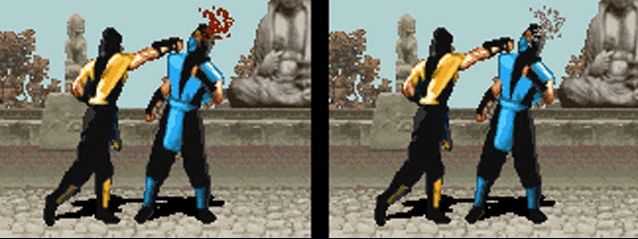
In the modern day, they took the crown from Sega who abandoned console manufacturing in 2001 after the failure of the Dreamcast. Then again, to not sound like a propaganda piece for the Nintendo Empire, they’ve shot themselves in the foot several times. Censorship and a heavy push for a family friendly image turned off some of the more core players in the 1990s and 2000s for a start. Mortal Kombat’s Nintendo ports have been major misses than hits with all the blood, which can be turned off at least in Deadly Alliance, but of all the things to censor in the game, turning the blood to sweat is something I’d expect of a modern day Chinese distribution of Demon Slayer or Spy x Family.

At least Sega had the fans’ backs on this with the blood code.

Another failure was found in several of the consoles they released over the years. The GameCube was meant to be what the Switch is now, a console that can switch between mobile and home functions at will, but it wasn’t to be. The tech wasn’t there yet. By 2006, the Wii launched with high intensity motion controls that proved to be a fad at best and a nuisance at worst. Never mind the fact that Xbox tried it with the Kinect and PlayStation with the Move around the same time; the motion controls mostly worked with things like Wii Sports and other games encouraged to be played with families or with friends at parties and whatnot. Core gamers wouldn’t have been down for that, so third party devs were more likely to work with Xbox and Sony than stick with Nintendo’s wacky rules long term. Props to those who stuck it out though; we got some really creative games out of that.

The biggest one in recent memory was the Wii U, which was either worse than the Wii or better than nothing depending on who you ask. Honestly, the Wii U circled back to issues that plagued other consoles from the 90s, in the sense that the tech was too much and the devs weren’t capable of adapting to this new fangled machinery, hence why the 3DO and Neo Geo sold so poorly and had a tinier library compared to the Great Library that would eventually become modern day Nintendo. Of course, these all had their own hidden gems. Metal Slug anyone?

But the one notable blunder in Nintendo’s history that gets overlooked these days is that they technically created one of their rivals in PlayStation. Sony and Nintendo had worked with each other prior to the mid-1990s and in the lead up to the PSX’s debut console, Sony and Nintendo had been developing a game-changing console that would incorporate early 3D graphics and transition to CD-ROM technology. Unfortunately, Nintendo’s paranoia caused them to renege on an agreement and in a fit of rage, Sony made Sony Computer Entertainment as the ultimate vengeance. Basically, Nintendo is PlayStation’s father.

Despite the decades of video game development under Nintendo’s belt, their flagship series haven’t changed all that much. Even when Donkey Kong and Brooklyn’s least infamous plumber became well-known across the world, the core of their respective games hasn’t really changed since then. For as long as there’s been a Mario, there’s been a princess in another castle. Donkey Kong used to lob barrels at him, but retiring from that put him in the crosshairs of the crocodiles and King K Rule, paid for in part by the United States Marine Corps. If you don’t get that reference, watch this:

Third parties tend to get a pass when developing for a Nintendo console, but their own properties have been on the same script with almost no change whatsoever. Even the spinoffs don’t make much of a difference when they have little impact on story canonicity. I don’t mean the spinoffs from after Mario and Donkey Kong made names for themselves after the original 1981 game.

In another instance revealing how little I play Nintendo games, I can’t recall Mario making mention of saving Pauline from the ape, nor are there any mentions of the plumber dodging Donkey’s barrels. So what, did they have a professional relationship only? Because every spinoff suggests elsewise. For a franchise with 5% story, the spinoffs do a better job at fleshing all the characters out than the main games, so this is Nintendo’s fault for sticking with the same storyboard for almost 40 years.

Tennis, sports, partaking in the Olympics themselves, go-karting; if I fell into a coma and woke up decades later, oblivious to what Mario even is and I got into through one of the spinoffs, I would’ve initially thought they were all good buddies who play games together, which is probably a reference to a Nintendo ad campaign. This all being said, its a formula that works for nearly every Nintendo game. The only one I recall trying something different was Kirby with more enemies to fight, more complex plots at least during the GBA and DS eras, and callbacks to old mechanics or concepts from previous installments. And that pink round thing almost always has a score to settle with Dedede, even if things are different for Forgotten Land.

The crux in my custard here is that if they can throw more ideas at Kirby’s pink mass, then surely Nintendo has what it takes to try something else with some of their other properties. The Zelda series alone has a new idea with each release. Consider how different each Zelda game is from each other. Windwaker, Majora’s Mask, Ocarina of Time, A Link to the Past, and about 4,000 other Zelda games. There’s always variety in the story of Princess Zelda and the mute, canonical femboy.

Zelda’s tastes are exquisite and pristine.

Even if Kirby is owned more by HAL Laboratory, Zelda is a wholly-owned Nintendo property and the ideas trough is always going to that hungry pig while the rest of the zoo animals starve. Maybe it’s due to the way Japan does things (what with most companies being run by old men who loathe change), but it really isn’t gonna hurt them to try something new with the rest of their lineup. Even one-off experiments are worth the effort. No one was really feeling it at the time, but the XCOM hybrid that was Mario and Rabbids was something different. Good? Bad? Don’t ask me, I didn’t play it. But there is gameplay of it in full on YouTube and it stands as the second thing I recommend aside from Nintendo picking a different direction after almost 40 years.

The third recommendation is a YouTube channel called Ryan McBeth.

https://www.youtube.com/@RyanMcBethProgramming/about

Ryan McBeth is a retired US Army platoon sergeant and expert in software engineering and development, cybersecurity, military analysis and open source intelligence. He has a lineup of t-shirts, makes videos and YouTube shorts (and probably also TikTok videos) about the military and battlefield analysis. Ever since the Russian invasion of Ukraine started in February of 2022, he’s made videos about several aspects of the ground operations with some other stuff sprinkled on the side. I highly recommend his channel and as an added bonus, if you have any inquiries on software development or cybersecurity, try reaching out to him for that as well. And to top it all off, with YouTube being what it is regarding censorship, full length explanations and videos can be found on his associated Substack page.

A Somewhat Complex Introduction to Pokémon

Better late than never?

This will serve as both an indictment against me, and as an explanation for what I’ve always thought about the Pokémon franchise. Before we start proper, my original notes were going to say that this was a “Late Intro to Pokémon,” but that’s inaccurate and misleading considering what I grew up with. Such a title would suggest that I had never heard of Pokémon before or bothered to look into the series itself, which just isn’t true of the rest of the franchise outside of the games. The games were what I was late to, not the anime, or the toys, or the cards. So, this post will be mostly about the games.

I say that my introduction to Pokémon is inaccurate because growing up in the 2000s meant seeing some variation of the franchise on TV through the anime or through advertising. I certainly recall tuning in to Pokémon when it was on channels like Cartoon Network, or Nicktoons or 4KidsTV alongside Yu-Gi-Oh!, but admittedly, it hadn’t really caught me the same way Dragon Ball Z did at the time. Still, it was one of the two properties with something that can be imitated in real life in the form of the card games.

If you also grew up in the 2000s and 2010s, you or someone you know probably had a booklet or folder or something similar that had a full deck of cards or more. Like Yu-Gi-Oh!, I was normally just the bystander watching some of my friends play and battle it out from the sidelines. It got the most focus in the latter years of elementary and all throughout middle school, especially during recess. For me, the allure of Shonen series was the more intense battles that could be seen through the original big three: Naruto, One Piece, and Bleach, with a special mention to Dragon Ball. I didn’t know it at the time, but the rest of the franchise went hand in hand with the anime, similarly to Yu-Gi-Oh!, so the point flew over my head on a supersonic jet.

I always thought all of this was enough to get a fill of the series, but there’s a noticeable difference between watching the show, engaging with the cards, and playing the video games; a difference I never saw until recently.

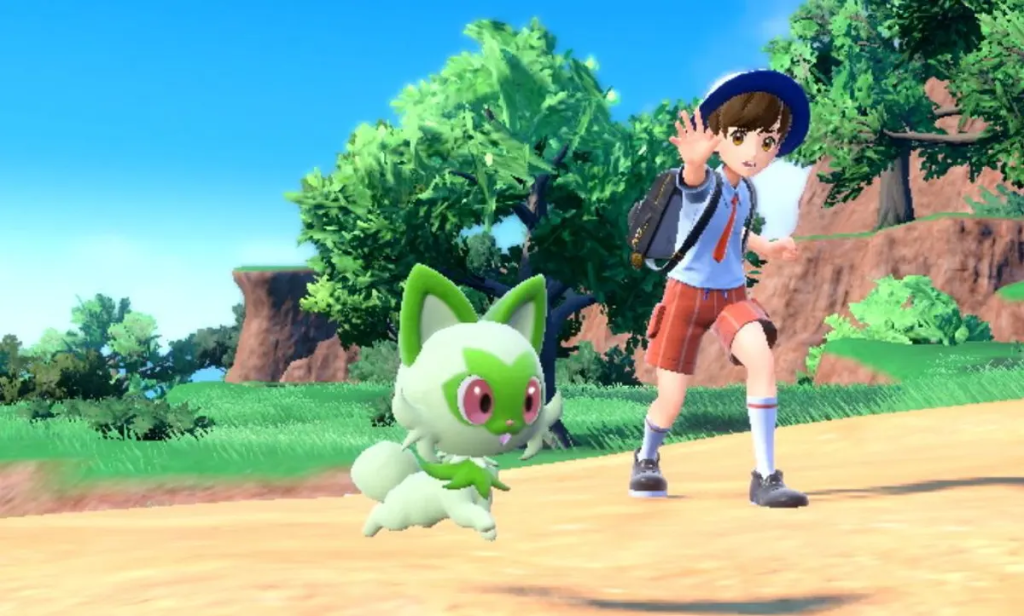
I knew how the games started for the most part: name character, choose starting Pokémon, adventure, battle. Sometime last year, I started the game on a browser emulator which as a sidenote, was not very hard to find, probably because the technology for a handheld is seemingly less complicated than that of a home console (don’t quote me on that), and I began with the first game in the series: Pokémon Red. My starting Pokémon was Squirtle, whom I advanced up to Wartortle after fighting off several wild Pidgeys and Ratatas. Then it hit me… like a wild Pidgey.

When I started this post, I was certain it was mainly about the Pokemon games’ layout and such, but it seems to be a bit more complicated than even I thought and opened up with. For all the love I give to adventure games and RPGs, some of the gripes came down to leveling up and the random fights that happened no matter what. Then again, there were other games that had this design philosophy and I remember getting far and playing most of them to completion. Naruto: Path of the Ninja, handheld versions of the Avatar games, in some aspects Genshin Impact and most recently Honkai: Star Rail. I even watched gameplay of a pacifist run of Undertale.

So, I clearly had no real issue with RPGs or JRPGs, but I didn’t start or attempt a Pokemon game until I was 23. So, what gives?

I don’t feel like leaving on a cop out answer, but the only one that makes sense to me would probably be overexposure. A franchise this influential to pop culture, media, and such that South Park can parody it, even when it just breaks ground in the west didn’t feel like there would be too much to discover by myself, which may also explain why I’ve been hugging and cheering on underrated and unsung manga like Undead Unluck, The Elusive Samurai, and one that I also discovered recently, but haven’t written about yet, Rokudenashi Blues.

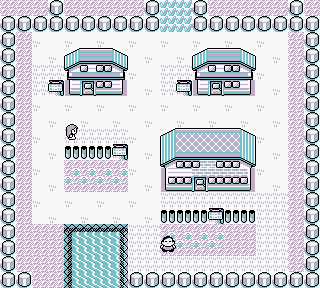
But if you read all that and recalled that I’m so caught up with Naruto that I could in some aspect be the “Boruto Guy” with all the lore in just that franchise, you might also question how I can be overexposed to Pokemon but not take similar issue with Naruto and the other stuff. Why the bias? Well, first that’s a question to be asked about almost everything in life, and in context… as much as I tried to avoid it, the cop out “I don’t know” might have to suffice. Maybe the appeal wasn’t as strong for the games as it was for the 12,000 anime iterations. Unlike most of my friends at the time, I was way more of a moderate consumer of anything Pokemon compared to the other stuff that ate up my attention. Whatever a superfan of Pokemon hoped to have, I sought the same with Naruto all things considered and the free-roaming, adventure style I personally found more engaging then walking around Pallet Town waiting for the danger to find me like I mixed the paranoia pills with strong Colombian coffee.

I think it also comes down to the early Pokemon games at the time relying on the player’s imagination to fill in the blanks as opposed to what a modern Pokemon game is capable of now.

That being said, I wouldn’t say I’d want to stop trying to get into Pokemon. Googling the franchise will definitely put it in my radar in the form of banner ads down the line and admittedly none of what I bring up is bound to be a staple of the games anymore. The battles happening at random weren’t any fun in Path of the Ninja and from what I remember the furthest I got there was the Land of Waves arc. I might revisit this in the future after looking at gameplay of later Pokemon games. We’ll have to wait and see.

For this week, I recommend the YouTube channel Clownfish TV.

https://www.youtube.com/@ClownfishTV/about

Clownfish TV is an independent media outlet that focuses on games, TV, animation, comics, and pop culture mainstays and staples, chief among them Disney and its growing properties. Co-hosted by husband and wife duo, Kneon and GeekySparkles, the channel makes daily videos about media at a rate of two to three a day. Additionally, they have merchandise up for sale on their own website and as of this writing, a comic strip based on dialogue spoken in the videos.

Mortal Kombat 1

Another entry to the king of blood and guts

About two weeks ago, a teaser was released for the next installment in the Mortal Kombat franchise slated for released in September of this year. The gist of the teaser was that post MK 11 Aftermath, there’s a new timeline and therefore a new god because Kronika and her merry band of lackeys have been defeated or written out of history as to not muck anything up like they did the first time.

In spite of what I wrote above, the announcement doesn’t reveal much, though it still requires a general knowledge of the plot line of the games from 1992 to the 3D era of the 2000s for why it was soundly rebooted in 2011 and the timeline post-2011, both of which I think I can safely say I have knowledge in.

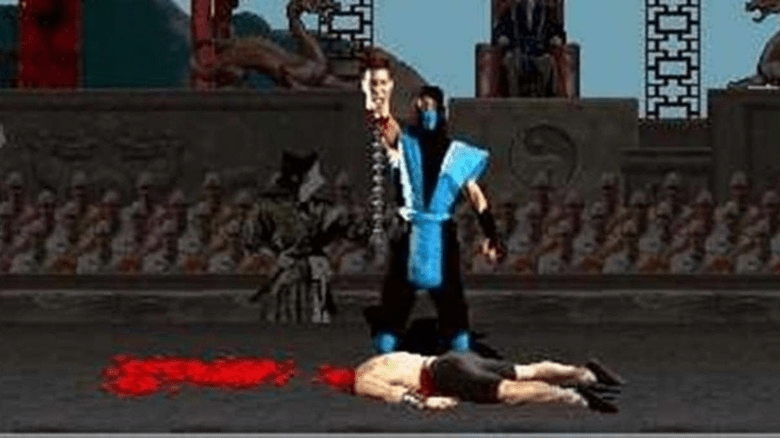
To set a primer, Ed Boon and John Tobias began working on a fighting video game with digitized sprites for the actors in 1991 for arcades. A small team of programmers, actors with an intermediate or advanced knowledge of martial arts, and a marketing team brought the dream to light, but with a twist: blood. Unlike other video games like Final Fight or Streets of Rage or more appropriately Street Fighter, Mortal Kombat got grizzlier with the inclusion of blood and the option to kill the opponent in the ring by dismemberment

In the era where video games were the same as children’s toys, Mortal Kombat and Night Trap, a video game released the same year as MK, were the subject of intense political debate over what is appropriate for a child to see in fictional media. You and I both know that try as one may, there’s no realistic way to imitate the exaggerated violence seen in a video game, but nevertheless the extremeness in the game led to the creation of the Entertainment Software Rating Board or ESRB.

The ESRB is responsible for the guidelines for parents when it comes to purchasing video games for their kids. When it was created, most adults rarely played video games, or aged out of it with time (not including parents), and were likely to be unaware of what was in the game. But with a specific letter marking on the cover of the box, a parent can best determine what their child can play on paper. In my experience, it takes a trusting or admittedly negligent adult to let their child get away with playing something like GTA or Call of Duty, a problem that persists even now.

Still, whatever would come out of these government hearings on interactive entertainment wouldn’t matter much to gamers and arcade goers of the time. The controversy and the marketing worked wonders that Ed Boon and Midway Games could make more sequels in the 1990s and eventually get the games on home consoles when Mortal Kombat: Deadly Alliance was given its’ own spotlight during E3 2002.

As for the plot of the Midway Games, the evil emperor of Outworld Shao Kahn has absorbed another realm into his empire and has his sights trained on Earthrealm. The Elder Gods put their foot down and give the realm a chance to fight back through a tournament. Over the course of a millennium, 10 consecutive tournaments are meant to take place with the last one determining the fate of the realm. Shao Kahn’s representative on earth is a sorcerer named Shang Tsung who has the power to take souls and replenish his youth. Basically, he’s immortal, and every time a fighter dies in the tournament he takes their souls, though he has different methods of stealing souls if he wants to (and he always does). The tournaments are spread out over the course of fifty years, which means theoretically someone can fight in two tournaments if they’re healthy and lucky enough to live to be that old.

MK 1992 begins at the 10th tournament, and the final boss of the game is Shang Tsung who additionally can shapeshift. I have fond memories of this levitating old man transforming into the sub-boss Goro while I was playing the game in the Midway Arcade Treasures collection.

But when he does lose, the character Ed Boon et al determines to be the default protagonist, Bruce Lee clone number 1009 Liu Kang is chosen to be the champion of Mortal Kombat. At the same time, Shang Tsung is reprimanded and demoted by Shao Kahn who decides to take matters into his own hands and becomes the final boss of 1993’s Mortal Kombat II, complete with a larger cadre of characters representing Outworld and Earthrealm.

History repeats itself and the heroes soundly defeat Shao Kahn, but the power hungry emperor isn’t done yet. By 1995’s Mortal Kombat 3, the man is desperate to have Earthrealm in his expansion pack, and at the risk of sounding like a cheerleader for several historical conquerors, Shao Kahn could’ve studied the techniques of Alexander the Great, Napoleon, and militarily Adolf Hitler to learn why throwing your men at the frontlines like this doesn’t work or what worked for the defenders at the expense of the invaders, but then again, Shao Kahn has almost always been a one-track conqueror. Even a little bit of credit is too much for a character like him.

By 1997, Mortal Kombat 4 played with 3D graphics to give us another cast of ne’er-do-wells to fight. Shinnok, and his protégé Quan Chi. I admit that my exposure to MK4 is limited with the exception of some of the character endings making it to MK: Deadly Alliance’s krypt as unlockables, but one that I remember was that if playing as Quan Chi, the sorcerer betrays Shinnok and everyone else to hold infinite power. In another ending, the character Baraka takes serious issue with this and attempts to kill the sorcerer who just so happens to have necromantic powers and becomes another skeleton in Quan Chi’s graveyard, funny enough.

Quan Chi himself was written as the source of Scorpion’s woes. For the longest time, it was believed that the rivalry between himself and Sub-Zero was due to Sub-Zero’s clan of Lin Kuei warriors exterminating him, his clan the Shirai Ryu, and his family, when in MK4 it was revealed that the Lin Kuei never went after Scorpion’s wife and son. That was Quan Chi’s doing, and when the dunderhead revealed his hand in an attempt to be rid of his lapdog by transporting him to the Netherrealm, Scorpion grabbed the sorcerer at the last minute to exercise his misdirected vengeance on the sorcerer, leading into Mortal Kombat: Deadly Alliance.

Released in November 2002, Mortal Kombat: Deadly Alliance did 3D much better than its predecessor and had more room to expand on existing mythology thanks to cutscenes and extra content in the game’s krypt. With a payment of a specific amount of koins, different stuff can be unlocked from pre-production art to full characters and their alternate costumes to movies and interviews with the staff and many more.

Plot-wise, the game includes an introductory movie narrated by the thunder god Raiden to a gaggle of Earthrealm warriors whom he plans to lead in a coming battle. Quan Chi survived Scorpion’s onslaught in the Netherrealm and escaped into a hidden tomb containing the mummified remains of Outworld’s ancient dragon king. To make matters worse, he teamed up with Shang Tsung and the two sought to remove the obstacles in their way to power.

By Mortal Kombat’s rules, Shao Kahn was revived which teaches you all you need to know about how seriously death is taken in this universe. It’s not like in Naruto where a reanimation jutsu can revive a character by way of a sacrifice; most of the time, characters tend to Kratos their way back into the world of the living because “I decide when I die!”

Anyway, the Deadly Alliance takes out Shao Kahn and in a ballsy move for a creative in any industry, they take out Liu Kang himself. The champion of Mortal Kombat is killed and his and other dead warriors’ souls are used to revive the mummifed army of the dragon king. If they succeed, Outworld and eventually Earthrealm will fall at their hands.

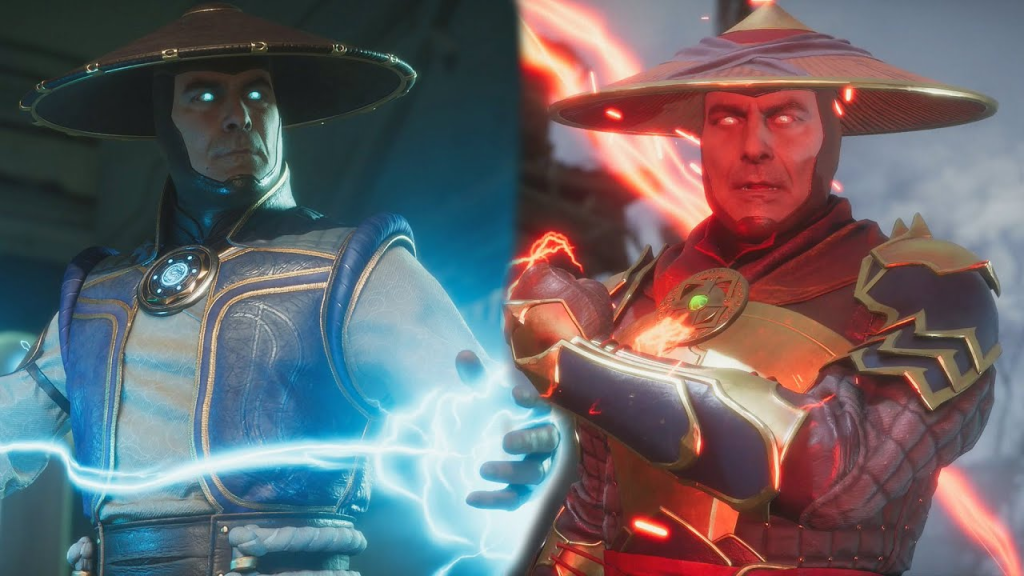
Raiden had previously ascended to the position of Elder God, but the chaos and peril unfolding in the realms coupled with the Elder Gods’ inaction to it all motivated him to relinquish this position and take charge personally. Almost every warrior died or defected to the side of evil and 2004’s Mortal Kombat: Deception begins with a new narrator.

In Deception, the Konquest mode takes the player through the past of Shujinko and his journey to recover the Kamidogu, or godly tools, to be transported to the Elder Gods. This lifelong journey introduces Shujinko and puts him at different points in the Mortal Kombat timeline. As a matter of fact, he helped Scorpion find Quan Chi in the Netherrealm and was one of the first to learn of Liu Kang’s death with further developments pulling the two in different directions with a significant point of divergence. I wrote above that most of the warriors representing the good guys died or defected, but in Shujinko’s case, spoiler alert, he’d been an unknowing tool of a greater evil, worse than anything the Deadly Alliance could ever conceive and had been hard at work performing this evil for decades until the big reveal at the end of MK: Deception’s Konquest mode.

Before Shujinko defeated his enigmatic puppeteer, Onaga had marched into Outworld to take back his army and empire by force. Raiden and the Deadly Alliance knew the dangers that would come with an Onaga victory and sought to stop it, even to the point of self-destruction (which happens to be one of Raiden’s fatalities in Deception), but it proved fruitless when Onaga was revealed to be the sole survivor when the blast eliminated everything… or so it would seem. Raiden also lived, but was so corrupted by mortals messing with reality that he set out on a new mission to strike back pre-emptively.

Following Shujinko’s victory against the dragon king, Raiden appeared before him as punishment for allowing Onaga to even get as far as he did. The intentions of either didn’t matter to the immediate consequences, nor was it important to the corrupted thunder god that he rectified his mistake. Raiden wanted blood reparations and Shujinko wouldn’t be the only one to face this wrath.

Speaking of messing with reality, Mortal Kombat: Armageddon was the first time that it would happen in the MK universe and owing to its name, Armageddon was what was at stake at the time. Every fighter in Mortal Kombat history (including maligned characters) fought each other in the realm of Edenia, in a large crater where a pyramid dedicated the realm’s protector god Argus would later rise housing a fire spawn creature named Blaze. At Blaze’s death, the victor would set off a reaction with one of two outcomes: annulment of all abilities or total extermination.

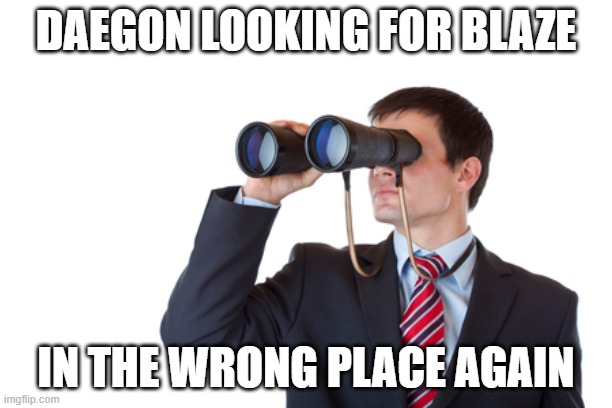
In this game’s Konquest mode, the creators of the quest Argus and his wife, sorceress Delia, designed the quest with a winner in mind, their eldest son Taven. If things went right, he and his brother Daegon would engage in a quest sold to them as a friendly competition where they’d acquire weapons and armor to defeat Blaze and become full gods instead of the demigods they are now. Thing is, they intended for Taven to win it all, but when Daegon was awoken earlier than expected, he found out about this and went on a third, unpredictable path; he founded the Red Dragon clan and spent the last few centuries finding Blaze who it’s revealed was kidnapped and hypnotized to watch over the last dragon egg in MK: Deception. Bad sense of direction? Incompetence? Bull manure? Well, it’s convenient either way that in Armageddon’s Konquest mode Daegon’s clan had better luck ambushing his own brother than he did in finding the main element in the quest.

I made this meme just now. I’m probably wrong about Daegon’s efforts here, but with what I learned this late into the 3D era, it’s still a bit weird that he put more of his time in trying to kill his brother than in finding Blaze first. It makes it even weirder knowing how technologically advance the Red Dragon clan was to perform human experiments on their own members attempting to turn them into hybrid dragons like Reptile.

Anyway, Taven fights his way to Edenia intending to defeat Daegon out of necessity before being persuaded by Blaze himself to finish the quest. At the end of this, we can conclude that Taven became a god as intended and one of the adverse affects of the quest was that instead of death or depowering, everyone got stronger and the realms remained in peril, for which Taven would have to serve as the bulwark against extinction. And so the 3D era ends in a bit of a whimper.

The developer side had several troubles to deal with themselves. Mortal Kombat successfully franchised to get an animation and toy line ups and comics, but spin-off games were Midway’s Achilles’ heel. 2000 saw the release of Mortal Kombat: Special Forces, a game that Ed Boon wants everyone to forget.

If the co-creator won’t aid the game, why would anyone else, right? Before that, 1997 also saw the release of Mortal Kombat: Mythologies which was meant to tell the stories of individual characters beginning with the one who appears in every installment: Sub Zero, but the controls, graphics, and full AMV cutscenes saw hardly any returns on investment and so they didn’t bother with another spin-off until Mortal Kombat: Shaolin Monks in 2005, a game with excellent beat ’em up mechanics even if the roster is quite small. A sequel to this called Mortal Kombat: Fire and Ice was in pre-production, but the only traces of its existence come in the form of concept art before the project was canned between 2006 and 2010 when Midway’s assets were sold to Warner Bros. following a Chapter 11 bankruptcy.

By 2011, Ed Boon and co. started again under the new studio NetherRealm Studios and redid much of the story of the first three games in Mortal Kombat 2011, colloquially known as MK9. By the end of the game, Shao Kahn was soundly defeated and in the immediate aftermath, Quan Chi and Shinnok redo this timeline’s events of MK4, but with a twist. 25 years and the old generation of characters had had children of their own, many of whom joined in the fight to not only defeat evil but to contain it.

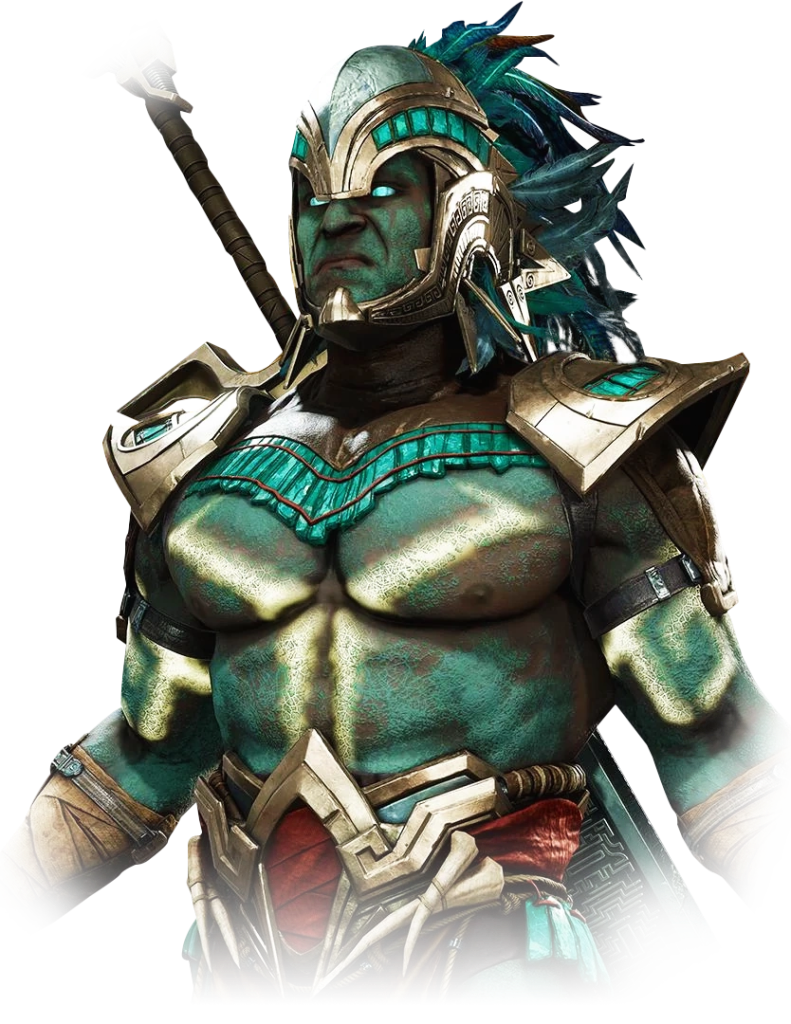
The connecting element this time around is Shinnok’s amulet which can’t be destroyed and thus needs to be heavily guarded around the clock. The problem here is that there are saboteurs around and the new leader of Outworld, Kotal Kahn, doesn’t easily trust Earthrealm. Things don’t go as bad for them until halfway through when Earthrealm chooses not to eliminate immediate threats and dangers where they spring up, even when they would all make sense.

The saboteur in question is a character named D’Vorah, who went down in history as one of the less welcome additions to the roster in recent memory. The point of divergence here is that Shang Tsung and Quan Chi don’t form the Deadly Alliance (though there’s a neat reference in MK9’s story mode). There’s also no Onaga and Blaze despite there also being references to them both. So no Deadly Alliance, and no Quan Chi to betray Shinnok. Instead, Shinnok is summoned behind enemy lines and finally for a necromancer, Quan Chi’s ability to command the dead is explored in this timeline when he has the souls of fallen heroes who dream of taking their revenge on Raiden, who still goes dark in this timeline.

The shoe’s on the other foot now with Dark Raiden taking the plunge against evil like how Shao Kahn opted to be the final boss in the other games. This time, Shinnok’s mother Kronika and his sister Cetrion rearrange the timeline to maintain the balance between light and dark, one of the most important instances being the fallout between Liu Kang and Raiden. Once they realize this on their way to stop Kronika herself with a new cadre of friends and an army to command, Raiden and Liu Kang combined to form Fire God Liu Kang which, fun fact is how MK: Mythologies ends.

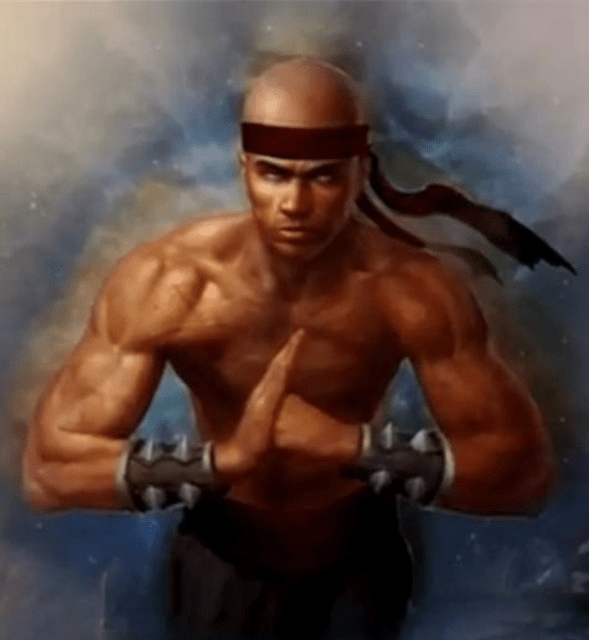
This time, their fighting chances have gotten better and with Kronika’s defeat, Liu Kang has a new timeline to oversee, which is where we are. Based on what I wrote and what I know I have a few ideas of what to expect based on what happened, but there’s no guarantee everything will live up to my predictions even slightly. The Aftermath DLC in MK 11 ended with Shang Tsung’s defeat and Liu Kang starting with the ancestor of Kung Lao, the fabled Great Kung Lao who lost favor when he was defeated by Goro in the old timeline. My first and so far only prediction is that this time, Liu Kang cheers this one on and Kung Lao’s bloodline becomes venerated instead.

After that, remains to be seen. Ed Boon’s been doing this for 30 years and has a great love and respect for his own series, often dropping hints and teasers for fans on Twitter, so we can expect further updates from him in the lead up to MK 12 or Mortal Kombat 1 as it’s going to be known as.

I have opinions on sequels named the same as the original that can best be summarized in this episode of You Know What’s Bullsh-t?!

This week, I’m recommending the YouTube channel h0ser, recently rebranded as hoser.

https://www.youtube.com/@h0ser/about

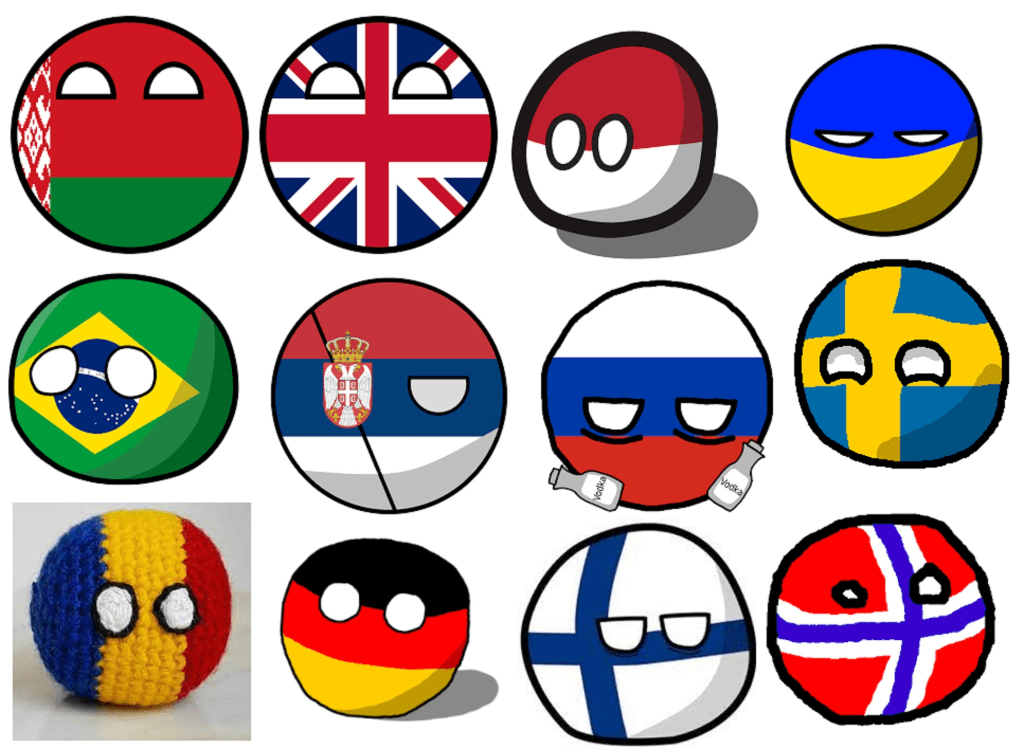
The channel talks about history and geopolitics in a comedic manner, often with insert country’s most common animal here as a stand in for the nation in question, painted in the country’s flag. A buffalo for the US, a bulldog for the UK, a bear for Russia and the Soviet Union, etc. An old approach to when the channel did this through countryballs method.

Those of you who want to learn more about the world, hoser is one of many sources for that knowledge.