3D Mortal Kombat Games

An Interesting Era that WB won’t Return to

I have made clear that I am no villain of emulation/piracy when it comes to defunct games and their developers. Of those defunct studios, the folks at Midway Games and the entire 3D era of Mortal Kombat games. Well, not as of writing anyway; I’ve only got Deadly Alliance, Deception, and Shaolin Monks at current. When I free up some space on my computer, I’ll add Armageddon to the lineup.

Personally, Mortal Kombat: Deception was the one to introduce me to the rest of the series back when it was new in 2004. I’m not sure if this was fandom-wide or if it was just me, but I didn’t realize there was a story going on at the time. Then I watched further videos and discussions from the creators themselves and unaffiliated content creators on YouTube who explained that it seemed to be the case that folks didn’t realize or pay attention to the story going on until at least 1995 when fan favorites, most notably Scorpion, was absent until the Mortal Kombat 3 re-release titled Ultimate Mortal Kombat 3.

As you can see, Scorpion, Johnny Cage, and Raiden are absent. Along with some new characters and returning characters, rather than keep up the palette swap of Scorpion and Sub-Zero (the latter of which is shown unmasked there with the scar over his eye), there’s the two ninja cyborgs in Sektor (shown in red) and Cyrax (shown in yellow).

Nevertheless, Mortal Kombat trudged through the nineties with a dip in the latter half of the decade following the subpar 3D and cinematics within 1997’s Mortal Kombat 4. The opinions on the games in the 3D era seems to be that on the one hand, 2002’s Deadly Alliance perfected the errors of the previous game graphically, but on the other hand was one of the first signs that the money and idea trough at Midway Games was running dry. If that’s true, then it could explain why the new owners of Mortal Kombat, Warner Bros., are welcome to re-release and highlight Mortal Kombat 1, 2, and 3, while ignoring or keeping the co-creators, Ed Boon and John Tobias, from attempting to re-release/remaster the 3D era games.

I don’t know about you, but this doesn’t seem to be the fairest deal all things considered. The biggest tell that there’s a preference for the first three games is that the plots of all three are the reimagined plots of Mortal Kombat 2011, henceforth referred to as MK9.

Brief summary for MK9, the events of Armageddon are rewritten when Dark Raiden sends a premonition of the MK Tournament to his past self. An amulet on Raiden’s person cracks as time progresses to show that each and every move they make further welcomes doom in the story. The first third of the game focuses on the tournament as an A plot with other characters’ motivations as a B plot. The middle part focuses on a revamped tournament in Outworld with different rules that are meant to favor the home team instead of the challengers in the Earthrealmers, and the final act focuses on the technically illegal invasion of earth by Shao Kahn’s horde.

MK 9 does what it can to tie a neat little bow on the story as it goes on, even rewriting events from the old games which is something I admire. As much as I like the old 3D games, there’s not a lot of consistency lore wise. Character endings do factor into the overall plot at large but differentiating canon from non-canon would require a flowchart. For example, Deadly Alliance and Deception flow into each other fairly well. The opening cinematic of DA shows the ambitions of the sorcerers Quan Chi and Shang Tsung, their murdering of Shao Kahn in a false show of allegiance and Shang Tsung finally getting one over on Liu Kang at the Wu Shi Academy itself.

https://www.google.com/url?sa=t&rct=j&q=&esrc=s&source=web&cd=&cad=rja&uact=8&ved=2ahUKEwj1oeLDq-j8AhUaD1kFHWXJApwQtwJ6BAgJEAI&url=https%3A%2F%2Fwww.youtube.com%2Fwatch%3Fv%3DL4rrIyj7Zho&usg=AOvVaw2l2D_4rP3n5tQgsjrImyOr

Not only did these two villainous characters achieve something that rarely happens in media (the death of the protagonist/hero), they used his soul to revive the legendarily undefeatable army of the dragon king. A character we learn more about in Deception. While Raiden is narrating the story, it’s interpreted as a sign of things to come. Death and destruction are on the horizon and if Earthrealm doesn’t act fast they could succumb to the same fate that befell Kitana’s home world of Edenia. The purpose of the MK tournament was to give Earthrealm a defense mechanism. With other worlds falling to Shao Kahn’s Outworld forces, the elder gods of Mortal Kombat granted earth this fighting chance, but refuse to intervene further. This forced Raiden to come down to earth to organize Earthrealm’s heroes into a fighting force that can stand a chance against the Deadly Alliance.

While this is happening, Deception is a bit of a prequel. Before there was Liu Kang and Kung Lao, there was Shujinko. An aspiring warrior who looked up to Kung Lao’s ancestor and namesake, the Great Kung Lao, with dreams of defeating Shang Tsung in Mortal Kombat himself. However, as the name suggests, there’s more to this than even he would know.

Both Deadly Alliance and Deception have a story mode known as Konquest, though the story aspect is further explored in Deception. Whereas the DA version is a tutorial showing the player how to control the roster, Deception focuses on a central protagonist in Shujinko. It starts with him in a village in Earthrealm and learning fighting from Bo’ Rai Cho himself. His dreams are put on hold until he can demonstrate his fighting abilities. Seeing the opportunity before him, an entity known as Damashi appears before the young man and grants him the power to imitate the fighting abilities of any warrior he encounters. The purpose of this gift of absorption/copying is so that Shujinko can defend himself while taking on a quest set forth by the Elder Gods.

Damashi explains that they need a representative born within the realms to gather and send them tools known as the Kamidogu so that no one with evil aforethought can disturb reality to their own whim. There are six realms, each with a corresponding Kamidogu. There are four that get the main focus across the franchise, but there’s two more that are explored in this game. In order the realms are Earthrealm, the Netherrealm, Chaosrealm, Outworld, Seido, and Edenia. All realms are accessible when attaining that realm’s Kamidogu, and all are accessible through the Nexus that connects them all to each other. Only a Kamidogu can activate the portals between the realms, though there’s other methods accessible to gods and sorcerers.

Over the course of the story, Shujinko uses this ability to learn nearly every move from every warrior he comes across, to include many big names and newcomers within Deception, not all of them corresponding to the story. You do meet characters like Havik, Dairou, and Raiden in the story, but the latter two don’t teach you their moves until Konquest mode is finished. After that, the Konquest mode is fully explorable though the village you start in can’t be explored so you’d better do everything you can in there or you’d have to risk starting over.
The story of Shujinko begins to converge with that of Deadly Alliance before it when he ventures to the Netherrealm the second time. Getting sidetracked a bit back in Earthrealm to qualify for the tournament puts him in the path of Nightwolf who helps him to limit an evil stain on his soul. The consequence of this is limited travel to more dangerous realms and so to reignite this evil or at least strengthen it, he needs to return to the Netherrealm and absorb more dark energy from one of the best candidates: Scorpion.

In exchange, Scorpion tasks him with finding Quan Chi while in the Netherrealm where the undead ninja beats him silly and chases him through hell. Elsewhere, a pair of demons, Moloch and Drahmin, overhear the commotion with a personal wager to feast on the loser. The pair intervene and hold Scorpion up which gives Quan Chi a chance to escape into a portal that takes him to the Dragon King’s Lost Tomb, ergo the beginning of the Deadly Alliance opening cinematic. Shujinko’s time ends in the Netherrealm and just as he’s returning to Earthrealm, Raiden updates him on the death of Liu Kang, and the urgency they face. Shujinko tries to call a favor from Outworld, but gets held up by the Deadly Alliance. Out of that pickle, he comes across a new one by a frivolous arrest and twenty years in a holding cell in Seido, the realm of Order.

He eventually gets back on track and finds the final Kamidogu only to learn from the real Damashi, Dragon King Onaga, that there’s a final piece that will send the Kamidogu to the elder gods. This blunder forces him to act and self-correct and explains Deception’s opening cinematic as narrated by Shujinko himself.

https://www.google.com/url?sa=t&rct=j&q=&esrc=s&source=web&cd=&cad=rja&uact=8&ved=2ahUKEwj4pa2vtej8AhVgD1kFHQOBDsgQtwJ6BAgQEAI&url=https%3A%2F%2Fwww.youtube.com%2Fwatch%3Fv%3DHa-cWC6Xxzc&usg=AOvVaw3hckmG5glNQuOaZFaaOeXx

Shaolin Monks is more of a retelling of MK2 so it won’t get counted here. After the events of Deception though, the stakes are so high that Armageddon is on the horizon.

New game, new protagonist, new set of priorities. Shujinko’s quest spanned over forty years, while the new guy Taven pretty much has only a few days to finish his quest. His parents, the god Argus, and the sorceress Delia, set him and his brother Daegon on a quest to acquire weapons and armor and defeat the firespawn known as Blaze. Unbeknownst to them, Blaze’s death is supposed to have two outcomes: annul every warrior’s abilities or exterminate them all. Things don’t go as planned and Taven is found battling his brother in Mortal Kombat as opposed to facing him in a fair and friendly competition as advertised. By the end, the power released by defeating Blaze does nothing. In fact, it makes things worse. No one dies or even loses their powers — they get stronger in the Konquest ending, and this is repeated in Taven’s Arcade ending which is narrated by Argus instead of himself.
If I had to give my two cents on the 3D era of MK games, I’d say that there was a benefit and a hazard to their inclusion in the lore as well as from outside forces. Objectively, Shujinko was written as an unknowing tool of evil with no ambitions beneath the surface. He has an admiration for the Kung Lao lineage, and a desire to live like the original Kung Lao from centuries prior. Not everyone needs lifelong goals or at the very least, it’s better to have something that’s adjustable instead of elaborate and rigid, but Shujinko’s goals seemed to be a bit too idyllic. He had a few of the same problems that Zuko had in Avatar, in that he didn’t really think very hard about what he expected to get out of life. Getting the avatar, winning the cinderblock affections of your callous father, and redemption from a royal faux pas. What next?

Similarly, Shujinko’s goals were to become a great warrior like the Great Kung Lao prior to his replacing the mop in Goro’s hands and defeating Shang Tsung. Not much beyond that. Regarding goals, Taven’s aren’t worse, they’re nonexistent. He goes on the quest because he’s told to and the stakes become personal when he finds out how psychotic Daegon has become.

But even these hazards to the MK lore didn’t really deter me personally. I wasn’t that attached to MK at the time, and I’m willing to let the creator continue unimpeded, though it would help me to try to pay attention to the important bits that get thrown at me all at once so I can point out inconsistencies as I see them. For example, without proper reading between the lines, Shao Kahn seems to come back to life between his death in Deadly Alliance and him appearing in the Armageddon opening cinematic. I heard it was explained that that’s not the original Shao Kahn but one of his generals, most likely Reiko, but finding that piece of info requires some digging.

In one scene in Konquest mode, Shang Tsung, Quan Chi, Onaga, and Shao Kahn are all in the emperor’s throne room, yet all of them betrayed each other or expressed hostilities towards each other before this point! Hell, Onaga admits to seeking the power of Blaze to usurp Shao Kahn to his face. If there was consistency in this timeline, Onaga would really be the last one still alive as the Deadly Alliance killed Shao Kahn, and the duo along with Raiden failed to stop Onaga.

And it’s not just that plot thread. There’s more threads that seemingly have no connection or go nowhere or get dropped half way without addressing the consequences across Deception’s and Armageddon’s Konquest modes. Do the Lin Kuei remember Shujinko? Does Bo’ Rai Cho remember his student? Would Taven have gotten revenge on Quan Chi for killing his partnered dragon Orin? Does this Alliance of Darkness move forward with their plans to conquer all?

It can seem like a waste to put forth this plot point and drop it half-way, but I can see why such a move would be made if it’s unimportant to the rest of the plot or the character in question. Both Konquest modes get back to the original focus, but the midlevel faffing about can seem like reading a story spearheaded by a hyperactive ADHD sufferer. The type who’d get sidetracked in a Skyrim or FromSoftware game.

All that being said, MK9 is a proof of concept that the mess of a late stage investment can be fixed or reworked with a reboot. MK9 goes down in video game history as a success story, and MK X and 11 seemed to be doing fairly well. But there’s some aspects of the old 3D games that deserve a comeback. Mini-games for one would be appreciated like Chess Kombat, Puzzle Kombat, and Motor Kombat which are all entertaining and work towards gathering coins for the krypt as well. Speaking of which…

The krypt also went through its own evolution upping the creepy to full-blown horror. I’m not entirely a fan of the move to make it available for purchase, and it might be the subject of its own blog post in the future, but overall, it’s a better way of unlocking content without forking over IRL cash. Earning money through fighting and game modes and mini-games is an objectively better way.

I’m not sure if this is a conscious decision from within NetherRealm or WB Games is opposed to it, but for some odd reason, the 3R games are largely forgotten. If you have the means to, I encourage you to try and experience them yourself somehow. Gameplay video, emulation, however it’s done, you’ve got to try them. It’s worth an experience.

Before I go, I have plans for February to introduce readers to YouTube channels I have been watching, my subscription to said channel notwithstanding. I watch these channels a fair bit and use the videos at times to fuel my research for these posts. It would only be right that I share and try my best to help them grow to the best of their abilities. This isn’t a sponsor by the way, think of it more as a recommendation. They’ll be there if you would like to explore further. The choice is yours.

Mindy Kaling’s Velma

Zero respect for a franchise beginning to get out of hand

I intended for this week’s post to be about the 3D Mortal Kombat games. My recent extensive use of the PCSX2 emulator to play them to exhaustion felt like prime material for a post, but recent events in entertainment, word of mouth, and waiting for extra news to come out on said events motivated me to comment on this. Your 3D MK Games Appreciation post may have to wait until next week, followed by a look at GTA games RockStar is hoping you’ve forgotten by now.

In mid-2022, HBO Max announced a new series based around the Scooby-Doo character Velma Dinkley. The creator of this series was none other than The Office alumni Mindy Kaling. Depending on the type of media you consume, this was either a non-starter, a cause of excitement, or everything wrong with modern-day Hollywood.

Now that the series is out and releasing episodes regularly on HBO Max, everyone who’s been able to has seen it, and more and more news about the show, its creator, and the characters have come out, almost no one has anything good to say about the show save for animation and character design. From my own observations and everyone else’s opinions, my conclusions are that if the characters didn’t use the names or even likenesses of established characters, it wouldn’t be so bad. Personally, if it was more of a different set of characters in the same universe, then the media fiasco around the show would likely be naught. But some things are hard to ignore.

Part of me wants to believe that when The Last Airbender came out in 2010, there was a large amount of draft dodgers who contributed largely to the idea of “racebending,” only instead of different races and ethnic groups representing different countries (when that wasn’t exactly the case in the Avatar: The Last Airbender cartoon), established characters were largely race swapped save for Fred who we’ll mention later.

We can argue all day and night about diversity of skin color in the original show and it’s generational iterations over the years, but equally as important as color is also culture and character. Basically, what I’m saying is a show about four white dudes who behave the same would be boring, same for four black dudes, Asian dudes, Amerindians, etc. But as individuals with wants and goals, that’s a hook. Velma is an unfortunate victim of the “diversity of color = automatic good” that some in media claim is a fault of Hollywood. Mindy Kaling’s Velma is not the same as the original 1969 Scooby-Doo, Where Are You? and it shows.

Never mind that Velma is Asian Indian, Shaggy uses his real name of Norville and is black or that Daphne is a rare, East Asian ginger; character-wise everyone is divorced from their original iterations. Well-rounded characters have negative and positive qualities that make them believable and watchable, and there’s too much of the bad and not a lot of the good in Velma. Take the titular character herself.

Original Velma was a peak nerd with as many benefits and drawbacks included in that package. She can singlehandedly teach you all about the mechanics of simple machines within a larger, more complicated device; disassemble a radio blindfolded; and use the simplest possible solution to keep a volcano — real or model — from erupting or minimizing the damage if it does. Clearly, these are exaggerations, but they speak to the positive qualities that can be found in anyone else.

One of the drawbacks for her was that she was also a bit clumsy. Her nearsightedness is an age-old gag; you just can’t have a Velma whose glasses are neatly secured onto her face. Maybe as a middle-aged woman with a band to keep them secure, but it was pretty common to hear, “My glasses! I can’t see without my glasses.” All in all, it was a part of her charm. Number 1 candidate for assistant teacher or even principal, glasses get knocked off by a door.

Then there’s the rest of the gang. Fred was pretty much the everyman with surprisingly exceptional leadership skills, Daphne was the sharp rich girl (one of the few wealthy characters whose riches refer to money and access to knowledge), and Shaggy and Scoob were the pair of goofballs who could stuff their faces with anything deemed edible, the sandwich tower format serving as the default meal of choice. Alone, these folks would probably not get a lot done, but together they make an excellent team. Actually, this type of format can be said to have inspired elements in whole or in part of later shows.

Don’t quote me on that.

The facts in my fondue are that for as long as one of Hanna-Barbera’s recognizable cast of characters has been around, there have been re-imaginings and parodies. All of which I might have seen or would welcome, so long as it doesn’t desecrate the soul of the original or lambaste the fans of the original when legitimate and constructive criticisms are made. Basically, do what you want with X, but don’t insult the fans. No matter the product or franchise, the fans are not to be trifled with.

Mindy Kaling and HBO Max have taken yet another bug bear out of the pen to rub its ass on the carpet, and this time the stains get progressively harder to remove. The producers are forcing all four of their sober audience members to accept these as the original characters despite there being zero connections between them other than their names.

Old Velma was sweet and smart while new Velma appears to be a jerk. Old Shaggy was a clueless goofball while new Shaggy is said to be a hopeless straight edge. Old Daphne was quite charming while new Daphne is a drug dealer for some reason. Old Fred, by my description, kind of had protagonist energy. Charismatic leader who gets the ball rolling. New Fred is all that old Fred is not. Childish, cowardly, incompetent, and the butt of many a cruel and racist joke. What good is it for me to know that he’s penis is small? Well, for me, who’s enjoying the reviews in lieu of the lack of entertainment that was promised in the show, it does nothing for me to retain that knowledge. Not even the target audience is all that enthused.

Certain voices online who are active in the political sphere in other aspects have different takes on this in specific and modern media as a whole. Many conservatives have pointed to the emphasis of a character’s appearance or background as a sole or primary personality trait when in reality a character being black or Indian or Latino/a is merely a descriptor. Same thing for if they’re gay or bisexual. In contrast, many left-leaning voices often advocate for more non-white and non-straight protagonists to offset the default established from generations of media and cinema. Moderates would advocate for both: diversity of color, culture, and character. No picking and choosing what shines at the expense of the others. Funny enough, it’s reported that the far-left were so disgusted by the show that a conspiracy theory has popped up to claim that Velma was secretly spearheaded by the far-right to humiliate and defame the far-left based on assumptions and negative stereotypes.

I promised myself that I wouldn’t get too far into the political aspects of the debate of certain parts of media. I like to stay in the middle where I can absorb every part of a debate and form my own conclusion, even though I’ve given concessions to one side or another at times. I don’t want to stay in that circle for too long as there’s more to talk about the show so let’s move on.

Other criticisms I’ve heard regard the tired old meta humor. When done well, it can enhance the writing. When done poorly or for too long, it starts to rust. This was a bit what got me out of South Park for a bit, but recently I’ve been looking back into the show and for a quarter-century, it’s a bit like a cloaked fist. It punches hard, but doesn’t really talk down to the audience. I might bring it up in a later post.

Velma doesn’t seem to have a lot of material to lampoon off of and if I could do it a service, I’d probably give it the Old Yeller treatment… if there weren’t rumors circulating that it’s set to receive a second season despite fan backlash against the first.

https://www.google.com/url?sa=t&rct=j&q=&esrc=s&source=web&cd=&cad=rja&uact=8&ved=2ahUKEwin4IKo79b8AhWiEGIAHUNdBkAQFnoECA0QAQ&url=https%3A%2F%2Fcomicbook.com%2Fanime%2Fnews%2Fvelma-season-2-hbo-max%2F&usg=AOvVaw1zgrtMWJKxRK1iq_iWqEx3

For my final thoughts, Velma‘s characters and setting are a symptom of a larger problem in modern media: it’s an honest reflection of the creators that they often fail to see ironically. As an addition to the Scooby-Doo franchise, it’s entry was as welcome as an independent Rhodesia with white minority rule.

Let’s also not forget that they producers thought Scooby was too childish for this adult take on the franchise. Spoiler warning, though I don’t recommend watching it at all: one of the first scenes is a sex scene between roaches. And the dog got the boot? Well, at least he’s spared the indecency of this show… for now..

My Experience with Video Game Emulation

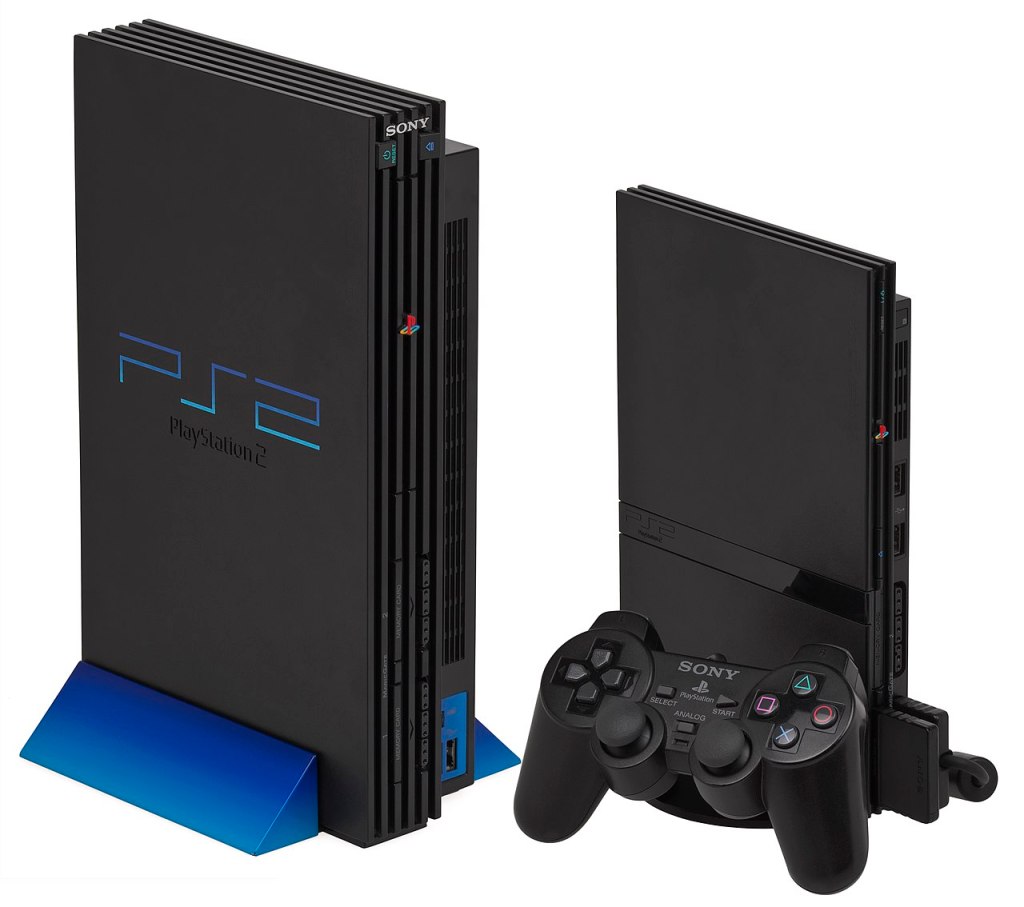
In recent times, I have taken an interest in video game emulation and emulators, chief among them is the PS2 emulator PCSX2. This program operates the same as a PS2 with a few different bells and whistles for your computer.

The PS2 was my first console. My uncle got it for me as a gift when I was about four and my library of games didn’t start collecting dust until I picked up my first Xbox 360 about a decade later. At the same time though, there was a large amount of dust building up around our old 1980s wooden paneled TV and the ports around the PS2’s cords and both had to go.

I discovered the emulator years after that when the nostalgia wave hit me once when I was watching old footage of the 3D era Mortal Kombat games. In my naiveté, I assumed the best way to play this again meant tracking down an old, but refurbished console since I had both the games and some old memory cards. Searching on websites offering them for perhaps a fraction of what they cost in October of 2000 when the console launched in North America proved fruitless.

I don’t know when I first started googling PCSX2, but I know that it was sometime in August or September of 2020 that I had downloaded it to my old computer. My old gaming computer couldn’t handle rendering The Sims 4 in HD and if I dared play a pirated PS2 game on that machine, it needed a new CPU which I could not install. The design of the computer makes it impossible to mod, so I was stuck with the PS2 startup screen and display.

But that much meant that it was in my grasp. I could play the old games I used to have and then some until it was time. For now, it was time for me to find a new computer. And while I have the opportunity to go into a slight tangent right now, I just want to say that modern computers have been extremely nerfed in the years. My grandmother’s old desktop computer, though prone to slow down, lasted upwards of at least six or seven years. My last gaming laptop lasted from August 5, 2017 until May 22, 2021. Less than four years. But hey, the machine I use as of now is much faster and the problems on the other computer are either nonexistent or greatly diminished.

Back to the topic of emulation, I finally after a year and change got the PCSX2 program to work and it’s just like I’m back in elementary or middle school again and this is my prize for knocking out some homework. As of writing this, the games I have active on the computer are as follows:

  1. Mortal Kombat: Deadly Alliance (2002)
  2. Mortal Kombat: Deception (2004)
  3. Mortal Kombat: Shaolin Monks (2005)*
  4. Naruto: Ultimate Ninja 2 (2004 JP/2007 NA)
  5. Tekken 5 (2004)
  6. Grand Theft Auto: Vice City Stories (2006)
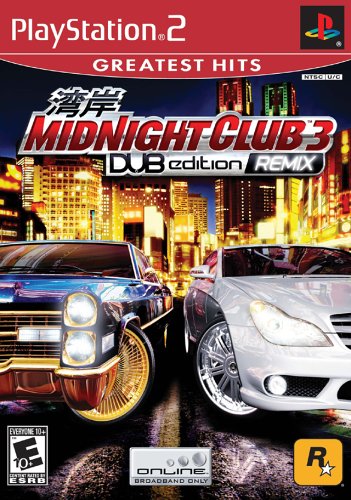
  7. Midnight Club 3: DUB Edition Remix (2005)*

The asterisks on Shaolin Monks and Midnight Club are to signify games that I’ve either 100% completed or got as close to getting to 100%. Further sidenote on Midnight Club, the save file still exists, but to make room for other stuff, including legally bought and owned games and their corresponding updates, I had to ditch it from my list of ROMs.

You’d best believe that if I had a YouTube gaming channel, a larger capacity hard drive (ideally 4-5TB), and perhaps a gaming desktop whilst leaving the one I’m writing on for simulation-type games like The Sims or Civilization, I would either record playthroughs and upload or cut out the middle man and try to stream on Twitch. I challenged myself in this game to use only cars that I had won in tournaments and along with the car you buy before the first qualifying race, there’s enough of prizes to fill the garage to near-capacity in the three cities of San Diego, Detroit, and Atlanta. With the addition of Tokyo, my garage was at capacity. I noticed when the last thing I tried was attempting to test drive a car.

Now, this isn’t exactly my first time playing emulated games or even a program to do so. On browsers alone, old GBA and Nintendo DS titles are available to run through and I had blazed through nearly that entire era of Kirby games, sans the original Super Star game and Canvas Curse. Super Star original wouldn’t cost me anything monetary or temporal to play, but memories of the original Canvas Curse on my DS reminded me of how ass my reflexes used to be. Though I still managed to beat Planet Robobot and Triple Deluxe on the Citra Nightly emulator.

As for the games that let me play by going straight to the files, well, there’s an extra step to that. Downloading and extracting files to a 7-Zip location through the WinRAR application makes things all too easy. Even when the app threatens to charge you for using it, it’s not all that much trouble. Just X out of the paywall window and the download will still be there ready for extraction. Easy.

There’s an old debate on the pros, cons, dangers, etc. of video game piracy that has had people talking for years, decades at this point. Before the internet age, backyard engineers have made homebrew consoles before. The Angry Video Game Nerd has a few in his position specially made for select episodes like his Nintoaster and the 4-in-1 console.

But this is different. This isn’t modifying a console; this is grabbing an illegal version of the game made available online. What makes it illegal? Without the recorded sale of a good from a producer to a customer, this is what makes it illegal. But calling back to old Blockbuster video warnings, FBI warnings on nearly every DVD and VHS tape, and movie previews about the consequences of theft, emulating isn’t as easily policed or punished. Hackers can and at times do face the consequences for hacks and viruses, same as a thief who robbed an old lady or the mastermind behind a car theft racket.

Emulation though remains largely unpoliced and unpunished and a lot of the time, it’s rare for their to be a court debate over the issue since a publisher can shut a site down if they catch wind of their old products being made available on the web.

In particular, Nintendo shut down the website Emuparadise, which on the surface sounds like a forum for enthusiasts of birds of large stature and little intellect, but it was more of a storehouse for just about every game available. According to the website owner, he grew up in rural India and had zero access to any of the games growing up. I don’t remember if he explained it on the site, but to my knowledge, the purpose of Emuparadise was to give similar folks the world over a chance to either play these games for the first time, or veterans of old games a nostalgia trip.

While I fall into the latter category, the guy in charge of the site isn’t really all that special regarding his background, but what he made available for the wider public was. People who got into gaming late in life had something to entertain them in the short-term, and veterans like myself have a repertoire at our fingertips. The nostalgia wave hits more like a tsunami, and while I acknowledge most of my old games weren’t as good as I remember, there were things about old gaming that I think a lot of us really took for granted.

One of the biggest of them was DRMs and internet connections to play games. I don’t mind online or offline play when engaging in a legacy run of The Sims 4, but there’s a lot of practices within this 2014 game that probably should’ve served as a sign of things to come for EA going forward. Sims 4 has gotten better over the years, but it’s not very perfect or close to it. Hell, always-online handicapped Destiny in 2014 and almost assassinated the Xbox One a year prior.

Games released before the wide use of internet and mass adoption of social media has this going for them, but as much as I praise and make use of emulators, I can’t ignore the problems that exist within the practice. I mentioned earlier that my old computer had hardware limitations that I couldn’t overcome in order to play on the PCSX2 properly, but there were other problems. Bad ISOs and ROMs make a game literally unplayable. Additionally, what matters is the recency of the tutorial you might view in order to get it right step-by-step. It’s fortunate that the PCSX2 site itself directs you along the way, but more visual learners might try YouTube and without a visible dislike counter to consider (excluding add-ons), you could either use information that’s long out of date or worse be subject to a Rick Roll or something similar.

Granted, these days these are all easy fixes and minor nuisances, but spending enough time in just an internet forum can clue you in to how clueless some people can be sometimes. Another danger that can deter piracy leads into developers sneaking codes into games that make the game unplayable, like the drunk camera on pirated copies of GTA 4. But that’s largely the worst that can happen to a pirate and I’d say they deserve it. Some games aren’t worth pirating. If it’s still available, you can drop a few bucks on it or wait for a sale if you’re frugal. The worst case scenario would be a bait or a scam.

The countless YouTube sponsorships that encourage (read: implore) the viewer to get a VPN like Surfshark, Atlas, Private Internet Access, ExpressVPN, and many others do have a point, not just in identity protection, but also preventive care. If you’re not too careful about where you get your ROMs and whatnot, a lot of your data is up for grabs. I extend this to mods as well, especially those for The Sims.

But above all else, it should be all for good fun. As I said, I’m all for pirating if it means a beloved game is no longer available or if a reputedly acclaimed game can’t be played without the sacrifice of an arm, a leg, or Deez Nuts.

However, I limit my free rein to pirate to the mostly 2D and 3D era. HD games can still be purchased in the modern day and if you really want to play GTA 4 or Mortal Kombat 9 or BioShock, you can drop a few bucks or wait for a sale, or just watch a silent playthrough on YouTube. It is not hard. Speaking of acclaimed games that can’t be played today, I thought I’d make a list of the games, I’d like to play. Some of these I had heard of from a GCN video on Everything Wrong With God of War 2018. They’re as follows:

  1. Onimusha: Warlords (2001)
  2. Ninja Gaiden (2004)
  3. God Hand (2006)
  4. Devil May Cry (2001)
  5. Black (2004)

As I’d done previously, moving some files around and deleting the unneeded would be required if I want to try these all, and the save files all still exist, so not a lot to worry about until I run out of room.

Almost Everyone is Wrong about Kratos

The God of War protagonist is one of the least understood characters in gaming.

In November of 2022, the rebooted God of War series released its next installment with God of War: Ragnarok. I have yet to play it or its predecessor myself as I’d been holding out for years to get my hands on a PS4 to play it appropriately, although God of War 4 was rereleased for PC last January. As a result, I’ve been getting snippets of the reboot game and try my best to avoid spoilers for Ragnarok, considering a huge spoiler revealed in the preceding one.

But we aren’t going to talk about Norse saga Kratos. I want to talk about Greek saga Kratos and the many ways in which he is severely misunderstood. Some of this will come from the games themselves, some more of this analysis will be from critics, and the rest will take the piss out of those with short attention spans, though that Venn diagram at times feels more like a flat circle.

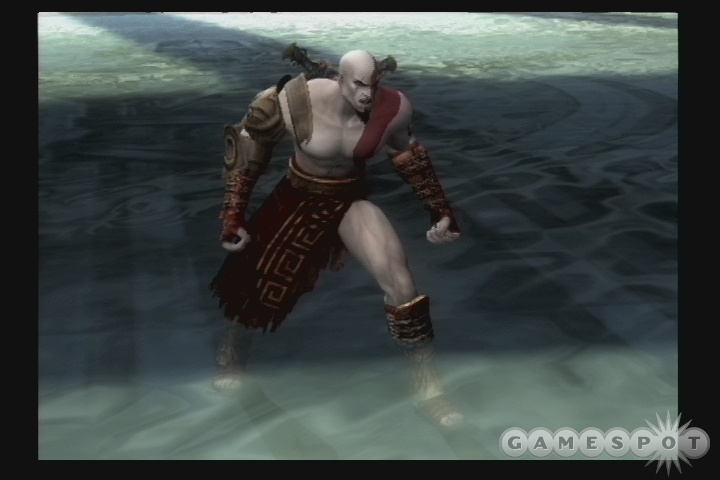
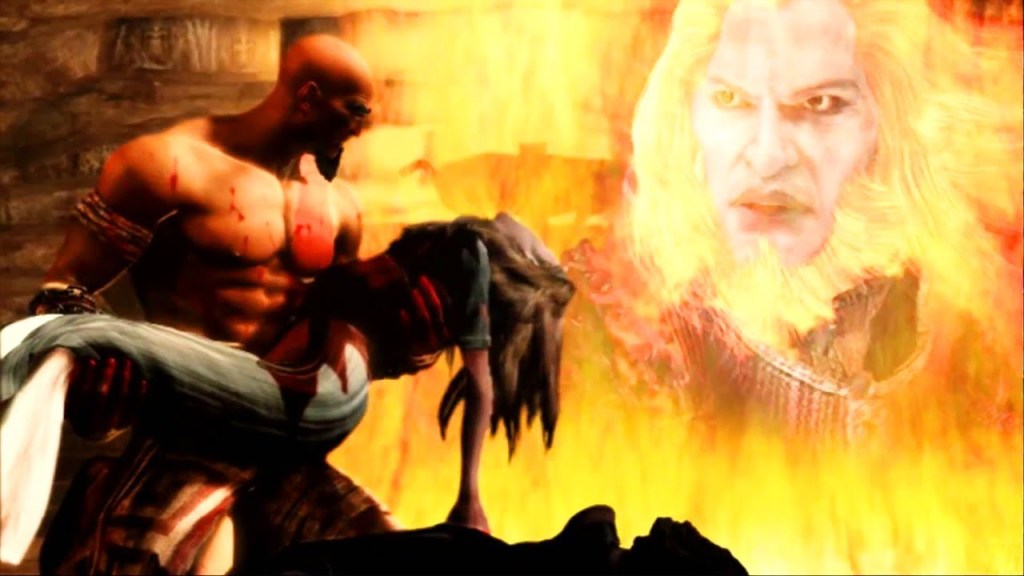
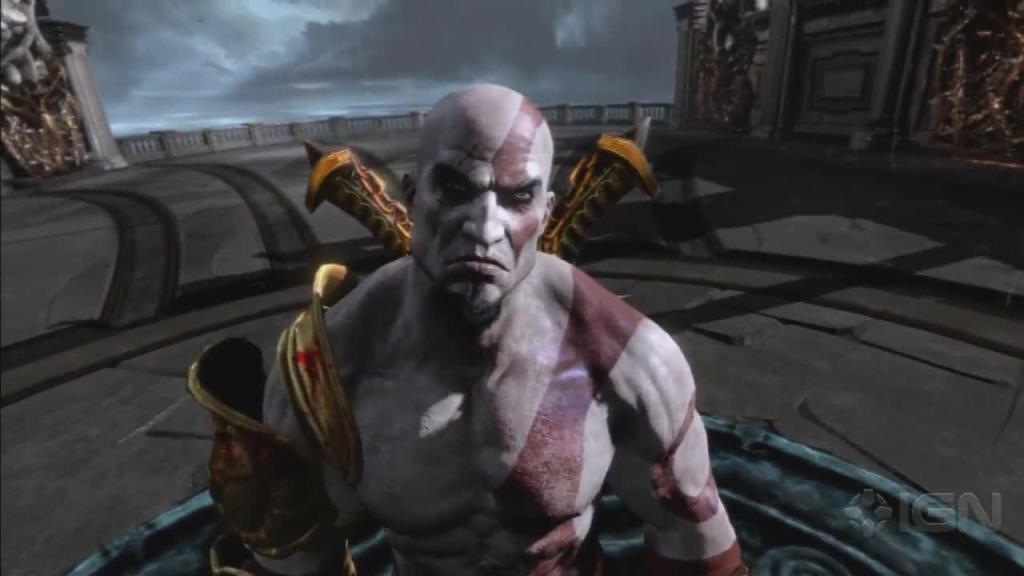
Greek Kratos deserves a retro-analysis. In brief, he was a very patriotic Spartan commander who willingly devoted himself to the god of war Ares for the sake of glory and conquest. This extreme devotion necessitated the deaths of thousands of innocents and only ceases when a cryptic oracle warns that his final victims will haunt him all his days. Accidentally killing his wife Lysandra and their daughter Calliope, the ashes of his family become fastened to his skin for good.

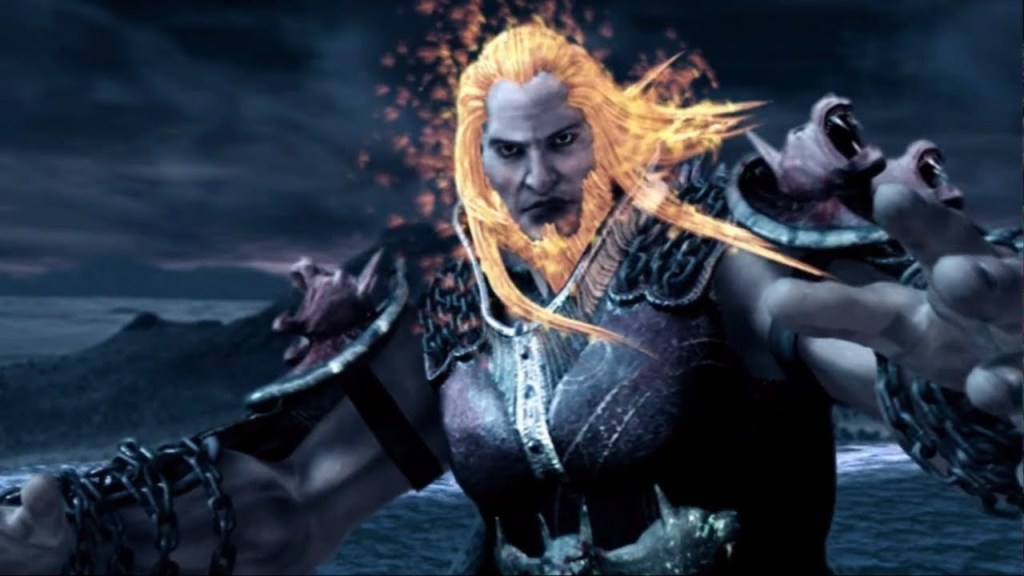
In penance, Kratos serves the gods of Mt. Olympus in the gradually vain hope that they’ll free him of the nightmares of that awful night. Although they shower him with seemingly related treasures, the power to forget will almost never be with him again as the events of that fateful night never leave him. Tired of this, Kratos sought to topple the King of Olympus, Zeus for denying him this one single wish.

Based on that description, it can be assumed that Kratos is a victim of divine machinations. If you know anything about Greek tragedy and mythology, this doesn’t make Kratos unique in any way. The cast of the Trojan War, Ajax, Heracles, Perseus; all of these heroes and/or demigods go through the foulest depths of Hades either at the behest of Olympus, for redemption, or something else entirely. Their fates are pre-written by oracles who are themselves eternal victims of the hero’s pride and aloofness. No one adheres the oracle until it’s too late.

In the case of Kratos, his fate matches that of Heracles in all but presentation. This is due to the games either explaining poorly how the events of that night went down or Kratos himself making himself feel less complicit to alleviate the guilt, but the bottom line is that he committed an awful sin that changed his life for the worst and accepting the consequences of that he chooses to atone for his sins the hard way instead of waste his effort trying to return his loved ones to him.

Overall, I’d say this is presented quite well in the games bar a few retcons from the PSP exclusives in Chains of Olympus and Ghost of Sparta. However, when God of War III was released in March of 2010, countless journalists and audience members have changed the nature of the conversation around the man.

Prior to the release of this game, it’s possible a more intellectual conversation could be an examination of his character within the lens of Greek tragedy. Now that God of War 4 has muted his character and reminded the player of what he used to be, most people look back on Greek Kratos with disdain and disappointment, writing him off as a creature more heartless than the ones he slew in battle.

As a matter of fact, God of War 4 outsold the previous games by tens of millions and with this one being most players introduction to the series these days, the complexities of the original Kratos are bound to fall on deaf ears and blind eyes. To be fair, I’m not saying its bad to like or prefer Norse Kratos to Greek Kratos. The YouTuber Tactical Bacon Productions has an interesting description of the two; in his words, Kratos is a bit like a peanut butter and jelly sandwich. Either condiment can work great independently or in tandem. Additionally, both versions of Kratos are heavily layered, like a tequila sunrise.

Across the original six Greek saga games and the two lengthy Norse saga games, Kratos is far from a simple character. If the Greek saga is written like a tragedy, I would like to believe that the snippets of the Norse saga I’ve seen take from Snorri Sturluson’s probable contributions to the Prose Edda in Norse mythos. What this means is these works have incorporated aspects of the behaviors of the societies within into the writing. Greek Kratos didn’t behave the same way as Superman or Batman, and Norse Kratos (based on how he engages other characters in God of War 4 alone) takes after the likes of Beowulf, if you think about it.

Heroes back then didn’t exclusively save people. Them deceiving people or killing with reckless abandon would make them antiheroes today, but in a more violent age where people weren’t guaranteed senior citizenry, violence was as second nature as breathing. And these were the times Kratos grew up in. You can argue that him being a Spartan is why he’s inhumanly brutal, but even outside of Sparta, neighboring Greek city-states were quite harsh on their people, especially their militaries. Sparta is special in how they did most things.

Sparta’s militarism traveled far and wide to the point that they would rank pretty high in a Top 10 list of toughest militaries. The system of agoge meant that young Spartan boys would learn, grow up, and expect to die for the city-state in battle. For Kratos, there’s no greater source of respect than being a battle-hardened veteran. He’s learned to respect active duty soldiers and elderly veterans. From his fellow Spartans to King Leonidas to even God of War II’s depiction of Theseus. In fact, the latter of those three was one of the few Kratos didn’t immediately trounce on. Him being an elderly though still agile warrior was why Kratos spoke to him with a modicum of respect with a little jab thrown in. Like a War on Terror vet speaking with a World War II or Korean War veteran. Both guys know what it’s like to serve, and are almost guaranteed to break each other’s balls.

Admittedly, Kratos is a product of his homeland. Additionally, he has a long history as first a soldier a Sparta and later a servant of Ares before he felt betrayed by the god of war.

Actually, there’s a misconception about Kratos’ mission to kill Ares as well. God of War 2005 feeds the player piecemeal by explaining that Kratos’ bloodlust on the battlefield was a possible side effect of pledging himself to Ares for survival. In Ascension, it explains that there was a triplicate’s worth of blood for him to spill under Ares and with the Blades of Chaos: the blood of the innocent, the blood of his enemies, and the blood of his family.

Ares’ sole devotee was groomed to be the best warrior in existence, but he didn’t account for (or perhaps did) his greatest warrior being great enough to unseat the god of war himself the hard way. But he didn’t merely do it for himself. If he did, he wouldn’t have spent a decade atoning for this awful sin for the gods. If he really thought he could slay Ares off the bat, would he waste ten years trying to forget he was the Apostle of Battle? Ascension is spent explaining what it took to be free of Ares control. And Chains of Olympus barely features the rogue god in name or in depiction, but him still being an active Olympian in the timeline means he’s going to put up with the gods even when his patience begins to wear thin.

But if we’re sticking with the trilogy and nothing else, you can find more instances of Kratos questioning his abilities despite the incredible things he does. Then again, him possessing abilities most folks lack like super strength, resilience, and the ability to will himself back to life are oddly ordinary to him. He’s technically the first person to try and kill a god, something unthinkable before he was tasked with doing so. And that’s the distinction — he was specifically tasked by Olympus to kill Ares and by extension restore order, and he wasn’t asking for much in return. The nightmares and advanced PTSD make sleeping near-impossible for the Ghost of Sparta, and no matter how many times he asks to forget, Zeus and Olympus have always said no.

Going back to the spin offs for a bit, a throwaway line between Kratos and the Grave Digger (Zeus in disguise) in Ghost of Sparta reveals what he thinks about being given Ares’ place on Olympus. A consolation prize that doesn’t do what it’s supposed to. He’s not thrilled about being the god of war. It isn’t until the end of Ghost of Sparta and the beginning of the second game that being a war god has its uses. Years of empty promises from Olympus motivate an extremely drastic reaction that starts the end of the saga with him riding the back of Gaia as she and the titans who were defeated in the Titanomachy scale Mt. Olympus and openly battle the Olympians.

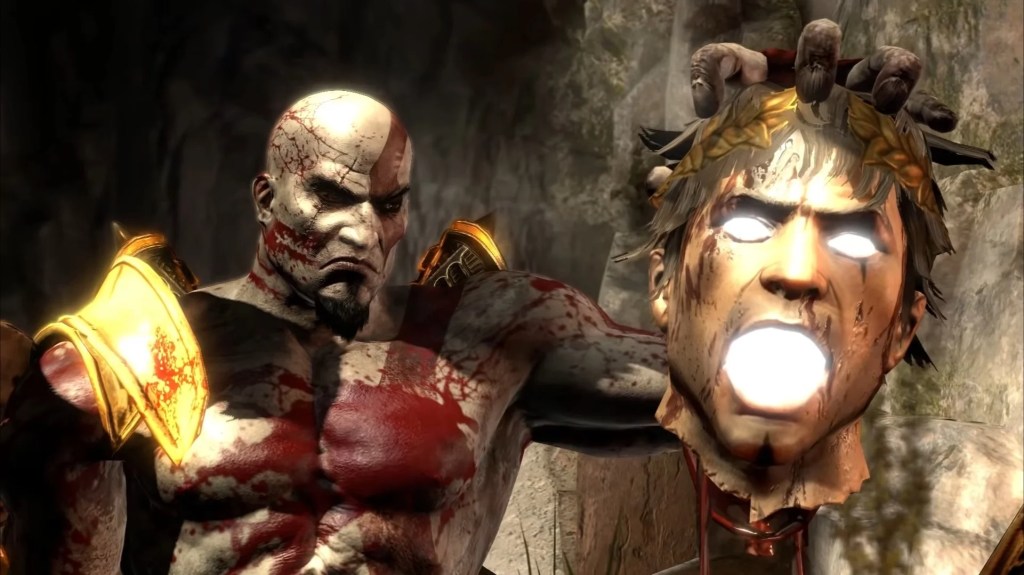
Still, minor moments in the last of the trilogy were bound to be taken out of isolation for the brutality therein. Brutal or not, there’s a larger discussion to be had about the game, that being “why is one of Zeus’ bastard children toppling and terrorizing the home of the gods?”

If the gods weren’t so up their own ass about addressing this one man’s sole desire, then perhaps he wouldn’t have had to prove his atheism so hard. And if you just read that and thought to yourself, “how can he be an atheist when gods are real in this universe?” Motherfucker, who do you think is the progenitor? First to kill a god, first to be made a major god, first to reject his own godhood and drag the whole pantheon down with him… need I say more?

All in all, it was Zeus denying him a simple wish that accelerated his path to monstrosity. Does this mean his path was inevitable? Not really. I actually believe Kratos’ entire life would be different if he didn’t bother to involve himself with the gods and vice versa. Sure, his and his brother Deimos’ father would likely remain a mystery until the end of days, but part of me thinks there’s a scenario where he and Deimos take turns caring for their sickly mother Callisto while routinely returning from campaigns of battle to shower Lysandra and Calliope with trinkets taken from other lands. But that’s just my headcanon.

If you play the games in a certain order, you see him go from “what have I become?” to “I bring the destruction of Olympus.” It’s a well-written, and complex story arc. It’s a bit like Mary Shelley’s Frankenstein. This manufactured monster destroyed his own creator. But above that, his immediate family tends to suffer along with him due to the gods or because of his actions in relation to the gods. Time after time, he willingly stays his arms for his family, makes sacrifices for them or apparitions of them only to lose them shortly thereafter. Most of the time, it isn’t real, but for a guy whose mind is plagued by nightmares of his family, being reminded of your sins by wearing that reminder as your skin is harsh. Imagining them in death for the umpteenth time would make anyone stark raving mad.

While Kratos has zero chill, Zeus and the Olympians making things worse does no one any favors. And this is what needs to be considered when examining Kratos’ character. Everything that’s happened to him is what drives his rampage at the end of the Greek saga. Can a character have no depth when they willingly throw themselves to the underworld for the sake of a loved one?

I’m using the power of hearts, stars, and horseshoes for this, but if the general gaming public and gaming journalism bothers to re-analyze Kratos’ character, both from the context of how Greek tragedies were written and everything that led up to his crusade across the old games, then maybe the false idea that Norse Kratos is the more mature and therefore better version of the character would perhaps be put to rest, which does him far better than what the gods have been doing with him all these years.

Do away with isolating shocking moments. Stop thinking there’s no connection between the deaths of the Furies and Ares. Stop and think about why Kratos did what he did.