Speak, penis, for you have the floor… and the p[nyan]y.
My reluctant review of F[crash]k You! Actually F[horn]ks You Into the Harem ended with a mention of another series that was pushing the envelope, so much so that it took Funimation three episodes to realize it might as well have been hentai. And looking at it’s content, I really wanna go back in time to Funimation’s as of yet unclaimed office, stare the big boss/manager/whatever in the face and say, “With a premise like this, what were you expecting? Raunchier KonoSuba?”
No matter the intention, learning about this led to a Streisand effect in the animanga community, whereby, those who weren’t watching it yet, checked it out to see why Funimation would choose not to continue airing a current anime series. Once they saw why, it made sense.
If I was in charge of a streaming service, I’d put this behind an older teen or 18+ section. Simply change your user settings to be able to view hentai and ecchi freely and voila! Enjoy your culture, ladies and gentlemen.
The premise is simple: a fantasy world where every monster girl is available and about 90% of them work in a legalized sex industry, Stunk the human and his bestie Zel the elf embark on an adventure to f[crumble]k every monster girl they can find. Shortly after their quest begins, they meet an angel named Crimvael who has both sets of genitalia, but defaults male to lessen the confusion when being addressed by others. And wouldn’t you have it, the little angel is the most well-endowed of the three. It’s like Team Four Star’s take on Krillin, smacking him around all throughout the Abridged Dragon Ball run until finally giving him the golden ticket in Android 18.
A typical episode begins with the trio heading to a brothel under the ownership of a type of monster girl, they ask for the services and perhaps through power of Post Nut Enlightenment, their reviews of the girls read like Dante Alighieri’s Divine Comedy at times. Aiding your prostate apparently brings out the poet when describing how well (or poorly) these girls use their bodies to help the reviewer reach a satisfying climax. Not the first or last time such an observation would be made, as PornHub comments and the Zenless Zone Zero community can attest.
D[clank]ks out, tits out, spurt like a faucet and cover in baby batter, rate us on Yelp, hope to clean your fluids off our floors again… but would you believe me if there was more than an absurd number of fetishes in this series? The culture of individual monster girls plays a significant role to some degree. For instance, minotaur/cow-girls have the biggest breasts and their speech patterns are cattle-influenced; the succubi are so extremely depraved that they can f[pop!]k you to death; fairy girls are predictably Tinker Bell-sized, so good look trying something remotely kinky; elf girls are all GILFs by default due their aging process compared to human beings, etc. etc. etc.
This also leads to a few dark moments in the series. Away from the brothels where penises get played with like any other toy, sometimes venues make a strip show of things. Venturing into even more inappropriate territory sheds light on a certain episode involving egg-laying. And that’s the most I’ll reveal about that episode. Another moment involves them making a sex doll in the shape of their bird girl friend and tavern waitstaff, Meidri. After the men take their turns, word gets around and let’s just say arms and legs don’t bend in three places for a reason.
Yeah, it begins on a funny note and evolves into WTF?! over the course of its twelve episodes. The manga is apparently still going on and it has two light novels. Competitive Harem Rapist still outmatches it by it’s sheer gratuitous sex and sexual assault scenes (everyone sins in that goddamn anime!!), but an animanga based around sex work and the various girls that can be found in the Red Light district… outclassed or not, I’d give it a watch. I saw it through to the end in 2021, and it’s worth a rewatch, especially for the opening:
Channel: mediafactory
Knowing what ecchi is now, it’s nice to see the ones that helped push the envelope, no matter how they age.
Don’t let the title of this post deceive you, reader. This isn’t a sharp left turn into chronicling French President Emmanuel Macron’s married life, nor is it me announcing that I contacted an old teacher and got down on one knee for a short-lived matrimony. Instead, we’re diving back into my community college days where I watched an ecchi anime known only as Why the Hell Are You Here, Teacher!?
Known in Japanese as Nande Koko ni Sensei ga!?, the series is about a quartet of female high school teachers of different personalities and subjects who develop romantic feelings for their students. A slice of forbidden fruit that can’t work due to a power dynamic that this anime seems to have a lot of fun with and far from the only series animated or not to try this. Most other anime go the “incest = wincest” route of forbidden fruit. From what I’ve seen, there’s a bit of overlap between teacher-student romance and office worker romance, appearance-wise as both tend to feature smartly dressed love interests with professional presentations, but under scrutiny these “professionals” aren’t immune to clumsy f[clicks]k-ups from time to time.
What I remember from Sexy Teacher, Bombshell Wife was that the four teachers all behaved different in front of their respective classes compared to their love interests. Language teacher Kana Kojima was dubbed “Kojima the Demon” because she’s known to be demanding in class, but in front of her love interest, Ichiro Sato, she can behave just like Hinata Hyuga, albeit less creepy. Art teacher Mayu Matsukaze is a busty shortstack with a demure personality, affectionately nicknamed “Lady Matsukaze” for her kind personality. Cupid’s Arrow also makes a fool of her when she’s next to her love interest, the towering gentle giant Rin Suzuki who “helped” her deliver important paperwork. For romantic backstories, this is right up there with a comedic plot of being helped by the protagonist and the “help” in question was just a dropped pencil, or a notice of an untied shoe. Well, it’s simple…
Gym teacher Hikari Hazakura is a trademark, tanned, big tittied tomboy, the kind who’d encourage a novice swimmer to improve by starting at the deep end and giving an after action report, hoping to see her students become Michael Phelps. One student, Takashi Takahashi, is the one she gets real touchy-feely with. They later develop romantic feelings with each other. Finally, there’s the school nurse: a Kuudere named Rei Ayanami Chizuru Tachibana, who’s been dubbed “Absolute Zero,” and the nickname isn’t lost on her in the series. She wants to be closer to the students, notably one Ko Tanaka, and over the course of their arc, they grow so close they lose their virginities together in a love hotel. Going further than Kojima who was engaged to Sato at the end, a bonus chapter reveals that they started a family together. Obligatory, “silent in the streets, freaky in the sheets.”
Ecchi funtimes all around, but with most anime these days merely advertising the manga without guaranteeing a longer run, the anime covered four arcs spread across a miserable 12 episodes. We’re far and away from the likes of Azumanga Daioh and few are expecting a Yotsuba-to! adaptation anytime soon, but AzuDaioh was able to stretch and progress a four-panel manga over the course of 26 episodes in 2002.
But expanding on a romcom could ruin it, you’d argue and if The Way of the Househusband on Netflix is an indicator, then yes, putting effort where it isn’t needed and ignoring it where it is needed would’ve netted us a piss-poor adaptation of Yakuza Yesterday, Husbando Today. So why don’t I look back at Why Does My Teacher Want My Heart? as fondly as others? Largely because of its length.
I gave it some slack yonks ago when I watched it because it did make me laugh with the short time I had with it and also the horniness at the time was on autopilot. My braincells fired up at the end when all the teachers and love interests got together toward the end to announce that some of them were dating, engaged, married, or expecting.
And then it just ended. I didn’t know at precisely at the time, but with only 12 episodes, it felt like more could’ve done even with just the Fab Four and their Lovely Maidens. The source material even lists more than just the characters that got to the anime. So, is this a recommendation in favor of the series or not?
Again, the braincells were out to lunch while the horniness took command, but looking back it’s nothing more serious than a “haha look at this fanservice” gradually evolving into “you may now kiss the bride.” My post history is the evidence needed when I say that I’ve seen this s[bells]t before. It’s also evidence that I know what I like and while I’m not gonna say it wasn’t up my alley, if I’m gonna watch ecchi/fanservice/hentai, a plot can go a long way. Came for the booba, stayed for the story gambit and this may be part of the pipeline into erotic fiction, or it may have been a bit earlier than that… Hmmm…
I cannot say with certainty. For my recommendation, you’re more than welcome to see I Found My Wife in High School, and She Wasn’t a Fellow Classmate up to the last episode and continue in the manga to see what didn’t make the cut, it has 12 volumes and the anime was followed up with an OVA I haven’t seen in 2019. But for something somewhat more grounded, feel free to pair it with 2002’s Please Teacher!
Off topic, I simultaneously adore this old art style and can’t disassociate it from some hentai I’ve seen or read recently.
Earlier this year in February, I wrote about an Adults Only game called Scarlet Maiden, about a scantily clad heroine on a quest to defeat the Prime Evil one lewdening at a time. Once again, under the Critical Bliss publishing flag, I’ve found another AO-rated 16-bit game about slashing mooks and exposing boobs but with an emphasis on magic. The game in question: FlipWitch – Forbidden Sex Hex:
Should’ve known there’d be a bunch of fanart when looking for the title screen for this game, short of booting it up for the screenshot…
As the Flip Witch under the tutelage of a great witch named Beatrix, you’re main objective is to defeat the Chaos Witch, an Egypt-themed triclops witch messing with you and all the creatures of the land from her very own castle behind a door with six unique pyramid-shaped locks. To get them all, you have to traverse different realms and defeat the bosses to get the keys. Depending on your level, you’ll either eat dirt and be shown a game over screen where the monsters of a specific realm have their way with you, or you’ll blaze through relatively unscathed. This time, I’m torn over whether to conclude that this game uses permadeath as a feature since it doesn’t have a lives’ system, but on the other hand, there’s designated save points where you gain everything you used during your playthrough, crystal teleporters to fast travel between places you’ve been and a health restoration-like system in the form of a peach that gets upgraded with each quest you complete.
Speaking of quests, Beatrix’s secondary focus is to partake in such quests for health and magic upgrades. Some of these are found interspersed across the game enlarging your health and magic bars so that you can use more, to include the more taxing magic items, and others are gained by completing a certain number of quests. Reaching said number adds a little notification in the form of Beatrix’s sprite in the upper righthand corner to let you know that upgrades are available.
More quests mean more upgrades until you max everything out and steamroll the monsters like a one-man army. Or more like one man and one woman, both of which are you. The “flip” in FlipWitch refers to your ability to switch genders at will, an acquired skill that factors both into the quests and the game over screens, so male or female, something is gonna rise and ain’t gonna be a shield hero.
Didn’t even have to censor this one.
Combat this time around doesn’t give you the option to sex up a monster for upgrade points like Sin in Scarlet Maiden or even to add to the bestiary. For the most part, the monsters are more or less segregated to their own designated parts of the game map. For instance, only goblins roam the woodlands, demons stay in the demon realm of Jigoku, mermaids are in Umi Umi, etc., etc. and they all have their own unique game over screens for when you die and for what gender you were when you died.
The weapon variety is also limited to just your wand as opposed to any number of swords and other fantasy weapons like in Scarlet Maiden. Not to mention, the only enemy-types that do show genitalia are the female enemy types. The males do show d[spurt!]k, but often after the game over screen. So unlike Scarlet Maiden, the BDSM term “switch” has a different context. A more literal context. Where the game lacks weapon variety, it makes up for it in magic variety, by giving you more magical powers to use against enemies. The wand is capable of firing projectiles and select characters of different types that don’t give you quests give you different magic powers to use which require short tutorials to get the hang of.
As for the quests, the standard format they use is go to place, get quest, deliver thing to X, get sexy rewards. Like so:
The one twist these types of quests use is that specific costumes need to be bought with the coins you acquire through gameplay. Different costumes unlock different quests for different variations of a similar reward (sexy times), which ties into the whole Metroidvania aspect the game advertises. Nonlinear gameplay allowing for backtracking to important locations with new knowledge and more rewards and potential upgrades to finally defeat the Chao Witch…!
…which I’m very close to doing as of this writing. I’m so close!!
Recommendations? Give it a go. There’s keyboard controls like in Scarlet Maiden, but unless you’ve got the fingers for it, plug in a controller. Do what I did and program a PS3 controller to read like an Xbox controller; it’ll work the same. The fact that I’m very close to 100% completion and very close to defeating the Chaos Witch should all the recommendation needed for this game. The controls will feel slightly more sluggish at the beginning, but once you get used to it, especially after Scarlet Maiden’s fluidity and — for lack of a better term — bounciness, it’s pretty much a breeze. Currently on sale for the Summer Steam sales, but even not, $15 is a pretty good deal.
At this point in time, I’ve got to propose a chicken and egg question about the origin of cute girls in dystopian fiction in East Asia. Whatever the case, there’s enough in the world to inspire such a setting for a mobile game. The one I’m referring to being Girls’ Frontline
Developed by MICA Team in 2016 in mainland China before spreading its wings overseas, Girls’ Frontline (Chinese name: 少女前线) is set in a distant future where the widespread integration of androids is commonplace in numerous walks of life from services to retail to even the military, more so than what we currently have in the world’s most developed militaries, so those drones have a human-looking face for once.
A devastating global war breaks out (probably even worse than nightmare scenarios of a WWIII) and these androids in the shape of cute girls are repurposed en masse to make up for the military shortfall. They’re designed and programmed in a way to effectively and efficiently handle specific firearms and their classifications, whatever those classifications may be. Outsiders, welcome to the wacky world of North American gun laws (because Canada does weird s[bang!]t with their guns too). For instance an android, called a T-Doll, that’s specifically designed for the M16A2 will only operate the M16A2. Modifications can be made to get them to adopt other rifles of a similar platform, though this requires some amount of recalibration beyond what can be expected for the military use of automatons.
Whatever you’ve conceptualized as an android, it’s a different beast being depicted here. They’re machines to the core, yes, but they’re not exactly soulless or anything. It’s not like there are military formations of androids with Android 16’s personality. That’d make for a boring game.
They’re programmed with their own personalities. Some are charming, others are sweet, a third category is more varied with the typical animanga tropes like -dere types, and the rest you can fill in the blanks of this Mad Lib if you’d like. I wonder if the different depictions of robots in the east and west can be counted as a culture clash. With only a few exceptions, most western stories view robots as a menace compared to East Asia where they fit right in with society. As for the plot, well, it’s got the foundation of the wider lore of the Terminator franchise, in that advanced AI goes rogue and after a catastrophe reduces the human population to near-extinction by the early 2060s.
The offending AI in question is called Sangvis Ferri (SF) and starts terrorizing what’s left of mankind and setting up human-free areas. The unaffected androids are contracted by a private military company called Griffin & Kryuger (G&K) to stop the reign of terror, reduce SF’s numbers and destroy them. So this belongs in the rare category where androids are more complicated than originally presented.
Looking back, both sides can be viewed for the general use of androids for military purposes and it can be seen as a distinction without a difference, which it is on the surface. Digging into the nuance reveals what G&K does differently with their own T-Dolls: saving humanity. Thus morphing from distinction to false dichotomy.
Now, my memories with the game were during the Spring and Summer of 2022 and a bit in 2023 before interest died off. It was during the time when I was trying to join the Army and the recruiter I was directed to at the time kept dragging his heels. Or I wasn’t being proactive — either way, I invite someone to tell me why there’s a two-year wait for Glossary Non-Prior Service types. But I digress.
The best way to describe the gameplay is a hybrid of “deploy unit to achieve task” and “move and reposition unit to impact effectiveness.” The same system I recall being used in Assassin’s Creed: Black Flag where Edward can deploy ships to specific parts of the world to lessen the danger levels and make use of established trading ports, like a real pirate.
The gacha-ness of the games comes from spending points to unlock more T-Dolls which can be upgraded individually or used to upgrade existing dolls. For instance, if I have one who uses a MAC-10 and get another MAC-10 doll, I can keep on building the older one and eventually build the second, newer one. Or I can cannibalize the newer one for parts for the first one. There’s not exactly a wrong way to go about this provided it’s the same type of doll being used for the upgrade. An MP-40 doll doesn’t have parts compatible with a Mosin-Nagant doll and etc.
Sounds like a neat experience, right? Well, remember when I wrote about You’re Under Arrest/Taiho Shichauzo? The Buddy Cop anime series from the mid-1990s and it’s revitalization as a meme? Specifically this one:
Channe: Vinicius Costa
Meme tourism is a hit or miss for me. It can introduce people to a series that may not have the same marketing as something else more popular or it can backfire and drive people away or bring in the wrong types of people. JoJo fans get a bad rap for being obnoxious if you ever scroll down the comments of a song or artist referenced in the series.
The way I found out about Girls’ Frontline was through a different video. Moonshine Animations’ stop-motion toy review of a figure of one of the characters: UMP9.
Channel: MOONSHINE ANIMATIONS
In the video itself, Moonshine contacted a voice actor on Twitter to voice the character in Japanese as a gag. Having dabbled in stop-motion before, I was pulled in by the presentation and after doing more research on the game downloaded it myself. I was doing rather well at the time making it to the second chapter, but ultimately the game bent me over and painted my ass creamy white. It defeated me and made me feel like a whore wearing thick tooth floss while doing so. Gacha games have a drawback for repetitive gameplay and grinding for those who can’t fork over cash to advance. (Still more honest than EA’s bulls[ka-ching]t lootboxes and Konami’s pachinko machines, I guess.) And Girls’ Frontline is no different.
Multiple attempts to get past a level had me repeatedly grinding earlier levels to get more tokens to progress and upgrade, though doing so meant waiting literally minutes to hours to get anywhere. I don’t remember if it had a system to use real money, but it was at a time where I also wasn’t making any money of any kind, so putting a few bucks on the game at the time wasn’t an option for me. These days, the most I’ve done was drop a few bucks on monochromes for Zenless Zone Zero because I have a MIGHTY NEED to get the shark maid.
No! Miss Ellen! You can’t give up now! You’ve got to have pride in yourself!!
— Vegeta Corin Wickes
Perhaps I’m showing my bias or whatever but MICA Team’s first installment in this franchise left a boot print in my ass and I haven’t looked back. Until I learned that it had an anime adaptation. In the case of media franchises Girls’ Frontline has a leg up on, say, Touhou Project or Idolmaster in terms of foreign accessibility, and my experiences are unique. Should you choose to engage in the mobile game, I’d better hope you have a better strategy than simply press buttons and whatnot. As for the anime, there’s better series and there’s worse series. Make of that what you will.
Animanga came to the western Anglophone world in the early 1960s with Osamu Tezuka’s magnum opus Astro Boy, and about 20 years later came Dragon Ball and its more famous successor Dragon Ball Z, both penned by Akira Toriyama. Since then, the floodgates have introduced not only more anime to follow, but also different ways in which one defines a certain era.
If you’re a weeb/otaku like myself, you can probably point to pivotal series of each decade. Dragon Ball in the 1980s; Ghost in the Shell, Yu Yu Hakusho, and Cowboy Bebop of the ’90s; Clannad, Azumanga Daioh, Lucky Star, and K-On! across the 2000s; Sword Art Online, Attack on Titan, Date A Live, Kill la Kill and Is it Wrong to Try to Pick Up Girls in a Dungeon? of the 2010s; and finally this decade, we’ve had Keep Your Hands off Eizouken, Oshi no Ko, Bocchi the Rock, Jujutsu Kaisen and several more slated for release this decade.
Basically what I’m saying is that different anime define a decade. The 2000s in anime was defined by the moeblob, where many animanga series ascribed to a cutesy art-style and theme. Not just in character design, the characters themselves did things “cutely” too. Or rather, they did normal things in a cute way. They didn’t fight monsters or go on fantastical journeys or acquire magic relics. Often they attended their daily lives which overwhelmingly revolved around high school. Joining the moe trifecta of Azumanga Daioh and Lucky Star comes K-On! A series about an extracurricular club centered around light music.
It starts in a nonspecific part of Japan (since the mangaka Kakifly is from Kyoto, I’m gonna imagine it’s somewhere in Kansai), four high school girls become a part of an after school music club in order to save it from disbandment. The four main leads are Yui Hirasawa, the ditsiest, silliest guitarist in the series; Mio Akiyama, the lead guitarist afflicted with stage fright; Ritsu Tainaka, the loudest girl even without a drum kit; and Tsumugi “Mugi” Kotobuki, the rich and physically strong one on keyboard.
For a series dedicated to light music, the actual musicmaking takes a backseat to the girls simply goofing off after school. There is musicmaking but a given estimate would put it at somewhere near 35 to 40% of the actual screentime, across both seasons. Not to mention, this is still a series that debuted in the 2000s, so music players like the iPod and digital song downloading wouldn’t be as popular and prominent as opposed to cassette tapes, Walkmans and the like. Even then, keep in mind, these then-new devices wouldn’t look like anything what we have nowadays. Touchscreens and smart devices have come a long way.
From what I’ve seen though, analog tech is one of the few ways the series shows its age and that’s merely 16 years old, in line with the corresponding ages of the characters at the beginning. Come the second season, they gain a fifth member, the pigtailed rhythm guitarist, Azusa “Azunyan” Nakano, who takes her role as guitarist more seriously than Yui or even Ritsu does with her drums. You’ll notice that at this point in this post, I haven’t mentioned plot and this ties in with including the likes of Lucky Star and AzuDaioh in that all three have the same basic plot: f[guitar riff]k and all.
Gigguk, at the time, was less forgiving of the anime as a whole, with most episodes in some manner boiling down to goofing off with a cup of tea, something that didn’t really jive with him, which may be in some way related to his musical past.
In contrast, Gigguk’s good buddy Joey “The Anime Man” Bizinger favors K-On! over Bocchi the Rock, and that’s an opinion I hold though not for the same reasons as Joey. I don’t doubt the existence of people that stiflingly shy; part of it has to do with everyone praising it at the first hurdle. Perhaps for Gigguk, there’s more realism to Bocchi than K-On! and I can’t do much with either man’s opinions on the show.
For what it’s worth, he did warm up to it after a few years have passed though not by much. For me, ignoring outside influences and the layman’s opinion on one or the other, I haven’t seen Bocchi yet and I don’t think I will, at least not this year. I had trouble wading through the first episode of WataMote, but at least Bocchi’s not a sleep-deprived femcel.
For me, this puts Tomoko one flight of stairs lower than Bocchi, at least in the beginning. I’m not really one for cringe humor.
On its own, K-On! gives me the impression that it’s not trying to take itself seriously in the slightest. It’s not exactly a comedy like AzuDaioh or Lucky Star and fortunately for it, the jokes aren’t subject to translation mishaps like the former. I humbly accept it as a show about high school friends goofing off outside their club activities and their studies.
Is this why I like it? Well, call it a palate cleanser from all the one-piece finding, dragon-ball hunting, Hokage-aspiring, soul-reaping action of most Shonen series. I don’t always want action, sometimes I just wanna kick back, grab a drink of my choosing, and watch people somewhat like me just screw around. If this isn’t a convincing argument to at least check out some of the first season, consider the uncommon music scenes. Adding music or musical anything as a genre type to a series means adding some original scores and music to the series beyond the opening and ending music, both of which are impressive in their own right. Select scenes in the anime dazzle with the change in lighting and art aesthetic giving it an animated music video feel which is not necessarily the same as an AMV, though it does set itself up for that. I did some quick googling and there are some AMVs with K-On! as the main animation piece, and the series has produced some original songs, so it’s not the most devoid of music, but it could’ve benefitted from a few more scenes at the end of a few episodes.
You can still enjoy the series for being all warm and fuzzy but for those of you who want a series dedicated to musicmaking, my recommendation there goes into Beat & Motion. It’s coupled with a look in animation so it feels more like an AMV-centric manga.
No word yet on whether it’s been slated for an anime, but if it is, yes please. I want more.
I rearranged my notes for this, and for once in two years, I’m glad I did
It’s been dog’s years since I rearranged my notes to get to topics I thought would take me longer to complete than normal. Work has had me begging for relief of some kind (more than I can get from a dakimakura or a viewing of my favorite anime):
Unsurprisingly, this is the only SFW version of this I could find.
And outside of The Saga of Lady Rias and Straw Hat Pirate Crusade, I’ve been busy playing a series of games I’ve played before for old time’s sake, and also for some analysis of gameplay and plot details. Additionally, this is going to be a series of posts spanning three weeks, so I’m going to cover the Max Payne series, this week; the 3D era Mortal Kombat games next week, (excluding Shaolin Monks having covered that before); and the HD Mortal Kombat games the week after that. I haven’t gotten through the HD games yet partly because MK9 doesn’t run as well on RPCS3, and it would take a while to grab my PS3 from back home and some of its corresponding games, but this was a quicker and less expensive process. Off topic: American Airlines upsets me greatly.
You may know this as my favorite video game series of all time from this post, but if you’re just joining us, Max Payne holds a special place in my heart. Although it was a culmination of gun-fu cinema that began in the early 1990s, it did wonders to popularize bullet time as a gameplay mechanic helped up by the likes of Hard Boiled and The Matrix. Narratively, the entire series is baked with the type of writing prose that would make The Bard even slightly jealous.
Conjured in a laboratory deep in the recesses of Remedy Entertainment with Sam Lake as its prime director, writer, and face model, the series contains three games all with contemporary settings: Max Payne released in July 2001 set in a brutal winter that may remind some New Yorkers of the city’s worst blizzards; Max Payne 2: The Fall of Max Payne released in October 2003, focusing more on the psychological horror elements; Max Payne 3, doing something completely different by putting it’s titular character in São Paulo, but following some of the same narrative story beats that he’s been through before. So the more things changed, the more they stayed the same… at least on the surface.
This is going to be a spoiler heavy post, but considering I’ve played through the series at least four times before, it goes to show the replayability of the games while also adding in some criticism of the games that I omitted from the first time I wrote about the series.
They were all dead. The final gunshot was an exclamation mark to all that had led to this point. I released my finger from the trigger, and then it was over.
Following a trend that would define select games of the 2000s, Max Payne begins with establishing shot of then-current NYPD-colored vehicles answering to a distress call at the fictional Aesir Plaza. Shots fired/firearm discharges, malicious destruction of public property, numerous charges of manslaughter, and a man who became public enemy number 1 in a New York Minute. Beginning at the end, it works its way back through the narration told in a graphic novel style. NYPD Detective Max Payne in 1998 is offered an accession to the Drug Enforcement Administration by Agent Alex Balder. Max declines and puts away what he promises is his final cigarette for the sake of his infant daughter, Rose’s, health. The offer is still there as Max heads back to his New Jersey home where his family would be.
Unbeknownst to him, his wife, Michelle, and their newborn daughter would be victims of a disgusting drug experiment. The first thing to pop out at Max aside from the dead silence is a tag in the parlor of the house: a V with a syringe running through it like the sword in the Adventure Time logo: the central plot device behind the game, a designer drug known as Valkyr. Next to that, the phone rings and a raspy-voiced woman coldly asks Max to confirm that this is indeed the Payne residence, while he fails to convince her to phone the police. Now that she knows this is Max’s house, she hangs up and leaves him to discover the American Dream being torn to shreds in no time. His loved ones brutally slaughtered by junkies in his own home, Max avenges their deaths there and after the funeral expenses, transfers to the DEA under Balder’s supervision.
Three years of undercover work in the Punchinello family reveal them as the main suppliers of Valkyr by February of 2001. With fellow agent, B.B., Max and Balder are summoned to Roscoe Street Subway Station and are nearly gunned down by the same mobsters in an elaborate robbery through a web of tunnels connecting to a bank where Aesir Corporation bonds are being housed. Max pushes through, though, and stops the in-progress robbery, meeting Balder in the process. Unfortunately for Max, an assassin nails Balder in the head before he’s able to reveal a critical piece of evidence, and to make things worse for Max, with him as the last one to see Agent Balder alive, the NYPD finger him as the prime suspect, so he now has to evade the law while going on his next mission: taking the fight to underboss Jack Lupino himself.
The intricacies and complexities of Mafia hierarchy makes Lupino the second most untouchable man in the underworld, which was what Max expected. Fighting his way through several key figures at a mob-run brothel, Max picks up crucial evidence to clue him in to the wider plot at large. One of these pieces concerns a hooker named Candy Dawn selling sex tapes as blackmail material; the other is the office of Lupino’s lieutenant, Vinnie Gognitti.
An icy rooftop chase leads to Vinnie getting cornered and confessing under duress the location of his boss, who, to put it lightly, has gone mad. “Don’t get high on your own supply” exists for a reason and Lupino is patient zero for why you should never do that. One too many Valkyr injections and the entire Prose Edda sits where his brain should be. Notes collected prior to arriving at his club hint at the frustrations and concerns levied at him at all levels, but Lupino’s lunacy drowned it all out. Taking residence in an occult club, the Ragna Rock, Max explores the gothic revival building in search of the man he believes is responsible for his pain.
You can’t blame Max for pumping Lupino full of lead after their death-defying battle when he squawks at you like this:
Channel: Adddicteddd
Knowing damn well the dangers of Valkyr, Max did to him what law enforcement did to Bonnie and Clyde, the best replica of human Swiss cheese, until hitwoman Mona Sax waltzes in to reveal that Lupino wasn’t even in the right state of mind to try to frame Max for anything, let alone the death of Alex Balder. The real prize lies with the Punchinello family don, Angelo. Lupino was simply a [mad] middleman.
Max can’t refute her claims, but doesn’t. Instead, the only thing he can do is accept it as a lead to the truth. But before he can embark on the warpath to the don’s manor, Mona spikes his drink at the bar. The first of two run-ins with Valkyr puts him into a nightmare he was trying not to acknowledge. He was already living in one, so why put him in another. After that, he’s taken by the mob back to the same brothel he shot up and whacked several times in the head by Francesco “Frankie the Bat” Niagara.
Undefeated and undeterred, Max walks away from the slowest execution to exact revenge on the last of the Punchinello mob, picking up more evidence along the way of the rest of his enemies in the process. Once the Bat is broken in twain, Russian mobster, Vladimir Lem, appears with a deal he can’t refuse. He’s always wanted to say that!
Both men are after Punchinello, and Lem has the means to get him to the don if Max kills a turncoat at the harbor, Boris Dime. Accepting this offer before him, Max manages to anger Punchinello enough to set fire to his own restaurant in an elaborate way to get rid of Max, but the deficit wasn’t worth it when Lem circled back around to pick Max up and drop him off at the manor. Gun-kwon-do ensues and brings Max to the desk of Angelo Punchinello himself.
Crying and begging for a chance to explain himself before the installation of a new ventilation system, the evidence he’s searching for kills him in his own home under the command of the real villain of the game: Aesir Corp. President Nicole Horne. The ruthless, avaricious killer in the midst; the destroyer of Max’s life and livelihood; the one who arguably set the entire series off to begin with. Her lapdogs gun down the mob boss and torture Max with a worse dosage of Valkyr where things get too real for a moment.
Channel: YianKutHexy
The nightmare subsides and he gets his next lead: Cold Steel. A steel mill hiding an abandoned military bunker where the source of Valkyr was found. Stumbling upon Gulf War-era archives, Max makes the same discovery that got his wife and daughter killed three years ago. Following the first of many of Saddam’s Ls, US troops came home with a mysterious illness that today is known only as Gulf War syndrome. Seeing it as a lack of morale, the US government spearheaded a project based on Norse mythology in mid-1991 to invent a drug that would turn our warfighters into war machines.
Four years later, the project was halted due to observations of habit-forming properties and behavior, but being the main benefactor behind the project, Horne was dead set on getting her investment’s worth. Unauthorized, the project was rebooted through dark means and motives. Due to a data leak, Michelle discovered the ongoing project and was thus silenced in order to keep it secret. Horne hoped the junkies, the mob, and the rest of the city would put Max down for her, but proving tougher than a cockroach forced her hand.
Max had seen enough, he had more than enough motive to avenge Michelle and Rose, but there was another loose end to tie up: B.B. Putting the pieces all together, there was a reason he hadn’t seen B.B. since the Roscoe Street Station robbery. Another turncoat, he was also on Horne’s payroll and had been trying to get him killed on her dime. Max realized it late, but better late than never seeing as B.B.’s confirmation as a bent cop had grown irrelevant over the course of the game.
With him gone, Max was contacted by a secret society with deep ties to Horne, the Inner Circle, and its leader, Alfred Woden. The very man Candy Dawn was making sex tapes of for Horne to use as blackmail in revenge and to stop him from pursuing her further.
The amount of influence she had over him as well as the rest of NYC was impossible to measure or imagine, but seeing as she was able to cut the mob itself in on a deal and keep the Inner Circle from going public for years, leveraging their own sins against them, it was a dead ringer for why Max was the only candidate capable of stopping her. Which he does.
Max escapes the attempts on the Inner Circle’s life and heads straight to the Aesir Plaza where the final showdown commences. Numerous obstacles fail to stop Max from getting the revenge he was entitled to, and the fiery send off couldn’t feel any more appropriate, short of hand-delivering Horne to the devil personally.
Channel: KLB TV
His revenge complete, Max willingly surrenders to the NYPD confident that Woden would be a man of his word and bury the charges deep into the hole where his adversaries were sent. But this was merely the beginning of a cacophony of pain.
And we keep driving into the night It’s a late goodbye, such a late goodbye And we keep driving into the night, it’s a late goodbye
— Poets of the Fall
After the revenge fantasy of the last game, the conspiracies that were supposed to remain buried reemerged, this time with new faces. The complicated web Max found himself entangled in started to unravel.
This game takes place in medias res, in the aftermath of a mess Max had made for himself, but right before it resolves itself. Woden kept his word and put Max back at his old job, where a new case involving a series of contract killings, reveals an old face once thought dead before: Mona Sax.
The new love interest, she was last seen taking a bullet to the face at the end of the previous game, only for her “corpse” to vanish after a quick exchange of gunfire. She reappears, revealing her connection to the killings, and due to the conflict of interest, Max’s new partner, Valerie Winterson, takes him off the case and apprehends Mona for further questioning. Max is behaving unethically by choosing her over his job, but unbeknownst to him, Valerie herself is another conflict of interest. Being a lover of and enforcer for Vladimir Lem, he and Mona have both started up a feud, one that ties a third series of people Max has faced before: the Punchinellos.
Old enemies return, loyalties are challenged, and the cobweb breaks apart under intense scrutiny. This game, honestly, suffers under the weight of its own conspiracies, but makes up for it in small increments with more weapon variety and the changing of protagonist perspectives from Max to Mona in a couple of chapters. Mona doesn’t play any differently from Max, but is more long distance combat focused almost always seen with a sniper rifle than the armory Max keeps in his pants.
There may be one too many connecting elements in the second game, but the course of events shows its unraveling. No real friends this time around, seeing as you go from gunning after old enemies to helping them help you uncover the series of killings. And it all circles back to Vlad, his bratva connections, Valerie being his personal mole and mistress, and his pursuit of power in the Inner Circle.
Speaking of which, Alfred Woden’s still the leader of the Inner Circle and a sitting US Senator for New York, but a cancer diagnosis is what emboldens Vlad’s hostile takeover this time around, seeing as the old man would be physically unable to challenge Vlad, even personally. Well, thanks to Max’s tenacity in the face of it all, he puts a permanent end to Vladimir Lem once and for all.
Channel: iPhantom3D
The ending credits are supposed to be the original song Late Goodbye by Poets of the Fall, but they’re not included in the linked video. Here’s a separate link.
So I guess I became what they wanted me to be, a killer. Some rent-a-clown with a gun who puts holes in other bad guys. Well that’s what they had paid for, so in the end that’s what they got. Say what you want about Americans but we understand capitalism. You buy yourself a product and you get what you pay for, and these chumps had paid for some angry gringo without the sensibilities to know right from wrong. Here I was about to execute this poor bastard like some dime store angel of death and I realized they were correct, I wouldn’t know right from wrong if one of them was helping the poor and the other was banging my sister…
Cop work is no longer Max’s forte, but even in the final installment, his detective skills come as naturally as a footballer’s natural instincts to kick or block an incoming soccer ball. From playing it Bogart to letting the depression catch up to being done with the world, Max Payne 3 puts our favorite pill-popping, alcoholic in São Paulo, working a private security detail for a quasi-aristocratic entrepreneur family, the Brancos, who are routinely targeted by the local favela hoodlums among other honorable enemies.
Starting at a party for some of SP’s best and brightest, it’s quickly hijacked where Max and new partner, Raul Passos, spring into action to save their boss and his family from impending doom.
Targeted attacks against their boss, Rodrigo, and his trophy wife, Fabiana, were nothing new. The game and the wiki and some marketing material are evidence that they’ve been targeted many times before. This time, it gets worse, and clues in the game point to it being an inside job.
Fabiana was taken by the Comando Sombra gang during a party and the CS send a ransom demanding three million reais for the safe return of Fabiana at a football club after hours. Things go wrong when a rightwing paramilitary known as Crachá Preto ambush the two parties. Max and Passos fight their way out of the football stadium, tooth and nail, but no closer to getting Fabiana back home. In between the leads directing them to Fabiana and the Comando Sombra, the next chapter of the game shows what brought Max to Brazil and why.
It’s shown that Passos found him in a dive bar in Hoboken with the offer of a better paying job that would be a step above simple law enforcement, but the two are ambushed by New Jersey mob brats led by Tony DeMarco. In a crime of passion, Max guns the boy down and has to get through this dollar store posse of Jersey Shore rejects. Away from that, Max hears more about the private security sales pitch but is ambushed by real mobsters in the form of Tony’s father, Anthony Sr.
Back to the present, the impromptu investigation puts them on a boat on the Tiete River where the CS operate a large scale trafficking ring. Fabiana is confirmed to be alive, though suffering under their malice. The two try to close in on the CS and their leader, Serrano, but were outsmarted and outmatched, unable to recover Rodrigo’s wife.
A ruthless favela gang leader, Serrano was marketed as the top boss, but in later game production, and based on the clues, he’s one of several puppets in yet another grand conspiracy, the likes of which would rival any LATAM telenovela. It certainly has the drama of one and was definitely inspired by movies like Tropa de Elite and Cidade de Deus, in case you wanted to see what true police brutality, militarization, and corruption looked like. Incidentally, those two films are the main inspiration for Max Payne 3’s plot.
Back to it, the Crachá Preto make another appearance in this chapter, serving as the distraction to the main event: killing Rodrigo and bombing his office with the survivors inside. Crachá isn’t necessarily responsible for the flames, as their main grudge centers around Max. As for Fabiana’s fate, she was taken by Serrano’s ilk up to Nova Esperança favela, presumably to wring more money out of the remaining Brancos.
Max goes up once again to risk his life for this family he swore to protect, only to fail them once again. Fabiana gets killed shortly before the corrupt 55th Battalion of the Unidade de Forças Especiais conduct a regularly scheduled raid on the favela in search of some fresh meat. The death of the trophy wife reminds Max of another pair of women he failed to protect in the past. Flashback to a late and final goodbye at the Hoboken cemetery before darting off to protecting the rich from the filthy poors, and the mob miss their own opportunity to be rid of Max once and for all, though that wouldn’t matter seeing as how he’d be far and away from the mess to follow.
In the present, Max learns first hand that the brutality and corruption of São Paulo law enforcement firsthand, with the appearance of a PMC and the military discipline of an even more broken junta. Call it a hunch, but I wonder how much of the junta days still haunt Brazil to this day, same with other countries who’ve suffered under such circumstances. In any case, Max is witness once again to the cutthroat gangland violence, as the Brancos lose another son in Marcelo.
Max immediately kills Marcelo’s killer on the spot with his own machete. Fabiana’s sister, Giovanna, is all that remains and Max does succeed in getting her out of Dodge whilst avoiding the Crachá Preto, but is left behind by Passos who picks up Giovanna, pregnant with his child, and helicopters away. Meanwhile, Max is approached by a character we meet earlier in the game, Officer Wilson da Silva, an incorruptible cop and one of a handful in Brazil, all things considered. Da Silva was the one to give Max the names of most of the villains we’ve been introduced to.
He returns to question one of Max’s and Passos’ failures, a job in Panama, ferrying a rich New York divorcée, Daphne Bernstein. Remember when I mentioned that the plot is suggested to be an inside job? Funny enough, it’s not the first instance of one. The Panama job was a set up to get Bernstein and her peers maimed and robbed and use Max as a scapegoat for a botch job, but things go south when Max makes an attempt to be a good man and rescue his client from a rightwing Colombian death squad called the AUP. All in all, Max is only a stone’s throw away from deception.
The mother of all nightmares comes when it’s discovered that the UFE and Crachá Preto have a hand in an organ smuggling operation based out of an abandoned condemned hotel. The corruption runs deep and playing up the themes of corruption and loose ends, Max, for the third time in his life, finds himself at the forefront of a great scandal involving people he’s either supposed to protect or get protection from. This time, it’s wearing a green-yellow-navy blue flag, speaks Portuguese and is the third worst offender of police and military corruption and brutality, as well as being the home of several ratline users after the fall of the Nazi regime.
Serrano, gets a slight redemption, in that Max lets him kill the main surgeon responsible for the organ theft while he deals with the bigger fish, the Crachá Preto leader Álvaro Neves.
The penultimate arc puts him deep in the heart of the 55th Battalion of the UFE, their leaders, Armando Becker and Bachmeyer, and the main benefactor, Victor Branco, the middle child and rightwing politician using tragedy and scandalous donations to fund his struggling mayoral campaign. With Da Silva’s help, the villains behind this wicked plot are put to bed and Max lives out the rest of his retirement as a Brazilian resident of Bahia (or Americana if we wanna get creative), with his voice actor James McCaffrey losing the fight to cancer in December 2023.
James McCaffrey (1958-2023)
All an exciting plot, right? Well, there are criticisms especially of the second and third games to be addressed. Mechanically, an attempt to play the older games on modern hardware runs into problems that will leave Max stuck fighting the physics engine one too many times to count. I’ve gotten stuck on staircases and such trying to get through the first game. As for the second, no such problems, with even the bosses becoming more manageable than simply being tougher to kill in this instance; however, as I’ve said, there seems to be too much intrigue-ception going on. Makes Game of Thrones look like a Roald Dahl storybook due to the complexities–I retreated to the wiki pages to play catch ups.
Two cops in the same department on opposing sides have fugitive/criminal lovers who are getting each other’s way, one attempting to get to the bottom of the Cleaners’ case with the other feigning indifference to let her lover get away and finance his front companies off the corpse of the Mafia, facing an unkillable painkiller addicted cop. Is that a good summary? Do fish piss where they eat?
In my research, I heard that Max Payne 2 was a flop, which contradicts to the praise it gets nowadays with most considering it to be better than the final installment. For what it’s worth, I say that the themes don’t change even if the language does. To defend Max Payne 3, it was a technical marvel, a RockStar Games brainchild featuring many of the minor details and aspects that would bring the following year’s Grand Theft Auto V to its lofty heights for the next decade. Weapons that flow from gameplay to cutscene and vice versa; different exiting messages when you click/press the Exit Game button; some avoidable fire fights; an added focus on bullet camera; an added cover system; and a more realistic arsenal that the player can pick and choose from over the course of the game as opposed to merely picking from an invisible weapon statistic to choose from the numerous weapons you run into in the game. This video linked below shows this in action:
Channel: o Knightz o
2012 in video games was stacked with heavy hitters like Halo 4, Borderlands, Diablo and others overshadowing the game’s release with the previous years’ series still dominating the landscape while the succeeding year’s game release window made for incredible hype, and I was not immune to this. GTA 5 being around the corner and my at-the-time lack of then-current gen hardware meant that I would have to experience the Max Payne series later than normal, but like all those who discovered Avatar: The Last Airbender due to Netflix acquiring the series for streaming in 2020, better late than never. Now we can all enjoy things at our own pace.
If you stuck it out for this long and drawn-out plot summary of a whole series, this is a full-on recommendation of the series as are most of the entries in this blog. Apologies if it was too long or there weren’t enough (or somehow too many) paragraph breaks. For the next series of games to cover, I’m gonna shorten as much as possible.
These days, you can only play these by way of an emulator, but based on my experience, it’s worth the effort and unlike an emulator of a 7th generation console, these all run as smoothly as possible so long as you don’t nitpick too hard.
Let me know if this sounds familiar, a shy, nerdy girl with a nonexistent social life in middle school redoes herself come high school into a gyaru and becomes the cock of the walk at school with an expanding circle of friends. Quick! What am I describing? A new and circulating manga or an R-rated doujin by Shindo L?
Dark jokes aside, I couldn’t help but draw the comparisons in the first chapter, but delightfully and thankfully, the subject of this manga isn’t about an adolescent girl being coerced into becoming the town bicycle by cliques of parasites. Instead, the manga on the table is a wholesome slice of life appreciation for the gyaru subculture, something I’m intimately familiar with as regular readers may know.
The manga is known as No Gyaru in This Class by Shigure Tokita. I’ve recently wrapped up the eighth chapter and there are currently 20 with many more to follow going forward. Halfway through this brand new manga, there are three central characters: Mirei Nanase, Yushin Mamiya, and Subaru Raisaka. All three were completely different people before the transition to high school — Nanase was a straight A student who put all of her experience points into being the best student in the class at the expense of a social life; Mamiya was in a similar boat; and Raisaka had put all her experience points into sports and fitness.
All three coincidentally chose to remake themselves and get more friends in high school, which puts this manga in the same boat as Komi Can’t Communicate based largely on the main characters’ goals. So far, I haven’t seen either character mention their previous lives in middle school prior to their transformations, though Tokita likes to have fun with the characters in the chapter covers.
I’ve already explained the gyaru subculture, so those who are paying attention may have already spotted the misnomer in the title. The nuances of Japanese popular culture require a reframing of the word “rebel” in this context. It’s not unheard of for Japanese schools to police students’ appearance, even in regard to hair (even though some Japanese have naturally light brown hair), so going purely by this definition, Nanase, Mamiya, and Raisaka are all rebels. In Mamiya’s case in particular, he tried to reimagine himself as a tough guy, but from what I’ve seen and how he’s portrayed in the manga, the tough exterior does nothing to hide his true nature. Nerdy and intellectually gifted he may be, he’s always been a softie, thus inducting him into the Soft-Hearted Brawler trope, though only on a technicality. It’s still early and we’ve yet to see Mamiya throw hands, unlike others who fit this trope.
As for a character who could potentially fit the trope better, Raisaka was previously manufactured like the average anime tomboy complete with the short hair, energy, and fitness levels to match. Comedically, she’s surpassed Usain Bolt when it comes to speed and may just be strong enough to bench press Manhattan Island. If Mugi from K-On! was a different person, she’d probably react like this:
As a gyaru in high school Raisaka is extra taciturn, or she may have already been that way. Either way, the turn around for all three to becoming these flashy new kids on the block is a day-night difference. I’d give to be the one person who recognized either one of them and said, “They’re the last I would ever expect to turn out like that.” High school slice of life may not be everyone’s cup of tea, but I’m enjoying this one quite well. It does well to turn several tropes on their head and the ones that remain in place are executed decently enough to keep scrolling on the screen.
Will this get an adaptation? An OVA? Will it continue on for years? I’ve since retired my Nostradamus powers so I won’t comment on any of that. As far as first impressions of Tokita’s works go, Reddit holds this mangaka in high regard based on other series they’ve done. The fact that one of their manga is being mentioned on this blog at all pretty much guarantees a recommendation, not to fans of their work who would have already started reading once word got around that a new manga was in the works, but to newcomers like myself who want a break from all the heart-pumping, mouth-watering Shonen action. It’s a fun manga about reinventing oneself for their own benefit and getting rewarded with friends and good times. One could argue that the characters are merely lying to themselves and each other for this radical change, but to be fair, no one is really lying about anything and they wouldn’t really need to. Honest characters never have anything to hide or if they do, they do it very poorly. I haven’t gotten to that point in the manga, and while I did say I’m not going to be making bold predictions, I see one of two outcomes: they each reveal what they were in middle school, or they don’t say anything because it doesn’t matter in the long run. There’s really only one way to find out and to that end, Manga Plus, Shonen Jump, and other unconventional manga hosting websites have the series in stock, so you have your pick of the litter, though as with many things, exercise caution.
Sometime in 2018, Bleach mangaka Tite Kubo released a one-shot manga known as Burn the Witch, starring two lead female MCs: Ninny Spangcole and Noel Niihashi.
Kubo expanded further and added more chapters in October of 2020, and in March of 2021, it was given a three-episode OVA the length of a movie when combined. On the left in the picture above is Noel Niihashi, a surprisingly well-rounded kuudere and I don’t just mean her uncanny appearance to a capital letter P from the side. Oppai is truth > flat is justice. Don’t let her surname fool you however; though a romanization of an existing Japanese surname, her connection to the land of the rising sun lies in her creator and, in lore, is merely surface level. Like Ninny, she’s a Londoner who’s never even set foot in Japan, but is so in love with the country that if she woke up in Wakayama would have a heart attack seeing the kanji on all the street signs.
Credit: Twitter @9431116
This fanart of her as a Shinigami from Bleach is a great representation of her both in another canon and if she activated her inner weeb past her name. On the right of, there’s Ninny Spangcole, a flat is justice tsundere who tsuns more so than she deres, moonlighting as a singer as her cover. Together, the girls are witches under the organization known as Wing Bind, whose mission is to control flying dragons, hence the name.
Fantastic reading, 10/10. Noel is best girl. I recall keeping track of the upcoming OVA adaptation in the latter half of 2019 and watching it all in full subbed, and as much as I default to dub, I have to come to the defense of subs this time around. Not because I thought the English VAs did terribly or didn’t have a good voice coach, but because of the direction the dub went. On a whim, this came to mind and I decided to look up the dub on YouTube and what made me despair so hard was that the English dub failed to acknowledge the UK as the setting.
I’m not exactly asking for a cigarette-breathed Cockney cocking about, but the manga did such a good job of translating and Britifying the dialogue as shown by the slang. Knickers, mostly, but its the dead giveaway that we’re in London. And sadly the only giveaway as it puts the story in London, but doesn’t do too much with it. A not insignificant portion of it retains its Japanese-ness in the setting and style in some subtle ways. My exposure to contemporary British culture is limited at best, but with some movies like the Three Flavours Cornetto and shows like The Inbetweeners, The IT Crowd, the original The Office and several others, it’ll probably be the closest measuring stick to use to assess the Britishness of a property and in just that department, Burn the Witch is underdeveloped.
I still fully endorse and recommend it be given a read. Even if it’s missing some generic British accents at best to really sell it, it does a good enough job connecting it to Bleach. Yeah, this spinoff is connected to the same property with Noel and Ninny being part of the same Soul Society as Ichigo and crew, just its western branch in London while the eastern branch is in Tokyo.
It’s funny, I initially intended for this to be a rant about the accents in the English dub, but on reflection, it’s not that big a deal. It’s not the first anime to use Americans (majority Texans) to voice non-American characters — you know who you are, Black Butler and JoJo Parts 1 and 2.
I’m kidding, I digress.
As far as recommendations go, consider Burn the Witch as something extra if you’re a Bleach fan, or if it’s been a while since you read/watched Bleach or haven’t touched it at all, then you don’t really need the strongest connection to Bleach to enjoy it. The Soul Society connection is only shown in a single panel/scene anyway. Easy to miss or brush off.
See? Told you she was more than a kuudere, and the fans didn’t even have to touch her like NGE and the Rei Chiquita memes. Also, if you’re still on the fence on the one-shot, this article can give you more insight.
Will there be a continuation or elaboration on this series in the future? Time holds the answer. For now, it’s best to see it as a passion project in the short term. Some one-shots do go on to have more interesting lives and afterlives and my optimistic side sleeps at night dreaming of a world where Burn the Witch continues while my realistic side knows that predicting the future is the most useless thing to do these days. You don’t even have to turn the news on it, the news turns you on… non-sexually, you weirdos.
Normally, I’m not one for popular and currently airing anime darlings. You know that by this very blog, but if it wasn’t for Creepy Nuts performing the opening of Dandadan then I probably would’ve given it a wide berth until it died down. Something I’m still trying to do with the likes of Frieren before I let it bless my eyeballs beyond the memes.
Credit: Twitter (x.com@TopGyaru)
I’ll be patiently waiting for a while.
Dandadan comes to us from another disciple of Tatsuki Fujimoto’s, one Yukinobu Tatsu, who like his sensei used his talent to bring us a story about a pair of occult chasers, one nerdy one gyaru and the quest to find the nerd’s testicles.
Don’t bother competing in No Nut November anymore, lads. This boy has won for eternity. But I’m jumping the nutcracker, let’s rewind a bit.
It begins with gyaru and Ken Takakura enjoyer, Momo Ayase, breaking up with a guy after he behaves like a jerk with a load of beef jerky. A final plea is answered with a kick to cheek and before we know it, she drags her depressed ass back to her gyaru friends, Miko and Muko, who do show to have their girl’s back in times like these. In another classroom, aspiring ufologist, coincidentally also named Ken Takakura (though baring zero resemblance to the late actor), reads his space and extraterrestrial magazines in disturbance while other boys pick on him. Typical.
Momo barges in like any other gyaru and equally shows and feigns interest by inspecting his reading material. It shuts the bullies down for the time being, but little Ken goes back to find her, confessing that she’s the first person to ever show even 1% interest in an interest of his. Momo doesn’t really care about aliens, initially claiming they’re not real in favor of ghosts. Ken himself also shows indifference in ghosts and the paranormal. Part of the gag involves the two initially connecting only to fire back at each other with fierce debate over what’s real and what isn’t.
In the first of these gags, we get the plot where they challenge one another to investigate areas of interest notorious for ghost or alien sightings: Ken is challenged to take on the myth of Turbo Granny, based on a real-life yokai of the spirit of an elderly woman said to run 100 km/h. This isn’t the yokai’s first appearance in anime; other references exist, but my favorite comes from season 2 of Mob Psycho 100. In kind, Momo investigates an abandoned building said to be famous for a number of UFO sightings. Both think the other is full of it, and are subsequently proven wrong: Ken gets got by Turbo Granny and Momo is damn near sexually assaulted by the aliens, all of whom are identical and reproduce by harvesting the genitalia of the females of other planets, so Momo’s not the first almost victim of such a thing. Harrowing.
That’s the first episode and it gets even nuttier and squirrel-ier than that, ironic since Ken, from then on dubbed Occult-kun/Okarun to keep the fantasy of the real late Ken Takakura alive, spends the duration of the series finding his nuts hoping they haven’t been taken by wild squirrels. This introduction to the other’s paranormal belief exposes/curses them with supernatural abilities. Momo gains the ability of telekinesis while Okarun gets possessed by the sonic-footed yokai, able to transform into a being with the same powers as the namesake urban legend at the sacrifice of his testicles. The lore differs depending on who’s telling the story, but it consistently shows little variance between tellings. Turbo Granny is said to be the protector of the spirits of young girls who were the victims of malicious crimes. Sort of like if the real life Highway of Tears had a protector deity for all of its victims.
Don’t let this spoiler for the first episode turn you off from the rest of the series or the manga. I’ve said before that I live for the occult and mystery stories like this and Dandadan satisfied that itch for a time. It’s not what I’d call unique, but it’s definitely crazy enough to get a recommendation from me, especially when demons show up halfway through the anime’s run. It’s a supernatural adventure story to retrieve a boy’s d[gong]k and balls. The anime has 12 episodes available for view on Netflix, Hulu, Crunchyroll, and Muse for those of you in Southeast Asia, or your favorite pirate site of your choosing with 18 volumes of the manga continuing the story past that.
Now to live up to this blog’s name and make a declaration: I think Dandadan is a better series than Chainsaw Man. Here’s my explanation:
Characters: the cast of Chainsaw Man are all inherently flawed compared to the cast of Dandadan given that in the former, they’re mostly adults or confused teens. Real-life adults as we know aren’t guaranteed to act their age assuming the adage of “we don’t grow up, we grow old” is true. And CSM is proof of concept. In contrast, Dandadan, though ridiculous, focuses on a bunch of high school kids who I never really expect to be better or know more than the adults, though I’m not really here for that. My viewership comes from the display of supernatural powers and beings f[glitch]ng around on Earth.
Setting: I know CSM is a dark series, but at times I feel it does its job a bit too well in some areas. Denji, through no fault of his own, is an uneducated circumstantial victim. No home, no family or friends that live to see tomorrow, and seemingly no future beyond surviving and finding true love and bonds. A lost puppy who tries no matter how many times he gets kicked to the curb. Meanwhile, damn near every woman he talks to is, for lack of a better term, a hot f[tiger roar]ng mess. Spoilers incoming: Power rarely showers and has the B.O. to prove it; Reze played with Denji’s feelings just to get to his chainsaw heart; the Justice Devil cut down Asa where she awoke with the powers of the War Devil; and Makima, one of the worst offenders so far, groomed and puppeted an absurd number of people. This video explains it more concisely. Dandadan is also quite dark if you think about it, but it has more fun with its premise in an Invader Zim/Johnny the Homicidal Maniac sort of way. There is an existing threat, but consider how embarrassing it would be if an alien race or a ghost or a demon was bested by a 15-year-old. Just about an average episode of Invader Zim, except where Dib gets a W for once.
Plot: Let it be known, dear reader, that CSM debuted in December of 2018. Denji, having no family, wants one as a stepping stone to a normal life, but the world of CSM gets in the way to an absurd degree. Rotten luck or not, forget bad actors being the reason we can’t have nice things — nice things just don’t exist in this world. Dandadan has a similar level of craziness about it, but reading its chapters or watching the anime, there’s no sense of dread or despair. This could be a quirk of Fujimoto’s unpredictable writing in contrast to Tatsu, their storytelling philosophies, the themes in their respective stories or some combination of the lot, but if Dandadan is taking me to an amusement park, Chainsaw Man is burning it down not five minutes after we’re done for the day and went home. Speaking of which…
Art: The grotesqueness of Chainsaw Man is a big give away that the world inside is quite ugly in contrast Dandadan where the world is colorful and quirky and doesn’t take itself as seriously as CSM does. Different philosophies again in the making of the respective manga perhaps, but I don’t feel that Dandadan’s characters are assholes. CSM tends to leave me feeling indifferent with each chapter, increasingly reluctant to wish Denji good luck when there’s no such thing as a guarantee. I used to be able to predict story trajectories, but congratulations, Fujimoto. You’ve done away with the fun of theorizing.
All that said, I still wanna see where Fujimoto is going with Chainsaw Man. Dandadan? I’ve yet to hear news of a second season, and with the manga still running, nothing’s stopping me from picking up where episode 12 ends. Though more to the point, I’m getting tired of anime releasing 12 or 13 episode series. We used to have two-cour series, now we’re lucky if a series’ first season can get more than 10 episodes. I’d rather the Undead Unluck method of 24 episodes like the old days, as long as the animators get to go home.
I put this off for a week so I could do some more research on both, by which I mean reading the Wikipedia page for one and advancing in the manga for the other. Haibane Renmei is but a short 1-cour anime series from 2002. I found out about it from the same article that introduced me to House of Five Leaves a few years ago (along with another one), and without delving into details, a friend of mine challenged me to recommend him some anime he’s never heard of. Well, he didn’t challenge me per se, but I took it as such and I figured I might as well put another brick in this anime wall I chose to build. No, it still ain’t finished.
Japanese for Charcoal Feather Federation, Haibane Renmei starts with a young girl experiencing a very vivid dream about falling from the sky. This being the only memory she has, the theme of the series is that the Haibane–angel-like beings–are named after the dream they had. Shortly after that, their wings grow from their back and they’re given halos to wear above their heads.
It was based on an unfinished manuscript by the same mind responsible for the surprisingly well-aged Serial Experiments Lain, which when it comes to trying to label it, makes it difficult, at least for me. There’s anime that are adapted from manga, which is the most common adaptation style; anime that are adapted from light novels, which is probably the second most common adaptation style; sometimes anime are home grown originals (a.k.a. anime originals), proof that the studios animating them can make something special from thin air; and sometimes anime are adapted from novels:
It’s definitely irregular for a rough draft to get a green light for an adaptation, but it’s not like it’s unheard of. Stranger things have happened in media.
Part of my research for Haibane Renmei involved looking over this blog post from 2017. The writer explains that the cult-classic series has been the topic of such fierce debate over the meaning of the series, not helped by Yoshitoshi Abe’s notoriously enigmatic writing style. As a mystery series, this can be viewed as a double entendre both due to the cryptic writing and because the only source available lies with the writer and short of booking a flight to Japan to ask him directly, I highly doubt he’s ready to share the raw words with a wider audience so the anime adaptation had to make do.
That said, this isn’t the type of Scooby-Doo, CSI, Columbo type mystery series where you’re given a puzzle to solve. It leaves a lot open to interpretation and according to that post I linked above, a lot of it tends to be incorrect. From a writer’s perspective, there’s a fine line between treating the audience like they’re five years old and throwing them out of a plane and expecting them to catch the parachute on the way down.
Is this me being too harsh? Perhaps, but the creative world is pretty cutthroat in a manner of speaking. We criticize ourselves in a much harsher tone than any other critic, yet both the critic and the artist are given a near equal amount of outside exposure so doesn’t that mean we’re both talented groups of people?
Something, something pot calls the kettle black…
I like to think of it as an art house project. I believe the late 90s to late 2000s was the era of moe and this series does something different from most shows of the era. It was the equivalent of taking an extended museum tour and filling out a survey at the end before being released to the gift shop. It’s for thinkers; the door is open enough for observers to take a peek but is neither too wide nor too narrow. If it were too wide, important stuff goes missing, but if it were too narrow then you wouldn’t be able to see the contents very well. It sits neatly in the middle and once you’re done with the series you can walk away with your own interpretations of what you think the series is about. Here’s a link to the playlist. Enjoy it while it lasts:
Channel: Jesse M
From a series you probably never heard of before now to a series you still probably haven’t heard of unless you eat anime memes like black beans: Mysterious Disappearances.
Before I elaborate on this series, I want to get this out of the way right now: giant boobs.
Alright, we’re done with that. Well, I’m done with that aspect. Explaining the fanservice in this series will honestly get redundant especially since both the anime and the manga do that in spades. The first chapter especially ends with an uncensored shower scene (spoiler alert).
As for the rest of the series, Mysterious Disappearances is a blending together of urban legend and centuries-old Japanese folktales. The name doesn’t do the series enough justice. Looking to legends and myths for inspiration, Mysterious Disappearances has it all in droves. The first episode actually drops hints from an old urban legend about the fictional haunted Kisaragi Station. Akidearest explains it further in this video below:
Channel: akidearest
Basically, a few years ago, a Japanese vocaloid YouTuber’s videos spread by way of the recommendation system and the one thing that stood out was that their username and videos were mostly untitled, making use of zero width non-joiners or “invisible characters” read only by the computer. Anyway, the video referenced an old urban legend/creepypasta that only existed at the time on Japanese forums, namely 2chan in 2004. The urban legend in question was Kisaragi Station and was about a woman who noticed the train continued on for longer than usual. She gets off at the namesake station which was left unmapped and catalogs all of her interactions and findings at the phantom station, even wandering the tunnels until she was eventually picked up by a mysterious man who quickly dropped his helpful demeanor once she took the bait. Forums posters eagerly awaited for updates that never came after that.
This was one of several references to Japanese urban legend in the anime. Many more follow as the series progresses. Unlike The Society of Gray Feathers, Dangerous and Disturbing Puzzles has more exposition baked into it. Both the manga and the anime explore the phenomena as they happen. Part of the appeal for me is the urban legend side of things. Fictional or not, these ghost stories tend to be somewhat credible even if they don’t match beat for beat. They’re the fun little stories about things that go bump in the night. The supernatural element keeps me engaged, much like when I was first introduced to The Adventures of Shigeo Kageyama: Boy ESPer.
The protagonist is the big breasted woman we saw earlier, Sumireko Ogawa, a novelist working in a bookstore. Aided by her coworker Ren Adashino and his sister Oto, the trio investigate and confront the sources of the mysteries personally, unraveling their secrets along the way.
One of the main plot devices is a droplifted book picked up by the bookstore owner himself and gifted to Ogawa on her birthday. The anonymous writer catalogued ancient poems from the real-life Manyoshu, a collection of anonymously written Japanese poems going all the way back to the Nara period (circa 750s C.E.). If read aloud, the poems act as a spell cast on the reader themselves provided certain conditions are met. The “spell” can be broken by way of reading the poem backwards, but as shown in the series, when Ogawa does so, she’s able to control the effects of the poems on herself at will.
Other important plot devices are the siblings themselves and the signs that only they can see: yellow diamonds with exclamation points in the middle. They appear whenever a supernatural event has occurred. Once the event has been solved, the siblings are shown to use anything recovered from their findings as payment for tickets back to their own home through–you’ll never guess–Kisaragi station! It all comes together! There’s a lot more to this, though I haven’t gotten that far yet and the manga is still ongoing so it’ll be years before we see where the author, Nujima, is taking this series.
What is certain though is that for those who like creepypasta fanservice and closeup shot style fanservice are going to be intrigued by the blend here. It seems quite ridiculous to highlight Ogawa’s body as the connecting element when Ogawa herself is the protagonist, but the series finds a way to make it work. Rather than fall into the age-old trap of “damsel in distress,” Ogawa being the adult amongst the children here gives her more of a leg up as the woman in charge here. You could argue that she’s technically the mother figure based on this description, but the counterargument to that is that while the three do work together, they’re not inseparable.
Scenes exist with all of them together or just one of them alone or with other minor characters. All of them are well-written with their own goals and desires and none of them feels as though they’re held up by the other. That it’s mainly psychological horror is another plus for me. Honestly, I would’ve been turned off by anything horror as a kid, but now that I’m an adult and I’ve watched a few of the classic horror movies before they were ruined by their own franchising (Friday the 13th, Halloween, Scream, etc.), I realized that there’s still better ways to horror and thriller and Mysterious Disappearances is a better example of that.
All 12 episodes are available on Crunchyroll, but if you don’t feel like watching 12 of the same old advertisements, then you already know what I’m gonna say.
Because I’m behind schedule, I doubt I can guarantee a full review of Undead Unluck season 1 by the 30th, not to mention another topic lined up was pushed back due to the research I did for these two series in this post, so instead I’ll try to get back on track either the 29th (tomorrow) or sometime during the 4th of July weekend. The next topic I have concerns a manga that never got off the ground. Here’s a sneak-peek:

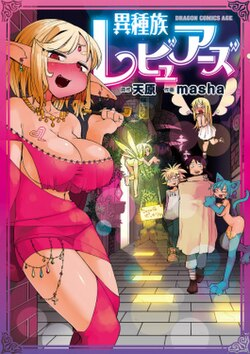






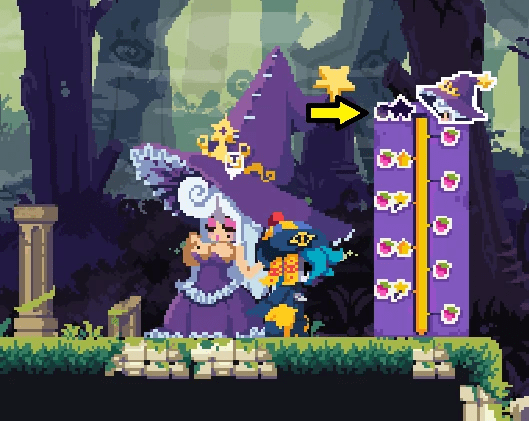


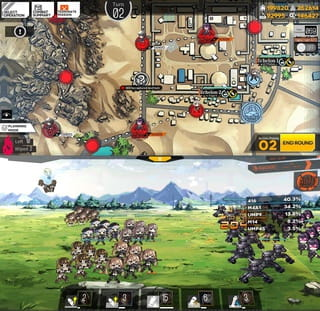
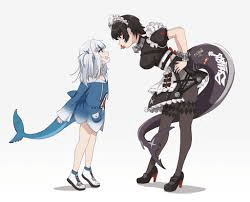
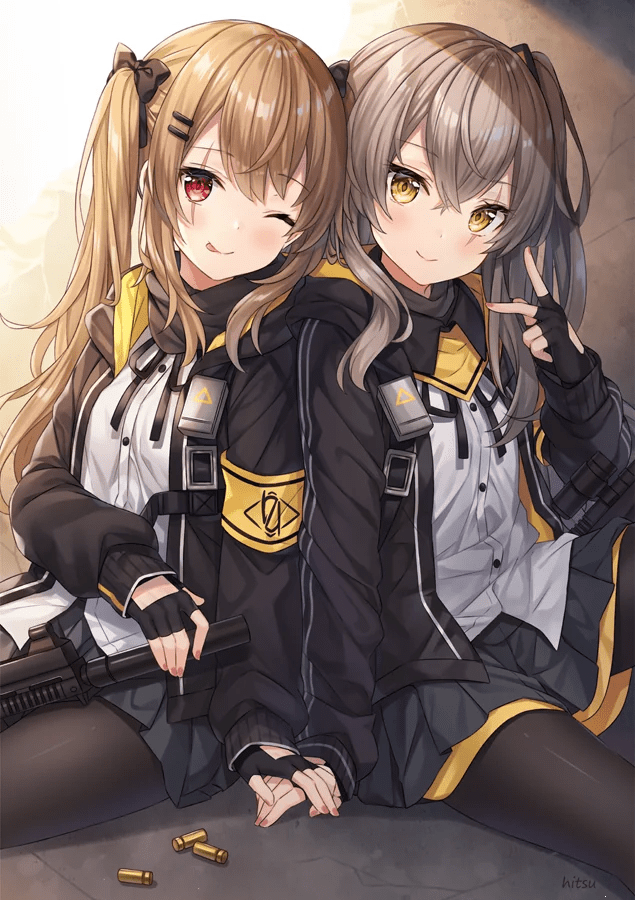




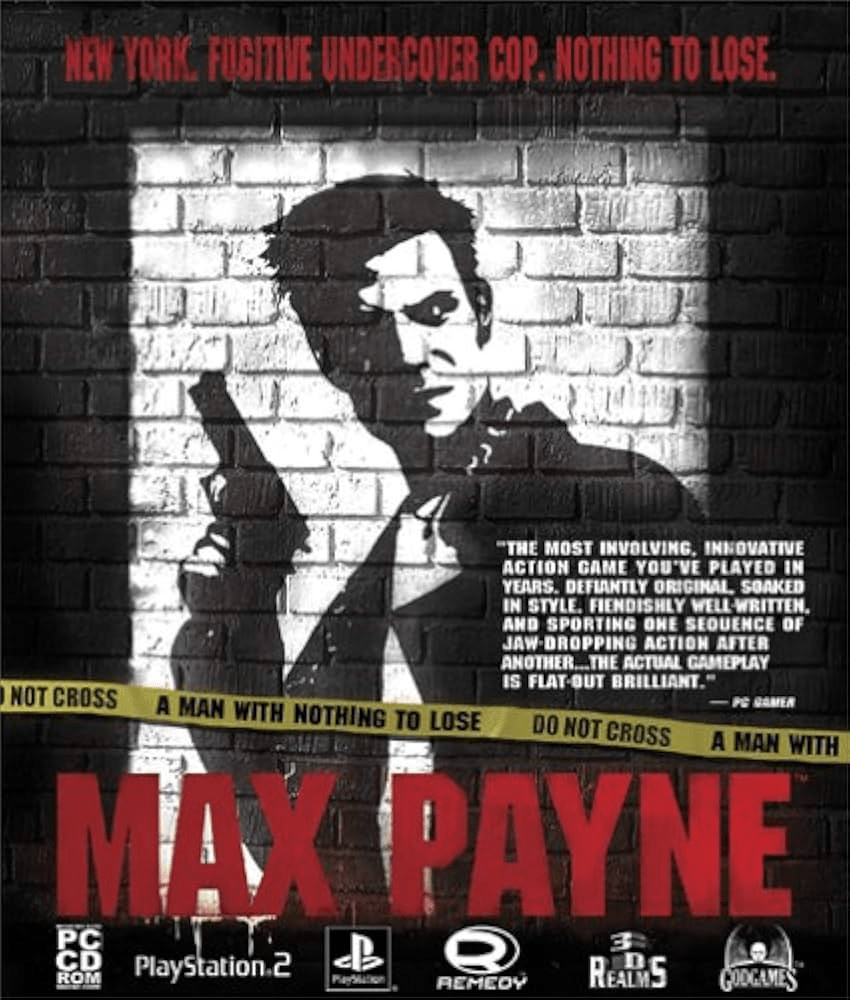

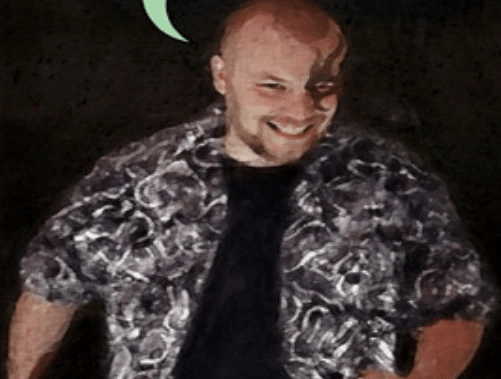




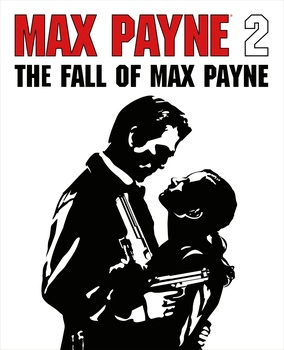

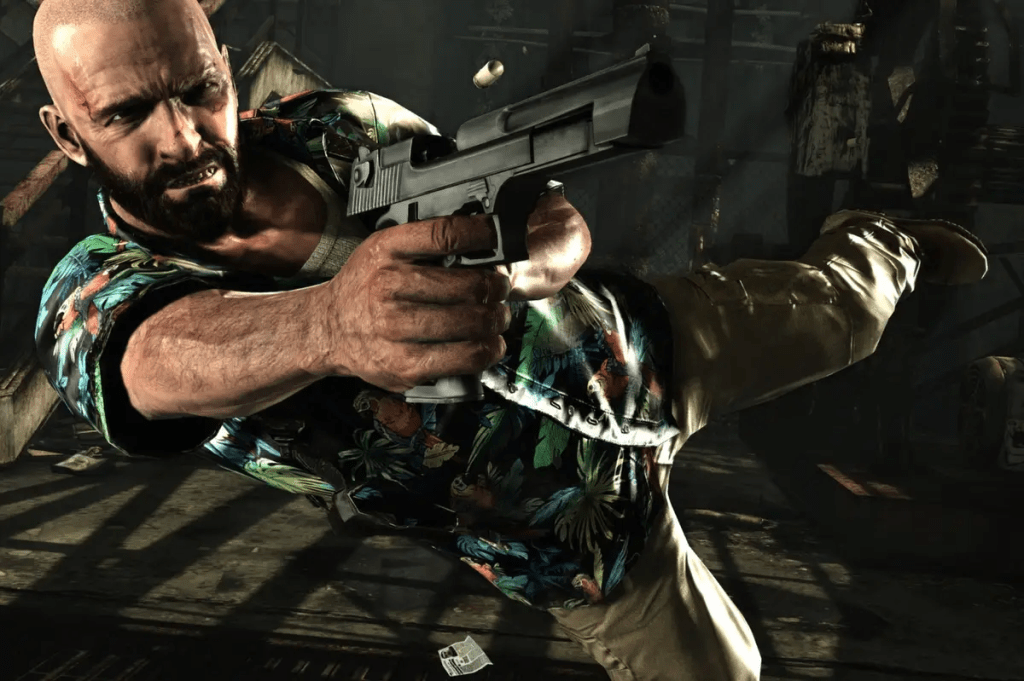
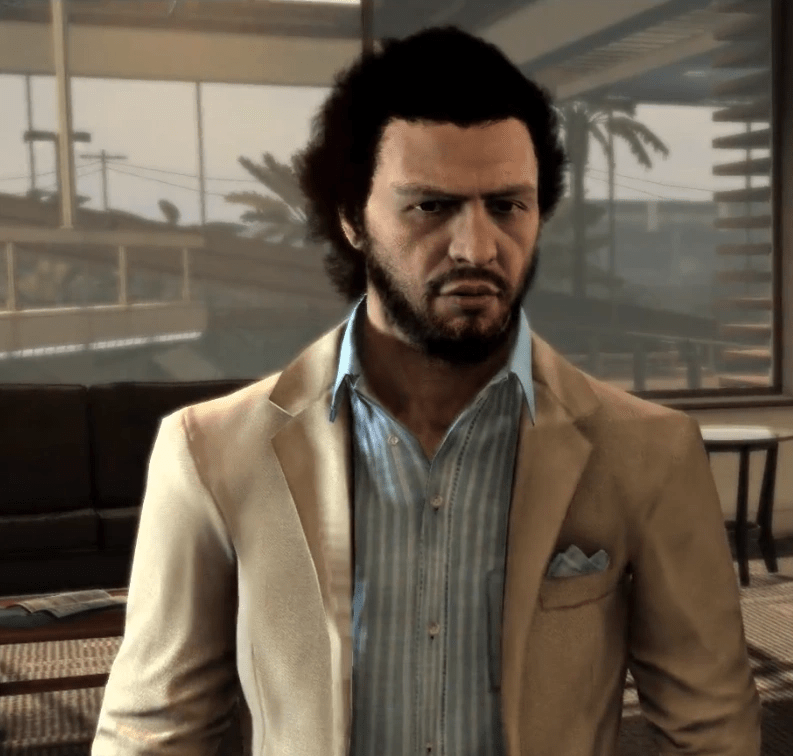
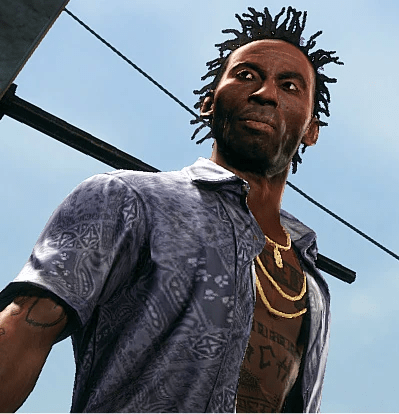



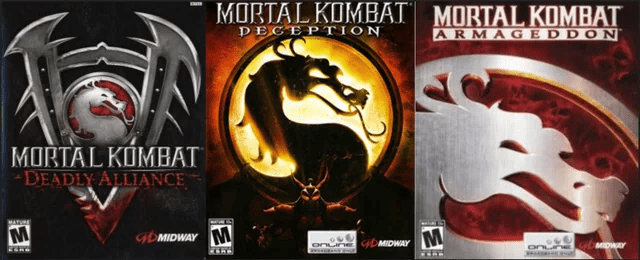


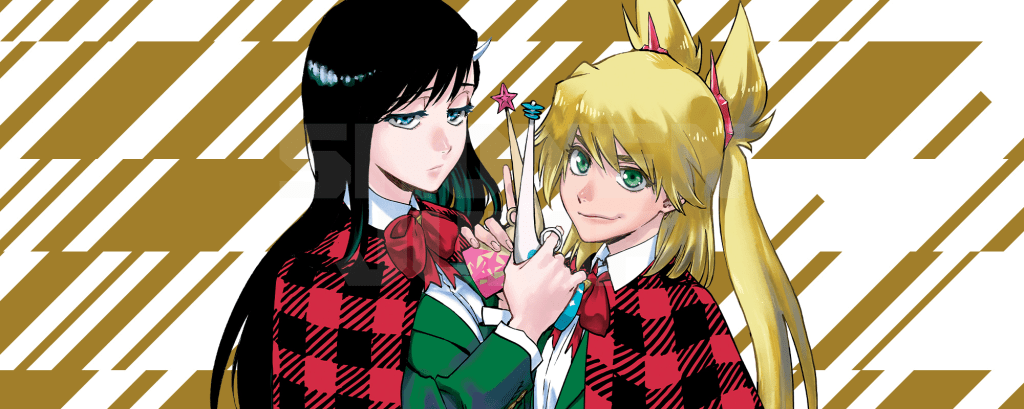
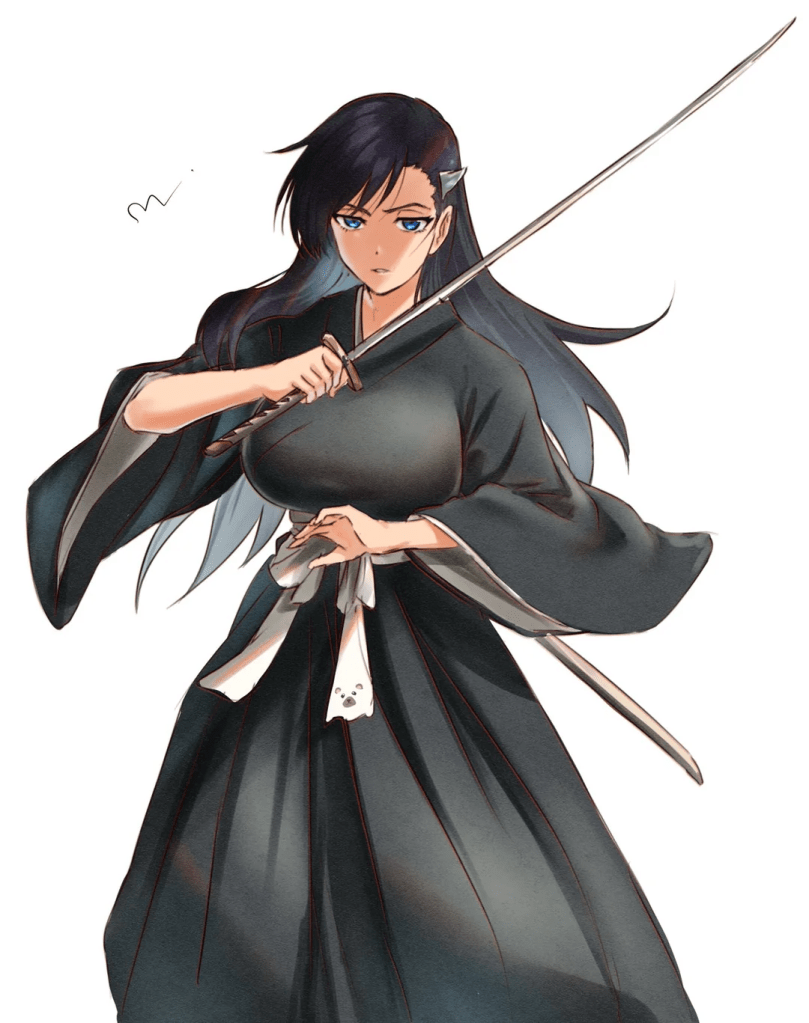

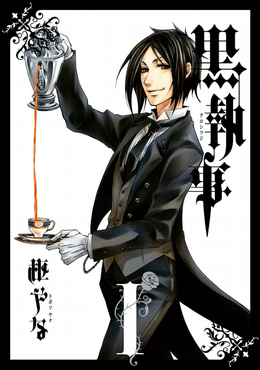
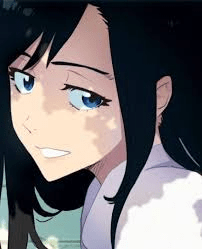
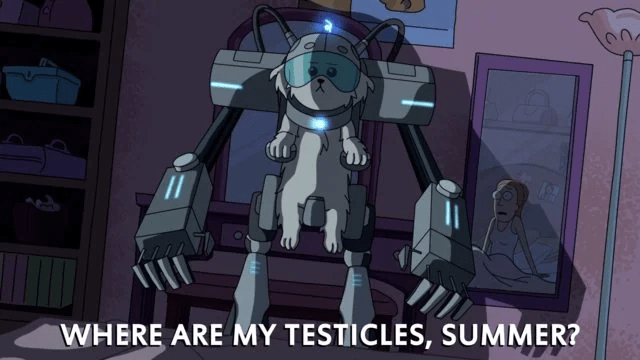


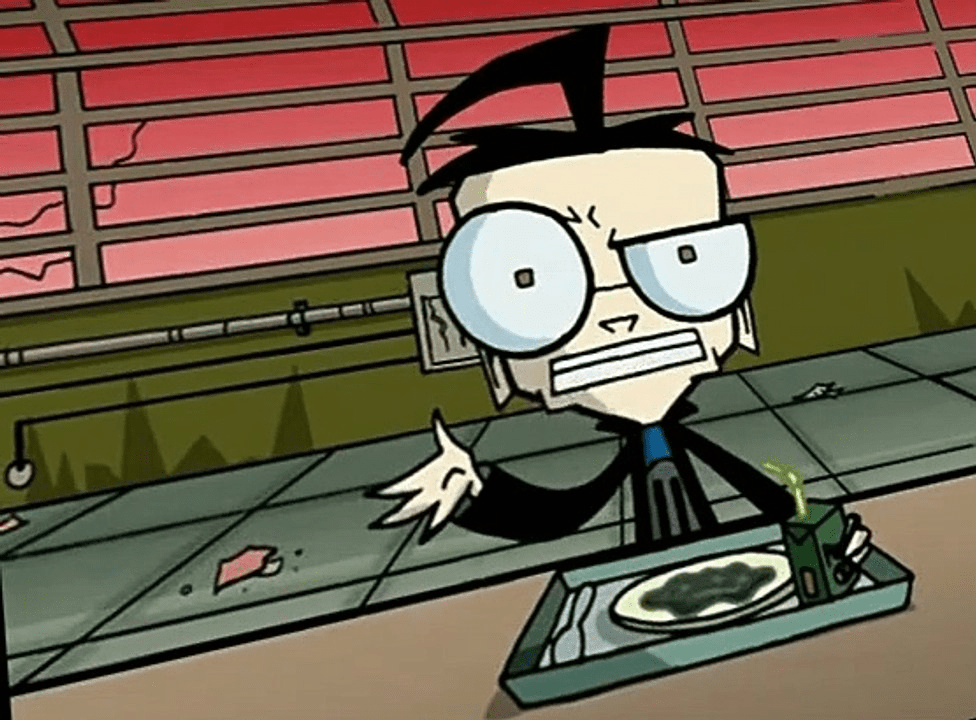


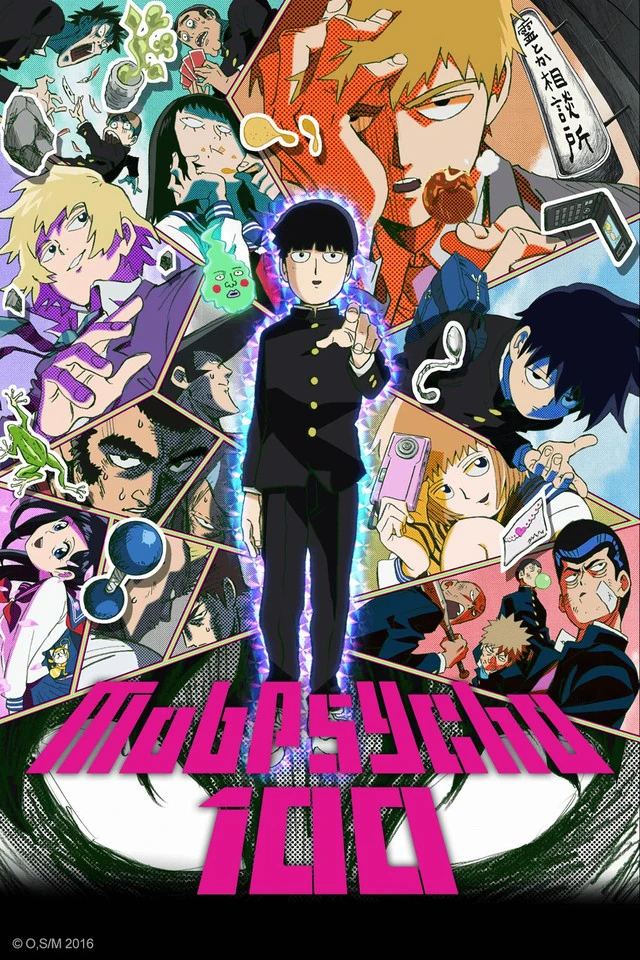

 Opinions on Entertainment