Summer romcoms have seen a boost as of late as seen by the evidence below:
Credit: Gigguk
The sussy sisters suspiciously spouting sexually suggestive sayings was far from expected, but also far from uncommon. Yosuga no Sora fans and Coffin of Andy and Leyley fans know what’s up. In this case where a romance anime has comedy and a sussy imouto, I present to you Alya Sometimes Hides Her Feelings in Russian.
The most interesting thing about this is that it may or may not be responsible for a new -dere type. For those who’re new, -dere in Japanese is a onomatopoeic term for “lovey dovey” or “fawning over someone.” The suffix refers to the type of affection displayed by the love interest. The most common types being:
Tsundere – where the love interest feigns disgust while secretly wanting you to lust after them (think: playing hard to get on hard mode)
Deredere – where the love interest wakes up with you on their mind, erection notwithstanding and counting down the days where they wake up next to you as a loving spouse
Kuudere – where the love interest acts distant and uninterested but keeps a heart-shaped locket with a picture of you inside, longing for the days where you two can be one; and
Yandere – where the love interest only thinks of you and no one else and you yourself better not think of anyone else or you’ll lose other people you care about in your life. It’s not the obsession that can lead to complete disaster, it’s the suspicion that this obsession isn’t reciprocated that makes yanderes so dangerous.
In the case of -dere types, the origin of this archetype–RoshiDere–is a derivative of the light novel’s Japanese title: Tokidoki Bosotto Roshiago de Dereru Tonari no Ārya-san. RoshiDere is a romcom about a highschooler named Masachika Kuze and his budding relationship with a childhood friend Alisa Mikhailovna Kujo. Being half-Russian, Alisa and her sister Maria have the distinct honor of being hafu characters. Short summary: a hafu is anyone of partial Japanese dissent, as in only one parent is Japanese (alternately known as half-Japanese).
There aren’t very many characters of this kind in most Japanese media, but there are a few that stand out, some of which you probably didn’t think about.
Japanese dad, British-American mom (that the fandom keeps forgetting; his knowledge of the English language is not a surprise whatsoever).
Plot-wise, Alya-san is a bog standard romcom but nearly functions like a harem anime of sorts all things considered. Circling back to -dere types, Alya the Russian GF is the chief RoshiDere, but sometimes has her tsuntsun moments.
Not that locking a character into a specific archetype makes them a one-trick pony, but the course of the anime opens viewers up to multiple different sides of the characters. Call it the benefit of a small cast, the creators can focus on a small band of misfits as opposed to tripping over their own two feet trying to make the audience fall in love with everyone else. Shortfalls plagued by a lot of Shonen manga, especially My Hero Academia and Naruto.
For what the characters do in the series, Alya’s an overachiever with the beauty to match her brains while Masachika engages in the otaku lifestyle watching the best series of all time until 3AM (obligatory: he just like me fr), leaving him the narcoleptic, sleepyheaded underachiever and the subject of Alya’s romantic teasing. She thinks she’s being coy by speaking русский язык (Russkiy yazyk), but little does she know Masa-kun is no stranger to the Russian language. As a matter of fact (spoiler), she’s not the first girl to speak it to him, having had a childhood friend from Russia itself. So her passing her flirting off as snide remarks is merely her footing herself in the mouth.
To my knowledge, the only other person who knows his bilingual fluency is his sister, Yuki Suou, as seen in this clip:
Credit: Momka Weeb
I haven’t read the light novels yet (will I? Maybe I will and write about it [patrick_scheming.jpg]), but I imagine a scene where Alya shouts in Russian, Masa-kun walks up to her, translating outloud and Alya’s cool and confident demeanor shatters under the weight of her crush’s knowledge of her native tongue.
Not so much as a gotcha, remember she has tsundere traits and will likely be upset that he knew and didn’t reciprocate up until that point, but part of me can’t help but be the fly on the wall who witnesses that encounter. Gonna pop some popcorn real quick, BRB.
Away from the main events of Russian Girlfriend Problems, Masa-kun’s sister, Yuki, is the Queen of the Otaku vying for the Degeneracy Crown currently resting on the head of one Sydsnap.
It’s explained that Masa’s and Yuki’s parents divorced and went to live separately. Yuki grew up as a quasi-aristocrat being viewed by the school as rivaling Alya academically, but Masa-kun knows how she’s like behind closed doors. A hardcore otaku who makes numerous references, points to the camera Deadpool-style, and wears her otaku flag on her sleeve. Don’t let her perception of innocence deceive you, she’s actually a cunning young lady and wanted for theft of every scene she’s in:
If the romance between Alya and Masa is the main course, I think we can safely call Yuki’s shenaniganry as the appetizer or dessert. It’s a cutesy little series that has a lot of fun with the premise and the use of multiple languages, that I haven’t seen really since Golden Kamuy, and considering that series takes place mostly in Hokkaido and Sakhalin (with flashbacks to the Korean peninsula where the Russo-Japanese war was fought), that part goes without saying.
Alya Likes to Flirt in Russian is available on Crunchyroll and other streaming sites of questionable legality. If you can stomach the ads, Crunchyroll is the way to go. If you have the cash to spend and can go premium, by all means. And for those of us, who are learning the right lessons from One Piece, HiAnime, AniWatch, and similar piracy sites are still up as of writing this. Enjoy them while they last, especially HiAnime which appears to have caught the eye of the U.S. government.
Run by Russian-born Roman Abalin, NFKRZ is a channel that makes videos on Russian life, life in the former Soviet Union along with personal anecdotes sprinkled in. It’s a hybrid vlog/semi-documentary commentary channel that sheds light on this part of the world, often dispelling popular myths of this region with personal anecdotes having grown up in the city of Chelyabinsk (which is close to Kazakhstan). The link to his channel is above.
Long time subscribers (and newcomers who’ve searched the archives) know how I feel about history and even Japanese history as a weeb. I’d been followingthis series by Yusei Matsui since the first chapter was licensed for English by Viz Media in late January of 2021. After three years, about 17 volumes (plus more to follow), an anime adaptation, and figures set for release sometime next year; of all the things that could’ve happened to this series, franchising was probably the last thing I expected even for promotional purposes. Then again, this isn’t the first series to get a boost in merchandise time of debut notwithstanding.
Save for the OVAs and the lost 2007 movie, 25 years is a hell of a wait for a proper adaptation.
I’ve already written about the time period Nige Jouzu no Wakagimi takes place in, but as a refresher and to catch newcomers up to speed: between 1180 and 1185 in the Genpei War between the Taira and Minamoto clans, the Minamoto won out and established the Kamakura shogunate in the namesake city of Kamakura where it would be under the de facto rule of the Hojo clan, a Minamoto ally by the 1330s. The retired Emperor Go-Daigo plotted with Hojo clan retainers, the Ashikaga, with the purpose of returning control of Japan from the shogunate to the imperial court.
Following these plans initially, the Ashikaga betrayed the Hojo and led a siege spearheaded by the Ashikaga brothers, Takauji and Tadayoshi, with the purpose of mass elimination of the Hojo clan.
Of course, they had retainers of their own, Ogasawara Sadamune, Ichikawa Sukefusa, Nitta Yoshisada, and several others who rally to the Ashikaga cause. All but one of the Hojo survives, Tokiyuki, who carries more value as the heir to the previous ruler or shikken Takatoki compared to his half-brother Kunitoki, whose mother was a concubine.
These people all did exist in Japanese records, but English-language sources are scarce and my Japanese isn’t proficient enough to try to search through the original sources to look more into their personal lives, but as a spoiler, Hojo Tokiyuki made it all the way to the 1350s running endlessly from the forces of Ashikaga Takauji, escaping until his eventual capture and execution by forces loyal to Ashikaga in the Spring of 1353.
As for Go-Daigo, well Ashikaga seemed to have used the opportunity to betray the Hojo to also betray the emperor. Paying lip service to the idea of a civilian-run government, Go-Daigo’s Kenmu Restoration as it’s known these days was short-lived and Ashikaga implemented the Ashikaga Shogunate in 1336 until it eventually collapsed during the Sengoku era, paving the way for the last shogunate, Tokugawa, until 1868. Never trust a traitor. Though the entire time of the Ashikaga’s brutal rise to power, there were technically two courts in the north and south of Japan which is why this era is also known as the Nanboku-cho period and why there are two sets of emperors whose claim to legitimacy is dubious.
I remember reading about the anime adaptation last year, prompting the first ever full-length post about it the day of. Now that it’s here, I can finally share my thoughts on the adaptation. Clover Works pulled out all the stops to bring this series to the small screen. I’m almost 26 and in all my years as a weeb, I’ve never seen a more beautifully animated piece of media, not even when Toonami pranked us years ago by showing the original dub of Masaaki Yuasa’s 2004 film Mind Game.
Some sore spots exist with the use of CGI in select scenes in the anime, but they don’t really do anything harmful to the overall plot of the series. I admit, I was worried slightly with how much attention other anime were getting around it especially with regular updates on Reddit, but then again, a single social media forum isn’t and shouldn’t be seen as the poster child for all discussion on media, least of all anime. Healthy discussion does exist, but with how big anime has become, I think it’s time for the medium to go back to its roots as showcased in late 90s-early 2000s discussions are concerned, namely, a small group of friends, enthusiasts and connoisseurs (with a strict member limit) who meet up and talk about the latest series and other anime news. Reddit and Twitter are cramping anime’s style, you know?
Following on from that point, if you want more evidence that social media is more curse than blessing, I made a discovery about seven or eight episodes in. I didn’t know this at the time, and I know better than to share misery, but in the first episode (spoilers again), there’s a scene where the chief of the Suwa Grand Shrine, Suwa Yorishige, pushes Tokiyuki off a cliff to join his family and be killed, when he shows his max experience in evasion and makes it back up the cliff, he flies into Suwa’s arms, and angrily tells him that he could’ve died down there. Though angrily in this context may not be what you imagine.
Matsui’s pride in femboy characters strikes again, as a disturbingly noticeable percentage of Japanese Twitter saw this scene and exploded with… excitement. I’m not responsible for this scene, but I still feel an apology is owed to someone. Maybe Shinzo Abe’s ghost for all of that excitement going into crumpled up tissues and not the rest of the population for procreation. Sorry, was that vulgar? Have a meme.
Pictured is my reaction to Japanese Twitter’s “awakening.”
Eh, it counts as engagement, so success? I’m still collecting and reading the manga, which I encourage you to do however you see fit. Follow along with the anime (which ends the 1st season at chapter 31), continue in the manga, or if you’ve done/are doing that, then wait with me for the figures to release. Time’s on our side.
On a final note, I heard rumors that a second longer season was in the works. We’ll have to wait for confirmation on that.
A few weeks before my second attempt to Army, I wrote about my opinions on visual novels, with the overall consensus being lukewarm above all else. A good VN can stay as long as it wants, but I don’t actively make a beeline to find them all, no matter how great the art style may be. For the topic of this post, I had bought another VN during my time in AIT on sale, and one of my roommates (who’s an even bigger weeb than myself, he’ll talk you to death about Konosuba or Hatsune Miku), had recommended the video game Needy Streamer Overload.
I placated him by “promising” and dismissing future playthroughs and I couldn’t see myself continuing forward for several reasons. Not limited to my play style as I have expressed some VNs do go on to have great legacies like Fate, Clannad, or Steins;Gate. This one specifically carried darker undertones, which I’m not against, but it varies depending on certain things. Maybe I’m just being arbitrary but the juxtaposition of cute and creepy in this one makes me a little uneasy. It’s a bit like the talking pie from that one episode of Regular Show. Like a doll possessed by the spirit of some little girl that drowned.
Now, watching and keeping up with thriller series Mysterious Disappearances would make you think I have no problem with scary stories like this, but with a series written around urban legends and folktales, some of which are plausible but not guaranteed, only a fool would try to take those seriously.
But what turned me off of Necessity Streamer Maximum would be because how real the concept is. It’s basically about a depressed, near-suicidal adolescent girl putting on a show for a legion of faceless fans across the globe, acting in an erratic and unpredictable manner as part of her schtick.
Yes, I know, I practically slandered VTubers, but in another post I assure you that I have no real problem with VTubers, following a few myself when the time allows for it. That said, my description in the above paragraph shows the types of VTubers I have a preference for. Sus-commentary is fine, everyone says weird s[8-bit soundbite]t from time to time, though only a few of us have the courage [read: foolishness] to monetize it. Personalities are also fine, look up any celebrity’s on-screen vs off-screen behavior and you may be shocked at what you found, like Marilyn Monroe being an intellectual cursed by the Hollywood cretins to play the blonde bimbo.
Screaming one’s lungs out certainly has an audience and I was among those, but in the years’ since, I can’t go back to that. There’s a meme of a guy tearfully gunning down something he loved because it grew increasingly annoying, and it sounds like I’m phrasing it that way, but it’s more the process of growing up. Some things you just outgrow and can’t really enjoy anymore. It stopped being entertainment by the time I was 19 and my 26th birthday is at the end of next month. So specifically with entertainment, while I don’t see myself outgrowing the analytical like, for instance, documentaries, the random humor that emerged in the late 2000s and 2010s especially on YouTube isn’t for me anymore. And personally, I had trouble watching Pipkin Pippa. Someone will try to convince me that she has less intense content, and I appreciate the body of water you’re allowing me to drink from, but the horse isn’t guaranteed to even take a sip.
This meme is the point of this post, the crux in the custard, the proof in the pudding, the facts in the fondue (hungry yet?). I know people who stuck it out with unstable people and got severely burned as a result, not to mention the numerous stories I’ve read of how bad things have gotten for some people and hypotheticals of how much worse it could get, so sorry if I’m a bit suspicious about what can and does happen in real life. You know how you view a piece of media and the antagonist is memorable because of how they can mirror some actual people past and present? It’s a bit like that.
Now I’m fully aware that this isn’t 100%, though the potential is what keeps me at arms length at times. This part is gonna get slightly personal; everyone has their problems that they’re trying to work out or live with and it’s something I commend, but my opinion changes for those who swear to whomever they call god that there’s not one thing wrong with how they live, even more so if they’re highly reactive. These types of people are easy to avoid on the street or whatever, but what about if you work with them? Or live with them? You don’t need me to say that life with a person who dwells in misery and is overly generous with their suffering is zero fun.
For Neediest VTuber Maximum Overdrive, it reminds me a lot of what I want to see less of in my future. Not by a giant margin, though it would get a bit depressing for me if the background art was a physically broken home. Then there’s the main character herself. It’s been a while so I don’t remember what her real name was supposed to be, but the alias she puts on is “OMGkawaiiAngel” or just K-Angel for short. The game’s Steam page describes her as a girl with an unsatisfiable lust for attention, which brings me to something else I want to see less of as I age. I’m always happy to help wherever and however I can, but I can’t stomach habitual linecrossing. Kindness is no weakness, but we often find ourselves sharing that philosophy with those who think otherwise.
Back on topic: Notice Me Senpai Simulator is perhaps a comprehensive look into mental illness that most internet forums like to meme away. A look I’m definitely not qualified to discuss in length, so here’s a video I found that explains the “I Can Fix Her” situation.
Credit: BoolioGalaxy
What is it exactly? A look at one of entertainment’s dark sides? An analysis of monetizing what’s left of one’s conscience? An extreme example of things going wrong? A combination of any one of these? Or none of the above because it’s just a game? I honestly wish I could break from this streak of cop-out answers, but if it’s any consolation, it looks like there’s a bunch of nuanced answers to Feed My Attention-Seeking Behavior, Nimrod.
Subscribers will remember the time from when I recommended the darkly comical episodic series The Casket of Drew and Ash and might be confused or call tu quoque for recommending that series and being uneasy about this one. But to reiterate and emphasize, that game had comedic elements of a classic black comedy. It elicits multiple emotions as you go along, whereas Hey, All You People, Won’t You Listen to Me? is darkly comical if you cross out -ly comical.
Rather than subscribe to the stereotypical dark atmosphere that accompanied horror movies of old, the disturbing part about this is that not only could it happen in real life, it probably is and few may even realize it, or they do and it feeds into the appeal of the yandere in anime.
Everyone likes a well-written archetype, but I found that Why Haven’t You Called Me Mommy Yet? does its job a bit too well. I’m no stranger to these sorts of things, I admit I’ve had dreams before where an unstable woman loves me unconditionally (so long as I keep my eyes on her and not any other owner of a second X-chromosome) but thank Rias it was just a dream. Joker isn’t crazy enough to fight the IRS and I’m 95% sure that I’m not mad enough to live this life:
Credit: kukuri ito
On a final note, if you’re keeping in the back of your head that this game was recommended by my roommate back in AIT, then congrats on your impeccable memory, have a trophy and some cheese popcorn. You’ve earned it. He was honest with me about his life and all things considered, it makes sense that this would be more his speed than mine. Don’t worry though, we’re all living our best lives. I’ve always wanted to see even a part of Texas, and that guy is currently living it up in the Hotel California Germany.
A Georgian YouTuber, his early work specialized in analyzing music, but nowadays he looks in-depth at the world, namely the western world, Russia, and the Caucasus region. If you’re sick to death of criticism of America and Britain in the west, let this guy’s honorary American card masquerading as a video convince you that he’s worth the watch. The man does his research in a variety of topics, which shows proficiency I say. Gotta know what you’re talking about before you take the piss out of it, am I right?
I’m still hard at work at doing the research necessary before I fully write about Genshiken as I’ve only watched two episodes so far. By the time I’m done (ballpark estimate: mid-October at the very least, god willing), I hope to have completed most of the first season. For now, allow me to supplement you with a general impression based on the first two episodes.
The manga started publication in Monthly Afternoon magazine in 2002 in Japan before getting licensed by the Kodansha library for release in English. In online discussion, otaku has fallen out of favor in recent years mostly supplanted by the word weeb but for the time frame we’re observing, otaku would make sense for the series as anime was breaking ground in the U.S. and U.K., but not nearly enough to get the worldwide traction it has right now. It was an underground niche back then; otaku (country of origin notwithstanding) were to the general populace what JoJo’s Bizarre Adventure were to otaku.
Genshiken gives a somewhat appropriate insight into this by way of multiple perspectives: the hardcore otaku who can boast to have the original Astro-Boy manga and the outsiders who believe everyone grows out of their hobbies eventually. Side note: if that were true, then we wouldn’t know people who’re still reading Harry Potter or watching Star Wars. Source: me, emulating the older Mortal Kombat, God of War, and Naruto games.
The name in Japanese is a shortening of the full title: Gendai Shikaku Bunka Kenkyukai or “The Society for the Study of Modern Visual Culture.” If reddit was around when the manga debuted, these guys would be gods on the anime subreddits. Speaking of which, a clip of the second episode was how I found the series. Going over the English translation of the name, you get the impression almost that the runners of this animanga club think themselves high and mighty when they’re just another flavor of nerd. And as a nerd, they kinda stopped being special around the early-to-mid 2010s.
It’s easy to say that now since anime has gotten pitifully easy to access, but going back to the late 1990s and early 2000s, your best bet was the VCR or somehow knowing the guy who makes regular excursions to Shinjuku’s and Akihabara’s electronics zone. So I can excuse the elitism in that regard. The central characters in this club mostly fit common stereotype of the era: Harunobu Madarame, the eccentric leader who will defend his tastes to the ends of the earth no matter what; Soichiro Tanaka, the less eccentric, but still enthusiastic one; Mitsunori Kugayama, the gentle giant who speaks with a stutter; joined by newcomers to the club, Kanji Sasahara, Makoto Kosaka, and begrudgingly Saki Kasukabe.
You know, it’s a 2000s anime if a girl is on the cover, even if thematically she’s an improper fit, which was why I claimed that Saki reluctantly joined Genshiken. Slight spoiler: the first episode shows her having a smoke in a train station (something I believe Japan illegalized over time) and telling some dude to get bent before getting all giddy after seeing her childhood friend, now love interest Kosaka. Where things diverge is when Kosaka reveals that he has since become a weeb and encourages Saki to accompany him to the Genshiken club, learning about anime in general and some of Madarame’s tastes as a whole.
Madarame is who I best describe as anime Twitter’s unacknowledged/ignored id. Western anime Twitter has a giant beef to roast about fanservice in anime, but to hear it straight from the horse’s mouth, there is nothing better than fanservice.
Yes, I know the context behind both of these characters. This isn’t a criticism or anything, I just thought it was funny.
It does illustrate what Saki takes issue with the most in the anime community, and it’s a bit of zombie problem that from the outside looking in you’d think had largely disappeared in the online discourse, but has been eternally mummified and immortalized in several online spaces. Fanservice around women also gets a bad rap because of this.
So at the outset you know that Saki is not the target demographic for what these guys like but puts up with it because her love interest is heavily into it. Not to the extent that Madarame is, but he doesn’t feel out of place in Akihabara or the other popular anime hangout spots. With discourse surrounding the series itself being light (at least in the west, Japanese social media might give me more insight if the weblinks still work), the most I have to go on are the anime itself, its manga, and the accompanying Wikipedia page. It’s described as a Seinen series, which makes a lot of sense as none of what the characters like would be suited for a Shonen demographic.
From what I can gather, 21 volumes released between 2002 and 2016, at least three seasons, a spinoff and an OVA all tell me that it was popular enough for all of that as well as foreign dubbing and licensing by Kodansha themselves even though it has a lot of the hallmarks present in something like Azumanga Daioh.
A slice of life series about a group of friends and they’re daily lives in a school setting, it’s original Japanese name largely untranslated or unaltered, but what splits the two series apart is that as a slice of life series, Azudaioh is very easy to take out of context and make the most baked memes and jokes about as any YouTube compilation shows evidence of, whereas Genshiken takes itself more seriously. Far from the “cute girls doing cute things cutely” subgenre of slice of life, Genshiken is more about the subject of… itself if you think about it. You or someone you know belongs to a group of weebs who talk about this regularly–why not have a series that’s a mirror of your hobbies?
As it stands, I don’t know enough yet to speak definitively on the design philosophy of the show, but the Wikipedia article explains that it’s about the characters moreso than what they do. An assertion I’ll hold it to once I’m done with the first season. For now, short of tracking down the physical media and the means to play it, 9animetv.to and Hianime are my new methods of watching the series and you’d be a fool to not use these reliable resources.
Before we start, quick context: due to a technical issue with attempting to upgrade my computers, I was briefly unable to recover my files until I resynced everything with OneDrive, a service I have a love-hate relationship with. I’m still in the process of sorting the problem out with roughly 90% of my files saved due to OneDrive, one of those being my notes for this blog. Based on what I had scheduled next, it was supposed to be a review of the 2004 anime Genshiken. But due to work presenting me with some interesting surprises, I haven’t been able to relax and set aside some time to view it. I’m still looking for an ideal site to view anime and its a toss-up between Aniwatch, 9animetv, and Hianime, joined up by whatever no-name YouTube channel is brave enough to upload full episodes of insert 20-year-old anime here. I’ll try my best to get at least a few episodes in before I put my opinions down, so for now, have a supplementary post: classic anime!
I know I could’ve put up a picture of the actual anime, but with 25 years on air, I couldn’t resist. One Piece is very memeable. See r/MemePiece for more details. Also, I’ve gotta say that unlike most blogs where I review part, most, or whole series, I wanna make this an opportunity to announce a personal campaign of sorts. That is, to watch a majority of several classic anime that are known the world over. Two of them so far are One Piece and the remaining episodes of Dragon Ball Z, the Kai dub.
Others are in the running to join this grouping, but those are the two that come to mind for now.
There’s no deep reason for wanting to do this, although lately I’d been reading my usual pick of manga on MangaDex, and I thought I’d find Toriyama’s magnum opus. Sure enough, I did. I’m not sure if it’s well-known in the west, but the original manga isn’t exactly split from Dragon Ball. We acknowledge Z as a continuation of the original manga, but it’s all rolled into a giant series unlike the anime.
It might be due to how it was licensed in the west, but although Z is seen as a sequel to the original Dragon Ball manga, Toriyama and his assistants put subtle hints that Z might as well be a part two of sorts, like Naruto: Shippuden or JoJo’s Bizarre Adventure dividing into different parts. Keeping this in mind made it easy for me to go straight to my favorite saga in Dragon Ball, the Namek saga.
When I was a kid and the series was redubbed in Kai for the twentieth anniversary of the anime adaptation in 2009, most of my exposure to Dragon Ball was through the video games and anyone who was a kid/pre-teen, etc. at the time can attest that a fighting manga like Dragon Ball has a Library of Alexandria’s worth of video games. Some are faithful adaptations of the series, others put their own spin on the same story, the rest worked with what they got and a fourth category got creative, for example, making a card game out of the series.
There exists a ROM of this somewhere, and I want to at least get to the first fight between Goku and Vegeta.
I owned a few of the games myself and with more and more getting released long after the Final Chapters, GT, and Super have all gotten their fifteen minutes of (screaming) fame, Dragon Ball has a hold on the cultural zeitgeist of the early 1990s and beyond. When I was a kid, the Namek saga felt like the home stretch. One more push and the remaining Z fighters will have achieved their goals of recovering the original dragon balls and reviving the others. The only things standing in their way was Vegeta and the forces of Frieza. Both men hate each other and wanted each other dead, Frieza certainly wanted Vegeta out of the picture with his rebellious streak and them both wishing for immortality.
From a writing standpoint, it of course has some of the usual tropes found in other anime of the time and unique to Dragon Ball, but if you’ll excuse the comparison, let me know if this sounds familiar: three parties happen upon a treasure said to bring untold riches and get in each others way to have it, dealing with the consequences that follow the acquisition of this wealth. Pick your favorite story arc from media to fill in the blank; I’m going with a specific plot point from Grand Theft Auto IV and it’s expansion packs: The Lost and Damned and The Ballad of Gay Tony.
I make this comparison because like the Namekian dragon balls, competing forces within GTA IV’s storyline are after another prize which all things considered also bring bad luck. It’s not uncommon for crossover events in the GTA series, in fact the series is famous for it. Vic Vance and Tommy Vercetti nearly close a deal before Riccardo Diaz sends gunmen to snuff them out; CJ wins a race against Claude the Silent before getting some property in San Fierro and in GTA IV’s case, Niko Bellic, Johnny Klebitz, and Luis Lopez all cross paths over one simple thing: blood diamonds. Going by the name it took a funeral pyre to dig them up and the rocks aren’t done taking bodies. Also, blood diamonds are a real thing, with West and Southwest African countries being the most likely to have this problem.
Like their real-life counterpart, in the games, the diamonds were smuggled into Liberty City where the main employers of the three protagonists unknowingly compete with each other to get their hands on them for their own ends. In a somewhat similar circumstance, three foreign parties land on a distant planet to uncover a set of dragon balls for their own ends. But unlike GTA where the trio are all antiheroes, there’s a clear line of good and evil in Dragon Ball, though Vegeta’s convenient alliance with Gohan and Krillin complicates things for him.
I told you these shows were memeable.
Favorite saga it may be, I admit I’ve had trouble keeping up with Dragon Ball ever since Super was on Toonami and without meaning to disparage the network, while it’s done wonders to bring anime to the west, more than once I’ve had a few conflicts with their scheduling in the past. Yes, I know outside circumstances can interfere with schedules, but come on. At least try to fight to keep it consistent at least for the season. And while we’re on the topic of Toonami, will they ever be allowed to air Mob Psycho 100 Season II? Ever?
Anyway, while I’ve been getting my fill of Dragon Ball once again, One Piece, like the titular treasure, surprisingly is difficult to view. Of all the anime I’ve pirated, One Piece hasn’t been it. Most of its western publishers have done a bang up job to host the series, but Crunchyroll proves to be the only one capable of lousing it up. All that time spent bringing your site to the 21st-century, buying up the competition, and nabbing bigoted localizers with an activist mindset, but what do you have to show for it, Crunchyroll-hime?
I highly doubt these afflictions are in One Piece since there is no ruining peak fiction, but the most recent shows that they host on their site do nothing to boost their reputation as of late.
For One Piece though, like Dragon Ball it was a show that made the rounds at school and among my friends in the neighborhood, especially with 4kids telling us without telling us how inexperienced they were with anime, but to their credit, anime was still a niche in the early 2000s. Everyone knew who Naruto was and is these days, but who at the time in the U.S. could name anyone in Azumanga Daioh?
In all seriousness, One Piece is definitely not hard to watch. Toonami had been airing it since it first debuted, bar a few breaks in screen time. Guess it’s only fitting now that I pirate the pirate anime. It’s been yonks since I’ve seen it, but from what I remember of it (a mix of the actual show and memes) moss-haired swordsman gets lost all the time (probably looking for more minorities to hunt), Nami disappeared for a bit before returning to the crew, Chopper is the series cowardly lion, Nico Robin has a dark and complicated past, Boa Hancock wants Luffy but he’s not about that life, and Brook is the tallest skeleton on Earth. Forget a 3-meter statue of the guy, just bronze his bones when he’s dead, put up a sign and call it a day.
That paragraph there is gonna piss off all the One Piece fans. With so many episodes and so little time left in the Year of Our Lord 2024, even if I speedrun, I’m not gonna get through all the episodes. And yes, I know One Pace takes care of the Shonen Recap Syndrome problem it has, similar to how Kai shortens Dragon Ball Z substantially. I think before I sit down and watch Genshiken, I’ll test which is the better way for me to watch One Piece.
Been missing these, this week’s YouTube recommendation is Preston Stewart.
Similar to Ryan McBeth or William Spaniel, Preston Stewart is another channel run by the man who lends his name to the channel. An Army officer in the Reserve, his channel covers national security, world affairs, and the military in as unbiased a manner as possible. He doesn’t focus on cybersecurity like Ryan does, but there is overlap in their respective coverage of world events, especially with disinformation and overseas conflicts like Israel, Ukraine, or Taiwan. Consider this a completed trifecta, considering I recommended the other two in posts from last year. Factual, in-context reporting on real-world events. Need I elaborate further?
Of all the games I’d play, gacha was the last I expected to be one of them
I wanna set the stage a bit before I get to the meat and potatoes of this topic. If you’ve been anywhere online, especially on social media, you know doubt have heard of a Shanghai-based video game company named MiHoyo, and their library of games, the four most famous of those being Honkai Impact 3rd, Genshin Impact, Honkai: Star Rail, and this year’s most recent release Zenless Zone Zero.
They’re all described as free-to-play games, though with massive strings attached: for starters, they’re all gacha games. If you’re not in the know, a gacha game has a gachapon mechanic based on a random number generator, downright imploring the player to spend real-life money on an aspect of the game. In the west, it would be a loot box with skins, and in East Asia where these games thrive, it’s a character or some other collectible. They’re designed to be scarce and encourage the player to keep going for a chance to win big; so gambling with loopholes.
Gachapon itself comes from a term for capsule toy dispensers in Japan, other parts of East Asia and select American cities, like New York or L.A.
I put all that up beforehand to explain what I’ve felt about lootbox mechanics and paywalls in games and why, despite being against them overall, I’ve played three of these games. So back in 2016-17, EA was taking a lot of manure for the implementation of lootboxes, and the manipulative mechanics in several of their releases, not the least of which was Star Wars: Battlefront II. Fans of this series felt that monetary gain was prioritized over player engagement and experiences and that in order to actually have fun with an EA or Ubisoft product, rather than put the DLC in with periodic updates (i.e. the RockStar Grand Theft Auto method), they release the DLC at nearly a fraction of the price of the “full release.”
Both them and other developers of this model were reamed for the predatory practices, with legislation being debated on over regulation coupled with concern over who is most at risk of engaging in such content intentionally or accidentally, from children with little understanding of money and financing to at-risk adults with a history of gambling addiction.
Did any of the legislation and debate help? Although most of the games I play are older, the ones I do play that still get regularly released don’t suffer from such a problem, though looking at the ones that do or did, there’s one of three outcomes:
They overcame the lootboxes and have genuinely improved
They still implement them despite them falling out of favor in the west; or
The lootboxes one and scared away the gamers.
Outcome 1 is the rarer of the three, sadly. These days, it takes genuine care and development for a gamer to stick around and see the DLC, but if a company has a checkered past, either they’ll be written off as untrustworthy or gamers may wait and see what the reviews are before considering dropping cash on it. Personally, I’d balk at some Assassin’s Creed DLC that wasn’t worth its salt, but Elden Ring: Shadow of the Erdtree does get me thinking…
Never mind that my friend burned three hours trying to beat Radahn.
So if that’s all established why gacha > lootbox system?
Well, let’s look closely at what they all offer. As of writing, I have Honkai Impact 3rd downloaded, but haven’t played it so going instead I’ll go over why I caved to Genshin, Star Rail and ZZZ.
It took me an absurdly long time to see what this one was about, longer than the other two. For Honkai Impact, while that one is older than the other three, I nabbed it just last year, and once I play it, I may record my thoughts.
For now, Genshin released in September of 2020 and it looked like every YouTuber was getting sponsored by MiHoyo to talk about it or stream it on their associated channels. I think even Achievement Hunter got in on the action. It was the talk of the town and something I didn’t so much avoid at the outset with dedication, more like I was waiting for talk of it to die down before I tried it myself, which happened to be in December of 2021 — a full year and change after it had released. I didn’t know it at the time, but as a player of this and the others, I learned that characters debut shortly for a chance to roll (think roll of the die) and it can take a while (usually a few months) for the character to roll again.
If you’re in the loop, ZZZ just debuted the characters Seth Lowell and Jane Doe with more coming for the last quarter of this year. Best get to rolling if you wanna play as any of them.
Get her while she lasts, and while you’re at it, enjoy some thirsty memes. There’s plenty being made and more than enough to go around.
In Genshin, it’s a fantasy game that takes a lot of tropes from existing isekai anime and other fantasy stories. People and places are in some way, shape, or form take their names from Russian, Chinese, or Japanese folklore. Obligatory write-what-you-know, considering where MiHoyo is headquartered. I can’t list all of them, but there are a few instances that caught my eye, especially in the trailers. One character, for example, Qiqi is a zombie.
Starting with her name, it’s written in Chinese with the same characters for “seven” [七七], but it could also be a play on words with this also being the pronunciation for the Chinese word for “life” [气/氣], although with different vocal tones to it. As for her design, she’s based on the Chinese hopping zombie, an undead creature in Chinese folklore similar to vampires in that if they get a hold of you, they’ll turn you into them by sucking out your breath, though I doubt Qiqi herself can do that. There’s different ways of countering this, usually by way of rice or holding your breath so they can’t find you. Side note: as for why jiangshi are typically dressed like Qing dynasty officials, the style is a legacy of Hong Kong cinema. The choice to depict them this way might be a metaphor for how that dynasty ended, it could be because earlier dynasties had more ornate attire (read: harder to draw), or possibly because a reanimated Dong Zhuo or Liu Bei would be terrifying in concept… unless we’re talking Dynasty Warriors.
Other Genshin characters, locations, concepts, etc. take from East Asian/Old World folktales to make the fantasy feeling come alive. Couple that with timed events in-game and the fantasy aspect goes in maximum overdrive of sorts. The plot is that you take control of either a brother named Aether or sister named Lumine (though both are referred to as Traveler since you can put whatever name you want for them), with the other being captured and possessed while you go off to level up, and find and save your missing sibling. Typical fantasy tropes ensue, thriving city-state with armed militia as a protection force, you meet the many characters that inhabit it, help them and build trust, they help you and level up and after completing several events, they point you in the direction of your quest until you complete your goal. Side quests can be taken to help you level up because all of these games have a skills-based leveling system which I take slight issue with.
I’ll gladly collect experience points like dragon balls, but if I’m Level 15 and up against a Level 20, I hate that they can sleep me in one shot while I whittle away at their health bars for hours or weeks. Let me get the God of War hack n slash model of battle where I throw the chained blades in any direction and hit everything that’s too close to me.
Maybe it’s that way because it’s more popular in Asia where MiHoyo is expecting most of the player base to originate from. Either way, flaws aside, it’s a story-rich environment that has its moments and is often the talk of the town whenever an update comes out which is often. I can’t say how big the playerbase is, but it’s gotta be ginormous with all that it has to offer. I believe the adventure aspect is why I’m playing these all things considered, with all of them being different in some way. They’re all adventures, but Genshin Impact is certainly not Honkai: Star Rail:
Away from the medieval fantasy setting is a space epic setting that, now that I think about it, gives me Borderlands vibes. The main characters are on a vessel designed like a locomotive traveling through space where they land on another planet for the purpose of securing a Vault Key Stellaron. They’re not the only ones after these Stellarons however; a faction of hunters are also looking for them and stand in our heroes way.
Who are the heroes? They’re the residents of the Astral Express, another pairing of either a young man named Caelus or young woman named Stelle. They’re not said to be siblings like their Genshin counterparts and the quest either takes is supposedly one of regaining their memories than looking for a lost sibling, although memes exist of the two having a more realistic sibling relationship of sorts. I’m an only child, but I’ve absorbed a handful of media with siblings and read many stories to know that sibling fights don’t really cross any lines. They can be tense and competitive and spontaneous, but they still live with each other until its time to adult. However that looks varies the world over.
After the Traveler, or in Star Rail’s case Trailblazer, is March 7th, a bubbly girl with ice archery skills that also doesn’t remember her past, not even her name which is why she’s named after the date in which she was found by the Astral Express. Finally, there’s Dan Heng and here we see more of the Chinese influence in the game. There’s a reference to something from folklore in his name most likely, but I haven’t seen it yet. Or it could just be a name. He’s the more stoic and pragmatic of the trio.
Another way in which Star Rail differentiates itself from Genshin is combat. Genshin’s combat is more open-world, but Honkai: Star Rail has a short transition screen before switching over to a turn-based combat system. Everyone in your party gets a turn to attack or heal before it goes over to the opponent. It’s a classic system that to my knowledge still only exists in Pokémon. One fun fact: the English localizers collaborated with the Trash Taste podcast who all make cameo voice appearances in one arc in the game.
Since it’s not the same kind of adventure game, the need for crafting foods, weapons and other accessories isn’t present as this futuristic setting would make all the menial labor like this obsolete, and in a lot of ways in-game it does. Sometimes you go up against a combination of human and robotic enemies, while also controlling human or human/animal hybrid characters common in animanga (fox girl here, cat boy there, those moe characters with animal ears and tails everywhere), though they’re in limited number here. Still, there’s a bunch of interesting character designs and the characters themselves all have their own motives, which makes it a bit more mature than Genshin in some aspects.
As for a game that goes one step further, we have MiHoyo’s most recent release: Zenless Zone Zero.
I’m using the same screenshot for this section of the post only because I don’t really wanna make it seem as though I’m biased towards one of these, especially since I’ve been playing ZZZ a lot recently.
Another futuristic society, but this time relying on outdated technology like payphones, VHS tapes, and CRT monitors due to an interesting in-game reason. The lore of the world of Zenless Zone Zero is that modern technology like the device you’re currently reading this on is a magnet for Ethereals, hostile creatures, who lurk in the Hollows where access is cut off from the rest of the public for safety’s sake. Going in without a defense mechanism of any type spells doom for those who wander in, usually in the form of corruption and transformation into one of the Ethereals.
Like the other HoyoVerse games, the characters are subdivided into factions, some of which compete with each other or work together for common goals. The first faction is essentially a freebie, Gentle House known colloquially (unofficially doing business as) the Cunning Hares is a three-man team led by Nicole Demara, the fiscally irresponsible yet money-hungry face of this faction. Joined by a sentient A.I. Billy Kid and adoptive sister Anby, this faction accepts their commissions on the in-game service InterKnot through a Proxy who guides them through the Hollows. It’s a relationship of mutual interest though in lore, Nicole is so broke she walks down the street with Louis Vuitton that she probably found in the trash. Billy is a more childish character who, initially reminded me of Deadpool by way of the color-scheme, weapons of choice (dual pistols) and general demeanor. Recency bias coming from the Deadpool and Wolverine movie is to blame for that, though Billy is more prone to panic in stressful situations and isn’t exactly as snarky as the Merc with a Mouth, nor is he breaking down the fourth wall every hour on the hour.
Anby is the mystery one with no recollection of her past before being taken in by Gentle House. She makes me think of Rei Ayanami from Neon Genesis Evangelion at times. For characterization, she’s not boisterous or extroverted; but there are subtle ways to gauge her personality. She normally wears headphones as if listening to music during battle, quotes movies, and likes hamburgers. Observe:
I tried, I guess I am biased.
So between 2016 and 2024 (I’m including Honkai Impact 3rd despite not playing it yet), MiHoyo released a series of games that share something of a multiverse with gachapon mechanics based on a random number generator while disguising it under a series of beautifully designed video games and interesting characters and stories, many of which are in someway inspired by Russo-Sinitic-Japanese folklore and can offer enough content to live through the heat death of the universe with all the regular updates.
I state once again that I have no love for lootboxes and while I’m familiar with grinding in games, if it doesn’t scratch that particular itch it can f[metal clanging]k right off. But what about the MiHoyo games? Why do I give them all a pass whilst shunning the others? Reputation plays a big part. It might be something concerning in East Asia, but unless I teach myself Japanese and hop onto that side of Twitter, I might not see the discourse in East Asia surrounding this company’s influence, whereas regular talking fish heads on YouTube have a 99 problems and EA, Ubisoft, and Konami are all of them.
Pictured is a representation of Rev says desu… or YongYea…
Meanwhile, it seems the game development philosophy on the other side of the world is to make good games. I do have my gripes with the grinding and the gacha mechanics, but part of that may be the extra exposure having grown up with those toy dispensers in my neighborhood as shown above. It’s not like a vending machine where you know what you’re getting. Again, it’s a random number generator. If we were to put it in a tier-list, light exposure to this mechanic would probably be an internet personality engaging in the gachapon machines in Japan or Korea or just virtual gambling; middle exposure would be where I’m at with the toy dispensers, but also sometimes the gachapon machines in places like Barnes & Noble; and finally there’s heavy exposure where you not only live in a place that has those, but you’ve engaged in them before or do so regularly. There’s a tier above that where you’ve just been to Japan or Korea or Hong Kong or Taiwan and pulled a “when in Rome” during your travels.
Call this blog post a bit of a rant on how NOT to do lootboxes and grinding, but someone who’s more skilled and experienced in game design can tell you more about how it all works. I’m just a fan enjoying my games.
Earlier this week, it come to my attention that a pirate site I frequent called Aniwave was recently taken down.
Aniwave.to to be specific, other copycat sites are up and running, but for how long no one can say for sure… unless one of the web devs for those sites is currently reading in which case, hi! I’m a huge fan. Keep doing the lord’s work.
Aniwave.to going under is a huge blow considering it was purported to have one of, if not, the largest database of free anime at over 12,000 series. Regular watchers know that I’m a champion of anime piracy for a lot of reasons boiling down to practicality. Everyone and their great-grandmother has their criticisms and concerns over companies like Crunchyroll essentially monopolizing the anime industry, especially since they ate Funimation this year, Crunchyroll itself being bought by Sony three years before that. Damn, corporate consolidation is a b[slap]ch, isn’t it?
The one saving grace here is that past users of either have their old archives saved, so you can go back and look at the degeneracy you watched like five years ago (Shimoneta and Highschool DxD for me), but the point is fans are running out of options to view their favorite anime free of hassle. Crunchyroll is a mess of advertising for services and products few people asked for, and the library is far too small to satisfy those of a niche taste, like myself.
I make a habit of introducing you all to series you probably never heard of, partly because I found entertainment in it and partly because they can’t be found on the usual streaming services. HiDive, Crunchyroll, Hulu, and others all have their own shows, but often times even for legal reasons (or the creator being an oddball), some stuff is deliberately made impossible to access. Some of the stuff I’ve written about on this blog is thanks to those who take the plunge and go out of their way to search for these series. I get that sometimes copyright law gets in the way of a good anime session and your favorite series is at risk of becoming lost media (like the JoJo’s Bizarre Adventure film from 2007) or are lost media, forever wiped from collective memory, especially if there’s not a lot of marketing behind the series at the time, but it’s a damn shame that the task of archiving is left to fans who are that dedicated to some of the more obscure series.
This isn’t limited to anime as there are a handful of western series and movies that are poorly archived assuming an attempt was made. Most films from the early 20th century are likely forever lost due to faulty viewing methods at the time. But when it comes to preventing this problem and preserving media, copyright laws and the companies that study them closely will put piracy sites through legal hell which is why some of the series I’ve recommended may not be available anymore. Apologies for any dead links that are still up.
The discussion is healthy in places like Reddit and 4chan where they tend to put the blame on companies like Sony fighting for multiple different properties. If you recall, a few years ago, they got into it with Disney over the rights to the Spider-Man franchise, which led to a tense, uneasy deal where Sony continues ownership of the films while Disney markets everything else. It was a s[thwip]t show.
Canonically, Ben’s been alive and dead twice. Even if it led to an entire Spider-Verse (holy f[yamero!]k there’s a lot of those), Deadpool and Wolverine proved that establishing a multiverse isn’t always what it’s cracked up to be.
Fortunately and obviously, there’s still ways to combat this: other more durable pirate sites, hosting your own site, torrenting (which is a pain in the ass), but this consolidation hurts western anime fans with options for stress-free anime viewing getting increasingly scarce. Physical media is on its deathbed, and fewer studios are putting their series on hard copies these days. I doubt all of them are doing it willingly and likely have their reasons for making this move especially at the breakneck pace we’re seeing. There might also be another reason I haven’t thought of as the viewer looking in from the outside, but this reminds me of an Extra Credits video on why demos lost favor about a decade ago.
Part of the argument for why this happened in the gaming world is that gamers disincentivized devs from including demos in recent titles. Basically, with access to small section of the game, a handful of outcomes makes or breaks the future of the game. If the demo sucked, then the player might not be incentivized to get the full game on release; or if it was awesome, hype may surround a game that would turn out to be mediocre or if it lives up to its reputation, financially the developer doesn’t see a very large return on investment.
For anime, newer technologies are a high risk, high reward endeavor. Golden Kamuy was dropped yonks ago by those who were turned off by the CGI bear fight, but those who trudged along found a peak viewing experience with memorable characters and an interesting plot. Some may have gotten tired of waiting and bought as much of the manga as they could (or continued on MangaDex). I can see why companies and studios would pick and choose to show the anime that are famous instead of risk allowing access to niche markets, especially to minimize the risk of commercial flops.
But to argue in favor of allowing unfettered access to all anime produced, I offer two words: cult following.
Shoestring budget or high development cost, there’s a series out there for everyone. Studio heads and execs may be shortsighted or too cautious to see a property’s reputation grow over time, but if/when it does it can reinvigorate the conversation around the property, not all of it centered on associated products. I don’t know about you, but The Warriors getting a video game in 2005 published by RockStar was a good way to introduce a new audience to the franchise. Reboots also work, but it’s too easy for those to get out of hand like with Spider-Man or Tomb Raider.
It all looks like a tall order, and those of us without the technical expertise to torrent can only watch as the gods fight each other in the heavens, but while that’s going on, there’s other sites up that are picking up the slack. There’s 9animetv.to as well as aniwatchtv.to which seems to be undefeated in piracy if this meme is to be believed.
Credit: u/SpiderGeneralYT
Remember all of those? Good times.
Likely an exaggeration–as I said, more will replace what aniwave was–but if this keeps going on, then the future is pretty bleak with site after site getting taken down.
Sorry for the grim ending, but for a look on the bright side, someone else is currently updating a list of available sites to still watch anime if it hasn’t been done already. Only one way to see now if the sites listed are still up and running flawlessly.
“Dysfunctional” implies that there was a solid function to begin with.
Before we start, I wanna say that I had planned originally on comparing and contrasting the Black Mass novel with its movie adaptation, but I couldn’t. Too much time had passed since I read the book or watched the movie, and assuming my memories aren’t that crooked and misshapen, there weren’t many comparisons to make between them. The book mentioned horseracing and bookmaking, but not Whitey Bulger’s son, Douglas while the movie did mention his son whilst omitting the horseracing aspect, though both did mention the Winter Hill Gang’s involvement in the assassination of World Jai Alai owner Roger Wheeler in 1981. Maybe I do have a comparison to make, but then again, I’d have to reread the book (or go over the footnotes) or watch the movie again.
So instead, I’m going to write about a point-and-click mental horror game about a pair of siblings and the dark world they call home.
Brought to us by the minds at Nemlei and Kit9 Studio, it’s an episodic psychological horror game that takes us into the minds and lives of the Graves siblings, Andrew and Ashley. They’re essentially trapped in a condemned building with a few other people who are all monitored by very uncharitable wardens who feign kindness for the cameras, but are content letting them starve for months on end. As of writing, there’s only two episodes with a third and fourth one coming out later this year and sometime in 2025 respectively.
I’m halfway done with the second episode, but I’ve seen enough Coffin of Andy and Leyley memes online to see where the story ends up.
It’s probably been spoiled to death since release, but I’ll be light on the details about the two episodes. The first one has the two going to drastic measures first to feed themselves (understandable, all things considered; months without food is hell), and then to get out alive. The second one involves them going on the run and taking their revenge against their parents for what they did to them. It’s an interesting carnival of horrors that feels like it’d fit with any given horror film franchise. You can pick your favorites, I’m going with Halloween… coupled the original The Hills Have Eyes.
As far as characters go, the attractive quality of the game’s writing leads me to believe that some of the characters are loosely based on real people. Focusing only on the titular characters this time (because I don’t want online discourse regarding their parents to color my own observations), Andrew and Ashley Graves are an interesting pair.
Yeah, let’s take the kid gloves off for this one. They’re a very disturbed pair of individuals in a world so black, Deimos retired and gave the position of God of Terror to someone else. As noted by the screenshot above, Ashley is marketed as the more disturbed of the two with her wicked and unorthodox ideas. Based on my observations, this is definitely in line and an accurate description of her character.
Most of her ideas she writes off as mischief and childish whimsy, but her callousness is reflected in her devil-may-care attitude and her lack of concern for the consequences of her actions. She knows she’s doing wrong, but she does it anyway, and the flashback scenes show that she hasn’t changed at all. As a matter of fact, her manipulative personality is why her brother is hopelessly attached to her, yet she doesn’t have absolute control over the guy. To pull from a box of nerdy, lines on maps enjoyer things to say, the power dynamic they share makes me think of the Investiture Controversy, where medieval German nobility kept attempting to buy favors for themselves in the Catholic Church, the papacy included. If that interests you, look to this video for a few more (oversimplified) details:
Channel: Oversimplified
Basically, what I’m saying is that there’s an illusion of power between them. Both of them think they’re stuck with each other, but honestly, they don’t have to be with each other… or rather, they wouldn’t have to be if Ashley wasn’t so clingy. Does that mean Andrew is a better person? Nope.
Also in reference to the screenshot from above, he’s subject to his sister throwing her weight around. Canonically, he has no problem talking to girls, having had romantic interests in other women and even an ex-girlfriends in both high school and college, but the more I think about his past relationships the more evident it becomes that he’s using them to hide from his sister. Not that there’s no genuine romance between Andrew and his lovers, and while not saying it’s not normal to cycle through dates in your lifetime, but the armchair therapist in me sees a MIGHTY NEED to be away from Ashley, even slightly.
Thinking about it even more, the two may share the same problem Zuko and Azula from Avatar have. Andrew doesn’t want to cause anyone any trouble, but Ashley couldn’t care less. Observe this meme from r/TheLastAirbender
It may be a joke, but look at all the scenes in the show that display or mention them and this becomes disturbingly closer to the truth than you’d like to admit, though in regards to the game, it’s worse since everyone has issues.
Having said all that, it’s not all doom, gloom and things go boom. One of the tags listed on Steam for the game is dark comedy. This part also shines in the game as the dark elements are campy. Dark and probable as it may be, it doesn’t really stop the game from being ridiculous at times. When I say you can compare it to some aspect of an old horror movie, I was not exaggerating. Michael Myers shrugging off six bullets is ridiculous; Jason Voorhees bouncing back up from life-threatening injury is very ridiculous; and the antics the siblings find themselves in is absurdly comical at times, you can’t help but wonder sometimes. The writers put a lot of care into making the game what it is and seem to be hard at work still drafting up the script of the final two episodes.
Obviously, a property this popular has its naysayers and harassers, neither of which deserve even a sliver of my attention, but on the “positive” attention the game has received, online forums, especially the game’s associated subreddit. Due to a scene in the second episode, the fanbase has run wild with fanart of the siblings in action. Again, being light on the details because I recommend this game and think going in blind is a sound approach, but IYKYK.
If in fact, you do know, then you also already know about the millions of other copy-pasted fan art of different sibling characters in the art style. This kinda leaves me divided, on the one hand, I commend the talent; but on the other hand,
And this is coming from a guy who has seen both Shimoneta and Highschool DxD yonks ago, both of which I plan on writing about in a future double bill. It was a certain aspect that kept me from playing it for the longest, but for curiosity’s sake (and to snub the naysayers and doombringers) I bit the bullet and I recommend a play through of your own.
For this YouTube recommendation, I present an up and coming Canadian YouTuber known as Art Chad.
At over 82,000 subscribers and counting, Art Chad is a channel run by a young man who asks a lot of important questions about modern topics and issues in our society and attempts to answer them from as broad and unbiased a viewpoint as he can. Often with the tone of one who wishes to make a better world for this generation and its succeeding ones a la Superman, or in a gradual yet noticeable approach instead of the ad hoc, hasty changes we’ve grown accustomed to. The link to his channel is up above.
The changes you notice when you’re in those boots too
By now, regular viewers know that I’m currently in the U.S. Army, but if you’re just joining us: Hello, I run an entertainment-based blog during my free time in the Army. I do what I can to not make it my personality, and sometimes I’ll update you if it interferes with this blog (especially deployments and whatnot); occasionally, I add insight in my experiences in training whenever I see the military in media and the military shows up a handful of times in media.
Not the few times where they’re a side piece to the main event, but when they are the main event, and within the military and veteran communities, because of how we’re trained, the issues that fly over the heads of those who never served are all too obvious to those who have. I don’t normally go out of my way to hunt down military movies to watch; the most recent movie I saw was a touching love story about a man with a metallic skeleton traveling across the multiverse with his dumbest friend because they’re both too dangerous to be left alive.
All things considered, Deadpool is a menace to existence. Can’t wait to see him do it again with the web slinger.
Of the military movies I did see in recent memory were Black Hawk Down, Saving Private Ryan, and Full Metal Jacket, and I’ll go over them one by one based on what I know now that I’m in the Army. I’ve seen others, but these are the ones I can remember vividly.
Released in 2001, Black Hawk Down is a retelling of an actual event that happened to U.S. Soldiers overseas. For context, Somalia has a lot of the problems that were present in Afghanistan at least in the lead up to the Taliban’s first takeover in 1996. Post-colonialism was an opportunity for Cold War politicking and with Somalia and Ethiopia barking at each other, the U.S. and Soviets got involved. Glossing over the latter half of the Cold War in the Horn of Africa, the regimes changed, Somalia’s communist government was overthrown by an anticommunist government that was just as ruthless as the last and the most infamous man at the helm was warlord, Mohamed Farrah Aidid.
In the middle of the Somali Civil War which began at the end of the Cold War (no one can agree on a starting year, just that it’s still going on), one of the warlords Mohamed Farrah Aidid made a name for himself when those loyal to him attacked Pakistani military personnel in June 1993, followed by attacks on UN peacekeepers, prompting an American retaliation on his lieutenants. Aidid spat back by deliberately targeting American troops in the area, and the Clinton administration was done playing games, sending in Special Forces Group Delta and spearheading Operation Gothic Serpent with the sole purpose of bringing him to justice for crimes against humanity.
This was easier said than done and probably foreshadows the logistical issues of the later War on Terror which the Somali Civil War folded into down the line: who’s the enemy? The inciting incident that kept Delta Force in Mogadishu overnight in October 1993 was the downing of a pair of Black Hawk attack choppers. U.S. soldiers never leave a fallen comrade behind, so a garrison was tasked with finding the downed soldiers and bringing them home broken or in a box. It may be a trope these days, but we do take care of our own.
To put it mildly, U.S. soldiers were lost in a horror show even Satan would reject. Aidid’s paramilitary, the Somali National Alliance, wasn’t exactly a uniformed entity. The movie depicts them as dressed casually albeit adorned with military gear over their everyday attire, and scenes like this would come back to bite U.S. forces in the ass in the Middle East, especially in Iraq in the early years and after during the ISIS years.
The movie focuses mainly on the U.S. Army and its special forces contingents, but the reality was that more troops from other services (Navy SEALs and Air Force Parajumpers) were also involved. Those who survived the initial crash were trapped in the downed chopper, desperately awaiting help from other U.S. forces while the Somali population barreled down on them. Of the two Delta Force operators killed that day, Sergeants First Class Gary Gordon and Randy Shughart were the two who were given posthumous Medals of Honor. As for the rest of U.S. forces, the situation forced them to retreat with their fallen comrades in tow. Photos exist of what was done to the bodies afterward, but I’m not comfortable showing it. Just know that it was grizzly.
From what I’ve heard of people who’s family members served, those who were sent to Somalia would 9 out of 10 times rather be deployed literally anywhere else. Even Vietnam vets of the time, would rather fight the Viet Cong and NVA again than take their chances with Aidid’s forces again. Normally, I’d question the validity of these statements, but there’s enough evidence from retired servicemembers who were there to pretty much write it off as a living nightmare. Somalia is still a grave danger to residents and guests alike, but U.S. Special Forces are training Somali military units so that’s a silver lining.
Channel: Warographics
The thing about the movie that stood out to me the most was a moment when Nelson and Twombly were left behind to cover for their unit while they headed to the crash site. Some time later, Yurek returns and presumably following their training, Twombly and Nelson fired until they realize it was another soldier. Yurek asks why they’re pulling security for a single deserted street corner where the two reveal that they were left there, assured that the rest of the unit would return shortly and that they have no radio or other means of communication because it was unnecessary.
Shortsighted orders are not unheard of at all in the military–in fact, it happens a lot. Military-based subreddits have members past and present sharing stories of commanders and senior enlisted leaders lying to themselves about the worst orders sent from the top down. Often they’re in a humorous light, but in the case of this scene in Black Hawk Down, a soldier stranded with no means of getting aid is above and beyond a blue falcon moment. Even if the unit didn’t know how long that rescue mission would take, leaving with just one radio would’ve been far better than deeming it unnecessary.
Overall, I can’t dispute the numbers. Critics liked it, audiences liked it, servicemembers talk about it, I liked it; inaccuracies exist about the finer details of the involved units, but isn’t enough to turn you off from the movie. It’s one of the good war movies. Give it a watch if you haven’t already.
Next is: Saving Private Ryan.
A classic 1998 war film about a platoon-sized element sent on a mission to find a sole survivor whose three other brothers perished at Normandy and send him home. Fun fact: when the movie debuted, it ignited a flurry of calls to the PTSD hotline because the Omaha landing scene triggered PTSD in veterans young and old.
The characters within this film are all fictional, but director Steven Spielberg relied on real-life accounts of families being drafted into World War II and losing brothers along the way. One such family whose sons were sent to Europe in the 1940s was that of the Niland brothers from Tonawanda, New York. Journalist Stephen Ambrose wrote of stories like those of the Niland brothers, and it wasn’t uncommon at the time for entire families of soldiers to get sent to combat. In World War I, for instance, Ike Sims, a former slave from Georgia, fathered 11 sons, all of whom died in combat.
The little details I noticed in Saving Private Ryan were numerous but the ones that stood out to me was when Corporal Reiben called attention for Captain Miller while in garrison, with Miller responding “as you were.” This is the rule for whenever an officer enters or exits a room. The troops stand at the position of attention and render a salute accompanied by the greeting of the day. The officer returns the salute and replies, “carry on,” to let the troops return to their previous activities.
Speaking of officers, while I’m not one, the rule of thumb that I know of with officers is that once they reach the rank of Major (Lieutenant Commander in the Navy and Coast Guard), they stop leading troops on the frontlines and work as battalion support, unless otherwise directed by higher-ups. I don’t know if that’s true, so don’t quote me on that. I just noticed that during the movie, more field-level officers are dressed in service uniforms than in combat/field uniforms. The exception is the lieutenant colonel who updates Miller on the situation and what he needs to do next, i.e. the plot of the movie.
There’s always praise to go around in a Spielberg flick, no matter how it turns out and while I did love this movie, there are criticisms or comments to make about it. It might be because of Spielberg’s professional background (with Schindler’s List under his belt), his religious upbringing, or the general portrayal of World War II as a black-and-white war, or all of these, but Saving Private Ryan can be viewed as a typical “saving the world” movie. Not that that’s a bad thing, but the reality on the ground was more complicated than western contemporary sources would have us believe. The Nazis had set up conscript battalions of nonethnic Germans in most of their occupied territories, feeding them the same old nationalistic manure to get them into the meat grinder. This was far more prevalent on the Eastern Front where there were more opponents of the Soviets than the Nazis until the war crimes were committed by both swastika and hammer and sickle standard-bearers, though I think Spielberg acknowledged this. It’s not an overall World War II film about stopping Hitler; it’s about a soldier who survived when his brothers gave their lives and is eventually sent back home.
Don’t let that discourage you from watching it if you haven’t already. You’re bound to have done so; Matt Damon aging five decades is a timeless meme for when you’re feeling old.
I put the template instead of an actual meme because I come across this one daily. Put your own spin on it; bonus points if it’s dark.
Lastly, is the movie that was supposed to decry war and the military, but ironically inspired more young men to sign up.
The most striking of this movie is that the character who would fill the role of Senior Drill Instructor Hartman wasn’t supposed to be R. Lee Ermey, but someone essentially coached by him. But looking at the final product, Ermey put the hat on once again and delivered a performance that’s been inspiring real and fictional servicemembers to this day. I’m pretty sure one of the senior drill sergeants from my basic at Fort Leonard Wood was in some way inspired by Ermey’s performance.
The first half is Marine Corps Boot Camp, and the second half is the characters in South Vietnam. The Marines are there own branch, and I don’t know what chicanery they get up to in boot camp, but it’s an extra month of training. Maybe if I find a Marine, I can ask, but I’m looking in from the outside for now. Being a Vietnam War-era film, it’s quite nuanced in some of the characters, the most famously nuanced character being Private Leonard Lawrence, i.e. Gomer Pyle. Knowing Better said it best when he said that Hollywood influences the military more than the other way around. Gomer Pyle was a satirical TV show from the 1960s, so every character in the film knows who DI Hartman is talking about, compared to my company at basic who might not know the origins of Gomer Pyle, U.S.M.C…. or funnily enough, Yogi Bear.
It’s a long story. Look up the “Yogi Bear is dead” marching cadence for context.
Other Hollywood characters regularly referenced in the movie is Mickey Mouse. Three little circles printing infinite money that Venezuela and Zimbabwe could’ve used when s[dial tone]t got flipped turned upside down.
For Leonard “Gomer Pyle” Lawrence, he’s a character who reflects a controversial policy launched by Secretary of Defense Robert McNamara. Dubbed Project 100,000 or derisively as McNamara’s Morons or Misfits or Folly, the goal of the project was to bring the active duty troop number across the military from five to six figures in an effort to turn the tides of the war in the U.S.’s favor. This meant an aggressive draft that targeted the most disadvantaged in America, most notably those who would’ve suffered physically and/or mentally from training alone, let alone a combat deployment to South Vietnam. These ranged from the nearly mentally retarded to the high school dropouts to the literal illiterates with a 4th grade education.
Pvt. Pyle fits the category of McNamara’s Misfit to a T. He’s quite slow mentally, is about 150 pounds of chewed bubblegum, can barely understand the simplest of instructions until the entire platoon starts paying for his f[Attention!]k ups, and overall brings the platoon down, largely by accident. He struggles, yes, but he does try his best until he suffers a mental breakdown that leads to the death of both Hartman and himself in a murder-suicide.
The movie then cuts to Pvt.’s Cowboy and Joker in Vietnam, but in reality, an investigation would’ve been conducted. Different time or no, it’s not different enough where the service’s law enforcement agency wouldn’t investigate the death of both a drill instructor and a recruit. The predecessor to the modern Naval Criminal Investigative Service (then-called the Naval Investigative Service) would’ve questioned everyone about the incident and possibly divvied up the blame based on hazing. None of those Marines would’ve been sent to Vietnam. If charged and convicted of hazing, that’s turning in the olive greens in favor of prison denim or civilian clothing with barriers to re-entry. That, or barrier to promotion depending on how a JAG officer would like to see things. It does get the McNamara’s Folly part right that mass conscription of those deemed unfit would get mixed results at best. A lesson we swiftly forgot when it came time for the 2007 Iraq War troop surge if accounts from troops of the time are to be believed.
But whatever, Kubrick never served, he just directed the movie. The war part of the war film is something I don’t have experience with and–god-willing–it stays like that, but much of the film is essentially a repetition of the central “war is bad” message seen in insert work of art here. Even Saving Private Ryan is an antiwar movie with three out of four brothers going back in one piece.
I kinda pulled my punches selecting these movies for assessment only because I was sparing myself the disappointment that would come with other war/military movies that would get the military egregiously wrong. Sooner or later, I’ll bite the bullet and bring out the worst military movie I’ll have seen by then. Of the worst, The Hurt Locker is regularly decried and maligned by the veteran community.
Before I start, I meant to have something out at least by Friday, but I delayed it because I had recently graduated from AIT on Fort Eisenhower and took ten days of leave to relax and unwind from the grind. I was enjoying the vacation. It also would’ve been close to when my leave would end so it would’ve cut into time I needed to repack and organize all of my s[drum roll]t. Couple that with jet lag that comes with a six-hour flight from Baltimore to El Paso and adjusting to a new climate and time zone, and I was in no shape to write anything. I’m back now and ready to get back in the groove, though like AIT, now that I’m part of the big Army, time could be taken away from me at the drop of a hat, so if nothing is out by Friday or Saturday, that’ll be the reason for it. Now the post!
This one had been a long time coming, personally. My exposure to the Planet of the Apes franchise was all the way back in 2011 when older family members took me to the movies to see Rise of the Planet of the Apes. At the time, I never realized it was the second reboot in a film franchise that began all the way back in 1968 with Charlton Heston as the star, which in turn was borne from a French sci-fi novel that was published five years prior in 1963.
Bet you didn’t know it was a book first, did ya?
Those in my family who took me were definitely old enough to remember the Charlton Heston movies, and it wasn’t until 2014’s Dawn (that I believe I pirated back then) that I had heard more about the franchise, particularly from James Rolfe of Cinemassacre and Angry Video Game Nerd fame that I learned that the franchise goes back five decades. Here’s the video:
Credit: Cinemassacre
Admittedly, he’s made more videos about the Planet of the Apes franchise, including a 2017 review of War (also linked here), so if you want more of his opinions on the franchise check out the channel and search for Planet of the Apes.
Hell, without meaning to I’ve done a lot of research on the franchise from the lightning in a bottle performance of Charlton Heston–regularly parodied for years on end–to the franchise’s worst fears manifest in the 2001 reboot starring Marky Mark and the Accursed Bunch, which I believe prompted the 2011 reboot trilogy. The premise is definitely an interesting one and a long-lasting one considering all the movies. Wonder how much a box set would cost of all of them?
The original ended with Heston’s character realizing that apes and humanity have reversed their roles and he didn’t find out until he came back to earth from a rocket ship. Spoiler? Honestly, not necessary. Like I said, the ending of the movie had been parodied to death ever since, so I hesitate to label it as such. Don’t let that stop you from checking out the original if you’d like to see where the franchise got its bearings.
I personally never saw the original films or the Mark Wahlberg reboot, all I know was that it was put to rest in the ’70s after one or two failures (someone with more knowledge will correct me if that’s not the case), and the 2001 reboot was so bad that whatever plans there were for a sequel were shelved permanently until the next decade, which brings us to the new more successful trilogy.
It isn’t everyday that a trilogy produces installments better than the last, but if the Rotten Tomatoes scores are still worth anything then the reboot trilogy got better and better with each installment. To catch you up to speed, Rise establishes the beginning of the ape revolution, dawn shows the tensions between humanity and apes, and war shows the culmination of peace talks broken down by a failure to communicate, ironic for the apes since they’ve evolved past the need for communication through sign language–and fitting for humanity since the simian flu in lore robs them of their ability to communicate through anything other than sign language.
Seven years later, 2024 brings us Kingdom of the Planet of the Apes, and much has definitely passed since we last saw any of the apes. Generations after the reign of Caesar, the apes who have long taken over as the dominant species on earth, have fallen into the same trap that plagues humanity even today: tribalism. Different clans of ape with their own philosophies, religion, societies, etc. have popped up, each accusing the other of being different or wrong and in need of fixing.
Almost reminds me of a certain lesson taught to us by a revolutionary known as Huey Freeman.
The different clans within the film all have their own sets of rules, some militaristic, some religious, and a bunch of others that we don’t see directly, but can be implied to be elsewhere in the world. One such clan is that whose traditions center around taming and training birds of prey, namely eagles. The protagonist who belongs to this clan is named Noa, and part of a bonding ritual in his clan involves taking an egg from a nest at a high peak and returning it unscathed to the clan.
His clan is attacked by “followers” of Caesar who bring him to the main villain of the film, Proximus Caesar, an ape with a Julius Caesar complex the size of the Roman Empire at its peak.
One ape, Raka, whose clan had done research and catalogued Caesar’s teachings, explains that these so-called followers have a distorted view of Caesar. Not their fault since his struggle couldn’t be written down and chronicled, but the central focus of Caesar’s struggle had been lost to time. Raka tells Noa that Caesar’s core teaching was “apes together, strong,” an important scene you may remember from Rise when Maurice asked why he gave a cookie to Rocket, one of the more combative apes in custody.
Seeing as the apes are divided by clans like early humans were (and modern humans still are), that lesson had been forgotten. Raka also tells Noa of humanity’s many accomplishments prior to the global world-ending virus; Proximus is also aware of these now antiquated human achievements and inventions, but the tone of voice separates their characters. Raka boasted of humanity’s achievements on the mission to tie the world together while Proximus boasted of humanity’s achievements on the mission to keep the world divided.
Like a warlord, Proximus is dead set on getting humanity’s warfare capabilities, locked behind a giant vault. Throughout the movie, Noa’s character is drip-fed to the audience. Unlike Caesar who was a diplomatic figure with the charisma and courage to sway even the most violent of apes, Noa isn’t a particularly violent character. He’s a soft-spoken, pacifistic character who resorts to violence as an absolute last resort. He uses his words more so than his paws, but it’s not like he doesn’t have flaws of his own.
The state of the world being what it is in the franchise, most apes are lucky if they lay eyes on a wild human. When Noa does see a human, he’s not the most trusting, likely a product of how he grew up. But with Raka acting as a more knowledgeable foil to the young, ignorant but still growing Noa, he learns more about humans from him than even his elders knew, which shows how much knowledge of the old world is lost. In comparison, archeological sites in recent history have rewritten what we thought we knew about early settlements and civilization, like the eastern Turkish structure Göbekli Tepe, said to be older than the first civilization estimated to have been built between 9600 and 8200 BCE. Archeologists are still learning about it as we speak.
“Ape-themed Crusader Kings” is a bit of a joke, but there’s some truth to it. It’s not unheard of for media to look to mythology or religion as a source of inspiration, several videogames have becomefamous for it. In this case, the way Noa is written appears to be Christlike, which may set him up for such a role in the future in this series, provided there is a sequel to Kingdom. Going by audience and critical reception, it looks like there will be and I think there’s going to be a theme in the titles. This successor is called Kingdom and there’s a bunch of early Christian and even ancient Roman themes within the film. Rome itself began with a kingdom, established a republic and then built an empire before it split and the west fell to ruin. My guess for a sequel would probably something along the lines of Republic of the Planet of the Apes, followed by Empire of the Planet of the Apes, just to keep the theme going.
Of course, this is subject to change and whatever’s cooking in the writers’ minds may or may not line up with what I’m thinking of, but as it stands, Kingdom is a welcome addition to the Apes franchise (don’t let the naysayers bray at you like the donkey-headed homunculi they are). I saw it on a streaming service recently, and if you have the means to do so, be sure to sign up and stream it in your own time whenever you’d like, or if you’re a physical media enjoyer, A. based, and B. wait for a DVD release so you can watch it whenever you’d like. Its an age-old franchise with a hell of a lot of lore and history to uncover. Have fun!


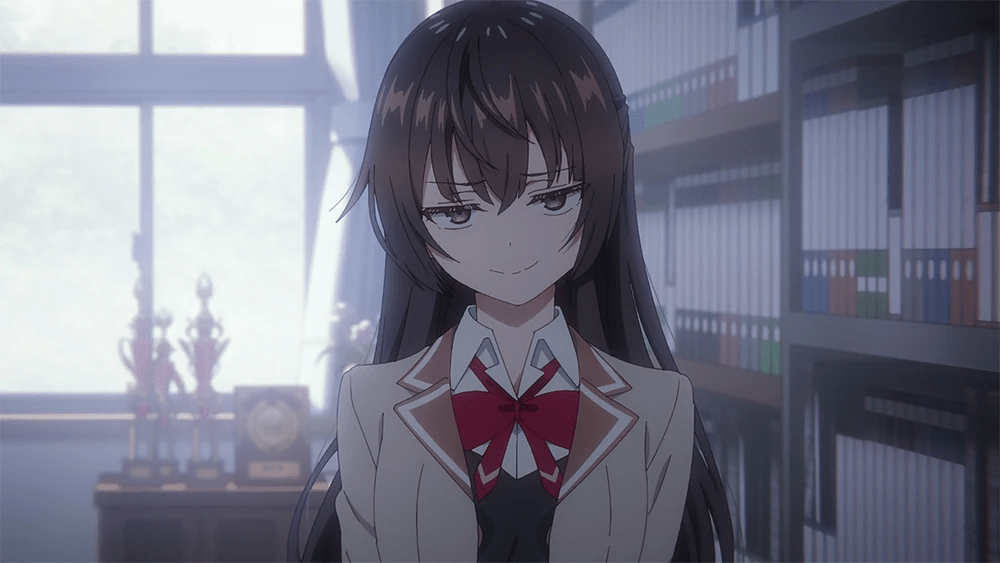
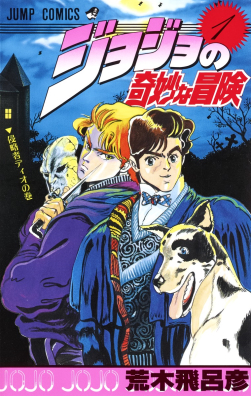


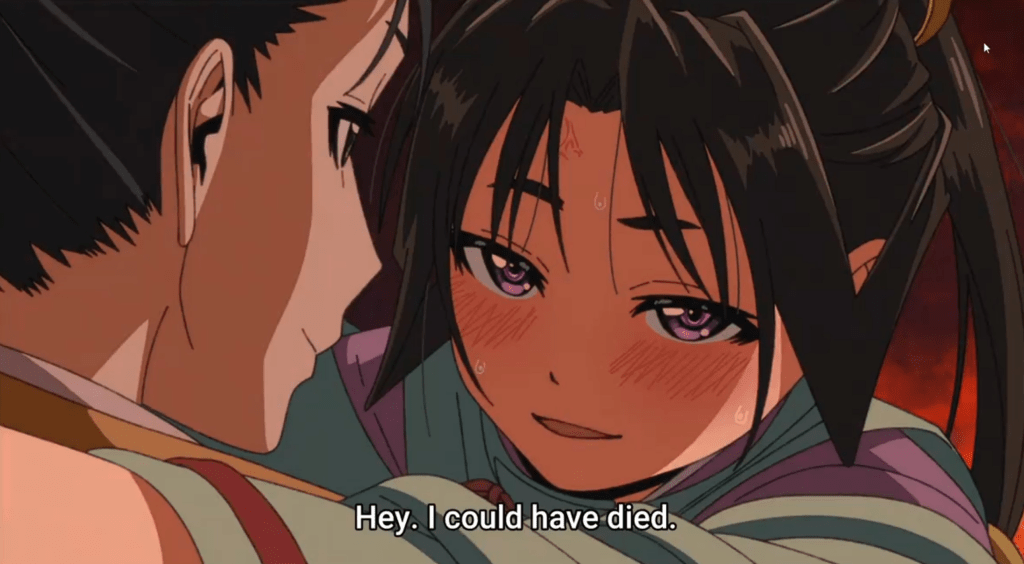






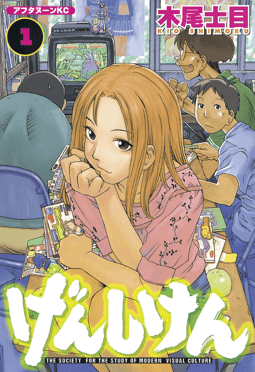





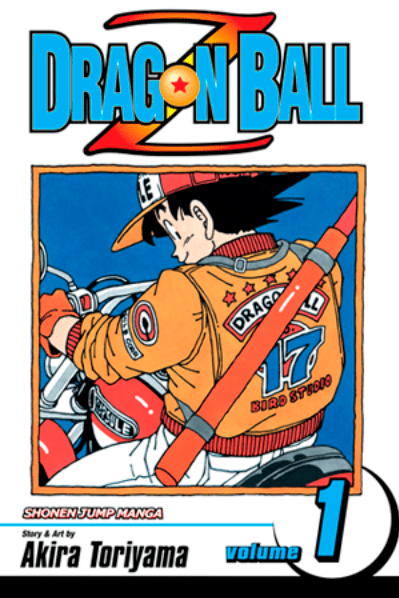

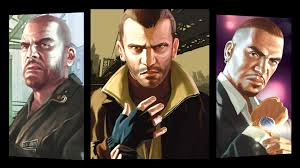
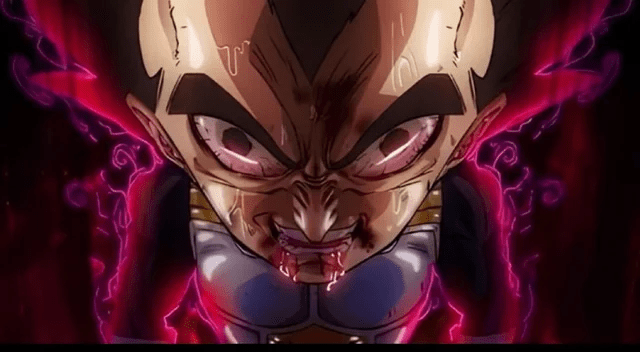


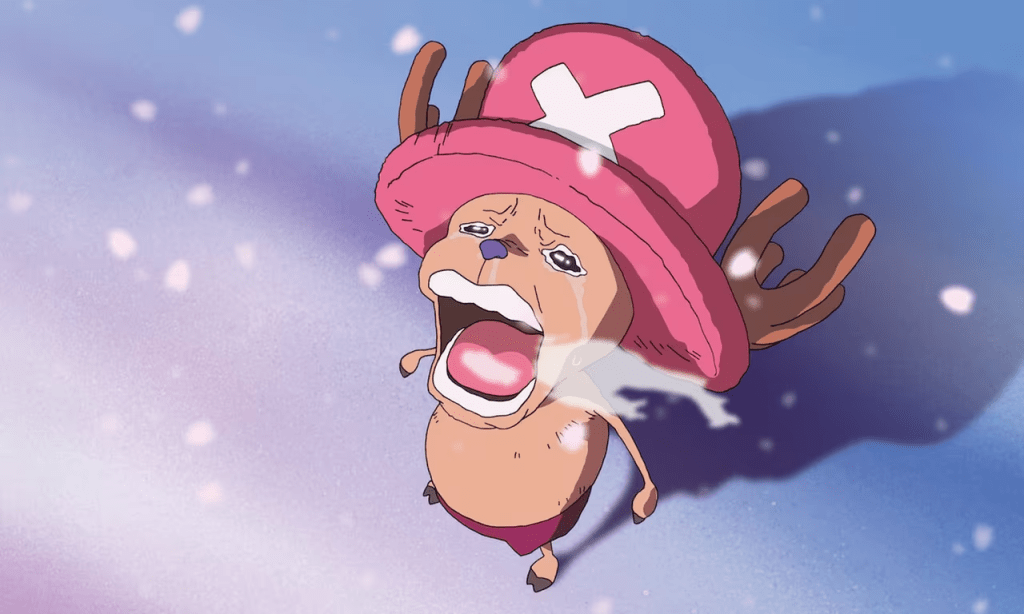
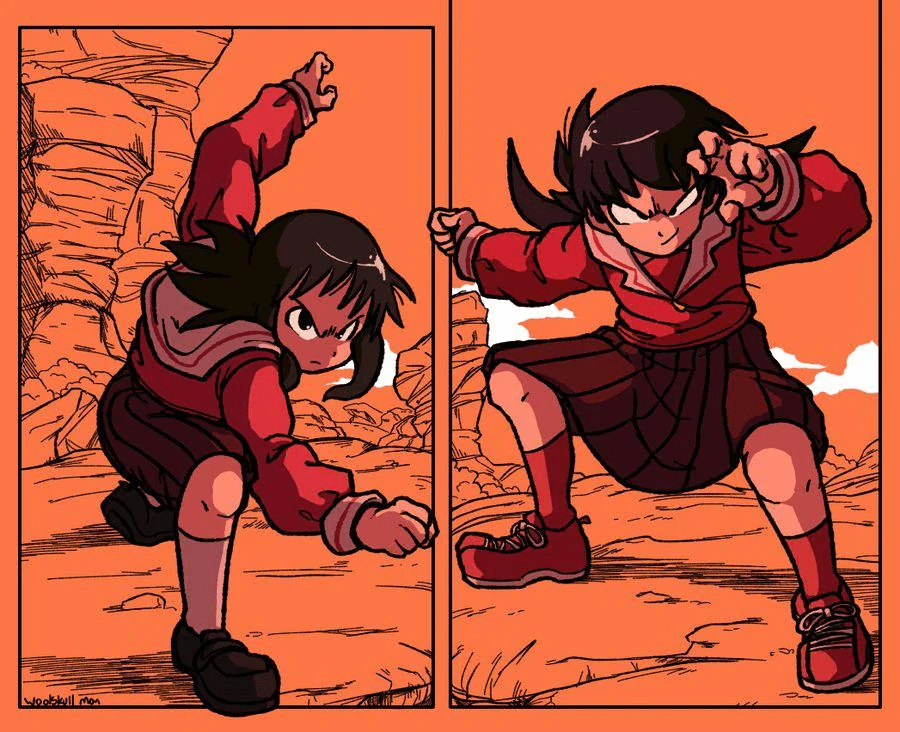


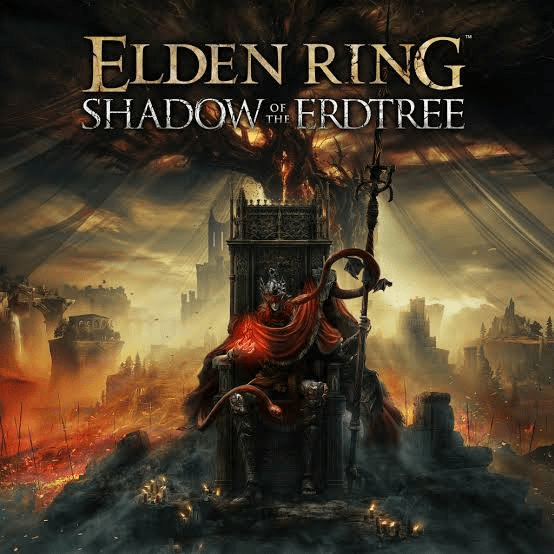

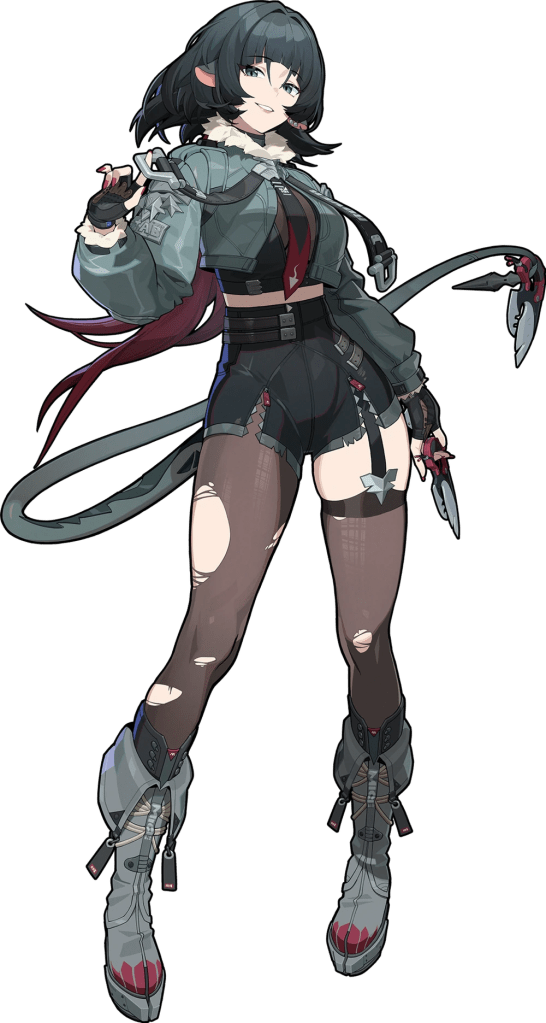





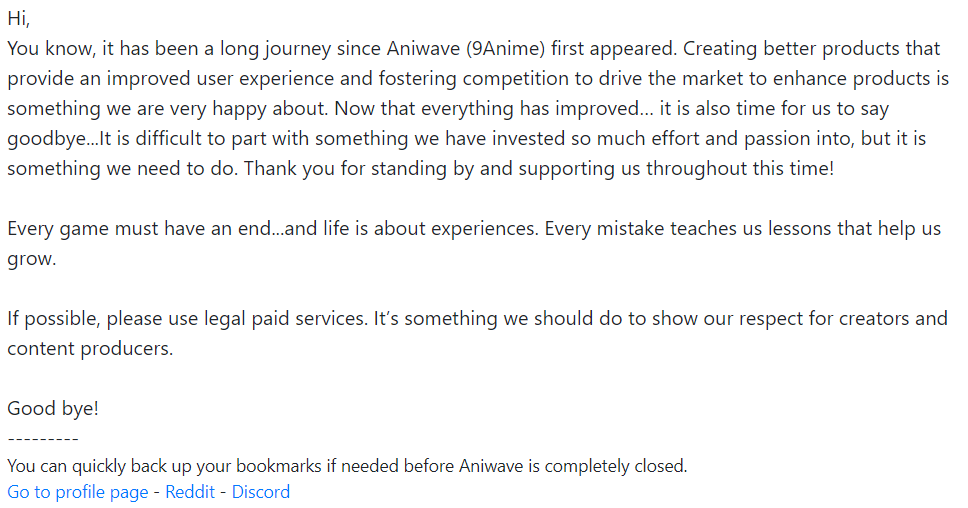
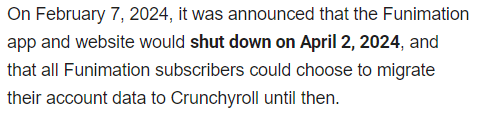

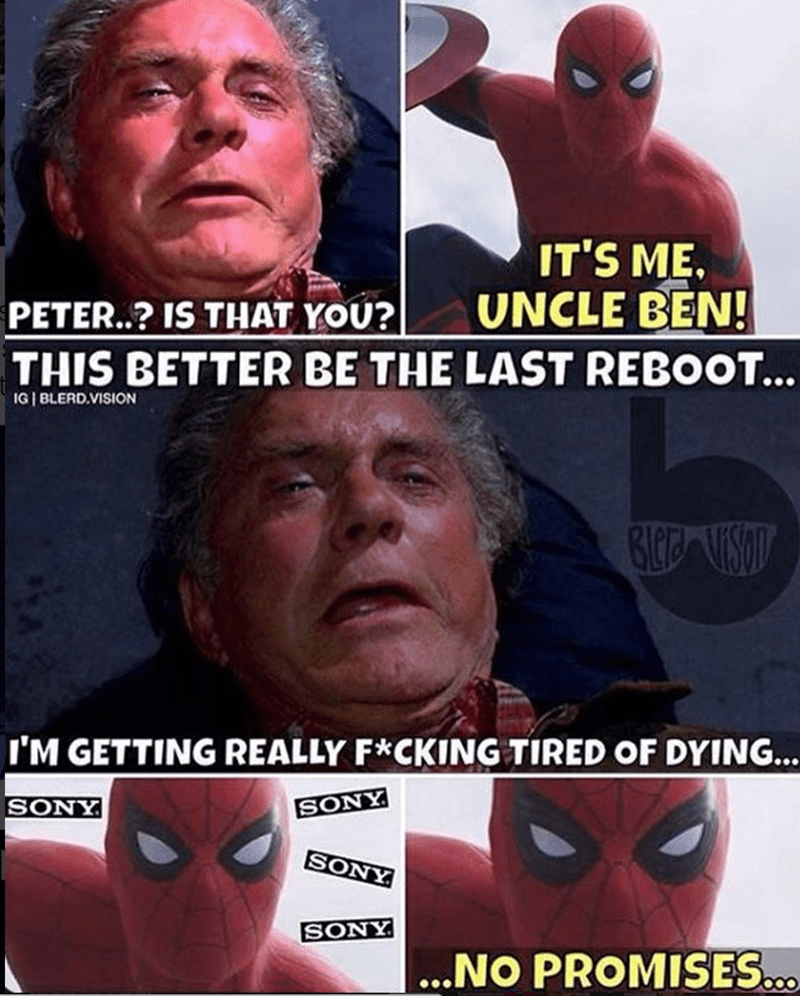



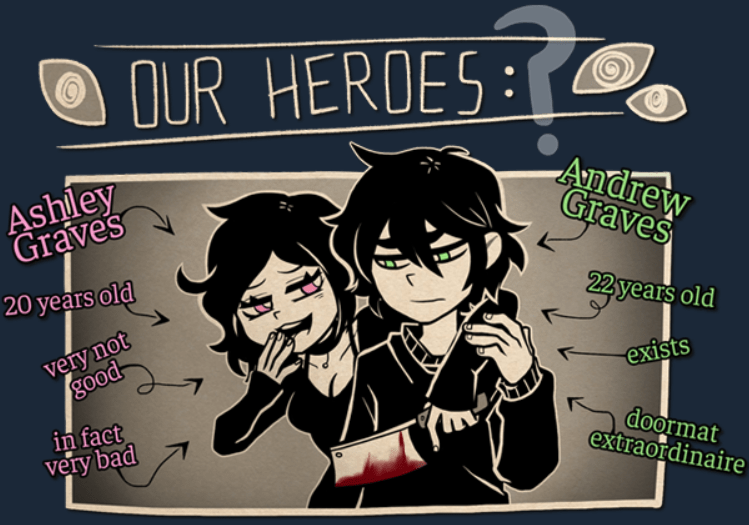
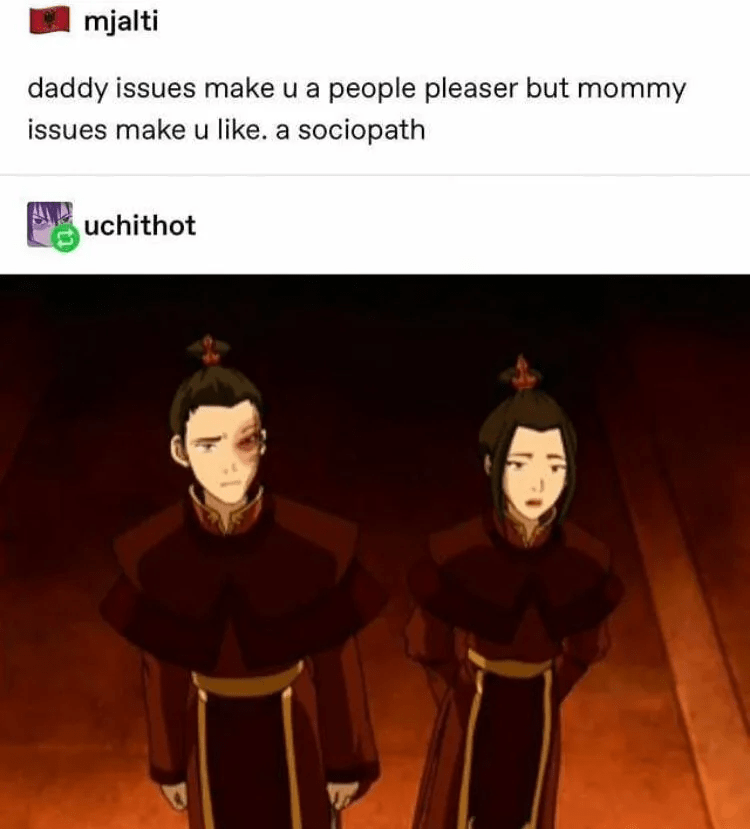


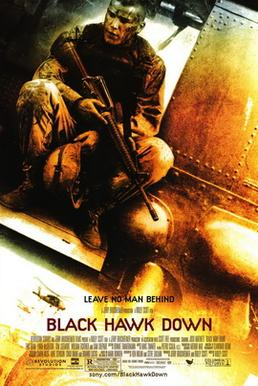





 Opinions on Entertainment