As it says on the tin, this is a blog that will cover entertainment and my personal opinions on the subjects at hand.
Author: Tiberius
Here, you will find a variety of opinions in anything and everything concerning entertainment. Movies, games, animation, music, TV; if it's a form of entertainment consumed by many, I may have written about it or I plan to do so in the future. Unless otherwise specified, expect weekly updates each Friday.
A personal anniversary is on the horizon, so to get ready I thought I’d commemorate the occasion by reminiscing on how I went from “struggling to hold a pencil” bad to “Shakespeare School of Literacy” decent at writing. Bear with me folks, because the path is a long and winding road with unpredictable twists and turns that won’t make sense unless you’re paying attention. So do pay attention; there’s a test at the end.
Before we begin let’s get confusing. Although I acknowledge the general start of this writing journey as October 2013, the closest I ever got to writing would be in July 2012, and my familiarity with programs like Microsoft Word precede that even by a few years as schooling in the 2000s saw the potential of computers in class and wanted to start us early on those Mac desktops.
These things were everywhere when I was 8.
Writing falls under the umbrella of creativity, so something needed to inspire the writing journey, right? Right! And where was the inspiration? Lego bricks. The building blocks made about 40% of my childhood, with the others being video games and the playground. During one summer a friend and I were playing with the Legos I had set up on the coffee table. At the same time, I was a big consumer of stop-motion videos on YouTube and was momentarily part of that brickfilming community myself.
For those unaware brickfilming is a subset of stop-motion that in any capacity makes use of Lego bricks for set pieces, actions, scenes or what not. There have been several over the years, but a pioneer in the concept is Australian filmmaker Lindsay Fleay who between 1985 and 1989 made one of the first brickfilms: The Magic Portal.
Channel: Keshen8
Despite the huge production time, it still only clocked in at around 16 minutes, with subsequent brickfilmers over the years making longer films in even less time assuming no technical difficulties are around to ruin anything. A quick Google search and the Wikipedia page for brickfilming will tell you that Lego had long seen this potential and are said to have started this themselves as early as the 1960s, though feature length films made entirely or partly through stop-motion.
For the connection to my writing, it was my intense viewership of brickfilmers on YouTube, some of which included custom-made Brick Arms (some of which I had myself), or plastic molded to the shape of any given gun or sword that can be made that gave me an idea to try animation in June 2012. I saw a moderate amount of success for a beginning YouTuber at the time, though other responsibilities kept me away from my makeshift film sets. After Christmas Eve 2012, I tried to keep it going but with New Years’ Day 2013 walking away and high school proving more important, there was just no way.
Still, the interest in animation, tedious and meticulous as it was, was there. Most importantly, the storytelling element was what I remembered the most. I had made a minifigure, or Lego figure, that I’d gotten somewhat (read: quite) attached to. I made it with one of the blue leg pieces, a trench torso piece, a black scruffy hair piece, and one of the heads with the angry-looking face, but wearing orange-tinted shades. If I were to draw him again today, he’d be drawn with blue jeans, a light blue dress shirt under a blue overcoat, messy black hair and the same light orange-tinted shades. If that description makes you think of an underlying symbolism of any kind, try not to overthink it. Keep in mind that, this character was designed when I was around 13 or 14 between middle school and high school, so there might not have even been a real meaning other than, “it looked cool.”
Not this intense or exaggerated, but around a halfway point of sorts. When it came to developing him further, writing was amateurish and my taste for the craft was underdeveloped at the time. Being inexperienced here, I dove headfirst by putting it all in a notebook that I wasn’t using for anything important. I’ve gone through many of those, occasionally scribbling in the blank pages and whatnot. The earliest form of this story I have in print isn’t exactly the earliest form of the story as a concept.
As time went on, and I started to write more for my English and history classes (projects, reports, and essays, etc.), I’d begun to learn more about themes and motifs and other terms to help craft better versions of the story about the man in the orange-tinted shades. Between 2014 and around 2019, I’d written and rewritten this manuscript, with each successive manuscript getting longer and more complex than the last, developing a more mature tone over time.
Through all of that, I’m glad to say that the latest version of the story is arguably the best version I have of it. Subsequent manuscripts of mine would also go through rewrites and edits of their own, although not as many as the first one, not for so long, and partly due to technical issues with aging computers and/or computer components.
Fortunately, Microsoft’s good idea fairy had a “lightning in a bottle” idea, and made Microsoft Office available on mobile. So if you trust OneDrive enough to try your clothes on only once, you can craft a chapter or two on your laptop/desktop, and when duties pull you elsewhere, you can add more to the manuscript on a mobile device that allows for it. Personally, I favor phones over tablets, but my experiences writing more than YouTube comments and text messages with my giant hands make it somewhat unbearable. I don’t really like tablets all that much, but if I had one on hand and some time to kill in between other responsibilities, I could edit and add some more to the manuscript and then when it syncs up with what’s on the real computer, it’ll add that and I can continue with no serious issues.
Creativity was often the barrier, which just seems like the typical creative person thing to say for why I do or don’t do X, but it’s true. Those of you who can’t see yourself as an artist or painter or musician, etc. creativity comes whenever. It’s like dealing with a spontaneous cat; you never know when it will greet you, but you’re delighted when it does and you want your time with it to be meaningful before your train of thought derails.
Art doesn’t march to a schedule it comes whenever and goes whenever. Sometimes the sparks start a fire, other times it doesn’t and like a pyromaniac, you want to make use of that fire before it gets put out or burns out. Inspiration also plays a major part in creativity. Find any modern artist and they’ll list off influences, many of those influences, if they’re still around, will list influences of their own and then some.
For me, the tenth grade was a turning point in my writing journey. Part of the inspiration came from some of the books we read and class and had at the time, it was clear that I had a certain preference. Of all the books to introduce me to the coming-of-age genre, I would’ve preferred anything else besides J.D. Salinger’s Catcher in the Rye. Short rant: Holden Caulfield is a [donkey noises]. Fortunately for me, I got a better showing of the genre in Stephen King’s novella Stand By Me. Matter of fact, this and select others were how King became one of my favorite authors.
At the same time, during a reading of F. Scott Fitzgerald’s The Great Gatsby, my tenth grade English teacher assigned us to write a short snippet in either the point of view of an existing character or we could make one up. I chose the latter, creating and writing from the POV of a performer in Jay Gatsby’s mansion. This was the paper that netted me an A+ in that class and admittedly I didn’t move on from that for a while. I’m tempted to say I never did as of writing this. Although I was never a bad student, my teachers always wanted me to shoot for the stars, but I kept dragging my heels while the more analytic brainiacs in math and science thrived. But this was where I was encouraged to let my creative side go nuts, so I did. As another humblebrag, I did exceptionally well in my art class, hardly ever dipping below a solid A+. The conclusion to draw from that is structured tutorials are a limiter for me, but with a green light and the simple words “The sky’s the limit,” nothing is gonna stop me from channeling my inner Claude Monet.
Honestly, I’m more of a Van Gogh kind of guy.
From around 2015 to the modern day, I just kept on writing and rewriting those manuscripts. For the first one about the orange shades guy, with help from family, I had it copyrighted in 2018. All that was left was to edit and find a publisher. The publisher proved to be quite tricky. In general, you’re not supposed to pay the publisher; that’s a scam. The author gets 7/10 of the royalties and the publisher gets the rest. I do have dreams one day that the manuscripts graduate from file to physical book on a shelf, even now as I draft a potential fourth draft while editing the third one.
This method of mine is probably not unheard of. Stephen King is so prolific, that if he spits it’s a bestseller slated to receive its film adaptation in the next three years or so. And the olden days where books could serve as a writer’s sole source of income probably needed to be written with the speed of Barry Allen. Fame and fortune not guaranteed while the author is still alive, but at least Poe and Lovecraft have their appropriate credits.
Towards the end of college, and even now, I’d been looking at a variety of outlets that have a strong writing market. For the anniversary of this blog, I plan on giving a sneak peek of a blog I had on Blogger from February to December of 2021 with a brief hiatus in between because I was in the Army. As a mild spoiler, it… went off the rails and no one can be bothered to clear the debris.
Since this blog’s inception, its mission has been to provide interesting opinions, takes, predictions, and whatnot on different parts of entertainment. I think it’s safe to say that as of September 1, 2023, I’ve achieved that and then some, but most of the opinions expressed have ironically not been as personal as advertised. So to address that, I’m going to help expand the shortlist of video games I enjoy by bringing you all to a game that I can return to 100% of the time without fault.
Yes, unquestionably, the game that ropes me in like a pest in a snare is that of the hard-boiled ex-NYPD detective Max Payne. In a bit of a contrast to the video games I’ve talked about before, my introduction to MP was late. Very late, and at the end of the series’ ropes. It was an advert for the third game in Spring 2012 that caught my eye and a local brick and mortar game store near me had a sale on the other two video games.
I pulled a genius move and began with a first-time experience with the PS2 version of MP1, and interesting features of the game make it many times more memorable than anything put out by RockStar, Midway/NetherRealm, or any other developer from the era. I popped the disc into the console and got to playing the tutorial. Games these days have a nasty habit of holding your hand very tightly, so something like MP1 giving this much slack on the choke chain was a breath of fresh air for a start. If the tutorial is necessary, I say they adopt this model, or since we’re fast moving away from that era, we should bring it back.
The titular protagonist is as I described before, an ex-detective who accepts a transfer to the DEA after a tragedy breaks into his house and murders his family. That’s how the first game starts actually. There’s a part of me that simultaneously wants to recount the plot of the games, and avoid all spoilers and instead direct you to your online marketplace of choice so you can wish list it for a sale or pirate it if that’s not applicable, so to compromise we’ll summarize the main points of the games, introduce some of the characters, and layout some features that I’ve yet to see repeated anywhere else.
The first game begins with titular Max Payne talking to a colleague about a transfer to the DEA, which Max declines to stay close and safe with his family. Unfortunately, a tragedy barges in, murders his family, and purely for vengeance, he accepts the transfer into the DEA. It takes a few years but by the early winter of 2001, Max reaches the source of his pain. Buried deep within the wall of mobsters and junkies is a complicated plot spearheaded by a secret conspiracy that on reflection stands on par with something along the lines of 9/11, JFK, and moon landing conspiracies.
Set two years after the first game’s events, Max returns to the NYPD cleared of anything he did the last time with connections to powerful people. In this game, it’s learned that despite all their work and collaborating, the secret society that gets him out of dodge in this game isn’t the most loyal. They serve themselves first and the collaboration between themselves and Max was pure happenstance. The stars wouldn’t align that way again. Not to mention, another man who aided Max the first time was serving his own ends separate from the society.
Based on the characters you meet the first time around, you could probably take a bet or two on who would stick around and who would put a bullet in your head. Well, get ready to go broke because the circumstances flip like an overactive light switch. At times, it makes The Romance of the Three Kingdoms look like a schoolyard brawl, and Three Kingdoms is an appropriate comparison since most of the same enemies and then some come back for round two.
Now for something completely different. After almost a decade in hibernation, Max Payne 3 came to the shelves in 2012 and we’re far divorced from the setting of the first two games. Closing off the trilogy, MP3 gives us a protagonist with a severe drinking and painkiller dependency deep in Sao Paulo as a private contractor for an aristocratic family. Disaster follows Max like a wet dog and brings harm to the family he’s meant to protect.
A trophy wife gets abducted and Max has to fight tooth and nail to bring her back safe and sound. Following a bullet ridden trail through a river, Max investigates a favela, or Brazilian slum, for answers and finds out firsthand how cutthroat and unpredictable the arms trade can get. In the end, he learns that the family he’d been working for had been sold out by one of their own to corrupt officers and a militia involved in the human trafficking trade.
Yeah, the tone grew darker and darker with this final installment. Makes for some neat action, though.
The action tends to take a bigger focus than the story, as with most games. For the Max Payne series, the perfection lies in the shootdodging/bullet time mechanic.
Based on the video above, the way the mechanic works is that when Max dodges a hail of bullets, time slows down allowing the player to aim the weapon precisely at the enemies. Time stops when everyone is down or when the player lands on the other side of the room, whichever comes first.
Alternatively, there’s a manual slow-down that functions the same as the shootdodge, but without the dodging. Time just slows down and allows Max the freedom of movement to gun down everything from the dandelions on upwards. Yahtzee Croshaw of Zero Punctuation fame makes a point as well for the mechanic being a double-edged sword. It’s mostly effective when every enemy is down. If any are missed, just pop back up, finish the job, and to the next area you go.
The manual slowing of time is marginally better since you can toggle it on command and execute a plan to eradicate everyone in sight. One flaw with this would be the weapons in the enemy’s arsenal. Generally, the enemy’s are armed with pistols, machine pistols, and shotguns, but occasionally the one special enemy has something like a rifle or a grenade launcher that can send you into orbit in three seconds flat. Without clairvoyance, you’re left with trial and error to solve this problem and you’d better hope you’re allotted enough time to grab enemy weapons and ammo because the bosses can take hits like Senator Armstrong in Metal Gear Rising.
Across the games, there’s been a healthy cast of characters. I’ve already explained the man whose name is on the box art and newspapers, but there’s more. Such as the female counterpart to, and potential love interest of Max Payne: Mona Sax.
Mona Sax is a gun for hire, found to be chasing many of the same enemies that are also after Max. What also sets her apart is that unlike the typical assassin seen in media like, for example, Agent 47, Mona is shown to have a sly personality. As for her contracts, for the most part, it’s all business. If the target is competing for the devil’s position in hell, then she’s guaranteed to set her sights on you, especially for the money. But if the target is someone she happens to like or tolerate, then I can bet money myself that she can fake the target’s death.
The love angle comes into swing in the second game, but the circumstances going on in the background complicate things tremendously. They still have a lot of the same enemies, but not all of them. Sometimes Max’s enemies are Mona’s convenient allies and vice versa.
A head of the Russian mob, Vladimir Lem is a convenient ally in the first game. When he’s first introduced, he can be seen from afar eyeing Max’s exploits undercover within the mob, so his actual introduction is a long-time coming. When he finally shows his face, he lives up to many of the mobster movie stereotypes of old.
His first lines are a Corleone-style proposal to help Max get to the truth while Max solves a problem for him. Fast-forward two years, and there was more to Vlad than he was willing let on. Just goes to show that this isn’t business where people trust easily.
Alfred Woden is the mysterious one-eyed man drip feeding Max information on those who caused his pain years ago. You’d think he’d give it to him within first contact, but the details of the game keep him in his position of trickle down note-taking. But once everything is revealed in full, it’s go time.
This all goes well until the second game where the whole concept of trust experiences another Ring of Fire tremor.
The only supporting character to appear in the third game, Raul Passos fits the role of helping to isolate both Max and the player from a familiar environment, even though the lore explains that the two were coworkers in the NYPD before. Passos was the one who helped Max relocate to Brazil to start working as a contractor for the family, but even with a helping hand, things go terribly wrong.
Unlike the others, Passos doesn’t have anything else under the hood that royally screws Max over. Well, there is (minor spoiler), but it’s handily resolved rather quickly. Passos doesn’t betray Max and makes it long enough to escape without any scratches. If you’re looking for more details on the games, the Wikipedia, associated wiki pages, and reviews from back then are all available. And of course if you can afford to do so, Steam or similar online game stores are at your disposal and to my knowledge, RockStar hasn’t delisted the game from Steam. But on the off chance they choose to do so in their infinite wisdom, there’s another way to experience the series for yourself:
I call this one a humble brag of sorts as I look back to the games I had available on my old PS2. From the day I got it (c. 2003) to the day I canned it (March 2013), I had a large library of games. Not exactly enough to fill a whole bookcase, but large enough to dedicate one of the shelves of the bookcase to them for storage. My ever reliable memory may fail me here, but I’ll go ahead with the ones that I remember dedicating the most time to, starting with this.
3D Mortal Kombat Games (2002-06): Starting with a classic series, you might be surprised to learn how I got into Mortal Kombat. My mother actually was a fan during the 90s’ 2D era Mortal Kombat games.
Considering the steps the franchise has taken since and now with a new game debuting in the middle of September, it’s nostalgic to look back at these 2D sprites of digitized martial artist-actors and think that this was the first of a phenomenal and influential video game series. The blood, the characters, the story, the moves, and best of all the fatalities; something this popular and this controversial — so much so that it helped birth the ESRB — was not lacking in graphic content, nor even imitators for that matter.
There were always fighting games before, during, and after MK’s big debut, but I’m not sure if any other fighting franchise can boast about having as many imitators as MK did at the time, and probably still does. Then again, a few come to mind…
MK’s transition to 3D in 1997 wasn’t without its missteps however. It tried its best, but Ed Boon even admitted that Mortal Kombat 4’s quality wasn’t up to snuff, and this isn’t even mentioning the media getting in on the then-hyper realistic graphics and their supposed influence on the impressionable and possible contribution to real-world violence–an accusation that video games couldn’t seem to shake off for years. But nevertheless, Midway trudged on and met the 2000s swinging at the fences.
Although Deadly Alliance came first in 2002, the first MK game I had was 2004’s Deception. The simple numbering system for sequels isn’t concrete giving way to creativity most of the time, but an average consumer without even a bit of knowledge in what they’re buying may not notice until after they buy the game. Fortunately for us, Blockbuster Video was a popular rental store for those who wanted to test an entertainment medium before committing or just didn’t see themselves owning it for good.
This was how I found out about Deadly Alliance. Being a bit older than Deception, most of the features in Deception aren’t in Deadly Alliance. It did have the 3D animations, fighting styles, and arenas that followed it into Armageddon and MK vs DC Universe (I personally don’t count this as an MK game), but what it was lacking in is what makes Deception look like an upgrade by comparison. This doesn’t mean Deadly Alliance was barebones, far from it. It’s Konquest mode was a great big tutorial for how to move and maneuver the characters and their combos, the endings were all unique with some connecting to others, the krypt had loads of secrets and collectibles to find, and the soundtrack stands as one of my favorites in video gaming.
On the later end of the 3D era, Armageddon had the same fighting mechanics of the last two games with several more added features, several mini-games and an in-depth plot about the fate of existence like that of Deception, and has possibly featured nearly every character ever introduced in Mortal Kombat since its inception 14 years earlier, but seems more than a little bit barebones compared to its predecessors. The previous two games gave the characters two fighting styles and a weapon, an arsenal of special moves, one fatality in Deadly Alliance and two in Deception including a Hara-Kiri/suicide move. Deception and Armageddon fixed the error that Deadly Alliance committed by omitting the stage fatalities, but committed some of its own cardinal sins.
Technically, it’s possible to have mastery over two or more martial arts styles. I was never the biggest fan of the old style-branching combos with so many of them being so difficult to pull off in rapid succession, but for the most part, the variety they added to a fight by chaining multiple combos between styles and sometimes ending with a strong weapon attack was the definition of a power move, or dare I say, a pro gamer move.
So while they might be gone from Armageddon, at least the characters feel and play differently: males apart from females apart from creature-types like Motaro or Baraka apart from the literal beasts like Goro, Onaga or even Blaze himself after the glow up from his addition as a secret character from MK Deadly Alliance.
The other cardinal sin committed, one that’s less forgivable or defendable is that of the fatalities. If you’ve played these older games, you’ll know that the window of opportunity was notoriously unforgiving and the combos so precise that one slip-up could turn a head ripper into a slap in the face which some would say added to the reward. I actually discovered Armageddon’s fatality system by accident after trying to finish a character off by way of special move only to unintentionally dismember them and squeeze his head. Yeah, Armageddon got lazy with the fatalities.
No room for practicing something difficult anymore, everyone regardless of physicality is capable of committing many of the same fatalities and input combos, with different tiers depending on what’s done to the victim. Single moves aren’t anything special where as a full-on prolonged dismemberment and maiming before the big finish creates what the game calls an “Ultimate Fatality.”
I can call this a lot of things, but part of me used to believe the titling of Armageddon was a glimpse into what was going on behind the scenes. Just now, a Google search revealed that there was more going on under the hood that resulted in Midway shutting down in 2009, not the least of which was an overdependence on Mortal Kombat along with financial mishandling, so while I wasn’t off the mark, I wasn’t entirely accurate either.
3D Grand Theft Auto Games (2001-2006): This brings me back to an arguable bygone era of RockStar Games, a time when the next game was literally a few years or even months away than a full-on decade and change. Think about it: the last GTA game will turn ten years old in less than a month as of writing this. Also, the most recent release was an ambitious project that lived up to its purported hype if not beyond and RockStar is seeking to abandon it.
But we’re getting off track. The most iconic games of the GTA era were released seemingly back to back between October 2001 and October 2004 and have set the precedent for 3D gaming ever since, finding the solution to a complex problem. For GTA III, full 3D graphics have been realized and helped struggling developers hit the ground running when they eventually tried it in their own IPs (though I argue this was also perfected in another game published that year, Max Payne). For 2002’s Vice City, while admittedly an asset flip that has helped with the influence of future methods of lazy rip-offs and asset flips (arguable again, I can’t put fault for all of that on one game), it added more to the GTA franchise and gaming in general with the setting, plot, characters, star studded voice actors and features. Finally, for 2004’s San Andreas, the features present in that game got an even bigger boost across a much larger open-world game. It incorporated several RPG-like elements regarding character customization, had expanded on bonuses featured in prior entries, expanded on the ownership of assets from Vice City and many more features that are too numerous to name.
Additionally, there were spin-offs set in between these games like Vice City Stories and Liberty City Stories, both of which I’ve covered on this blog earlier this year. From GTA III to 2006’s VCS, the 3D era games show the most innovation and imagination to me. GTA III walked so the succeeding games could sprint, to the point that in lists describing games that have aged poorly, GTA III consistently places in the middle for what the succeeding games have that it didn’t.
It’s hard to say when silent protagonists lost their favor with developers with them becoming more rare as personable protagonists became more commonplace, but Claude having no voiced lines would make him forgettable if it wasn’t for his attire. Green cargos, a leather jacket, and what looks like navy blue Nikes or Vans; at least he’s recognizable. But without a voice, players are left with his actions to characterize him. The Professional makes a case for him being a textbook psychopath. Although the game is majority player-driven, Claude not even second guessing his own actions before nodding and blasting sounds like a worry spot for criminal profilers to watch out for.
His successor, Tommy Vercetti, was much more animated and well-acted, which may have something to do with his voice actor.
An ambitious move on RockStar’s part, hiring A-list actors for main roles was an ingenious move that continued well into the 2010s to help shape the numerous protagonists going forward. Tommy Vercetti is an embittered ex-mobster who was given all the freedom to screw over a boss who wronged him ages ago. To this end, he’s mostly stuck working with a hapless, cocaine-addled lawyer whose voice lines whenever you get busted by the cops are some of the most humorous in the game.
He was initially supposed to go down to Vice City, Florida to make money for the mob and send the earnings back to the Forelli family, but with all that’s happening in VC thus far, coupled with a complicated past of betrayal, Tommy’s choices are clearer than they were. Forget the mob, Vercetti’s the big boss of this neon-lit city, and the ownership of assets from a cab company to a print shop to a cocaine distributor masquerading as an ice cream factory reflects this. It all comes to a head when the news and not the money reaches the mob’s ears and thus comes the final mission paying homage to the 1983 remake of Scarface.
I’m not kidding, this is a remake of a 1930s movie.
Anyway, GTA: San Andreas’s use of RPG elements was peak customization. VC allowed you to change your clothing, but SA gives you way more freedom. Whole outfits can be created by changing a simple article of clothing, the player can ink themselves up, and get any haircut they desire. There’s also a sort of leveling system based on how often you perform such an action. From my own experience, I’ve employed what some could consider a Call of Duty method to shooting. What I mean is, most of the time, my accuracy in shooting got a boost each time I crouched down and took aim. So I started on the AK firing at the hip and ended the game firing it from the shoulder as God intended.
Relationships also got an upgrade. The protagonists of the last games had more business partners than personal friendships, but CJ sets this apart since he’s a native San Andrean coming back to settle debts with friends and old gang members, especially when corrupt LSPD officers Frank Tenpenny and Eddie Pulaski (voiced by legends Samuel L. Jackson and Chris Penn respectively) instruct (read: coerce) them to do their dirty work. Interestingly, the inspiration for much of SA’s plot comes from the 1992 L.A. Rodney King riots and the Rampart scandal in the LAPD. There’s a chance an Angeleno who witnessed either or even both of these personally got an ugly reminder of these events while playing the game.
Of all the games from the 3D era, due to them being released before the internet and multiplayer games caught up with each other, these were the ones that got remastered more than the other games between their respective ten-year anniversaries and GTA III’s 20th anniversary culminating in the largely reviled Grove Street Games definitive edition.
Take my opinion for what it’s worth as this section of this week’s entry as well as opinions made earlier this year have made it quite clear where I stand on games this old, but not only was this a black eye to the image of a company that might be doing too much with one franchise while neglecting another and moving too slowly to get a long-awaited sequel out, it was also somewhat unnecessary. In the lead up to the Definitive Edition’s release, the originals were all delisted on Steam. Fortunately for me, I managed to blaze through the originals on PC. I bought and beat VC on Steam before that happened, I pirated and beat GTA III and I managed to snag San Andreas for free from the RockStar Games Launcher. So, have at it RockStar.
Naruto: Ultimate Ninja and Uzumaki Chronicles Games (2002-07): The influence and spread of the Naruto franchise at the outset is not to be understated. It did not take long for cartoon distributors to air it soon after getting the green light. Naturally, this lead to widespread marketing across the western world, even with western toymakers like Mattel, some of which I owned myself. The video games themselves each centered around different arcs from the series. 1-3 covered the whole of Part 1, 4 and 5 covered about a fifth or so of Shippuden, though only Japan and Europe got a hold of the fifth installment of the Ultimate Ninja series before it got another chance as the Storm series, finishing all of Naruto and adapting the Boruto movie in the game.
As for the rest of the game, with the entirety of the main arc being relatively easy to clear, there were game exclusive arcs that could be boiled down to an OVA. In UN2, after Tsunade returns to the village to become the Fifth Hokage, Orochimaru returns to again coerce her into healing his arms after getting his sealed during his fight with the Third, even going as far as using forbidden jutsu like the the Gedo Mark and Reanimation to destroy the Leaf Village until she capitulates. Interesting from a plot perspective but ignorant of established lore with its own set of plot holes.
Ultimate Ninja 3 had its exclusive arc adapted into an OVA to promote the game. In it, Tsunade hosts a battle royale featuring Leaf and Sand shinobi with the promise that the winner can put up a regulation of their own choosing for a week. You don’t know what everyone’s is, but the biggest one is the one that eventually becomes canon and sits in the background while Naruto’s son does the plot things. Rather than precede or even succeed any of the adapted arcs, it’s its own separate thing altogether.
Ultimate Ninja 4, has its OVA-like arc before Naruto and Jiraiya returns to the village. Arguably, one of my favorites, Naruto and Jiraiya are wrapping up their training with a final lesson. Naruto wears weighted beads on his wrists and ankles for an extended period of time. They change color as he goes on. Meanwhile, he and Jiraiya stumble on a village that made use of its mining industry at the expense of safety. An ancient spirit from within dwells within and takes regular sacrifices, one of them being a little girl that Naruto tries to Talk no Jutsu into coming back to her village. As he learns more about her and her motives, he eventually comes through to her, aids in her predicament and makes a new friend. However, due to her being non-canon and this being Naruto, he got used to not being able to keep her as a friend. Then the rest of Shippuden happens all the way up until Gaara is taken back to the Akatsuki hideout.
The fifth game includes that and the Tenchi Bridge arc but North America wouldn’t be able to witness that through conventional means, culminating in this:
For the gameplay, it was on a pair of 2D planes with one acting as the background and the other the fore ground allowing players to transition between them whenever they desired. As for move sets, unlike Mortal Kombat, the same buttons do the same things across the games: there’s one attack, one charge, one ultimate move button, a jump, and a throwables button. This sounds like the games are one note, but most of the move sets are unique to the characters and true to their depictions in the series.
It was a working formula for the games, but according to the Naruto Wiki they were pumped out at a breakneck pace which may explain the issues with continuing it past Number 5 and getting it to the rest of the world. Fortunately, Ultimate Ninja Storm fixed what was broken and gets to a proper, more complete adaptation instead of simply cutting corners.
I think it was for the best that Ultimate Ninja got the boot. Rapid adaptations before the series is even finished is good for marketing, but if the game catches up to the series, it tends to force the devs to get creative. Unlike original IPs like GTA or MK or even Mario for that matter, adapting something that exists isn’t always easy. In the case of Naruto, it allegedly made things easy by way of all the fillers it has separating the canon from the actual plot, but for something that was still in serialization, Bandai Namco seemed to have struggled in some areas.
Earlier when I mentioned the UN2 exclusive arc about reanimation and forbidden jutsu, if you don’t know, powerful jutsu often demand large chakra reserves and a critically crippled Orochimaru trying this even through Kabuto shows his desperation but there’s a fine line between desperation and suicide. According to the lore, it should’ve killed him. Then again, Kishimoto’s method of storytelling was by way of drip feed then downpour, so are the devs still at fault for that arc? Well, I don’t think so. It’s all fiction anyway.
Racing Games (2000-07): I’ll close off with the racing games I played with. Back in April (time surely flies), I made a post about my top 3 racing games from best to worst and in that order mine were Midnight Club 3, Need For Speed: Hot Pursuit 2 and L.A. Rush. Thanks to a video by the YouTuber BlueTag, I was reminded of how much I hated the last of those three. But just because those three were the most memorable doesn’t mean those were the only games I engaged in regarding racing. I vaguely remember the Gran Turismo series though I don’t remember engaging that much with it. L.A. Rush definitely turned me off of that game for reasons expressed many moons before.
Midnight Club however motivated me to check out the earlier entries and while they weren’t bad, they reminded me of what I wrote about GTA in this post. The succeeding games got better and better and better and as a result the older games aged so badly that you have to get used to a whole new set of rules, like transitioning from horses to cars but backwards in this case. Also, a feature that is underappreciated is the freedom to cruise around a given city. I remember Midnight Club 2 incessantly reminding you to race other racers, whereas in MC3, you could do what you want in the world. The racers and races and tournaments were there, but there was almost no pressure to knock them all off the streets as fast as possible. Above all, the series always harped praise and reward on you the player to be the best racer ever and get 1st place all the time. MC3 to me was the easiest game to 100% complete.
On the other end of the spectrum, skill and learning have almost always been a cornerstone of EA games as I found out playing Battlefield 1. It takes some getting used to but once you get the hang of an EA game, you’ll feel like a master in no time. NFS: Hot Pursuit 2 had a noticeable difficulty curve and didn’t always drive you (get it?) to be number 1 all the time. By working on a points system, it carries over from race to race, so there’s no pressure to be 1st all the time, but it does help. Tournaments and knockouts also make a difference regarding the rules of the race, so few races played the same.
The downside though was that the customization wasn’t as extensive as MC3. If you’re a creative or artsy type of person, the cosmetics in Midnight Club make it feel as though you’ve walked into God’s personal workshop ready to design your greatest fleet of dream cars. As part of an experiment, I played MC3 last winter on PCSX2 without a controller. Thanks to my abnormally long fingers I was able to 100% the game and unlock all the collectibles on the keyboard. But it was so tedious that I resorted to using a program that tricks Windows into thinking my PS3 controller was an Xbox controller and haven’t really looked back since. Even now that I got Flight Simulator working I used the controller for that among others. So the game and whichever program I’m running will depend on what control scheme I need.
As far as my library goes, I mentioned all these games on this nostalgia trip but it’s not an exhaustive list. I didn’t even mention the Dragon Ball Z games, Ribbit King, Max Payne, other anime-esque games and puzzle games that my mom really liked, some of the arcade collections; as I said, my memory is unreliable and bound to fail me once again. I might do this for other game systems I had, though I’ve gotta reach deep. Some are iconic, others are weird and obscure.
Looking at this now reminds me of most of the anime from the early 2000s just by the art style. Oh, how the times change before our giant anime eyes.
The last recommendation for the month of August is DashieGames a.k.a. DashieXP.
This is a throwback for me. I was introduced to DashieXP through a friend while we were looking for gameplay of the new Tomb Raider reboot and after pushing me to check out the rest of his content, I was momentarily obsessed with catching everything he put out, truth be told. I don’t watch everything he puts out and occasionally go back to select videos and gameplays for old time’s sake. DashieXP actually has his start as a rapper and skit actor of sorts online. His skit channel DashieXP was where he started with a bunch of different parodies and whatnot. After a year on that channel, he started DashieGames in 2011 and gradually turned that channel into his main one with all the time it steals from him.
The comedy style is a bit of an acquired taste. When I was in high school, his schtick would glue me to the computer but as I got older, I found other channels and my tastes have matured a bit. I do still have a soft spot for the guy, but thankfully he’s not the only YouTuber I watch anymore. If you’re interested, give him a watch.
Surprise Post: Boruto’s time-skip has finally arrived
When I say the time-skip was a long-time coming, I mean it. The anime’s first episode in Spring 2017 dedicates the opening scene to a flashforward between Boruto and Kawaki battling on the destroyed Hokage Stone Faces. So does the first volume of the manga.
As an out-of-left-field scene, it was one of the most vague scenes in anime/manga. With almost no prior context, newcomers to the series would have to piece together the preceding events as the manga went on. As the chapters released, fan theories and articles arose attempting to contextualize the scene better, the most popular one that I’ve seen being Ohtsutsuki possession.
It’s become even stronger with the exposition provided by Amado about both Kara and its leader, Jigen. The karma seals on Jigen, Boruto, and Kawaki are the marks of Ohtsutsuki vessels and the series has introduced a couple of ways to get the seal. Boruto got his after defeating Momoshiki with one of the largest rasengans ever seen at this point. Kawaki was one of a number of candidates to survive having his implanted by Jigen himself. And Jigen interestingly was a vessel for one of the strongest Ohtsutsuki seen: Isshiki.
Further evidence to turn this theory into a fact were the different times that both Boruto and Kawaki have either been possessed or activated their seals in some manner. The opening scene of the series suggested that they’d both found a way to do so on command, but Kawaki’s own anecdotes and Boruto’s performance reveal the curse that the karma seal really is, especially if a vessel’s chakra level is near-depletion.
Fortunately, Amado has developed a medicine that can help keep the symptoms down long enough so that karma could be studied without any further surprises. Speaking of which, Kawaki’s solution to the Ohtsutsuki/karma problem thus far has verged on the extreme side with an attempt on Boruto’s life… that failed.
When Momoshiki emerged to explain the circumstances of Boruto’s “death,” he explained that the karma was supposed to convert the vessel into an Ohtsutsuki, similar to what had happened to Jigen who, before his encounter with Isshiki, was a monk, and Kawaki who was in the middle of becoming a vessel for Isshiki to migrate to. But when Boruto was killed, the Ohtsutsukification had accelerated to revive him. As of recent, the manga has made it clear that Kawaki’s mission is to kill Boruto and prevent Momoshiki from coming back, but the first time this happened, Boruto specifically requested it. But now that Boruto is officially 100% Ohtsutsuki, Kawaki hasn’t stopped and a few of the answers to the questions about their time-skip appearances among others have been found in the latter chapters of the manga.
First up: the line about Kawaki having sent the Seventh Hokage somewhere. Nothing about that line suggested Naruto was dead, and even if Naruto was under threat, he’s always found a way to bypass it. From Naruto original to the Boruto manga, he’s had close calls but hardly ever died as I can recall. Kawaki followed that trend by sparing Naruto and Hinata. After declaring that he intends to finish off Boruto for good, he anticipated the resistance from his parents and sent them away to another dimension with the space-time ninjutsu leading directly to this part.
Number two: Without the strongest ninja in the Leaf Village to stop him, Kawaki makes a beeline for Boruto for an assuredly fatal round two. Sarada is standing in his way though and in a nostalgic repeat for those who remember how Kakashi got his scar, Boruto got his while protecting an Uchiha with aspirations for higher office. Not content with this outcome, he attempts once again to do it the right way, but fails to consider the rest of the Hidden Leaf Jonin and other shinobi on standby. Shikamaru, Sasuke, Konohamaru and others all witness the aftermath and get an update as to Naruto’s and Hinata’s whereabouts. With no other options, he flees the scene with Eida in tow.
Scene three: Kawaki’s on the ropes after learning about the immediate kill order on him for threatening/maiming the Hokage’s family. In desperation, he confesses to Eida who inadvertently activates her Omnipotence ability. Immediately after, Kawaki’s and Boruto’s roles are literally reversed. To all but a handful of ninja, Boruto is now remembered as an ungrateful outsider who seemingly killed the Hokage while Kawaki is remembered as the Hokage’s son. Now Boruto’s the one with a kill/capture order. With Sarada and Sumire being the only confirmed individuals who know what happened before the Omnipotence event, Sarada makes a desperate plea to her father to protect Boruto from harm, culminating in her awakening the Mangekyou Sharingan.
Part Four: Reluctantly agreeing to honor his daughter’s wishes, Sasuke helps Boruto escape. This doesn’t mean he’s unaffected by the Omnipotence — he very much is. But Sarada’s Mangekyou Sharingan and Boruto holding Sasuke’s old headband was enough to convince him to protect and train Boruto, even if it means risking his life and the ire of the ninja villages again.
Now that Two Blue Vortex has recently debuted, it opens with everyone’s new designs. Boruto, Kawaki, and Sarada were all seen before this, but some others were missing. Mitsuki, the new Ino-Shika-Cho trio, Himawari, Code, and even Shikamaru and Honohamaru in probably the last positions I was ever expecting them to be.
Make no mistake, I’ve never doubted Shikamaru’s intellect. His old sensei, Asuma Sarutobi, said himself that Shikamaru’s wit is unmatched. With an IQ level at 200, Naruto was wise to make him an advisor. Yet, for a lot of people that’s arguably the best position for him and nothing else. Since Kawaki’s been in the village, he’s been skeptical of his motives, practically pleading with Naruto to put him literally anywhere else besides under his own roof. It’s possible that he knew Kawaki wouldn’t be a threat as he was just a kid, or even if he was, there’s no getting past a Hokage who’s both a Jinchuriki and a master of Sage Mode, but the series has made it clear that Naruto saw him as a guest, then a son, and a possible reflection of himself if he’d gone down a darker path. A familiar sentiment to another shinobi in the series.
Talk no jutsu jokes aside, Naruto does have an innate ability to connect with people and subvert expectations. If you told a random villager that that demon fox boy would soon become Hokage, you’d probably get laughed out of the room if not sectioned for such bonobo babble. Over the course of the series though, the boy who had nothing eventually gained a vast wealth of friends which morphed into wide respect from the village. It was only natural that he’d ascend to the level of Kage, especially with the high-level ninjutsu that comes with being a Kage.
Shikamaru’s a master tactician, but we haven’t seen him use a lot of high-level ninjutsu. As a Nara clan member, his specialty has always been Shadow Possession along with other conventional shinobi tactics. These would be fine for, say, a Chuunin even one who’s up for promotion, but considering the threats that have come close to killing some of the Kage, sometimes successfully, Shikamaru has to come up with new strategies to battle someone as dangerous as Code and his army of claw grimes.
As for Konohamaru, this felt a bit like a slap in the face to me. Of all the characters I could see becoming Hokage, despite getting bodied in nearly every battle, I a least forgave Konohamaru for trying his best as a teacher, as a team captain, as a protégé of sorts to Naruto, and as another user of the famed rasengan. Maybe I can blame this on the writing.
For character trajectories, there’s a few interesting changes that I can get behind, one of which subverted my expectations though in a positive way.
Details don’t exist yet, but I have a theory based on Himawari’s appearance in the debuting chapter. Since she’s shown to be training with the Ino-Shika-Cho trio, and has admitted that she thinks Boruto is innocent, I think she’s another one who was largely unaffected by both Eida’s Omnipotence and her charm. Moreover, Eida’s brother Daemon said he could detect something powerful within her. Whatever it could be might also explain why Daemon felt so intimidated or why she feels the Leaf Village is wrong about Boruto for the most part.
If my theory has merit, then along with Sarada and Sumire, Himawari may stand as another player in the crusade to prove Boruto’s innocence and unmask Kawaki. She probably doesn’t need to do much against Code the walking L, but just in case, she has innate knowledge of the Hyuuga clan’s Gentle Fist technique to go with her Byakugan, if the rest of the cast allow her or anyone else to get a hit in at all.
This is the most recent Code L to take the cake. I saw on the Boruto subreddit that someone drew comparisons between Boruto’s trajectory and that of Dragon Ball Z with Code being compared unfavorably to Cell, a hilarious if misleading statement considering what’s above. But to entertain that theory for a bit, if Code is functionally similar to Cell than I’d hate to see what happens when he reaches perfection.
Finally, there’s time-skip Boruto.
With as many introductions, fan theories, articles, fan art pieces and more about time-skip or, according to the Naruto Wiki, Vortex Boruto, he really doesn’t need anymore intros. But what he does still need is context. In 2017, the introductory scene came apropos of nothing and put as much as it could on display for us to watch. Over the course of the series, though, we’ve been given gradual clues as to what’s become of him during the series’ run. Curse mark? Karma. Scratched headband? A gift from Sasuke. Scar? A parting gift from Kawaki himself. And this only covers his appearance.
His performance on the field remains to be seen and the next chapter might explain piecemeal what he learned from Sasuke. Clearly, he was influential enough for Boruto dress in a cloak and bear a sword. He’s also been shown to have a talent for certain chakra natures, the most important ones for Boruto being Wind, Water, and Lightning; all of which Sasuke also knows very well. Whatever he learned from Sasuke might incorporate one or more of those.
As it stands, the follow-up is on the same level as its predecessor and will likely release the second chapter after September 20. This gives me an idea. On the one hand, surprise updates are a highlight for me and the blog, but on the other hand, honestly speaking, squeezing it into my schedule and rearranging things gets to be tedious. The 20th day of the month isn’t also guaranteed to land on a Friday in accordance with this blog’s schedule. So instead, whenever I get more Boruto news, manga or anime related, I’ll make a post on or the day after as they release.
I still hesitate to call myself the Boruto guy as I personally consider Twitter user Abdul Zoldyck to hold that honor for their largely spot-on news and leaks. This is also an experiment of sorts before I try it with other series from different mediums. Who knows? I might be there in time to watch the first episode of Hokkaido Gals. And by the way, yes, I do still have a topic for Friday.
Normally, my blog posts tend to shed light on the obscure, the niche, the hardly known or talked about entertainment products that probably have only two “articles” dedicated to them, and by articles I mean something along the lines of a vague Wikipedia article or a social media post. This time, I want to talk about something that grabs headlines every holiday season and has done so reliably since around 2007.
What brought about a post like this? Well, in another episode of Piracy is the Best Policy, I emulated the PC version of Call of Duty: Black Ops for old times’ sake. I played it and its sequels yonks ago on console and I kept going back to gameplay of the mission where US Navy and Marines patrol the Mekong in the dead of night to the Rolling Stones so I thought I’d hype myself up. During gameplay, I realized a lot of things that caught my eye having briefly been a part of US Army basic training. Wrong uniforms, anachronistic weaponry, and confusion of the military branches were some of the worst headscratchers, but looking at the plot it reminded me of this article and subsequent video by WatchMojo.com about confusing video game plotlines.
Disclaimer: the video and article are both from mid 2015 and Black Ops was saved for an Honorable Mention, but all things considered, I think it still holds up even if the game specifically isn’t mentioned. So for a recap, the plot of Black Ops is that Marine officer and CIA Operative Alex Mason is being interrogated by unknown entities in the late 1960s about his extensive service record in the clandestine government office.
His prime objective in Black Ops is to thwart an incoming Soviet threat, but due to Soviet mind games involving a mysterious sequence of numbers, he gets turned around each time. Faulty intelligence in Vietnam, a failed assassination in Cuba (one of hundreds), brainwashing programs in a Russian prison, and a series of mounting catastrophes approaching the US motivate the CIA’s actions throughout the 1960s.
From that description alone, you’d get the impression that the espionage angle is front and center, but one thing the CoD franchise didn’t realize until the 2020 reboot was that there’s more to espionage than donning a uniform. Studying the target areas, polyglotism, and mirroring the customs and cultures of an area all go to that, but what Black Ops lacked was any use of gadgets. Concealed cameras, hidden compartments, hidden weapons, and other such gizmos were all a part of an operative’s arsenal and unless they were going to a warzone, operatives were casually dressed. You only ever get that in the first mission of the game. The rest of the time, it’s an Olympic swimming pool of action and adrenaline.
Not the first time something like this would be used as a slight against CoD. Modern Warfare 2 walked through a controversy concerning the “No Russian” mission.
A jumping the shark moment in the series, some argued that violence was hitting too close to home — keep in mind, that the annoyances of post-9/11 aviation and air safety were fresh. 9/11 internet memes would be years away. Others claimed that CoD could’ve and should’ve done better to shock the public if they were going for a gut punch. Speaking of which, the terrorist attack on London in Modern Warfare 3 was also seen by some as one of several ridiculous moments in that game.
To my knowledge, the plot of Black Ops II didn’t have many controversies from the media or the audience, but there was one from Zero Punctuation, notably about most of the good guys being white Americans in contrast to the predominantly Latino villains. Personally, this criticism holds some water, but not a lot. Admittedly, there’d be more mileage in the decision to interrogate a terrorist on an aircraft carrier while said terrorist hacks into the ship’s computer and turns its weapons on civilian targets. It’s also worth noting that this terrorist was personally connected to the protagonist Navy SEAL David Mason, Alex Mason’s son. My knowledge is limited on this, but since he surrendered to the Navy here, shouldn’t the NCIS have performed an investigation on him or something? I know in the campaign he asks for David personally, but why would the Navy honor that request? Seems like a lapse in judgment, developer ignorance, or both.
Well, all was well and good for CoD until the release of 2013’s Ghosts after which everyone who held a grudge against the franchise lobbied their complaints to any passerby who’d listen. The games after that would focus on a futuristic element until massive backlash to 2016’s Infinite Warfare, coupled with a “gun to head” marketing tactic of tacking a MW remaster to the reviled game caused Activision-Blizzard to focus on 2017’s World War II roots in a callback to the franchise’s beginnings in the early 2000s.
Was this a good move? Well, Black Ops 4 the following year would make it seem like a one off until Modern Warfare was fully rebooted in 2019 while Black Ops Cold War put more emphasis on the espionage in juxtaposition with the standard military campaign. Matter of fact, the lack of juxtaposition was a valid criticism Zero Punctuation had against Black Ops in 2010. You know a game is nuts when an earlier game has more stealth missions than the game built around clandestine operations.
As I was playing my pirated version of Black Ops, I kept finding all the stuff that would turn off anyone who’s served in the military or even military historians, the uniforms and anachronistic weapons being one of them. Also the overloaded action as noted by Yahtzee Croshaw led me to an old video on the CoD franchise and one pivotal moment in the franchise’s history came from the development side.
In the middle of the development of Modern Warfare 2009, Infinity Ward founders Jason West and Vincent Zampella were booted for conflicts of interest and insubordination. These vague accusations have never been elaborated on as of this writing, but according to the video, Activision-Blizzard CEO Bobby Kotick reneged on a promise to divvy up the revenue generated by Modern Warfare 2, leading to a mass resignation soon after.
In the end, West and Zampella settled the matter out of court in 2012 for an undisclosed amount of money. Whether this had a direct influence on the series for the next decade until Modern Warfare 2019, I can’t say with confidence, but indirectly it opened the door to industry-wide wage theft and abuse in this medium. Coincidentally, the controversy surrounding the working conditions at Team Bondi, the Australian developer of L.A. Noire, were made public by former employees, including those who never saw the game through to its end, and what is known of the fallout between Infinity Ward and Activision was enhanced by the studio-wide mismanagement of Team Bondi, and their subsequent bankruptcy. All the punishing work to make one game, nothing to show for it, and worst of all it didn’t live up to its hype, forever designating it to cult classic status.
Team Bondi and L.A. Noire is an extreme example, but it’s nowhere near unheard of. Any old Google search will reveal a plethora of games that were victims of meddling from publishers, tyrannical studio heads, unreasonable hours, or anything else known to hinder development, even to the point of cancellation. Former Escapist Magazine journalist Jim Sterling has multiple videos detailing the industry-wide abuses, and they’ve made Bobby Kotick a feature on their show, The Jimquisition.
Being relatively late to the CoD scene, I wouldn’t have known about this otherwise but most fans didn’t pay much attention to the legal troubles or several canceled video games due in part or in whole because of the Infinity Ward fallout, but it’s worth noting the narrative differences between them and the devs of Modern Warfare 3, Sledgehammer Games. Across the trilogy, the spectacle of the games crosses over into cartoonish levels of action to the point where it might as well be a parody, like In the Army Now pretending to be Saving Private Ryan but wound up like The Hurt Locker. If you don’t know, the veteran and military communities hate The Hurt Locker for many reasons.
For what it’s worth, CoD is at least trying to refine its story campaign even if the hardcore demographic is stuck in multiplayer scoring killstreaks with death machine or UAVs, but personally I think the Modern Warfare and Black Ops reboots are doing a good job with the juxtaposition. It remains to be seen if Modern Warfare III can continue that trend. If so, great. If not, then the best we’ve got is the upcoming Six Days in Fallujah which as of writing is in early access. And one day I’ll play all of these, ideally after buying them and installing them on a disk drive larger than two terabytes.
This week’s recommended channel is TrueUnderDawgGaming.
This channel is dedicated to news, lore, updates, and everything else concerning fighting games, most notably the Mortal Kombat franchise. With Mortal Kombat 1 releasing in the next month, TrueUnderDawgGaming and other such YouTubers have been keeping tabs on the upcoming characters for the game, making individual videos on the characters and their updated appearances as Ed Boon and NetherRealm Studios put the finishing touches on the game.
The channel’s runner is very familiar with the 3D Mortal Kombat era as well, with videos on select characters or even events from those games and showcasing move sets of characters from this era as well. Die hard MK fan? Fighting game enthusiast? Looking for fighting games to try out and learn about? Look no further than TrueUnderDawgGaming.
By the way, I have a surprise coming up. Between the time of this posting and next week’s topics, I’m going to post an update on a manga returning after August 21. Those of you who’ve been keeping up with the series may know what I’m talking about, but for those looking for a sneak peek, look to the post from July 28.
Here at Opinions on Entertainment, I’ve made clear where I stand on several forms of media, most notably video games. One of my earliest blogs talked about my experiences with PCSX2, the PS2 emulator. The games listed then compared to what I’ve played recently is significantly different, but to recap, I had some of the 3D Mortal Kombat games, both God of War games for that system, a pair of racing games, and several Naruto games. As of writing this, I’ve been both GoW games twice on normal and hard, beat Midnight Club and progressed as far as I could with NFS: Hot Pursuit 2, unlocked every ending in Mortal Kombat: Deadly Alliance, in Prince of Persia: The Two Thrones I believe I’m a few parkour sessions away from obliterating the Vizier.
For that last part, my exposure to the Prince of Persia series is limited to the PSP ports and the DS game as well as the ham-fisted attempt at a movie adaptation so I can’t definitely speak on what I think on the series as a whole without a well-rounded picture. But between Farah from The Two Thrones, Casca from Berserk, and most recently My Adventures with Superman’s take on Lois Lane, the tan tomboy waifu trough is never empty.
I doubt she fits the bill to a T, but from what I’ve seen in The Two Thrones, I’m beyond impressed.
The aforementioned games above cover only a swath of games I had on the real life PS2 and only the ones I remember sinking as many memory points towards. There are the GTA games that kid me never finished in any capacity, the Mortal Kombat games that I finished many times over spanning several years, all three of the Max Payne games on the consoles that I actually finished backwards compatibility on the Xbox 360, three of the Uncharted games, and so on. Since I started my gaming journey from the young age of four years, I’ve had several consoles and handhelds. The PS1 crawled so my PS2 could eventually sprint for a solid decade on my family’s old TV; the PS3 and Xbox 360 were last minute additions before their successors were made available the same year I picked them up, 2013; the Wii, though a gimmick honestly speaking, was a successful gimmick nonetheless; and due in part to outside expenses and the pandemic, if I wanted either an Xbox Series X or PS5, getting one for a good price was the best joke ever told since Peter Parker asked for advance pay.
And don’t even hedge your bets on Black Friday like I did when I got the Xbox One in 2014. That was a collaborative effort and now that I’m an adult, I’m on my own.
All that cataloguing of video game console history from about 2002 to the present, what about my history with PC games? Before we dive headfirst into that, I want to clarify what that could mean. Compared to console games, from my POV, PC games and their development is several levels more creative than what could be put on a console. Those of us who are old enough to remember, browser games tended to be powered by the magic of Adobe Flash and hosted on such sites like MiniClip, Y8 and Newgrounds. The schlock we convinced ourselves of being video games at the time aren’t all that hot anymore but trust me when I say that those were the groundbreakers that gave us the PC games of today. The same goes for games that came with Windows OSs like 3D Pinball and Minesweeper or even their Google recreations. Speaking of which, they’ve also broken some ground in that field with select Google Doodles.
All that said, including all of these as PC games meets technical definitions, but to me seems a bit like overkill, especially when a bunch of these are either point-and-click or keyboard function with only a few of them allowing for a switch or incorporating both in the settings. They’re also less likely to be counted as PC games by other entertainment-based outlets. I don’t know about you, but I’ve never seen Sift Heads or Warfare 1917 get announced during my time as a subscriber to Game Informer magazine. So to keep things conservative, browser and operating system-included games will have to get the boot. Sorry, Snake.
It’s probably no secret that computers of most varieties are used in video game development and have been since the first ones were in the conceptual stage as early as 1958.
From there things rose, then fell thanks to E.T.’s boning by Atari, then rose again when Nintendo Man crossed to the U.S. to save us in the 1980s. After all, you need to develop with something and sock puppets don’t really get a lot done. By the early 90s, while Sega and Nintendo were engaged in the most intense session of Punch-Out since Mike Tyson fought Evander Holyfield, PC games have mostly been doing their own thing with 1992’s Wolfenstein and the following year’s Doom. id Software’s fleet of computer games, spearheaded by a pair of Johns named Carmack and Romero, paved the way for first-person shooters as they churned them all out across the 90s and early 2000s. If you weren’t paying attention, you might not have noticed that this new genre of games was once known as a Doom clone until you played the game that demanded you to take revenge on demons on Mars.
By the 2000s, it was MOBAs like World of Warcraft and Elder Scrolls and simulators like The Sims and its admittedly chibi counterpart My Sims.
So, when did I first get into PC gaming as I’ve defined it? I can’t really remember with precision, but I know it started with the aforementioned browser and Windows games from when I was in middle school and even a bit earlier at home. Since my mom was a huge fan of the puzzle and tile sliding games, she managed to install games like Zuma’s Revenge or similar on our home PC when I was around seven years old. So, by the definition I’ve listed, I started out with PC games not too long after I got my PS2. Though I’ve dedicated a section of my childhood to the latter.
For the longest time, PC gaming was lost in the backseat while my attachment to console gaming carried me well into high school, even if the machinery I was using was starting to show its age. I have no idea if dusting off the PS2 despite it being in active use would’ve made any difference, but the TV it was hooked up to was from the 1980s and ran for nearly 30 years before we replaced it with a flatscreen.
In the PC gaming realm, I’ve had to replace my computers. The first PC I got was a 2004 Sony Vaio that I got as an elementary school graduation gift that lasted me three years. I hardly played games on that as that’s not what it was primarily designed to do. In gaming terms, it was a lemon that would probably struggle to run Doom, and according to WatchMojo.com, anything can run Doom.
After that was an Acer Aspire from 2012 that I also struggled to run at times for various hardware reasons. I mostly played YouTube or watched movies on pirate sites, but the one game that kept me was The Sims 4 which I’ve been playing ever since, even on the computer I’m typing this on — and falling into the same trap of leaving saves unfinished in favor of new ones. What can I say? Like Lego, it’s fun to build and destroy and play, but maintenance sort of sucks the fun out of that unless it’s part of play, like a little Lego maintenance worker.
By the time, I was in college, the Acer was also on it’s last legs with the hinges on the screen giving out, though I managed to nab Civilization VI before switching to something more stable to keep up with my studies in college in 2017. Along with the new computer, I put more of my eggs into Civ, The Sims, and Origin, which previously launched The Sims let me play a trial version of Battlefield 1. Side note: I preordered it a few weeks before release in 2016 shortly after getting Mafia III for the Xbox One, and all-in-all while Mafia had a stronger story and killer soundtrack, BF1 had better gameplay variety and didn’t crash like a fleet of Hindenburgs. Weird that soldiers from the 1910s had more semi- and full-automatic SMGs for primary weapons as opposed to the bolt-action, breechloading, and self-loading rifles that they actually did.
There was also the Doom collection of video games I got at a discount. I don’t remember what specific model my previous laptop was, just that it was time for me to get a new one because the old one had the same problems as the one it replaced, but worse. Here, I’ll indict myself as fairly messy. If I’m not accidentally spilling a sugary drink on the keyboard, I’m just letting the keyboard and screen get dusty. I know, I should take better care of my equipment.
In a nutshell, the hinge failed, the battery degraded, the games were prone to slow down, and just like Mafia III on launch day, it also crashed like a fleet of Hindenburgs. Then came the computer I use today, the Acer Nitro 5 in May of 2021. Of course, the library carried over, except for the saves, and it felt like a true upgrade. The last computer could boast all it wanted about its touchscreen capabilities, but when you keep your promise to let me play as Vietnam in 1080p and lead me to a win, then you’ve really got no competition. Maybe this is how you become a member of the PC Gaming Master Race.
In my short time dedicating most of my points toward the PC gaming market as of late, I’ve found something that was probably well-known to PC gamers for decades now; it’s more convenient at times to be a PC gamer than a console gamer.
But in general, PC games are mod friendly as my Sims 4 mods folder can attest; if you need more storage, a disk drive can help you out most of the time; without a real competition, PC gaming is the sole dominator of online games; and when it comes to customization, the sky’s the limit. You could keep your machine as simple as can be, or give it all the bells and whistles that your little heart desires. And there’s really no stopping you from having a relic of a video game. Before their delisting on Steam, gamers could get the original GTA 3D games and compared to their console versions, they never took up as much space, perhaps as a reminder of the days when online capabilities were trickier to develop for so 20-year-old games were comparatively smaller. I’m 98% certain that if I wanted to, I could fill my steam library with the top sellers from the 90s until the early-to-mid 2000s and have space left over for GTA 5, one of the modern Call of Duty games, or a gacha game like Genshin Impact or one of the Honkai games. And then I’d need to consider whether to get myself more storage.
Having since transitioned from console to PC gaming a majority of the time since around 2017, it’d be easy to say I wouldn’t go back, but I don’t see that happening. My Xbox One sits on top of the entertainment center while working on an impressive dust collection, but it still functions decently well. Some of the games I have on that have PC versions or can be emulated, though with a lot of them prone to padding or having high difficulties by design, the time spent grinding my way through long or hard games is still saved on the Xbox and I’ve had more fun starting new games in PCSX2 than knowing my data from the last save on console got corrupted and I had to start from scratch. I suck enough at Sekiro and I’d like to pick up where I left off than start from square one.
Still, my death grip on game progression has loosened so much as I’ve been able to breeze through games like a shinobi on an assassination mission, so single-player progress has lost all its importance on me especially since I can look for a gameplay video or a summary on the associated wiki if I care so much about that. Moreover, some games are cross platform so if I screwed up because of a flaw on mobile, I can rectify that on PC or console. Multiplayer though proves a different matter altogether, so while I’m not gonna fuss too much about starting GTA 5 from scratch, the grinding mechanics of GTA Online are reciprocally so. Levels 1-12 go by relatively fast, but once my friends and I on console got into the hundreds, it stopped mattering. Level 120 was what we were gunning for anyway because it unlocked the Minigun.
I’d be willing to go to a hybrid style of gaming in the right conditions, but until then, I’ll keep things on PC. Fingers crossed the stuff I listed here that works for PC translates to consoles in the future.
This week’s YouTube recommendation is GTASeriesVideos.
A fan channel dedicated to RockStar games, news, and announcements, this channel occupies the same role as Clownfish TV, along with gameplay videos of anything developed or published by RockStar as a whole, to include guides, lore explanations, exposition, and for a time theories on the GTA series for example, as well as a look into cut content. For fans of the series who have had burning questions about XYZ, it’s worth checking this channel out to hear what conclusions they’ve drawn from all their hard work researching. Or if you want to look at guides and get a 100% completion, you’re welcome to view that too.
Since it’s a month that’s divisible by 2, and I’ve gotten into the habit of recommending interesting YouTube channels every other month, I figure I shed some light on how such a system came to be. In the last quarter of 2022, I had come across a channel called The4thSnake, dedicated mainly to video game lore, but most importantly the Mortal Kombat series. For the 20th anniversary of the release of Mortal Kombat: Deadly Alliance, the British YouTuber released a video that went into detail explaining every single nook and cranny hidden within the game, sort of like a visual love letter to the 3D era when for the most part, WB Games — who now holds the MK franchise — won’t or can’t re-release the 3D era games. Other videos like this of his heap praise on the old MK games while criticizing NetherRealm and wishing Ed Boon and the Mortal Kombat team in the modern day would do more or at least change some things from the established canon in the reboot series. Towards the end of these videos, The4thSnake would recommend a video that also talked about Mortal Kombat, but in different aspects, and not all of those channels or videos were very big. Sometimes these are small channels with a sub count only a few hundred strong.
Here’s the video in question:
The video is over 40 minutes, so grab some snacks and a drink.
Part of why I love this video so much is because it taps into what I remember most about this era of Mortal Kombat. The nostalgia of the PS2 and Xbox days were strong in these types of games. The hardware limitations of both at the time allowed for more creativity in some areas, but now that I think about it, it also meant more work which is why most entertainment has fallen back on algorithms and computers.
As for the recommendation itself, I like to take in information without their being an expectation that I have to recite what I learned. Miniature rant: presentations were what bugged me so much about school. From my own observations, YouTubers who make informational videos with extra content or information tend to leave a video card up in the description or a pinned comment in the comments section below. History YouTubers like Cynical Historian put in a bunch of information citing sources and such and corrections wherever applicable if there was an error that slipped by until the editing process.
Additionally, there’s a sort of unofficial collaborative effort in the recommendations. Unlike the system YouTube uses, which is a glorified time sink, YouTubers recommending other channels/videos slightly differs since the recommendation will relate to what the recommending YouTuber was talking about in said video. For instance, a historian recommending a mythology video for context behind a cult/religion in an ancient civilization makes sense at the outset, whereas a recommendation for something completely unrelated may rely mostly on the context.
The way I’ve done it doesn’t necessarily relate to entertainment as this blog does, or rather the channels I recommend are people I subbed to or I just like to watch even occasionally. It’s also one of the ways you can tap into what I like at the moment, though the last three words in that phrase are the most important. I’ve been on YouTube since at least 2009, back when entertainment boiled down to trolling the viewer by way of putting a jump scare over stock footage of a sedan driving down a winding highway. I didn’t officially start on YouTube until June 2012 and the videos I watched and at times made were all Lego stop-motion films or brickfilms. A term coined in 1989 by the independently filmed and produced short-film The Magic Portal by Australian filmmaker Lindsay Fleay, presented below:
Production on this film began in 1985 and despite being completed in four years, it clocked in at over 16 minutes long. Over the years, brickfilms have surpassed that video length and have taken considerably less time to film and edit, bar a few individual cases of technical difficulties. At the time, I collected Lego sets and I even dabbled in brickfilming myself. From the outside looking in, the illusion of making inanimate objects walk was amazing, and easier to absorb as a concept for me than hand-drawn animation. However, when I did it myself as a 13-14-year-old I discovered several problems that can make the process a nightmare.
As noted above, the process is very time-consuming. There are methods to make sure continuity in animation is consistent with each passing frame, like the onion-skinning method, though some errors still slip through the cracks and can be noticed in the final product. Unless you’re an editing master, you’ll have to redo a scene or even the entire animation. Over time, my interests evolved. With YouTube channels like pantsahat or Moonshine Animations expanding to action figures, Figma, and S.H. Figuarts, new limits have been achieved, though in that small circle I was briefly involved in, it was limited to Lego and only Lego. That community had no love for Duplo or Mega Bloks and likely still doesn’t. Mega Bloks to us were Tiger Electronic handhelds for video games; a cheap imitation ripping off what’s popular without understanding the why.
Ever since, I’d come to watch and even subscribe to YouTubers who covered a variety of different topics, though staying within the same entertainment umbrella. Video games, TV shows, movies, comics to a lesser extent, and by 2017 around the same time I was in college, anime and manga, which I had gradually come back into since. Of course, there was Toonami, but it was around this time that I realized backdoor shenanigans were largely responsible for why some TV shows aired episodes either out of order or simply stopped without warning. So imagine how let down I was when Toonami ended in 2008, or when Nicktoons put Invader Zim or The Legend of Korra in the dead zone of TV, or when Disney XD just stopped airing the dubbed episodes of Naruto: Shippuden in 2009. Fitting something into your schedule and then having it disappear from beneath you is the one surprise I never wanted to face. And on that note, I really feel for the current iteration of Toonami being unable to air the second season of Mob Psycho 100.
I also don’t think I’m alone on that front. A variety of studies have since come out to announce that cable TV has fallen out of favor with YouTube largely replacing it over the years. What started as a video-sharing sight in 2005 has grown into a huge network that after 18 years has begun to inherit the problems that were already there with cable television. Think about it: ads (skippable or not), sponsors, individual channels, verification systems, a form of monetary support for the channel in question, a ratings system; YouTube is pretty much television made for a modern audience. And they also seem to agree with the introduction of Original shows, Premium, and TV, three systems I don’t see myself supporting because I don’t even have that kind of money to spend on entertainment.
Having said that, most YouTubers appreciate support even if the most you’re capable of giving is viewership, likes, and subscriptions, all of which are for free. The same thing goes for sharing and linking videos across the web. Since I use reddit regularly, these links are all over comment threads on the site, typically as memes and reference humor but also for some interesting finds. Holding for a phone call may have cost us our time and caused us grief waiting for an operator to connect us to a business, but of all the choices for generic hold music, Tim Carleton’s Opus No. 1, when you actually listen to it uninterrupted, is a solid soundtrack. Personally, I’d choose it over elevator music.
All things considered, my bimonthly recommendations might as well be a share button in a fancy suit, and so far only once have I had to retract one due to backdoor misconduct. A single slip up can sully a YouTuber’s reputation and the platform will deem it necessary to write an entirely new set of guidelines to keep every content creator from making an already bad image even worse, sometimes at the cost of content.
PewDiePie dropping a slur by accident or Logan Paul filming a suicide victim in Japan are two examples of recklessness leading to a near-total disaster, but if I have to throw them a bone, they’ve at least learned from their mistakes to be more careful if there’s ever a next time. Regarding the redacted recommendation, Blair Zon of iilluminaughtii fame has garnered slight after slight and the more information that gets out the worse she looks. When I retracted the recommendation back in April in favor of two others who were slated for later dates, the initial controversy was in its infancy. Looking at video essays now, some of which clock in at over two-and-a-half hours, it’s gotten much worse. And the self-awareness is in another castle. The view may be excellent from a glass house, but if you want to keep it that way, don’t throw stones.
Then again, stuff like this is hard to predict. Even if you do pay attention, the signs of trouble can be very hard to see, from a distance or even up close. Which brings back awful memories of when Rooster Teeth booted one of theirs a few years ago for grooming allegations. For what it’s worth, my recommendations don’t have to be adhered to very strongly. They’re there for those who are interested or who want to know more about XYZ. I have no way of knowing how helpful they are, but as I wrote above I like to think of the recommendations on this blog as a share button in a set of new clothes.
And for this week’s recommendation, the YouTube channel The Professional.
The Professional is a gaming and current events channel that focuses primarily on action and stealth games. His chief areas of focus are the GTA and Red Dead series, but also Call of Duty, Medal of Honor, Hitman, and several others. Additionally, there are lore and explanation videos on individual topics and subjects around the games played and occasionally current events, some of which may have crossed your news radar in recent memory. I recommend this channel for the games and the information about the games in question.
As much as I’ve written about not wanting to be the Boruto guy, I honestly don’t mind such a connotation just as long as I’m allowed more topics to cover and in that regard on this blog, I’ve succeeded. But to circle back to the topic of this week’s post, Boruto’s timeskip arc has an update. Last week, third party sources brought news to the Boruto community concerning the upcoming timeskip arc. The next chapter is expected to release on August 21 under the new subtitle, Two Blue Vortex, and joining Kawaki and Boruto who both have future redesigns is Sarada Uchiha.
Consistent with trends, there’s already fan art of the new design. Here’s a personal favorite of mine:
And no, the Bayonetta comparisons aren’t lost on the community. Simultaneously, the reveal debunks previous predictions made years prior while also shedding some light on existing concepts. For starters, rather than follow the Naruto convention of the subtitle Shippuden with Raiden and the associated kanji for lightning (雷), Two Blue Vortex deviates significantly from the formula used to craft Naruto and Naruto Shippuden as further proof that Boruto is simply not that kind of guy. Naruto had Sage Mode, was a Jinchuriki, shunned by the village for being the host of the Nine-tailed fox and fought tooth and nail to be seen as more than just the sum of his parts. Boruto, in contrast, was designed with nearly everything handed to him on a silver platter, largely because his parents either had none of it or weren’t allowed all that much to enjoy what they got. And seemingly overnight, he eventually loses it all.
When the story starts proper, Boruto is pretty much a spoiled little brat with a legacy over his head. Naruto was inaugurated as the Seventh Hokage, following a lifelong dream that everyone said was impossible, and his grandfather Minato Namikaze, had the distinction of being the Leaf Village’s shortest serving Fourth Hokage. Considering the negative connotations associated with the number four in East Asia, the Four is Death trope is a time-honored tradition. Guido Mista was right to worry.
Boruto being spoiled is a direct consequence of the shaping of the Ninja World in both his father’s and grandfather’s times. From Minato’s time period, it was expected and tacitly accepted that ninja would have enemies. Constant warfare meant friends were made as fast as they were lost and often from a young age. Minato’s ninja cell were the equivalent of child soldiers during the Third Shinobi War. Even after becoming Fourth Hokage, the peace was tenuous at best, and the ninja villages would essentially shift from fighting organized militaries to disorganized terror cells. This problem didn’t really begin because of anything Minato did, but Naruto’s adolescence was where it got worse.
The Akatsuki, close to achieving its’ goal under false pretenses, and with only a few members left, outright started the Fourth Shinobi War, by way of necromancy and cloning. Initially, through desperation and gradually through teamwork, the ninja villages set aside all differences to combat a worse threat: Madara, Obito, and soon Kaguya Ohtsutsuki. After their defeat, it was a time to rebuild a better world for the future. Naruto’s tenure as the seventh led to many gifted children, some of them directly from the old Konoha 12 of before. They essentially lived so that Boruto’s generation would have it easy, but the down side to that is they don’t see what others are lacking in until it’s missing from them. Which does happen to Boruto gradually. Starting with the seal on his hand and the control that Momoshiki is always threatening to take away, though for the most part he doesn’t have to as long as he leaves things up to Kara, Isshiki, or Kawaki.
With Kara in tatters and Isshiki soundly defeated, Kawaki and Code are the last enemies Boruto has to face in the timeskip. How that comes to pass will be revealed after August 21 when TBV debuts properly so for now, here’s what I know and what I see from the reveal. It’s been confirmed from years prior how Kawaki and Boruto would look. Kawaki would wield a staff/rod-like weapon in the future, and aside from a change in attire, he wouldn’t differ all that much from the Chapter/Episode 1 teaser. In the redesign, he sports longer hair and a tunic and haori that bears a striking resemblance to what Isshiki had.
Boruto meanwhile had a scar over his eye, a headband with two perpendicular scratches, slightly longer hair, a cloak, a sword, and better control of his Jougan. The updated design stays true to what was seen in the manga in 2017, but with a few noticeable changes. The cloak is similar to how Sasuke wears his, the scar is shorter, and the hair is almost the same if not shorter than his current look. We haven’t seen the sword yet, so it’s not known if he’s using one of his own or if Sasuke has an arsenal and let him have an old relic.
From what we saw of Sarada’s design, with all the talks and fanart depicting her with longer hair and a longer tunic similar to what Sakura had in Shippuden, but the Bayonetta-style design immediately tosses that out of the window and calls back to when fans of Naruto thought or expected Naruto himself to have longer hair as he aged.
Additionally, Sarada’s presence on the cover may suggest that the new chapter will include her somewhere in it. As I recall, a beginning scene in Shippuden shows now-genin Konohamaru running into Teuchi. We’ve already made clear that Boruto as a character and as a manga is not the same as Naruto so the tone may be a bit more sullen or serious compared to this classic Shonen slapstick.
Some on the Boruto subreddit also noticed the symbolism in this preliminary design for Sarada, with Uchiha clan earrings, the ring on the choker, and the cloak she seems to be donning. If it’s a cloak she’s wearing, then it may be paying homage to Sasuke. If it’s a jacket, then it could be an homage to Boruto. Or both, but with everyone under the shinjutsu and believing Boruto to be the traitor, everyone’ll think it’s only to remember Sasuke who seemingly abandoned the village once again.
Speaking of shinjutsu, Eida, love her or not, still has a critical role to play in the plot. The shinjutsu she subconsciously used to reverse Kawaki’s and Boruto’s lives has yet to be fully explained. The same goes for her Senrigan.
All we have on both are what was shown in the manga and Amado’s exposition. According to Amado, shinjutsu, like omnipotence, essentially make facts out of fiction and as Amado has surmised, all ninjutsu are humans’ best attempt at recreating the shinjutsu. If that’s the case, then the Omnipotence that kicked off this predicament would function at an even higher level than that of Madara’s or Kaguya’s Rinnegan/Rinnesharingan. Whatever has been the most powerful genjutsu shown in canon or in filler, Omnipotence is even more broken than that.
As for the Senrigan, since it literally translates to “clairvoyance” Eida essentially knows everything that’s going on anywhere in the world and what has happened. Like a very powerful librarian or historian.
As powerful as the Senrigan, it’s not like Eida will know what’s going to happen next in general or to individual people. Again, it’s more like reaching into the past than it is about the future. So far, it’s served as a means of communication between Eida and Shikamaru, her and Amado, and whoever else she likes or can tolerate. Circling briefly back to the Omnipotence, of all the people affected, Sarada remains unchanged which appears to be linked to how much Eida liked being with her and Sumire. As such, it was also shown that Sumire was unaffected by the shinjutsu.
I can’t promise anything on accuracy for this next chapter as shown by my track record thus far. Any predictions I make are going to play it fast and loose until the chapter proper comes out. Having said that, there are some things I can’t see with any degree of accuracy. There are three that are, as of writing this, anyone’s guess: Sumire, Himawari, and Daemon.
Starting with the most significant one plot-wise:
The extent of Daemon’s abilities are that just thinking about harming him is reflected in real time back at the would-be attacker. For instance, there’s a panel where Boruto and Kawaki both think about teaching the little runt a lesson only for it to literally backfire. So they both need to put up with his silliness to keep Eida from running off until further notice. For what can be said about him going forward, the only level of development seen was that he sensed an energy from Himawari, and we don’t know for certain how well the manga will follow up on that until then. Speaking of which:
The latter episodes of the anime put her in an academic setting with Kawaki going in as well on an undercover mission. For Himawari’s abilities, the Byakugan emerged in her the same day as Naruto’s inauguration and she’s shown to attack with the signature killing intent that each ninja knows about in battle. But for the most part, it’s been depicted as subconscious and while she was shown to be effective during this late anime arc, it remains to be seen if it even gets a reference in the manga if not an accompanying light novel.
Finally, there’s Sumire Kakei, who admittedly got a more generous treatment in the show, despite her starting out as a spawn of a former member of Danzo Shimura’s Foundation within the ANBU Black Ops. The show and the children accepted her with open arms and since the students graduated, she took on an apprenticeship with Dr. Katasuke Tohno. As far as a prediction, this will likely continue unabated, save for the subject area of their study being Boruto instead of Kawaki, but on the side she might be keeping in touch with Sarada on her progress to the best of her ability. And this is just the Hidden Leaf Village. The anime might bring the Sand Ninja back into the fold, but for what or how I can’t foresee. Even if it feels like Shinki et al don’t impact the story much, they’re not unaffected by the events thus far, and are at the mercy of the Sand Village’s moves as shinobi as well. Even a short filler or catch up for the audience to remind us they exist would be acceptable to me.
No matter what happens, Code is still a problem and it’s all up in the air how they choose to address that. Either way, I’m eagerly awaiting the manga’s and anime’s return.
Before I start off proper, I want to say that I had a draft lined up for a hypothetical compare and contrast post between God of War’s Kratos and Grand Theft Auto V’s Michael DeSanta/Townley, based on some throwaway lines that I looked too into, specifically Thor lamenting that Kratos wasn’t the same as the Ghost of Sparta that physically deconstructed Mt. Olympus the hard way; and Trevor refusing to let Michael forget that he was a bank robber, a thief, a career criminal like he is and trying tooth and nail to bring him back into the fold. As you would expect, the comparison was very apples to oranges. RockStar doesn’t hang onto most of their cast from previous games. There’s a balance there between old nostalgia and new characters, and RockStar has a rotating body of protagonists compared to SCE Santa Monica. As a result, most RockStar characters have self-contained arcs while Kratos spent the better part of about nine games growing from pride to mournful to determined to vengeful in a manner of writing that whether by accident or on purpose mirrors the story structure of ancient Greek epics and recently Norse epics. One is a parody of American pop culture and the other is loosely inspired by Greco-Roman tales of adventure. If there’s a grain of truth to something like infinite monkey theorem, then I could probably produce a Shakespearean comparison between these convincingly, but until then I’ll keep it on the backburner.
So let’s get to the topic of podcasts.
I’m writing this from the perspective of a listener, not a seasoned podcaster. But I’ve spent a pretty long time listening to several so I figured I’d throw some pennies into that fountain. How I started was with Rooster Teeth Productions’ namesake podcast. It began around 2009 as the Drunk Tank, but at the time needed to switch names at a later date if it hoped to attract sponsors. I think, after a few years, Drunk Tank as a name would’ve been great for a podcast.
I found this out a few years ago on YouTube thumbing through the old videos because I wanted to see how much they’ve grown over the years. The first episode of the Rooster Teeth Podcast/Drunk Tank was much, much shorter than anything that had been produced after nearly a decade as an active podcast. An hour and ten minutes in 2009 compared to about three hours or more after 2014. Incidentally, the podcast wasn’t what made me an active subscriber of Rooster Teeth’s website or their YT channel. There were honestly different opportunities for me to become a subscriber early on that were brushed off. The first time was in 2013 around the Halloween season when I was 20 videos deep into a Dead Space 3 Let’s Play video, and RT’s gaming division, Achievement Hunter, bought ad space for an admittedly creative Halloween costume to show off. Almost fifteen-year-old me wanted to get back to the sci-fi action horror. I subbed to RT in 2018 after catching clips of their anime-style show RWBY in a WatchMojo.com video, and have since discovered their network of content in the Rooster Teeth podcast and Achievement Hunter’s Off Topic podcast, both of which I listened to while in college and during the pandemic.
As of writing this, they have several more podcasts that they produce, including Red Web, Black Box Down, F**kface (yes, really), and a few others, some of which I’ve listened to or are still listening to to this day. Halfway through the pandemic and in the leadup to my enlistment in the Army, I was somewhat spoiled for choice and bounced around podcasts like I bounce around YouTube channels.
A podcast I was tuned into briefly was the Joe Rogan Experience podcast. Weird story for that one, select media outlets had mentioned Joe Rogan’s name before but in a negative light. Naturally, I took to listening to some episodes myself and the context of the conversation about Rogan was out of a concern that he’d been inadvertently promoting then-unproven COVID-19 precautions as cure-alls by allowing controversial practitioners to speak on his show. When I thumbed through his episodes, I found that as an entertainer and commentator by trade, there’s no shortage of eccentric people. Rogan knows this and going back to WatchMojo.com, they have different videos detailing Rogan’s many different guests, some of which have gotten “interesting.” Here’s one video:
The sensationalism seen in modern media tends to lift firebrand personalities and ideologues to a point where a full story isn’t guaranteed. Personally, I put the blame on sensationalism around horror stories and reports, but an unintended benefit of that is wherever I see this type of outrage media, I’m at least patient enough to keep an ear to the ground and wait for every detail to be discovered before I pass judgment.
For the JRE itself, I like to think of it as a catch-all type of podcast. There’s no single point of focus; every guest is unique and brings many individual takes and opinions with them. This rotating body of personalities makes for a unique experience for each episode. Political outlets would make me believe that he’s made his platform a home for fringe ideals and beliefs, but that’s not what I found. Individuals of this stride do come on the JRE but so do many others. All in all, my conclusion is that outrage bait in modern media is very ineffective as expressed in this video:
For Joe Rogan, it’s also very misleading. Talking heads in American media can make you believe the wrong thing about a person, but then you see more of what they have to show for themselves and in my experience I’ve shaken my fists at demagogic rhetoric for lying to me and I’ll continue to do so. For more obviously political podcasts, Tim Pool is more consistent in that field, among others who were also guests on the JRE. I also think he was dealt a bad hand, especially during the height of the pandemic. All things considered, the U.S. at the time had a frustrating response to the pandemic, and I think some journalists really wanted to vent at the time. I’ve no horse in that race, so I won’t comment further on that.
As for the rest of the podcasts I’ve listened to or subscribe to regularly, the ones under the RT umbrella do have a singular focus most of the time. Red Web is hosted by Achievement Hunter personalities Trevor Collins and Alfredo Diaz and delves into unsolved mysteries, some of which have a criminal element, others tend to be centered around modern phenomena like cryptocurrency or strangely placed architecture or local abnormalities and cryptids. I emailed them once in 2021 to see if they had plans on doing an episode about the Toynbee tiles which I have seen in Lower Manhattan when I was in college.
They do have an episode on these mysterious tiles, though I can’t claim to have been the inspiration for that episode. Black Box Down is all about aviation incidents throughout history. From the early days of Wilbur and Orville Wright to modern airline industries and carriers, there’s always a story surrounding an aviation mishap of some sort. One thing I’ve noticed during a filler episode (don’t remember which one) was that most of the audience had either never flown, rarely flown, or held some irrational fear of flying in some capacity. But when they learn more about aviation and planes, the fears are alleviated somewhat.
Personally, we never made enough to fly continuously growing up. Other family members have taken me flying twice to Miami and Orlando for Disney World and Universal Studios theme park respectively, so I never had a fear of flying or aviation. Nor have I really had as much of an interest in flying. So what’s the draw for me? Well, I also wanted to know the secrets behind why planes fall out of the sky and whatever you think that may be, a lot of times it comes down to luck. It may have something to do with terrorism in a post-9/11 world, but flashy articles about aviation are likely to be older than that. You’d be shocked to learn that air hijackings were common during the Cold War era and most of the time the planes landed safely.
BBD’s hosts are also Rooster Teeth personalities, Gus Sorola and Chris Demarais. To my knowledge, this podcast is going to cease production soon as one of the hosts, Gus, has plans elsewhere, but if you want to catch up, the Rooster Teeth website and podcast apps have all the episodes.
F**kface is hosted by three more RT personalities, Geoff Ramsey, Gavin Free and Andrew Panton. The premise behind this podcast is a series of personal stories of the three guys being idiots. Funny and embarrassing stories from childhood, school, work, etc. It’s the podcast equivalent of “if you ever feel like an idiot, remember [insert overlooked example of stupidity here].” F**kface is one of my favorite podcasts, partly because its relatable and also because I’m not always in a learning mood like with Red Web and BBD. Sometimes I wanna turn my brain off.
Speaking of which:
Trash Taste Podcast is the crown jewel podcast that I subscribed to back in 2020 during the pandemic and haven’t looked back ever since. Of all the podcasts I’ve looked at (and they aren’t that numerous honestly), TT is the one that I could forget about for a while and come back to, which was what happened after I was medically separated from the Army.
Trash Taste started off with the goal of being the prime anime podcast and has gradually morphed into a slice of life experience about living in Japan, specifically the Tokyo Metro area which might itself be a city-state like Singapore. Just sayin’, I’d love a manga series at least that took place in Matsuyama or Fukuoka or something. I won’t stop ’til I find that series.
If the name is familiar to readers, then you may recall that I recommended Trash Taste and the three hosts’ YouTube channels all the way back in February of this year. The three hosts are the anime YouTubers, British-based Connor Colquhoun or CDawgVA and Garnt Maneetapho or Gigguk, and Australian-based Joey Bizinger or The Anime Man. All three of them began their journeys on YouTube mostly independent of each other, but with a soft spot for anime.
Garnt’s first videos were reuploads from 2007 reviews he did of series like Bleach, FLCL, Lucky Star, and K-On! as examples. Early on, the inspiration of Zero Punctuation was strong, but similar to what befalls many creators, Garnt eventually found his footing and got to reviewing anime his way. So if the first video is titled “Bleach Review,” a review of Chainsaw Man or Call of the Night would be something along the lines of “Manga’s Newest Best Boy,” with Pochita in the thumbnail somewhere. Additionally, with many anime getting slated for adaptations in a year, a smart move on Gigguk’s part was to quickly summarize the anime of the season.
Connor’s early videos were made up of prank calls while impersonating the star character of the Black Butler anime. He also briefly hosted a podcast based around voice acting, which is what the VA in his online handle stands for. Connor’s content doesn’t really separate himself from his hobbies; he makes himself quite clear that he’s a gamer, a JoJo fan, a Hunter x Hunter fan, a Black Butler enjoyer, and a voice actor. As an added bonus, he mentioned a few times on his channel, in collabs and on the podcast itself that initially, his audience was 93% female, hence the moniker on the associated subreddit “The 93%.”
Finally, Joey. Unlike the other two, Joey the Anime Man has a closer connection to Japanese pop culture being half-white, half-Japanese, or in Japanese law, a hafu. He’s very in tune with his Japanese side to the point where his articulation is better than most Japanese people in Japan. Much of his older content, from my point of view, was rather short form. He started off with anime-centered content (read: hot takes), but was also doing a bunch of other stuff as well. Anime news, manga recommendations, and also gameplay videos, which he has long since moved away from.
All three do still make content on their individual channels, stream on Twitch and upload the VODs for those who are unable to tune in on Twitch live. All of these are recommendations all their own if you’re capable of supporting their content.
The reasons for choice in podcasts are all complex and varied, but I remember listening more closely to the Rooster Teeth and Off Topic podcasts so that I could have non-distracting background noise for homework assignments. I had the radio in the background tuned to my city’s classic rock radio station perpetually since around middle school. It relaxes me. But around the time I was in college, I wanted more. So I turned to podcasts, which admittedly was rough around the edges in the beginning. Only now have I realized after trial and error that you don’t exactly need to put all of your undivided attention into a podcast episode 100% of the time. You can, but all in all, I like to think most podcasters expect a healthy mix of active and passive listeners.
I should also mention that years before Trash Taste debuted in 2020, Gigguk had an anime podcast on his own channel known as Podtaku, a portmanteau of Podcast and Otaku, but as explained in this video, that podcast ran into a whole host of problems surrounding direction and timing:
I’m certain there are OGs who remember these days, and thanks to these experiences, the anime community arguably has one of the best podcasts to date, even if it’s more about living in Japan then just anime alone. And I think that’s for the best — Podtaku practically walked so Trash Taste could run.
Reorganizing my list is sometimes a blessing in disguise.
Over the course of this blog, I’ve put sneak peeks at the end for the next week’s topic, and I did that last week in light of some recent news. The manga Hokkaido Gals are Super Adorable (alternate name: Dosanko Gyaru is Mega Cute) has been greenlit for an anime adaptation in January of 2024.
I believe I’ve also made it aware that more often than not manga series I champion just sit in the back of the class unnoticed and unsung by handful of devotees while popular manga that I don’t pay a lot of attention to are the ones that get a greenlight relatively quickly. This is a rare instance of another manga I happen to enjoy getting the anime treatment, and soon. I recall reporting about adaptational rumors in late June concerning the My Hero Academia spinoff, but so far, no further reports on that have surfaced as of this writing, sadly. But at least you have a complete arc to round out the picture of the MHA franchise.
For Hokkaido Gals, let’s catch up to speed. In Japanese pop culture, the gal (or gyaru) is a subculture of usually teenage girls engaging in fashion trends. The typical gyaru is seen normally with a sweater (wrapped around their waist or actually wearing it), a bright-colored mini skirt, thigh socks or leg warmers, a blouse with the top few buttons undone, often light or even blonde-dyed hair, makeup, jewelry, and an attachment to her cell phone. Derisively, gyarus are said to also have a stigma of being loose and promiscuous. Call it fanservice or a mean-spirited inside joke, but of the gal-focused series I’ve seen or observed, in all but demeanor they give me the impression of Hollywood’s idea of the popular girl/cheerleader archetype.
All things considered, I think these tropes were the writers’ best attempt at therapy for an unresolved wrong. But between Galko-chan, Hajimete no Gal, and even Dosanko Gyaru among others, I’m finding that this negative stereotype is getting debunked as we go on, though its replacement isn’t all that much better.
Hokkaido Gals are Super Adorable does a few things differently than previous gyaru-centric series. The typical trope is that it’s centered in Tokyo, the male MC is from elsewhere in Japan, and the gyaru MC is a native who knows her way around the Tokyo Metro. In reality, it’s a statement that means she can navigate the tens of millions of citizens, residents, and tourists who coalesce around the main hot spots of Akihabara and the famous Shibuya crossing. It’s really no different from highlighting any given tourist-y spot in any major city like NYC or L.A.
So to turn this trope on its head, the main MC is himself a Tokyoite who comes up to Hokkaido. This teaches me the power of a popular thing physical or conceived, so there might be an equivalent in other parts of Japan. The male protagonist of this manga is Tsubasa Shiki, the rather upper-class sheltered Tokyoite who has moved north to Hokkaido with his grandmother. On the way to school, he runs into gyaru and female protagonist of this manga, Minami Fuyuki, and while he attends the high school up in Hokkaido, Tsubasa meets other gyaru characters in the form of Sayuri Akino, Rena Natsukawa, and interestingly, Fuyuki’s mother.
When I say Tsubasa’s a sheltered upper-class guy, I mean it in the sense that he grew up comfortably and averagely enough to openly declare his main attraction to a very average type of Japanese woman; dark hair, composed, reserved, prim and proper — none of which are inherent in Fuyuki. As a matter of fact, she’s the type of gyaru I described earlier in this post. As for that stereotype that seems to have replaced the derisive promiscuity one, Fuyuki is also somewhat ditzy and short-sighted. In the early chapters of the manga, she’s shown to struggle with studying and even test-taking as Tsubasa and Sayuri make strides when all of them study together while Fuyuki struggles to catch up. It would be more accurate and charitable to say that she doesn’t have the kind of academic intelligence. Honestly, for all the sightseeing done in the manga, she’s a shoe-in for Hokkaido tourism, especially in a place like Sapporo or Hakodate.
Sayuri combines two tropes into one, but also comes with several surprises of her own. In appearance, she’s exactly Tsubasa’s type of girl and in fashion she dresses like a gyaru, even if only slightly. For the surprises, early in the manga, there’s two and they have an uneven connection. Sayuri has a condition known as hyperhidrosis, or excessive sweating, and thus she refrained from intense physical activity. Instead, she’s become a hardcore gamer goth girl, probably the type to skip over cutscenes and 100% a game. Sounds like someone else I know of.
Rena Natsukawa is a third gyaru character, but is also a hafu, meaning that she has one parent who isn’t ethnically Japanese. She’s also a high-achieving student who just so happens to have near-unrestricted access to the library and is a tutor to her peers. Moreover, she’s admired by Fuyuki herself, so if Fuyuki ever needs help with her studies, Natsukawa-san is not too hard to find.
What’s interesting about this manga is the common tropes that are broken down. It borrows from series like Hajimete no Gal and Sono Bisque Doll, while also carving something new for itself. Call it for what it is, but with so many series alluding to or stating that they’re set in Tokyo, it’s nice to see other parts of Japan get the spotlight they need. It’s something I welcome personally when someone outside the U.S. goes to a place that probably doesn’t have a strong tourism industry, though on the other hand, the isolation tends to suit places like this better. No outside disturbances to ruin what makes a certain place unique.
The gyaru characters come into stride in their own unique ways. Since I’m only about twenty chapters in with the manga clocking in about almost 100 so far, I can’t say with certainty if there are more gyaru characters who show up down the line, but keeping the cast so small thus far does a lot to flesh them out evenly and gradually as the series progresses. Most of what I described of the characters thus far is in the chapters they each debut in with more to be revealed, but again, I’m not that far as of writing this so even if I wanted to spoil, I couldn’t. I really want those who’re interested to catch up to the manga in time for Silver Link to start distributing the anime next January.
Once it airs, if there’s nothing else taking my time away, I’ll report my findings as it airs.
While my hopes are up, some poking around in associated forums on Reddit leave me with a few concerns. I refrained from spoiling myself, but I’ve heard through the grapevine, that the most recent chapters haven’t been as good in regard to characterization, seemingly undoing the character development since the beginning and, to my interpretation, trapping Tsubasa in a needless love triangle. But I’m regarding these observations as rumors until I see it for myself, and I advise anyone to do the same. As for where to read the manga, it is getting released in volumes here in the west, but to catch the chapters as they release, my source has been the Manga Plus website and app run by Shueisha themselves.
Alternatively, there’s pirate sites, though it’s best to use caution. I recommend Manga Plus for this series specifically, because every chapter is available without subscription if you’re short of cash yourself. It’s a fun series overall and I hope it makes a seamless transition to anime. Still, holding out hope for Vigilantes though…






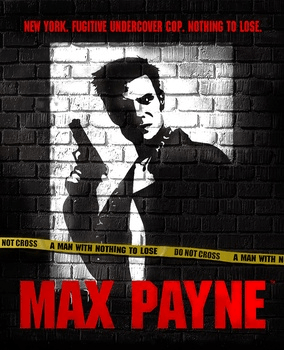


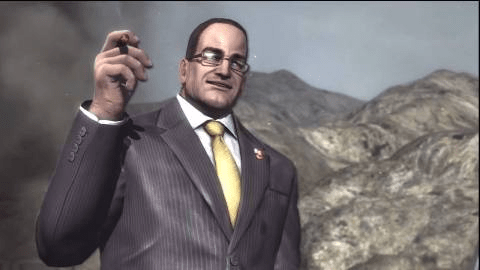



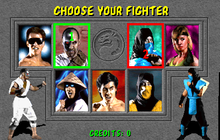
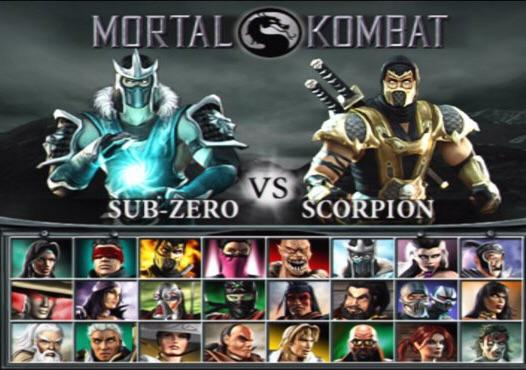


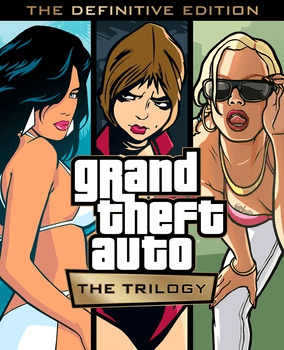

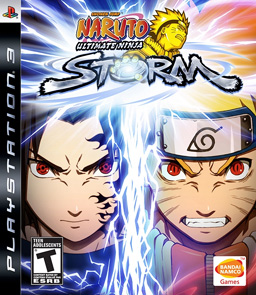



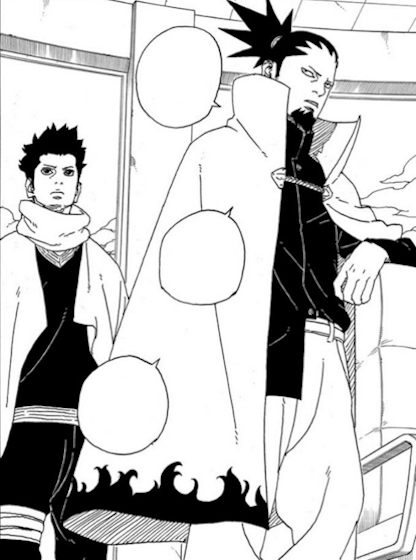
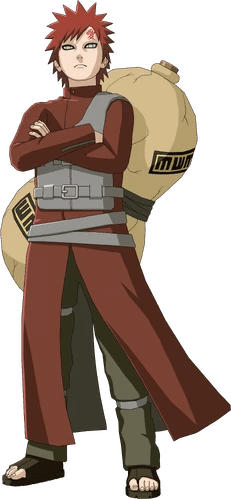

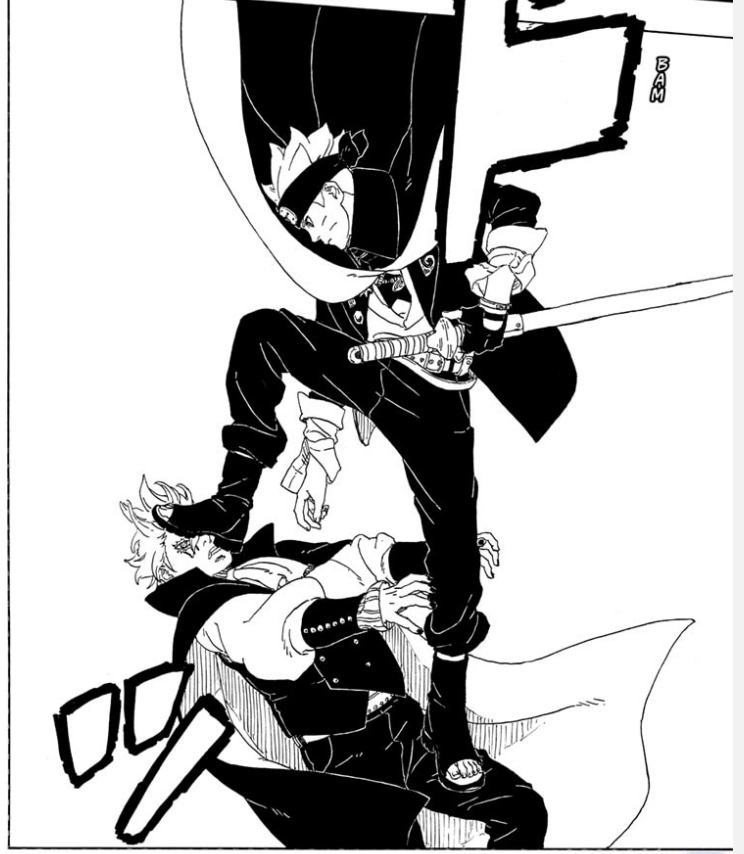



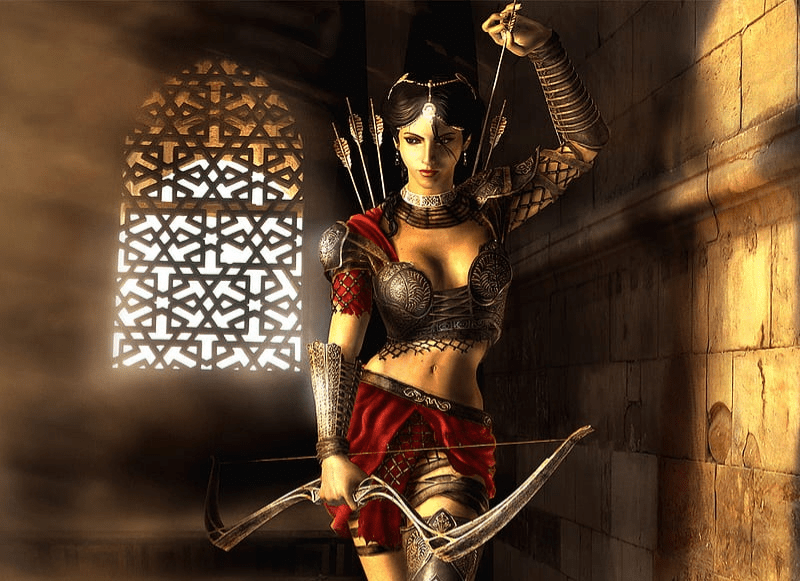

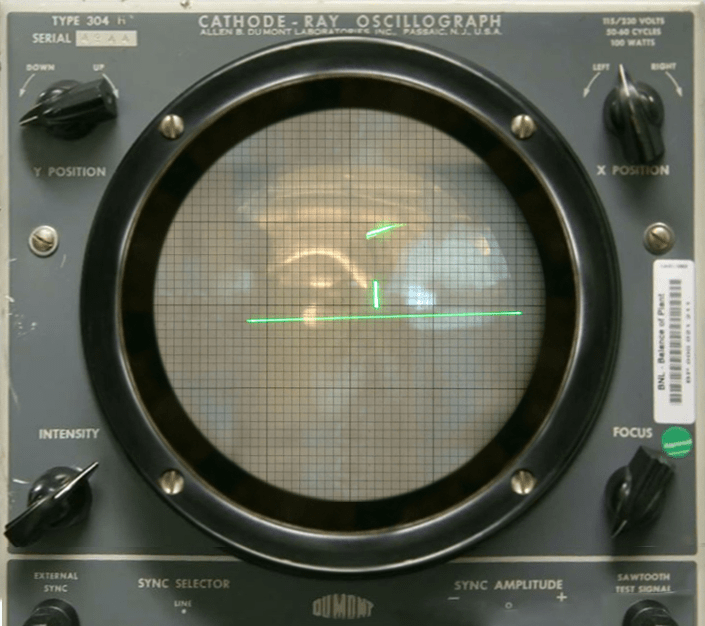
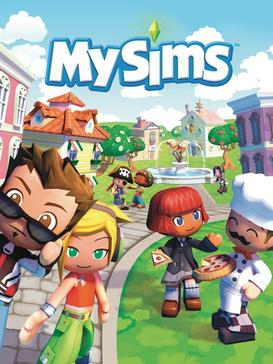
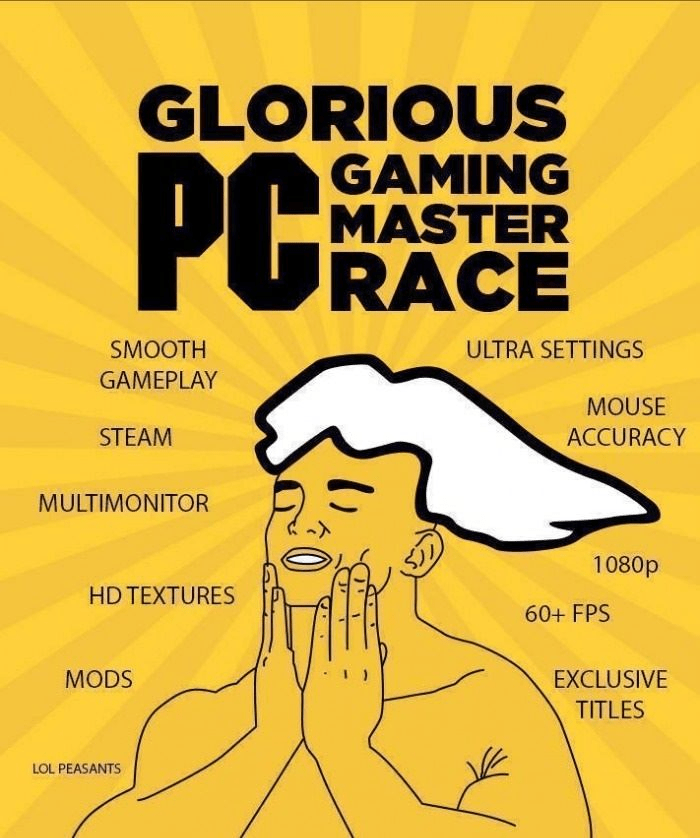




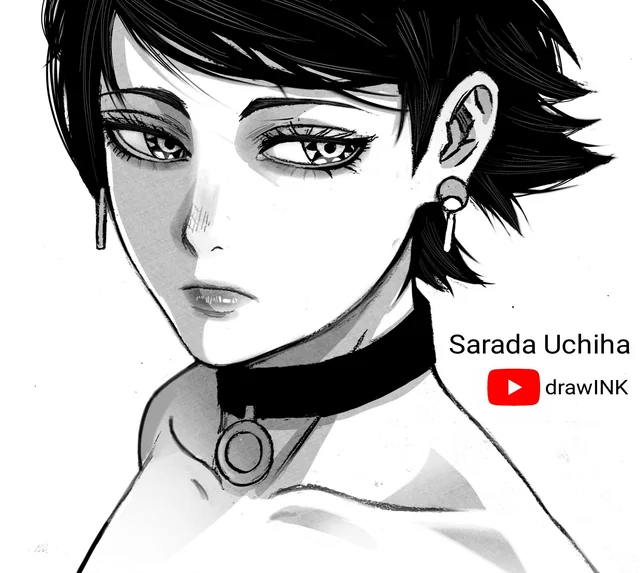
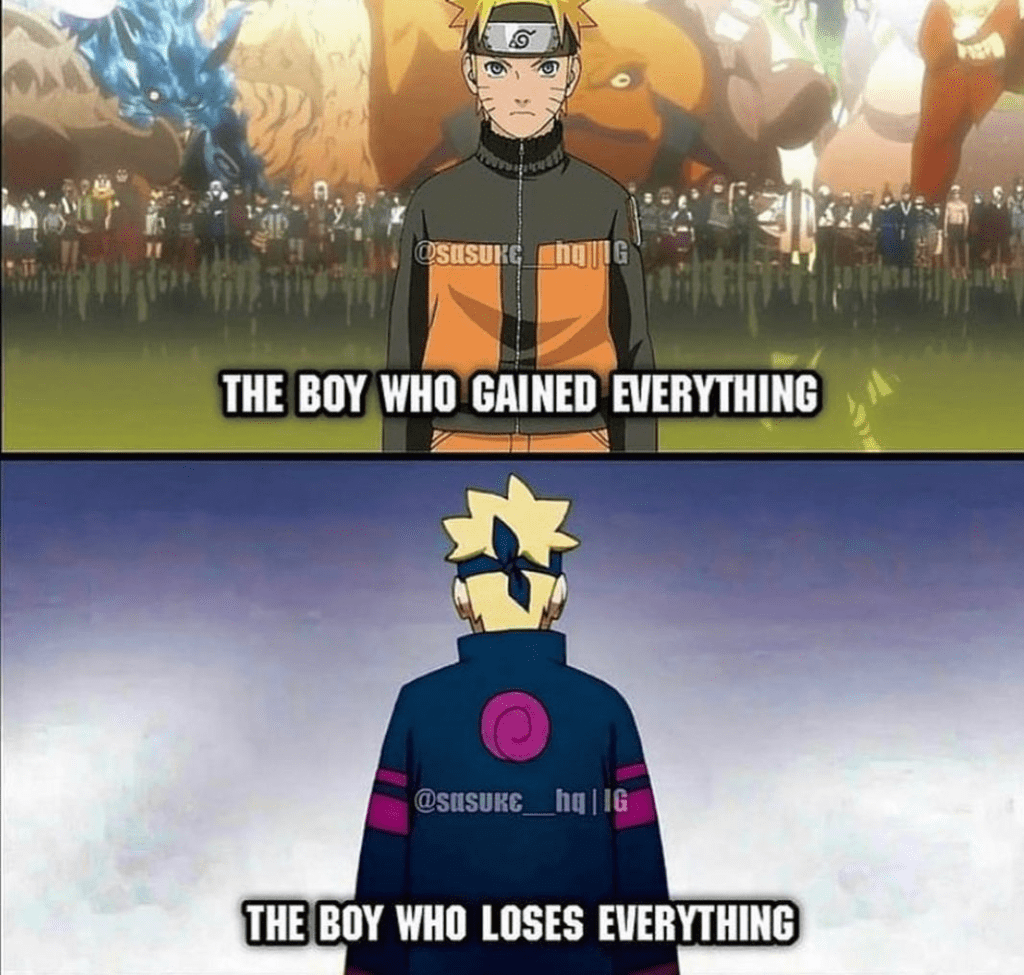


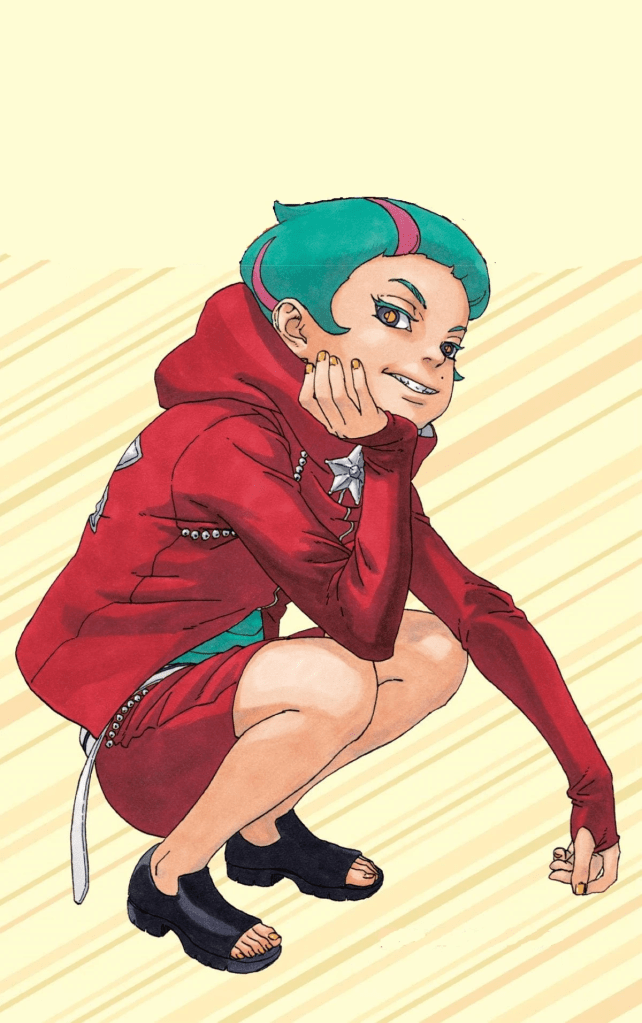








 Opinions on Entertainment