As it says on the tin, this is a blog that will cover entertainment and my personal opinions on the subjects at hand.
Author: Tiberius
Here, you will find a variety of opinions in anything and everything concerning entertainment. Movies, games, animation, music, TV; if it's a form of entertainment consumed by many, I may have written about it or I plan to do so in the future. Unless otherwise specified, expect weekly updates each Friday.
Citizens of the internet will know that fake trailers make the rounds several years or so after a popular franchise entry is on the market. I recall looking at fake videos of what GTA V would look like shortly after announcement in the middle of 2012. Me and my friends were hyped for the latter half of that year and 2013 waiting for the game to come out and when it did, in a nutshell it broke records back to back.
A few weeks after initial release, GTA Online debuted and despite an initial hiccup for those who were there (I was one of them), Online alone probably counted for lifetime revenue for the game. The most expensive piece of media in history made back all of its money and then some. If Rockstar was feeling philanthropic, every employee could probably retire and have enough savings for their descendants.
Over the years, critics have popped up questioning Rockstar’s design philosophy and direction. GTA V was said to have a DLC that was functionally stolen by GTA Online, which has enough DLC on its own to be released as a standalone semi-RPG (an idea that Rockstar could capitalize on if done more honestly), and even after the release of the phenomenally made, if overdone Red Dead Redemption 2, players often defaulted to GTA. Answering to the money (read: gold) found in the criminal funhouse that GTA Online was and still is, Red Dead Online suffered as a result and some haven’t forgiven Rockstar for it.
Nevertheless, Rockstar’s reputation as a more patient company has paid off. Gone are the days where they were a small team of British programmers asset flipping successful titles with only a year in difference. Projects have gotten bigger and bigger since at least 2007 coming to fruition with the following year’s GTA IV.
I think I have a theory on why the games have taken a more contemporary approach as opposed to the older unnumbered titles like Vice City or Liberty City Stories, and that theory starts with “it’s easier to capture what is than thumb through records looking at what was.” Maybe there’ll come a day when I elaborate further, but today we’re talking about a very long, very awaited installment in the GTA franchise.
On December 1, Rockstar announced the trailer would release on December 5, at 9:00 AM but the full trailer was leaked 15 hours ahead of schedule, racking up a record breaking view-count in minutes.
Channel: Rockstar Games
The internet has been demanding a follow-up to GTA V for a number of reasons, the most popular of them being criticism over the gluttonous mass that is GTA Online. I can’t say with certainty if these are the same people who default to GTA Online, but if there is some of that overlap, then it’s true what they say about a view from a glasshouse.
So following up on GTAs IV and V, GTA VI is yet another entry into the contemporary setting of modern-day Miami/South Florida. After looking myself, commenters who are from or have been to Florida have applauded the downright authentic portrayal of life as a Florida man or woman. Exploration of the Everglades and Keys, run ins with alligators, regular folks putting bizarre twists on normal activities and other easter eggs to the unpredictable nature of Florida man. Here’s a fun game you can play: google your birthday and put Florida man in and see what comes up.
Unlike the portrayal of South Florida from Vice City, where it takes home the allegations of a copy of 1983’s Scarface with a few references to Miami Vice, this time the game incorporates pretty much any given report on life in Florida. Much of the in-game footage captured seems to be recorded on Rockstar’s as of yet released parody of TikTok. Allow me to repeat a similar soundbite when I say that the graphics have never looked so amazing. YongYea recorded a video on this the previous night speaking similarly about the graphics and there’s no hyperbole when I say that minor things like hair and clothing affected by the wind, or facial rendering right down to the muscles, or even the local wildlife all come alive in just the trailer.
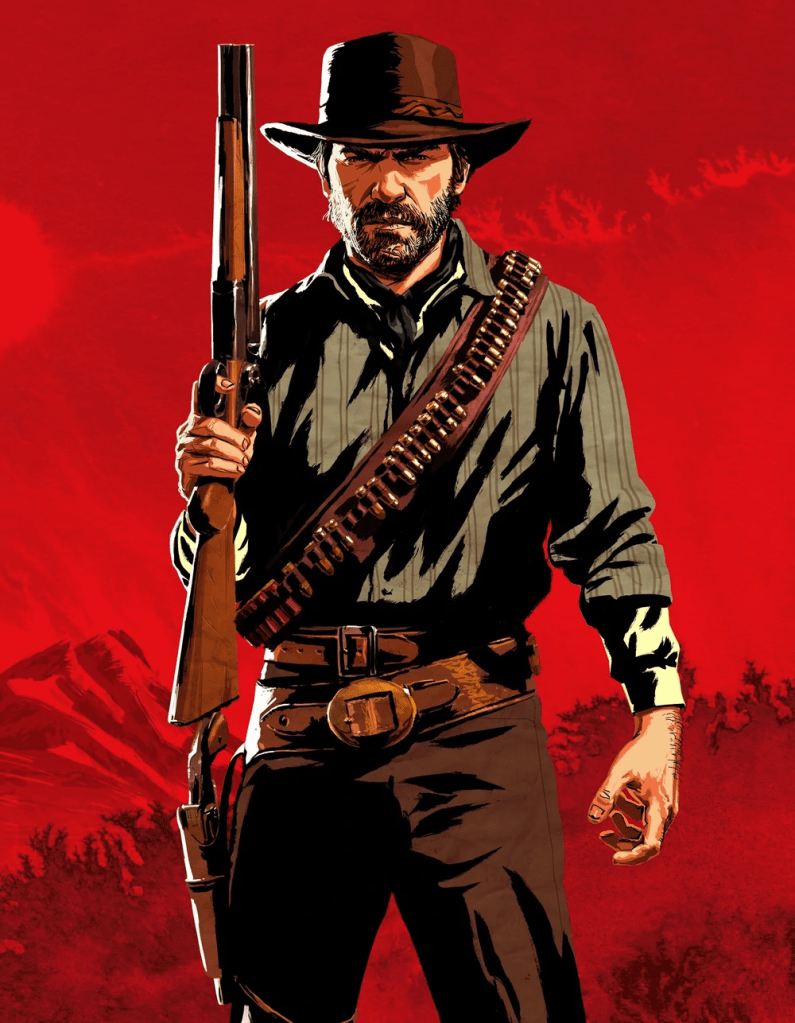
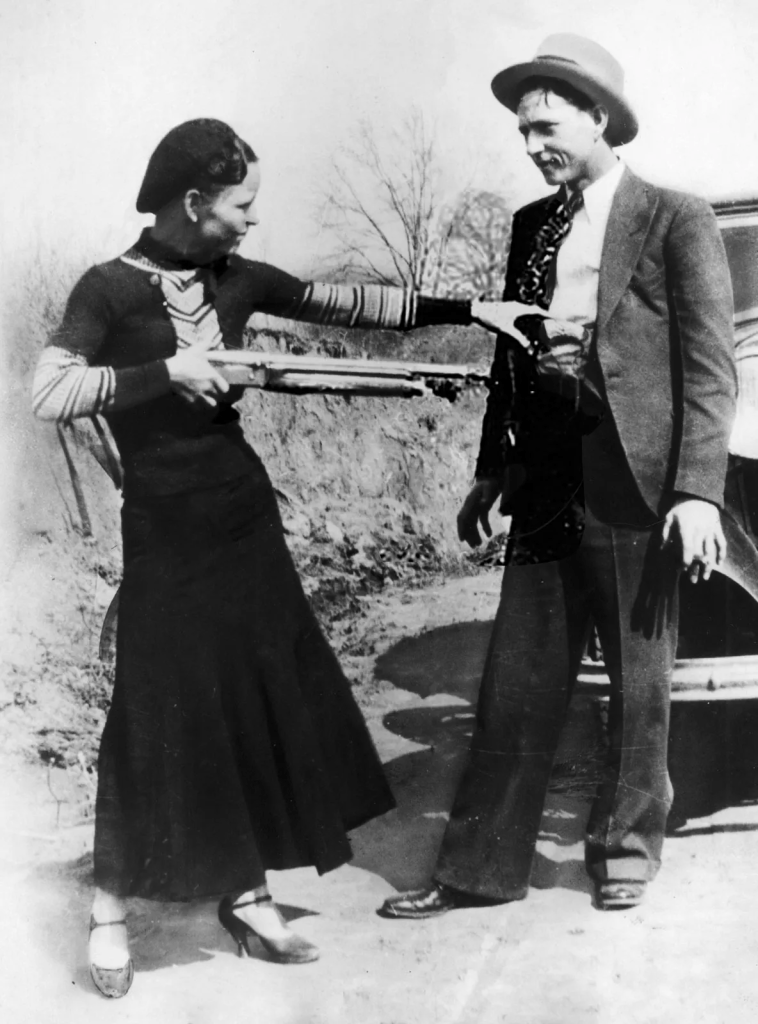
As for the plot, I’m personally saving my viewing eyes for later trailers to follow in 2024 and ’25, but from what we’ve heard and seen, it’s heavily inspired by the 1930s outlaw pairing of Bonnie and Clyde.
Also a first for GTA is a female protagonist. Rather than make your own in Online (as I have), the female lead is named Lucia and the male lead is named Jason. Plot details are obviously scarce and I intend to keep myself surprised until release even though select details have leaked yonks ago. From what I can gather from the trailer, it begins not dissimilar from JoJo’s Bizarre Adventure: Stone Ocean.
Think about it: young Florida woman begins in the prison system; Lucia herself most likely dodging worse versions of what Jolyne was forced to share a detention complex with during her own incarceration; a boyfriend with an equally sketchy history… and again without anymore information from that, I can’t say where else the story goes, but it clearly doesn’t take place in a prison, though the prison is likely to play a role in the story in some capacity. By the way, the initial comparisons weren’t lost on the JoJo community.
Credit: u/klydex210, r/ShitPostCrusaders
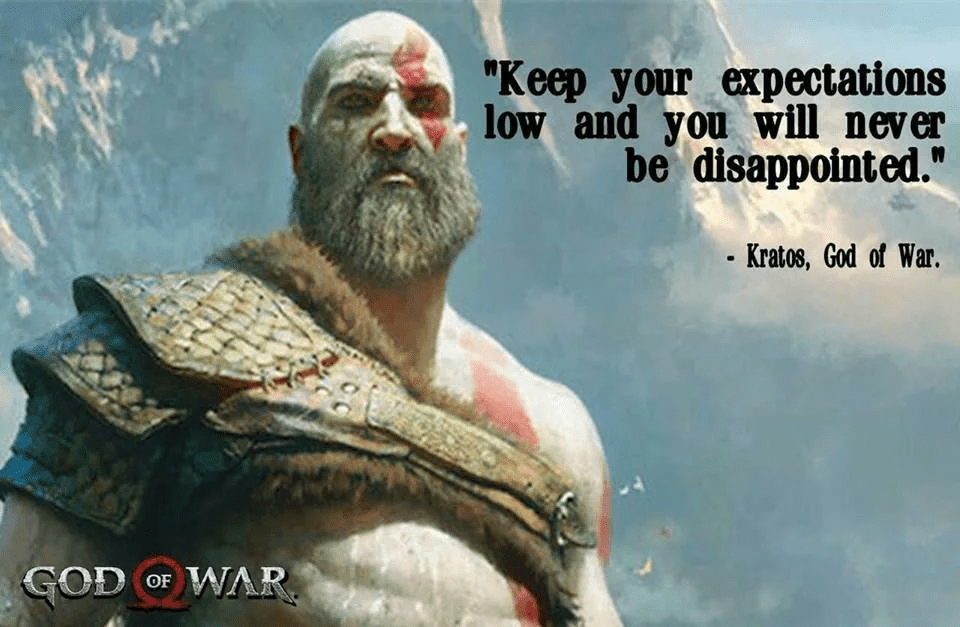
I honestly thought, as did others, that the release window would be, say, Q4 2024, but the trailer ends with a vague 2025 release window. As of writing this, in-depth analyses of the trailer are releasing on YouTube and more will follow with more trailers in 2024. All that time cooking up a five-course meal, so many people have been waiting for the main dish and it looks like whatever trailers are releasing next year and after until release will hold us all over as appetizers. I’m excited, but all throughout this post, I’ve been keeping a level and realistic outlook on this. As exciting as this reveal trailer was, I’ve learned from past mistakes and disappointments to wait for as much information to be made available. Remember Kratos’s words:
Credit: u/Shaho99, r/GodofWar
Open your mind to the possibilities and all that. Now have some analysis videos to hold you over until the next trailer.
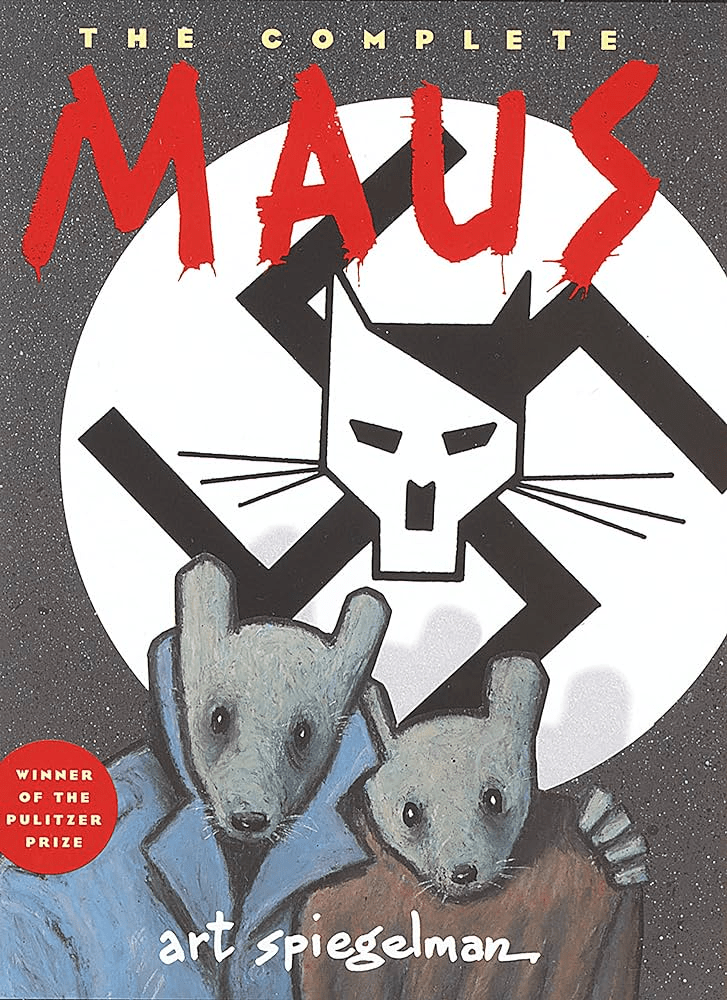
As both a history buff and a weeb, I like to think that history can work well even in graphic novel form. I’d bring proof, but so many political cartoons and, as mentioned before, graphic novels, have come out that the proof is everywhere you look. Here’s one of my favorite examples:
For the topic of this post (and something more lighthearted), I bring to you the manga series Golden Kamuy.
Created by Satoru Noda, Golden Kamuy is about a former Imperial Japanese soldier and Russo-Japanese war veteran named Saichi Sugimoto. After his military contract expires, Sugimoto hears from an ex-convict about a complicated story involving a legendary convict who hid a large stash of gold from the Ainu people of northern Japan, Hokkaido, and the Kuril Islands. When he was caught, he tattooed a map onto nearly 40 other convicts, each of whom is a specialist in his own right. After this, the prisoners were set to be relocated to another prison in the north of Japan, but the guards were ambushed and the convicts went into hiding. Sugimoto doesn’t buy into the story at first, but when the ex-con reveals that he’s one of the dozens tattooed by the legendary convict, he reveals the tattooist as “Noppera-bo.”
So far, we’ve got some interesting and familiar hooks, don’t we? A retired soldier searching for treasure, interactions with indigenous people groups, a changing political landscape, and slight spoilers for later, competing groups with similar interests. Almost sounds like a western… A story that fantastical would normally disappear into legend until you meet undeniable proof of its existence, but before we delve deeper into that, I want to discuss the historical background on which the manga is based.
Very briefly oversimplifying, Russo-Japanese relations in the early 20th century, the Russian and Japanese empires, both had conflicting interests in East Asia: for Russia, they wanted warm water ports and more land for the Trans-Siberian railway, and for Japan, they wanted to maintain political influence over East Asia, particularly Korea–but so did Russia. War broke out due to these conflicts and Russia maintaining a military presence in Manchuria when the original promise was for them to demobilize.
By 1905, the Theodore Roosevelt administration brokered a peace between the two powers that saw Japan as the victor, gaining the southern half of Sakhalin Island, political influence on the Korean peninsula, while Russia had to abandon its railway plans and its warm water port in Asia, the former of these later becoming Japan’s Southern Manchuria Railway which connected to that warm water port of Port Arthur.
Golden Kamuy is set in the aftermath of this. The fighting is long done away with, but the outside influences do have an impact on the characters. Keep in mind that decades before Japan went to blows with Russia, it was busy organizing itself into a modern country, and its first step was the reorganization of domestic territory into the modern day prefectures, all the while convincing the last of the samurai and feudal lords to surrender their holdings. Many did, but there were still a few holdouts, the most famous of them was the Vice Commander of the Shinsengumi, a hastily organized group of swordsmen with samurai sponsorship: Hijikata Toshizo.
This was all done during the Meiji Restoration of the 1860s. Although Golden Kamuy is decades after that, select characters with strong memories of the pre-Meiji days do still hang around. It’s also worth keeping in mind that the manga takes several liberties with history and some characters’ roles in specific events. Since I bring him up, Hijikata does appear in the manga, and is a part of a few flashback panels, but in the manga he appears as an old man and political prisoner since the Shinsengumi opposed the Meiji government. In real life, Hijikata Toshizo was shot dead on horseback while commanding troops in a major theatre of the Boshin War.
For the rest of the population of Japan, the Japanese government and media these days tend to promote an image of a homogenous populace, but reality is far different than what you’d believe. I briefly brought them up earlier, but the Ainu people are another central piece to the manga. The prisoner called “Noppera-bo” or “No Face” was the one who buried their gold in a hidden location and it takes the help of numerous Ainu peoples to help locate it. The Ainu people typically includes the indigenous groups found often in northern Japan and Hokkaido as mentioned before, but there are similar related groups elsewhere, on Sakhalin and in Russian Manchuria. These include but are not limited to the Uilta/Oroks, the Nivkh, the Nanai, and many more. One of these characters whom Sugimoto meets in Golden Kamuy is a little girl named Asirpa.
Asirpa serves as the audience’s window to an ethnic group that Japan has at best ignored and at worst disrespected. In history, the Yamato people of Japan gradually fought with them even into the Tokugawa Shogunate where they were forcefully relocated to Tohoku and Hokkaido. During the Meiji government in 1899, non-Japanese who were subjects of Japan (including the then-recently added Taiwan and soon to be added Korea) were forced to adopt Japanese names and use those publicly. True to this, even Asirpa has a Japanese name that would have to be used on official documents, as explained in her associated wiki page.
Nevertheless, love and appreciation for Ainu culture is evident and expressed in the Ainu characters, especially Asirpa when she explains language, naming customs, rituals, folk beliefs and several others. The name given to that convict who tattooed the map onto his fellow prisoners, Noppera-bo, is a reference to a Japanese spirit or “yokai.” The yokai come in a wide range of forms and depending on the legend, some are harmless or vicious. The Noppera-bo is described as a harmless yokai that takes the form of a human, only they have no face. Sorta like this:
Though as explained before, it normally takes the shape of a faceless human.
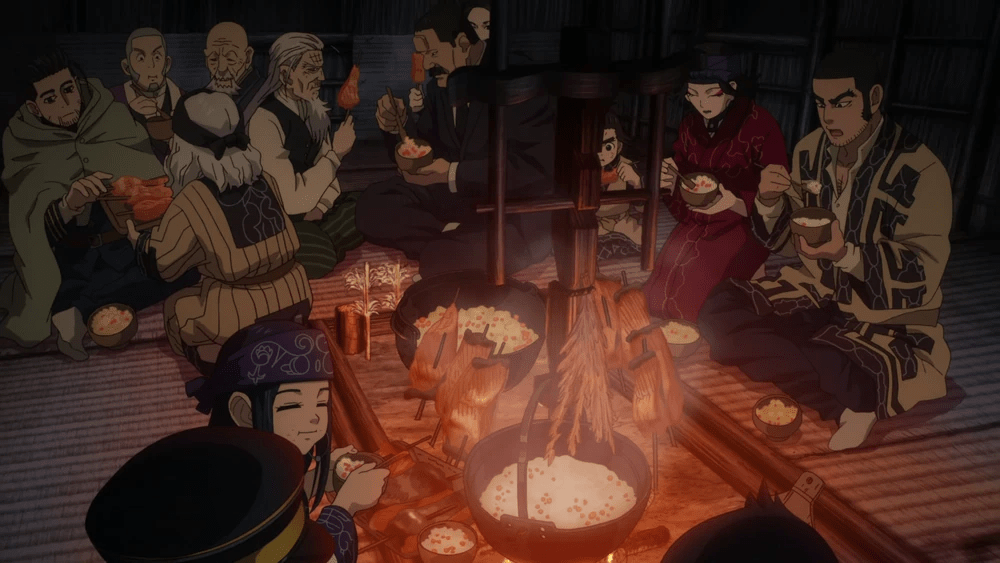
Regarding Ainu customs, the most famous aspect of the series among fans is the cuisine. It’s a common joke to refer to the series as a cooking show, which isn’t exactly inaccurate. Playing dodge bullet with loads of contentious groups is a key point of the series, but when there’s enough Arisaka rifle rounds flying for one scene, the next one transitions to Noda’s briefest possible tutorial on Ainu cooking, like so.
Channel: Crunchyroll Collection
It may seem insignificant plot-wise considering where the story takes our main leads, but funny enough, there’s a healthy hosting of food scenes throughout the series. Noda explained that much of his experience comes from growing up in Hokkaido as an ethnic Japanese. The conceptualization and characterization of the Ainu in particular comes both from his own experiences, which he admitted were limited and from research, which there’s a lot of.
The characters as a whole are all varied more so in personality than in ethnic group, though there’s a couple of the latter such as the Matagi, or traditional winter hunters also in Tohoku, or even people with varied accents and dialects, notably Satsuma dialect.
Although Japan also promotes a singular dialect of Standard Japanese, there’s a variety of accents in the archipelago. Like the U.S. or U.K., there’s often different words for many of the same thing like soda, pop, or coke in many U.S. regions or what lunch in dinner are called in different parts of the U.K.
Personality wise, the characters all differ in what they want the Ainu gold for. Sugimoto made a promise with a wartime and childhood friend that he’d look after his wife who moved to the United States who was at risk of going blind. A mutinous faction of soldiers, led by 1st Lieutenant Tokushiro Tsurumi, a vengeful intelligence officer, wants the gold to fund a separatist state in Hokkaido to spite the Meiji government. Asirpa was influenced by her father and another Ainu character to also use the gold to separate the Ainu from Japan but for different reasons, and some characters never reveal the truth of their intentions with the gold.
For the most part, the characters are in some way based on real life characters from history. Some are obvious like Hijikata Toshizo living for another 40 years in this universe, and others require some more research to determine their inspirations. My favorite has to be the character Yoshitake Shiraishi who was based on the similarly named prisoner and escape artist, Yoshie Shiratori. Like his inspiration, Shiraishi is described as a master escape artist, finding creative and innovative ways to get out of a jam from contorting his joints to making false keys and using lockpicks. You’d probably need a rotating body of prison guards to keep him in place.
Between Shiraishi and Tsurumi, these characters are both unique and not unique. Their quirks make them stand out from regular background characters, but there’s a bunch of characters who match that description anyone. Sugimoto, for example, gained fame during the war as the Immortal Sugimoto and has thus carried this nomme de guerre in the civilian world. Tsurumi and select soldiers within his unit — 27th Infantry Regiment, 7th Infantry Division — are all quirky as well. One might describe it as a circus of sorts. And this is a similar case concerning the prisoners who carry the map on their bodies.
Just about everyone is a specialist in some singular skill or trade. This may make them one-trick ponies by themselves, but there’s a lot of moments where they get to shine independently or in mixed company. Asirpa, for one, may initially seem like a monolithic standard-bearer for the Ainu, especially since she’s introduced with an old and negative stereotype of indigenous people groups from westerns, but both her and the rest of the Ainu presented don’t seem to adhere fully to these misconceptions.
Similar to the Amerindians in the Americas, the Ainu and other people groups in North Asia would’ve spent their lives directly or indirectly interacting with non-indigenous folks, fighting, trading, working, befriending them among other things. They would’ve been exposed to foreign customs and technology sooner or later, hence why during the Manifest Destiny era of the U.S., bands and tribes of American Indians would have fought back with the same rifles that were being used on them. Off the battlefield, cooking and craftsmanship have also caught up with the times, so old depictions of indigenous folk as backwards and removed are just that: they’re old and quite inaccurate.
My introduction to the series came from some old Funimation ads in 2018. At the same time as my anime speedrun during college, bouncing between Crunchyroll, Funimation, and the now defunct VRV, the ads for then-recently adapted Golden Kamuy were showing and initially, I wasn’t that interested. Most people weren’t either. No matter how high the marks, the average viewer would’ve been looking for “time well spent.” This conflicts with the overall negative opinion of CG in anime and with most of the ads depicting Sugimoto’s battle with a CGI bear, prospective audiences were initially turned off.
Then I started watching in 2019 and continued to do so during the pandemic. My opinions on CG have been somewhat influenced by those expressed online, but in all honesty, if it looks good and it means the animators don’t have to crunch to get an episode out, then it can work well for an anime production, and I feel it does here. I honestly didn’t realize the bear was CG until a few frames in. Just goes to show how rare and at times apprehensive studios can be about integrating this technology into a production.
The manga concluded in April 2022, but the anime recently wrapped up it’s fourth season in June after taking a hiatus out of respect for a treasured cast member’s passing in November 2022. A fifth season is currently in development, though as of writing there’s no release date. This is ample time to go through the anime and then continue in the manga or start the manga and compare/contrast the anime. Whatever works best for you.
It’s a month divisible by 2, and the last of the year so as a final sendoff, December’s first YouTube recommendation gets to the heart of a topic I have in store for next week: Cynical Historian.
The Cynical Historian is a YouTube channel that covers the history of the American Southwest primarily, and other topics in history secondarily. Started in March 2013, by former Army cavalry scout and noted historian Joseph Hall-Patton, the Cynical Historian has himself produced lessons and dissertations on his specialty in the American Southwest, namely violence and conflict, sometimes touching on the historicity of the local American Indian groups and figures active during the era. He runs a tight ship on his YouTube channel and has little tolerance for bigotry, hatred, or conspiracy theories of any kind.
One series he does that I recommend above all else is his Based on a True Story series that compares and contrasts historical moments and their silver screen depictions. Since the most recent video he did was in the lead up to the theatrical release of Ridley Scott’s Napoleon film, I suspect that a Based on a True Story video on the little corporal is somewhere in the pipeline, but without clairvoyance, I can’t say more. Be sure to check him out when you find the time.
Before I sign off proper, I had another video lined up emphasizing the surprising significance of food in Golden Kamuy, but couldn’t put it anywhere above, so I’ll link it down here.
The drawback of keeping up to date with a manga is that the expectations I put on myself are to summarize a chapter each time it releases, but the benefits of a monthly manga come with its release window. The larger amount of time it takes to write and draw a chapter give me ample time until the next chapter to get to writing. I’ll try not to make this a pattern, but I can’t promise that. Real life will interfere at times.
So on November 20, Chapter 4 of Boruto: TBV released and continually revealed more surprises especially from Boruto. I talked about events last time where Boruto had planted a toad onto Code’s person; this time around, with the Ten Tails restrained he attempted to cut a deal, but an unforeseen snag cropped up, and it’s somewhat involved with Code and his claw grimes. Whenever the grimes strike someone, they turn comatose and are encased in a tree.
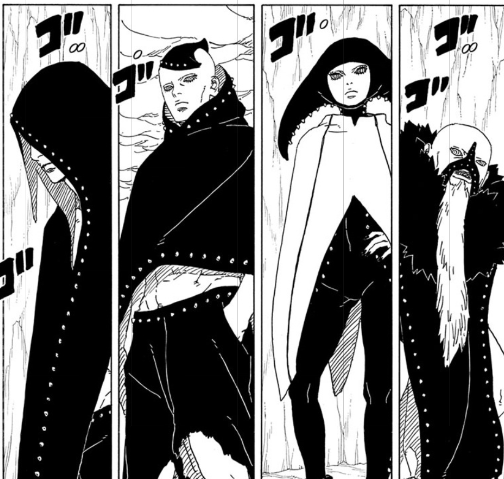
In this panel, one of the Leaf shinobi was bitten by a claw grime and thus became a tree. In a similar manner, at the end of Chapter 3, Boruto used rods and other restraints to trap the Ten Tails, but when he transported himself to its location, the Ten Tails was missing. Instead, he and Code met a few beings that have a connection to the claw grimes. The trees they make when attacking aren’t ordinary trees, but they’re described as divine trees, and since Boruto explains that the beings created are living divine trees, then the conclusion I can draw from this is that the Ten Tails managed to turn itself into numerous divine trees and escape from Boruto’s restraints.
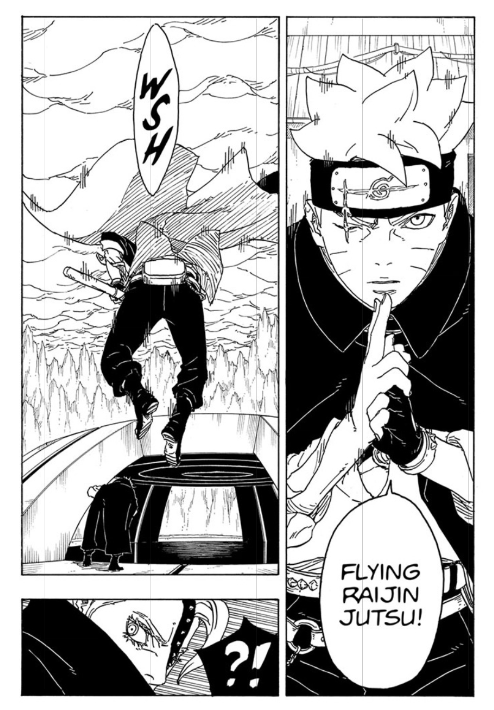
As for how he transported himself, you might recall that as an Ohtsutsuki vessel, he has the Karma seal and its space-time ninjutsu capabilities. Yes, but that’s not what he used to get to the other dimension. In fact, he has a familiar Jutsu to fans of his grandfather: The Flying Raijin.
The legendary technique has a third user on the roster. Created by the Second Hokage, used extensively by Minato Namikaze (and giving him the moniker Yellow Flash of the Leaf) and now Boruto Uzumaki is the newest user of the Jutsu. Continuing with the drip-feed method of exposition, we’re learning just as we go on, so it’s not revealed in this chapter when or how he learned this Jutsu the same way, Naruto learned how to do the Rasenshuriken or go into Sage Mode. Then again, in Naruto’s defense, he learned that long after he’d come back to the village in Shippuden and following the trend, his son may be geared up for a similar training arc.
Whatever the case, part of Boruto’s plan seems to have been to use the Ten Tails as a bargaining chip for Code, but when it turned into divine trees, the plan failed. There’s no Ten Tails to hold hostage and the trees are going to do what they were programmed, absorb as many chakra sources as it can so that it can cultivate a chakra fruit–same as had happened when Kaguya came down from the moon, same as when Momoshiki and Kinshiki and the other Ohtsutsuki invaded and attacked.
These were the only divine trees shown, but there could be others to be revealed in subsequent chapters. Not yet done with the surprises, the clues to Boruto’s Flying Raijin and mechanical toads lies with another familiar face: Koji Kashin. The synthetic clone of Jiraiya, operating as a spy in Amado’s pocket, seems to be working with Boruto, but it’s not yet known who made the proposition. Still, some things can be inferred at the moment.
Before the chapter ends, we get the answer to at least one question: Sasuke’s fate. As I said, the claw grimes make divine trees every time they bite someone and considering the image below, he was also probably unlucky in this regard.
This was a meme for a bit last week, along with another frame of Kakashi planting younger Sasuke. Nice to see the Uchiha tree has finally matured in spite of Tobirama’s efforts to cut it down.
In all seriousness, I wasn’t all that bothered with the so-called nerfing of the old gen to make the new gen look good. In lore, it’s explained that 15 years of peace time led to complacency and only a select few ninja still actively taking missions and whatnot would be the only ones prepared for when a real threat comes around and not just rogue ninja number 1,254–but Sasuke is one of the few ninja who was still going out on missions, many of them taking him either outside of the village or just outside of this reality. For f[Sharingan activation sound]k’s sake, he didn’t even know what his daughter looked like because it’s been so long.
Never mind that he lost the Rinnegan in a surprise attack (not that Boruto being possessed was a surprise, it was a matter of when), it just seems that Sasuke wasn’t as prepared as we all thought, which becomes even more damning when you consider that he’s had much of Sarada’s childhood to prepare and learn about the Ohtsutsuki and their goals. Naruto’s capture works as it shows how badly his Talk no Jutsu backfired, especially on someone like Kawaki who went to extremes to protect him from anything Ohtsutsuki even killing Boruto once.
If Sasuke did get unlucky, then I wouldn’t have problems with it depending on how well it’s explained. And if it’s not that then Kishimoto and Ikemoto oughta work their magic because it doesn’t seem like much of the old gen is getting theirs.
Before we begin, hope you all had filling Thanksgiving festivities for those who celebrate. I went through a slight hiccup with frozen food, but the other stuff was taken care of, so nothing to worry about. Now to the post.
If you’re looking at the title and thinking, “didn’t you do this two weeks ago?” Technically, yes I did. But that was about true crime, documentaries or media next to documentaries about real life crimes that have happened before, i.e. the Five Families, the Winter Hill gang, Al Capone, Bonnie and Clyde, and countless other criminal figures of yesteryear, all of them inspiring many of our fictional crime lords and kingpins in other media like Gus Fring and Don Eladio in Breaking Bad/Better Call Saul, Clay and Jax Teller in Sons of Anarchy, or for this post, most of the GTA and Mafia games’ lineup of characters. These are long-running series with colorful casts so allow me to preview the short version:
If I were a documentarian, I’d put characters like Tommy Vercetti in the bin of “Amalgamation of Prior Characters Seen in Media.” And not just him; other GTA protagonists and/or GTA moments have taken inspiration from movies released in the past. Some of the games take place in a specific time period and thus take inspiration from movies released around the same time. This video from WatchMojo.com lists different examples:
Channel: WatchMojo.com
Some of these may be easter eggs, but it goes to show how many fans of [Insert Movie Here] work or worked at RockStar. Call it a tradition to sneak some of these in, but they come in full force in GTA V, coupled with call backs to older games, including but not limited to:
a car that references James Bond on its license plate, equipped with spy gadgets
the cargo train’s registration number on the front referencing the year of the PS2’s highest selling video game (San Andreas)
Lester listing off successful heists initiated by prior protagonists; one of those characters being recruitable for a job later in the game
Michael’s special ability calling back to the bullet time mechanics of Max Payne
and if you wanna get technical, the five-year release gap between GTA’s IV and V, also calling back to CJ’s opening lines in San Andreas
As for real-life inspirations in the GTA series, well, that’s complicated. Vice City provides the easiest example taking inspiration from 1983’s Scarface which is a remake of the 1932 movie of the same name which was about its real-life namesake, Alphonse “Snorky/Scarface” Capone.
From my research, GTA’s influences do call back to high crime eras in American (and sometimes British history), but don’t take direct inspiration from any named criminal or mobster, comfortable to let Hollywood do it for generations before developing a love-letter masquerading as a video game. Sounds like a bit of a letdown, but a series that collects controversy like Yu-Gi-Oh! cards would probably try its hardest to let the games speak for itself, hence why RockStar’s problems weren’t in the headlines until later. Gratuitous cartoon violence was still thought of at the time as limited to Hanna-Barbera cartoons, so facsimiles of someone’s granny legging it after a gun goes off, or rural folk from D[bell noise]k-Fart, NorCal going hog wild thanks to cheat codes would be unheard of in the series’ early days.
I doubt it was much the same for the Mafia series, since that one could sneak past unnoticed, and if it did, the Mafia movie comparisons were proudly warn on its chest like a veteran’s war medals. You didn’t need to convince me that Tommy Angelo was Al Capone or that Mafia II was The Sopranos. It admits that by way of the title, and in stride. The Mafia series also heavily fictionalizes real-life locales, but thankfully offers more than the New York-Miami-Los Angeles trifecta that contemporary media blows its load over. It may just be me, but as a native New Yorker, I could do with a lot less New York. If a thousand monkeys can eventually produce Shakespeare, surely it can take a greater than or equal to number of monkeys to make modern-day Amarillo, Texas more exciting. The Coen brothers achieved that with Fargo back in the day.
So getting away from the usual three, Mafia: The City of Lost Heaven’s titular city is meant to be a fictionalization of Chicago in the 1930s, during and after Prohibition. Mafia II takes place in the mid-1940s and early-50s in Empire Bay, a fictionalized version of several East Coast cities, but having the trademark Mid-Atlantic accents that later defined New York and, depending on who you ask, Baltimore. Mafia III comes right out of left field by throwing the player into the Deep South in the 1960s, stuck between the counterculture movement at home and Vietnam abroad. Specifically, it creates a more in-depth though still fictional version of New Orleans, this time known as New Bordeaux, complete with all the neighborhoods that are said to be in New Orleans, though as I’ve writing, I’d never been. I wouldn’t mind a trip though, I hear Mardi Gras is a hoot.
So while the RockStar series is content with pure fiction, the Mafia series uses history as a jumping ground. Having said that, crime games have proven to be more imaginative than just these examples; I just have a lot of expertise in this field as an avid player of both GTA and Mafia. I believe I said this a few weeks ago, but this isn’t exclusively an American or British thing. Throw a dart on a map, and the country the dart lands on may have something next to a fictional depiction of organized crime–even if it’s beat out by a more popular neighbor. Consider how the western populace learned about organized crime in East Asia or the former Soviet Union, or how crime and law enforcement probably goes back even further than Hammurabi and Babylon.
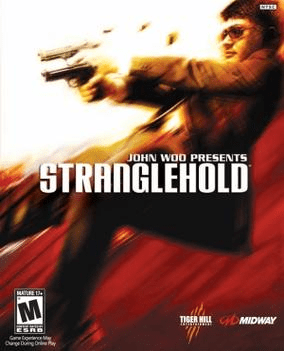
And obviously not all crime games put you at odds with the law; sometimes it’s you flashing the badge instead of blasting away at the guys who do. Followers already know about my love life with Max Payne, but I’ve definitely watched more crime drama shows and played more games where you are the law. One of the earliest games I played called back to Max Payne: may I present to you Stranglehold:
Full disclosure, I have this game (I don’t remember how I got it, it might’ve been from a bargain bin at Target or Game Stop), but I don’t recall ever finishing it. I’d play it again, but I need to check if it’s backwards compatible with the Xbox One before I try, or failing that, emulation or a YouTube Let’s Play can be found to catch me up to speed.
All I remember is that famed Hong Kong cinema director John Woo was contacted by Midway Games, makers of NFL Blitz and Mortal Kombat, to help produce a Max Payne clone with the likes of Chow Yun-fat reprising his role as Inspector Tequila from the 1992 film Hard Boiled, which I haven’t seen. Not that seeing the movie first would put me in the right head space to play the game since I started with the game, but if it helps me get an idea of who Tequila is supposed to be then it’s a good thing it’s in my long-ass watchlist because I’ve got some time to kill.
Traditionally, video games based on movies have been notoriously terrible, but some select developers have tried their best with the material given, sometimes even expanding on the formula established. I know that RockStar paid homage to the 1979 cult classic film The Warriors with a 2005 video game based on the movie, and I remember having fun with Stranglehold, so not all of them are crapshoots.
A more memorable game featuring Hong Kong-based Triad groups came out a few years later. We all know it as Sleeping Dogs, developed by the now-defunct United Front Games and published by the still-in-business Square Enix.
This one does have the Max Payne style of combat and maneuverability. In fact, it’s not comparable to Max Payne aside from the fact that both the respective protagonists are law enforcement officers deep undercover in an organized crime syndicate, but I’m getting ahead of myself. It’s meant to be a spiritual successor to the True Crime series.
Sleeping Dogs is set in contemporary Hong Kong where the protagonist, former San Francisco police officer Wei Shen is transferred to the Hong Kong Police Force to go deep undercover in the Sun On Yee. This presents an interesting dichotomy for Shen as he’s caught between two loyalties: the Triads and the law. I’d elaborate even further, but this ventures into spoiler territory and from what I recall the latter half of the game doesn’t stay as close to this as it originally set out to. This review has more insight.
Channel: The Escapist
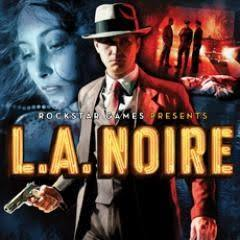
Then there’s L.A. Noire, which I’ve mentioned at length or featured videos and articles that have mentioned it at length before, especially the development side of things.
The gist of all this would have to be that life influences culture, I guess. This all had to come from somewhere and the North Side Gang wasn’t gonna emerge from the dirt like Adam in Genesis. But it’s a generally good way to comment on contemporary society. Other times, people just wanna tell a story and whether a million people find it mediocre or one hundred start a fan club around it, the primary focus of entertainment had been fulfilled.
For crime dramas, that succeeds in spades taking home more gold than the original California 49ers. Part of the downside to the crime drama is that it’s come under scrutiny before for inspiring similar crimes, and not just the true crime genre. Violence in media is heavily scrutinized and when it’s in a video game, it’s a media circus that brings more attention than what was previously projected. I know I’ve harped on this before, but I feel that it bears repeating. Sorry to leave on a sour note, but calling back to a video put out by Alternate History Hub: the news should stop glorifying and perpetuating violence. It’s shown time and time again to do more harm than good.
Last thing, before I properly close off: I wanted to make a post about the fourth chapter of Boruto: Two Blue Vortex, but Thanksgiving preparations kept me from properly preparing the notes. I’ll try to get one out sometime in the next week, ideally before next week’s post.
Before we start, concerning last week’s surprise destruction of The Escapist’s video team, the YouTube channel Clownfish TV (which I’ve recommended before) uploaded a video a few days later that I contemplated dedicating a post to, but ultimately decided that it wasn’t worth it. The minds behind the channel are staunchly independent of any corporate oversight and maintain this position above all else for a better deal in the long-run. The Escapist was bought by a conglomerate which complicated things, and while the team of Kneon and Geeky Sparkles have zero love for dishonest games journalism, part of what motivated a possible post would’ve been to correct the record and clarify what actually went on… or at least I would have.
After sitting back and analyzing what the video concerned, I realized that most of the criticism was elsewhere on The Escapist site and that one’s opinions seldom influence business rules especially from the outside looking in. For me, it didn’t feel like that because the comments section was what got to me.
It’s worth noting that this tends to be the nature of YouTube communities; channels do have their dedicated base and this often leads to biased echo chambers with again very little influence on what goes on in the afflicted realm. Also worth keeping in mind was that reporting on pop culture in any capacity is merely another day in the office for Clownfish TV. Malice can’t be assumed all things considered. As for the community, the one piece of advice that works for me is to get the entire story before judgment is passed. Get all the context and then give your final thoughts.
Now for the real topic I want to write about: military novels. Personally, I’ve never been all that interested in them, and since I’ve been around on r/Army, reading the occasional news stories of controversiessurrounding thespecial forces community in particular, I’ve held a dash of skepticism to go along with what describe as a Heroic Tit-wank in Print form. If you don’t know, special forces like Army Green Berets or Rangers, Navy SEALs, Recon Marines, Air Force Combat Controllers and all of them tend to get the Hollywood treatment more often than not. I’m not saying they don’t deserve the recognition for their sacrifices, their missions, their stories, but they’re not exactly a monolith.
For every Medal of Honor recipient of any capacity like Dan Daly or Ralph Puckett or Alwyn Cashe, there’s also these guys making fools of themselves:
Credit: Getty Images
Credit: Getty Images
Clearly, the worst or more embarrassing stories of the military’s finest aren’t reflective of everyone including the HR folks or the intelligence or signal branches or anyone else who sees it as just another job, but sometimes it gives me pause for thought. As a history buff, I do like military history as well. The Elusive Samurai motivated me to research the Kenmu Restoration and the Ashikaga Shogunate in medieval Japan, for instance, and more than once I’ve done some light research on Civil War battle orders or even the Roman Empire, among numerous other things.
Channel: Metatron
Before even entertaining the idea of the military as a whole, the movies and whatnot all seemed so cool. Call of Duty and Battlefield led the way in cinematic experiences and memorable characters. After watching some more movies, and going to basic training myself, it’s safe to say that if you’ve been in the military — any military — you’re preconceptions are going to be challenged and your newfound knowledge on how things go in the real military will ruin a lot of movies for you.
Prior to shipping, I thought the boot camp portion of Full Metal Jacket was the highlight of that movie, primarily because of the characters: Joker, Pyle, Cowboy, and Gunny Hartman all make that movie, but stepping back from that, it’s divided first into how Marines are trained (sort of), followed by an active combat deployment to South Vietnam. The greatest irony of that movie is that for an anti-war film, so many incoming recruits watch and quote it ad infinitum, and expectedly so. The actors are the highlights of the movie and if it wasn’t for R. Lee Ermey and the jelly doughnut scene, then it probably wouldn’t have the same influence as it does almost 40 years post-release.
In the veteran community, lots and lots of media is heavily scanned and scrutinized based on what we’re all taught in boot camp and when we go off to train for the occupation we chose or have chosen for us based on test scores. This explains why movies like Generation Kill and the Hollywood misfit In The Army Now are more beloved amongst veterans and servicemembers compared to something like Zero Dark Thirty, American Sniper, or The Hurt Locker. Even vets who’ve never deployed to a combat zone (yes, this happens, ask around) will tell you that an overwhelming majority of the time is spent waiting to do something and that something goes by exceptionally fast. Such urgency…
Also, fair warning: the military has a frat house mentality. Keep in mind the ages of the people signing up.
So I’ve been rattling on over about military/war media and the reception based on the community viewing it, but I haven’t mentioned what I’ve been reading. As I said, I hardly ever had an interest, even in passing about these kinds of things, and even over time, now that I’ve been in a military training environment, I trend quite lightly these days. You’re drilled day and night about how to properly wear a uniform and even mishaps in film can get a vet’s dander up more so than stolen valor incidents.
I try my best not to overanalyze this stuff or make a monolith or standard-bearer of military/war media since a lot of it is for the public and like a lot of their real-life units, the special forces movies tend to play by their own rules. My rule for whether I should give something a watch or a read is wide reception. Even if the community hates it, it’s not good to let those opinions overtake or form future opinions on XYZ. But so far I have been enjoying Generation Kill, and I do like Saving Private Ryan and Dunkirk. Some of these I’m introduced to by proxy and they wind up being pretty good.
For Generation Kill, I went for the book first for comparison to the HBO miniseries. Nearly done with the book and the show so I might come back with some final thoughts. And getting back to controversies in the special forces community, there was one book that caught my eye. I don’t remember how I found it, but it’s called Code over Country by Matthew Cole. It’s based on the wide range of corruption and lax oversight within Navy SEAL Team Six. Once I get my hands on the book and get through reading it, I’ll try to make an effort to give my thoughts. Bear in mind, most vets and servicemembers won’t run into anything close to a special forces unit and for security reasons, most of what they do isn’t revealed until after the fact, so corroborating what I hear will have to be done by way of news reports like those featured on Military Times or its branch specific variants.
This post was kind of a misnomer all around, but before I close off, I want to make a case for the manga series Golden Kamuy.
I say this is a military series for a lot of the obvious reasons: veterans of a major war (Russo-Japanese War), active duty soldiers in uniform, commanders doling out orders by their judgment, and more. But it also takes the tropes of traditional westerns like those of the Clint Eastwood or Dances with Wolves variety.
I have a post in the pipeline regarding Golden Kamuy itself so look forward to it in the next few weeks. I’ll elaborate further on my case then.
I planned on making a post about this soon after the news came out, but I was waiting on more information relating to the news to come out. I was also busy with other real-world stuff, so if I’m able, this should be up either late Monday night or early Tuesday morning.
If you hadn’t heard yet, The Escapist’s video team resigned en masse following the firing of their editor-in-chief Nick Calandra. Nick’s firing was preceded by The Escapist’s parent company Gamurs placing impossible deadlines and goals for him and the team to meet and when he didn’t live up to those standards, he got the sack. Everyone, myself included, sees corporate avarice biting them in the ass with this since Nick oversaw a close-knit ship since most of his coworkers quit to join him for greener pastures. For more information on the situation from last week, see this video by YongYea:
Channel: YongYea
Gamurs bought the site in 2022 and seem to now be regretting their decision to axe Nick and by extension the entire video team. Some of The Escapist’s recent additions like Cold Take, Stuff of Legends, and other stuff is still available to view on the channel and seem to predate the The Escapist as told by some of the video team’s recently resigned members, but one of the major casualties out of this was the popular review series Zero Punctuation. Yahtzee explained in a stream last week that he was going to continue reviewing video games on his site, Fully Ramblomatic, which also predates ZP’s lineup in The Escapist, but whether The Escapist under Gamurs’ wing is gonna toss it for good or try something with the ZP license, I can’t say with certainty. All I know is what everyone knows about it in that Yahtzee couldn’t take ZP with him which is why he’s reviewing on Fully Ramblomatic. It might retain the Wednesday noon schedule as ZP but again it remains to be seen.
As for where it’s all going to go, the team relaunched and got back to business as usual by launching Second Wind.
This isn’t sponsored or anything. I’m making this to say that as a fan of ZP and of The Escapist’s other shows, like Jimquisition, the aforementioned, Stuff of Legends, Cold Take, 3 Minute Review, their livestreams, etc. that it’s terrible that the owners were so tunnel visioned that they’d axe a well-beloved member of the team, but looking at how well they bounced back into the fold on their own, I’m happy that they haven’t been too badly affected by the surprise changes.
Also, I’m putting this up as a YouTube recommendation. After the controversy earlier this year with Blair Zon of the iilluminaughtii, I expected another redacted recommendation to be controversy related or if the channel was mysteriously vanished. While I will keep my recommendation up for The Escapist until further notice, mainly as an archive, I’m also recommending Second Wind because the main video personalities have migrated their to continue their craft unimpeded.
As it stands, the channel has yet to set everything up, but by December or even January, it should start looking like a proper YouTube channel so get ready for that.
There’s no question by now as to what I like. Most of my posts here have a video game or animanga focus, but let it be known that I have more in store than Japanimation and rhythmic button-pressing. It’s the title of this post which I should clarify. While I used to gravitate mainly mobster/organized crime centered media, for the most part the characters and organizations therein were largely fictional or fictionalized. Stop me if this sounds familiar: mobster movies tend to require a bigger commitment compared to video games like the Mafia series, select GTA games, or the video game version of The Godfather. All solid series and franchises in their own right still, but even within a genre we each have our preferences.
But obviously fictional media interpretations of the Mob didn’t come from nothing. Crime fiction as a genre’s always been there, just look at the westerns. Lawmen, gunslingers, outlaws, big names like Billy the Kid, Bass Reeves, the Earp brothers. Whatever the criteria is for crime media, if it involves someone stepping on the law to get to a goal while someone else representing the law is stopping at nothing to stop them, then by all accounts it’s a crime movie… which probably means Lord of War falls into that too by my standards.
And this is quite apt, as Yuri Orlov was said to draw inspiration from the real life Merchant of Death Viktor Bout. And he’s not the only fictional criminal to be based on a real mobster. Sometimes the real life mobster themselves is fictionalized. If you know anything about Prohibition, you no doubt know about Al Capone and his ability to fool the cameras at least until St. Valentine’s Day. And since that time and following his death, countless movies have come out with him as the prime inspiration.
As for how I got to this genre, that’s really hard to say. At first, I thought it was from the GTA series, but looking back that’s probably inaccurate in my case. Movies? Kind of… my grandma does have The Godfather trilogy and numerous westerns, but I didn’t see some of these until I was at least 12. TV? Definitely not, my mom barred me from watching Family Guy until I was a teen due to sexual content. So in lieu of a true origin, I’ll explain some of my favorite media pieces from this genre. Starting with a game that puts you in the same boat as the law instead of against it.
Post-WWII, Los Angeles, war hero turned LAPD lawman Cole Phelps fights crime in the City of Angels. This is how it starts, but later in the game a conspiracy spearheaded by some of the city’s top officials is underway. The game gives the player glimpses of this in a string of newspaper clippings that can be found during gameplay, coupled with an interspersing of Cole’s service in the Marines during the war. Once everything is put together by the end, you have a near-perfect storyline.
I say near-perfect because the development of this game bogged down its own potential. A video game director who’s behavior would be welcomed in a Brazilian junta; a poorly populated 1940s rendition of L.A.; a finnicky motion capture technique that made interrogation impractical; a piss-poor implementation of a penalty system; and most disturbing of all, a dead studio.
Mechanically, it had great and interesting ideas, and if given the room to spread (read: taken out of McNamara’s hands at the time), these ideas could have inspired future developers for the better. Instead, it and the firing of Jason West and Vincent Zampella of Call of Duty fame unearthed a culture of toxicity that the video game industry is still trying to shake off. No matter the intention, eight years in the inferno for a paradoxically half-baked product tells anyone reading up on Team Bondi all they need to know about how things were handled from beginning to end.
To my knowledge, we haven’t had a story that nightmarish before or since then, but there’ve been several close calls. Needless to say, the behind-the-scenes drama that unfolded at Bondi is why I put L.A. Noire so low on my personal tier list. Without the crunch and a better management of time (and perhaps sacking McNamara), L.A. Noire could’ve turned out better than what we got in our timeline.
For a series I’d put firmly in the middle:
So far, I’ve had three different hot takes:
Kratos was right mostly
Boruto’s not that bad mostly
Chainsaw Man is predictable
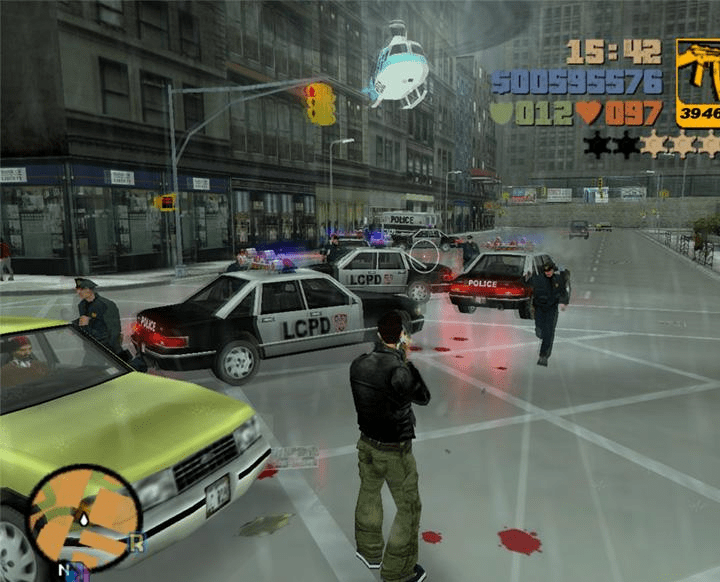
We’ve got another on the list: The Godfather is Mid. And depending on who you ask, this is either sacrilegious or moot. It’s an influential novel and movie trilogy. It adds nuance to otherwise dastardly characters. It’s a source of inspiration for numerous directors on the big and small screens, but to me, much of this is a little lost in translation. It’s like playing GTA III after reading a list of all the game that have drawn inspiration from it, narratively or mechanically.
It’s not so much that I think it’s unbelievable (as in the laws of logic would never allow it), or that I think it’s terrible (clearly false), or that I’m saying it’s overrated, though others have said that before. It’s more like before and since The Godfather, there’ve been truckloads of mobster movies that I think did better than The Godfather. It might be the emphasis on subtlety that bogs it down for me, but a visual medium like film–while capable of telling instead of showing–should still show instead of tell, or in this case, show more than it tells. From what I remember it was 2/3s tell and 1/3 show.
But it does its job phenomenally well. Inspiration, references, inside jokes (even bad ones); I haven’t found a single person who hasn’t heard of the franchise in one form or another. It took the tropes of the old 1930s and 40s noir films and put new spins on them while also inventing some of their own. Watch a mobster movie or TV show made in recent memory, there’s a good chance that it’ll draw at least one thing from Mario Puzo’s novels or Francis Ford Coppola’s movies.
At this point, I’ve thrown shade at a big movie, suggesting I think there’s something better. Well, not exactly better but more so one I like a whole lot more than The Godfather:
For this one, I was a bit late. The other stuff I’d known about for years; I was first introduced to Black Mass the year it’s film adaptation released.
Channel: Warner Bros. Pictures
In the lead up to the release I read the book by Boston Globe journalists Dick Lehr and Gerard O’Neill, intent on getting the full story of it’s star, James “Whitey” Bulger. Interestingly, the movie released a few years after the F.B.I. closed in on him in the summer of 2011 after 12 years on the lam. At first, I thought that the idea was exercised shortly after his arrest in California, but ever since the book was published in 2000 (and of course re-released 15 years later for marketing purposes), different ideas were thrown around to get an adaptation off the ground, but they didn’t exactly take off until 2015.
For my take, I’m sort of glad we got the final product that year as opposed to, say 2005. The movie mostly focuses on Whitey’s activities between 1975 and the mid-80s, but the epilogue detailing Whitey’s and his associates’ fates after the fun’s over is what sticks with me. Some of them snitched and got comparatively lenient sentences, others were thrown in jail for life or were sentenced with lifelong shame for colluding with Whitey Bulger himself, and the rest of the snitches were released earlier than the others for cooperation and continual good behavior.
As for Whitey himself, well as previously mentioned, an unnamed source warned the F.B.I. field office in L.A. that he was seen in Santa Monica, and he faced the consequences of his actions to the tune of two life sentences plus five years and a civil asset forfeiture of his riches totaling $25.2 million and another $19.5 million in restitution. Unfortunately for him, he’d fully serve these sentences on October 30, 2018 when he was bludgeoned to death by another inmate. Seems it was only fitting that his end was as grizzly as his life and leadership of the Winter Hill Gang.
As it stands, this is really the only mobster story that concerns an Irish mobster instead of Italian ones, and I’m always looking for stories on other mobsters the world over, not necessarily Cosa Nostra style. As of writing this, I’m trying to do some research on the Triads and the Yakuza for a story idea I have set in East Asia and concerning some of these characters. Fingers crossed, the research I do on these serves me well when I open a new Word document and get to typing. And it’ll also serve me when it comes to researching organized crime in other parts of the world. I know that they’re all there, it’s just that perhaps that I’m a New Yorker, a resident of the city where arguably the Mafia started and thrived, the origins of the Mafia and subsequent media genres thrives in this city, and most mobsters here being Italian or Jewish (see Kosher Nostra/Jewish-American organized crime for more details) sort of colors my view and at times my expectations of organized crime rackets, even fictional ones I hear about or create myself.
I also want to give a few honorable mentions to a few other properties I either haven’t seen but heard were good or I have seen but haven’t given them a proper ranking yet.
Casino (1995) — owing to what I’d been talking about with mobsters inspiring Hollywood, Frank Rosenthal’s gambling prospects were an interesting choice that I believe paid off quite well.
Fear and Loathing in Las Vegas (1998) — it meets my personal criteria of a crime movie and while I’ve neither read the book nor watched the movie, the premise seems like it’s worth a watch or read or both. If you’ve read the book, watched the movie, or both, don’t spoil me. I wanna go in blind.
To Live and Die in Los Angeles (1988) — also meets my criteria, but deals more with high crimes. I’ll rank it properly once I see it… in 10 years.
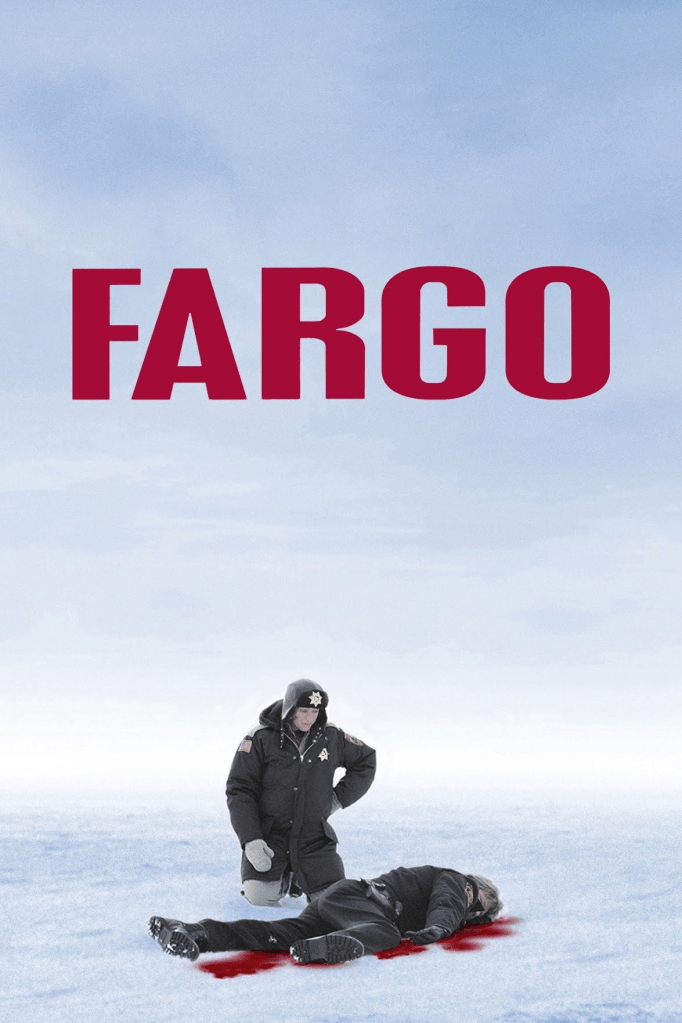
Fargo (1996) — The cinematic equivalent of you don’t have to do anything wrong for a plan to cock up disastrously. If anything, if anyone before this thought the Upper Midwest was to chaste for criminal behavior than digging through news archives of high profile crimes should change that perception. Fun fact: I watched this prior to typing my third manuscript. I anticipated a few scenes where the characters would pass the time talking about recently released movies and this was up there along with Waterworld, Fatal Attraction, and Pretty Woman. Fargo didn’t make the cut, as I recall.
Miller’s Crossing (1990) — You can’t really go wrong with the Coen brothers. The synopsis itself sounds quite complicated, wait ’til I see it in action; and finally;
No Country For Old Men (2007) — another Coen bros. flick, I saw this at a relative’s house a few years ago, and as cool as it was then, I think it’s worth a rewatch. I don’t know why films did and some still do this, but quiet mumbling as dialogue interspersed with operatic action noise is goddamn annoying. Dramatic or not, it makes me feel like I’m getting long in the tooth when a dialogue scene is near mute while the action scenes have the loudness of artillery volley fire.
Quite a list to try and rank properly. Maybe I’ll come back to this in the future.
Hello, subscribers and tourists catching this on the fly. I’m known as the one who publishes ironically non-controversial takes on entertainment, mostly video games and animanga as of late. As I recall, the only hot takes I have on hand are these three:
1. Kratos did nothing wrong (sorta)
2. Boruto is slightly above average, and;
3. Chainsaw Man was predictable (to me)
And some others that might be expressed in the future. I’m writing to inform you all of something I should have updated everyone on in October 2023. After ten long years, I’d finally self-published my book. It’s called Dawn of Freedom. It’s a fictional crime story set in the early 2010s in New York, which was modern-day when I wrote it years ago. I’d struggled trying to navigate the publishing world and had to rewrite the manuscript multiple times, but I pushed through and saw it come to print. If you’d like to check it out, I have an Amazon link below for you.
I’ve come across a lot of manga series over the years, and while I don’t remember all of them, if I had something similar to My Anime List, I’d probably rank the ones I’ve read or heard of in terms of read (past tense), reading, going to read, or no interest; and based on what I’ve recommended across this blog this year, I’d say that there’s going to be a lot of series that the average manga reader has never heard of or can’t find through conventional means. However long you’ve read manga or watched some of their corresponding anime, you’ve undeniably heard of series like Naruto, Bleach, Dragon Ball, or One Piece. And you know some recent trendsetters by name: Attack on Titan, Sword Art Online, KonoSuba, My Hero Academia, etc.
But be honest with me: before reading some of my entries from this year, did you ever know about Wave, Listen to Me? Or Rokudenashi Blues? How about House of Five Leaves? Mashle? Black Torch? No? Well, that’s to be expected. Some of these have only recently gotten their well-earned press and praise and the others rode that ship ages ago. Rokudenashi, for instance, is from the 1980s and it shows.
Only JoJo’s Bizarre Adventure still looks like this.
This quest of mine to find and screen through manga we’ve never heard of or haven’t heard much about is in equal measures personal and exciting. Personally, I don’t mind much of the series that get praised online these days or even IRL, but sometimes the praise can be a bit much. Although I enjoyed Chainsaw Man, my previous excursion with Black Torch by Tsuyoshi Takaki subconsciously colored my perception of the anime. It took me a while to realize how similar they were in structure, but fortunately for Tatsuki Fujimoto, CSM is more comical in comparison. Takaki’s manga seems to have been a victim of the times.
As for the excitement, call it the general sense of joy that comes with discovering something new. And it’s not these are hard to find. Google and Bing are likely to have them indexed and sites like Mangadex may have it in the archives. As for discovering the series myself, some series were the result of accidental Google searches. Others came from digging through the Manga Plus front page or reading an article about supposedly underrated series.
This one specifically came from when I was trying to Google Do You Love Your Mom, AKA the MILF-sekai.
Alternatively, there’s online forums dedicated to discussing manga, the most common one for me being Reddit. It is worth keeping in mind that sites like this will have a younger audience (i.e. early middle school to middle high school age), so what was popular when you were graduating is gonna be seen as old by the time some of these users are your age. I’m writing from personal experience and the weight of this gap is felt for me, but hey, at least Yu-Gi-Oh! and Pokémon still make the rounds, even through memes.
Another point to bear in mind is availability. There’s a difference between knowing the name of a series and knowing where to read it. Mangadex is a weeb’s go-to for series that are running but can’t be easily found, but there’s a chance the series in particular is available to the public in some form or another elsewhere. The only barrier in that aspect would perhaps be the age of the reader or just a trip to the local bookstore. Any Barnes & Noble employee worth their salt would know better than to let a high schooler go home with a raunchy series, but let’s be real there’s always a loophole. Grab a friend who’s older than 18 or go online like everyone else.
Going back to Mangadex, there’s no shortage there of the big four genres of Shonen, Seinen, Shojo and Josei, but if you want something 18+/hentai, then Mangadex will not help you. Even these sites have their limits, and that’s fine. Digging through a pirate site that’ll have what you’re looking for is tricky. In my experience, some pirate sites are overridden with pop-up ads that open a new tab bursting with malware, and it isn’t always when looking for hentai. Some Korean manhwa get scanned and translated into multiple languages by groups advertising these services on donation/contributor sites like Patreon, and many of the pirate sites that they end up on are all third party hosts.
Other sites like Webtoon or Toomics do host them free of all the issues that come with a pirate site, but sometimes have a string or two attached. I’m not lambasting these sites for putting walls up to entry. That’s what deserves praise. It may sound odd of me to admit to pirating while also condemning it, but I’ve been clear on where I stand on that. For some things that, thanks to the passage of time, have grown increasingly difficult to find conventionally, piracy is the most convenient* way to experience it firsthand; and I apply these same rules for series that have concluded or ongoing series that aren’t available in your region (*it’s not always reliable though).
For something ongoing, general or NSFW audience notwithstanding, if you’ve got the means to do so, it’s heavily implored that official releases are supported and as tempting as it is to head for the raw, untranslated version, I won’t act like I have the authority to stop you but for some series, unless you can read and speak fluent Japanese or Korean, I don’t recommend pulling double duty running the dialogue and speech bubbles through Google Translate. Depending on how it’s written, straight translations will contain slang and references that are gonna get lost that way. Translate has gotten better over the years, but it’s no substitute for a structured class. And finally, these languages have scripts that can and do show up as calligraphic works of art. I find it beautiful, but tracing the damn characters into Translate, especially on mobile, gets tedious quickly.
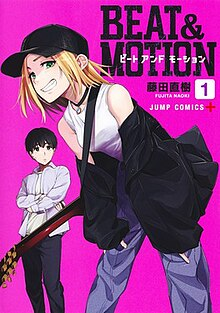
Now I’ve not abandoned or wholly used uncommon means of getting to my favorite series. I recently downloaded the Shonen Jump app on my phone and I have a tab on my computer logged into Manga Plus, and true to the title of this week’s post, I’ve discovered a new manga series that I’d like to explore further called Beat & Motion.
Take this as more of an exploration for how to discover new or underappreciated series and my experiences doing so. My method of doing so, though, is quite slapdash and haphazard, so if there’s a more sensible way of going about this, use that method to the fullest extent. Only go on sites you trust, and please use a VPN of some kind. Opera and its GX variant go a long way, but if you have the means to my recommendations come from those that I’ve seen sponsored on YouTube including but not limited to Dashlane, Atlas, Express, Nord, and Private Internet Access. I like to think everyone is in wide agreement that nothing ruins the fun of reading manga/watching anime more than when a simple mouse click puts you on a site with malware on it.
But of course remember to have fun with what you find.
This series needs no introduction. It’s famous in the animanga circle for its name, its reputation, its characters, its violence and most of all its f[Boost mobile chirp]ng swear count.
Channel: Edwin De Paz
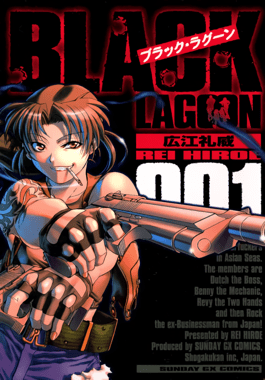
It’s mostly famous by its anime, but it started off as a manga by Rei Hiroe in April 2002 and has run ever since in the Seinen manga magazine Gene-X, for far, far longer than the anime and its OVA ever did. The clip above (which is understandably though unfortunately age-restricted) is one I will see sometimes on YouTube or Reddit because of course. It’s badass, it’s f[monkey screeches]ng awesome, but around the gratuitous gory action is an appropriately mature story.
I don’t remember when or how I learned of Black Lagoon, but I think it was through some WatchMojo clips about anime gunslingers that introduced me to the series, and it wasn’t until I was in the middle of college that I got around to watching it properly. Before we begin describing the series, no matter your opinion on subs or dubs, I heavily implore you to watch it however you can in English. I mean zero disrespect or offense to the original Japanese VAs, but the writing of the dub makes all the swearing necessary. F[gun cocking]k hits far harder in this anime when accompanied by the sounds of a firing range in comparison.
The premise is this: in the mid-1990s, Tokyo-based salaryman 25-year-old Rokuro “Rock” Okajima and a department chief are hijacked in the South China Sea by a trio of pirates onboard the Black Lagoon PT boat and calling themselves Lagoon Company. The chief leaves Rock to his fate and he joins up with Lagoon Company’s members consisting of Vietnam vet Dutch, Chinese-American gunslinger Rebecca “Revy” Lee, and South Florida computer programmer, Benny.
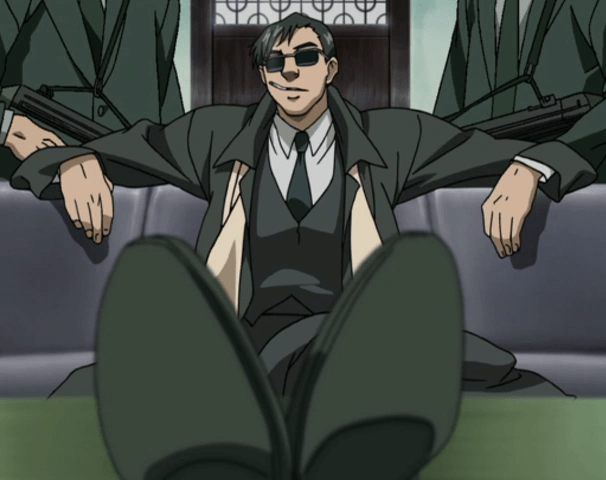
As the fourth face of Lagoon Company, Rock is the glorified diplomat if Dutch is unavailable, especially since there’s an equal or greater amount of time on land than on sea, mostly in the fictional border city of Roanapur, Thailand. This base of theirs is also home to many more organized crime syndicates the world over including but not limited to Colombian cartels, Russian and Sicilian mobs, the Triads, and the Yakuza.
As for the cast of characters Lagoon Company faces, it’s quite a mixed bag. Just about everyone in the story is motivated by coin, though there’s a fair few who have their own ideals and tenets, not all of them savory or agreeable. Criminals, extremist organizations, drug lords, and general psychopaths are drawn like moths to flame.
Hiroe’s inspiration for Black Lagoon was inspired in triplicate: news reports about piracy in the South China Sea from the 1990s (hence the setting), the writing drew from a variety of influence like Stephen King and James Ellroy, filmmakers like Quentin Tarantino and John Woo, and overall crime noir and Hong Kong action cinema, and other mangaka like Kenichi Sonoda who created Gunsmith Cats (another series I wish to cover one day) and Akihiro Ito who created Geobreeders.
The characters and setting are all diverse in appearance and in skillset, especially protagonist Rock who skirts by on a lack of battle sense with the powers of negotiation and diplomacy. The setting of Roanapur among other places would make the guy an ill fit since he’s not really seen as bloodthirsty as the others, but then again, the wider cast of characters is exactly that unpredictable, or (spoiler incoming) you wouldn’t really expect a guy like this to be an arsonist, would you?
Speaking of which, this speaks to the creativity of Hiroe, understanding that there’s no bog-standard look for a criminal. Some dress in suits, others are tattered, and the rest are casually dressed. The same goes for some of the child characters in the show. Conceptually, almost everything is thrown into the kitchen sink when designing a character and putting them in the story.
As for the chapters themselves, Hiroe has stated in interviews that unlike mangaka who release weekly chapters, he employs a slower approach, often taking as long as a month to release a new chapter, and normally for two reasons: to avoid burnout experienced by mangaka of several popular series still running, and also for mental health reasons. For what its worth, if the research for the series has him glued to news screens and snippets combing over crime on international waters, then it can get daunting keeping it plausible yet exciting. Or if its a series of other things that see him taking multiple hiatuses from Black Lagoon, then whatever happens, the series already gets high praise online and in real life from Japanese and western audiences alike, and not to sign a Death Note of sorts, but even in the worst case scenario, his flagship series will progress toward an ending, even if it isn’t him specifically who will finish it.
Someone will be there to finish it, with him or for him. And no matter what, Black Lagoon started with a bang and I sure hope that when it eventually ends, it ends with a f[swords clanging]ng bang.
This week’s recommendation is the YouTube channel RunJDRun.
RunJDRun is the gaming channel of John David “JD” Witherspoon, son of late comedian John Witherspoon. Beginning in June 2009, he hosts Let’s Plays primarily on this channel either by himself or with friends, but also has commentary videos on video games or just in general. JD also has a podcast that he co-hosts with his friend Paul. He normally uploads daily, and like his father, he also has TV appearances and performs stand-up from time to time in the Los Angeles area.



























 Opinions on Entertainment